
Growing Guides ·
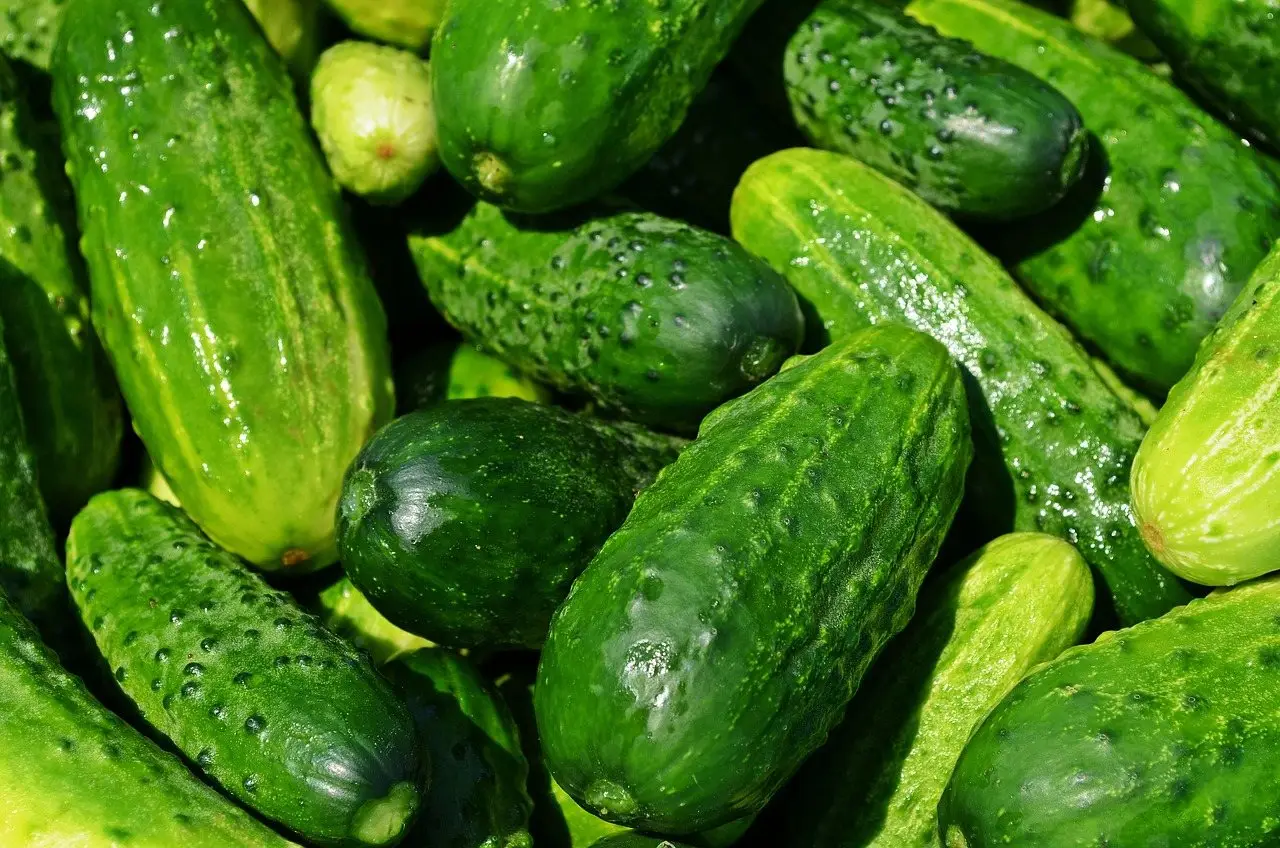
Cucumber Types: Slicing, Pickling, Burpless and Greenhouse
Cucumbers split into four groups that need different handling. Which to grow outdoors, which need glass, and why some turn bitter.
Step-by-step guides to planting, growing, and harvesting food at home — from garlic and tomatoes to berries and herbs.
218 guides
Start here
Planting calendar
Sowing and planting-out windows for 22 crops, counted in weeks from your own last frost rather than fixed to a month. Free, no email needed.
Cucumbers split into four groups that need different handling. Which to grow outdoors, which need glass, and why some turn bitter.
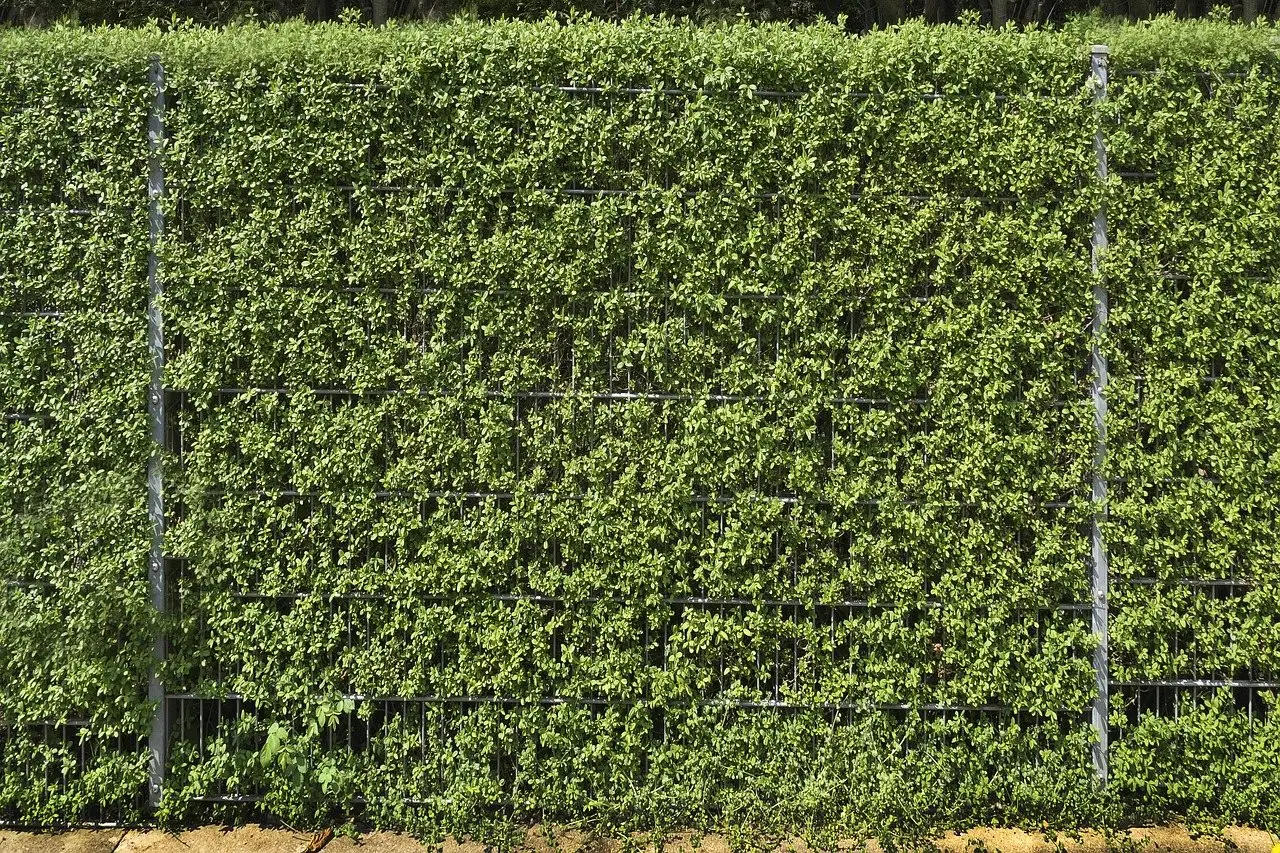
Screening height in two years or ten, depending on what you plant. Growth rates, spacing, final size and the species that become a liability.
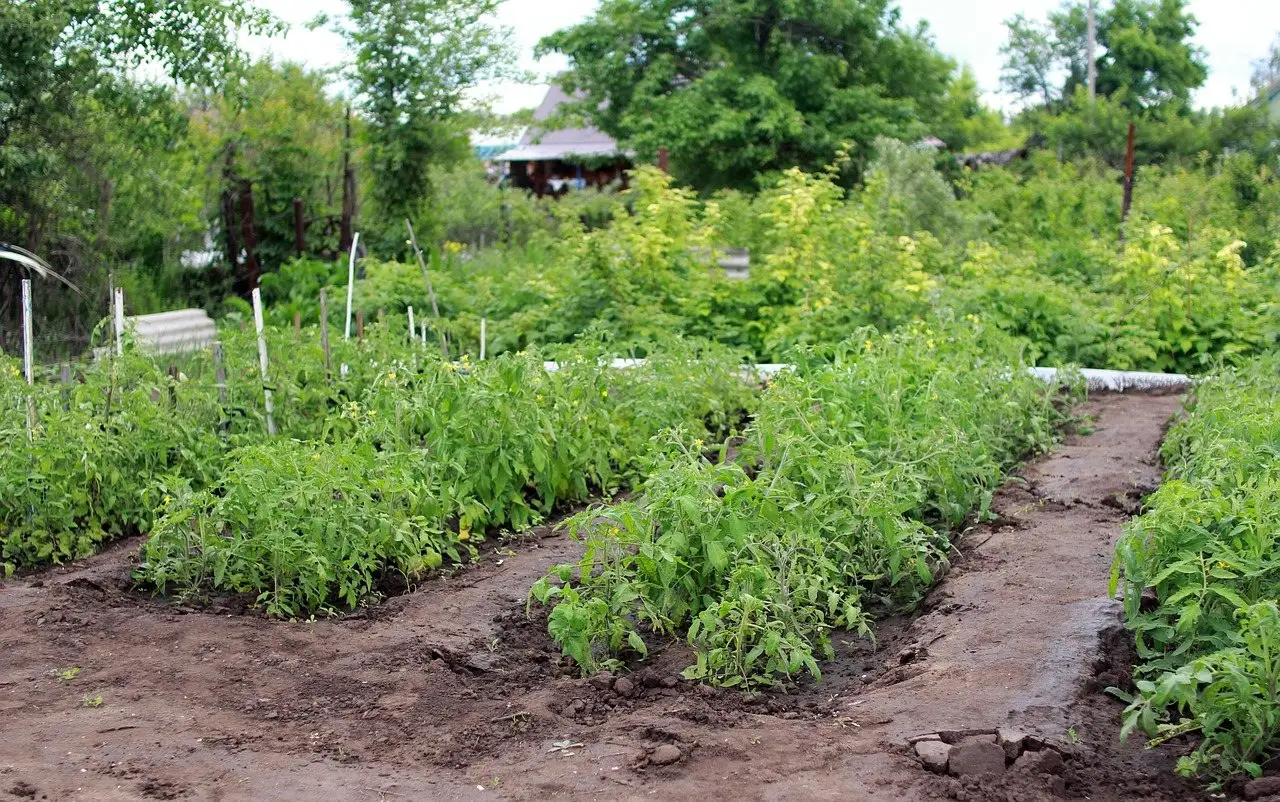
A small plot wastes space on the wrong crops. What returns most per square foot, how to go vertical, and the succession that doubles a season.
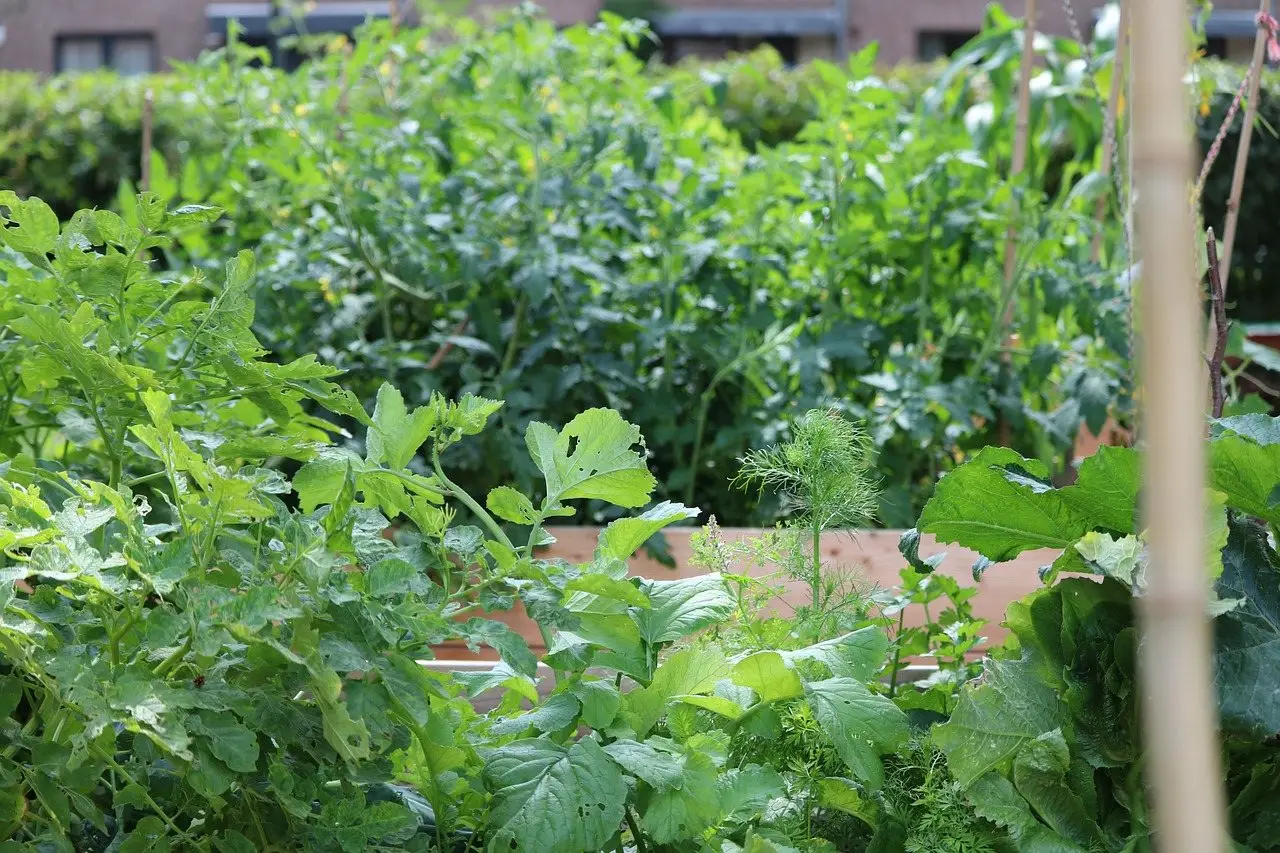
What grows well together in a vegetable garden, by the 4 mechanisms that actually do something. Which pairings have evidence, and which are folklore repeated.
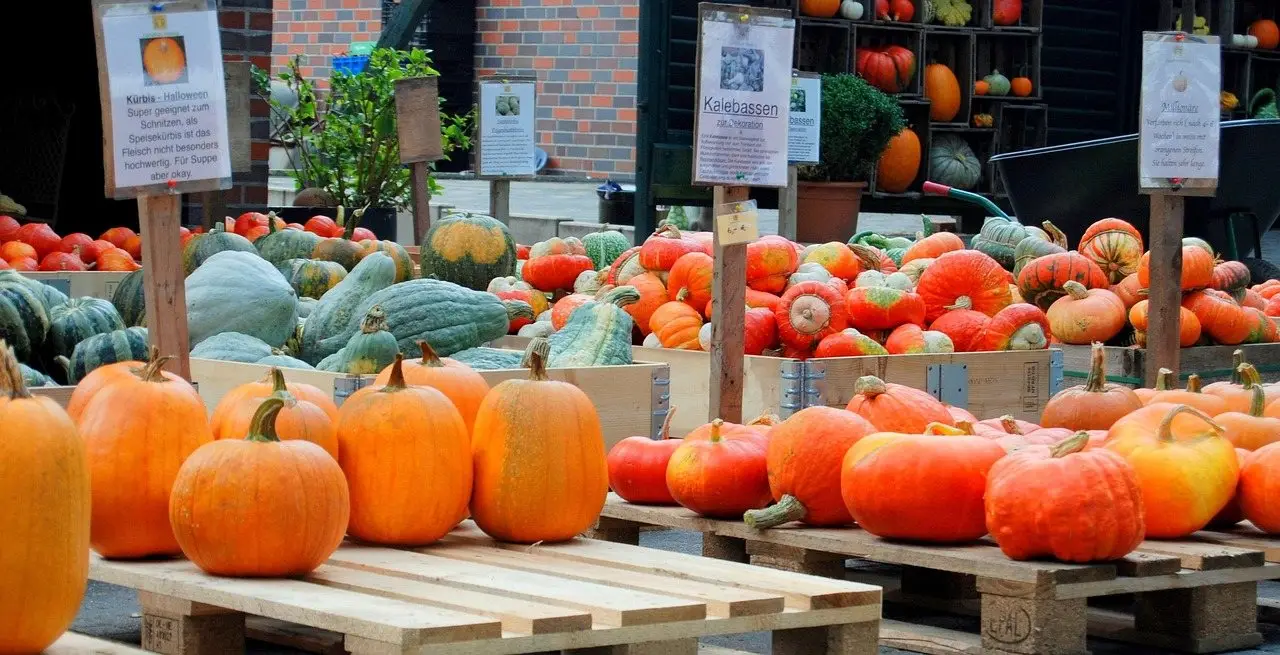
How many varieties of pumpkins are there runs past 150 named types across 5 Cucurbita species. Which group yours belongs to, and what each is good for.
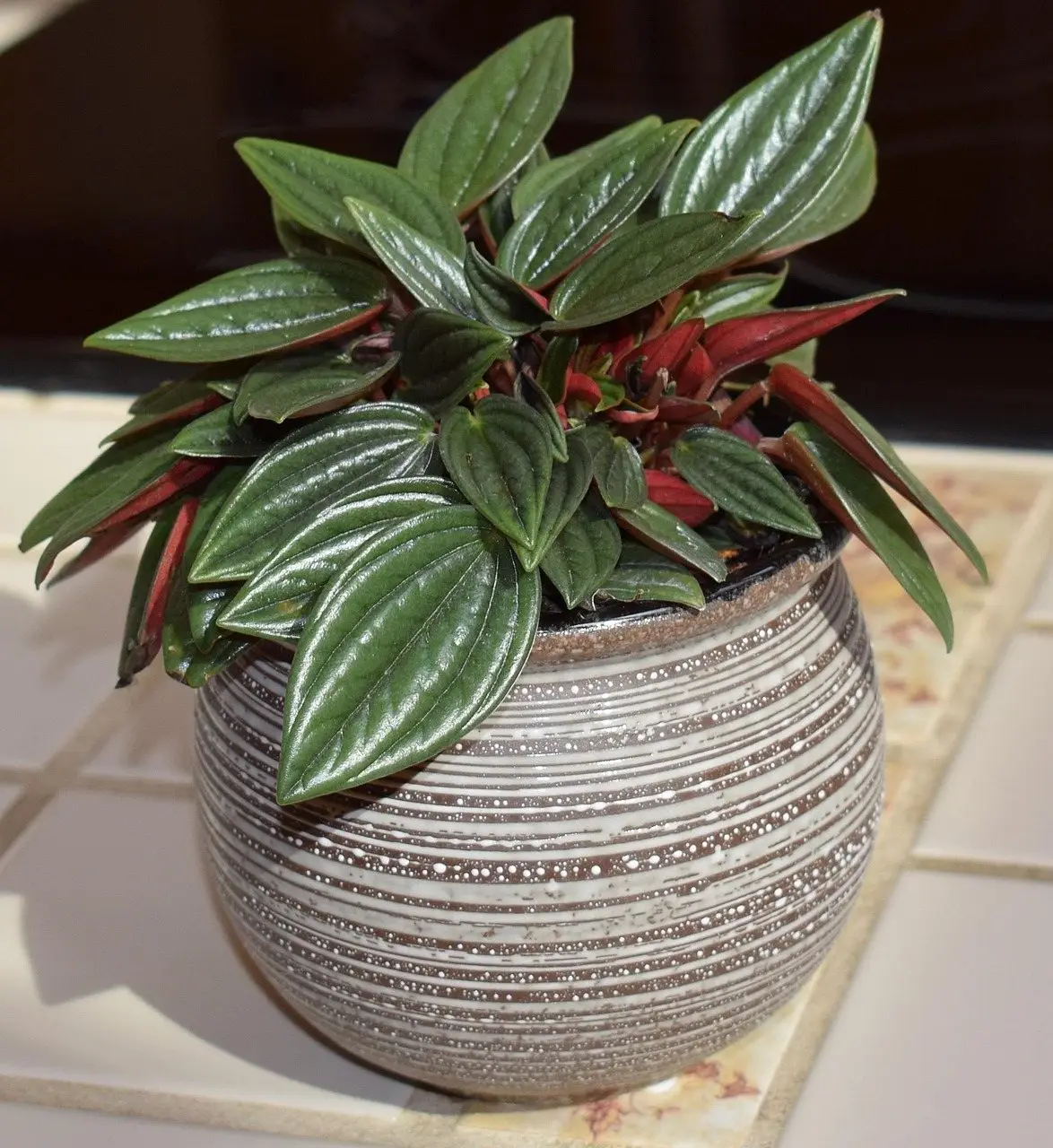
Peperomia varieties number over 1,500 species, but 12 cover the houseplant trade. Which group yours is in decides the watering, and that is the whole job.
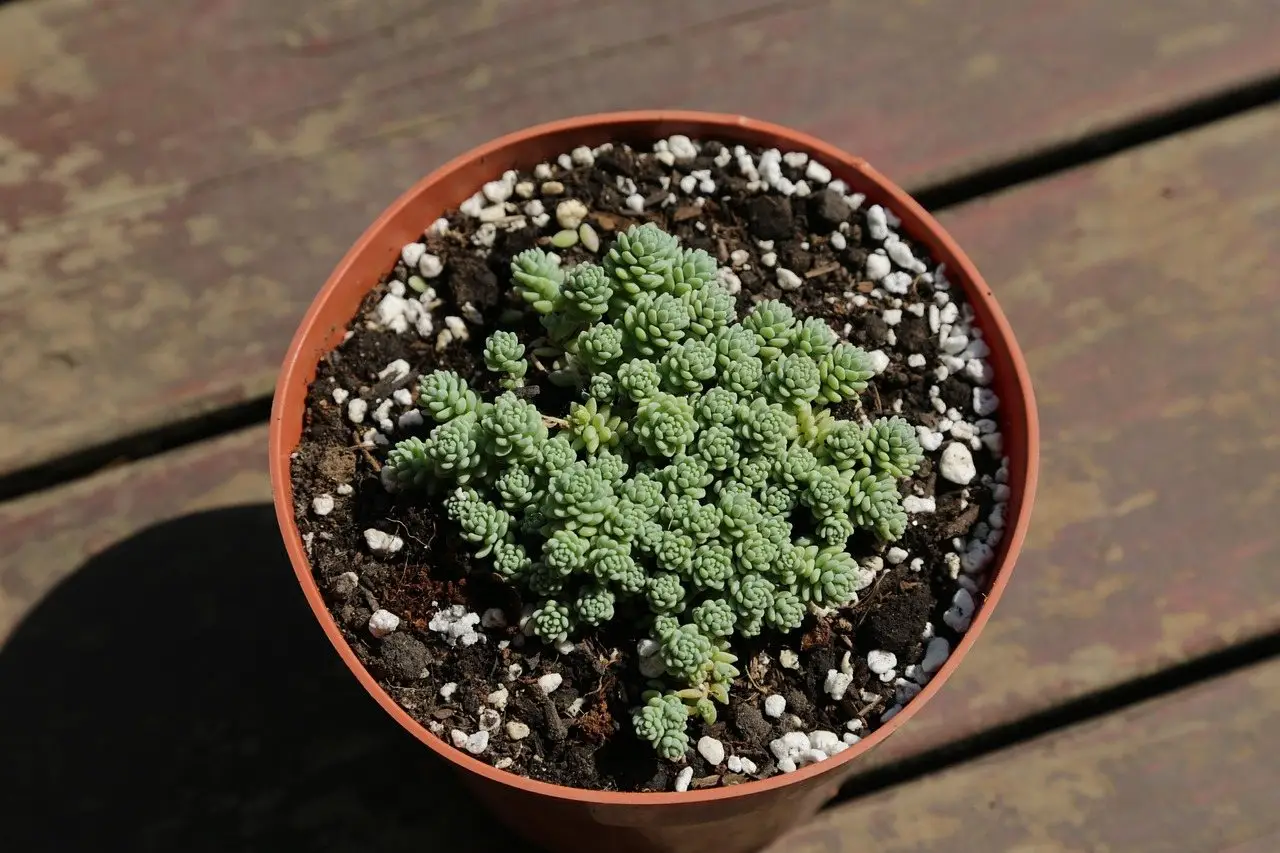
Stonecrop varieties split into upright and creeping sedums, and the 2 groups want different ground. 10 compared on height, hardiness and foot traffic.
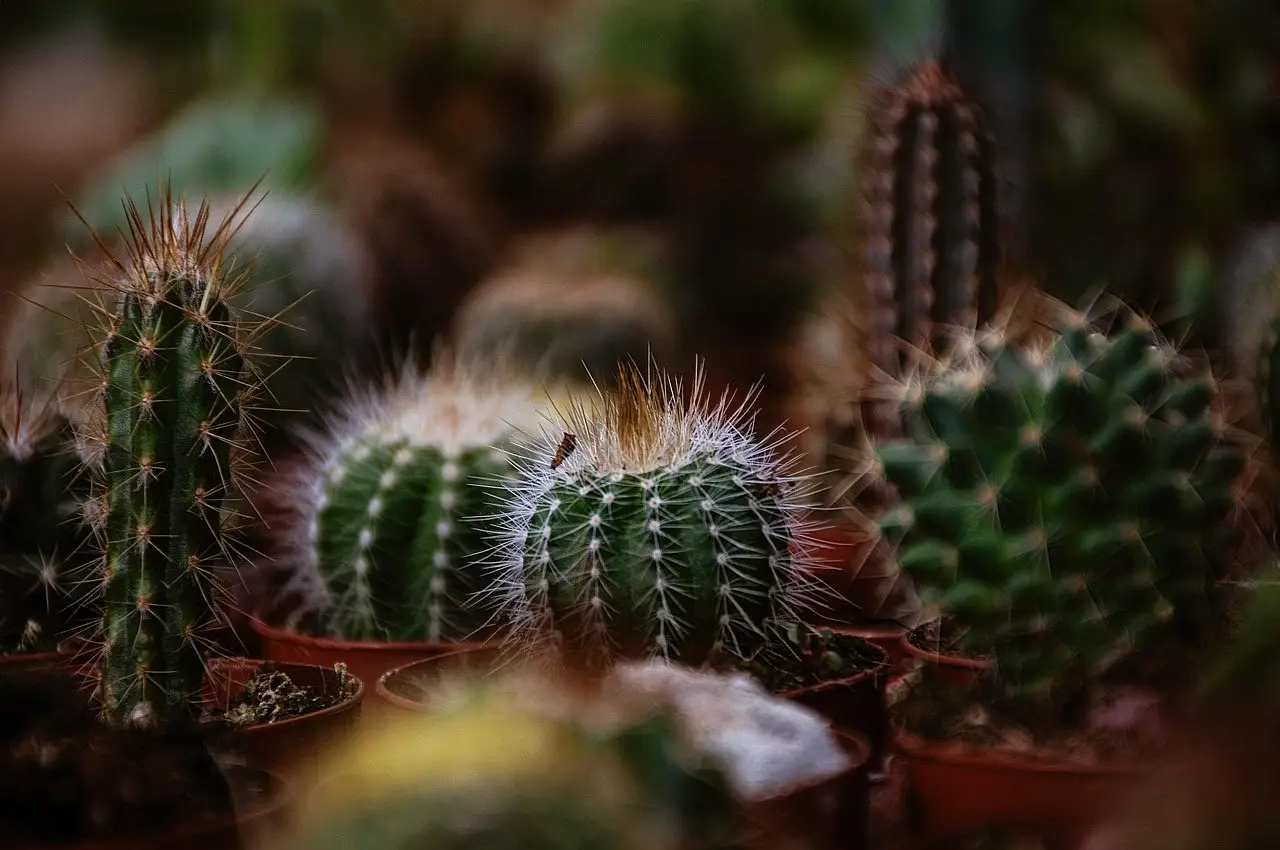
Types of cactus and how to care for them split into 7 groups, and 2 of them want the opposite of desert treatment. Which yours is, and what it changes.
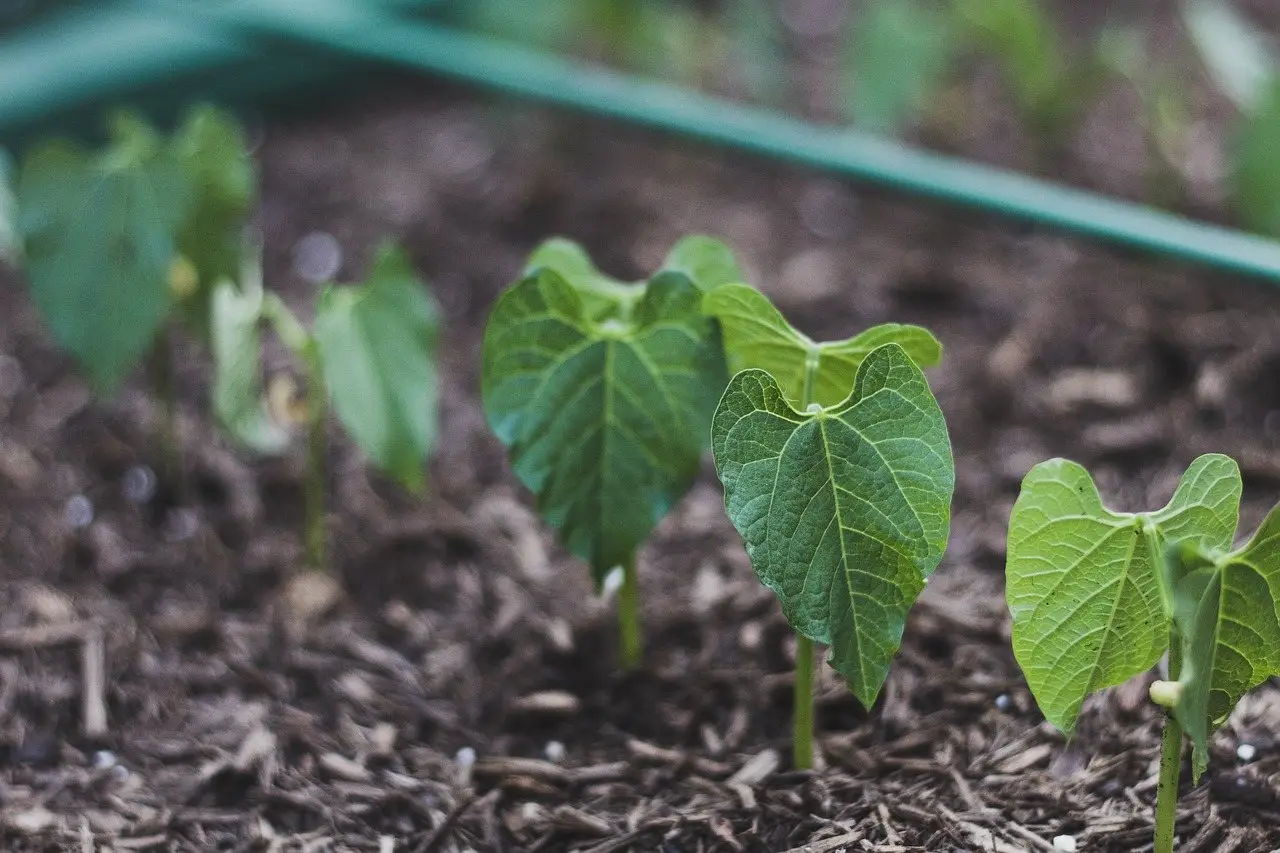
Types of gardening methods come down to 8 real choices, from no-dig to hydroponics. What each costs in space, water and effort, and which fits your ground.
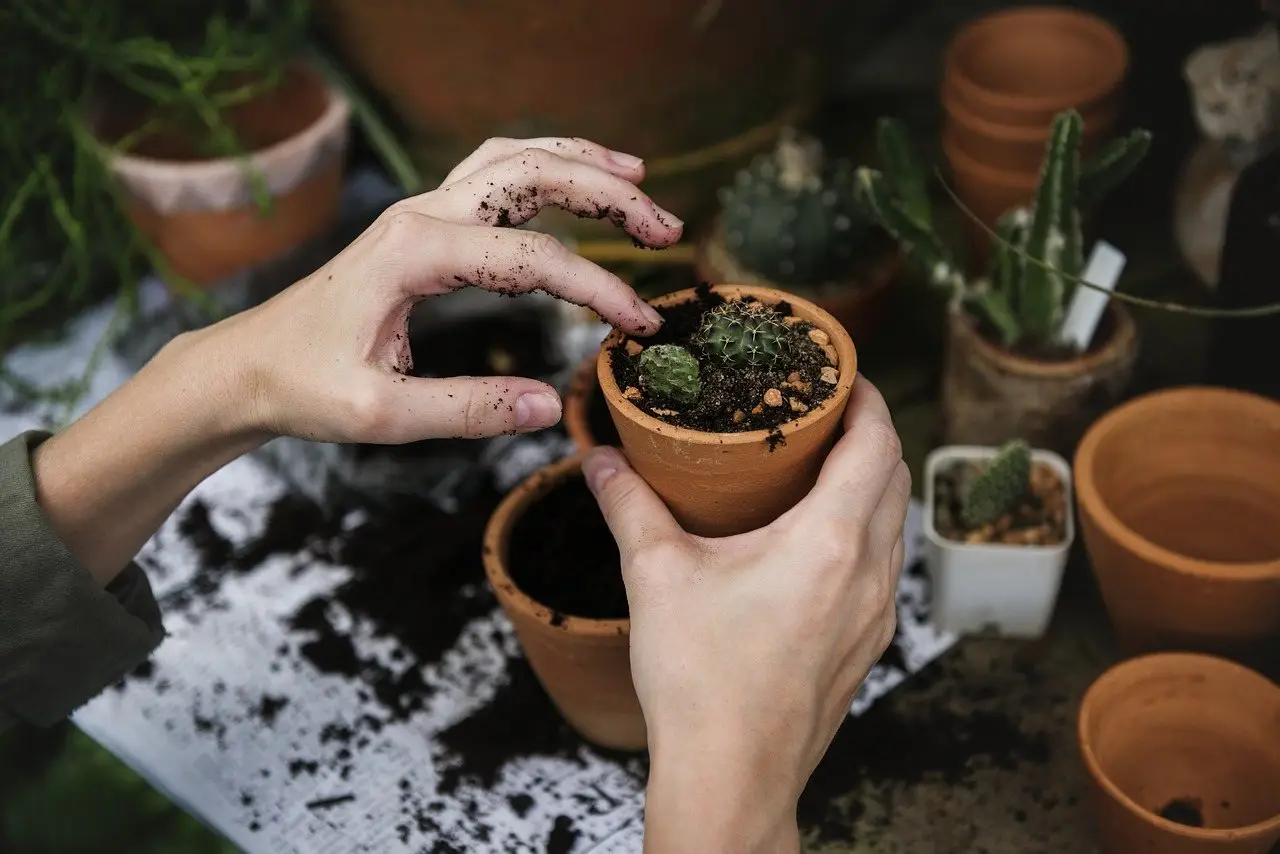
Types of worms in potted plants are mostly harmless decomposers, but 2 of the 6 eat living roots. How to tell them apart before you repot anything.
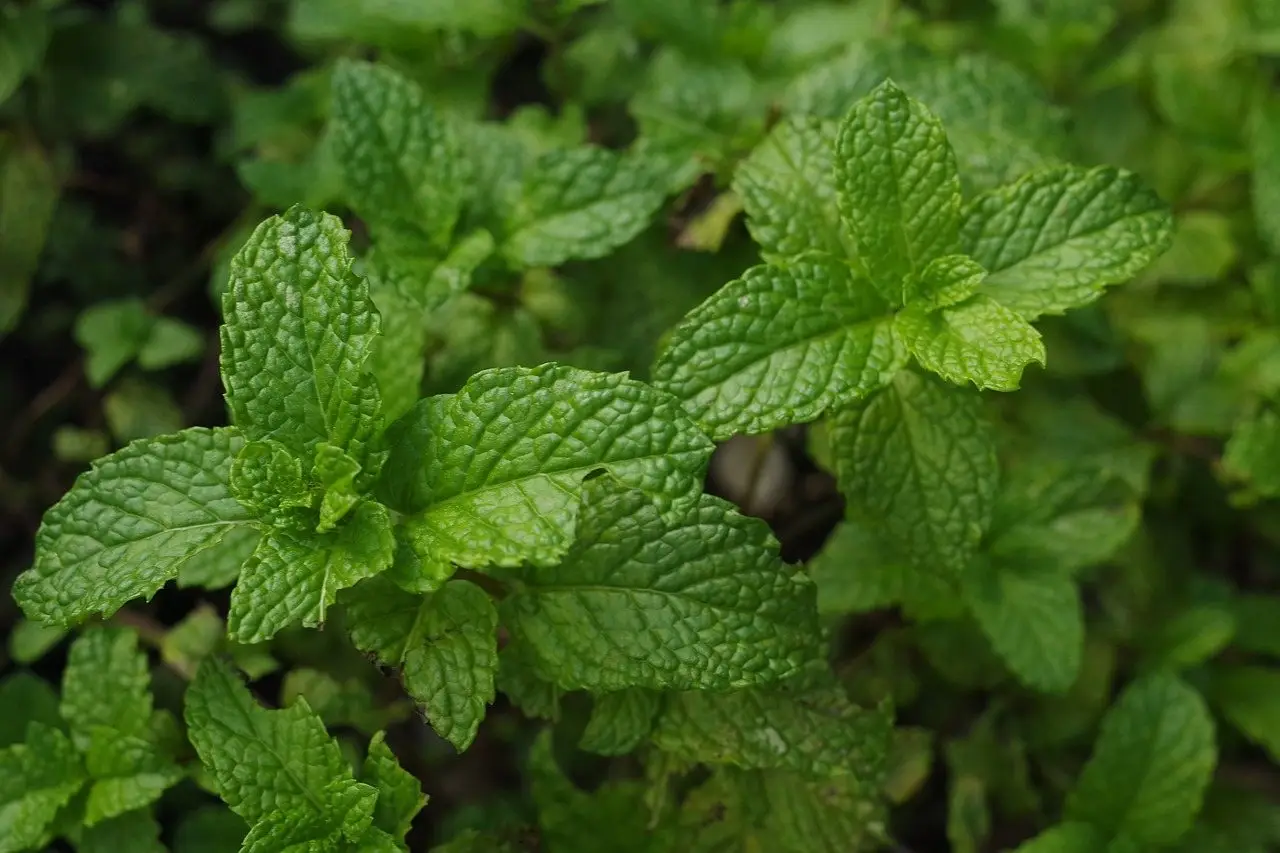
Pick from the top, just above a pair of leaves. Cutting the growing tip makes mint branch into two stems — taking lower leaves does the opposite.
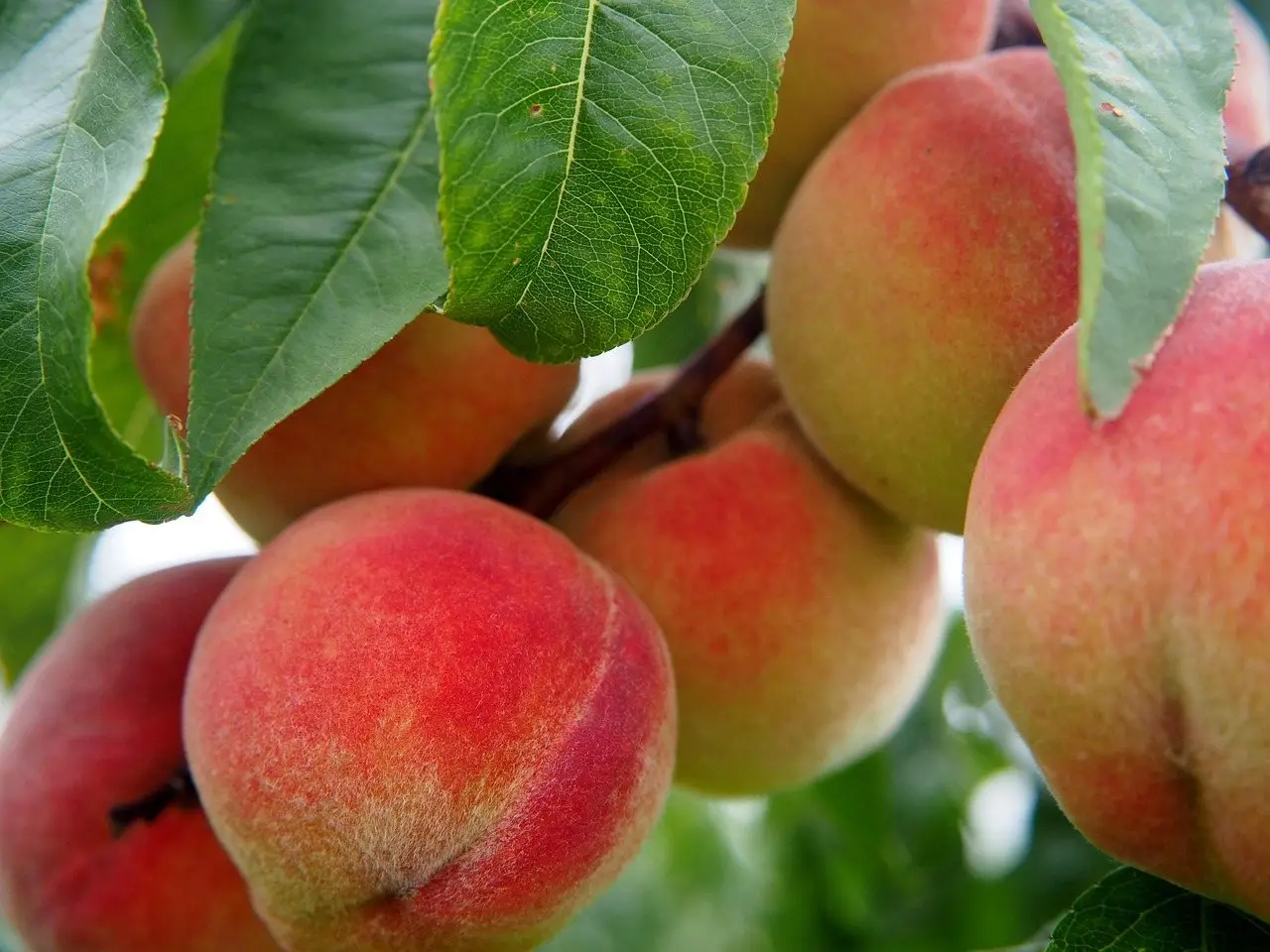
Peach size is set by rootstock, not variety. Standard trees reach 18 to 25 feet, semi-dwarf 12 to 15, and dwarf 8 to 10 — and pruning keeps all of them lower.
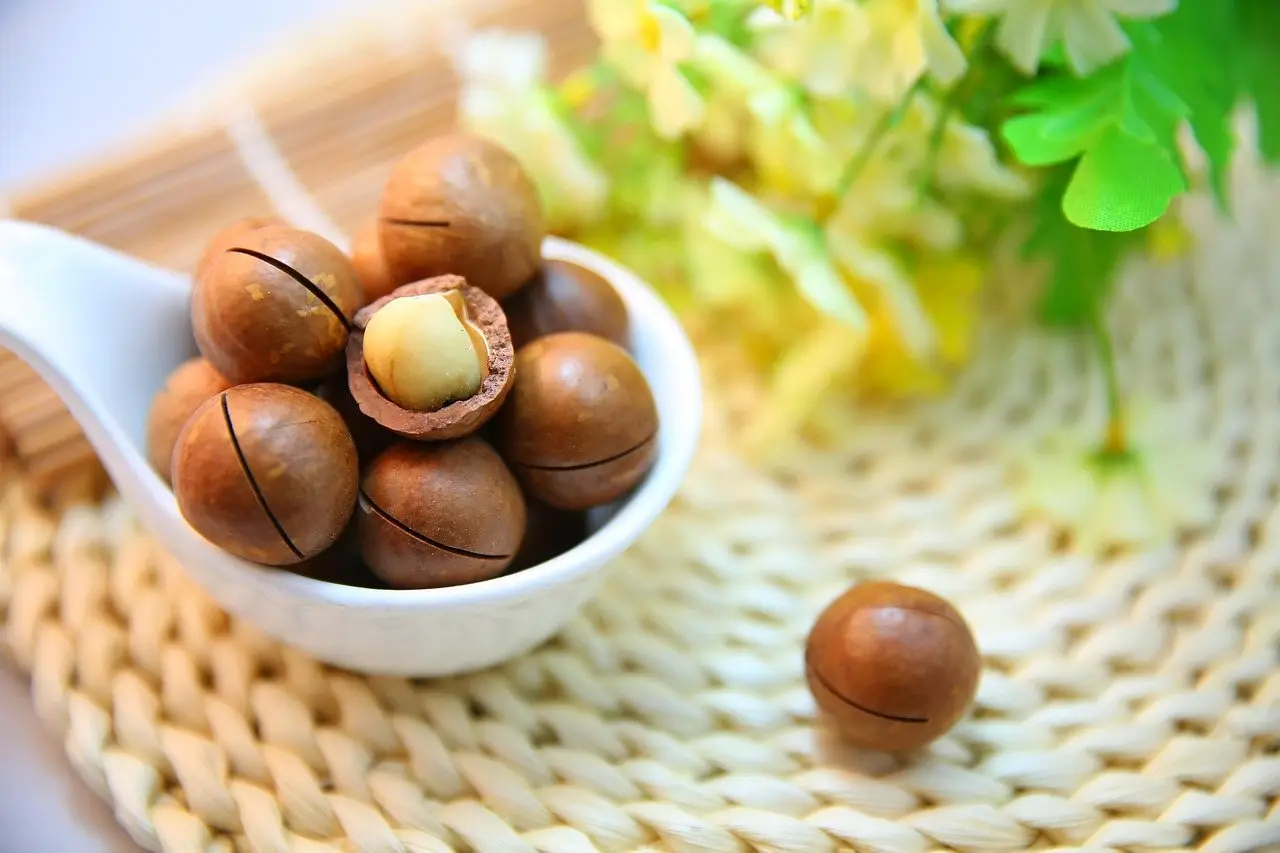
Macadamias grow on evergreen trees that take 7 to 10 years to bear from seed. The nuts drop when ripe — you harvest from the ground, not the branch.
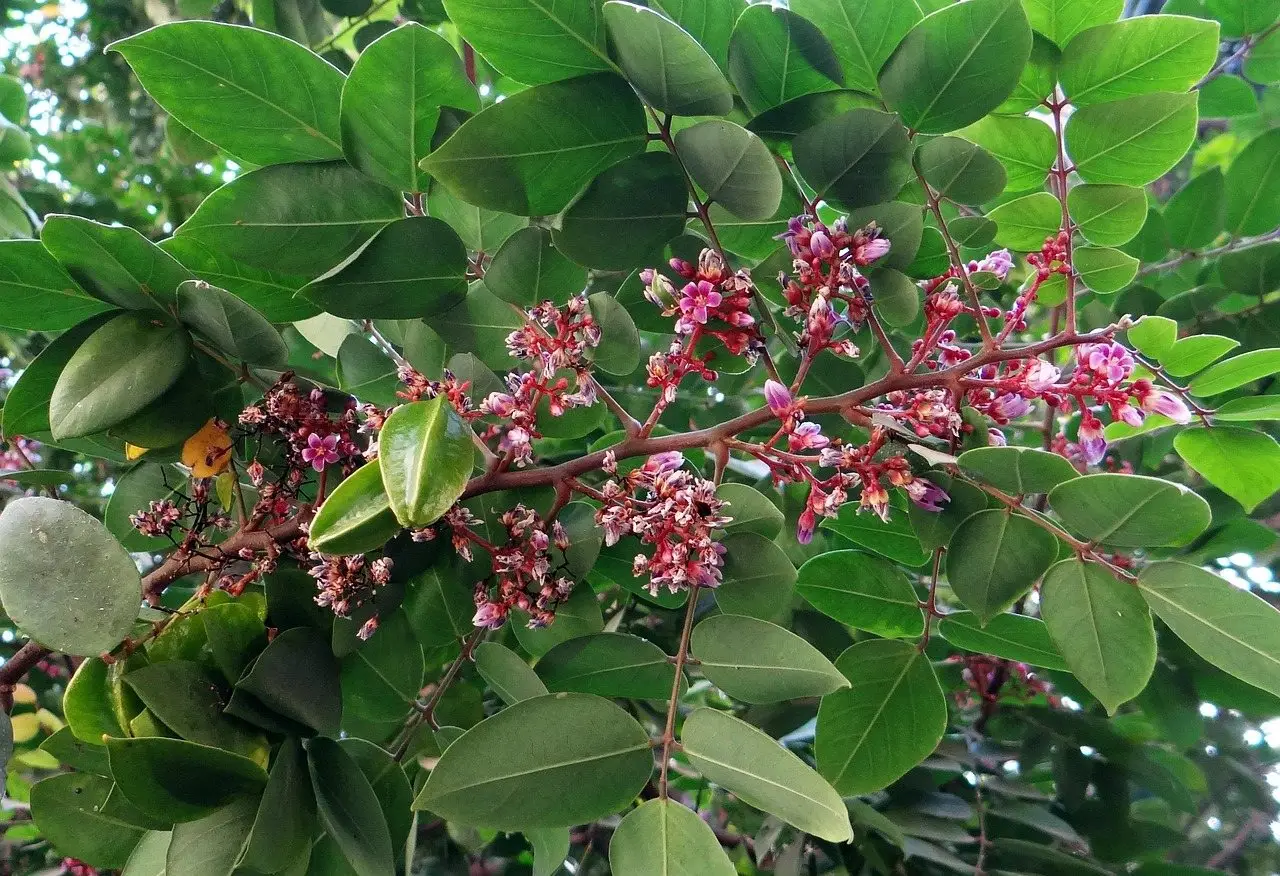
Carambola is a subtropical tree that fruits twice a year and needs no pollinator. The one real caution is oxalate, which matters if kidneys are impaired.
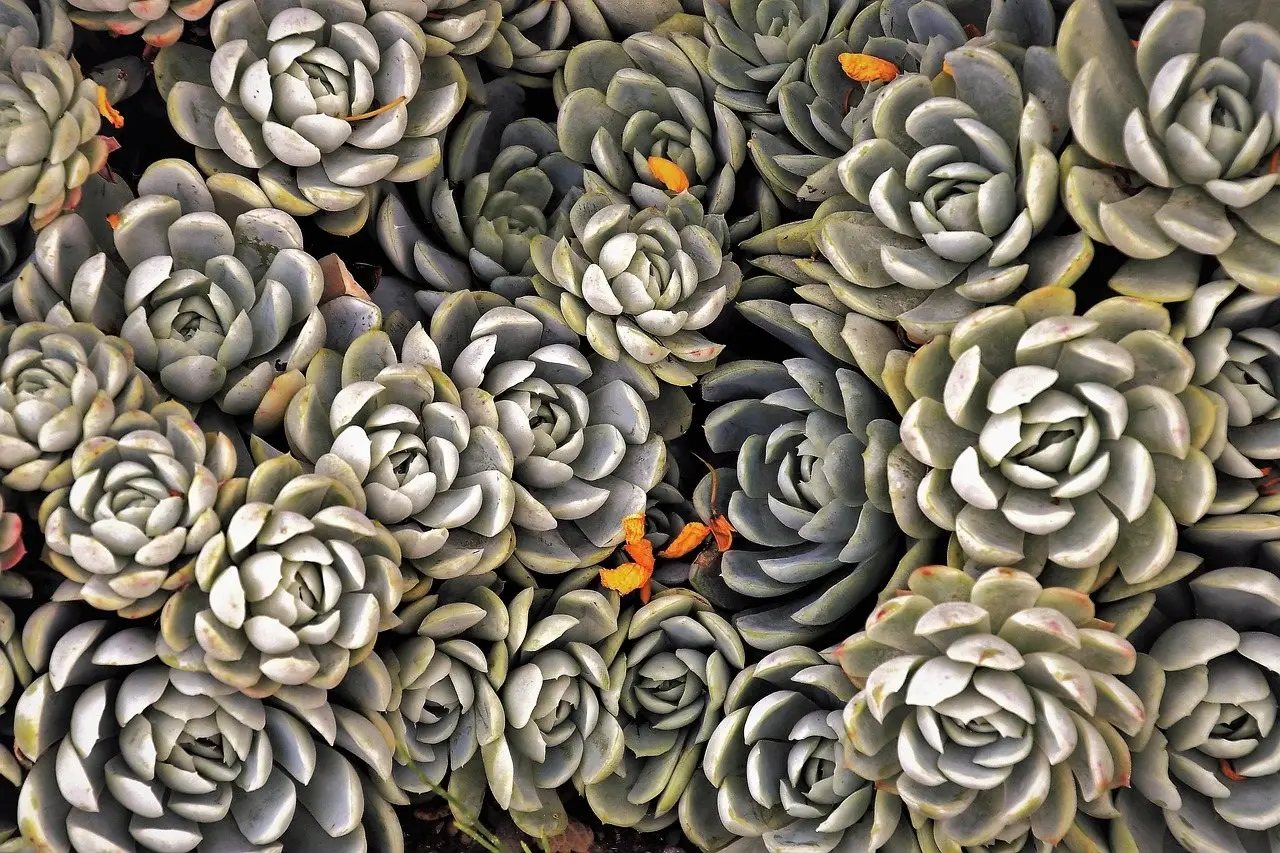
Succulent lifespan runs from one year to several hundred, and it is set by species, not by care. What yours is, and what actually shortens it.
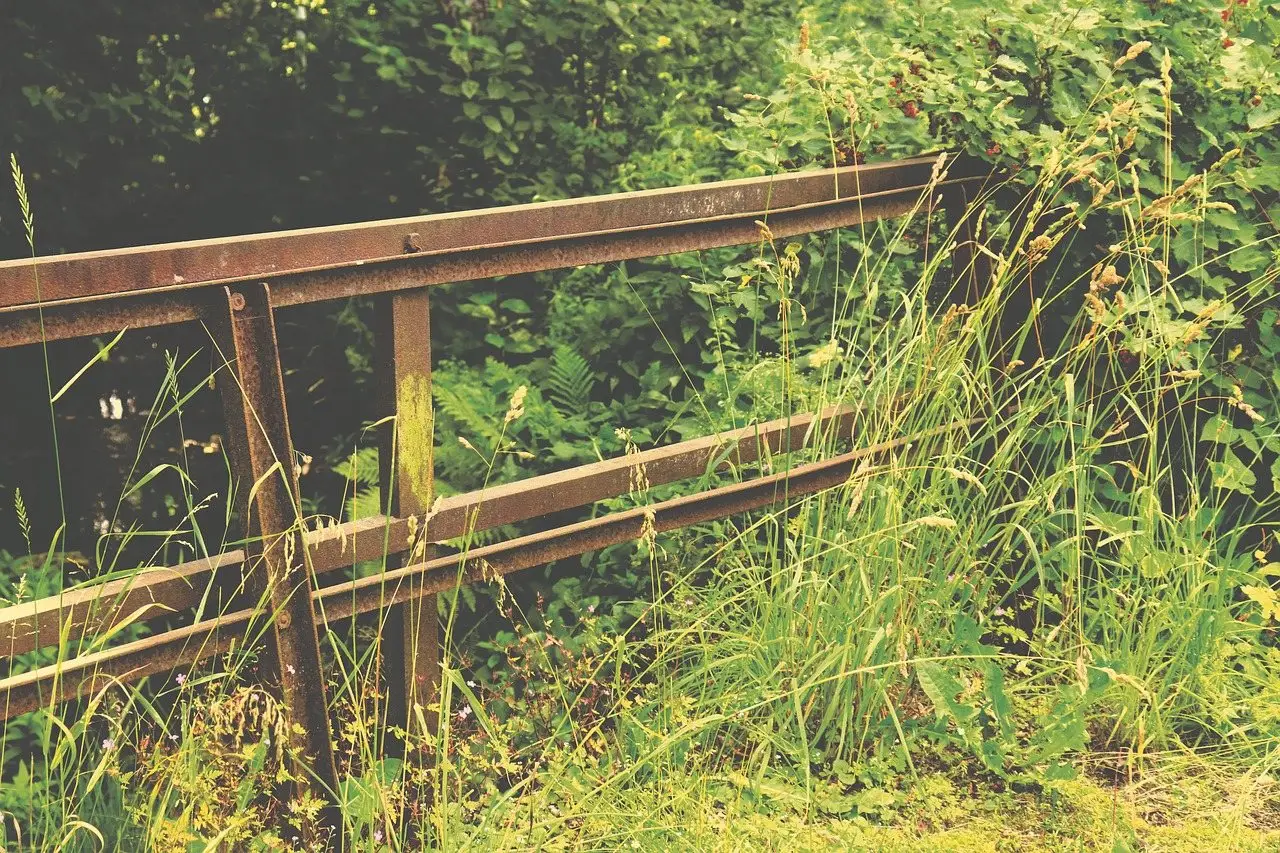
Identify what is there before you cut anything, then clear in one pass with the right tool. Smother what you cannot dig, and never strim blind.
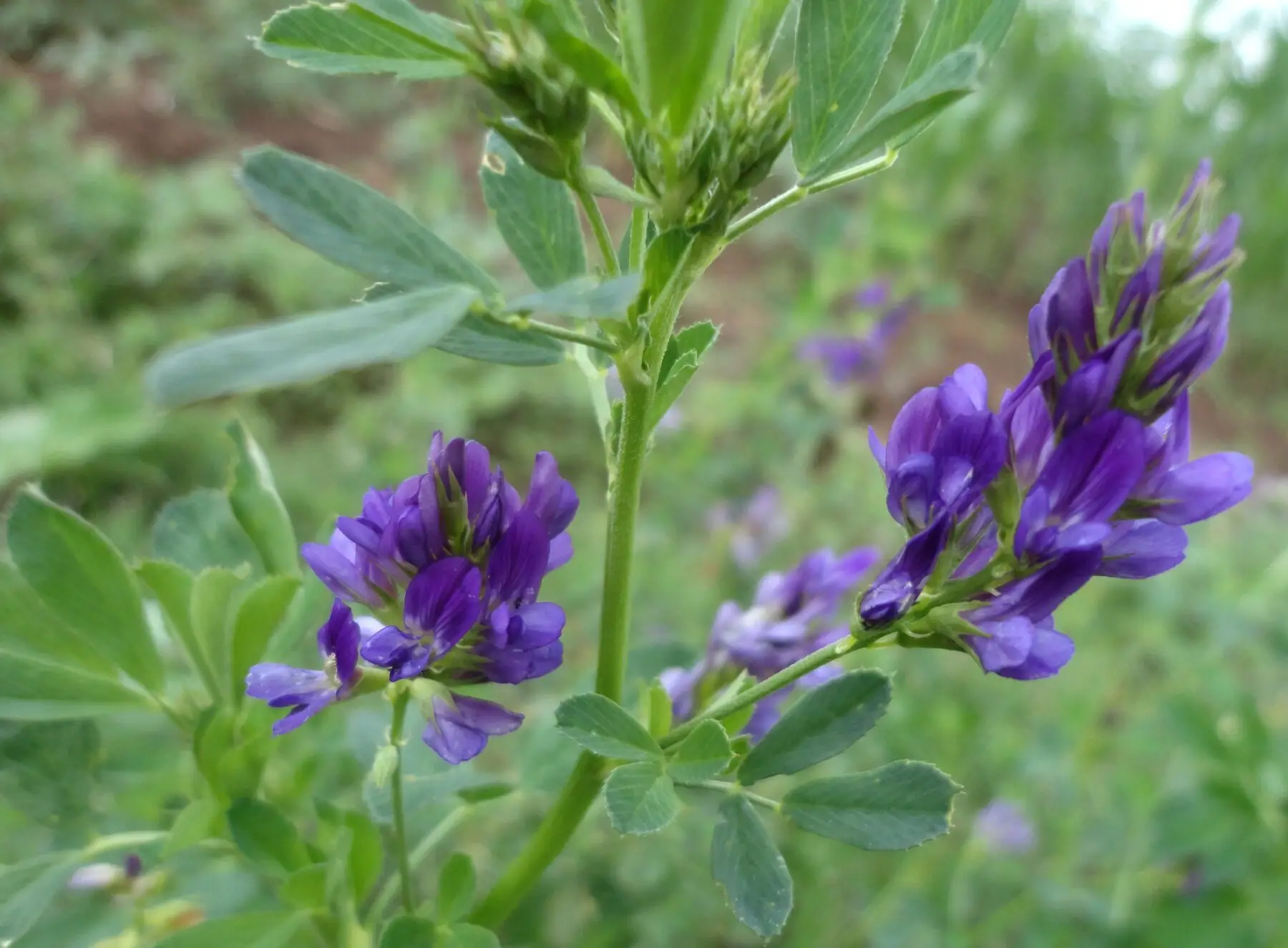
Alfalfa roots 15 feet down and fixes its own nitrogen, but it fails on acid soil. Test and lime before sowing — you cannot fix pH afterwards.
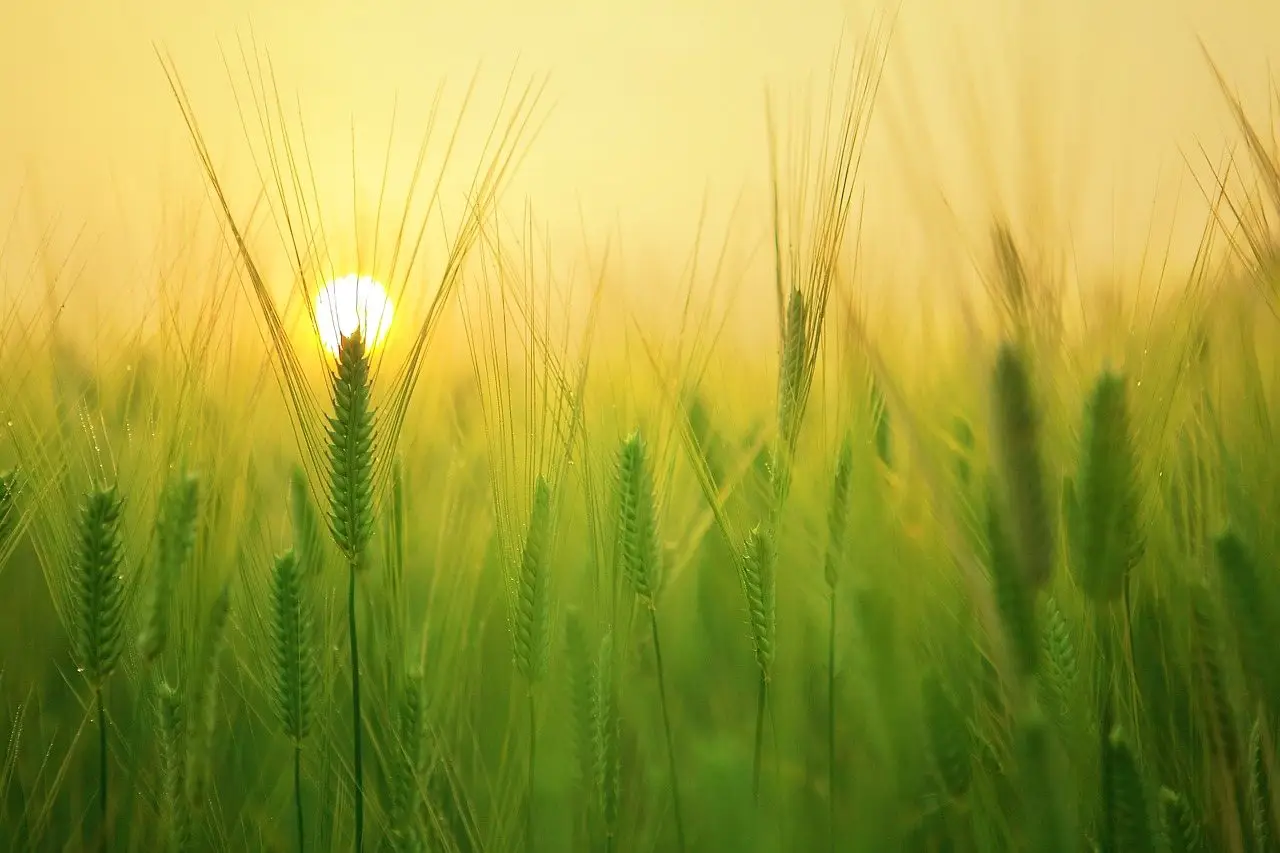
Barley ripens faster than wheat and tolerates poor dry soil. Winter sowing yields more; spring sowing is quicker and safer on heavy ground.
Broccolini is a broccoli-kai lan hybrid grown for side shoots, not a head. Cutting the small central crown early is what triggers the real harvest.
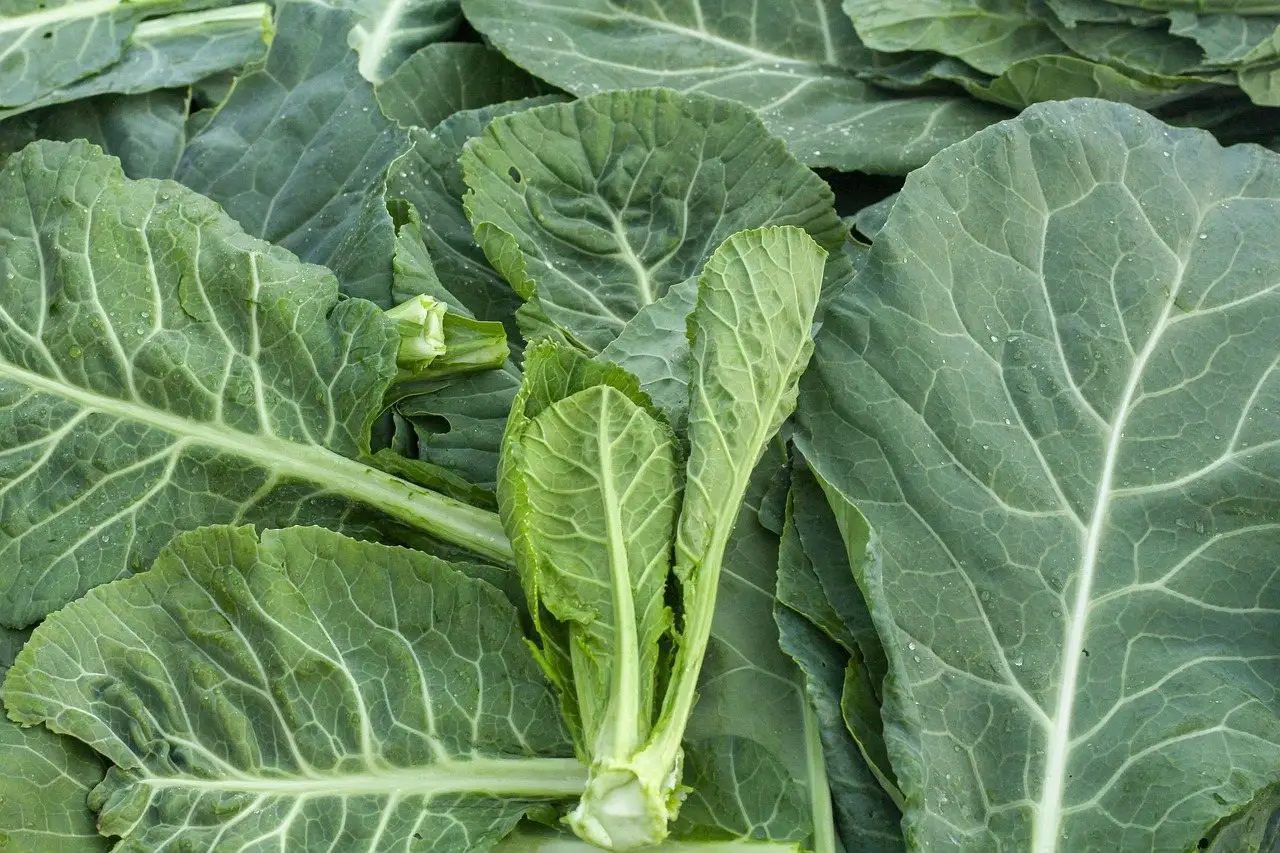
Collards tolerate more heat and more cold than any other brassica, and frost genuinely sweetens them. Sow, space wide, and pick from the bottom up.
Crape myrtle flowers on new wood, so pruning timing decides the display. Full sun and airflow prevent the powdery mildew that spoils most of them.
Jicama needs 150 to 270 frost-free days and a trellis. The vine, leaves, pods and seeds all contain rotenone and are genuinely poisonous.
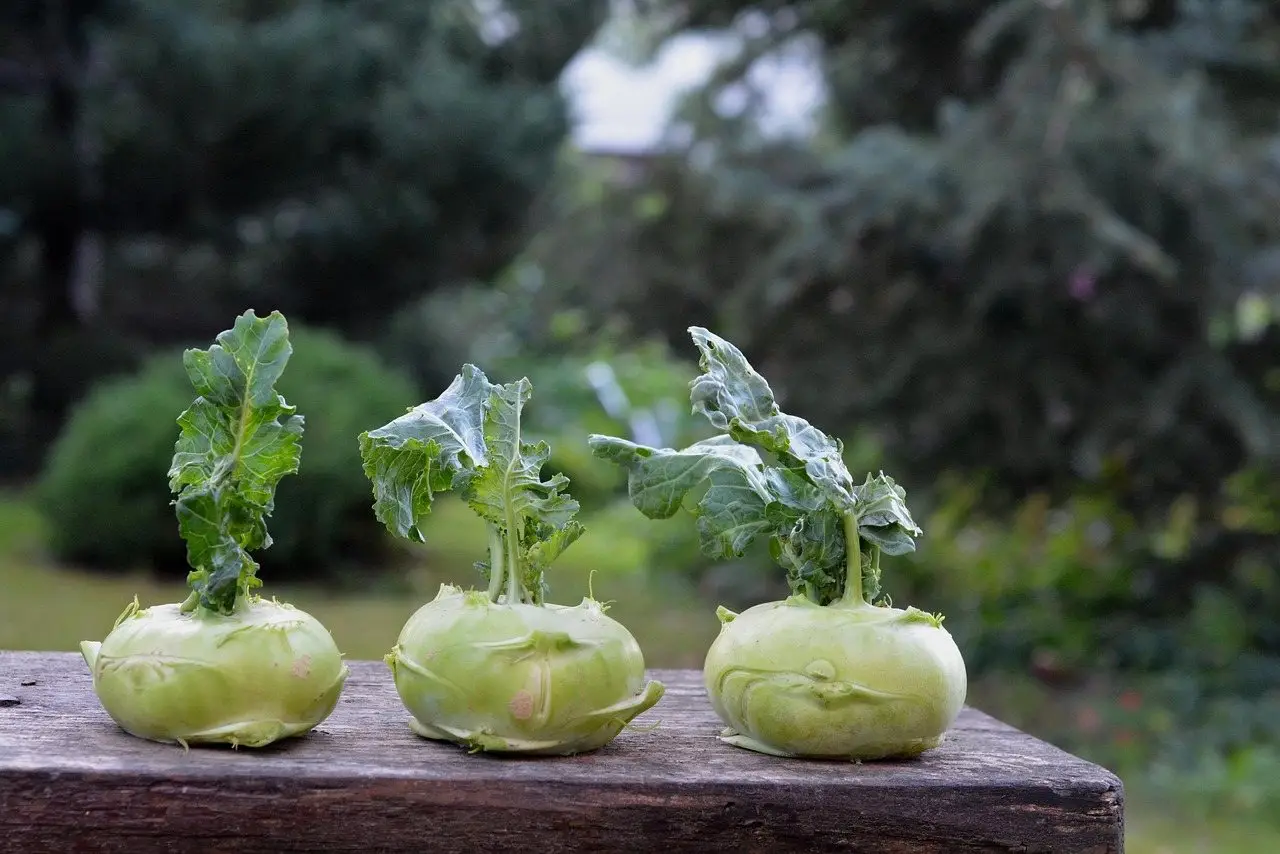
Kohlrabi swells above ground in 45 to 60 days. Pick it at tennis ball size — left longer it goes woody, which is why most people dislike it.
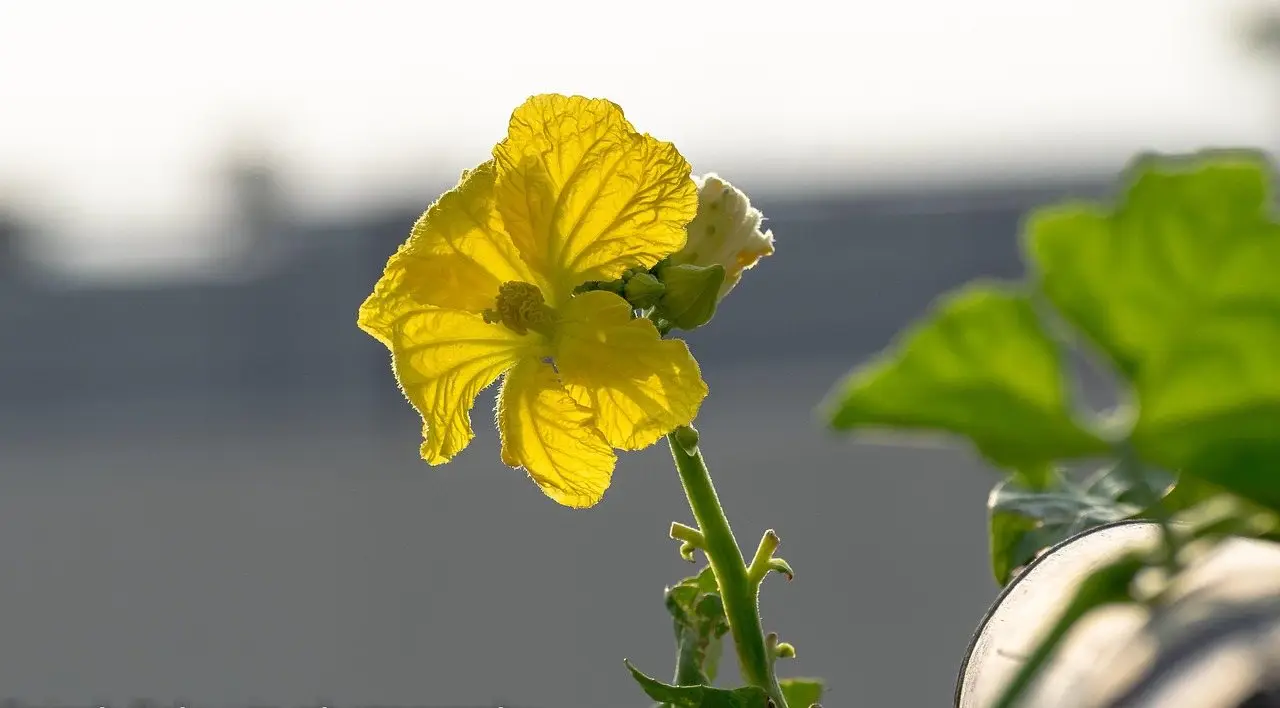
Loofah needs a long hot season and a strong trellis. Start seed indoors six weeks early, and leave the gourds on the vine until they rattle.
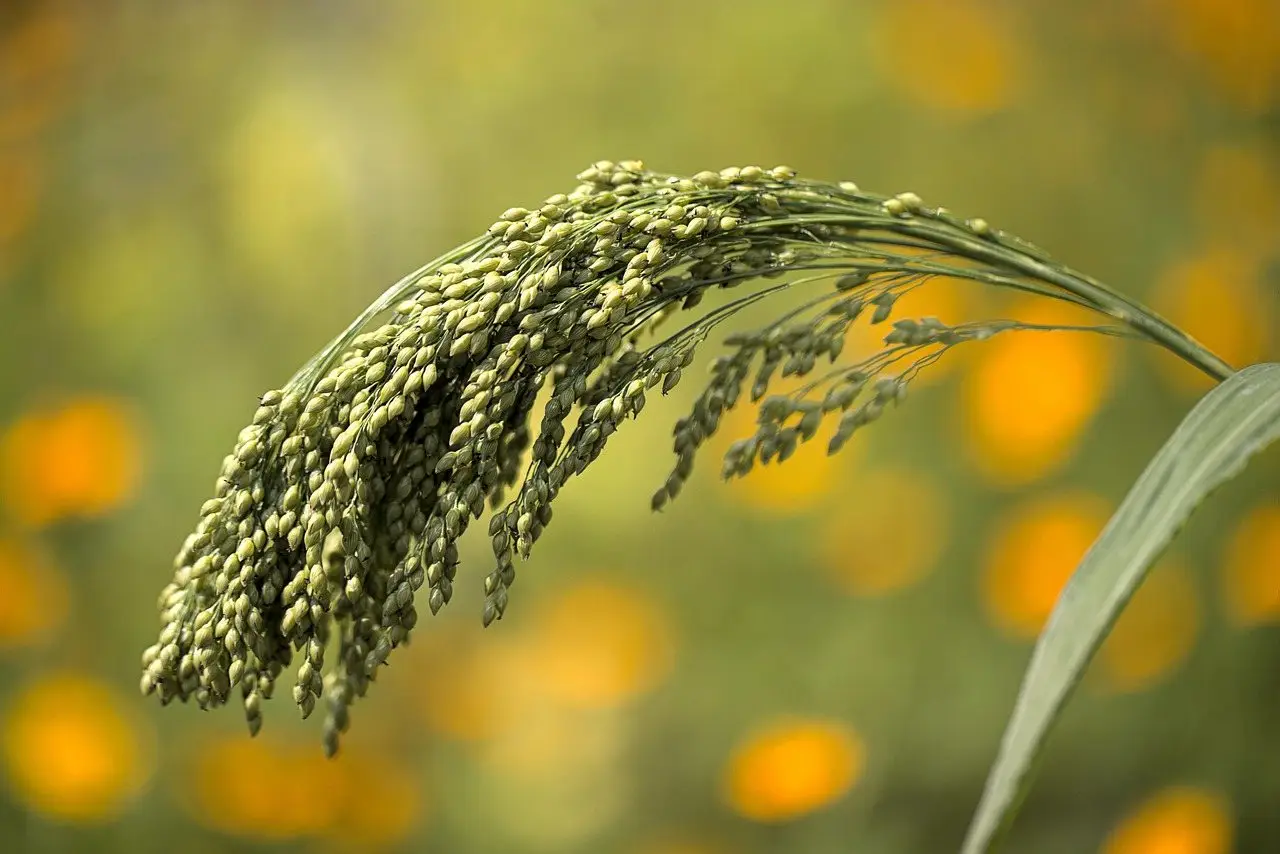
Millet matures in 60 to 90 days on poor dry soil where other grains fail. Decide early whether you want grain, birdseed or a summer cover crop.
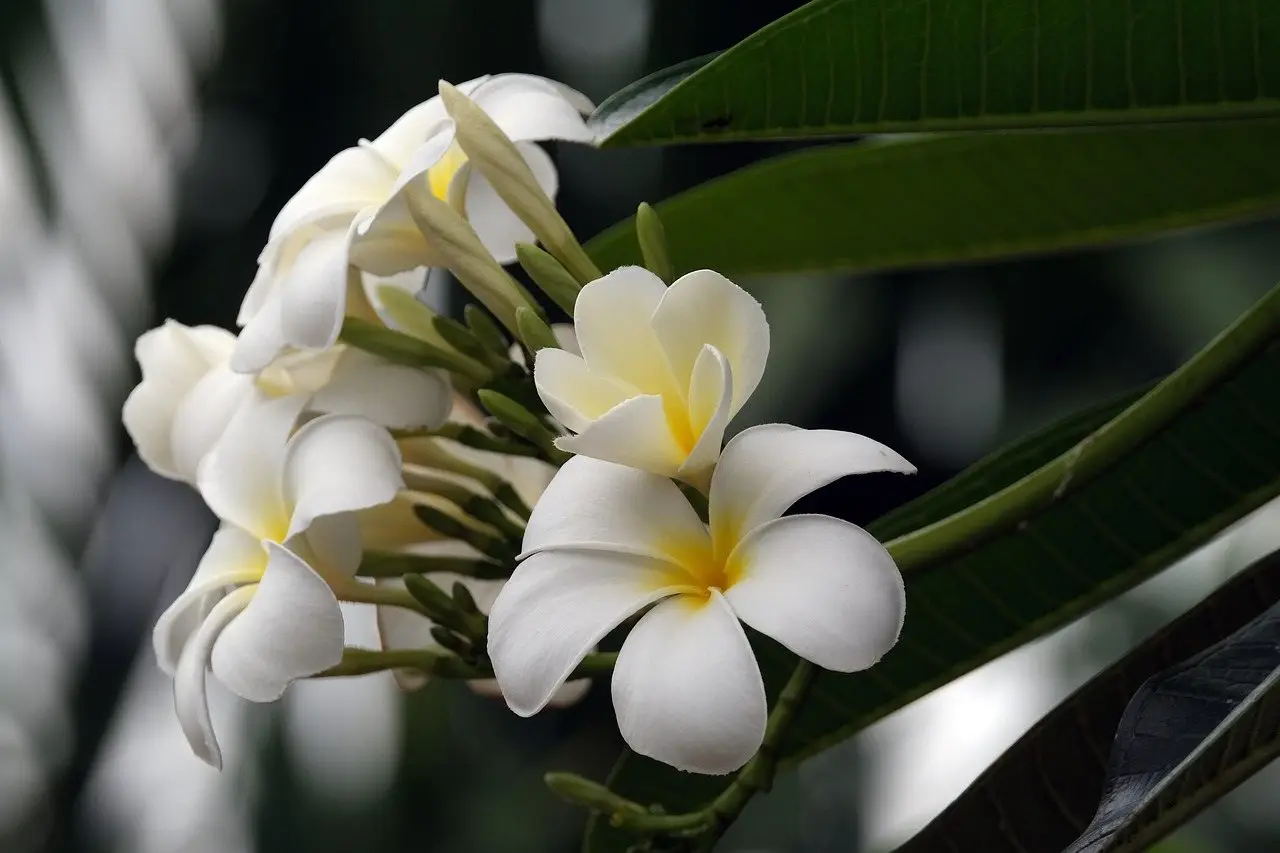
Plumeria wants full sun and soil that drains fast. The thing that kills it is a wet dormant winter, not cold alone — and it flowers on mature tips.
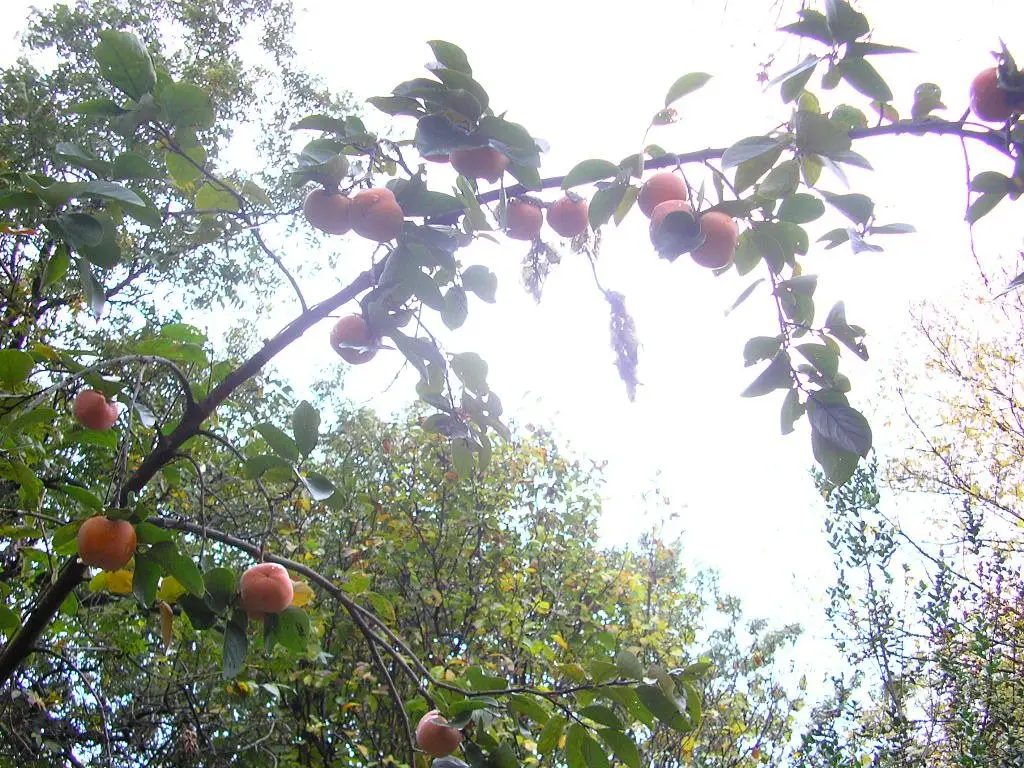
The variety decides everything. Non-astringent fuyu is eaten firm; astringent hachiya must go jelly-soft or it is inedible. Plus pollination and chill.
French tarragon has the flavour and cannot be grown from seed. If a packet offers tarragon seed, it is Russian — and Russian is close to tasteless.
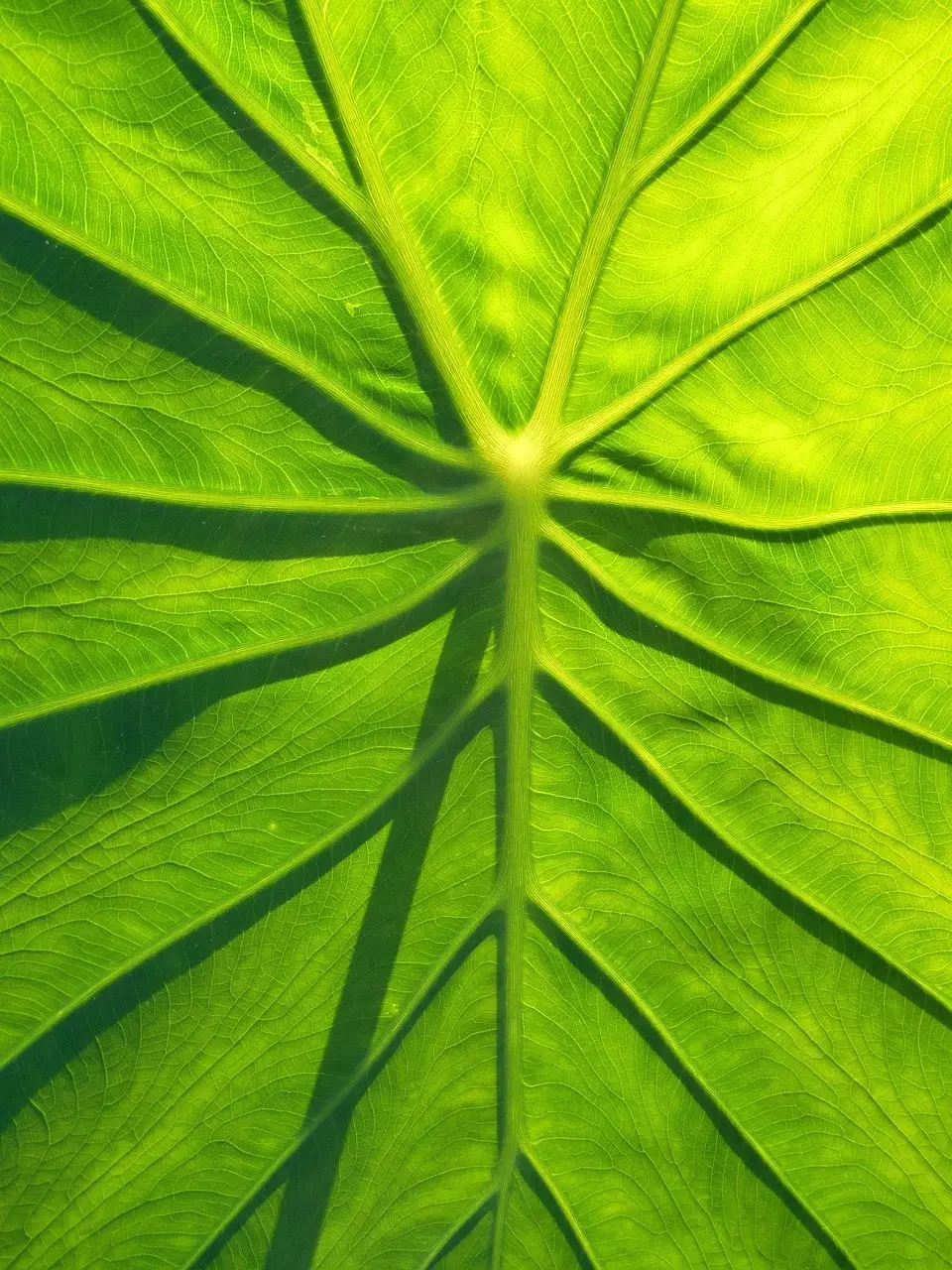
Taro wants constant moisture and 200 frost-free days. Every part is toxic raw — the calcium oxalate only breaks down with thorough cooking.
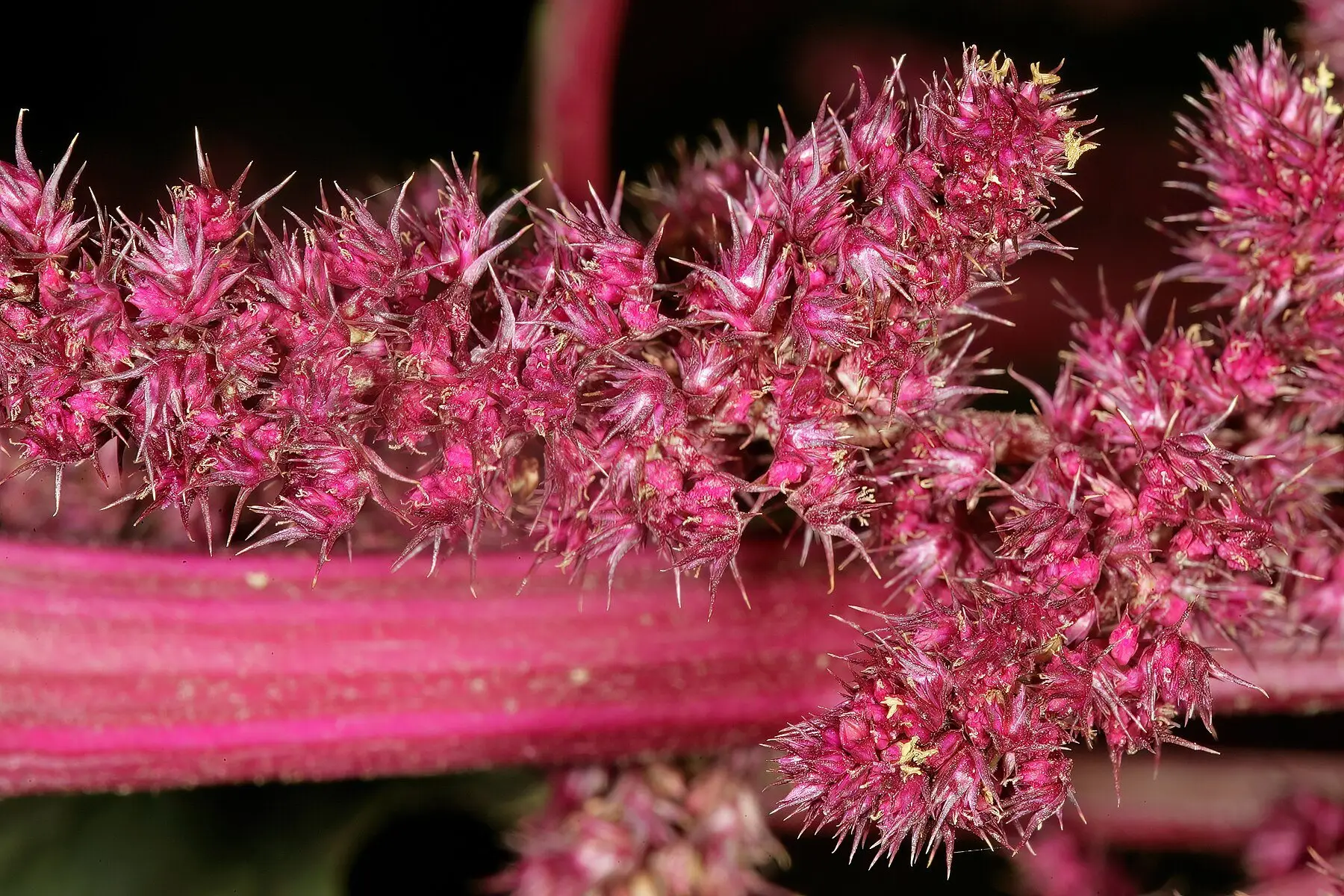
Amaranth gives leaves all season and grain at the end. Harvest seed when it shakes loose, dry it fully, and never let the heads get rained on standing.
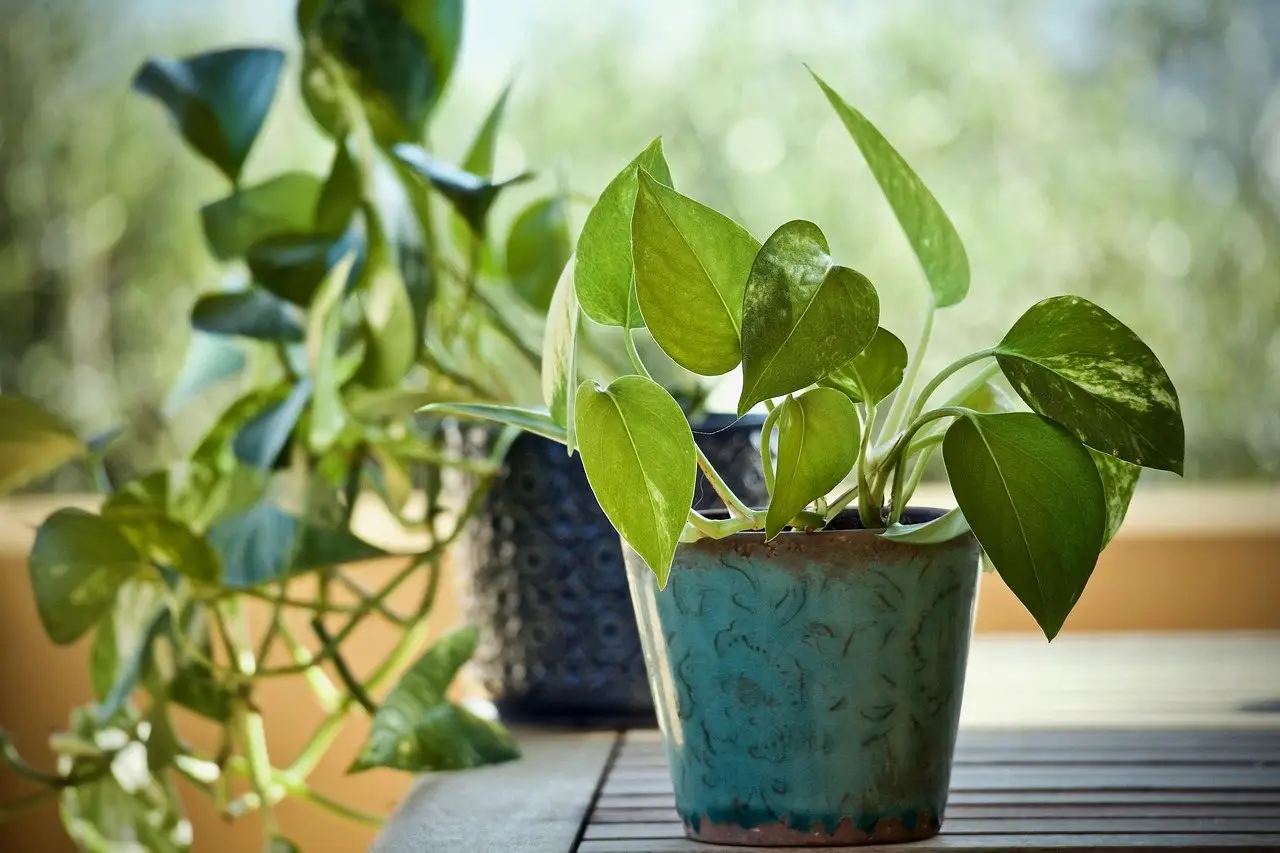
A pothos goes leggy because it is reaching for light. Cut it back, propagate the cuttings into the same pot, and move it brighter — in that order.
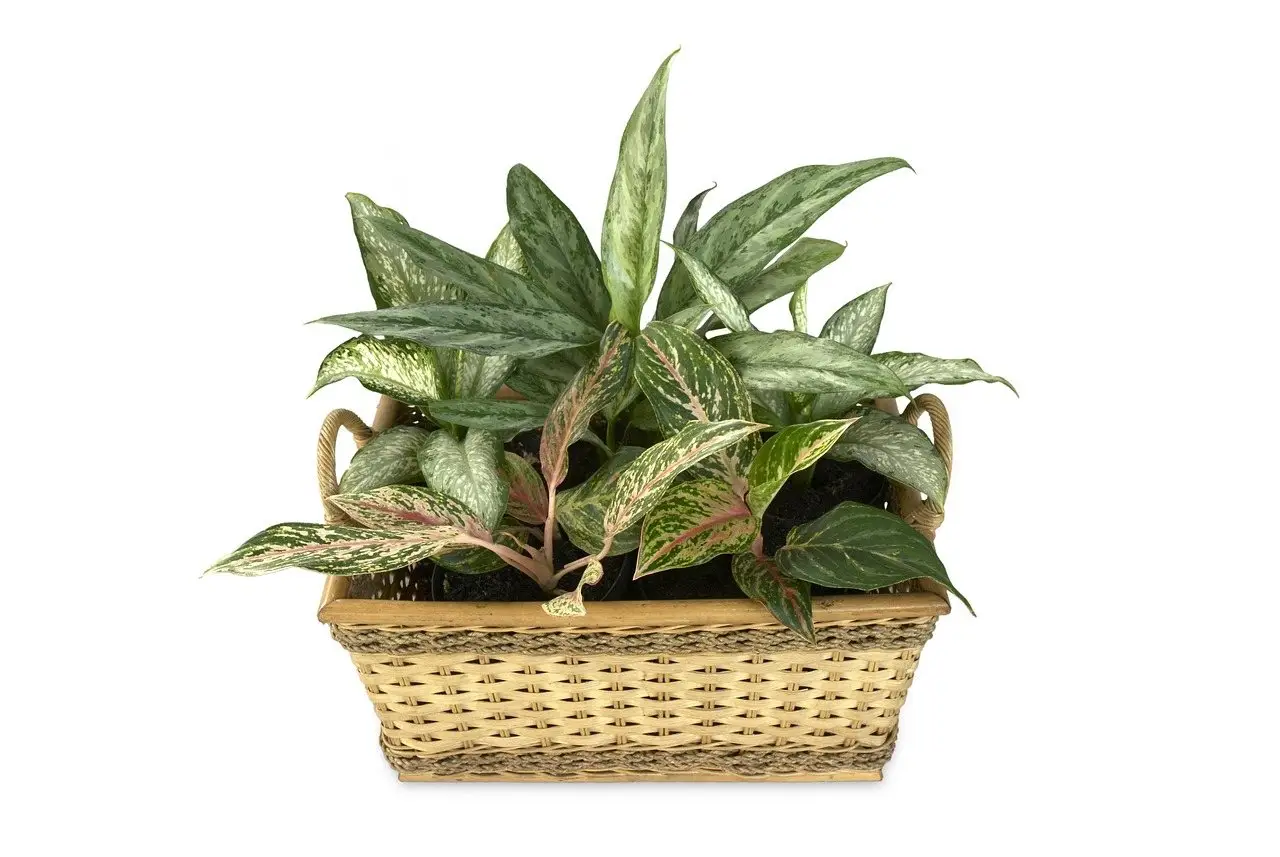
Dieffenbachia roots from cane sections laid on compost, not just from tips. Wear gloves — the sap causes the swelling that gives it its common name.
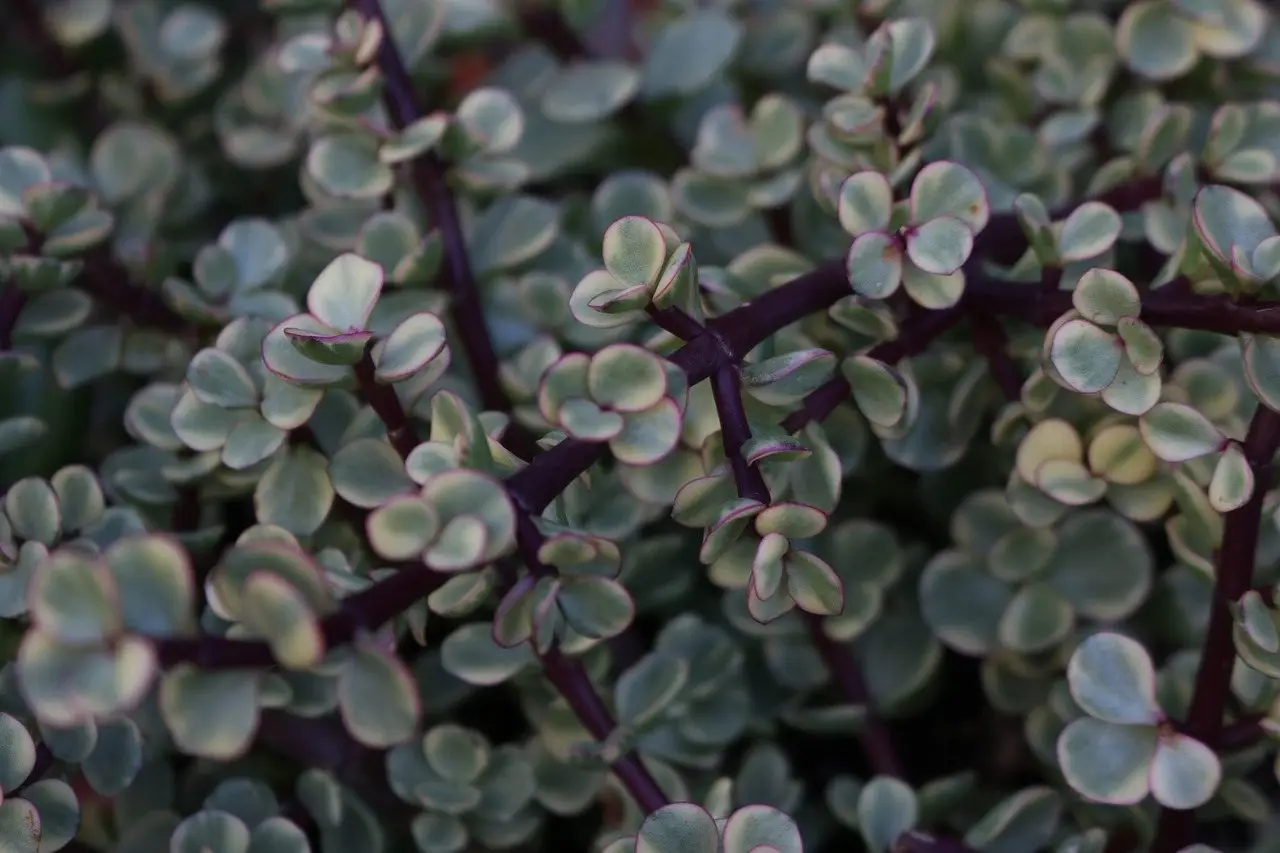
Portulacaria afra roots from almost any piece of stem. Callus the cut for a few days, keep it dry, and resist watering — that is the whole method.
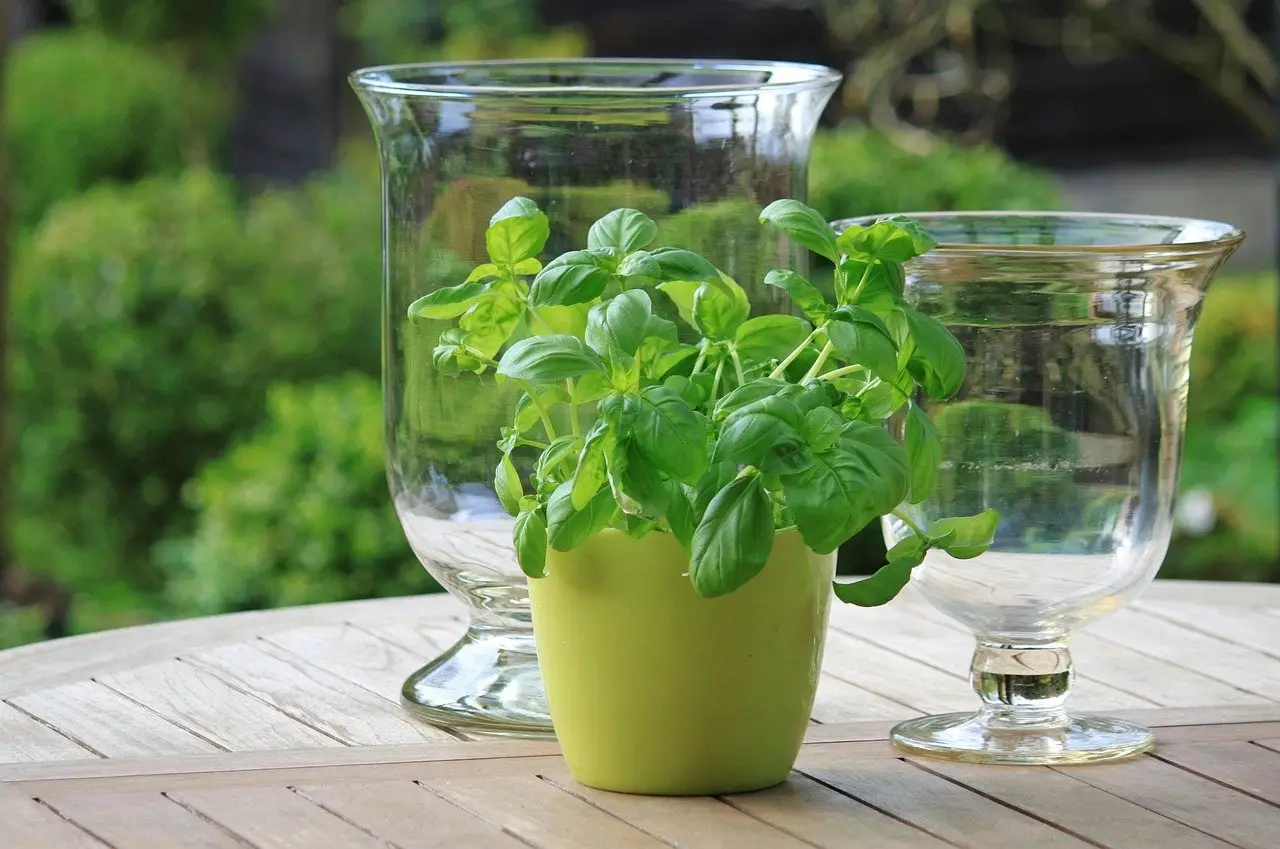
Group herbs by what they want, not by what you cook with. Mediterranean herbs in one pot, thirsty soft herbs in another, and mint always alone.
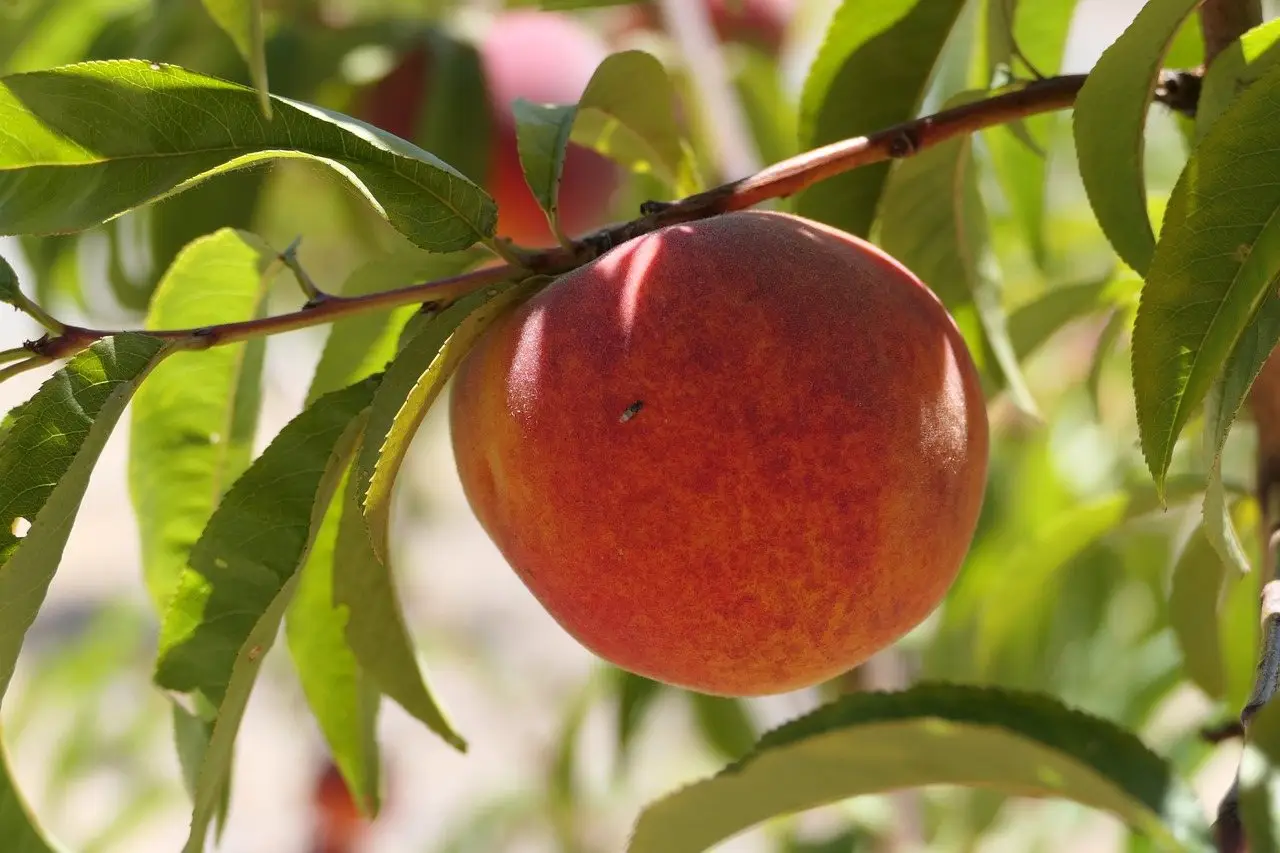
Peach and fig crop in two to three years from a grafted tree. But fast growth and fast fruiting are different things, and rootstock beats species.
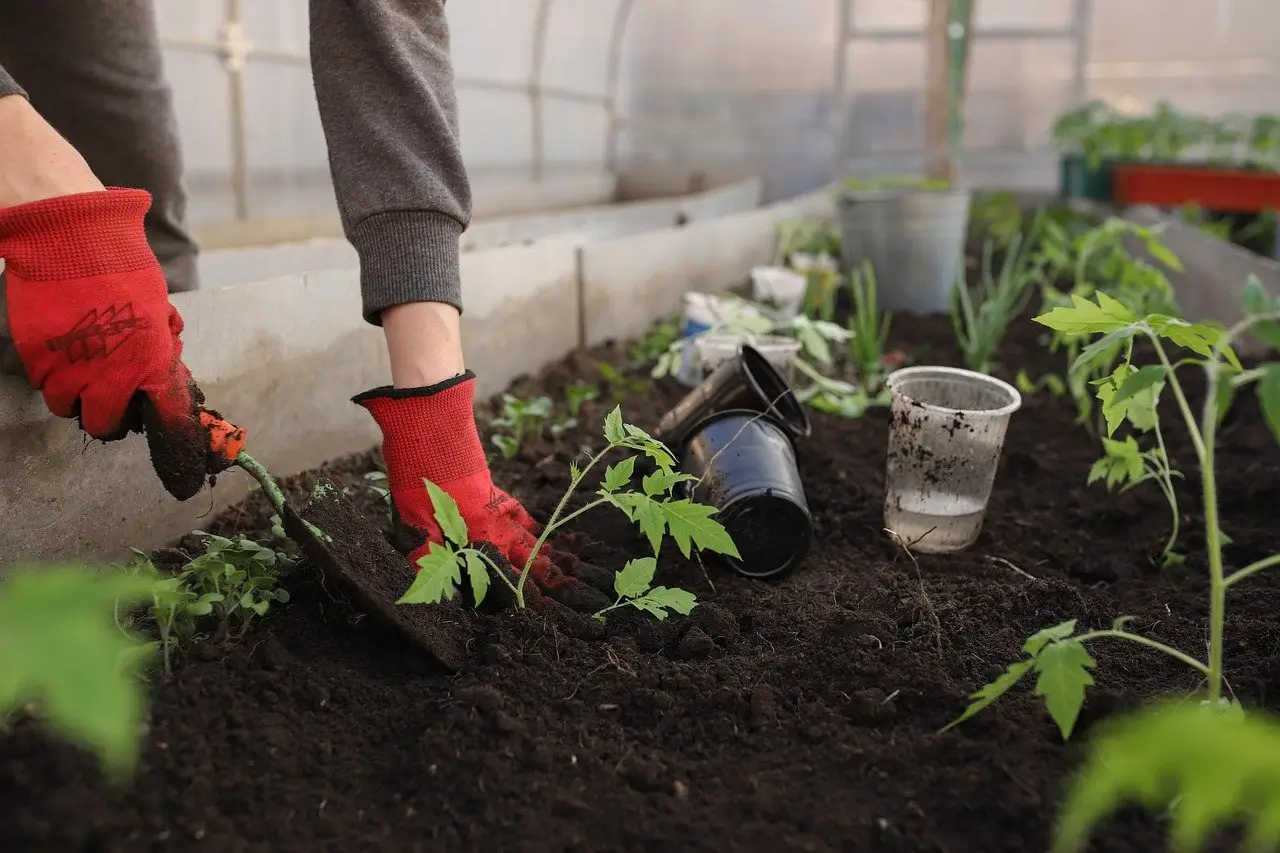
Most bad pairings come down to four real mechanisms — shared disease, allelopathy, root competition and shade. The pairs worth actually avoiding.
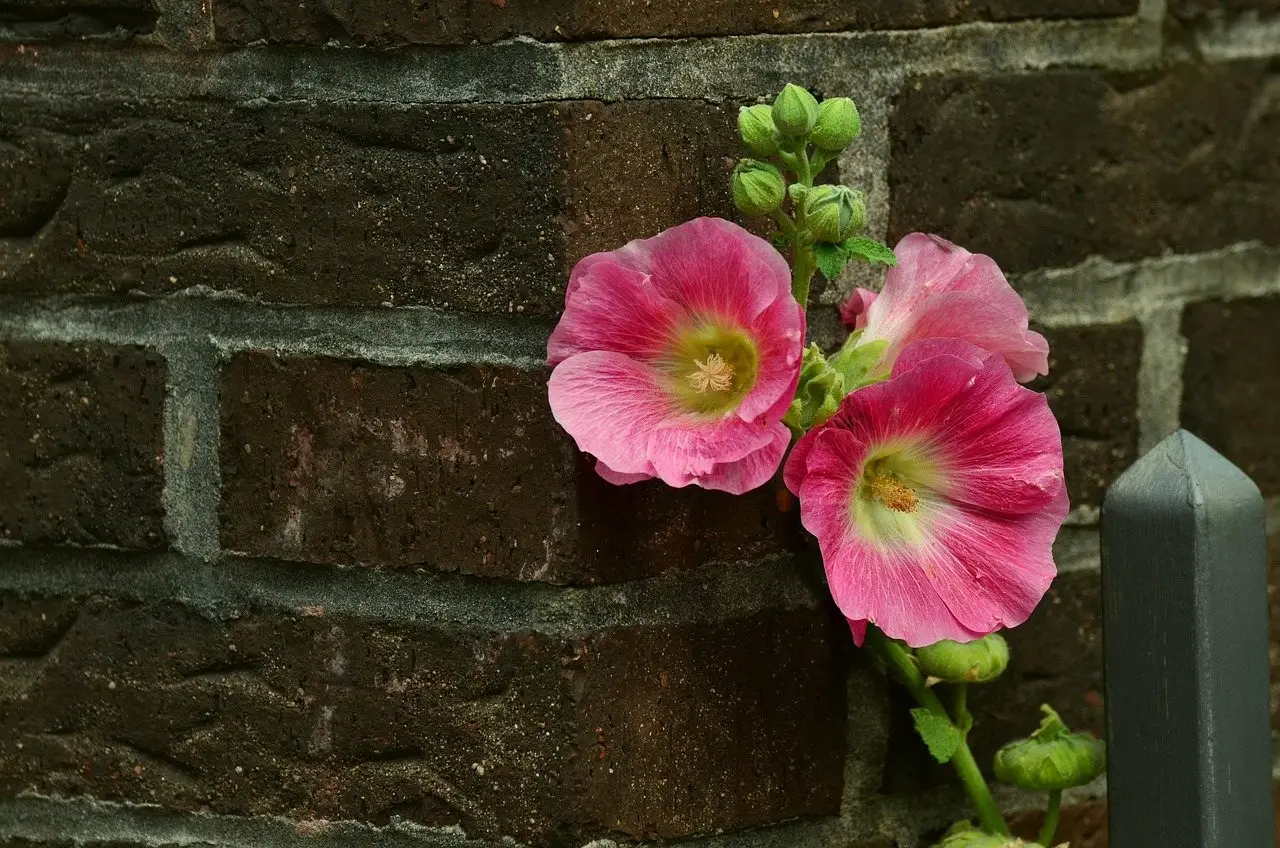
Hollyhocks are biennial, so autumn-sown seed flowers the following summer while spring sowing waits a year. Surface sow — the seed needs light.

Smooth grey bark that stays smooth for two centuries is the giveaway. It is also unusually thin, which is why beech is easily killed by carving and sun.
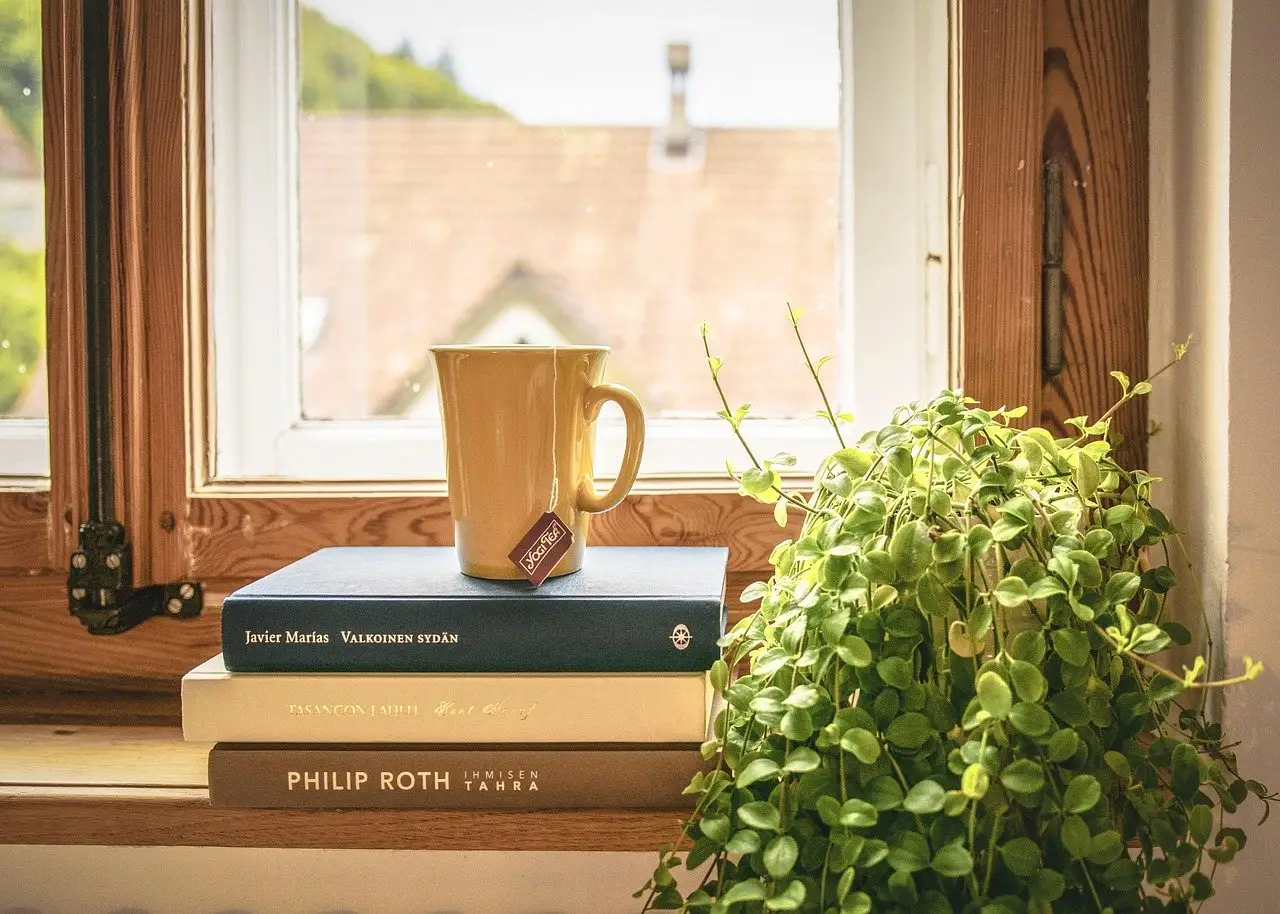
Repot as growth resumes, not on a schedule. Most houseplants need it every two to three years — and several are better off left pot-bound.
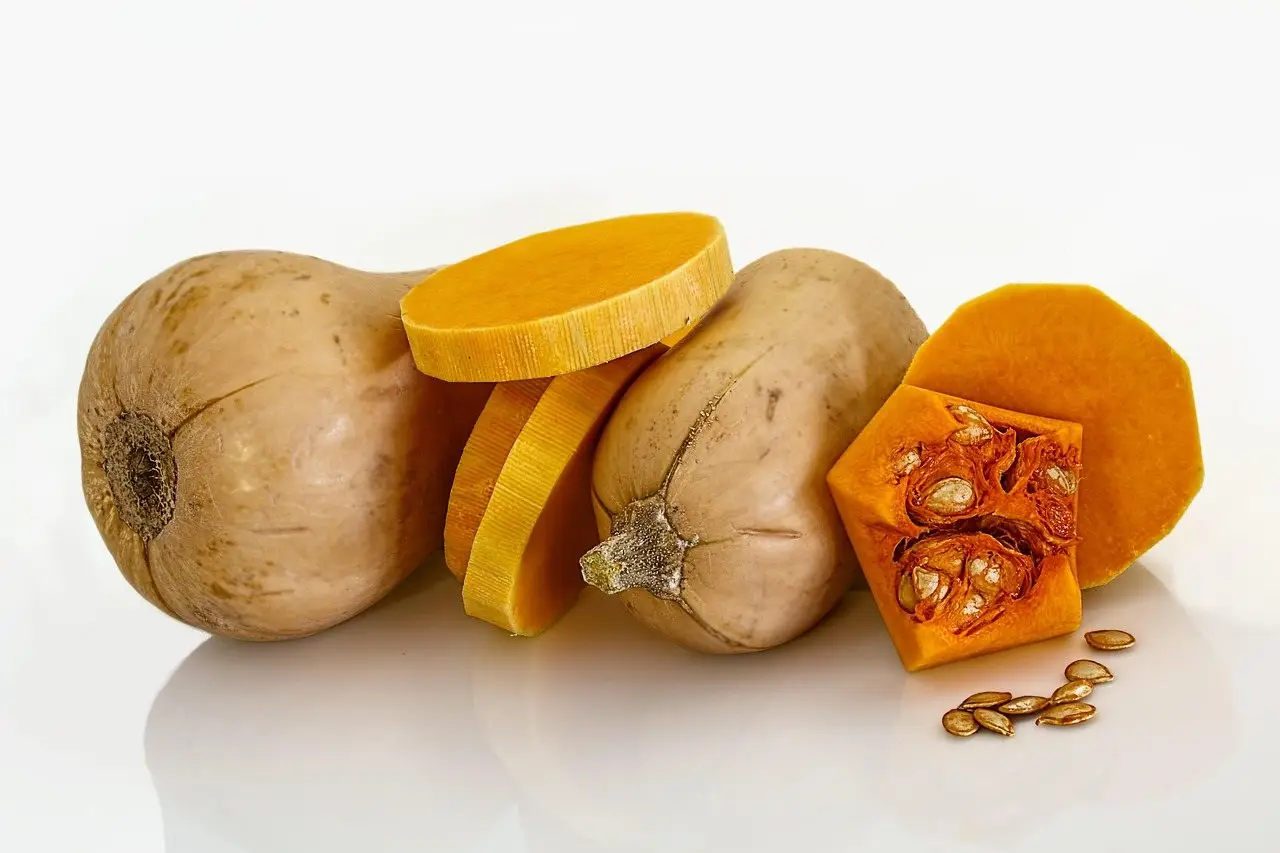
Winter squash needs ten days of curing at 27°C, then 10–15°C and dry air. Butternut keeps six months that way; acorn squash should not be cured at all.
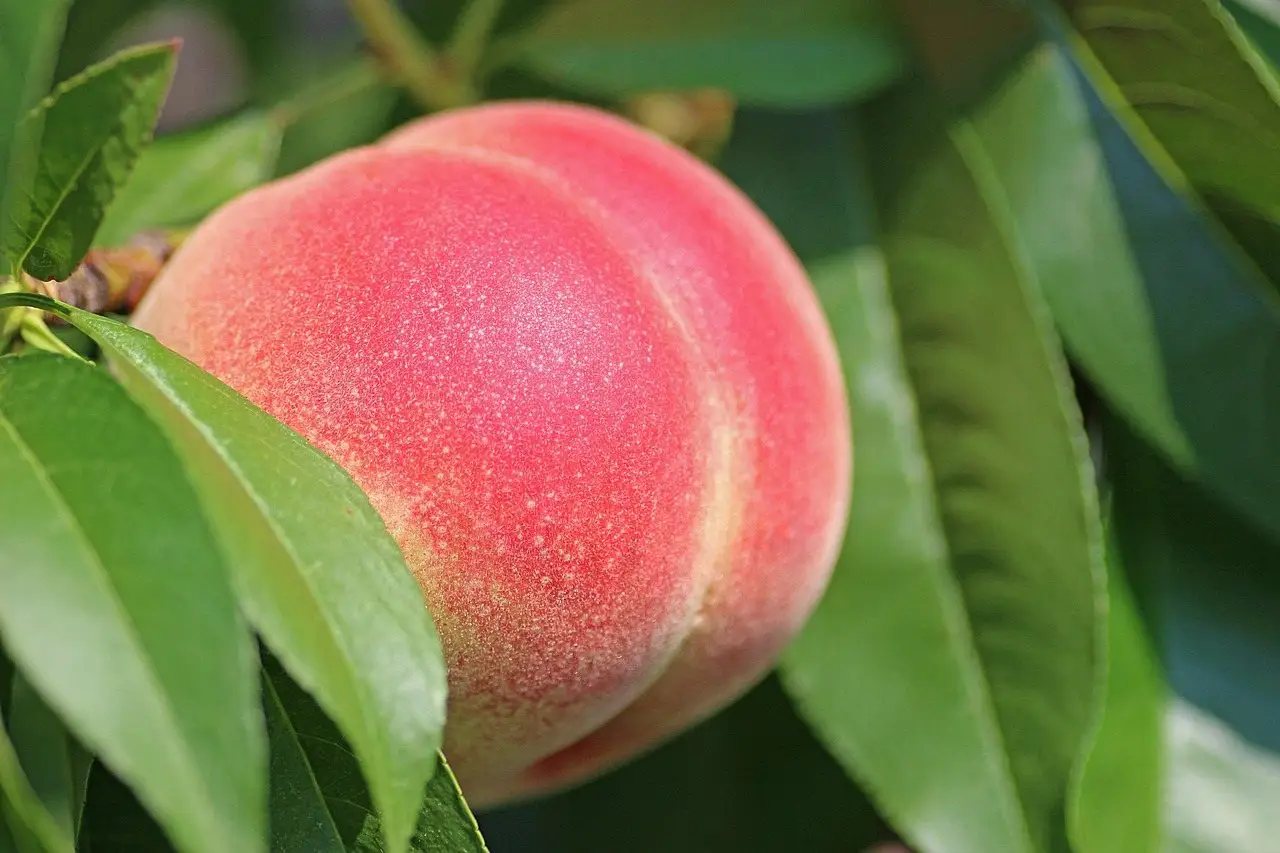
A peach pit will sprout and make a tree, and it is easy. What it will not reliably make is the peach you ate. Here is why, and how to do it anyway.
China doll plants drop leaves the week they come home. It is a light problem, not a watering one — and the fix is brighter, not wetter.
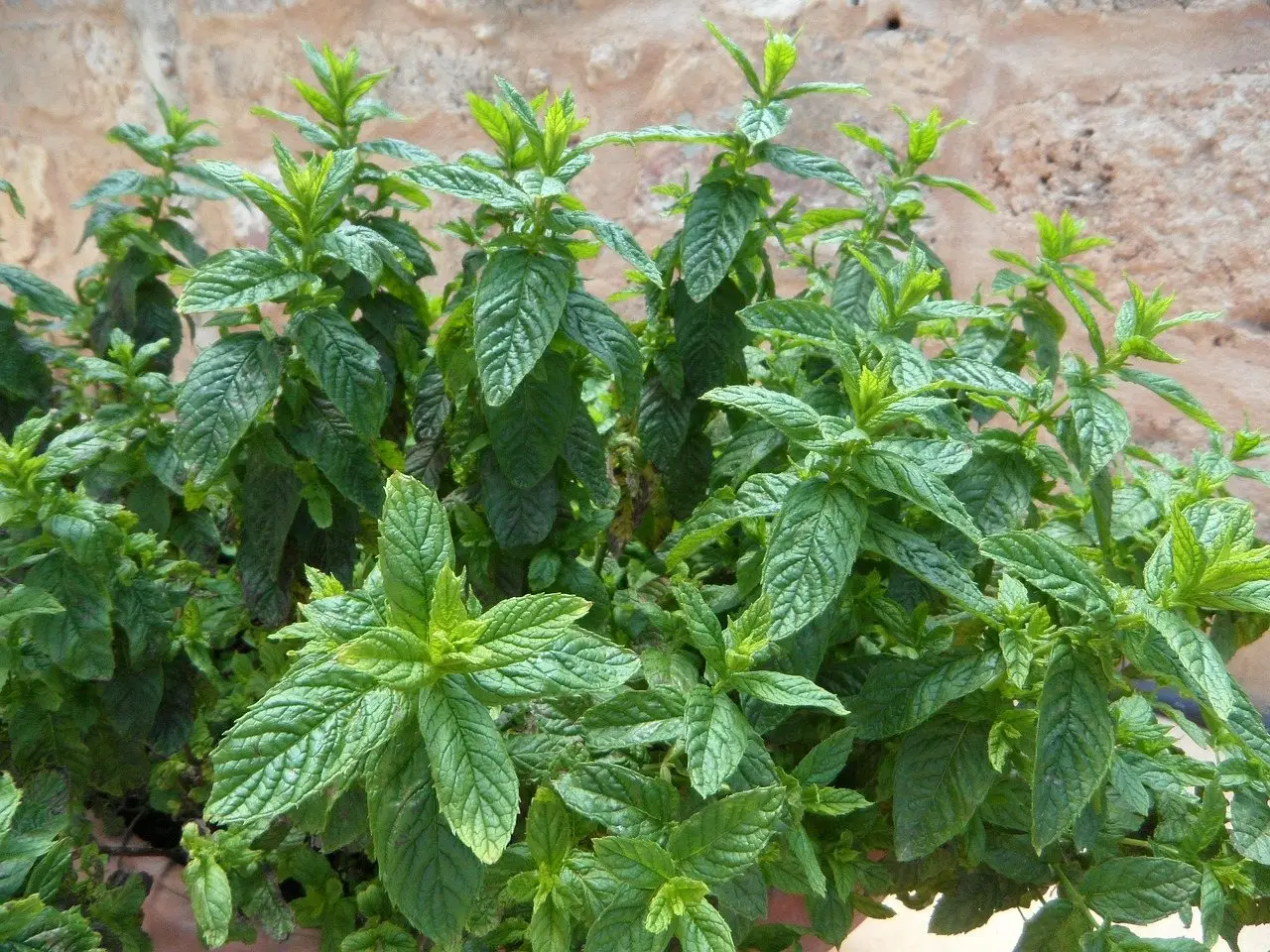
Mint tolerates full sun but prefers four to six hours with afternoon shade. Full sun gives more essential oil and smaller, tougher leaves. Which you want.
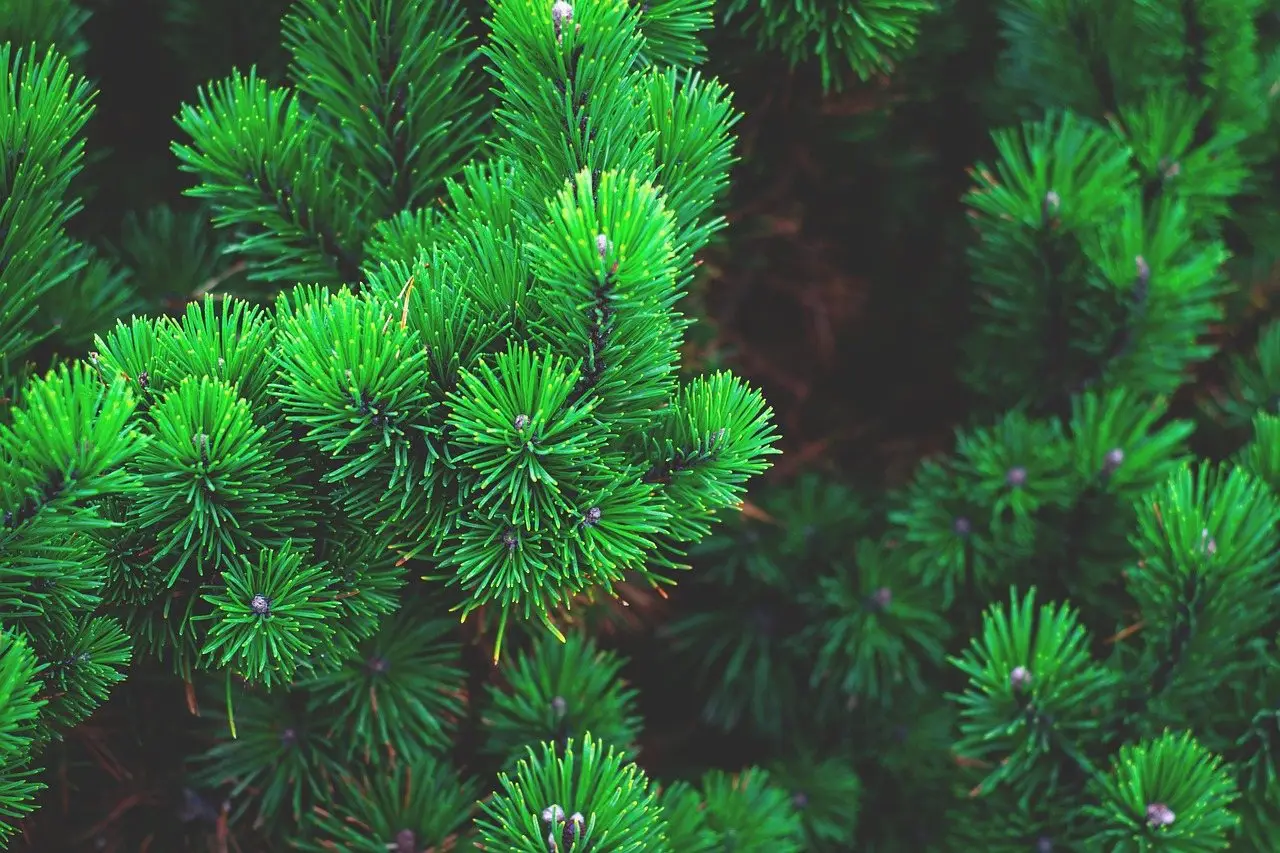
Established trees add 60–90 cm annually and reach 25 m. Fast growth brings weak wood, storm damage and a tree most gardens plant too close to the house.
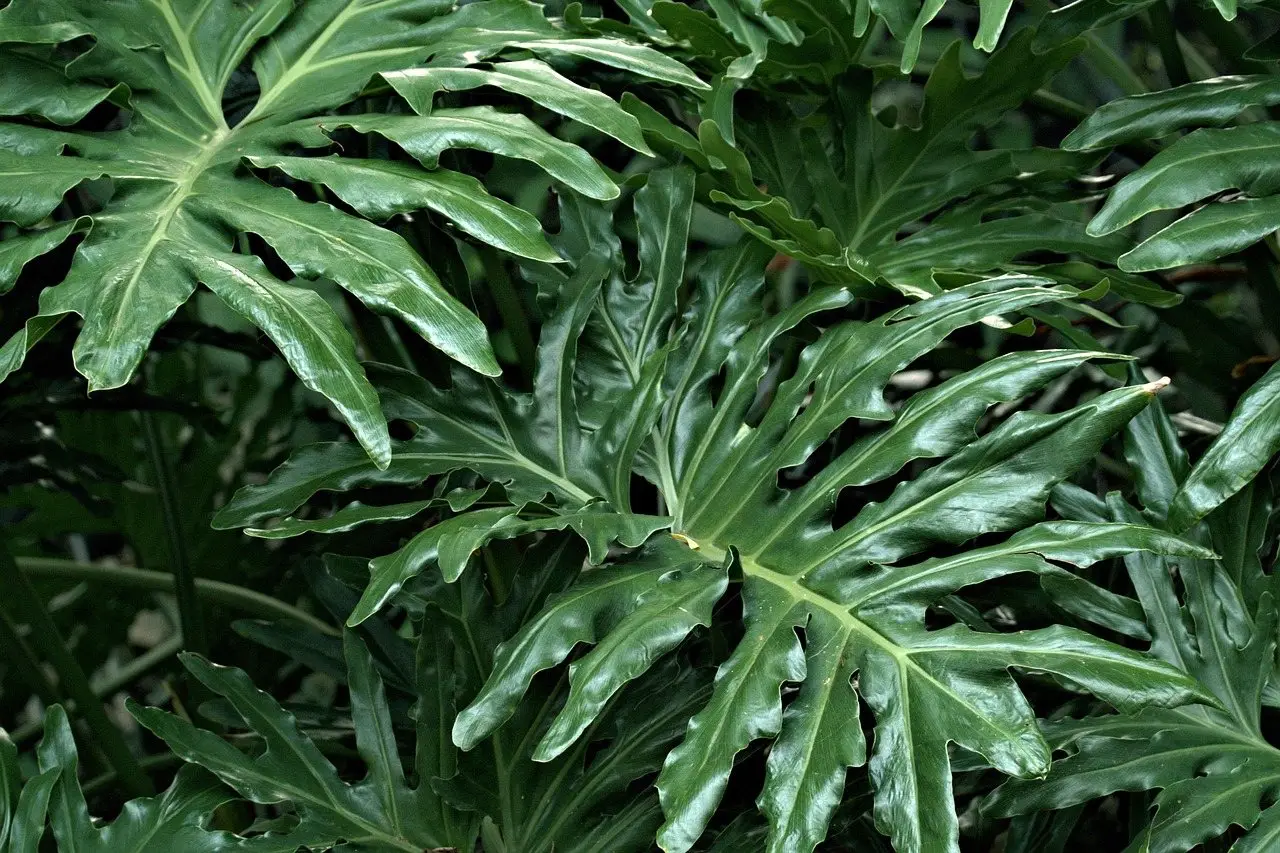
Long bare stems with leaves only at the ends means too little light. Pinching, not more water, is what turns a straggly plant back into a full one.
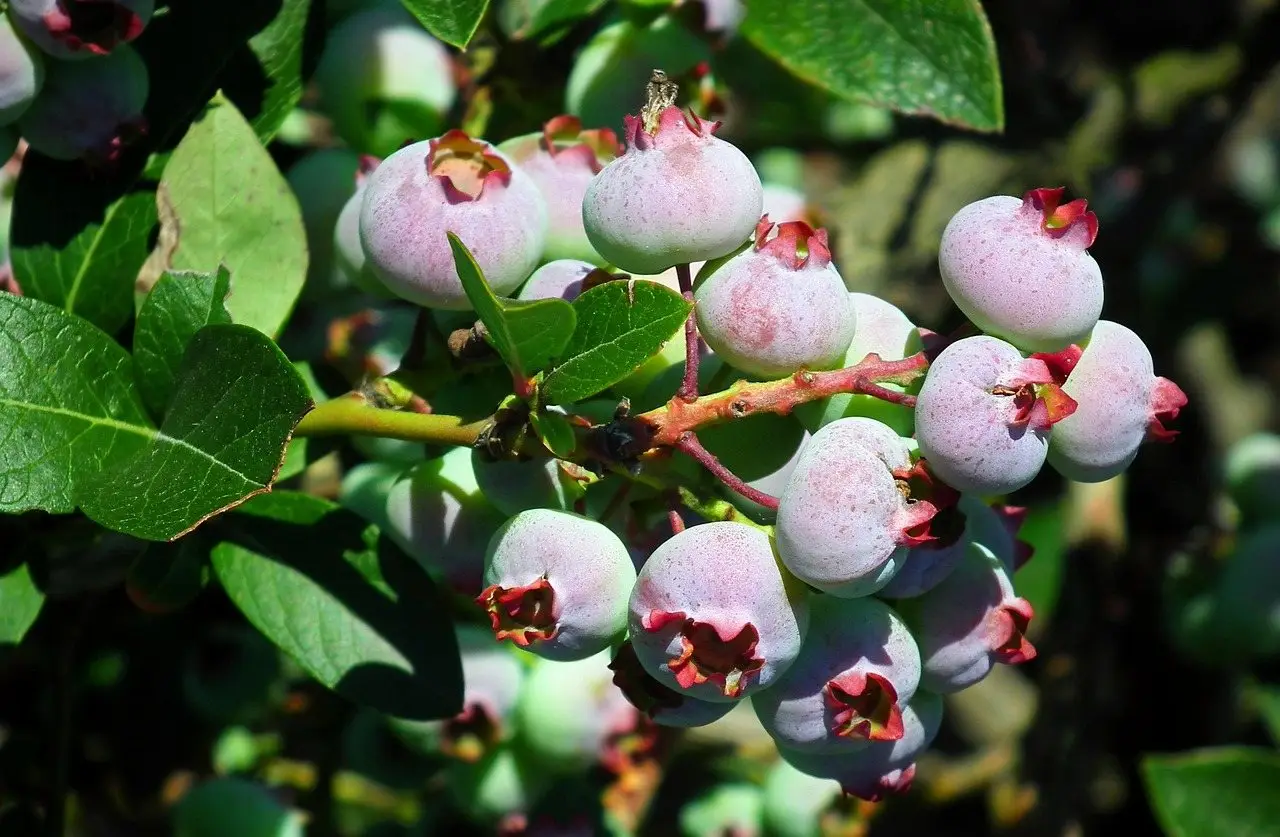
One bush fruits poorly; two different varieties cross-pollinate and yield far more. Here is the arithmetic by household, and the spacing that lasts.
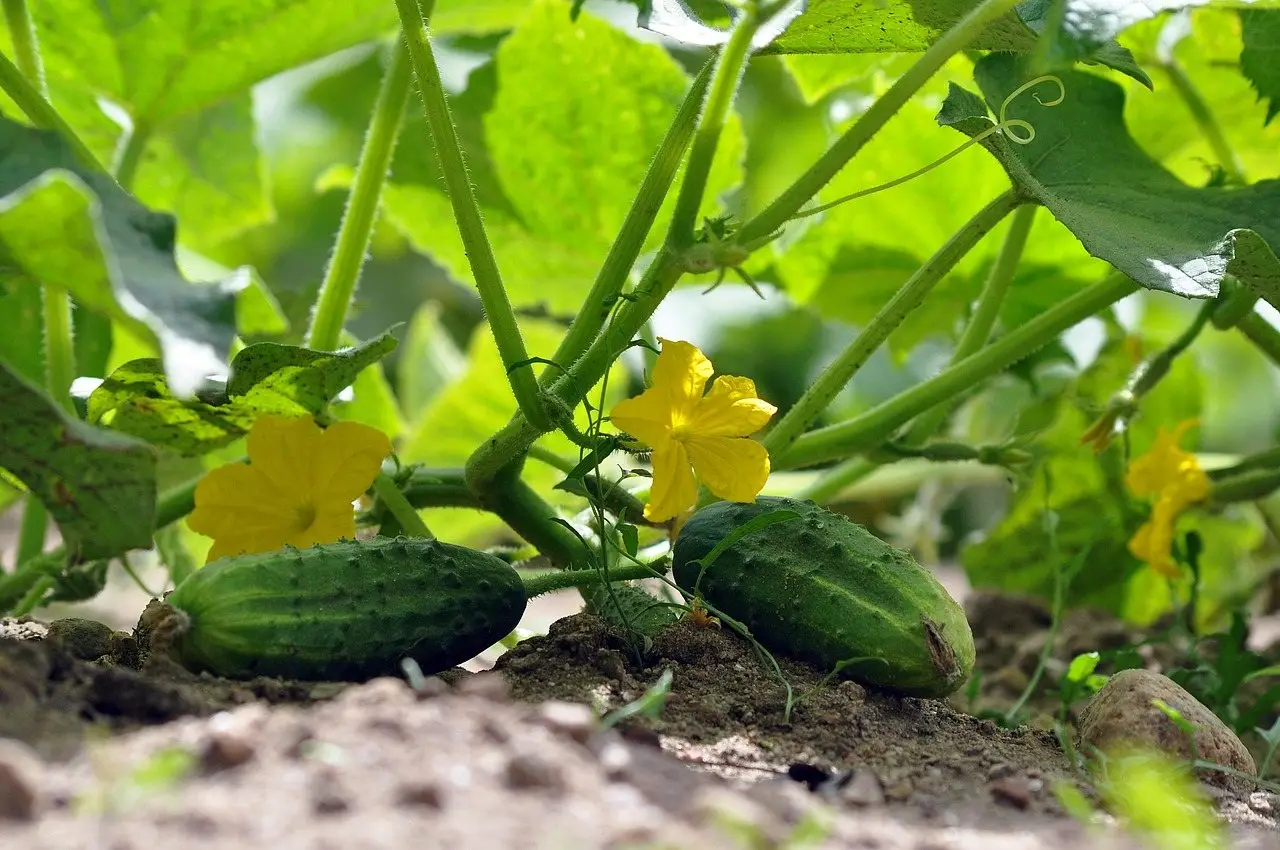
Cucumbers need at least six hours of direct sun and crop best on eight or more. Below six you get vines, flowers and very few actual cucumbers.
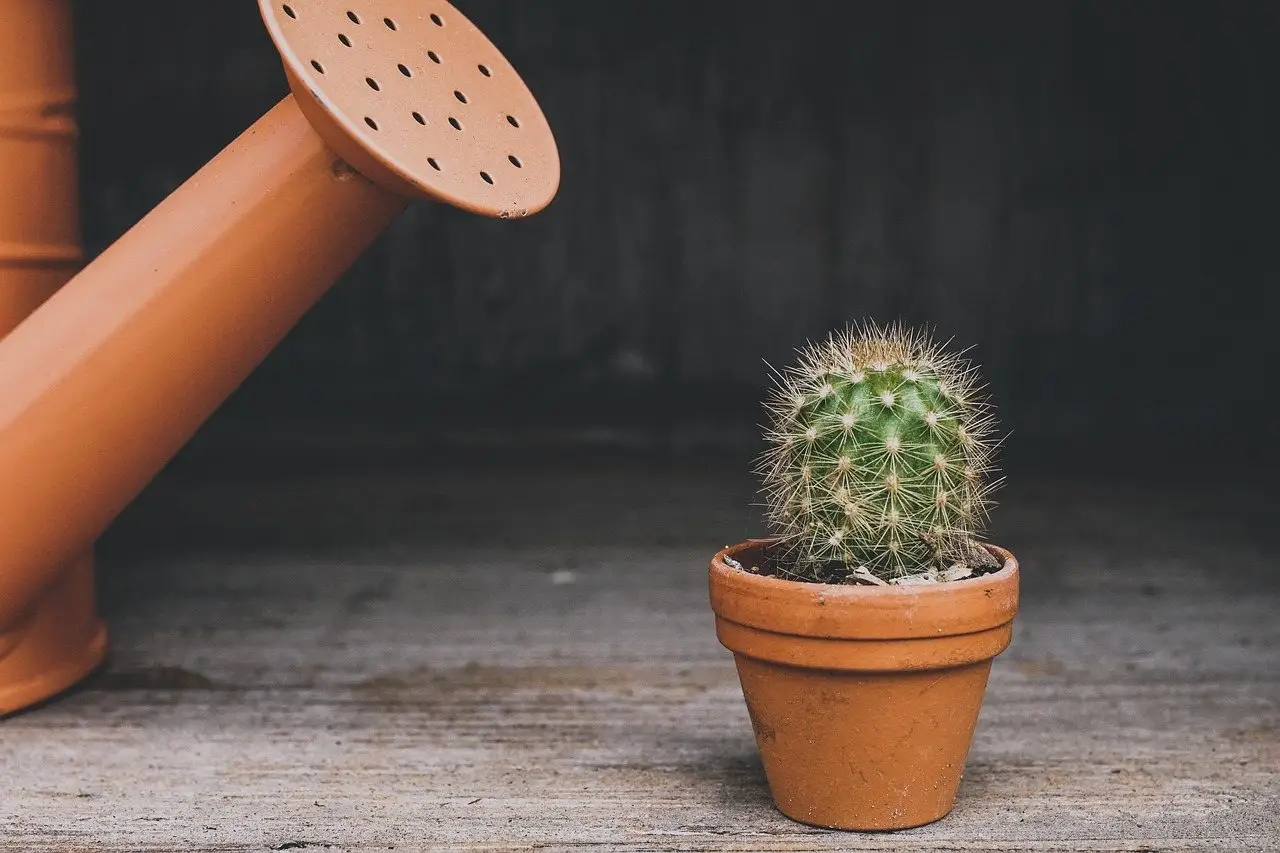
Most cacti need water every two to four weeks in summer and almost none in winter. The schedule is wrong; what matters is how dry the compost is.
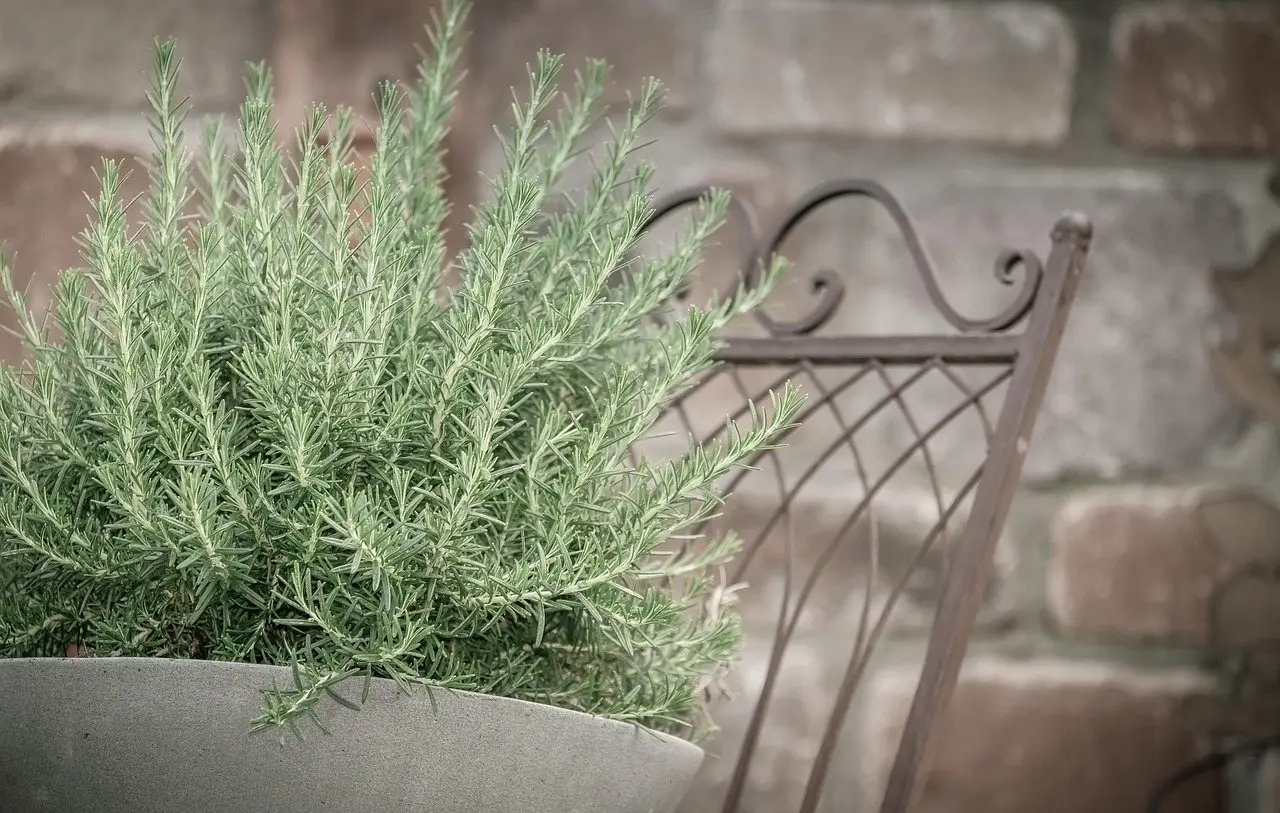
In the ground, almost never once established. In a pot, when the top inch is dry — and the needles lie about thirst until it is too late.
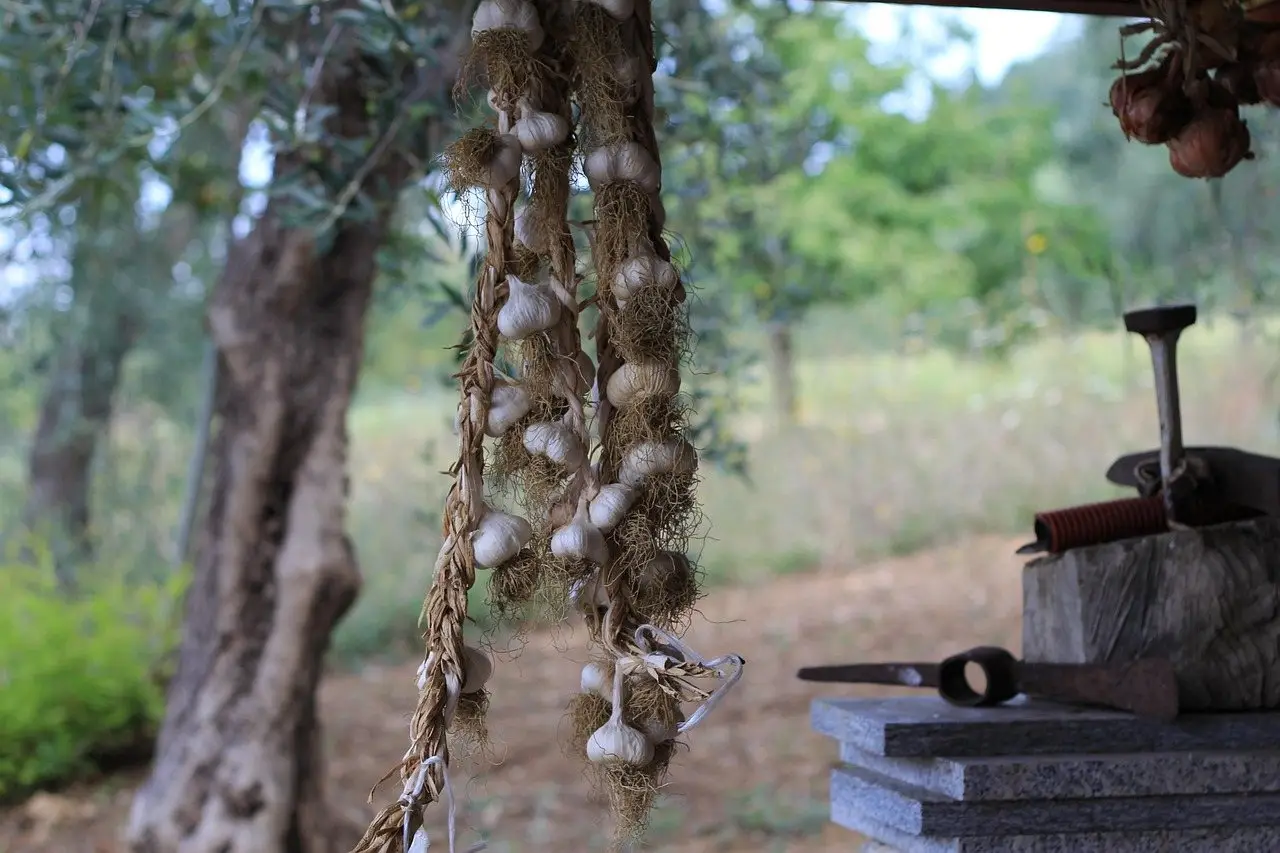
Curing takes two to four weeks in shade with moving air. Get it right and hardneck keeps six months, softneck ten. Get it wrong and it rots by October.
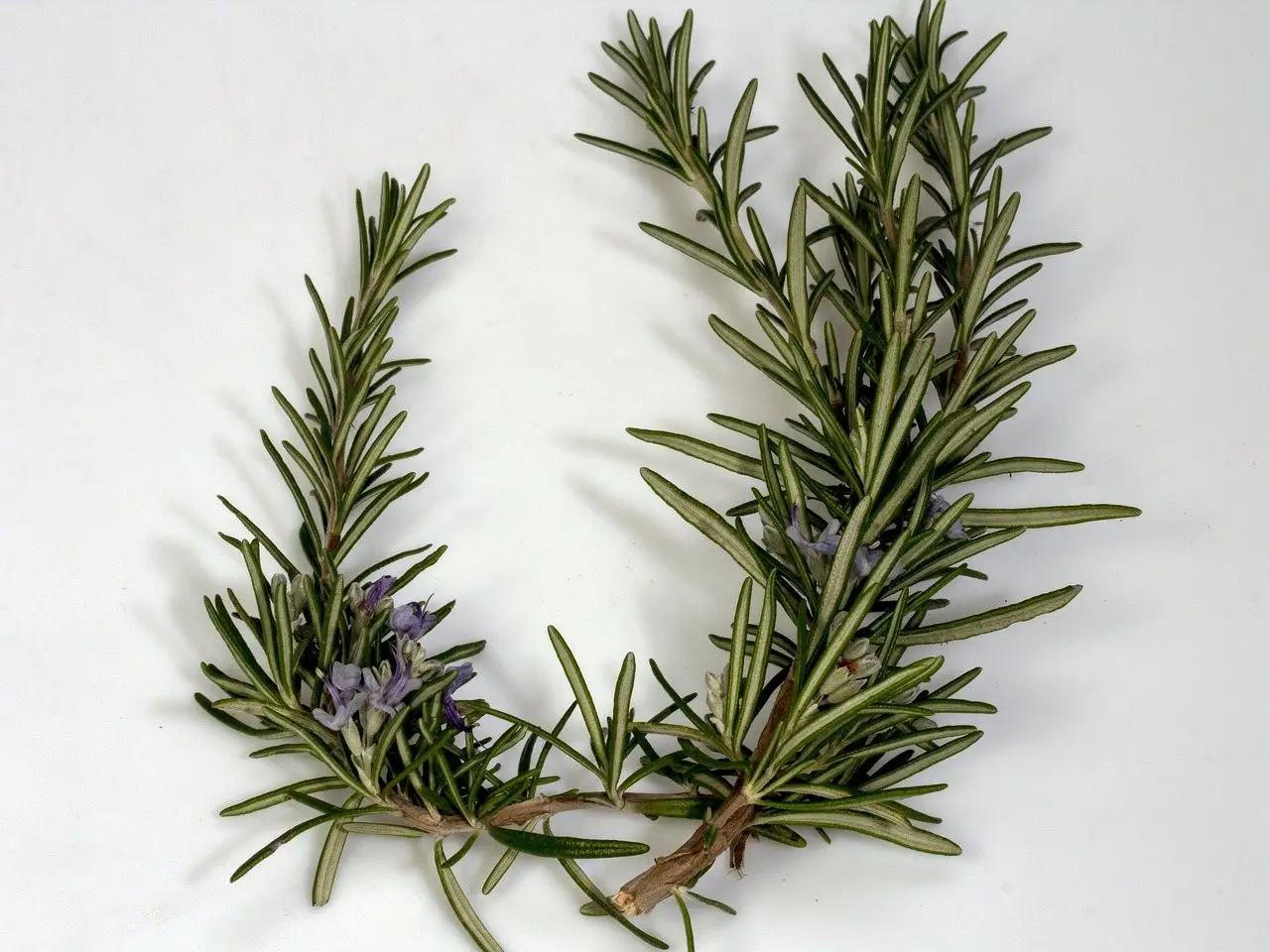
Cut above a leaf node in the green growth, never into bare brown wood. Old rosemary will not resprout from it — which is how plants get killed.
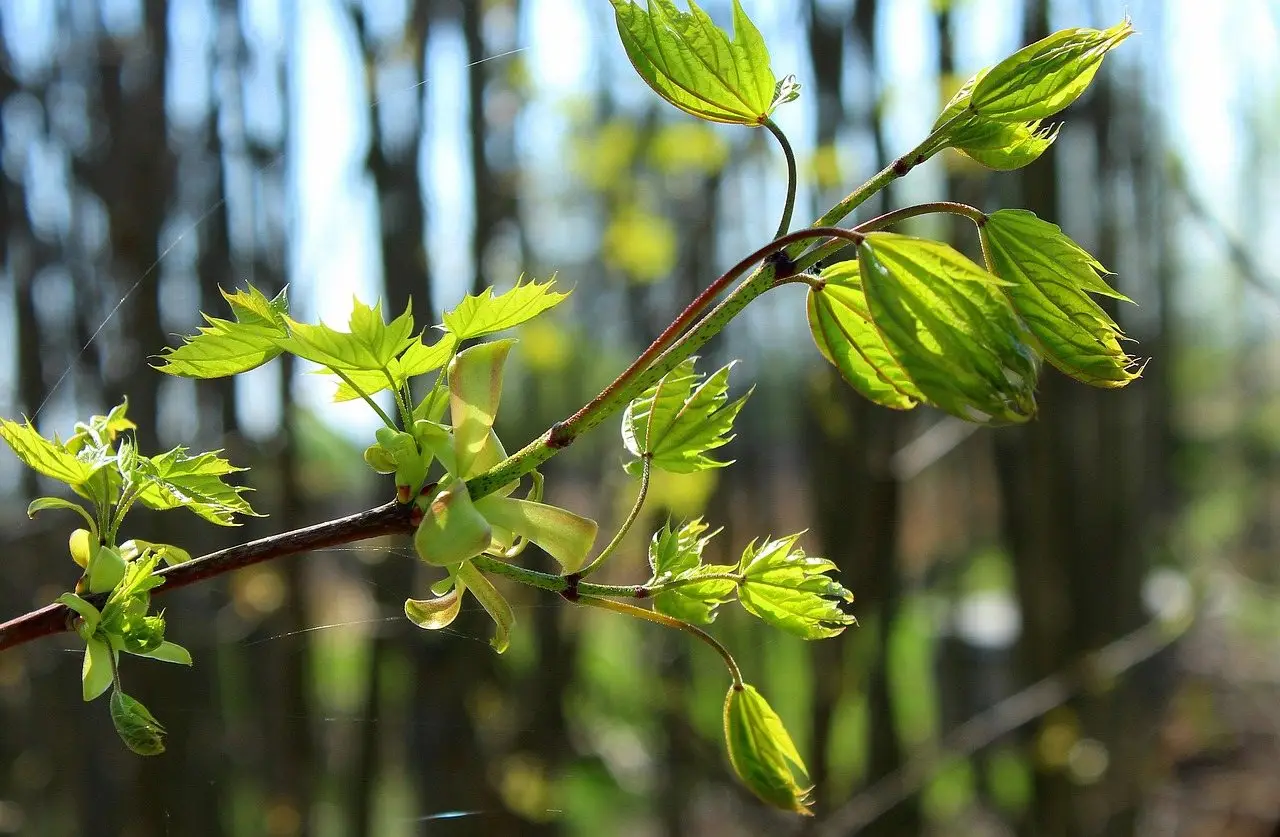
Willow, poplar and fig root from a cut branch pushed into the ground. Oak, maple and most fruit trees will not. The split, and the method for each.
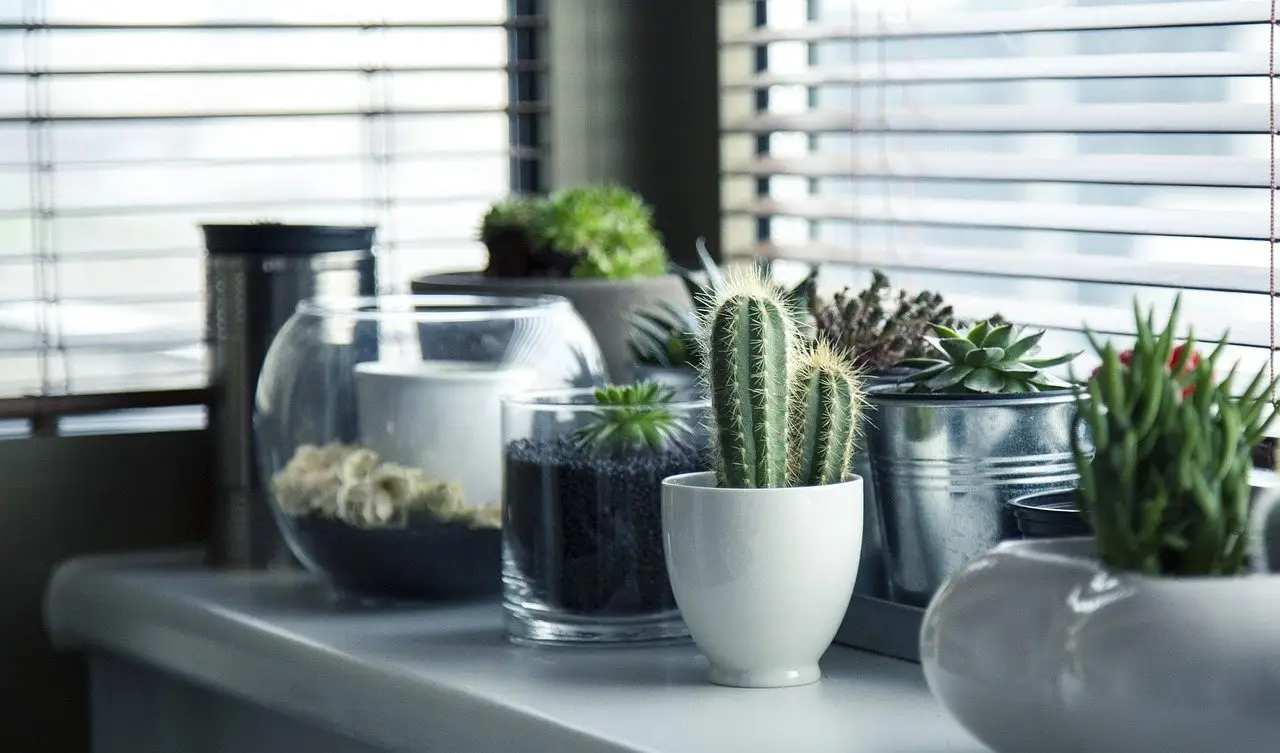
Most cacti die from winter watering, not neglect. Gritty mix, the brightest window, a soak in summer and almost nothing from October to March.
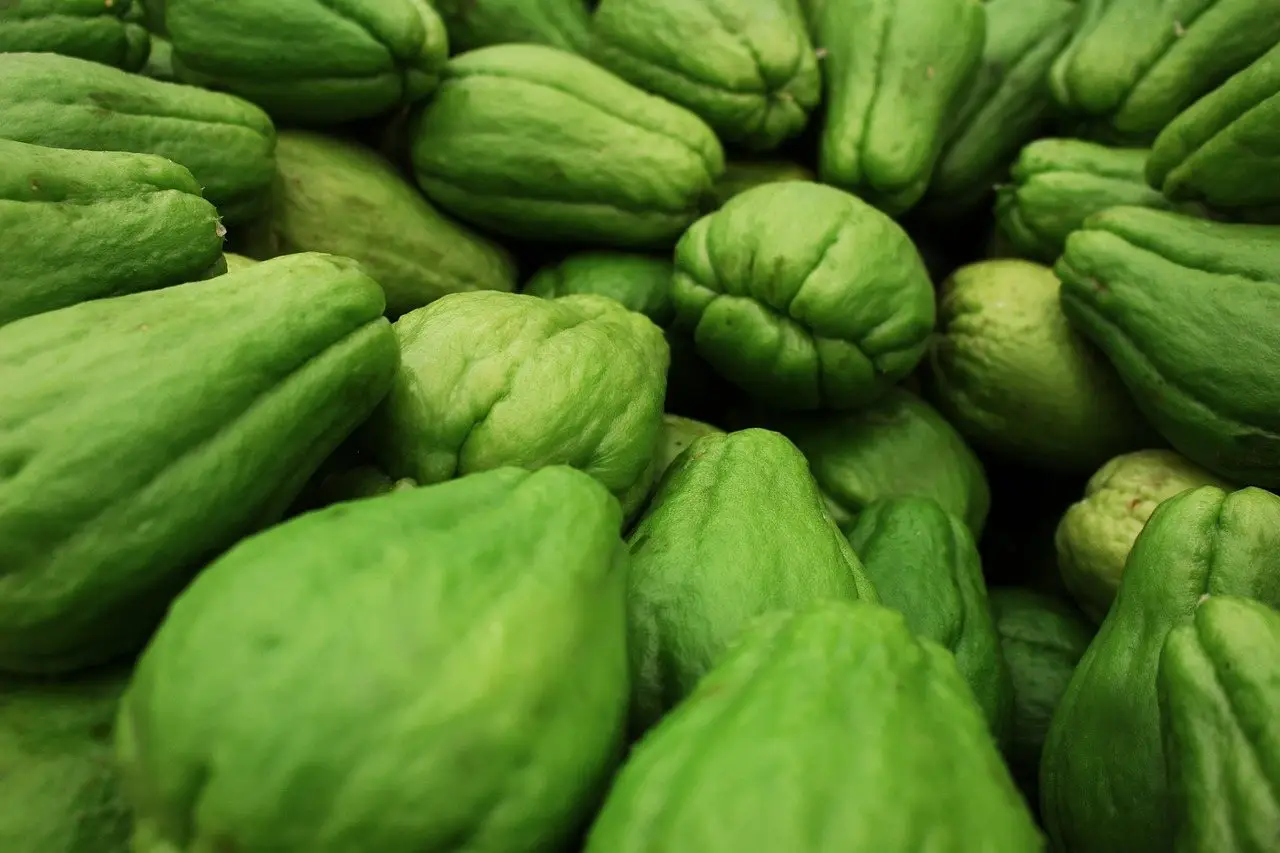
Chayote is grown from a sprouting fruit, not seed. It needs 120–150 frost-free days, a structure that can hold 20 kg, and short days to set fruit.
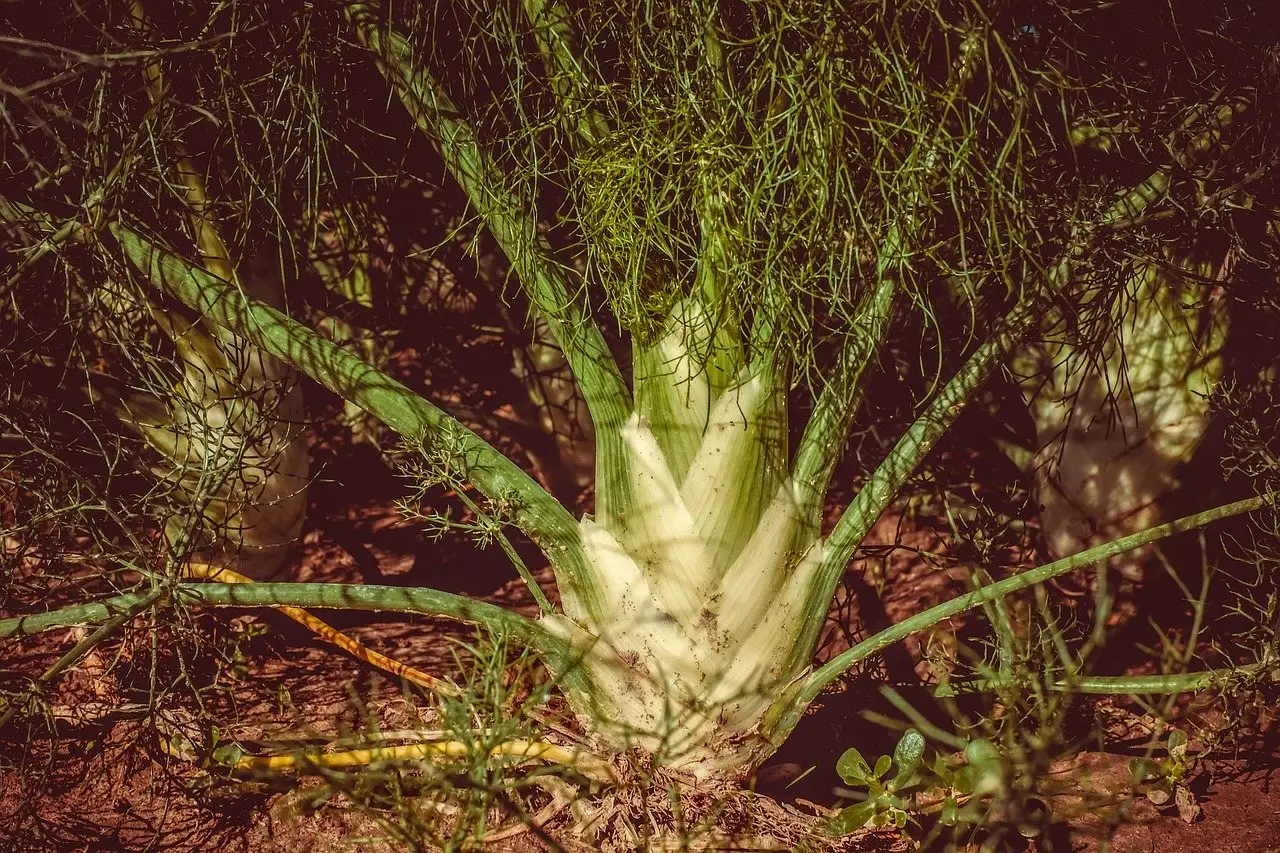
Florence fennel bolts if checked even briefly. Sow direct in midsummer, keep it watered, and earth the bulb up — herb fennel needs none of that.
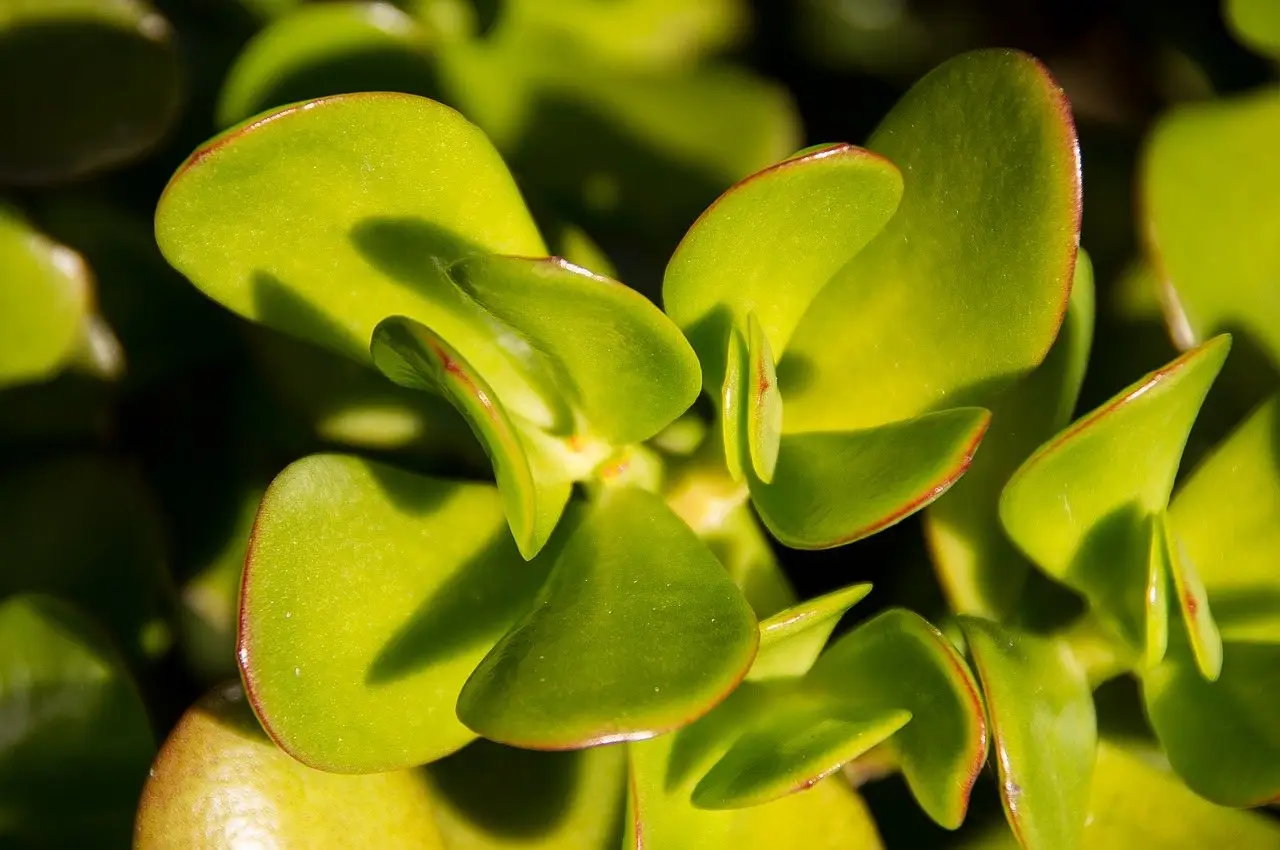
Jade plants live for decades on neglect. Soak then dry completely, full sun for solid growth, and repot rarely — overwatering is the only real killer.
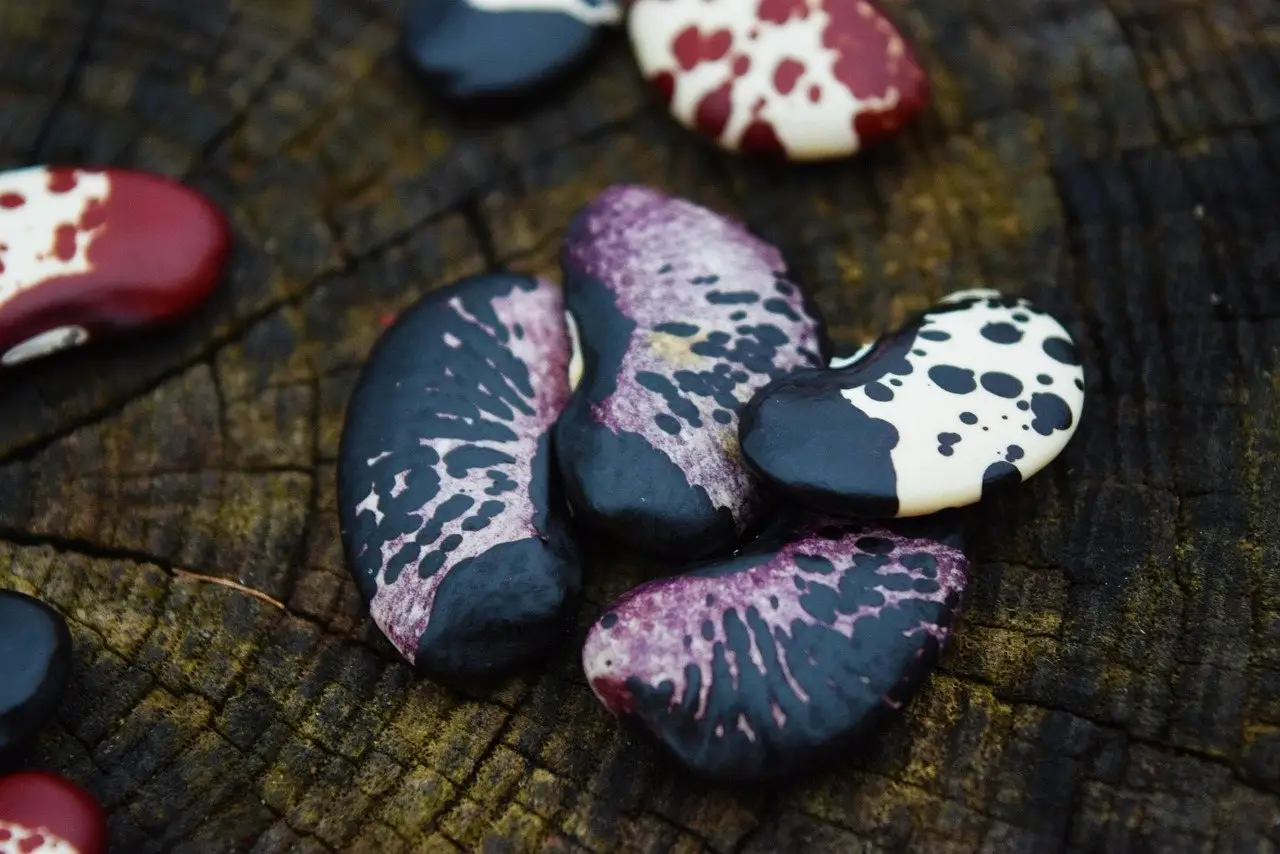
Lima beans need warmer soil than any other bean — 65 °F minimum — and a longer season. Bush types crop in 65 days, pole types in 90 but far heavier.
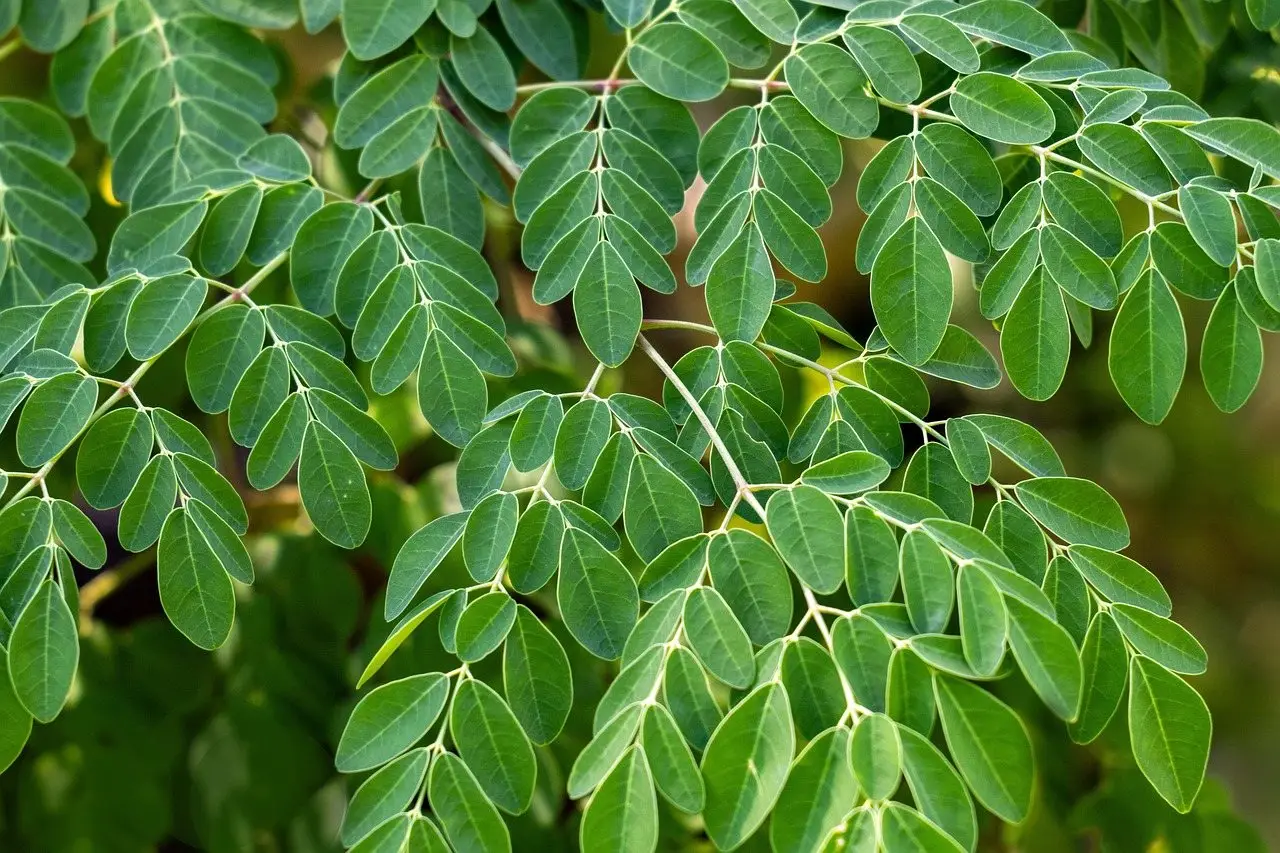
Moringa seed germinates in one to two weeks and the tree can reach ten feet in its first year. The catch is frost — it dies at 32 °F.
Oregano grown rich and wet is bland. Lean soil, full sun and sparse water concentrate the oils — and it comes back every year once established.
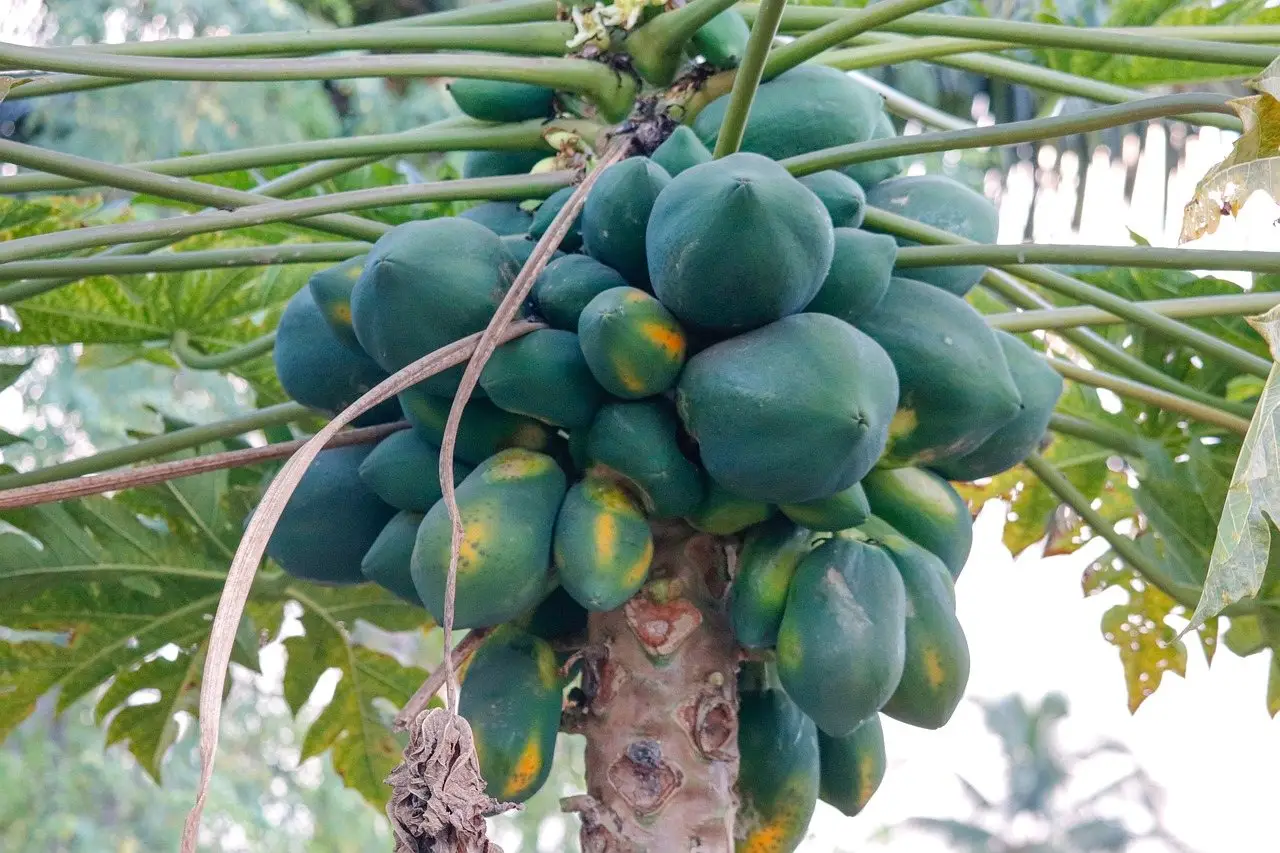
Papaya fruits within a year from seed and declines after four. Plant several to get a female or hermaphrodite, and never let the roots sit wet.
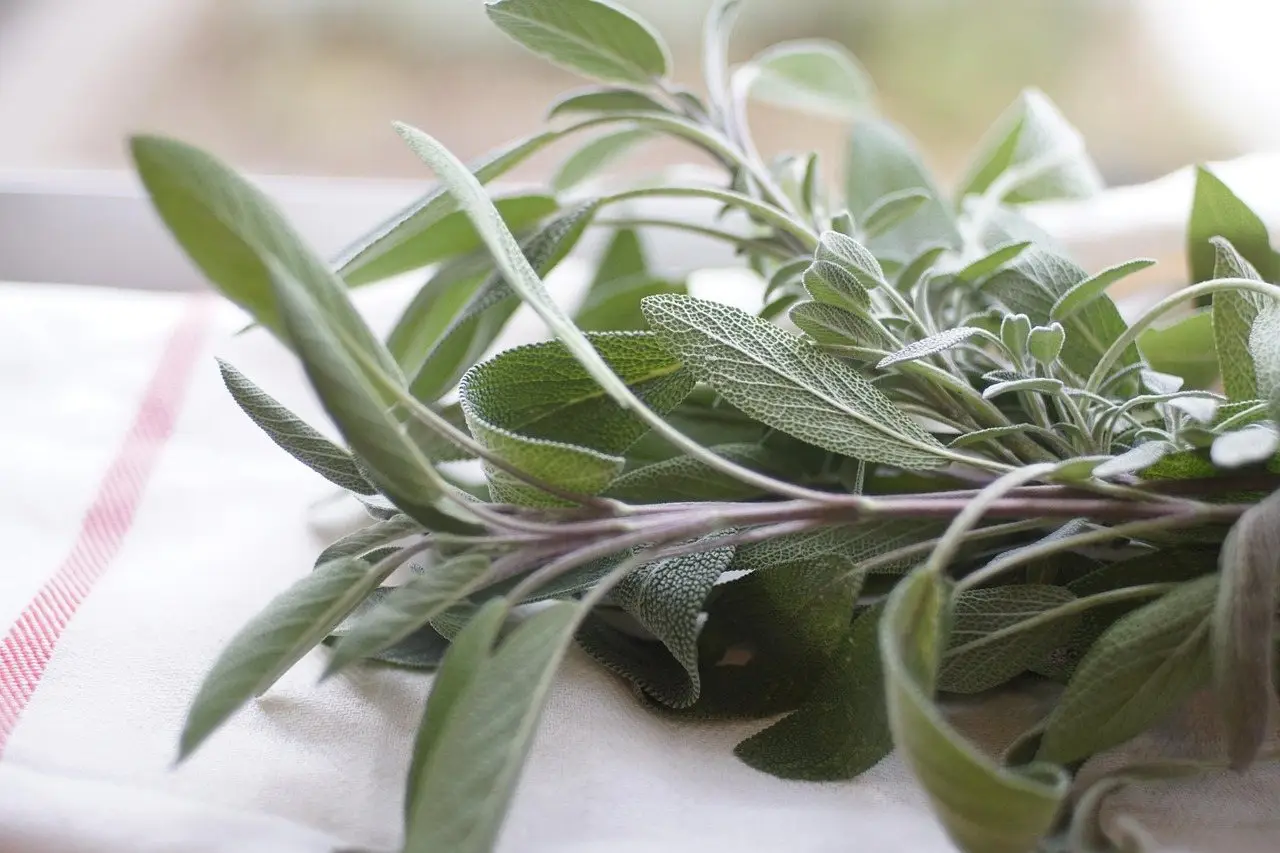
Sage dies from wet feet, not cold. Lean free-draining soil, full sun, no feed — and replace the plant every four or five years before it goes woody.
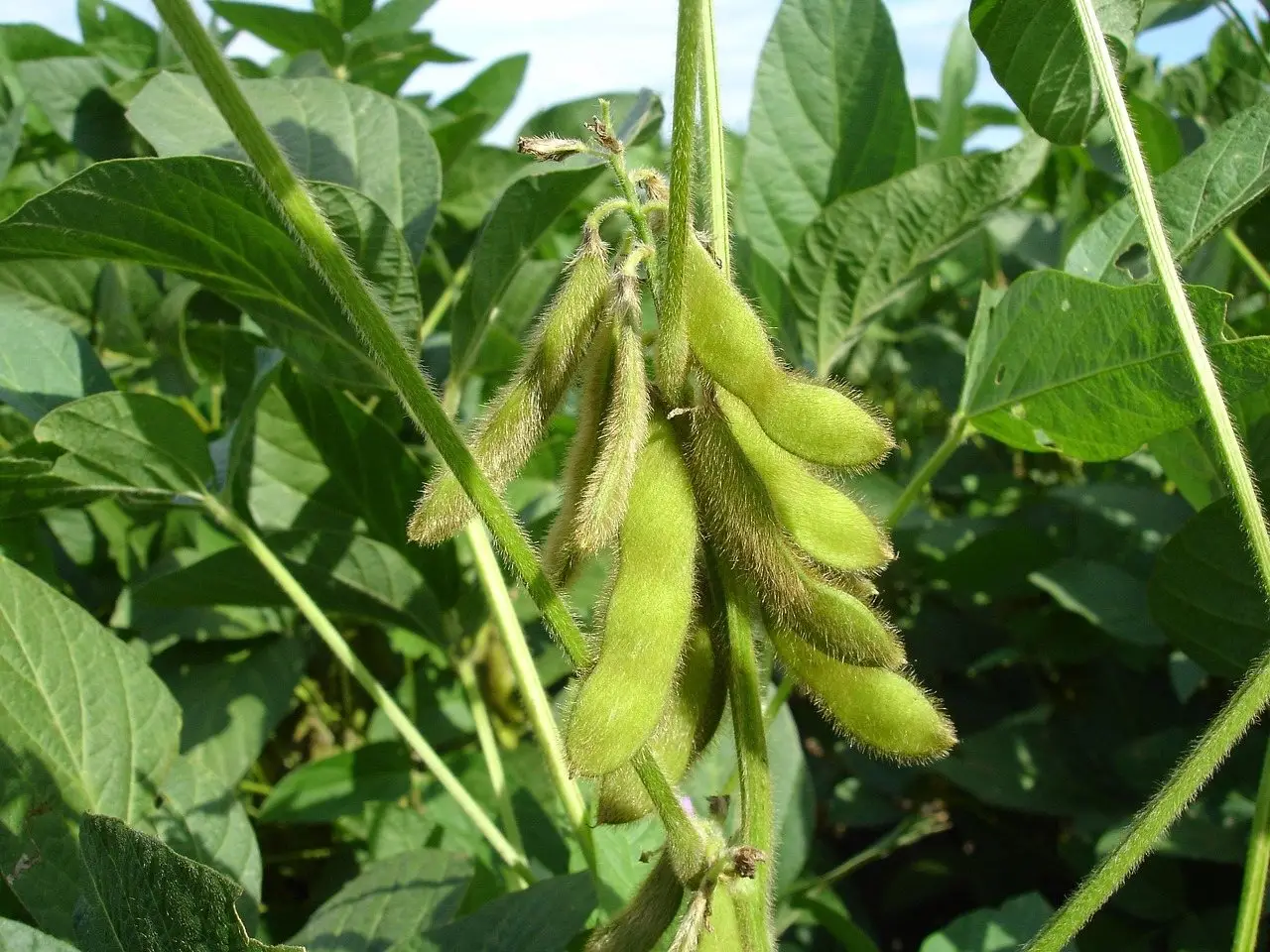
Soybeans are easy to grow and harvest in one short window — pods fill, then go hard within about a week. Here is the timing and what yield to expect.
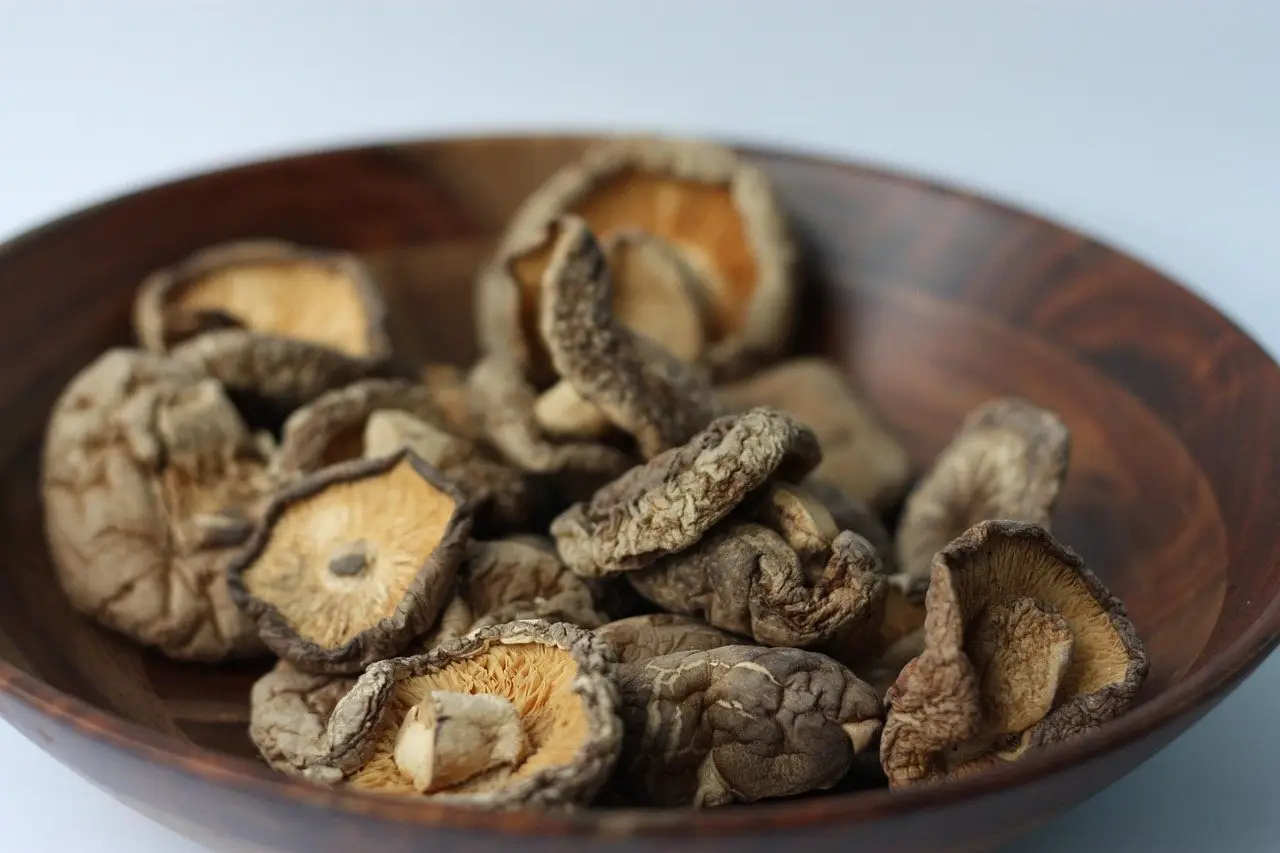
Fresh-cut hardwood logs, plug spawn, and patience. Inoculate in spring, wait 9–18 months for colonisation, then fruit them for five or six years.
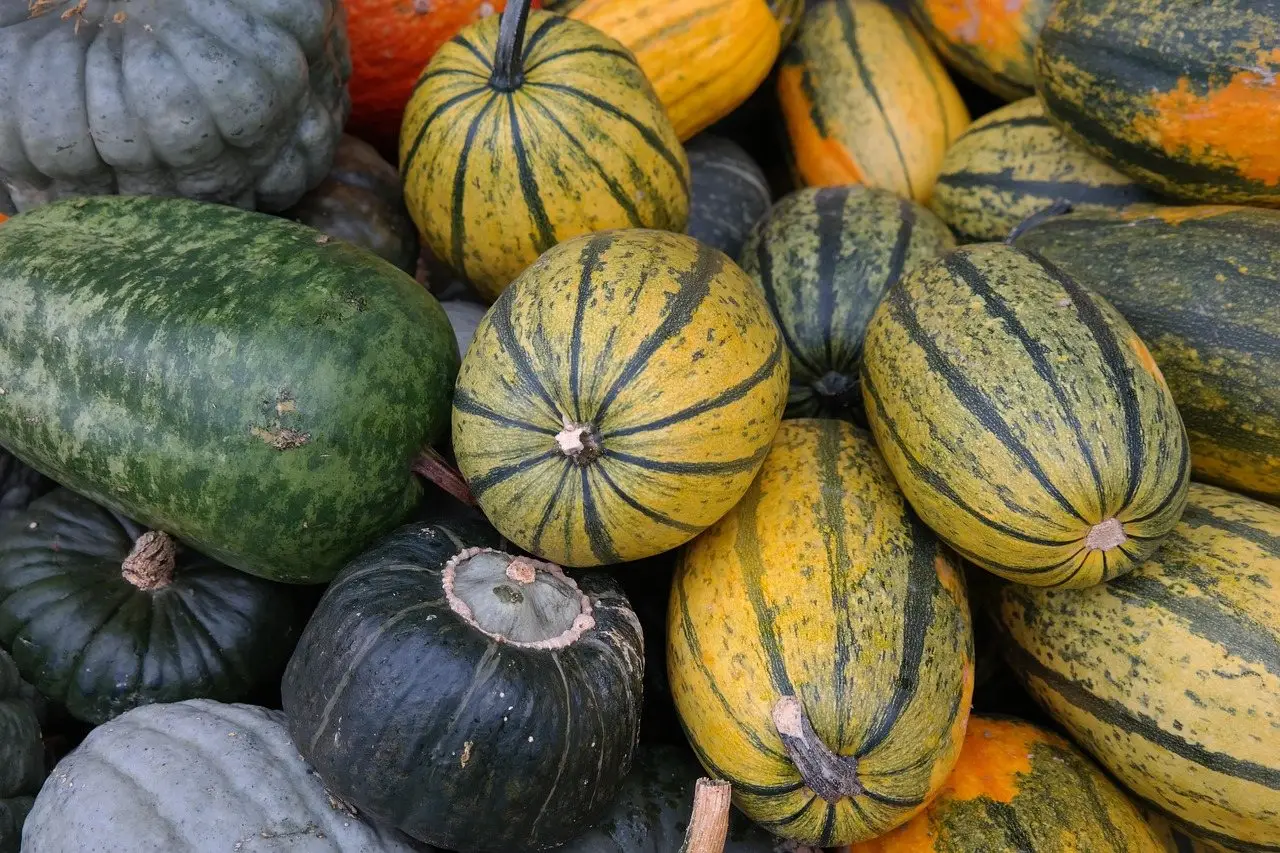
One plant needs 2–3 m and produces four to six fruit. Leave them until the rind resists a thumbnail, then cure — picked early they taste of nothing.
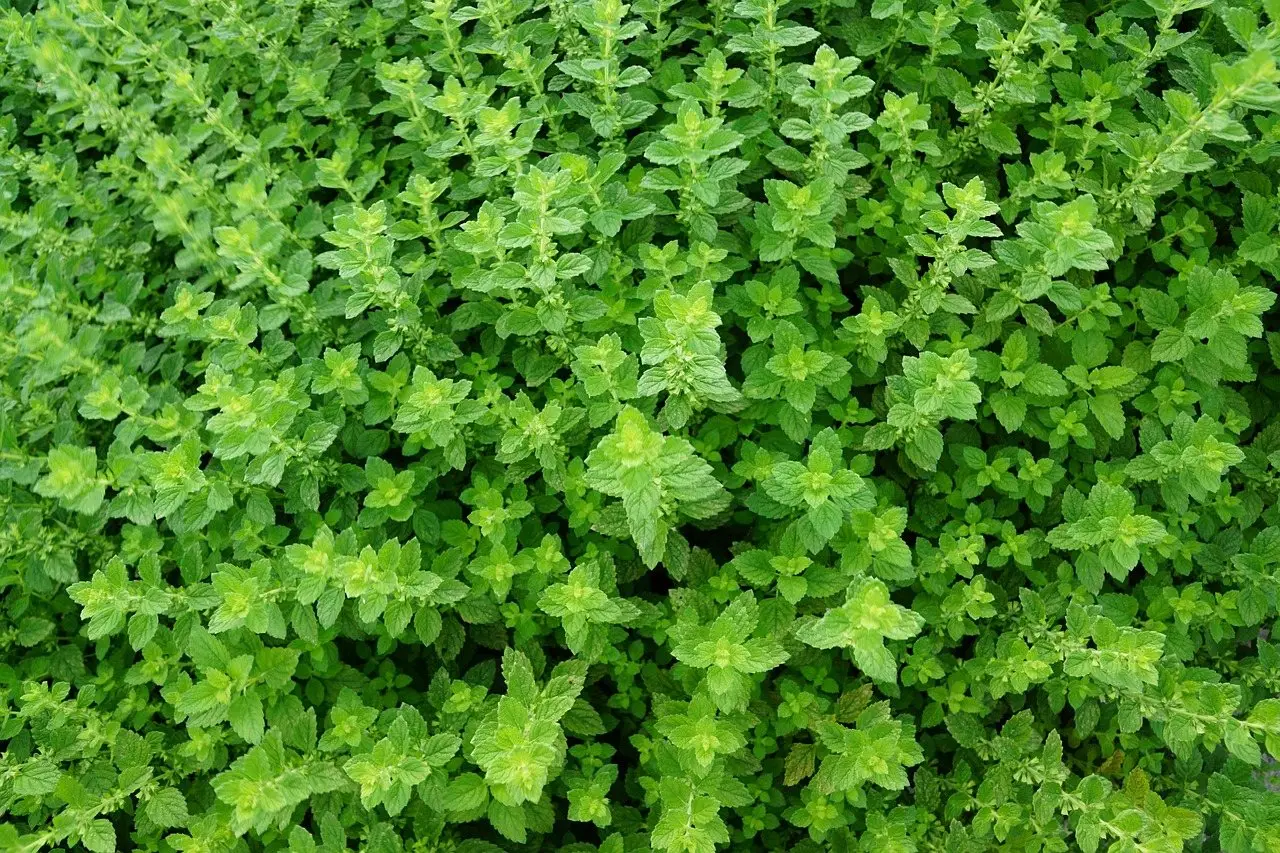
Thyme wants gravel, sun and neglect. It survives drought and frost easily and dies in wet clay — which is the only real decision you have to make.
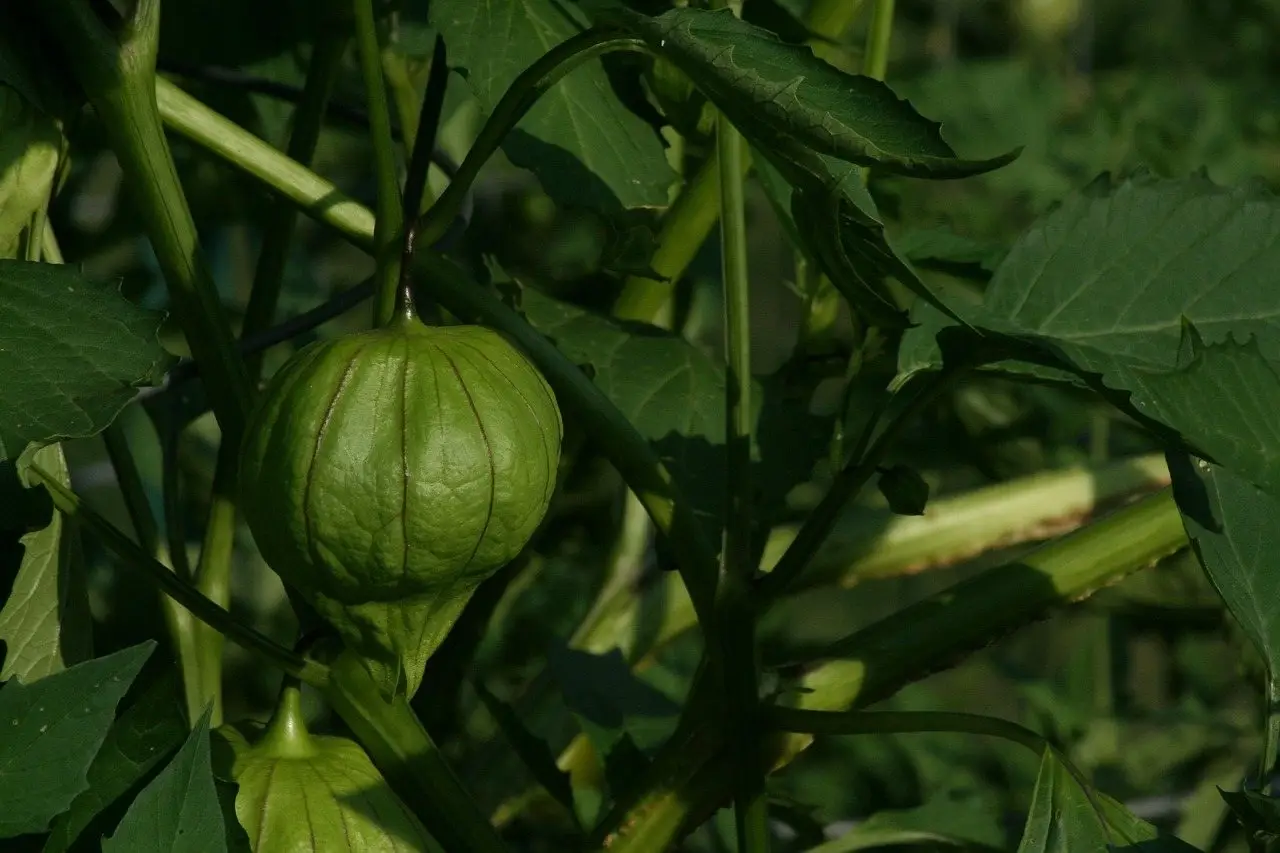
A single tomatillo cannot pollinate itself and produces empty husks. Two or more plants, full sun, and support for a sprawling 1.5 m shrub.
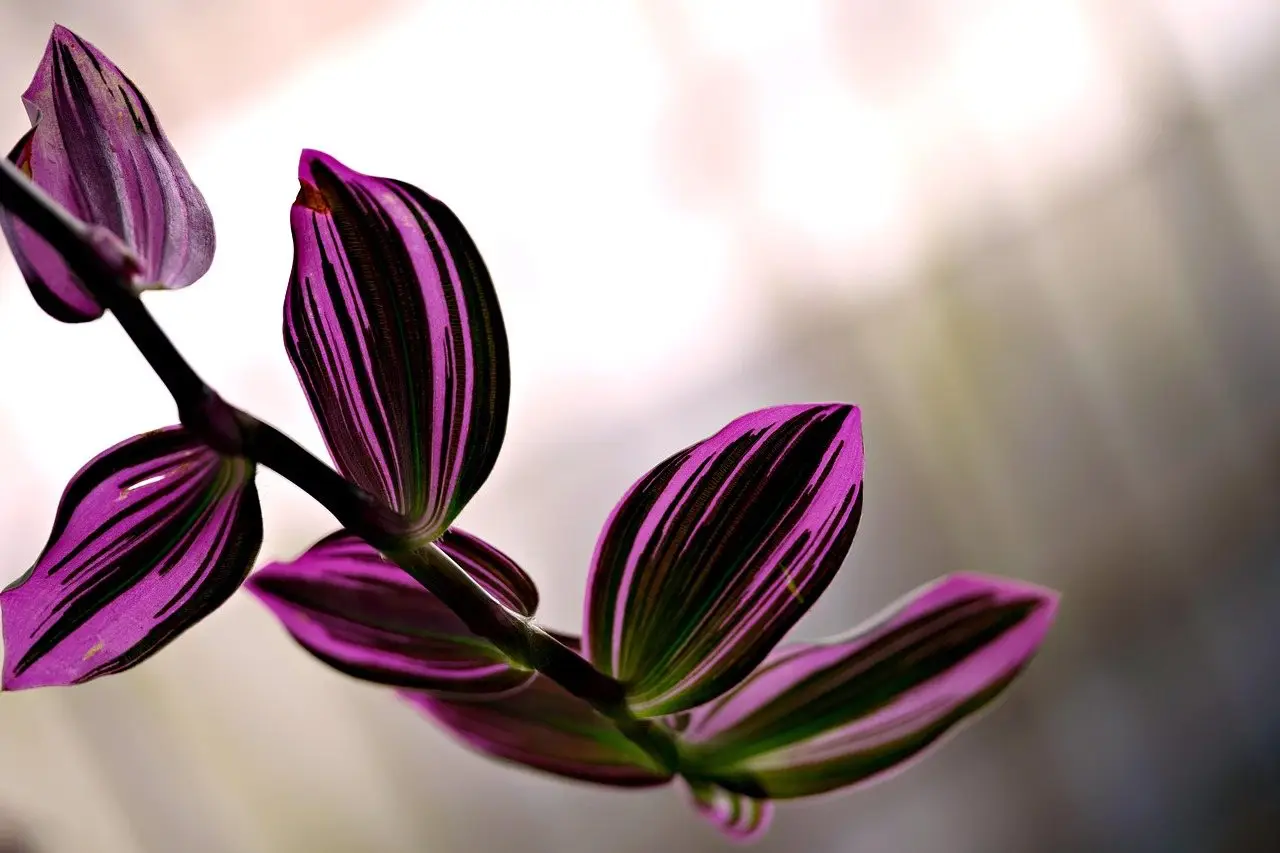
Tradescantia goes leggy in low light and never refills a bare stem. Pinch hard, root the cuttings, and plant them back into the same pot.
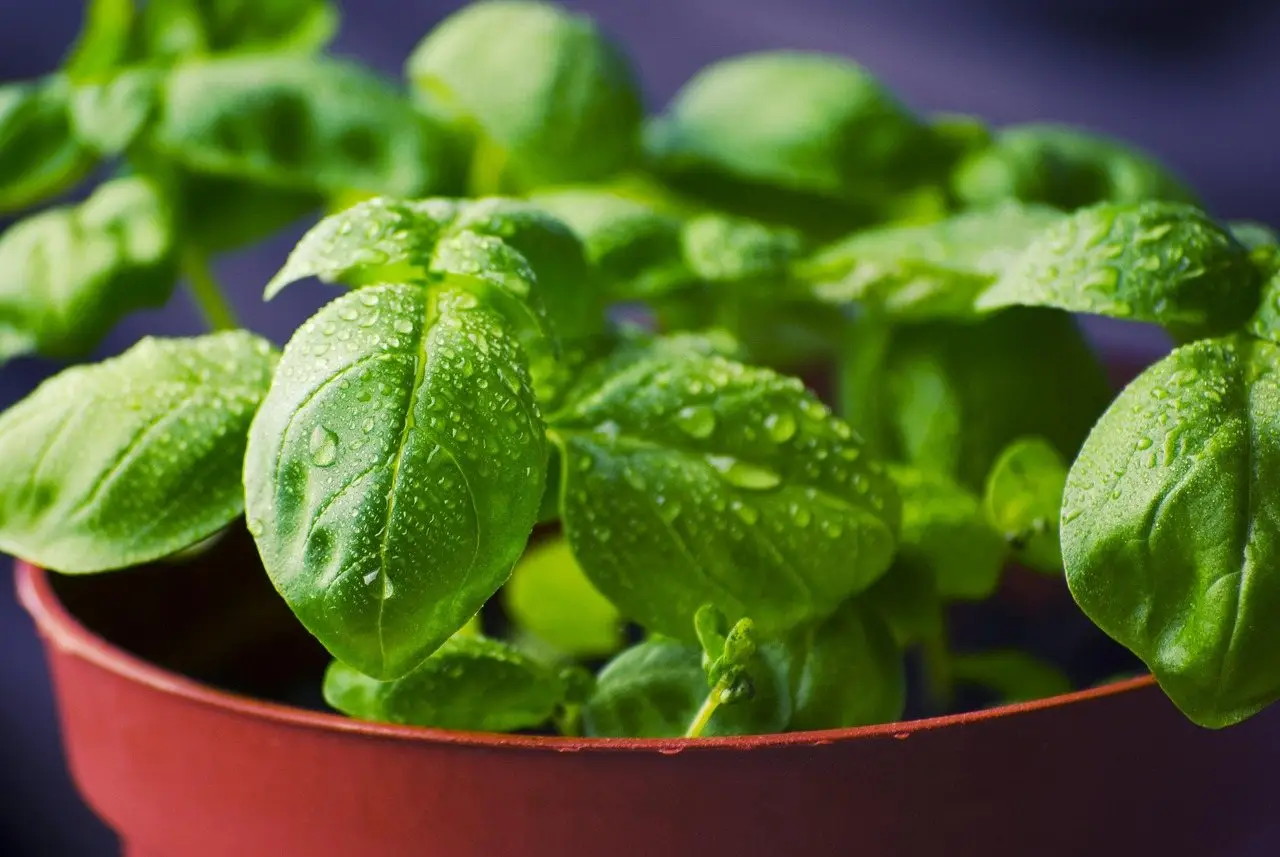
Basil sulks below 10°C and rots in cold wet soil. Wait for warmth, plant shallow, and start pinching early — that is what makes it bushy.
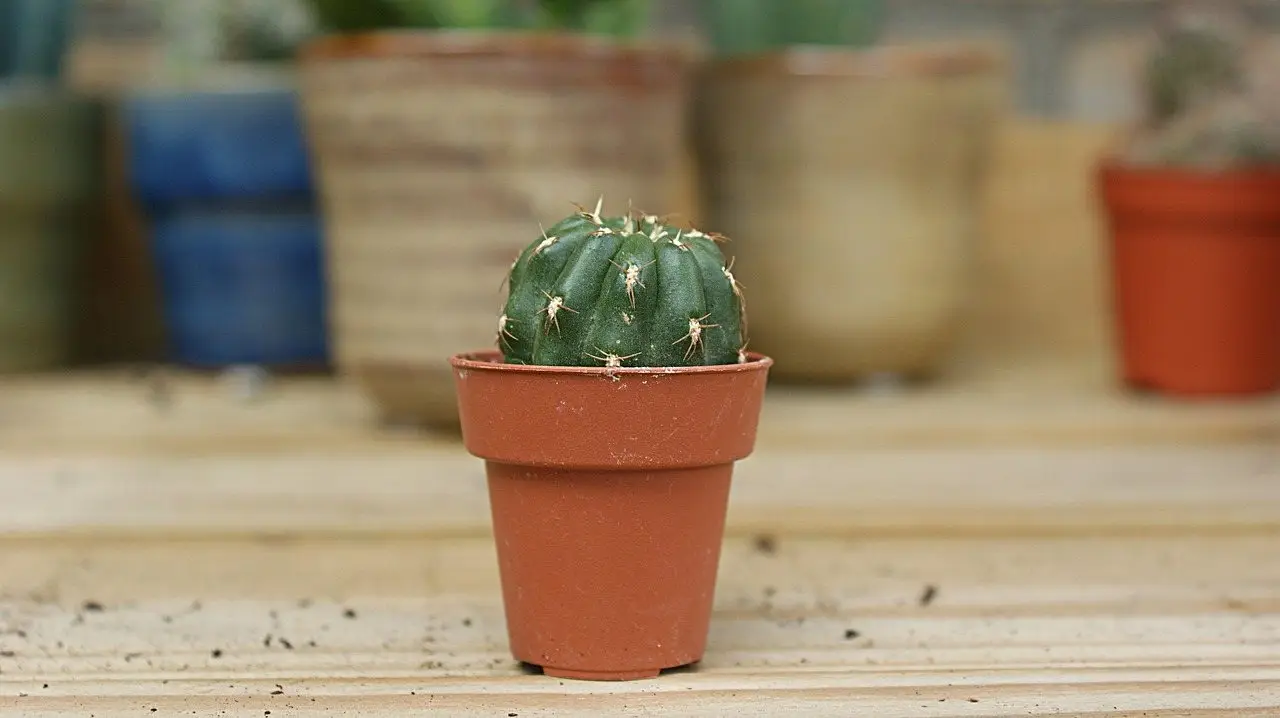
A fresh cut planted straight into damp compost rots. Let the wound callus for days or weeks, pot dry, and wait before the first watering.
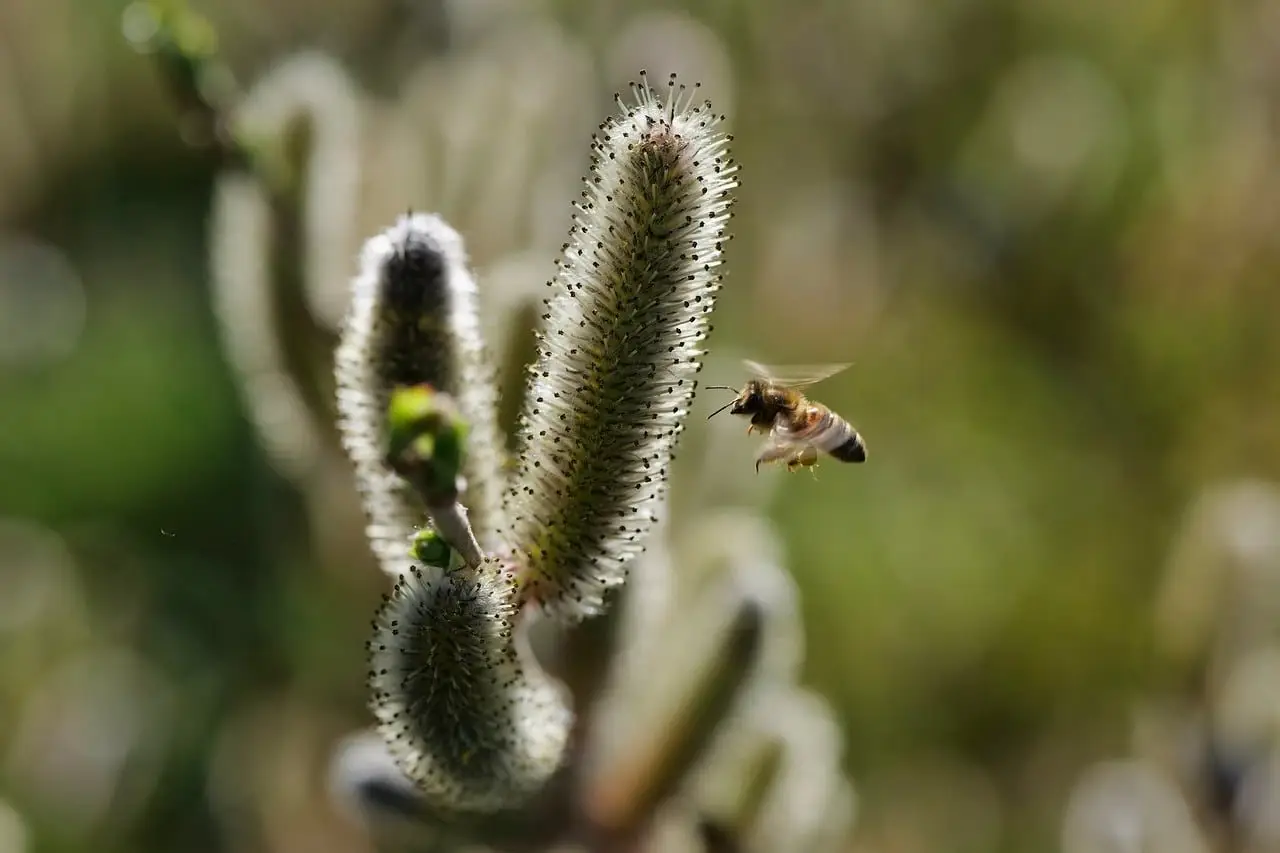
Glycerine keeps branches supple for years; air drying makes them brittle but keeps the catkins. Which you choose depends on what you plan to do with them.
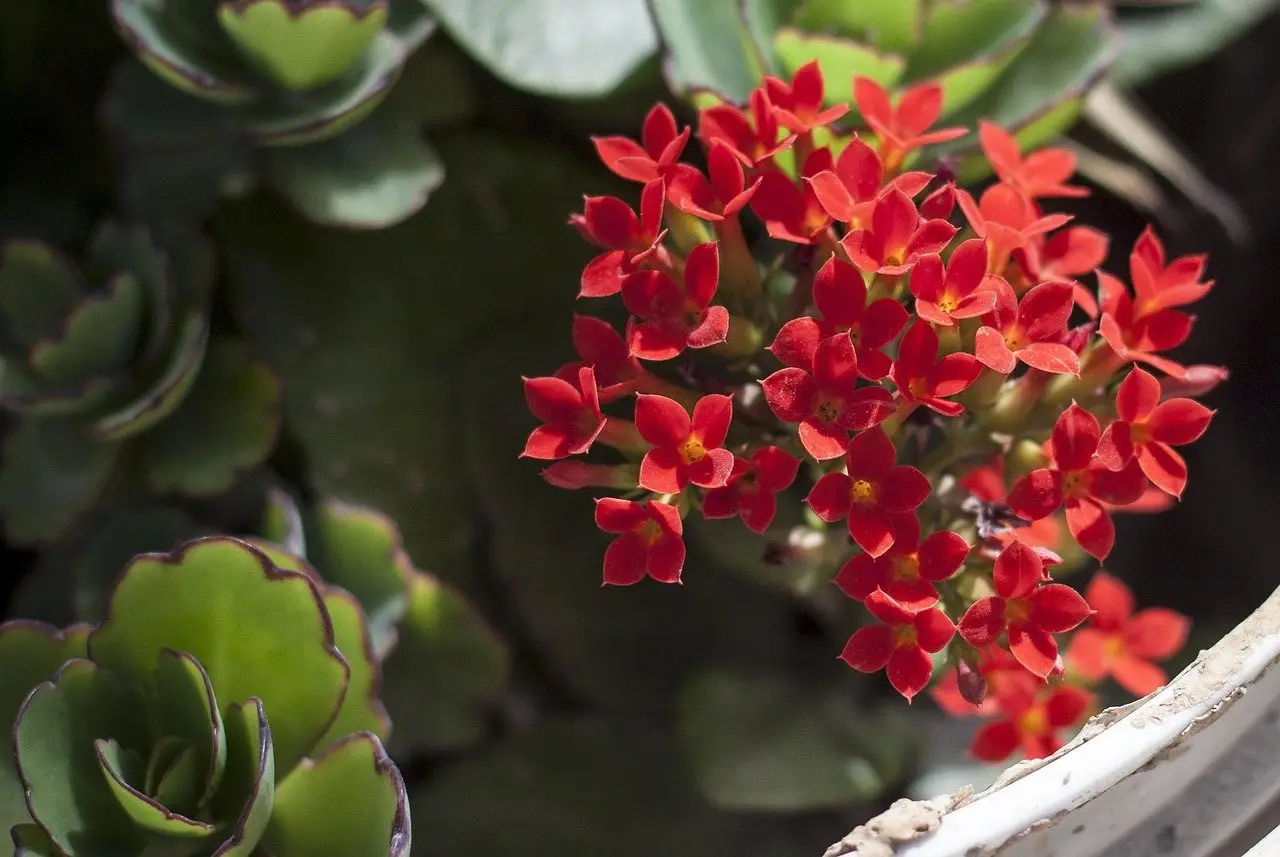
Most kalanchoes root from a leaf or a stem tip after a few days of callusing. One species does the work for you and drops ready-made plantlets.
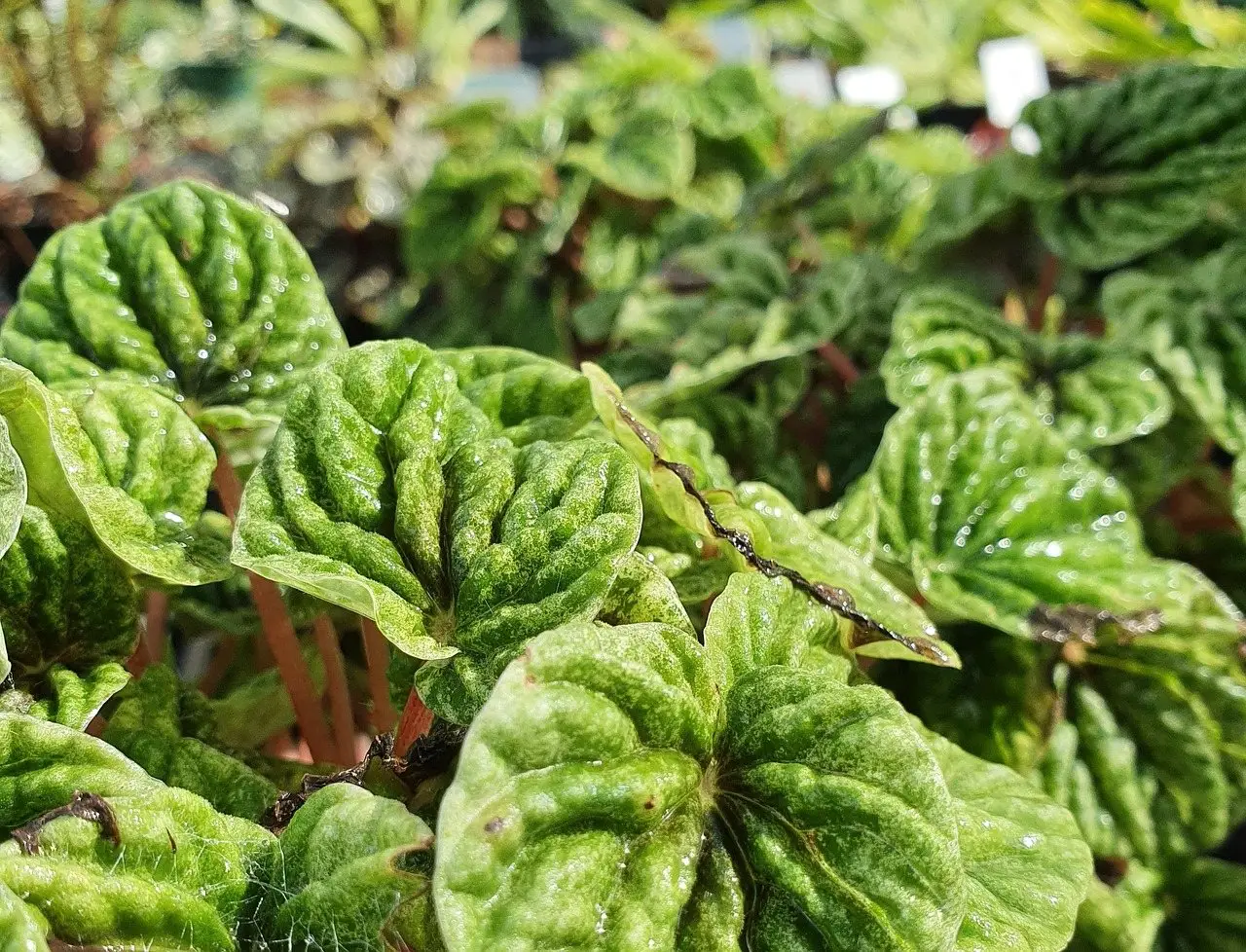
Most peperomias root from a single leaf with its stalk attached, in water or compost. Petiole length and humidity decide whether it works.
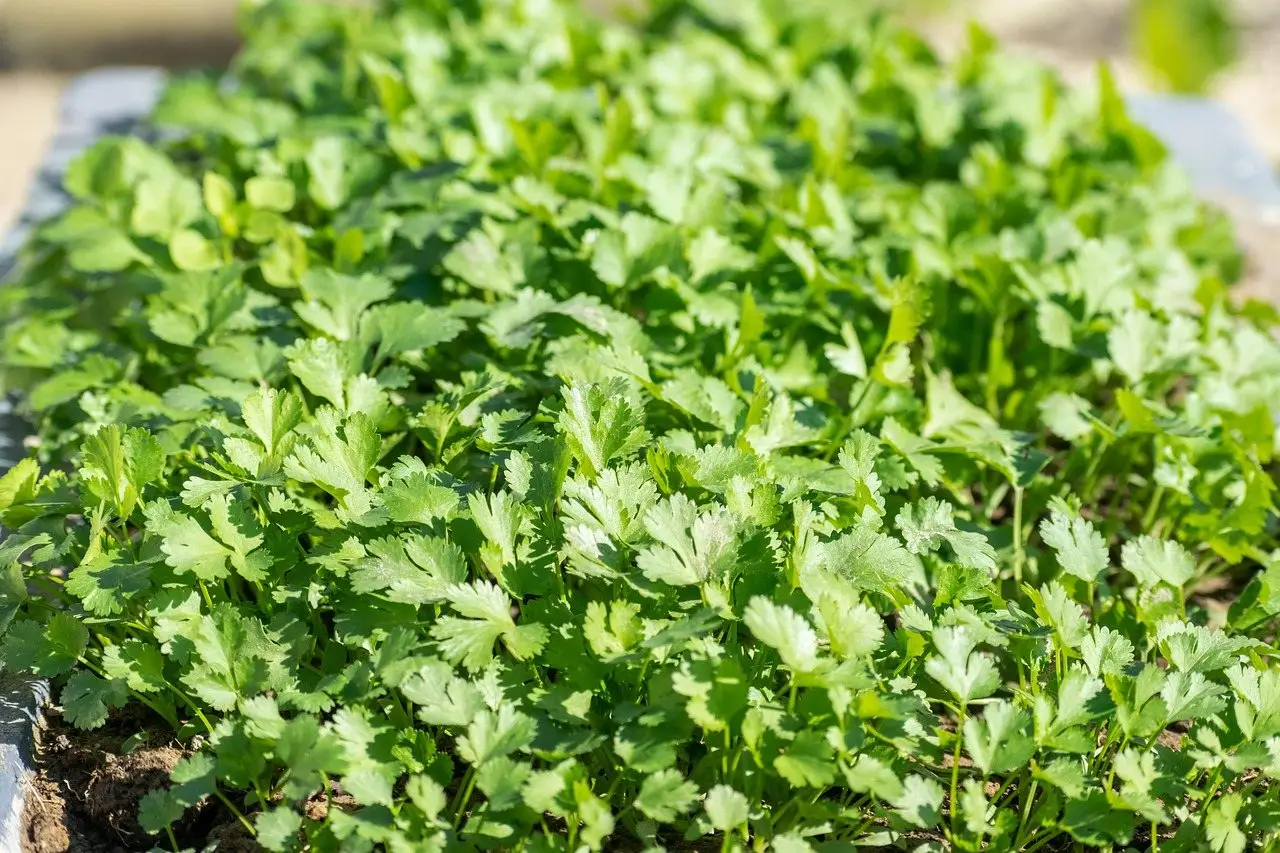
Take outer stems at the base, never the centre. It buys a few weeks — but cilantro bolts on day length, so succession sowing is the real answer.
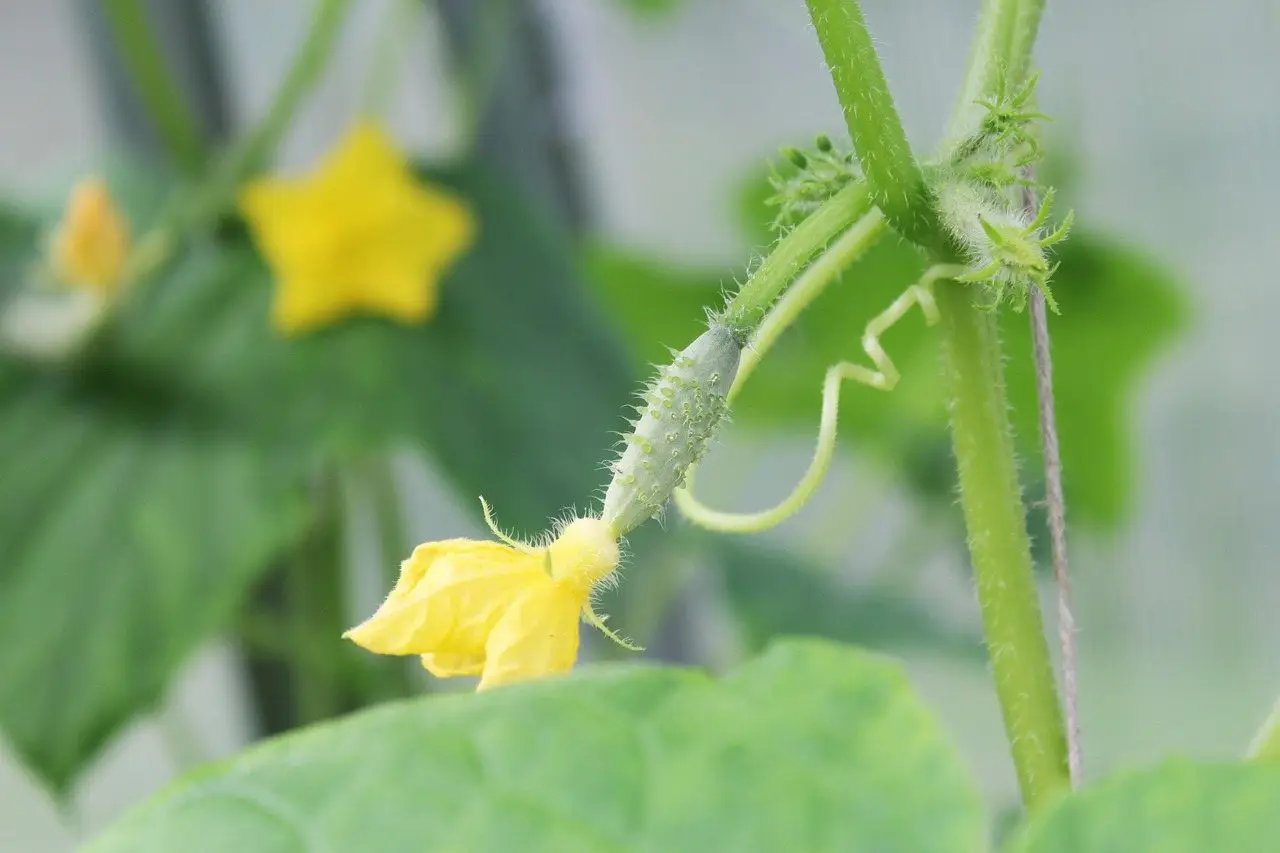
Vining cucumbers benefit from removing the bottom foot of growth and the side shoots. Bush types need nothing — pruning them costs you fruit.
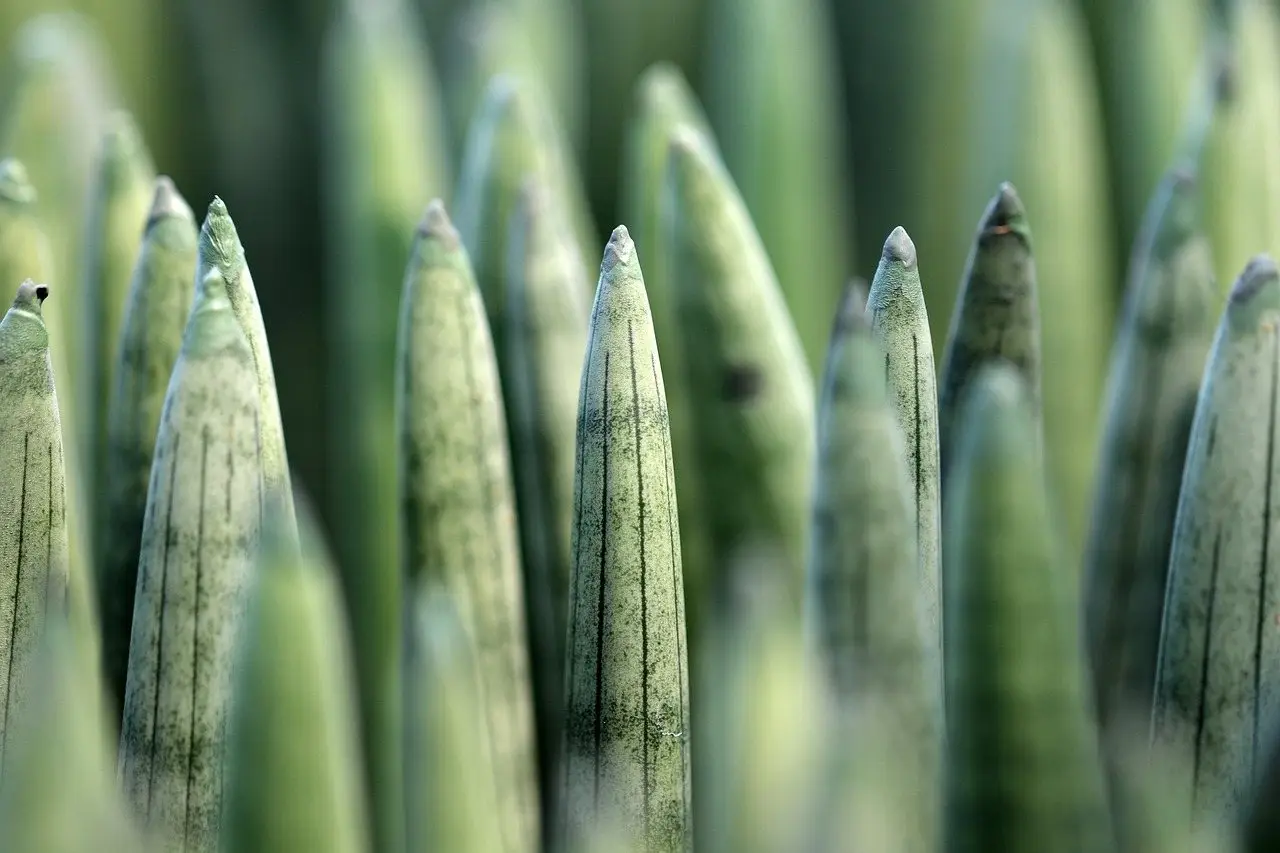
Snake plants flower better and rot less when slightly pot-bound. Repot every 3–5 years, one size up, into gritty mix — and keep it dry afterwards.
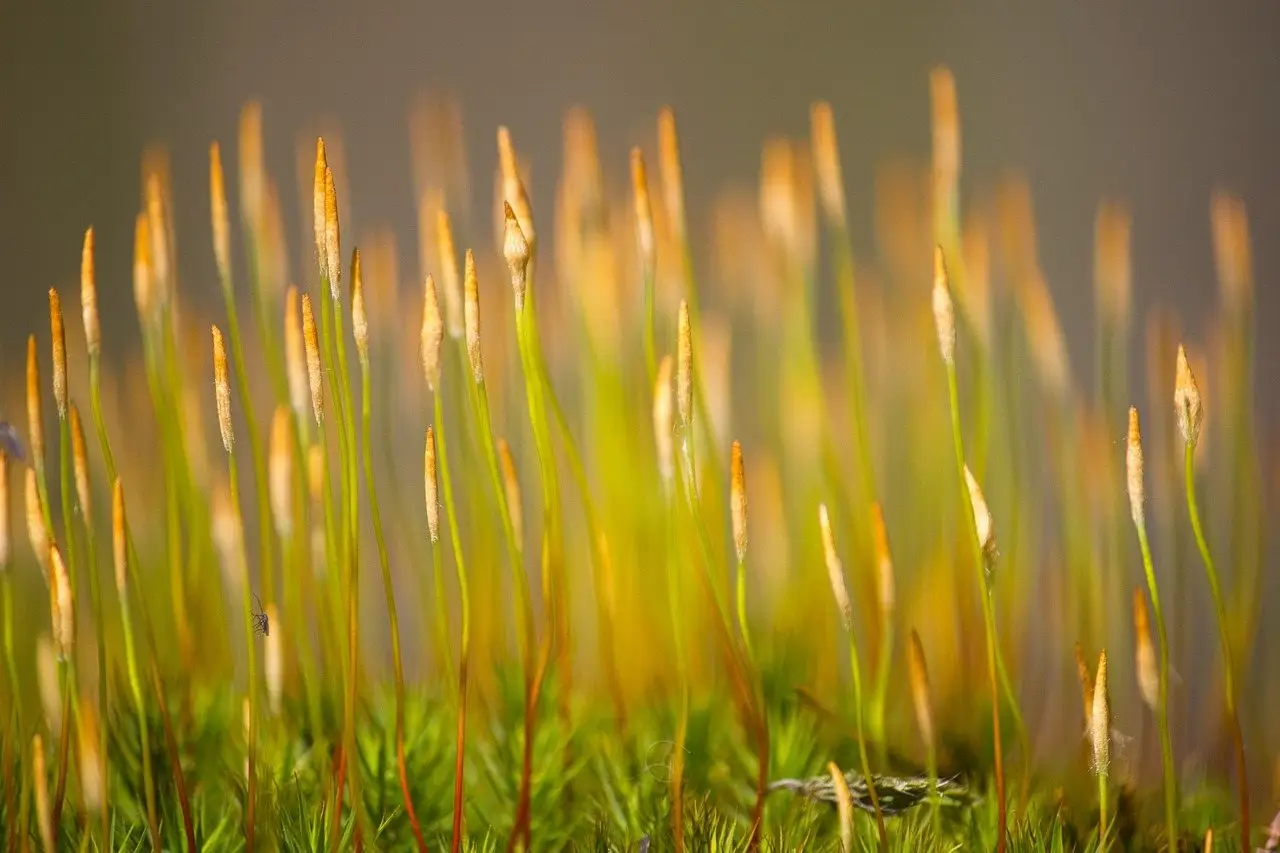
Both are Sagina subulata — green and golden forms of one species. Neither is a moss, and both rot in the wet conditions real moss enjoys.
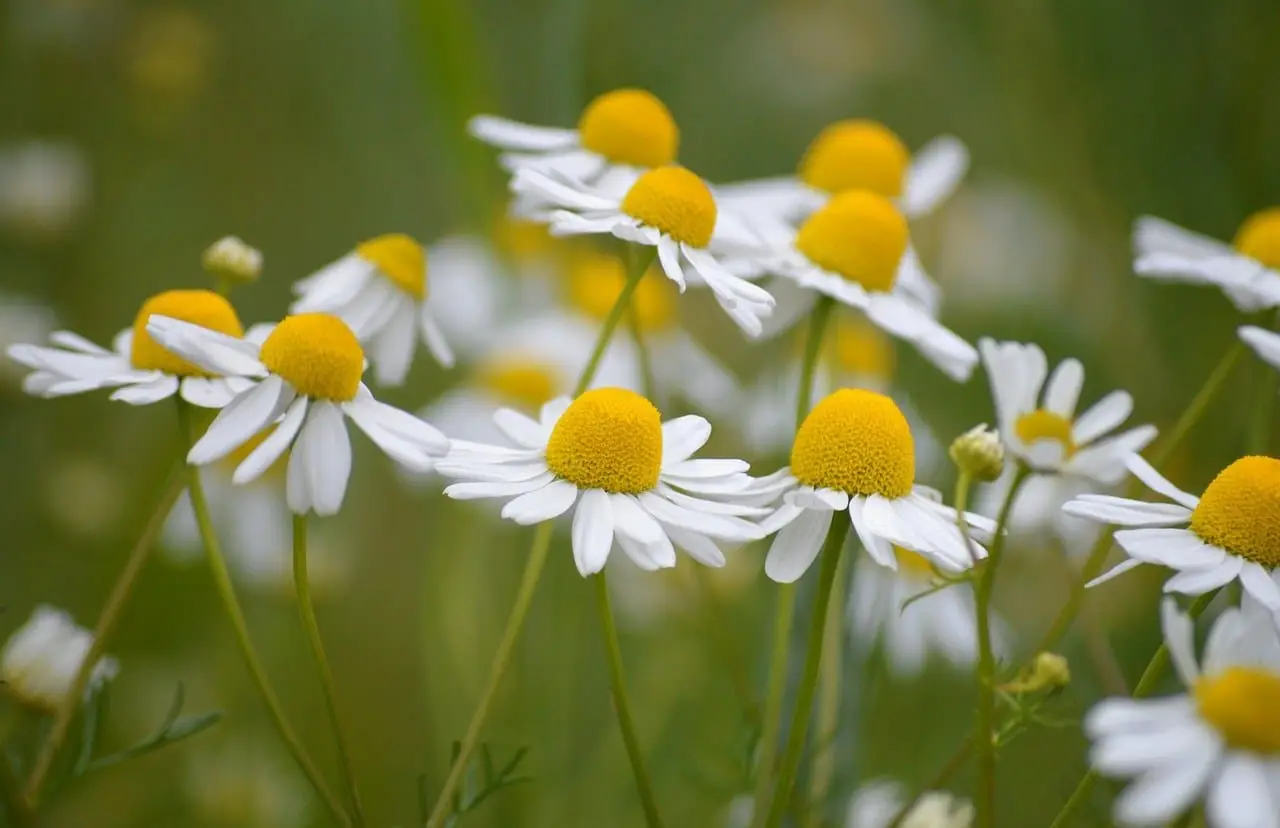
Roman chamomile is a perennial that spreads; German chamomile is an annual that self-seeds. Both come back — by completely different mechanisms.
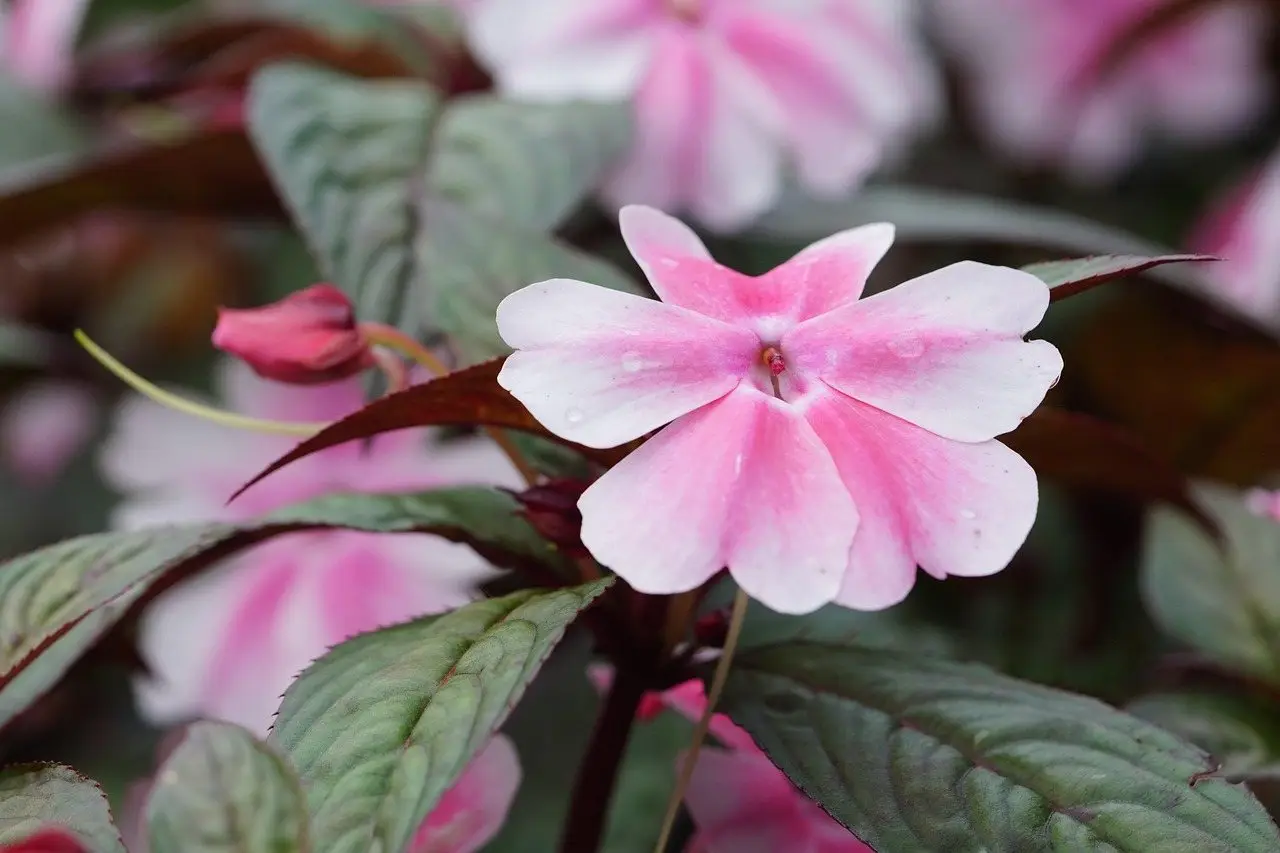
Unlike bedding impatiens these take real sun and resist downy mildew. What they will not take is drying out — they collapse within hours.
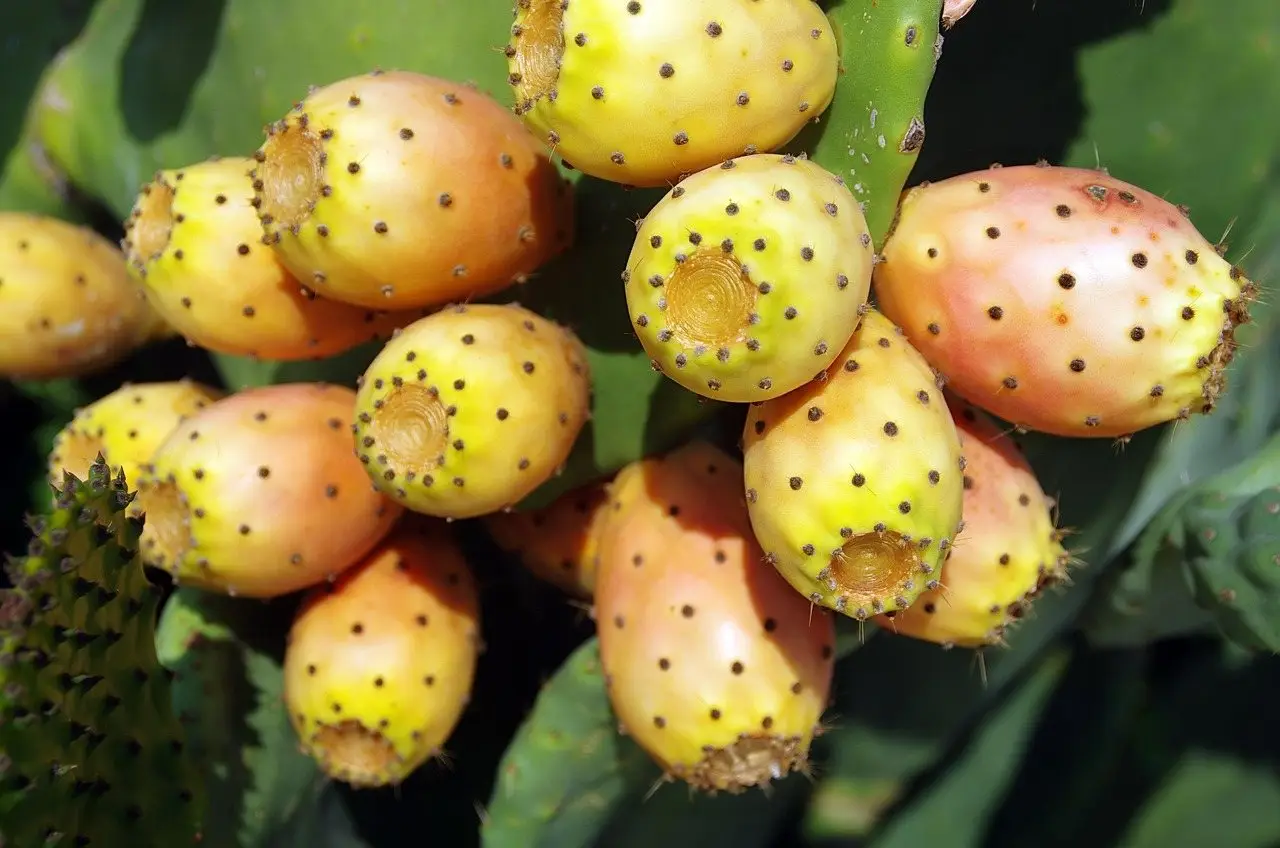
A pad twisted off at the joint and left to callus for two weeks roots easily. Rushing the callus, or burying the pad deep, is what kills them.
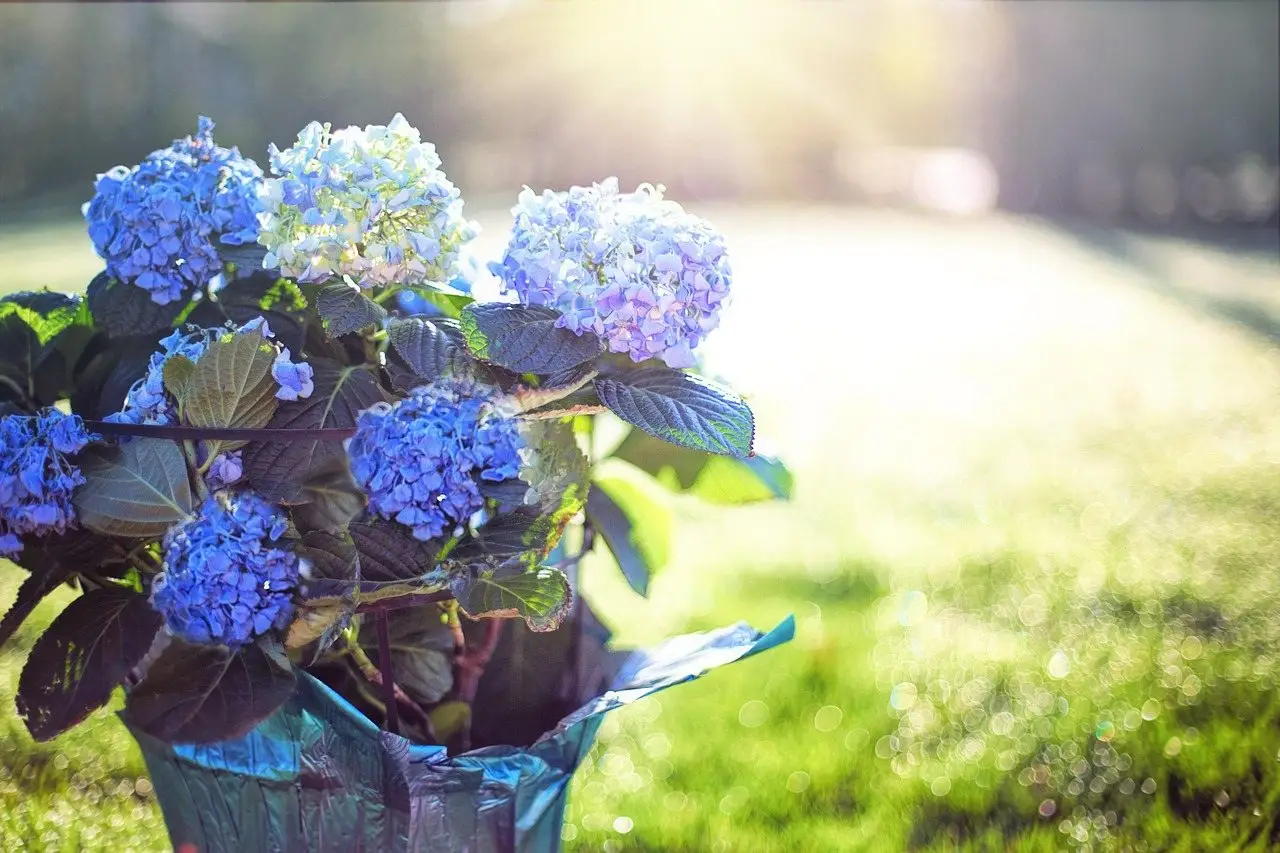
A potted hydrangea drinks more than any other shrub and wilts daily in summer. Pot size, compost and afternoon shade fix most of it.
Gynura aurantiaca loses its purple fuzz in low light and turns plain green. Bright indirect light keeps it velvet, and the flowers should be cut off.
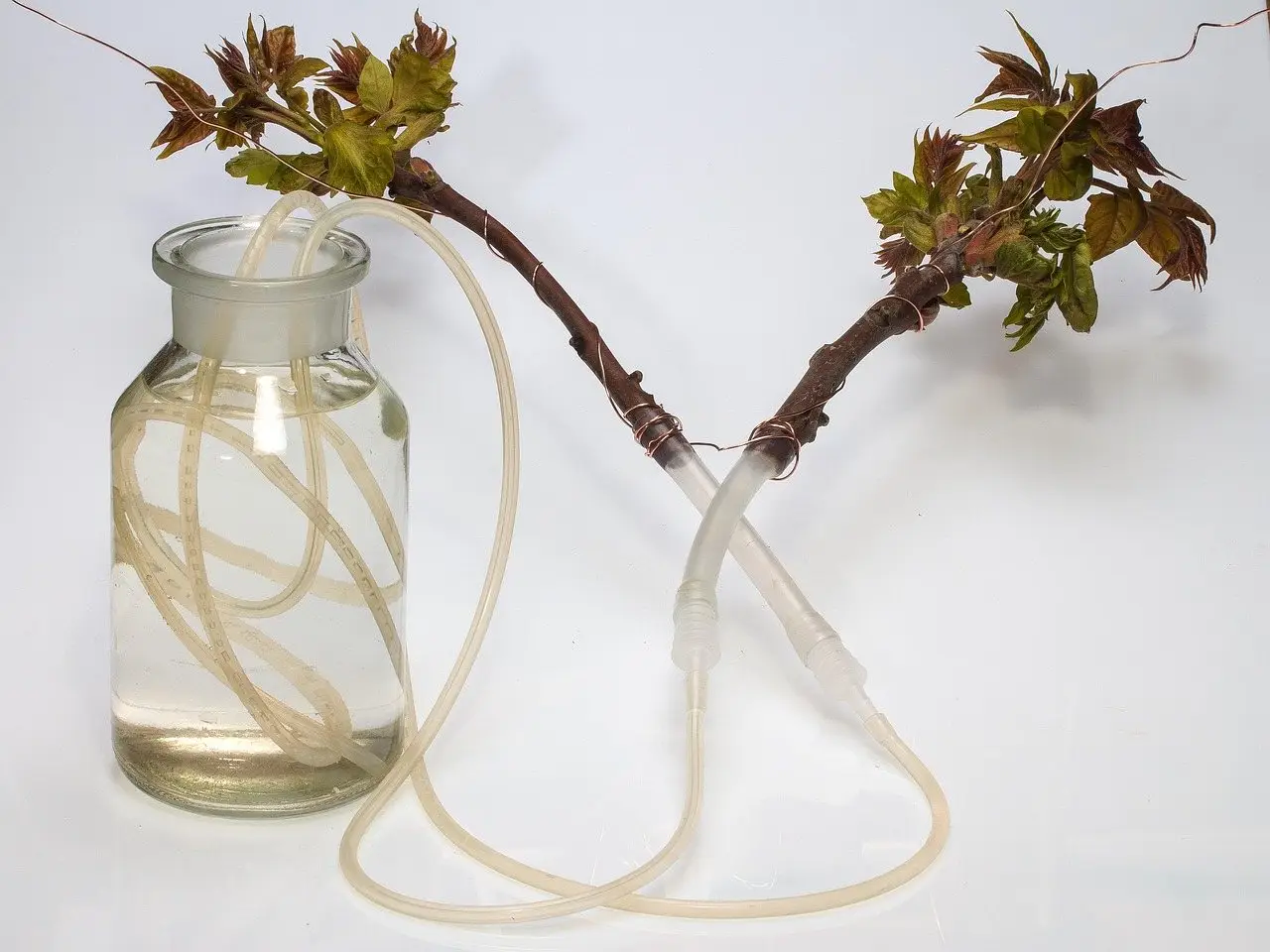
A cutting roots only if it includes a node. Leaves alone never will. Here is where to cut, how long it takes, and when to move it to soil.
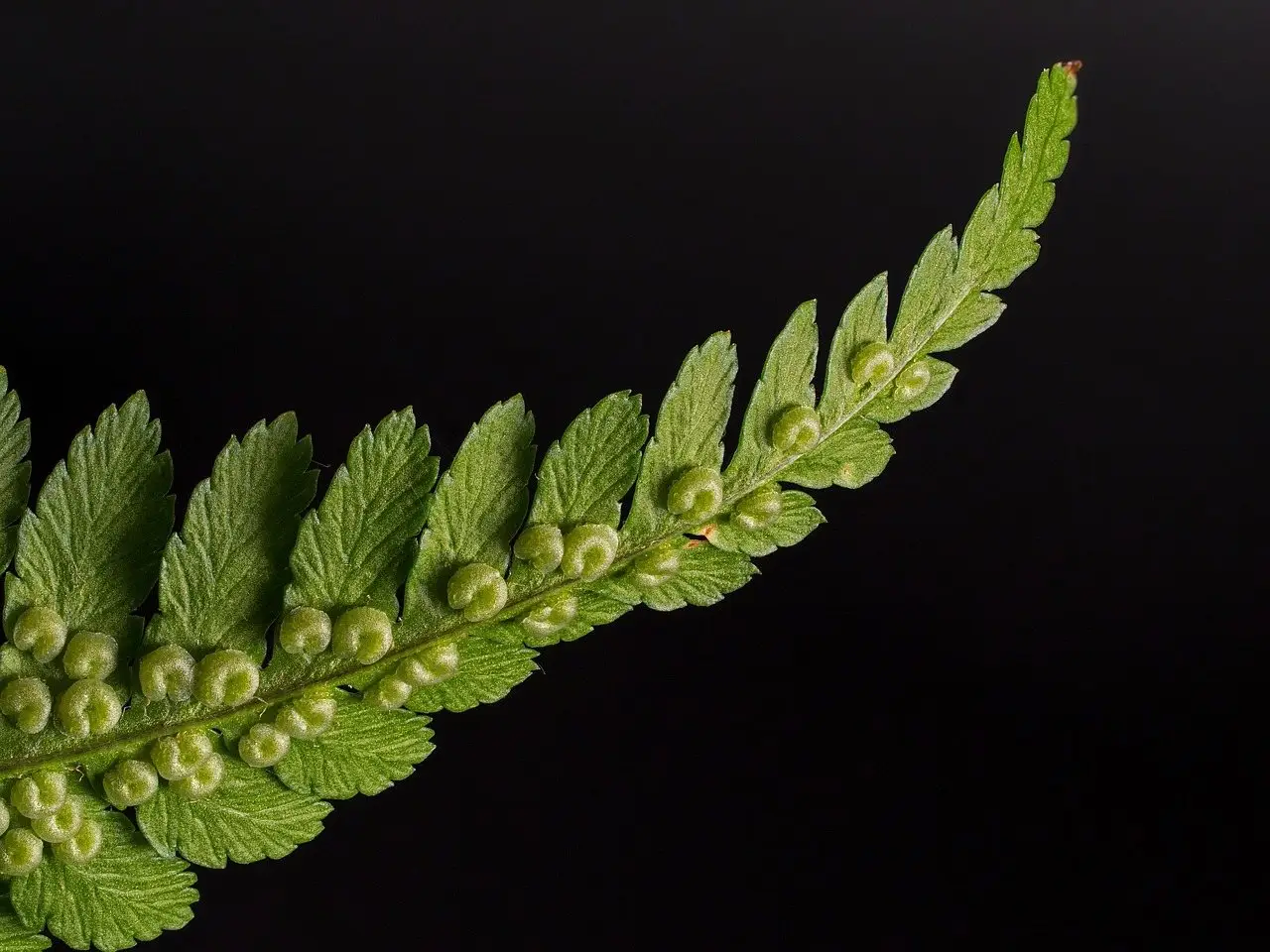
Those furry feet are rhizomes that must stay above the compost. Bury them and they rot — which is the single most common way this fern is killed.
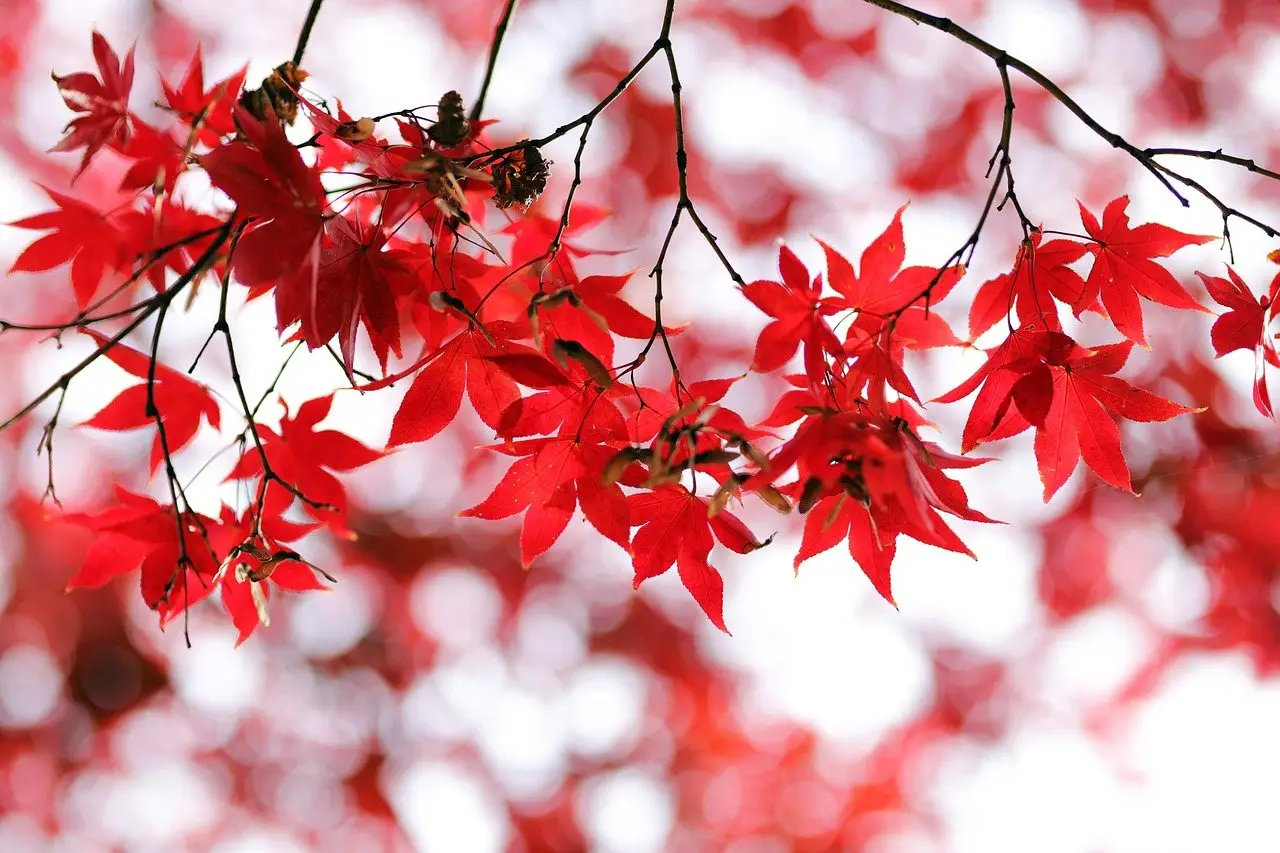
A red maple adds 13 to 24 inches a year in good conditions, reaching 40 feet in about 20 years. Soil moisture is the lever that decides where in that range.
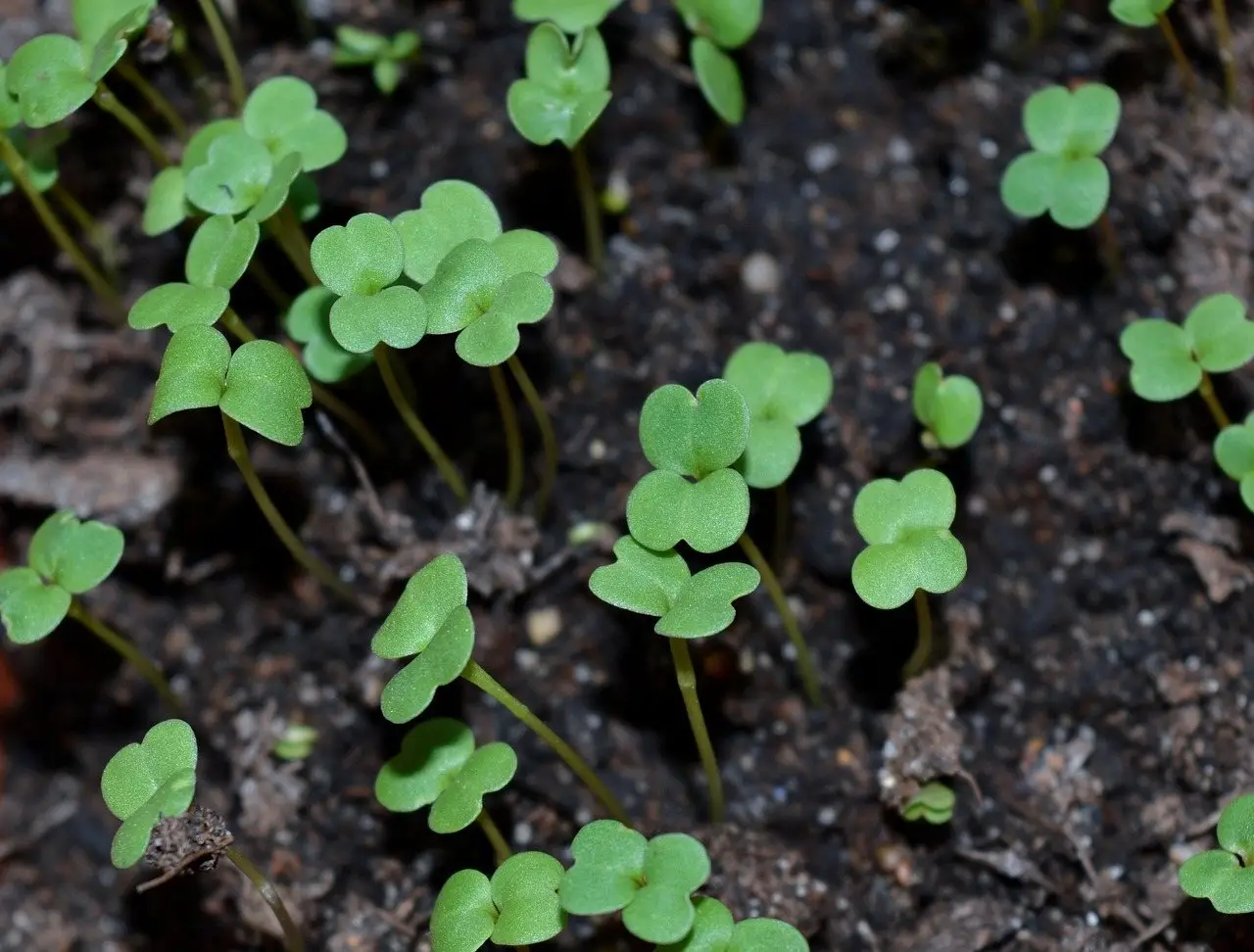
Germination in three days, true leaves at a week, root swelling from day ten, harvest by day 25. Knowing the stages tells you when something went wrong.
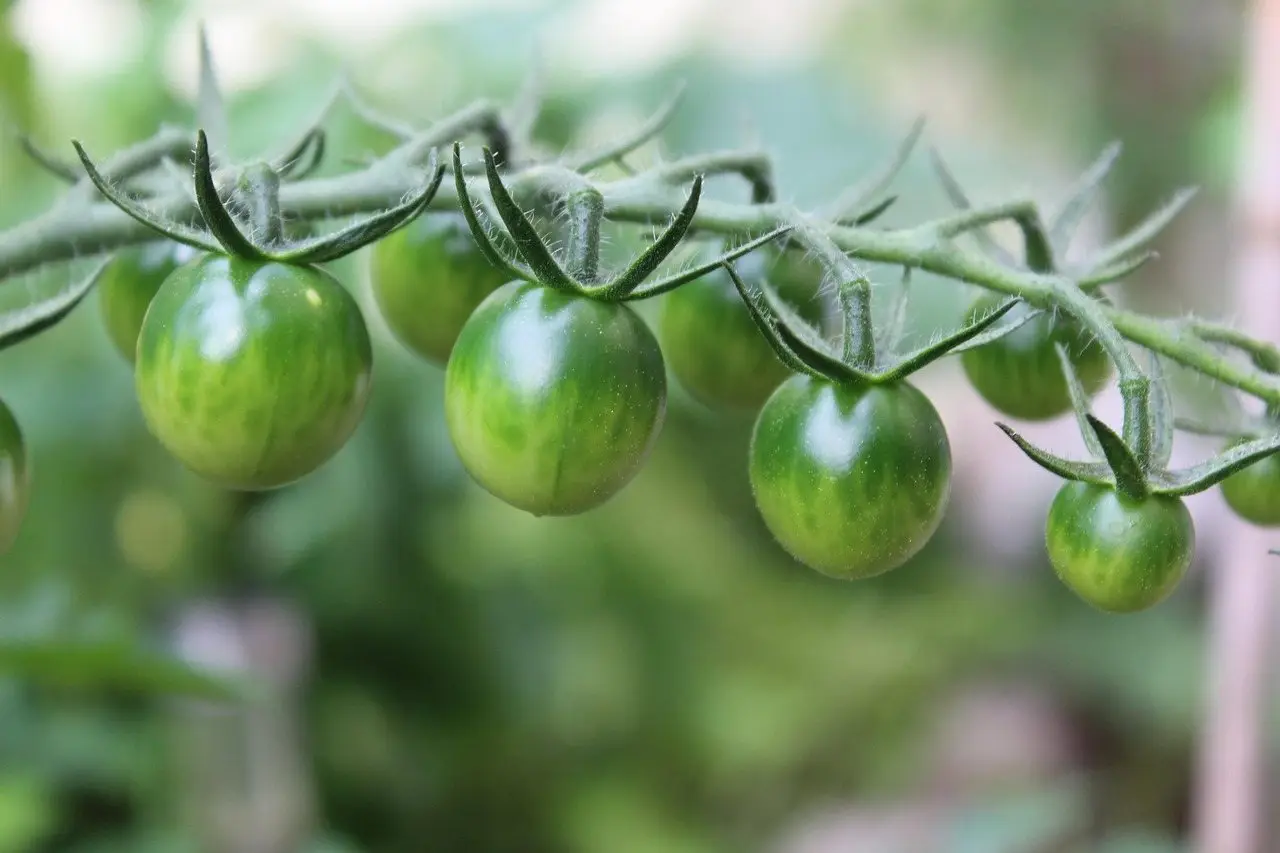
Above about 30°C tomatoes stop making lycopene and stall green or orange. Ripening is temperature-driven, not sun-driven — so don't strip the leaves.
July sowings catch the autumn window that spring crops miss. Count back from your first frost, add the short-day factor, and sow accordingly.
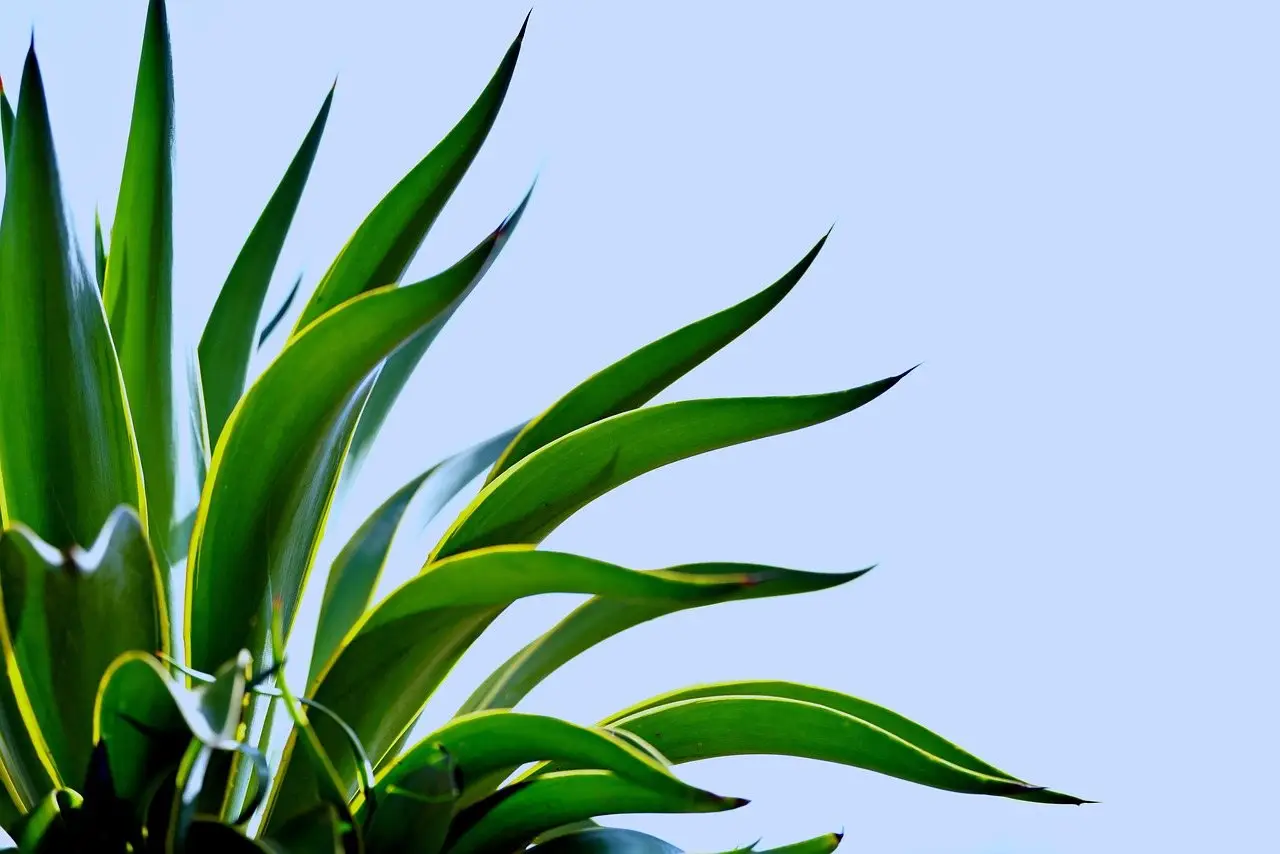
One genus supplies sweetener, rope, mezcal and tequila, and architectural planting. Here is what each use takes, and the honest line on agave syrup.
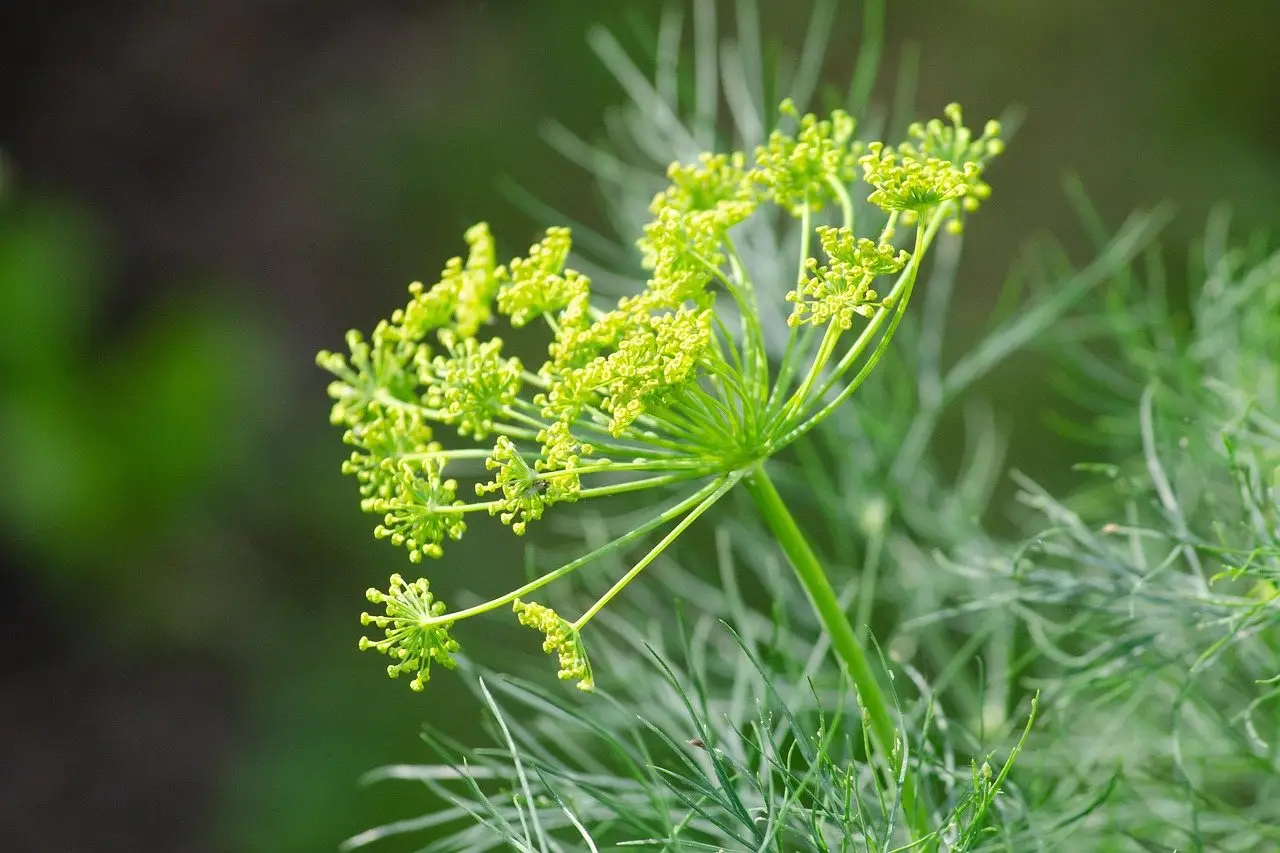
Cut fronds once the plant has four or five leaves, before it bolts. Once flowers open the leaf flavour fades — but then you are growing dill seed.
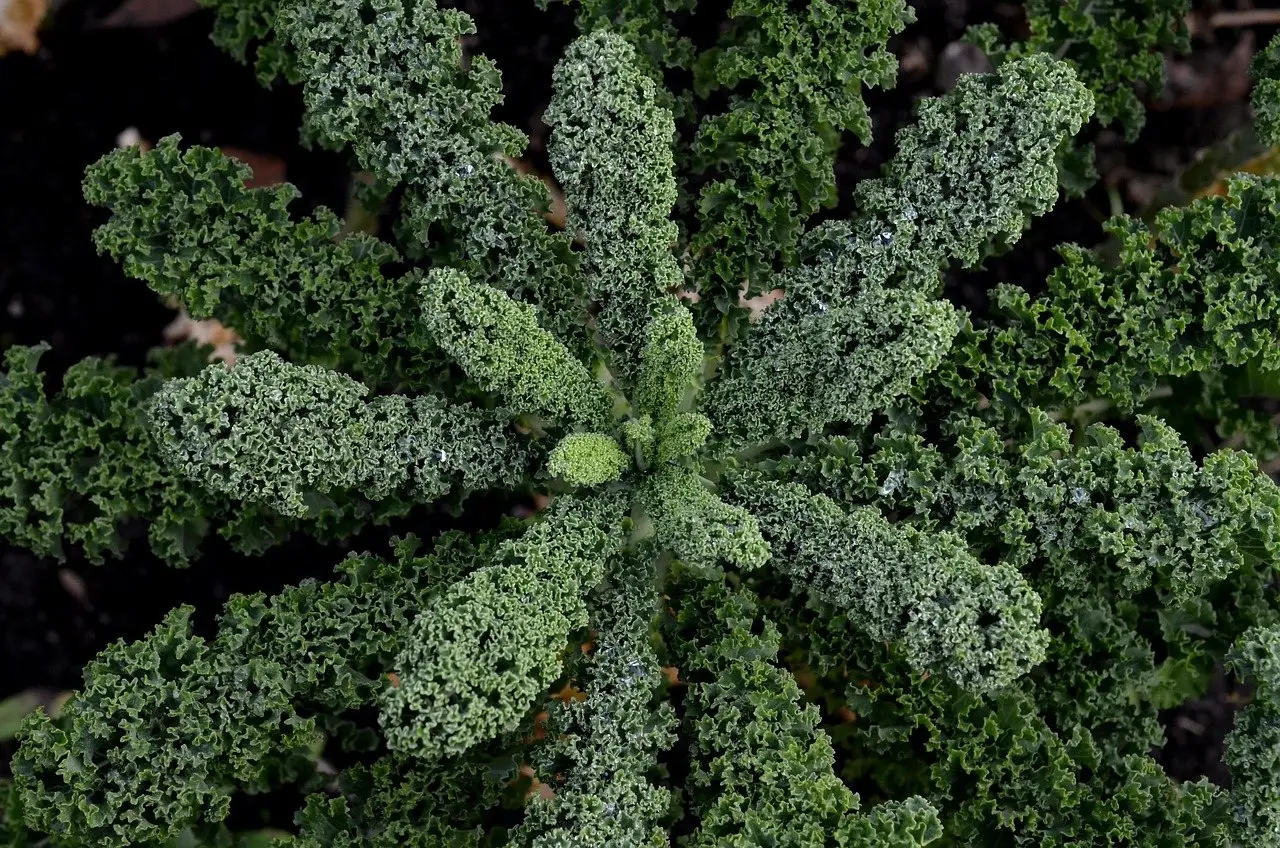
Pick outer leaves from the bottom once they reach hand size, never the growing tip. Frost genuinely sweetens it — the plant converts starch to sugar.
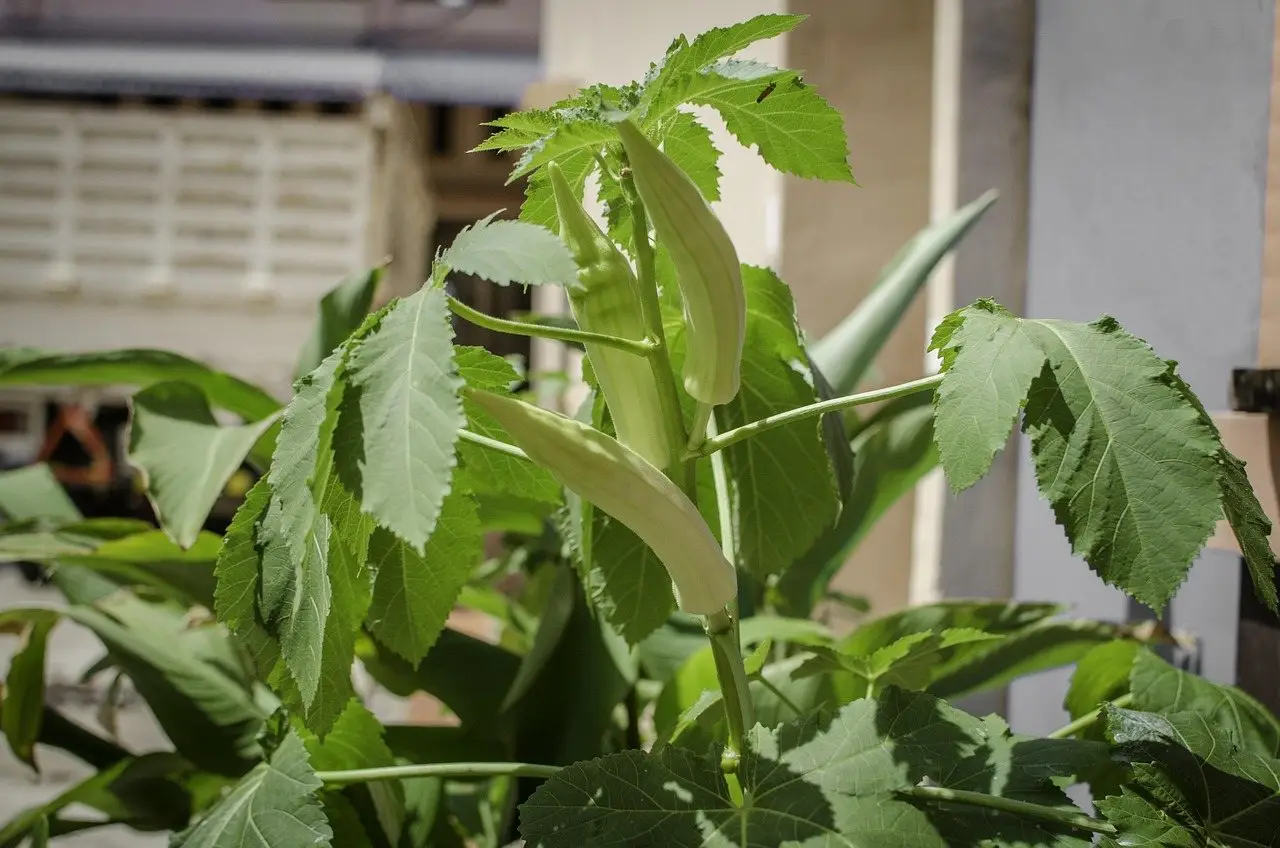
Pick pods at 2–4 inches, every day or two. Past about four days they turn woody, and leaving one on the plant slows everything that follows.
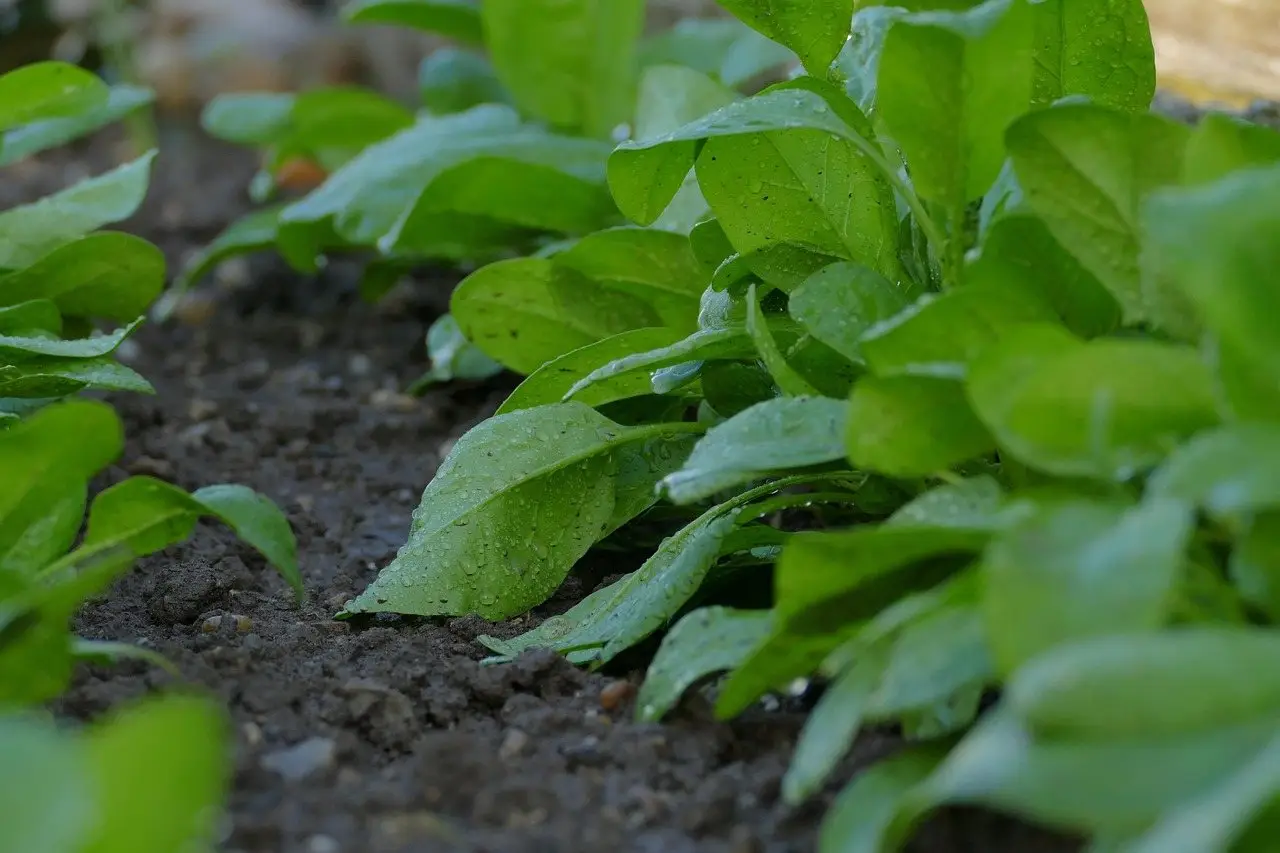
Baby leaves at 3–4 weeks, full leaves at 6–8. Picking outer leaves keeps a plant going for weeks — until it bolts, which heat decides, not you.
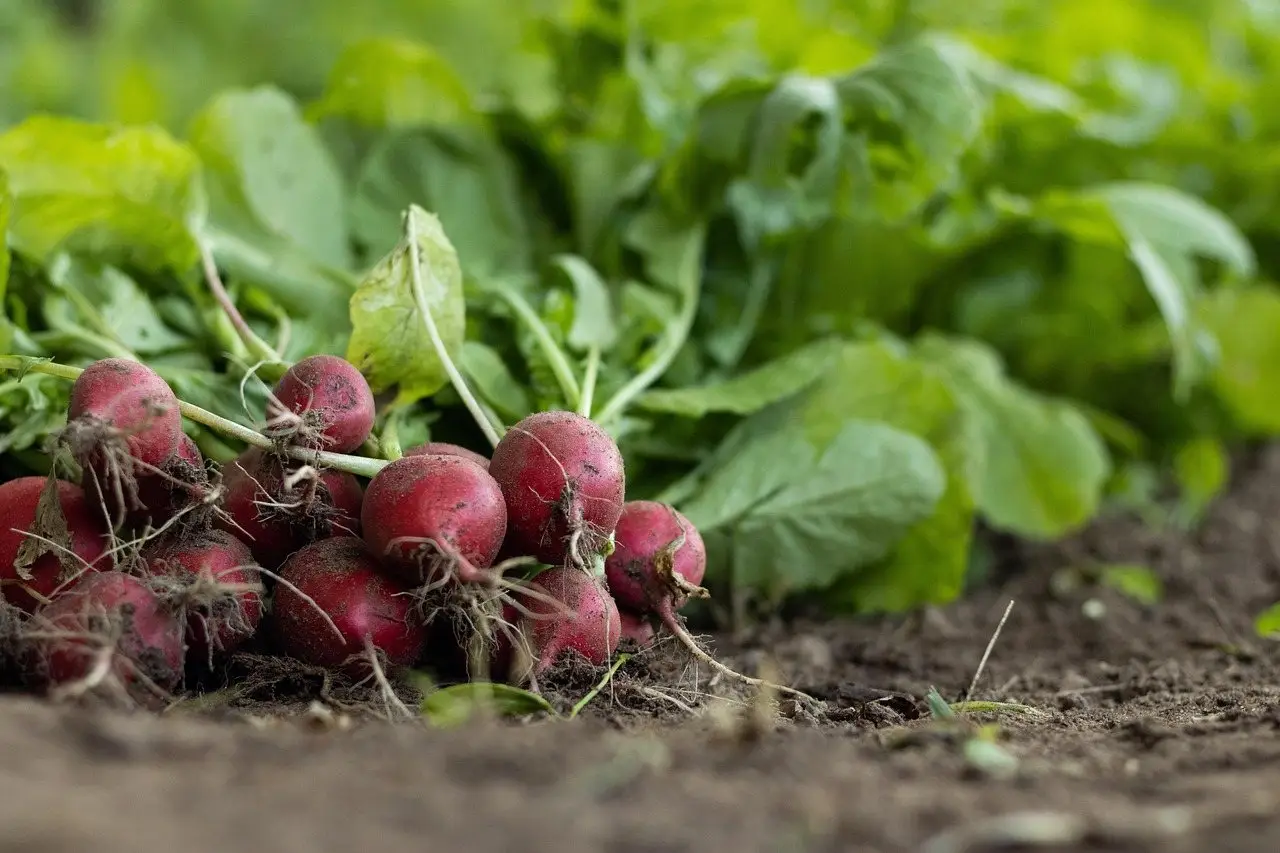
Most salad radishes are ready 3–4 weeks from sowing, at about an inch across. Left longer they go pithy and hot — and the leaves tell you nothing.
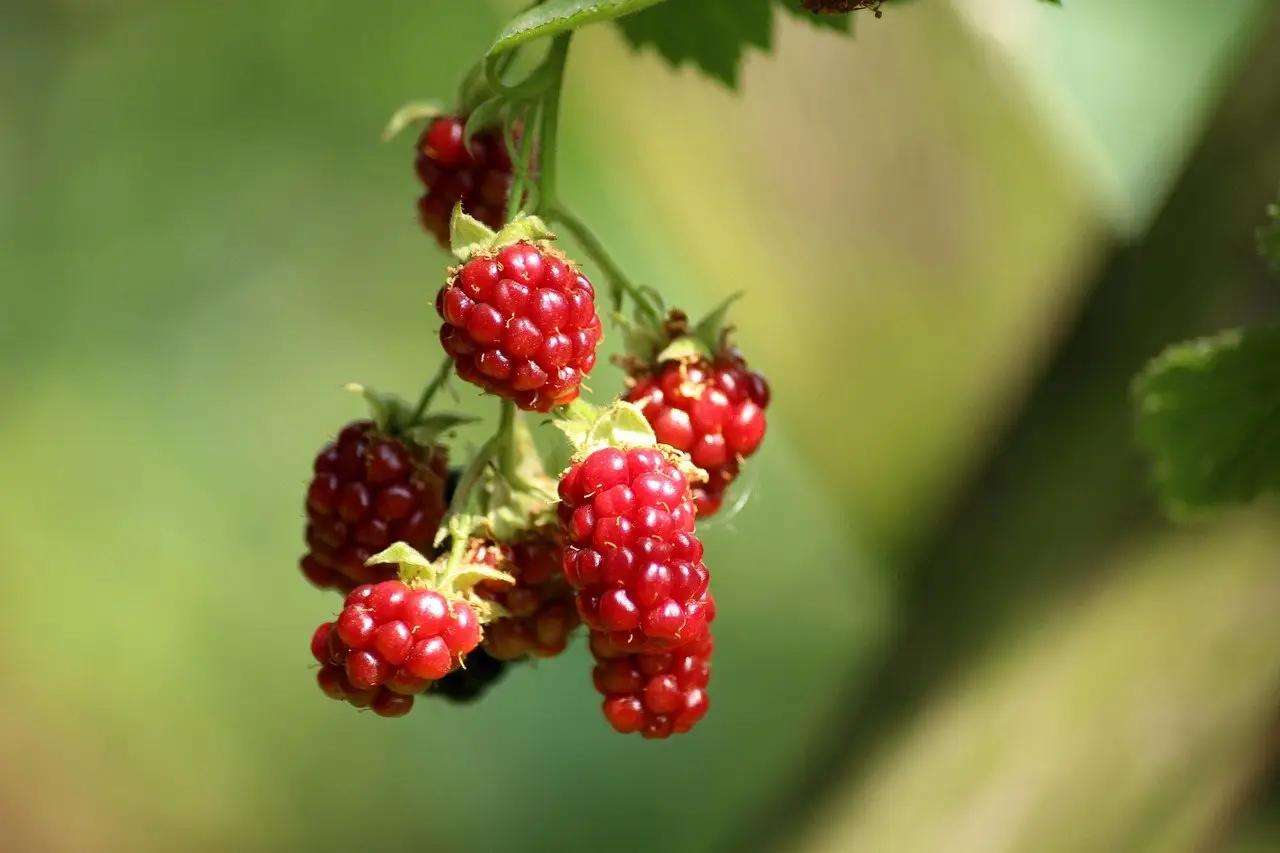
Bare-root canes go in while dormant, containers any time the ground works. Know whether yours fruits on floricanes or primocanes before you prune.
Pick when the fruit fills the husk and the husk starts to split. Waiting for them to turn yellow means waiting past their best.
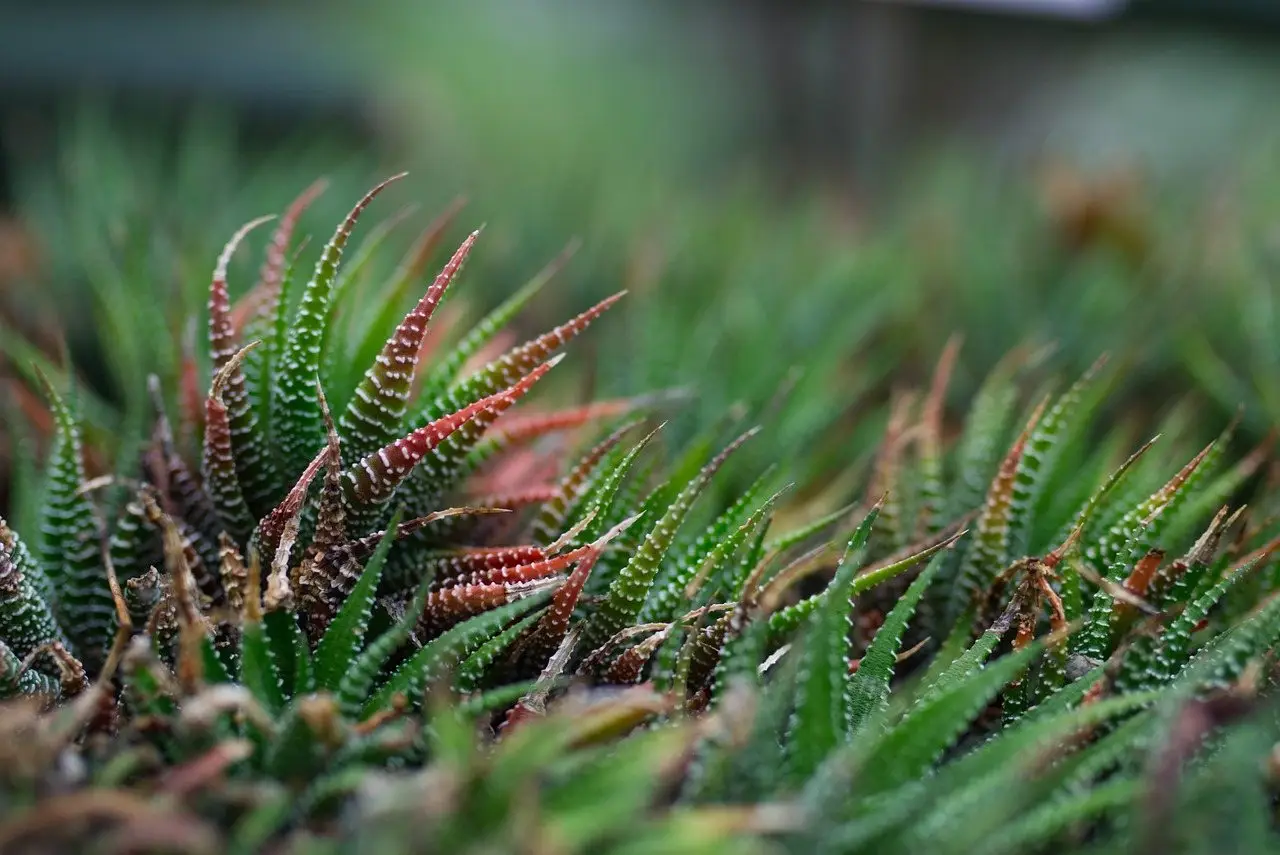
Two very different plants share this name. The succulent Haworthiopsis is near-indestructible; the tropical Aphelandra is not. Here is how to tell.
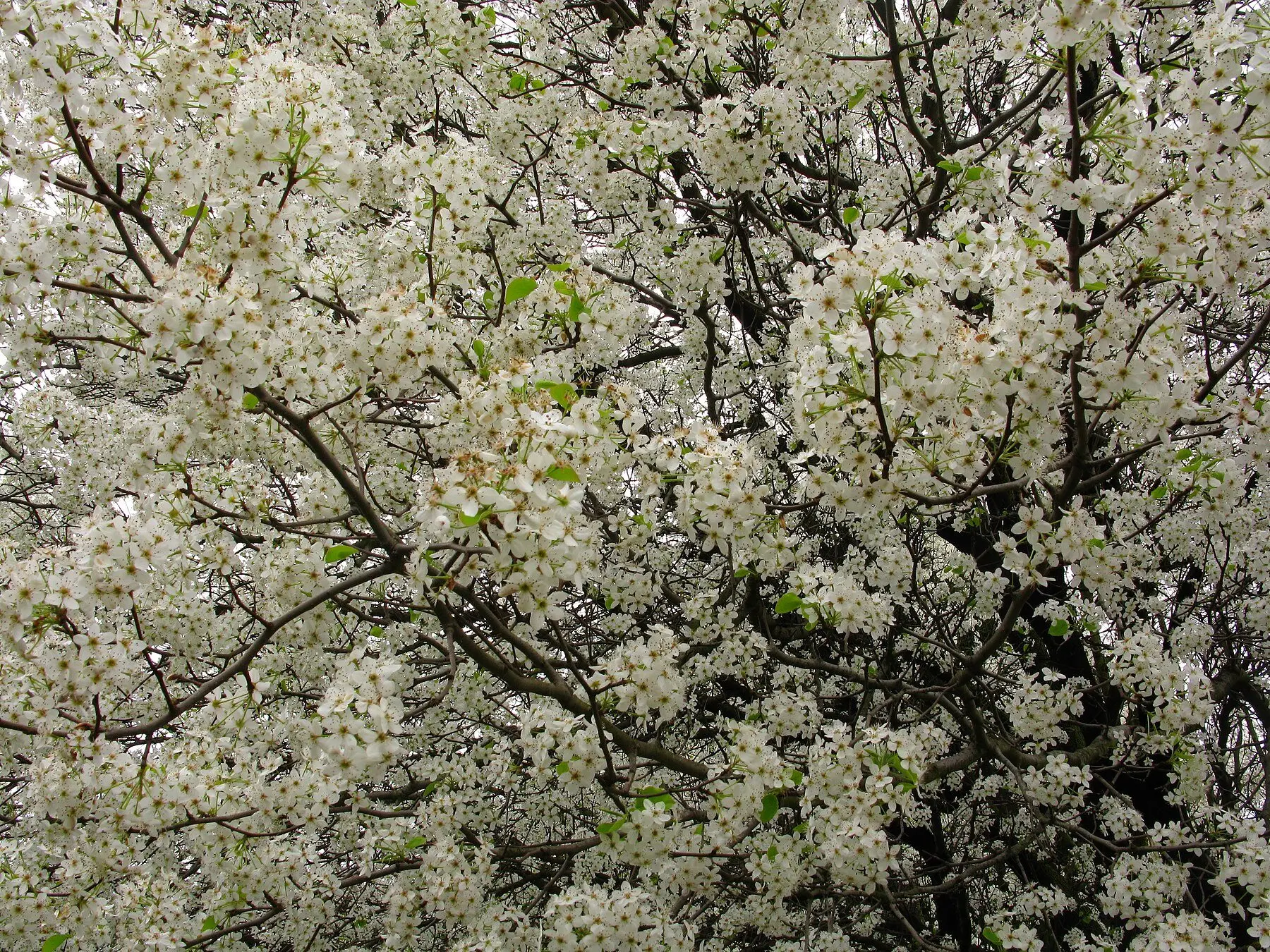
Most pears are self-incompatible and crop poorly alone. What matters is not two trees but two compatible varieties flowering at the same time.
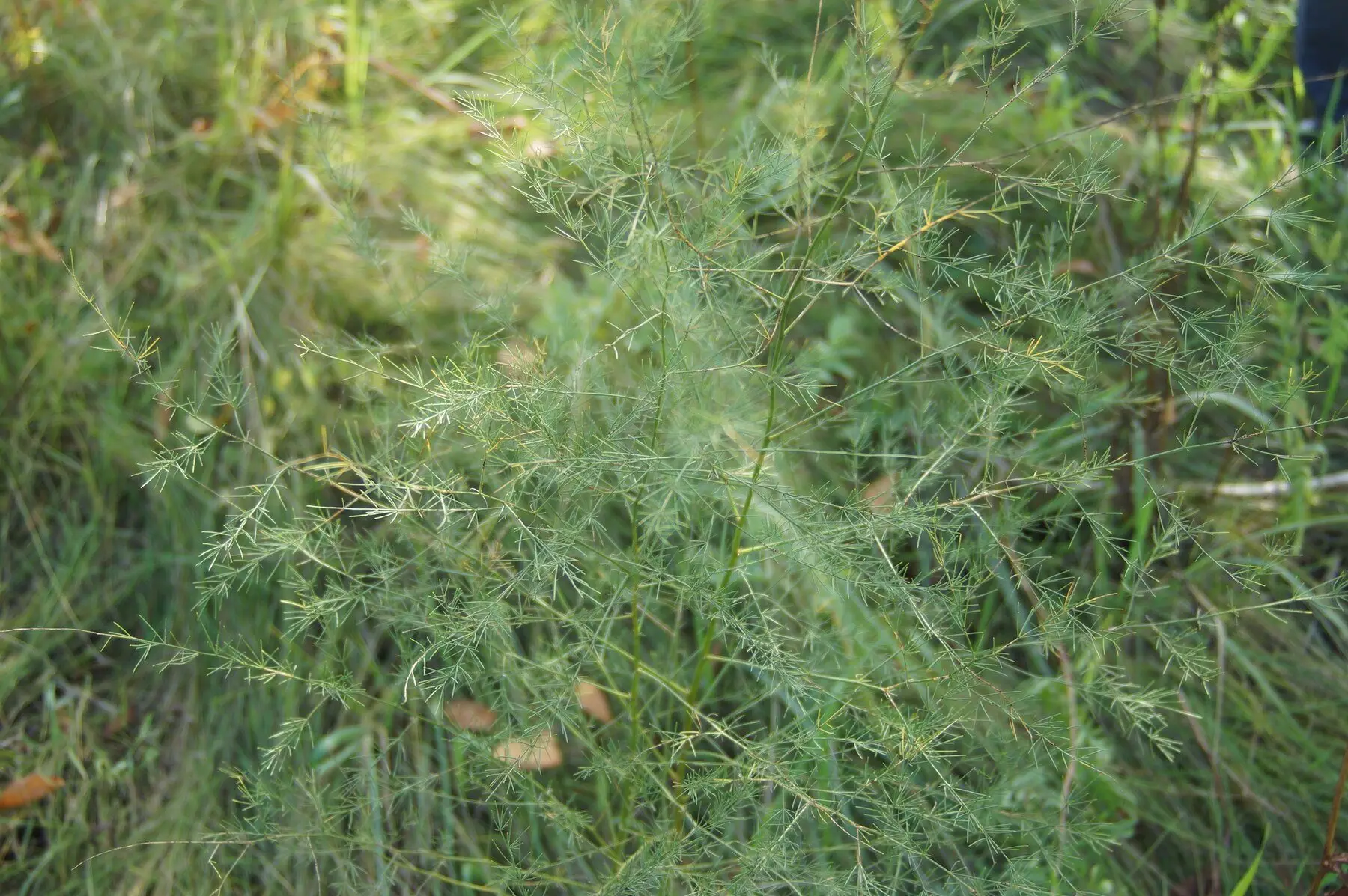
Asparagus wants eight hours of sun and stays in the same bed for two decades. Siting it in part shade halves the crop for the whole of that time.
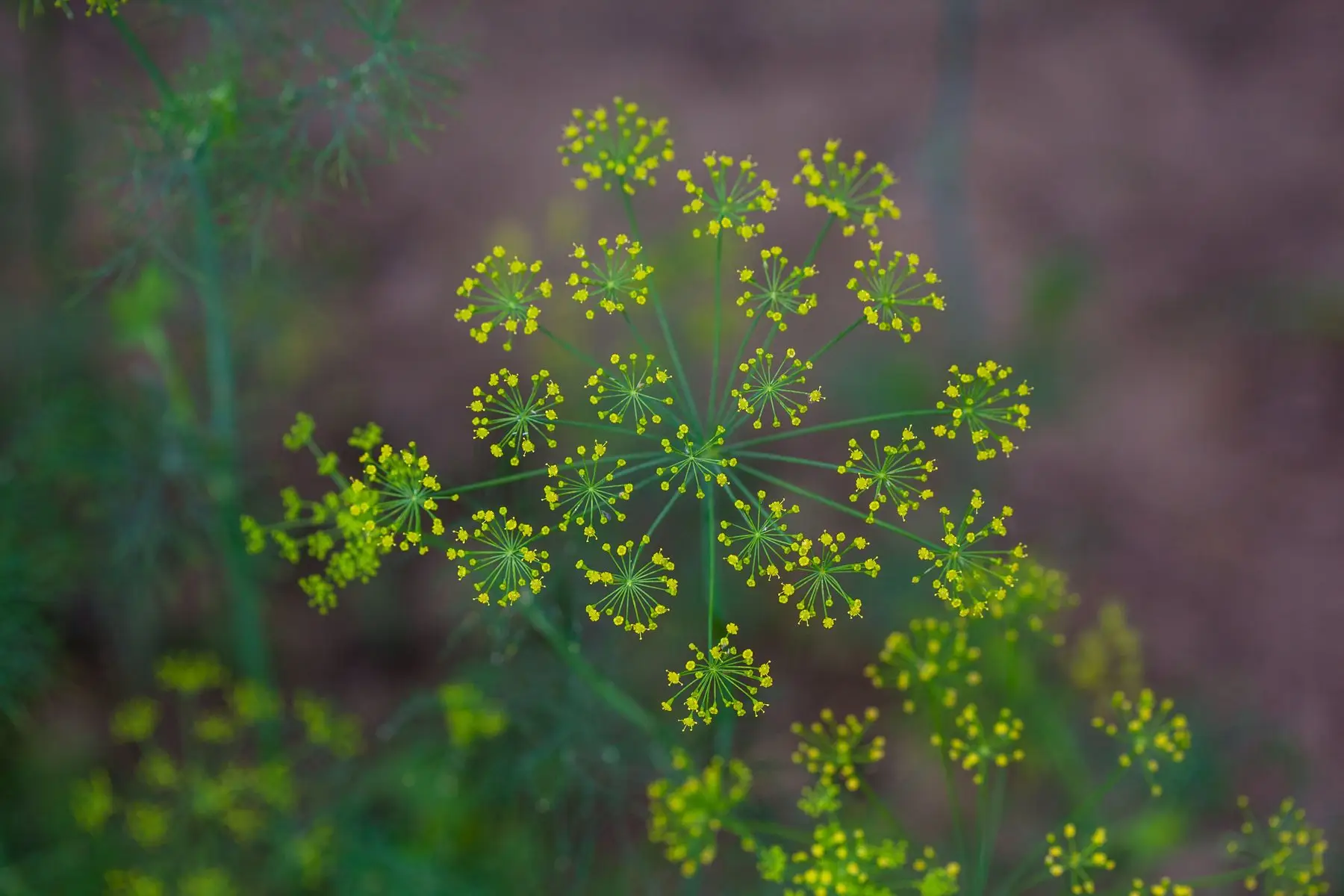
Dill is an annual and dies after flowering — but it seeds so freely that a patch returns on its own if you let one plant set seed.
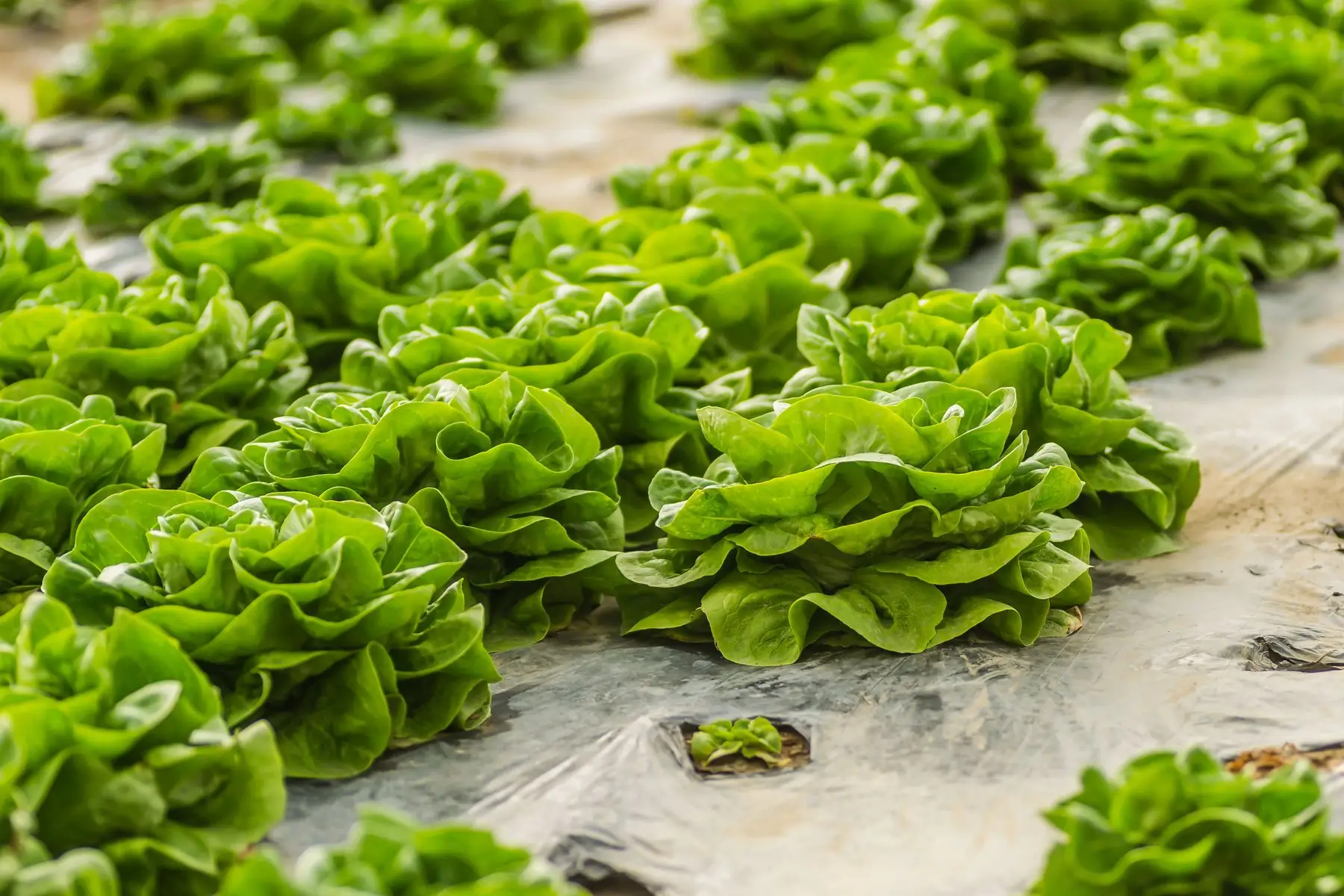
Lettuce wants full sun in cool weather and afternoon shade once it turns hot. Six hours is plenty, and heat is what makes it bolt and turn bitter.
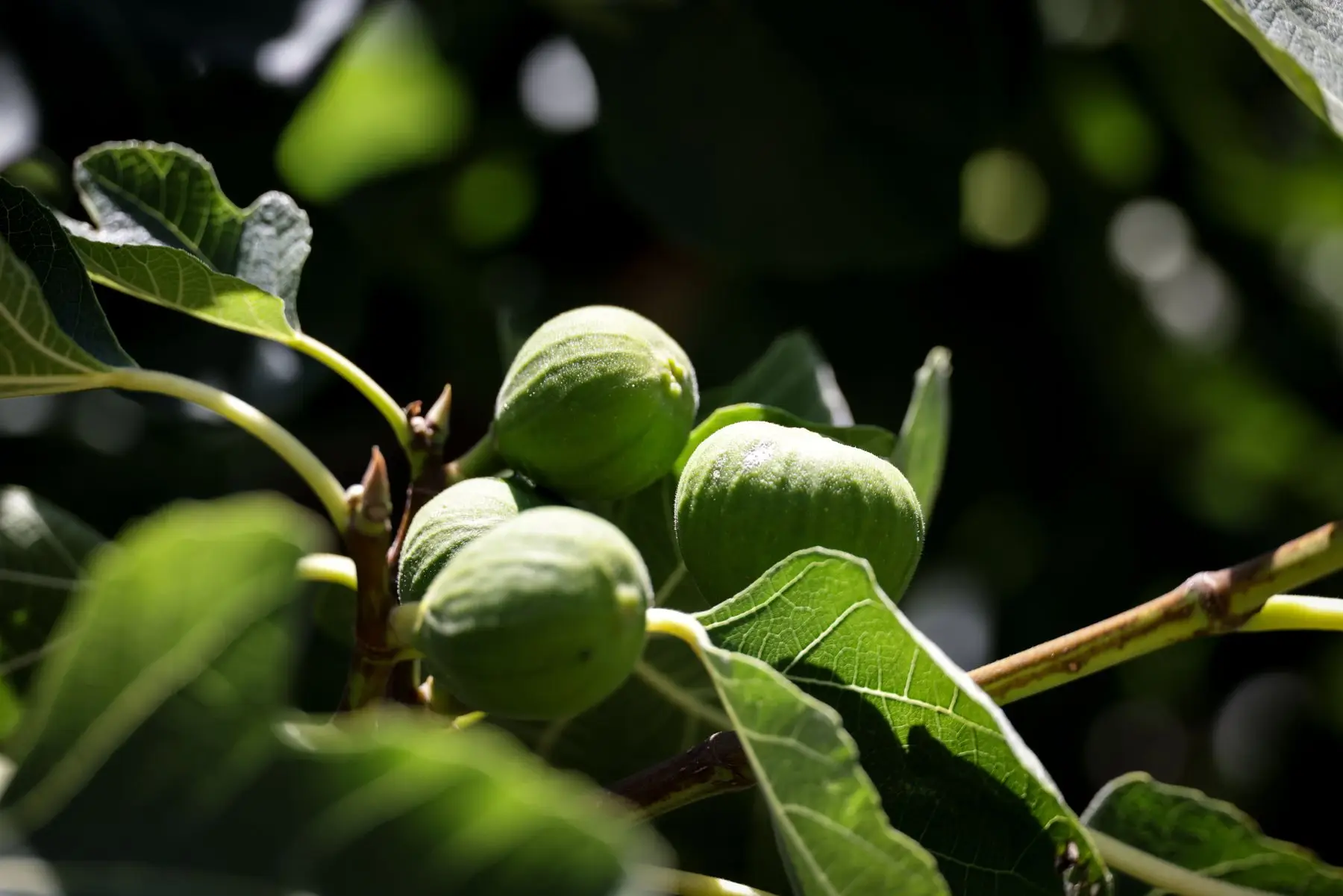
A rooted cutting fruits in 3–6 years, a bought potted tree often in 1–2. Restricting the roots is what brings a stalling fig into production.
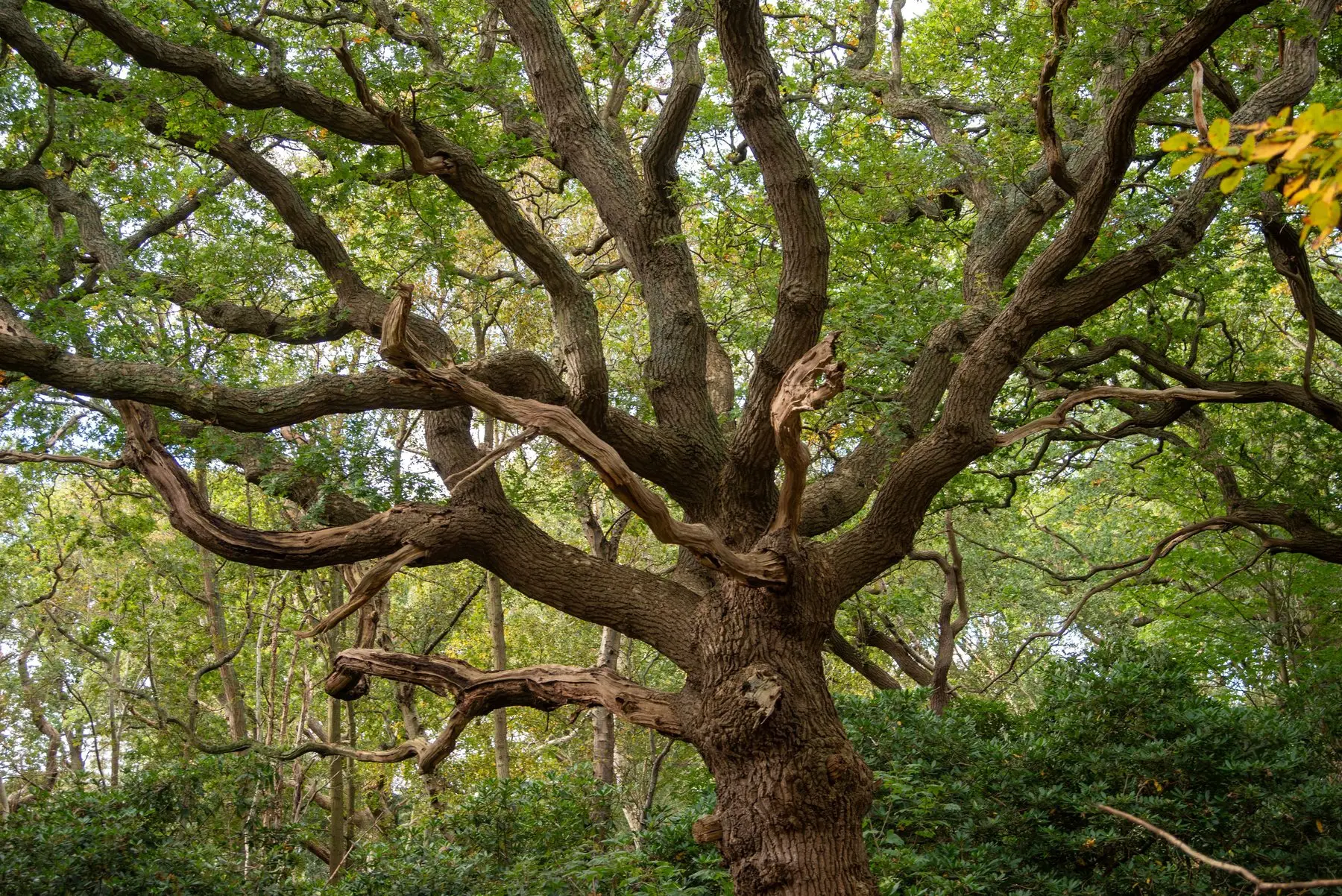
Most oaks live 200–400 years, but pollarded and open-grown trees reach 800 or more. Why an oak's shape predicts its lifespan better than its species.
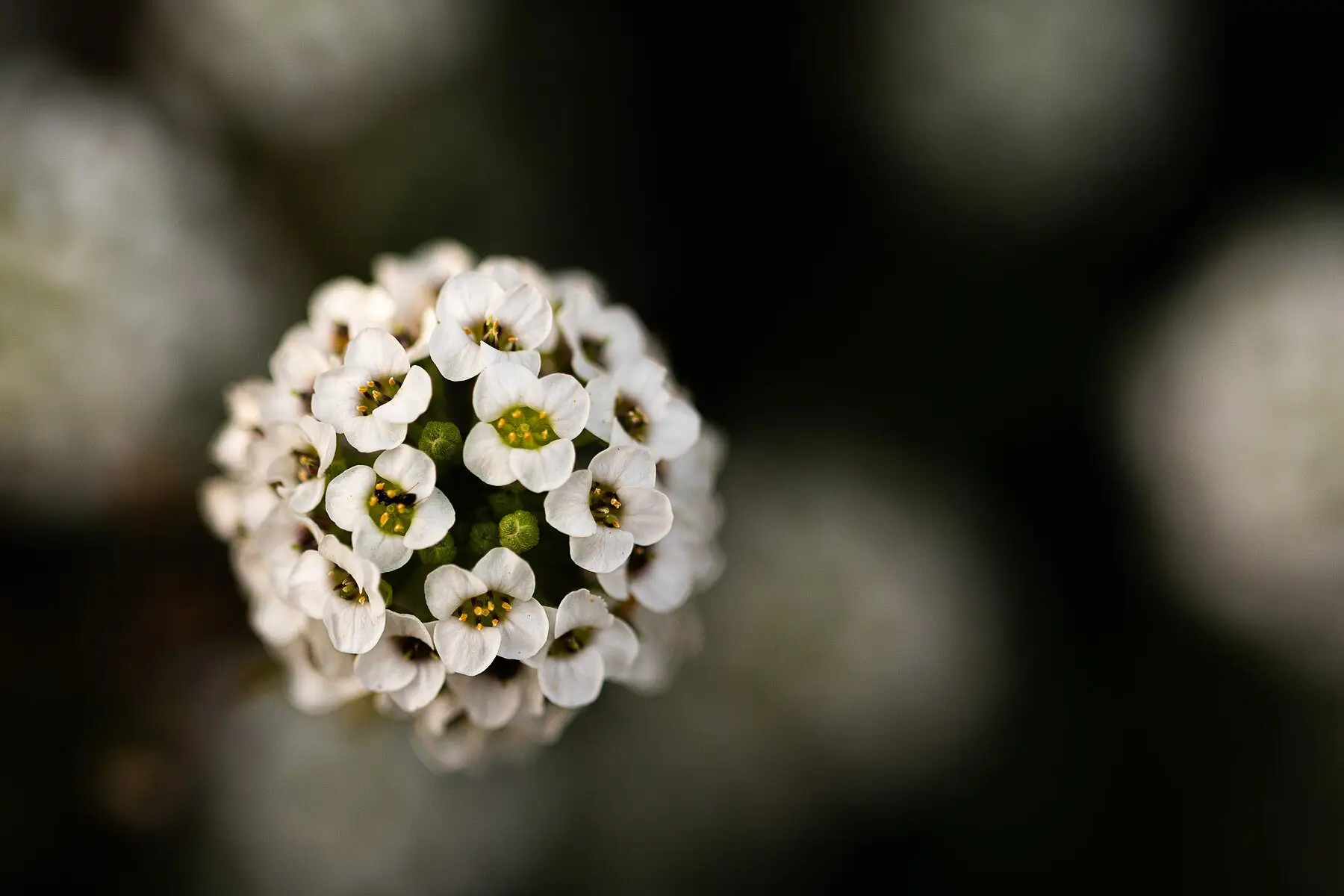
Sweet alyssum is a short-lived perennial grown as an annual in most gardens. Basket-of-gold is a true perennial. The label rarely says which.
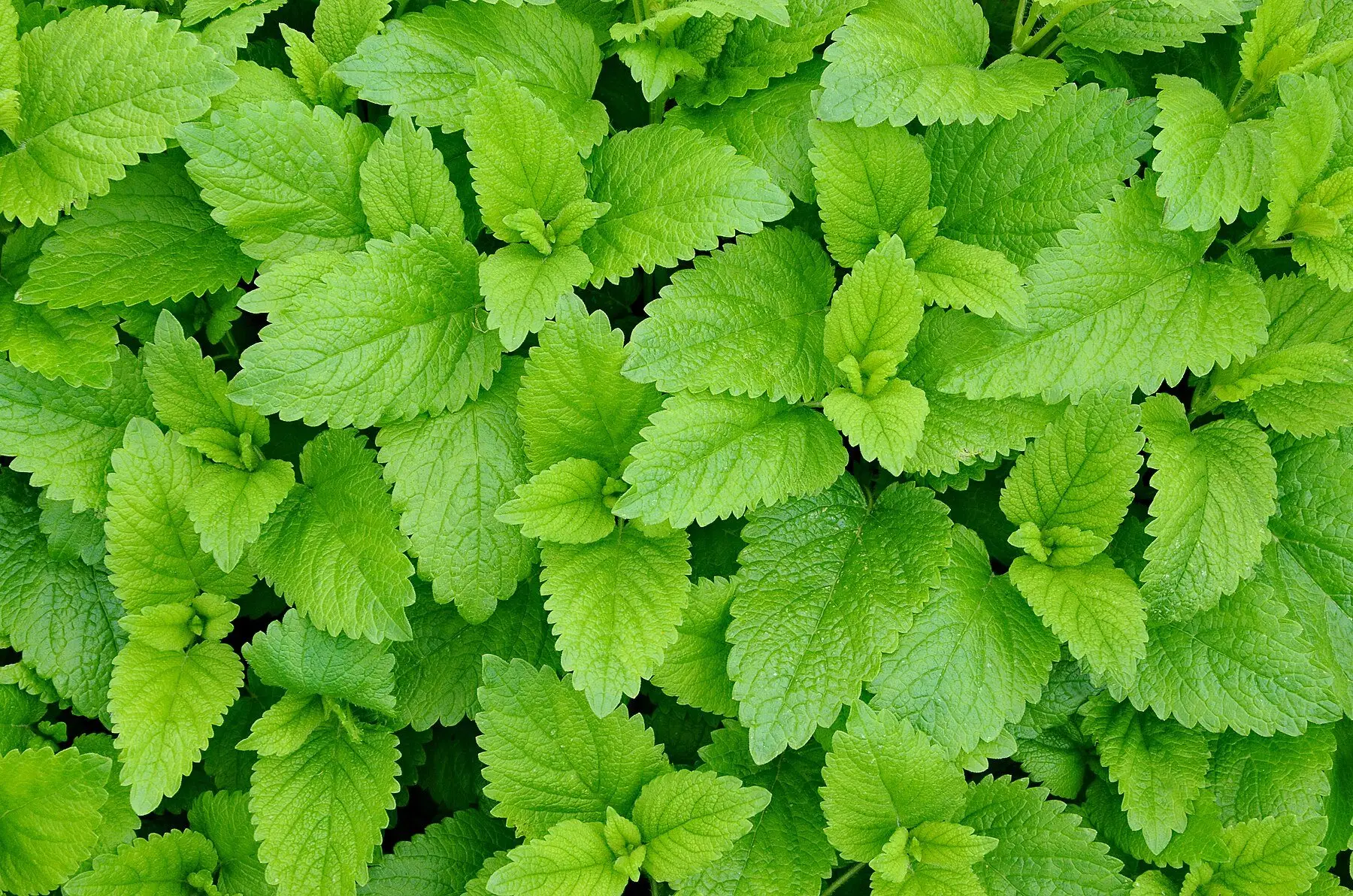
Lemon balm spreads by seed, not by runners like mint. That makes it easier to control — if you cut the flowers before they set.
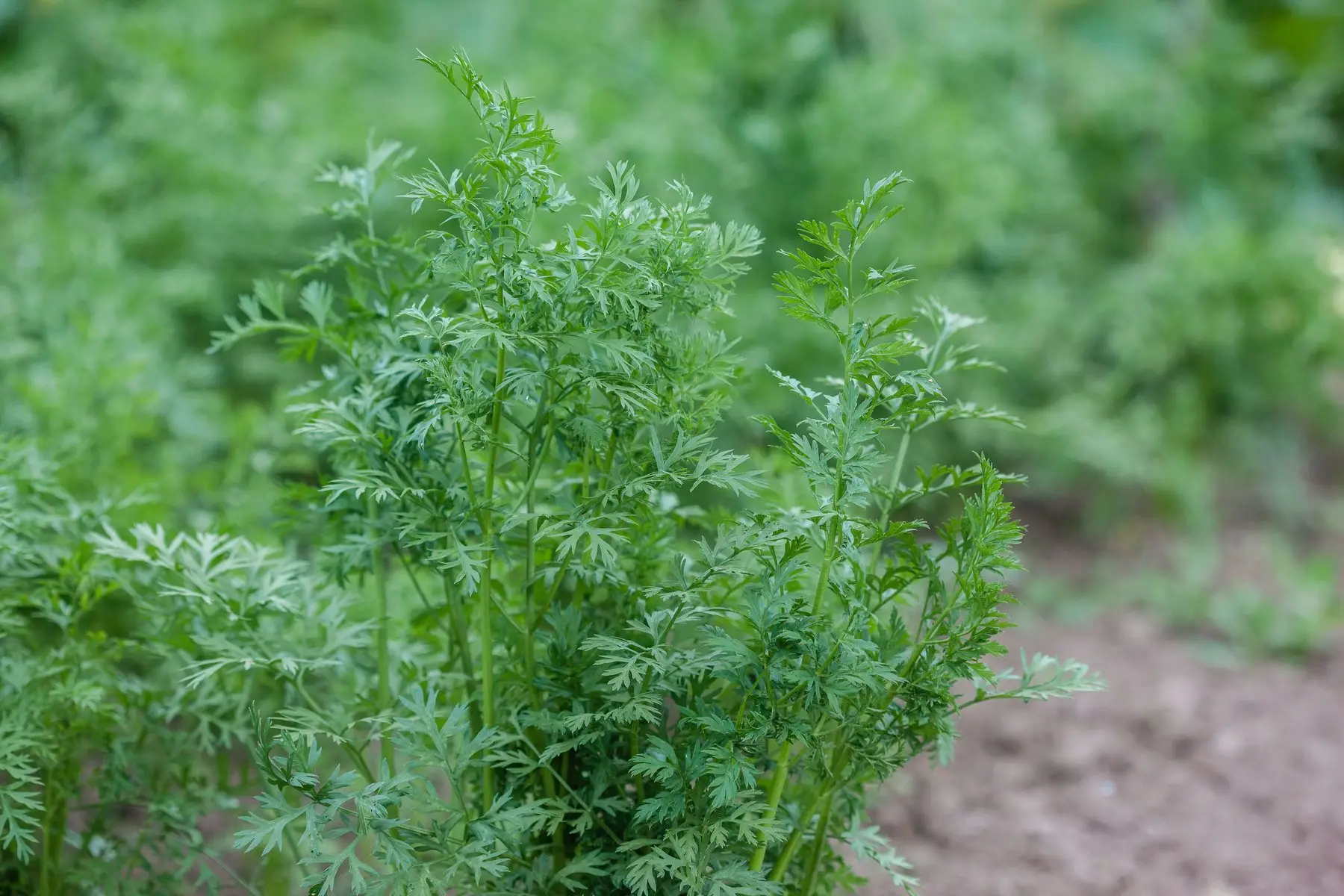
Alliums and aromatic herbs confuse carrot root fly by smell. Avoid dill, fennel and anything that shades a slow-germinating seedbed.
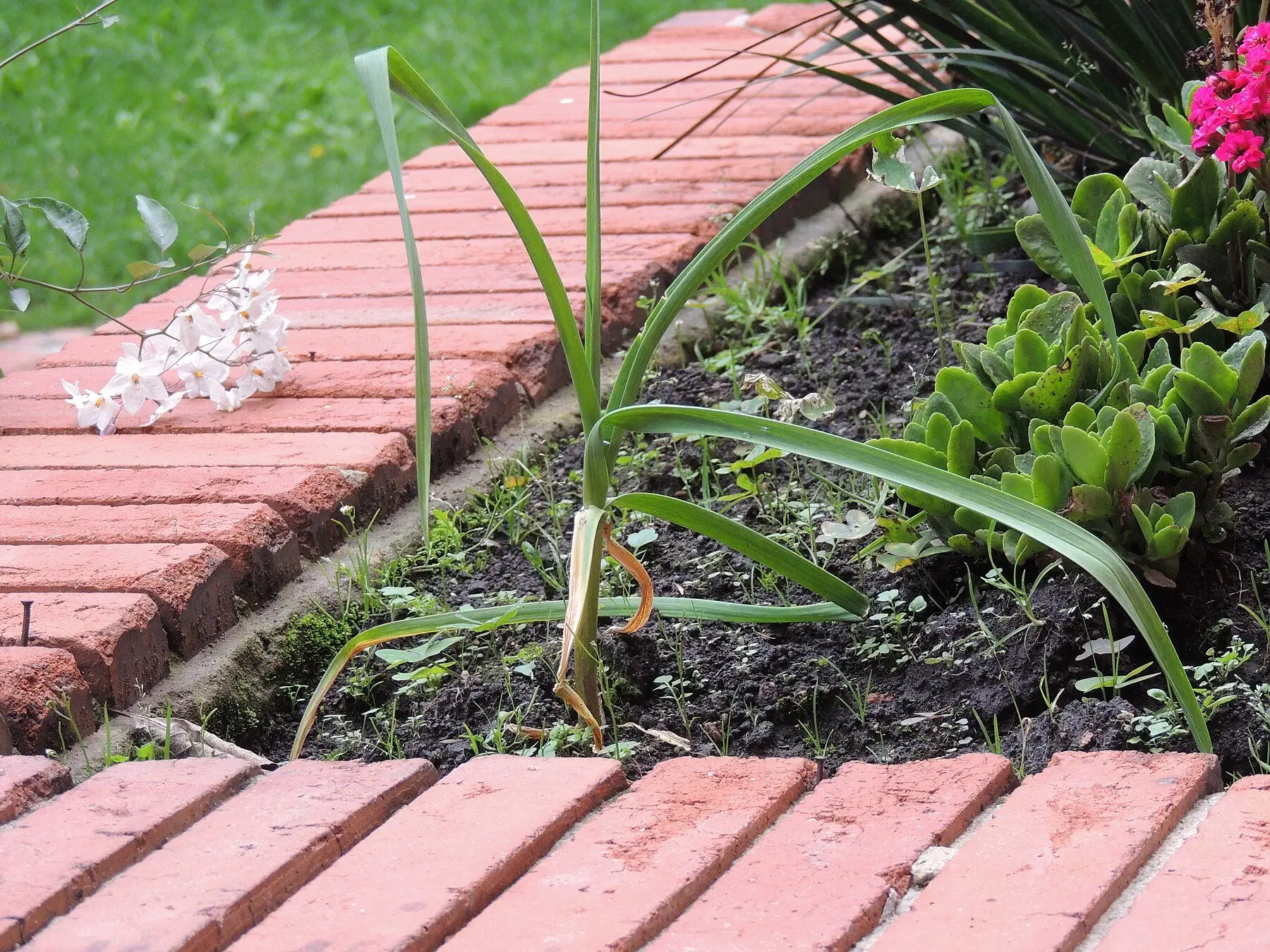
Garlic sits in the ground nine months, so companions have to work around its timing. What pairs well, and the two families to keep away from it.
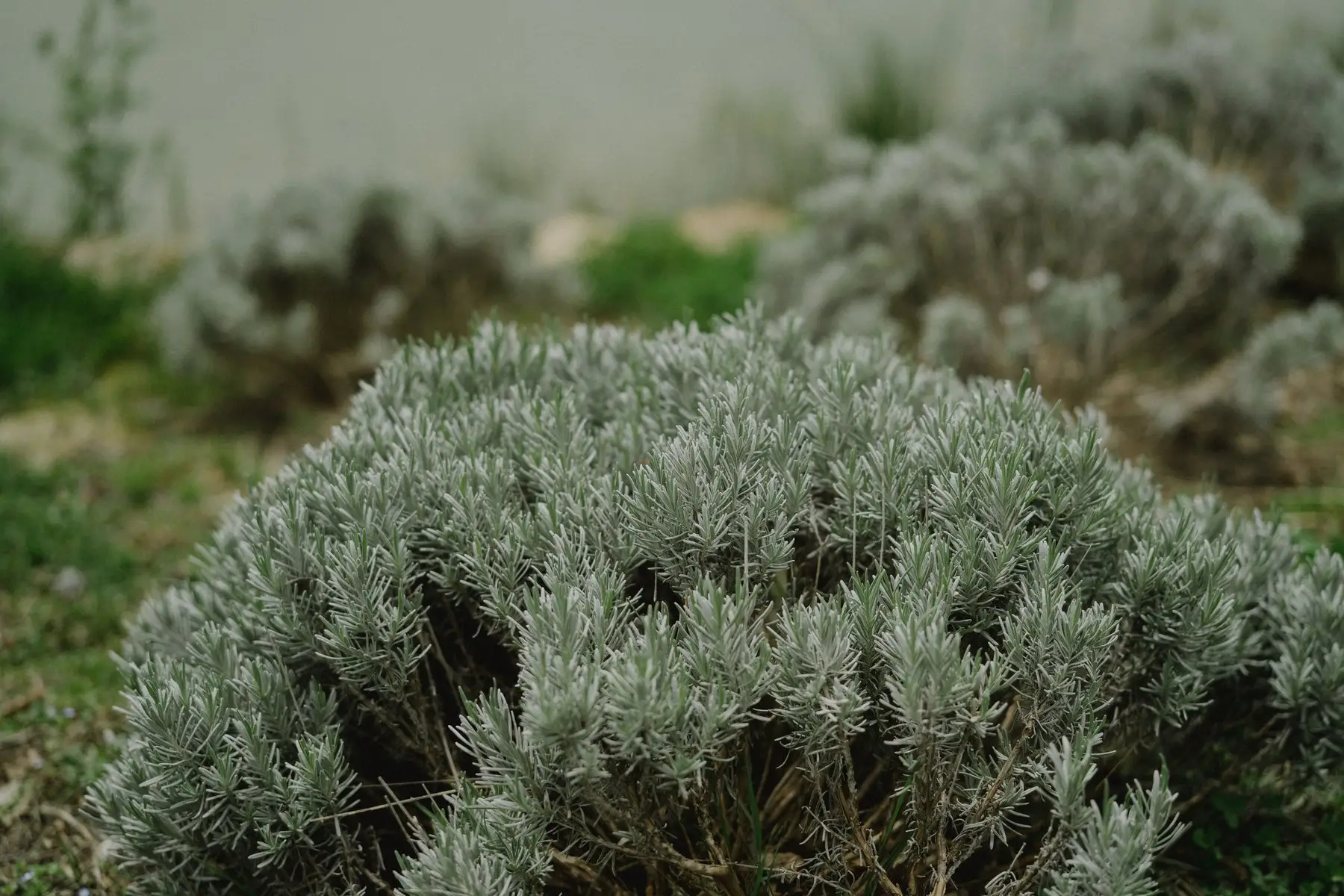
Lavender leaves are usable year-round and stronger than the flowers — good for infusing, drying and repelling moths, but harsh used like a herb.
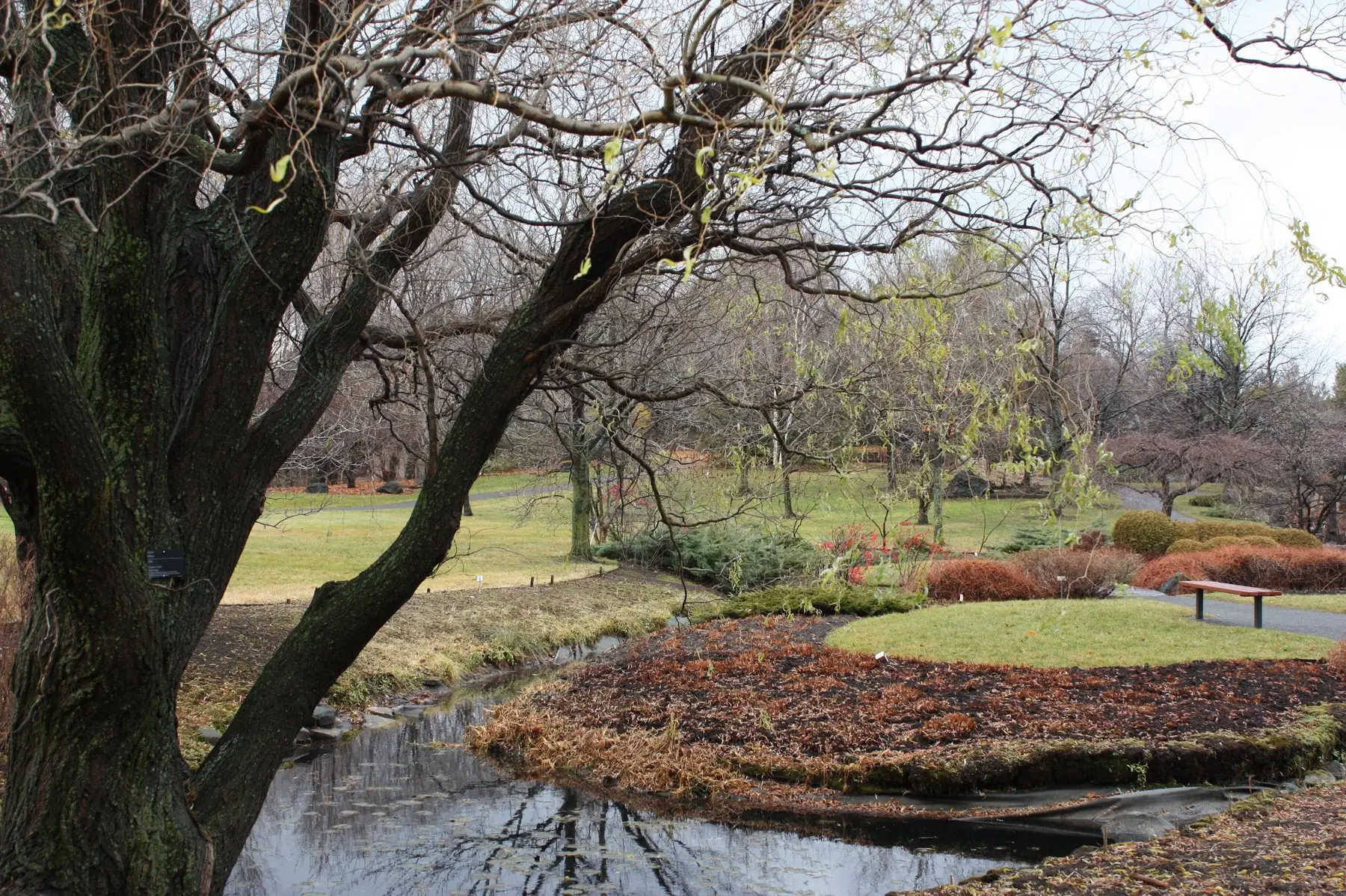
Move trees in late autumn after leaf drop or early spring before bud break. Dormancy is what lets roots re-establish before the canopy needs water.
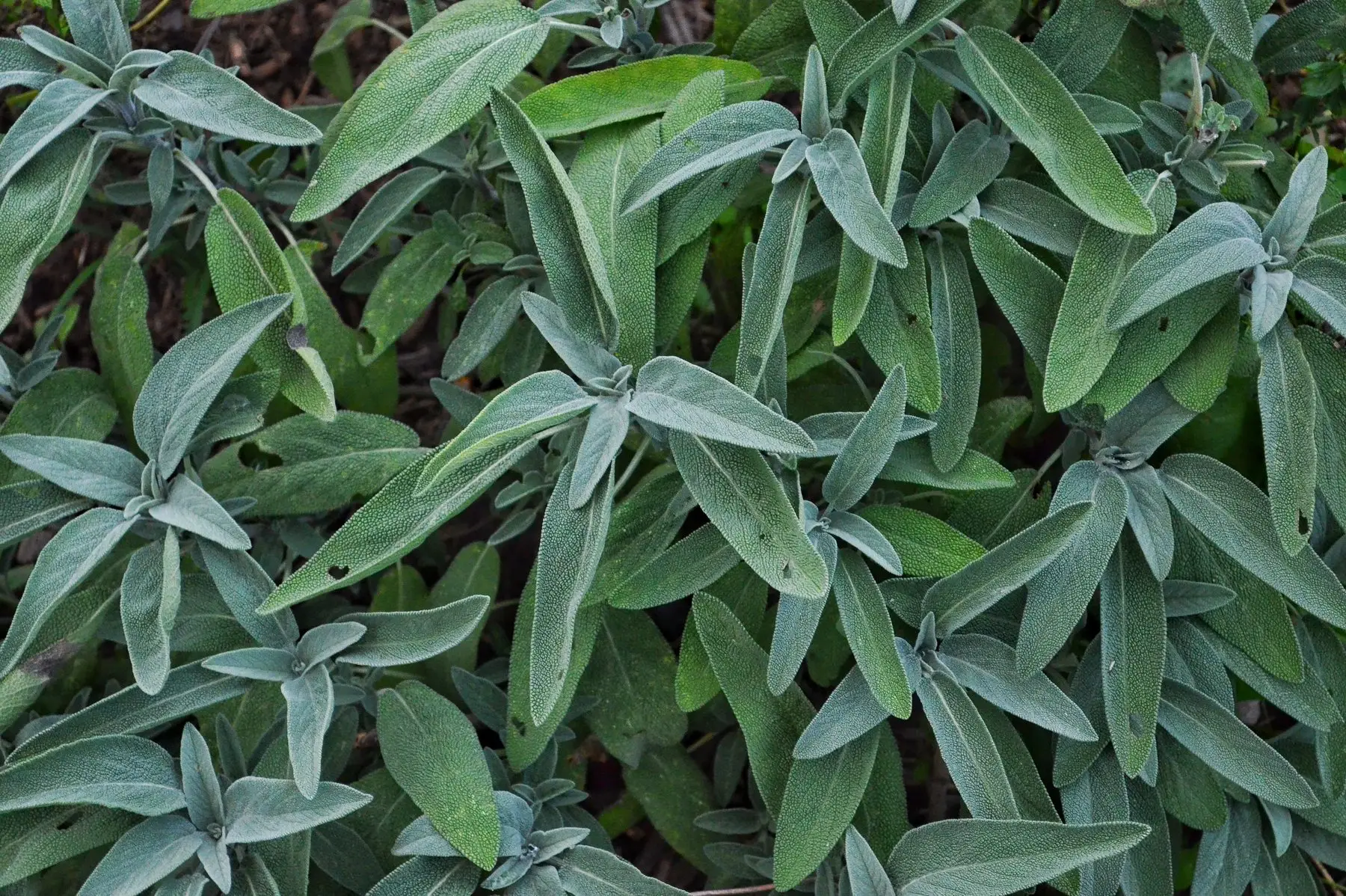
Cut sage in the morning once the dew dries, just before flowering, when the oils peak. Never take more than a third, and stop a month before frost.
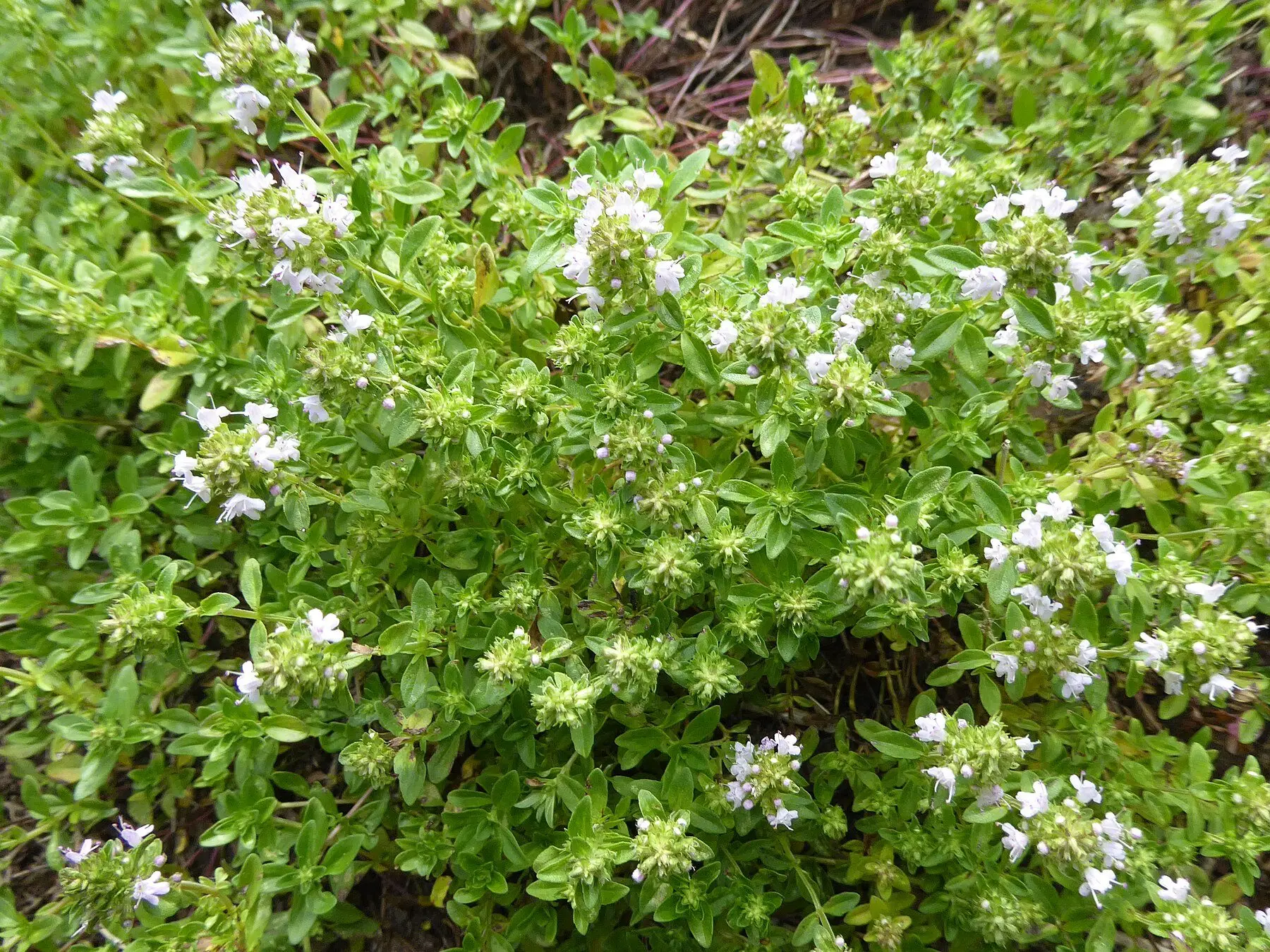
Cut thyme in the morning as the first flower buds show, when the oils peak. Never cut into bare wood, and stop four weeks before frost.
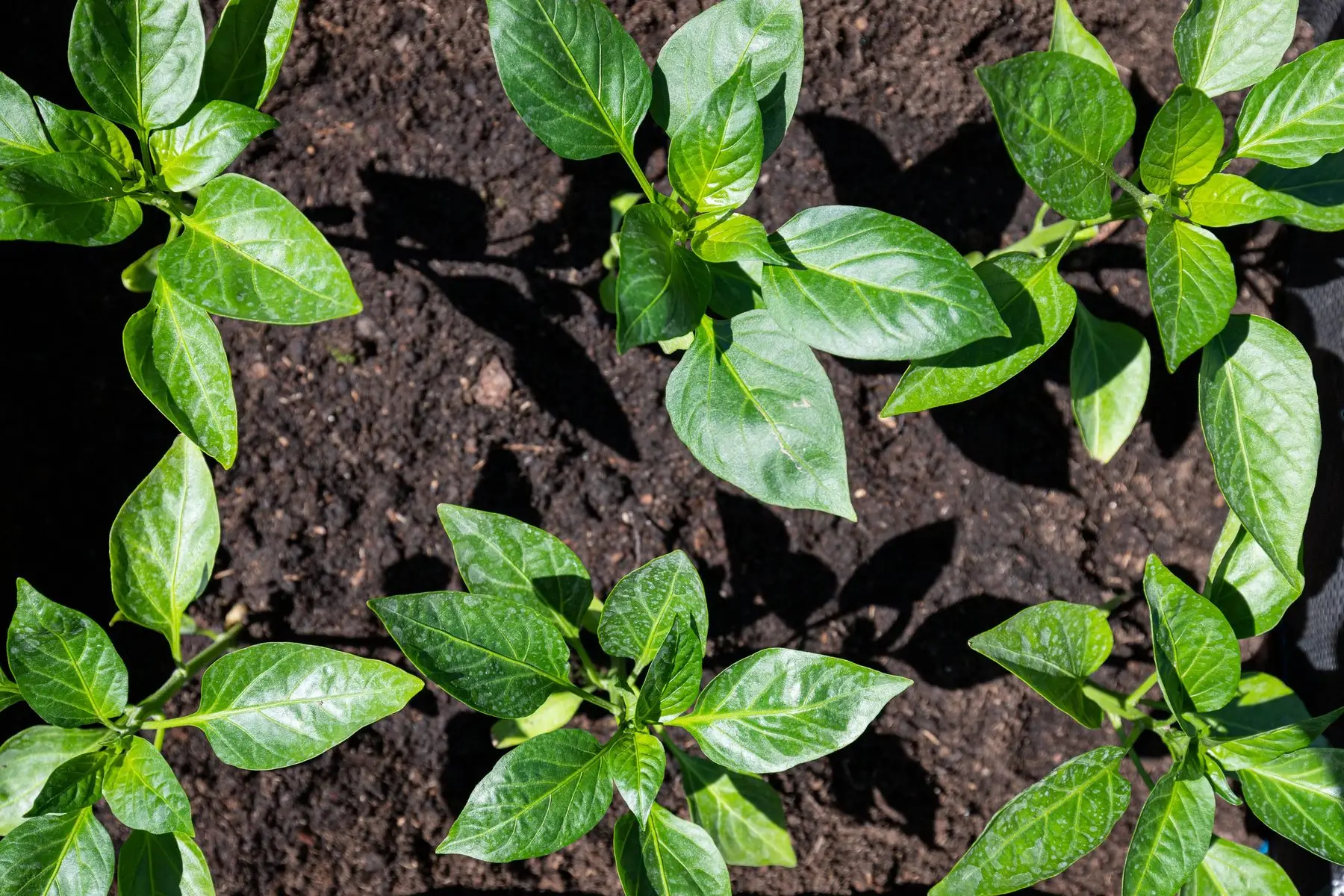
Start jalapeño seed indoors 8 to 10 weeks before last frost and transplant only once nights hold above 55°F. Cold soil stalls them for weeks.
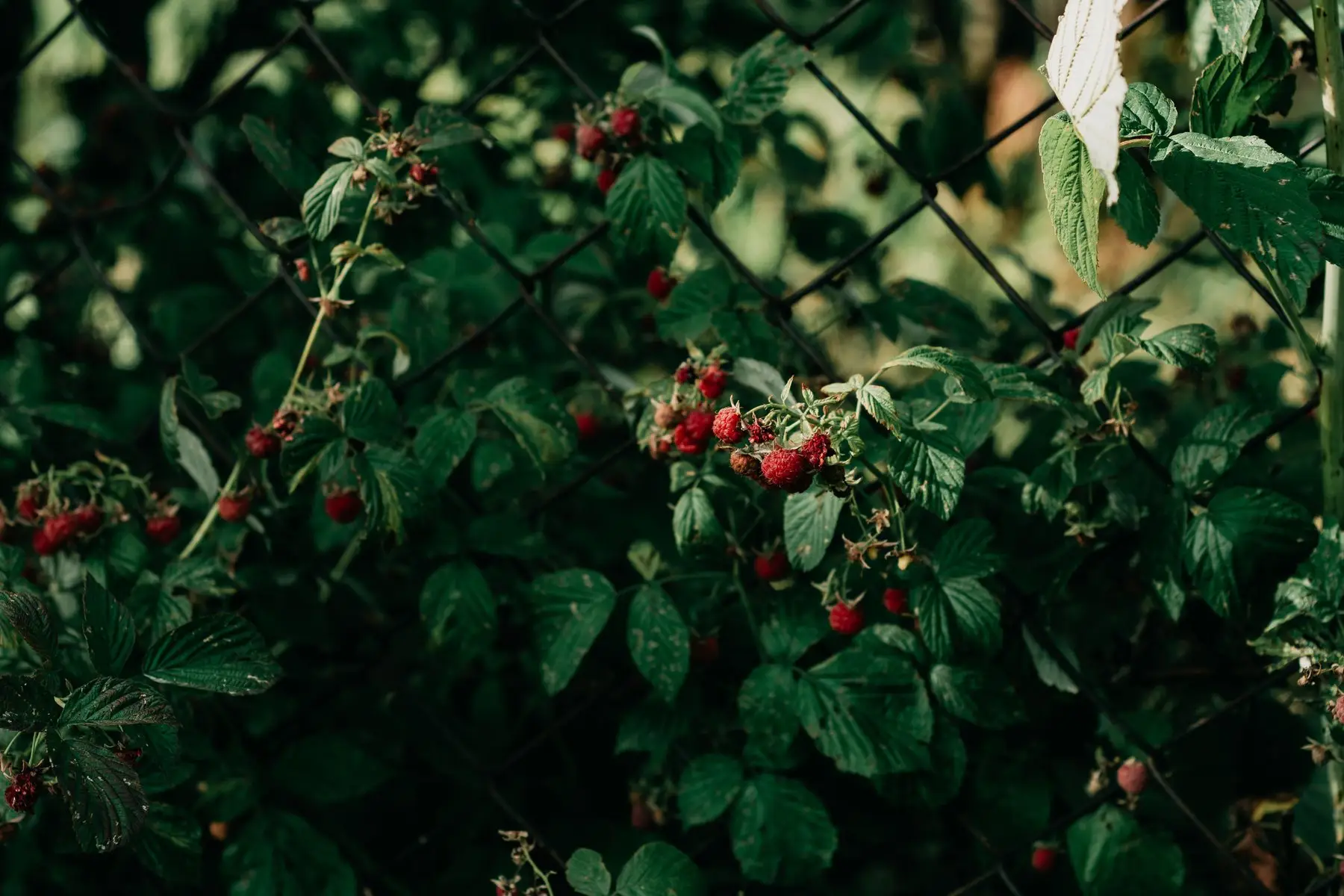
Raspberries do well in containers if the pot is big enough and you pick a compact autumn variety. Fifteen gallons is the number that decides it.
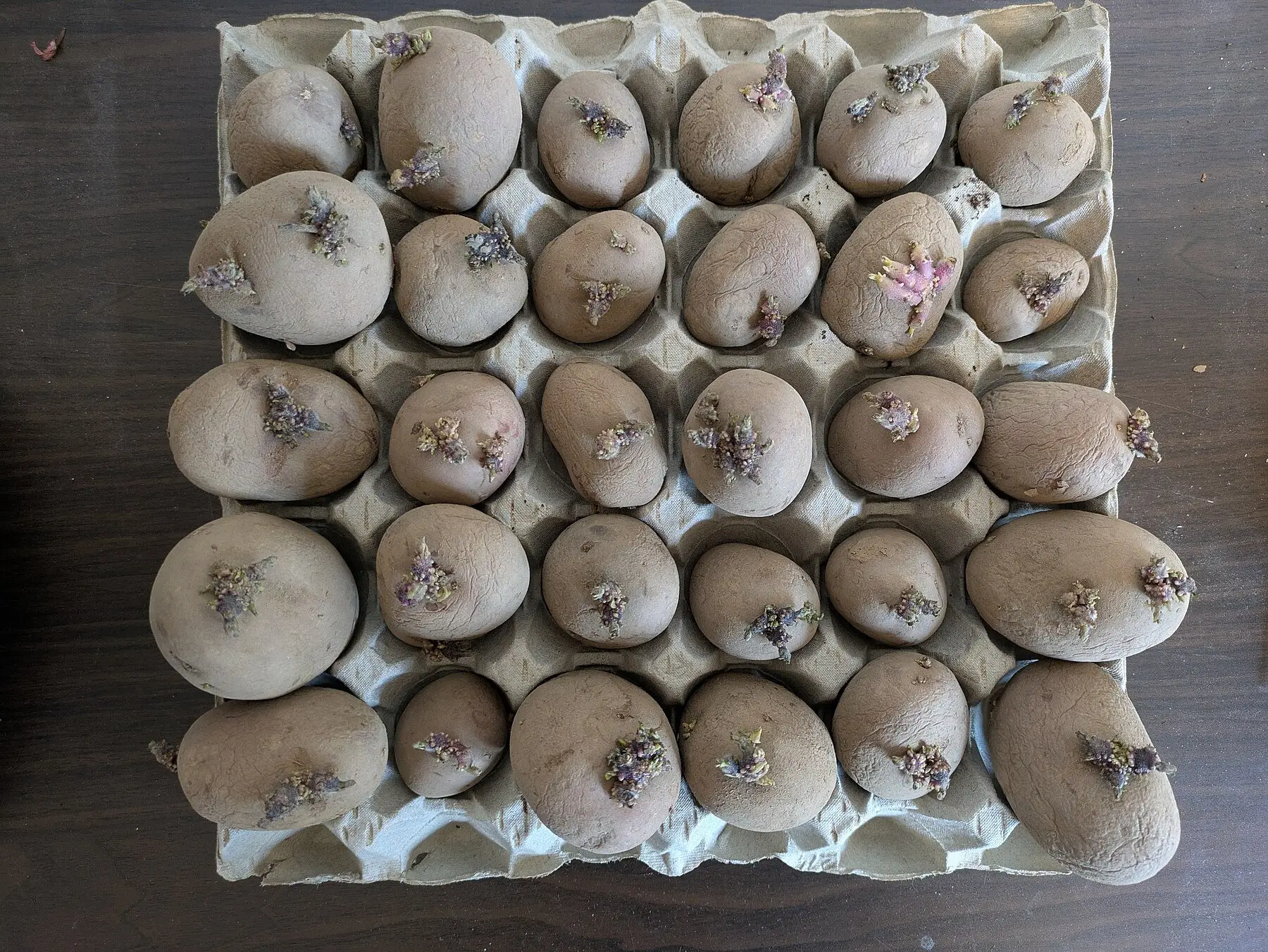
A fall potato crop works where the ground stays workable and frost is late. In zone 7 or colder it rots before it sprouts. How to tell which you are.
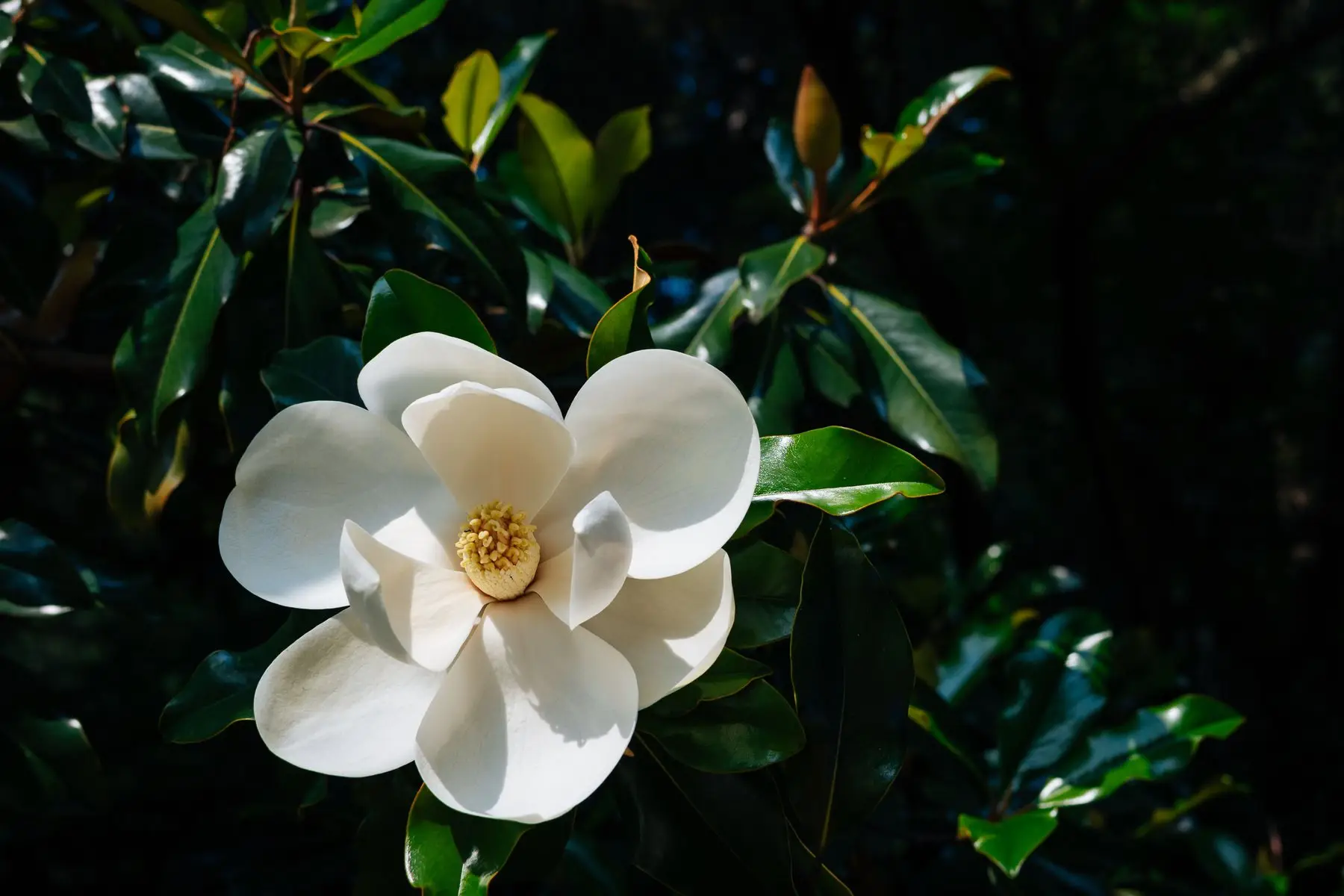
Deciduous magnolias drop everything in autumn; evergreen ones shed year-round. How to tell which you have, and when leaf drop signals a problem.
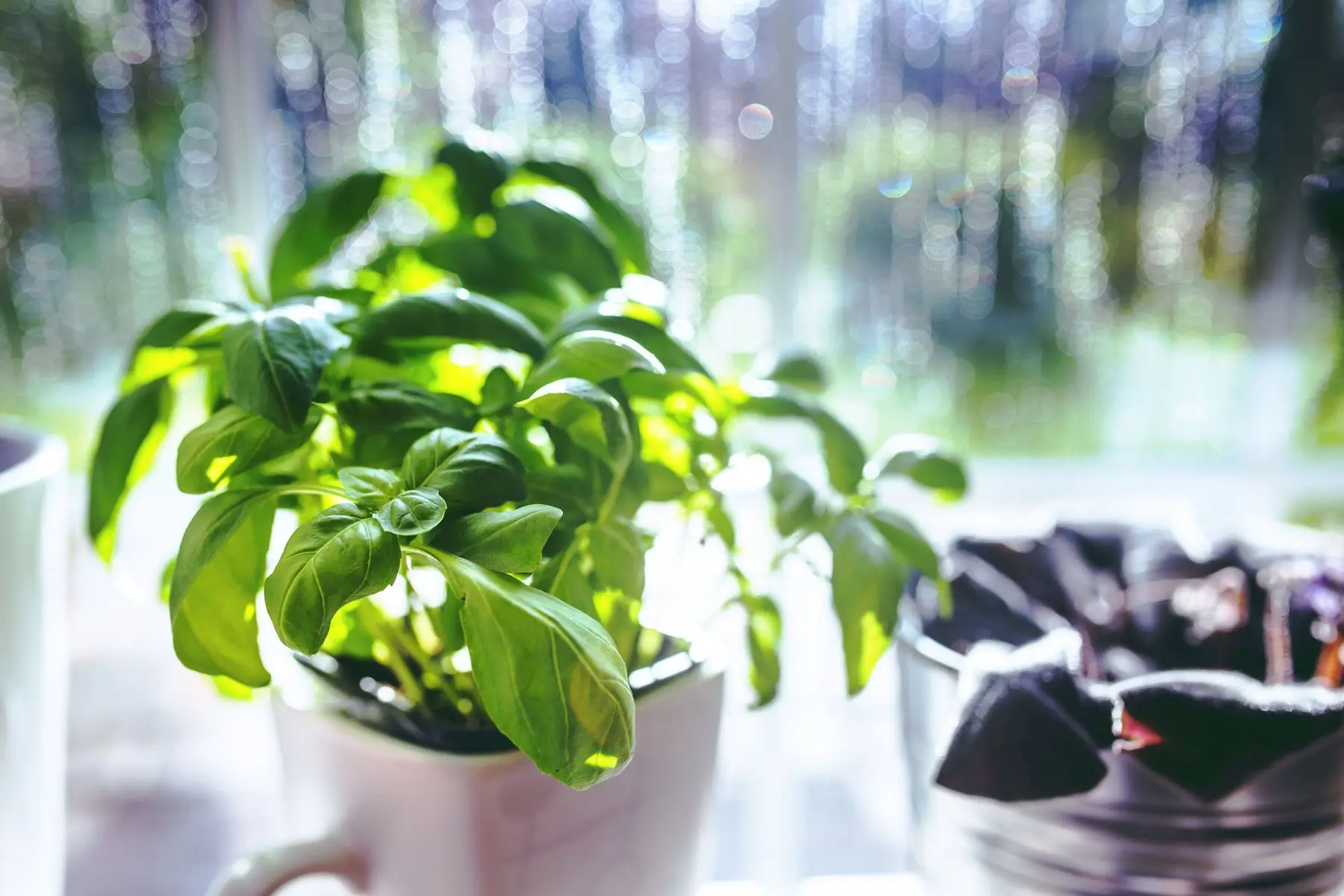
Basil wants six to eight hours of direct sun, with afternoon shade in hot climates. What leggy, pale or scorched leaves are each telling you.
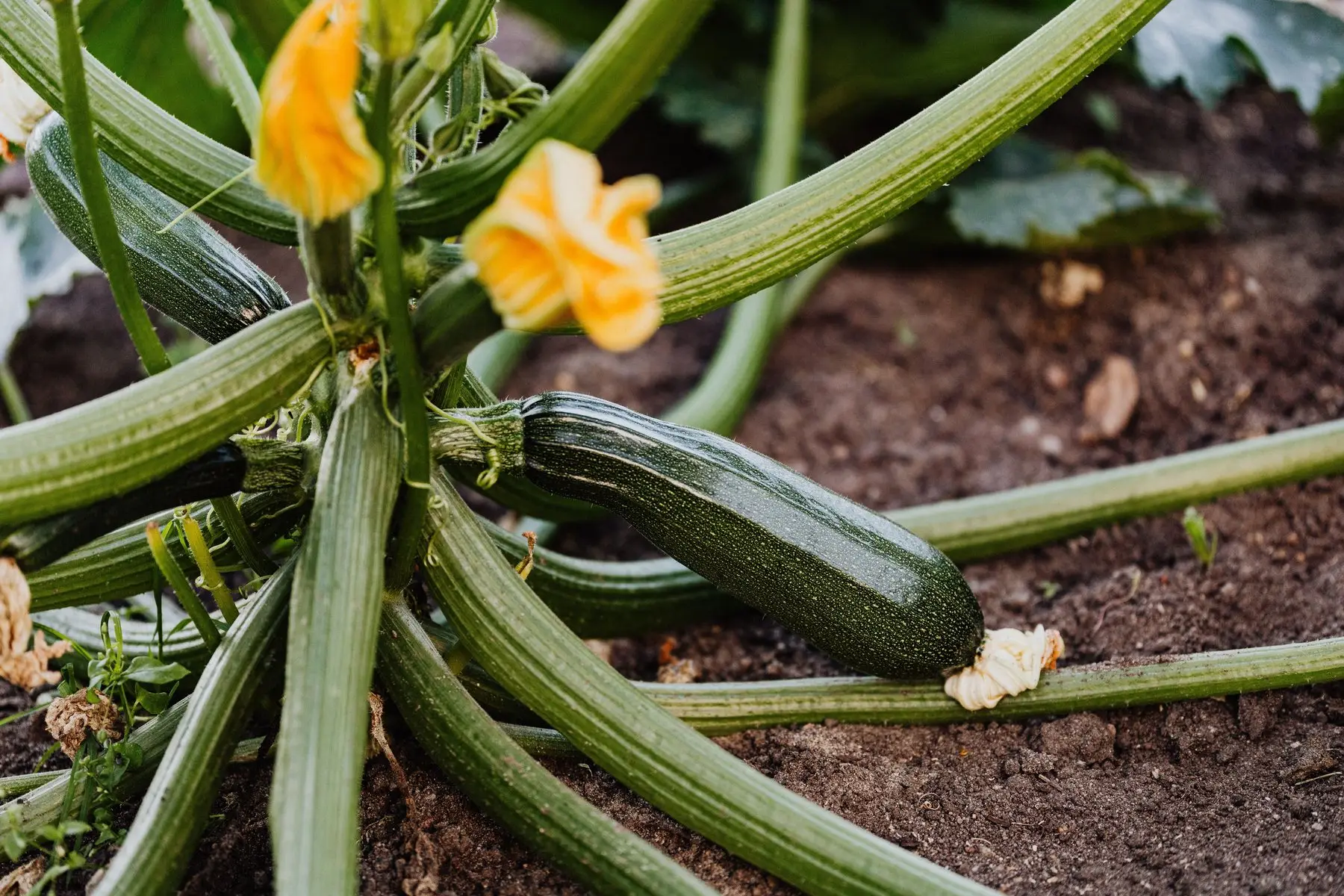
Zucchini goes from seed to first pick in about 45 to 55 days, and from flower to harvest in only four to eight. The timeline and what stalls it.
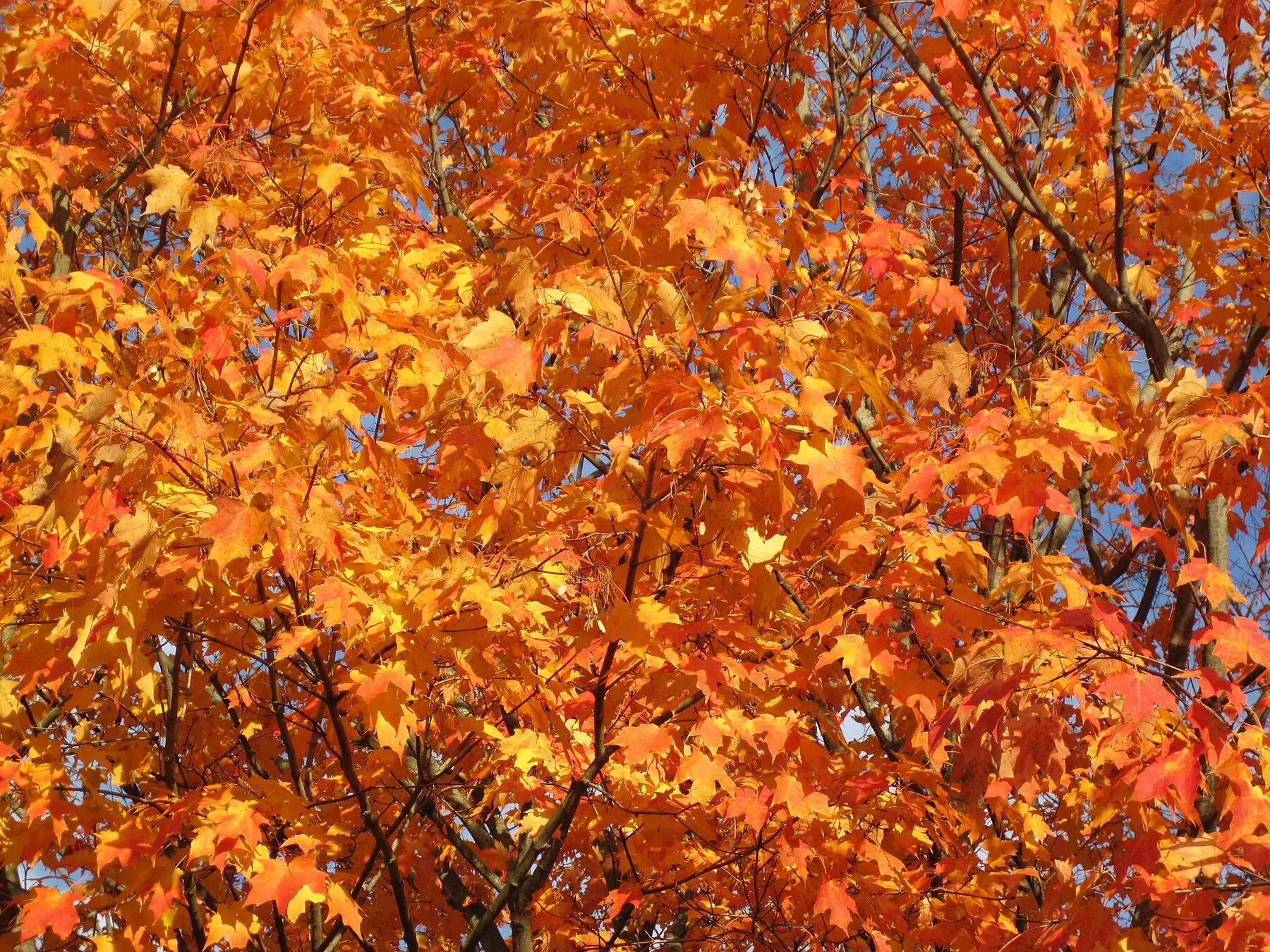
Maple lifespan depends almost entirely on species: silver maple 60–100 years, red maple 100–150, sugar maple 200–300. Where yours actually sits.
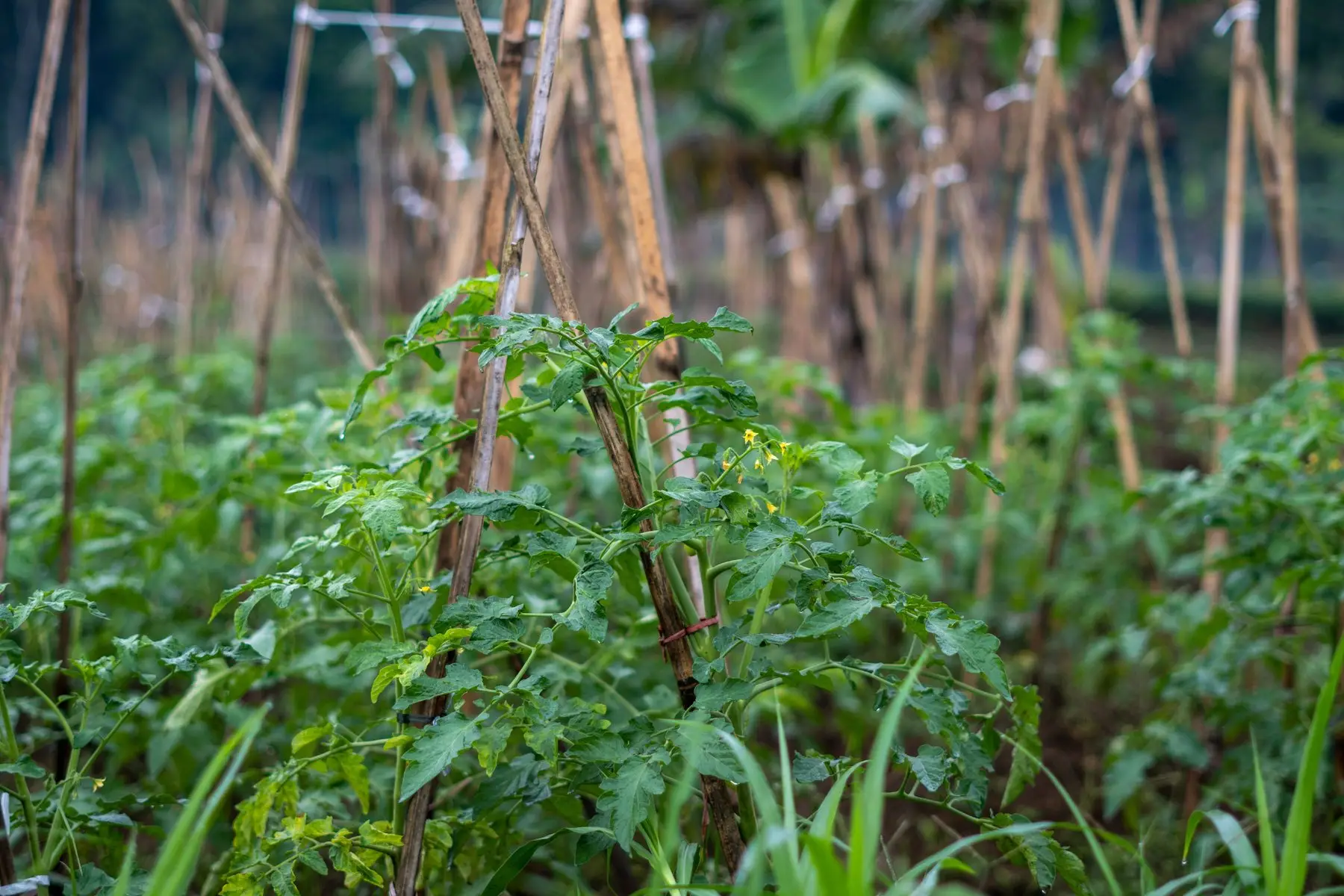
Two or three plants per person for fresh eating, but eight to ten each if you are canning. The numbers by use, plant type and realistic yield.
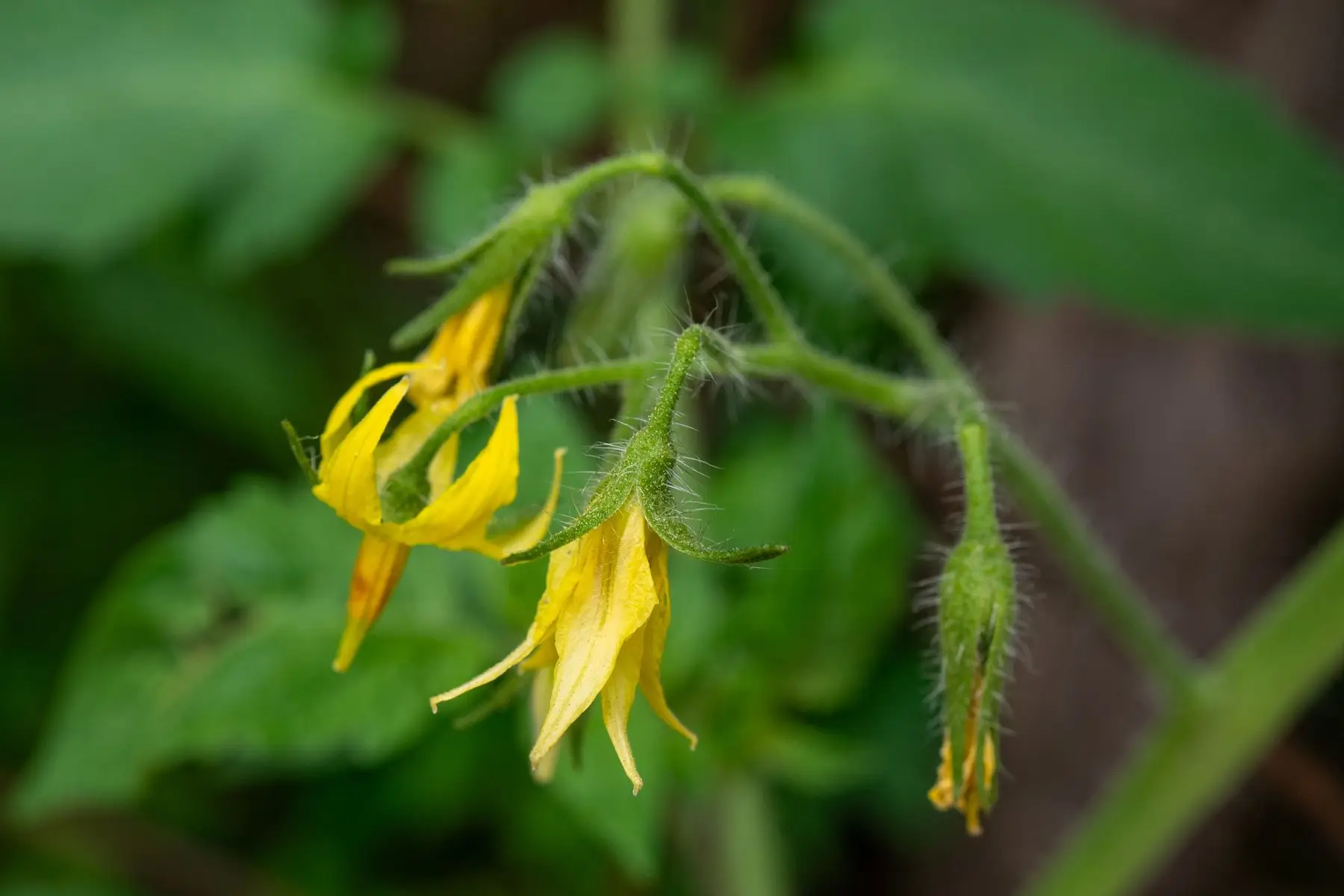
Tomatoes flower about five to seven weeks after transplanting, once night temperatures hold above 55°F. What delays it and what stops fruit setting.
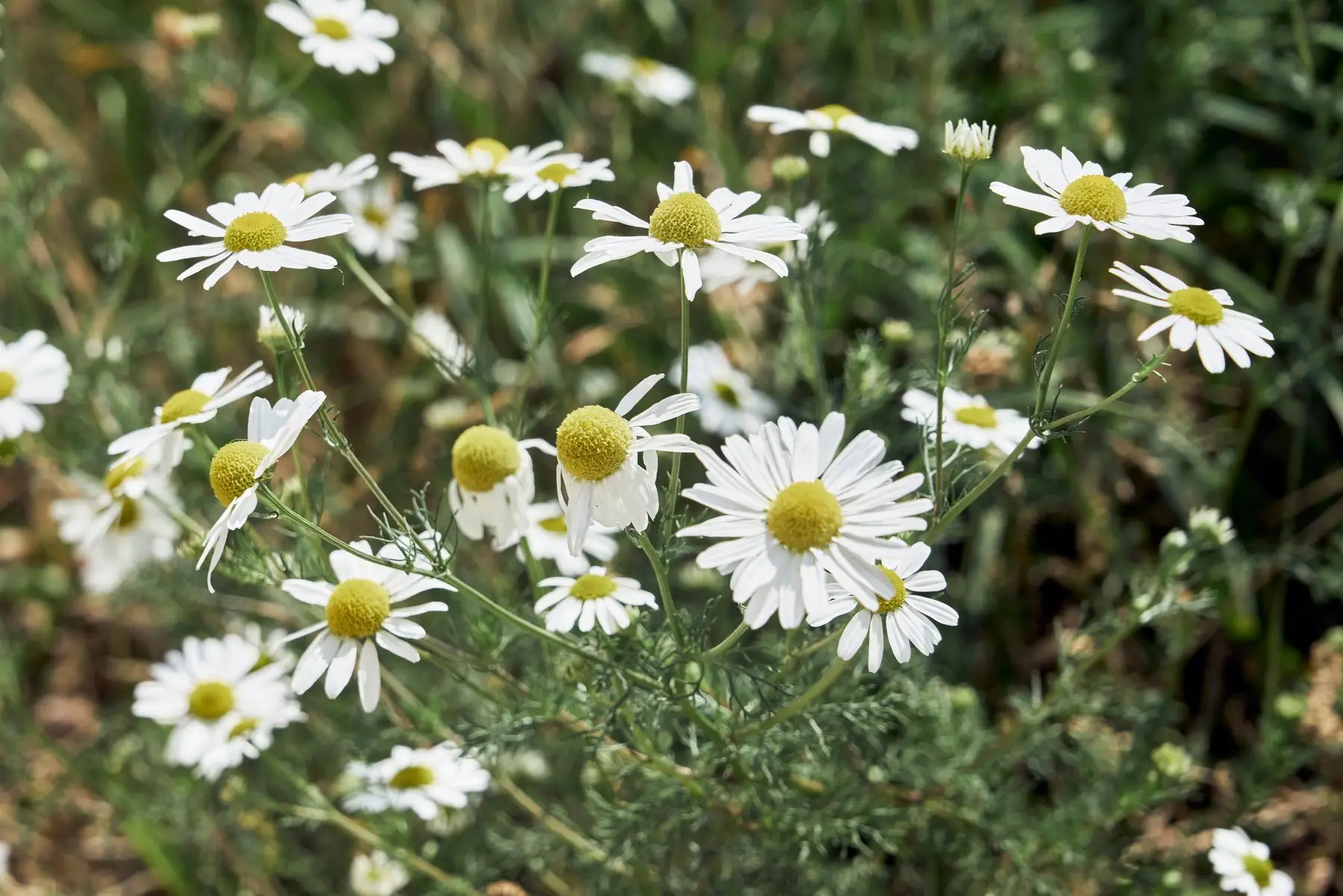
Pick chamomile when the white petals lie flat or start tilting back and the yellow centre has domed. Mid-morning, every two or three days.
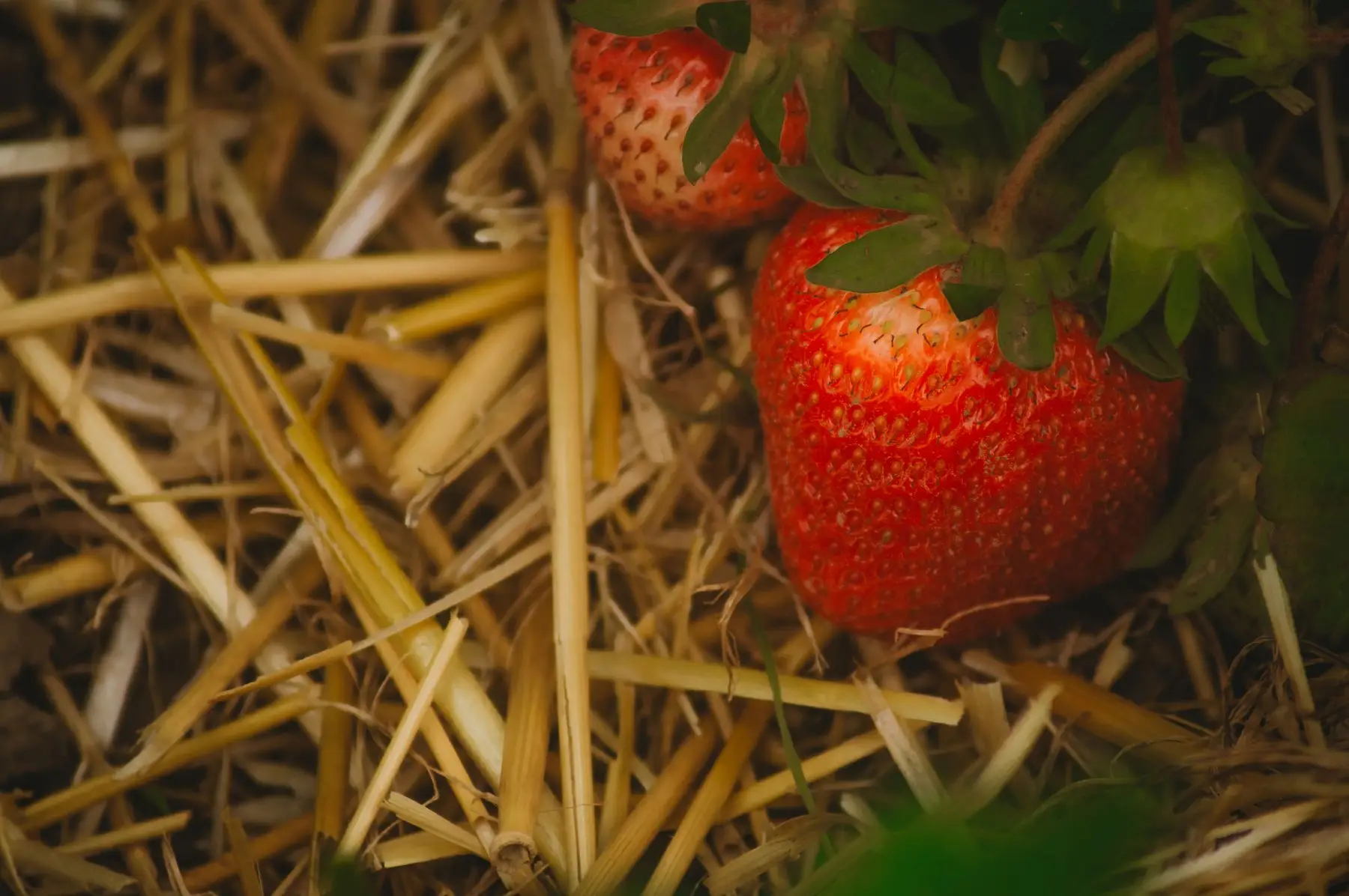
Strawberries are among the easiest fruit to start and the easiest to neglect. The two things that decide a crop, and why year three disappoints.
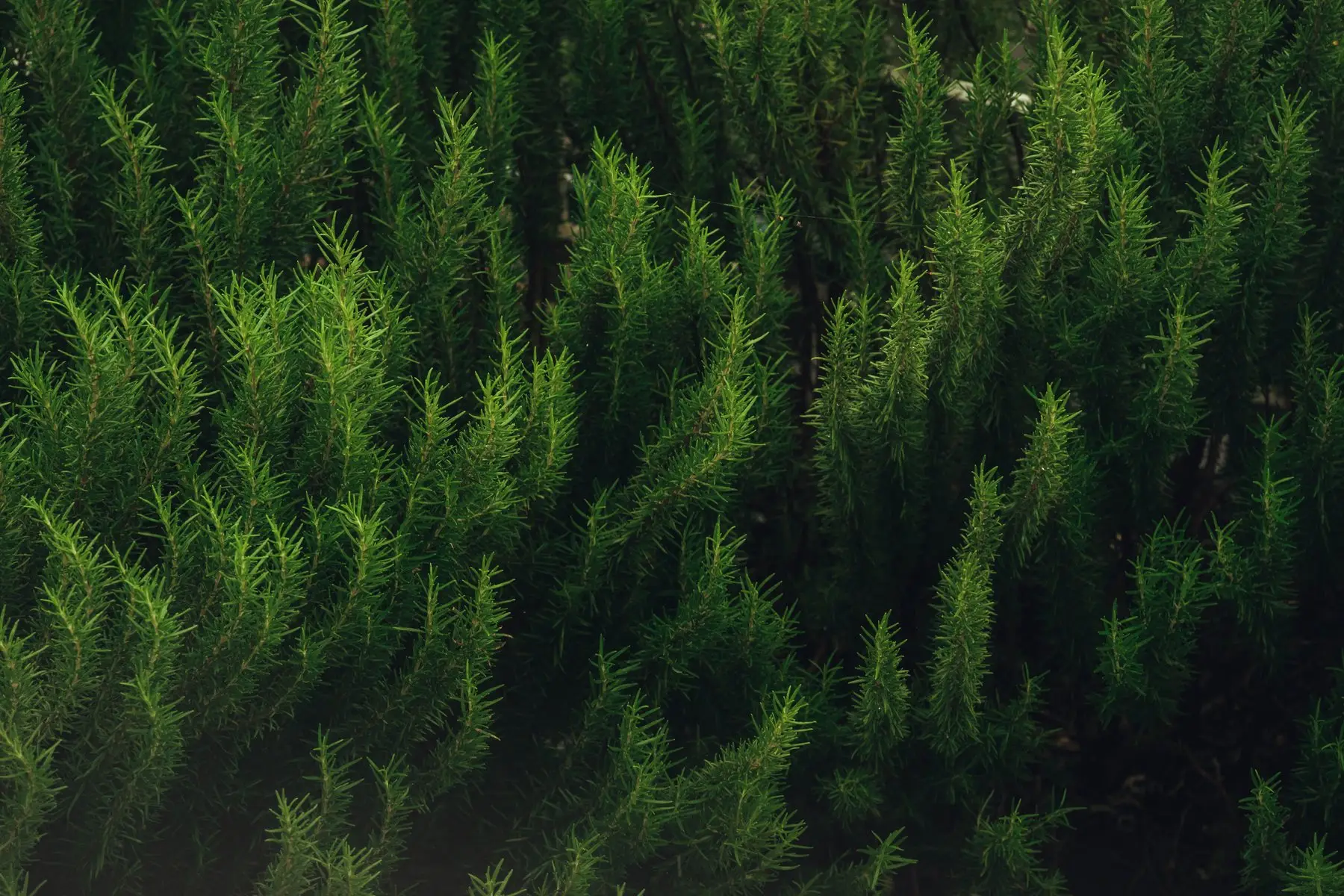
Rosemary needs six to eight hours of sun. In shade it gets leggy, loses flavour and rots at the roots — plus the shadiest spot it will tolerate.
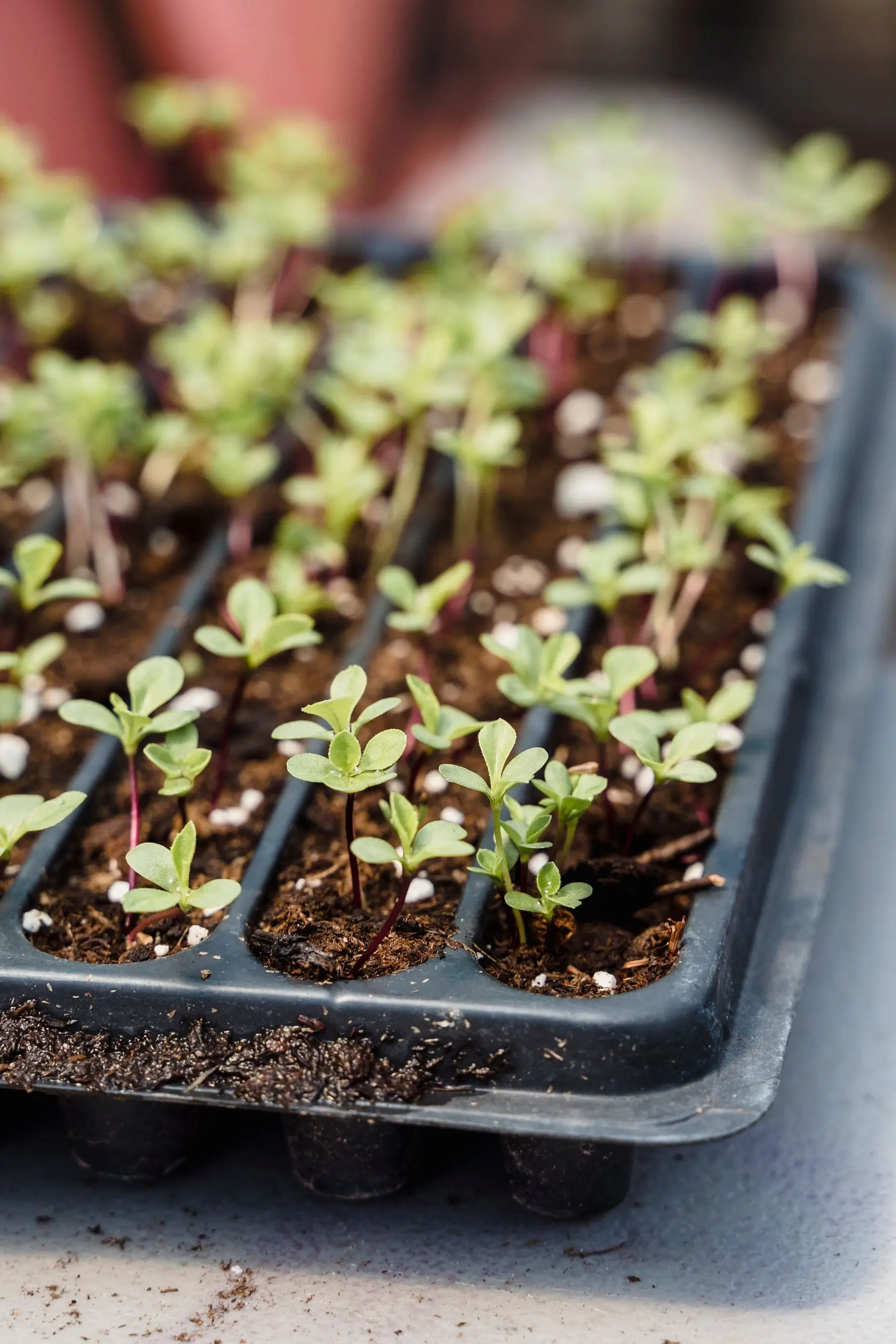
Most seeds germinate in the dark and need light only once the seedling emerges. The exceptions that must be surface-sown, and why depth matters more.
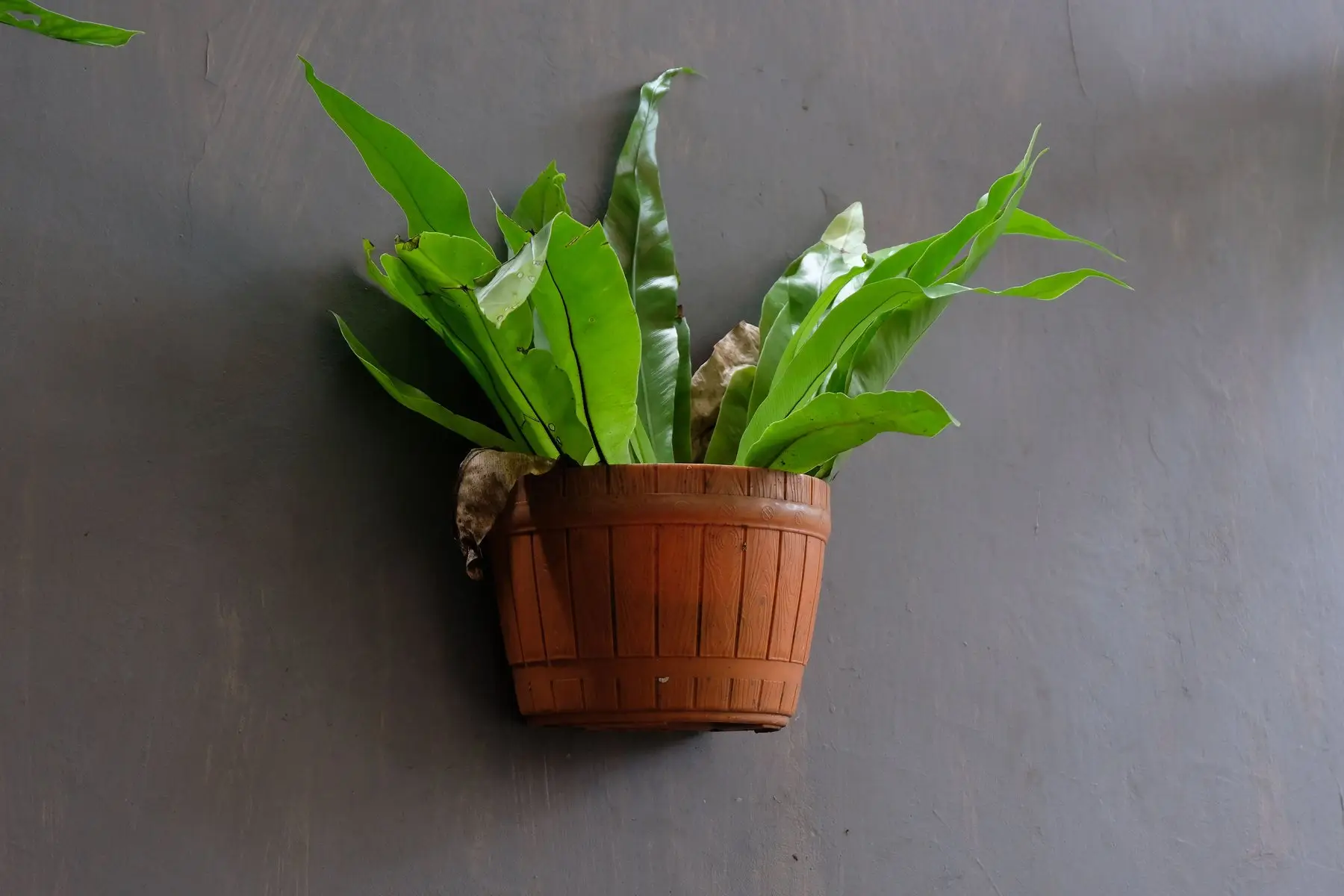
Almost every bird's nest fern problem is water in the crown, dry air, or direct sun. How to read the fronds and what each symptom actually means.
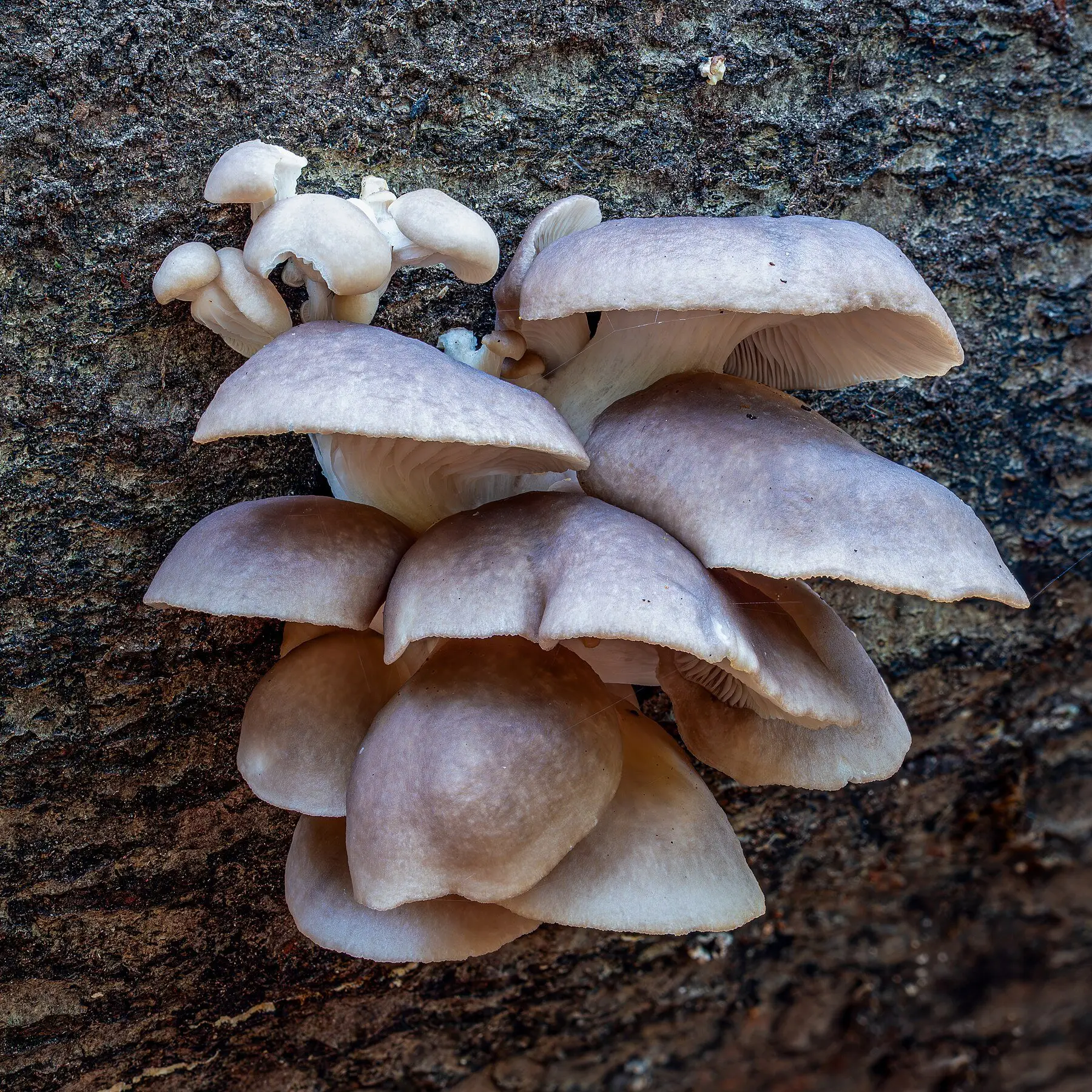
Oyster mushrooms on a kit crop in three weeks. Substrates, sterile versus pasteurised, humidity, and the contamination that ends most attempts.
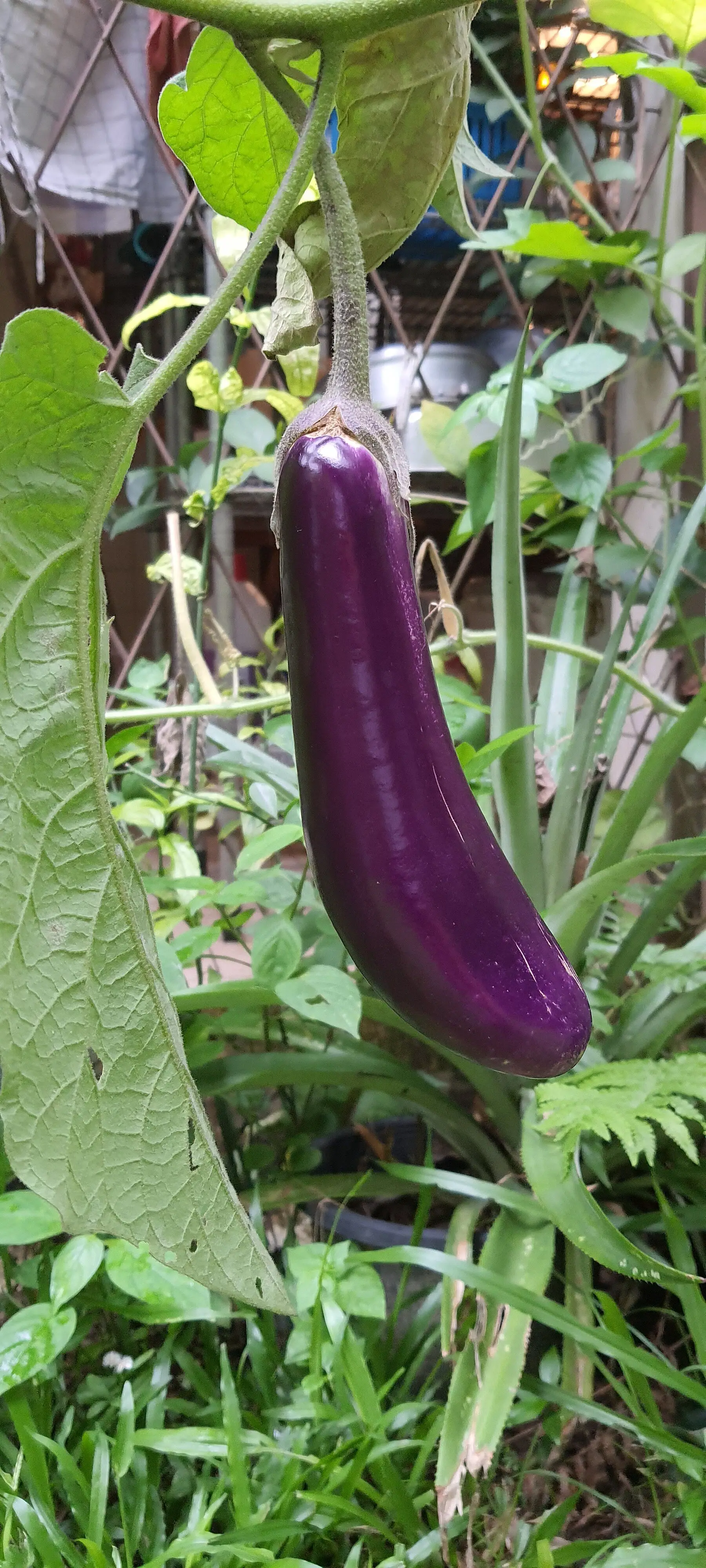
Eggplant needs more heat than tomatoes and takes the worst of the flea beetles. Soil temperature, spacing, why flowers drop, and picking by shine.
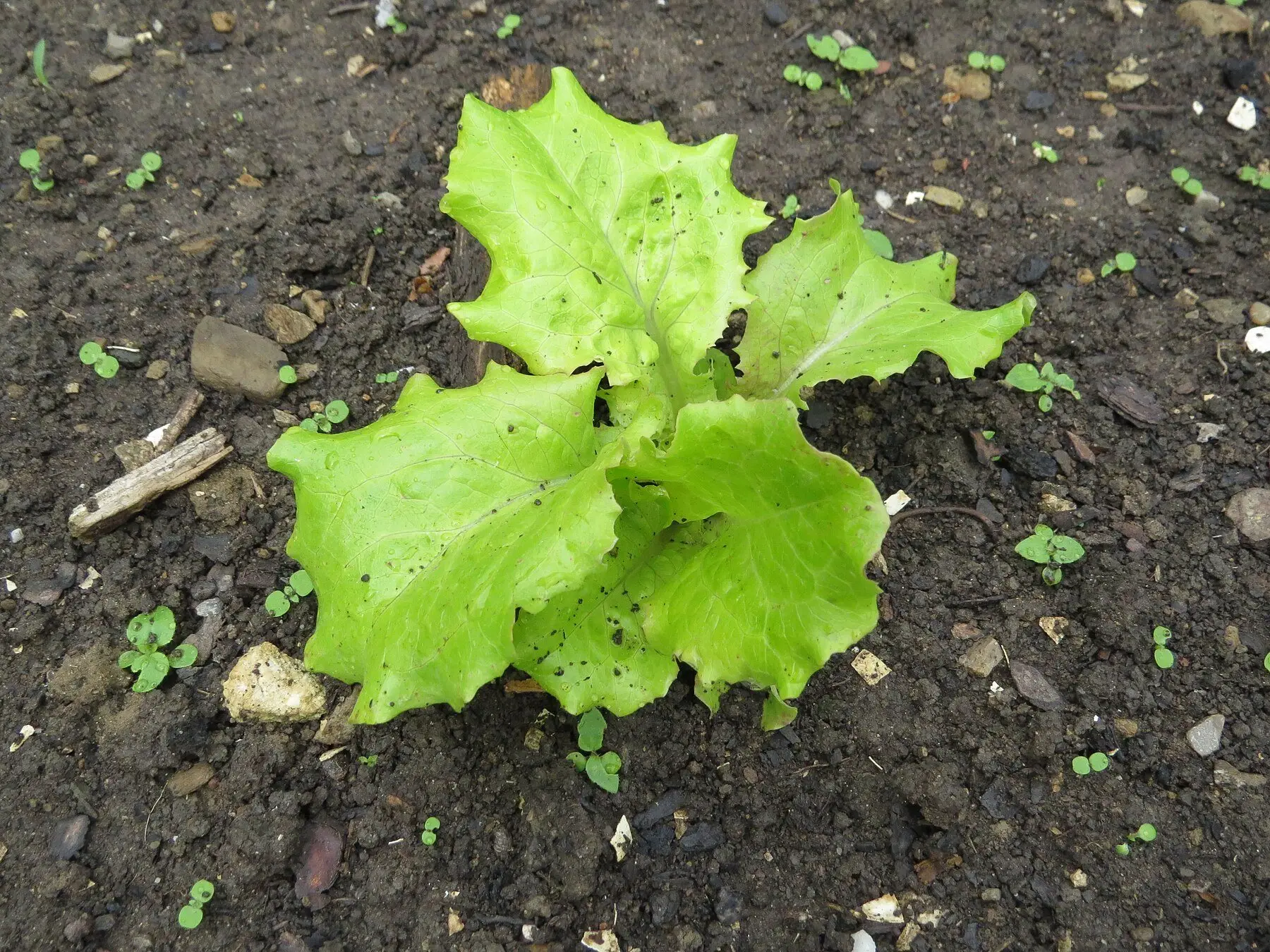
Lettuce turns bitter and runs to seed in heat. Sowing windows, cut-and-come-again, shade in summer, and why germination fails in warm soil.
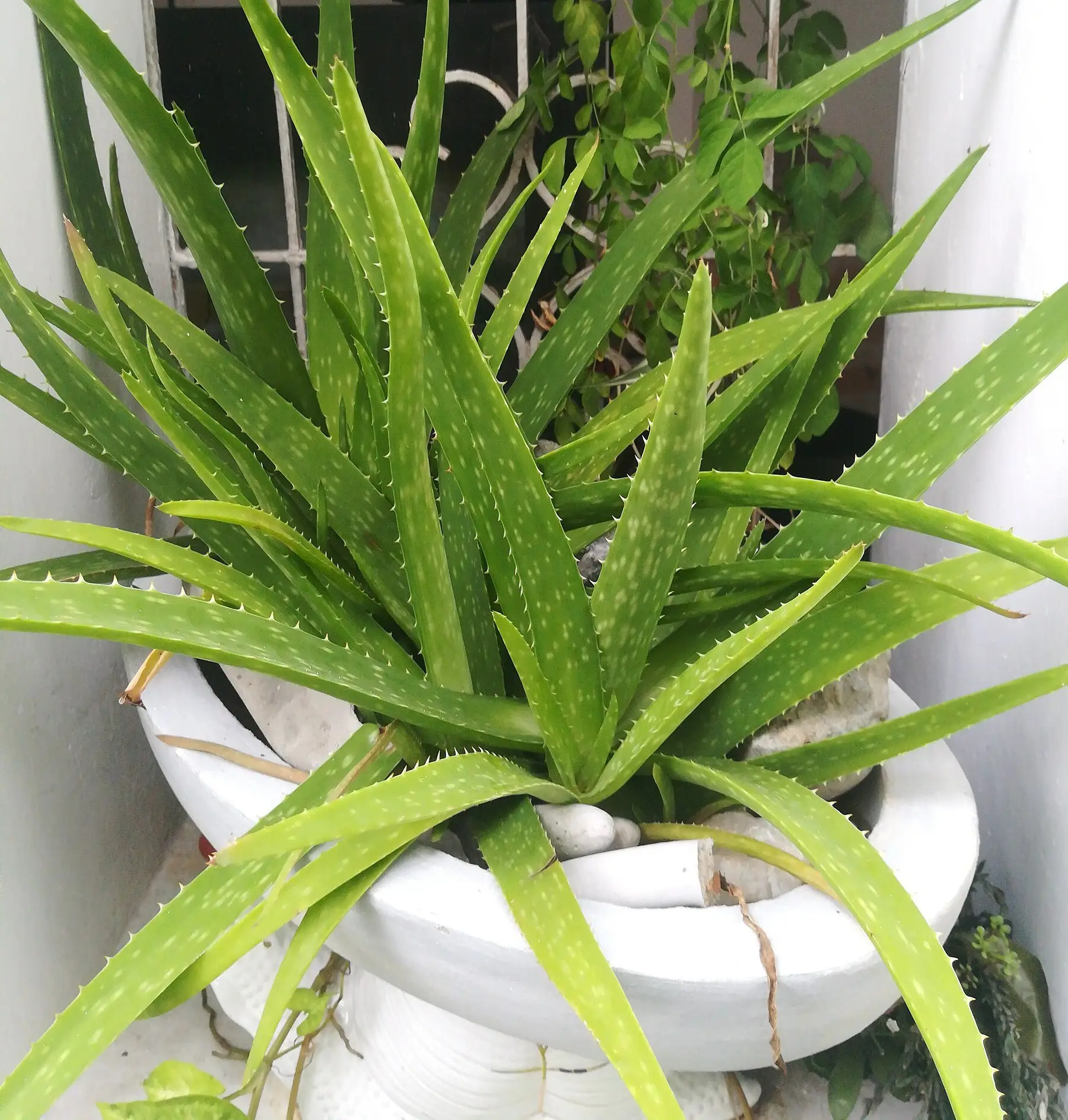
Aloe multiplies from offsets at the base, and leaf cuttings almost always rot. How to separate a pup, when to do it, and the callusing step.
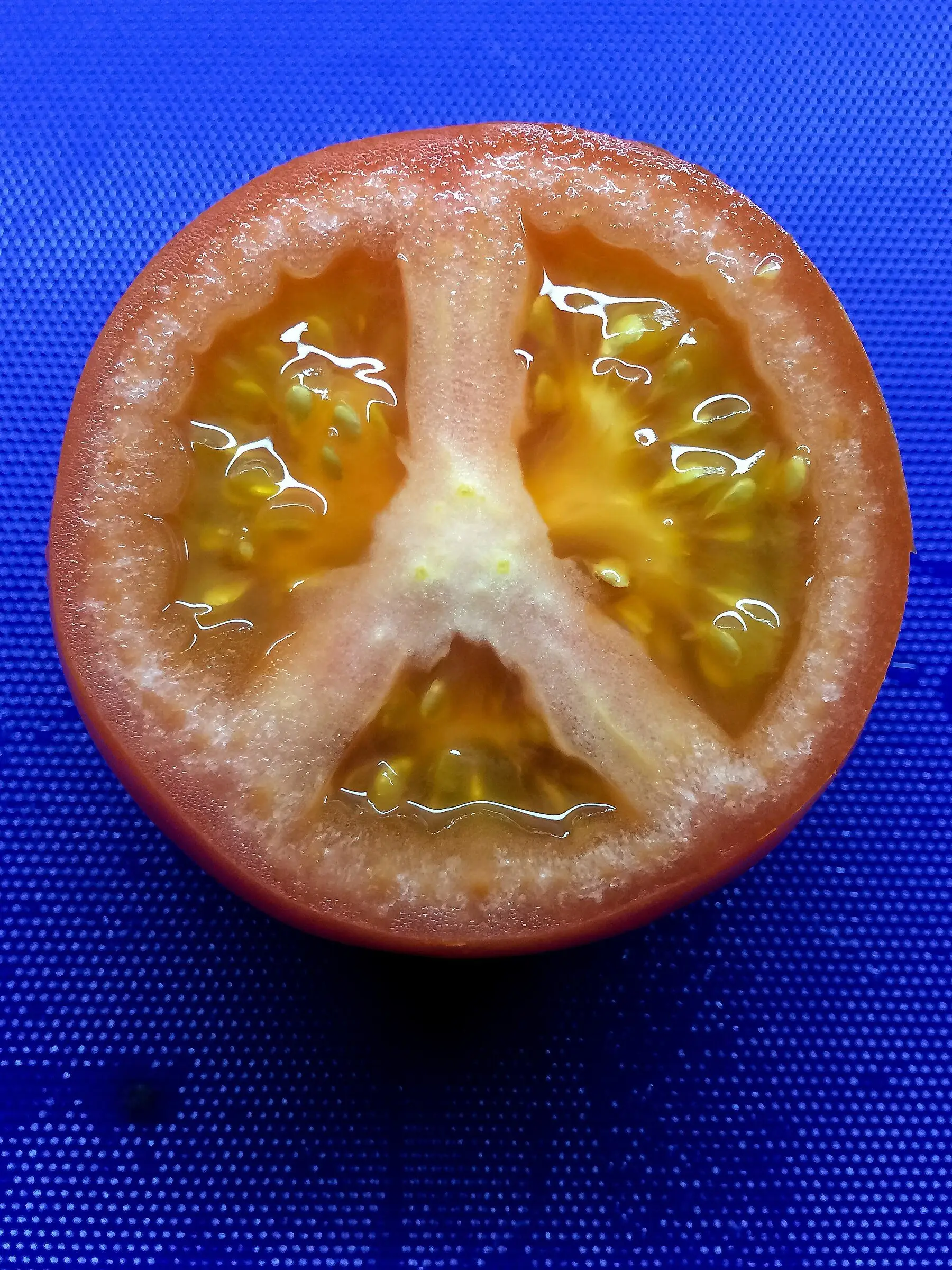
Tomato seeds need fermenting to remove the germination-blocking gel. Which varieties come true, the three-day process, and drying and storage.
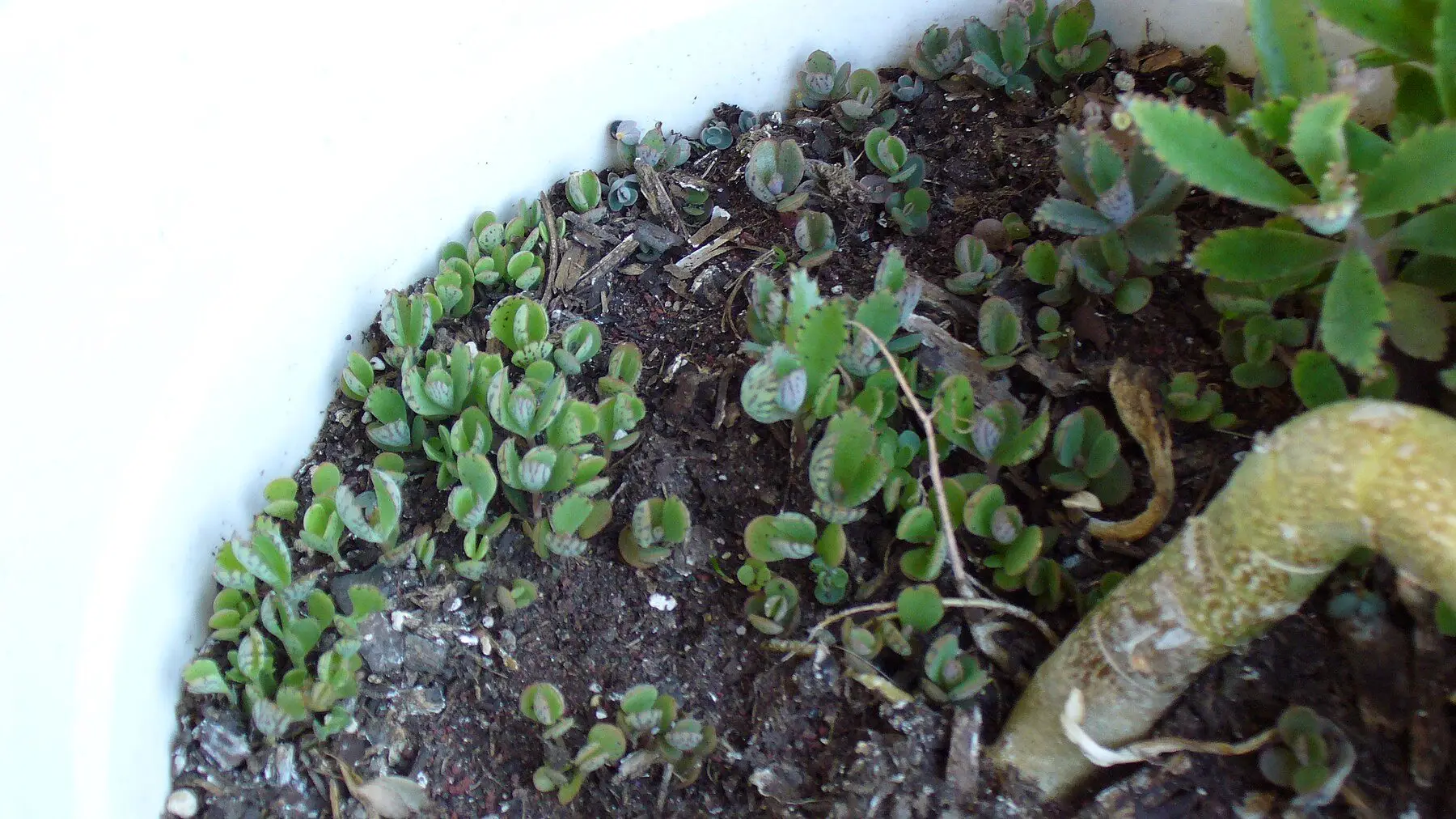
A succulent that drops hundreds of rooting babies from its leaf edges. How to grow it, why it is toxic and invasive, and how to stop it spreading.
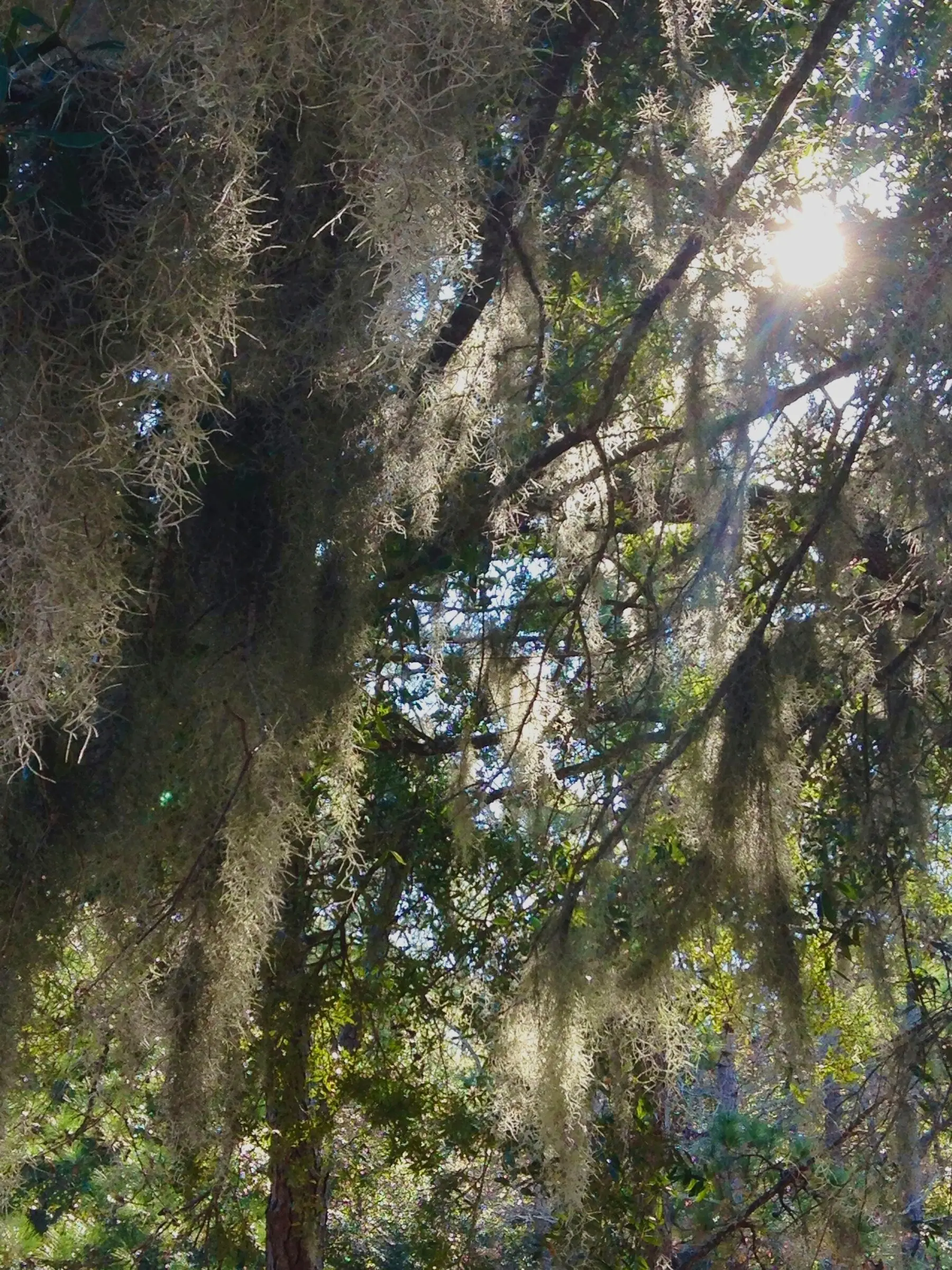
Tillandsia usneoides takes nothing from the tree it hangs on. How it feeds, growing it at home, the chigger myth, and whether it harms trees.
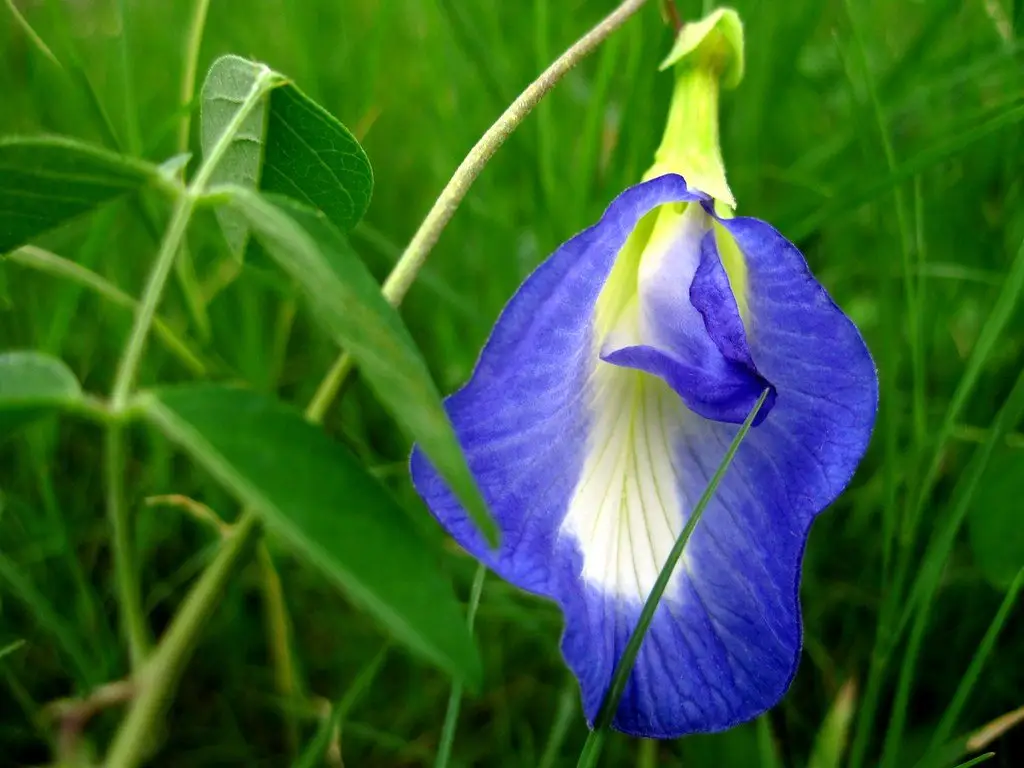
A tender vine grown for blue flowers that turn tea purple with lemon. Trellis, heat, seed soaking, and how to grow it where winters are cold.
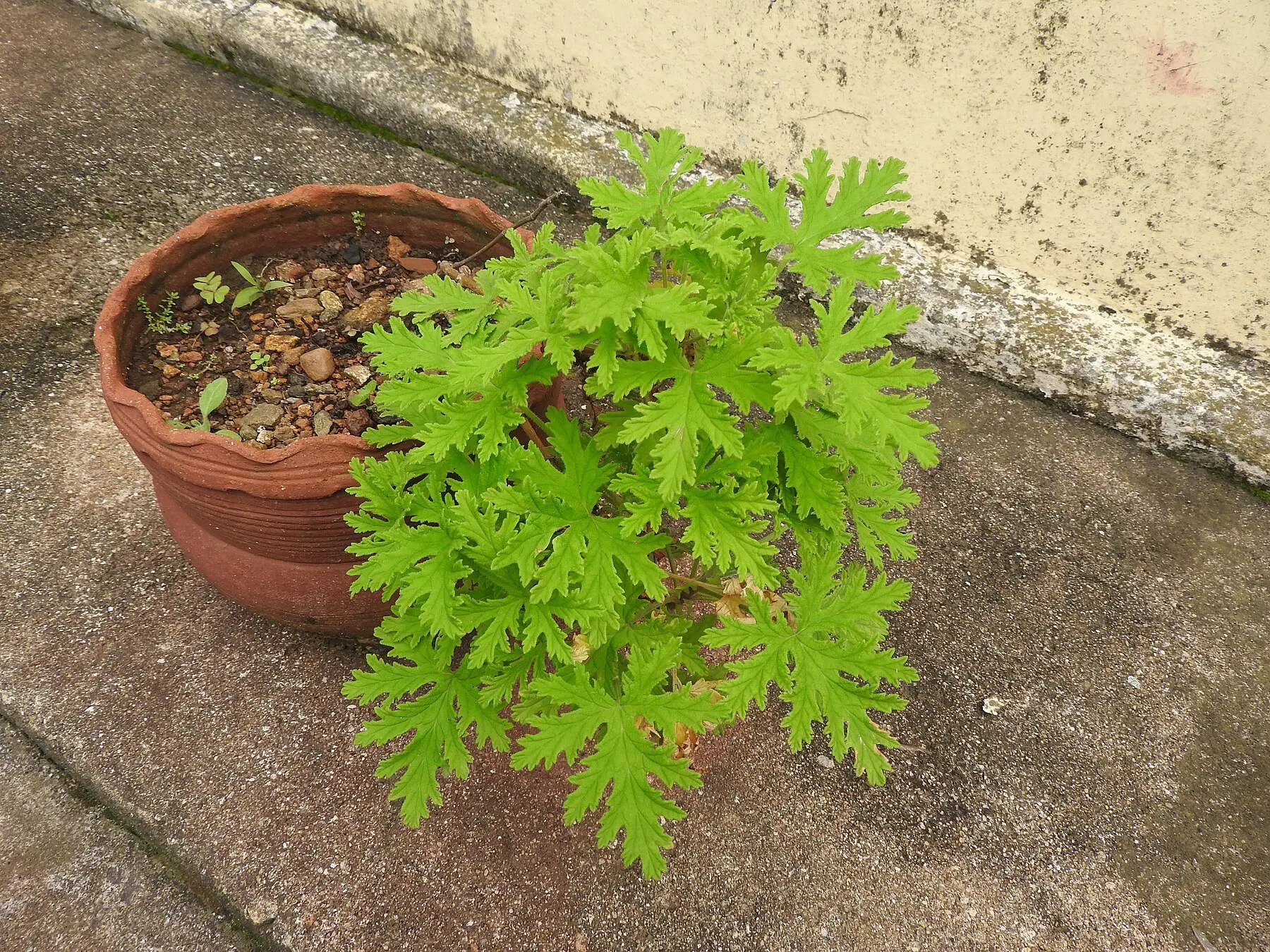
The plant sold as citronella is a scented geranium, not the grass the oil comes from. What each one is, how to grow it, and the honest mosquito answer.
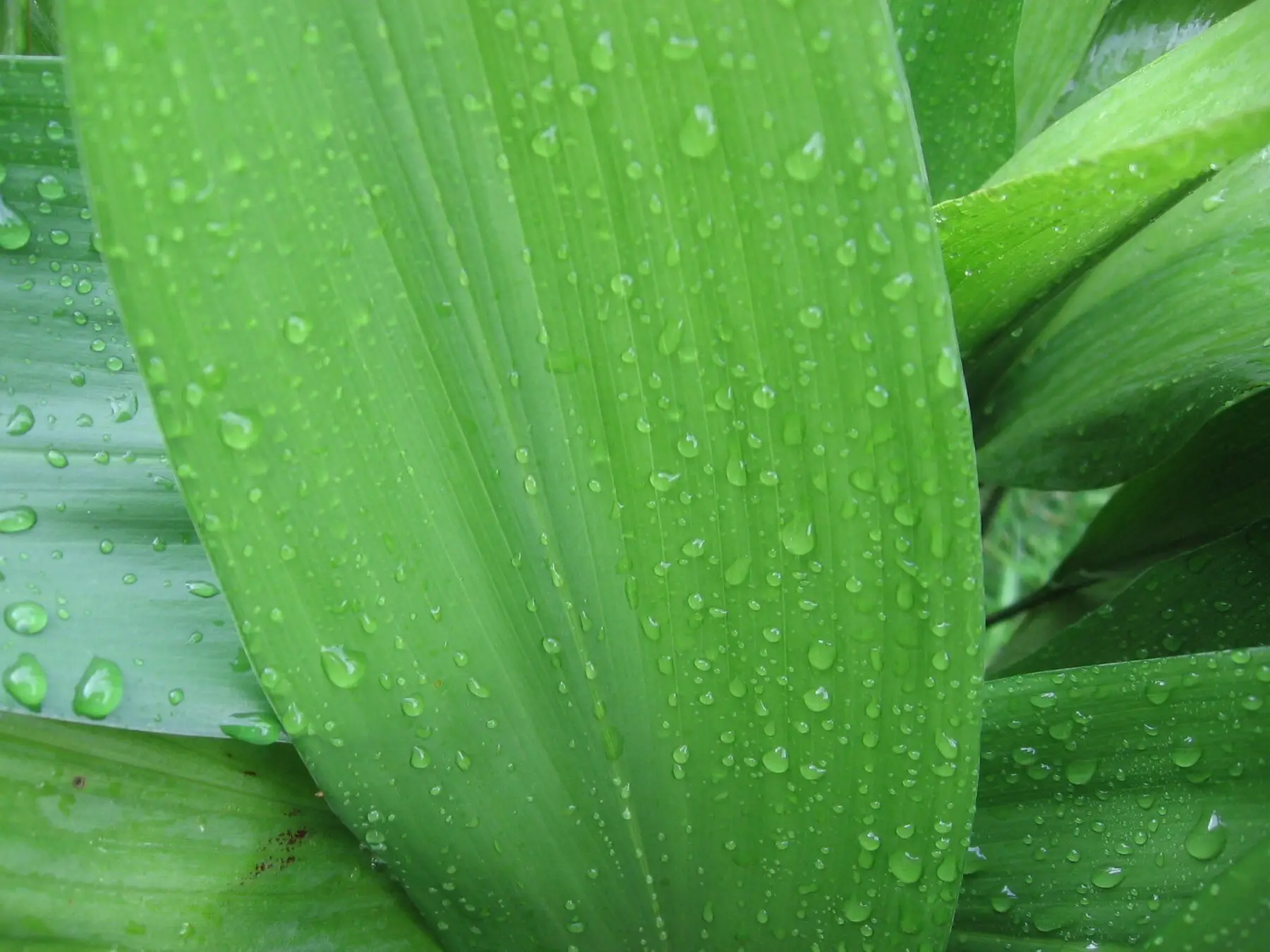
Aspidistra tolerates deep shade, neglect and cold that kills other houseplants. What it will not tolerate, how slowly it grows, and outdoor use.
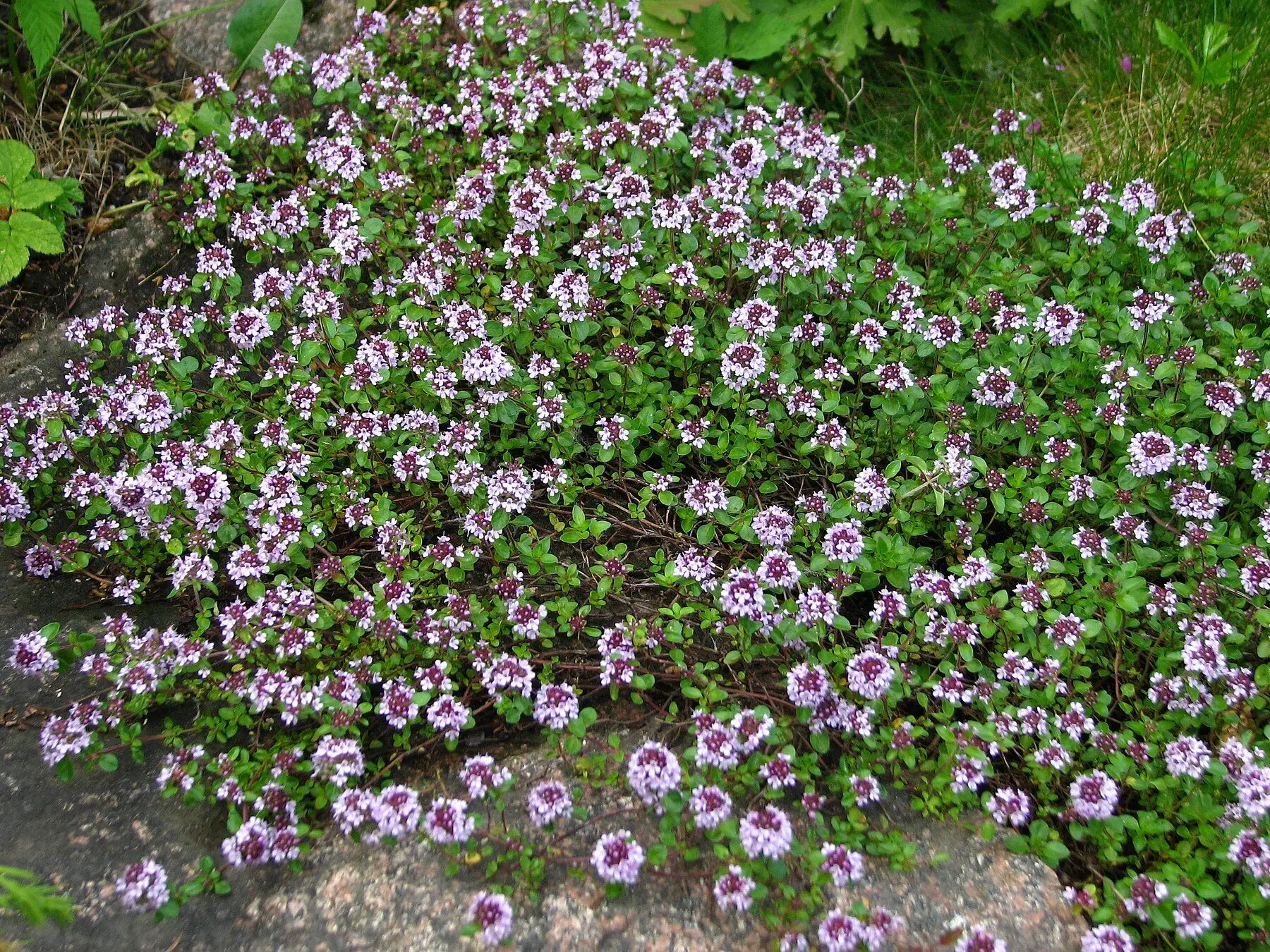
Creeping thyme is a drought-tolerant lawn alternative that flowers for bees and takes light footfall. Which species to buy, spacing, and where it fails.
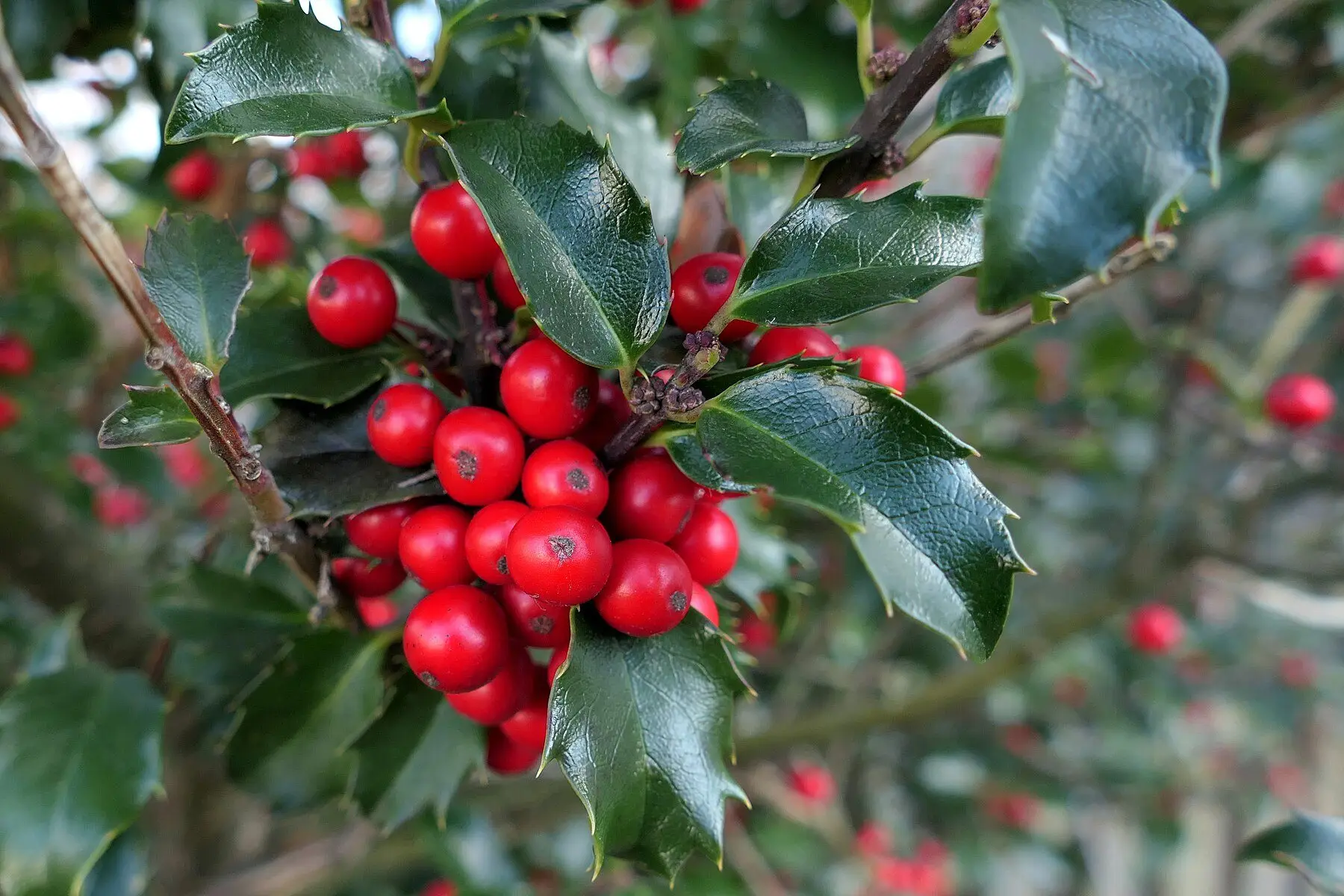
Hollies are male or female and only females berry, with a male nearby. Species, pairing cultivars, acid soil, and why yours has no berries this year.
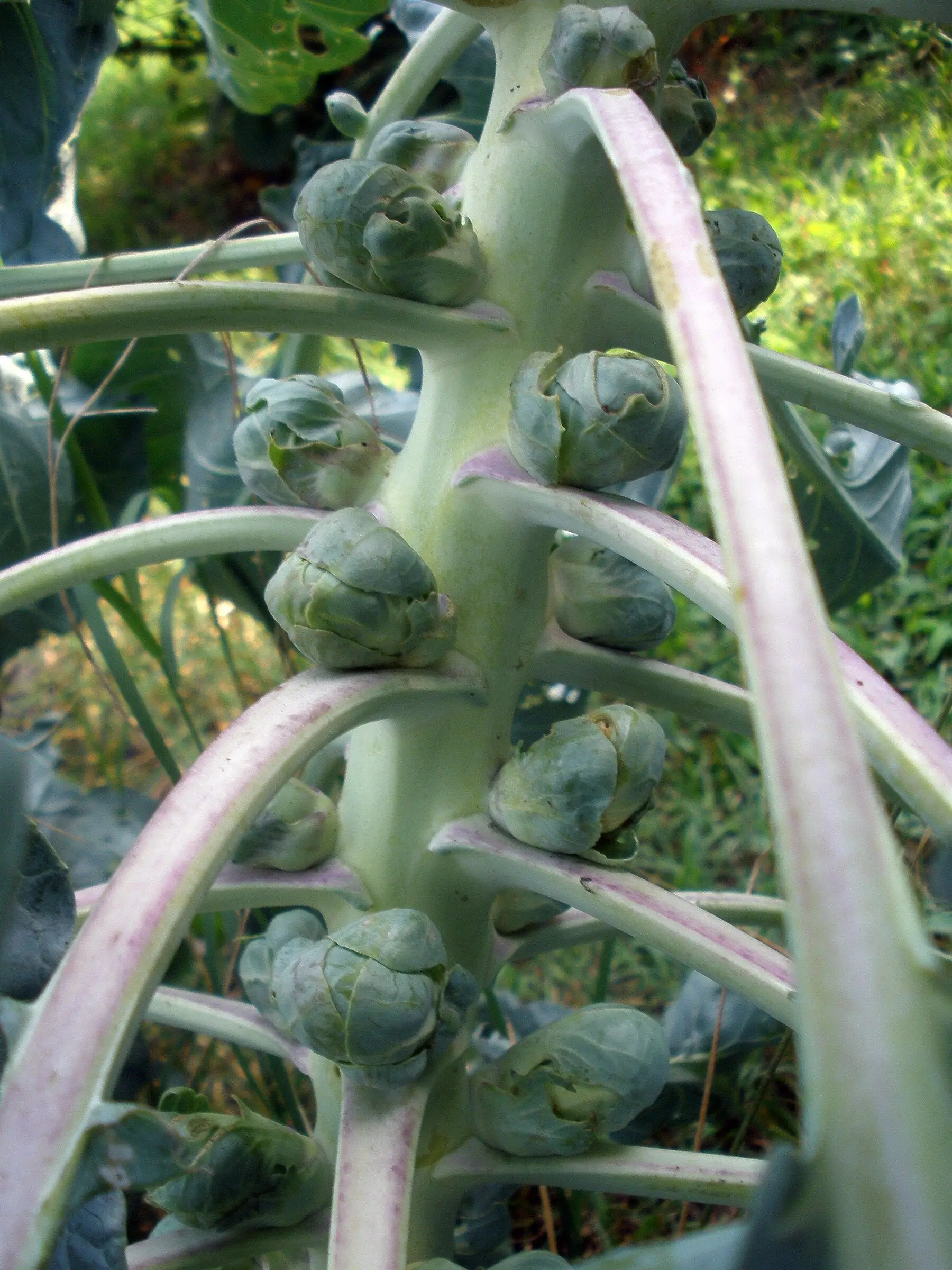
Brussels sprouts need 80 to 130 days, firm ground and frost to taste right. Sowing dates, why sprouts blow open, and when to stop feeding.
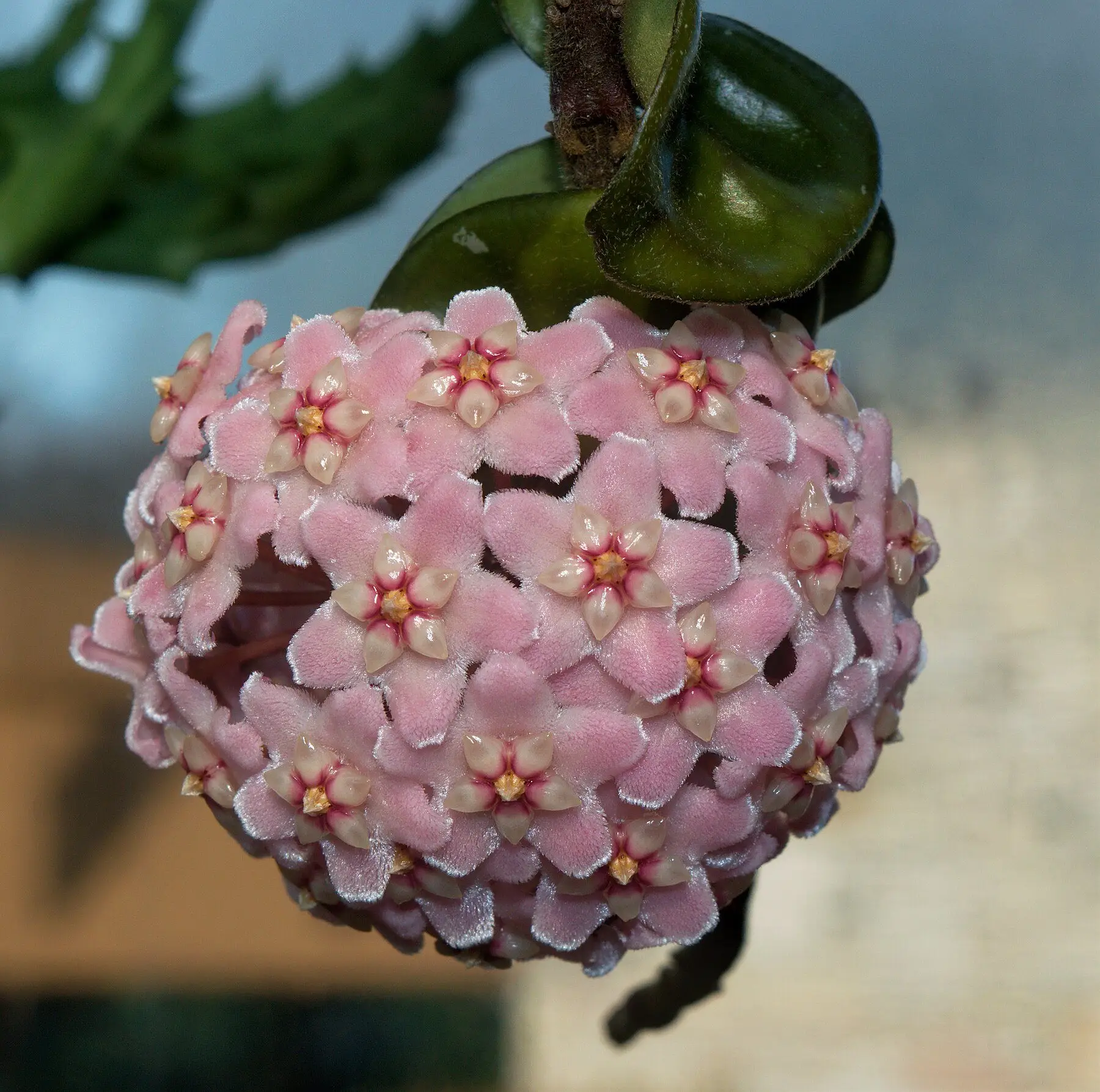
Hoyas are easy to keep alive and hard to flower. Light levels, why the pot should stay small, and the peduncle you must never cut off.
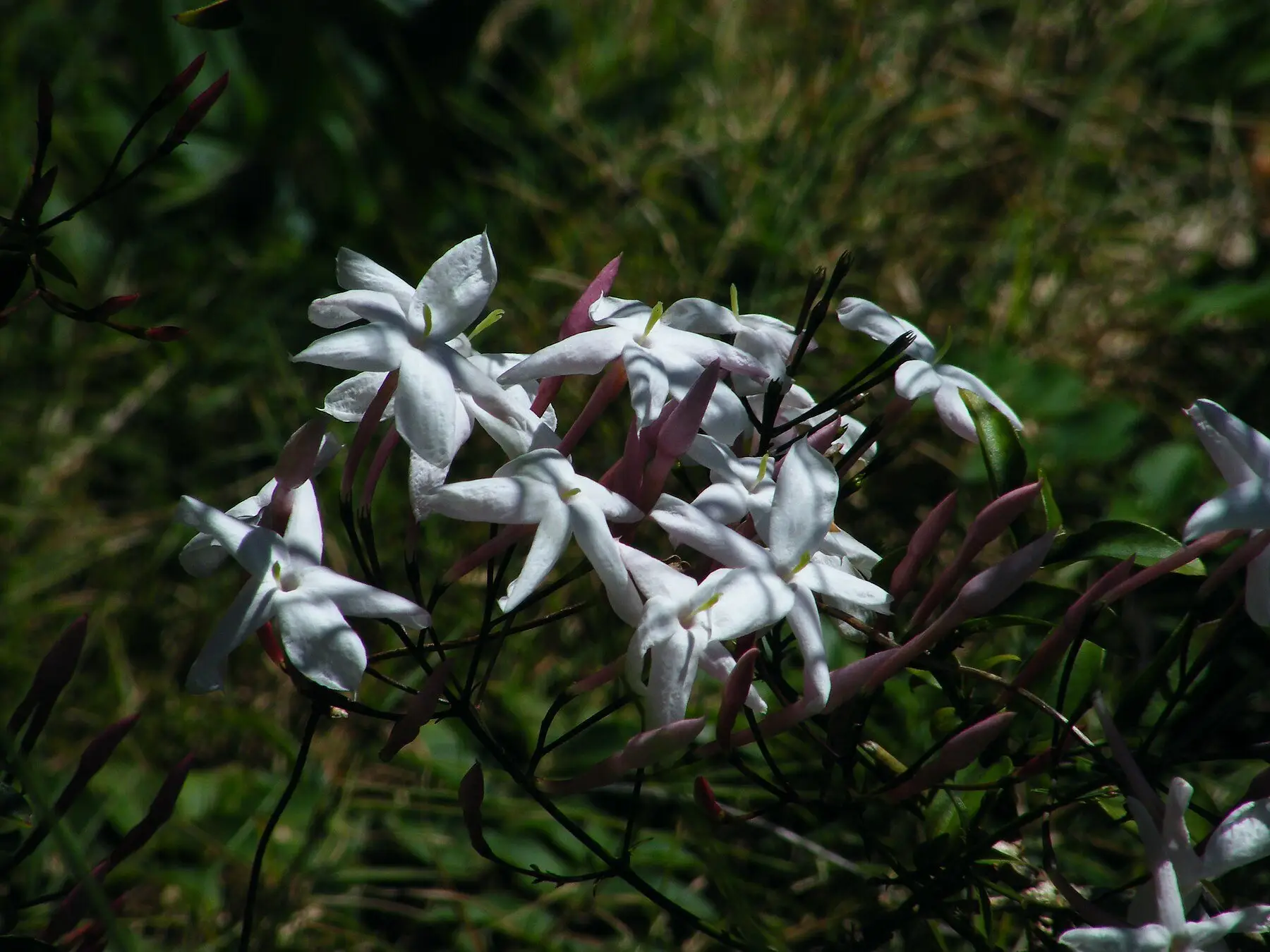
Half the plants sold as jasmine are not jasmine. How to tell them apart, which are hardy, and the pruning mistake that costs a season of flower.
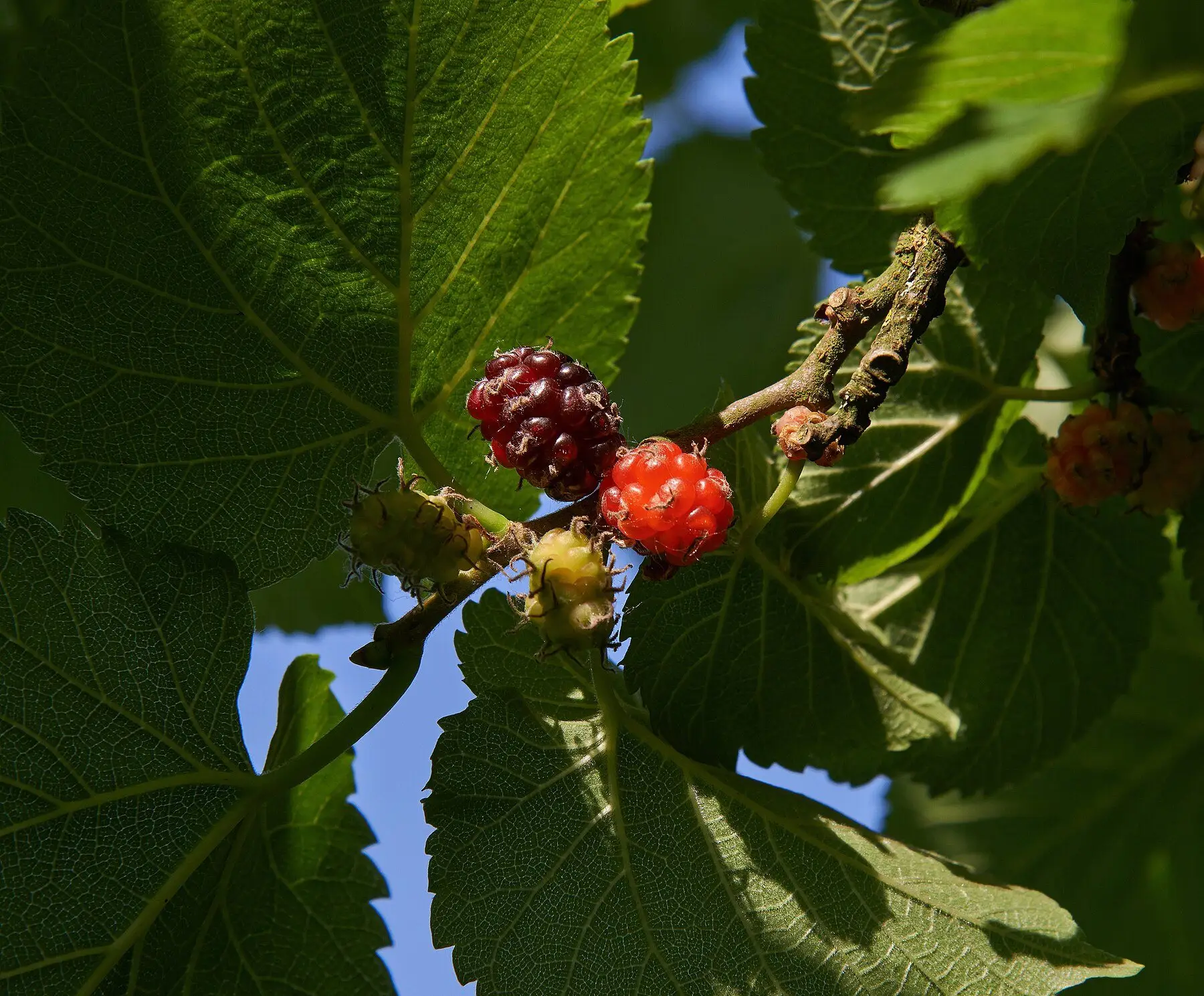
Mulberries crop heavily within a few years and stain everything under them. Choosing a species, siting it away from paths, and the fruitless myth.
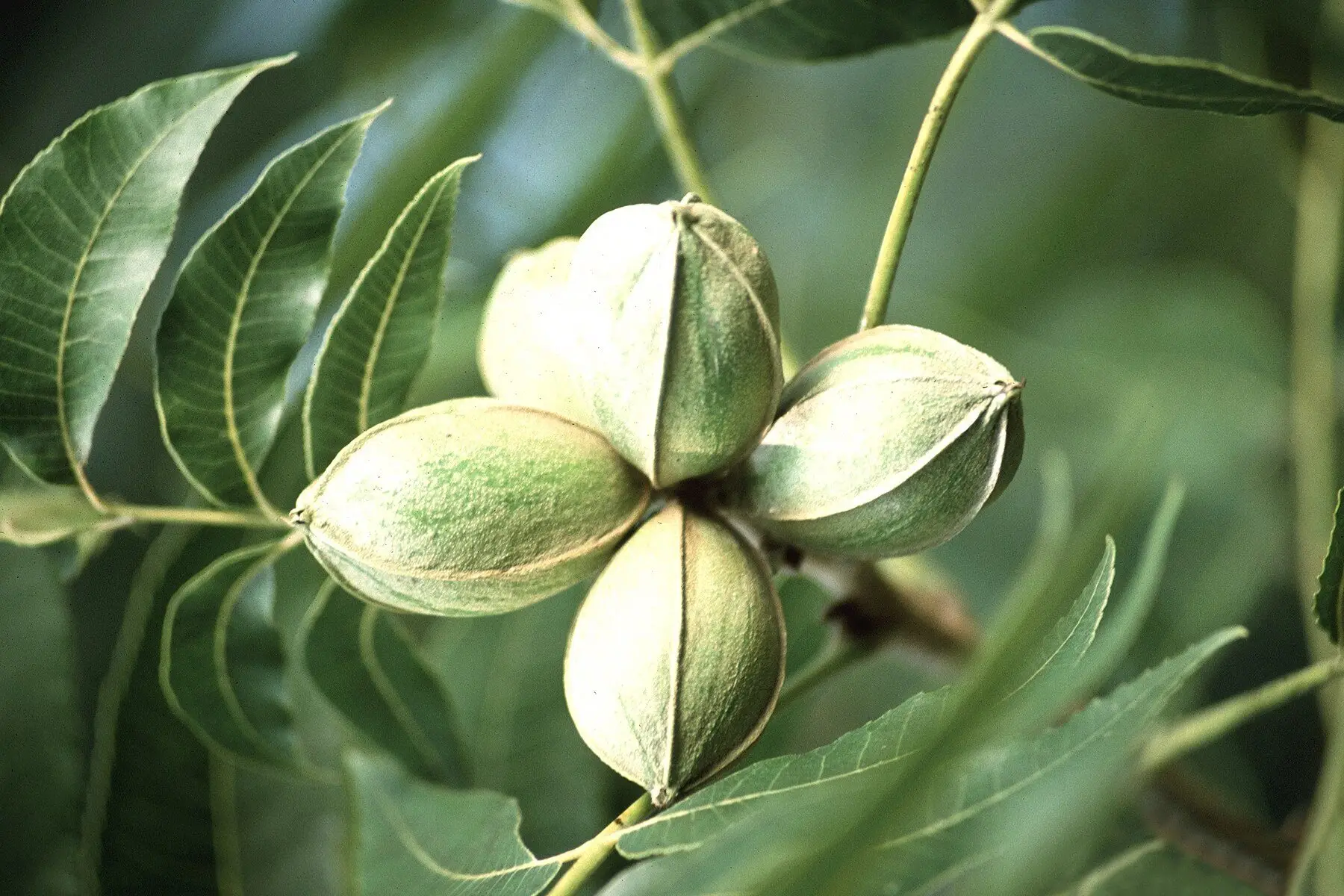
Pecans need two compatible cultivars, 60 to 80 feet of room and a decade before a real crop. Zones, type I and II pollination, and alternate bearing.
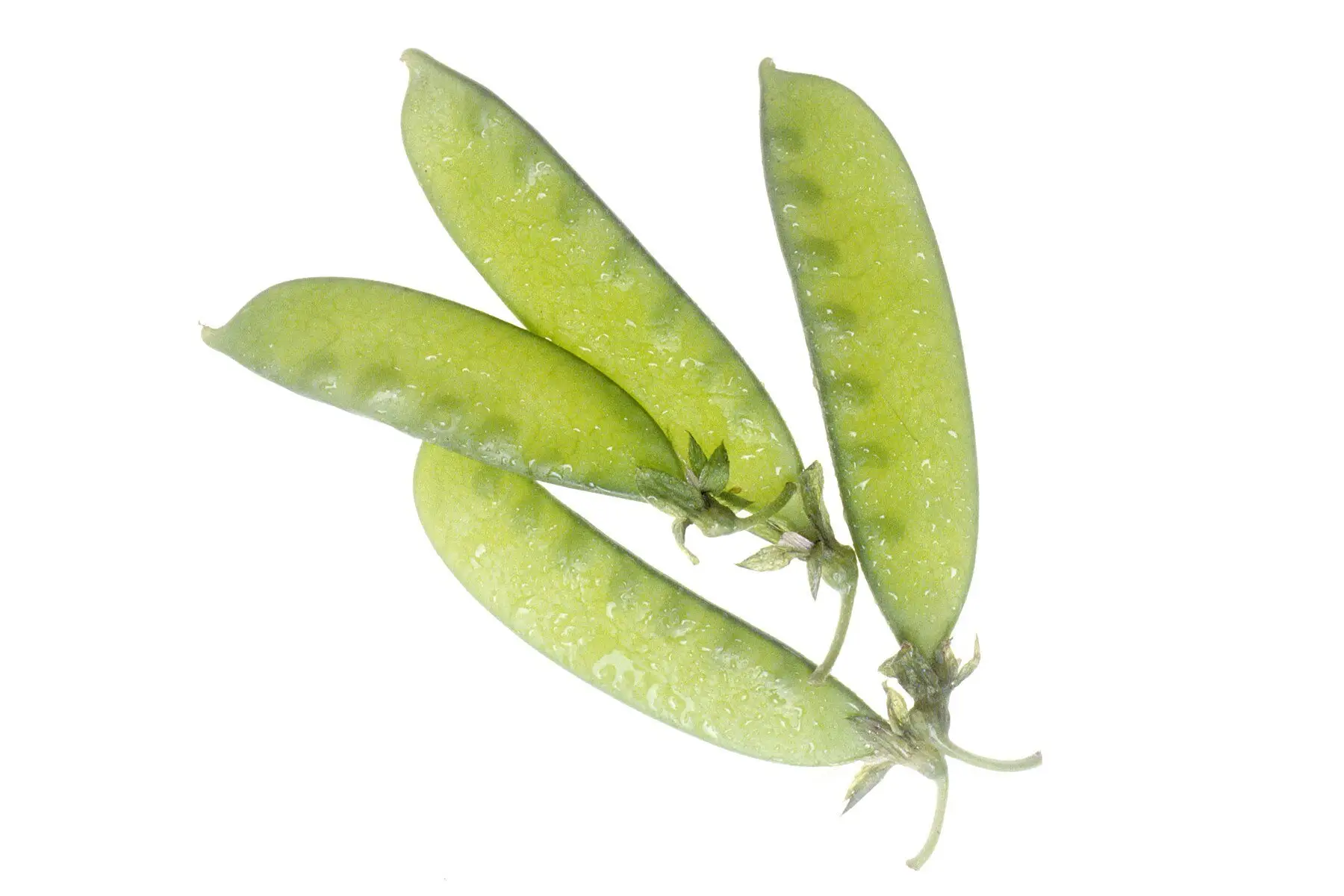
Snow peas are a cool-season crop picked before the pod fills. Sowing windows, how they differ from sugar snaps, trellising, and why yours turned tough.
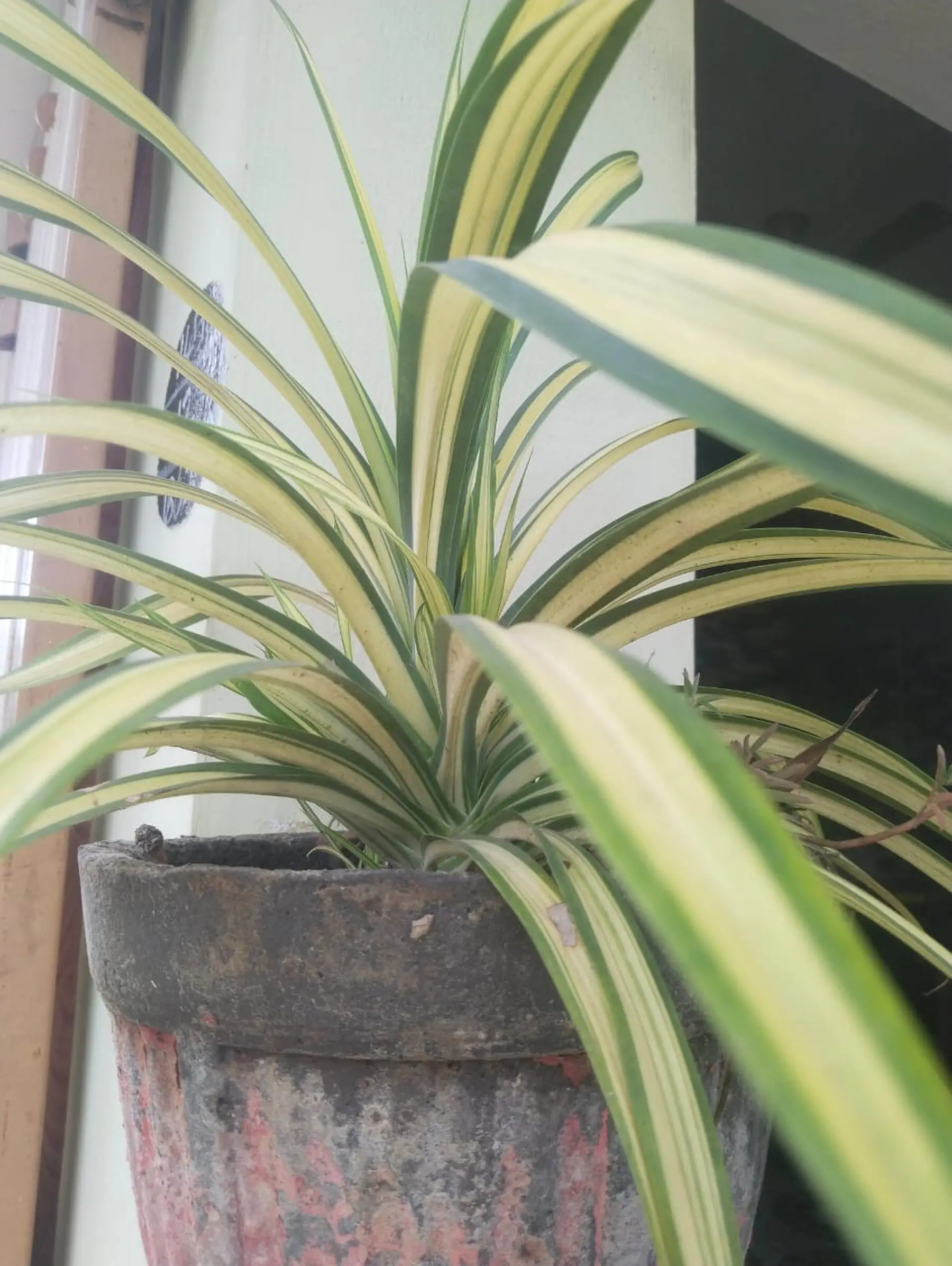
Spider plants are nearly unkillable but tell you everything through their tips. Water, light, why yours has no babies, and propagating the ones it has.
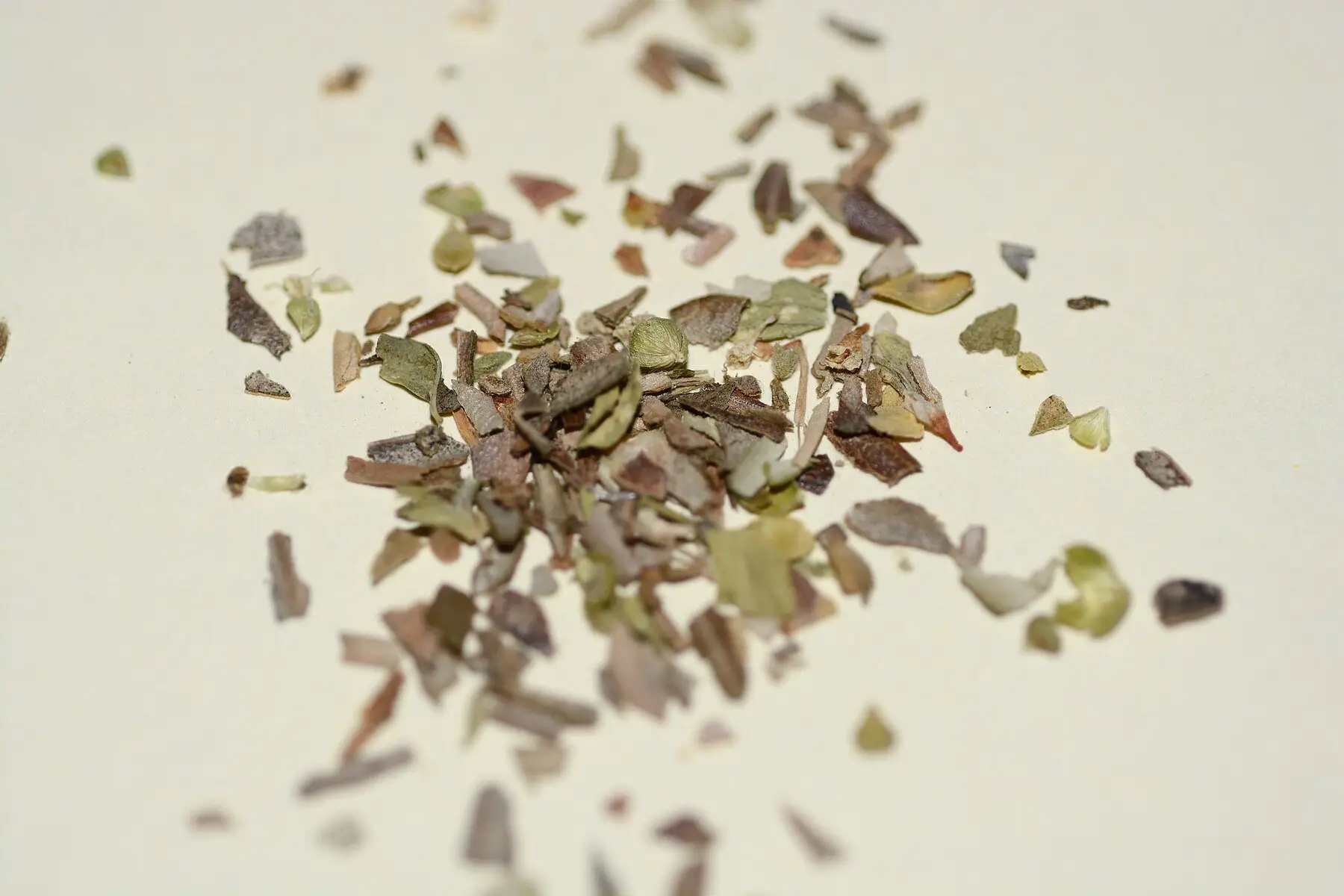
Oregano is one of the few herbs that genuinely improves dried. Cut before flowering, hang it somewhere dark, and leave the leaves whole until you cook.
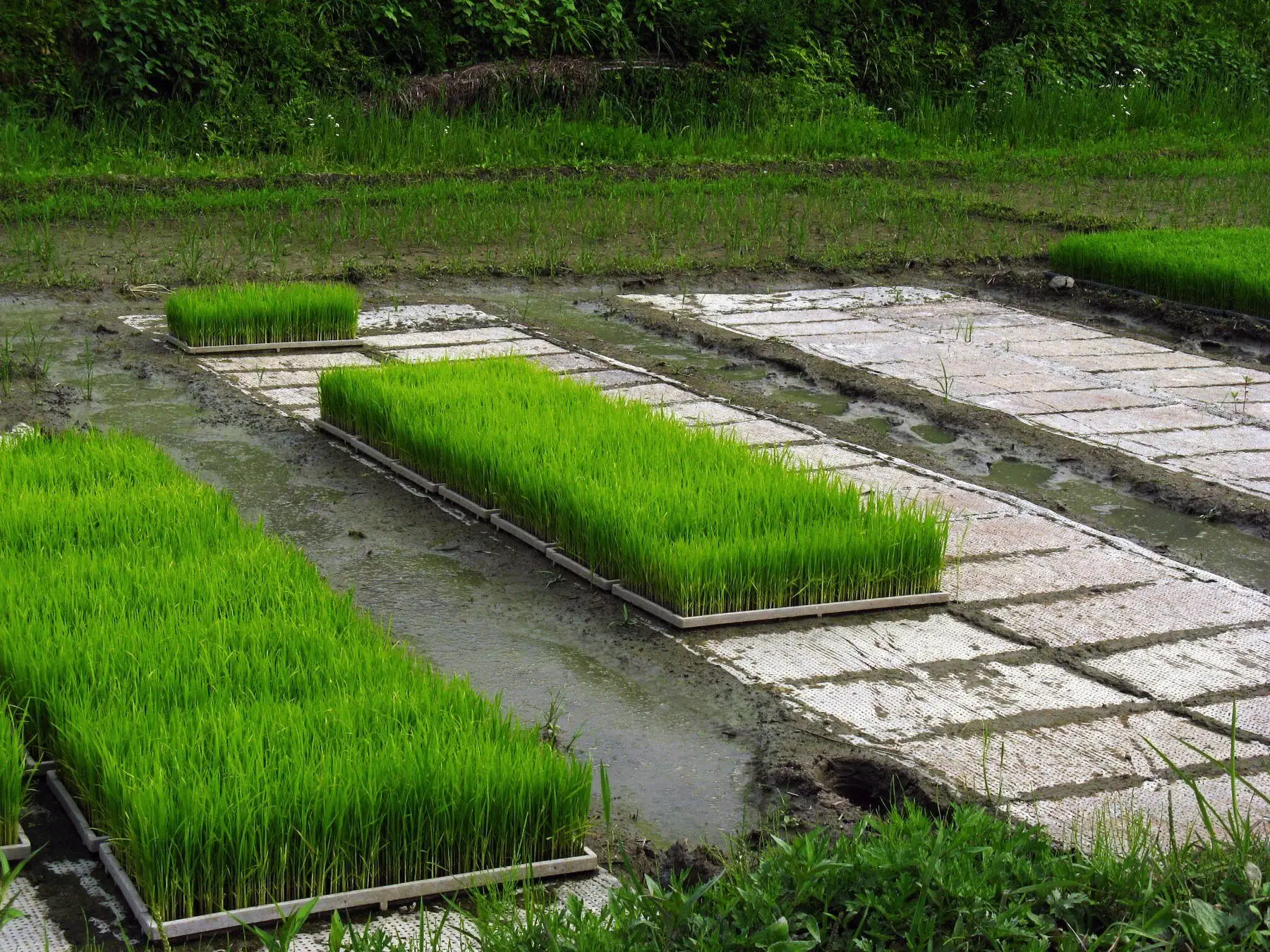
Rice needs heat, a long season and standing water — all of which a black bucket on a sunny patio can supply. Realistic yields, and why it is worth doing anyway.
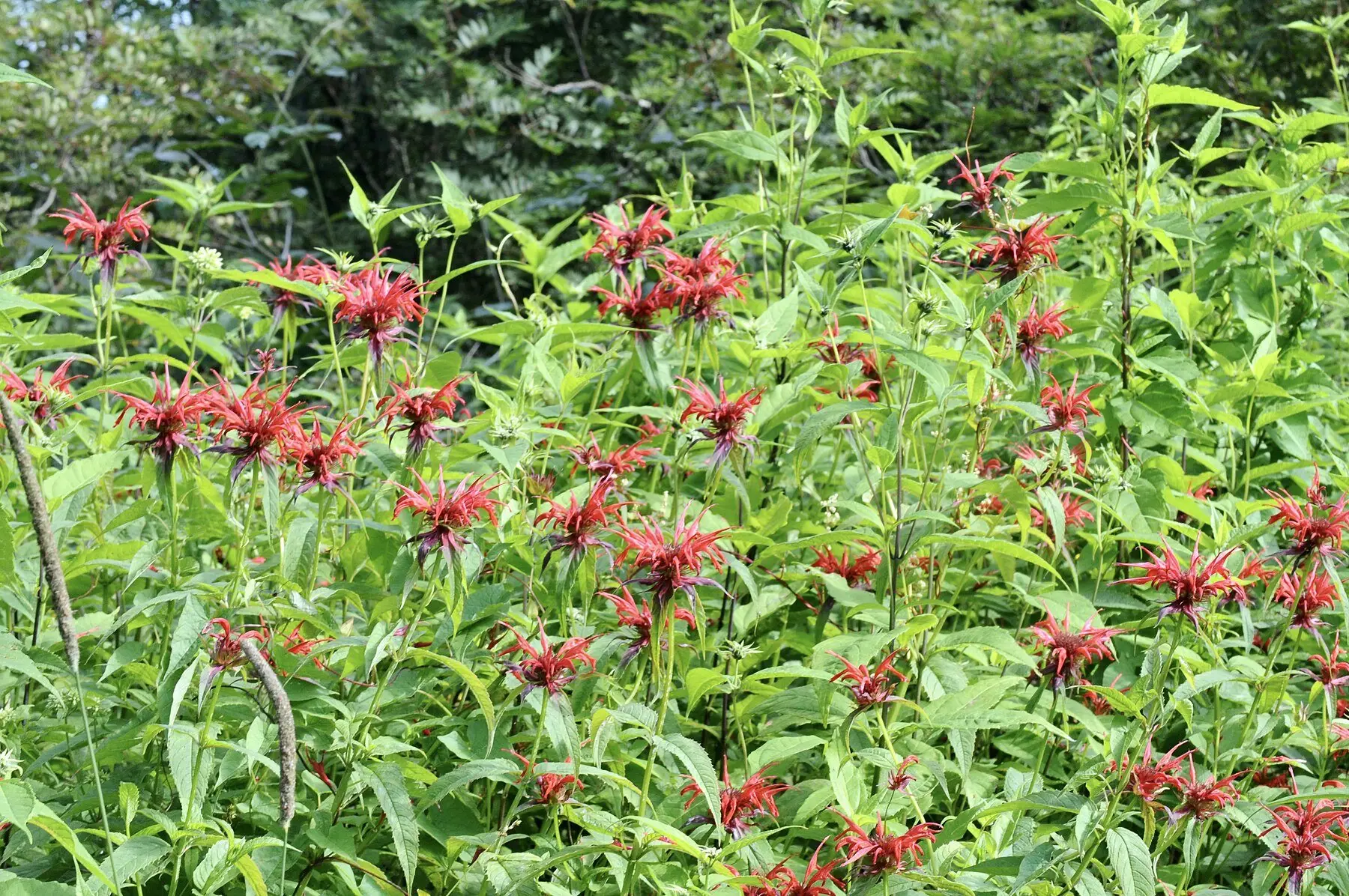
Bee balm needs thinning in spring, the Chelsea chop in late May, and deadheading through summer. The cuts that prevent powdery mildew rather than treat it.
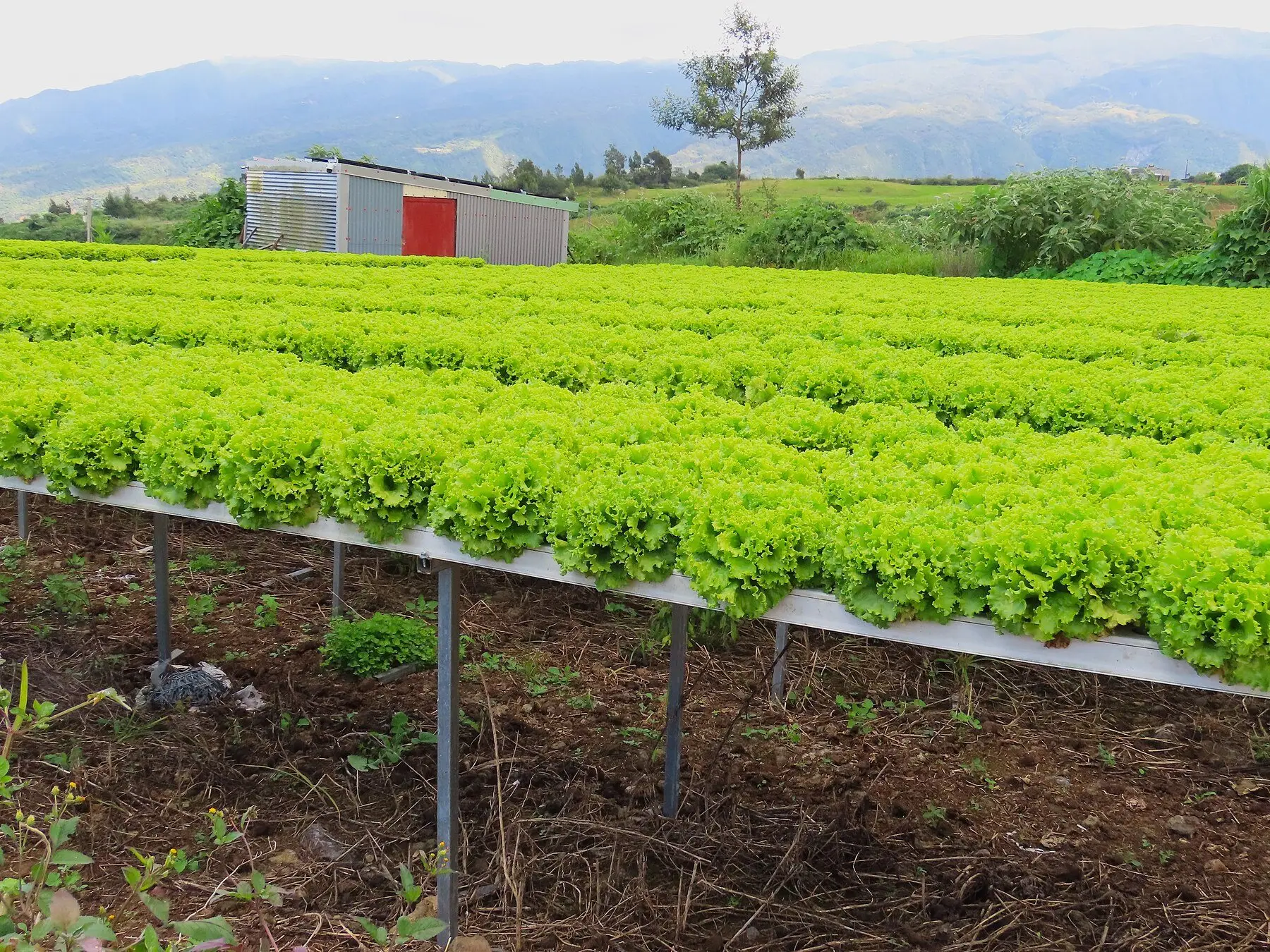
Hydroponics wins on yield, speed, water use and footprint. Soil wins on cost, resilience and flavour risk. Which one is right depends on what you lack.
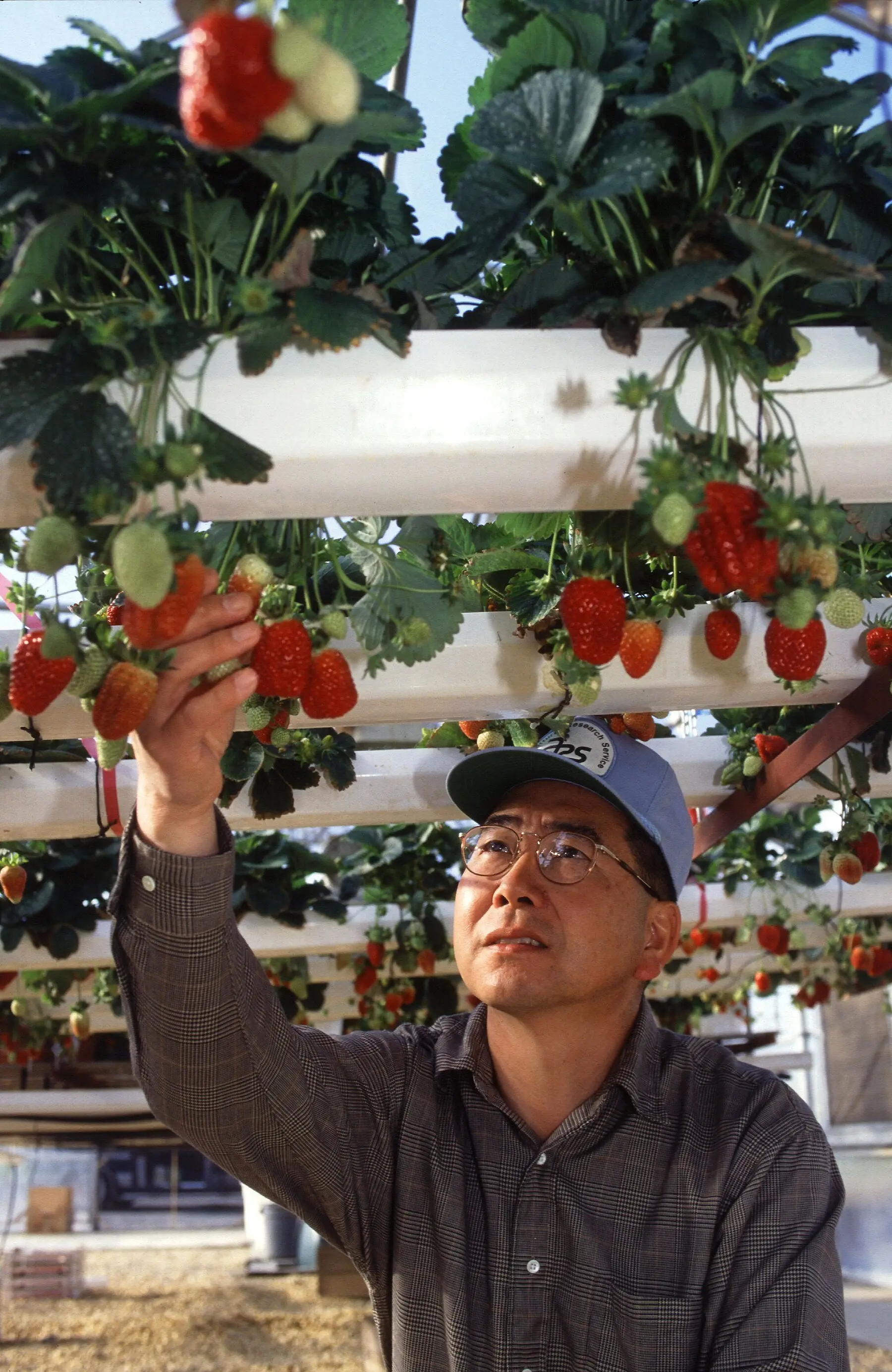
Strawberries grown in nutrient solution rather than soil, usually in towers or gutters. What the method changes, what it costs, and whether taste suffers.
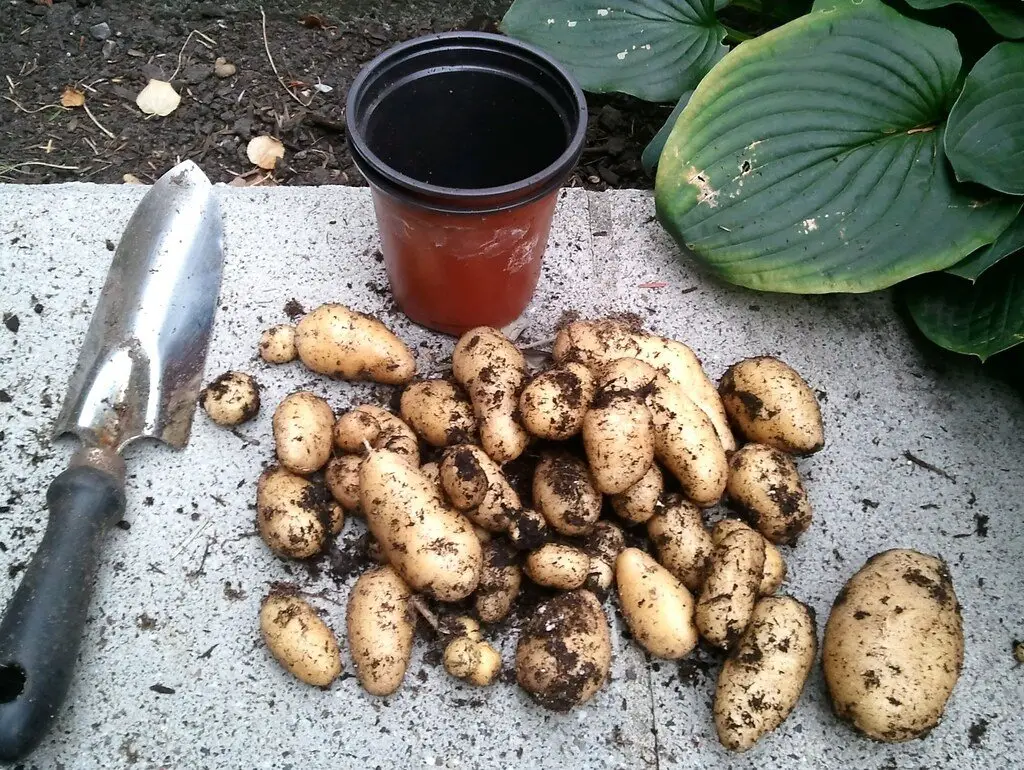
Flowers mean new potatoes; yellowing, collapsing foliage means maincrop. How to read the plant above ground, and the two-week wait that makes them store.
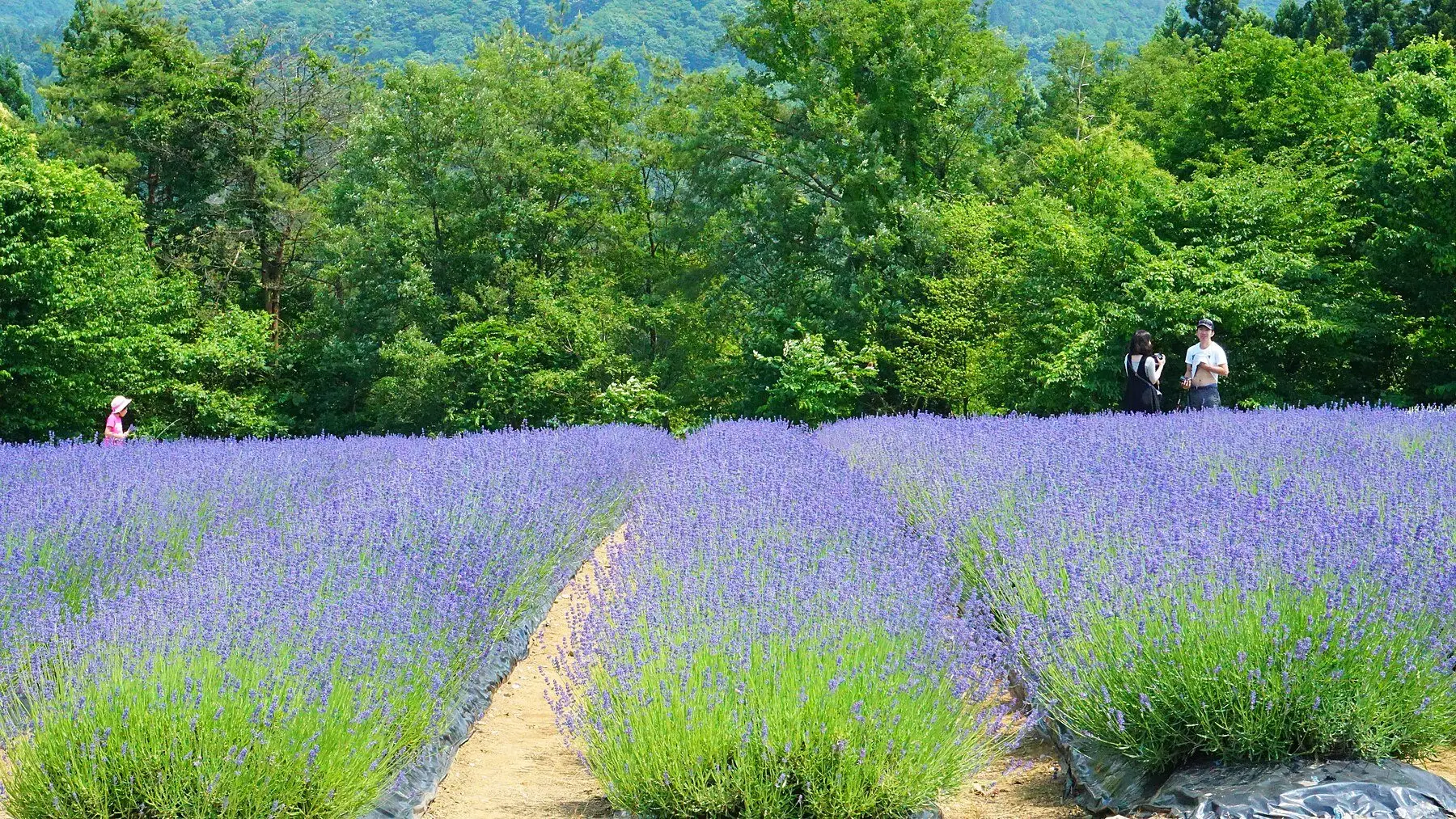
English lavender flowers once in early summer; French and Spanish types repeat from spring to autumn. Why a young plant or a hard prune delays everything.
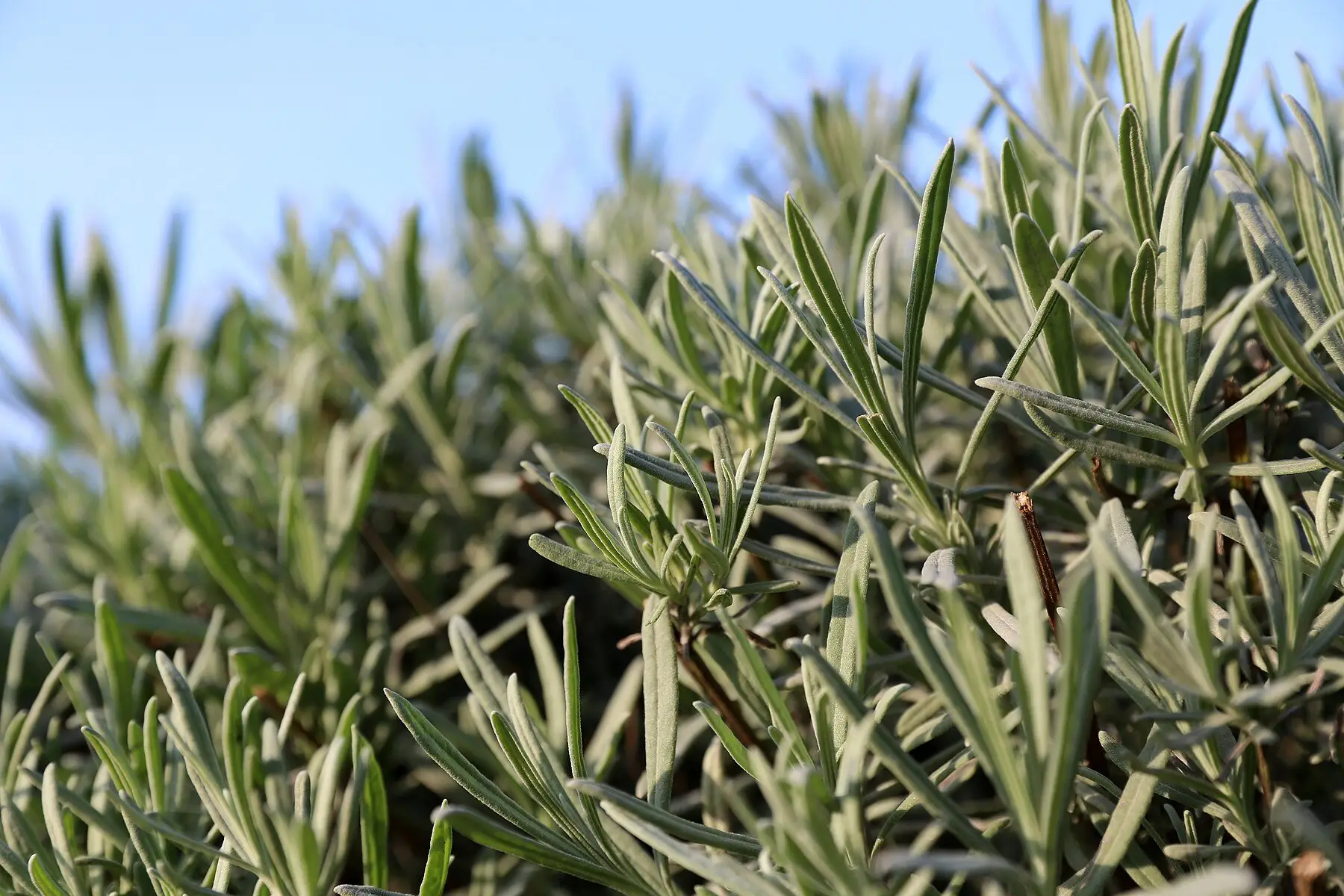
Semi-ripe cuttings in summer root in three to six weeks with no special equipment. Which stems to take, why gritty compost matters, and what not to do.
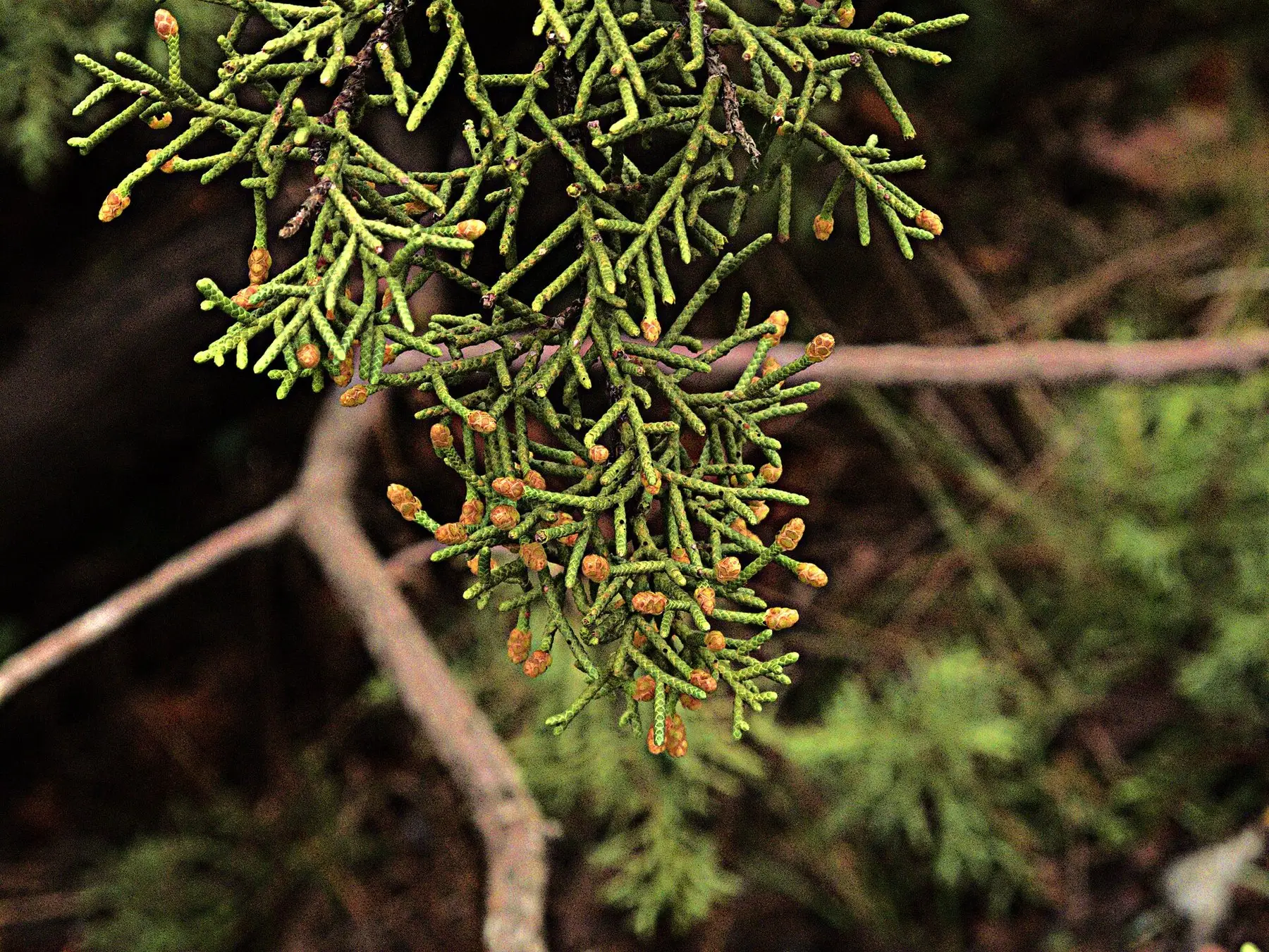
Junipers are near-indestructible in sun and sharp drainage, and doomed in shade or wet soil. Picking a form that suits the space, and the pruning rule that matters.
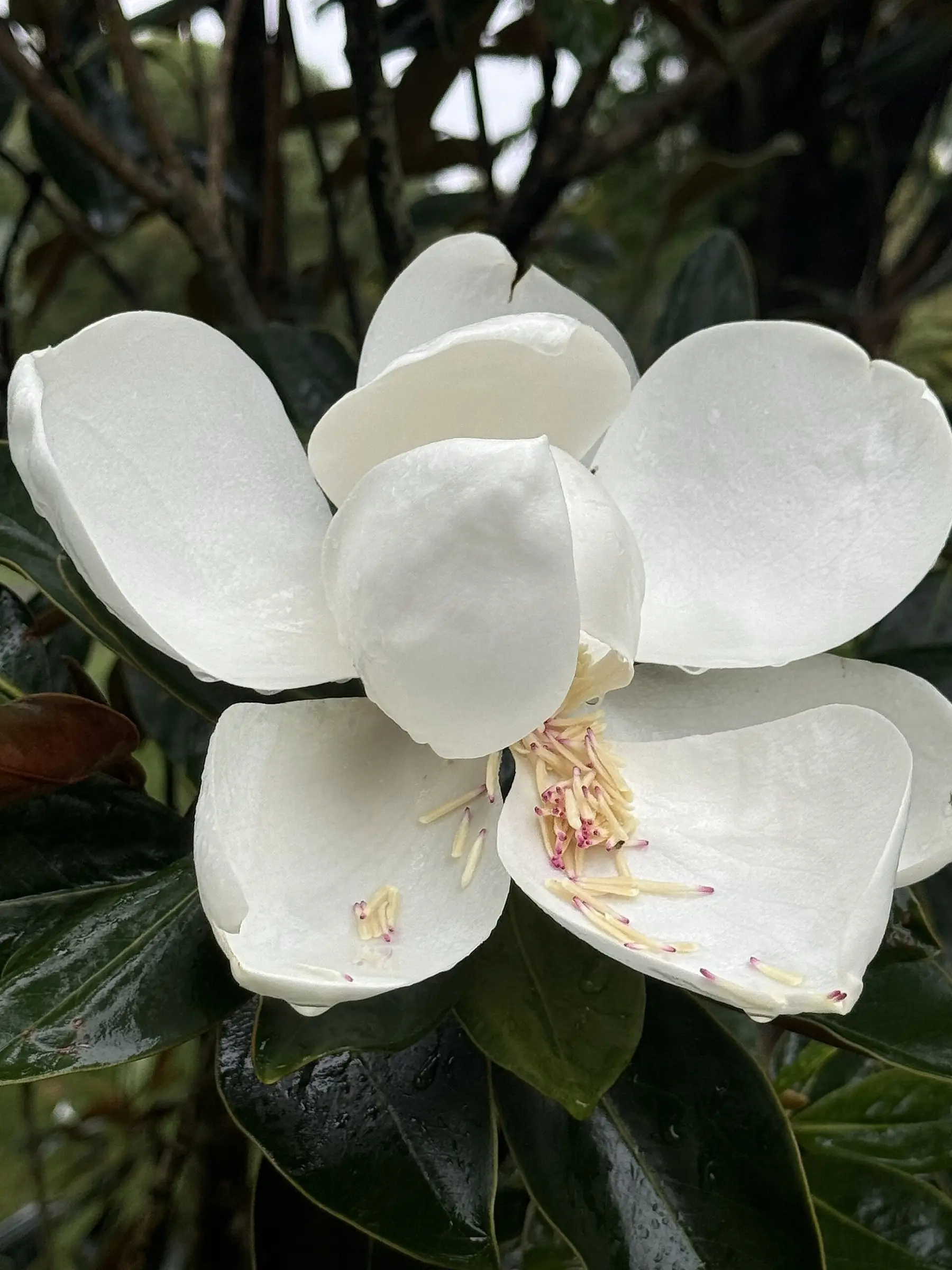
Magnolia grandiflora reaches 60 to 80 feet and drops leathery leaves all year. The cultivars that stay small, and what it needs to flower well.
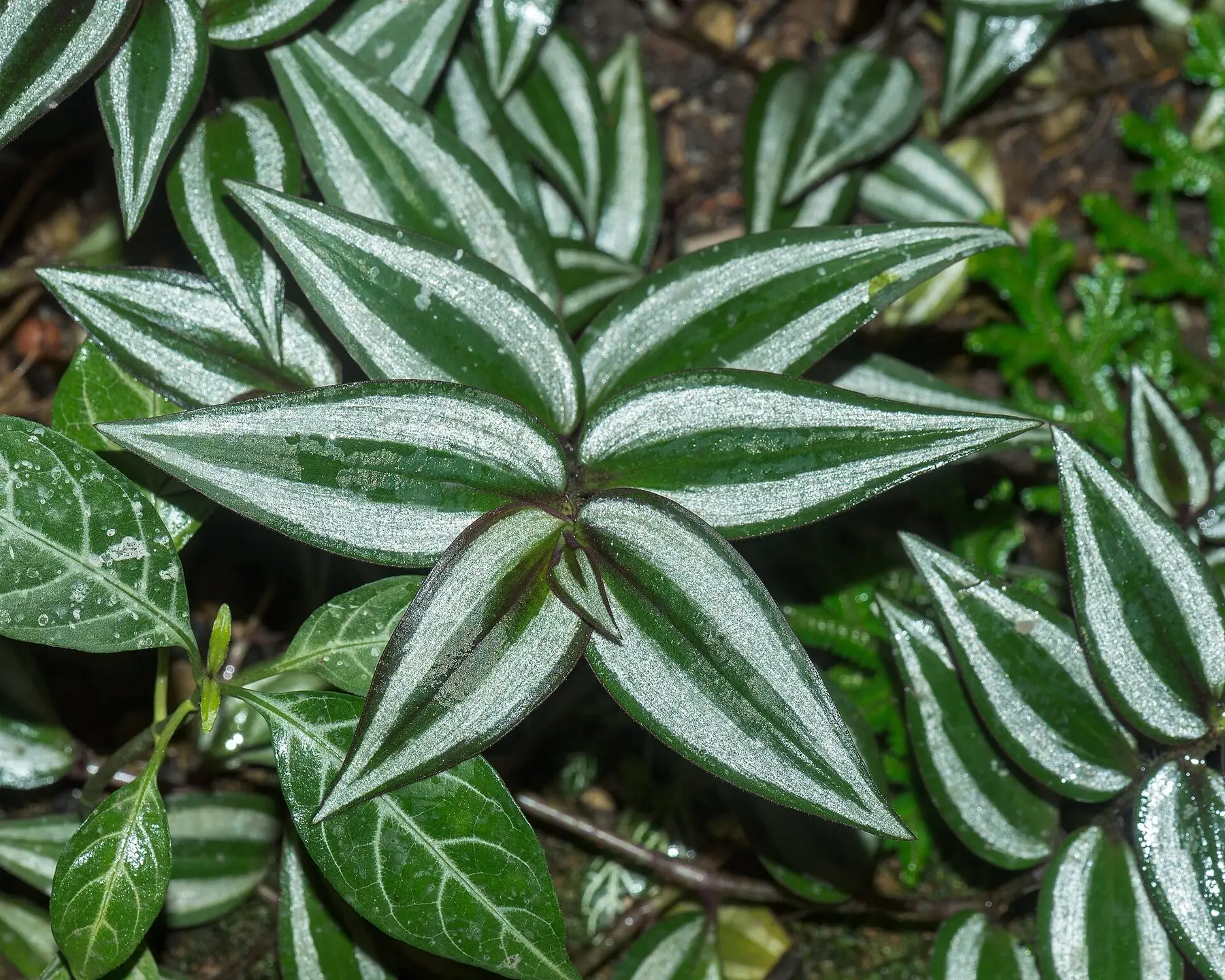
The stripes fade and the stems go bare in low light, and no amount of feeding fixes it. What this plant needs, and how to rebuild one that has gone straggly.
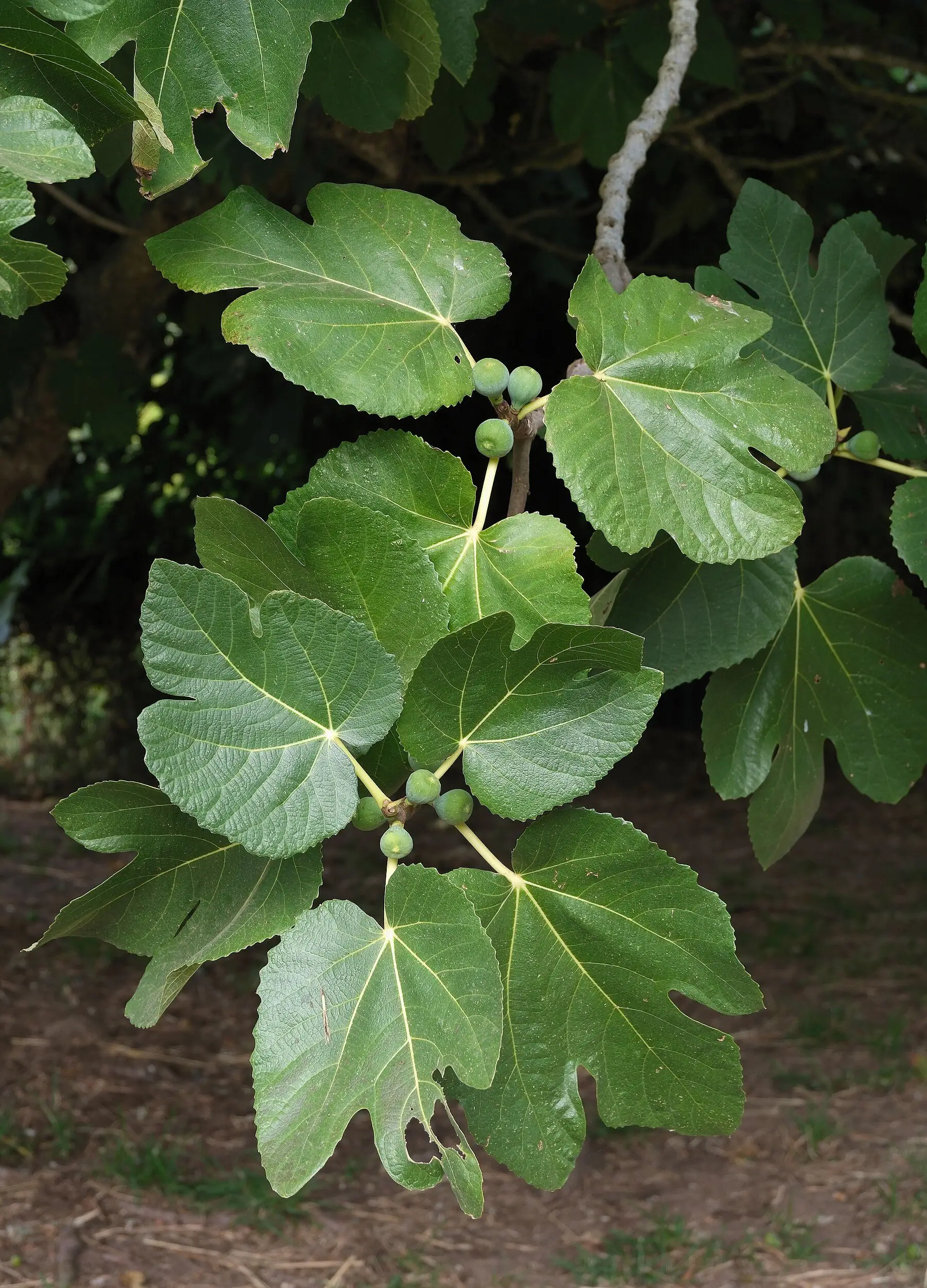
Figs fruit better in poor soil and a cramped root run than in a pampered bed. Planting, the two crops a year, and how far north you can push them.
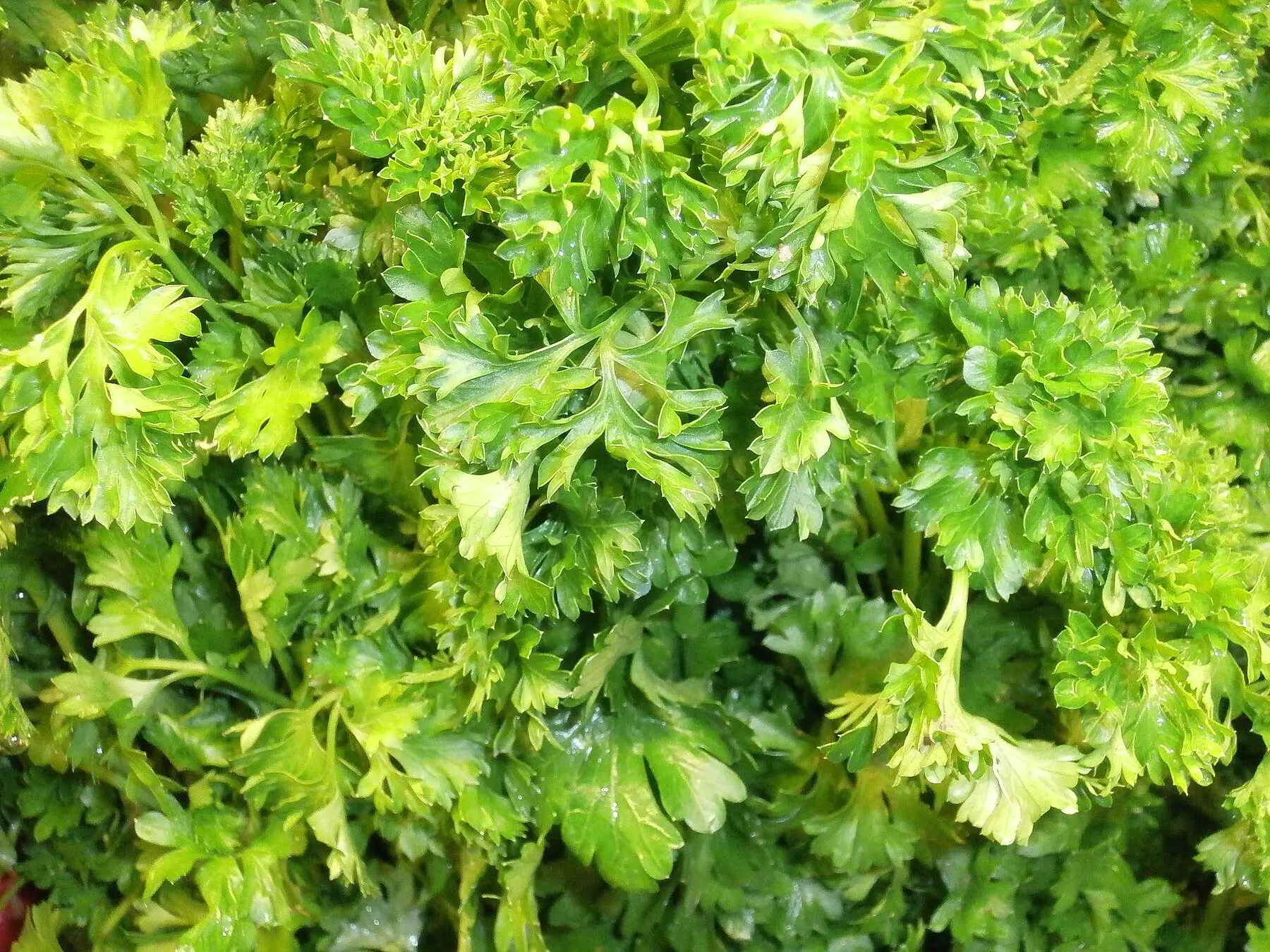
Parsley germinates in three to four weeks and tests everyone's patience. Soaking, why it resents transplanting, and what to do when it bolts in year two.
Blueberries need pH 4.5 to 5.5 and will slowly starve above it. Getting the soil right, why you want two varieties, and the pruning that keeps fruit coming.
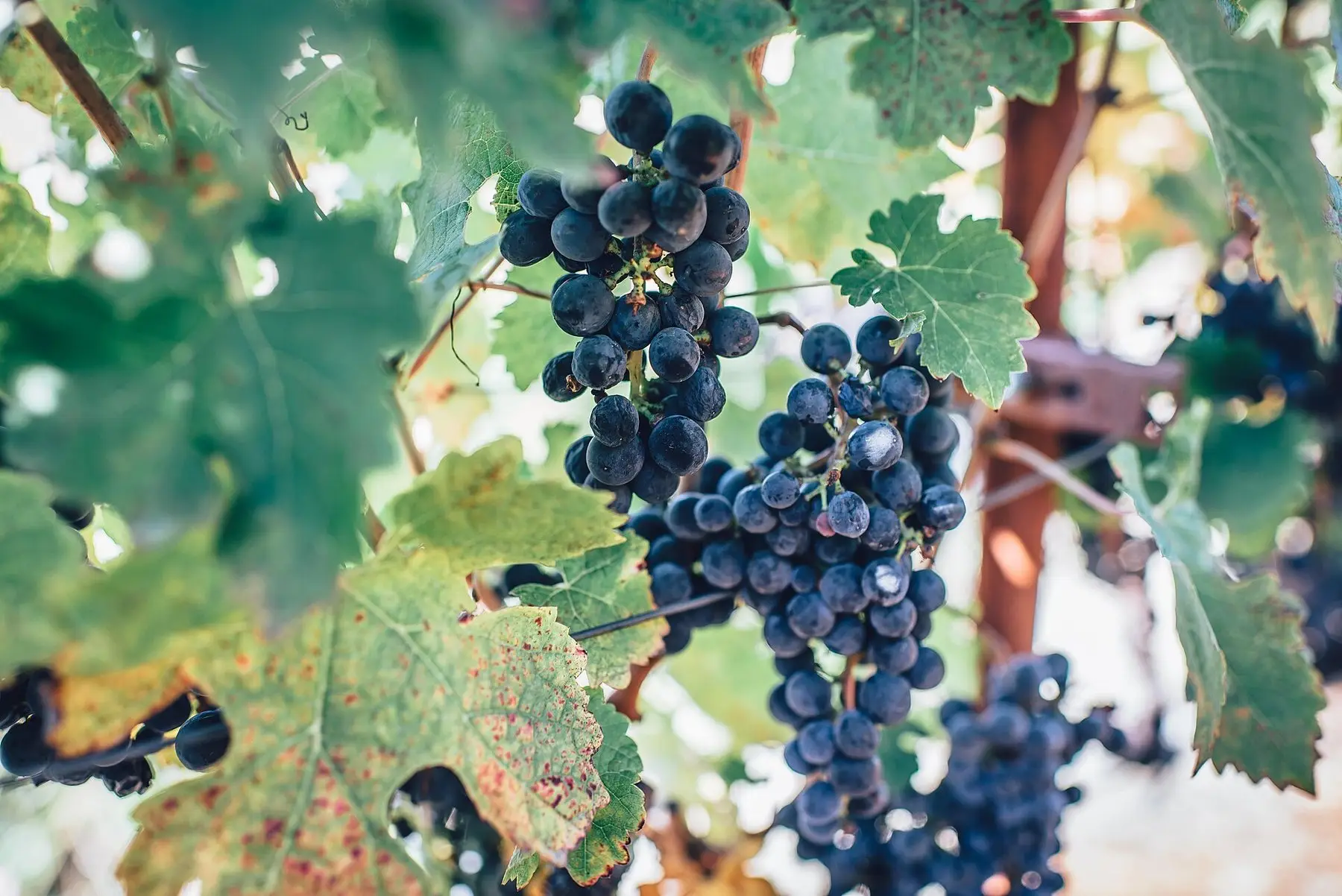
Grapes fruit on shoots from last year's wood, so timid pruning gives a huge vine and no crop. The two training systems, and why summer pruning is separate.
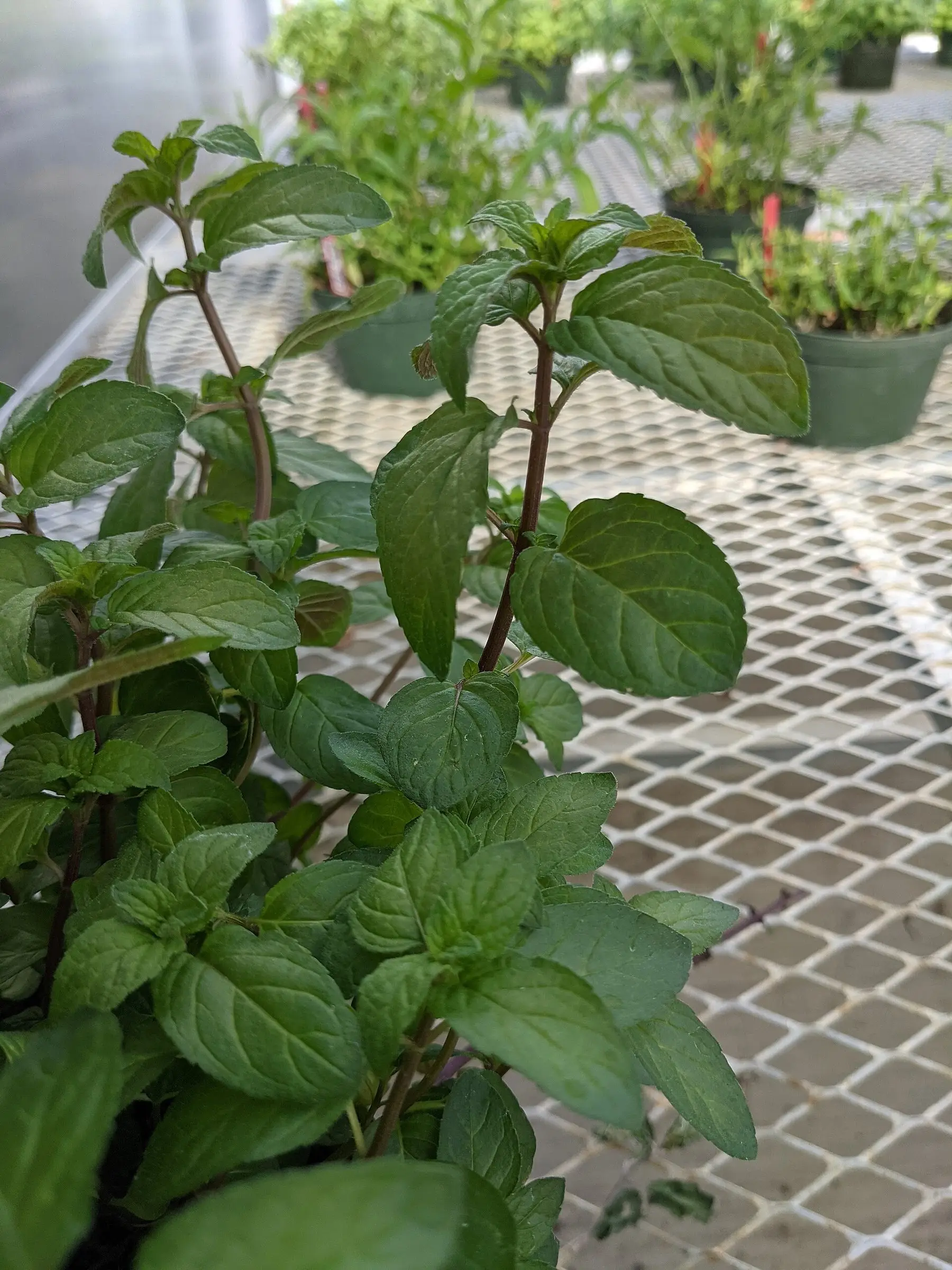
Mint spreads by runners just under the surface and will colonise a bed in two seasons. Containment that actually works, and the pruning that keeps leaves tender.
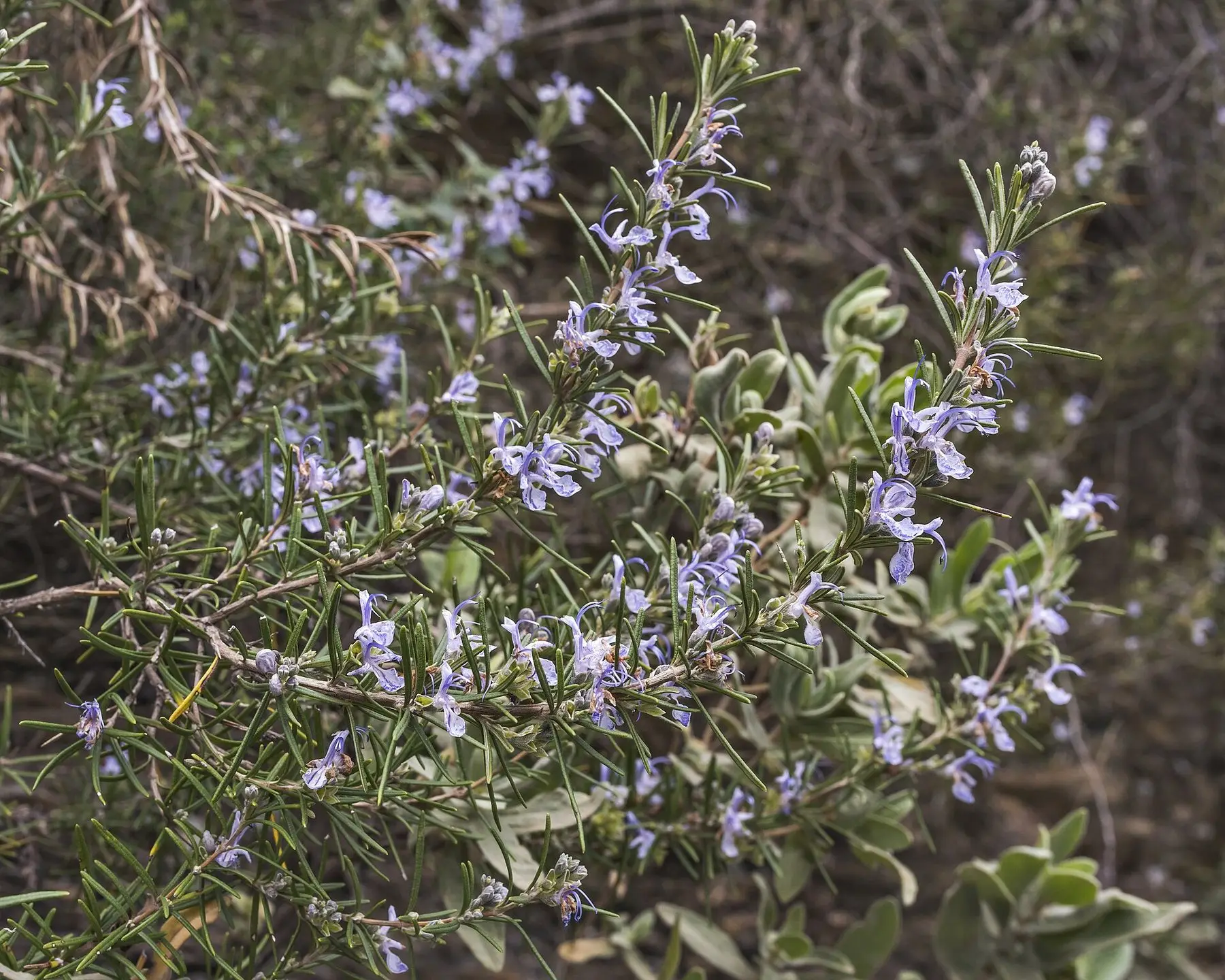
Rosemary is killed by wet roots far more often than by cold. Soil, siting, the pruning rule that avoids dead patches, and overwintering in a cold climate.
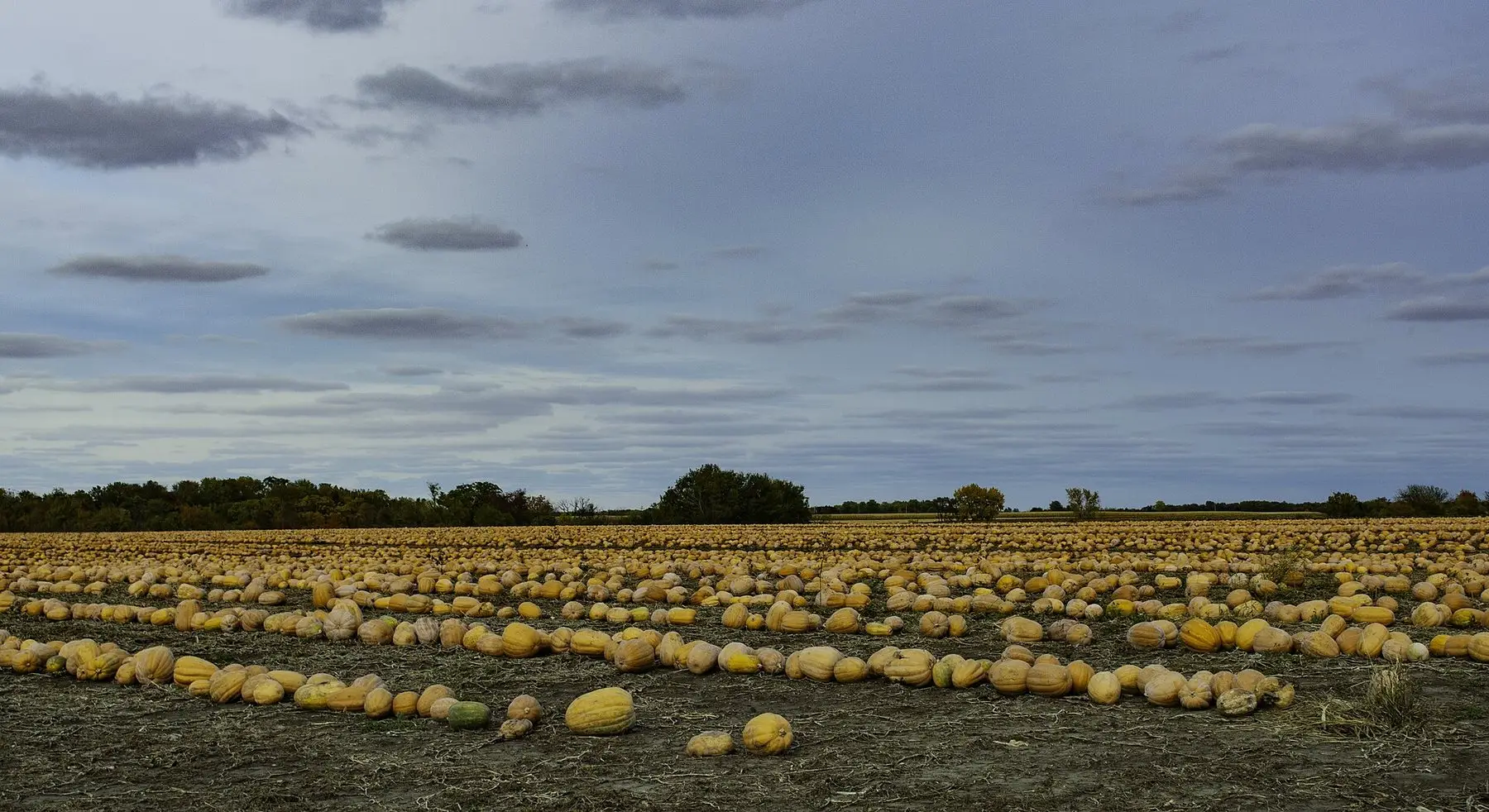
Rind hardness, stem colour and a hollow sound tell you it is ready. Why you must cut the stem rather than carry by it, and the curing that decides storage life.
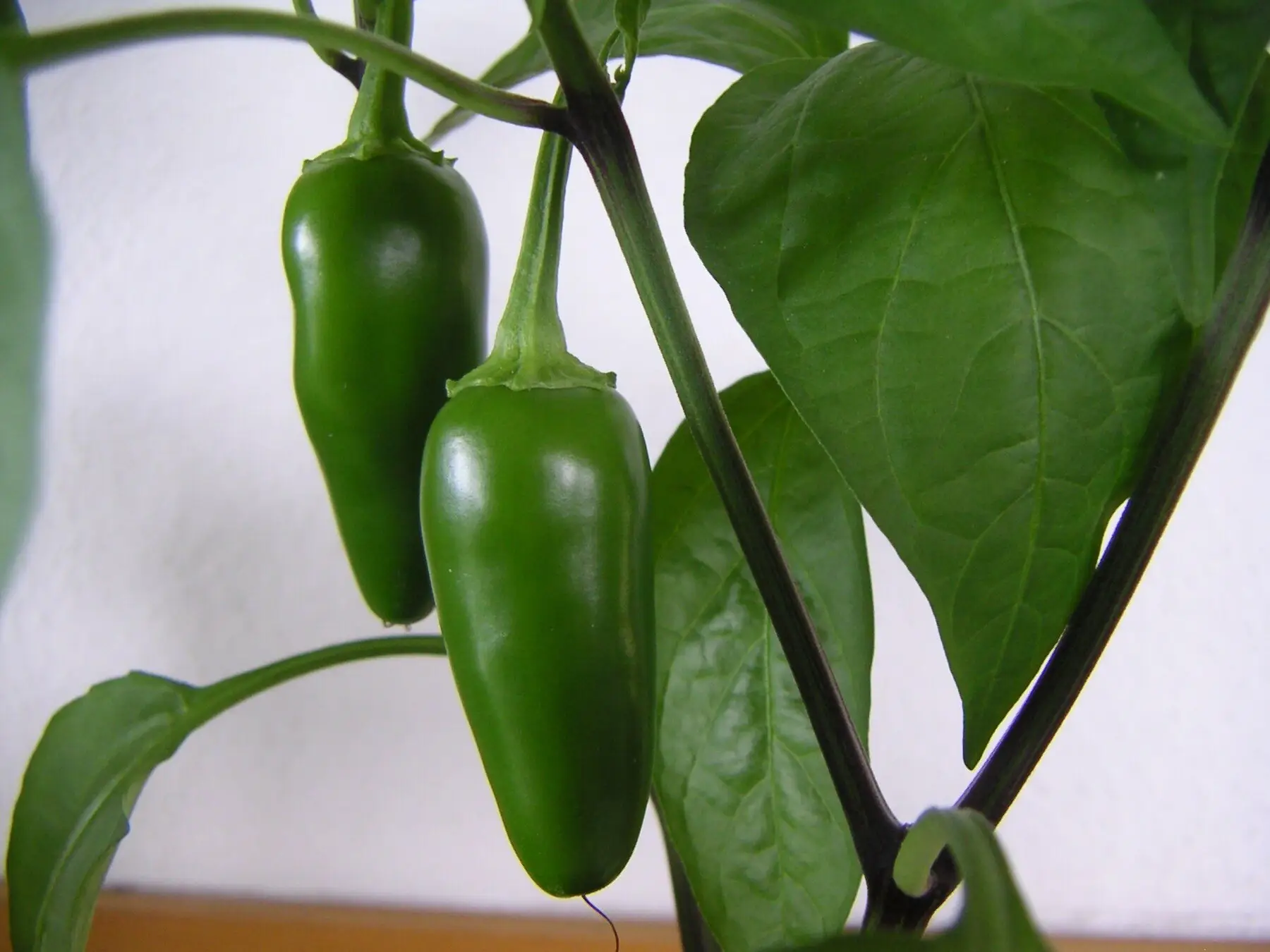
Pick green at full size and firm for classic heat, or leave them to red for sweetness. What the white corking lines mean, and why picking gives you more.
Four inches at planting, then hill as they grow. Why planting deep in cold spring soil backfires, and how depth differs in containers and no-dig beds.
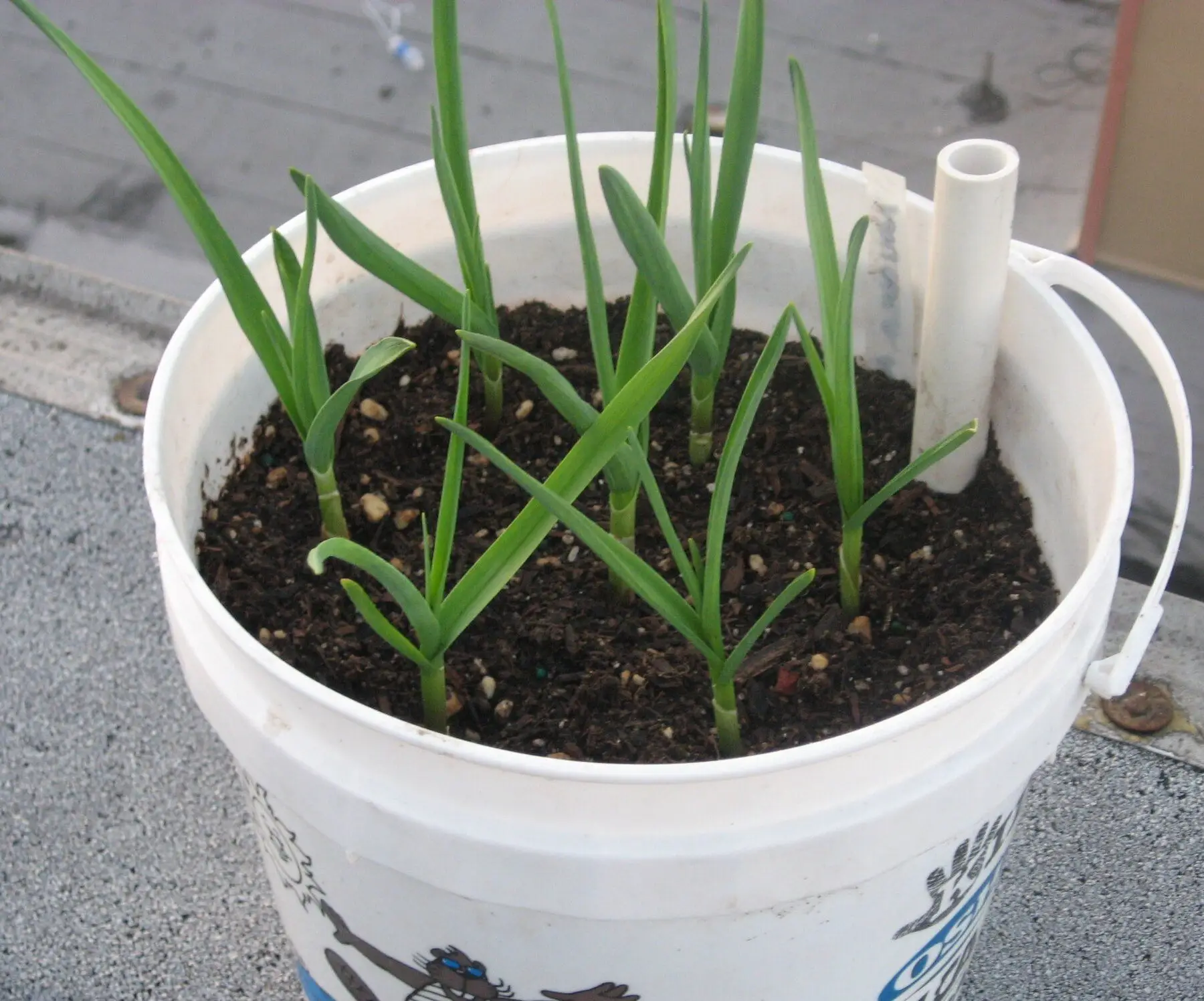
Garlic needs a cold spell and eight months in the pot, so container size and winter protection decide whether you get bulbs or scallions.
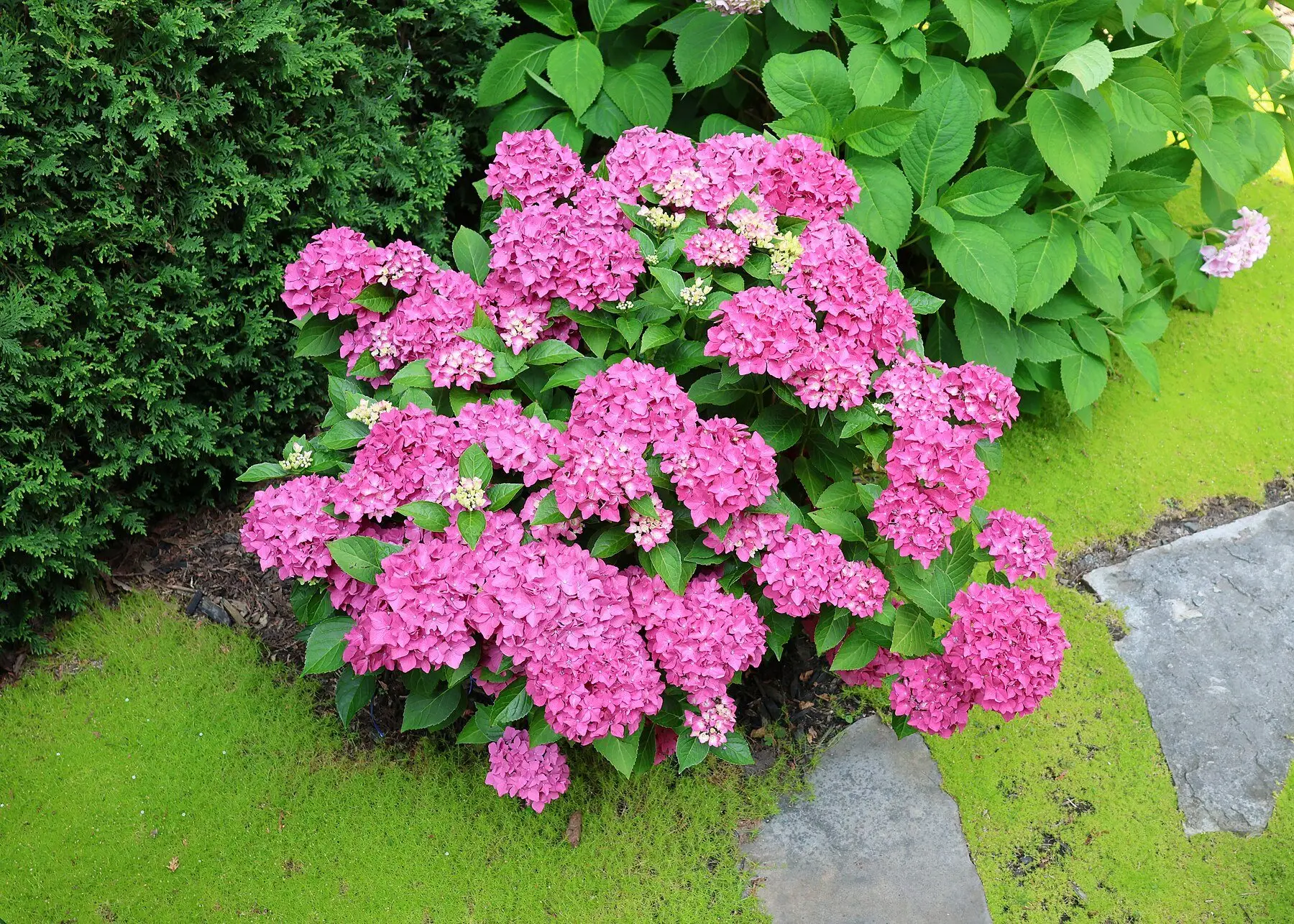
Morning sun, afternoon shade, and never let them dry out. Which type you have decides when to prune — and getting that wrong is why hydrangeas stop flowering.
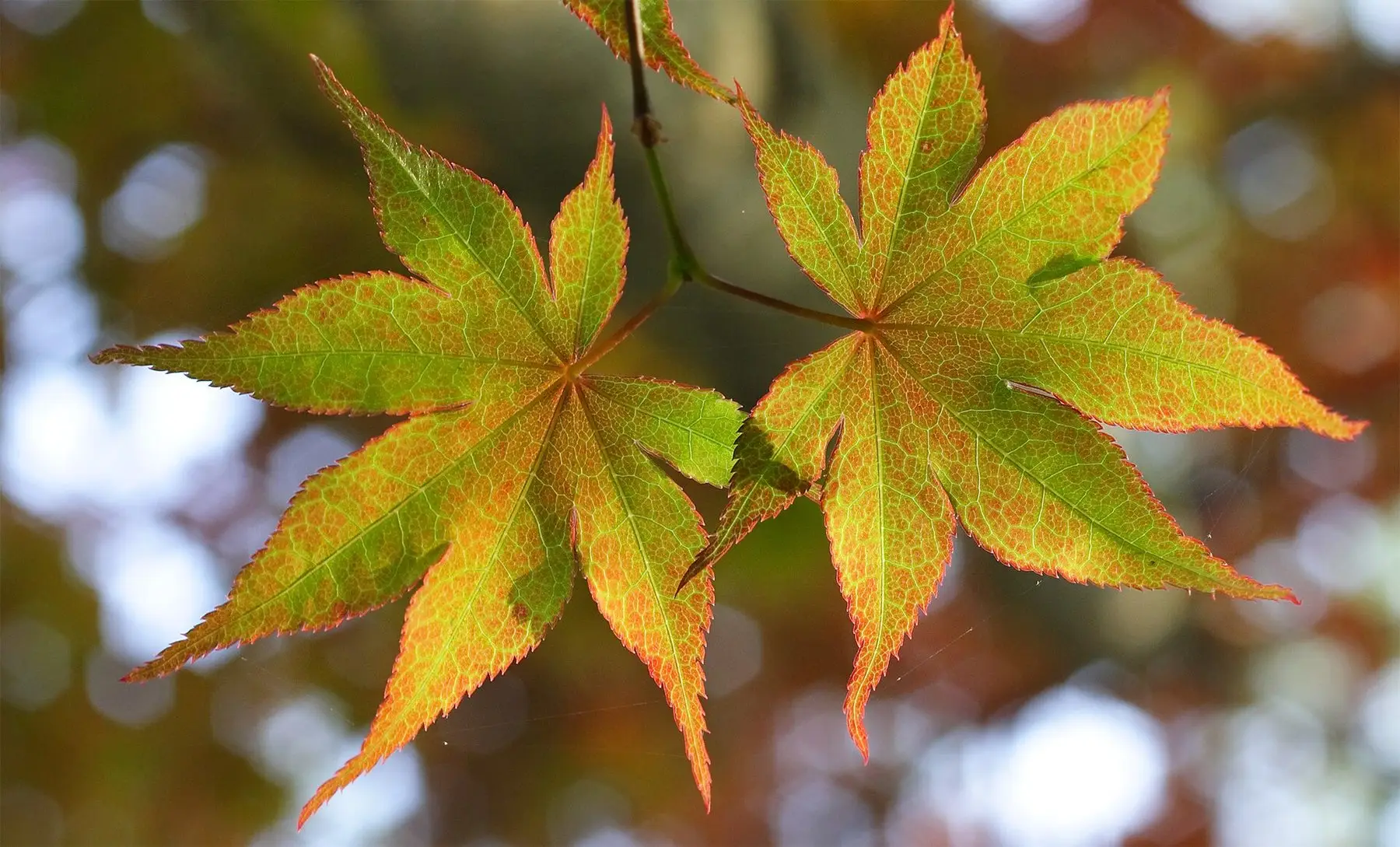
Crisp brown leaf edges are wind and sun, not disease. How to pick between upright and dissected forms, where to plant, and why you should barely prune one.
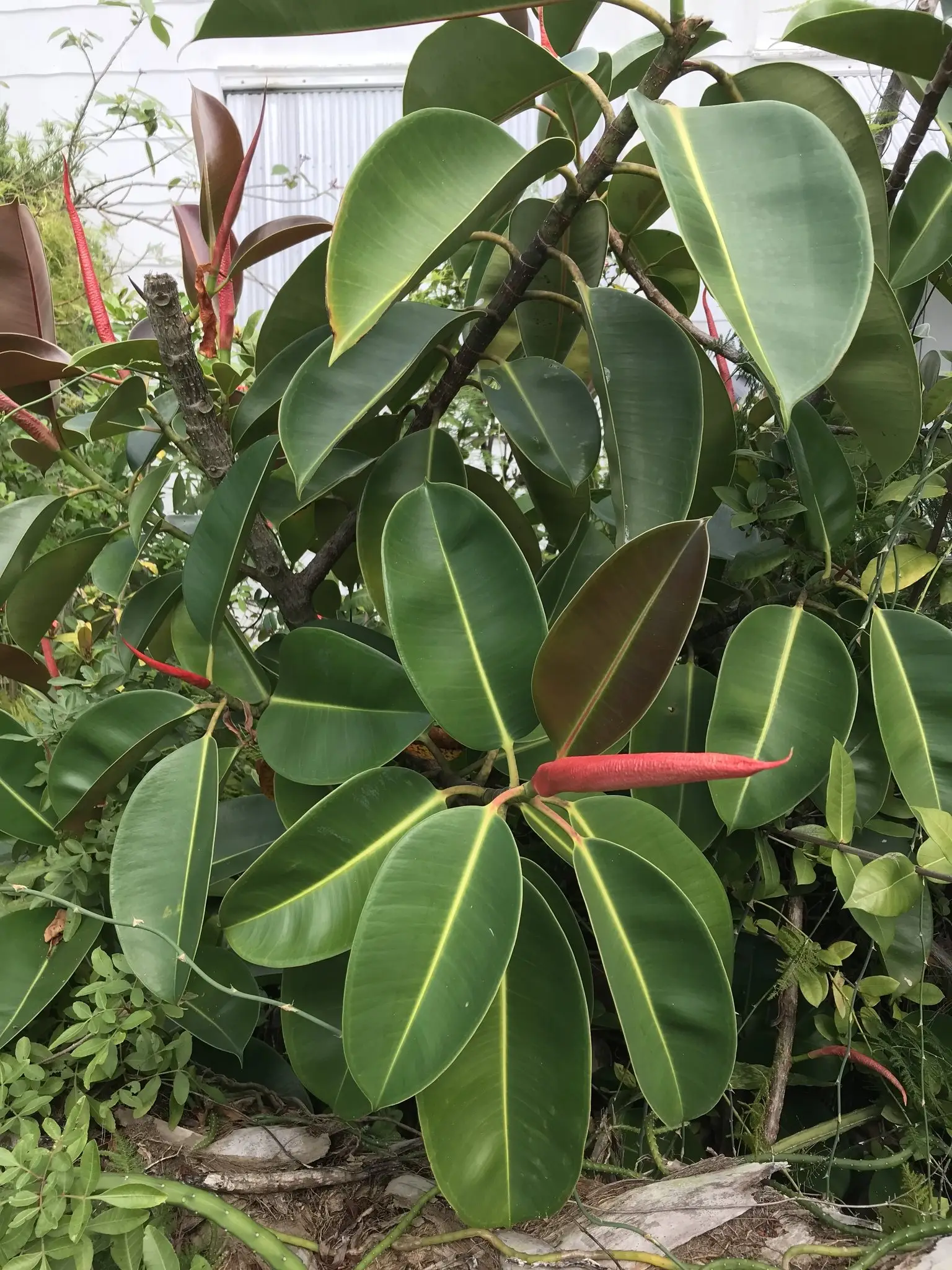
Ficus elastica drops leaves when it is moved, overwatered, or cold — usually all three. What it actually needs indoors, and how to prune one that has gone leggy.
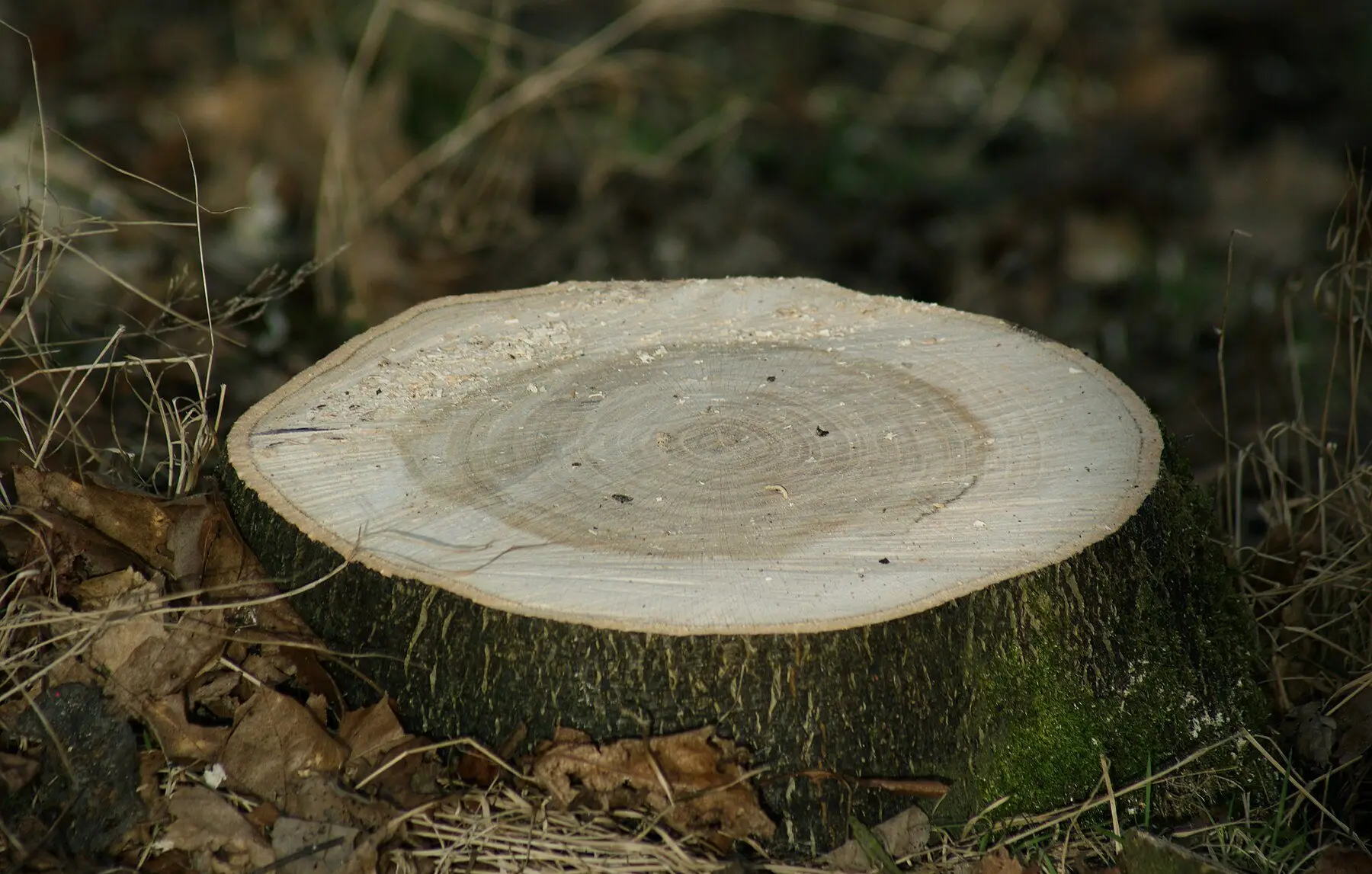
Planters, seating, wildlife habitat, and log stools — what to do with a stump you would rather not grind, and when removal is the only sensible answer.
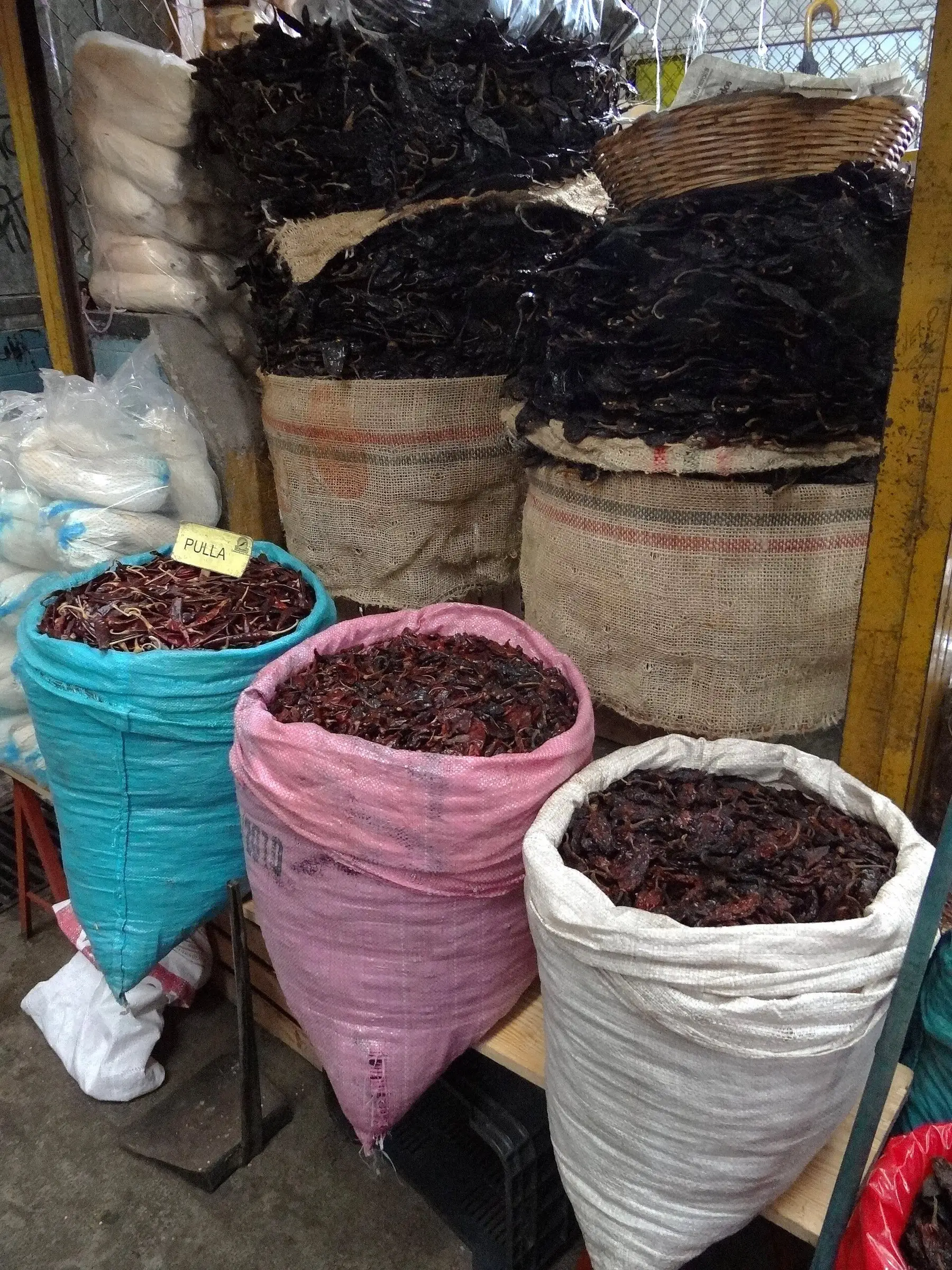
Scoville is only half the story — a habanero and a serrano at similar heat behave completely differently in a pan. Thirty peppers by heat, flavour, and best use.
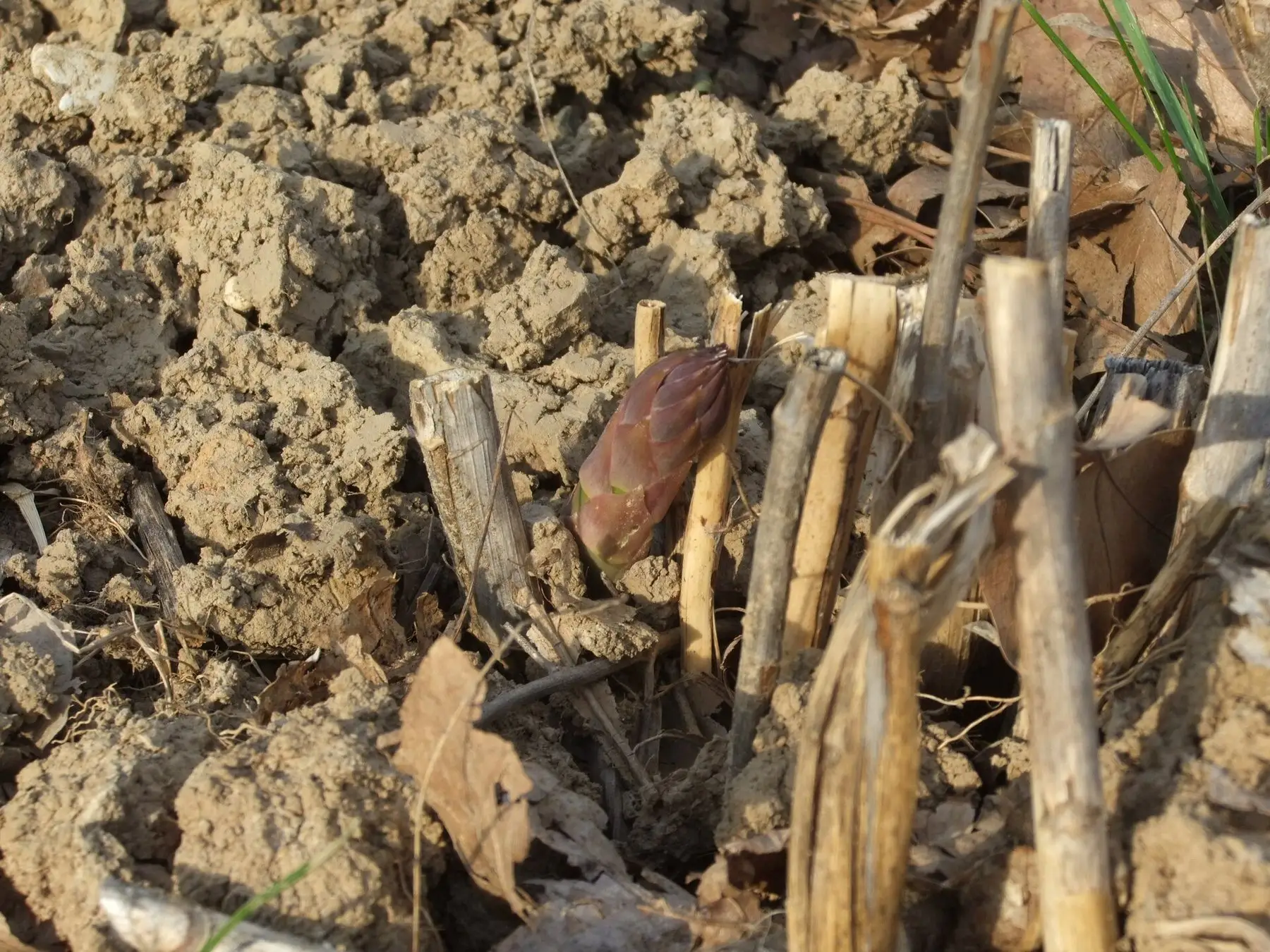
Asparagus is a twenty-year perennial that pays nothing for two seasons. Bed preparation, crowns versus seed, and the cutting discipline that keeps it going.
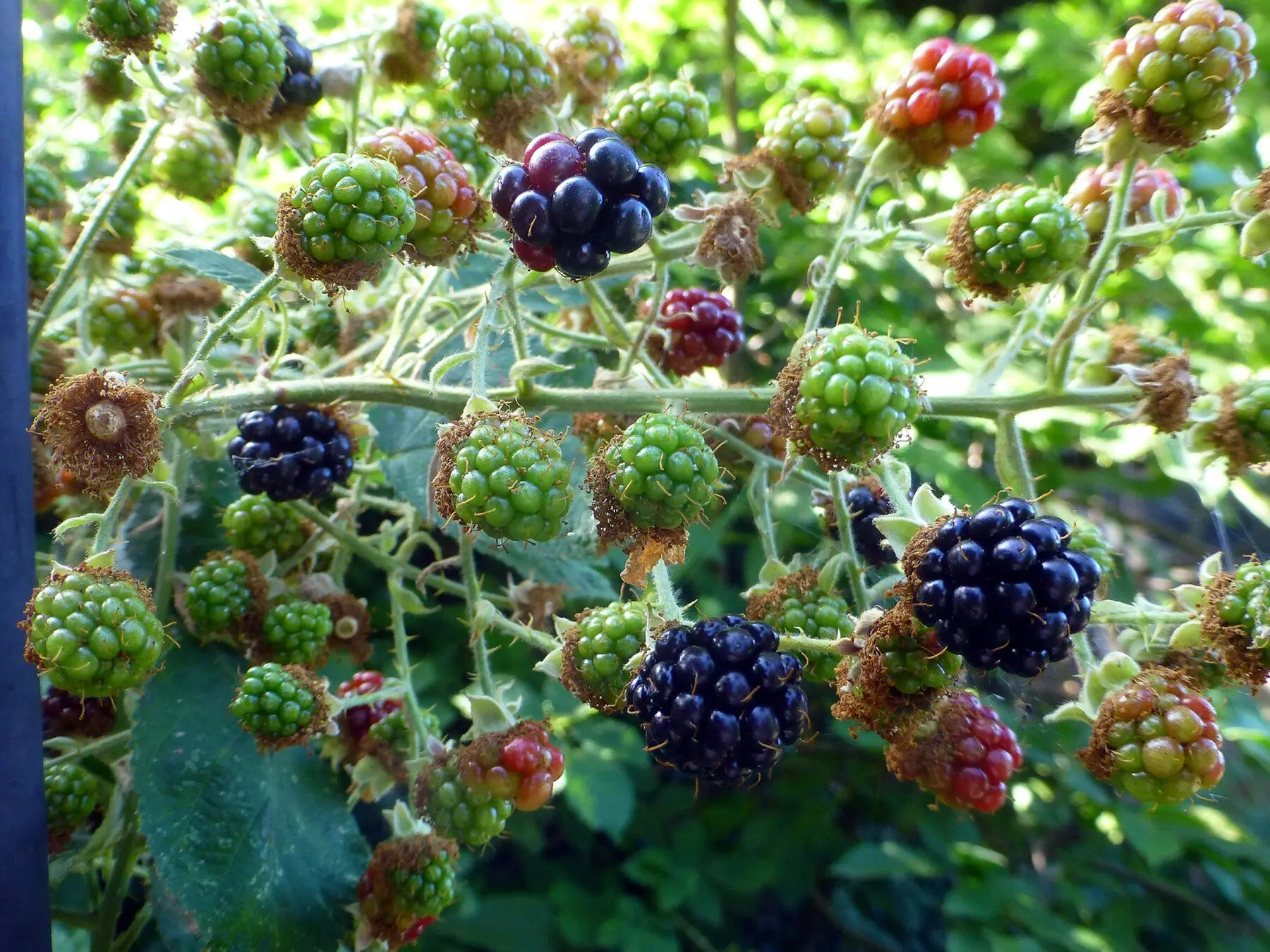
Thornless erect varieties on a two-wire trellis, pruned on the floricane-primocane cycle. Planting, feeding, and the one pruning rule that decides your crop.
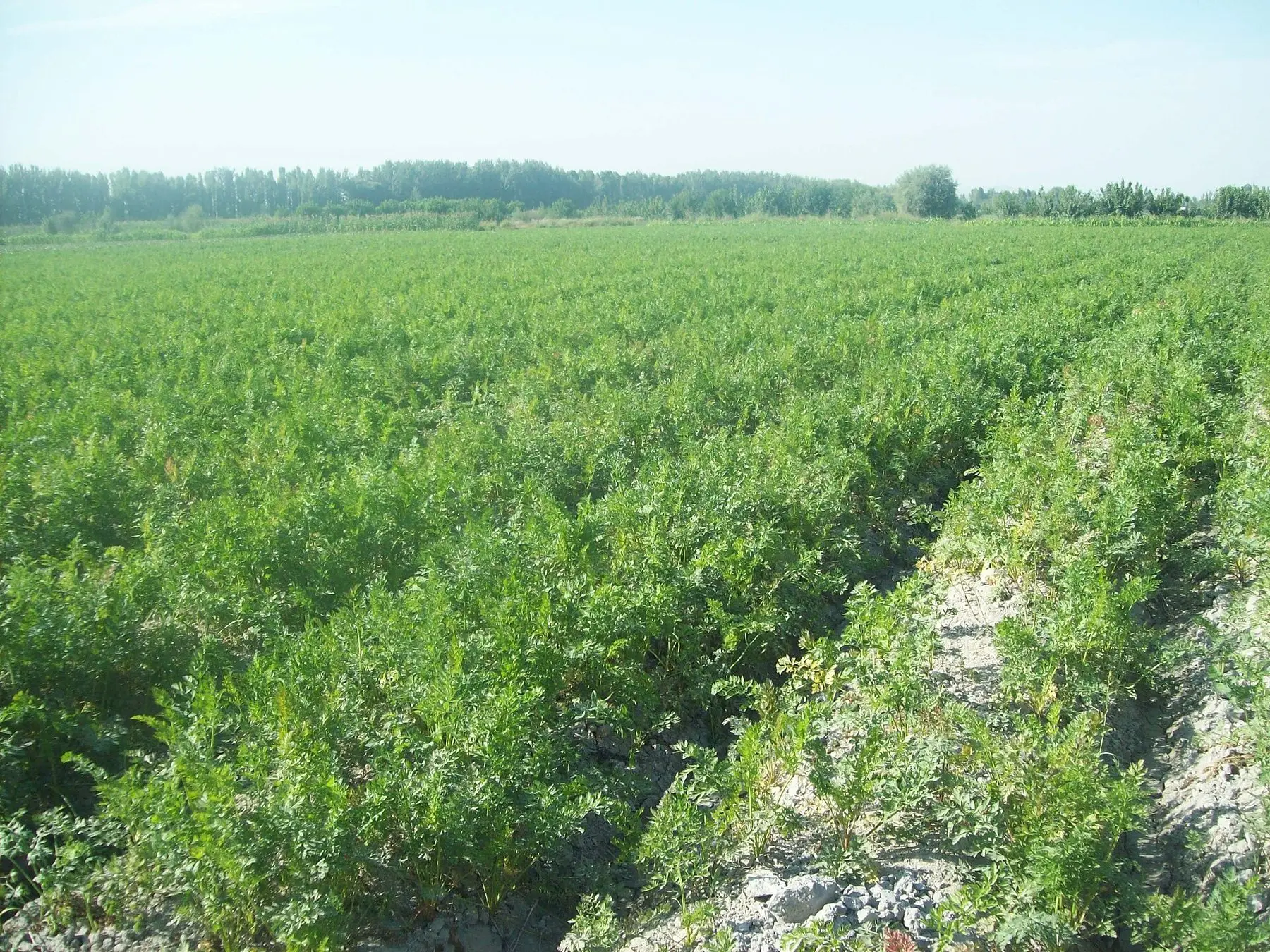
Forked carrots come from obstacles and fresh manure, not bad seed. Sowing direct into stone-free soil, why you should barely thin, and the fly barrier that works.
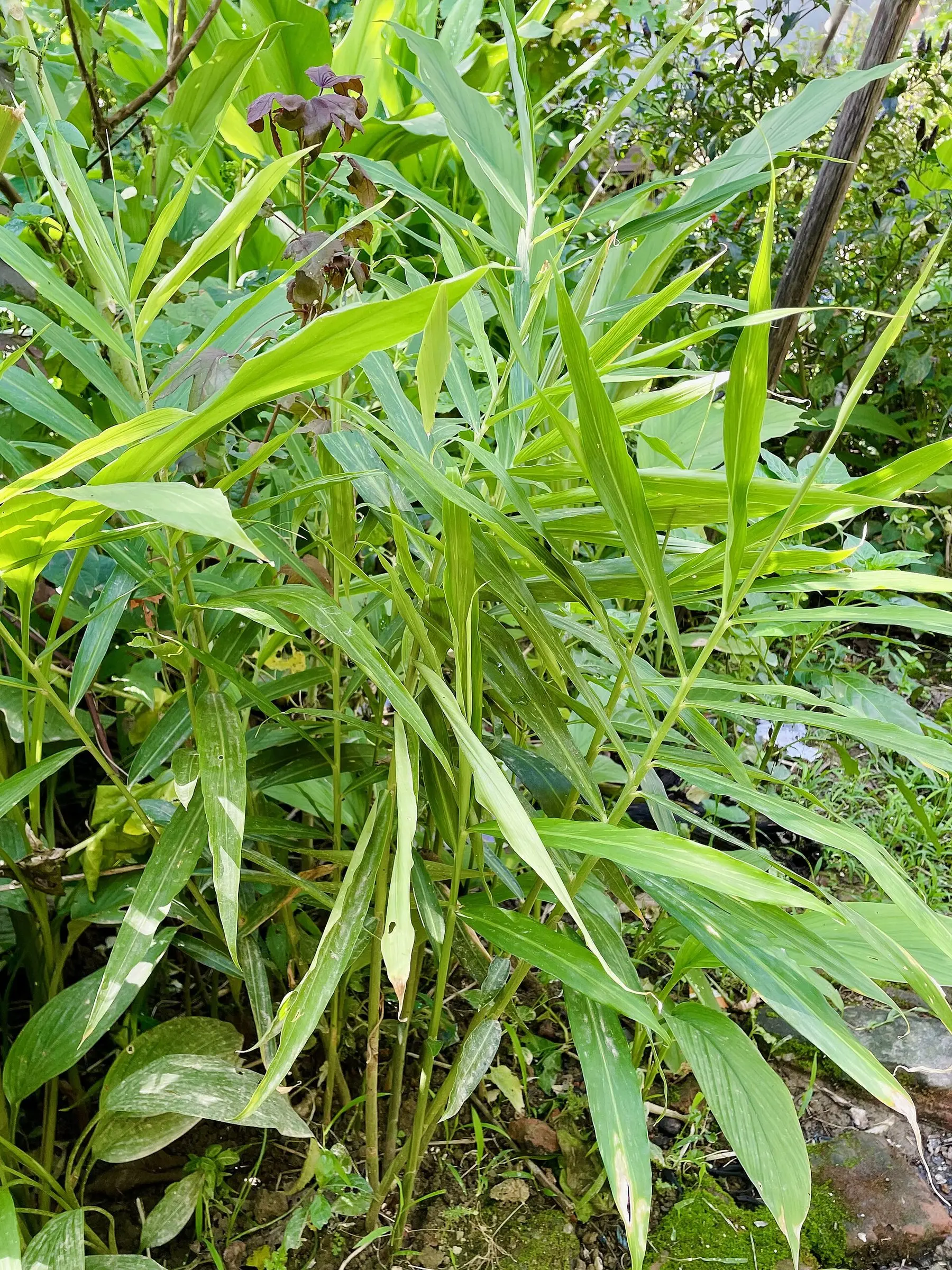
Ginger grows readily from a shop-bought rhizome, given warmth, humidity and a wide shallow pot. Why it sprouts sideways, and the eight to ten months it needs.
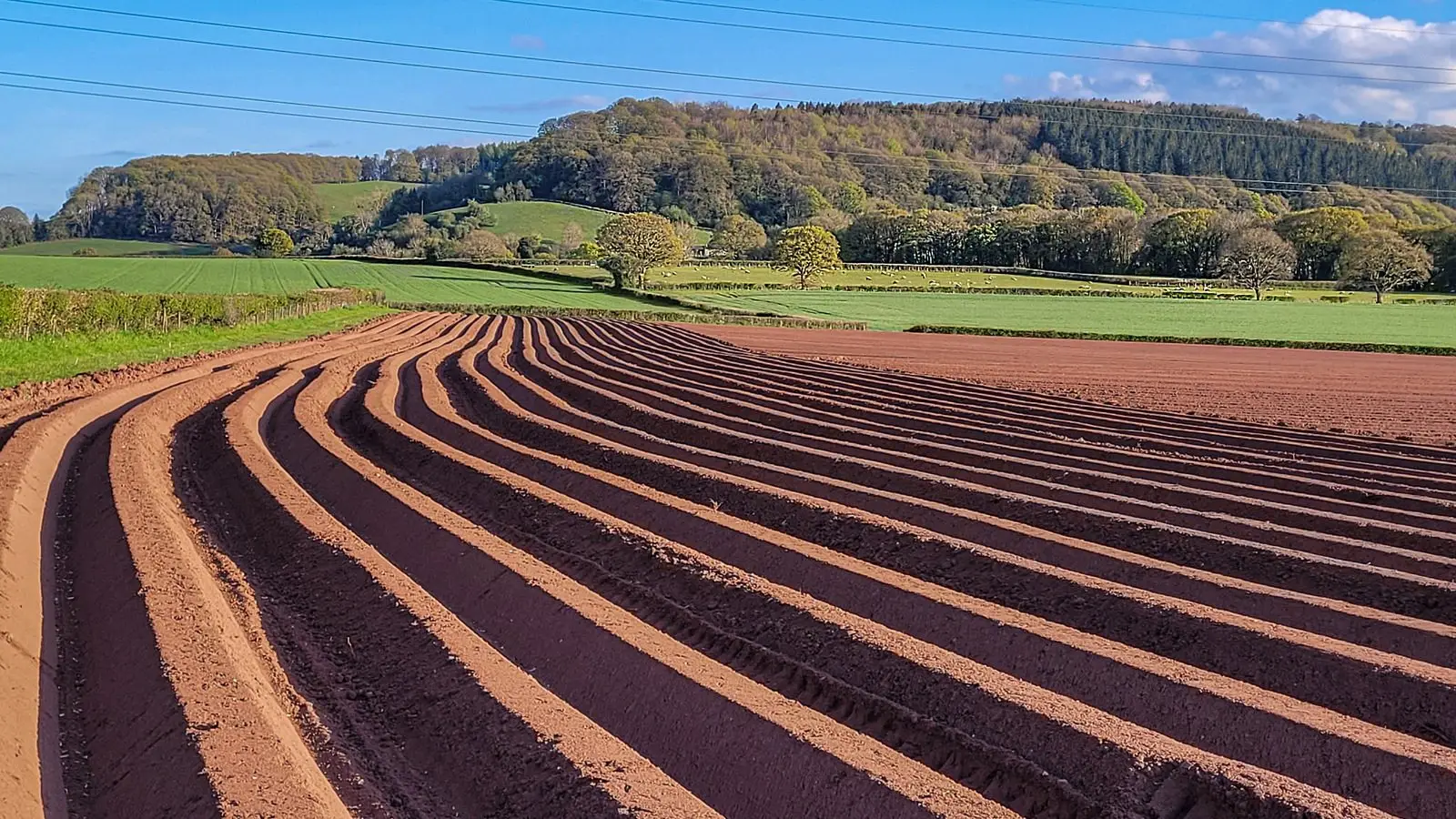
Potatoes form on stem, not roots, which is why you plant them deep and keep burying them. Seed potatoes, timing by variety group, and the mistakes that cost a crop.
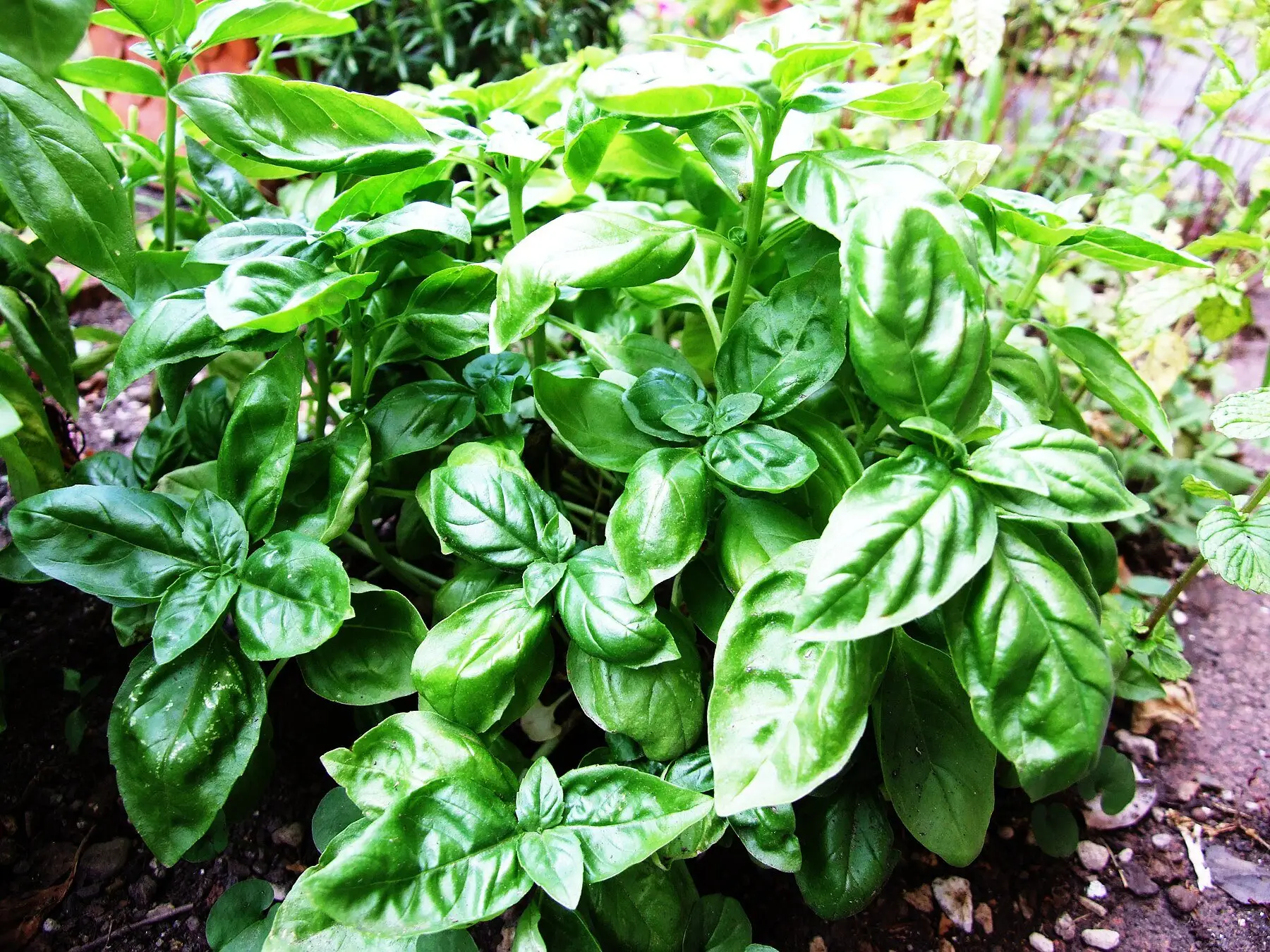
Cut above a leaf pair, never strip the bottom leaves, and pinch the flowers. The harvesting method that doubles the size of a basil plant instead of ending it.
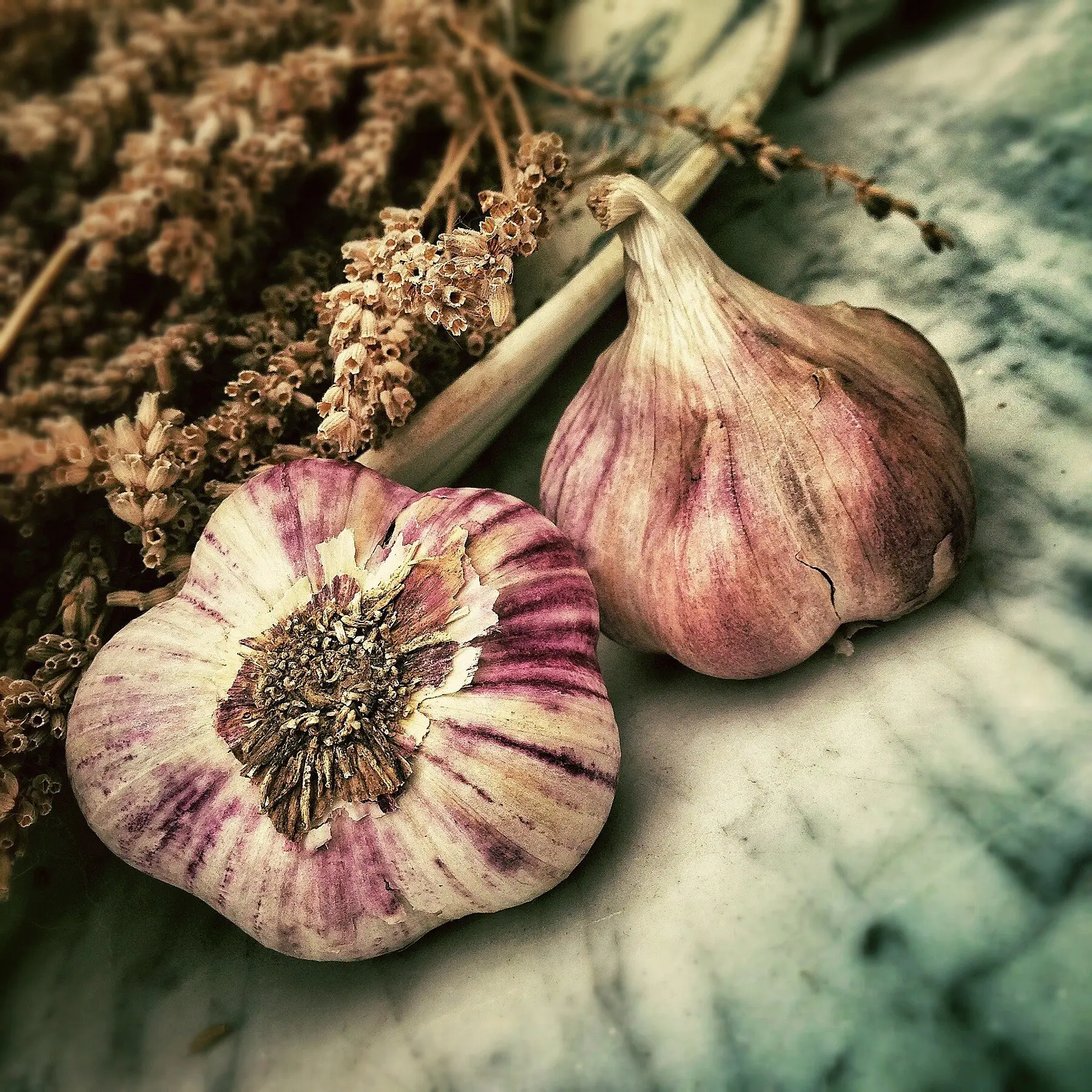
Cured garlic keeps six to ten months in a dark, dry, airy spot at room temperature. Why the fridge ruins it, and what to do with a bulb that has sprouted.
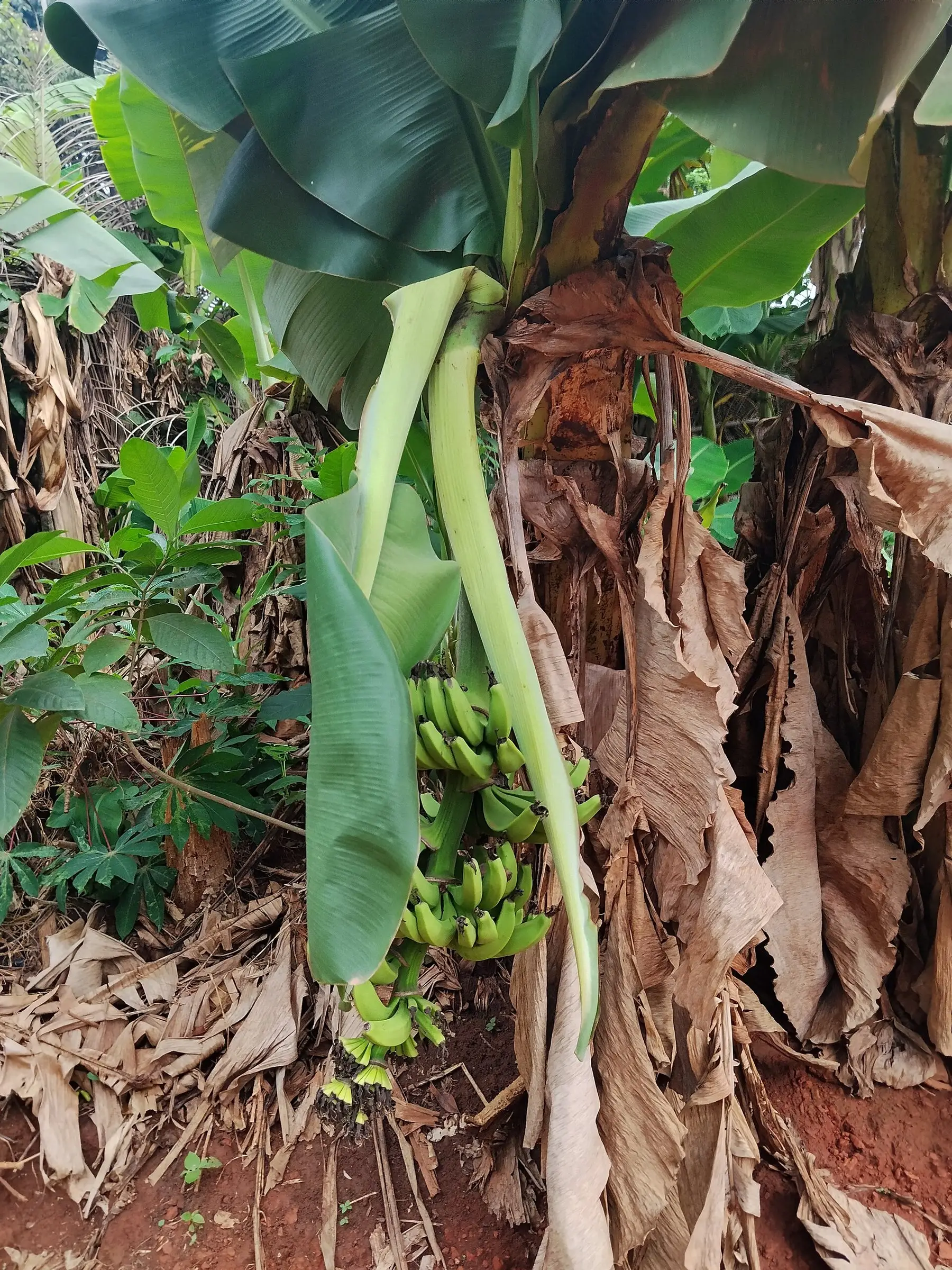
Supermarket bananas are seedless clones, so there is nothing in one to plant. What actually works is a pup or a corm — and a banana is not a tree at all.
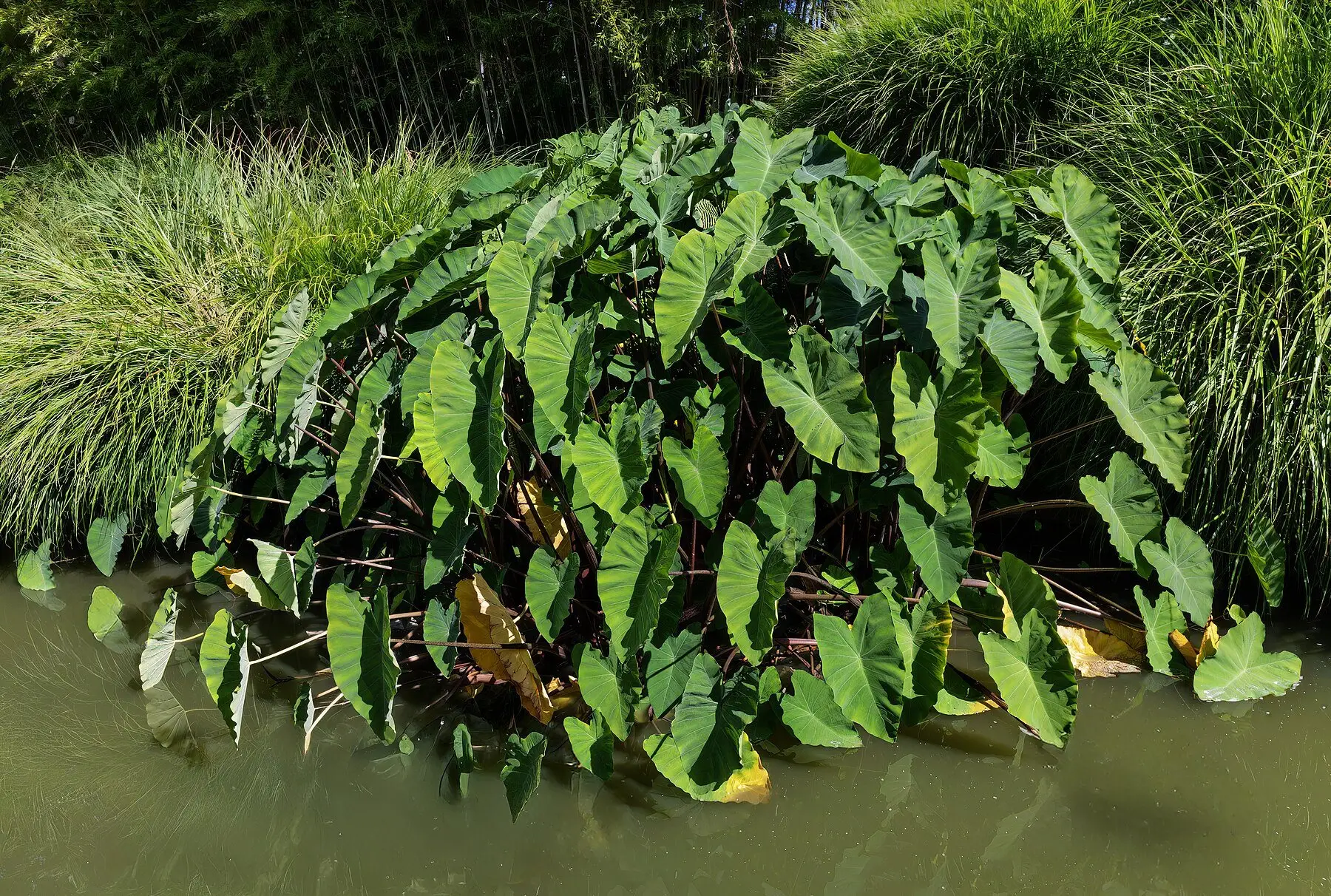
Colocasia wants wet feet and heat; Alocasia wants drainage and humidity. Which one you have decides the care — plus how to lift and store the tubers.
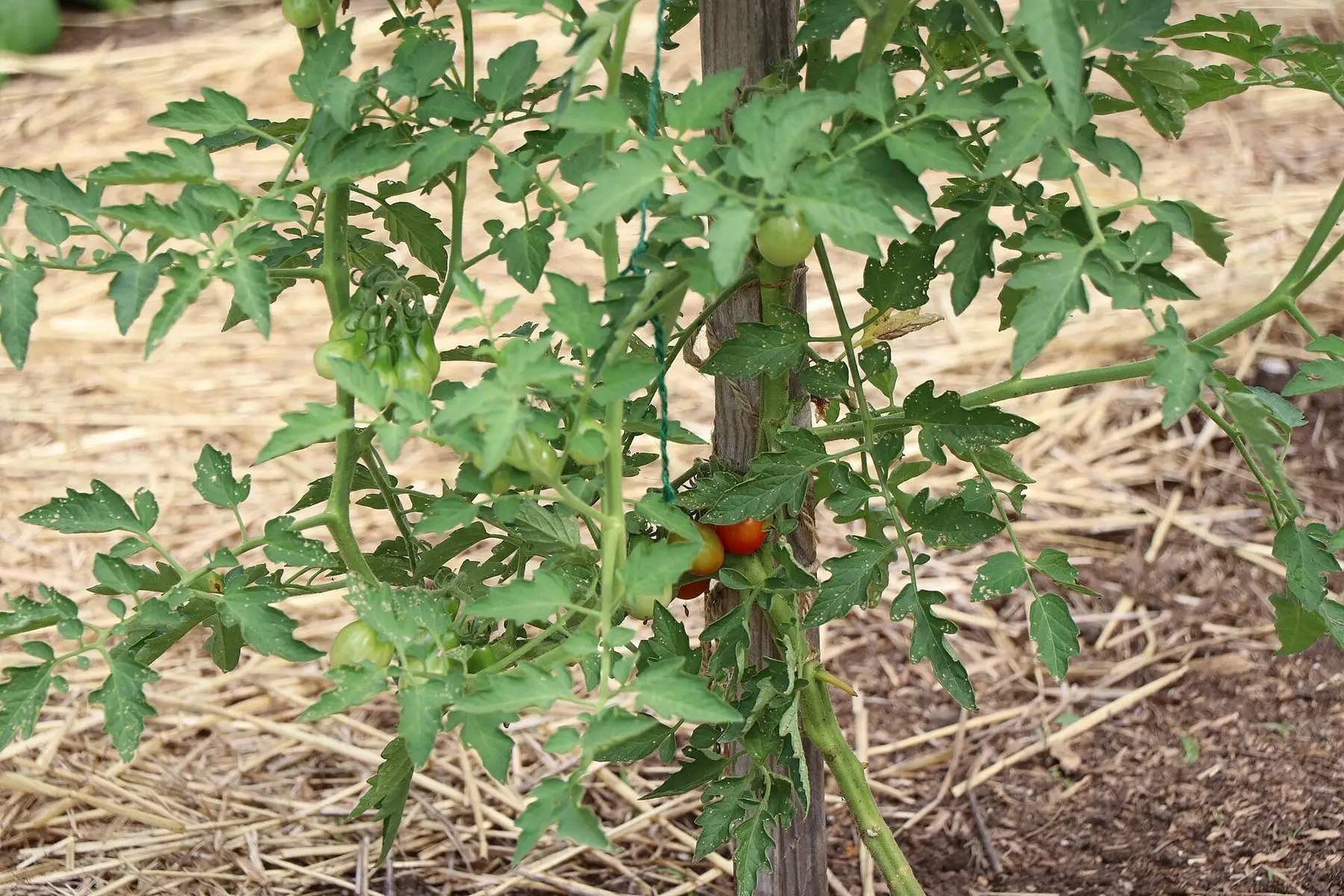
That one word on the seed packet decides your spacing, your pruning, and your harvest shape. Then it is warmth, consistent water, and feeding at the right time.
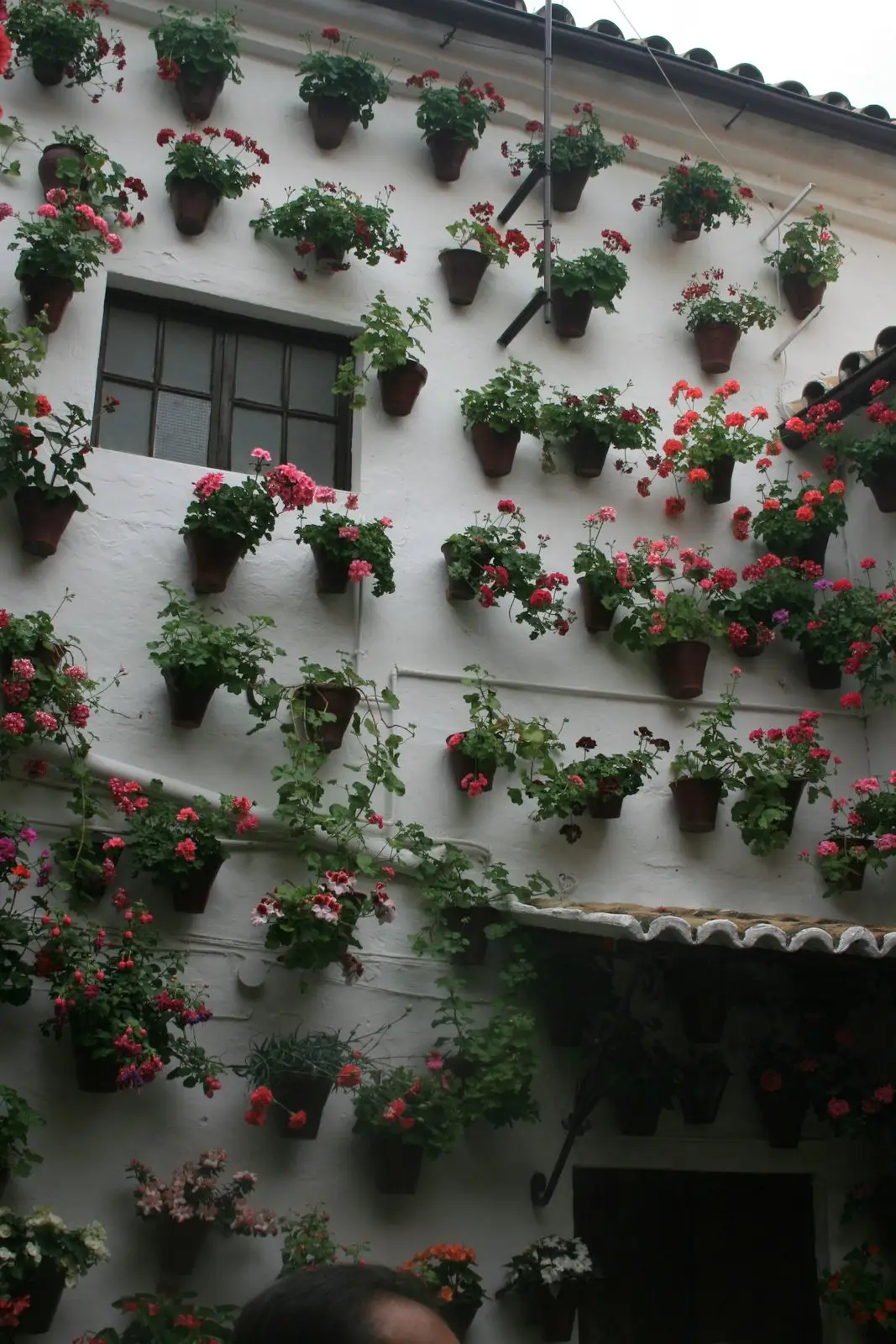
A pot outdoors is a harsher place than the ground — hotter, drier, and colder in winter. How to pick plants and pots that cope, and get through the cold.
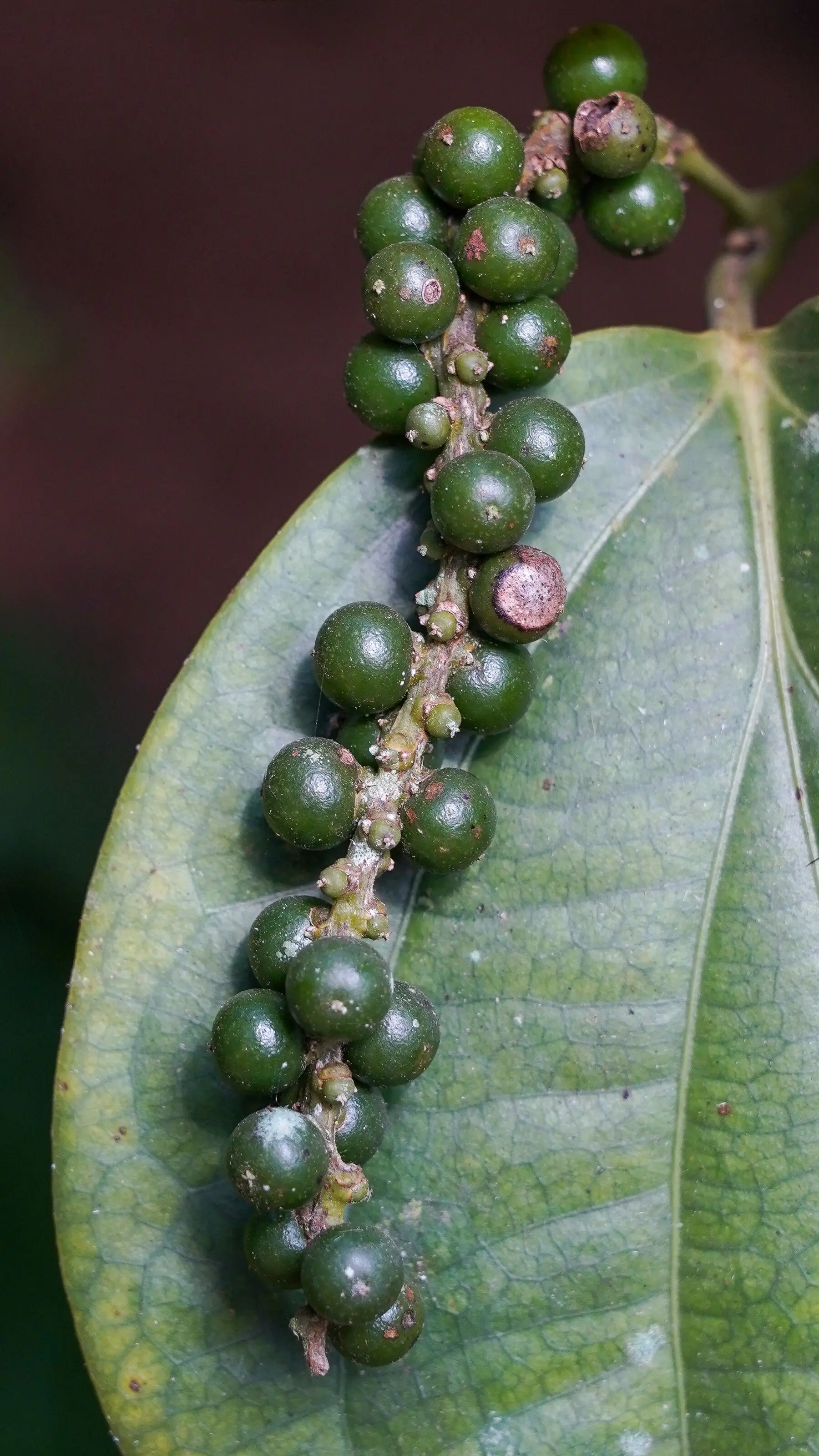
Black pepper is a climbing vine needing warmth, humidity and three years before it fruits. What it takes indoors, and why all four peppercorns are one plant.
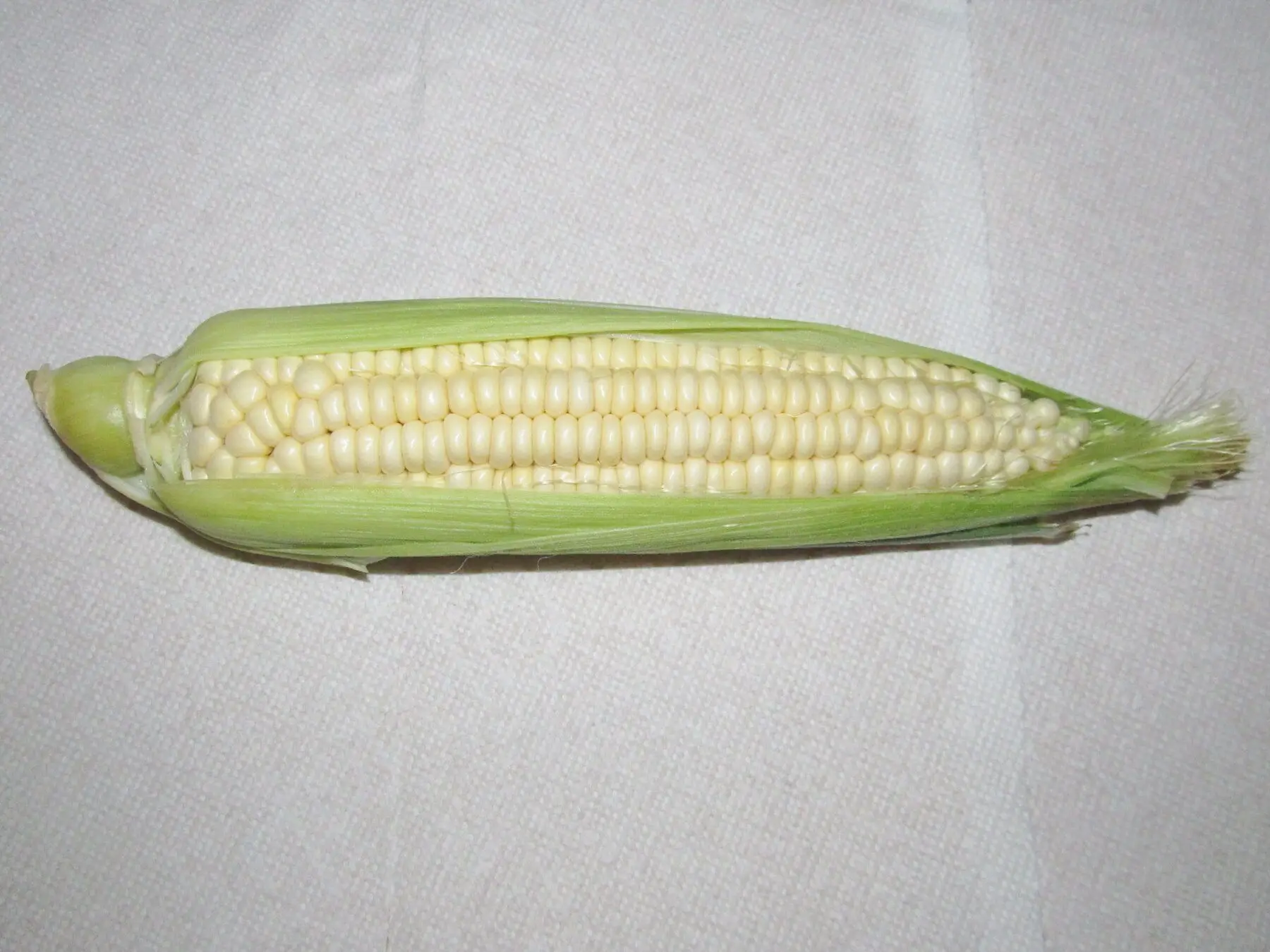
Sweetcorn has a harvest window of a few days and starts losing sugar within an hour of picking. The three signs, and why you check by piercing a kernel.
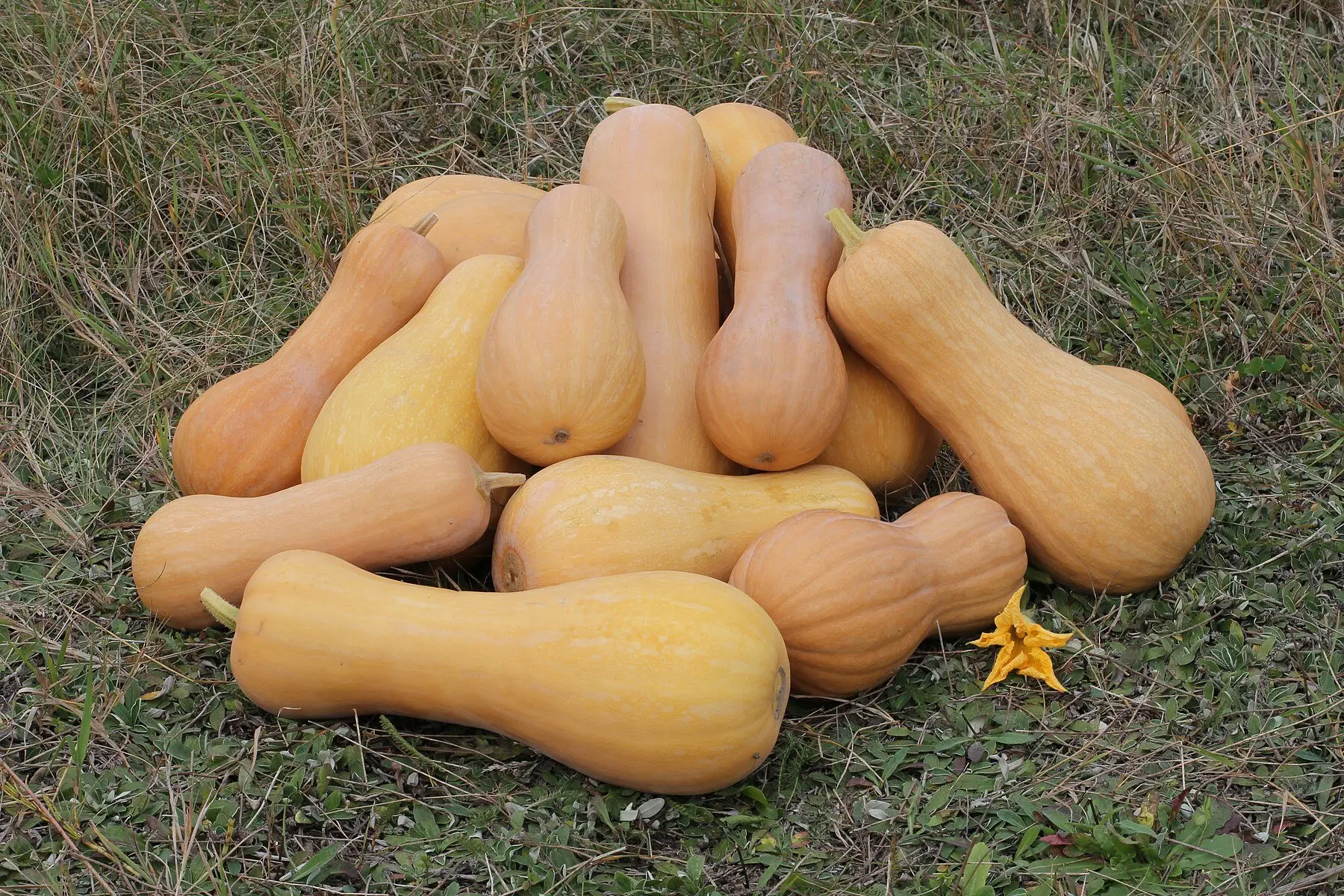
Butternut picked early never sweetens and never keeps. The colour, the stem and the fingernail test, plus the curing that turns it from starchy to sweet.
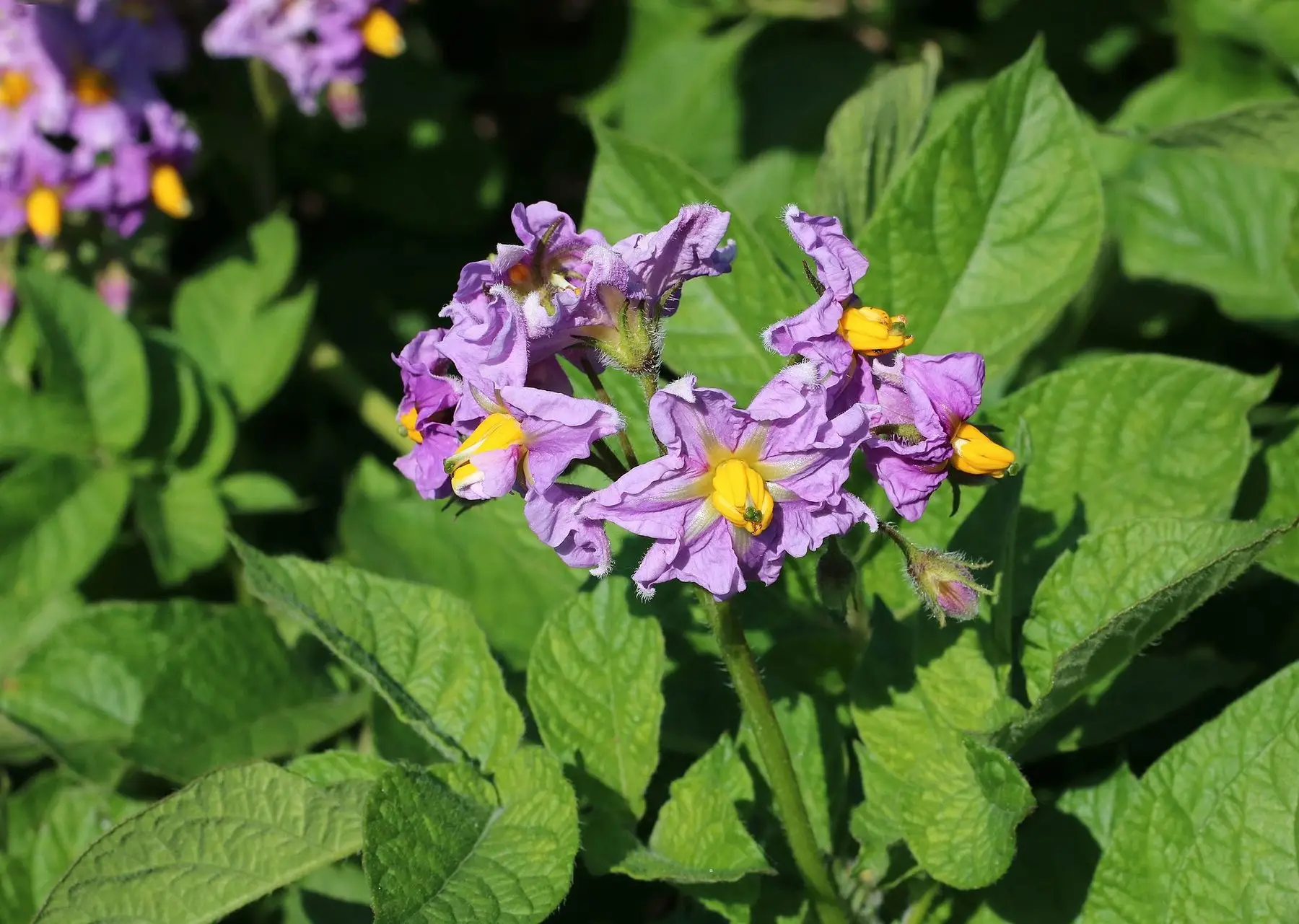
New potatoes come at flowering; storage potatoes need the tops to die back first. How to tell which stage you are at, and how to cure them so they keep.
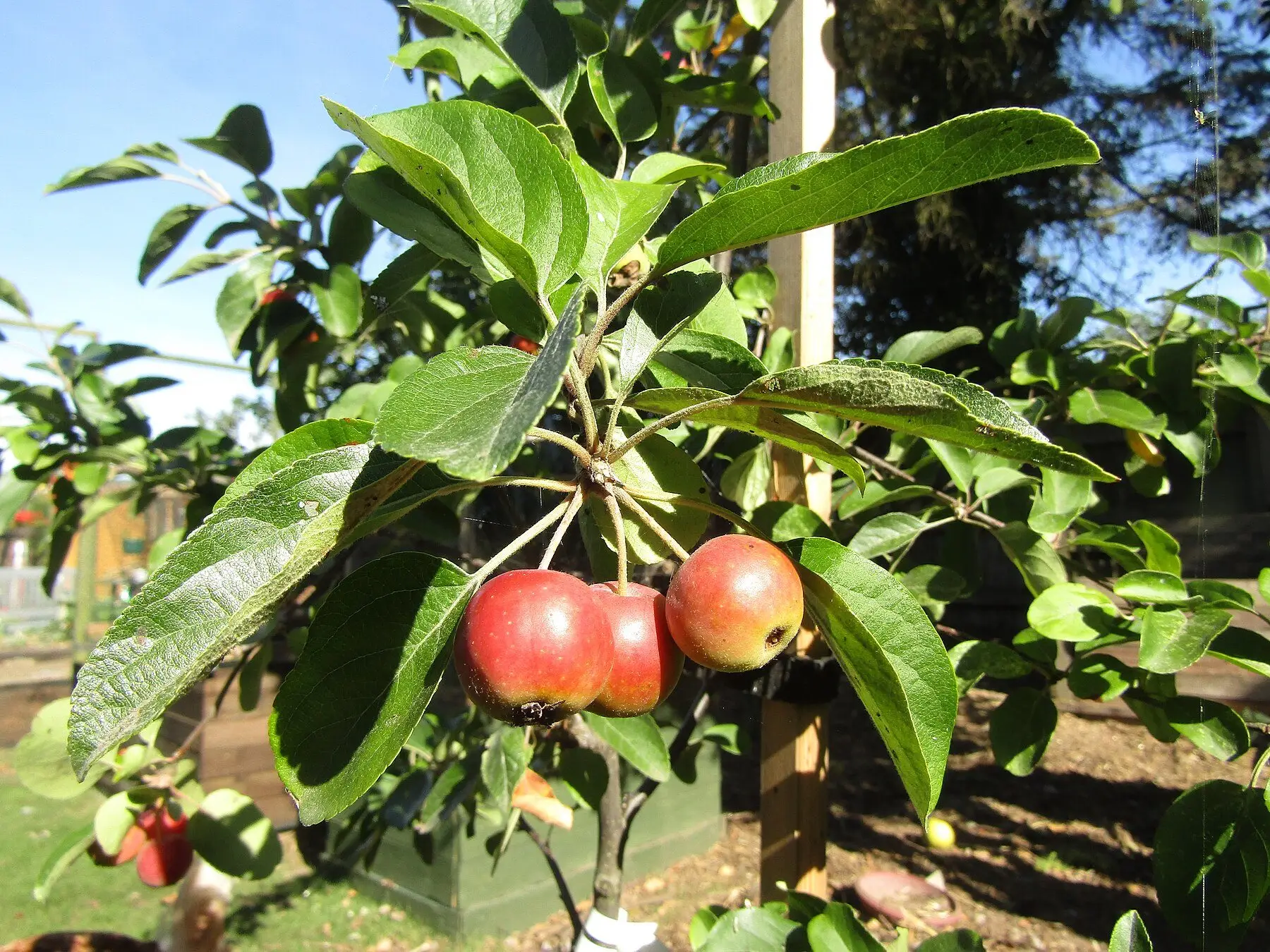
Crab apples are edible, sour, and unusually high in pectin — which is exactly why they set jelly no other fruit will. The one part to avoid, and which trees to pick.
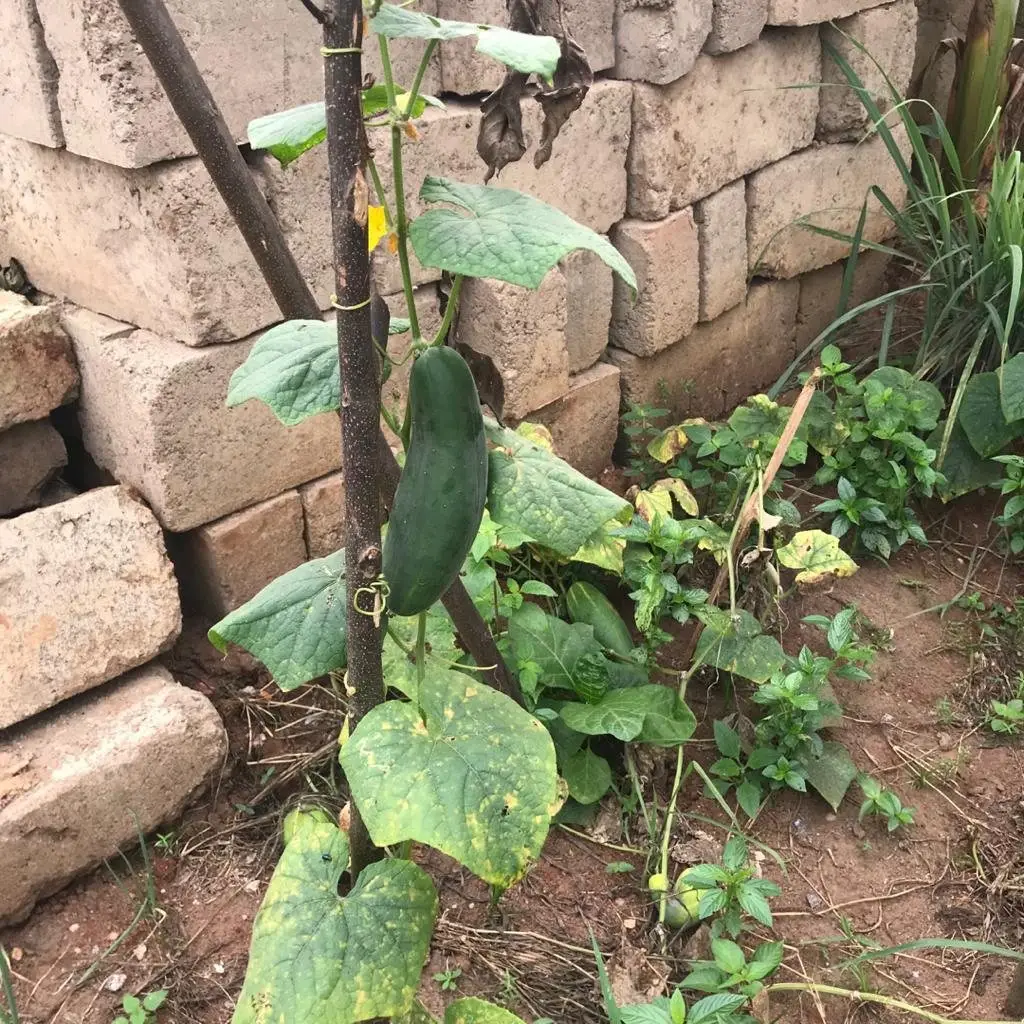
Cucumbers grow well in containers if the pot is big enough and they climb. Pot size, variety choice, and the watering rhythm that prevents bitter fruit.
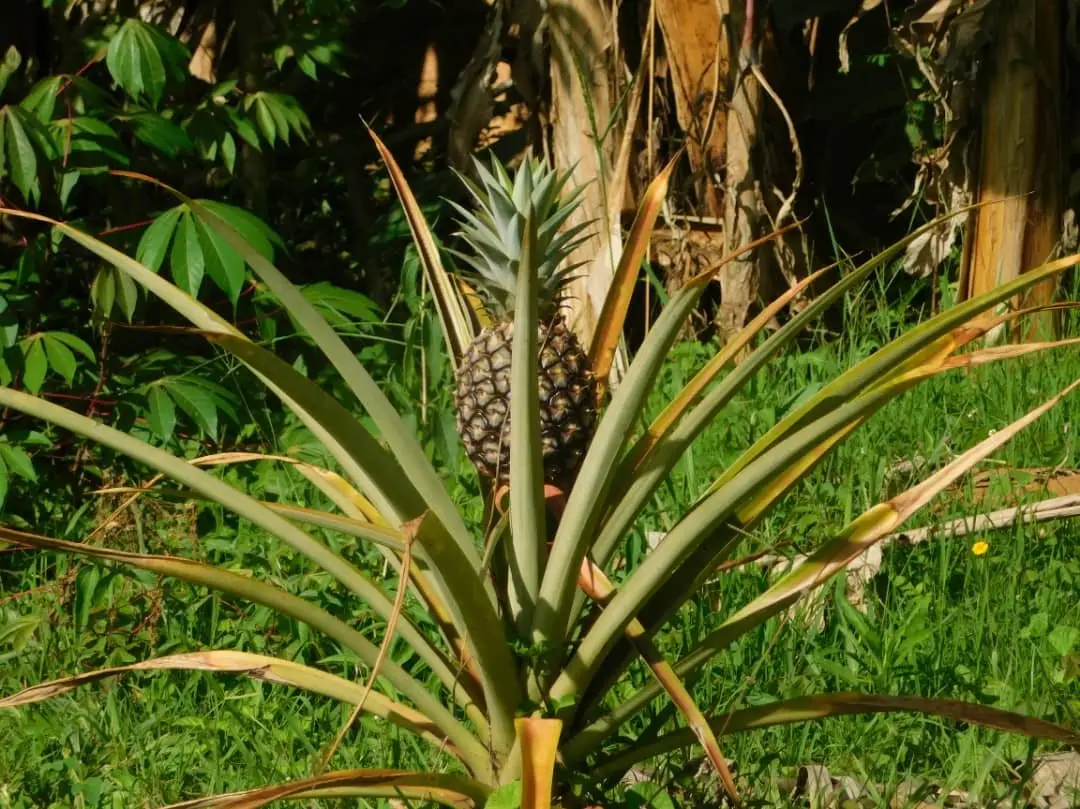
Pineapples do not grow on trees but on a low ground plant, one fruit per plant, from hundreds of flowers fused into one. How they grow, and how long it takes.
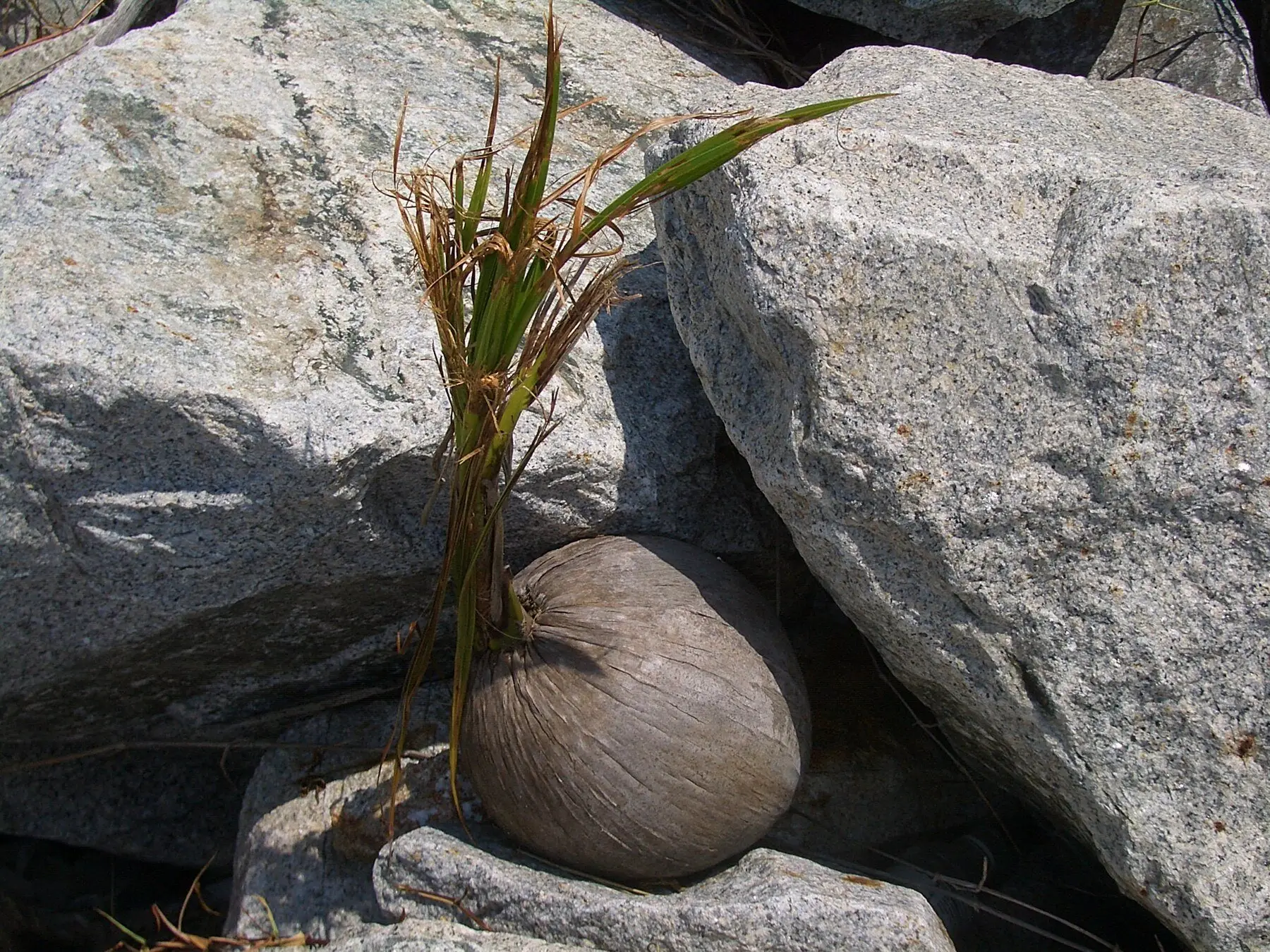
A supermarket coconut almost never sprouts, because the husk is removed. What you actually need, how to germinate it, and why it will not fruit indoors.
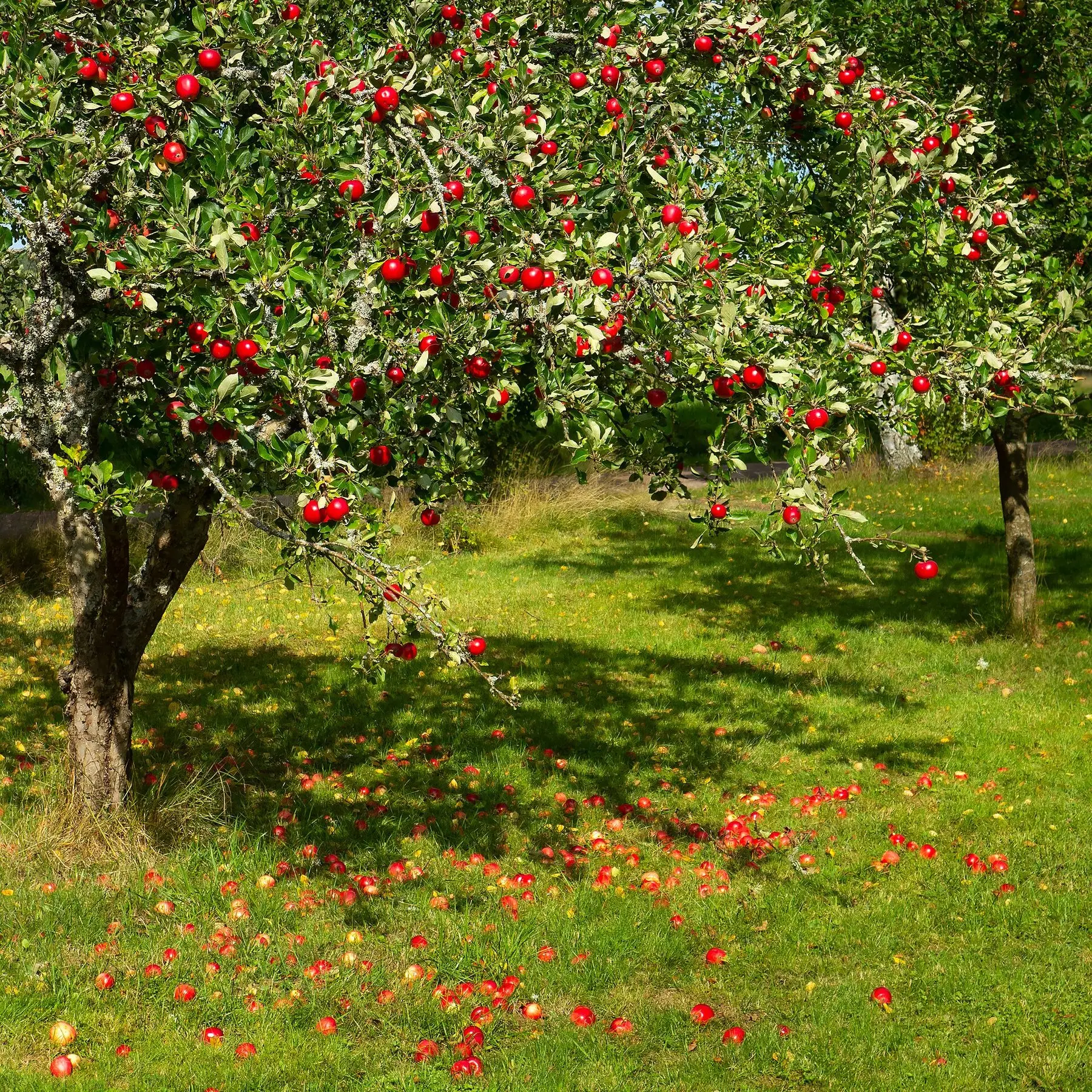
Apple seeds grow, but never into the apple you ate — every seed is a new variety. How to germinate them anyway, and what you will actually get.
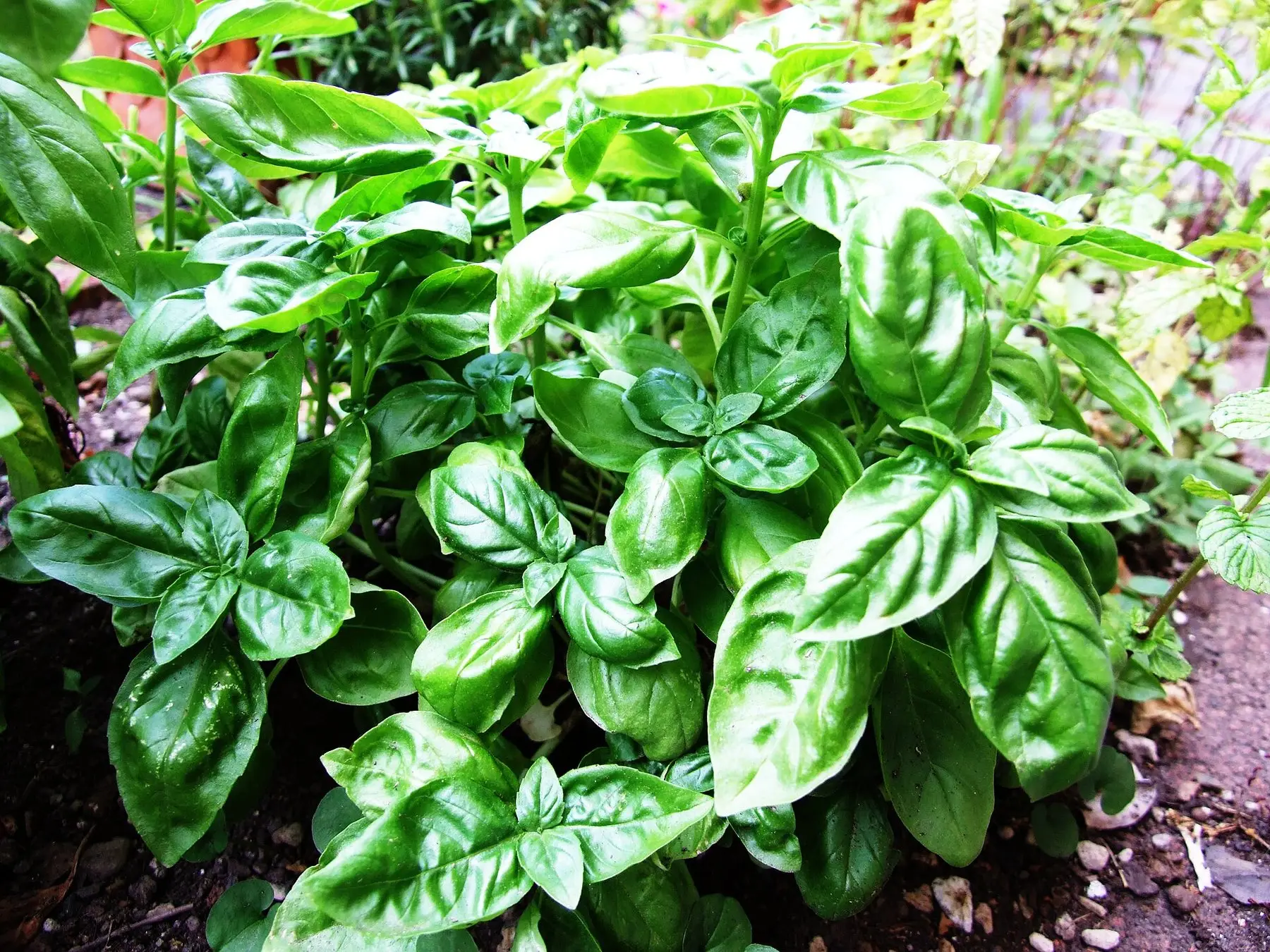
Basil is easy to grow and easy to lose to one mistake — letting it flower. How to sow it, where to put it, and the pinching routine that keeps it producing.
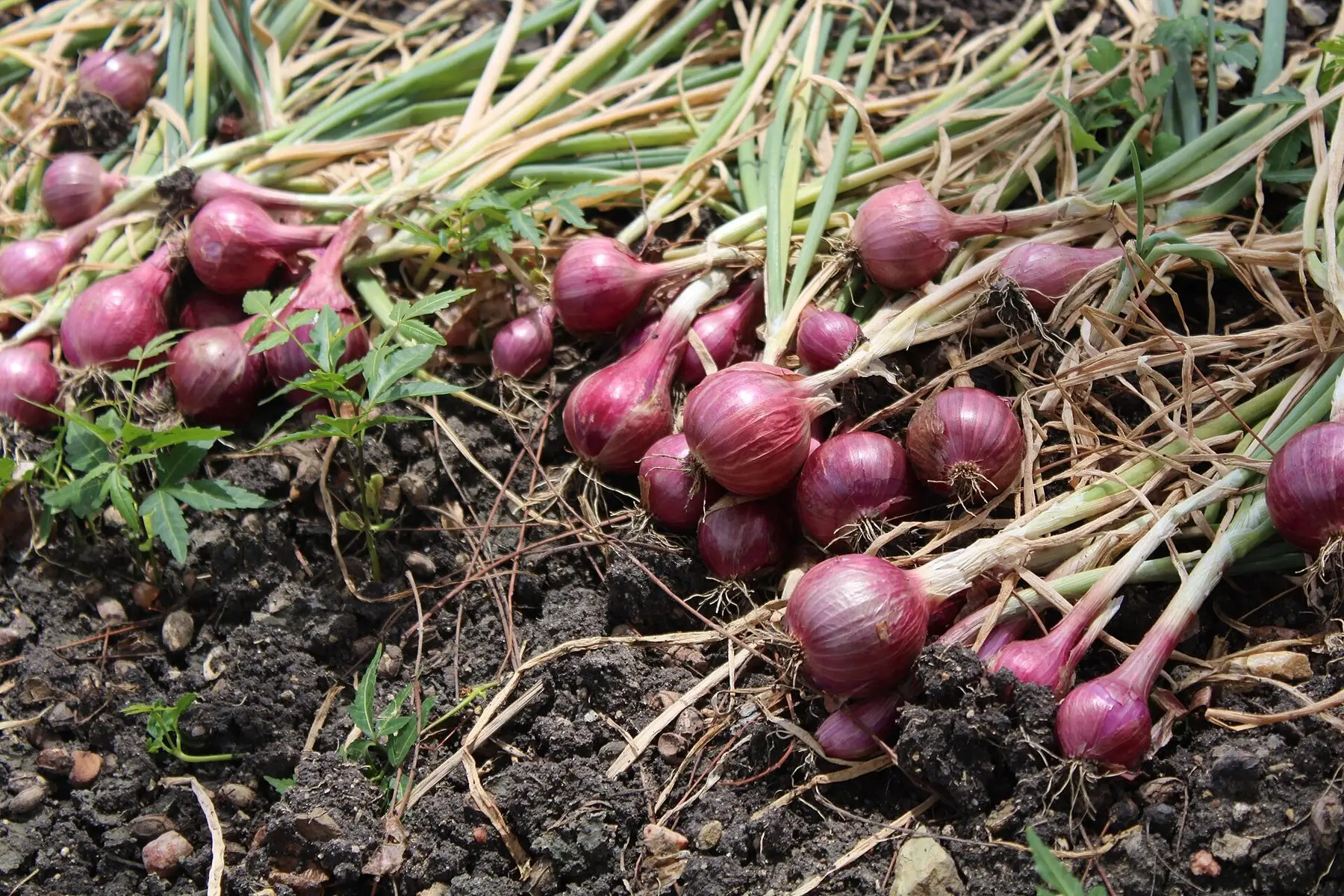
Onions bulb on day length, not on age — so the wrong variety for your latitude never sizes up. How to pick the right type, plant it, and feed it to a full bulb.
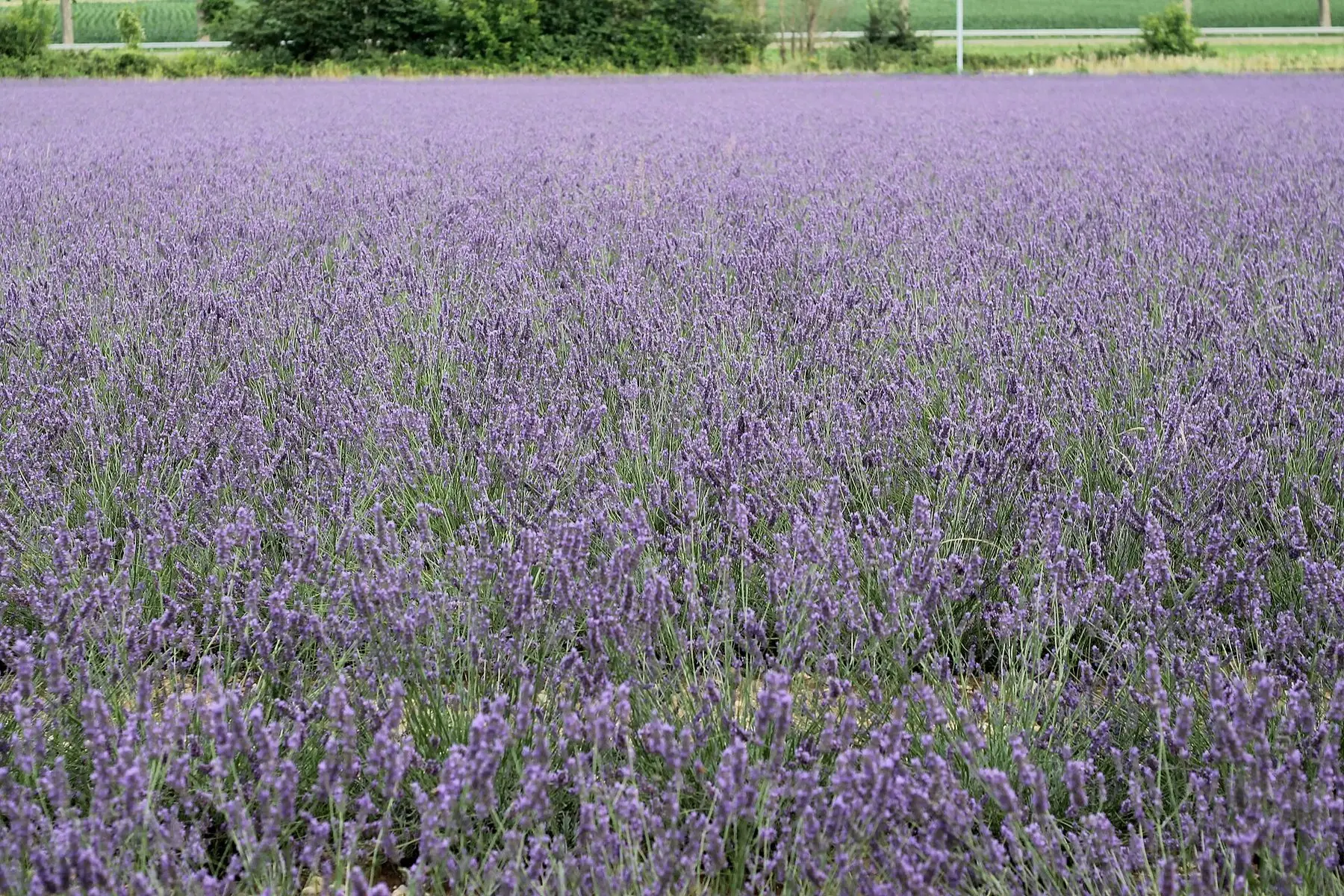
How to prune lavender: cut back into green growth, never old wood. 3 tools cover the main cut and the shaping. See which you already own.
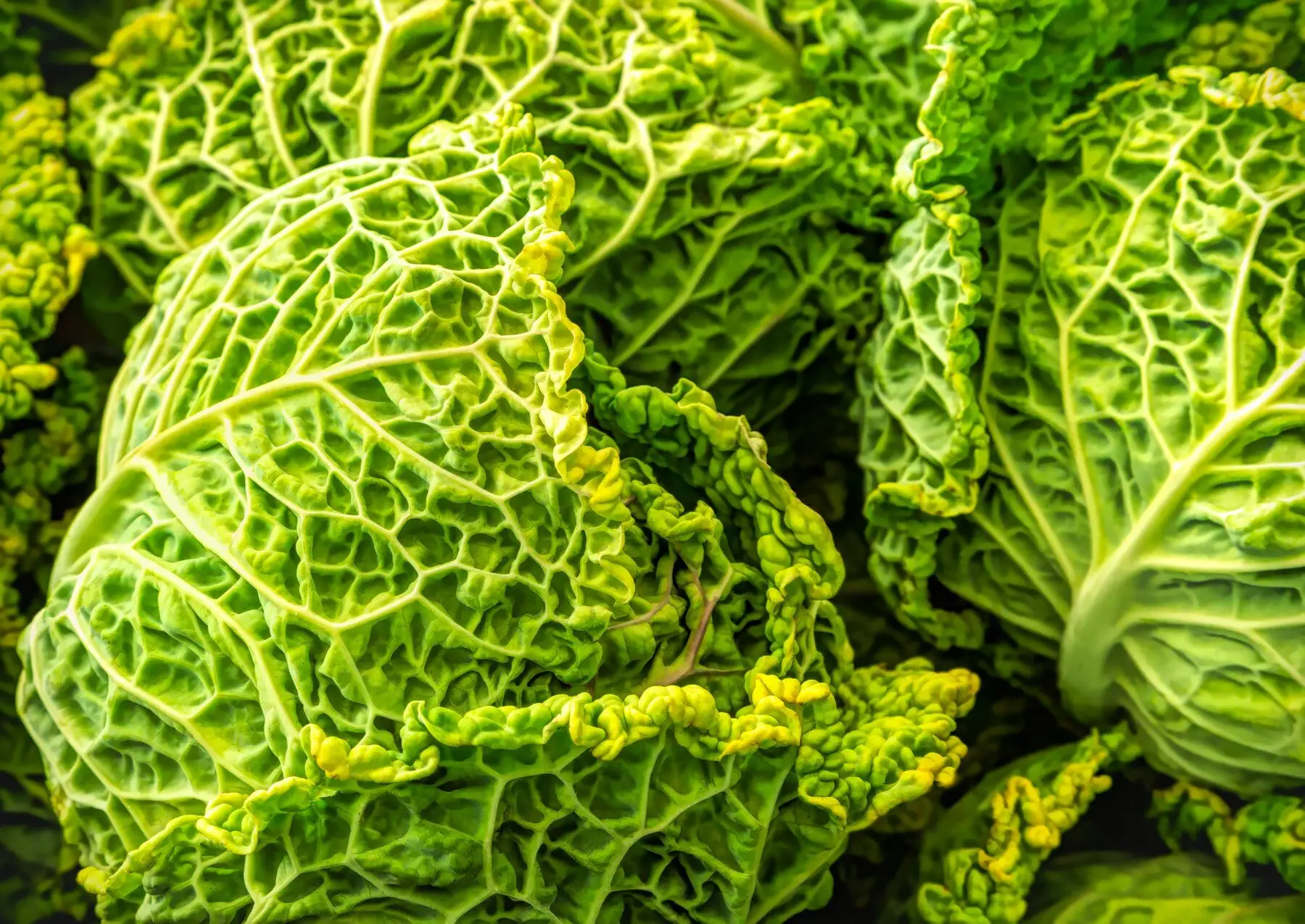
Cabbages need firmer ground than most crops, more room than people give them, and a physical barrier against pests. Splitting heads and clubroot, explained.
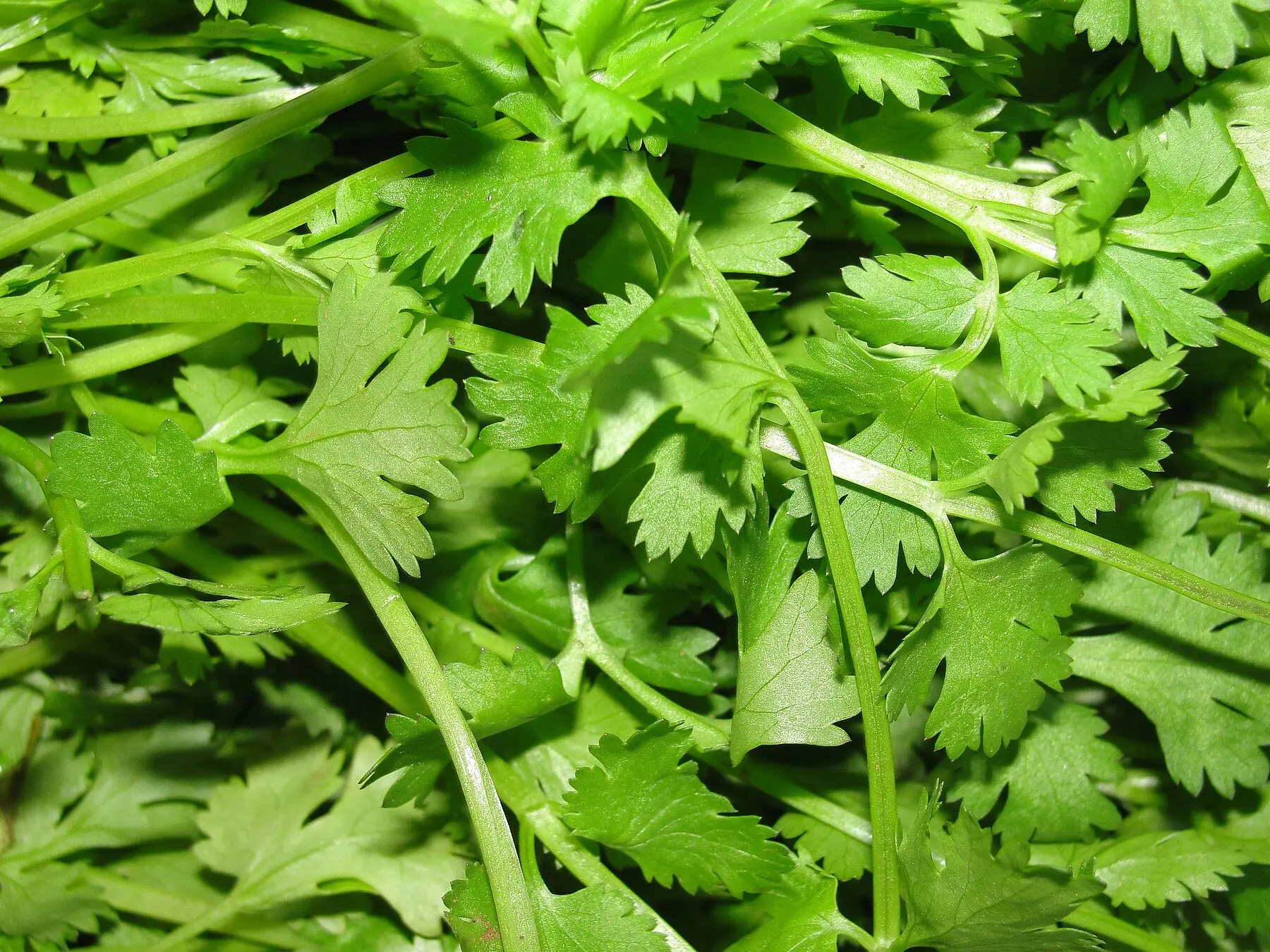
Cilantro bolts on heat and day length and nothing stops it, so the answer is succession sowing. Direct sowing, why it hates transplanting, and the seed crop.
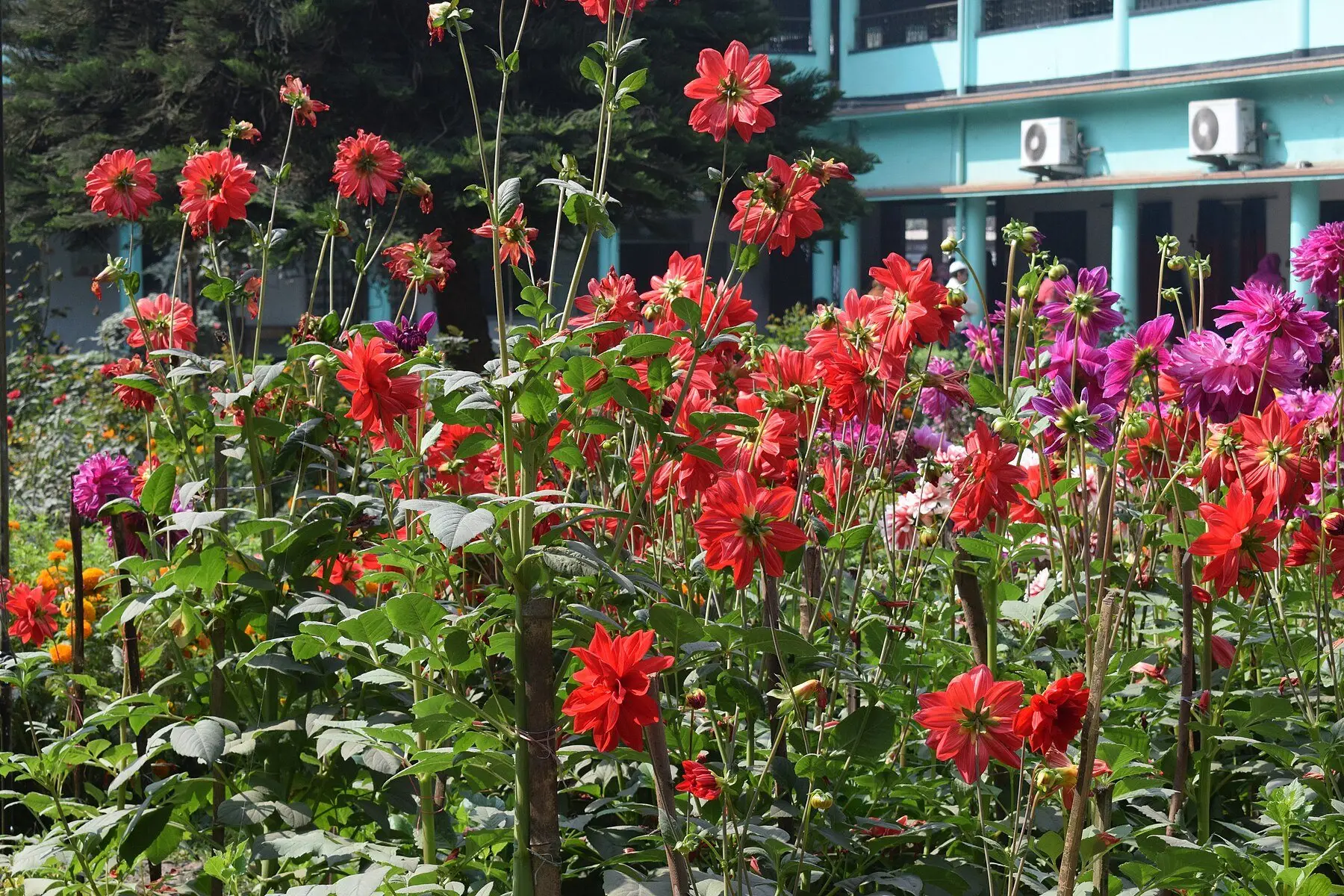
Dahlia tubers rot in cold wet soil, so the planting date is set by soil temperature. Starting them early under cover, and the honest case for leaving them in.
Aloe is killed by watering, not neglect. How to tell thirst from rot, why the leaves go flat or brown, and what to do with the pups it keeps producing.
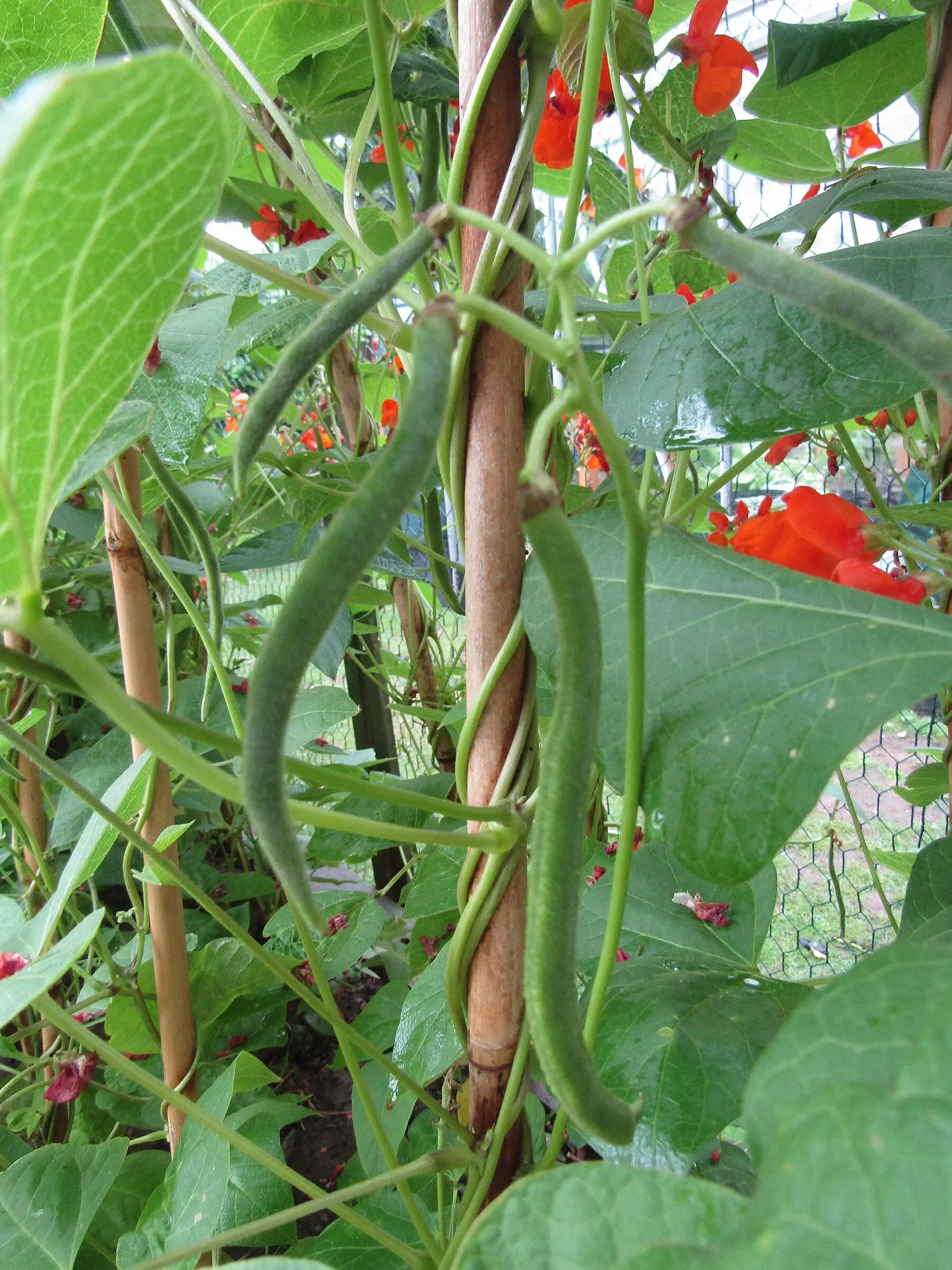
Beans rot in cold wet soil and resent transplanting, so sowing date matters more than anything else. Bush versus pole, supports, and picking to keep them coming.
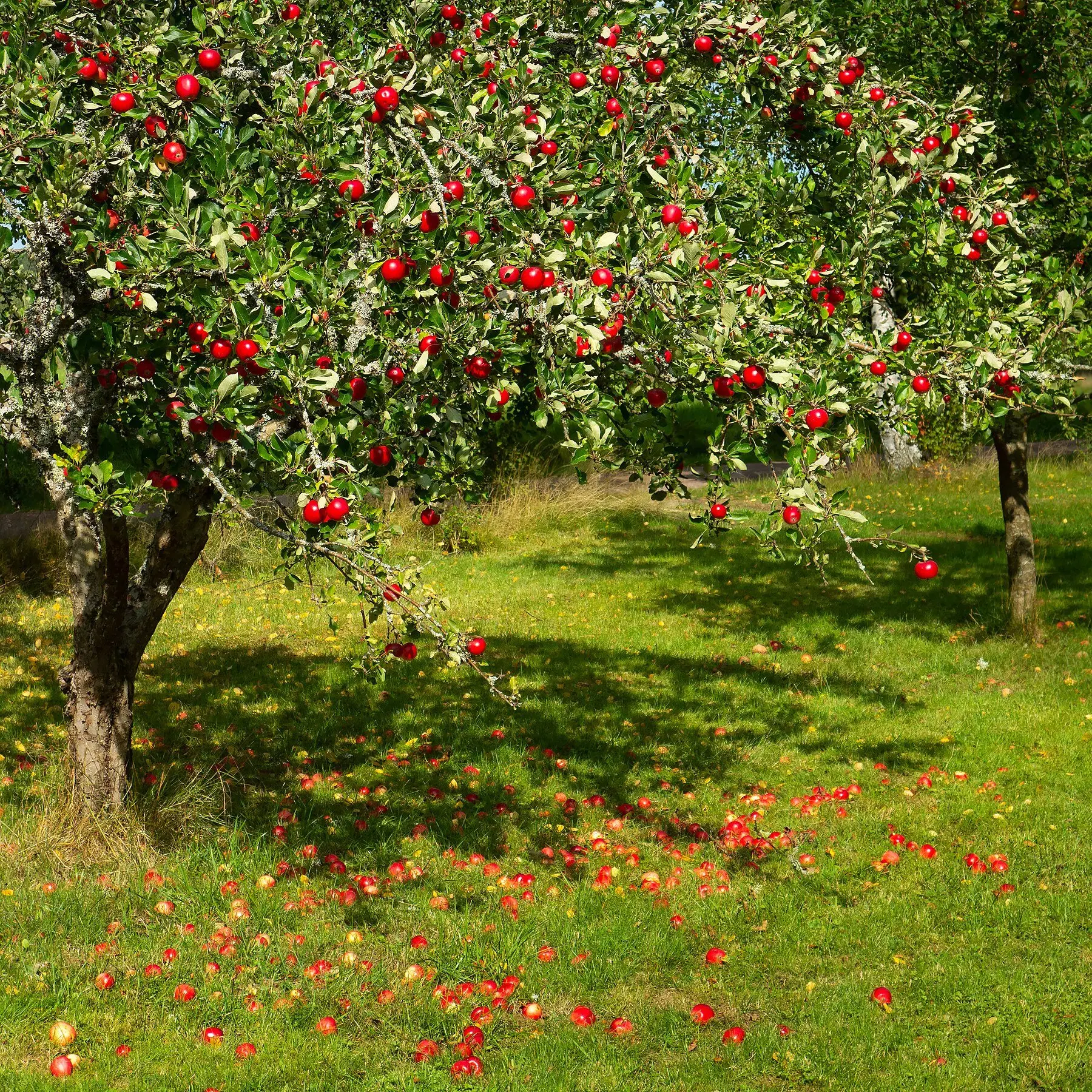
Two decisions made at purchase set the size of the tree and whether it ever fruits. Rootstock codes, flowering groups, and the pruning that keeps it productive.
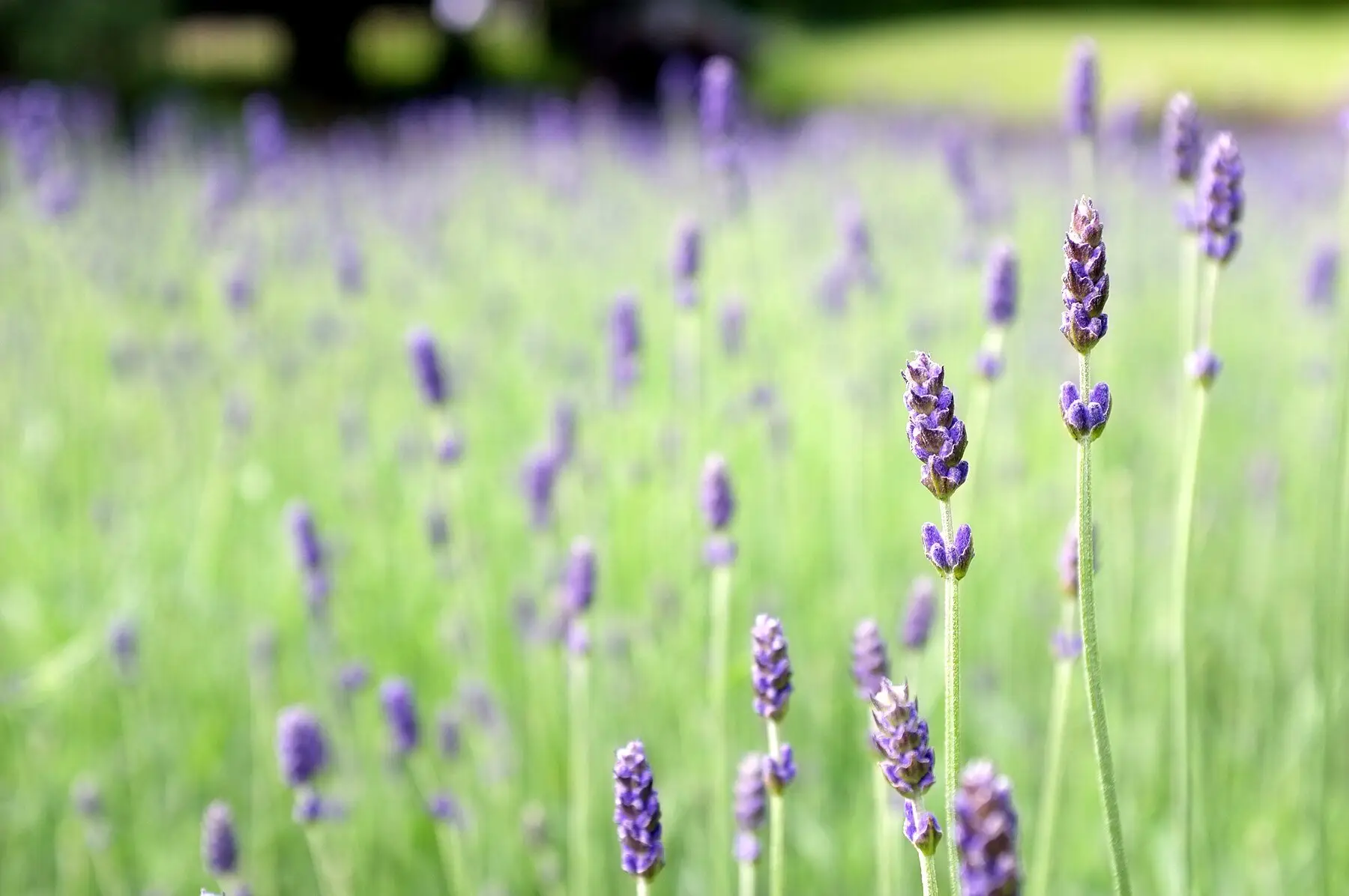
Lavender dies of wet feet and kindness, not cold. Which species suits your winter, why you plant it in poor soil, and the spacing that prevents rot.
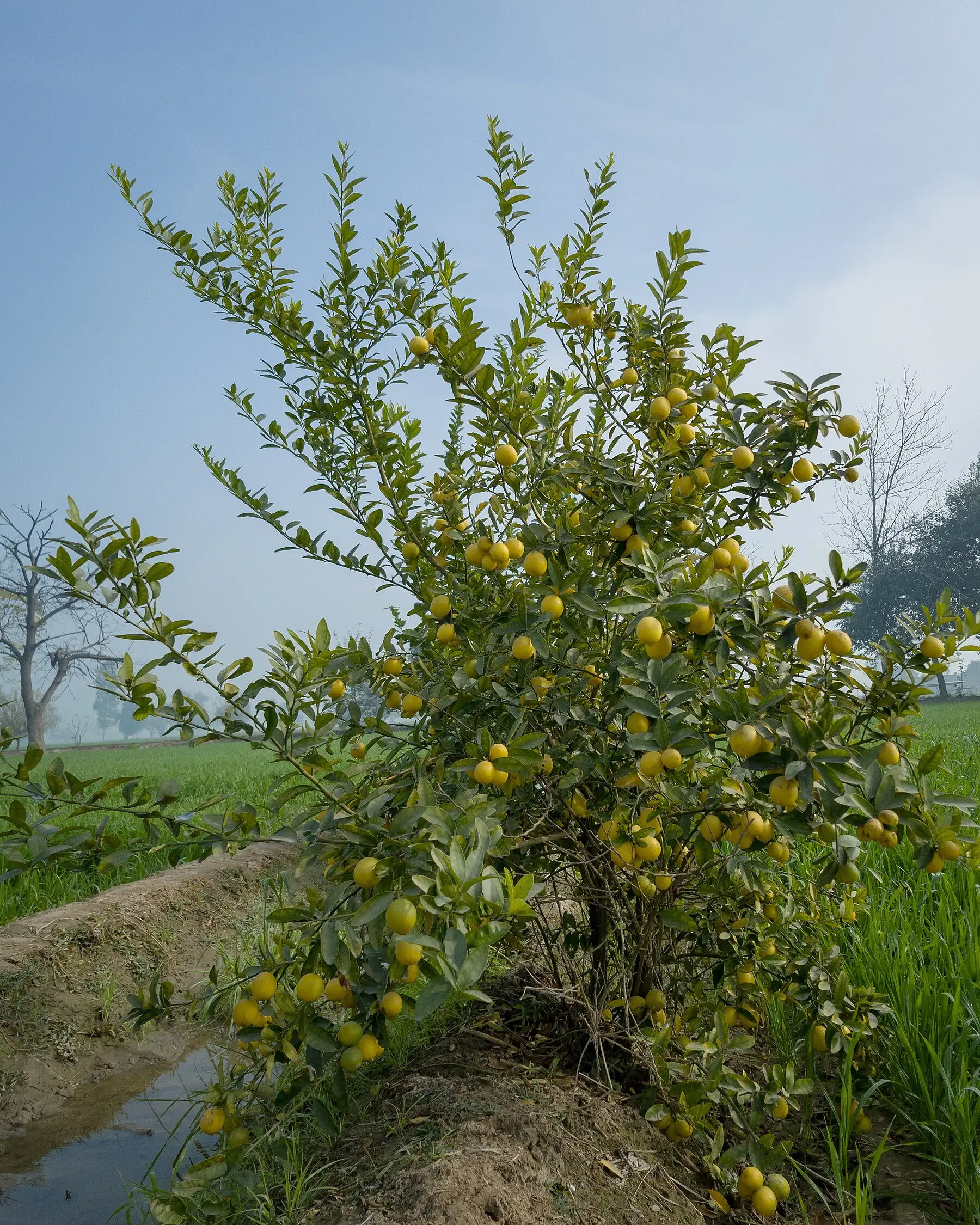
Lemons fruit year round and survive cold winters in a container, given light and the right watering. Why grafted trees matter, and what leaf drop is telling you.
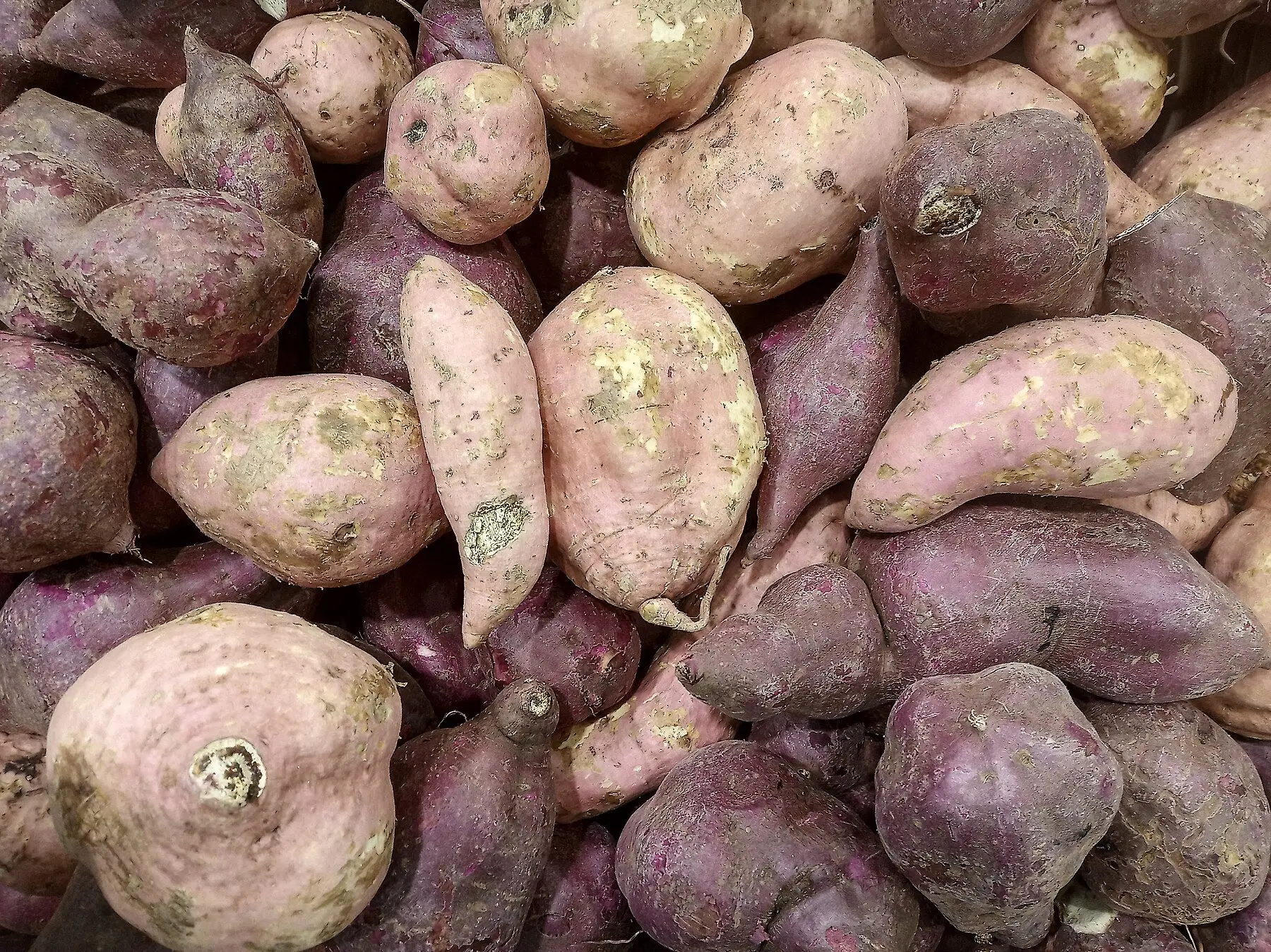
Sweet potatoes are dug on days-from-planting, not on a visible sign, and they taste of nothing until cured. The 100-day count, and the ten days that make them sweet.
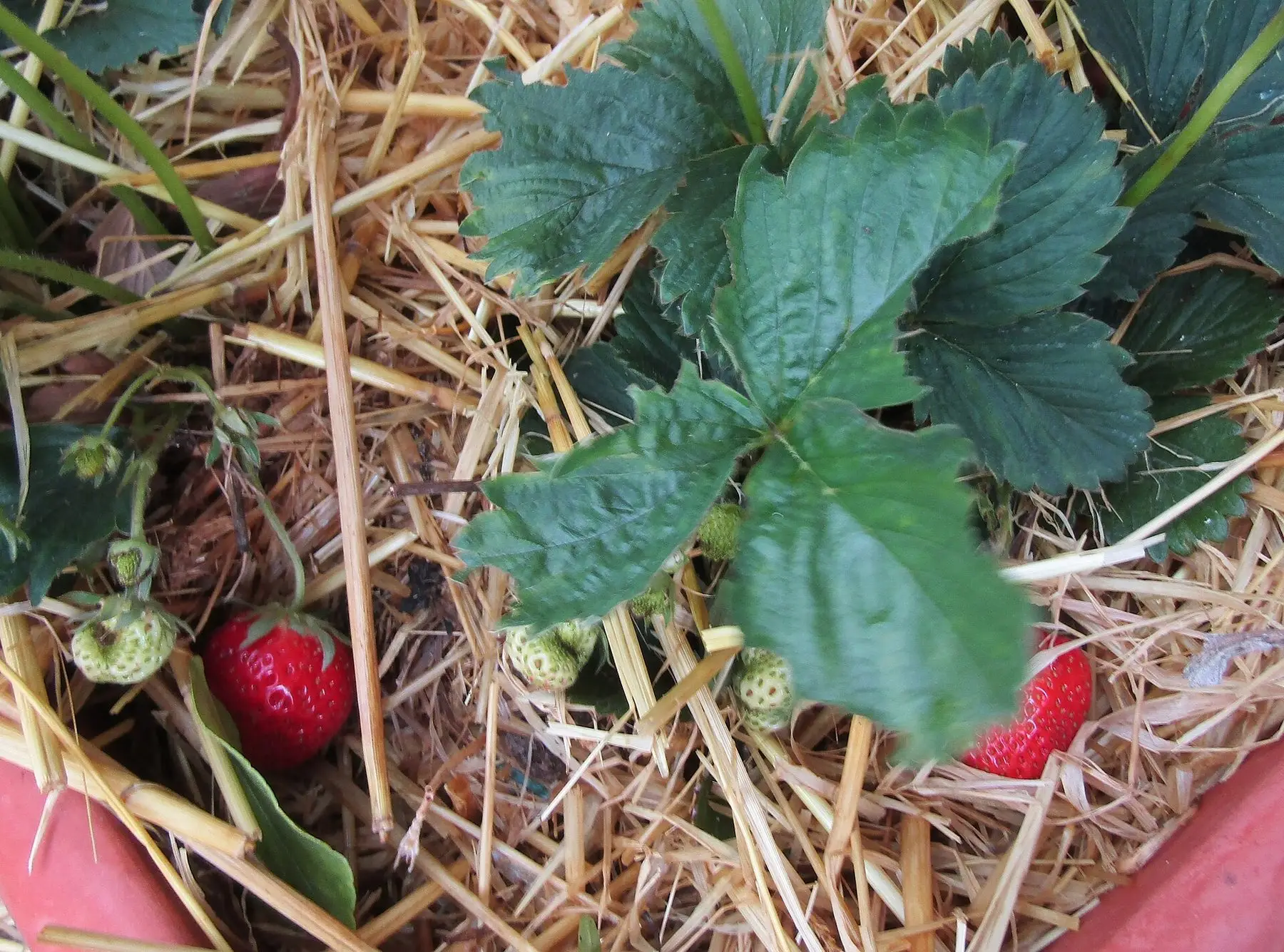
Strawberries are easy to grow and easy to get wrong. Which of the three types to plant, why you pinch the first flowers, and how to keep a bed producing.
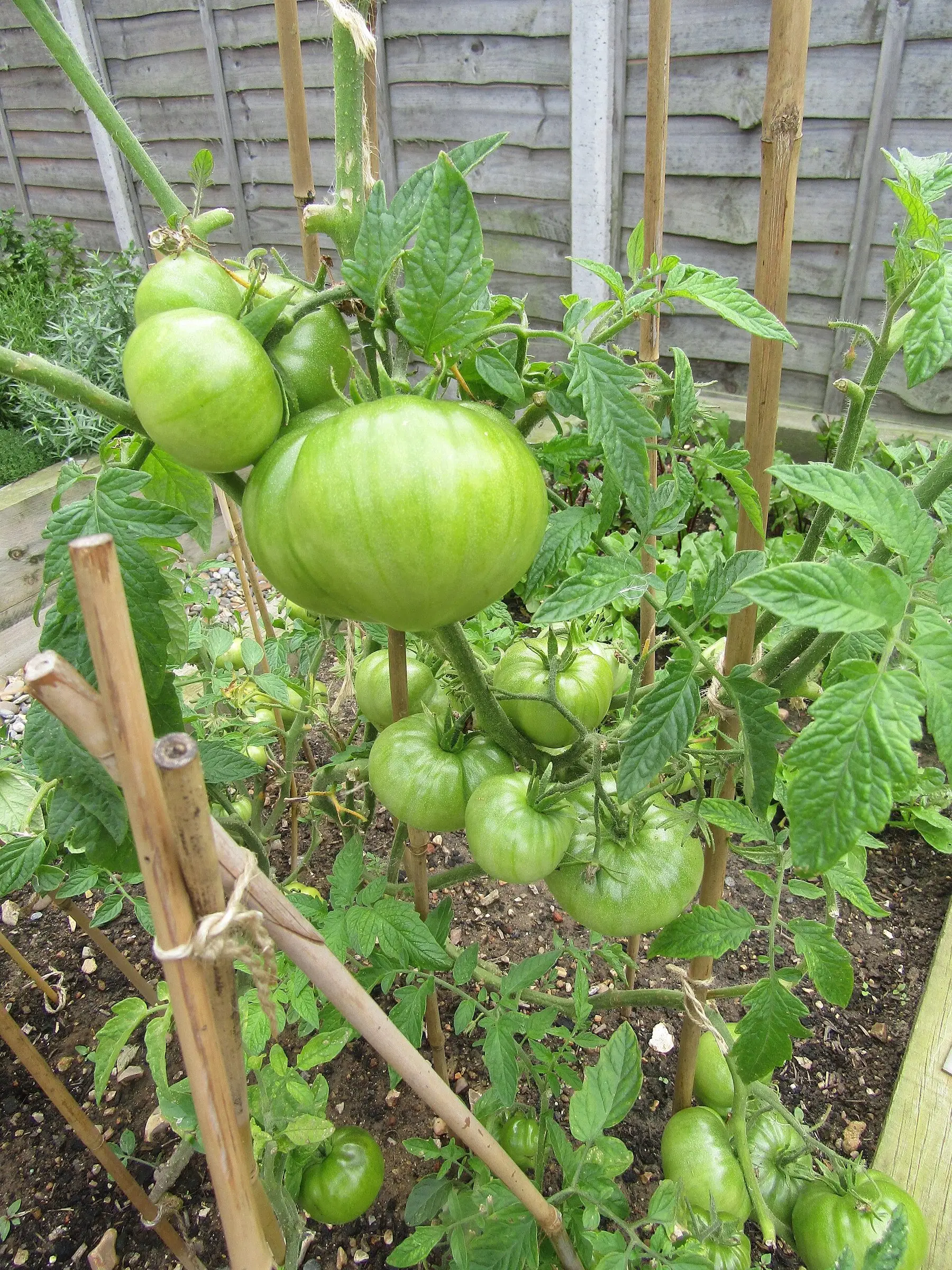
Basil, marigolds, and borage earn their place next to tomatoes. Fennel, potatoes, and brassicas do not. What to plant together, and why each pairing works.
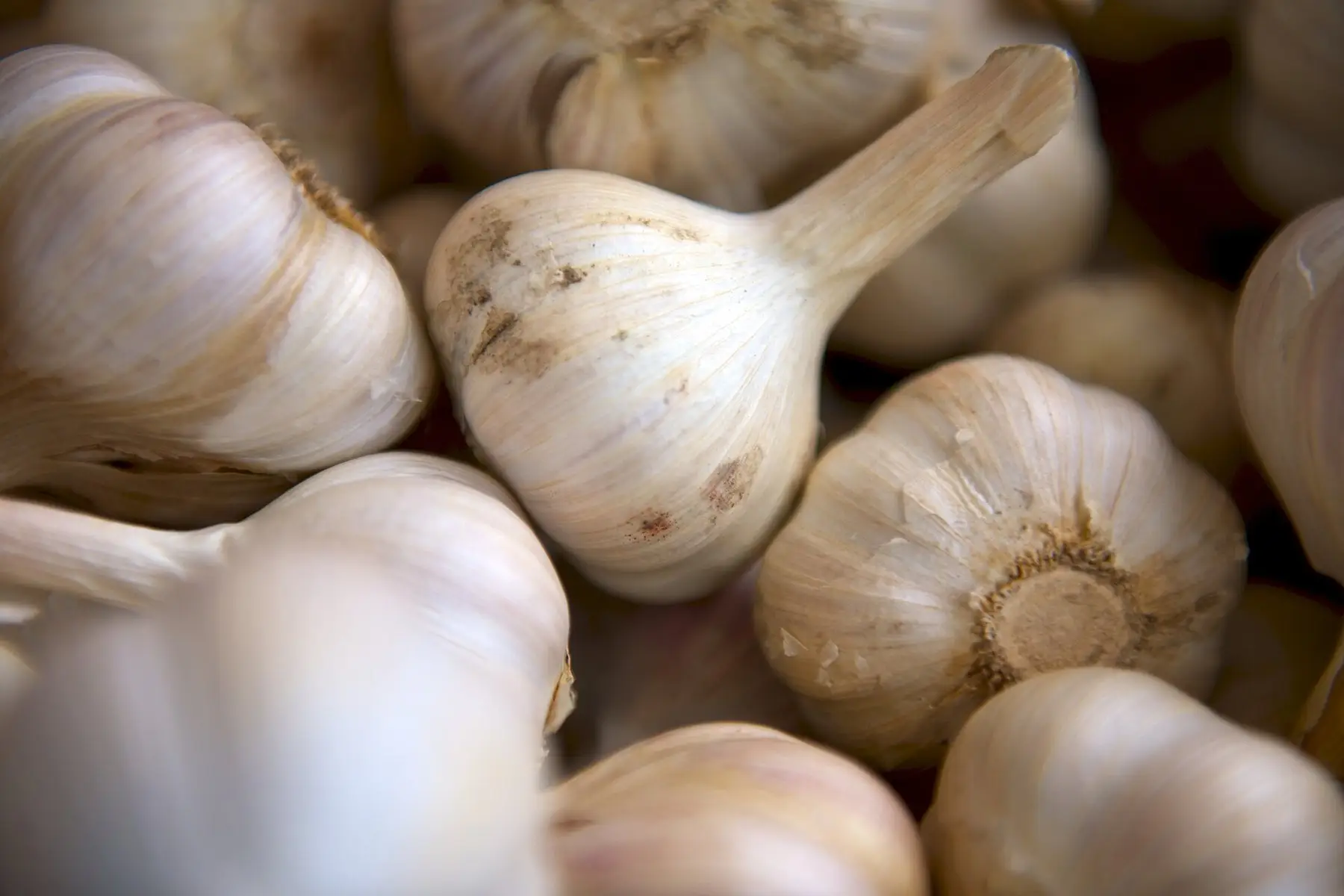
Garlic is the easiest crop in the garden if you plant it at the right time. Here is the full cycle — choosing bulbs, planting depth, mulch, scapes, and harvest.
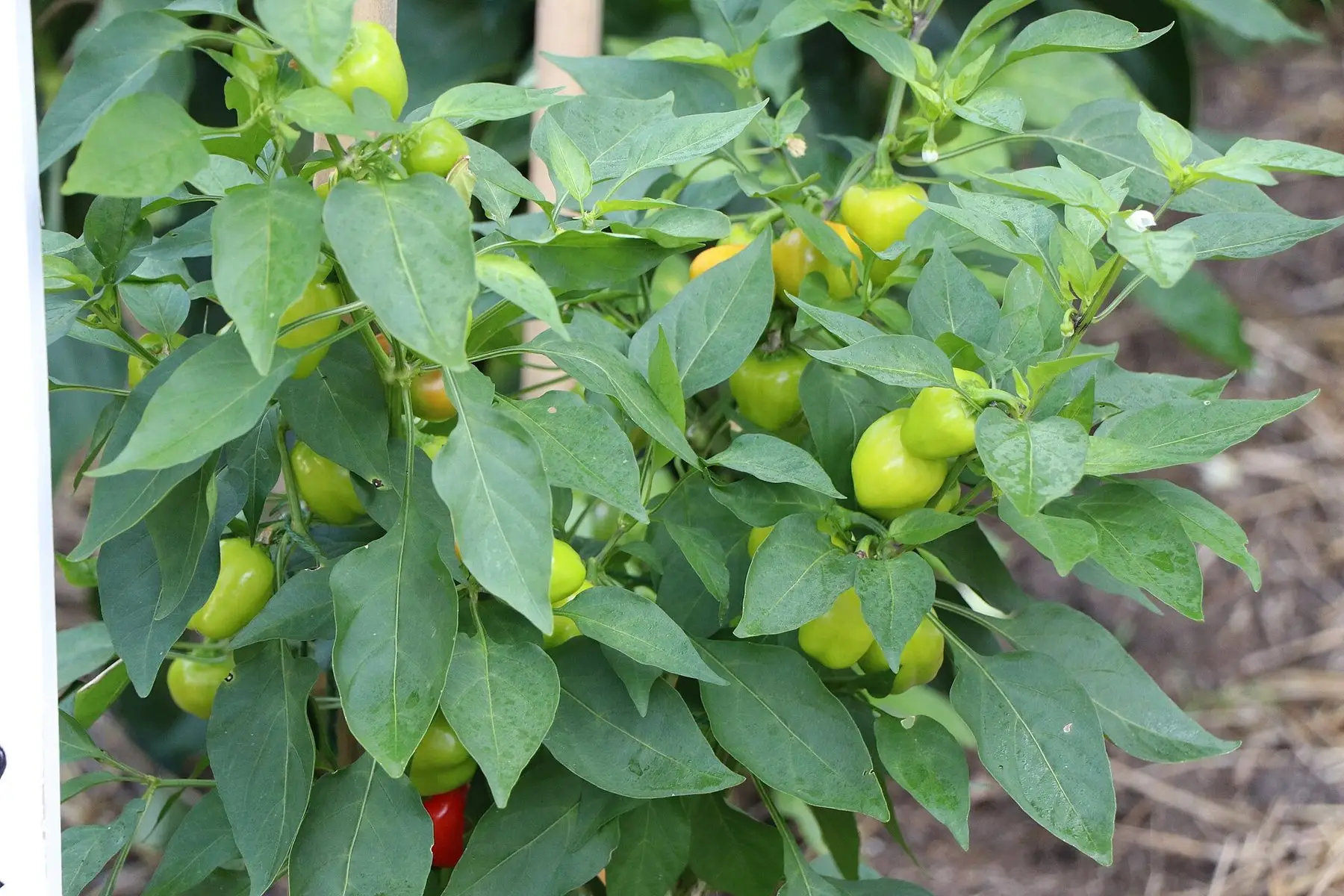
Peppers need more heat than tomatoes and stall in cool nights. When to sow, the temperature range that makes flowers drop, and why to feed them less than you think.
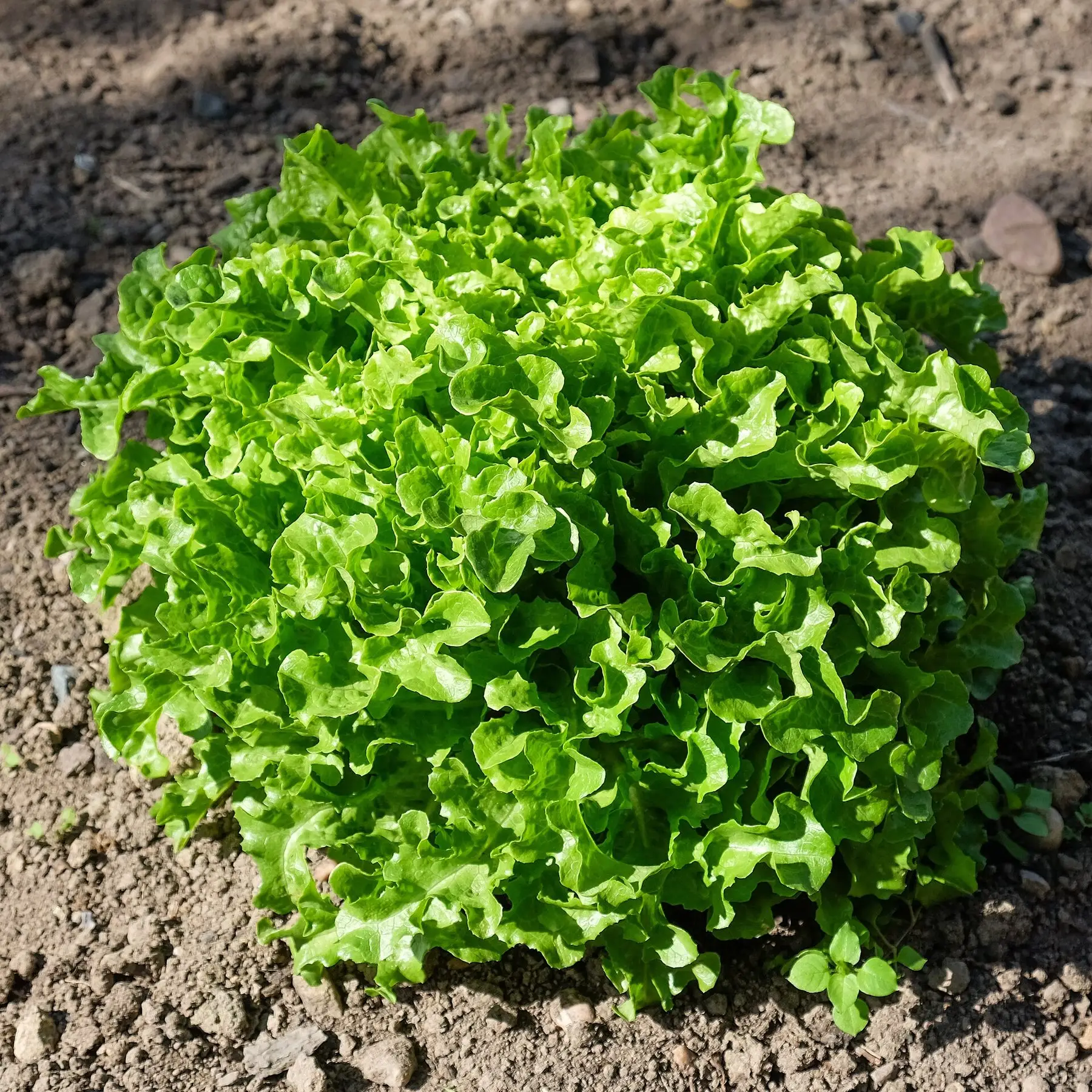
Cut-and-come-again gets three or four crops from one sowing, but only if you cut above the growing point. Where that is, and why lettuce turns bitter.
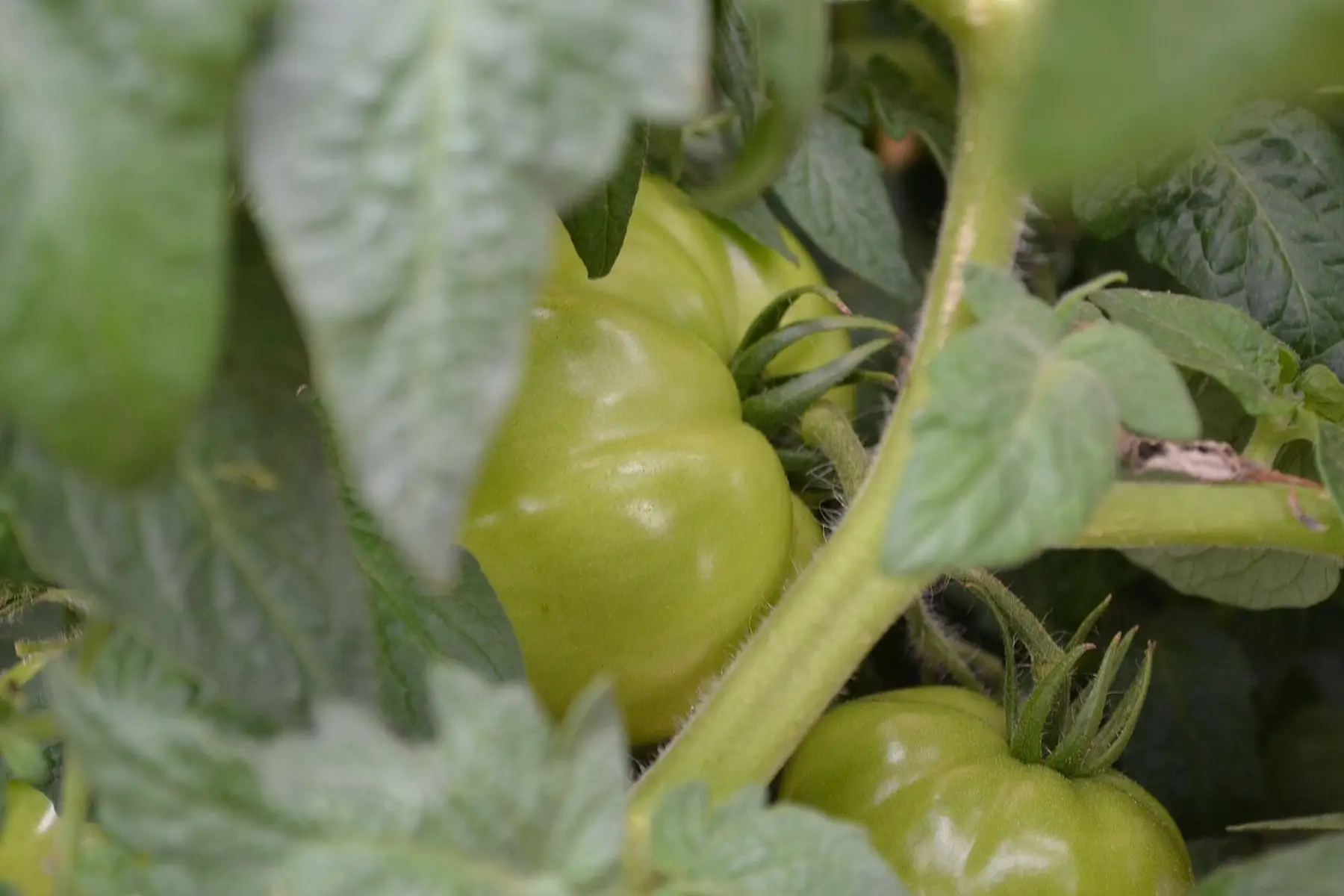
Tomatoes ripen on ethylene, not sunlight, so a windowsill is the wrong place. What actually works, which fruit will never ripen, and what to do with those.
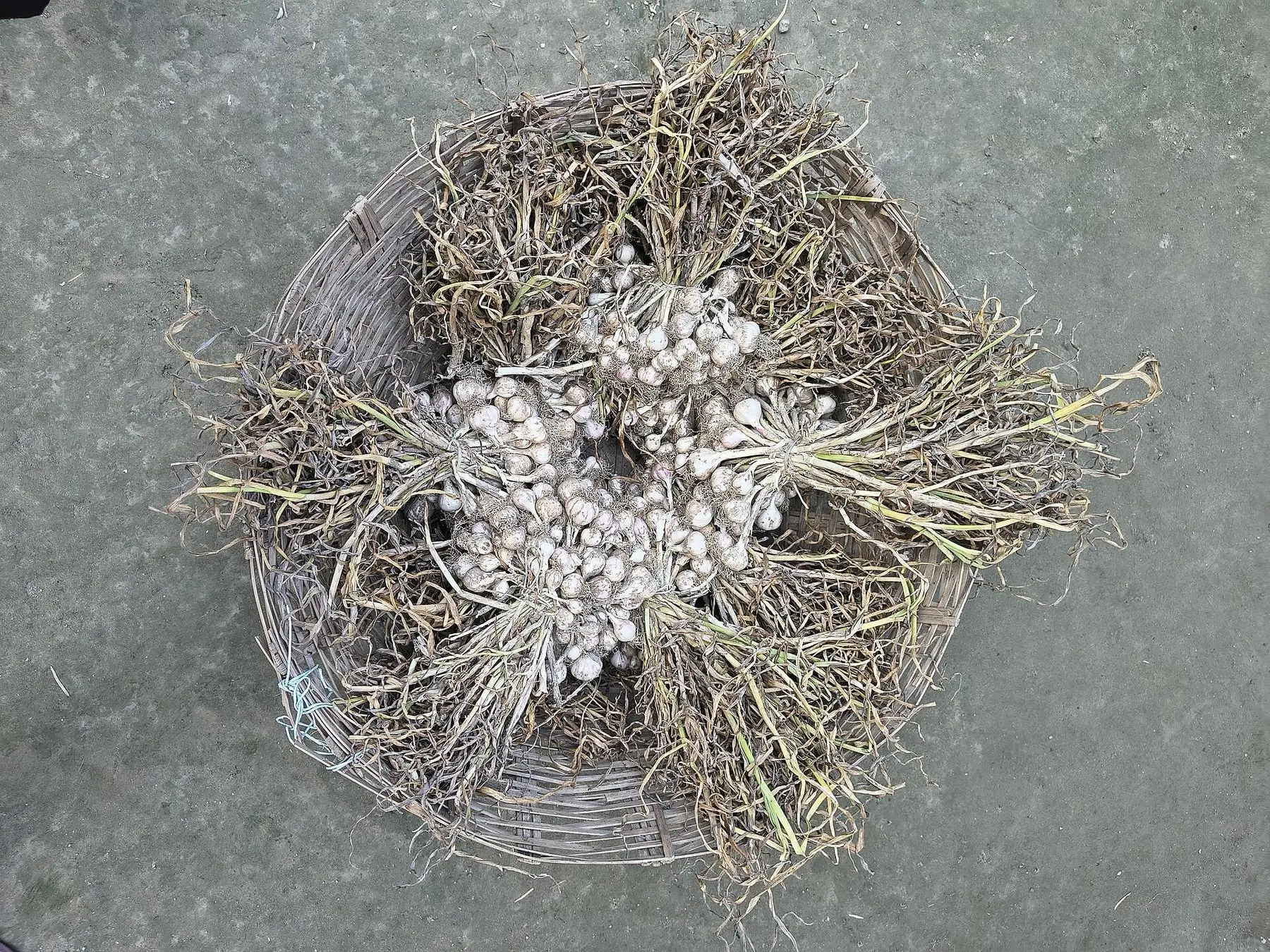
Garlic is ready when three or four lower leaves have browned and five or six are still green — usually July. How to read the plant and test before you dig.
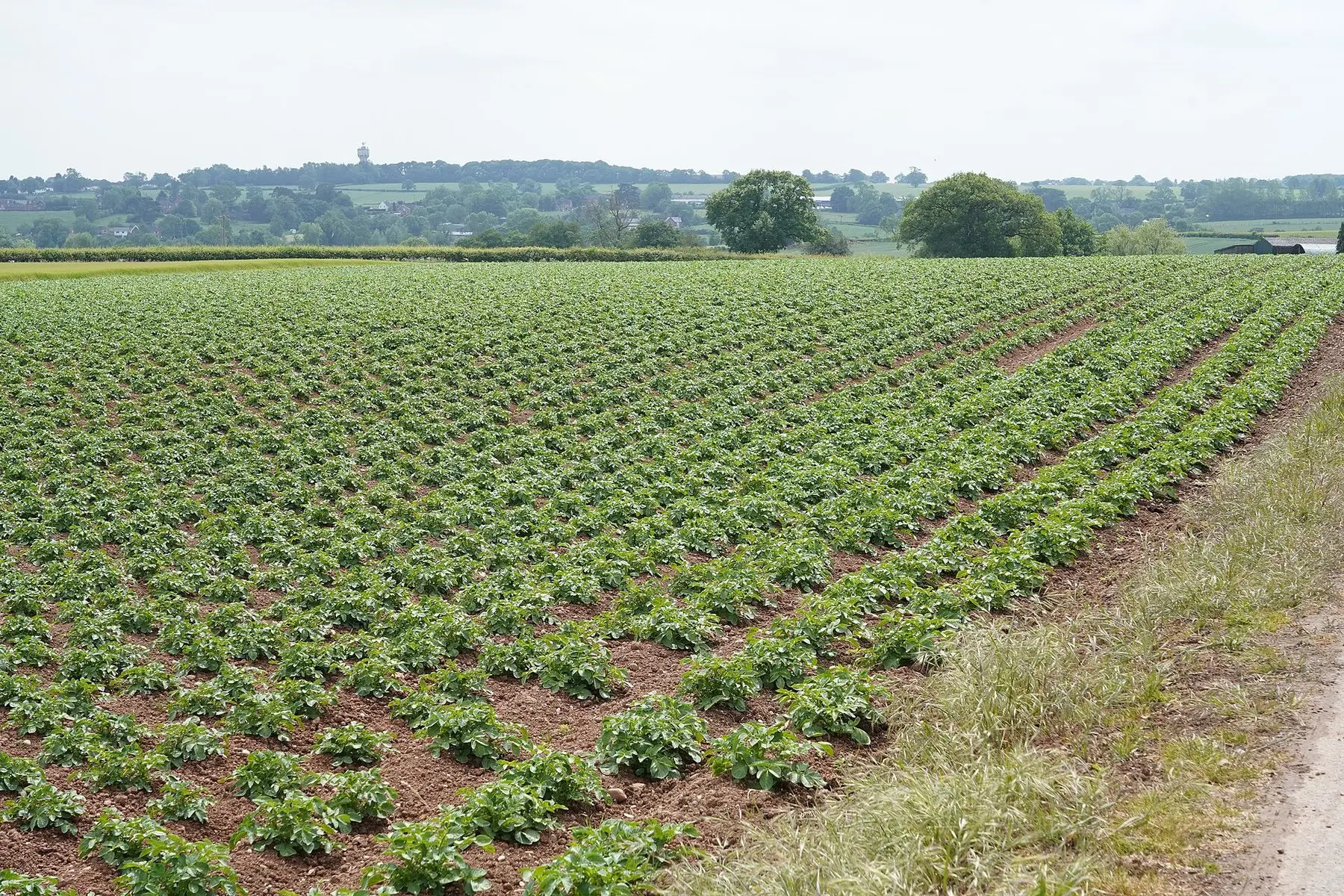
Potatoes are greedy, shallow-rooted and need earthing up, which rules out most neighbours. What genuinely fits alongside them, and the two crops to keep well away.
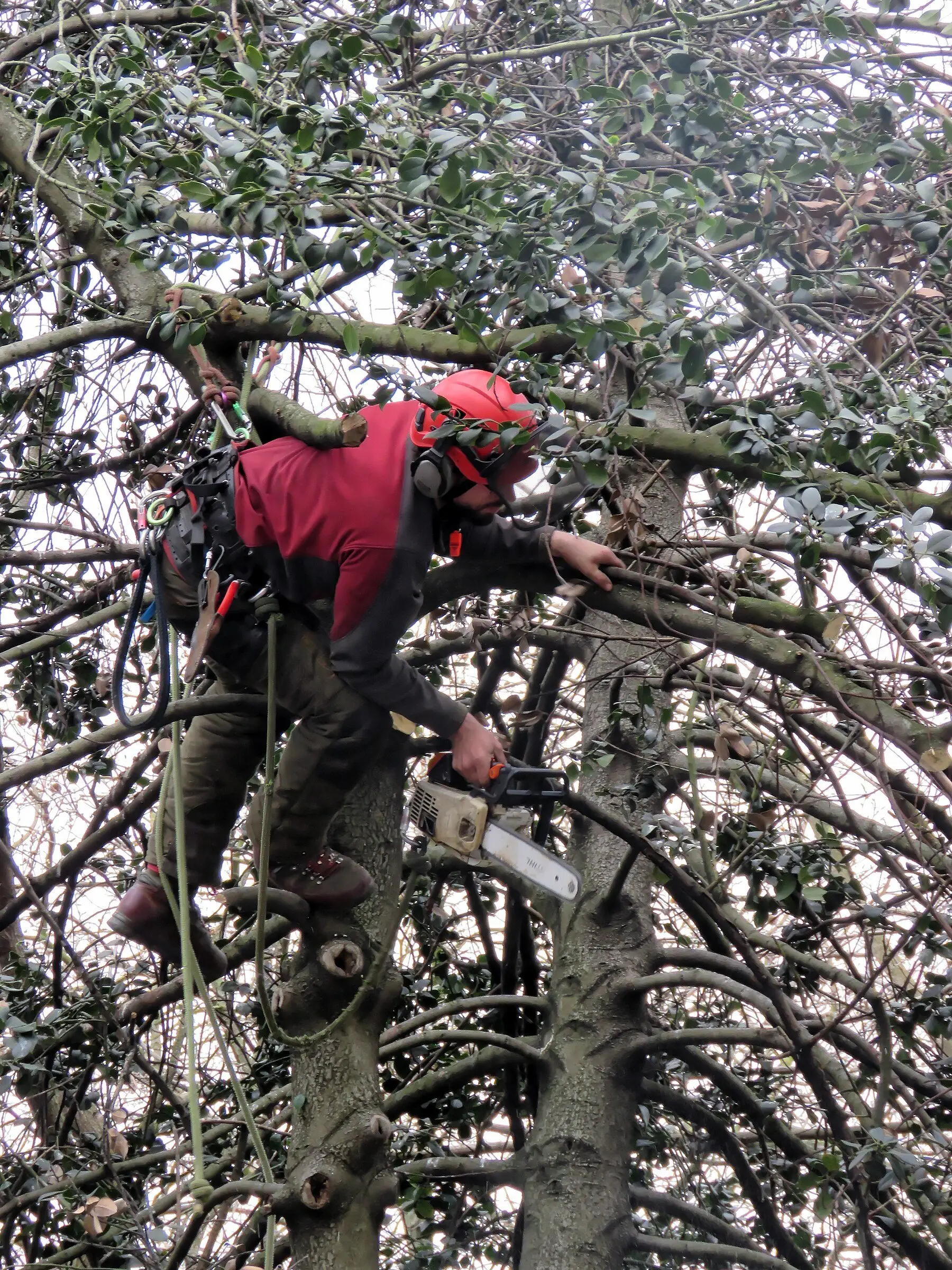
Felling is decided before the saw starts: lean, hazards, escape routes, and whether the tree is within your competence at all. Where the line is, honestly.
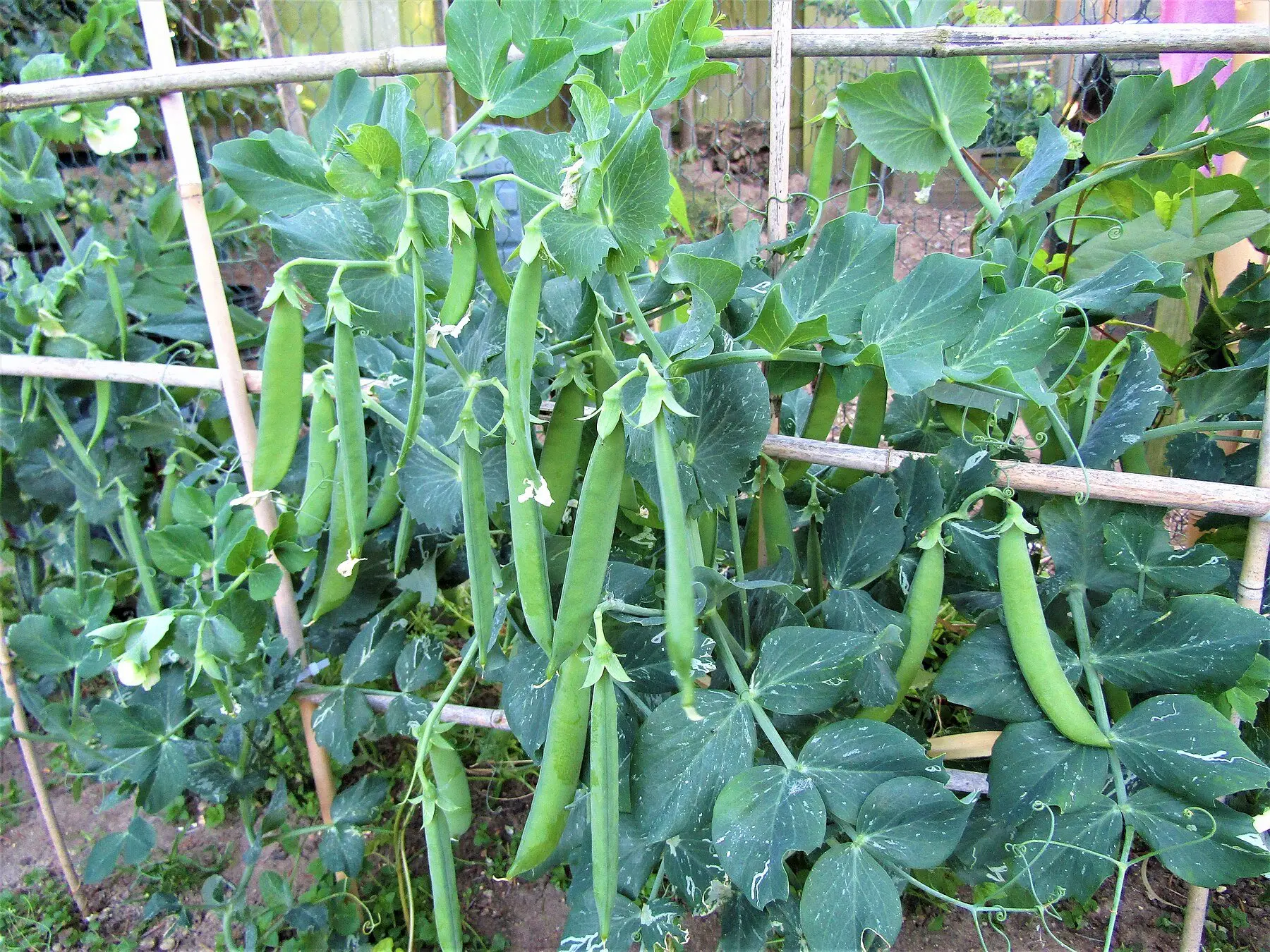
Peas are a cool-season crop that stops in heat, so sowing early beats sowing well. Support at three inches, and the sugar-to-starch clock after picking.
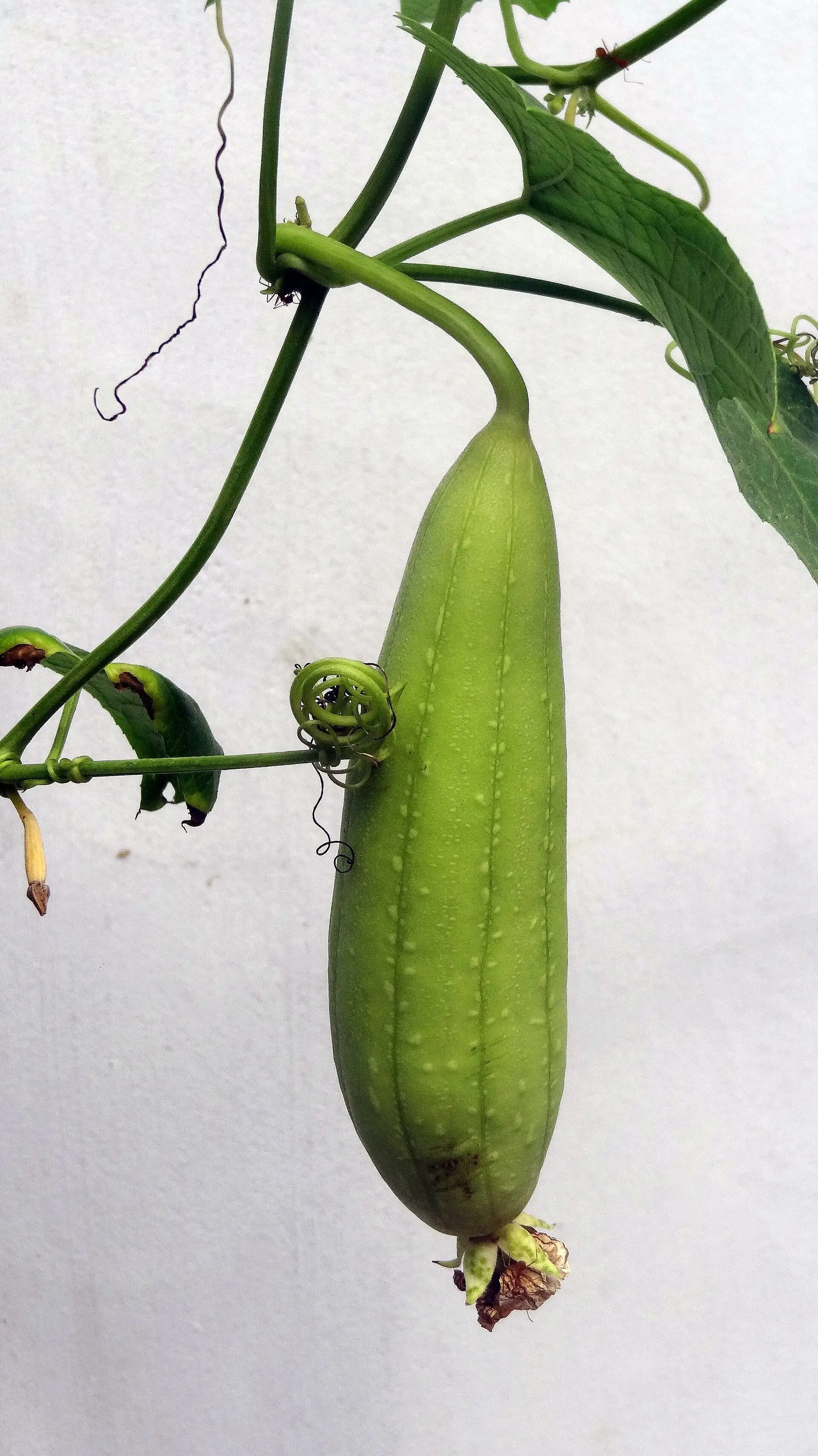
Cucumbers fail from cold soil at the start and inconsistent water later. Bush or vining, why the first flowers set nothing, and what actually makes them bitter.
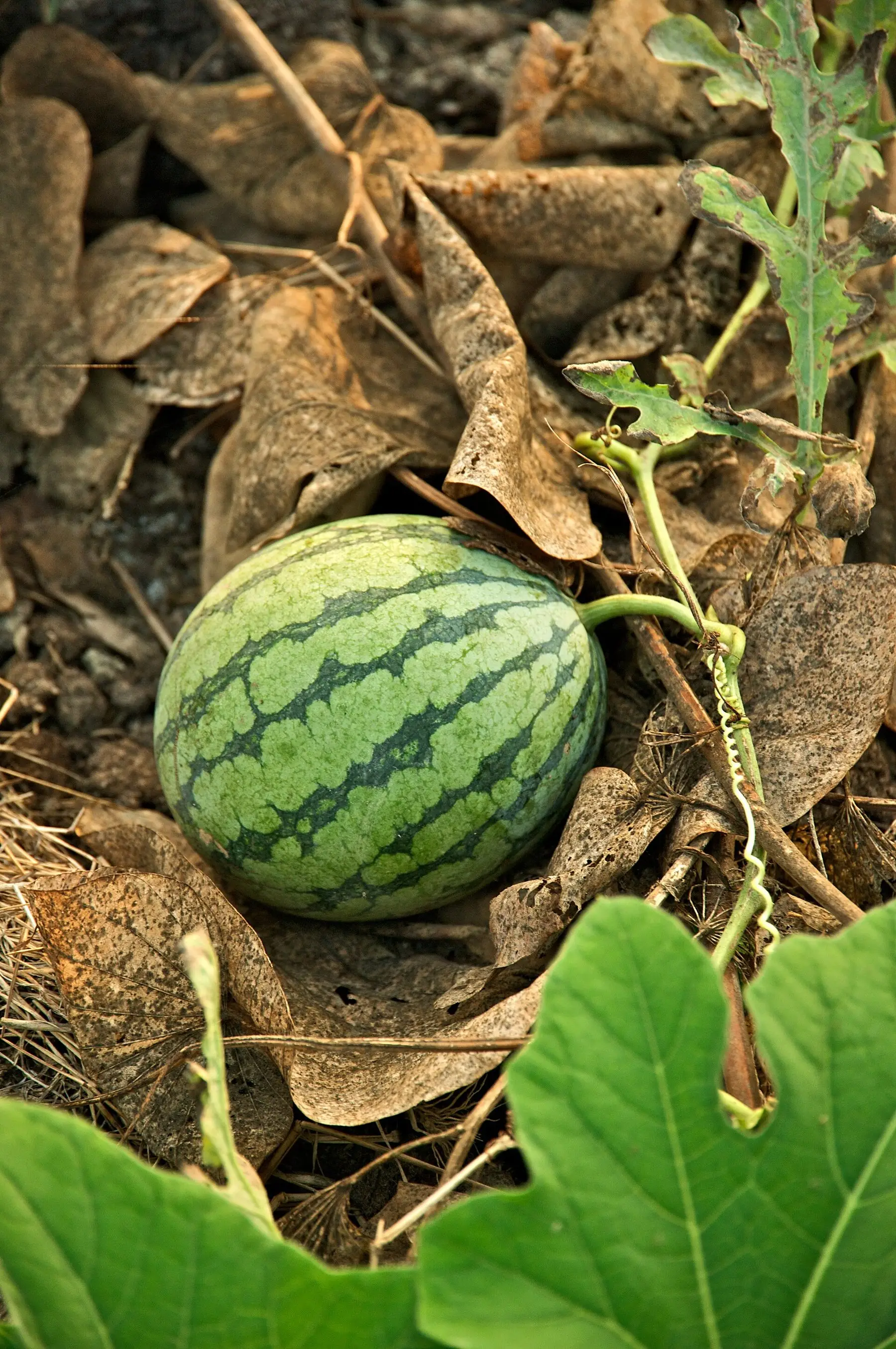
Watermelon needs 70 to 100 warm days and more room than people give it. The three ripeness signs that work, and why thumping mostly does not.
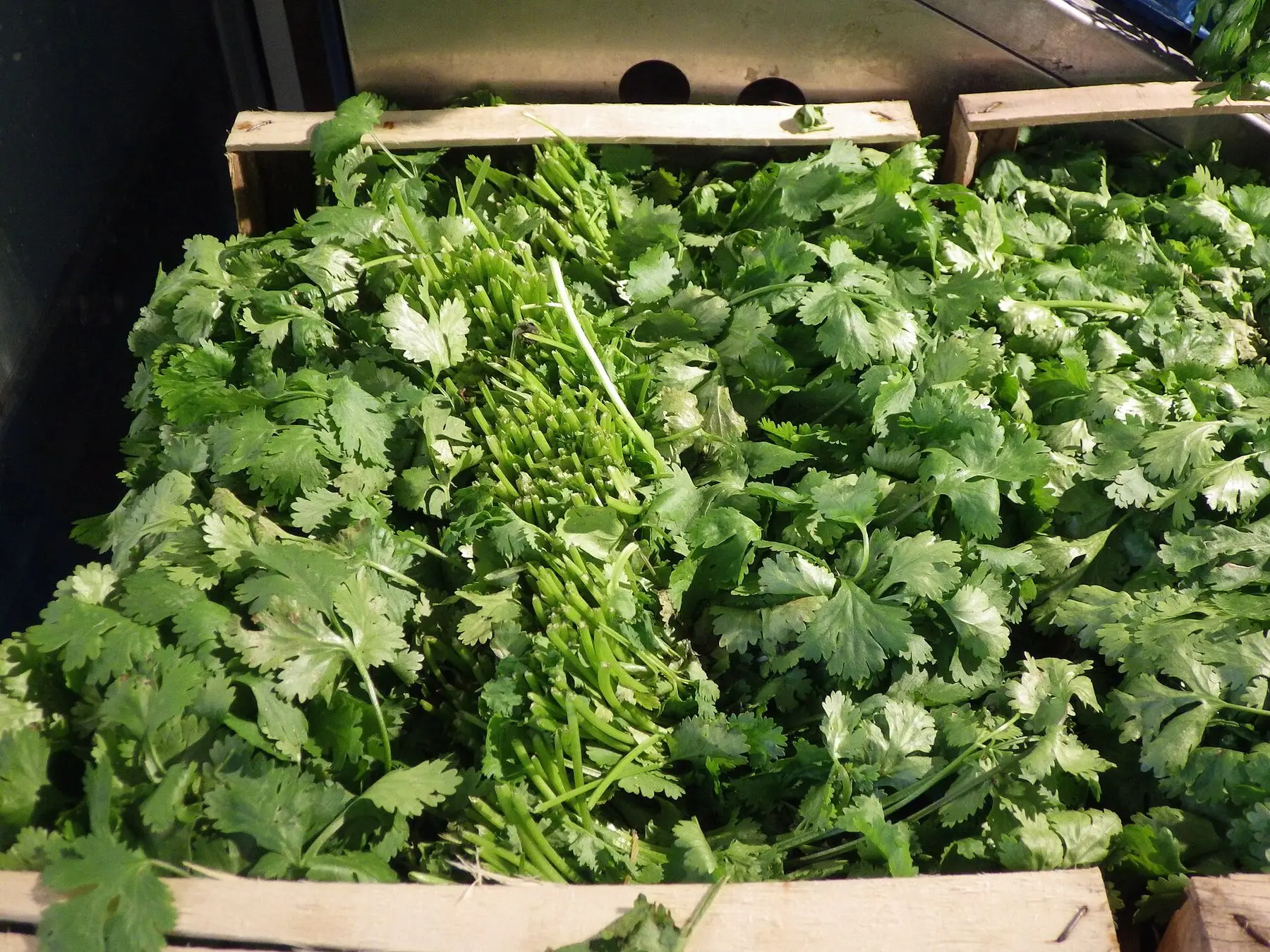
Cilantro wilts fast because it is mostly water with thin leaves. The jar method, what actually freezes well, and why drying it is largely a waste.
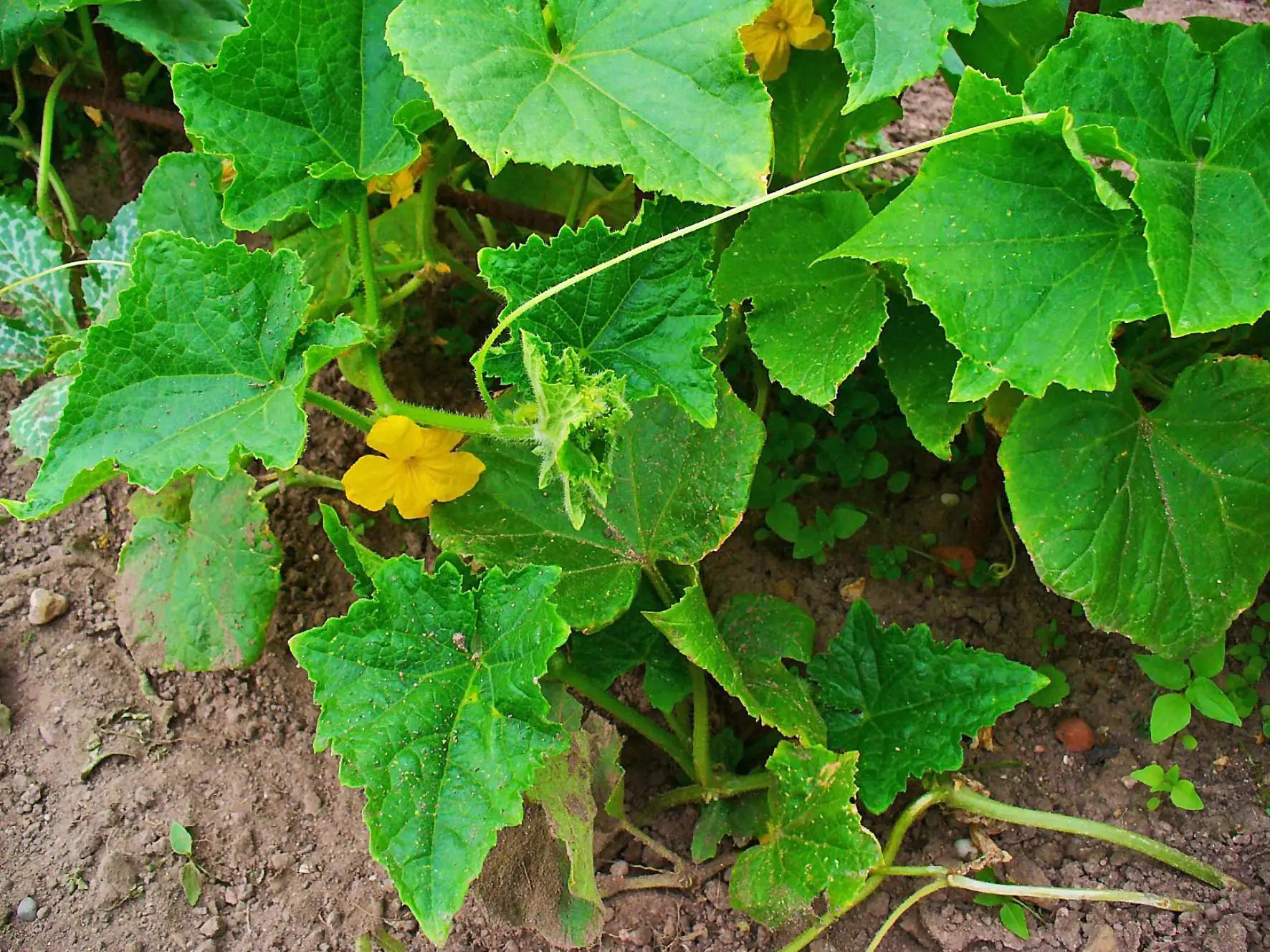
Cucumbers need pollinators and hate competition for water. What genuinely helps, what the evidence is thin on, and the two neighbours worth actually avoiding.
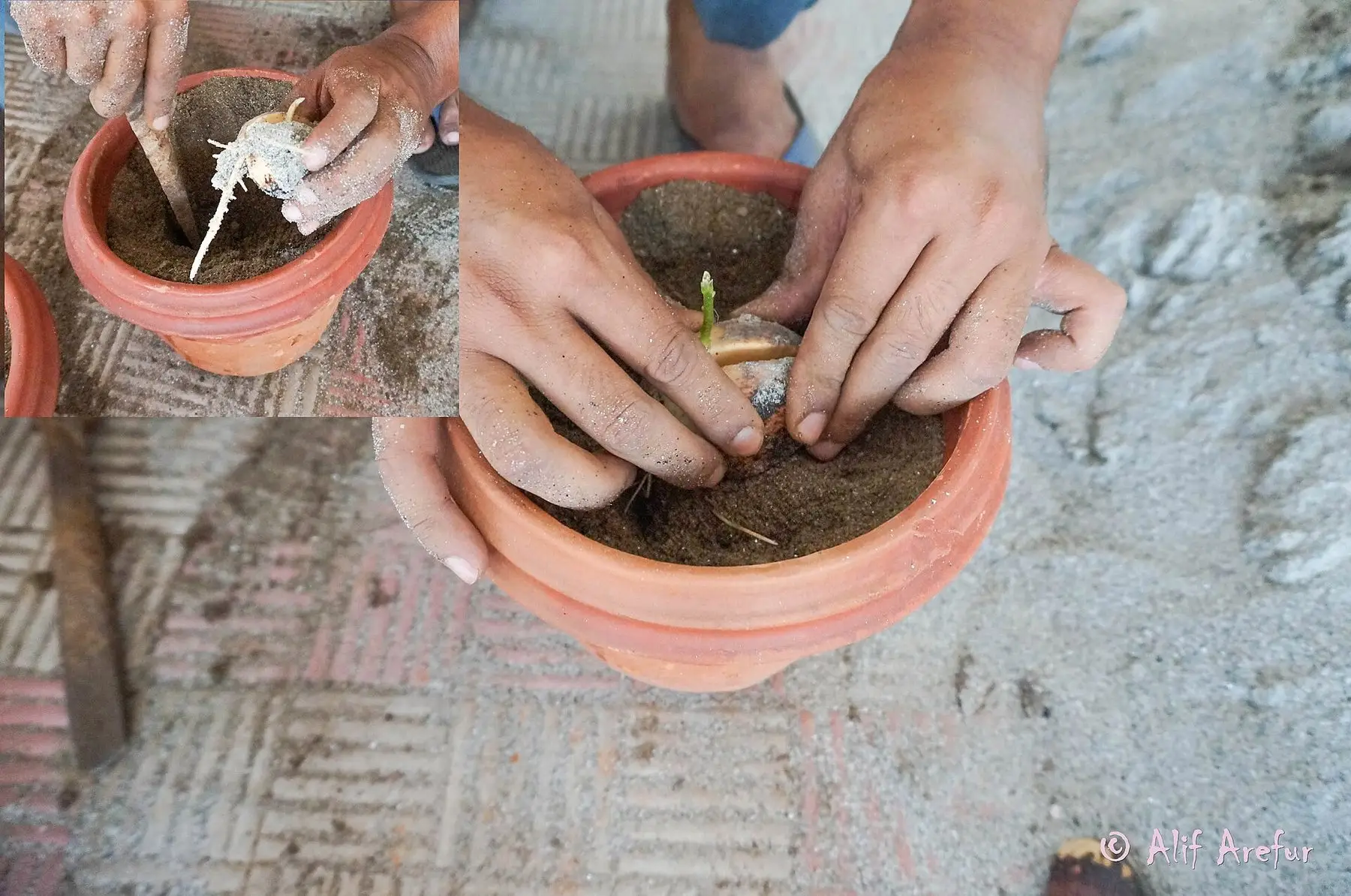
A pit sprouts easily and almost never fruits. What the toothpick trick produces, why grafted trees exist, and the A/B flowering quirk that decides pollination.
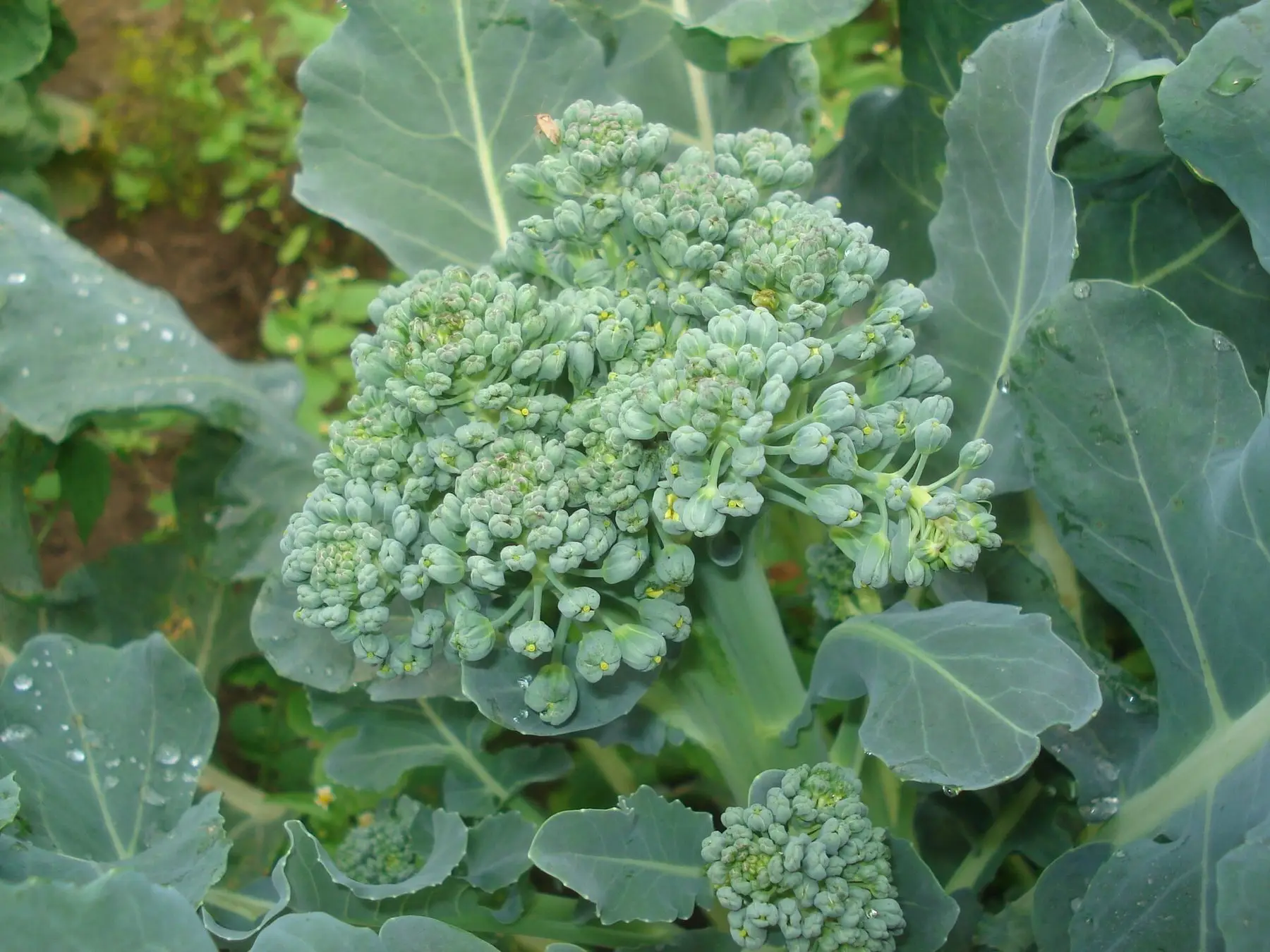
Broccoli bolts in heat and buttons when checked as a seedling. Timing the sowing, spacing for a decent head, and cutting so the side shoots keep coming.
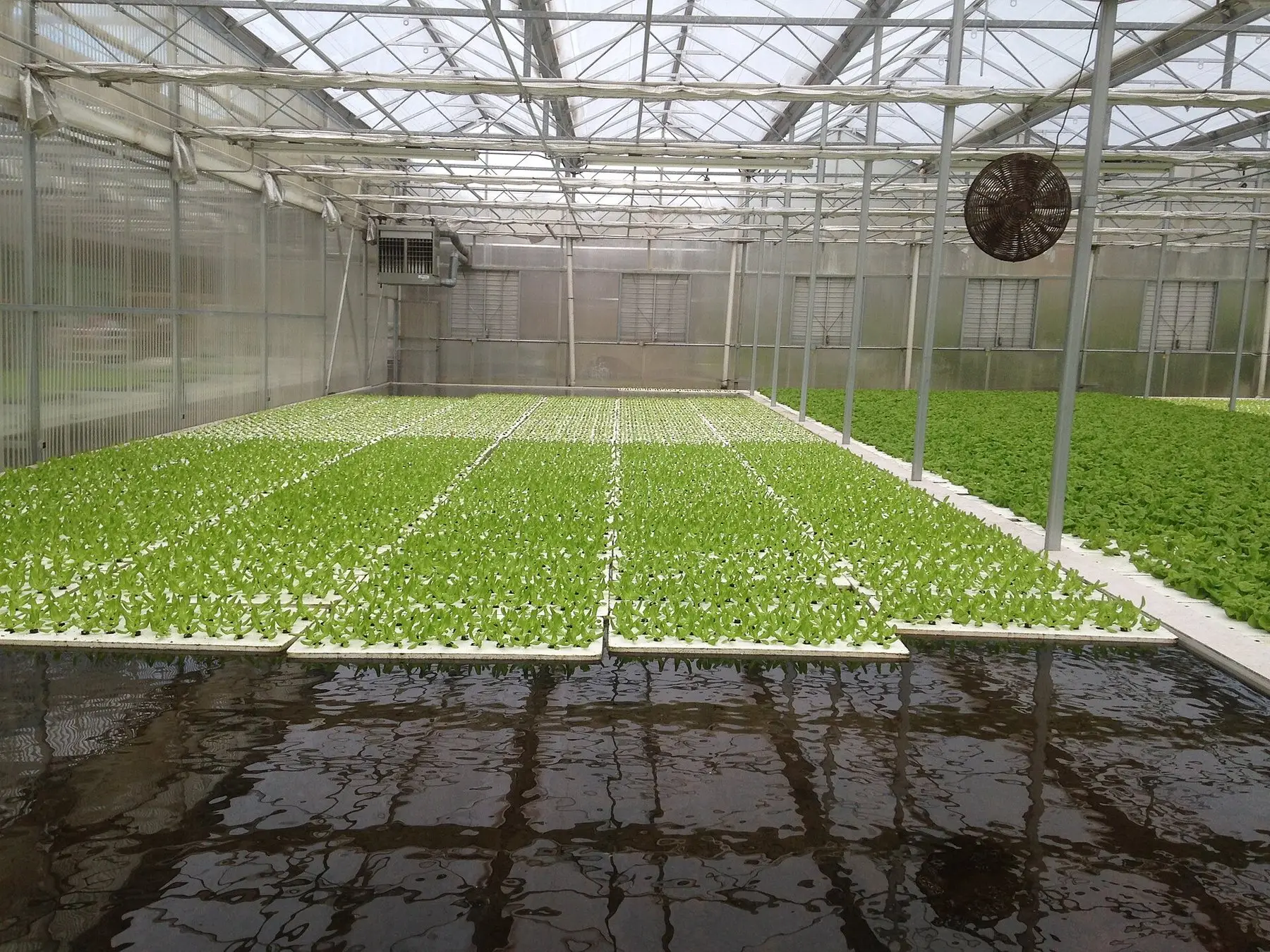
Roots sit in aerated nutrient solution and grow fast — until the pump stops. How DWC works, the numbers to hold, and why root rot is its one real failure mode.
Backyard Weekly
One email a week with seasonal jobs, fixes, and gear worth buying.
Not ready to subscribe? The planting calendar is free and needs no email.
By subscribing you agree to our privacy policy. Grow In Backyard will never sell your address.
Cookies
We use analytics cookies to see which guides get read, so we know what to write next. Decline and nothing is set. Privacy policy.