
How Often Should I Water My Cactus? Every 2 to 4 Weeks
Most cacti need water every two to four weeks in summer and almost none in winter. The schedule is wrong; what matters is how dry the compost is.
 By
On this page
Every two to four weeks in summer, and close to never in winter. But that number is the least important part of the answer, because the same plant in a different pot in a different room needs a completely different interval.
Why a schedule does not work
A fortnightly reminder on your phone will eventually kill a cactus, because the drying time varies enormously:
| Faster drying | Slower drying |
|---|---|
| Terracotta pot | Plastic or glazed pot |
| Small pot | Large pot |
| Gritty cactus mix | Peat-based compost |
| Hot bright windowsill | Cool dim room |
| Summer, long days | Winter dormancy |
A small terracotta pot on a south windowsill in July can be bone dry in five days. The same plant in a ten-inch plastic pot in a north-facing room in January may hold moisture for two months.
So test instead of schedule. Push a wooden skewer right to the bottom of the pot, or lift the pot — a dry pot is startlingly light. Any dampness at depth means wait.
The two signals the plant gives
Thirsty: the surface goes slightly dull instead of glossy, and the ribs or segments pucker and draw inward as stored water is spent. A thirsty cactus looks a little deflated.
Overwatered: the tissue goes soft, usually starting at the base, often yellowing or browning, and the plant may topple because the stem has rotted through at soil level.
Soft is not thirsty — this is the fatal confusion
A softening cactus looks like it needs water, and watering it is the last thing it needs. Soft tissue means rot, and rot means the roots are already failing.
If you find it soft: stop watering entirely, tip it out and look at the roots. Black, mushy roots get cut back to clean white tissue with a sterile blade; the plant then sits dry in the air for a few days before being repotted into fresh dry gritty mix. If the rot has reached well up the stem, take a cutting from the firm top and start again — that often works when saving the plant does not.
Soak and dry, not sip and sip
When you do water, water properly. Fill the pot until water runs freely from the drainage holes, let it drain fully, and tip out any saucer.
Little frequent drinks are worse than useless. They keep the top inch damp — where rot starts — while the roots lower down stay dry, which also encourages the plant to root shallowly instead of deeply.
The soak-then-dry cycle is a fair imitation of desert rainfall: infrequent, heavy, followed by a long drought. It is what the plant’s physiology is built around.
Winter is a different plant
Most desert cacti go dormant in cool, short-day conditions. They stop taking up water altogether, so wet compost just sits there against dormant roots.
- Cool room, under about 10 °C: no water at all from late autumn to spring
- Warm heated room where it keeps growing: a light watering every six to eight weeks
That dry winter rest is also what makes many species flower. A cactus kept warm and watered all year round often stays healthy and never blooms.
Two exceptions worth knowing
Christmas and Easter cactus are not desert plants. They are epiphytes from humid Brazilian forest canopies, they want watering roughly weekly in growth, they do appreciate humidity, and they should not be bone dry for months.
Young seedlings and recent cuttings have small root systems and dry out faster than mature plants. They need checking more often — though a fresh cutting still gets no water at all for its first week or two, until the cut has calloused and rooted.
Common questions
How often should I water my cactus?
How do you tell if a cactus needs water?
What are the signs of an overwatered cactus?
Should you water a cactus in winter?
Should you mist a cactus?
How much water should you give a cactus at once?
Backyard Weekly
Know what to plant, week by week
Join the weekly email for seasonal jobs, fixes for what is going wrong, and gear worth buying.
Not ready to subscribe? The planting calendar is free and needs no email.
By subscribing you agree to our privacy policy. Grow In Backyard will never sell your address.
Keep reading
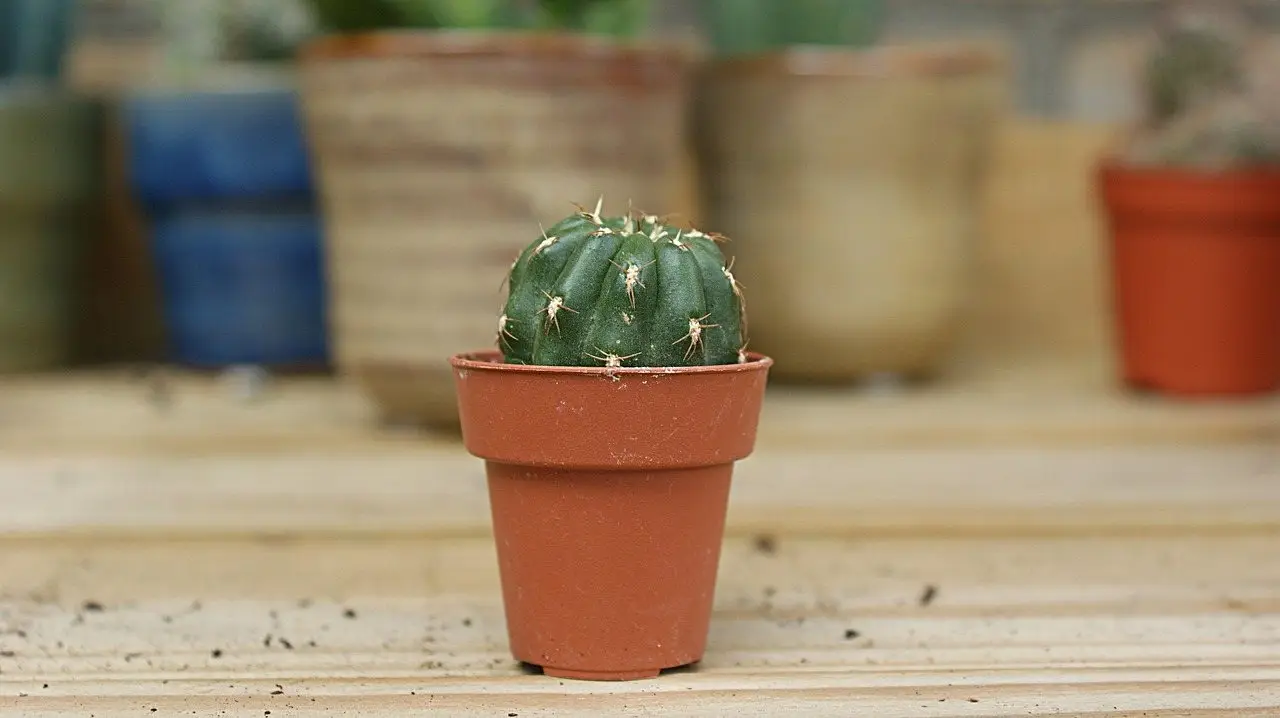
How to Plant Cactus Cuttings: Callus First, Water Last
A fresh cut planted straight into damp compost rots. Let the wound callus for days or weeks, pot dry, and wait before the first watering.
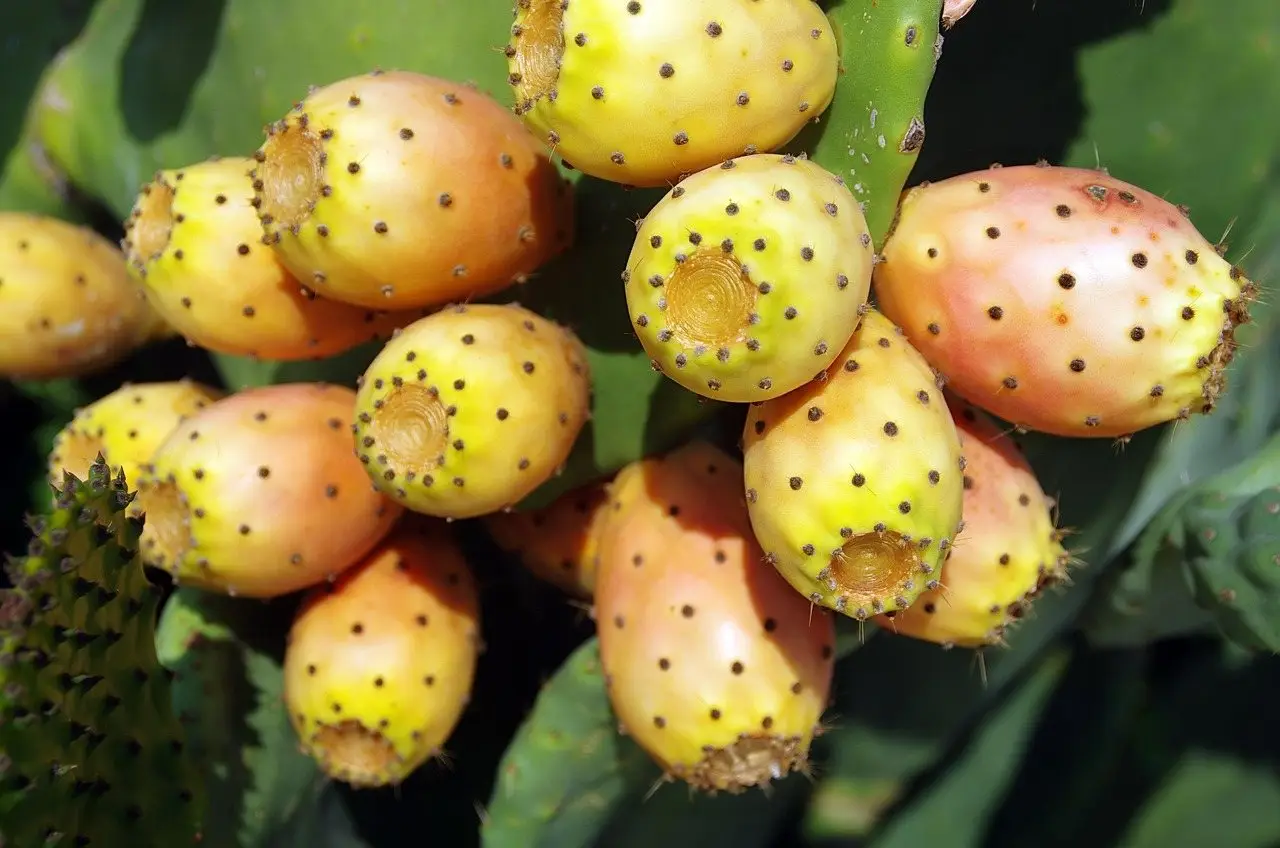
Prickly Pear Cactus Propagation: Pads, Callus, Patience
A pad twisted off at the joint and left to callus for two weeks roots easily. Rushing the callus, or burying the pad deep, is what kills them.
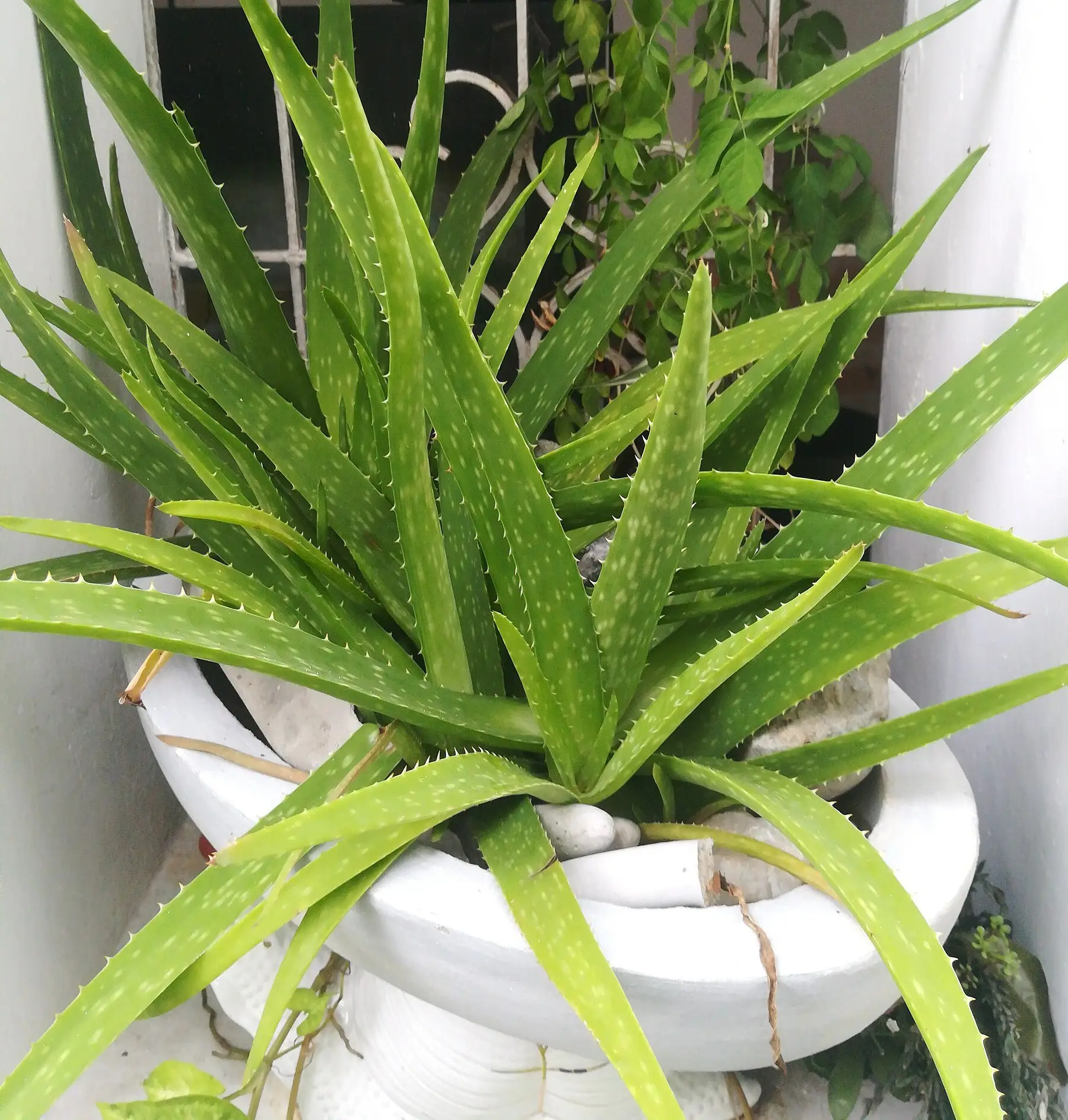
How to Grow Aloe Vera: Underwater It and Give It Sun
Aloe is killed by watering, not neglect. How to tell thirst from rot, why the leaves go flat or brown, and what to do with the pups it keeps producing.
How to Grow Cacti: Light, Grit and a Dry Winter Rest
Most cacti die from winter watering, not neglect. Gritty mix, the brightest window, a soak in summer and almost nothing from October to March.