
Growing Guides ·
Peperomia Varieties — 12 Worth Growing, in 3 Care Groups
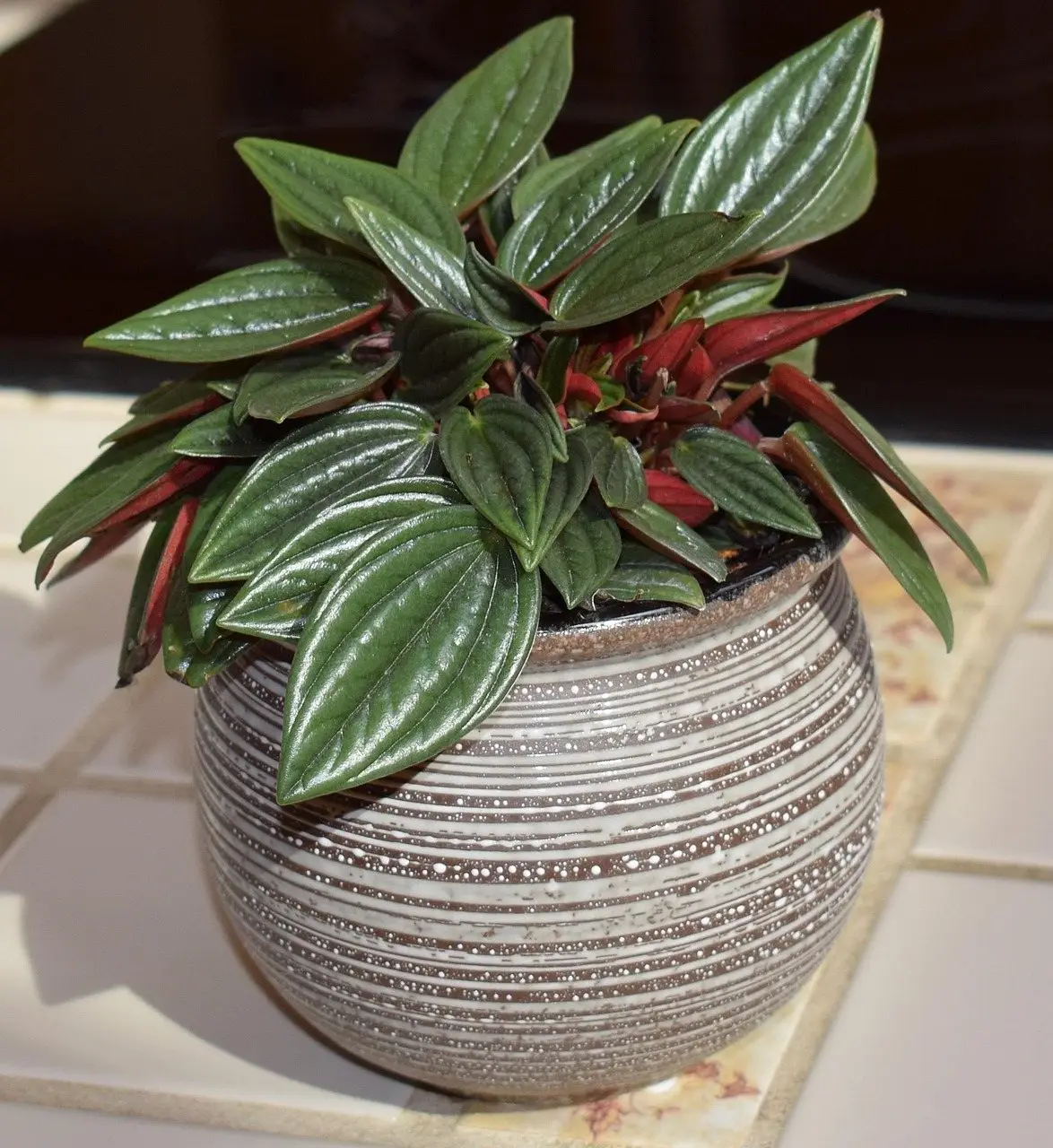
Peperomia varieties number over 1,500 species, but 12 cover the houseplant trade. Which group yours is in decides the watering, and that is the whole job.
44 guides in Growing Guides.
Start here
Cucumbers grow well in containers if the pot is big enough and they climb. Pot size, variety choice, and the watering rhythm that prevents bitter fruit.
Peperomia varieties number over 1,500 species, but 12 cover the houseplant trade. Which group yours is in decides the watering, and that is the whole job.
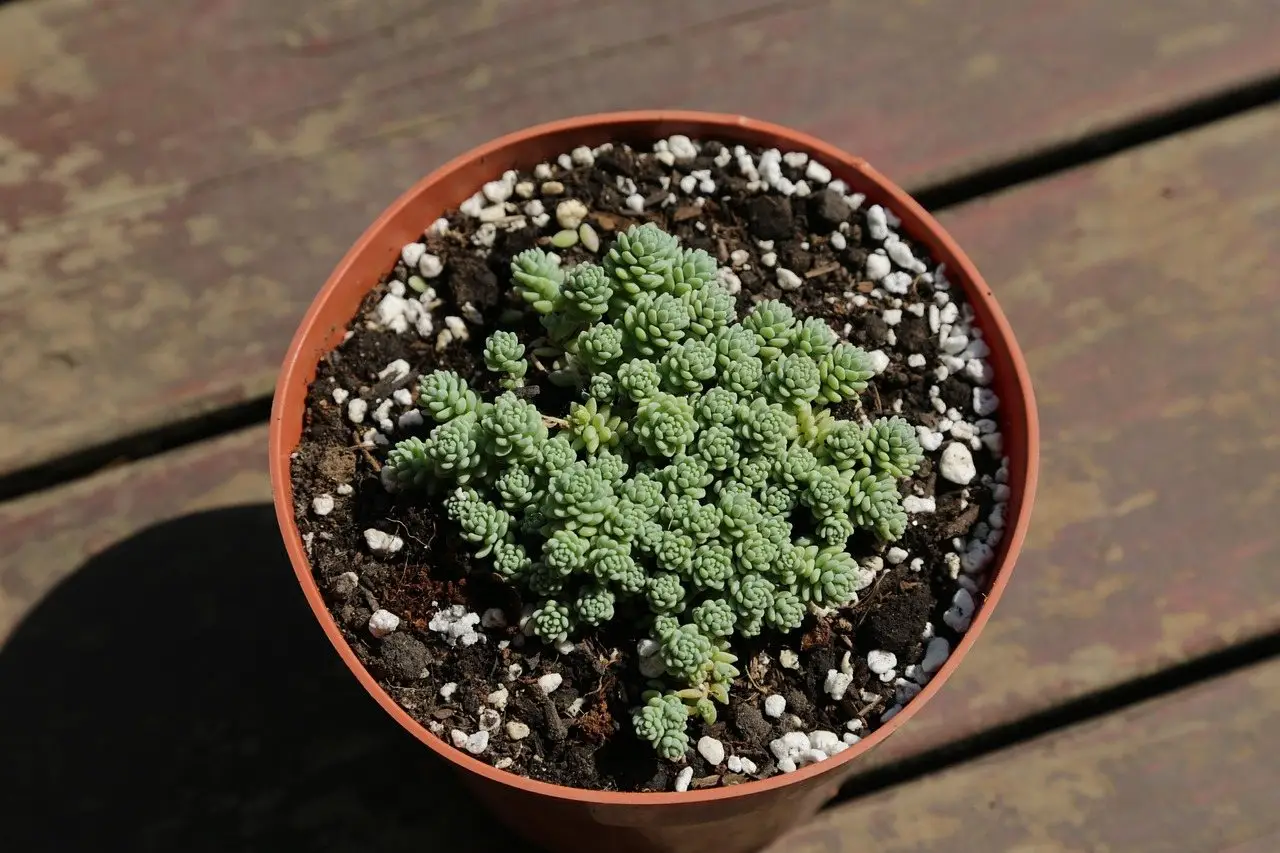
Stonecrop varieties split into upright and creeping sedums, and the 2 groups want different ground. 10 compared on height, hardiness and foot traffic.
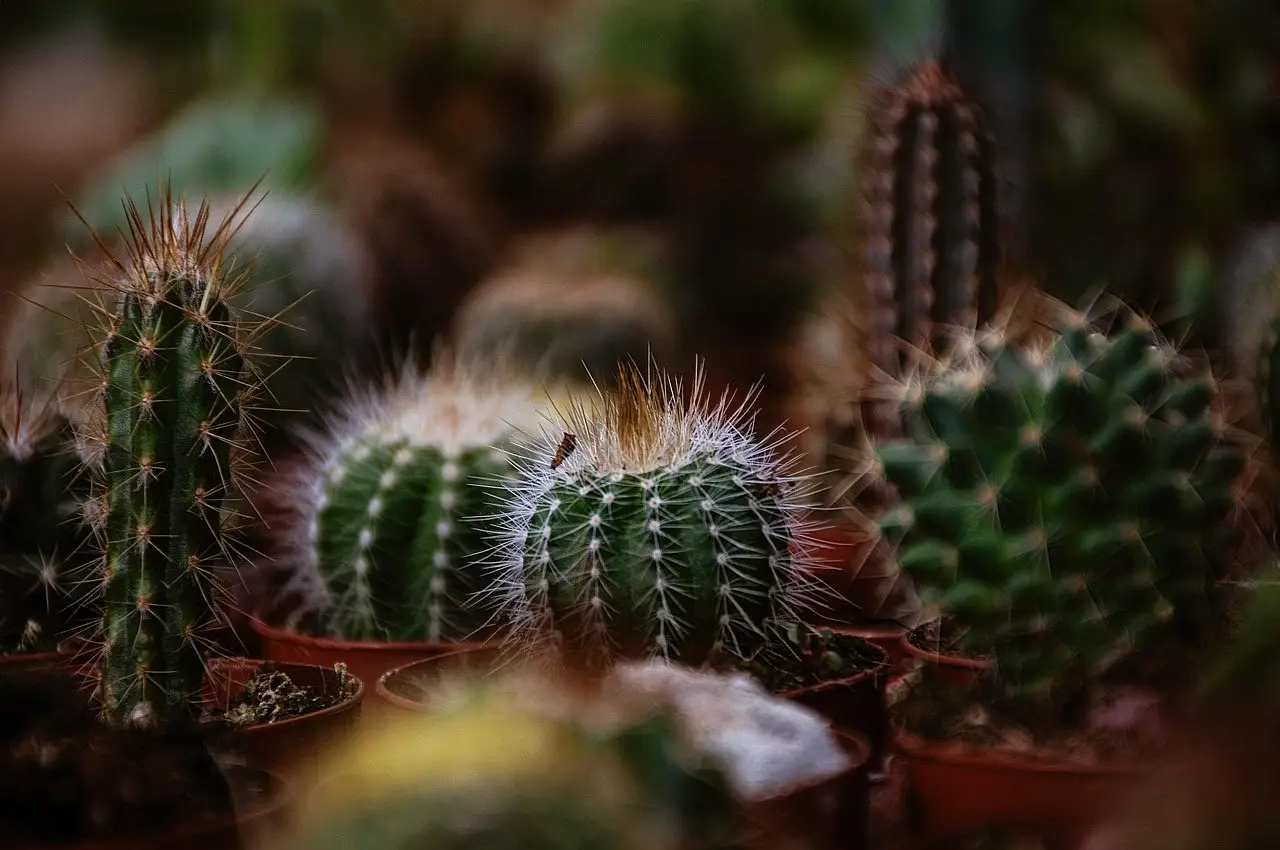
Types of cactus and how to care for them split into 7 groups, and 2 of them want the opposite of desert treatment. Which yours is, and what it changes.
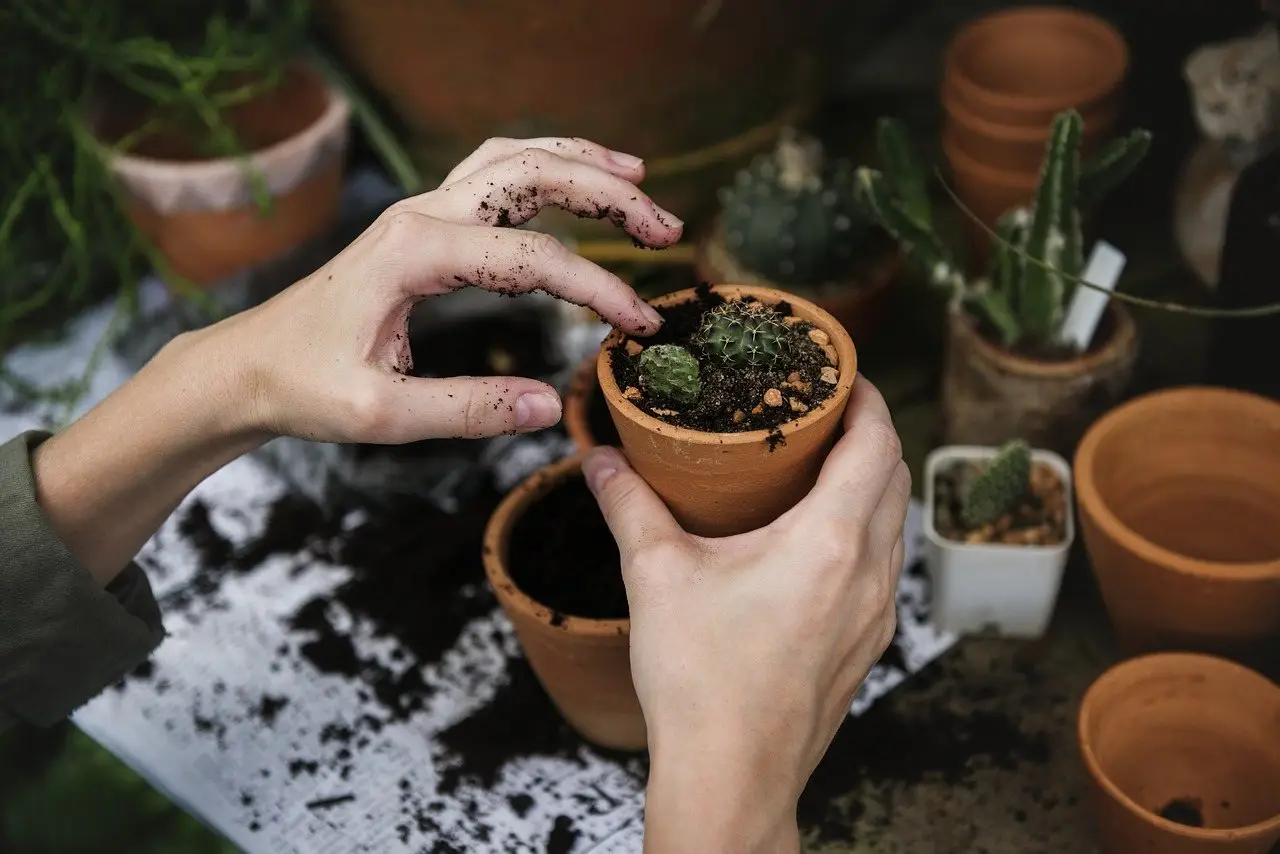
Types of worms in potted plants are mostly harmless decomposers, but 2 of the 6 eat living roots. How to tell them apart before you repot anything.
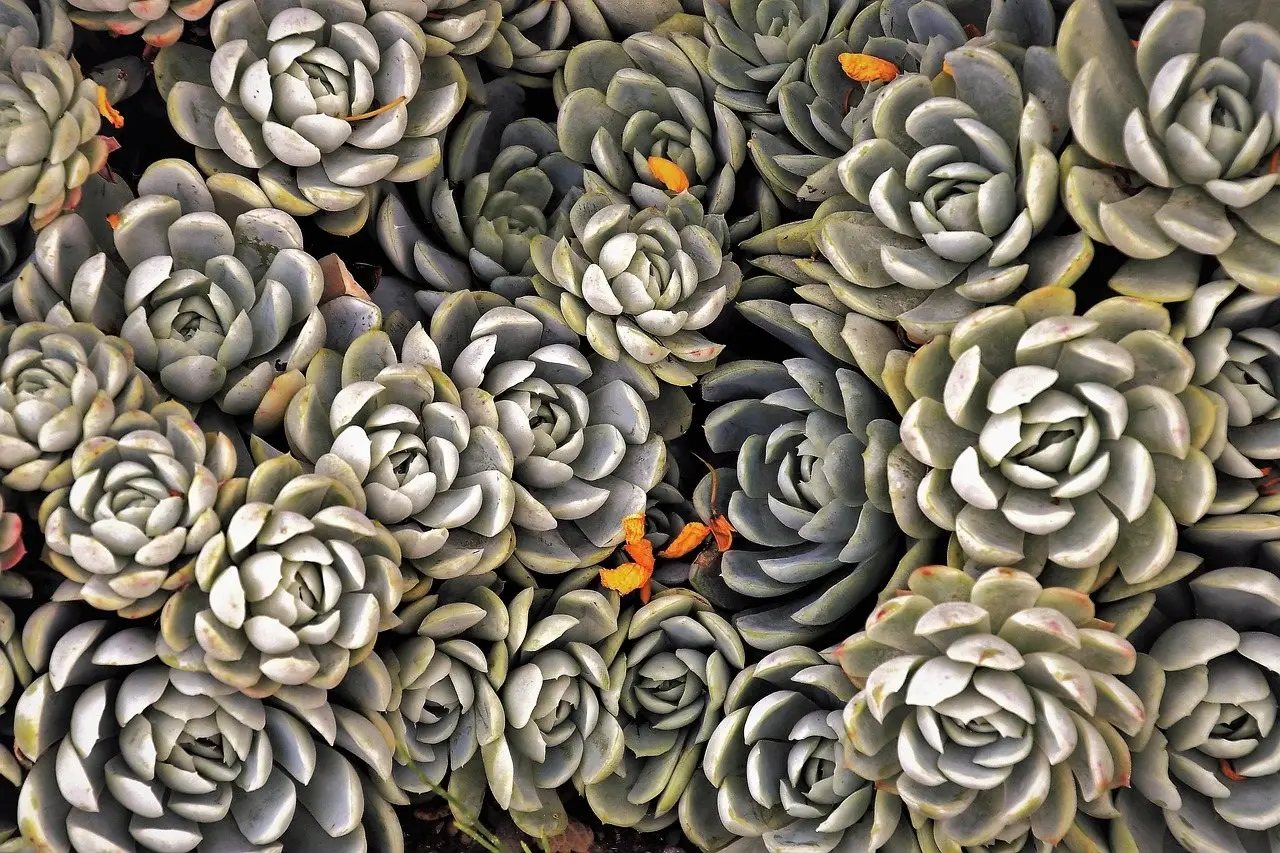
Succulent lifespan runs from one year to several hundred, and it is set by species, not by care. What yours is, and what actually shortens it.
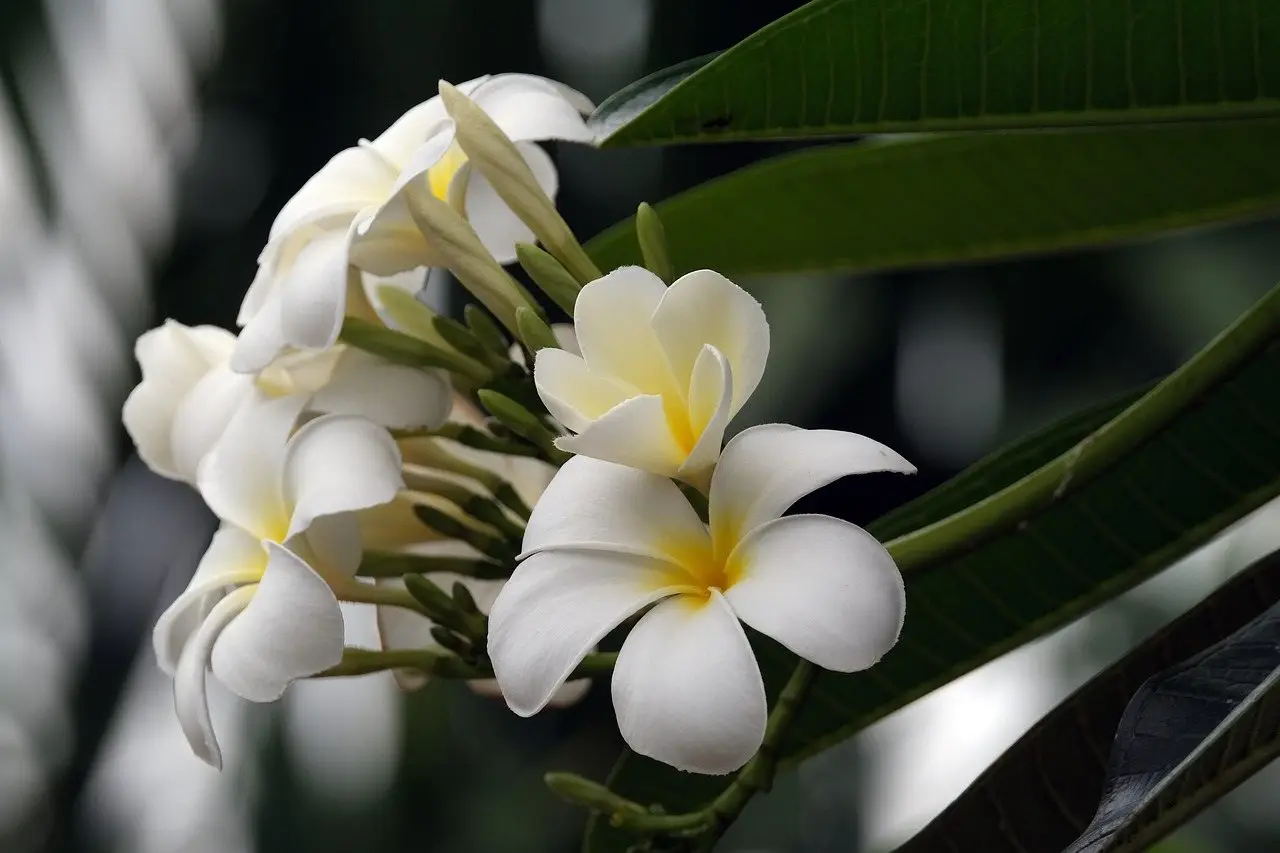
Plumeria wants full sun and soil that drains fast. The thing that kills it is a wet dormant winter, not cold alone — and it flowers on mature tips.
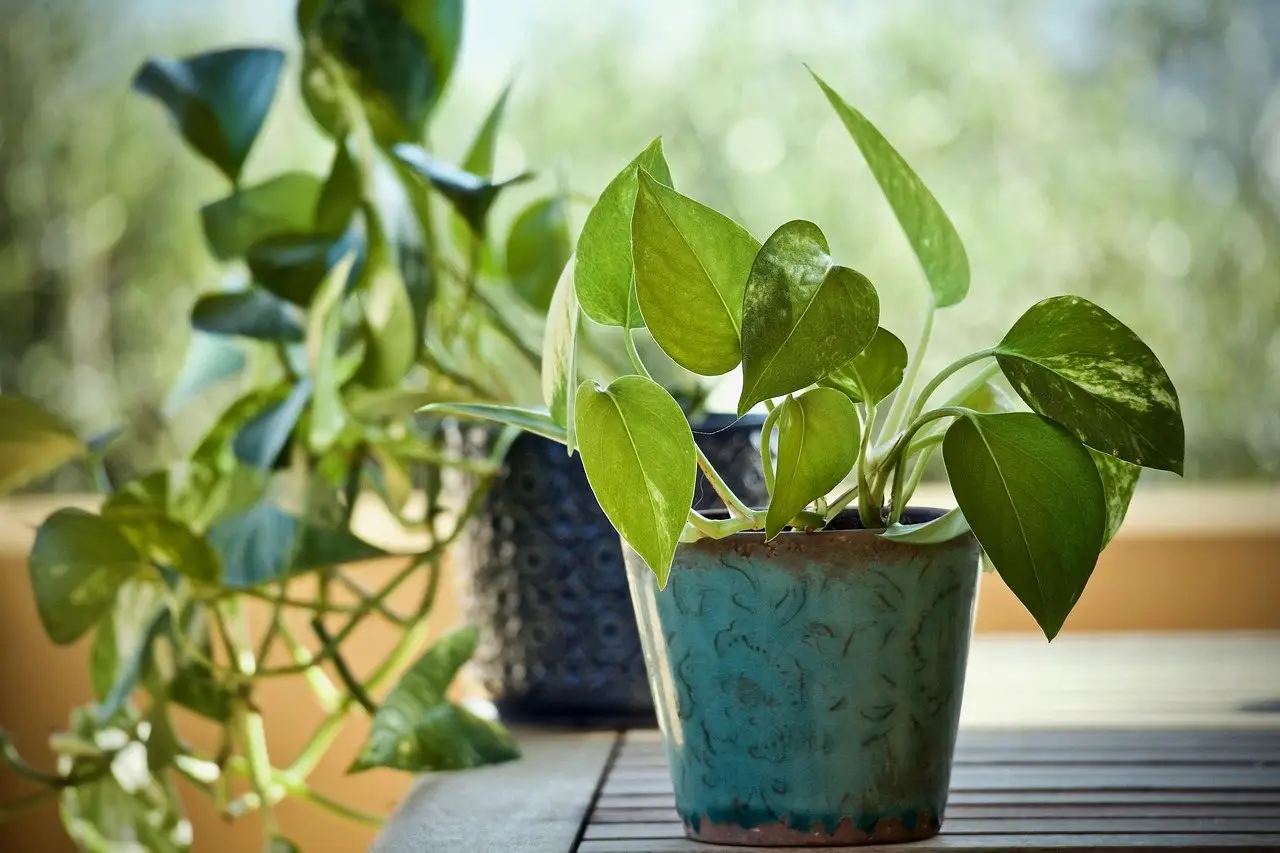
A pothos goes leggy because it is reaching for light. Cut it back, propagate the cuttings into the same pot, and move it brighter — in that order.
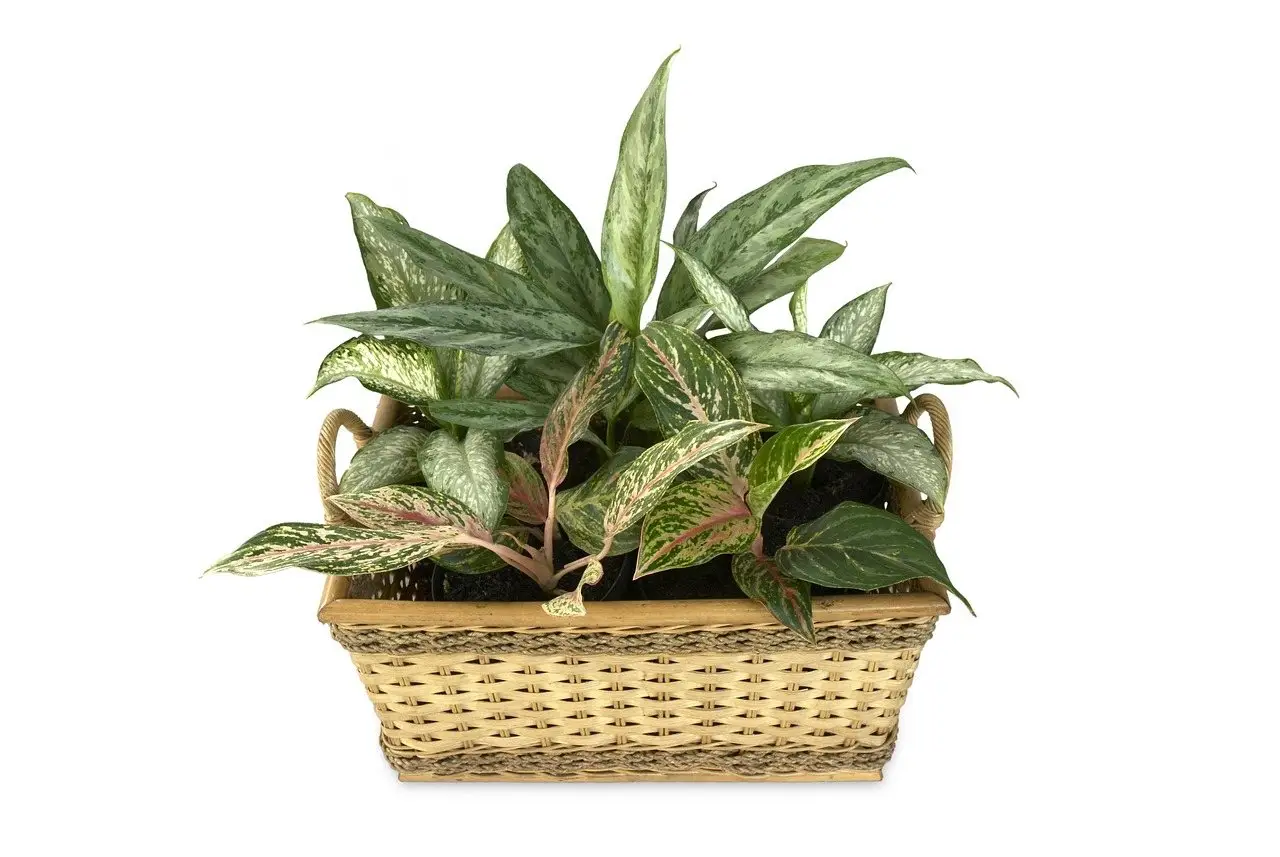
Dieffenbachia roots from cane sections laid on compost, not just from tips. Wear gloves — the sap causes the swelling that gives it its common name.
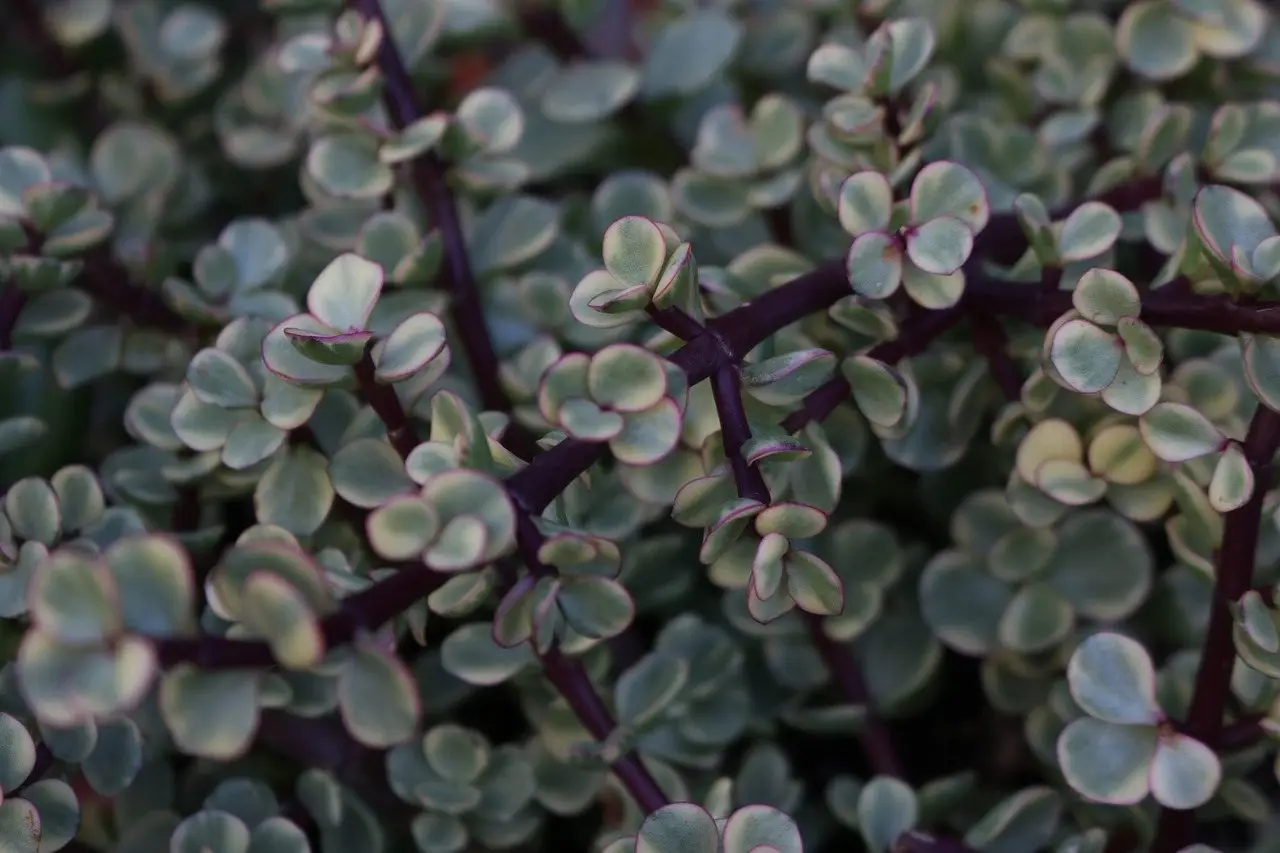
Portulacaria afra roots from almost any piece of stem. Callus the cut for a few days, keep it dry, and resist watering — that is the whole method.
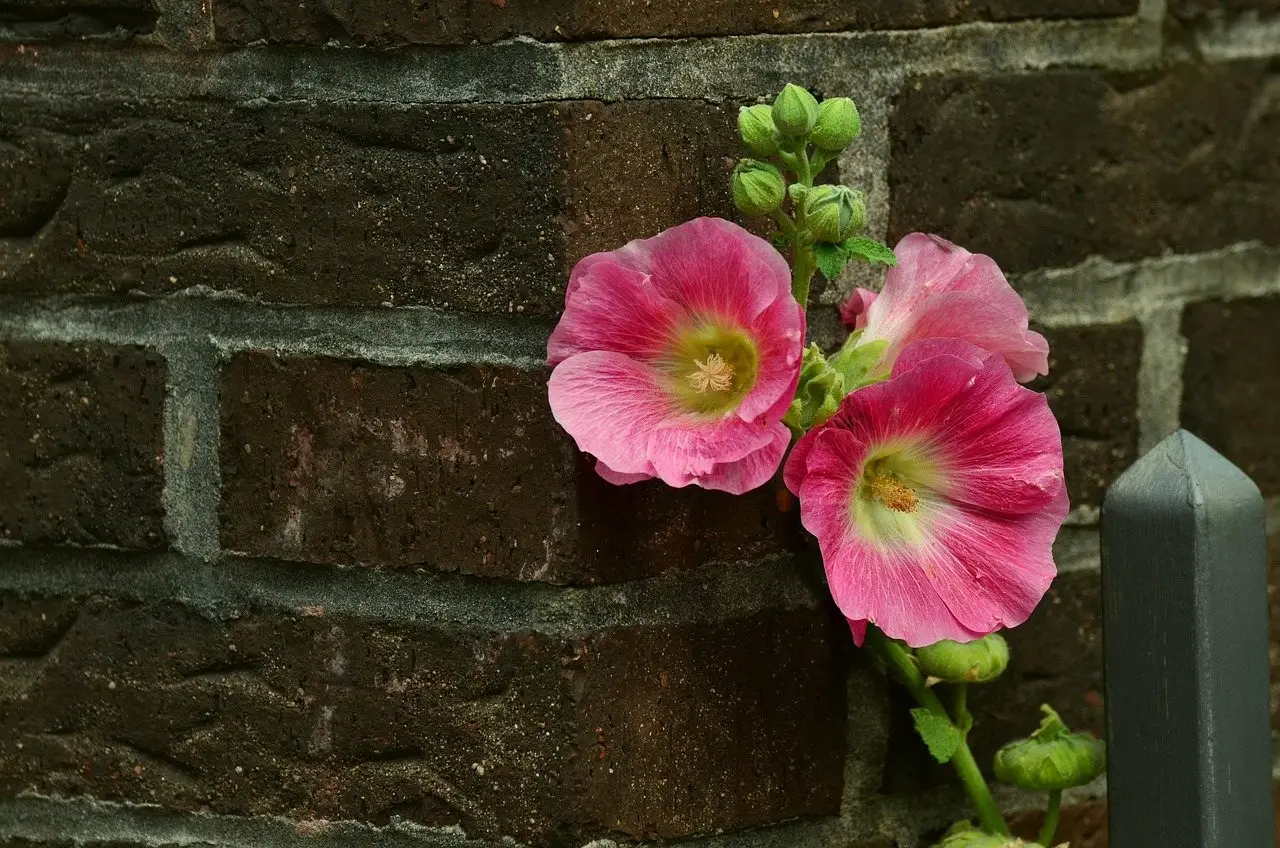
Hollyhocks are biennial, so autumn-sown seed flowers the following summer while spring sowing waits a year. Surface sow — the seed needs light.
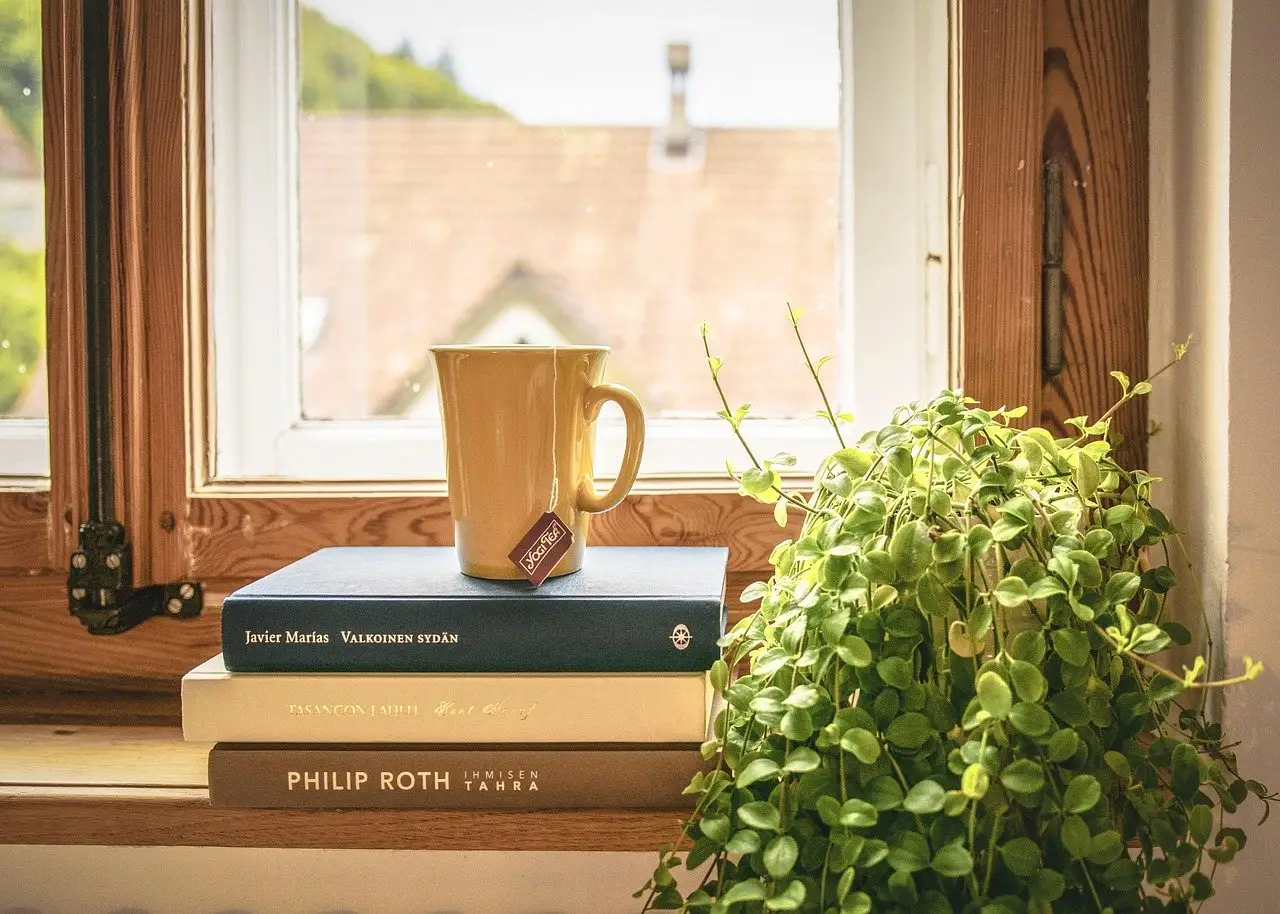
Repot as growth resumes, not on a schedule. Most houseplants need it every two to three years — and several are better off left pot-bound.
China doll plants drop leaves the week they come home. It is a light problem, not a watering one — and the fix is brighter, not wetter.
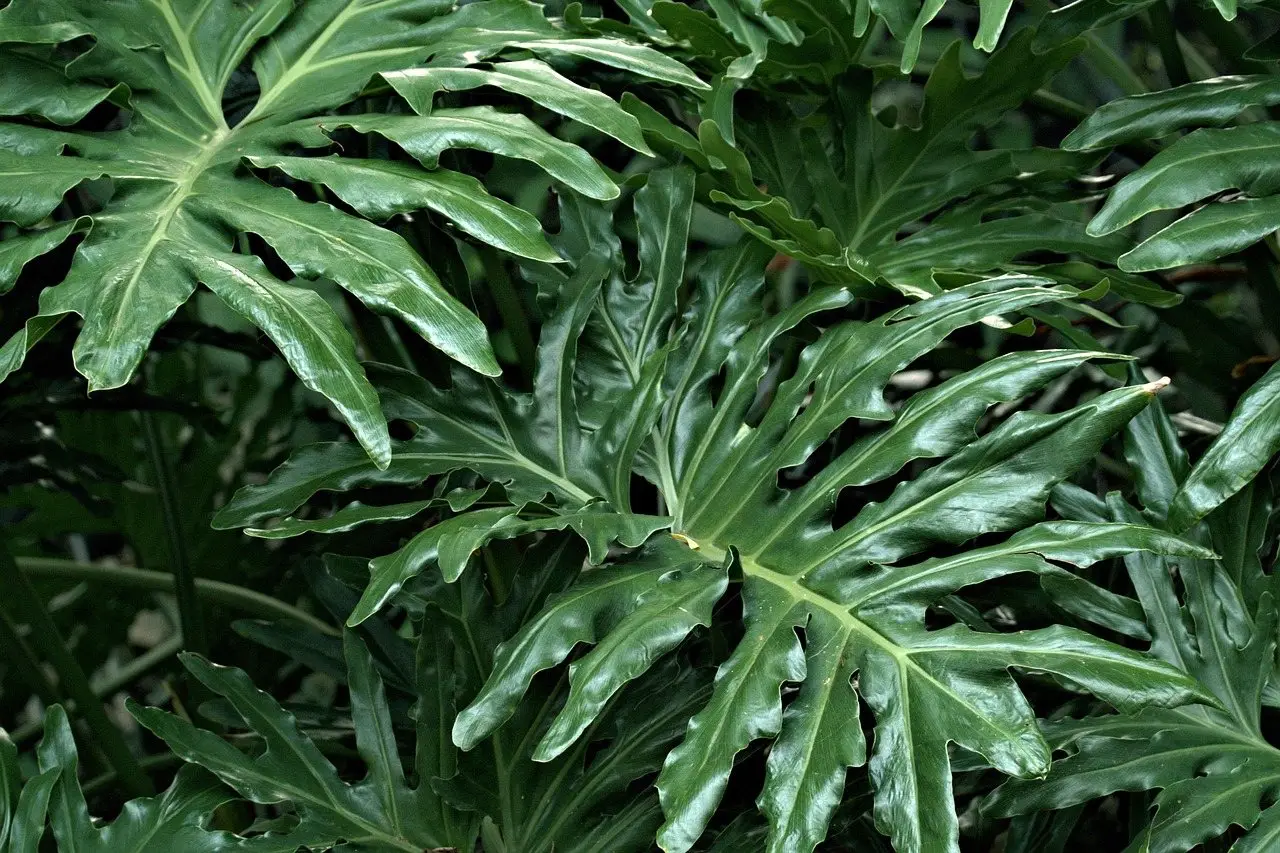
Long bare stems with leaves only at the ends means too little light. Pinching, not more water, is what turns a straggly plant back into a full one.
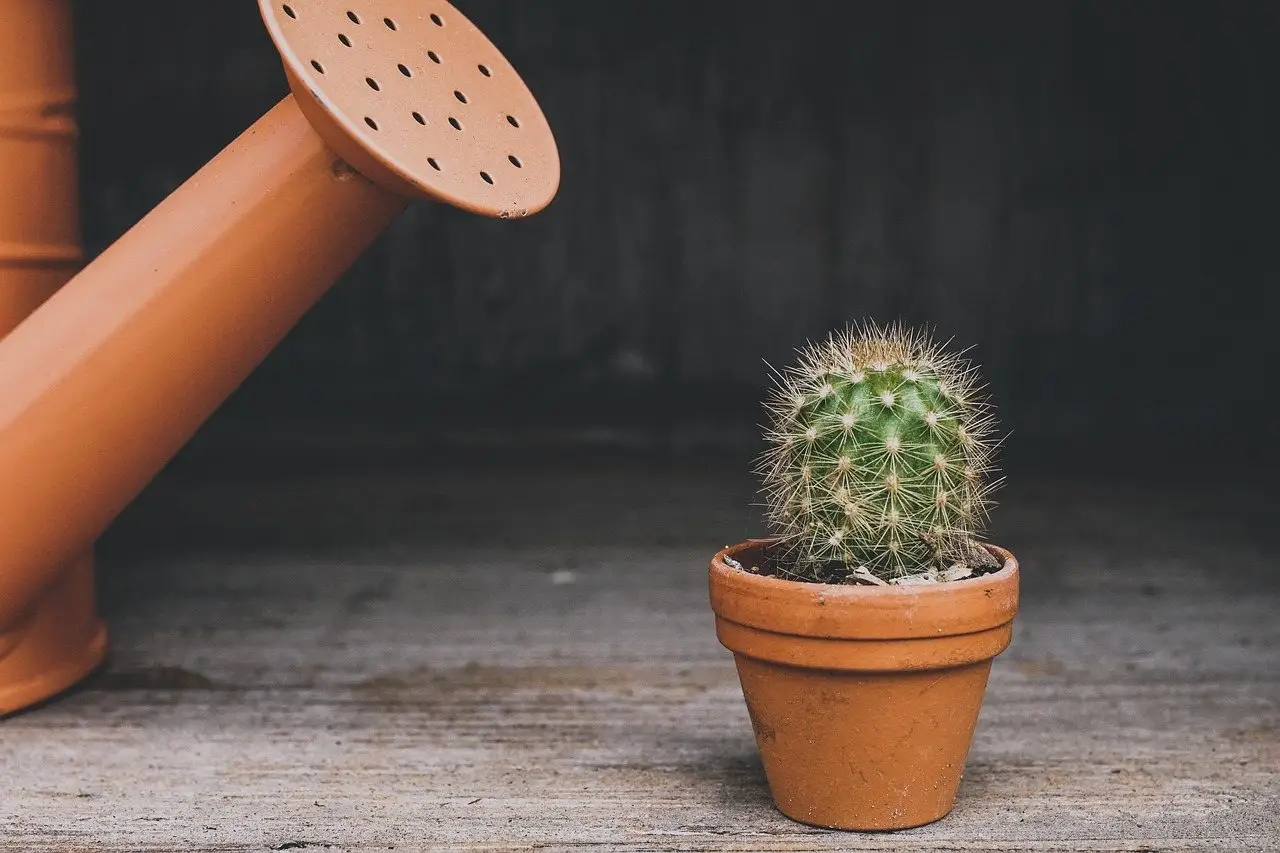
Most cacti need water every two to four weeks in summer and almost none in winter. The schedule is wrong; what matters is how dry the compost is.
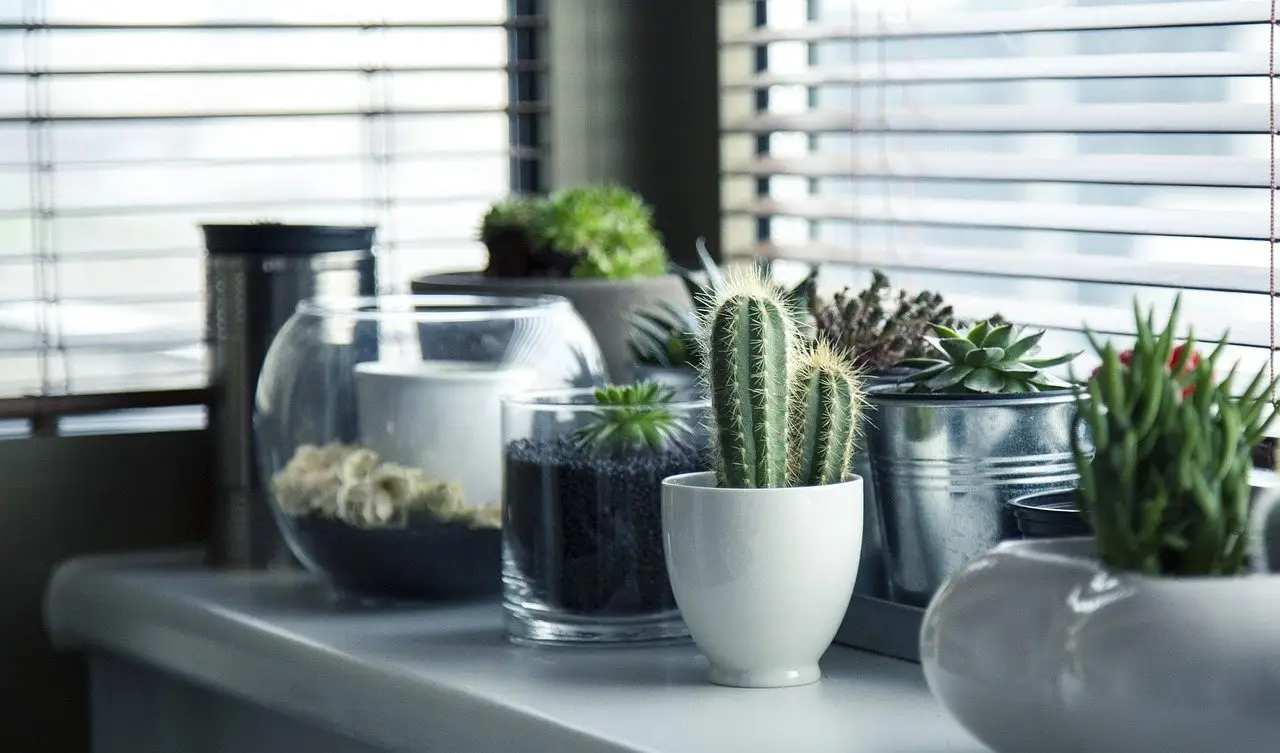
Most cacti die from winter watering, not neglect. Gritty mix, the brightest window, a soak in summer and almost nothing from October to March.
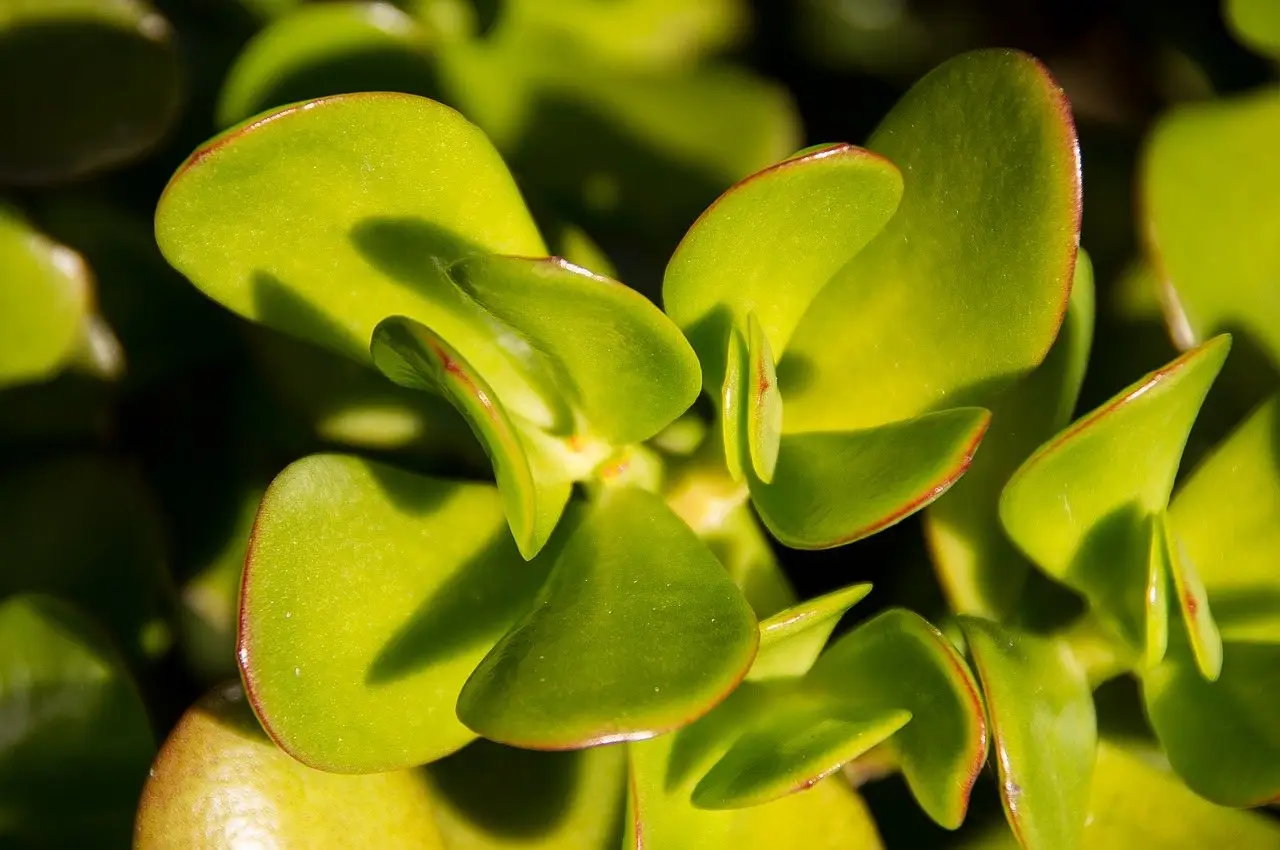
Jade plants live for decades on neglect. Soak then dry completely, full sun for solid growth, and repot rarely — overwatering is the only real killer.
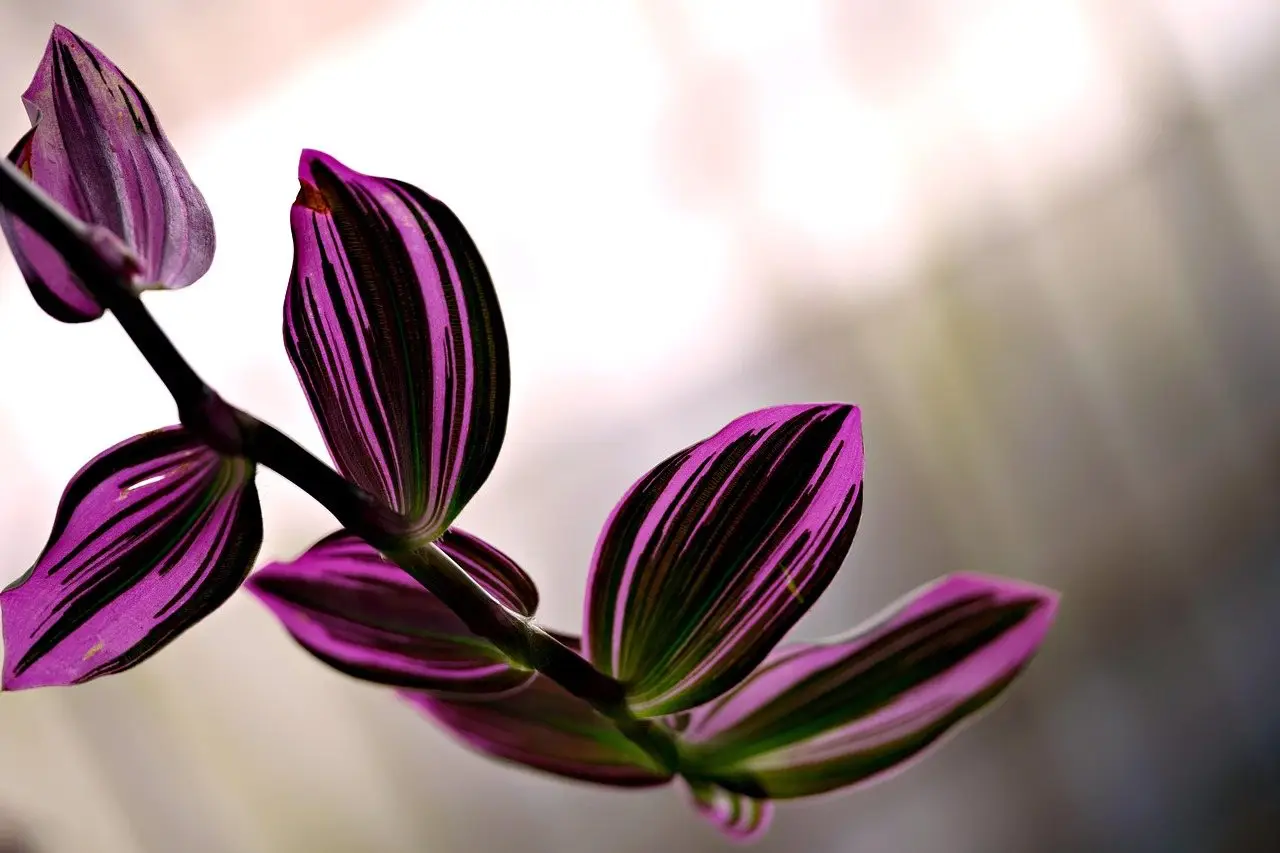
Tradescantia goes leggy in low light and never refills a bare stem. Pinch hard, root the cuttings, and plant them back into the same pot.
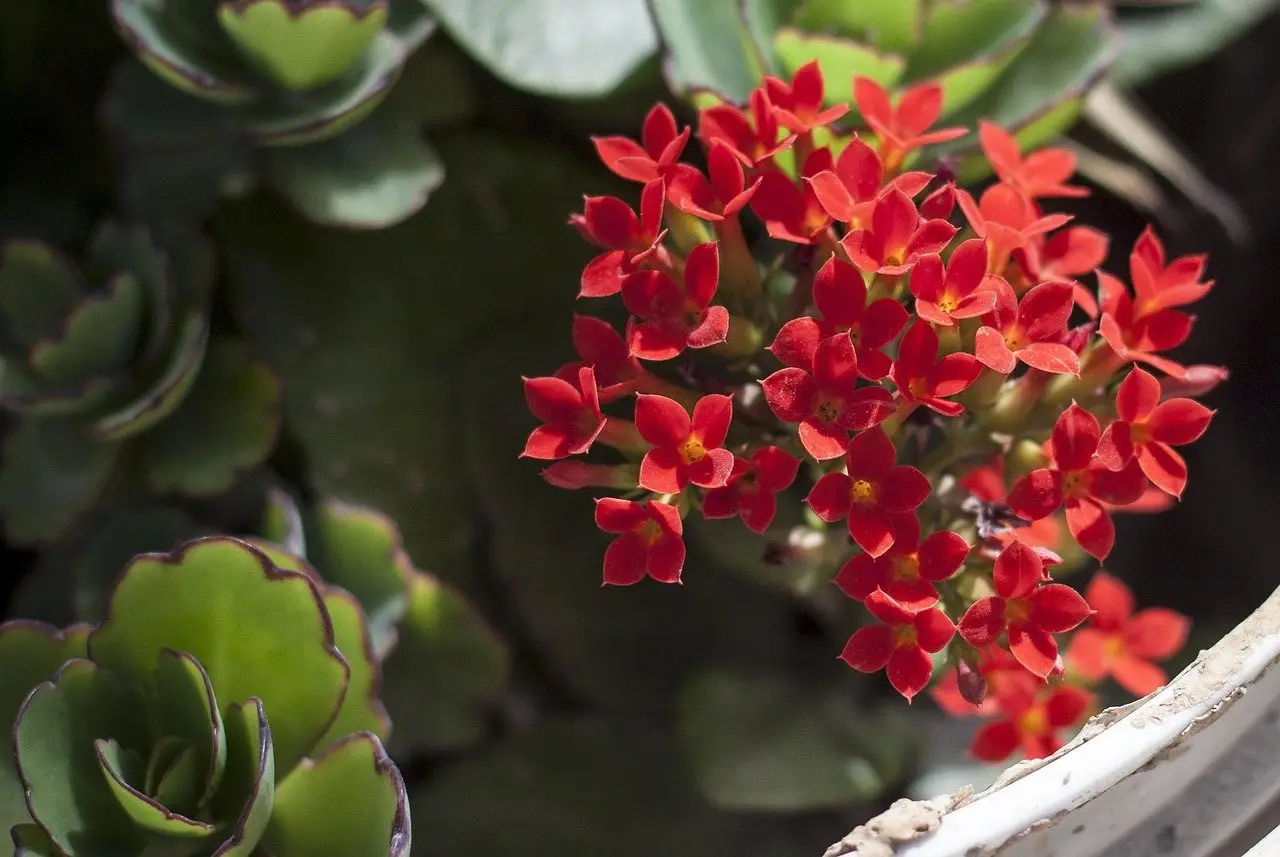
Most kalanchoes root from a leaf or a stem tip after a few days of callusing. One species does the work for you and drops ready-made plantlets.
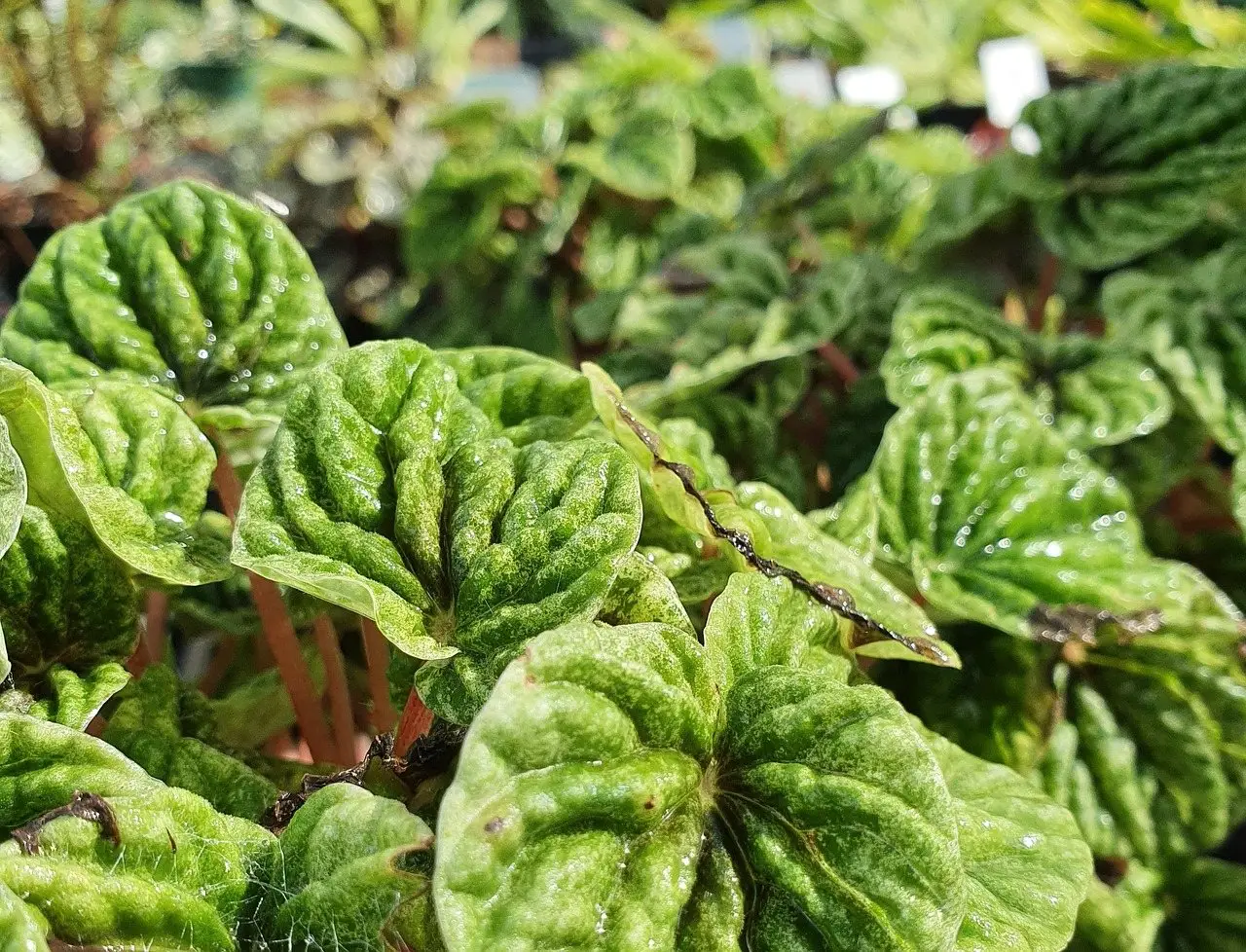
Most peperomias root from a single leaf with its stalk attached, in water or compost. Petiole length and humidity decide whether it works.
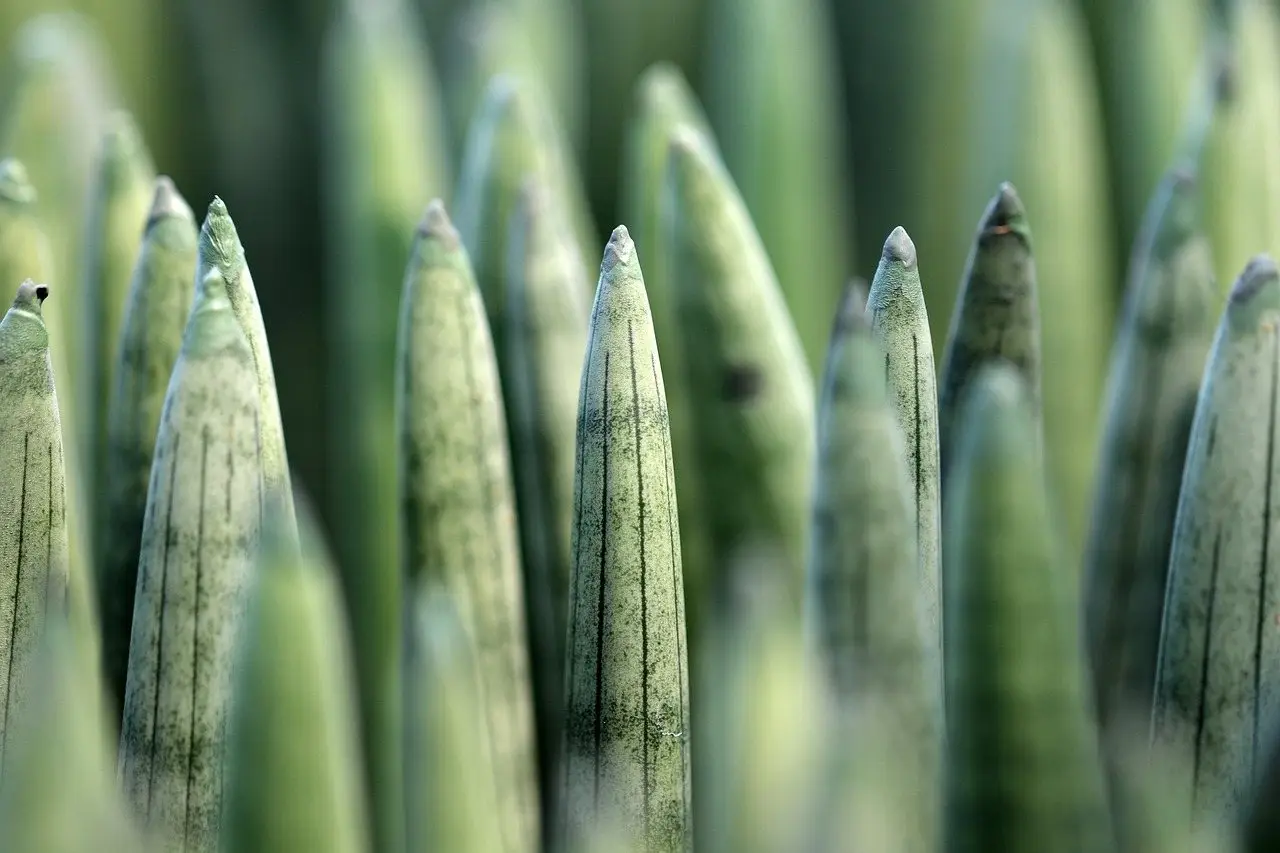
Snake plants flower better and rot less when slightly pot-bound. Repot every 3–5 years, one size up, into gritty mix — and keep it dry afterwards.
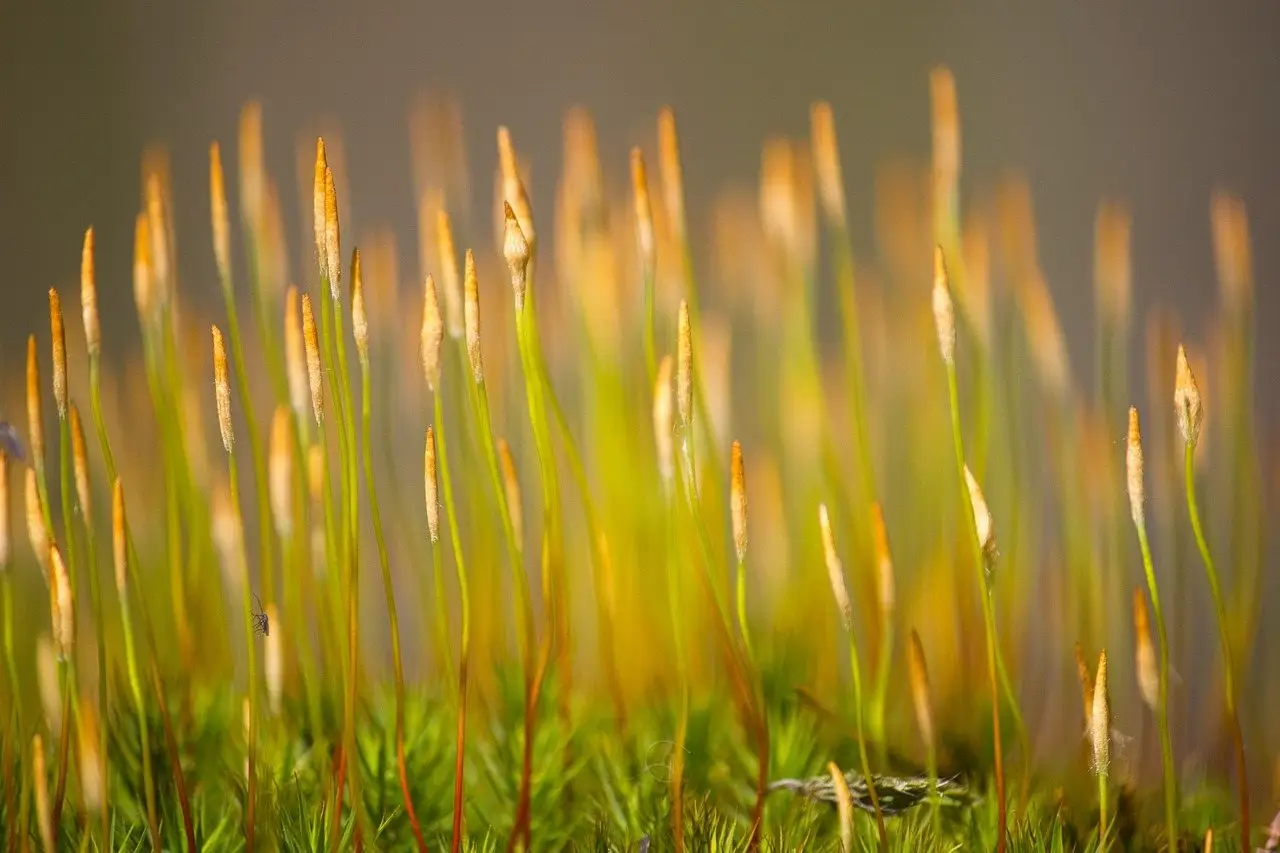
Both are Sagina subulata — green and golden forms of one species. Neither is a moss, and both rot in the wet conditions real moss enjoys.
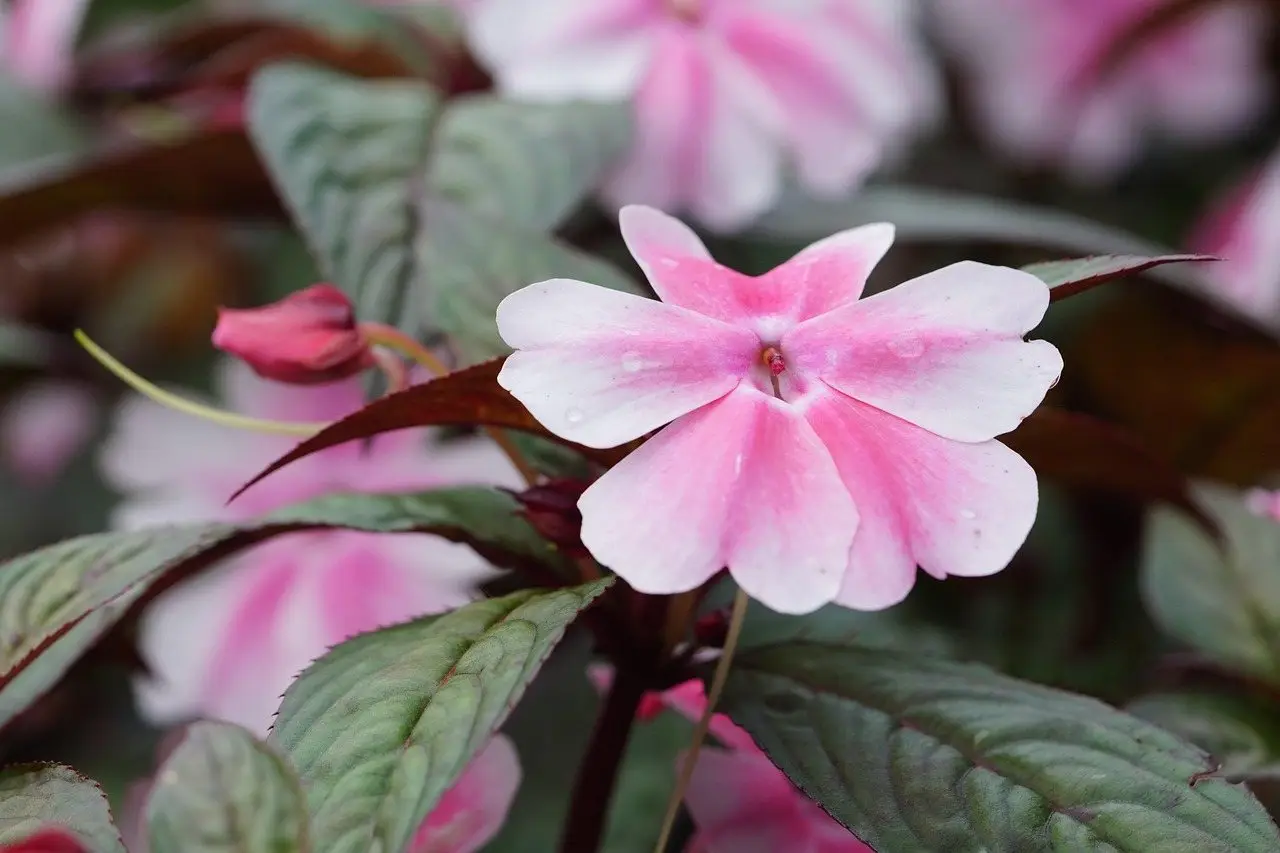
Unlike bedding impatiens these take real sun and resist downy mildew. What they will not take is drying out — they collapse within hours.
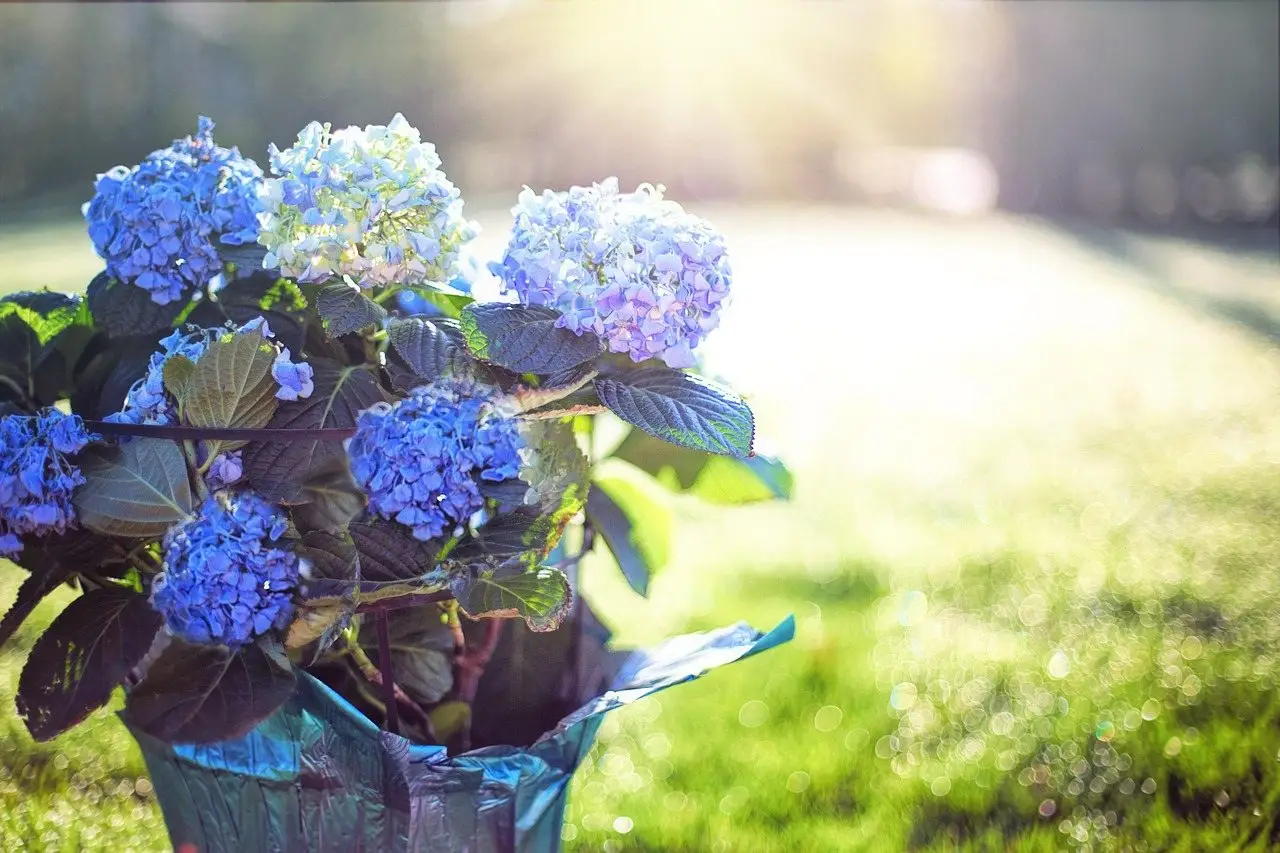
A potted hydrangea drinks more than any other shrub and wilts daily in summer. Pot size, compost and afternoon shade fix most of it.
Gynura aurantiaca loses its purple fuzz in low light and turns plain green. Bright indirect light keeps it velvet, and the flowers should be cut off.
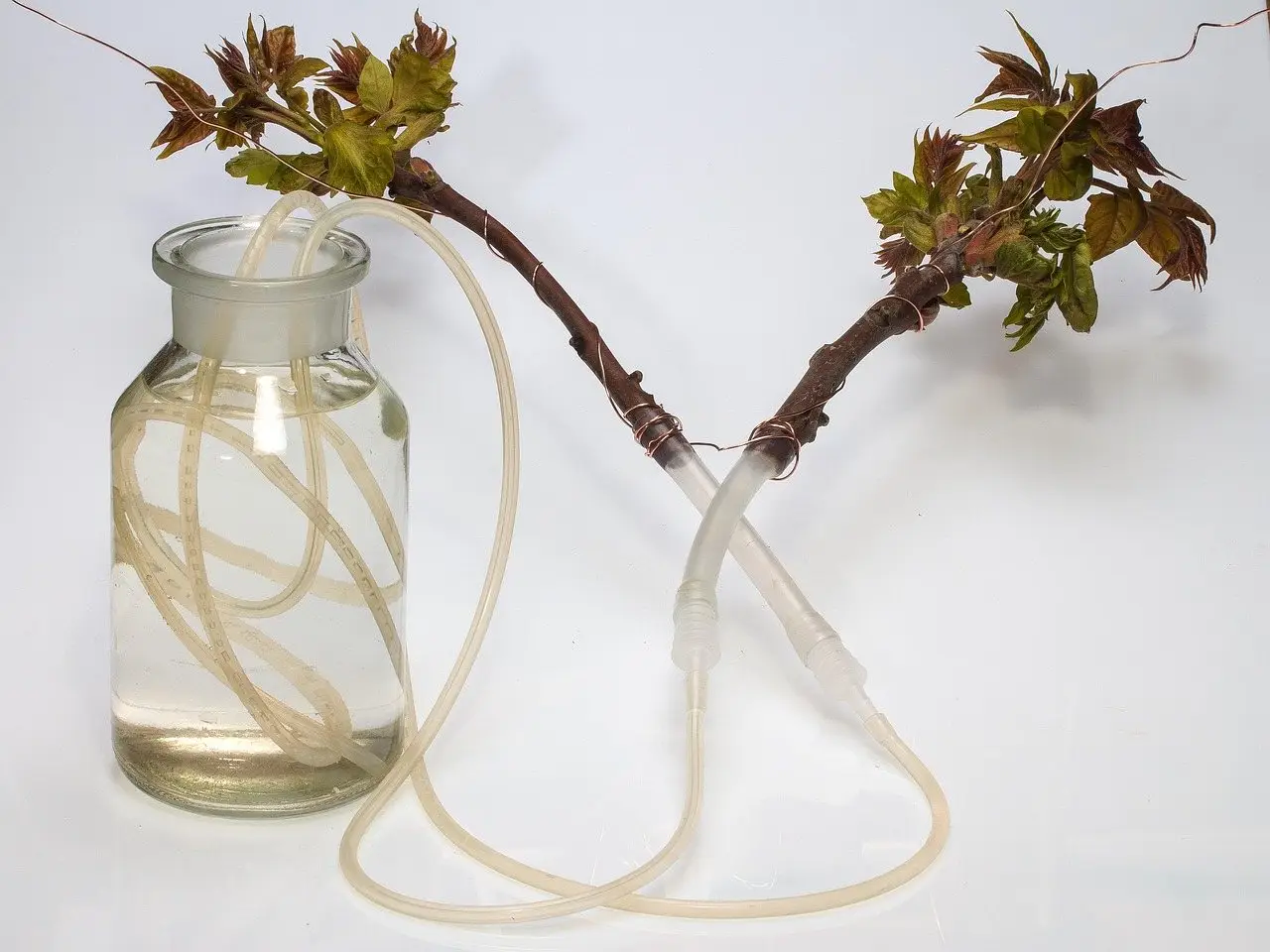
A cutting roots only if it includes a node. Leaves alone never will. Here is where to cut, how long it takes, and when to move it to soil.
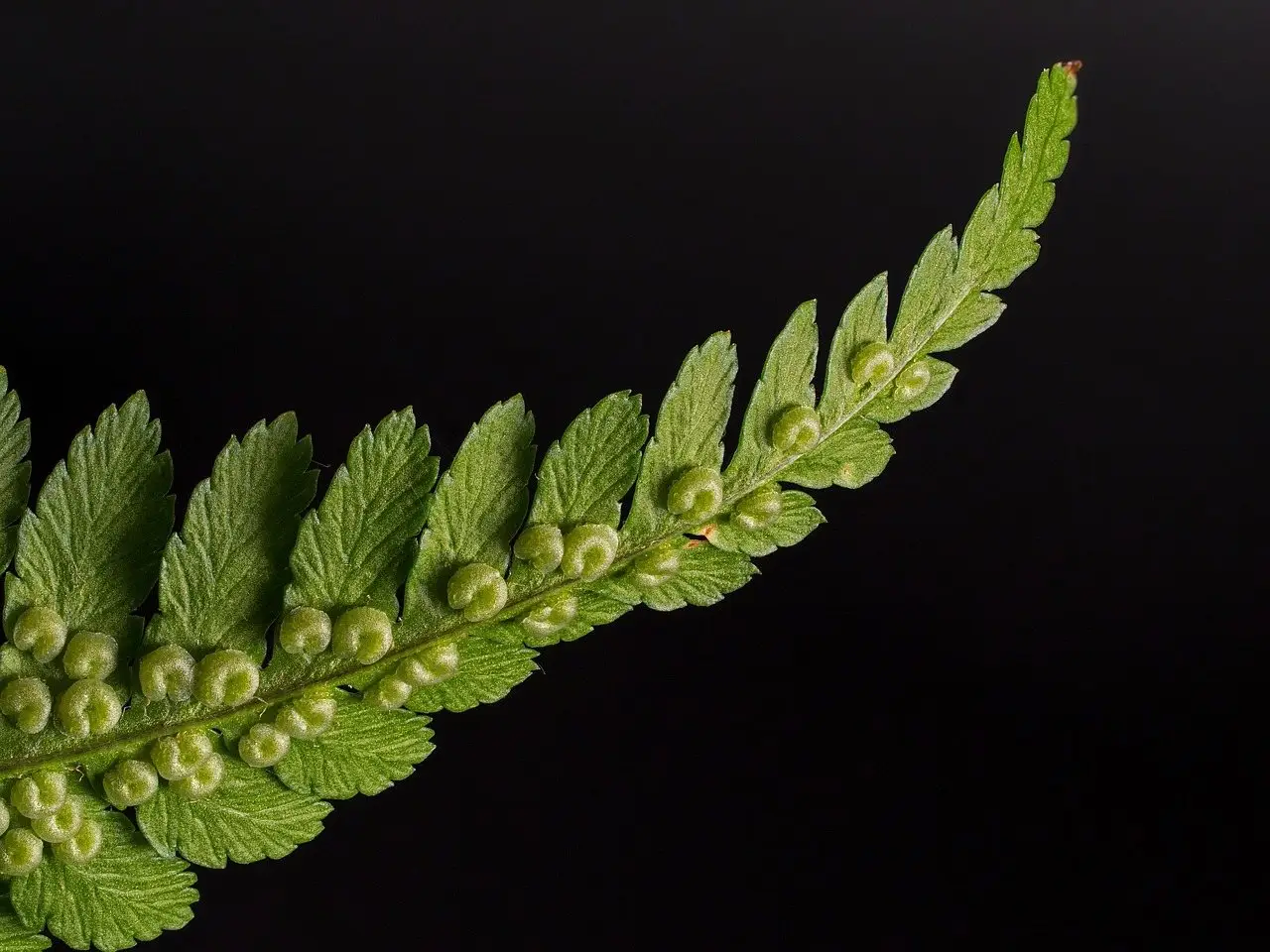
Those furry feet are rhizomes that must stay above the compost. Bury them and they rot — which is the single most common way this fern is killed.
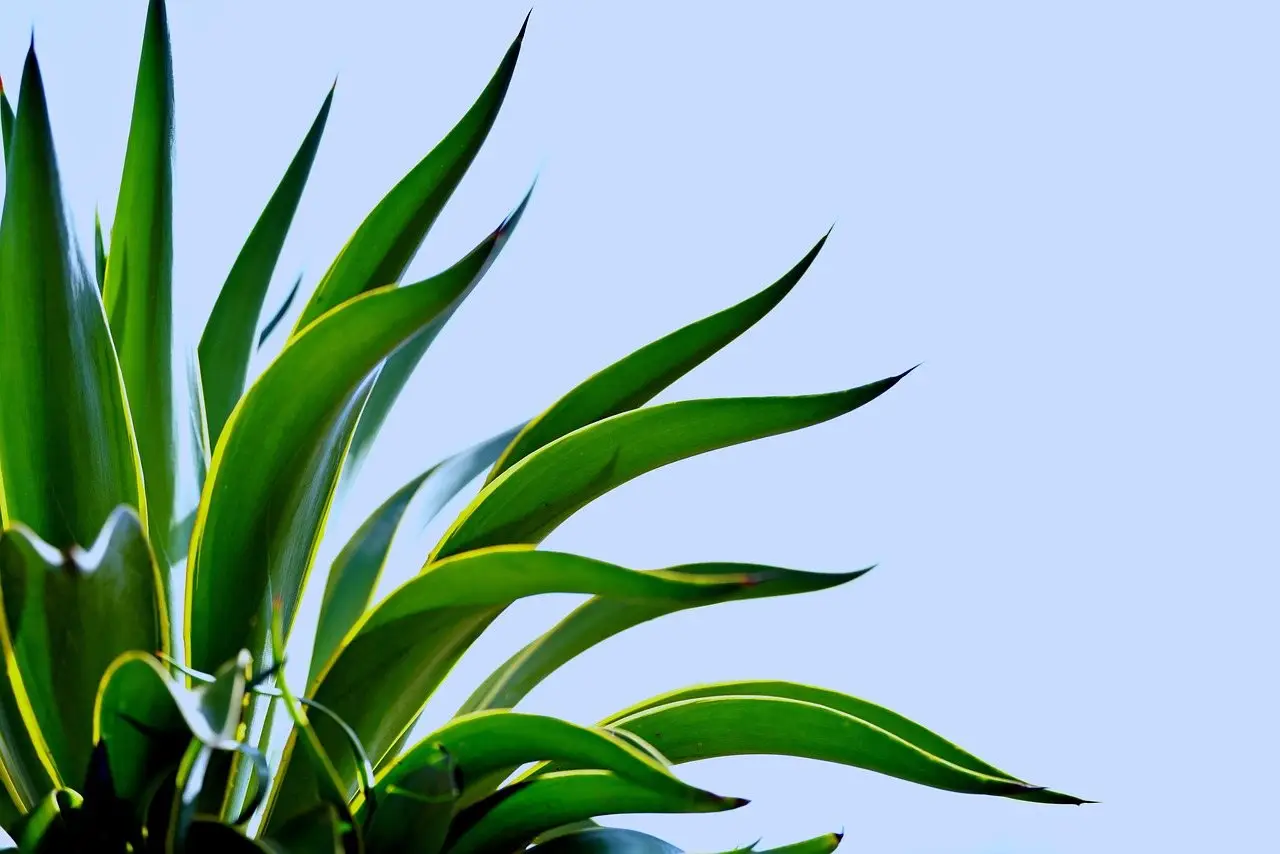
One genus supplies sweetener, rope, mezcal and tequila, and architectural planting. Here is what each use takes, and the honest line on agave syrup.
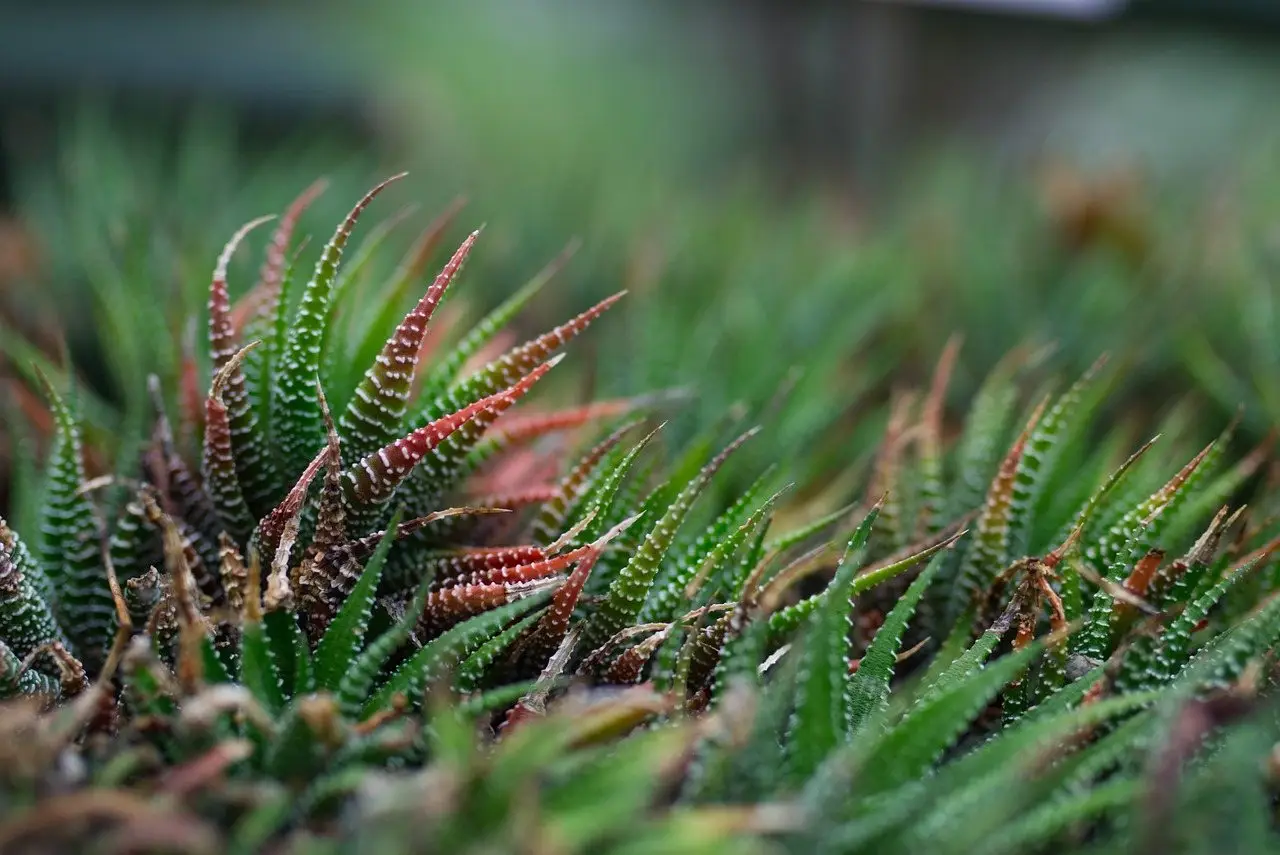
Two very different plants share this name. The succulent Haworthiopsis is near-indestructible; the tropical Aphelandra is not. Here is how to tell.
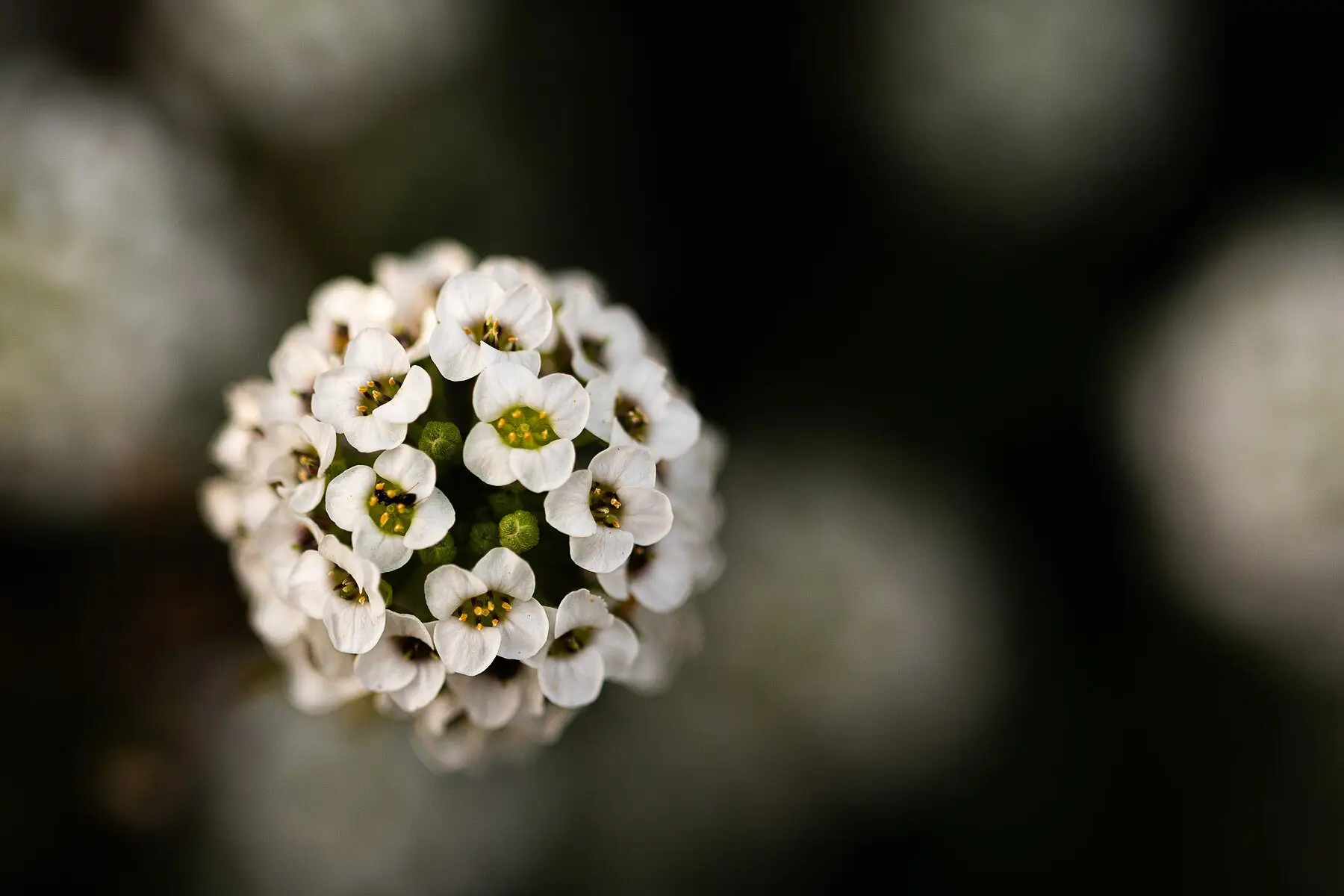
Sweet alyssum is a short-lived perennial grown as an annual in most gardens. Basket-of-gold is a true perennial. The label rarely says which.
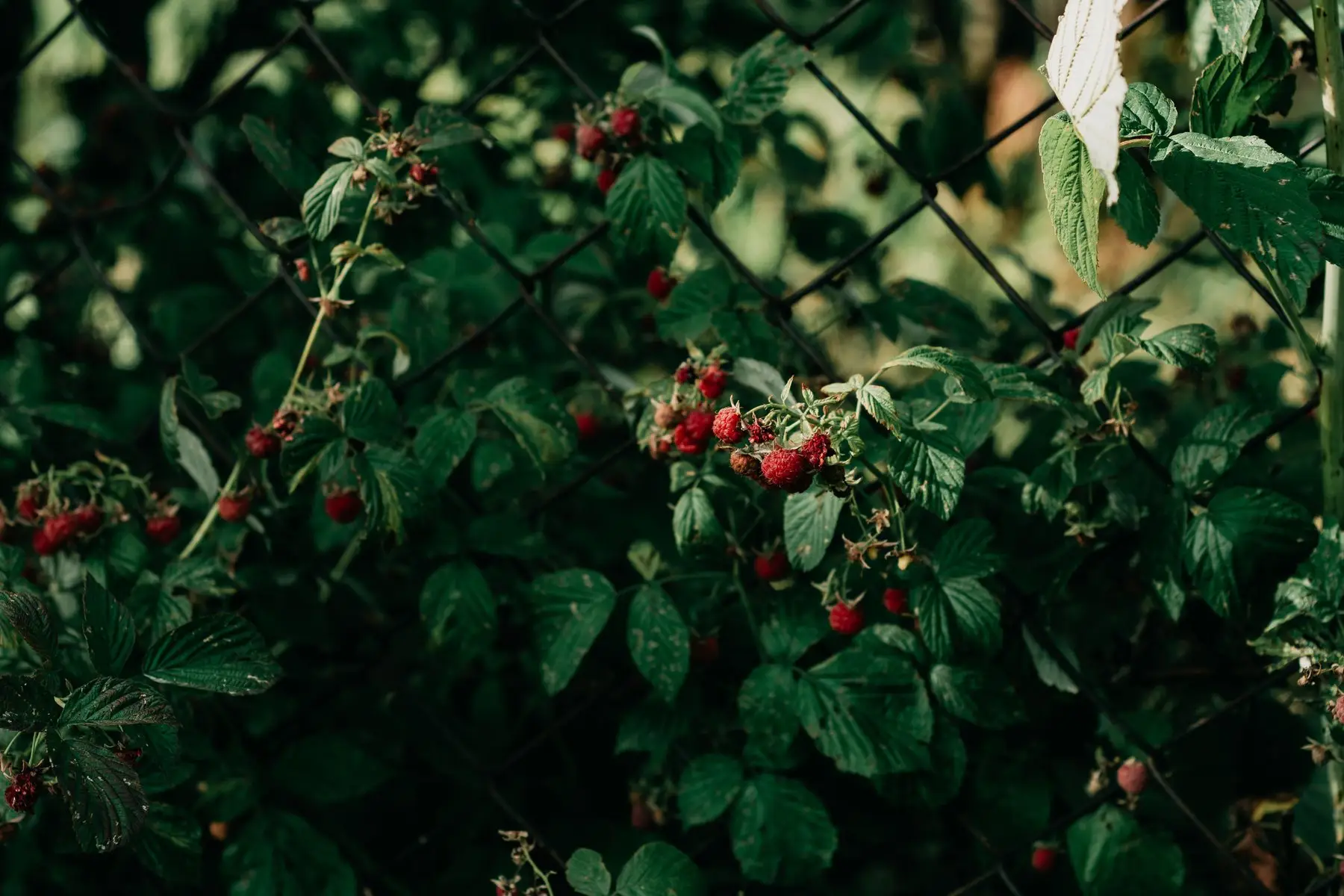
Raspberries do well in containers if the pot is big enough and you pick a compact autumn variety. Fifteen gallons is the number that decides it.
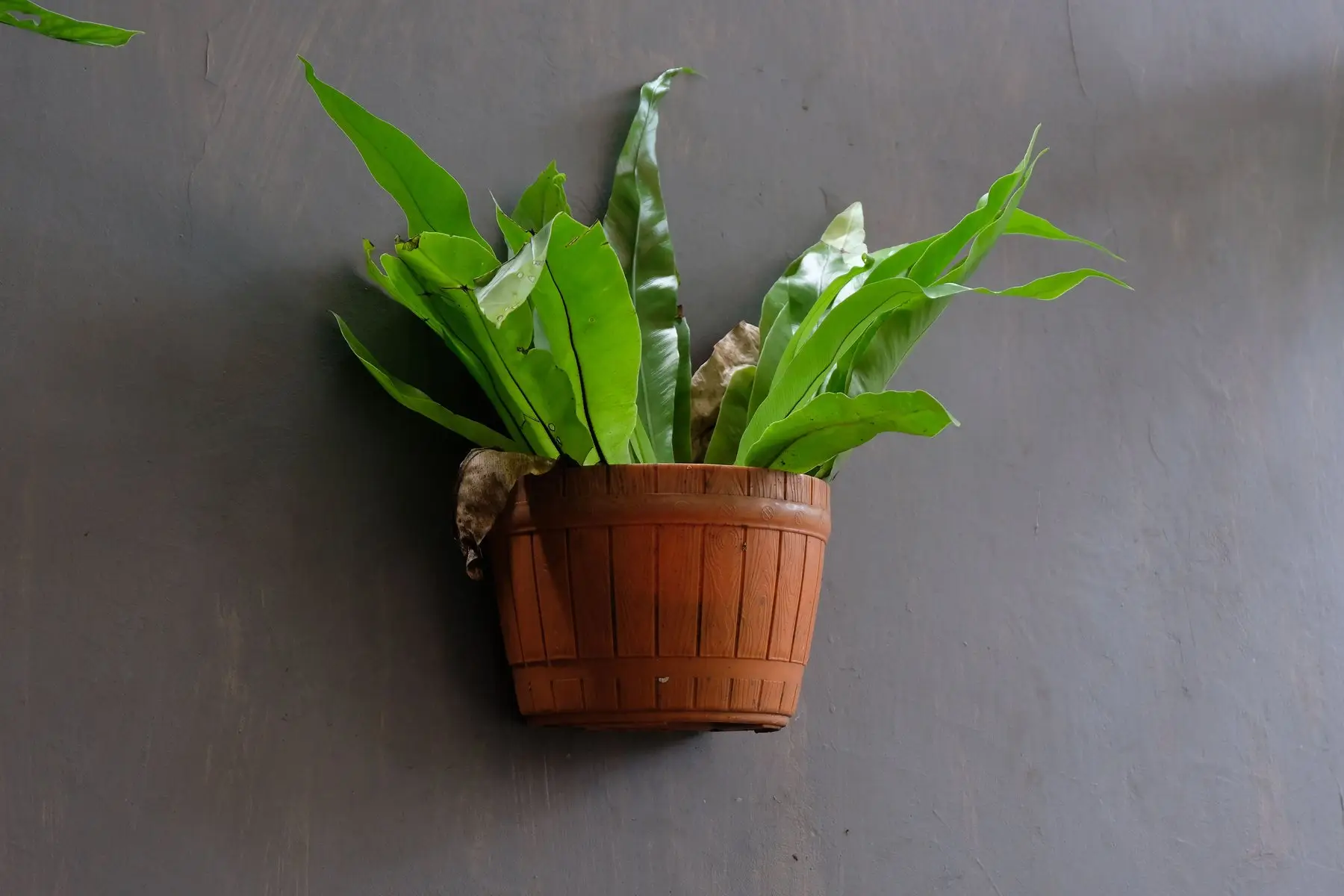
Almost every bird's nest fern problem is water in the crown, dry air, or direct sun. How to read the fronds and what each symptom actually means.
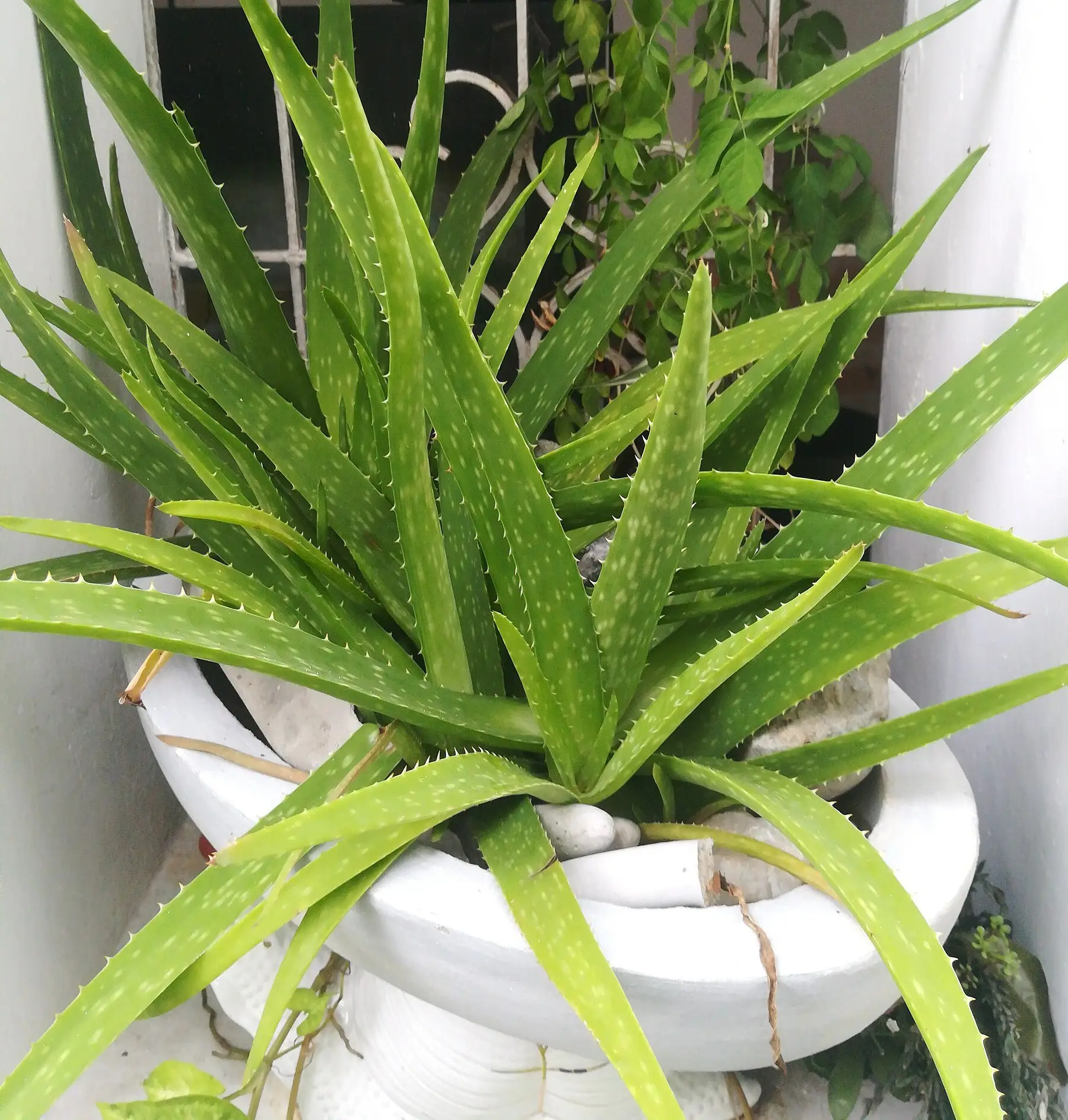
Aloe multiplies from offsets at the base, and leaf cuttings almost always rot. How to separate a pup, when to do it, and the callusing step.
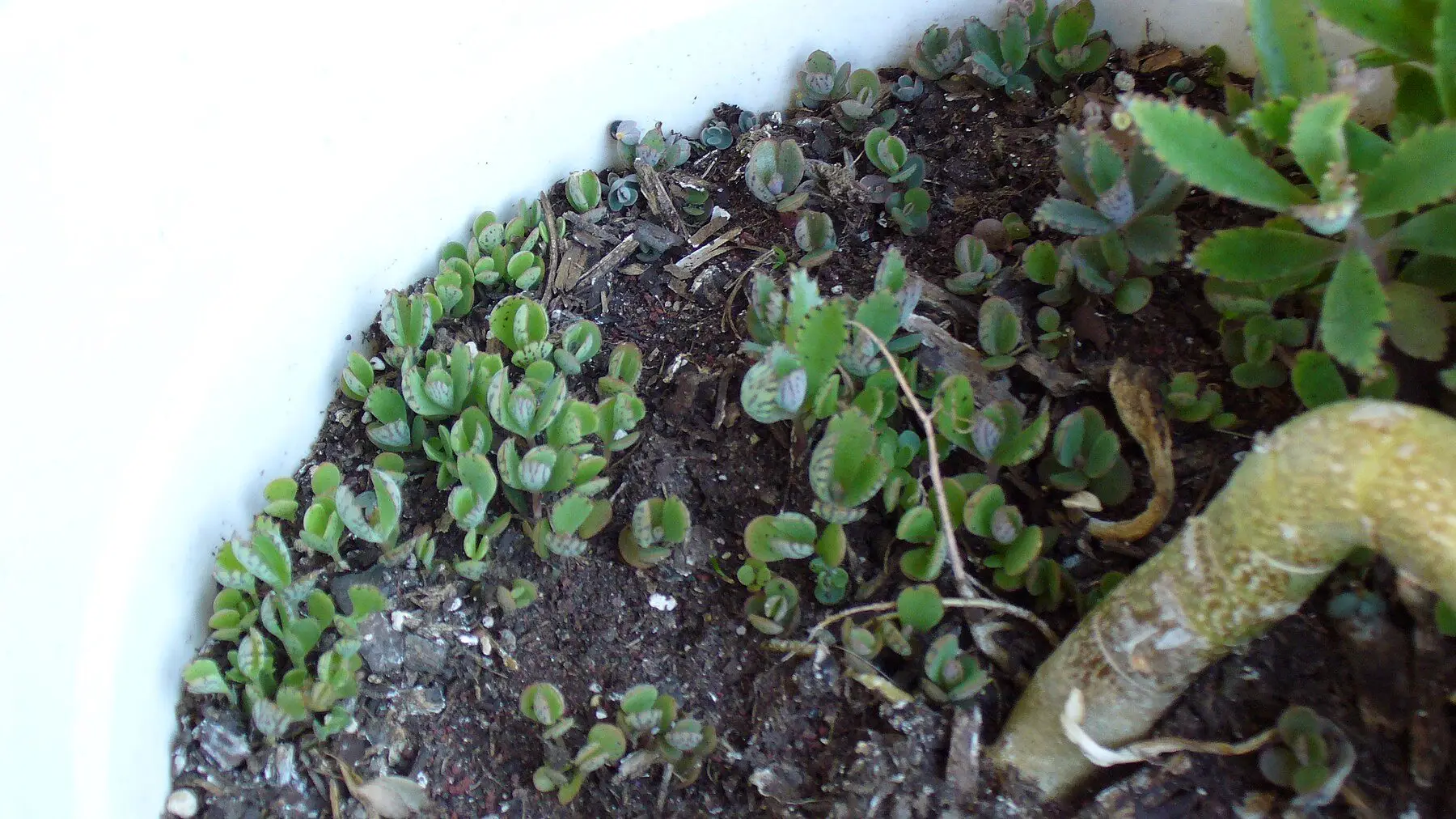
A succulent that drops hundreds of rooting babies from its leaf edges. How to grow it, why it is toxic and invasive, and how to stop it spreading.
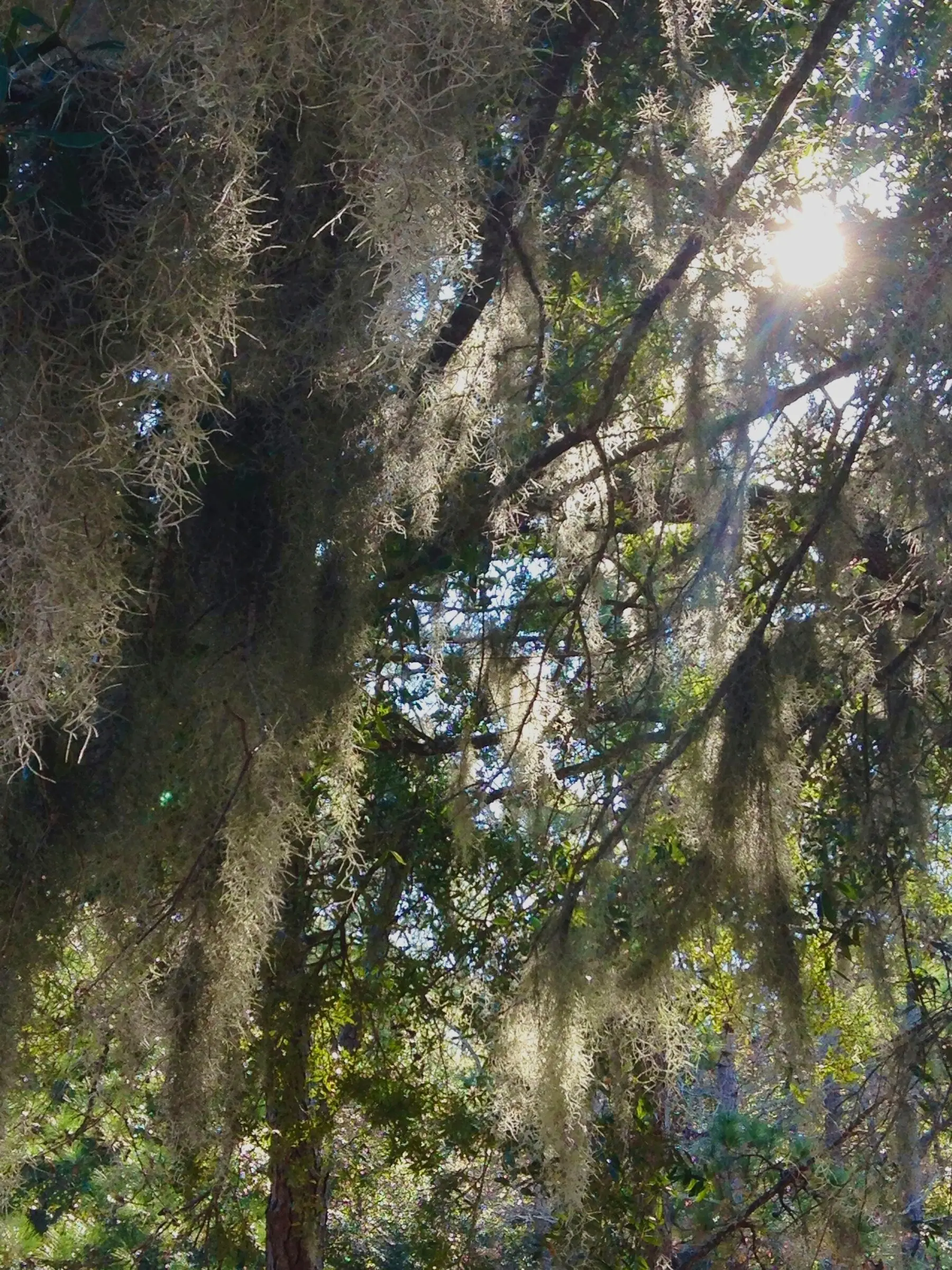
Tillandsia usneoides takes nothing from the tree it hangs on. How it feeds, growing it at home, the chigger myth, and whether it harms trees.
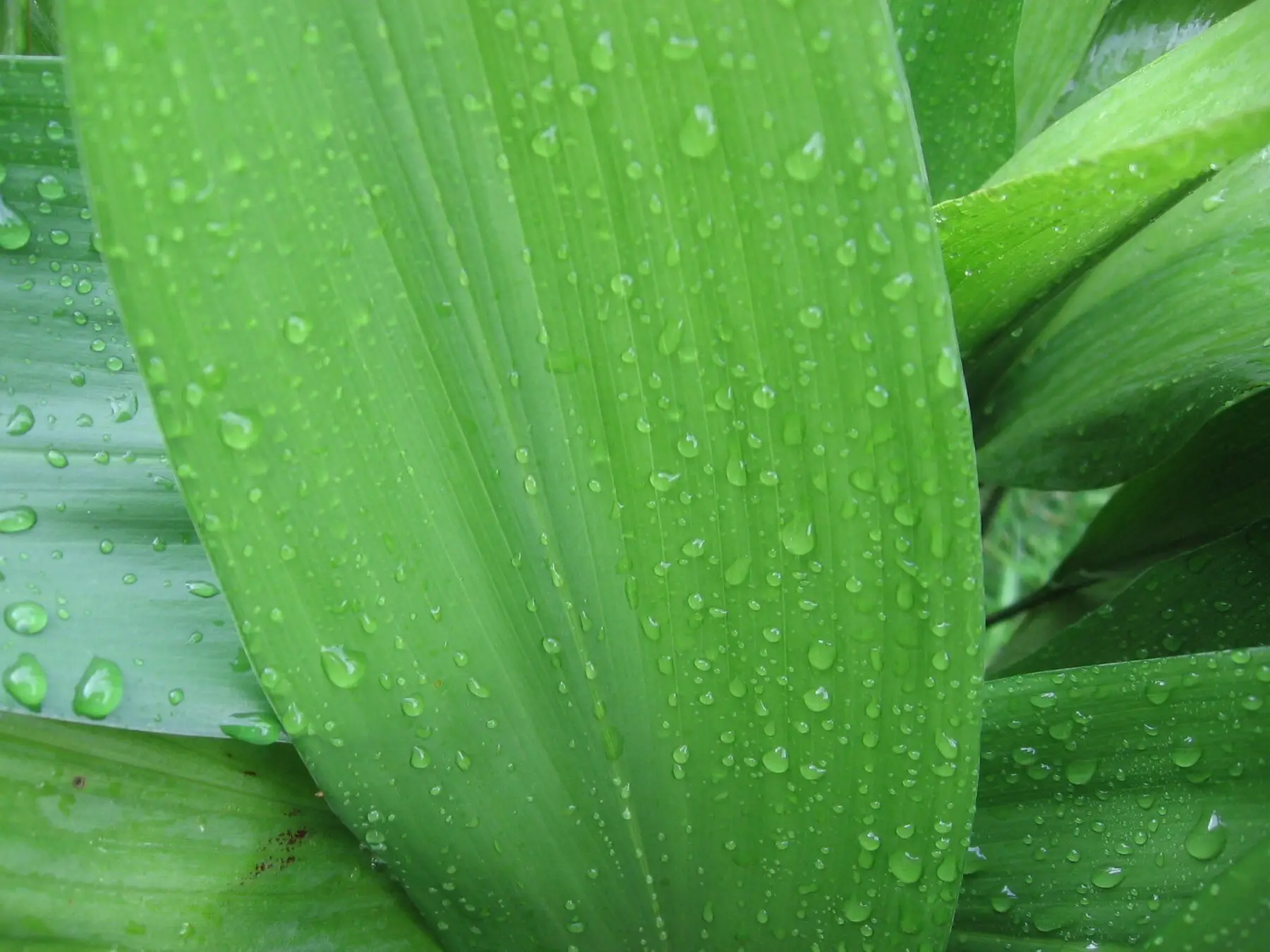
Aspidistra tolerates deep shade, neglect and cold that kills other houseplants. What it will not tolerate, how slowly it grows, and outdoor use.
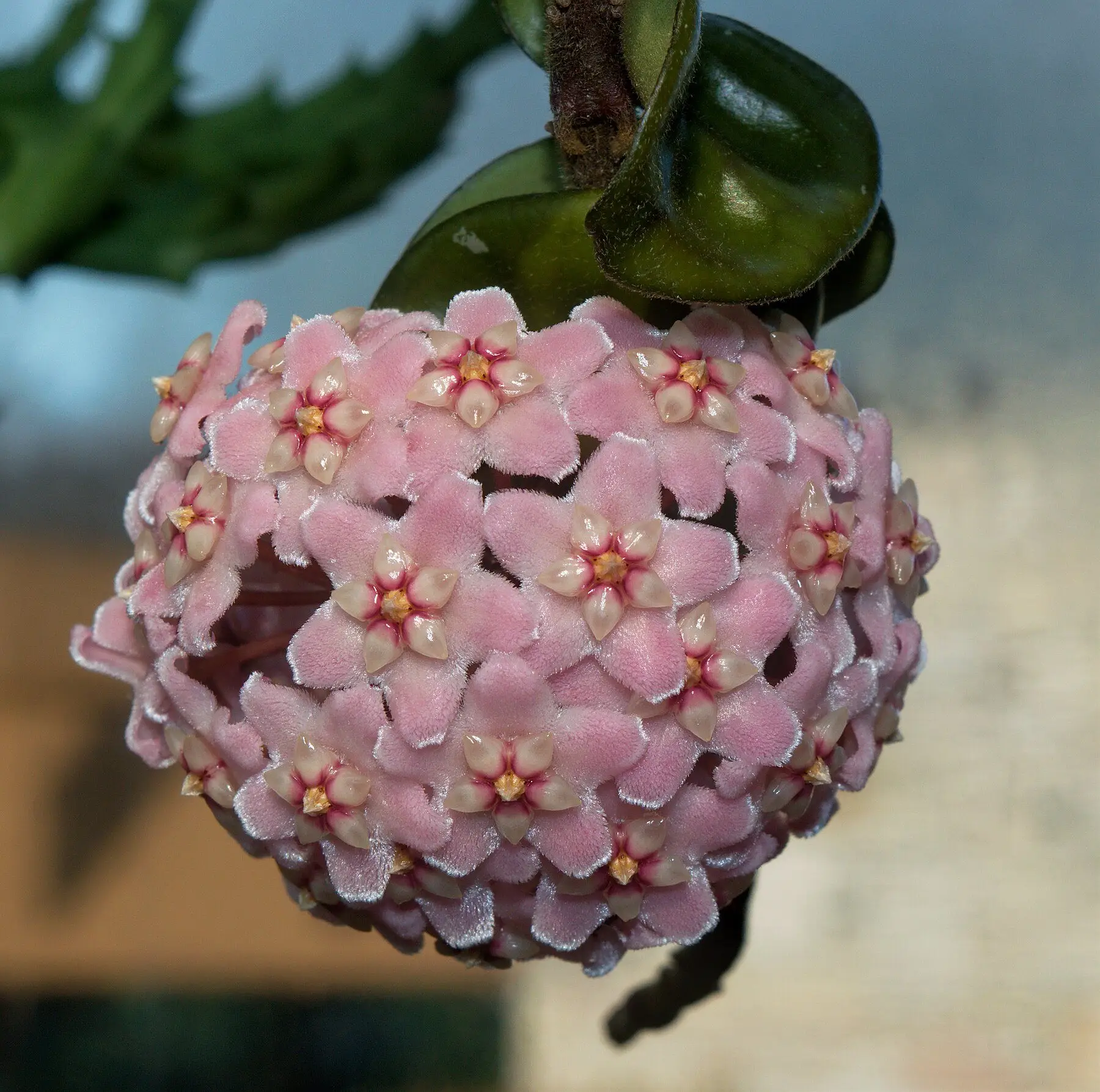
Hoyas are easy to keep alive and hard to flower. Light levels, why the pot should stay small, and the peduncle you must never cut off.
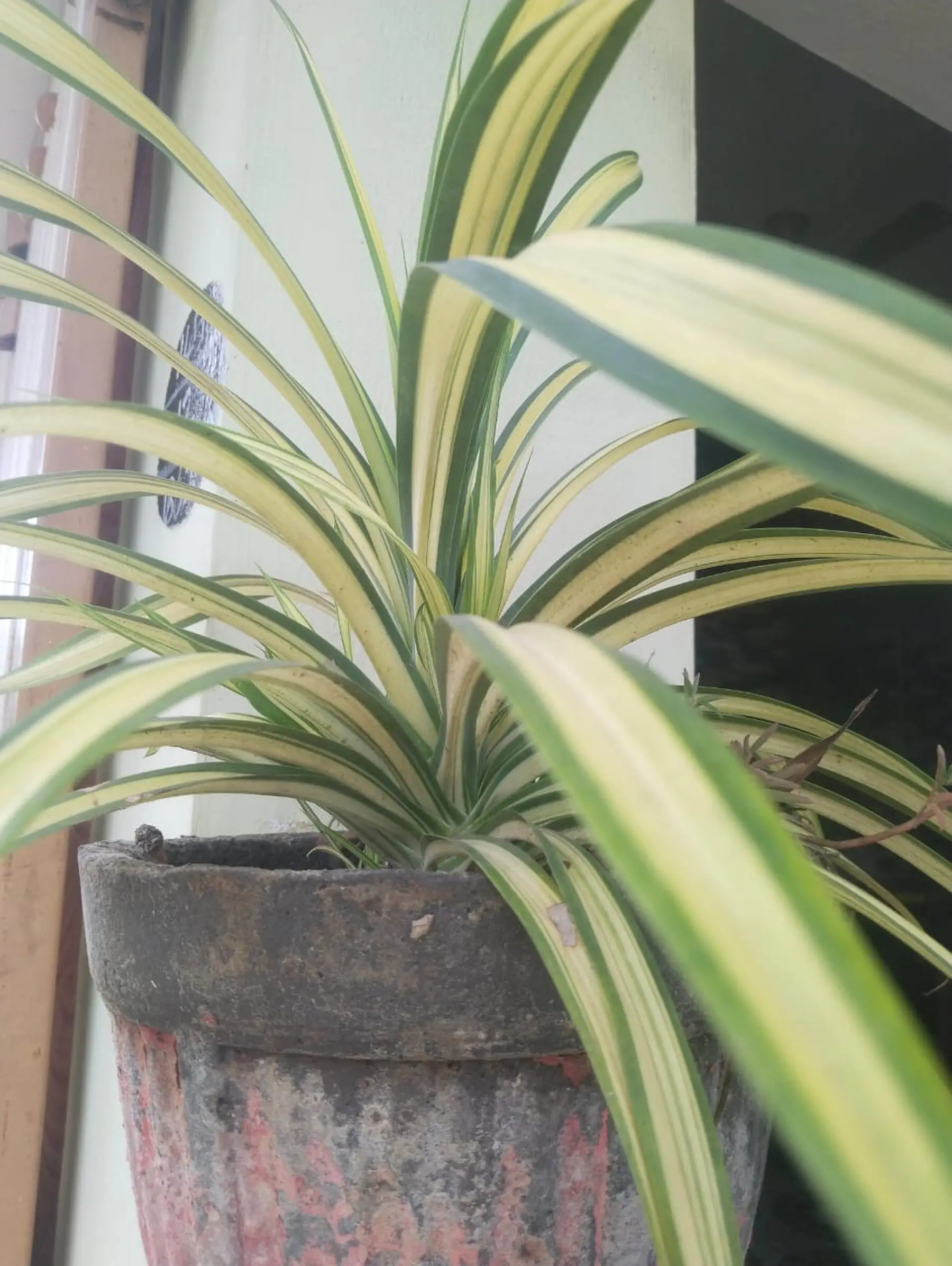
Spider plants are nearly unkillable but tell you everything through their tips. Water, light, why yours has no babies, and propagating the ones it has.
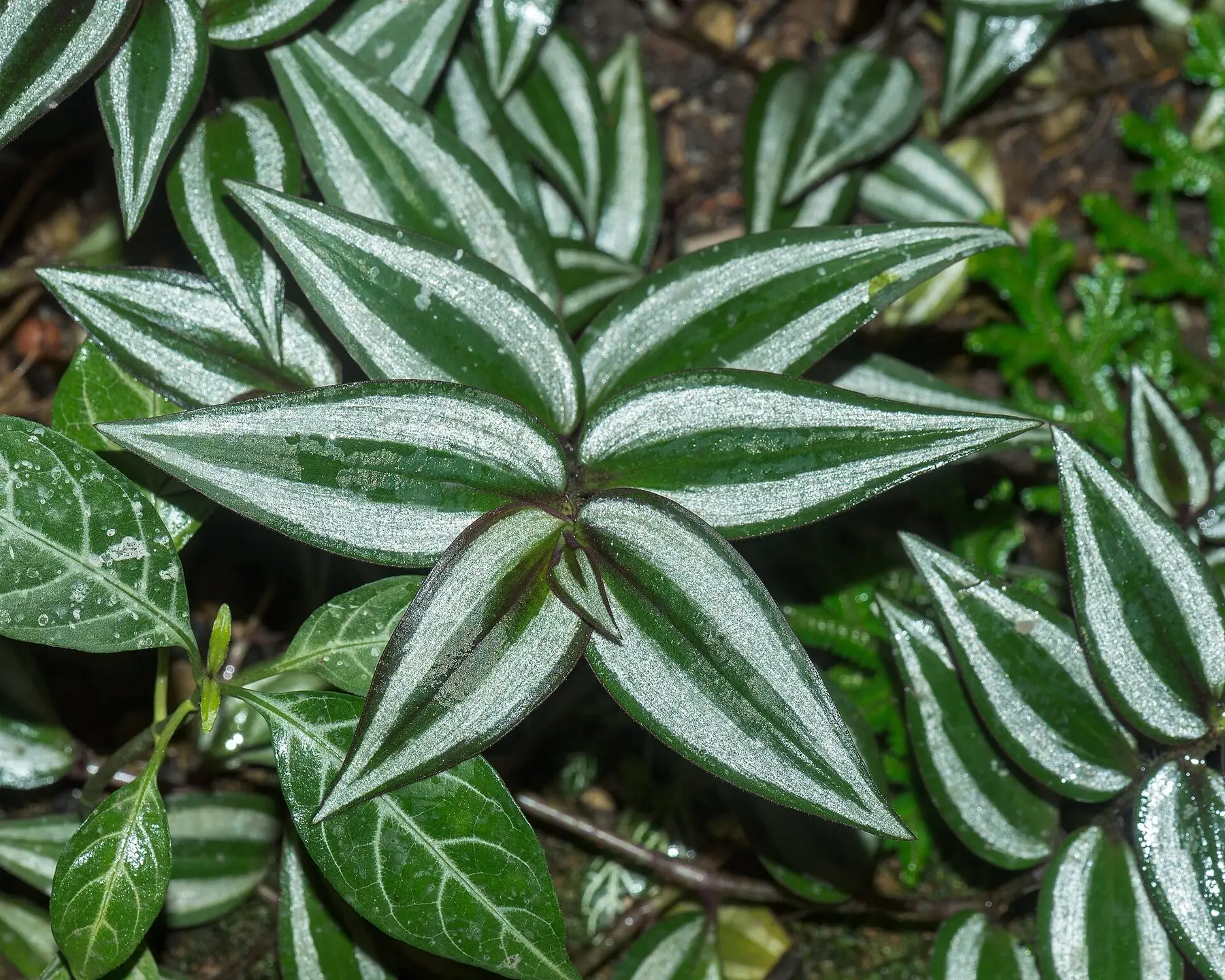
The stripes fade and the stems go bare in low light, and no amount of feeding fixes it. What this plant needs, and how to rebuild one that has gone straggly.
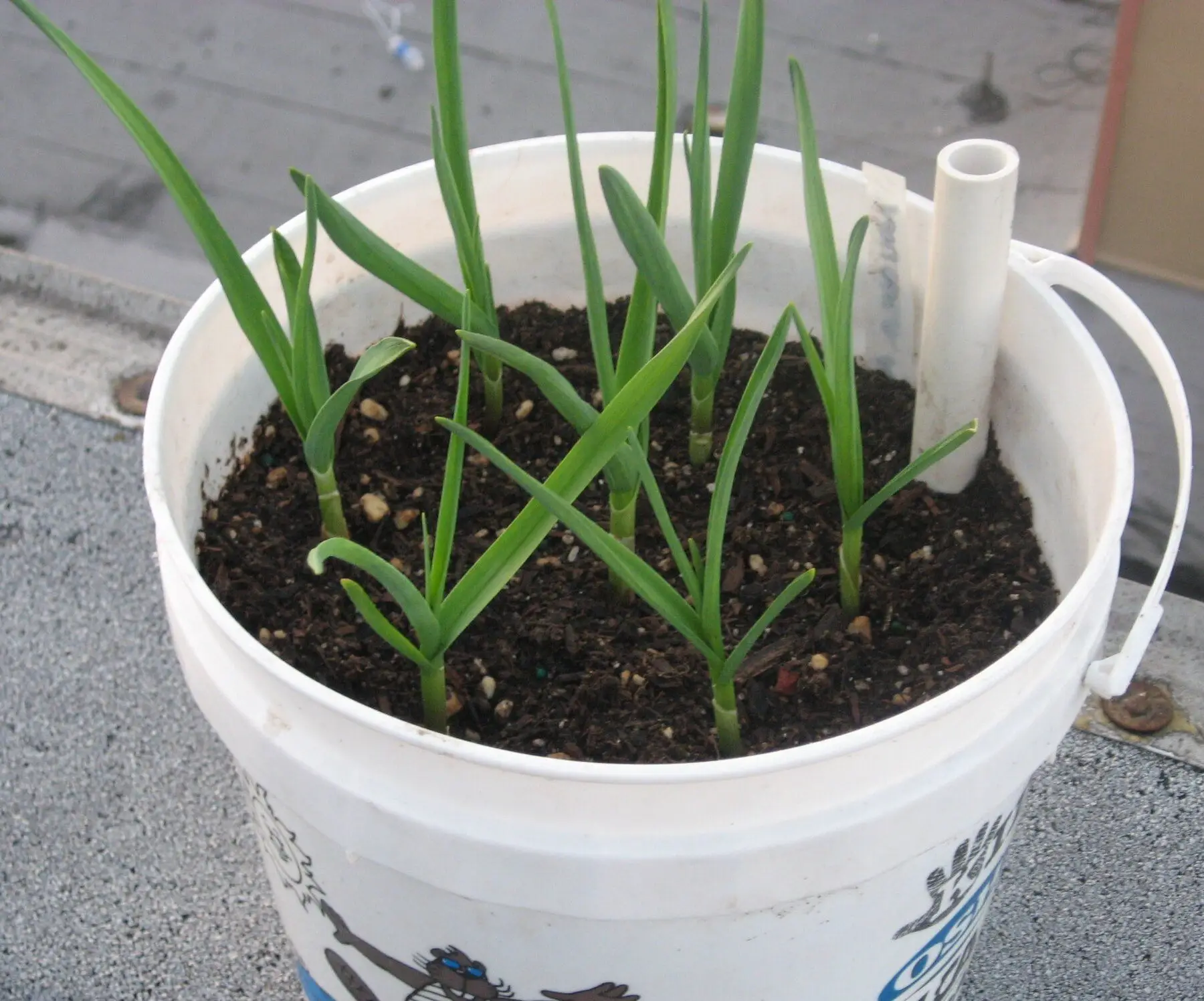
Garlic needs a cold spell and eight months in the pot, so container size and winter protection decide whether you get bulbs or scallions.
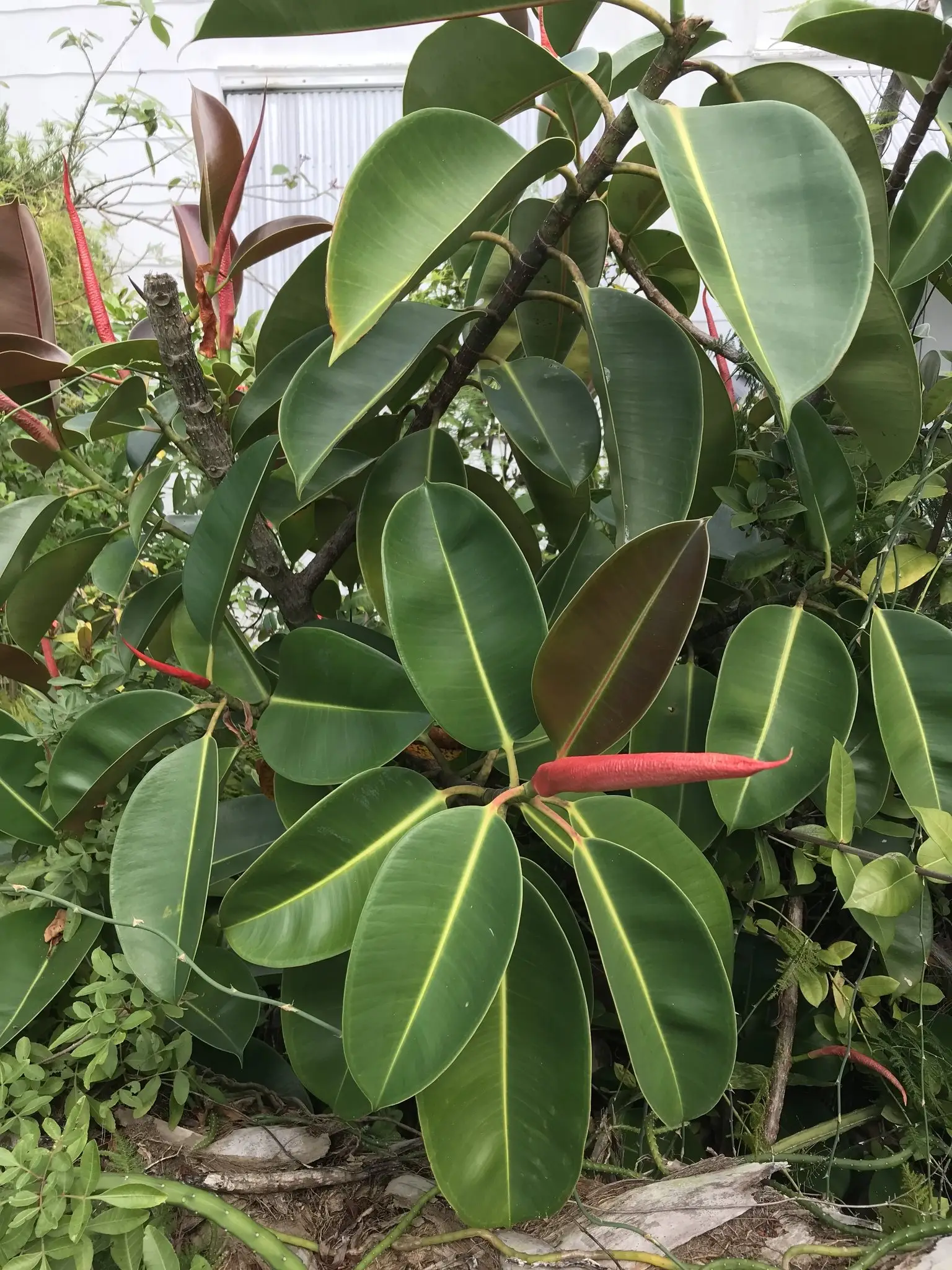
Ficus elastica drops leaves when it is moved, overwatered, or cold — usually all three. What it actually needs indoors, and how to prune one that has gone leggy.
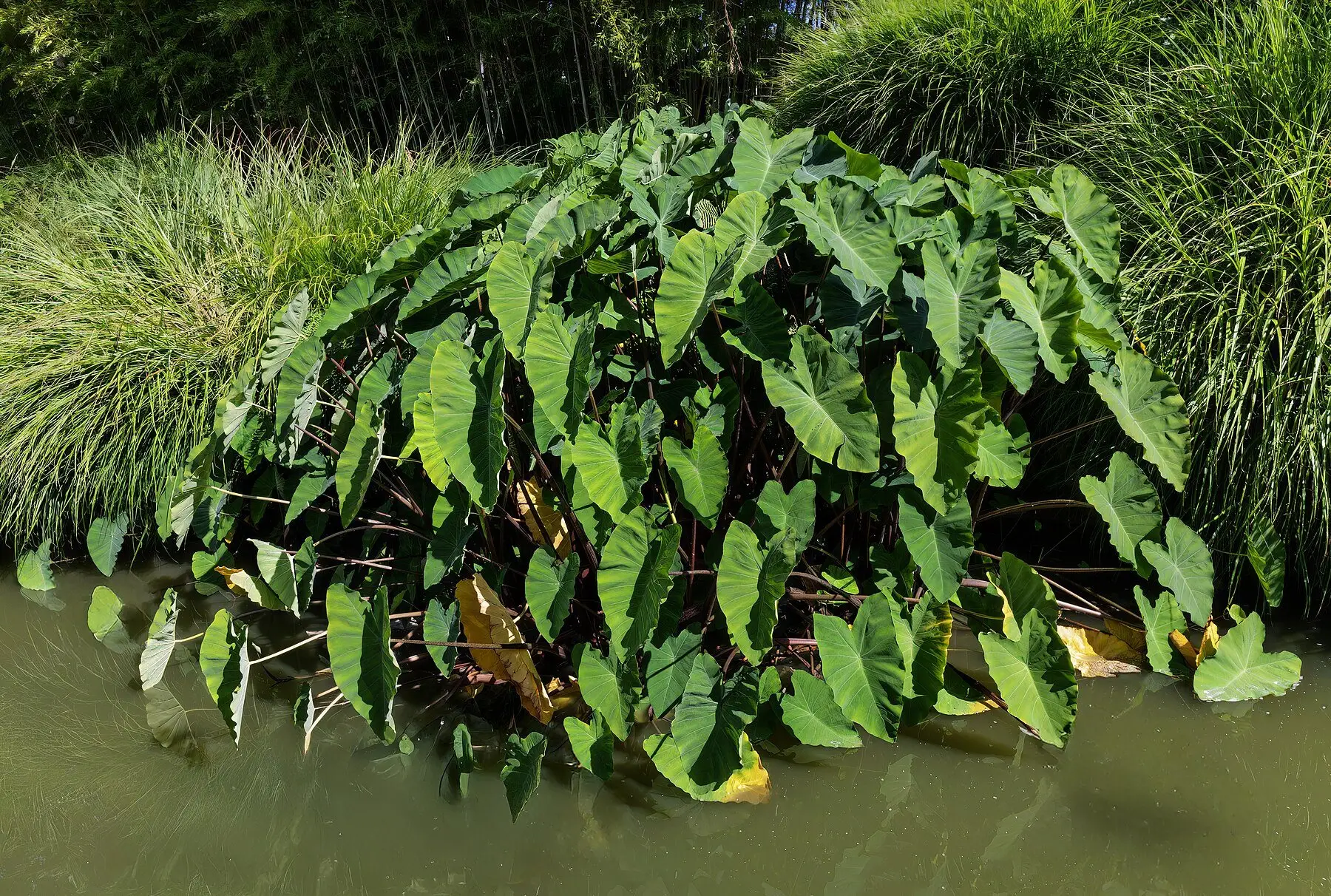
Colocasia wants wet feet and heat; Alocasia wants drainage and humidity. Which one you have decides the care — plus how to lift and store the tubers.
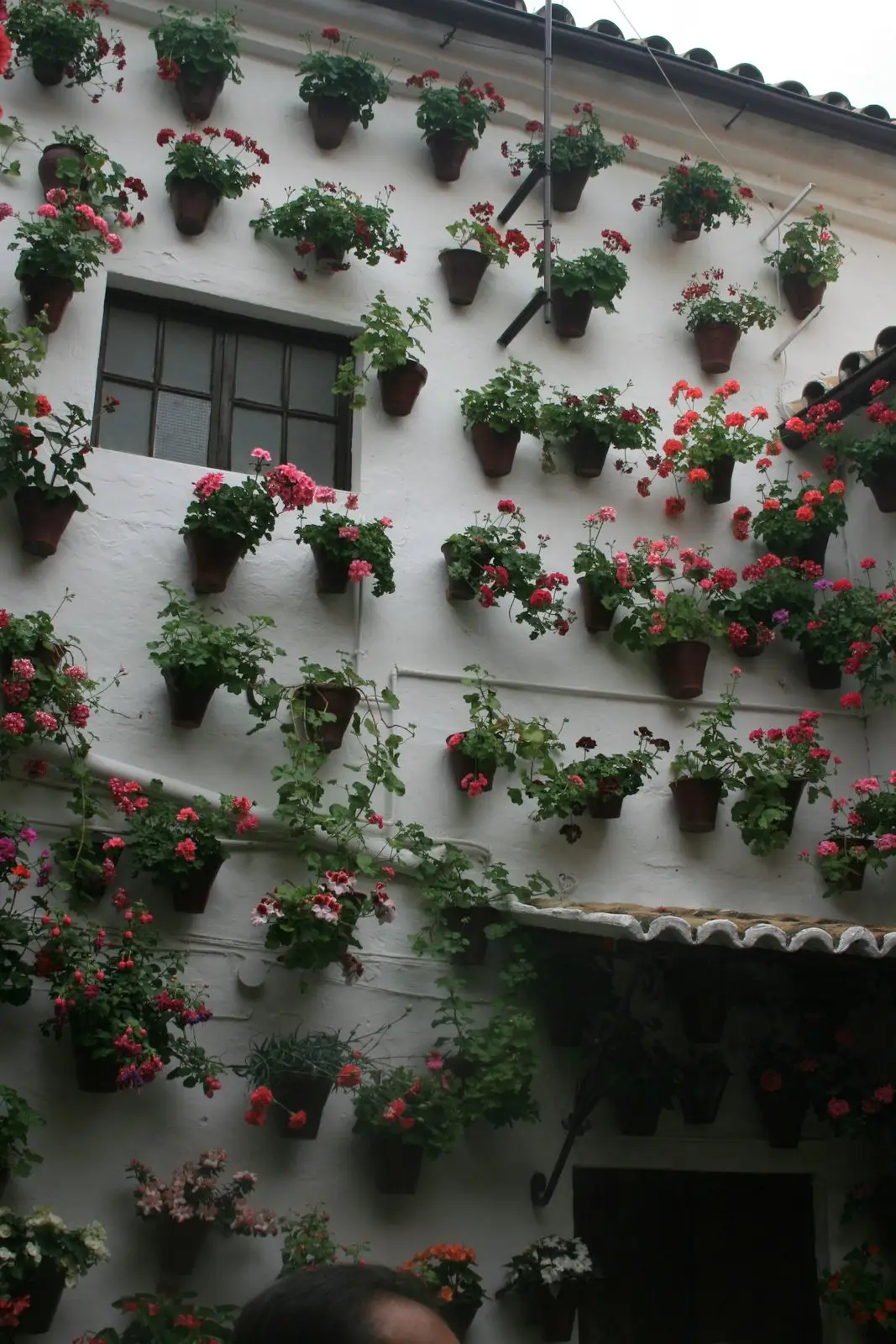
A pot outdoors is a harsher place than the ground — hotter, drier, and colder in winter. How to pick plants and pots that cope, and get through the cold.
Aloe is killed by watering, not neglect. How to tell thirst from rot, why the leaves go flat or brown, and what to do with the pups it keeps producing.
Backyard Weekly
One email a week: what to plant now, what to fix, and what is worth buying. No spam, unsubscribe anytime.
Not ready to subscribe? The planting calendar is free and needs no email.
By subscribing you agree to our privacy policy. Grow In Backyard will never sell your address.
Cookies
We use analytics cookies to see which guides get read, so we know what to write next. Decline and nothing is set. Privacy policy.