
How to Grow Cacti: Light, Grit and a Dry Winter Rest
Most cacti die from winter watering, not neglect. Gritty mix, the brightest window, a soak in summer and almost nothing from October to March.
 By
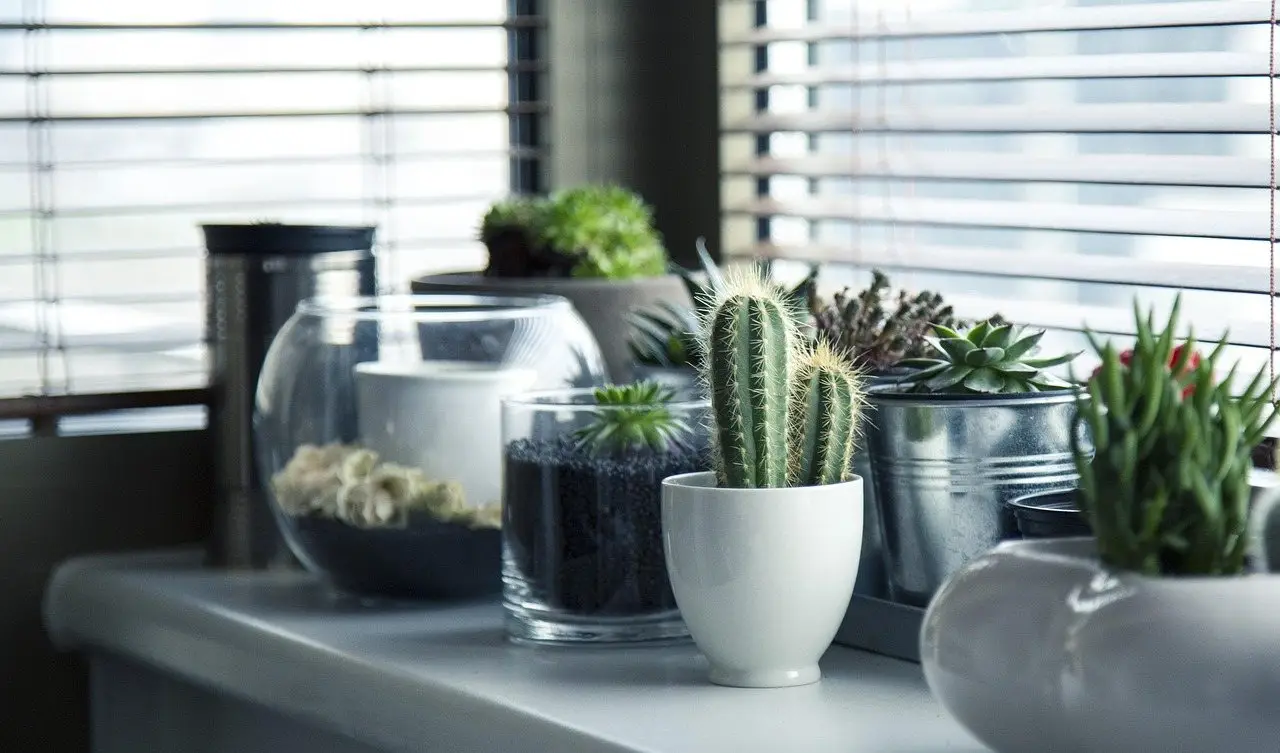
On this page
Nearly every dead cactus died of water in winter. Light, grit, and a genuinely dry rest from October to March is most of what there is to know.
The annual cycle
Most cactus advice is given as a set of rules. It makes far more sense as a year.
| Period | Water | Temperature | Feed |
|---|---|---|---|
| March–April | Resume gradually, one light watering | Rising | None yet |
| May–August | Soak when bone dry, every 2–3 weeks | Warm, as bright as possible | Low-nitrogen cactus feed monthly |
| September | Reduce | Cooling | Stop |
| October–March | None, or almost none | 8–12°C, bright | None |
The winter rest is not neglect, it is the point
Desert cacti evolved around a dry season. Watering through winter in a warm room keeps them growing when they should be resting, produces weak etiolated growth, is the commonest cause of rot, and prevents flowering.
A cool bright windowsill in an unheated room, kept dry, is ideal. A warm living room with occasional watering is how most houseplant cacti slowly decline.
Soil and pots
Mix: cactus or succulent compost with a third to a half added perlite, pumice or coarse grit. The test is simple — water poured on should run straight through, not pool on the surface.
Pot: terracotta, which breathes and dries, with drainage holes. Only slightly larger than the rootball, because an oversized pot holds damp compost the plant is not using.
Top dressing: a layer of grit over the compost. It keeps the base of the plant dry — where rot starts — and stops compost splashing up the stem.
Watering, stated precisely
Soak thoroughly until water runs from the holes. Then do not water again until the compost is dry all the way through.
- Summer: usually every two to three weeks
- Winter: usually not at all
- Test by weight. Lift the pot — a dry one is noticeably light
- Never leave it standing in a saucer
- Small frequent watering is the enemy. It keeps the surface damp and the roots permanently half-wet
Light, and the stretching problem
Cacti want the brightest position you have — a south-facing window in the northern hemisphere, or supplementary light.
In insufficient light the plant etiolates: it stretches toward the light, producing pale narrow growth that cannot support itself and looks nothing like the compact body below.
That growth does not thicken again. More light prevents further stretching but does not reverse what has happened. For a badly stretched plant the remedy is to behead it above firm growth, callus the cut, and re-root the top — see how to plant cactus cuttings.
Acclimatise before summer sun
A plant that has spent winter indoors will scorch if moved straight into full outdoor sun. Pale bleached patches are permanent.
Move it out over two weeks, starting in shade and increasing exposure gradually.
Getting them to flower
In order of importance:
- A cool dry winter rest. 8–12°C, bright, no water. The main trigger
- Maximum light in the growing season
- Maturity. Many species simply will not flower until they are several years old
- Low-nitrogen feed in summer — high nitrogen produces body growth at the expense of flowers
- Patience. Some species flower reliably every year; others do not
Desert cacti are not jungle cacti
Worth separating, because the advice above actively harms the second group:
- Desert cacti — most of what is sold as “cactus”. Full sun, dry winter rest, gritty mix
- Jungle cacti — Christmas and Easter cactus (Schlumbergera), Rhipsalis, epiphyllum. Bright indirect light, more water, more humidity, richer mix. They grow on trees in humid forest, and treating them like a desert plant kills them
If the plant has flat leaf-like segments and came from a garden centre at Christmas, it is the second kind.
Diagnosing problems
- Soft brown base → rot. Cut above into firm tissue, callus, re-root
- Soft and translucent overall → severe overwatering
- Shrivelled, wrinkled, firm → underwatered. Soak it
- Pale bleached patch → sunscald from moving it too fast
- Thin stretched top → etiolation. Needs light, and probably beheading
- White cottony fluff in the crevices → mealybugs. Alcohol on a cotton bud
- No flowers, healthy plant → it is not getting a winter rest
Step by step
- Time
- P365D
- Cost
- 20
- You need
- Cactus or succulent compost, Perlite, pumice or coarse grit, Horticultural grit for a top dressing
- Tools
- Terracotta pots with drainage holes, Thick gloves or folded newspaper
Choose the brightest position you have
A south-facing window or the equivalent. Insufficient light causes permanent stretching, and no amount of later correction thickens growth that has already etiolated.
Mix a gritty compost
Cactus or succulent compost with a third to a half perlite, pumice or coarse grit. Water poured on should run straight through rather than pooling.
Pot into terracotta with drainage
Only slightly larger than the rootball. Terracotta breathes and dries, and an oversized pot holds damp compost the roots are not using.
Add a grit top dressing
A layer of grit over the compost keeps the base of the plant dry, which is where rot starts, and stops compost splashing onto the stem.
Water by soaking, then let it dry out fully
Water until it runs from the drainage holes, then wait until the compost is dry all the way through — every two to three weeks in summer. Never water little and often.
Feed lightly through summer only
A low-nitrogen cactus feed monthly from May to August. High nitrogen produces soft body growth at the expense of flowers.
Give a dry winter rest from October to March
Move it somewhere bright at around 8 to 12°C and stop watering almost entirely. This rest is what prevents rot and what triggers flowering in most desert species.
Acclimatise gradually before any summer sun
A plant that has wintered indoors scorches in full outdoor sun. Move it out over about two weeks, starting in shade, since bleached patches are permanent.
Common questions
How often should you water a cactus?
What soil do cacti need?
Why is my cactus going soft and brown at the base?
Why won't my cactus flower?
Why is my cactus growing thin and stretched at the top?
Backyard Weekly
Know what to plant, week by week
Join the weekly email for seasonal jobs, fixes for what is going wrong, and gear worth buying.
Not ready to subscribe? The planting calendar is free and needs no email.
By subscribing you agree to our privacy policy. Grow In Backyard will never sell your address.
Keep reading
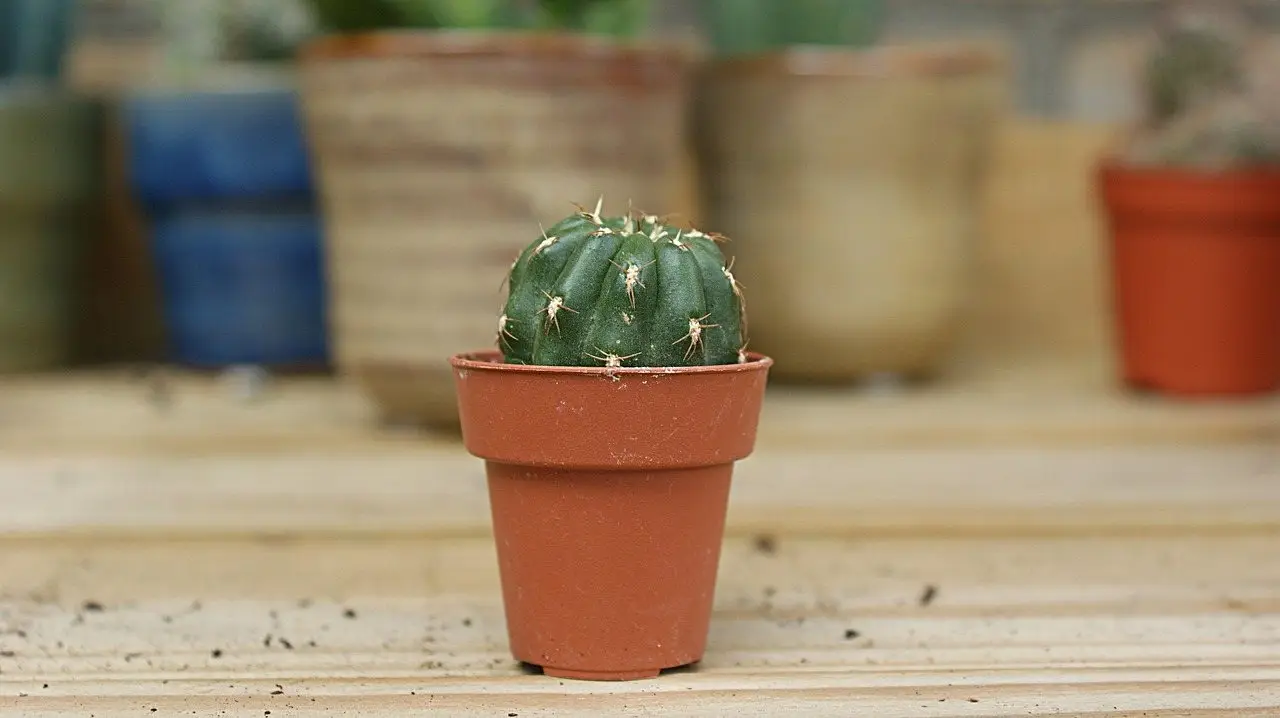
How to Plant Cactus Cuttings: Callus First, Water Last
A fresh cut planted straight into damp compost rots. Let the wound callus for days or weeks, pot dry, and wait before the first watering.
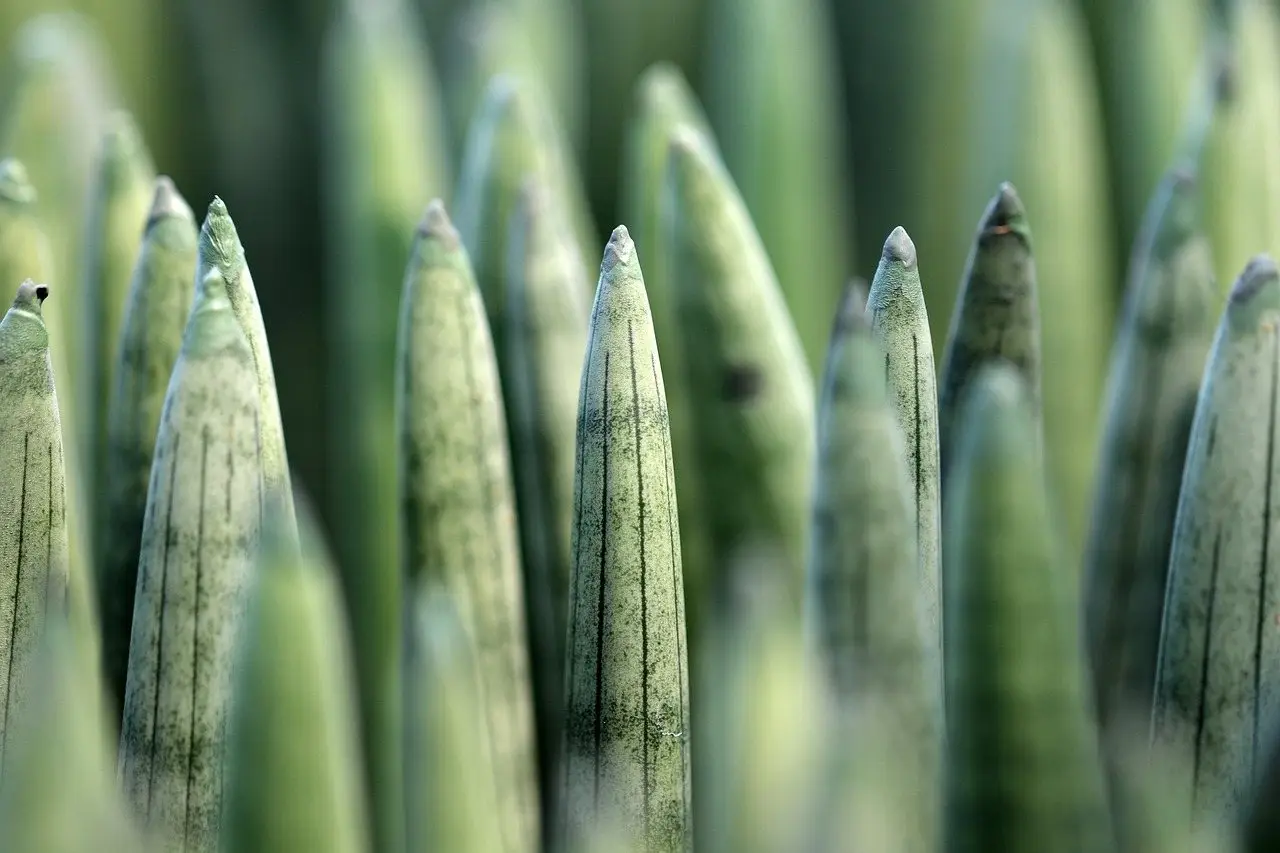
How to Repot a Snake Plant: Only When It Has To Be Done
Snake plants flower better and rot less when slightly pot-bound. Repot every 3–5 years, one size up, into gritty mix — and keep it dry afterwards.
What Is Perlite Made Of? Volcanic Glass, Popped Like Corn
Perlite is volcanic glass heated to 900°C until its trapped water flashes to steam and expands it. That is why it is white, light and permanent.
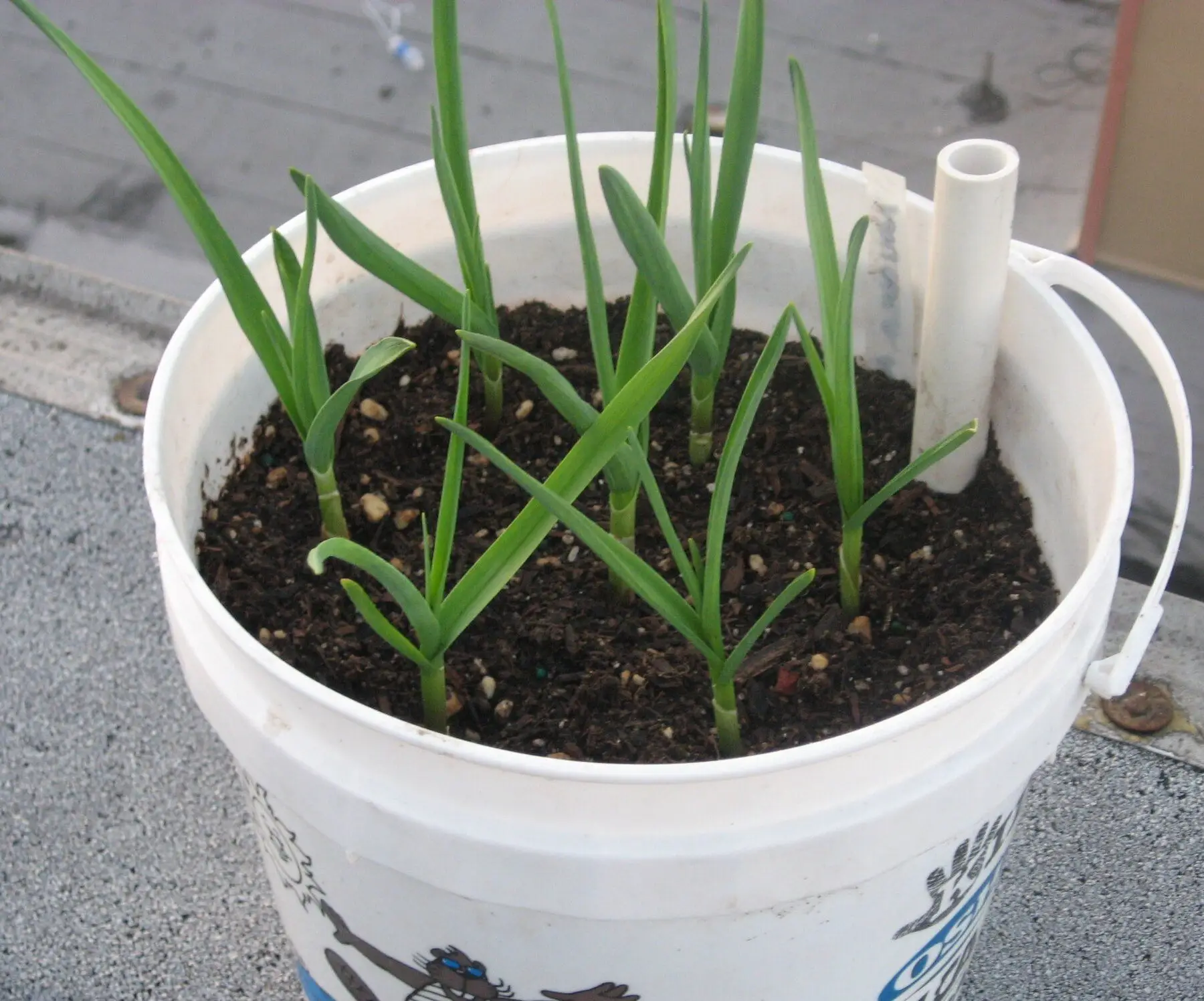
How to Grow Garlic in Pots: Depth, Size and Overwintering
Garlic needs a cold spell and eight months in the pot, so container size and winter protection decide whether you get bulbs or scallions.