
Outdoor Living ·
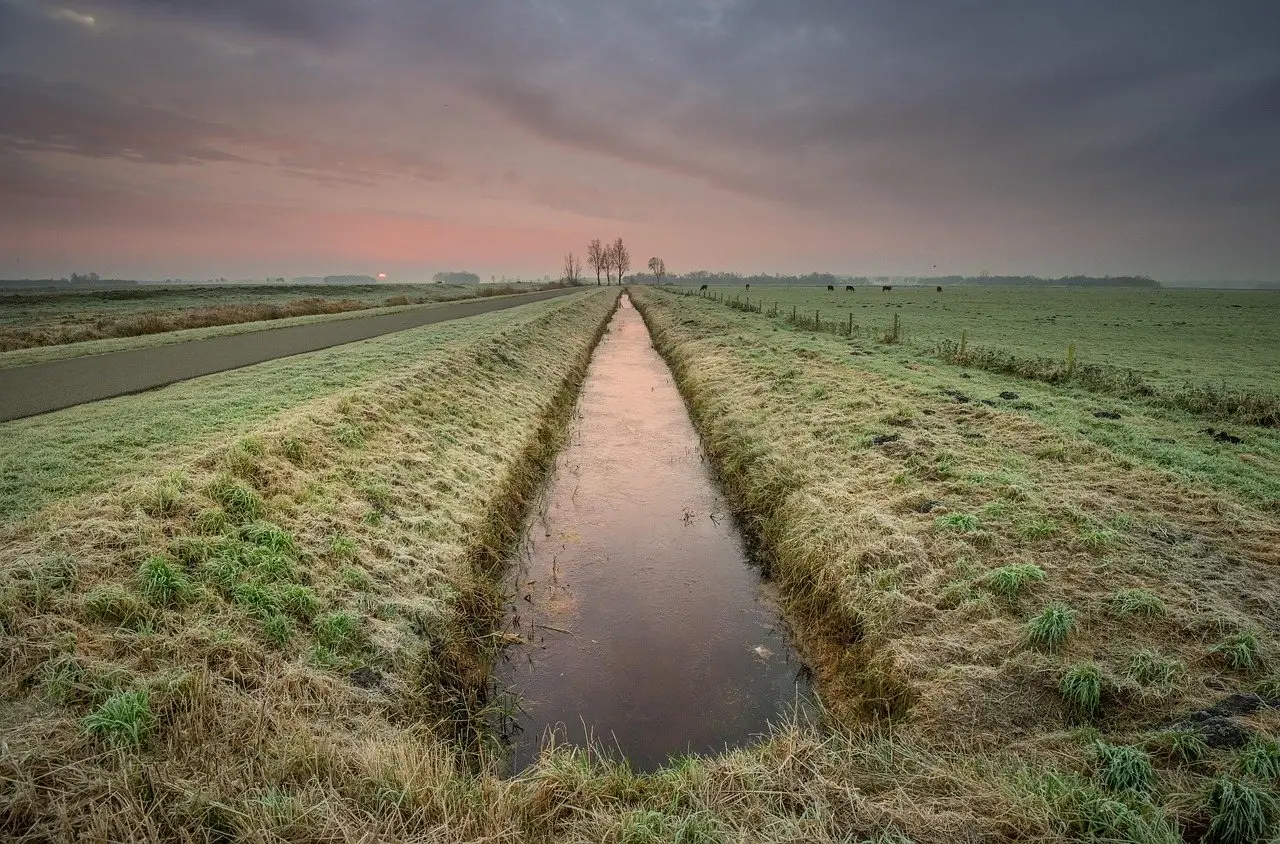
Backyard Drainage Ideas That Fix the Water, Not the Symptom
A wet yard has one of four causes. How to find which, and which fix matches it — French drain, dry creek, regrade, or dry well — with real costs.
Backyard design ideas, decor, outdoor games, and everything that happens around the grill.
122 guides
A wet yard has one of four causes. How to find which, and which fix matches it — French drain, dry creek, regrade, or dry well — with real costs.
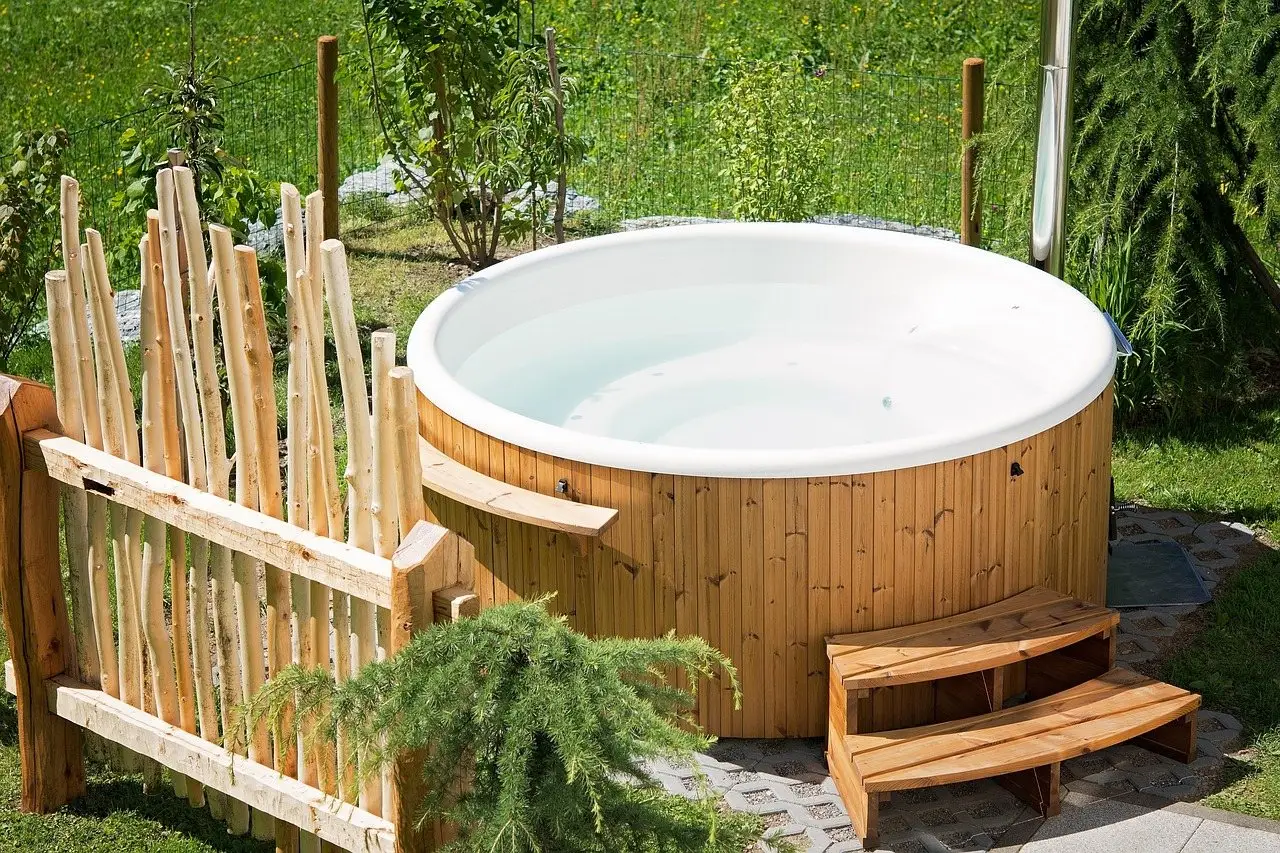
A small tub lives or dies on insulation and where it stands. Four types compared on what they cost to run, not just to buy.

Dogs go over, under or through, and each needs a different fix. Low-cost barriers that work, heights by dog size, and what to skip.
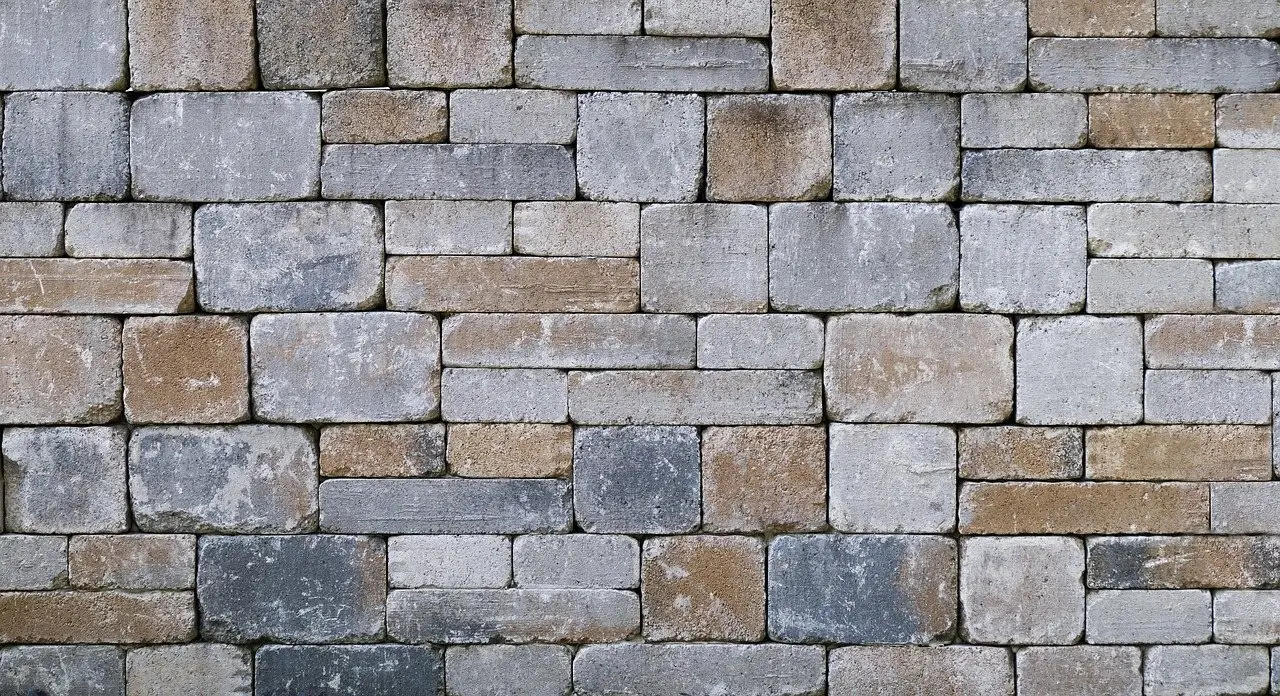
Block type sets the price, but height sets the engineering. Costs per square foot, the heights that need a permit, and why drainage decides it.
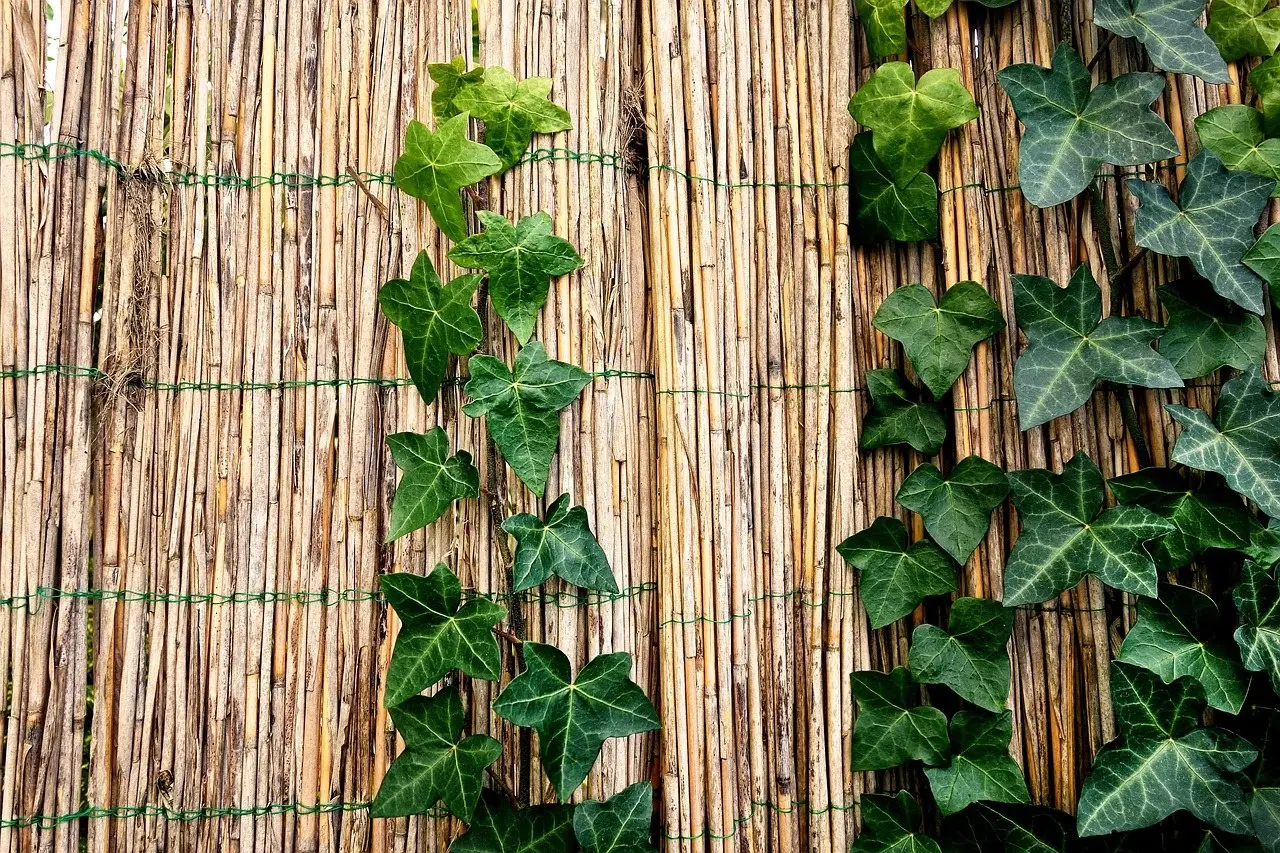
Screening that works without a six-foot fence or a planning row. What blocks a sightline fastest, what it costs, and the height rules to check first.
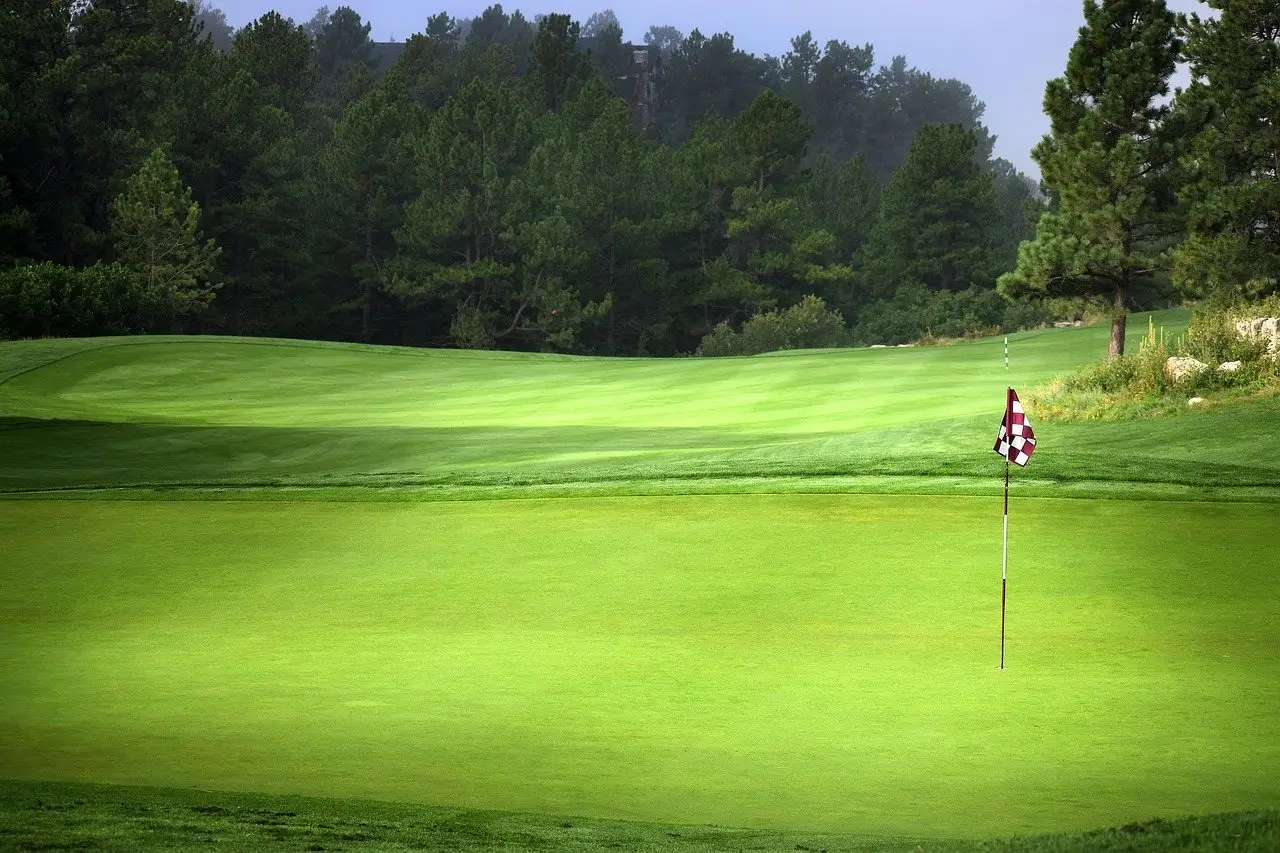
A putting green lives or dies on the base, not the turf. Excavation depths, the stone layers that make it roll true, and what it actually costs.

Grasses carry a front yard for three seasons on almost no work. Which to plant where, the clumping-versus-running trap, and when to cut them back.
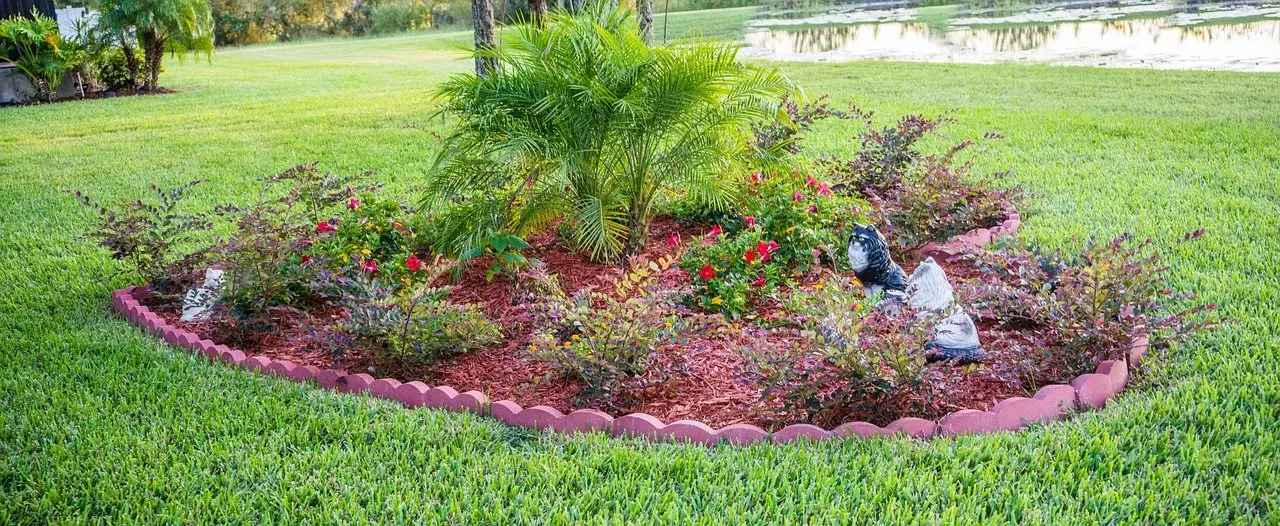
Most budget landscaping advice ignores the two costs that dominate: hard surfaces and plant size. What to spend on, what to phase, and what to skip.

Under a mature tree the problem is root competition and drought, not shade. Plants that cope, how to plant without damaging roots, and what never works.

Cut and fill, terracing or raising — which one suits your slope, what each costs, and the drainage and retaining-wall rules that decide if it holds.

Front beds fail from the same four mistakes. The planting plan, spacing and edge detail that keep a bed looking deliberate with an hour of work a month.

Most metal wall art is indoor stock sold for gardens. Which metals last, how to hang it without staining the wall, and where it actually works.
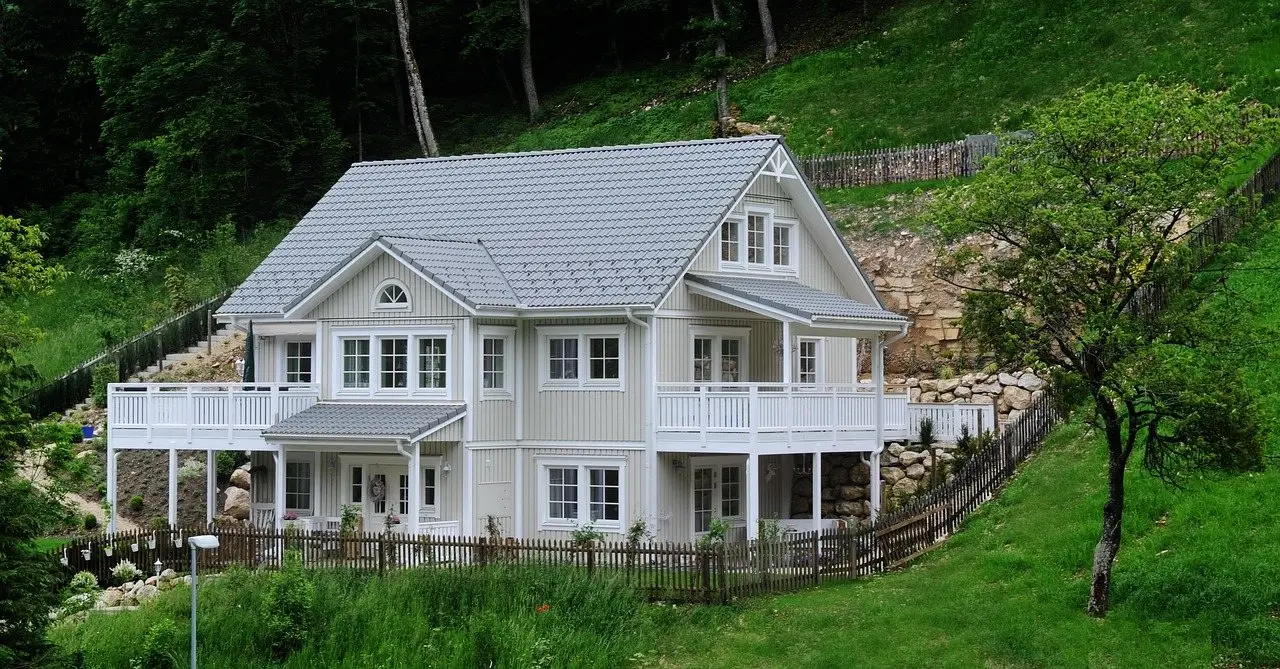
Attaching a roof to the house raises ledger, flashing, drainage and permit questions. The options compared, and what decides which one you can build.
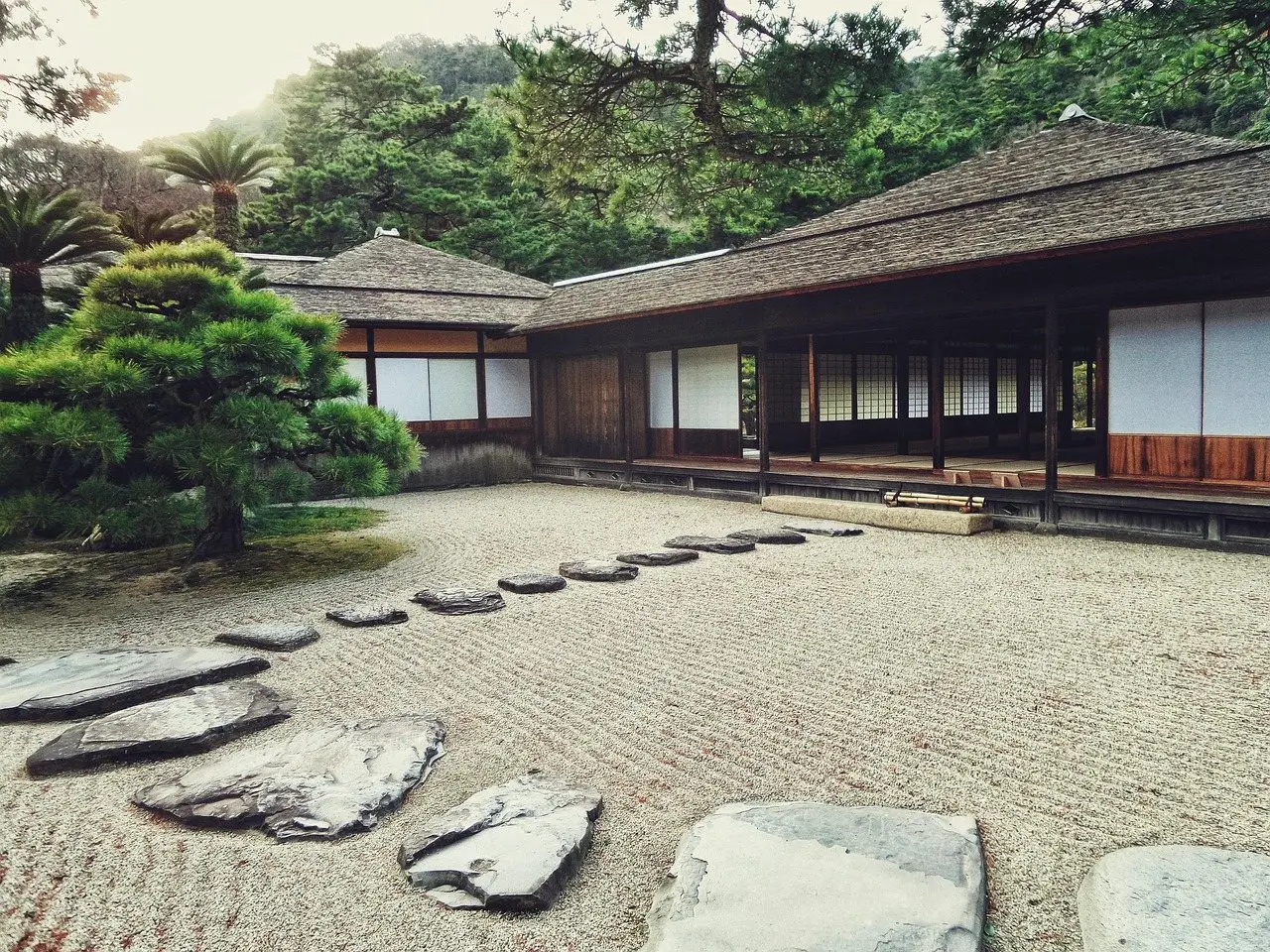
Pea gravel is cheap and drains well, but it migrates, sinks and is hard to walk on. Where to use it, what goes underneath, and the sizes that matter.
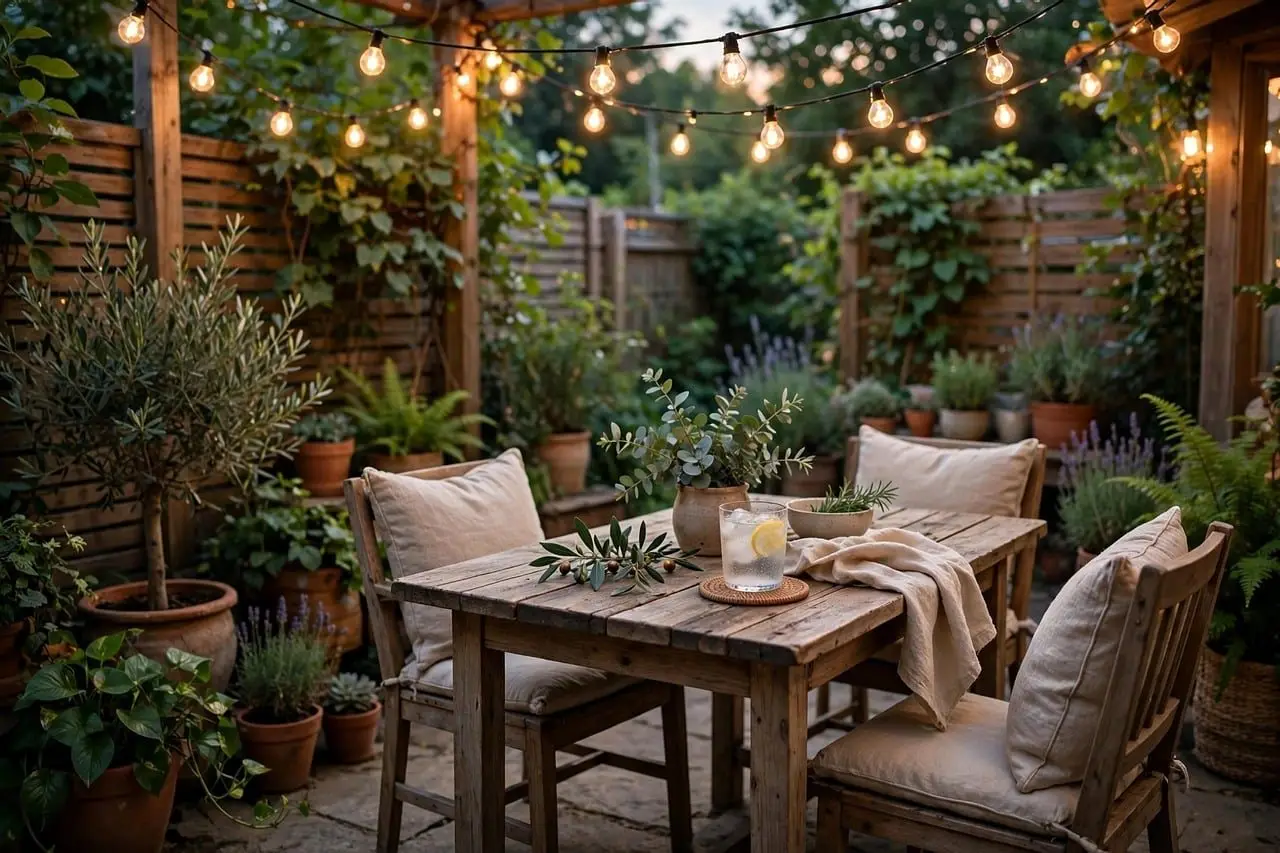
A small patio is won or lost on scale and lighting. What to buy, what to make, and the five mistakes that make a small space feel smaller.

An arch in the wrong place looks like a hoop in a lawn. The sizes that work, where it earns its keep, and the climbers that suit a small garden.

Succulents fail from wet feet, not from neglect. The grit mix, the containers that work, and which species survive a winter outdoors.

What causes algae in a pool comes down to 4 failures: chlorine, circulation, phosphates and pH. Which one yours is, and why shocking alone keeps not working.
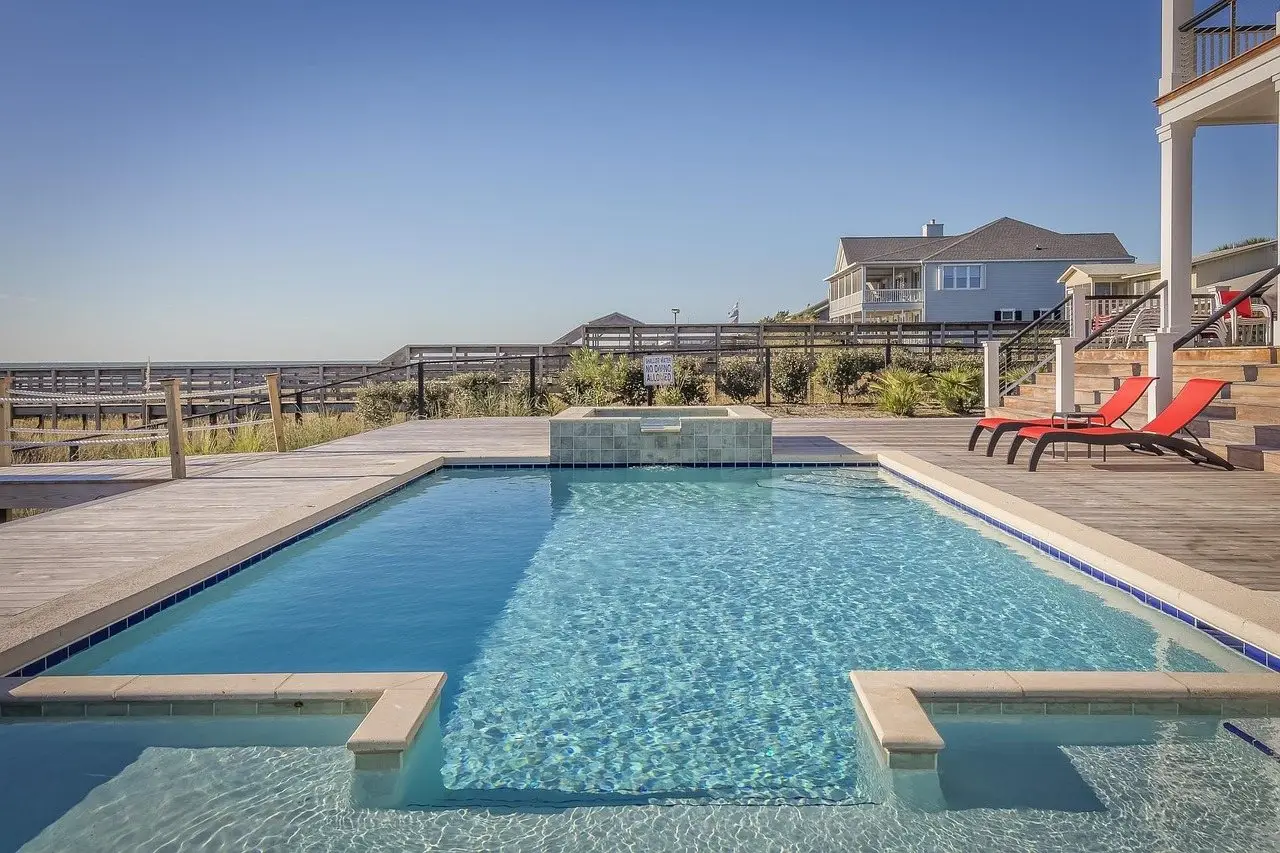
Rectangular pool landscaping ideas work with the geometry instead of hiding it. 10 approaches, the 3 ft rule for planting, and which plants never go poolside.
Sloped garden ideas on a budget start with drainage, not walls. 9 approaches costed honestly, and the 1 job where paying a contractor is the cheaper call.
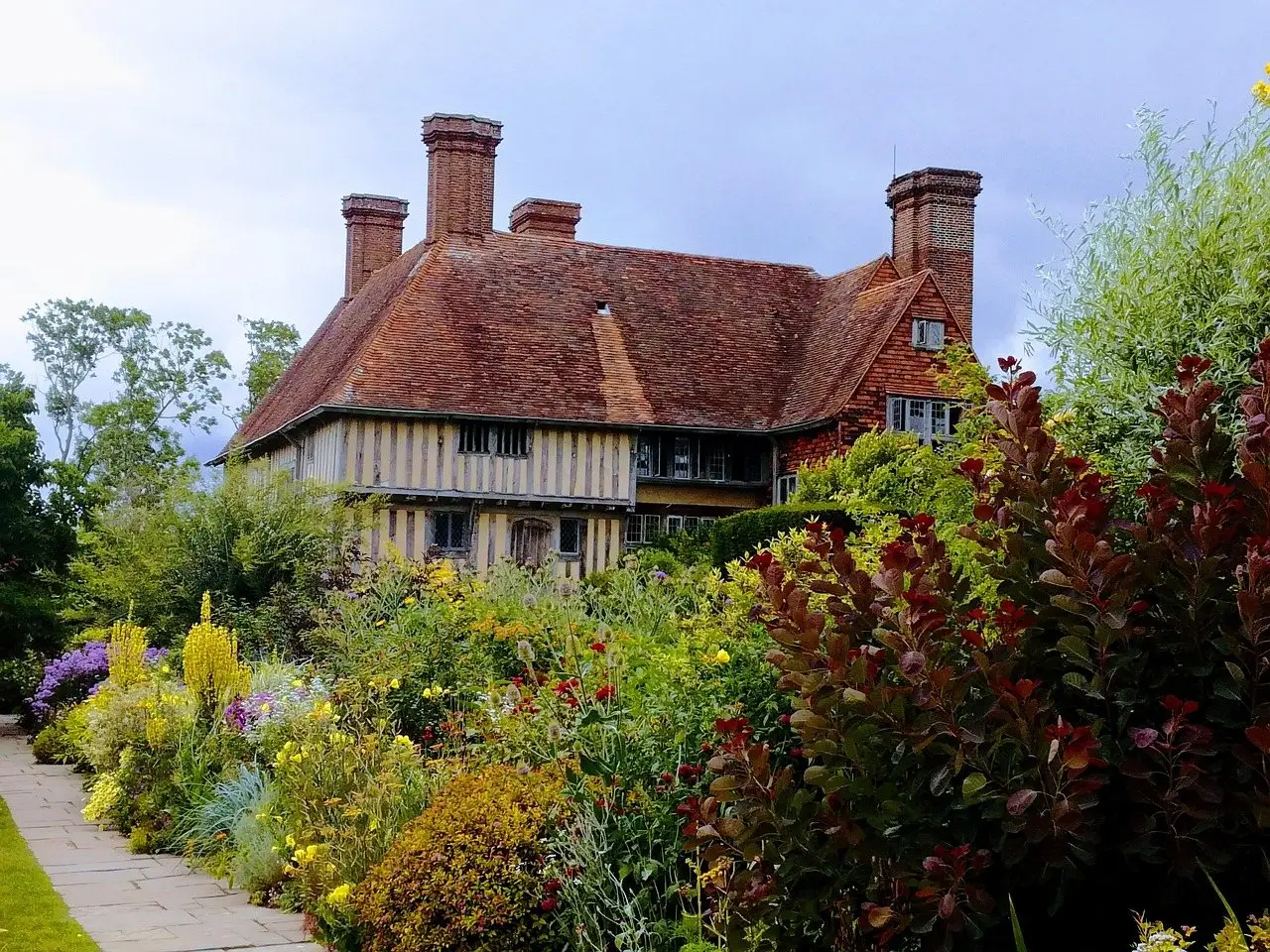
Pick the spot by watching the sun for a day, prepare the soil once properly, and plant far fewer varieties than you want to. Density beats variety.
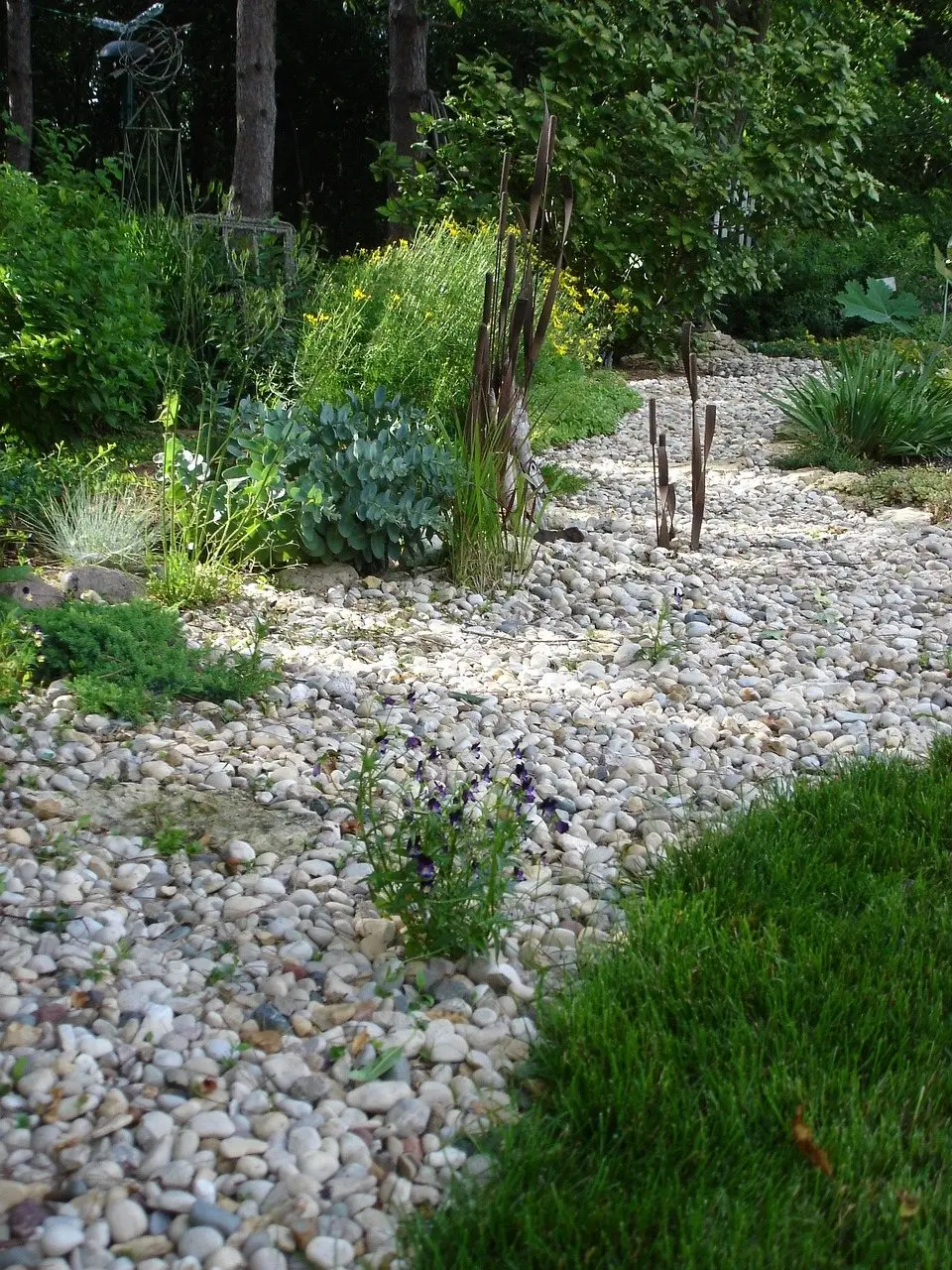
A dry creek bed solves real runoff while reading as a design feature. Stone grading, a sinuous line and buried fabric are what separate the two.
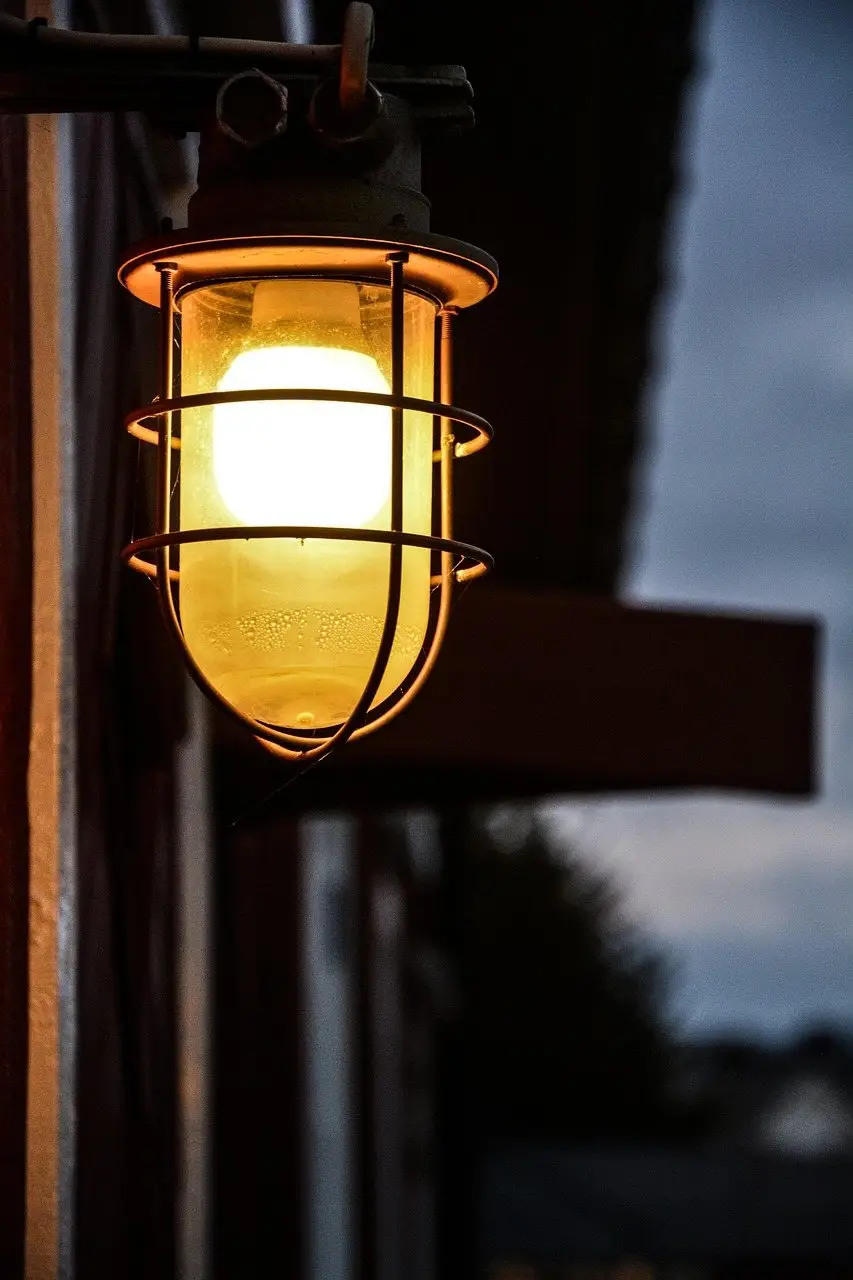
An LED and a halogen of the same lumen output are equally bright. LED gets there on a fifth of the power — the real gains are running cost and life.
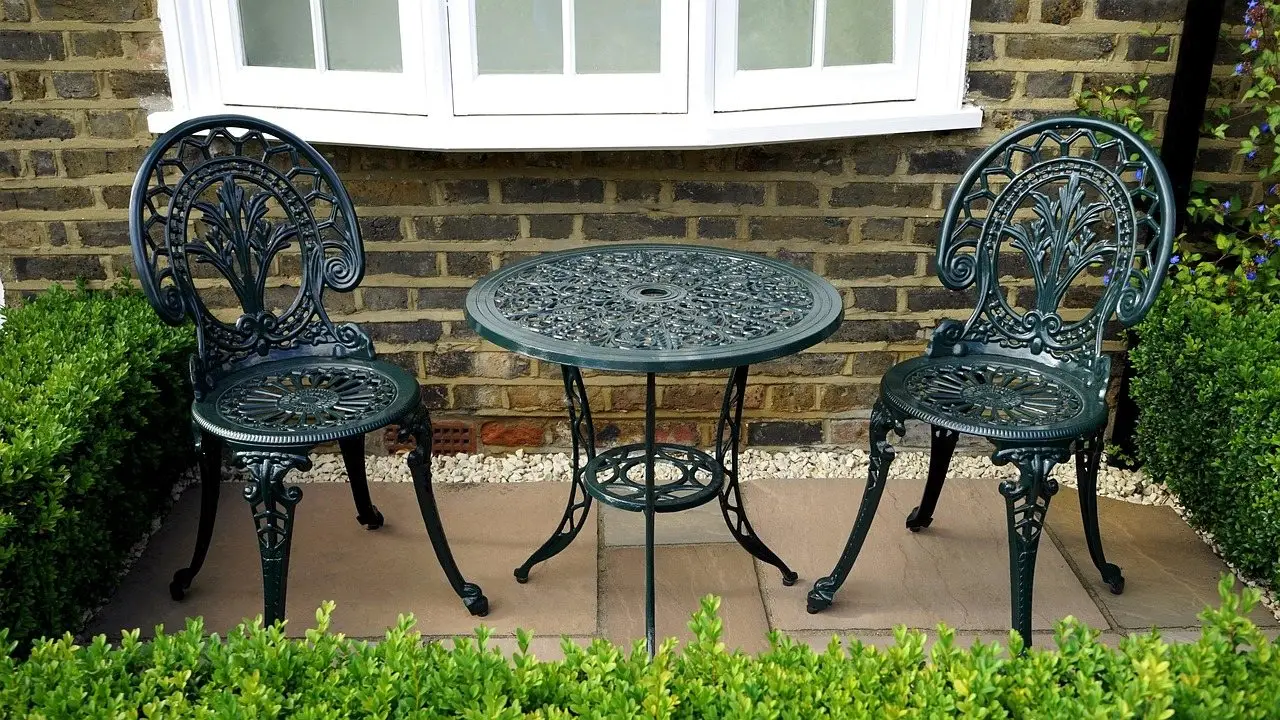
A polypropylene rug transforms a hard patio cheaply. On timber decking it traps moisture and marks the boards, which is the one real catch.

A pizza oven does one thing a grill cannot — 400°C plus. If you want pizza once a summer, a stone on the barbecue gets most of the way there.
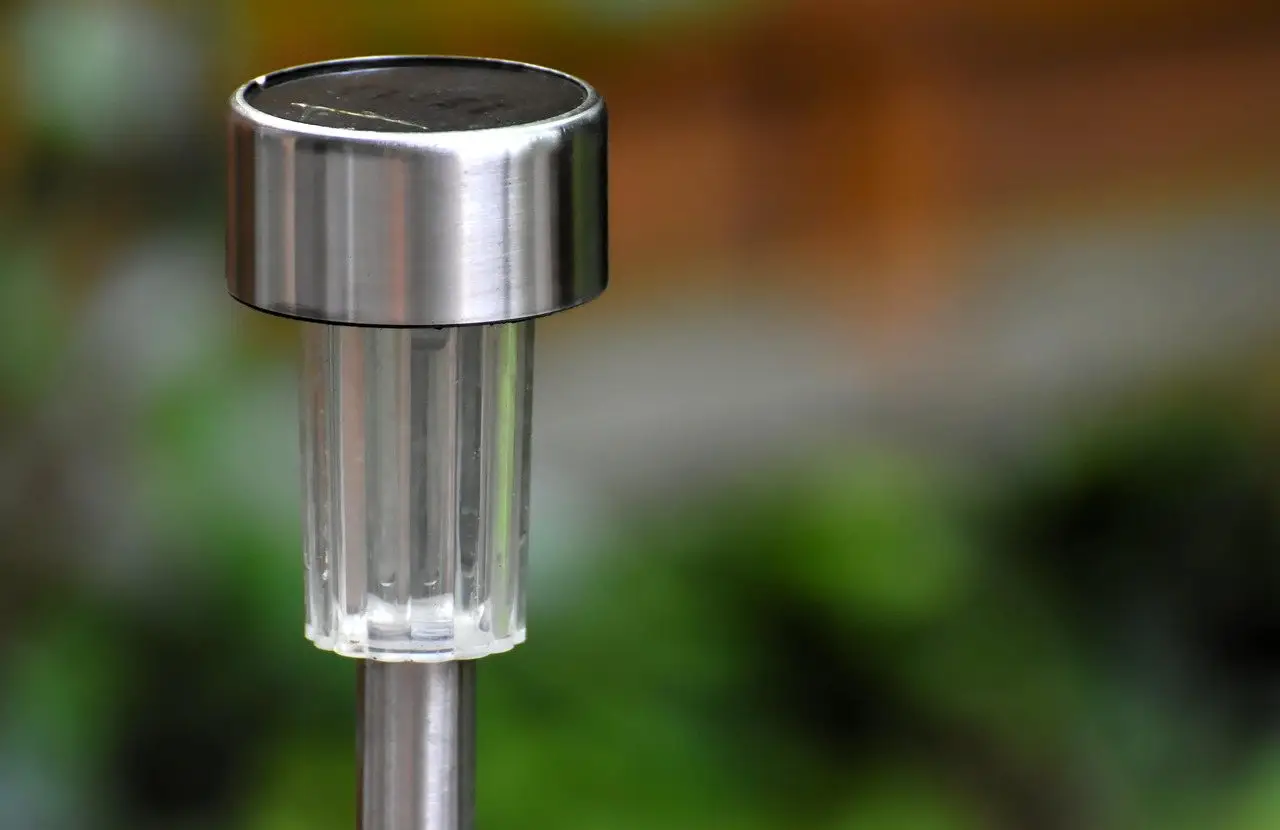
Solar lights need no wiring and cost nothing to run, but output and winter runtime are limited. They suit marking paths, not lighting them.
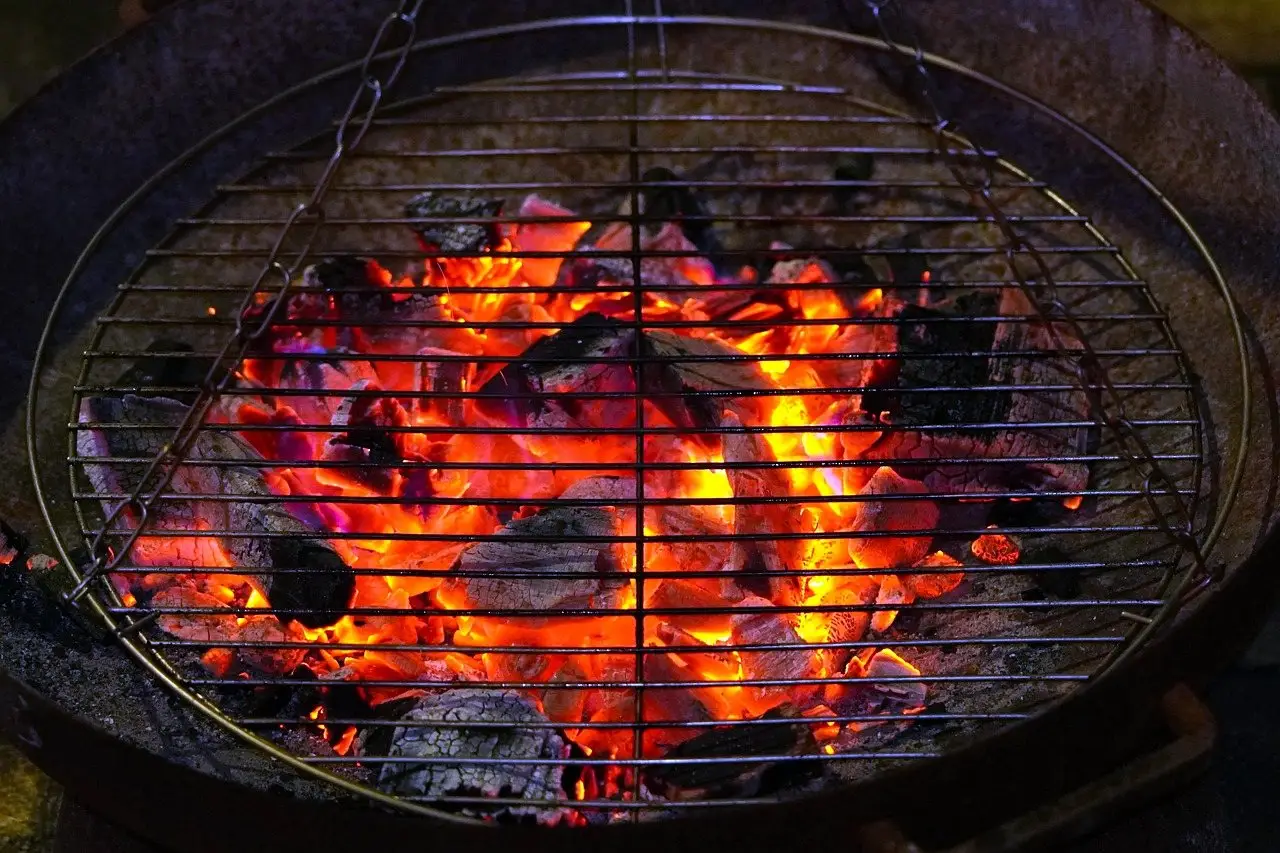
A light orange film scrubs off and the grate is fine. Pitted, flaking grates shed metal into food and should be replaced, not burned clean.
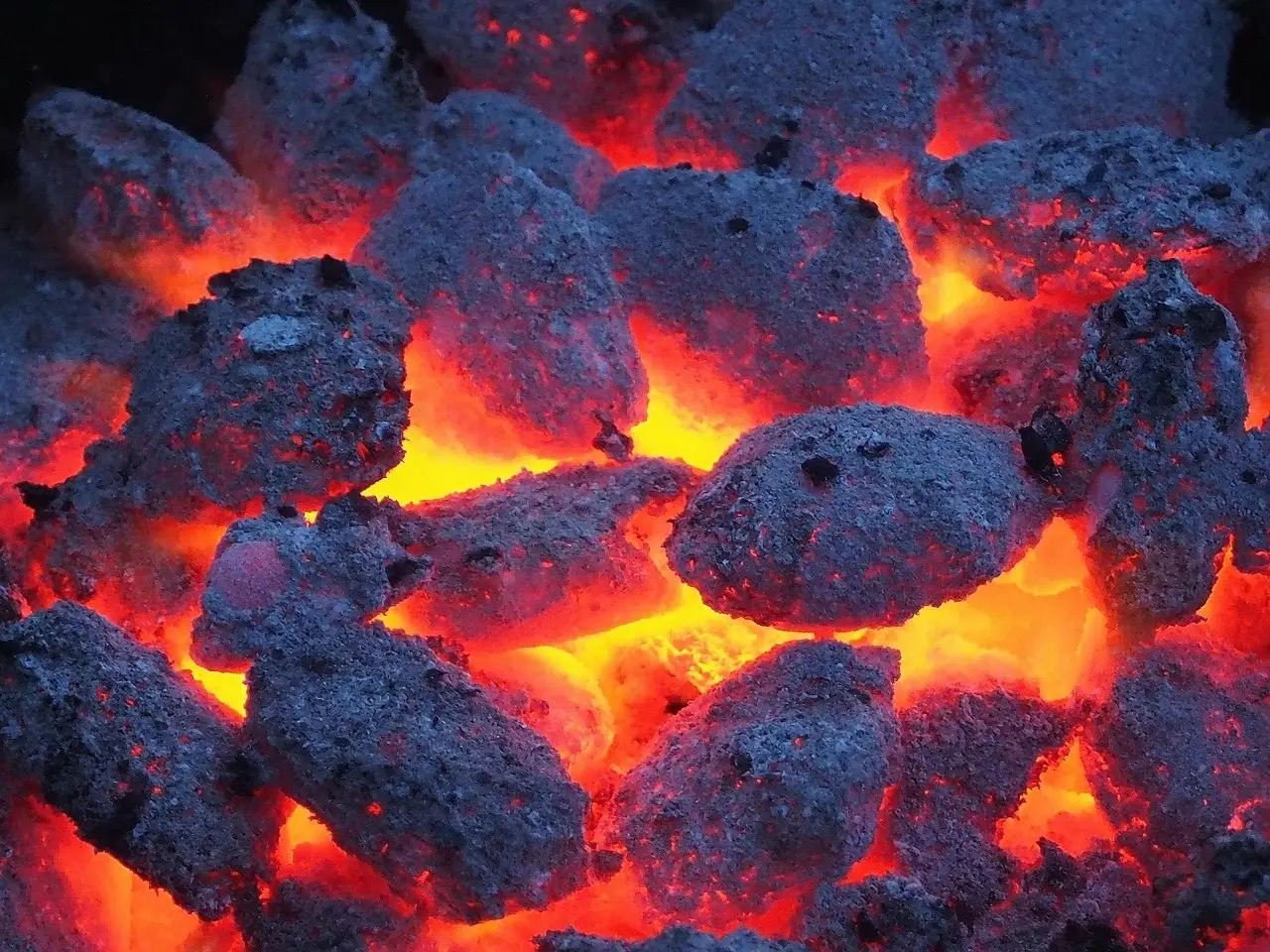
Live coals throw embers, flare on dripping fat and stay dangerously hot for hours after cooking. Close the lid and vents rather than walking away.
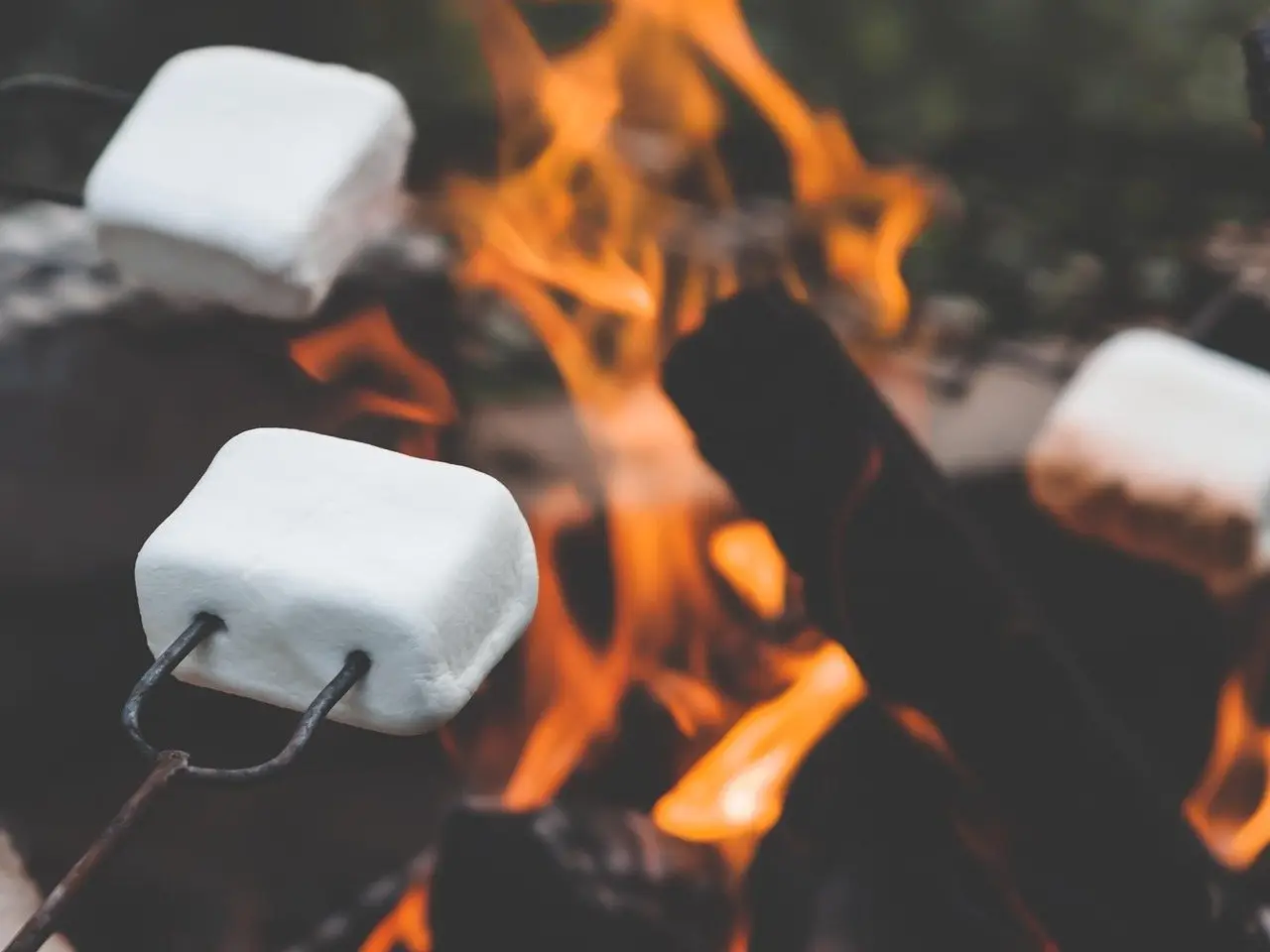
A charcoal grill works well for s'mores once the coals are grey and low. Fresh coals and lighter fluid are the two things that ruin them.
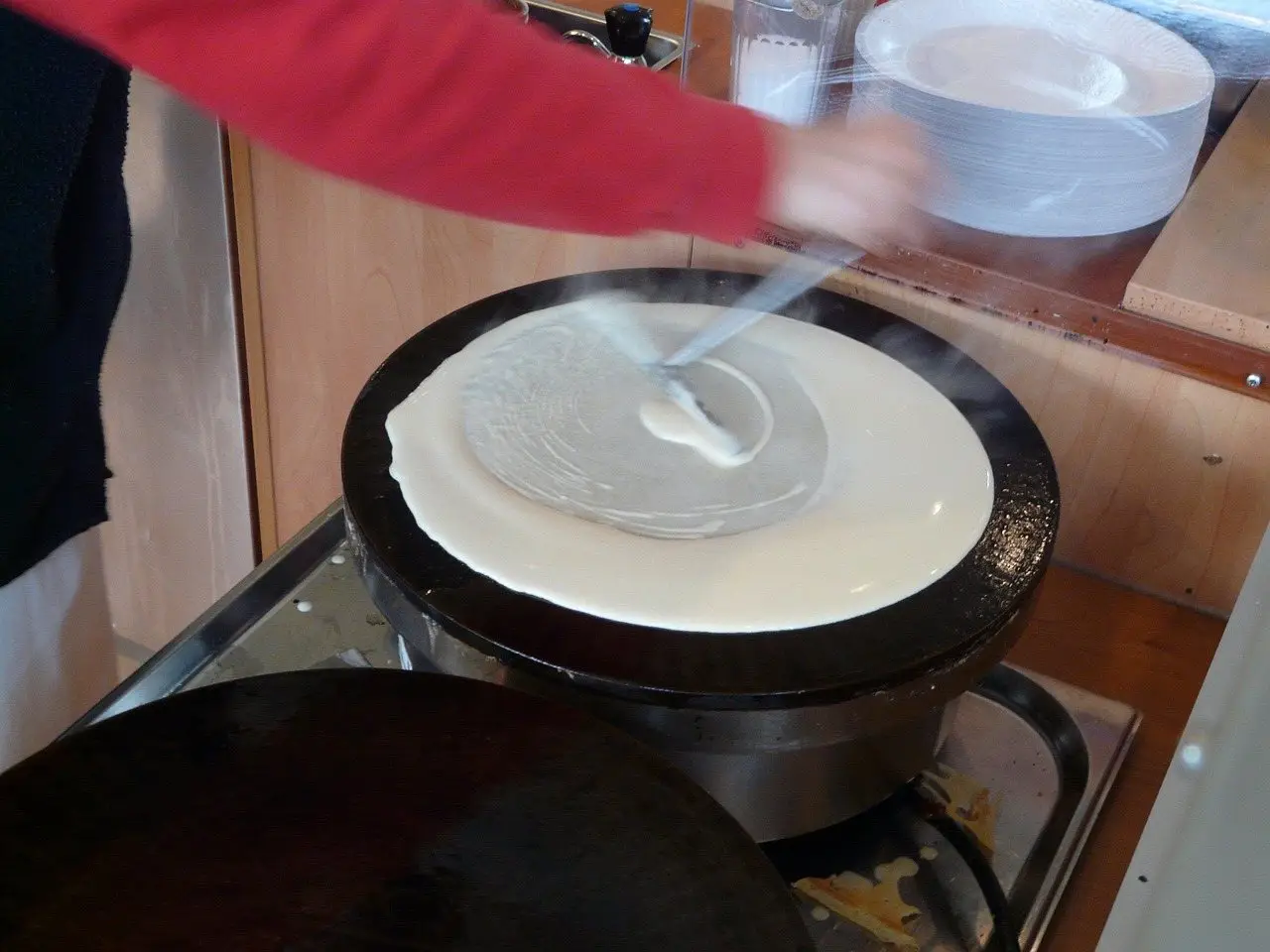
Gas and charcoal flat tops produce carbon monoxide and must stay outside. Electric griddles are built for indoor use — the fuel decides, not the shape.

Black bears climb well and adults can clear or flatten most garden fencing. Removing the attractant is the only measure that reliably works.

Peas climb by tendrils and need something to grip. Dwarf types manage with twigs; anything over 3 feet needs real support from the day it is sown.

Yes — greenhouse plants have thin leaves and no wind conditioning. Seven to ten days of gradual exposure prevents the check that costs weeks of growth.
A wooden playset is worth a lot to a family with young children and a removal cost to everyone else. Treat it as something you buy to use.
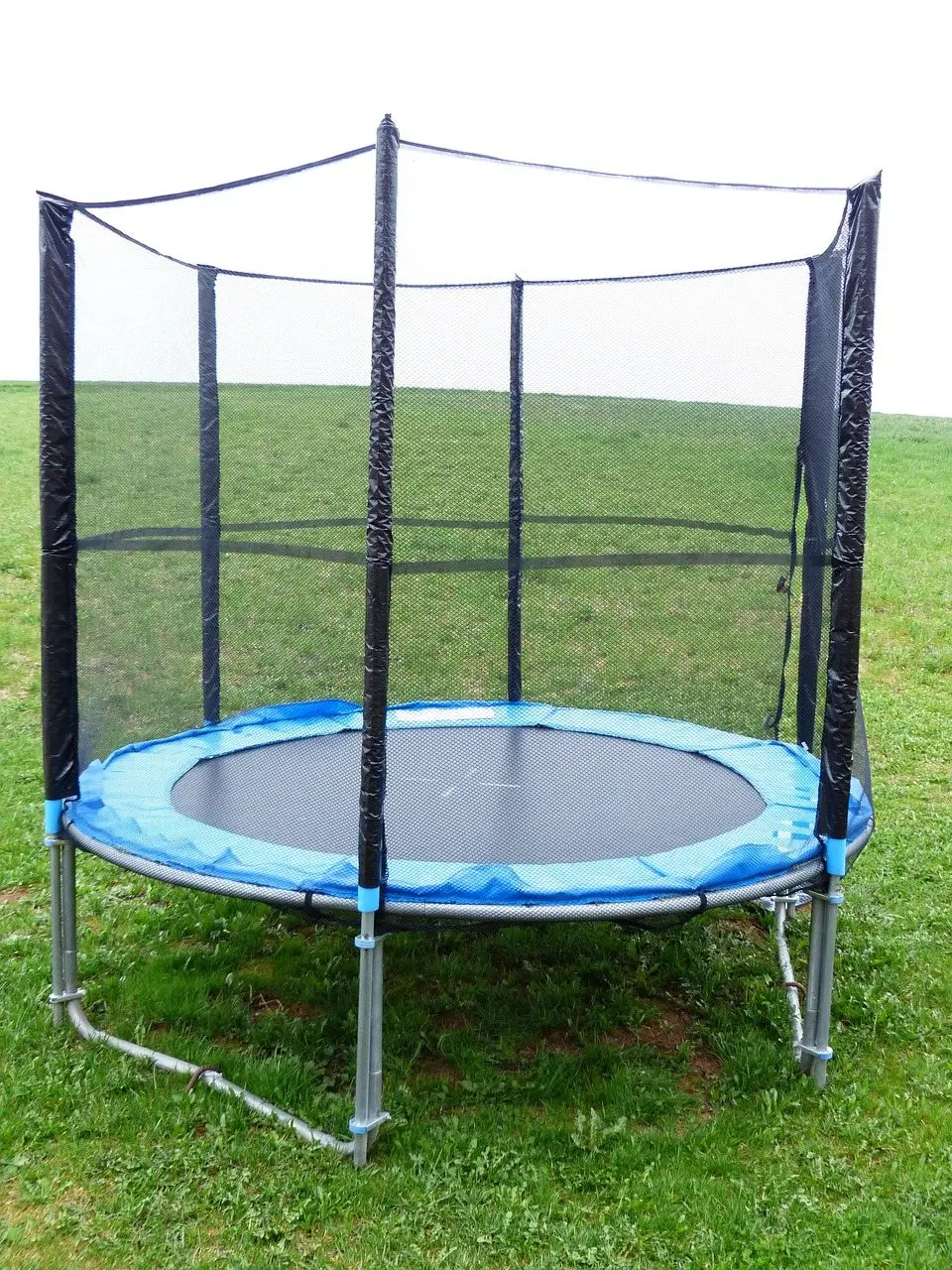
Twelve feet is the outer frame diameter. The mat is nearer 10, and the safe footprint including clearance is closer to 18 feet across.
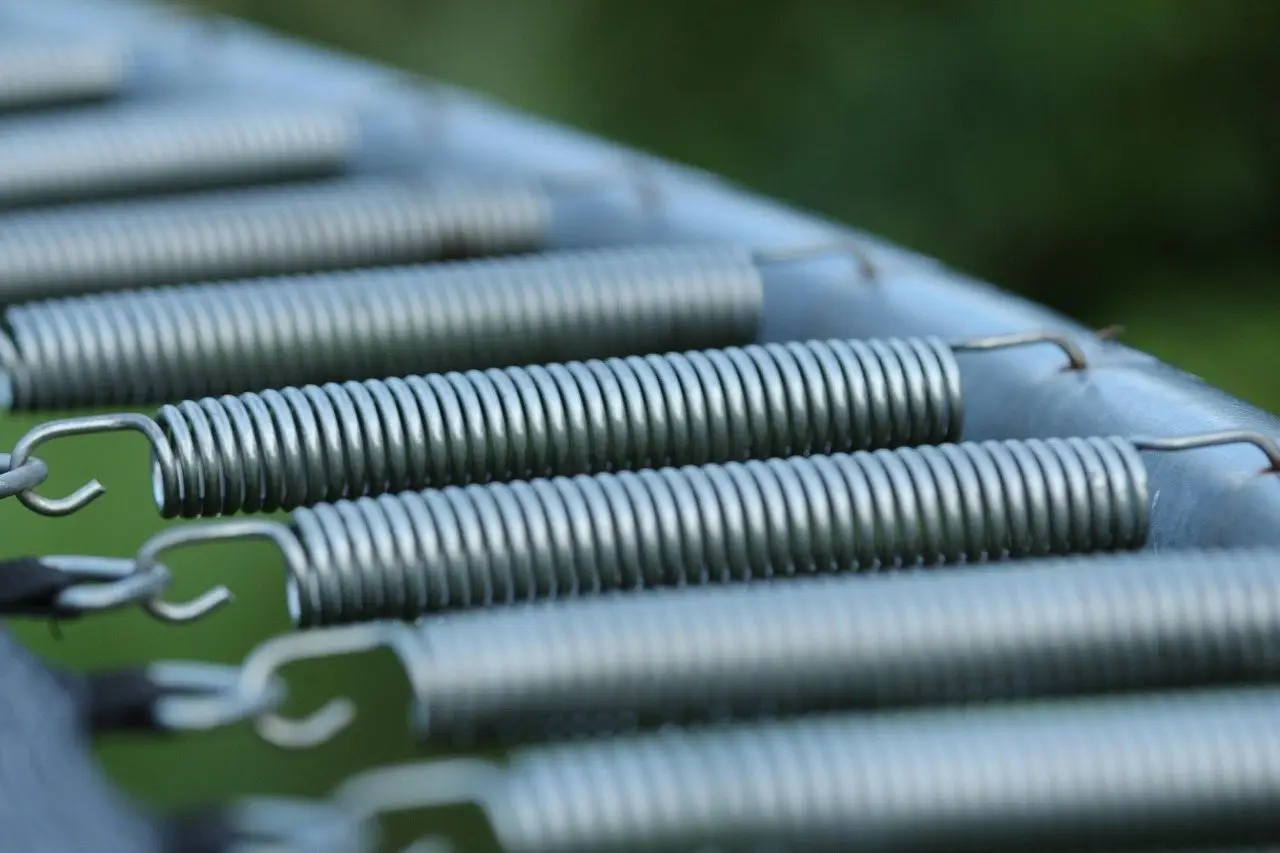
Most 14ft trampolines carry 72, 84 or 96 springs. Count your own V-rings before ordering — the number varies by maker and so does spring length.
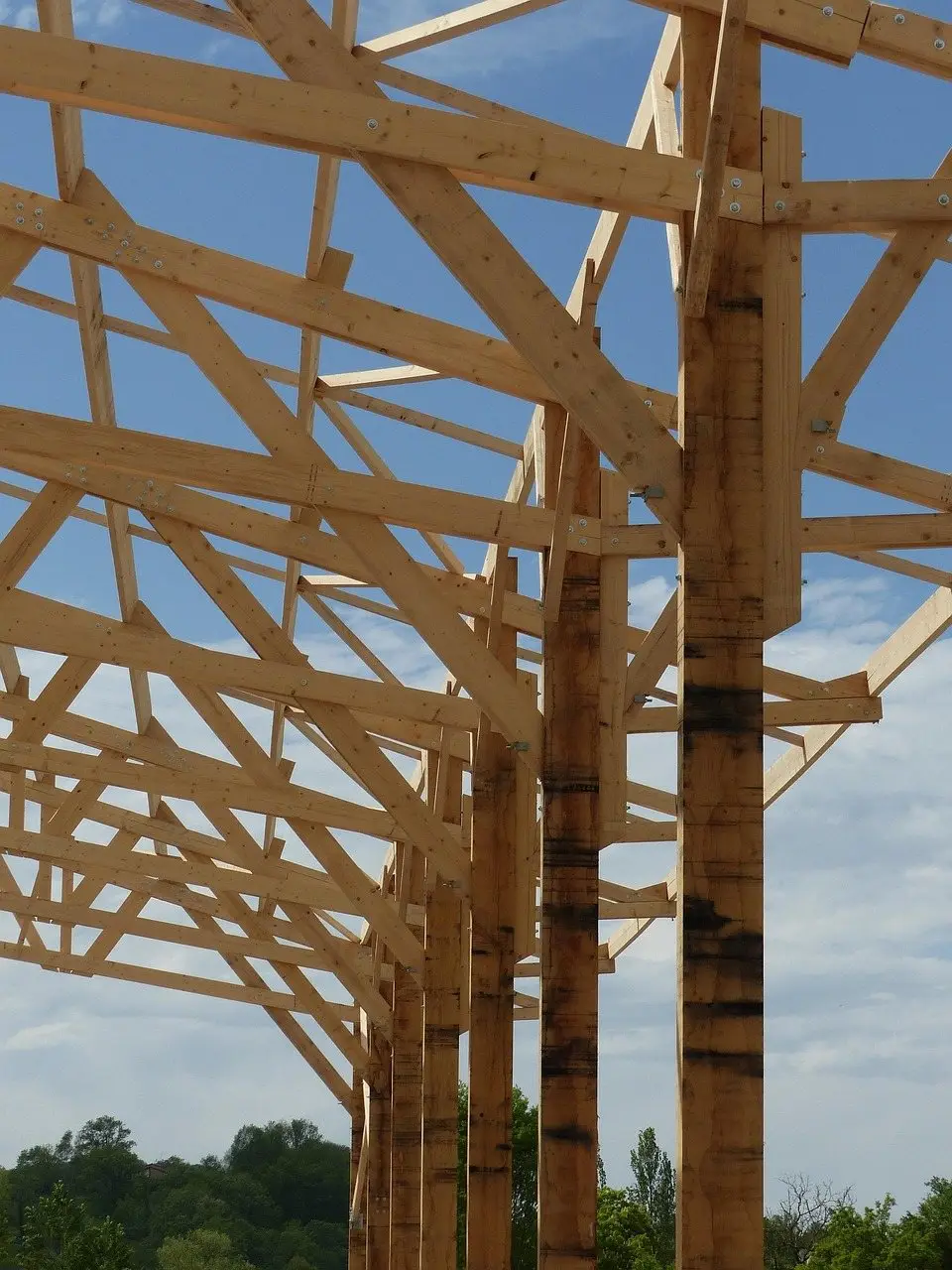
Site-built trusses from dimensional timber cost a fraction of ordered ones for a small shed. Span and pitch decide whether that is still the right call.
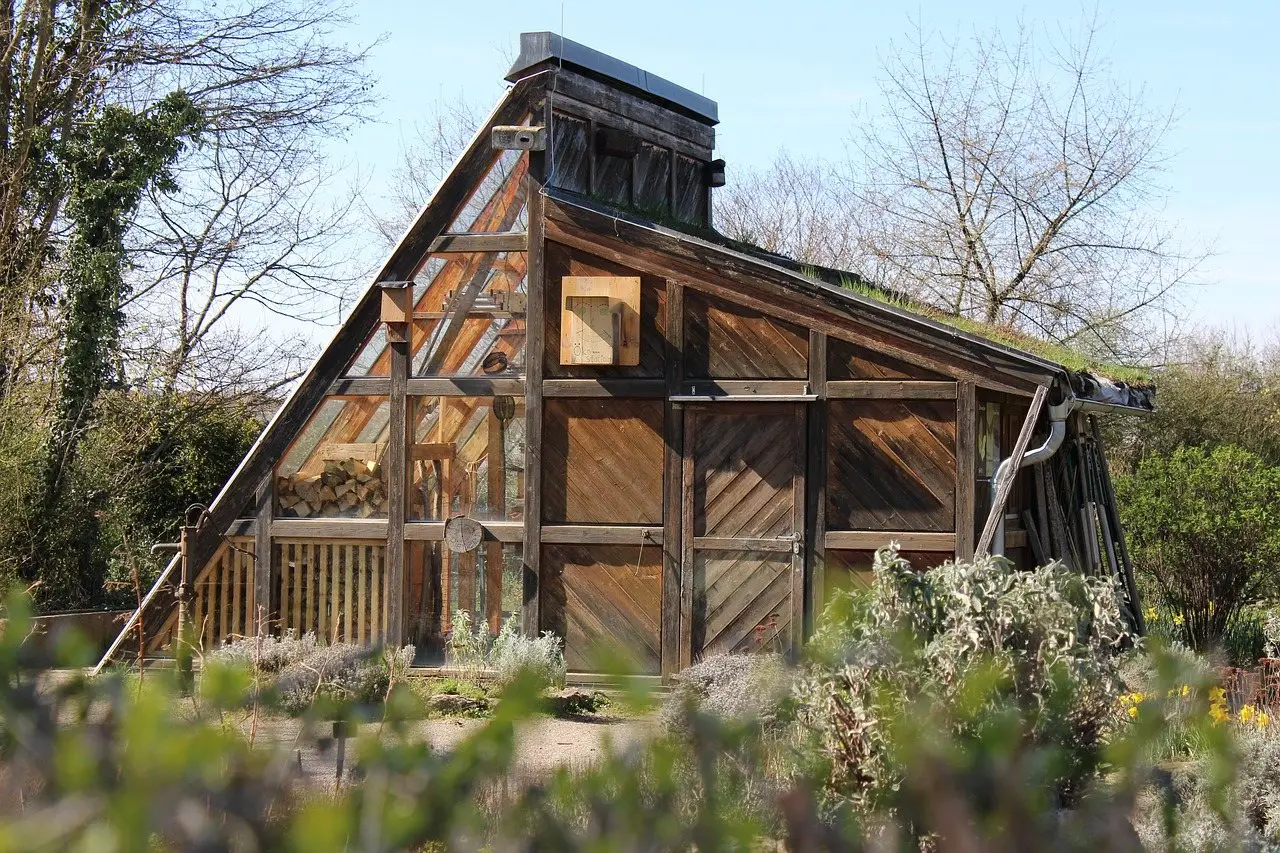
Most domestic greenhouses are rated for 50 to 70 mph, but almost all failures are anchoring and glazing clips, not the frame being overpowered.
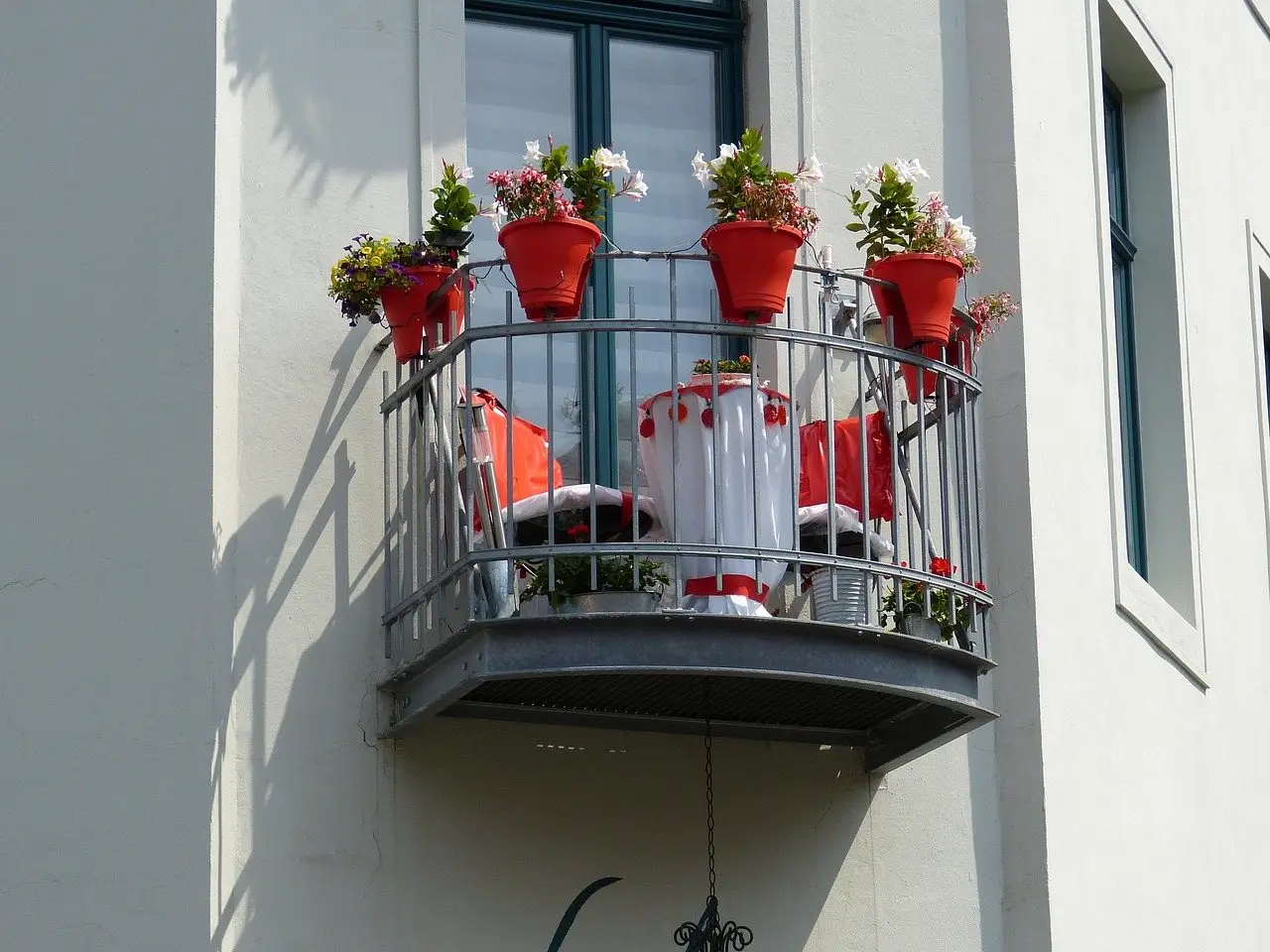
An electric grill is the right answer where open flame is banned or storage is tight. Everywhere else it gives up searing heat and flavour.
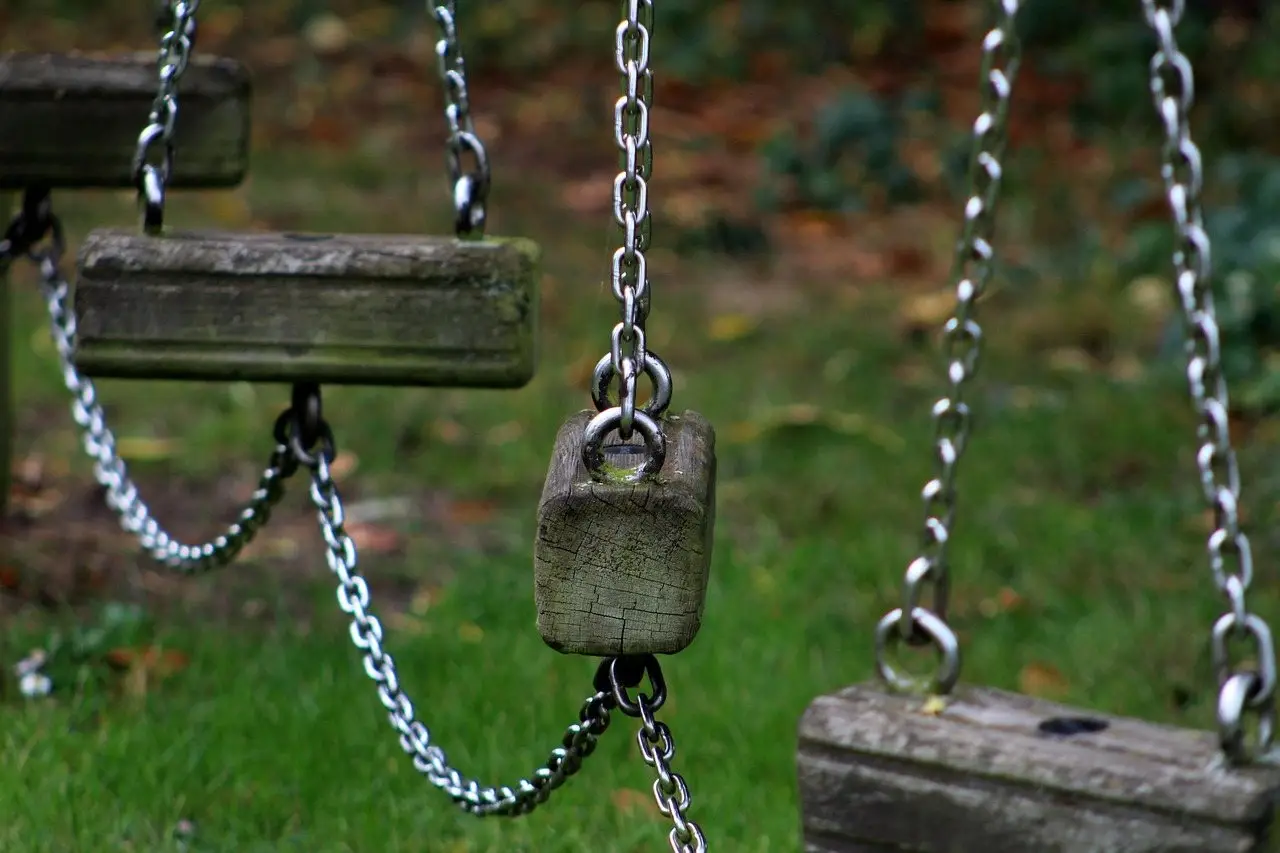
Timber and hardware for a self-built playset cost well under a comparable kit, but the saving is paid for in a weekend and a half of work.
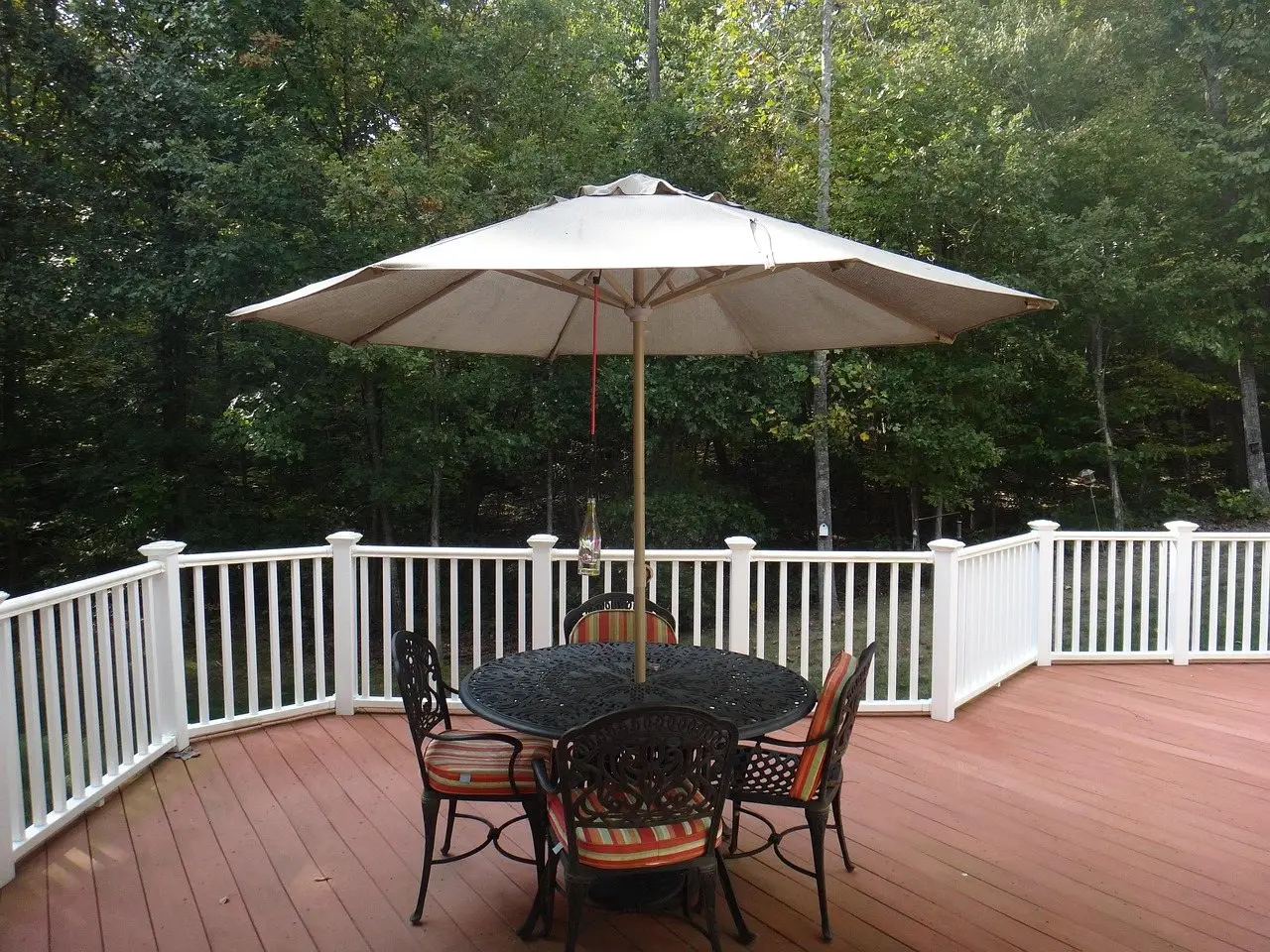
A concrete slab costs less per square metre and lasts longer. Decking wins where the ground slopes, because levelling for concrete is the real expense.
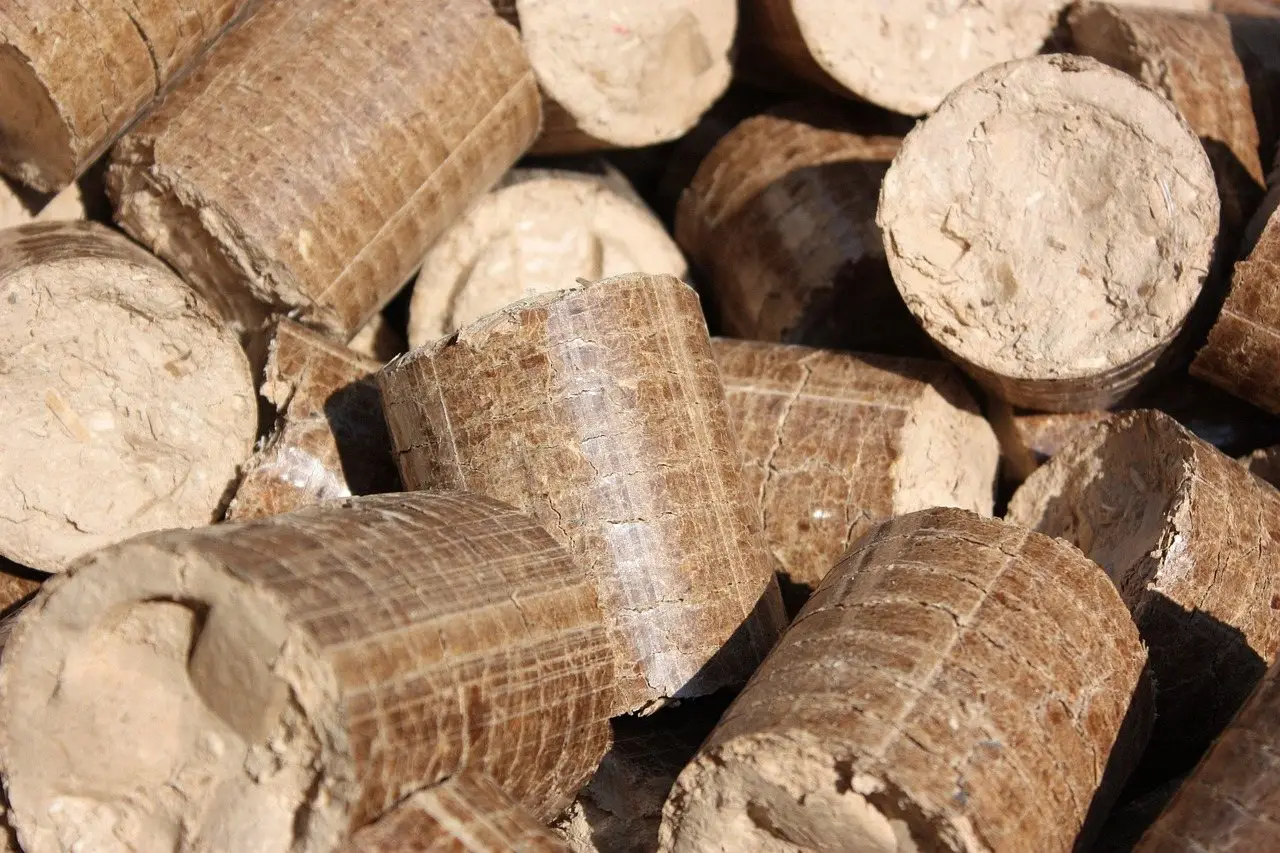
Pellets cost less per hour of cooking because the auger feeds only what the fire needs. Charcoal wins on a short sear and on upfront cost.

A rechargeable cell is the first thing to fail in a solar light and often costs a tenth of a replacement unit. Check the panel and switch first.
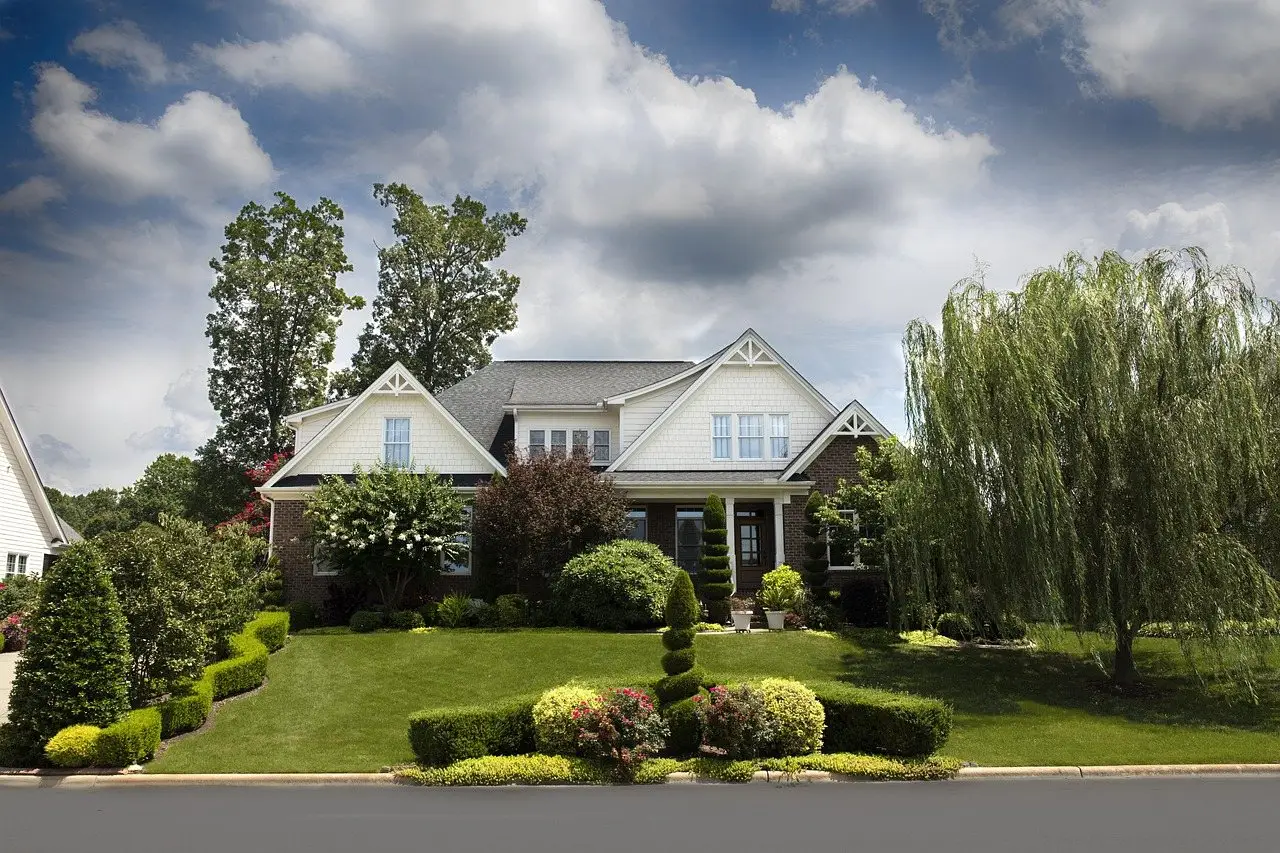
Mature planting and a tidy front garden reliably return their cost at sale. Pools, elaborate water features and bespoke structures rarely do.
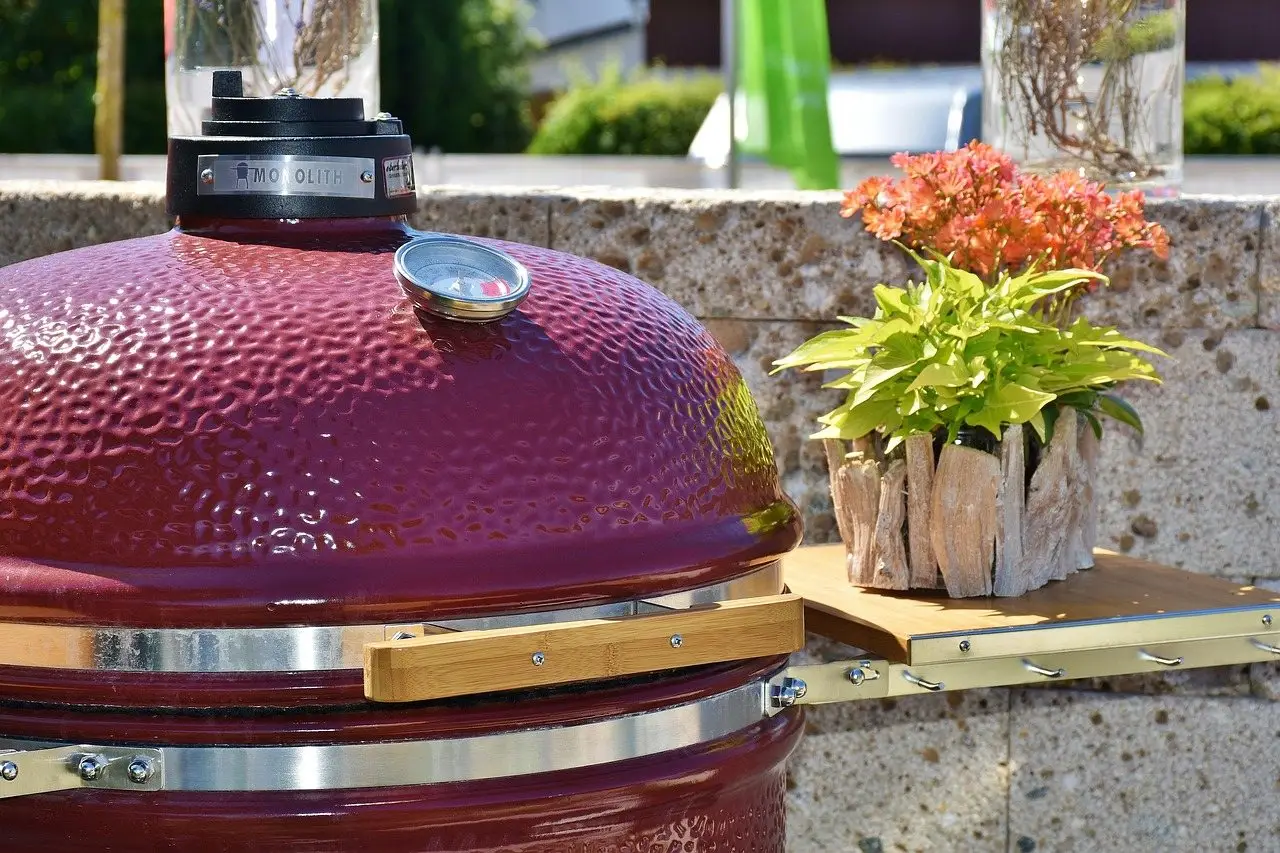
A ceramic kamado smokes, grills and sears in one body. The ceramic holds temperature for hours, which is what makes low and slow possible without tending.

Moving water stays clearer and mosquito-free, and most fountain pumps are designed to run continuously. The exception is freezing weather.

Disconnecting is the safer habit and costs two minutes. The tank then has to be stored outdoors, upright and shaded — never in a garage or shed.
Steel edging is the trade default because it is thin, bends to curves and stays put for decades. Plastic is the budget option and the one that lifts.
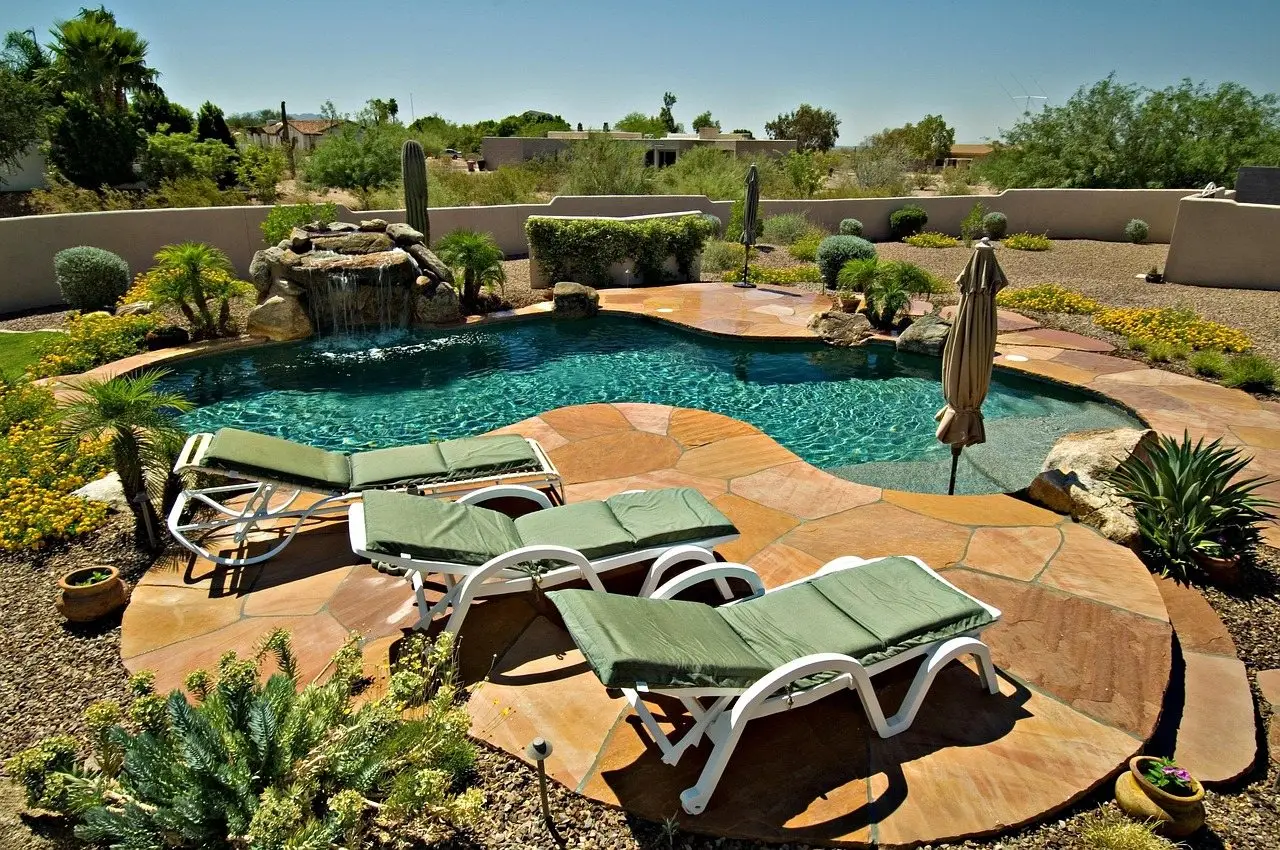
Around 10 by 20 feet is the usual sweet spot, but the deciding number is what is left over — a pool needs a metre of deck on every side to be usable.
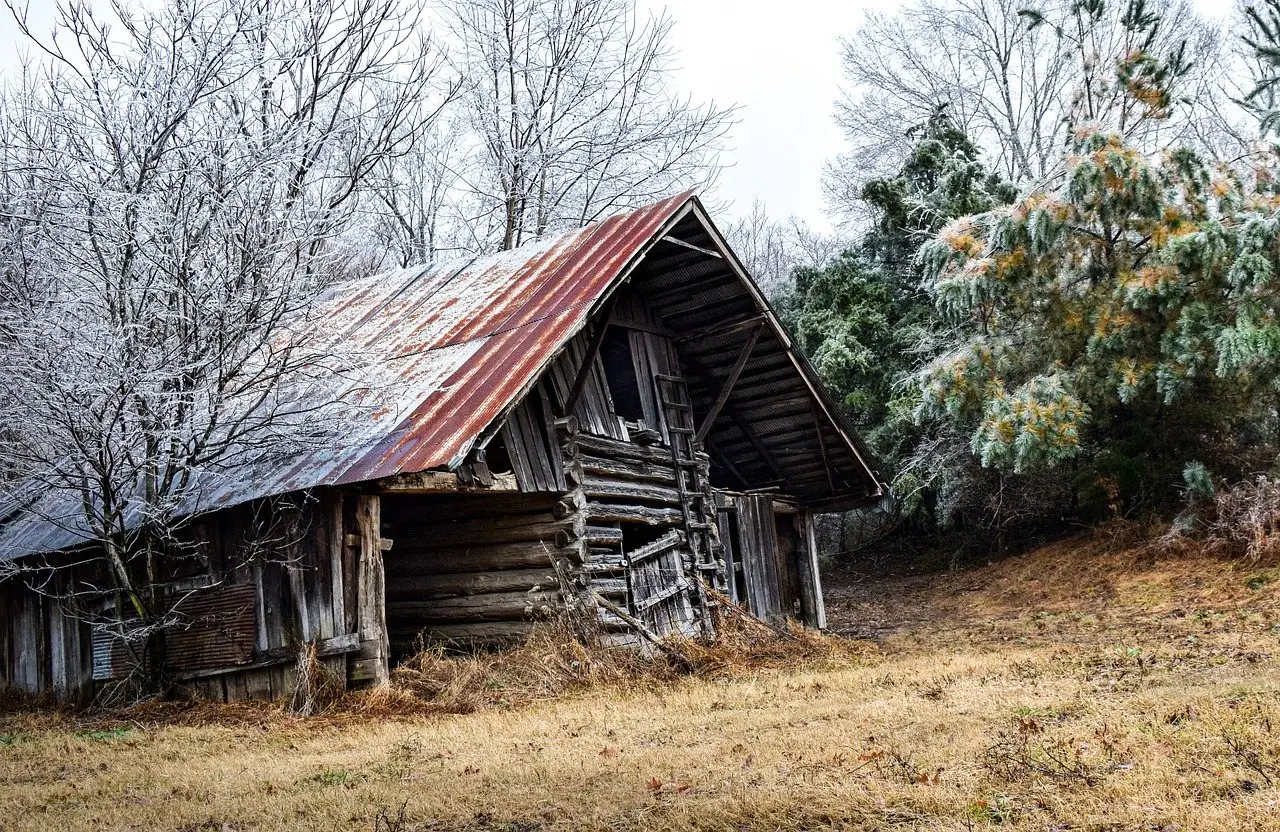
Rustic decor keeps materials in their natural state — unfinished wood, iron, stone — and treats age and imperfection as the point rather than a flaw.
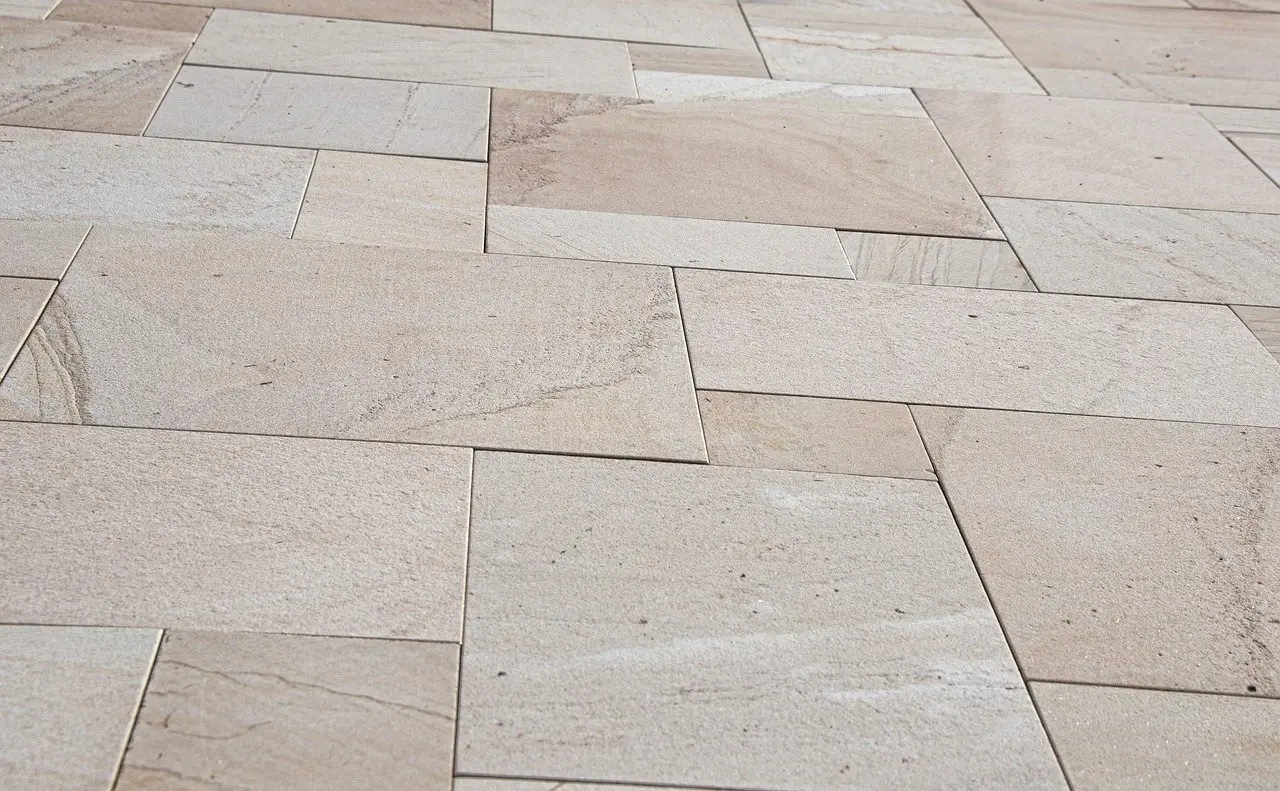
Concrete slabs are the cheapest solid option, porcelain the most maintenance-free, gravel the easiest to lay. The base matters more than any of them.
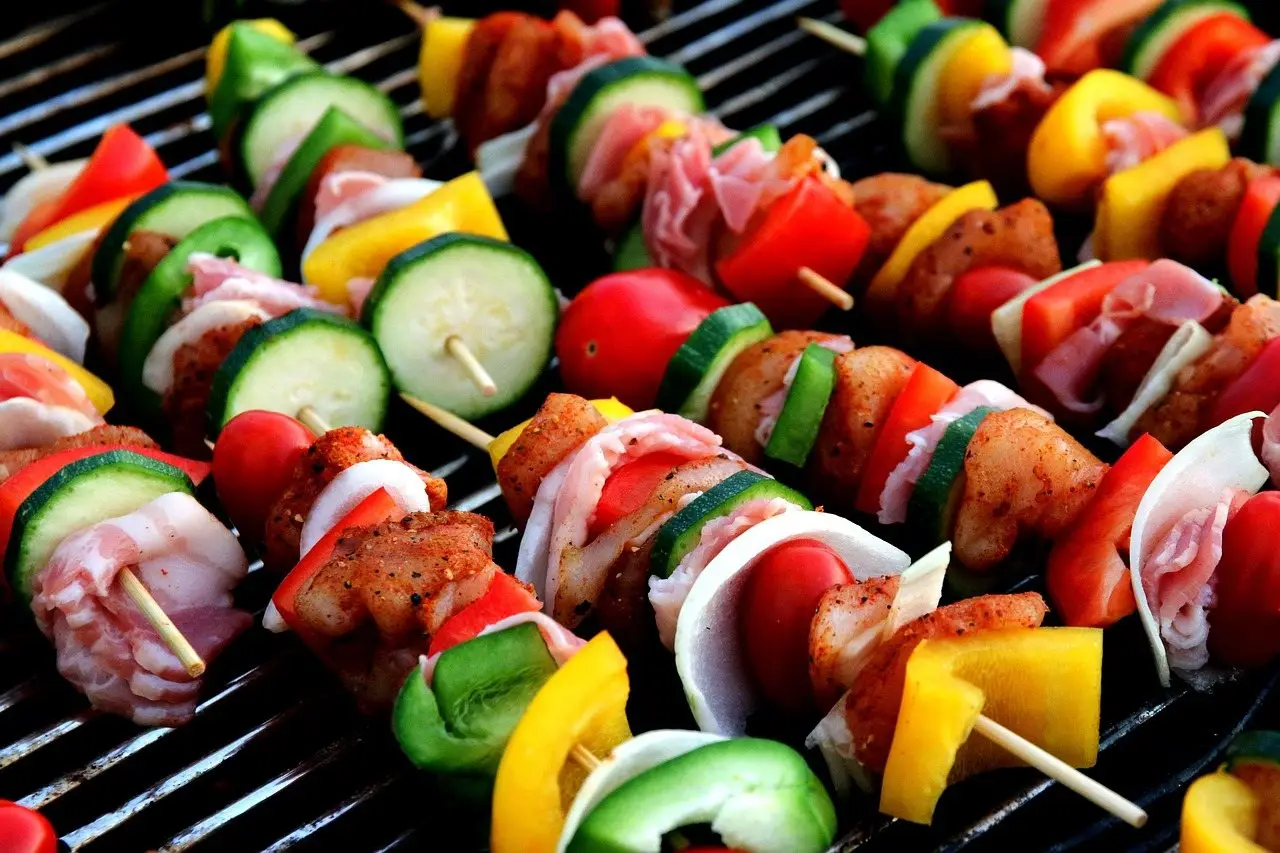
Charcoal, gas and pellet suit different cooks. Decide how often you will use it on a weeknight, then buy on build quality rather than burner count.

A 14ft round or a 10x17ft rectangle suits adult use. The number that matters more than diameter is the weight rating — and whether it is per user.
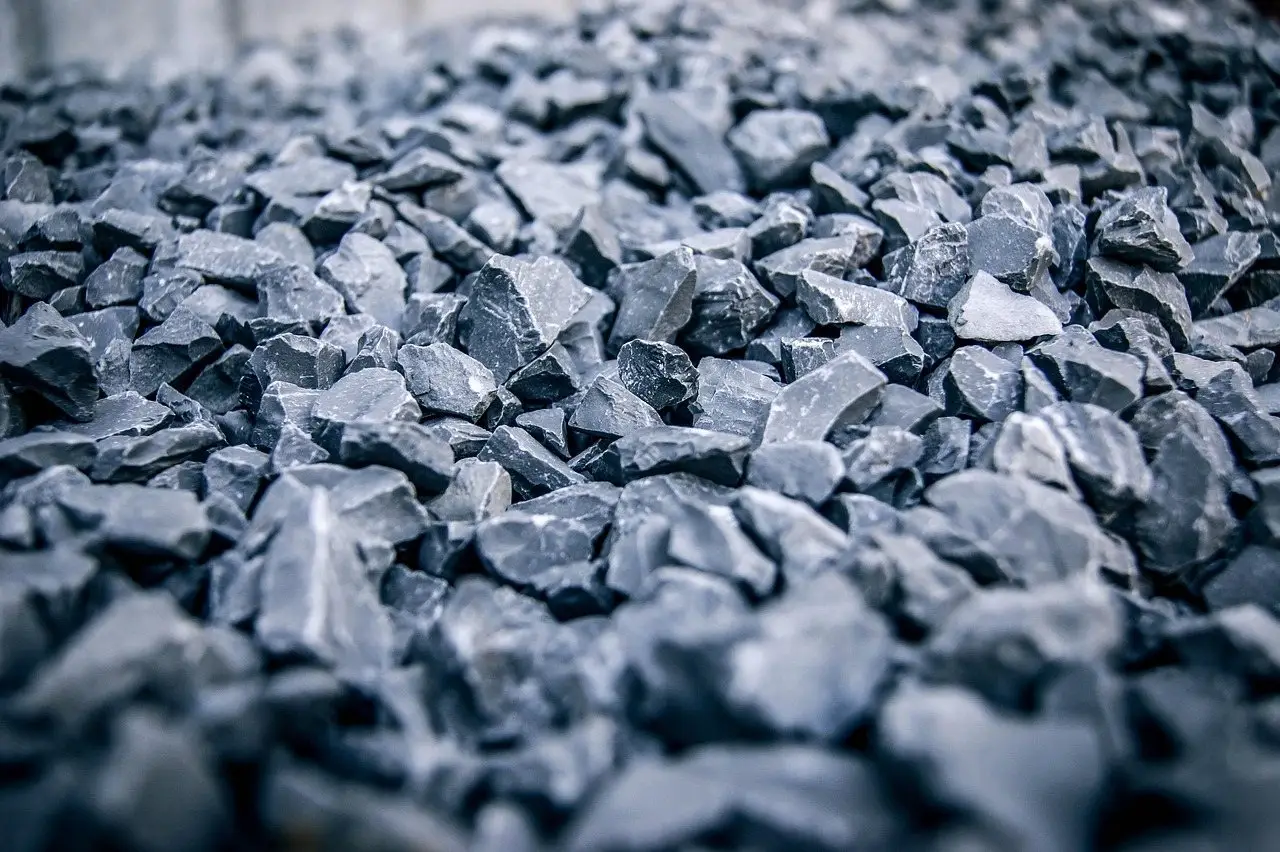
Gravel over landscape fabric is the standard answer: it drains, suppresses weeds and keeps the space dry. Solid plastic sheeting causes the problems it prevents.
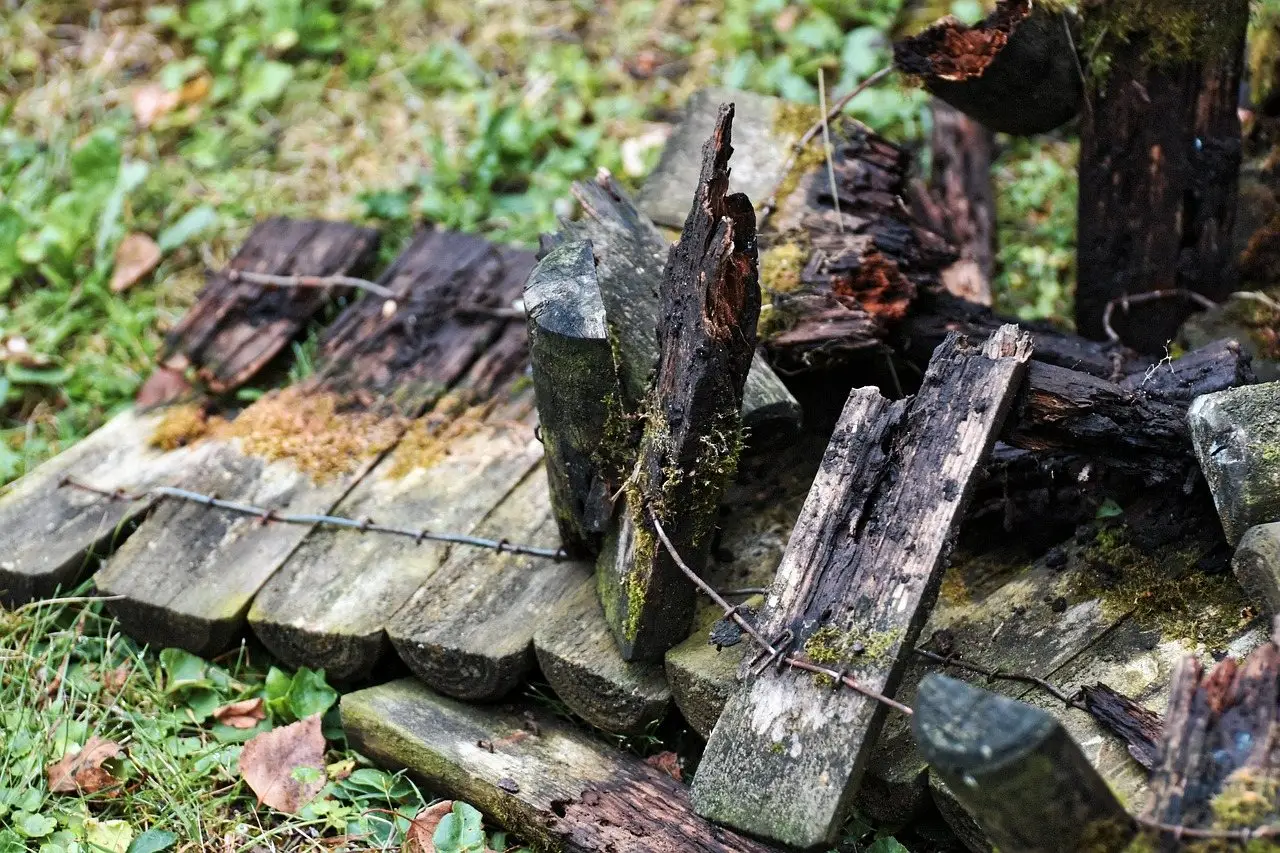
Solid stain lasts longest because pigment blocks UV; semi-transparent shows the grain and needs recoating sooner. Fences last far longer than decks either way.

Tomatoes, cucumbers, peppers, chillies and salad leaves are the reliable first crops. Each rewards protection, and none needs heat to succeed.
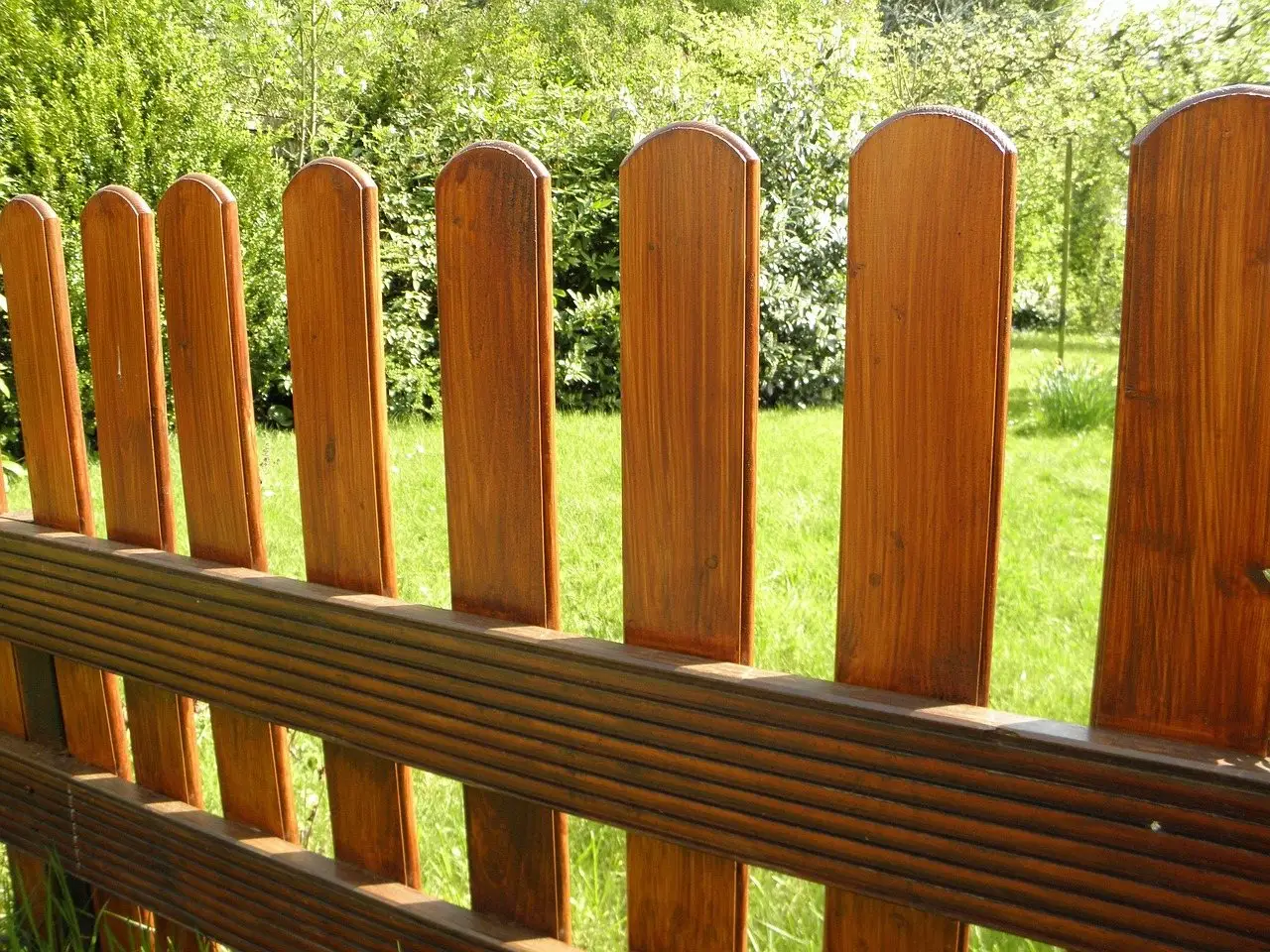
Vinyl and masonry outlast timber by decades because they do not rot. Among timber fences, the posts and the ground detail decide lifespan, not the boards.
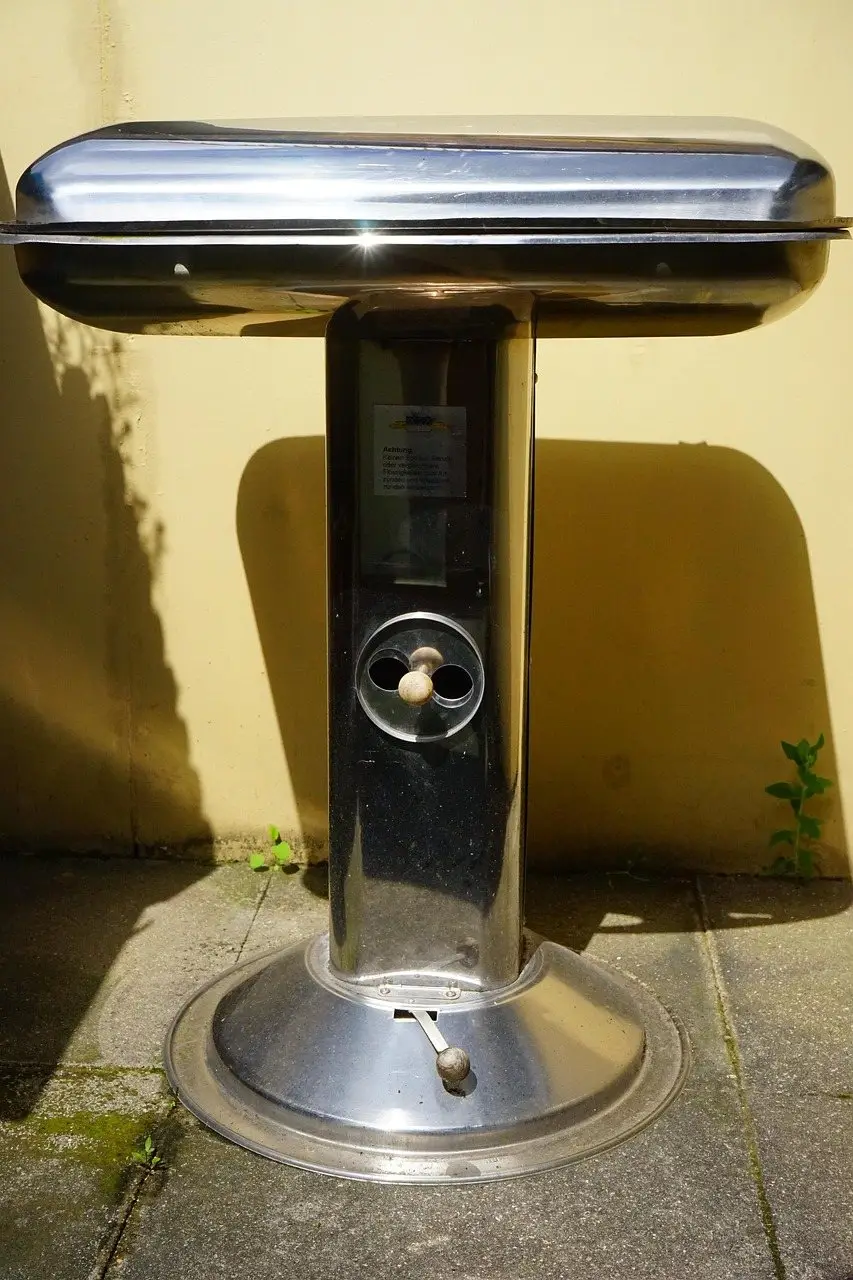
Three feet clear of any wall, well away from the house and nothing overhead. Then think about wind, the door you carry food through, and the soffit.
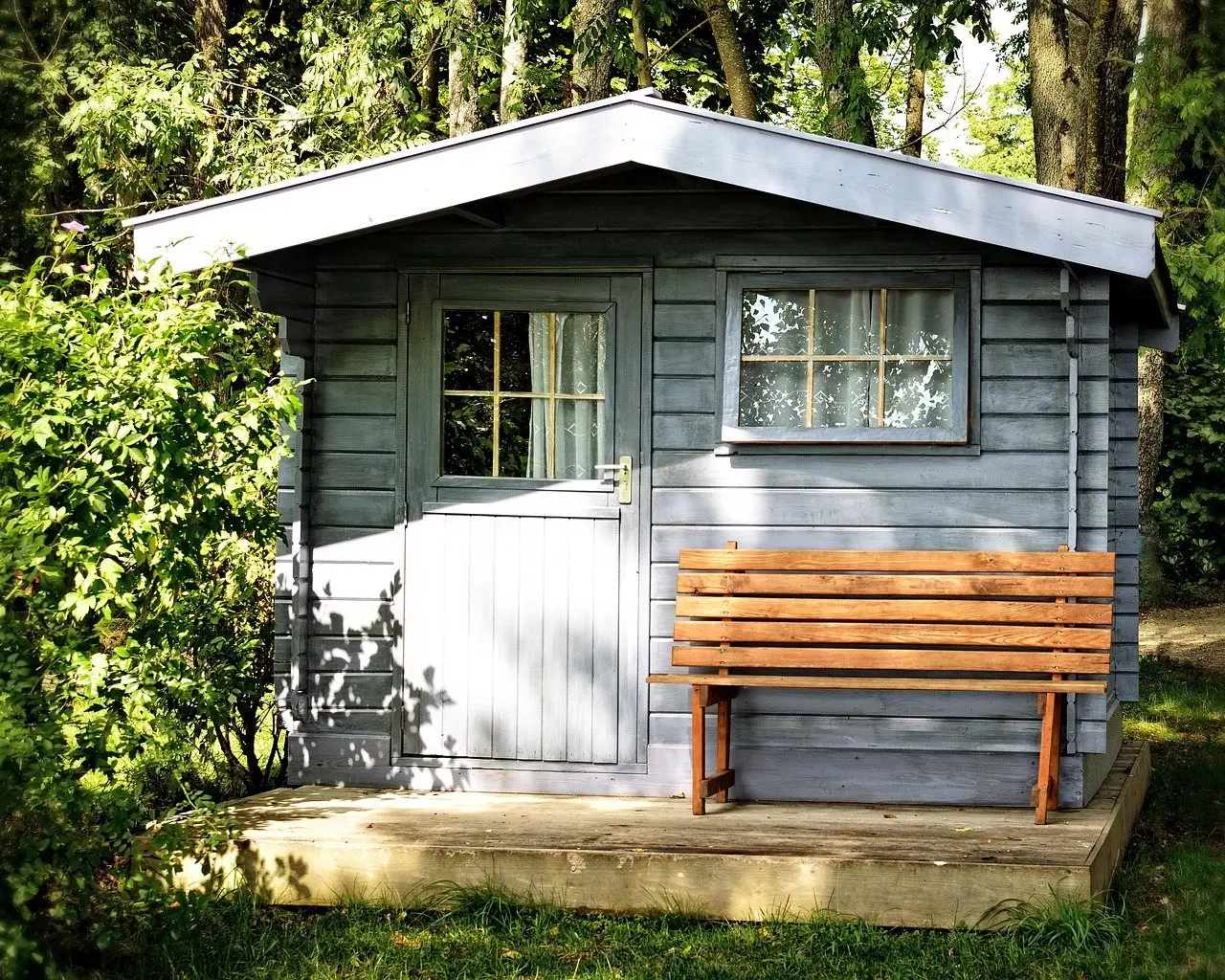
Pick the driest, most level spot you can reach with a barrow, keep it clear of boundaries and trees, and check the rules before the base goes down.
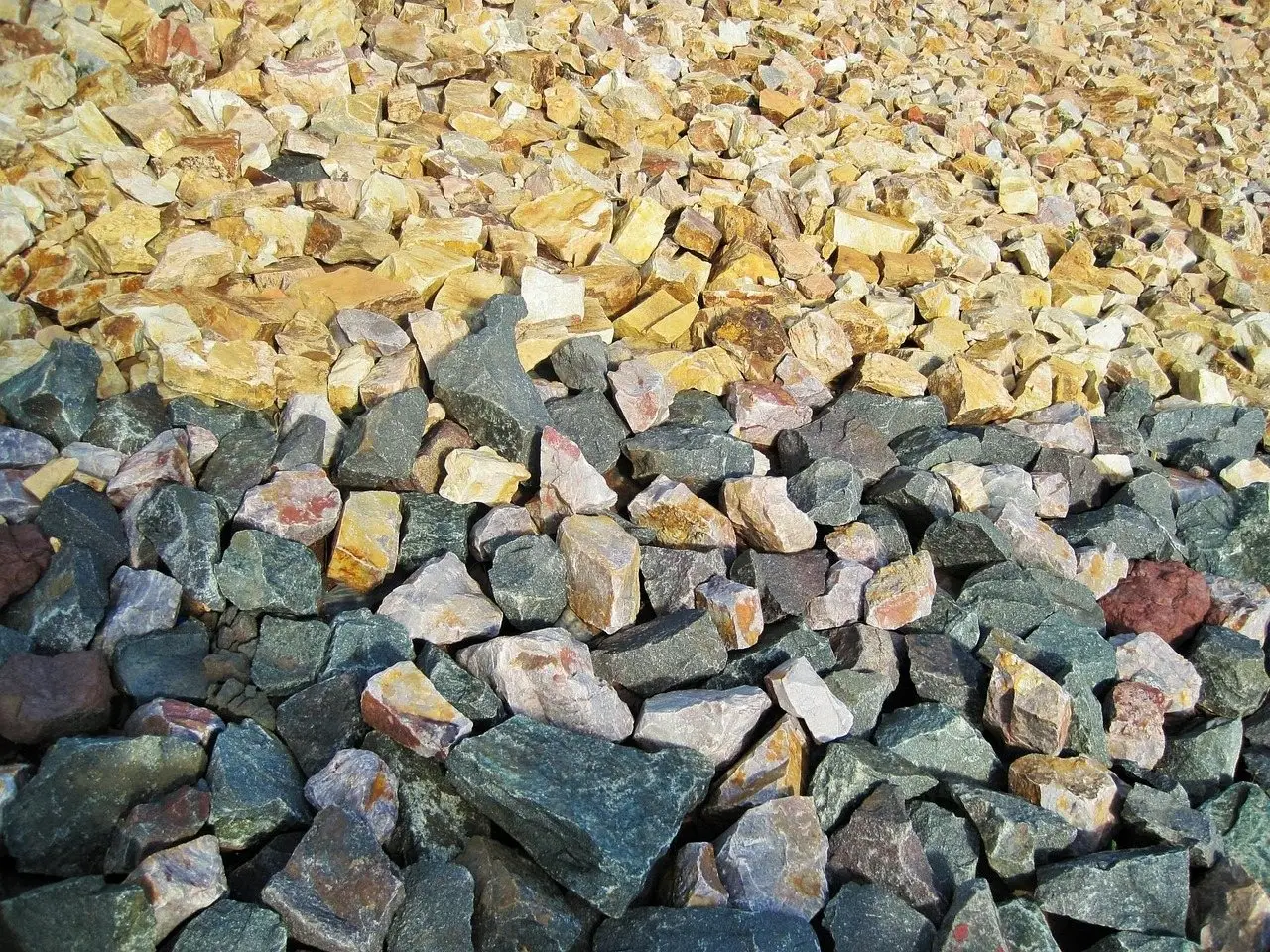
Rock is heavy, not biodegradable and refused by most kerbside collections. Giving it away locally almost always beats paying to skip it.
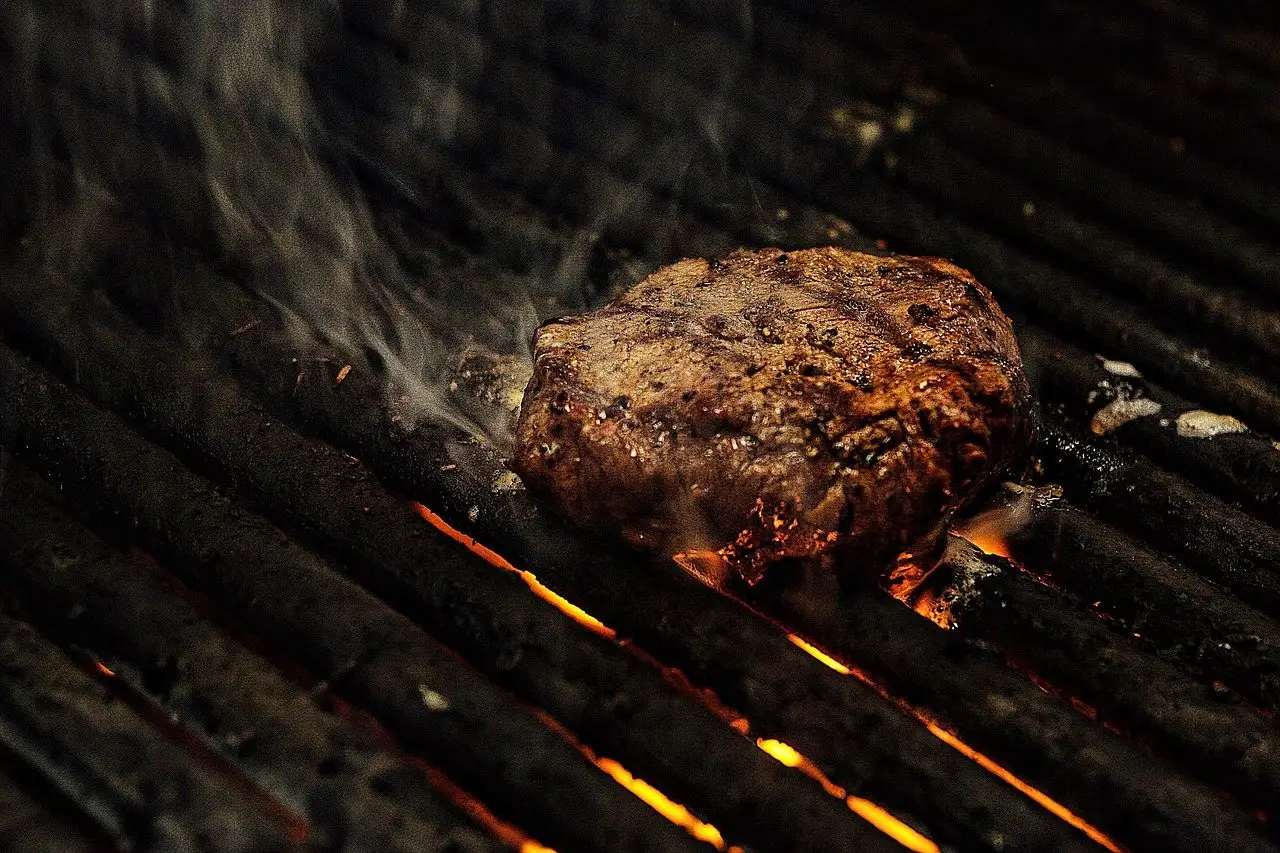
Lower, steadier temperatures mean a pellet grill produces fewer of the compounds linked to charring. But how you cook matters far more than the fuel.
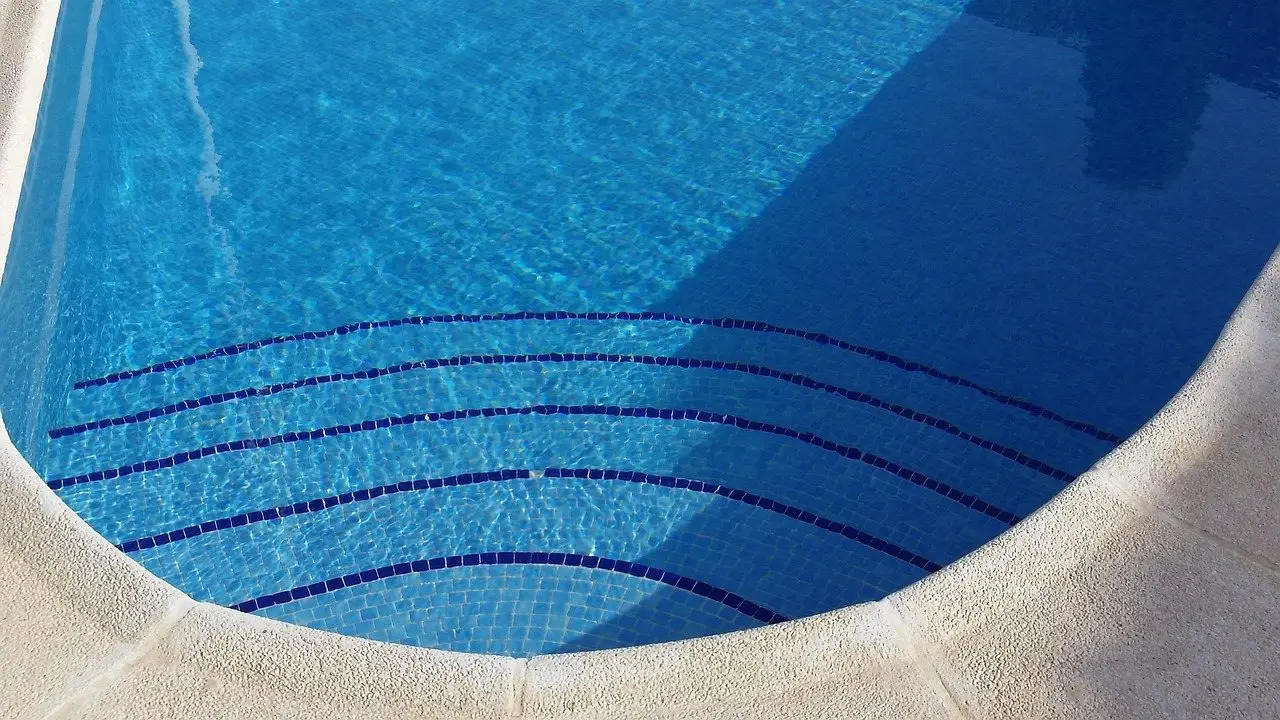
A concrete shell outlives everything but needs resurfacing every decade or so. Fibreglass asks least over its life; vinyl liners are the short straw.

A free-standing span suits an open garden, a lean-to a sunny wall, a polytunnel a big budget-conscious plot. The site picks the style, not taste.
Most injuries come from two things: more than one jumper, and attempted somersaults. Nets and pads help, but the rules do more than the equipment.
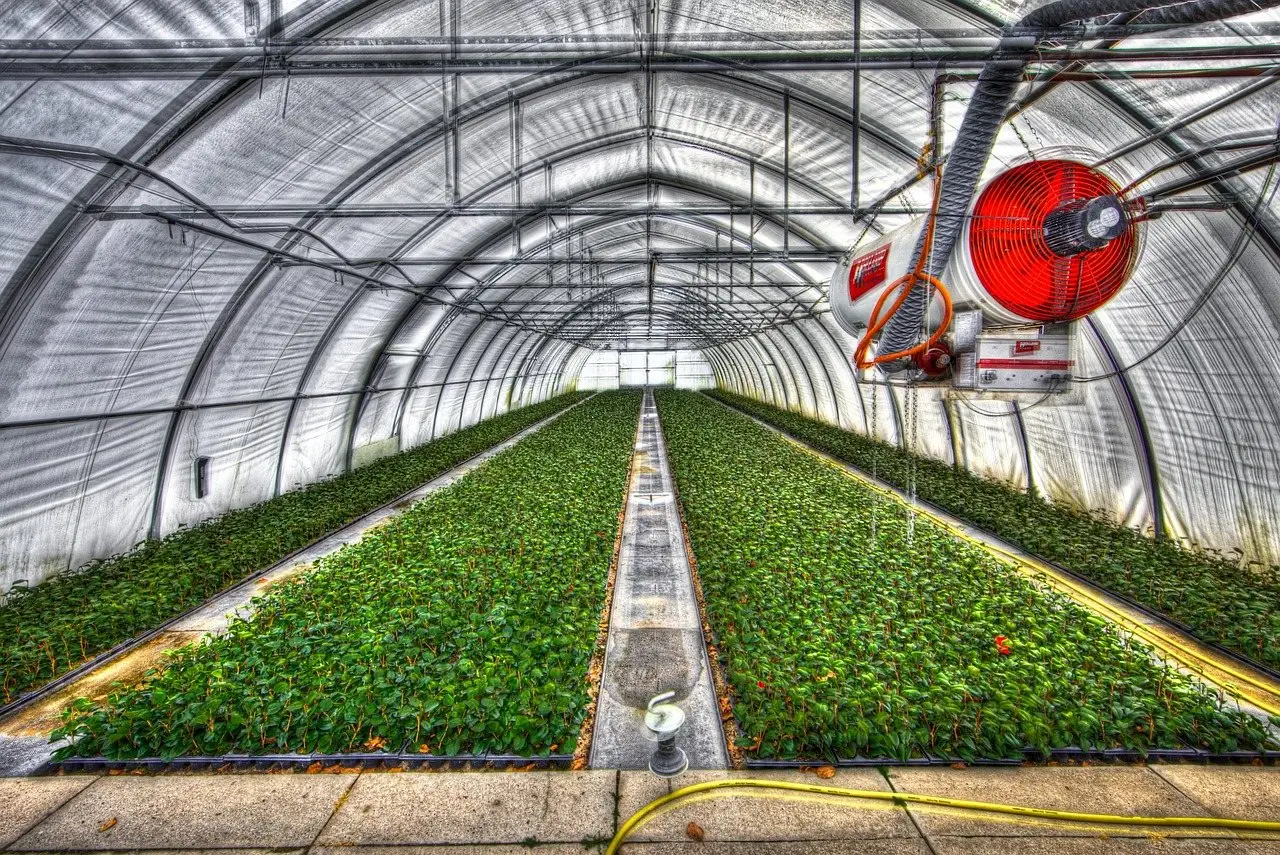
An unheated greenhouse growing your own food is a clear net positive. A heated one running through winter can emit more than the food it displaces.

Grills are built for outdoors. What fails is moisture sitting in burners and fireboxes, so the prep matters far more than whether it stays out.
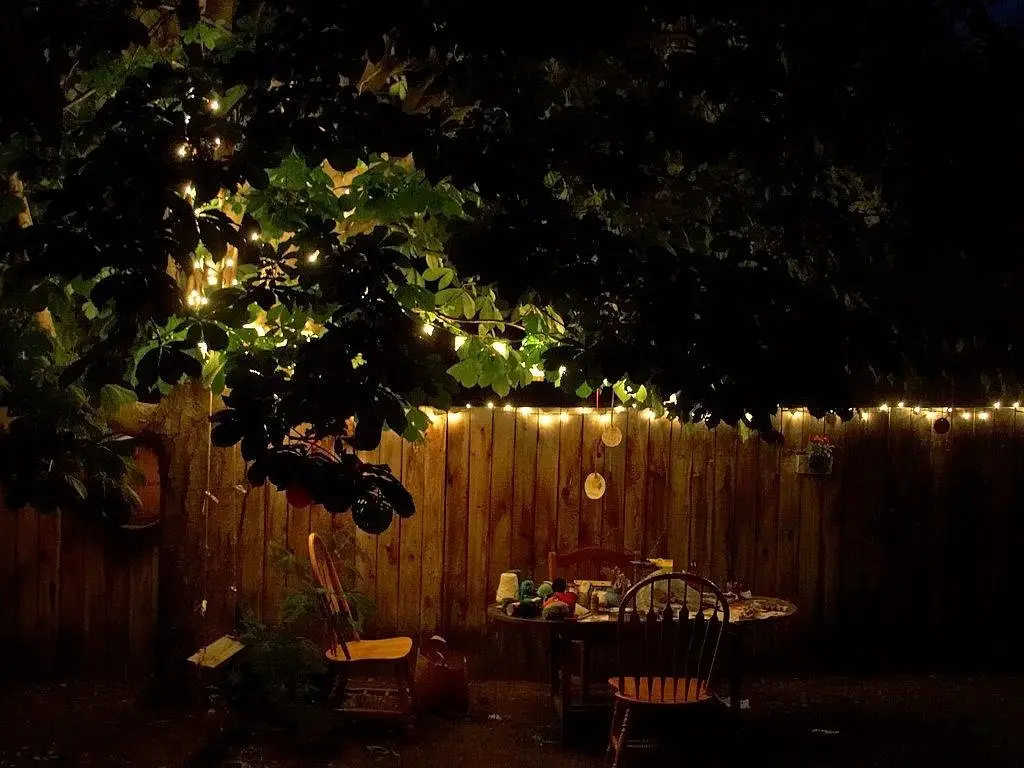
LED string lights run cool and are a low risk. The hazards that remain are daisy-chaining, damaged cable and indoor-rated sets left out in the weather.

A hot burn kills mould but leaves the dead spores and the grease feeding them. Scrub first, burn second — in that order, and never the reverse.
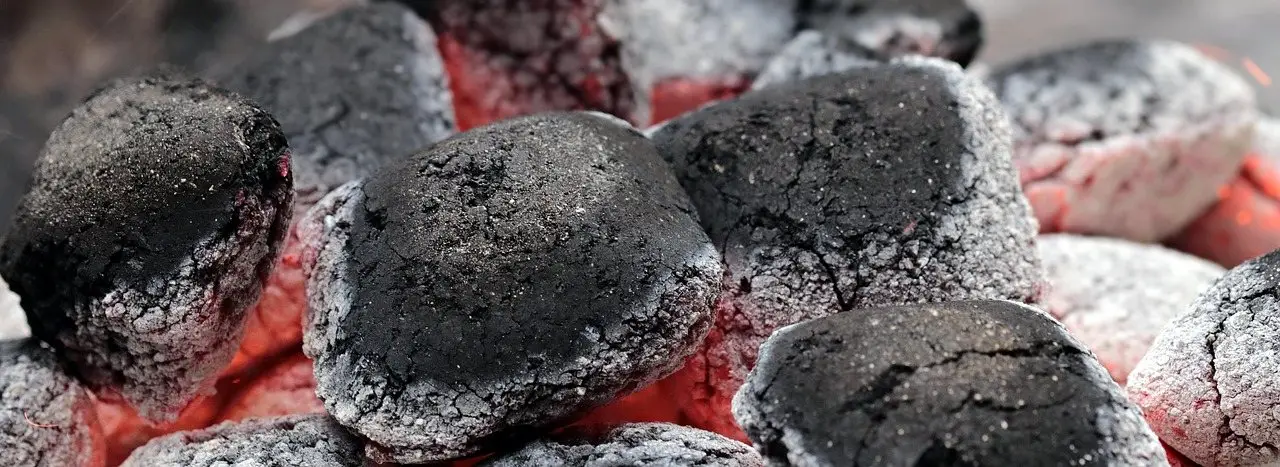
Charcoal and gas grills produce carbon monoxide, and an open garage door does not clear it. The exhaust risk and the fire risk are separate problems.

Vinyl panels are made to slot into vinyl posts with matching routed slots. Retrofitting onto timber is possible with brackets, and usually not worth it.

Propane and gas patio heaters consume oxygen and produce carbon monoxide — outdoor appliances only. Electric radiant heaters are a different question.
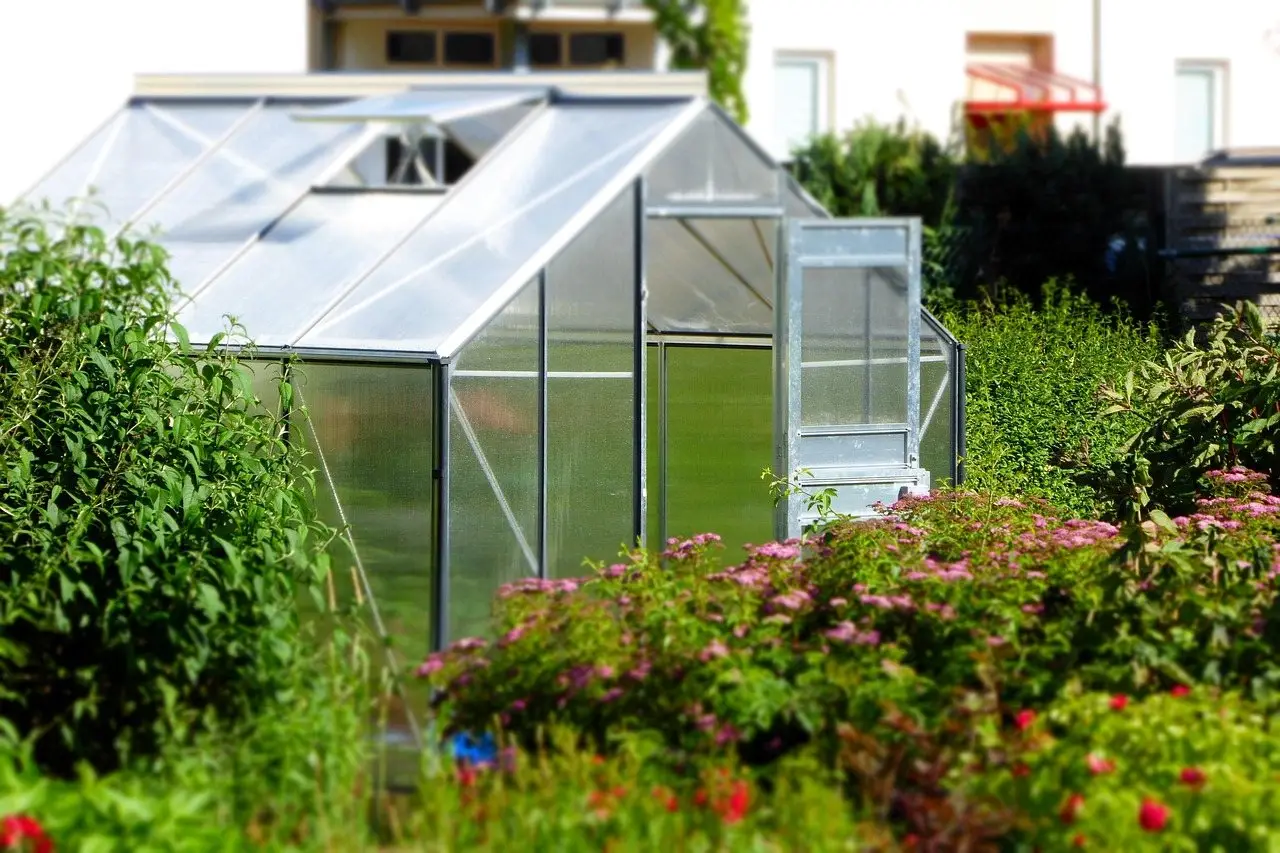
An unheated greenhouse extends the season by weeks at each end. Heating buys frost protection and winter growing, and the cost scales with ambition.
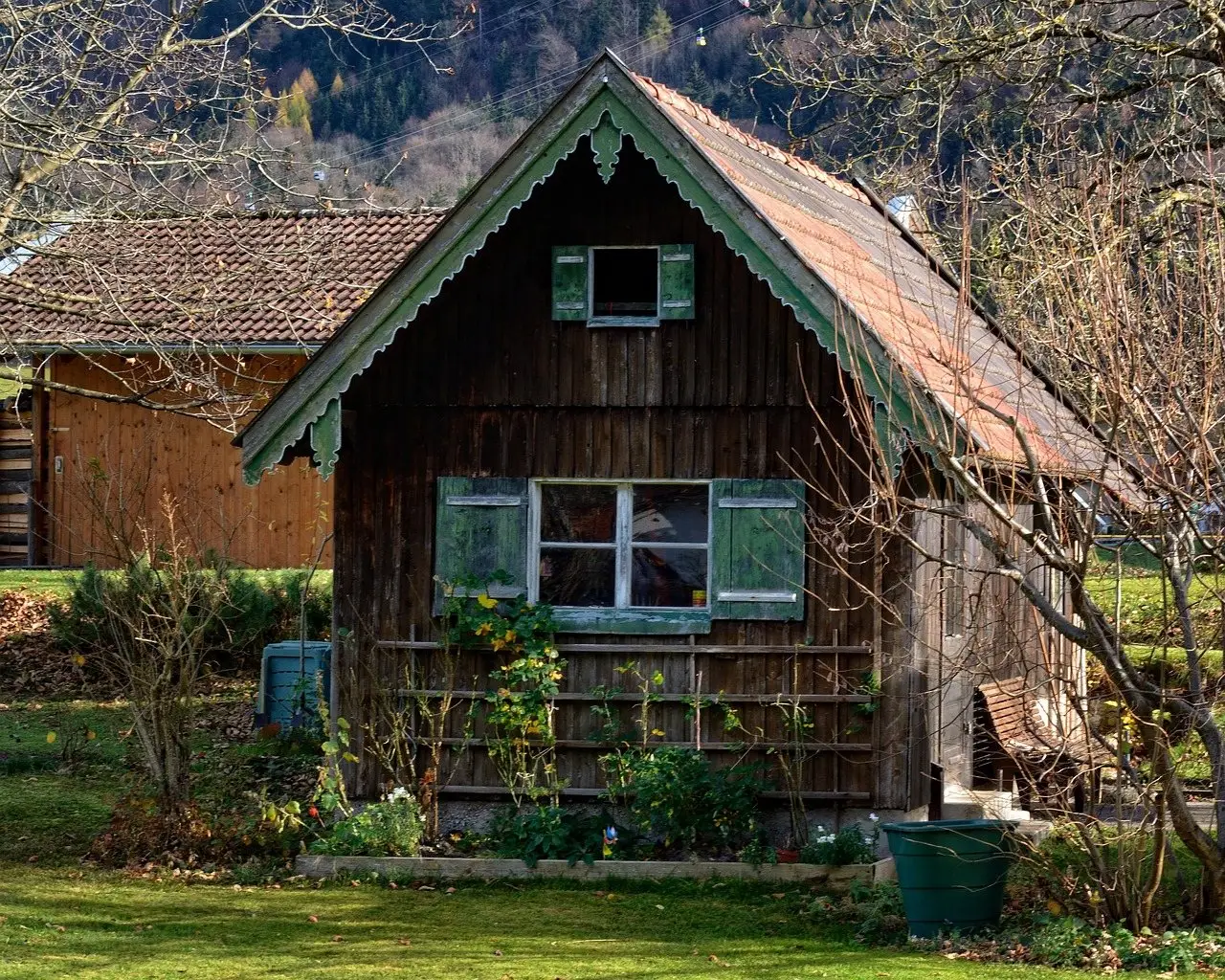
Often not, under permitted development — but height, footprint, position and what you use it for each have limits that turn it into a planning application.
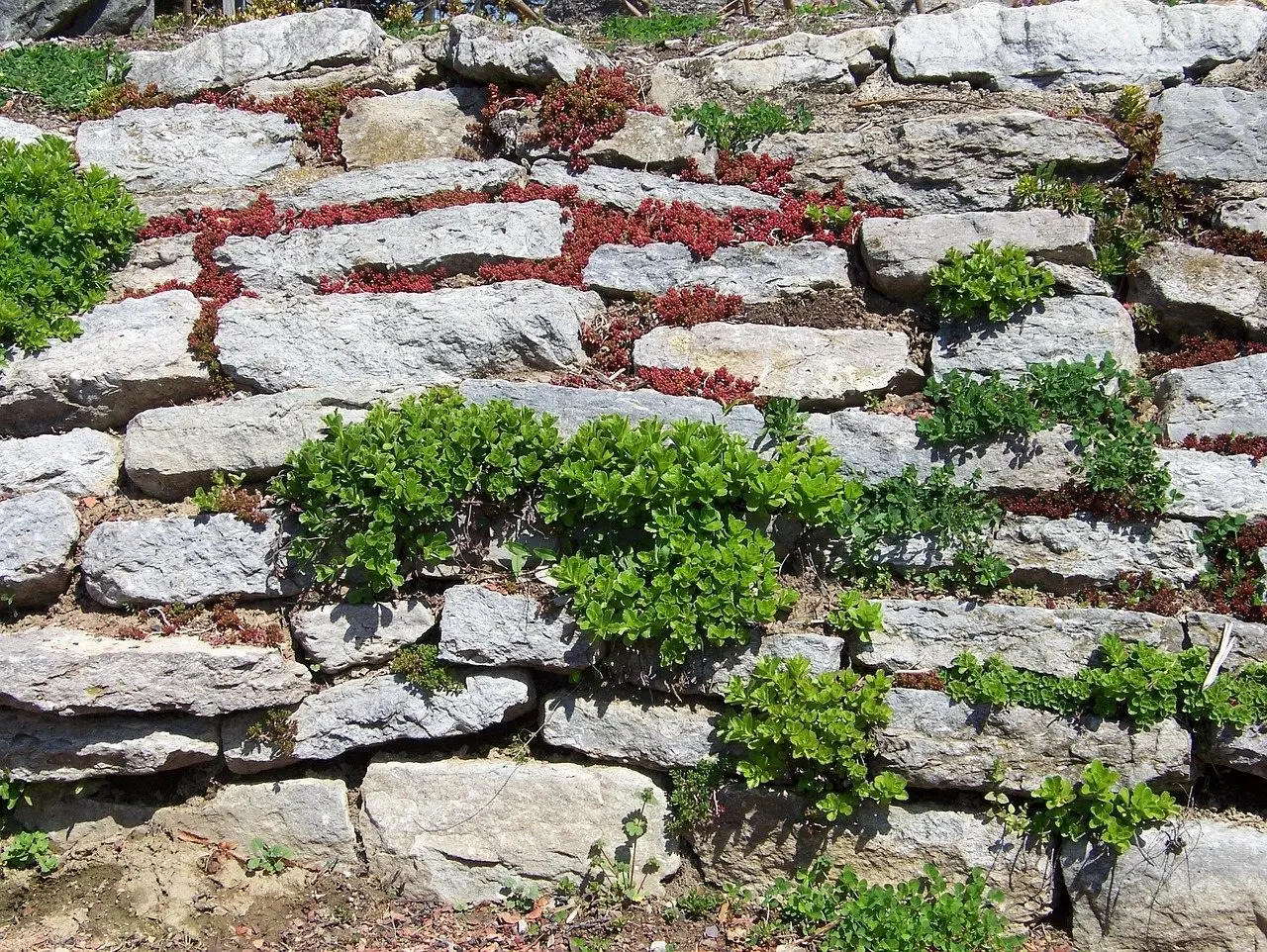
Height is the wrong test. What the wall is holding back and how water reaches it decide whether gravel and a pipe are optional or essential.
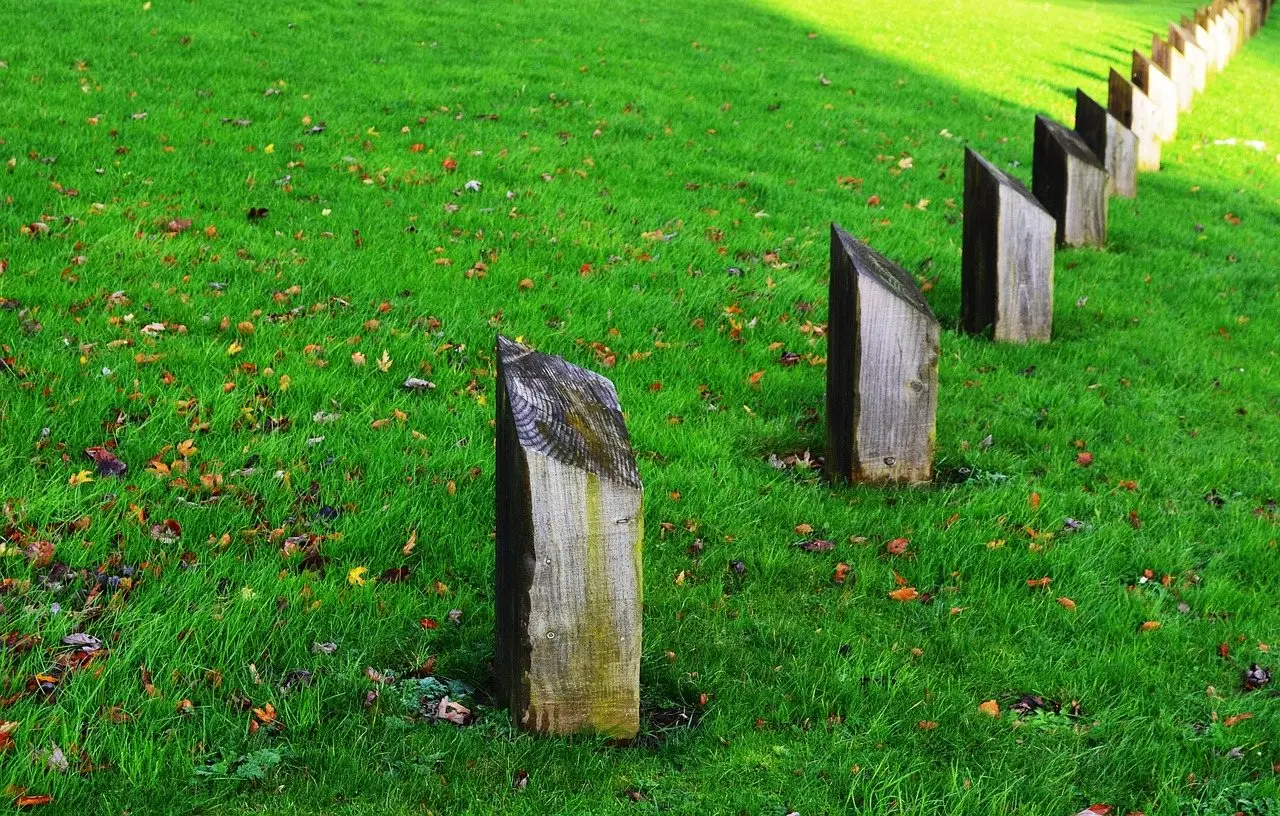
A third of the post above ground, buried, is the working rule — and below the frost line wherever ground freezes. Width matters as much as depth.
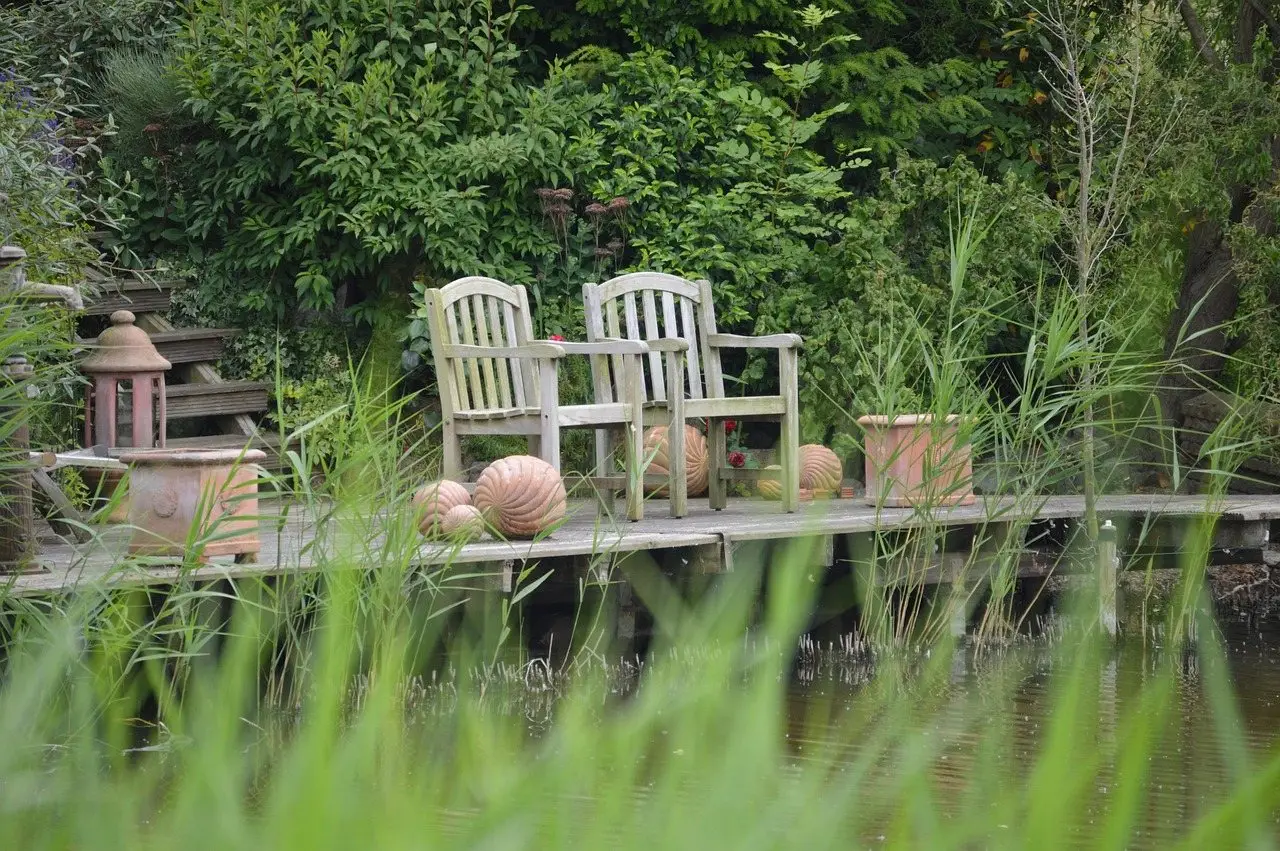
Light foot traffic after 24 to 48 hours, furniture back after about 72. Touch-dry is not cured, and that gap is where most new finishes get damaged.
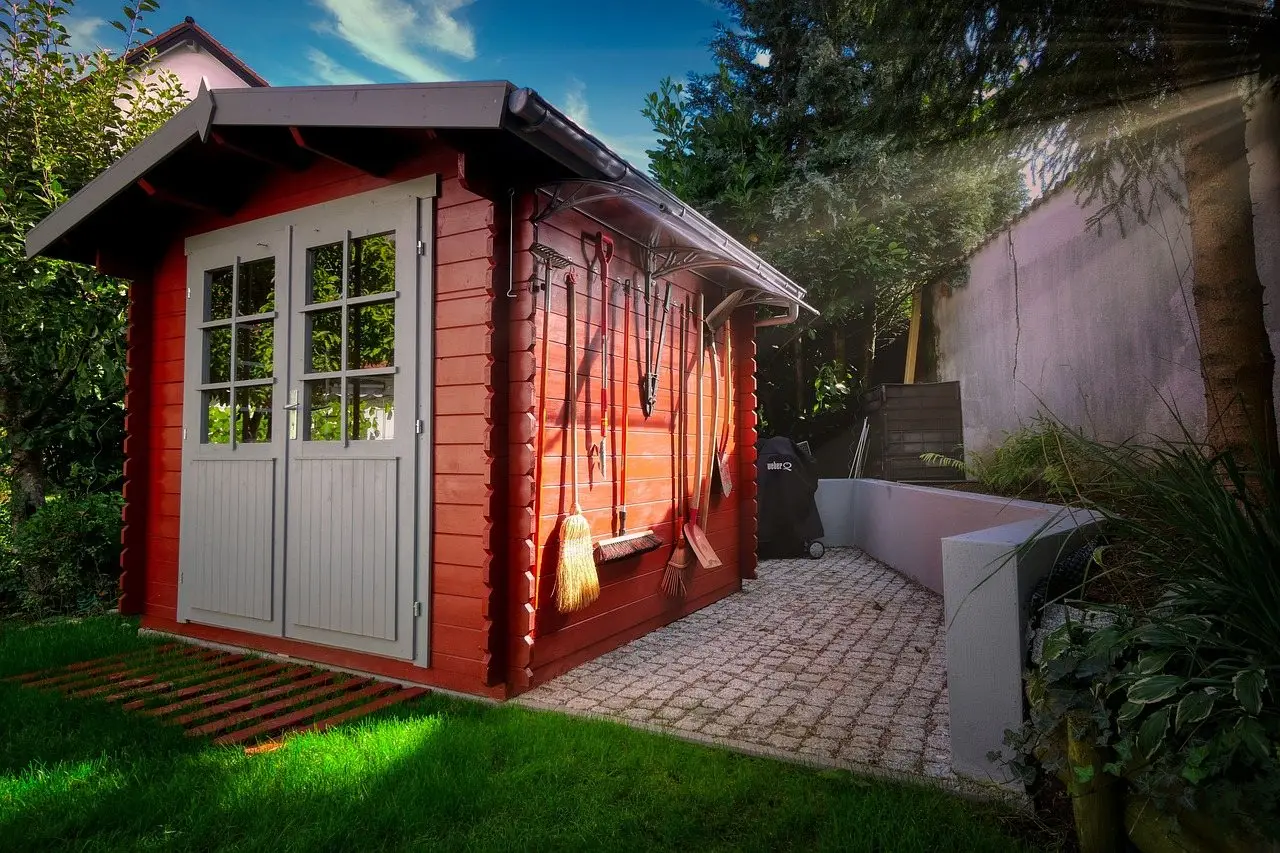
Hard landscaping dominates every quote — paving, walls and drainage. Planting is the cheap part, which is why phasing the work changes the total so much.
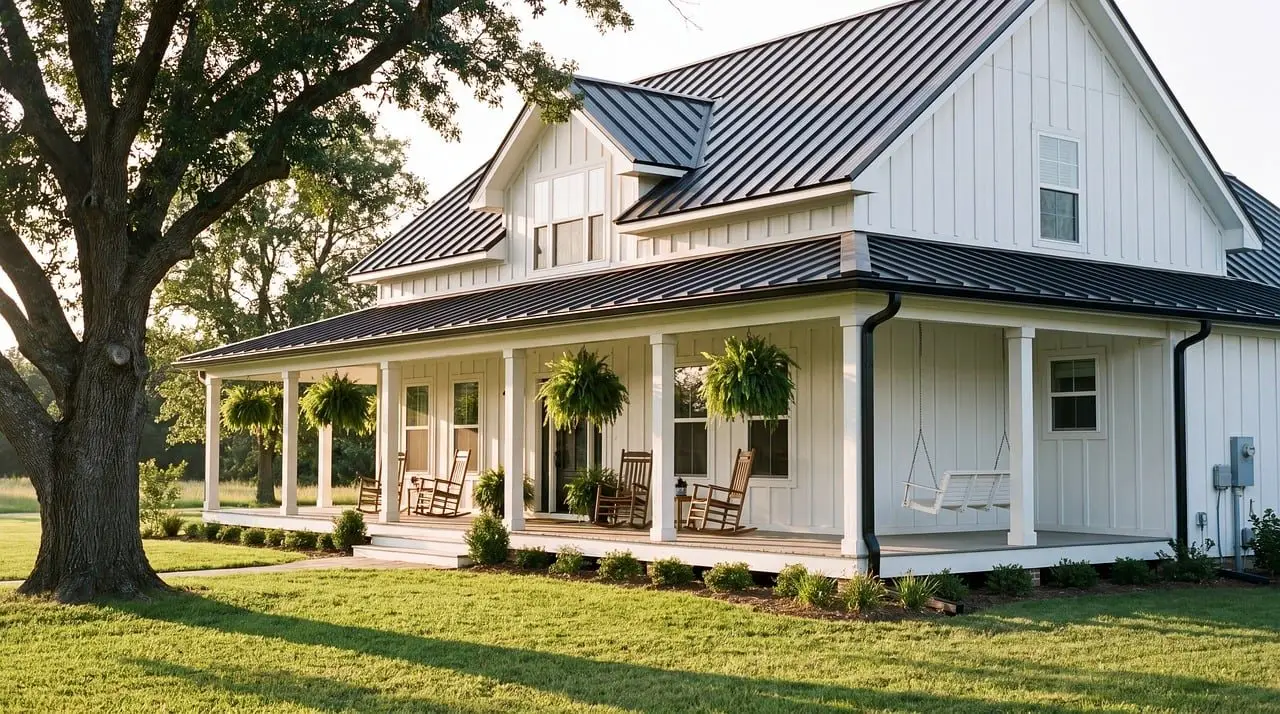
More than an open patio, because a roof makes the space usable in more weather. Permits and build quality decide whether it counts for anything at all.
It is the default for good reason — rot resistance at low cost. The catches are movement as it dries, cut ends, and matching the treatment to the use.

Foxes, badgers, rabbits, rats, groundhogs and dogs all tunnel under boundaries. Hole size, shape and spoil tell you which before you spend on fencing.
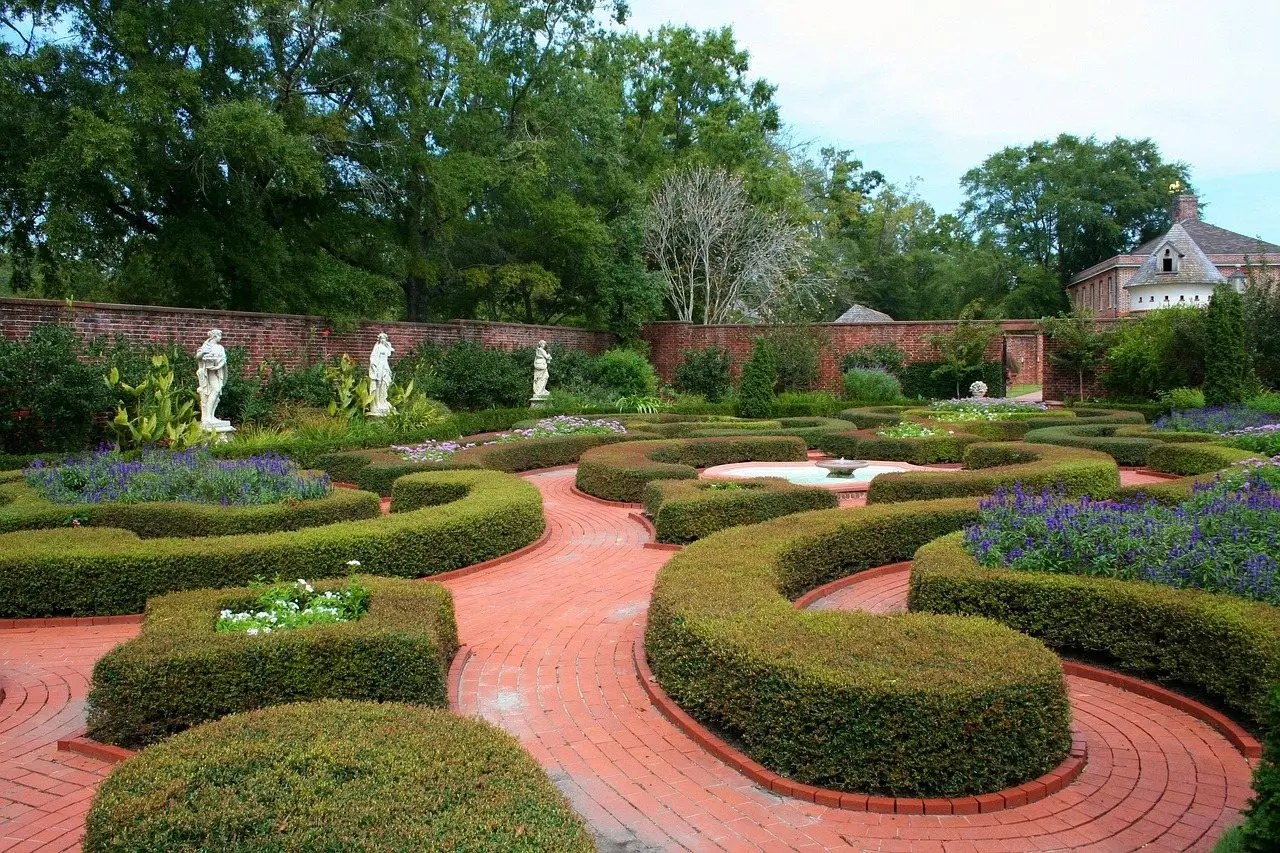
Unity, balance, proportion, rhythm, emphasis, contrast and transition. Each is a question to ask about a garden, not a rule to follow blindly.
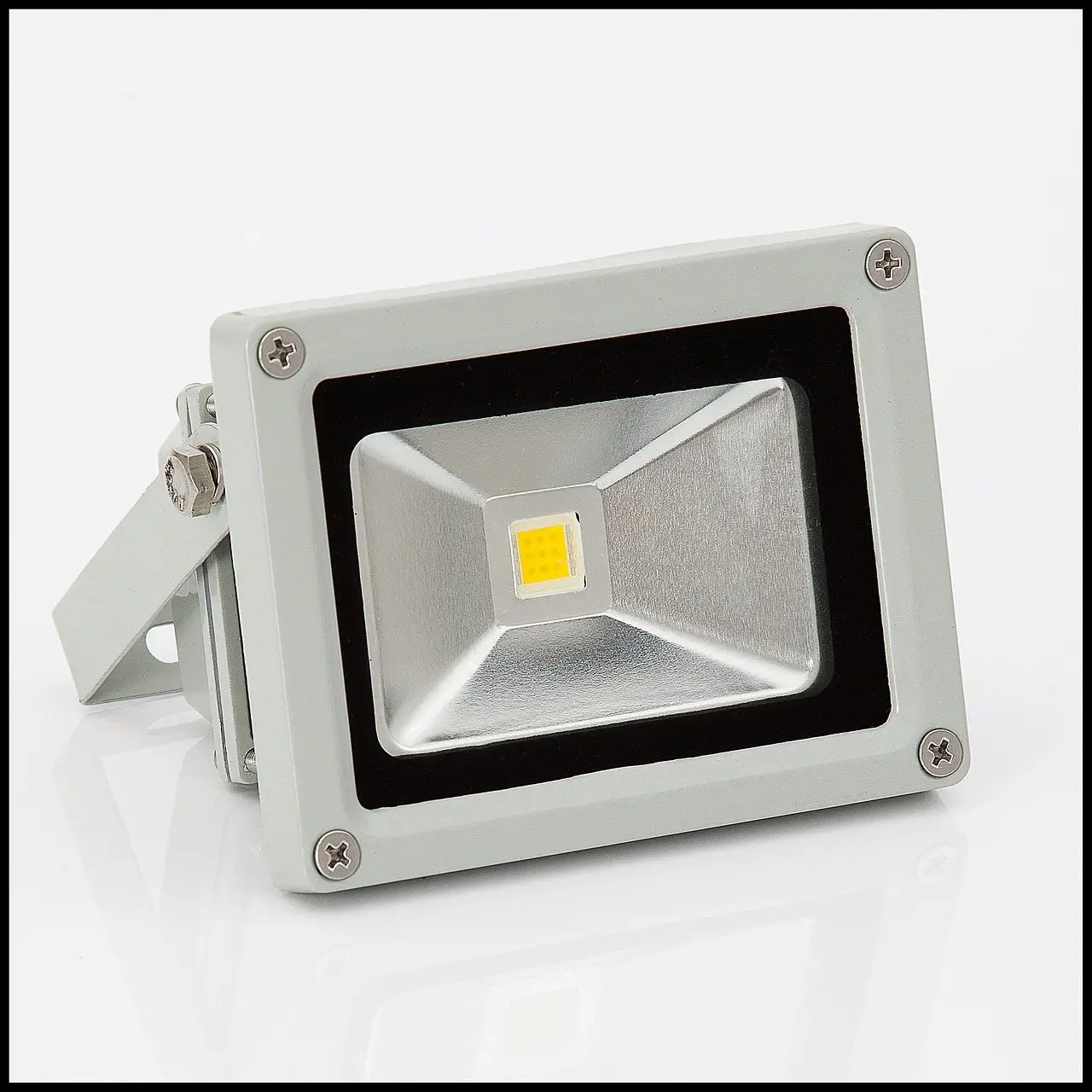
A flood light spreads a wide beam over an area rather than picking out a point. That beam angle is what separates it from a spot light, not brightness.
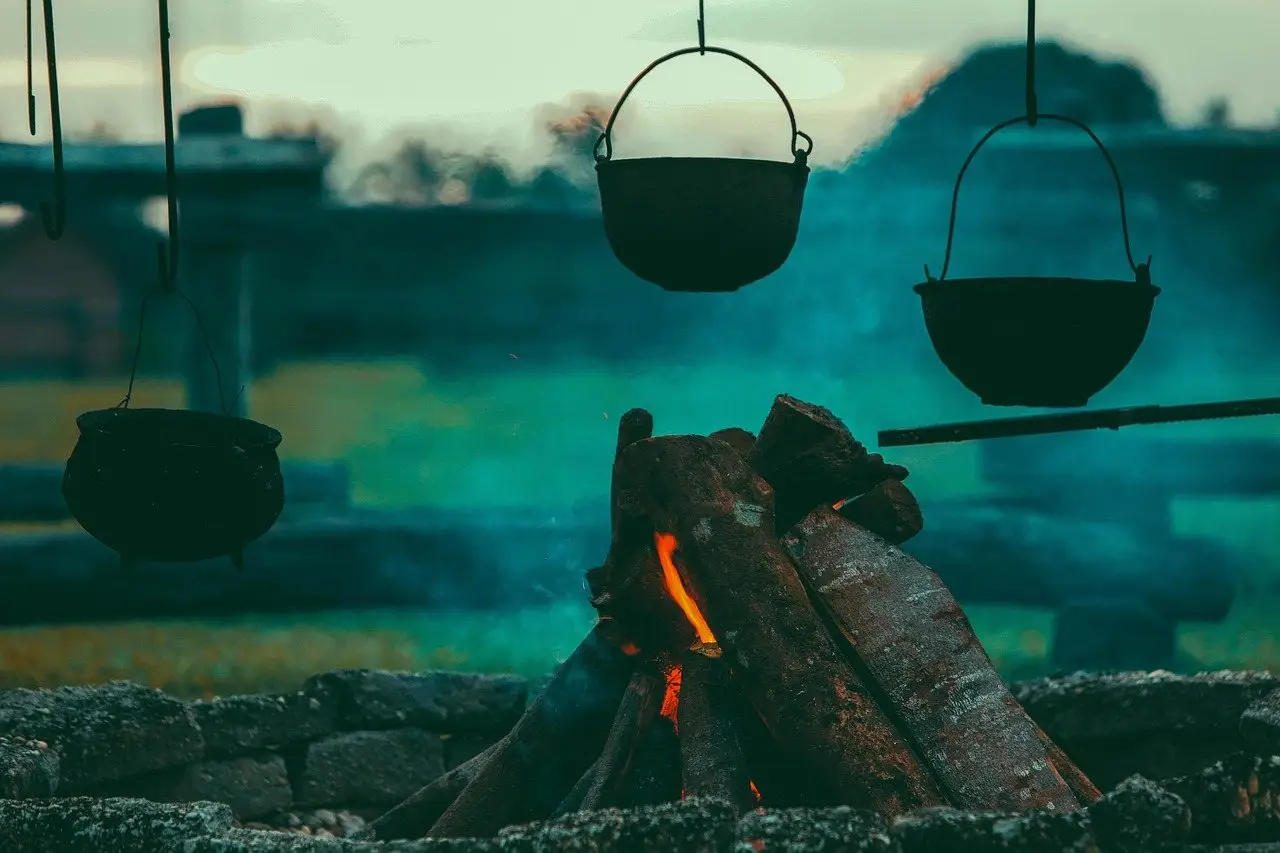
Hardwood, charcoal briquettes from other sources, a gas conversion or an electric grill all work. What never works is construction timber or lighter fuel alone.

Take the cue from your house walls and roof, not from the garden centre display. Pale rock bounces heat and shows dirt; dark absorbs it and hides stains.
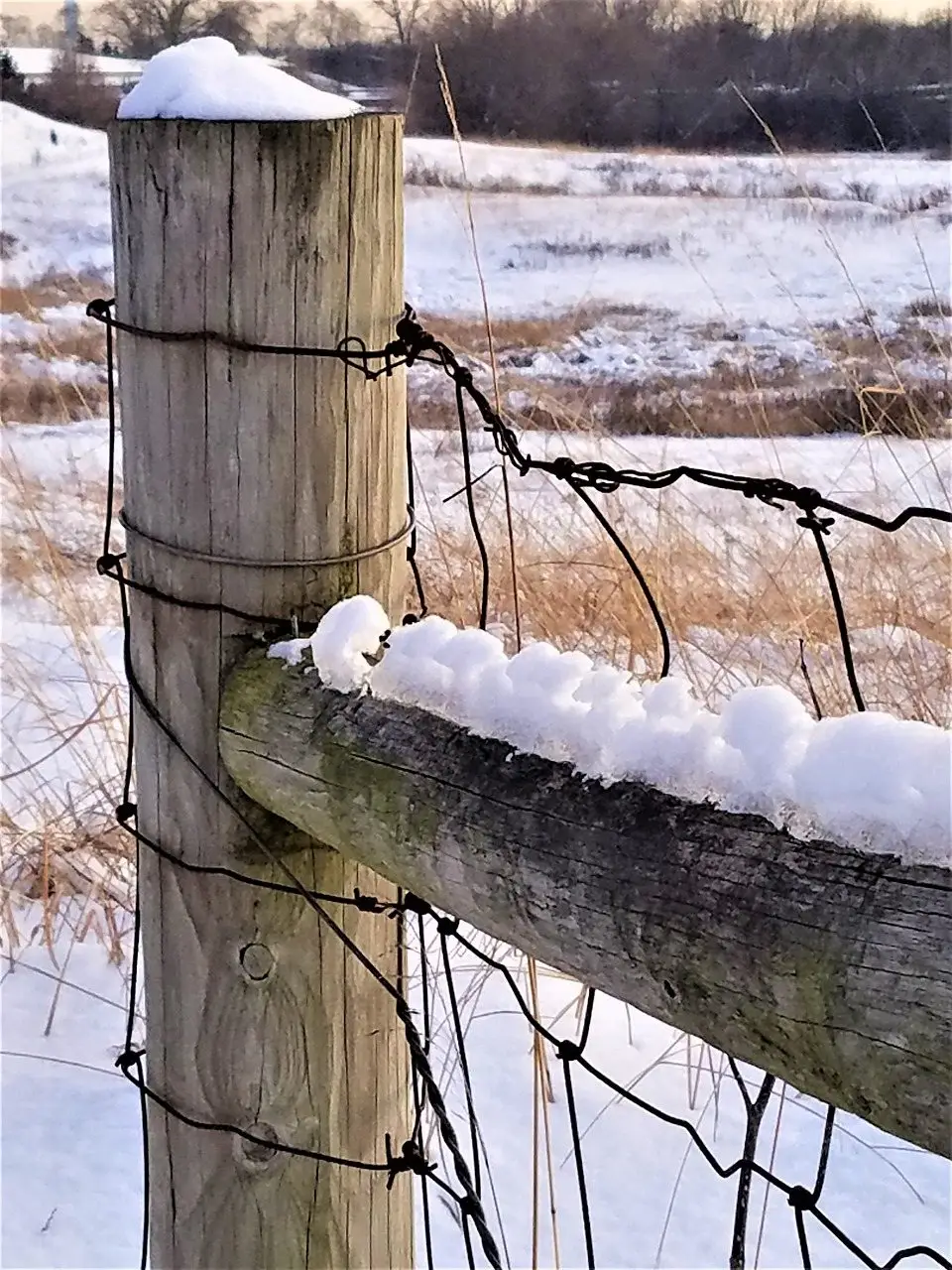
Wire and welded mesh cost least per foot, hog wire panels look better for little more, and pressure-treated pickets are the cheapest solid option.
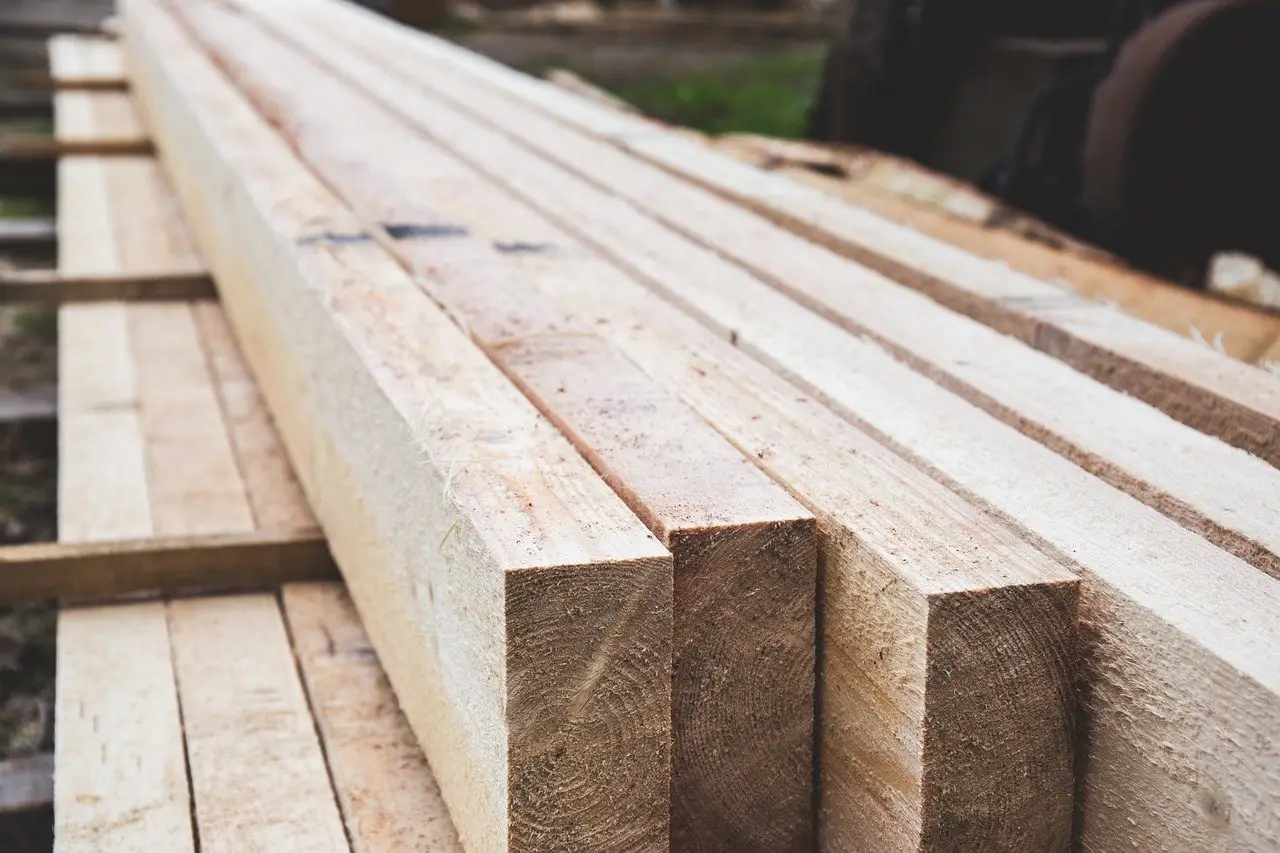
Sound boards make raised beds, compost bays and fencing. But treated timber rules out some uses entirely, and that is the first thing to establish.
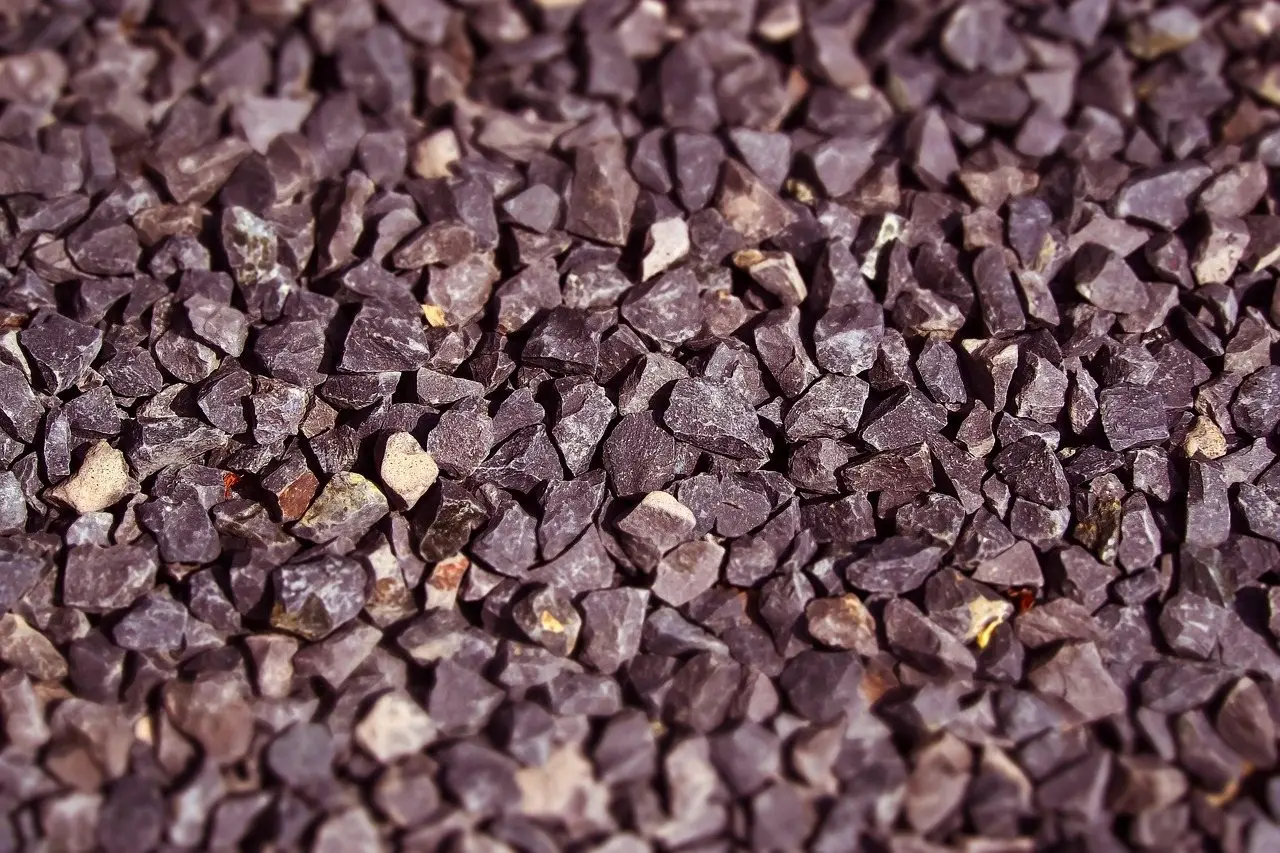
Woven landscape fabric lets water through and holds stones clear of soil. Plastic sheeting traps water and kills the ground beneath it.
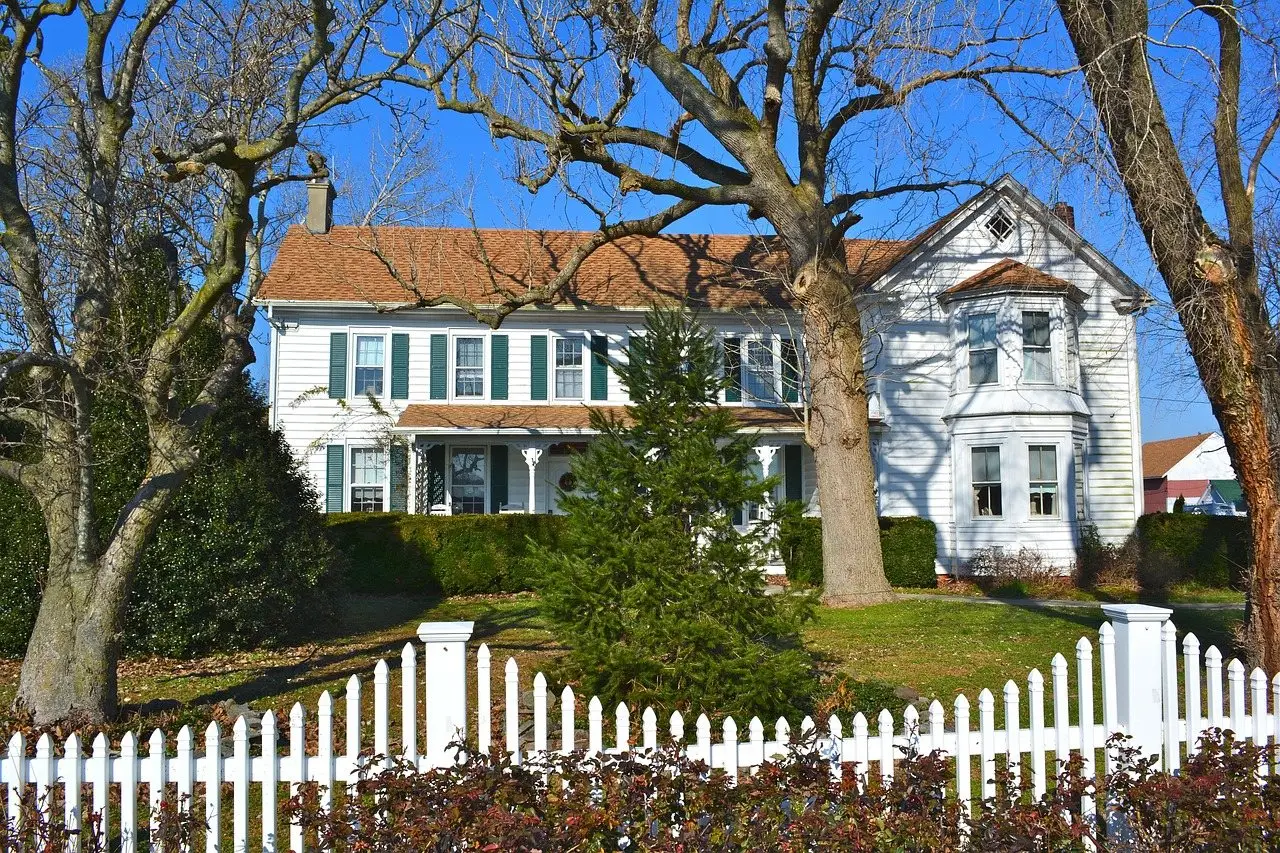
Buyers respond to a fence that looks sound and matches the house far more than to any particular material. A failing fence subtracts reliably.

Weekly is a habit, not a rule. Combined chlorine above 0.5 ppm, heavy use, storms and algae are the signals that actually call for a shock treatment.

Morning sun, a rainproof overhang and a firm fixing matter more than what is inside it. Height and aspect decide whether solitary bees use it at all.
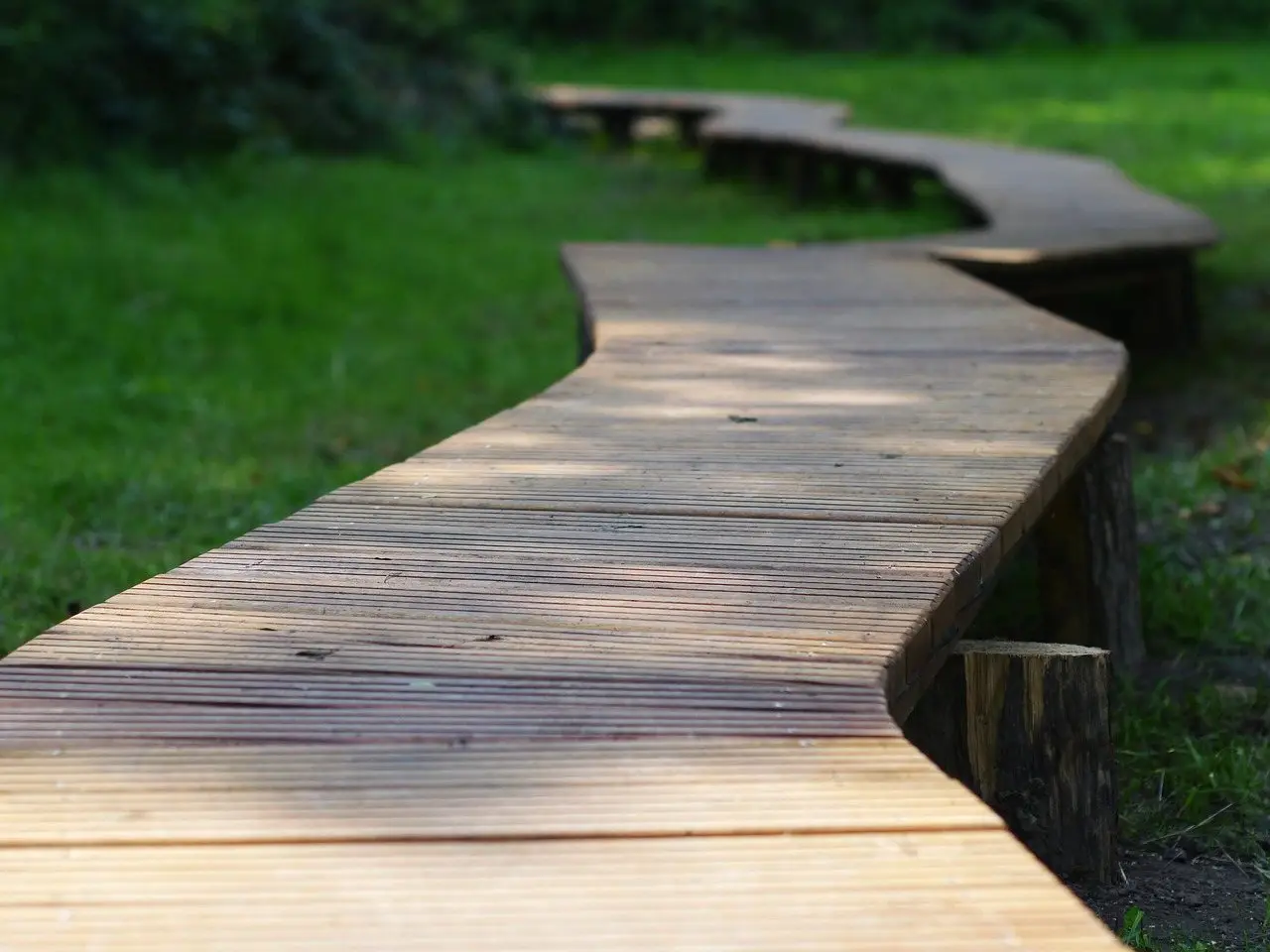
Opacity predicts lifespan better than brand or base. Solid stains last longest because pigment blocks UV — and that is the trade you are making.
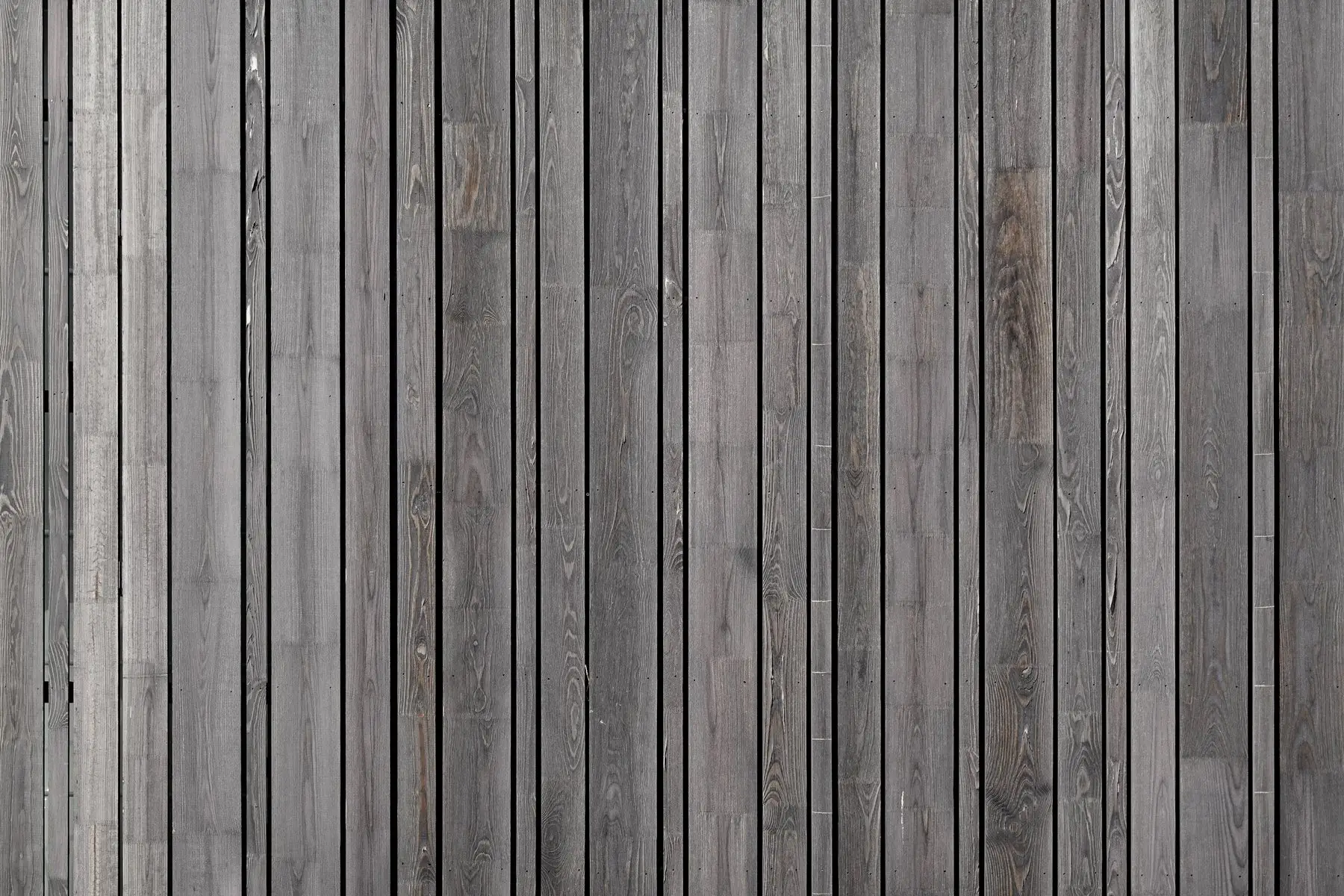
Cedar boards outlive cedar posts by a wide margin, and the posts are what fail. Realistic lifespans, what shortens them, and the one build detail that matters.
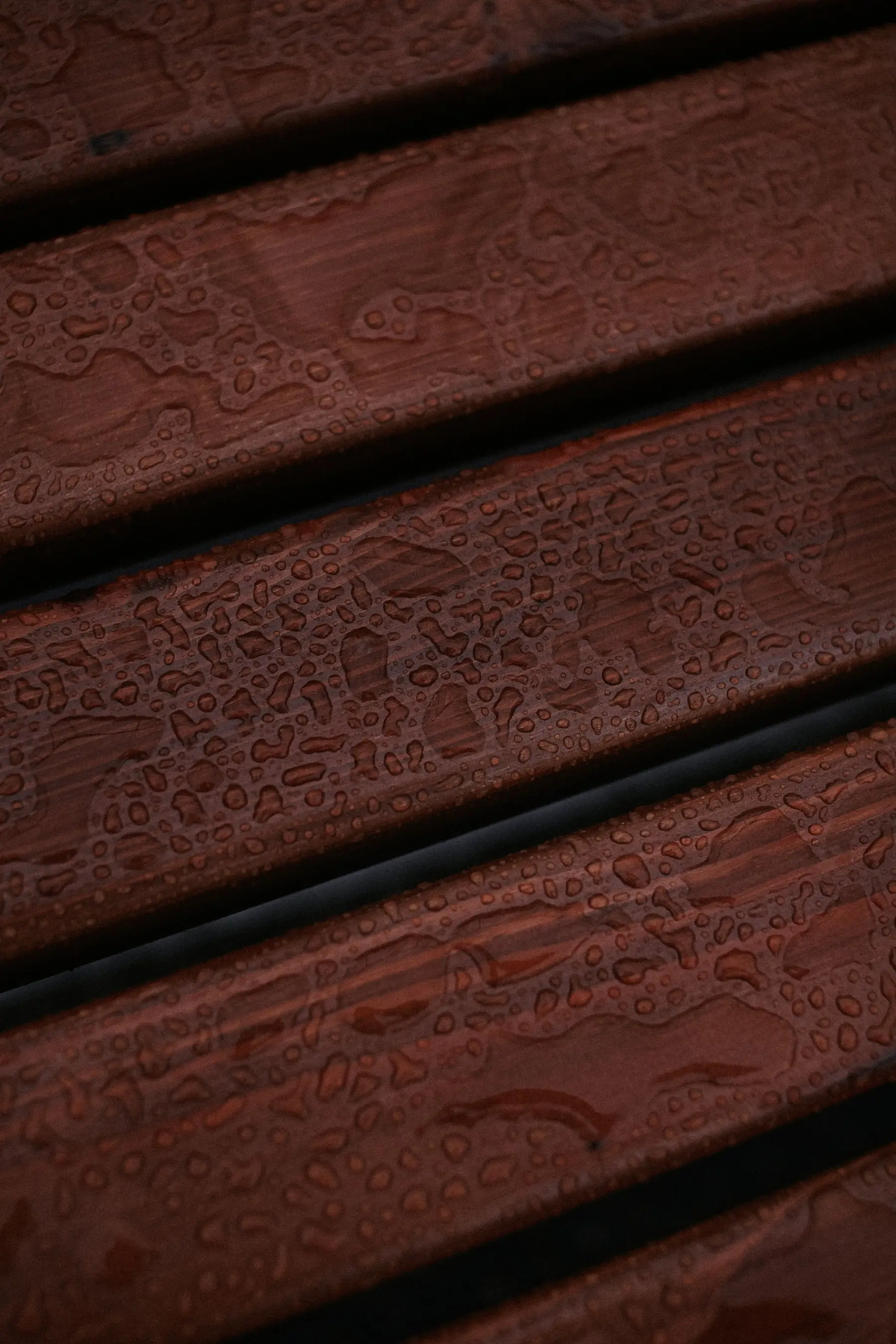
Most deck stains need 24 to 48 hours of dry weather, water-based less. The forecast window to look for, and how long to wait after rain before staining.
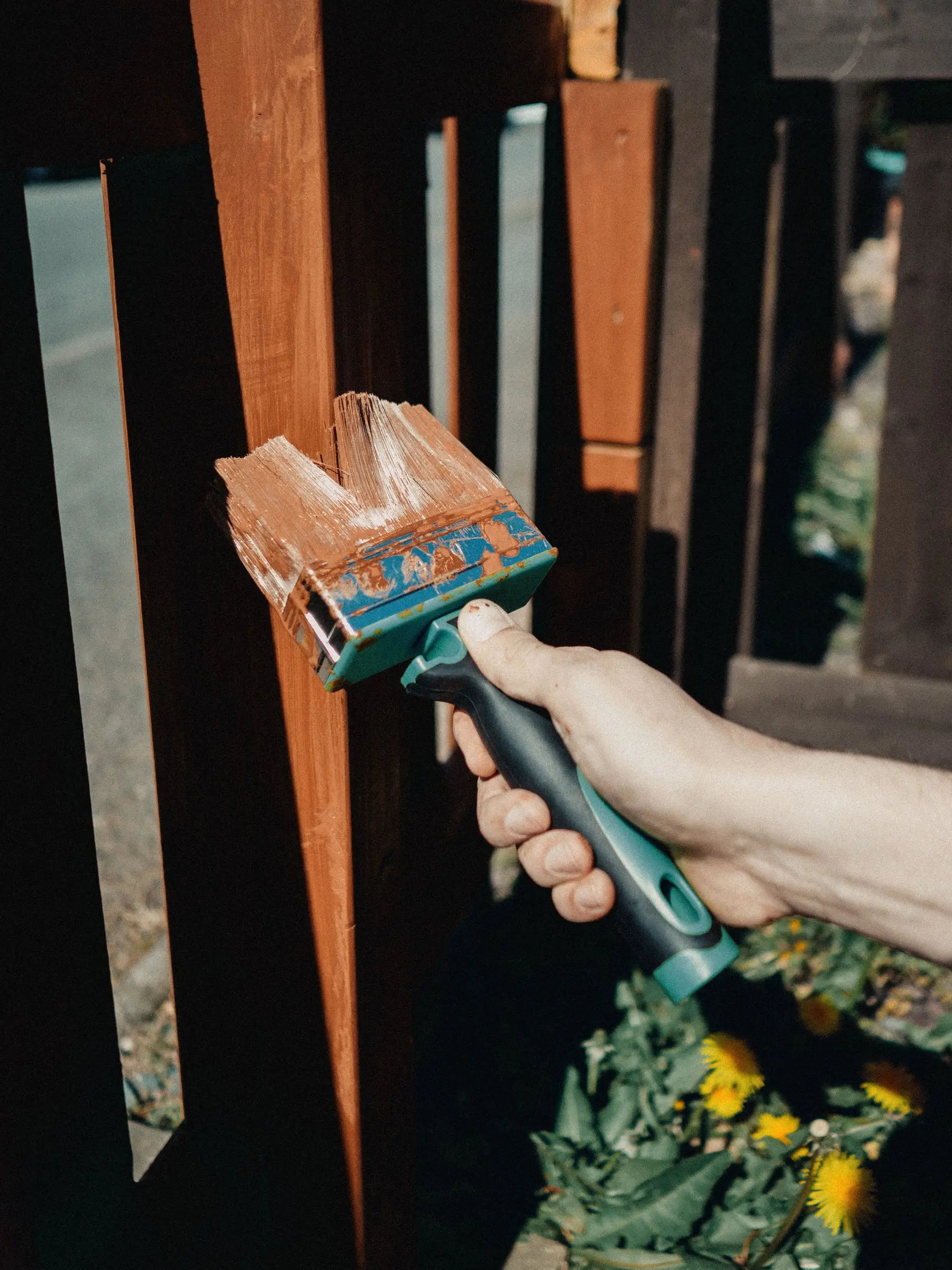
Semi-transparent stain lasts 2–3 years, solid 3–5, clear sealer about one. But the water bead test beats any schedule — here is how to read your own deck.
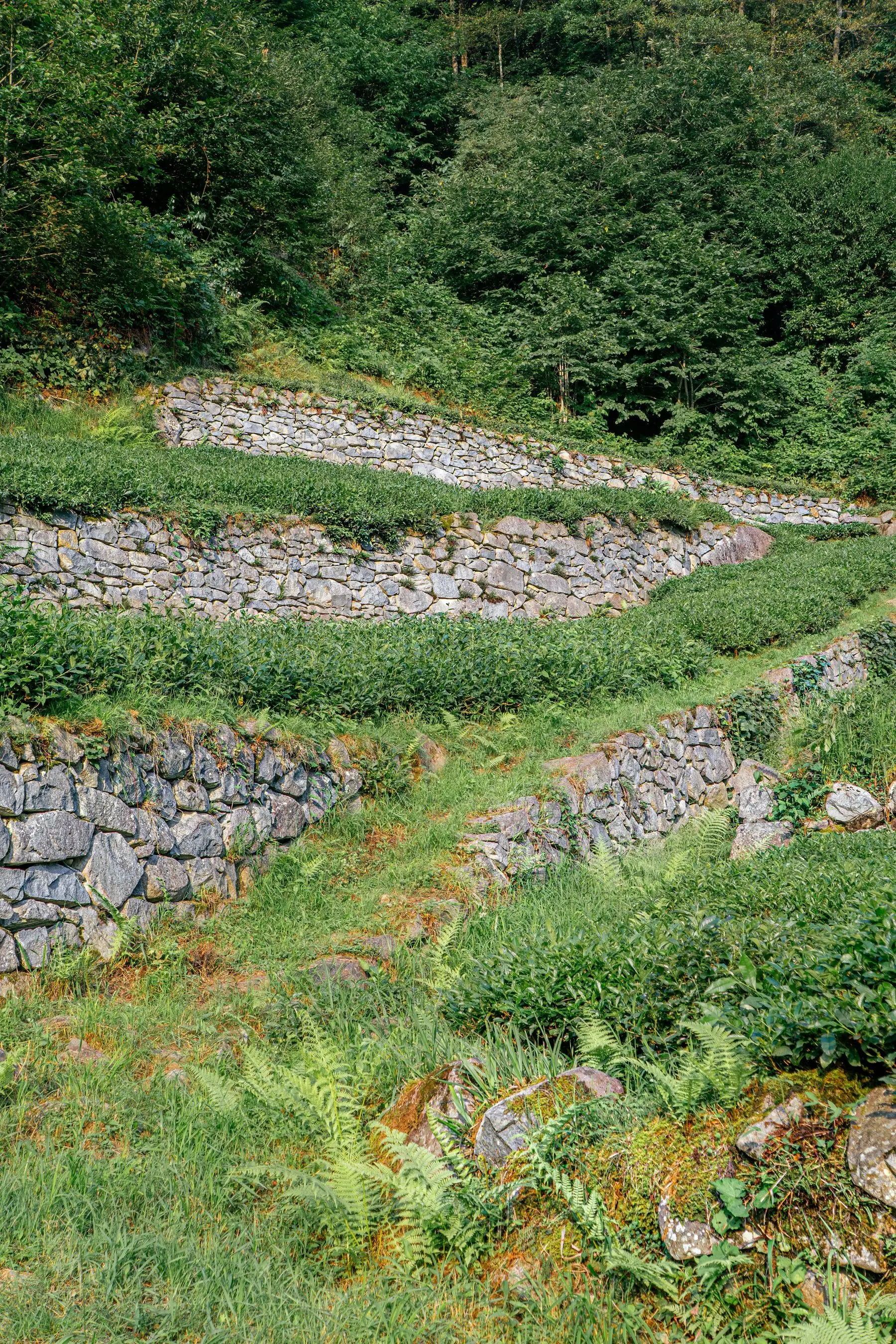
Terracing a slope is mostly drainage and wall height, not planting. How to size the tiers, where permits start, and the cut-and-fill that saves soil.

Adding soil over roots suffocates them and cutting them risks the tree. What you can safely do instead, and why the raised bed idea kills mature trees.

A broiler, a cast-iron grill pan or a fire pit with a grate will all do the job. What each is good at, and the indoor method that is genuinely dangerous.

A grill stuck at low flame has usually tripped its excess-flow safety valve. The 60-second reset, and the opening order that stops it happening again.
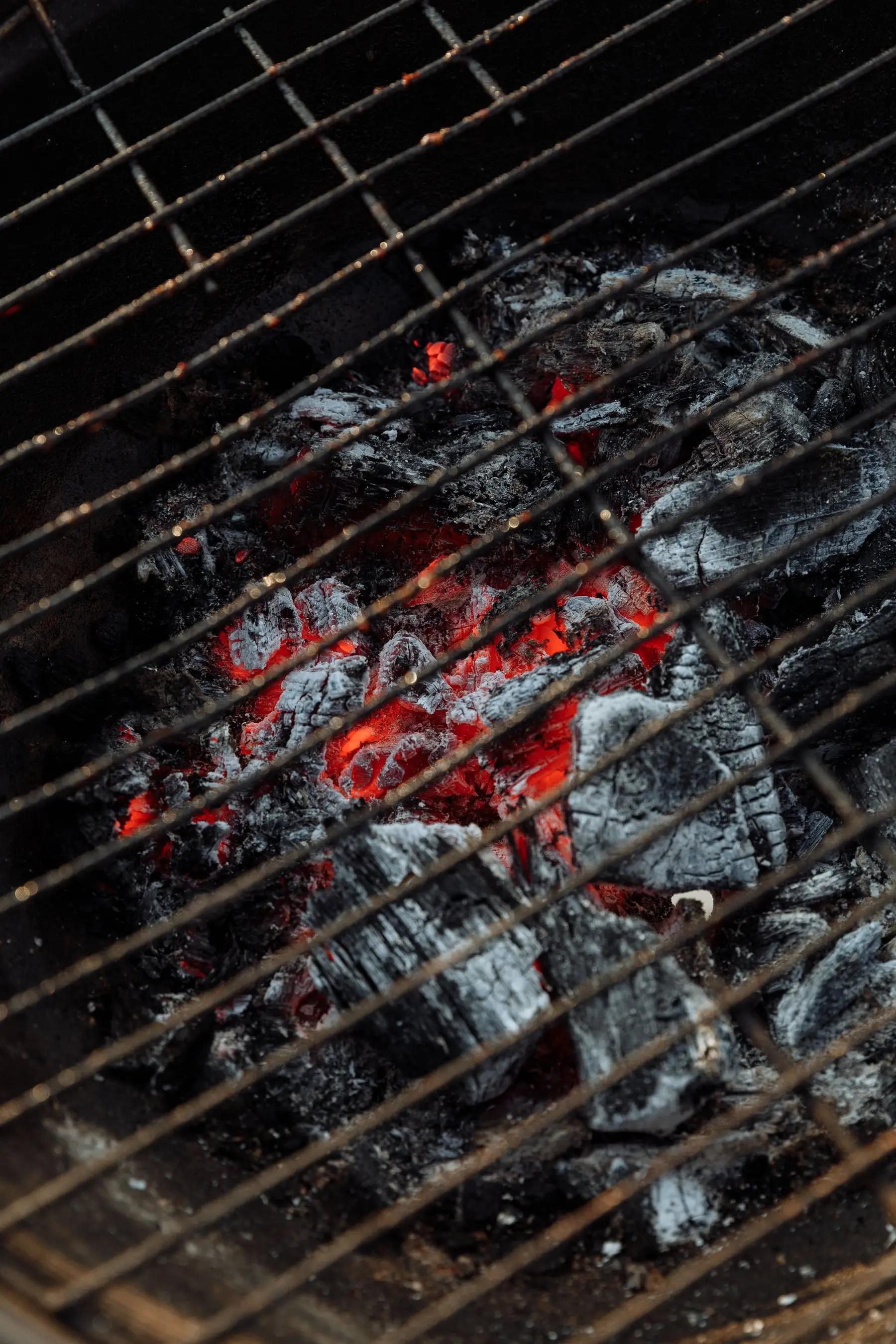
Close the lid and shut every vent — starving the fire of oxygen is the method. Why water is the wrong answer, and how long the ash stays dangerous.
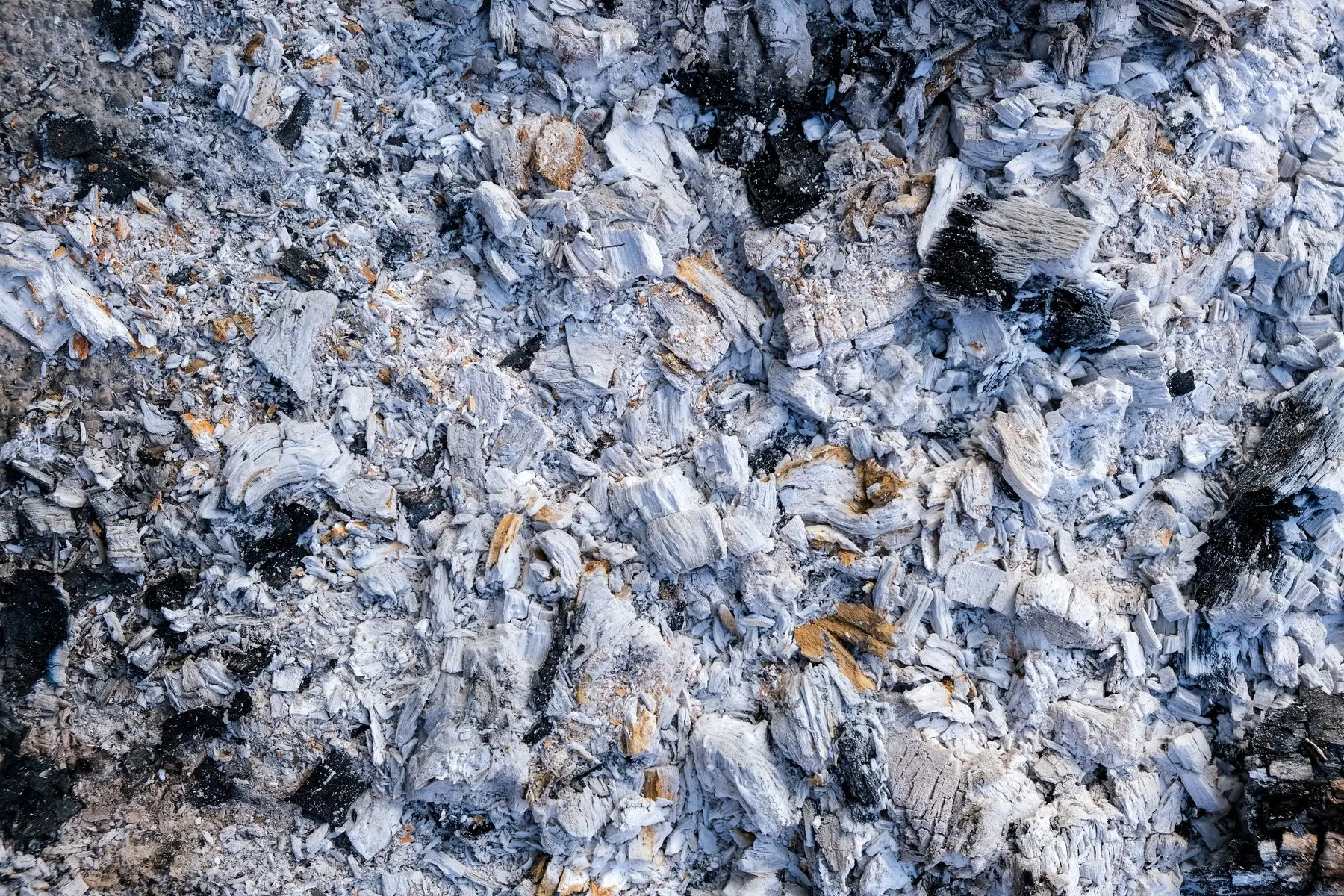
Wood and lump ash can go on the garden; briquette ash should not. How to tell which you have, what it does to soil pH, and the 48-hour fire rule.
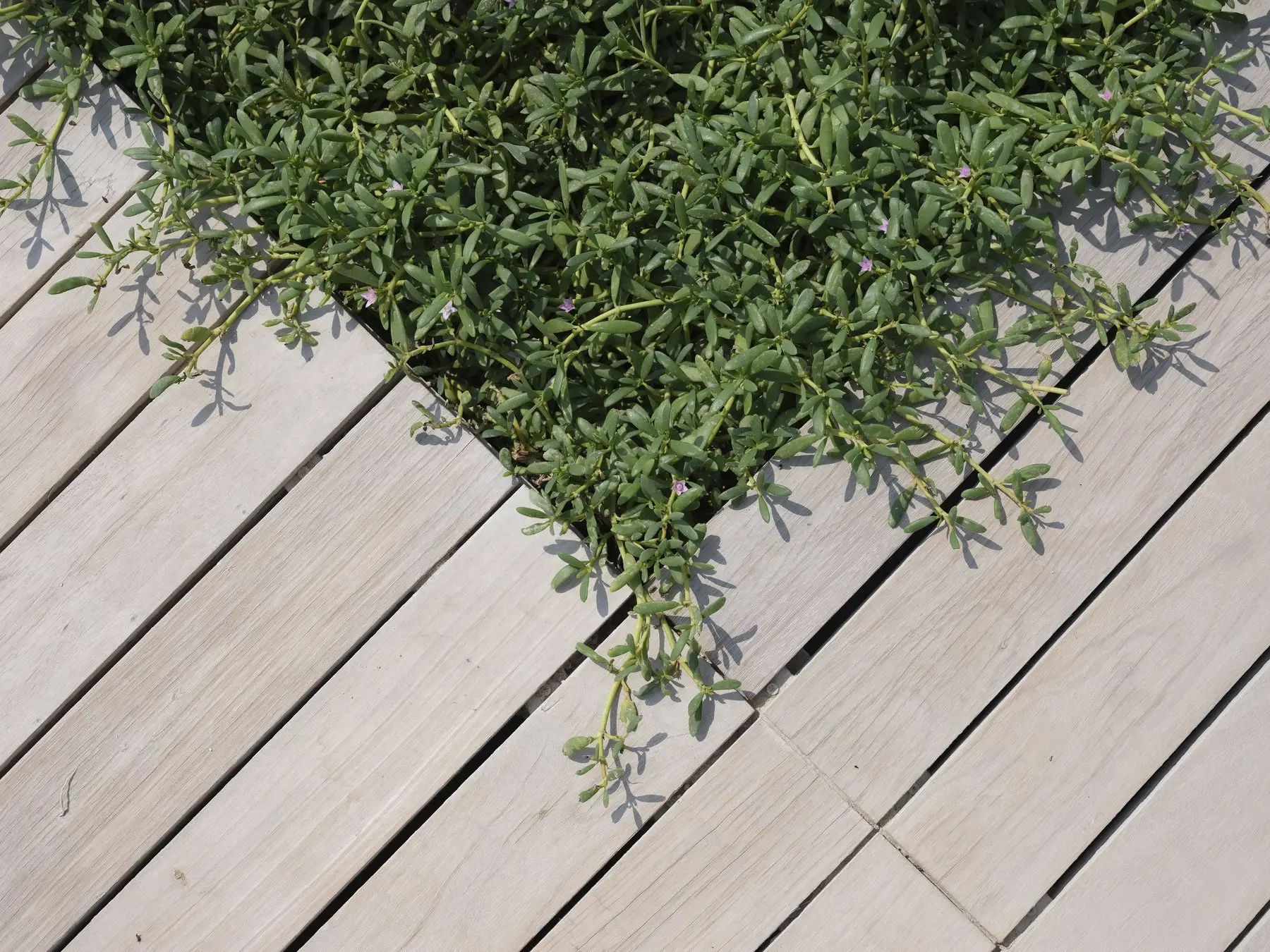
New pressure-treated lumber has to dry before it will take stain. How long that actually takes, the test that settles it, and the deadline you should not pass.
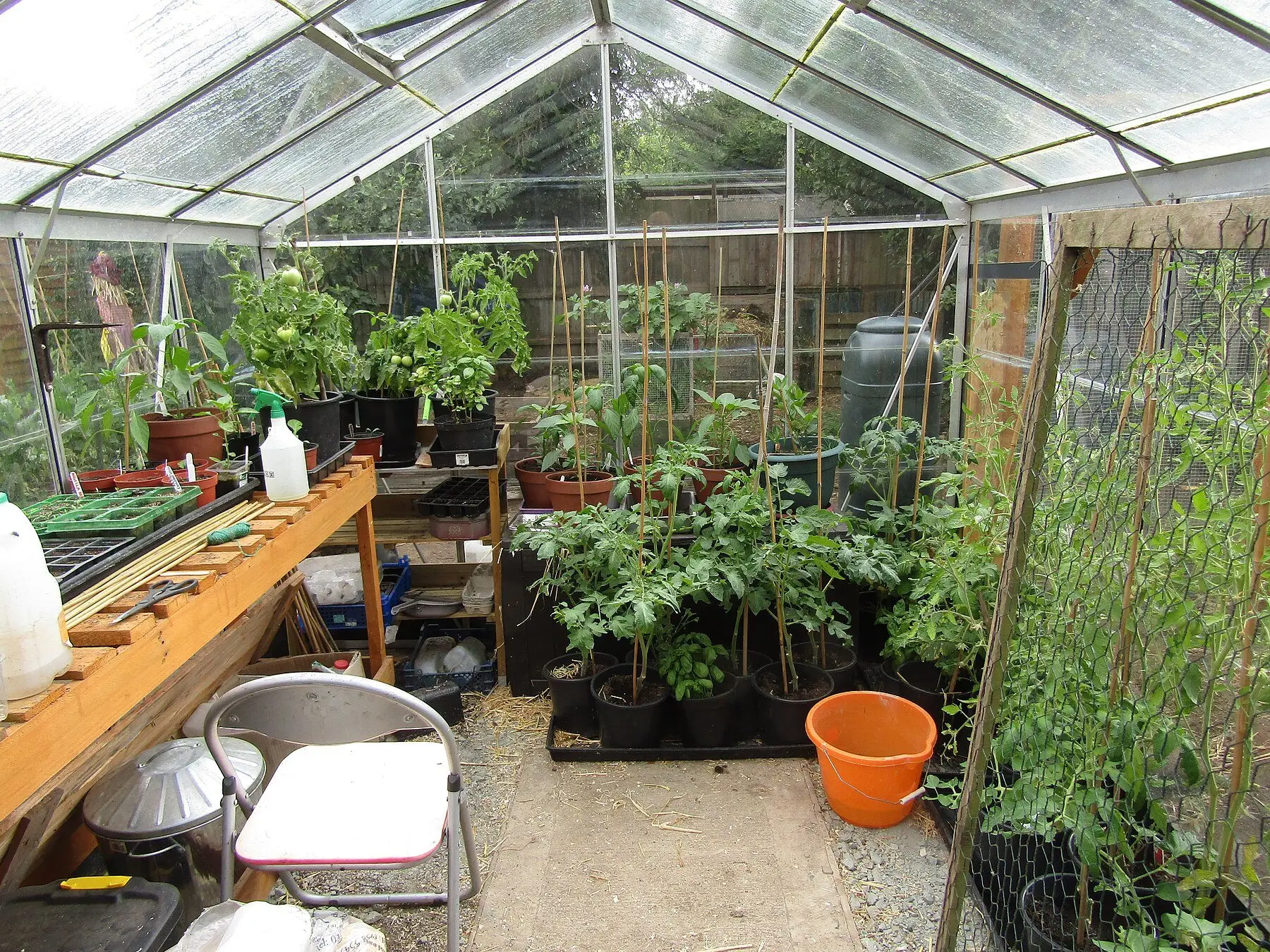
A greenhouse extends the season at both ends, starts seed early and overwinters tender plants. What it is genuinely good at, and what it will not fix.
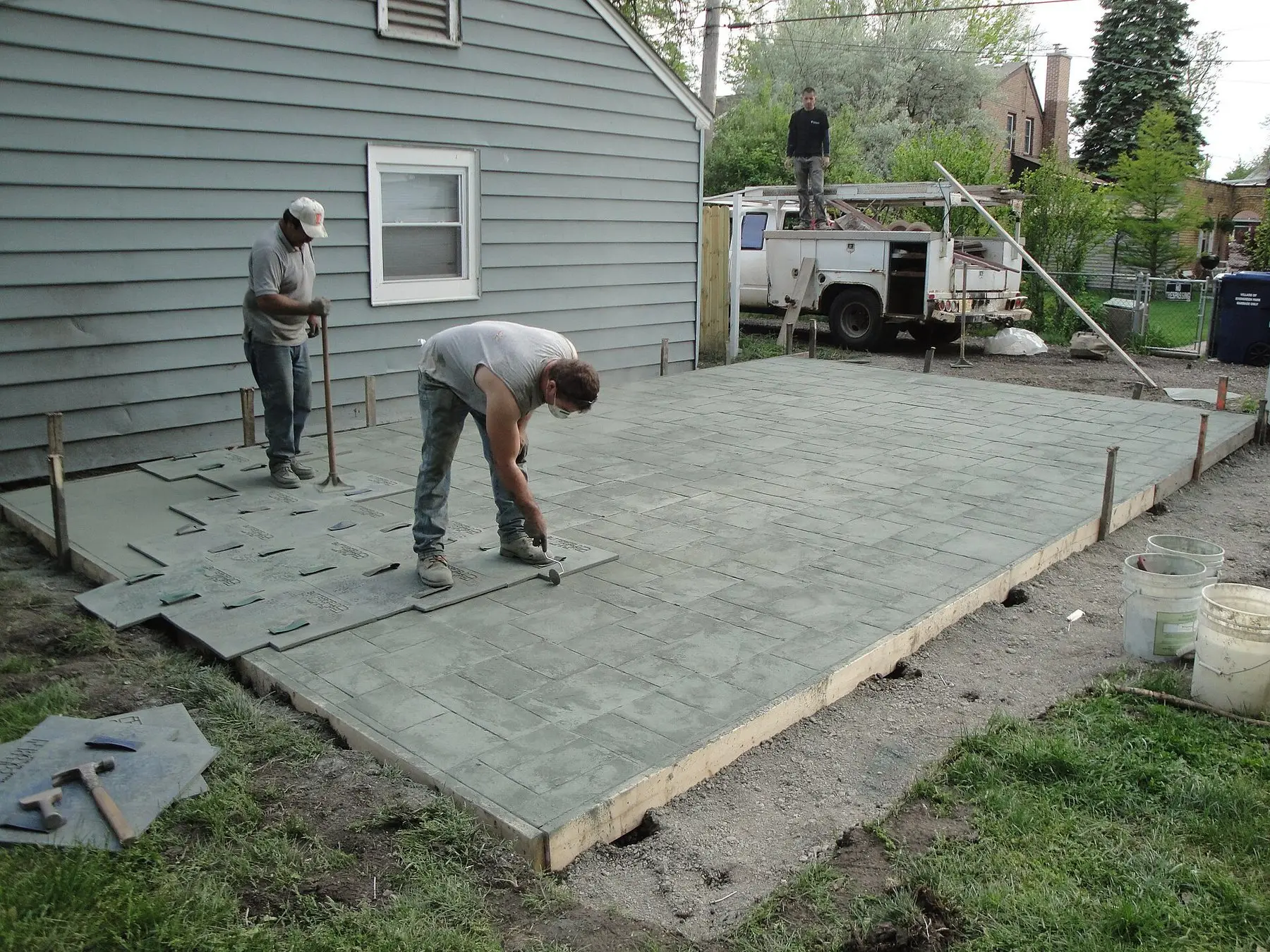
Four inches is the standard for foot traffic, but the base under it and the control joints in it cause more failures than depth ever does.

A griddle is a solid steel cooktop, a grill is grates over flame. What each does better, why griddles need seasoning, and when to buy a combination unit.
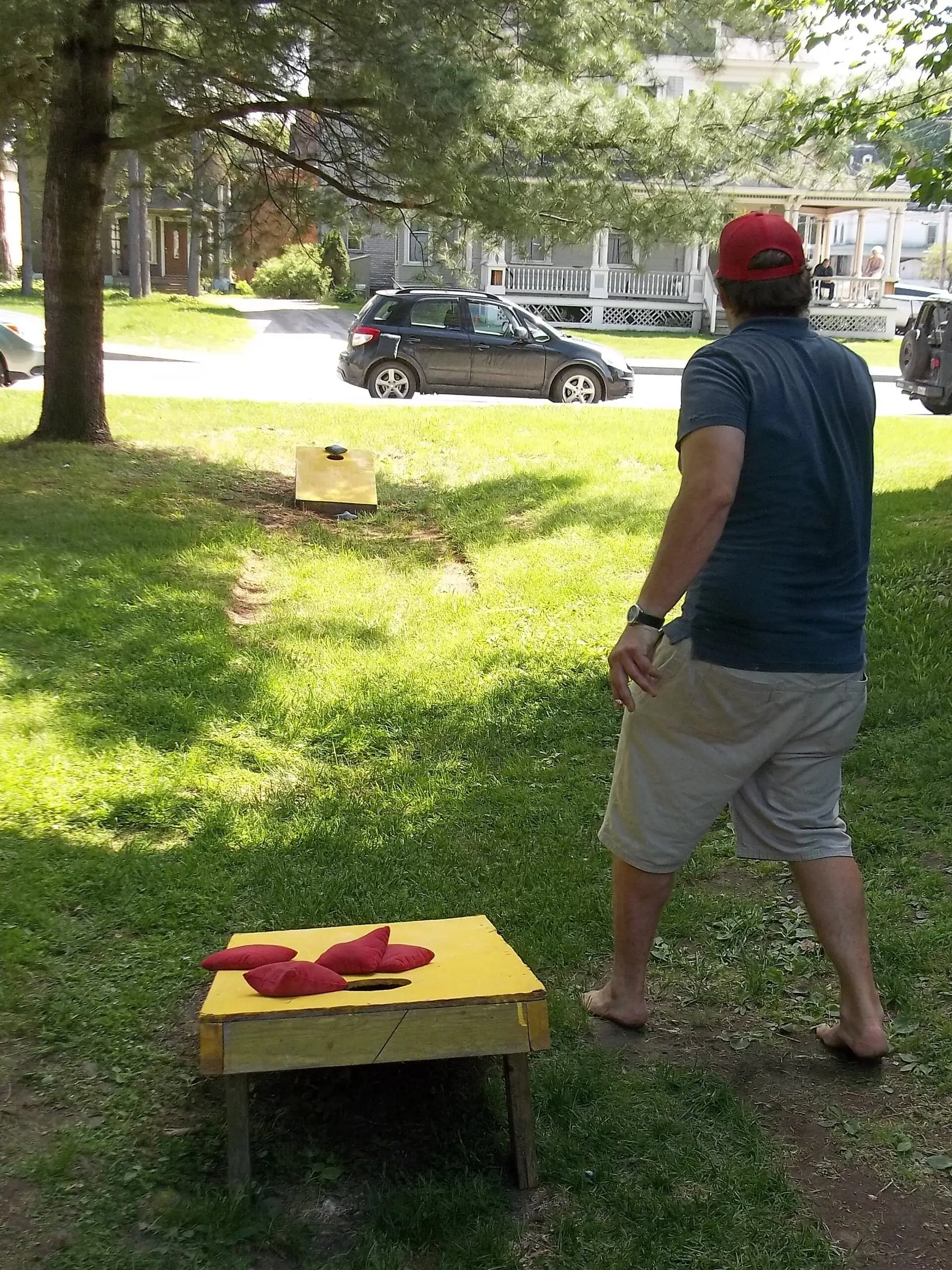
Games for grown-ups fail on space, drink-compatibility, or needing eight people. What holds up at a party, what suits teams, and the footprint each needs.
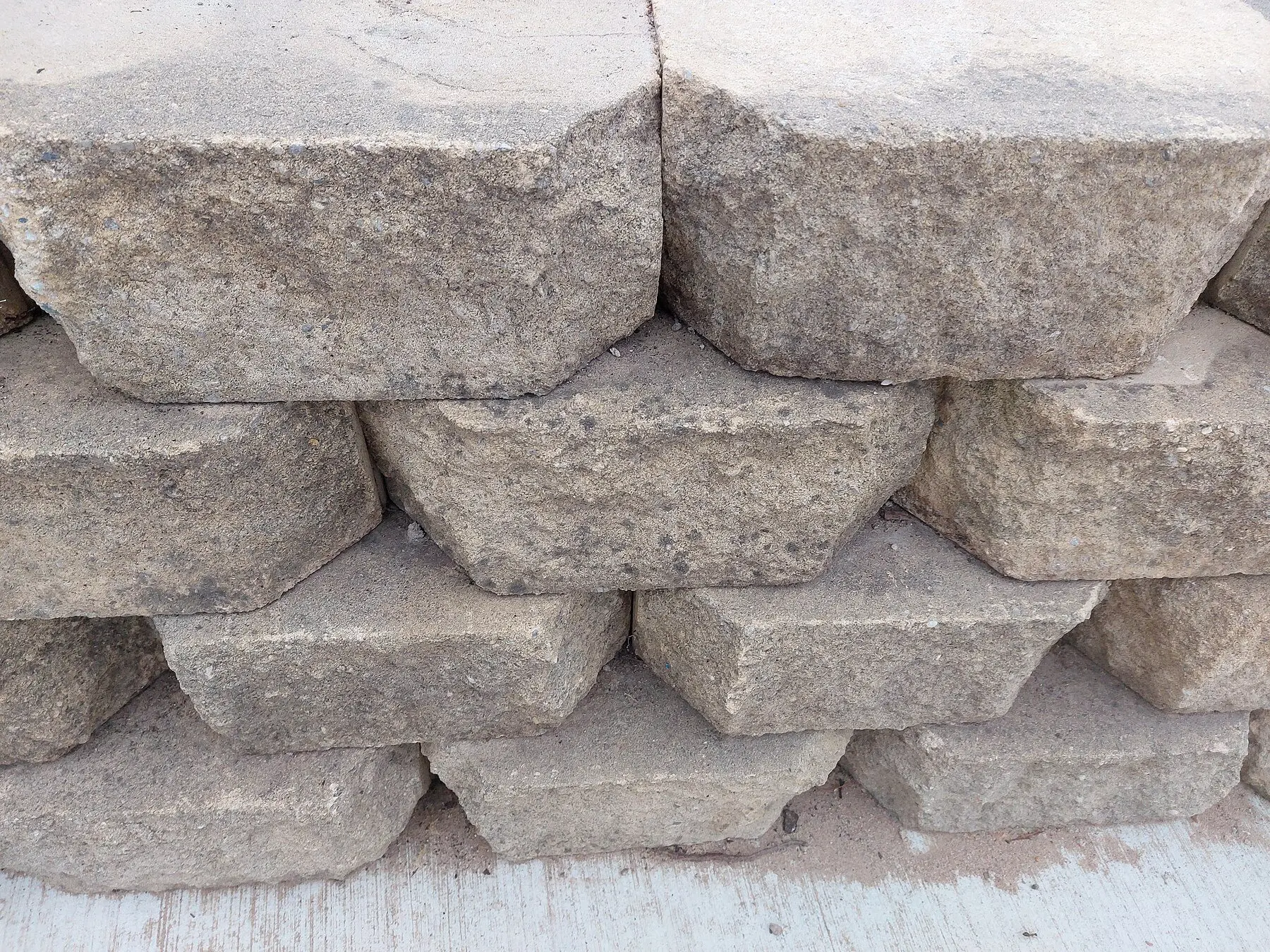
How to build a retaining wall that stays upright: base and drainage. 4 parts decide it, with engineering above 4 ft. See which your plan needs.
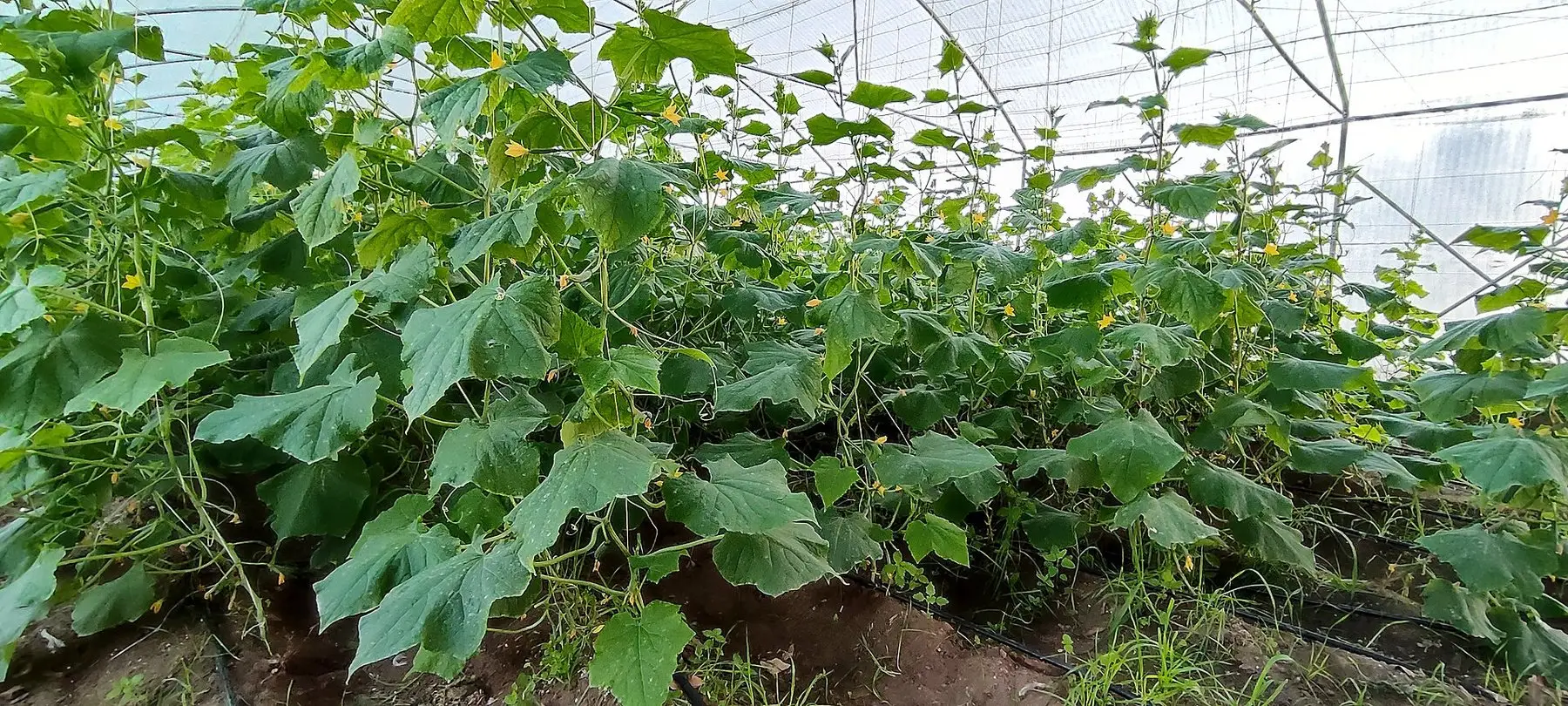
Cucumbers off the ground give straighter fruit, less mildew and half the footprint. Five trellis designs, the height you actually need, and how to train the vines.
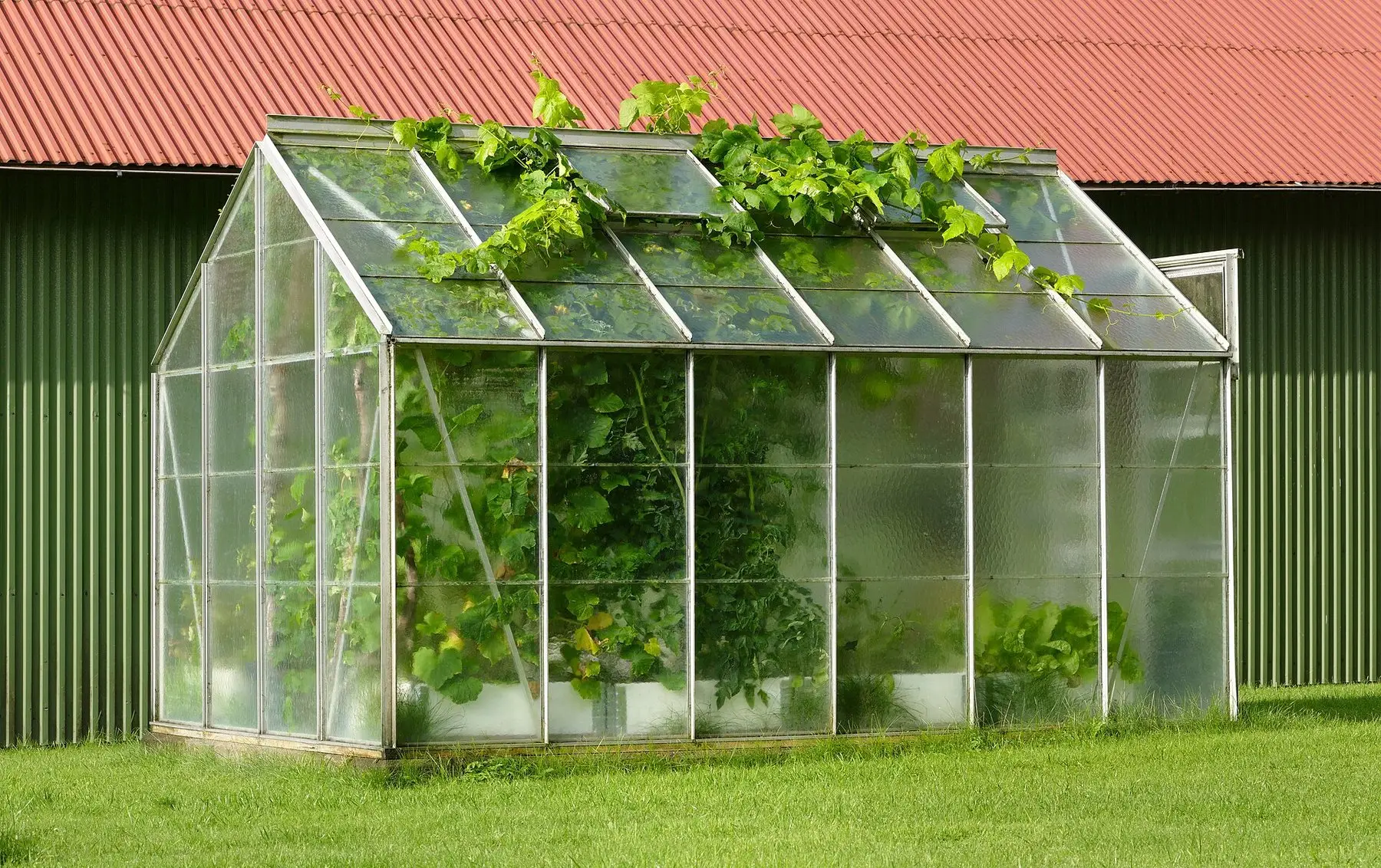
How to build a greenhouse: site it, glaze it, then vent it properly. 4 decisions carry the whole build. See which glazing suits your climate.

A garden bar fails on the same things a kitchen does — no landing space, no shade, no drainage. Layouts by budget, and the height that decides everything else.
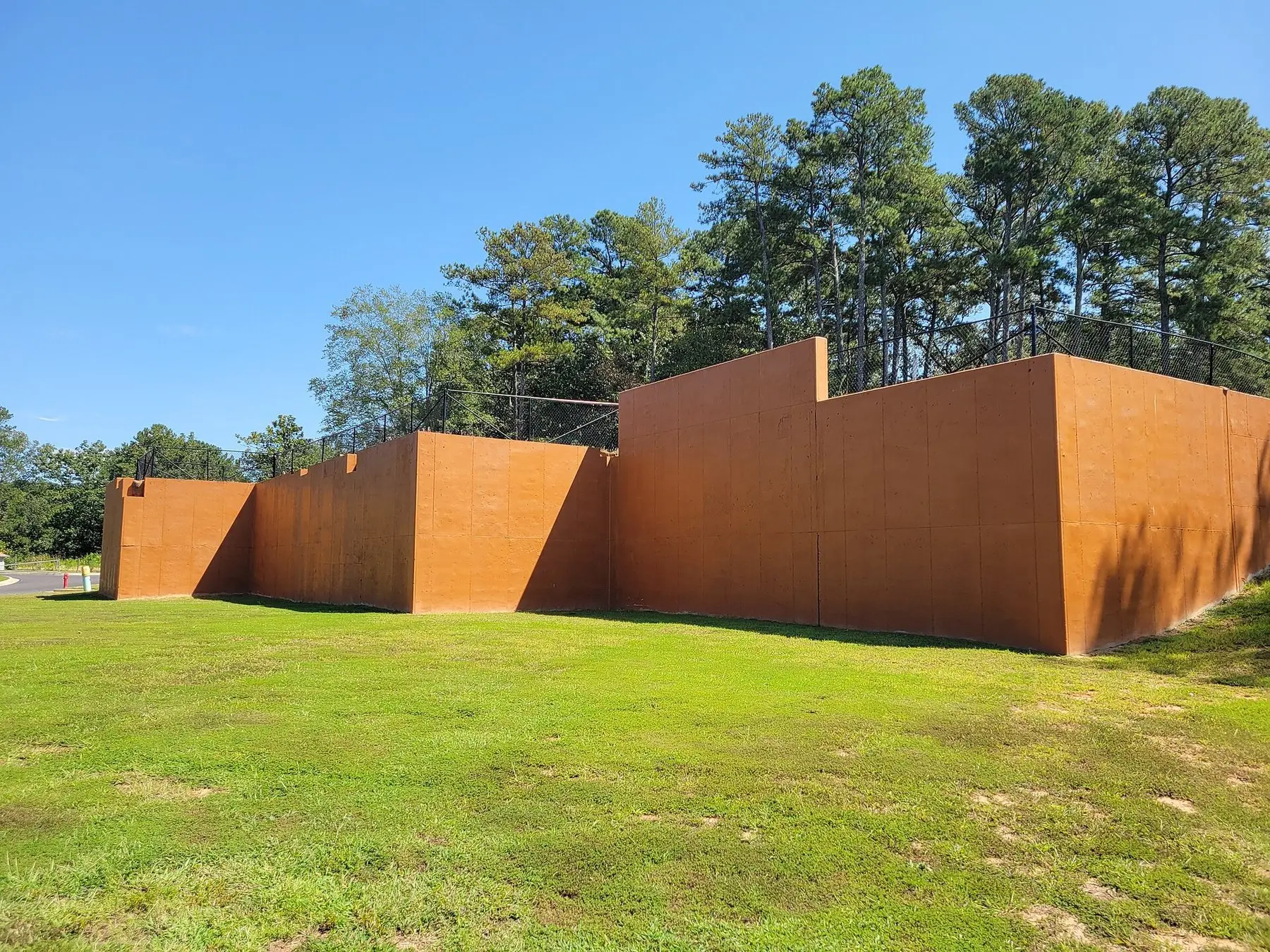
Most failed retaining walls failed at the base or the back, not the face. Block types, the height where you need an engineer, and how to build one that holds.
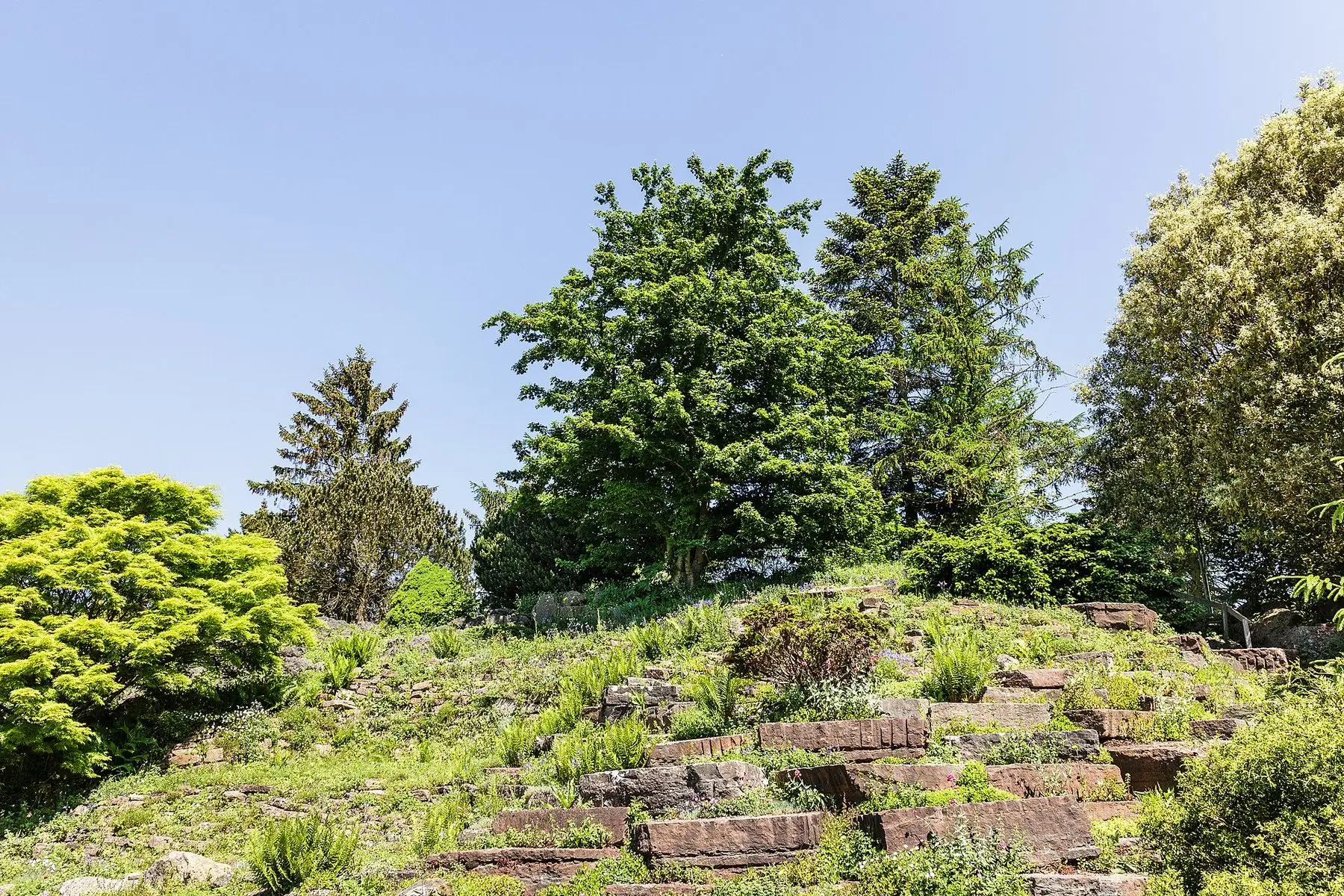
The difference between a rockery and a pile of stones is drainage and burial. How to set rock so it reads as outcrop, and what actually survives in it.
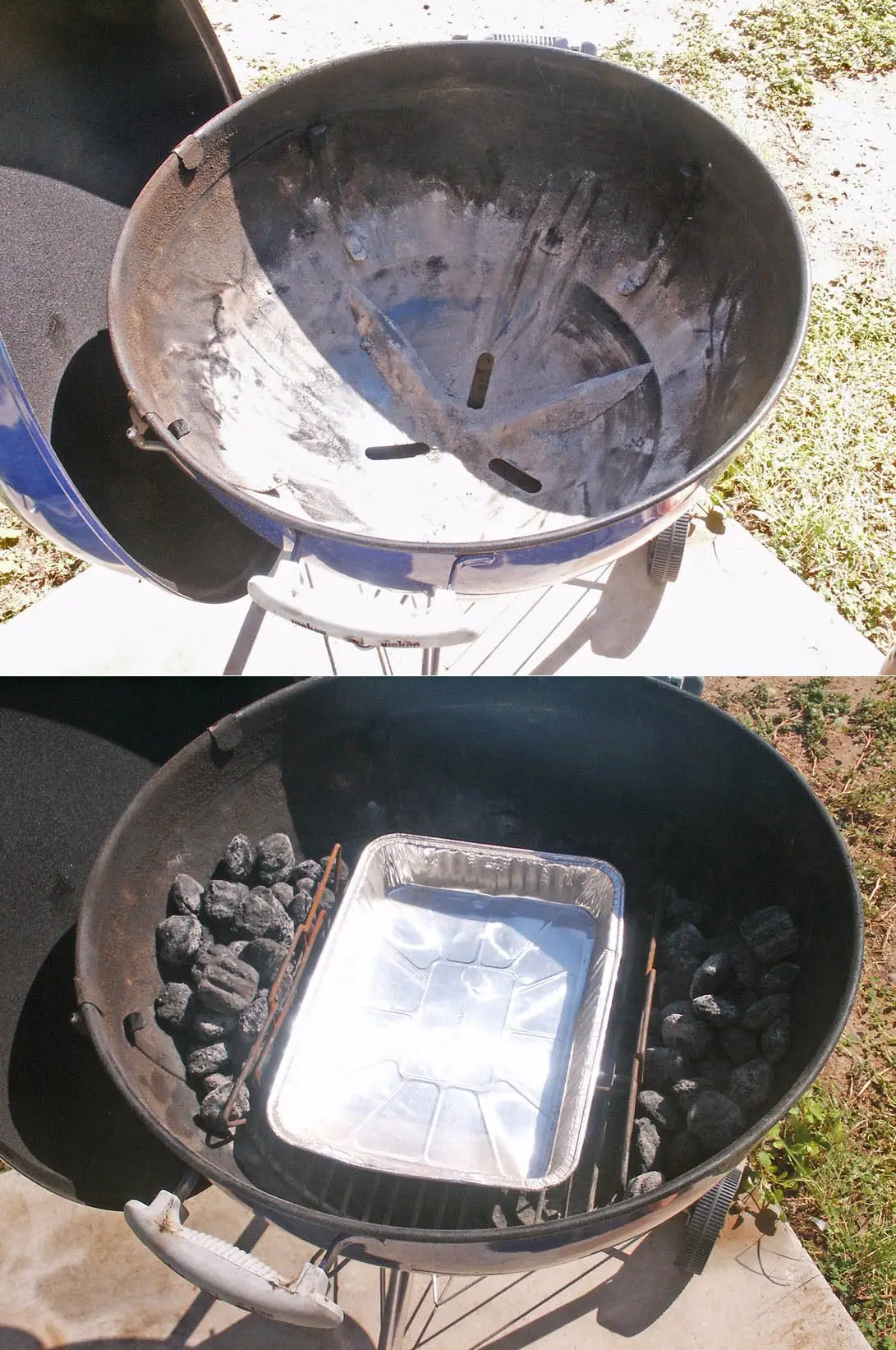
Direct vs indirect grilling is one fire built two ways. 4 items set up and hold the zones, temperature first. See which your grill is missing.
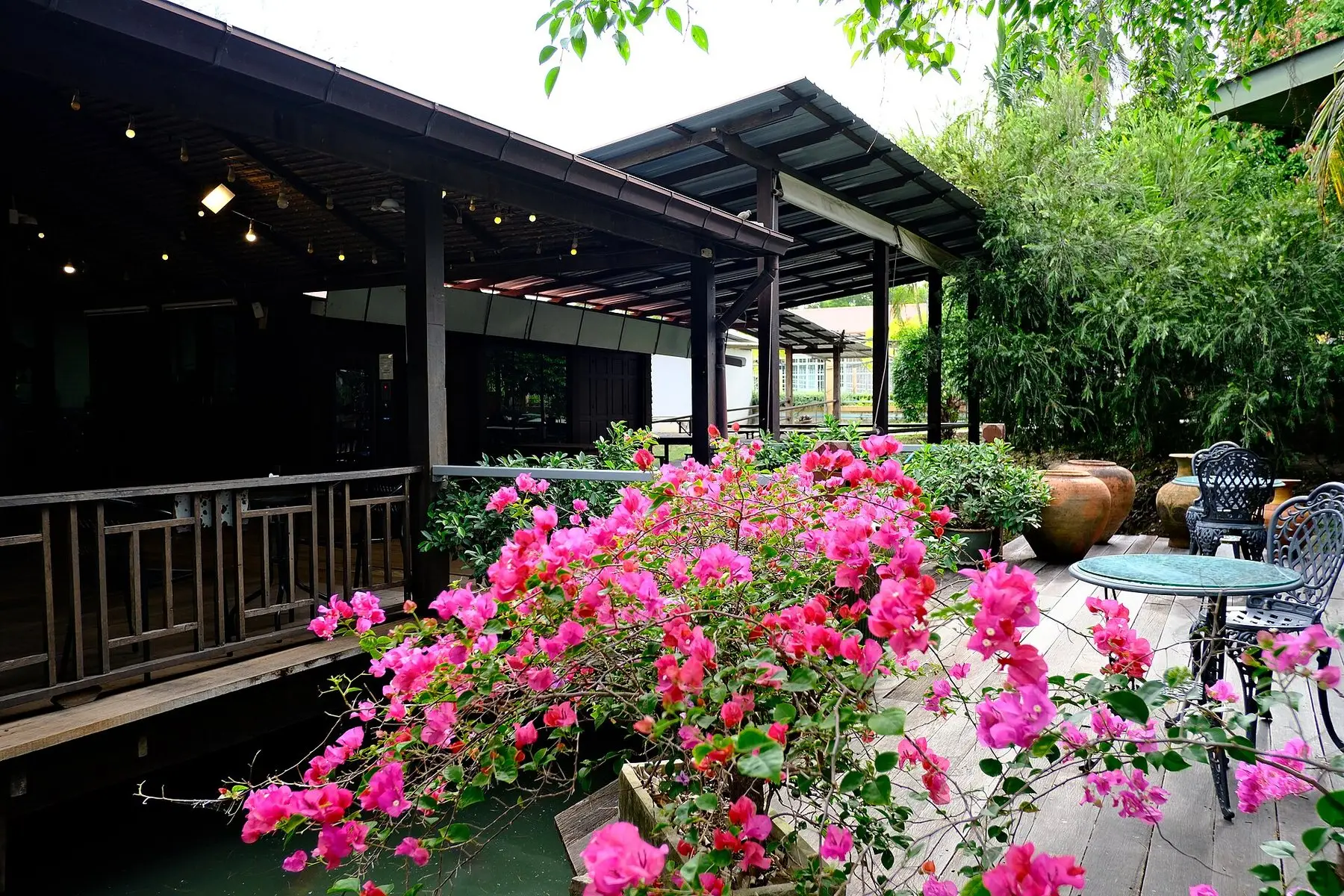
Most backyard decor gets added piece by piece until the yard looks like a garden center. A short list of what earns its place, and what to skip.
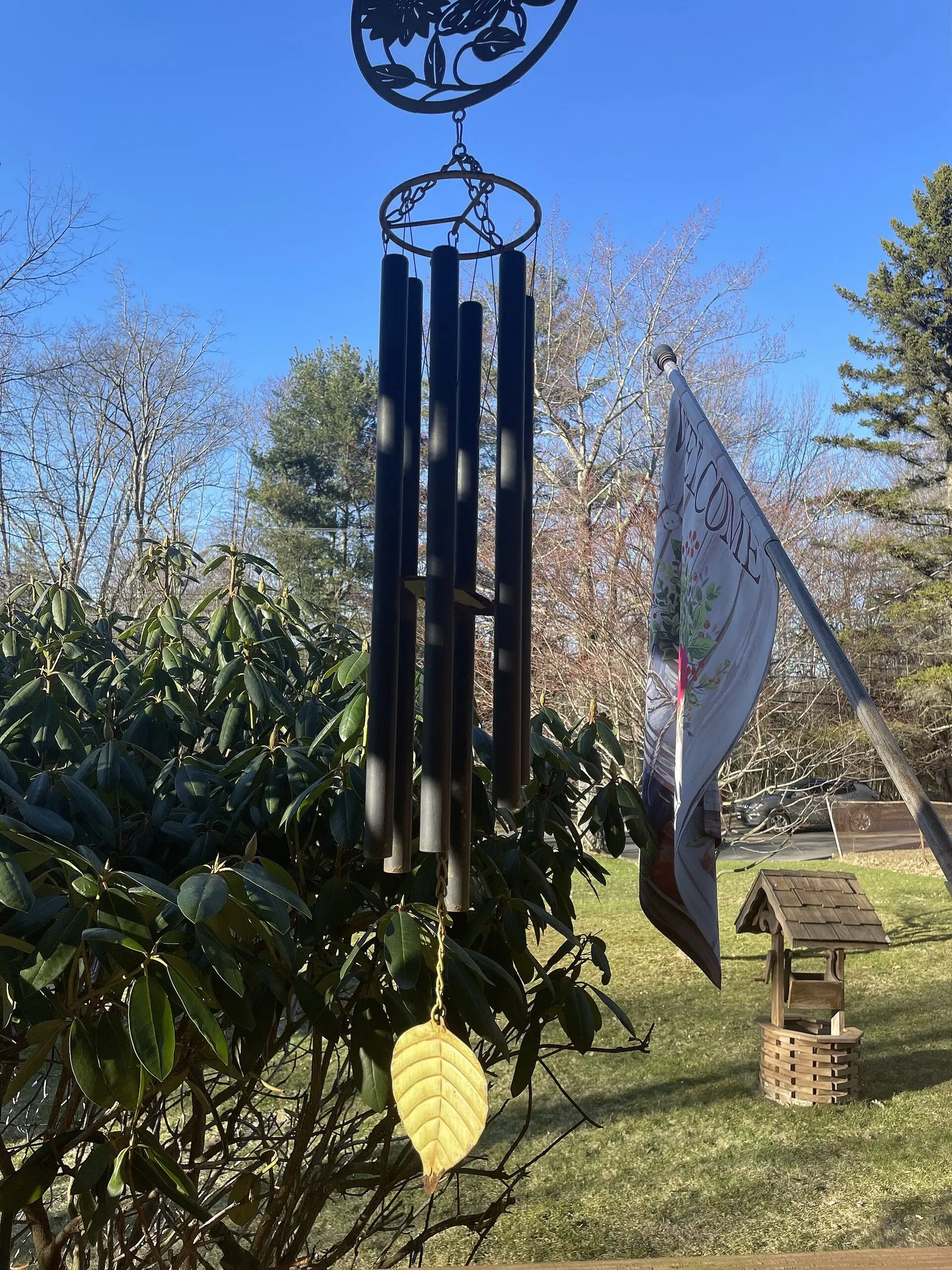
A wind chime with a snapped string is a five-dollar fix, not a reason to replace it. The order to rethread the tubes in, and the knot that actually holds.
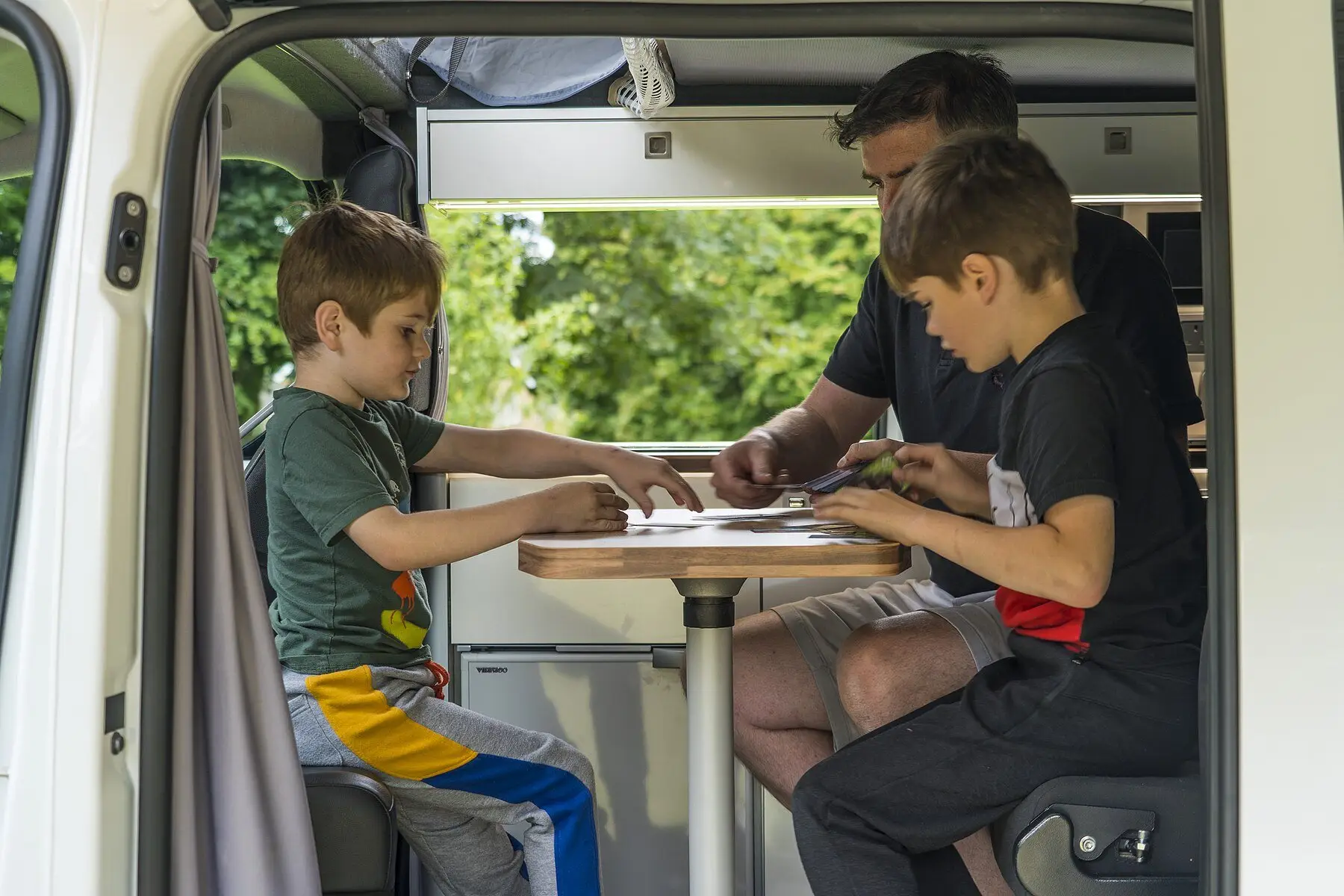
Rain moves a gathering inside with ten minutes' notice. Games that survive the move, what each needs in a living room, and the ones not to attempt indoors.
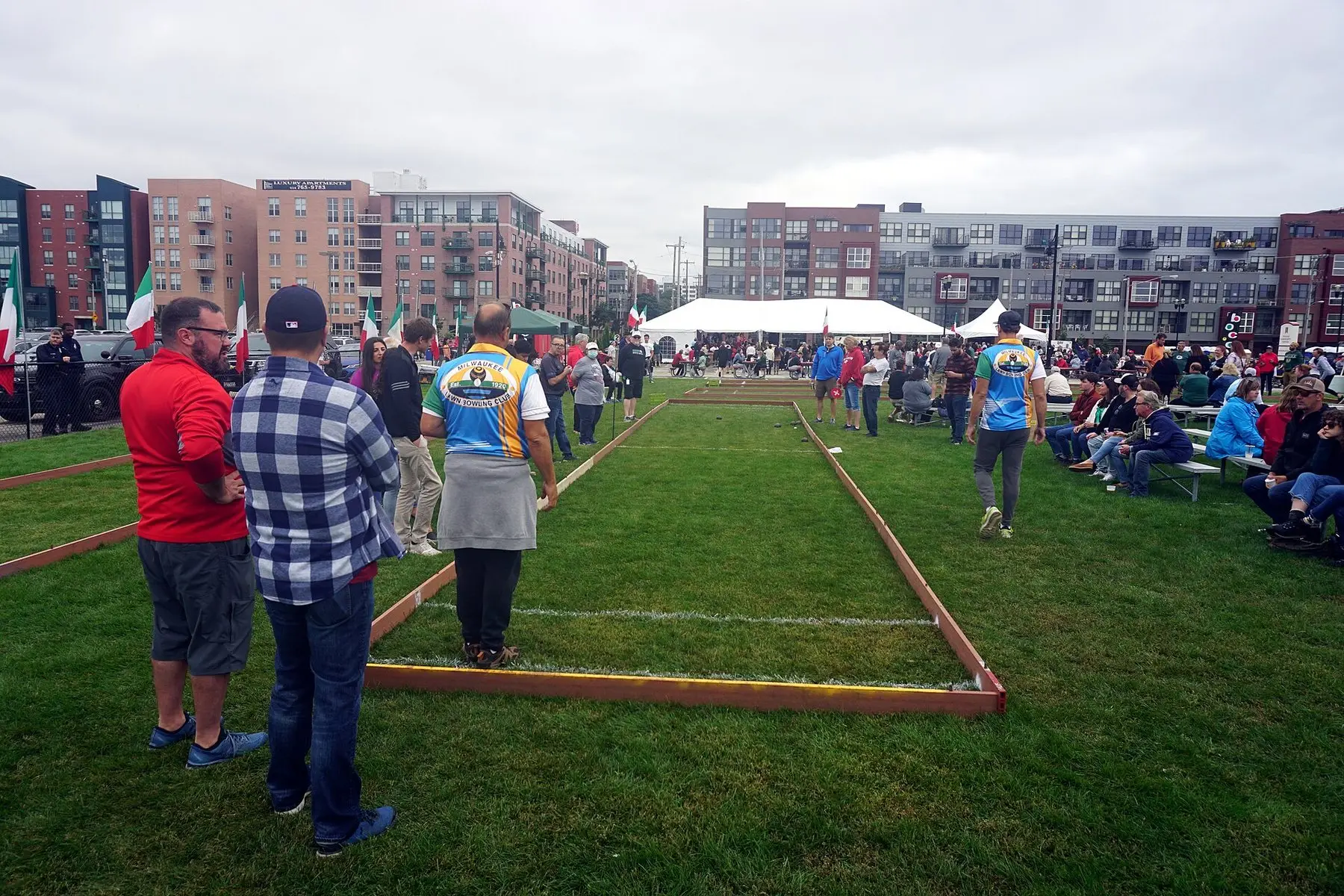
Most backyard games get used twice and live in the garage after that. Which ones hold up, how much space each really needs, and what to skip.
Most outdoor lighting gets hung once and never turned on again. The five kinds worth the effort, and the color temperature that makes or breaks all of them.
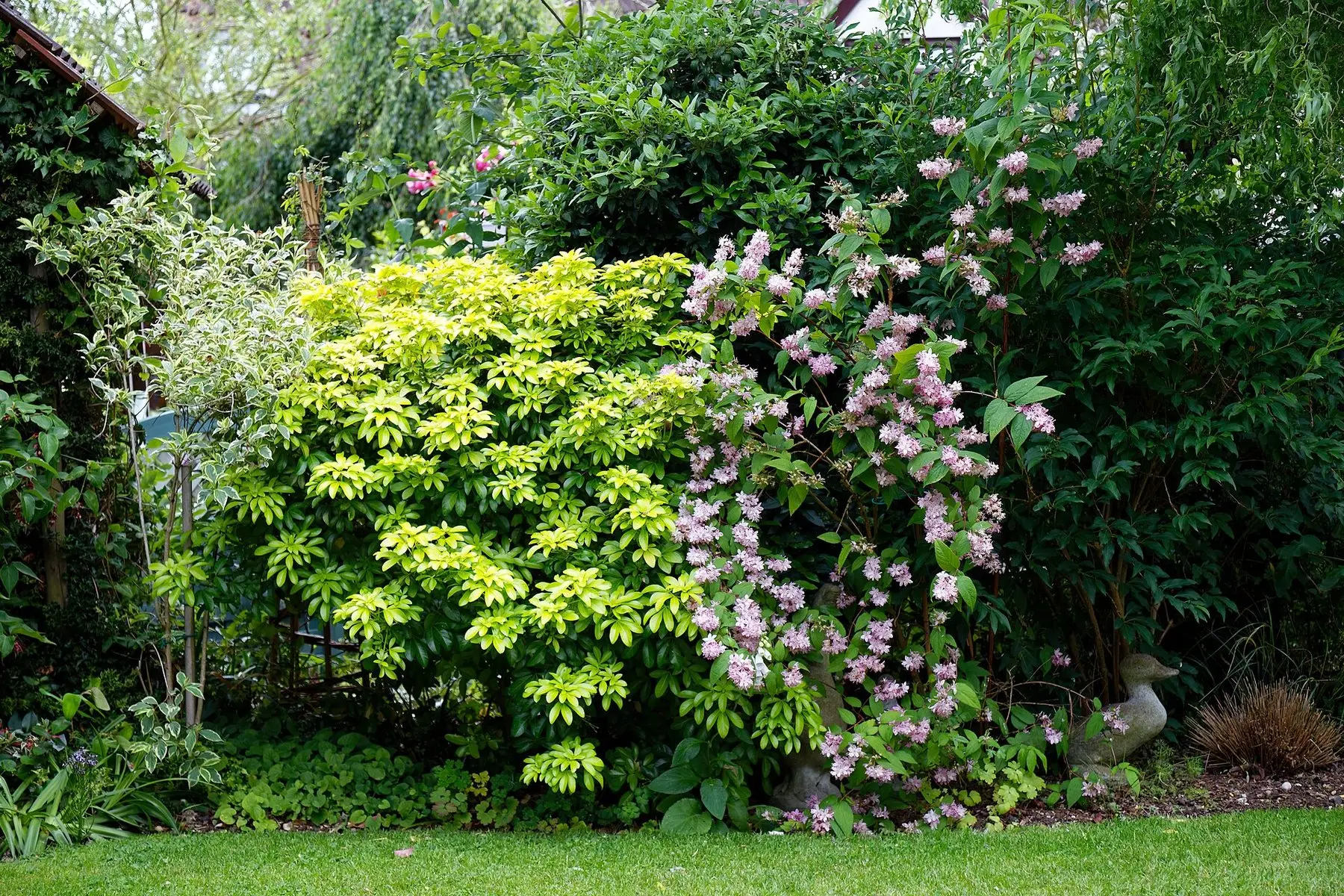
Most front yard makeovers look best the week they are finished. These nine ideas are chosen for what they look like after three seasons of real maintenance.
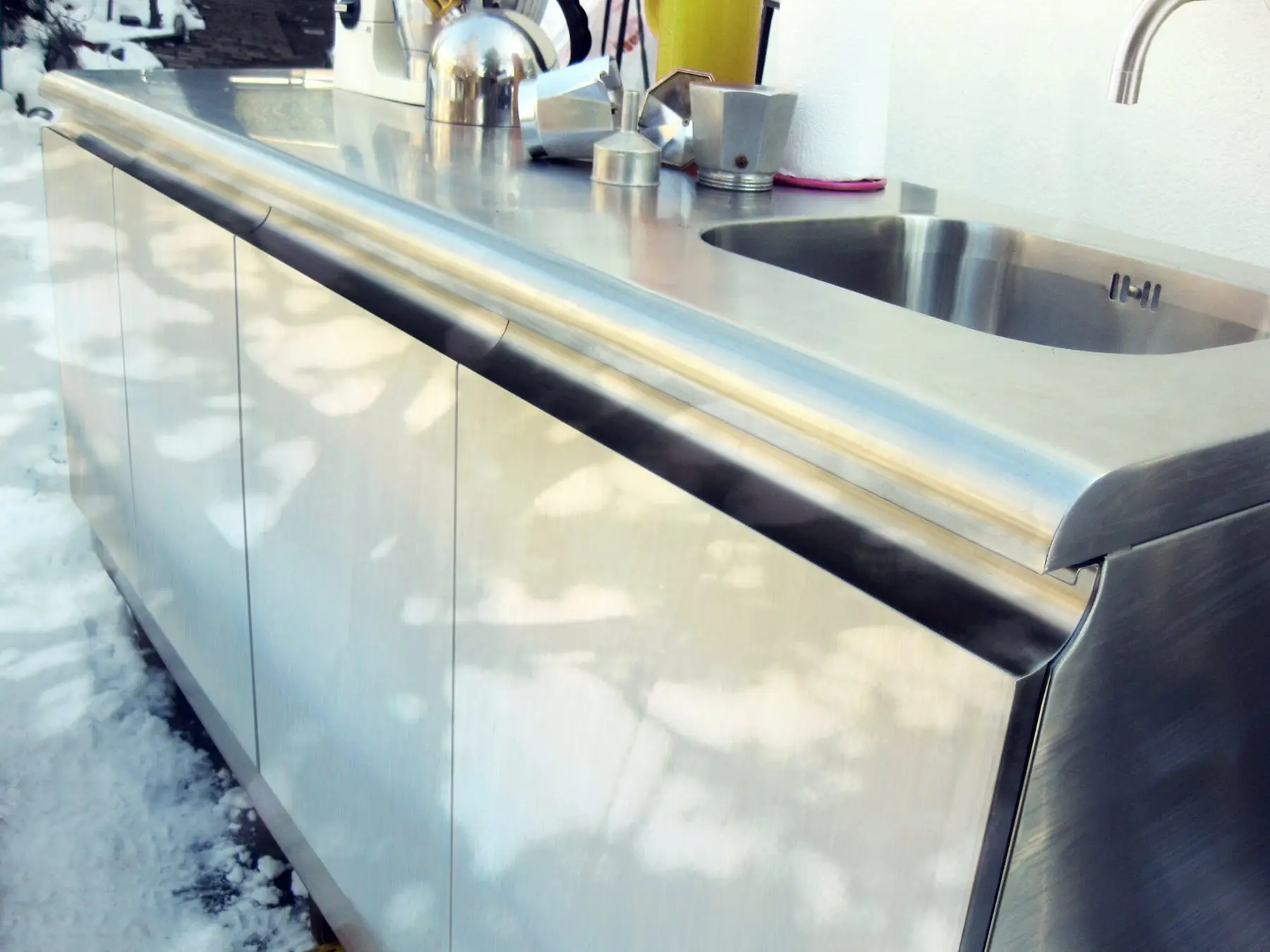
The grill is the cheap part. Where the services run, how much counter you need either side of the heat, and which materials survive being left outside.

Most team building fails because one competitive person wins it. Activities that need the whole group, sized by headcount, plus how to run and debrief them.
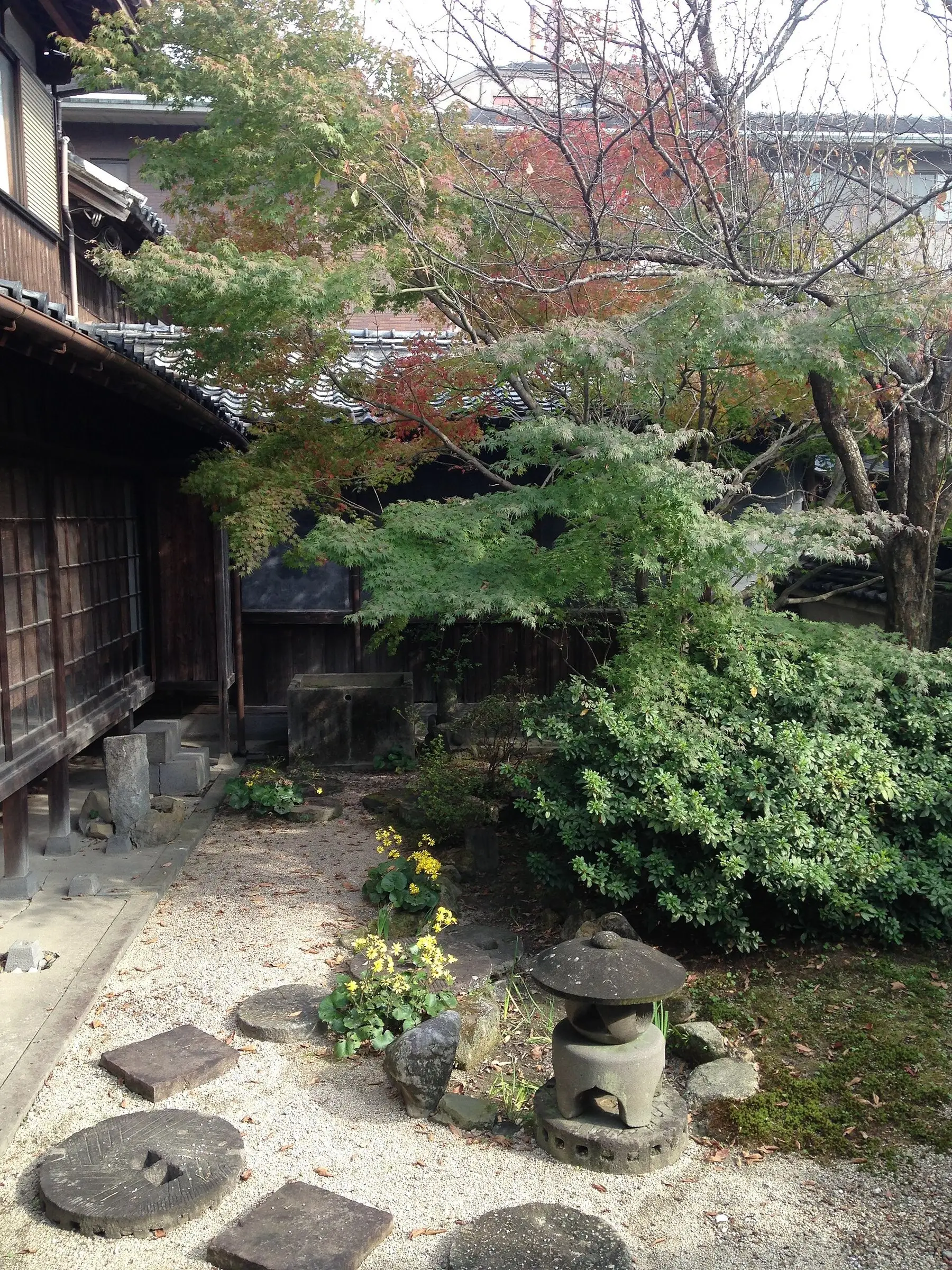
Small gardens fail by being over-divided and lined with furniture around the edge. The moves that add usable space, and what to spend money on first.
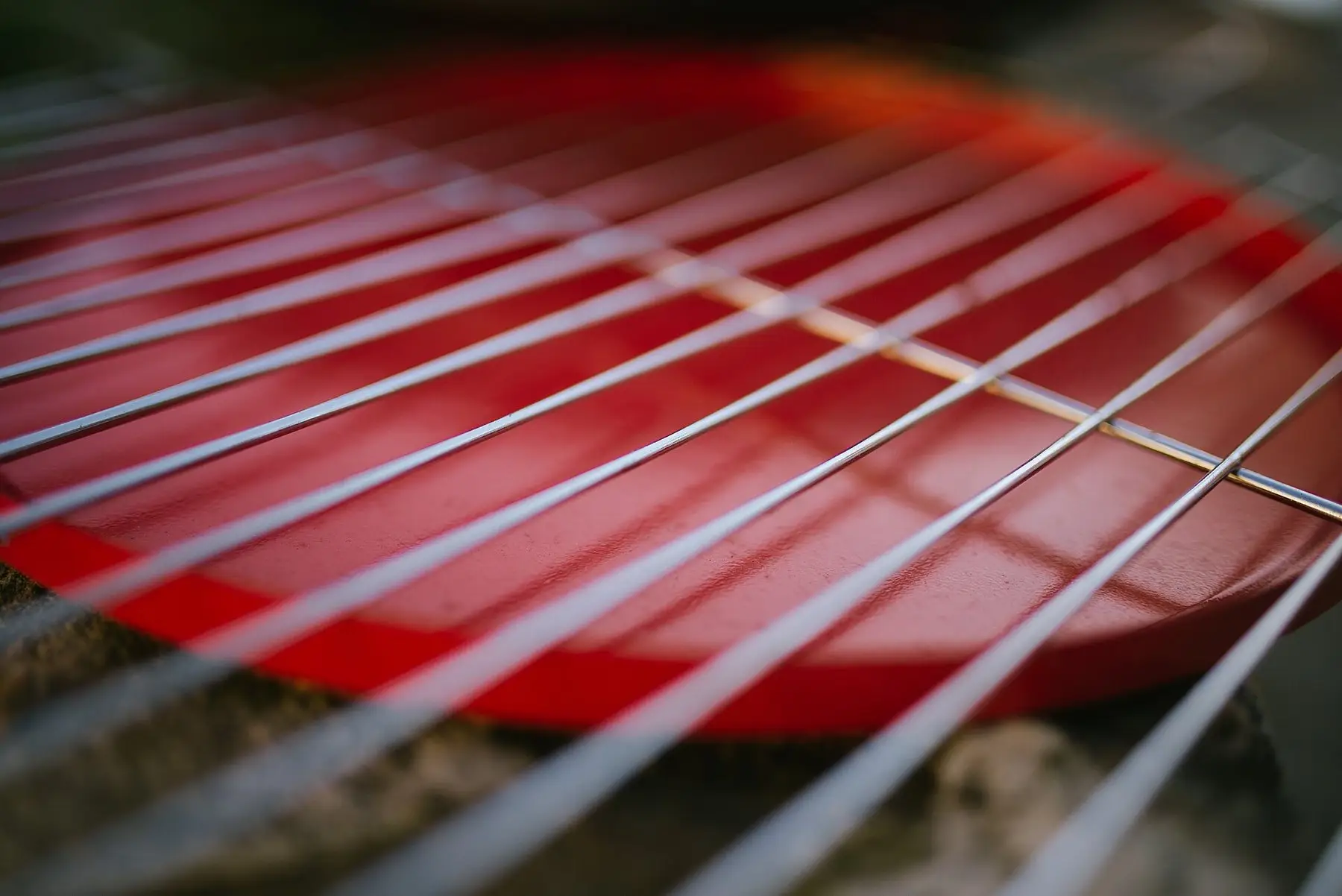
How to clean grill grates without a wire brush shedding into food. 4 tools compared on cast iron and deep cleans. See which suits your grill.
Backyard Weekly
One email a week with seasonal jobs, fixes, and gear worth buying.
Not ready to subscribe? The planting calendar is free and needs no email.
By subscribing you agree to our privacy policy. Grow In Backyard will never sell your address.
Cookies
We use analytics cookies to see which guides get read, so we know what to write next. Decline and nothing is set. Privacy policy.