
What Is a Greenhouse Used For? Six Jobs It Actually Does
A greenhouse extends the season at both ends, starts seed early and overwinters tender plants. What it is genuinely good at, and what it will not fix.
 By

On this page
A greenhouse is a heat trap with a light problem in winter. Understanding both halves of that is most of knowing what it is for — and what it will not do.
The six jobs
1. Starting seed early. The headline use. Sowing under glass gets tomatoes, peppers, brassicas and half-hardy annuals going four to eight weeks before they could go outside, which in a short season is the difference between a crop and a disappointment.
2. Heat-loving crops. In a cool or maritime climate, tomatoes, peppers, chillies, aubergines, cucumbers, melons and basil are far more reliable under glass than outdoors. This is where a greenhouse earns its keep most clearly.
3. Extending the season at both ends. Spring gets the attention, but autumn matters as much: crops under glass keep going for weeks after outdoor plants have stopped, and hardy salads sown in September carry through winter.
4. Overwintering tender plants. Pelargoniums, fuchsias, citrus, dahlia tubers, tender succulents — a frost-free greenhouse keeps alive what an open garden kills.
5. Propagation. Shelter, humidity and steady warmth are exactly what cuttings need.
6. Somewhere to work. Undervalued and genuinely useful — potting up in February without kneeling in cold mud changes how much gardening actually gets done.
What it will not do
It will not beat midwinter
From roughly late November to late January, the limit is day length, not temperature. Below about ten hours of daylight most plants effectively stop growing, and no amount of heating changes that.
Autumn-sown salads sit motionless for two months, then grow away fast in February. That is normal. Sowing in December to “get ahead” mostly produces leggy seedlings and disappointment.
It also will not:
- Make poor soil good, or replace feeding and watering — in fact watering becomes a daily job
- Grow everything better. Potatoes, carrots, brassicas, onions and most fruit gain little
- Look after itself. Pests build up fast in a warm enclosed space with no predators
- Stay cool. Which is the next section, because it is the thing that kills most crops
Ventilation is the whole game
An unventilated greenhouse on a sunny spring day can pass 100°F while it is 60°F outside. Seedlings cook in an afternoon.
- Roof vents matter more than side vents — heat leaves upward
- Automatic vent openers use a wax piston, need no power, and are the single best thing to buy
- Aim for vent area around 20% of the floor area
- Prop the door on warm days; add shade netting or shade paint in high summer
- Air movement also suppresses botrytis and mildew, which are the other two greenhouse problems
Greenhouse or polytunnel?
| Greenhouse | Polytunnel | |
|---|---|---|
| Glazing | Glass or polycarbonate | Polythene over hoops |
| Cost per sq ft | Higher | Much lower |
| Lifespan | Decades | Cover replaced every 4–7 years |
| Heat retention | Slightly better | Slightly worse |
| Light | Very good | Good; diffuses light usefully |
| Appearance | Better in a small garden | Agricultural |
| Ventilation | Vents and door | Doors at both ends; needs planning |
| Wind | Heavy and stable | Needs anchoring properly |
| Best for | Small gardens, longevity, looks | Maximum space per pound |
Space per pound spent, the polytunnel wins clearly. For a small garden where it will be looked at every day, the greenhouse usually wins.
Unheated, frost-free, or warm?
| What it does | Running cost | |
|---|---|---|
| Unheated | Several weeks at each end of the season; rain off; warmer days | None |
| Frost-free (just above freezing) | Overwinters tender plants; earlier propagation | Modest |
| Warm (10–15°C held) | Year-round growing of tender crops | High |
Frost-free covers most real needs. Holding a greenhouse at summer temperatures through a northern winter costs far more than the produce is worth, and the light problem still applies.
Getting more out of one
- Grow in the ground or in large containers, not small pots that dry out hourly
- Rotate or replace border soil every few years, or use containers, because greenhouse soil builds up disease
- Water in the morning, so foliage dries before night
- Damp down the floor in hot weather for humidity and a few degrees of cooling
- Use the vertical space — training cordon tomatoes and cucumbers up strings doubles what fits
- Bubble wrap the inside over winter if you are heating; it is cheap and it works
- Clean the glass in autumn. Winter light is scarce enough without dirt taking a share of it
- Check for pests weekly. Whitefly, red spider mite and aphids explode in a warm enclosure; biological controls work well precisely because it is enclosed
Common questions
What is a greenhouse used for?
What can you grow in a greenhouse in winter?
Is a greenhouse worth it?
What is the difference between a greenhouse and a polytunnel?
Does a greenhouse need heating?
What is the biggest mistake with a greenhouse?
Backyard Weekly
Know what to plant, week by week
Join the weekly email for seasonal jobs, fixes for what is going wrong, and gear worth buying.
Not ready to subscribe? The planting calendar is free and needs no email.
By subscribing you agree to our privacy policy. Grow In Backyard will never sell your address.
Keep reading
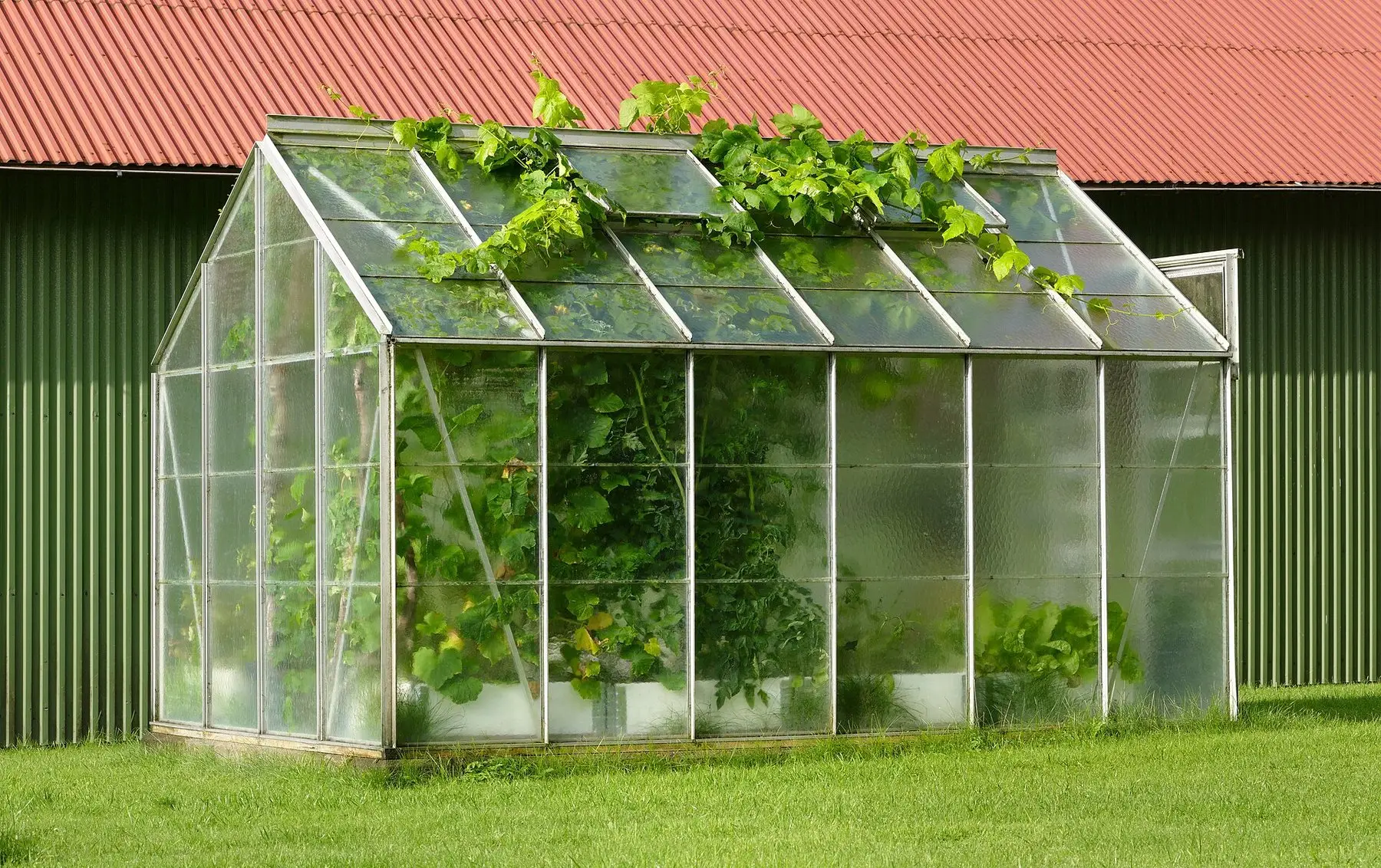
How to Build a Greenhouse — 4 Calls, Venting First
How to build a greenhouse: site it, glaze it, then vent it properly. 4 decisions carry the whole build. See which glazing suits your climate.
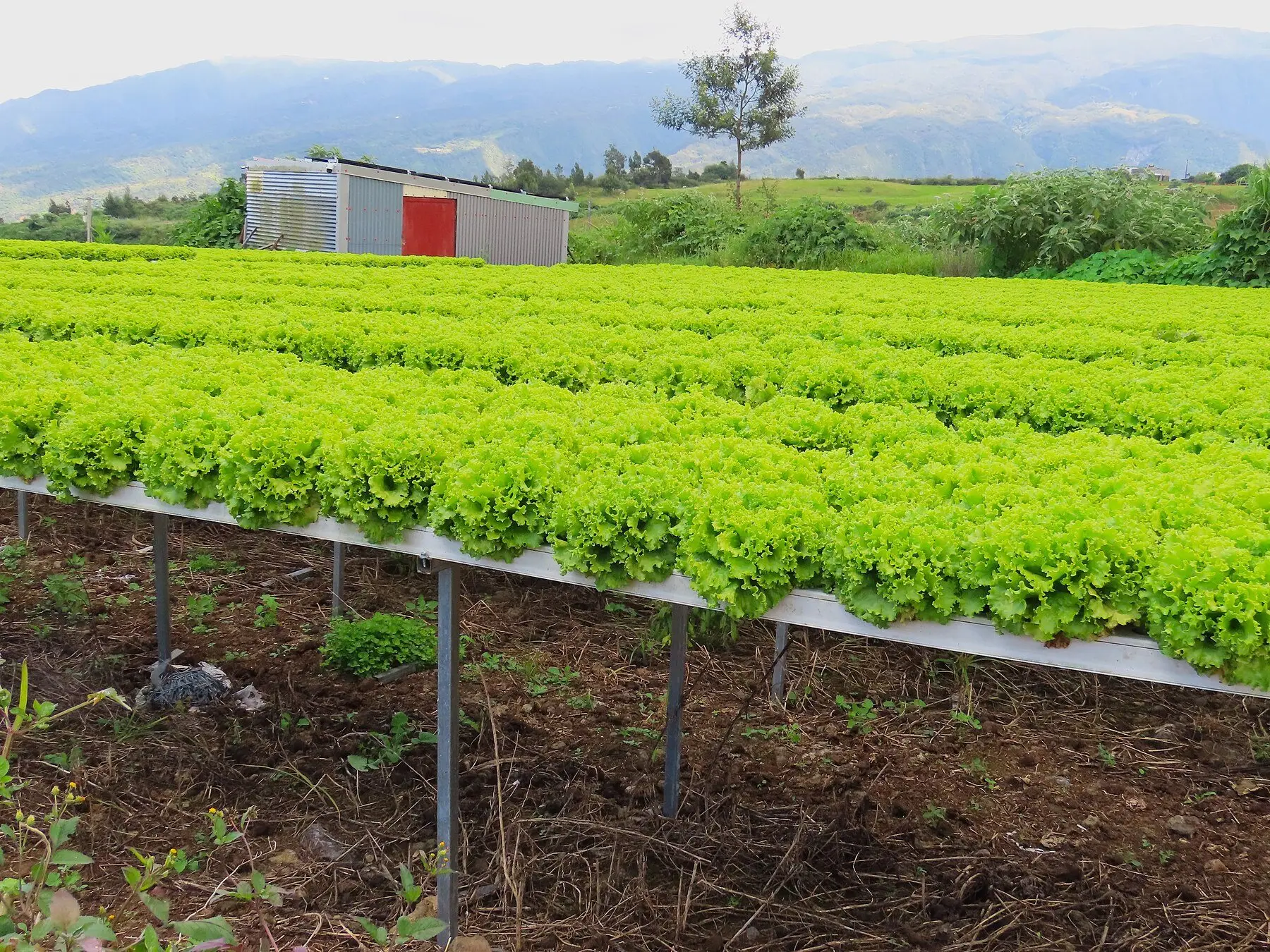
Is Hydroponics Better Than Soil? An Honest Comparison
Hydroponics wins on yield, speed, water use and footprint. Soil wins on cost, resilience and flavour risk. Which one is right depends on what you lack.
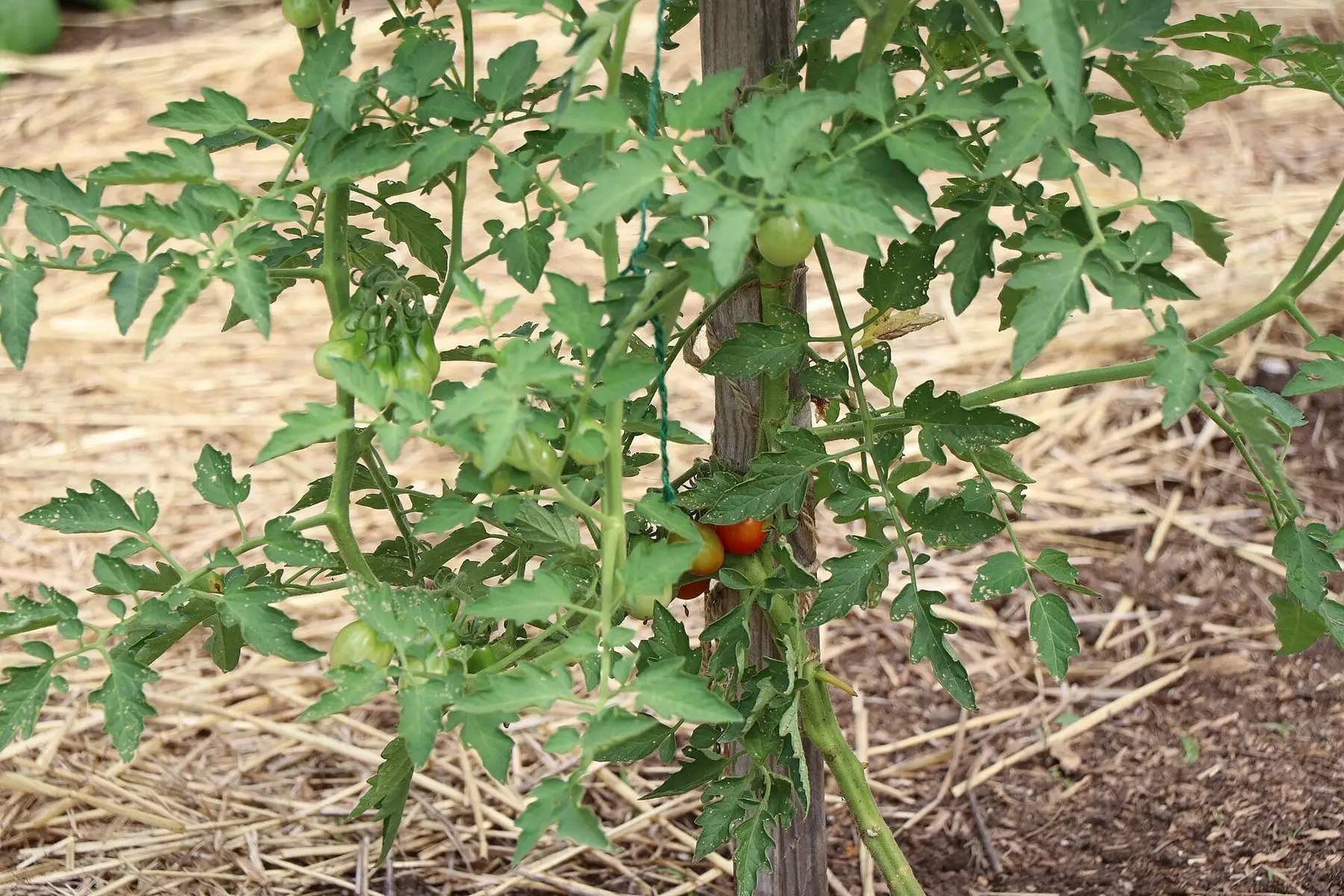
How to Grow Tomatoes: Determinate or Indeterminate First
That one word on the seed packet decides your spacing, your pruning, and your harvest shape. Then it is warmth, consistent water, and feeding at the right time.
What Is the Best Surface for a Patio? Match It to the Use
Concrete slabs are the cheapest solid option, porcelain the most maintenance-free, gravel the easiest to lay. The base matters more than any of them.