How to Grow Tomatoes: Determinate or Indeterminate First
That one word on the seed packet decides your spacing, your pruning, and your harvest shape. Then it is warmth, consistent water, and feeding at the right time.
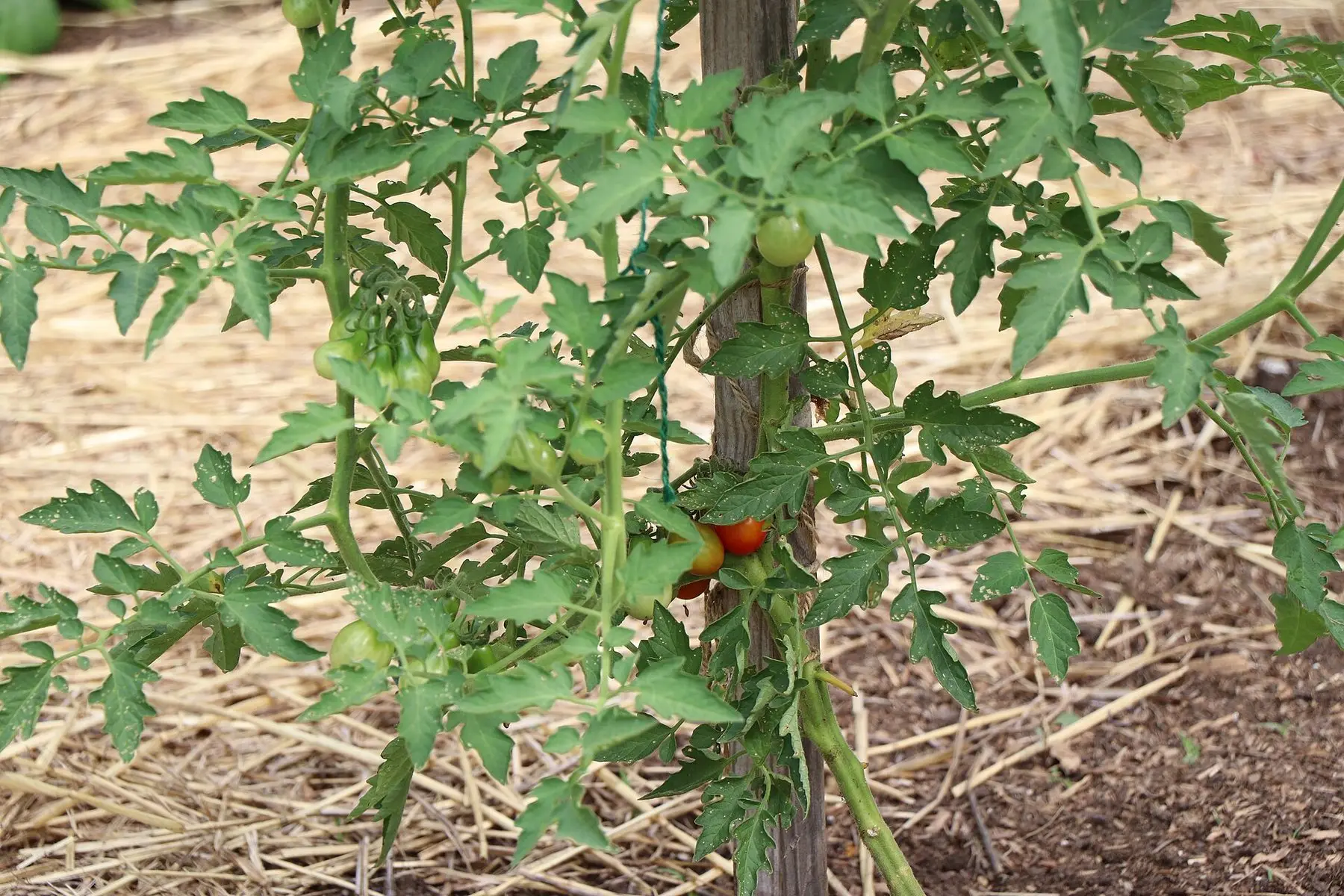
.JPG)
On this page
Almost every tomato guide starts with sun and water. Those matter, but the decision that shapes everything else is printed on the seed packet in one word, and most people read past it: determinate or indeterminate.
Get that right and the spacing, the support, the pruning, and the shape of your harvest all follow. Get it wrong and you will prune a bush tomato until it has nothing left to fruit on.
The one word that decides everything
| Determinate (bush) | Indeterminate (vining, cordon) | |
|---|---|---|
| Size | Fixed, 3–4 ft | Keeps growing, 6–10 ft |
| Harvest | Most fruit in 2–4 weeks | A trickle until frost |
| Pruning | None — you would remove the crop | Pinch out every side shoot |
| Support | Cage or short stake | Tall stake, string, or tall cage |
| Spacing | ~2 ft | 2–3 ft |
| Containers | Well suited | Needs a very large pot |
| Best for | Sauce, canning, small spaces | Slicing, salad, a long season |
Packets sometimes use “bush” for determinate and “cordon” or “vine” for indeterminate. If it says nothing at all, assume indeterminate — most heirlooms are.
Starting and planting
Sow six to eight weeks before your last frost, a quarter-inch deep, somewhere warm — germination is driven by soil temperature, and 70–80°F is what you want. Light matters only once they emerge, at which point it matters a great deal: weak light produces stretched, floppy seedlings that never fully recover.
Pot on as they grow and bury the stem deeper each time. Tomatoes are one of the few crops that root along a buried stem, so this is free root system.
Plant out only when nights are reliably above 50°F. There is no prize for being early; a plant set into cold soil stalls, and a later one usually overtakes it.
Trench planting for a leggy seedling
If your seedlings stretched, do not throw them away and do not try to prop them up. Dig a shallow trench, lay the plant on its side with just the top few leaves above ground, and gently bend the tip upward. The whole buried stem becomes root, and a leggy plant turns into the strongest one in the bed.
Support goes in on planting day
Whatever you use — stake, cage, or string from an overhead wire — put it in when you plant. Driving a stake in beside an established plant tears through the root ball you spent weeks building.
Indeterminate plants need something genuinely tall; they will run past 6 feet given a season. The flimsy conical cages sold as tomato cages are usually adequate for determinate types and comically undersized for indeterminate ones.
Water, and the two problems it causes
Tomatoes want consistently moist soil. Not wet, not swinging between drought and flood — consistent. Deep soaking two or three times a week, with two to three inches of mulch on the surface, is the whole method.
Two very common complaints trace directly back to inconsistent water rather than to anything else:
- Splitting fruit — a dry spell followed by heavy water makes the inside swell faster than the skin can stretch.
- Blossom end rot — the dark sunken patch on the base is a calcium availability problem, and erratic watering is what stops the plant moving the calcium it already has. Adding calcium rarely fixes it; watering consistently usually does.
Water at the base rather than over the leaves, and in the morning, so any splashed foliage dries.
Pruning, but only the right type
On indeterminate plants, side shoots form in the joint between the main stem and each leaf. Pinch them out while they are small. Left on, the plant becomes a dense thicket that shades its own fruit and holds damp air in the middle.
On determinate plants, do not do this. Their fruit forms on those very branches, and pruning them removes the crop.
Late in the season, on indeterminate plants, pinch out the growing tip a few leaves above the topmost truss you expect to ripen. That stops the plant starting fruit it has no time to finish.
Feed nitrogen early, potassium late
Nitrogen builds leaves; potassium builds fruit. Keep feeding a nitrogen-rich general fertiliser after the plant has set its first truss and you get a spectacular green plant with very little on it. Switch to a high-potassium tomato feed as soon as the first fruits form, every 7 to 14 days.
The problems worth recognising early
Leaves curling upward, plant otherwise fine. Usually harmless physiological leaf roll — see tomato leaves curling for what separates it from the serious causes.
Flowers dropping without setting. Night temperatures outside roughly 55–75°F, or very dry air. Tapping the stem or a gentle shake helps pollination in still conditions.
Brown blotches spreading fast in warm, wet weather. Blight. Remove affected material promptly, improve airflow, and choose resistant varieties next year.
White powder on the leaves. Powdery mildew — spacing and airflow first, treatment second.
Step by step
- Time
- P120D
- Cost
- $15
- You need
- Tomato seed or young plants, Compost or well-rotted manure, Mulch — straw, compost, or bark, Tomato feed, higher in potassium
- Tools
- Stakes, cages, or string supports, Trowel
Check the packet for determinate or indeterminate
Determinate (bush) types grow to a set size, set their fruit over a few weeks, and stop — good for containers and for a batch harvest. Indeterminate (vining, cordon) types keep growing and fruiting until frost, need tall support and regular pruning, and give a longer trickle of fruit. Everything else you do follows from this.
Start seed 6–8 weeks before your last frost
Sow a quarter-inch deep at 70–80°F. Tomatoes need warmth to germinate, not light, so a warm spot matters more than a windowsill until they emerge. Once up, they need strong light immediately or they stretch.
Pot on, and bury the stem deeper each time
Tomatoes root along buried stem, so each time you pot on, set the plant lower and bury the lower leaves. This builds a much larger root system than the plant would otherwise have, which is what carries it through hot spells later.
Wait for warm soil before planting out
Plant out only when nights stay above 50°F, two weeks or so after your last frost. Tomatoes set in cold soil sulk, and a plant put out a fortnight later usually overtakes one rushed into cold ground.
Plant deep, and space for airflow
Bury two thirds of the stem, or lay it in a shallow trench with the top bent up. Space determinate types 2 feet apart and indeterminate 2 to 3 feet. Crowding is the main cause of the fungal problems that end the season early.
Put supports in at planting
Stakes, cages, or strings go in on planting day. Driving a stake in later spears the root ball. Indeterminate plants need something 6 feet tall; determinate ones need a cage or a short stake.
Mulch, then water deeply and consistently
Two to three inches of mulch and a deep soak two or three times a week beats a daily sprinkle. Consistency is what prevents splitting and blossom end rot — both are water-supply problems rather than feeding problems.
Prune indeterminate plants only
On indeterminate types, pinch out the side shoots that appear in the joint between the main stem and each leaf. Leave determinate plants alone — pruning them removes the fruit you were going to get.
Feed once fruit sets, with potassium
Nitrogen until the first truss sets, then switch to a high-potassium tomato feed every 7 to 14 days. Feeding nitrogen all season gives you a magnificent green plant carrying very little fruit.
Common questions
What is the difference between determinate and indeterminate tomatoes?
Should you prune tomato plants?
Why should you plant tomatoes deep?
How often should you water tomatoes?
Why are my tomato plants big and green with no fruit?
Backyard Weekly
Know what to plant, week by week
Free planting calendar. Join the weekly email for seasonal jobs, fixes for what is going wrong, and gear worth buying.
Set MONETIZATION.email.endpoint in src/config/site.ts to enable this form.
By subscribing you agree to our privacy policy. Grow In Backyard will never sell your address.
Keep reading
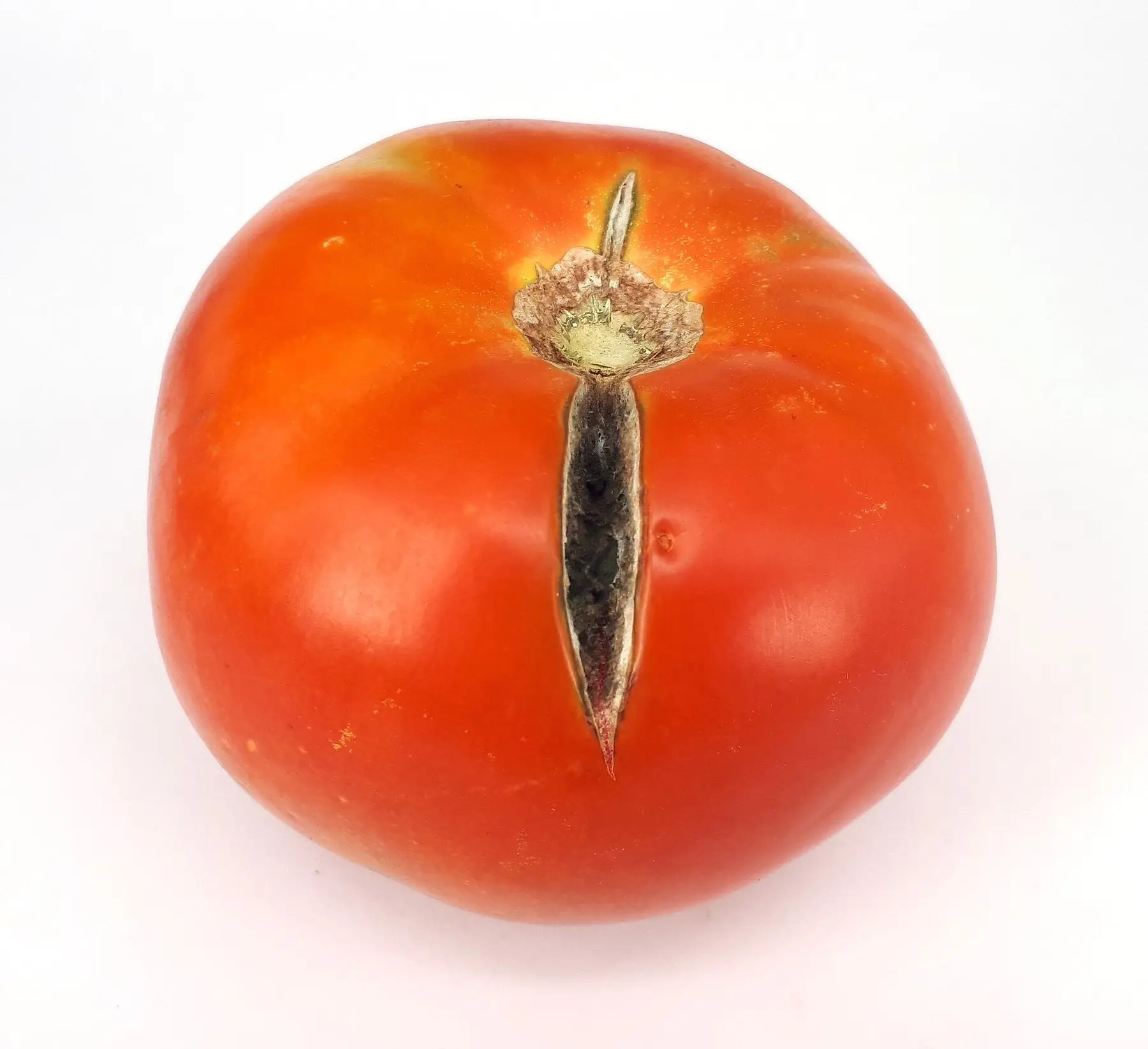
Why Are My Tomatoes Splitting? Water, Almost Always
Tomatoes split when a dry spell is followed by heavy water — the inside grows faster than the skin. How to read the crack, and how to stop it happening.
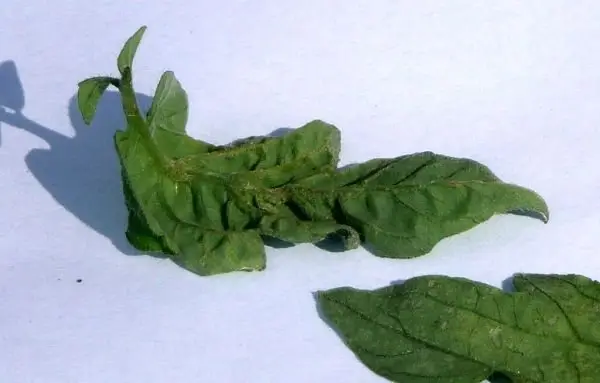
Tomato Plant Leaves Curling: 7 Causes, and Which Matter
Most curling tomato leaves are harmless leaf roll from heat or water stress. A few causes are serious. Here is how to tell them apart in under a minute.
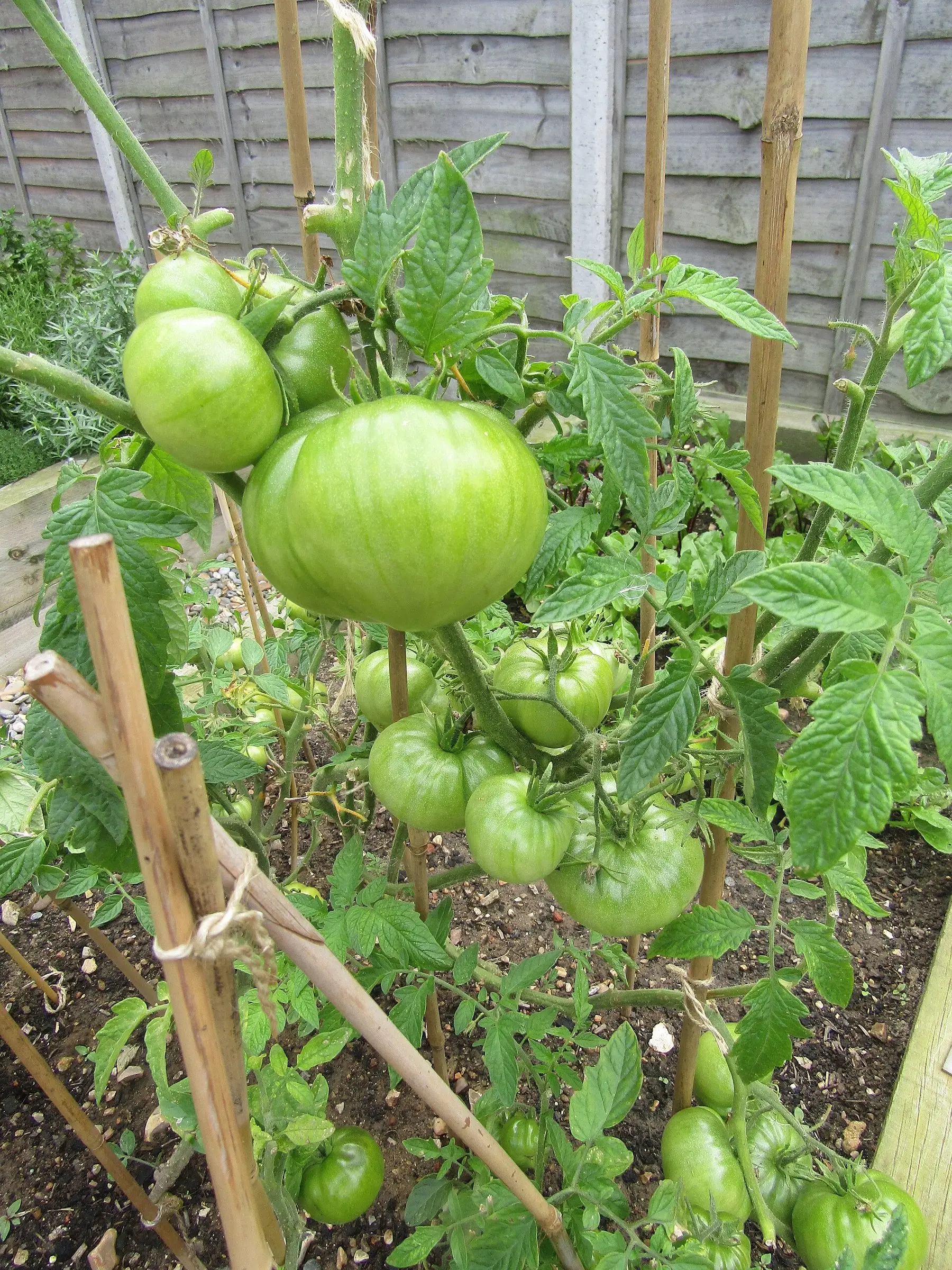
Companion Plants for Tomatoes (And 5 to Keep Away)
Basil, marigolds, and borage earn their place next to tomatoes. Fennel, potatoes, and brassicas do not. What to plant together, and why each pairing works.
Best Fertilizer for Tomatoes: Nitrogen Early, Potassium Late
Feeding tomatoes the same thing all season is why plants go enormous and green with little fruit. What to switch to, when, and why calcium is not the answer.