Best Fertilizer for Tomatoes: Nitrogen Early, Potassium Late
Feeding tomatoes the same thing all season is why plants go enormous and green with little fruit. What to switch to, when, and why calcium is not the answer.

On this page
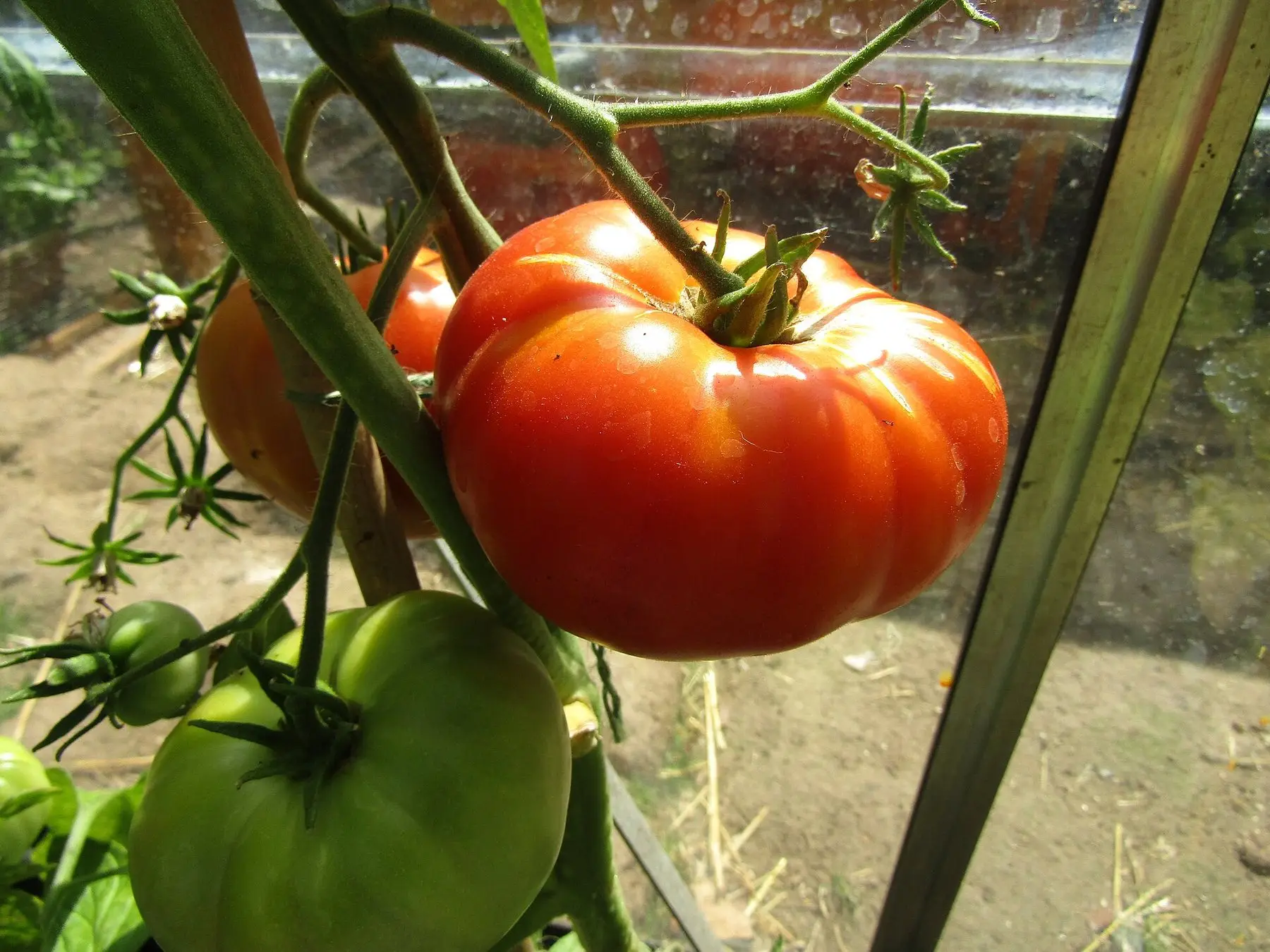
The commonest tomato problem is not a pest or a disease. It is a magnificent six-foot plant with four tomatoes on it, and it is caused by feeding the same fertiliser all season.
Tomatoes need two different things at two different stages, and the switch happens when the first fruit sets.
Reading the numbers
Fertiliser labels carry three numbers — N-P-K — the percentages by weight of nitrogen, phosphorus and potassium.
- N, nitrogen — leaves and stems. Green growth.
- P, phosphorus — roots, flowering, early establishment.
- K, potassium — fruit development, size, flavour and ripening.
For tomatoes, the ratio matters more than the strength. A weak feed with the right balance beats a strong one with the wrong one.
| Stage | Want | Typical NPK | Frequency |
|---|---|---|---|
| Seedlings | Very little | Weak balanced, quarter strength | Rarely |
| Potting on to first flowers | Balanced, some N | 10-10-10 or similar | Every 2 weeks |
| First truss sets | Switch now | High K, e.g. 4-5-8 | Every 7–14 days |
| Full fruiting | High K | High K tomato feed | Every 7 days |
| Late season, tip pinched | Reduce | High K, half strength | Every 2 weeks |
Bagged “tomato feed” is formulated for the fruiting stage. That is why it is the wrong thing to use on a young plant and the right thing from flowering onward.
The nitrogen trap
Nitrogen produces exactly what it looks like it should — big, dark, lush foliage. That is why people keep applying it: the plant looks superb. Meanwhile flowering is suppressed and fruit set is poor. If your tomato plants are enormous, dark green and barely fruiting, stop the nitrogen and switch to potassium. The plant will not shrink, but the next trusses will set.
Soil preparation matters more than feeding
Work compost or well-rotted manure into the bed before planting. A tomato in decently prepared ground needs far less intervention later than one planted into thin soil and rescued with liquid feed.
In containers, nutrients wash out with every watering, so container tomatoes genuinely do need regular feeding — see growing in pots for how quickly a pot runs out.
Organic options
| Feed | Supplies | Notes |
|---|---|---|
| Comfrey liquid feed | High potassium | Homemade, free, excellent, smells appalling |
| Seaweed extract | K plus trace elements | Good all-rounder; mild |
| Wood ash | Potassium, raises pH | Use sparingly; not near potatoes |
| Fish, blood and bone | Balanced, slow | Good pre-planting soil feed |
| Well-rotted manure | Balanced, slow | Dig in before planting |
| Worm castings | Balanced, mild | Excellent side dressing |
| Chicken manure pellets | High nitrogen | Early season only |
Comfrey is the classic homemade tomato feed and it earns the reputation. Pack leaves into a container, weigh them down, and collect the dark liquid that drains off after a few weeks. Dilute it heavily. It is genuinely high in potassium and costs nothing. It also smells extraordinarily bad, so site the bucket well away from the house.
More options in organic fertilizers.
Blossom end rot: not a fertiliser problem
The dark, sunken, leathery patch on the base of a fruit is blossom end rot, and it is the most commonly misdiagnosed tomato issue.
It is a calcium transport failure, not usually a calcium shortage. Calcium moves through the plant in the water stream, so when watering swings between dry and soaked, the plant cannot deliver calcium to the rapidly expanding fruit — even with plenty of calcium in the soil.
The fix is consistent watering and mulch, not calcium supplements. Adding calcium to soil that is not deficient achieves nothing. It is the same underlying mechanism that causes splitting fruit.
The folk remedies, honestly
- Eggshells. Take years to break down. They will not supply calcium this season, and blossom end rot is not a calcium supply problem anyway.
- Epsom salts. Magnesium sulphate. Useful only if you actually have a magnesium deficiency — yellowing between the veins on older leaves. Applied routinely, excess magnesium can interfere with calcium uptake and make things worse.
- Banana peels. Some potassium, released very slowly. Compost them first.
- Aspirin sprays, milk sprays. Little good evidence.
- Coffee grounds. See what they actually do — not a tomato feed.
A simple schedule
- Before planting: compost or well-rotted manure dug into the bed.
- Planting to first flowers: balanced feed every two weeks, or nothing at all if the soil is good.
- First fruit sets: switch to high-potassium tomato feed, every 7 to 14 days.
- Full fruiting, in containers: weekly.
- After pinching out the tip: reduce to half strength.
Follow the dilution on the bottle. Over-concentrated feed scorches roots, and the damage is not quickly reversible.
Common questions
What is the best fertilizer for tomatoes?
What do the NPK numbers mean on fertilizer?
Does adding calcium fix blossom end rot?
Are eggshells, epsom salts or banana peels good for tomatoes?
How often should you feed tomatoes?
Can you use general purpose fertilizer on tomatoes?
Backyard Weekly
Know what to plant, week by week
Free planting calendar. Join the weekly email for seasonal jobs, fixes for what is going wrong, and gear worth buying.
Set MONETIZATION.email.endpoint in src/config/site.ts to enable this form.
By subscribing you agree to our privacy policy. Grow In Backyard will never sell your address.
Keep reading
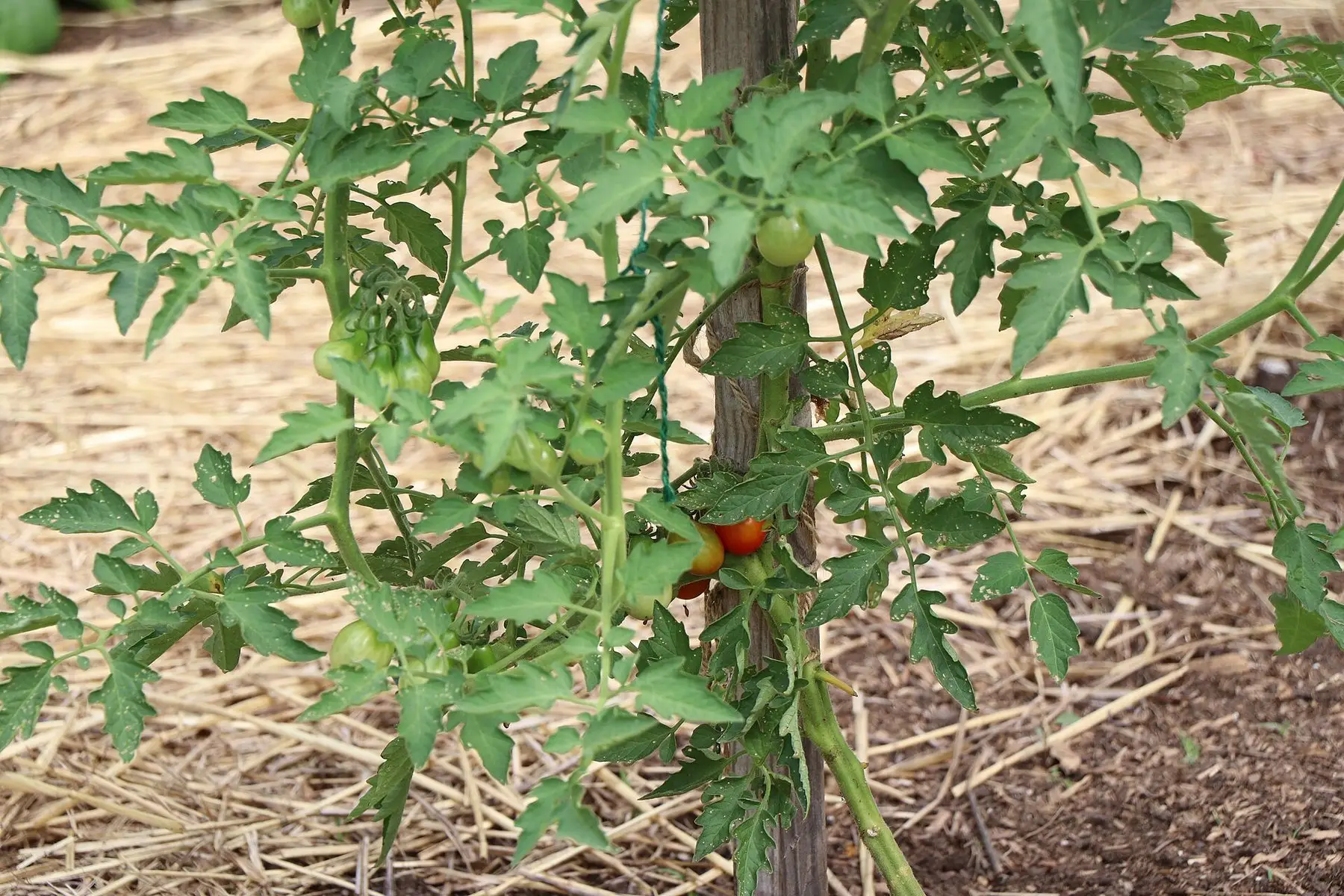
How to Grow Tomatoes: Determinate or Indeterminate First
That one word on the seed packet decides your spacing, your pruning, and your harvest shape. Then it is warmth, consistent water, and feeding at the right time.
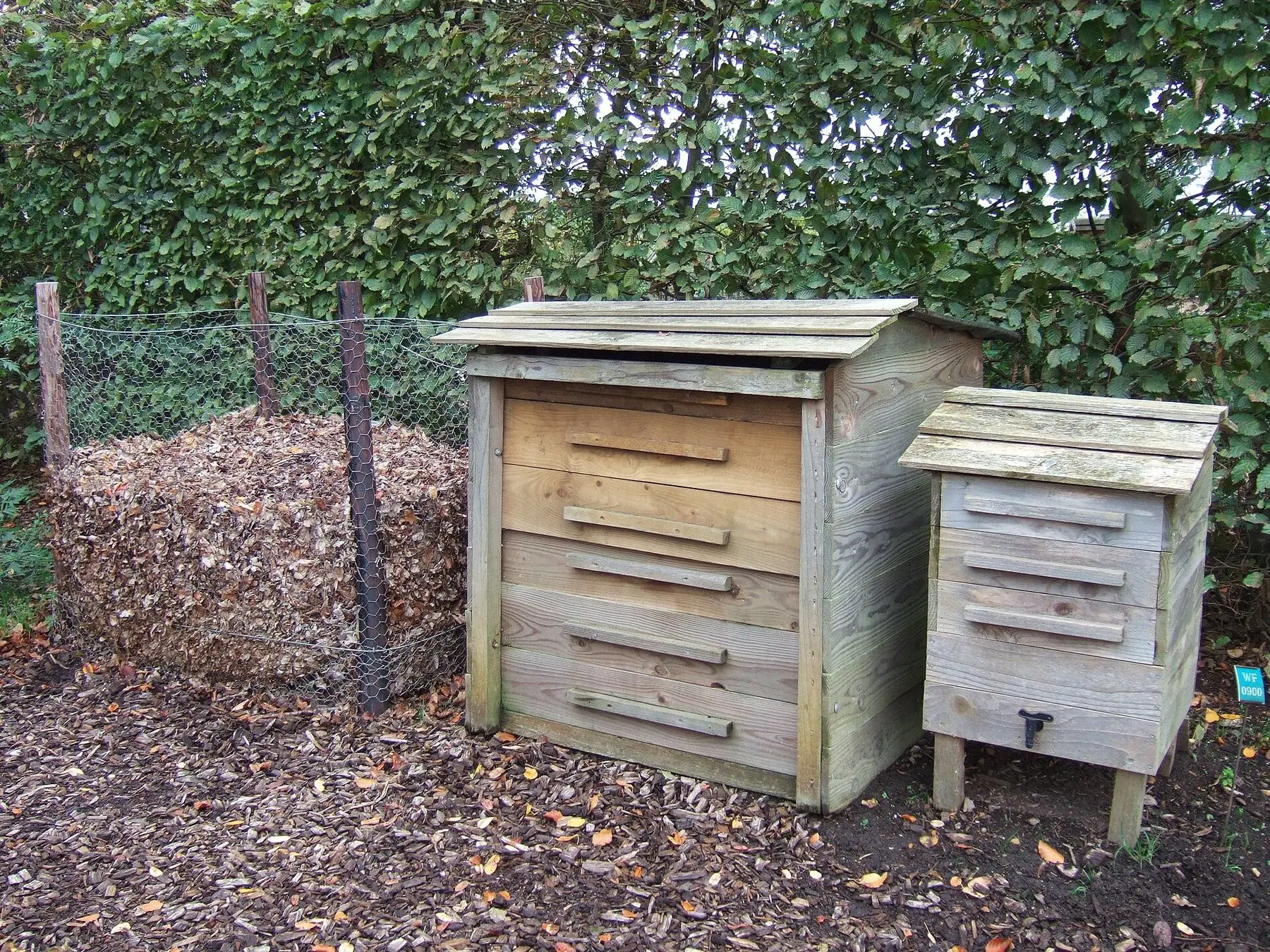
Organic Fertilizers: What Each One Is Actually For
Blood meal, bone meal, kelp, fish emulsion and compost do different jobs at different speeds. The NPK numbers, and which to reach for when.
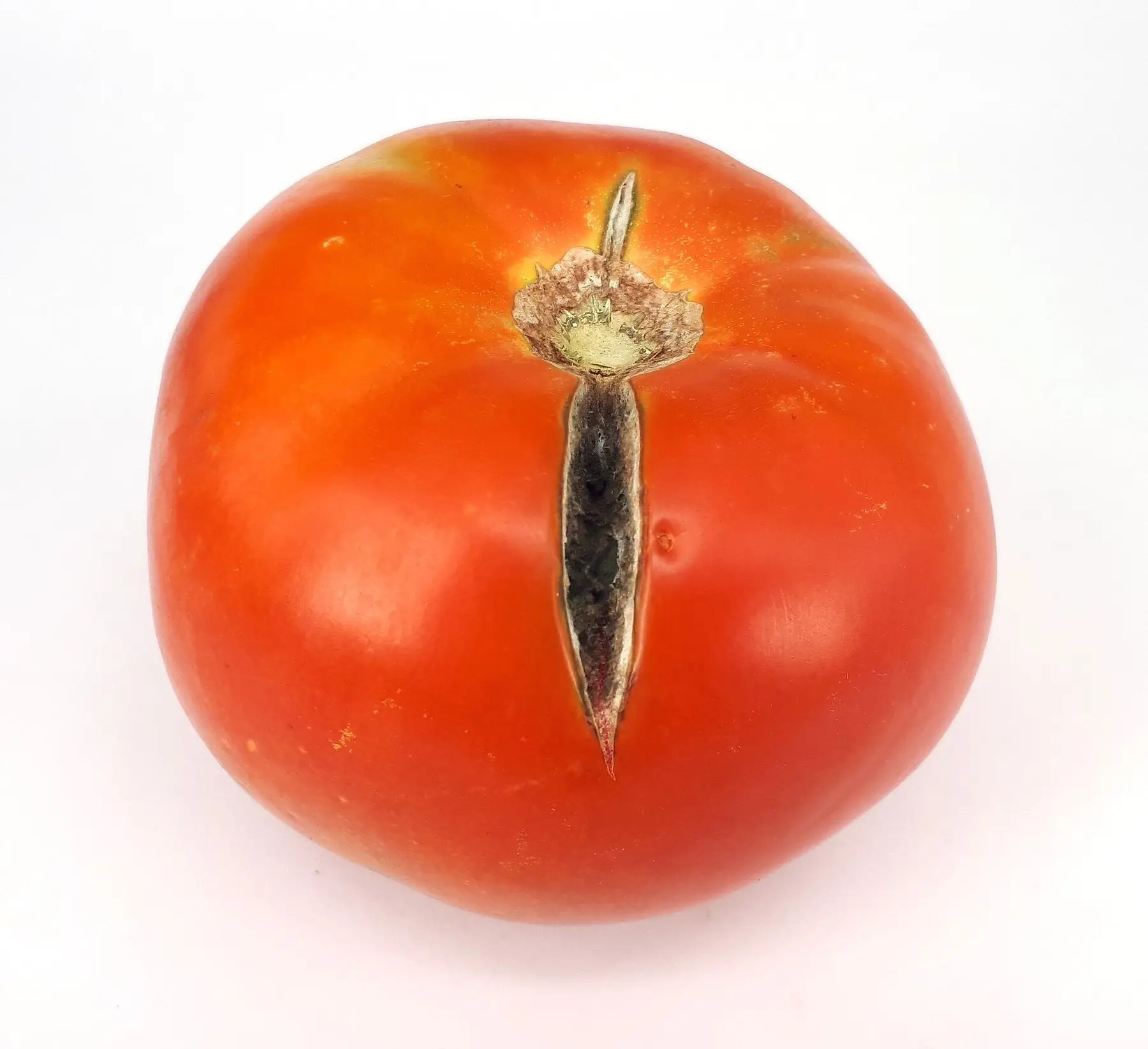
Why Are My Tomatoes Splitting? Water, Almost Always
Tomatoes split when a dry spell is followed by heavy water — the inside grows faster than the skin. How to read the crack, and how to stop it happening.
Is Epsom Salt Good for Plants? Mostly No, and Here Is Why
Epsom salt is magnesium sulphate. It helps the small number of plants actually short of magnesium, and does nothing at all for the rest — sometimes real harm.