Organic Fertilizers: What Each One Is Actually For
Blood meal, bone meal, kelp, fish emulsion and compost do different jobs at different speeds. The NPK numbers, and which to reach for when.

On this page
“Organic fertilizer” describes a source, not an effect. What the various products actually do differs enormously — blood meal and bone meal sit next to each other on the shelf, look similar, and do almost opposite jobs at opposite speeds.
Reading the three numbers on the bag tells you more than the word organic does.
What the three numbers mean
A bag marked 5-3-2 is 5 percent nitrogen, 3 percent phosphorus, 2 percent potassium by weight. The rest is carrier material and other nutrients.
- Nitrogen (N) builds leaves and stems. Deficiency shows as uniform yellowing on the oldest leaves first. Excess produces soft, sappy growth that aphids and mildew love.
- Phosphorus (P) supports root development, flowering and fruiting.
- Potassium (K) supports general vigour, fruit quality, and resistance to drought and disease.
Organic numbers look feeble next to a synthetic 20-20-20, and that comparison is misleading: organic nutrients are bound in material that soil microbes have to break down, so they arrive over weeks and months rather than days. That is why they rarely burn and why they keep working after rain.
The common ones, and what each is for
| Fertilizer | Typical NPK | Speed | Best for |
|---|---|---|---|
| Compost | ~1-1-1 | Slow | The base for everything; structure and biology |
| Well-rotted manure | ~1-1-1 | Slow | Bulk organic matter; must be rotted |
| Worm castings | 1-0-0 to 3-2-2 | Slow | Seedlings, potting mixes, transplants |
| Blood meal | ~12-0-0 | Fast | A nitrogen boost for leafy crops |
| Feather meal | ~12-0-0 | Slow | Season-long nitrogen |
| Alfalfa meal | ~3-1-2 | Medium | Gentle all-round feed; roses do well on it |
| Bone meal | ~3-15-0 | Slow | Root development, bulbs, flowering |
| Rock phosphate | ~0-3-0 | Very slow | Long-term phosphorus in acid soil |
| Kelp / seaweed meal | ~1-0-2 | Medium | Potassium and trace elements |
| Fish emulsion | ~5-1-1 | Fast | Quick liquid feed mid-season |
| Wood ash | 0-1-3 | Fast | Potassium — but it raises pH |
| Chicken manure, composted | ~3-2-2 | Medium | Strong all-round feed |
Choosing by symptom
Pale, yellowing older leaves; slow leafy growth. Nitrogen. Blood meal or fish emulsion for a quick response, feather or alfalfa meal to last the season.
Plenty of leaf, few flowers or fruit. Usually too much nitrogen rather than too little of anything else. Stop feeding nitrogen; kelp or a tomato feed supports flowering.
Weak roots, poor establishment, few blooms on bulbs. Phosphorus — bone meal, worked into the planting hole where roots will reach it, since phosphorus barely moves through soil.
Weak stems, poor fruit quality, scorched leaf margins. Potassium. Kelp meal, or wood ash if your soil is not already alkaline.
Everything is mediocre and the soil is thin or heavy. Compost, and plenty of it. Most gardens described as needing fertilizer actually need organic matter.
Two amendments that need care
Wood ash raises pH. It is a good potassium source and a fast way to make soil more alkaline without meaning to. Keep it away from blueberries and anything else acid-loving, and do not use it if your soil is already above about pH 7 — see how to lower soil pH.
Fresh manure burns and carries pathogens. It must be composted before it goes near growing plants. Standard guidance for raw manure on food crops is to apply it months ahead of harvest, and composting it properly removes the question.
How to actually use them
Start with compost. Two to three inches spread annually does more for most gardens than any bagged product, because it feeds soil life and improves structure at the same time.
Then add only what is missing. A soil test through a county extension office is inexpensive and tells you which of the three you actually need — which usually saves buying two of them.
Work slow-release amendments in early. Bone meal, rock phosphate and feather meal need time and microbial activity, so they belong in the soil at planting rather than sprinkled on later.
Keep liquid feeds for mid-season. Fish emulsion and seaweed act quickly and suit containers and hungry crops in full growth.
Feed the soil, then stop. Late-season nitrogen pushes soft growth that will not harden before frost. Taper off from late summer.
The cheapest fertilizer is the one you already produce
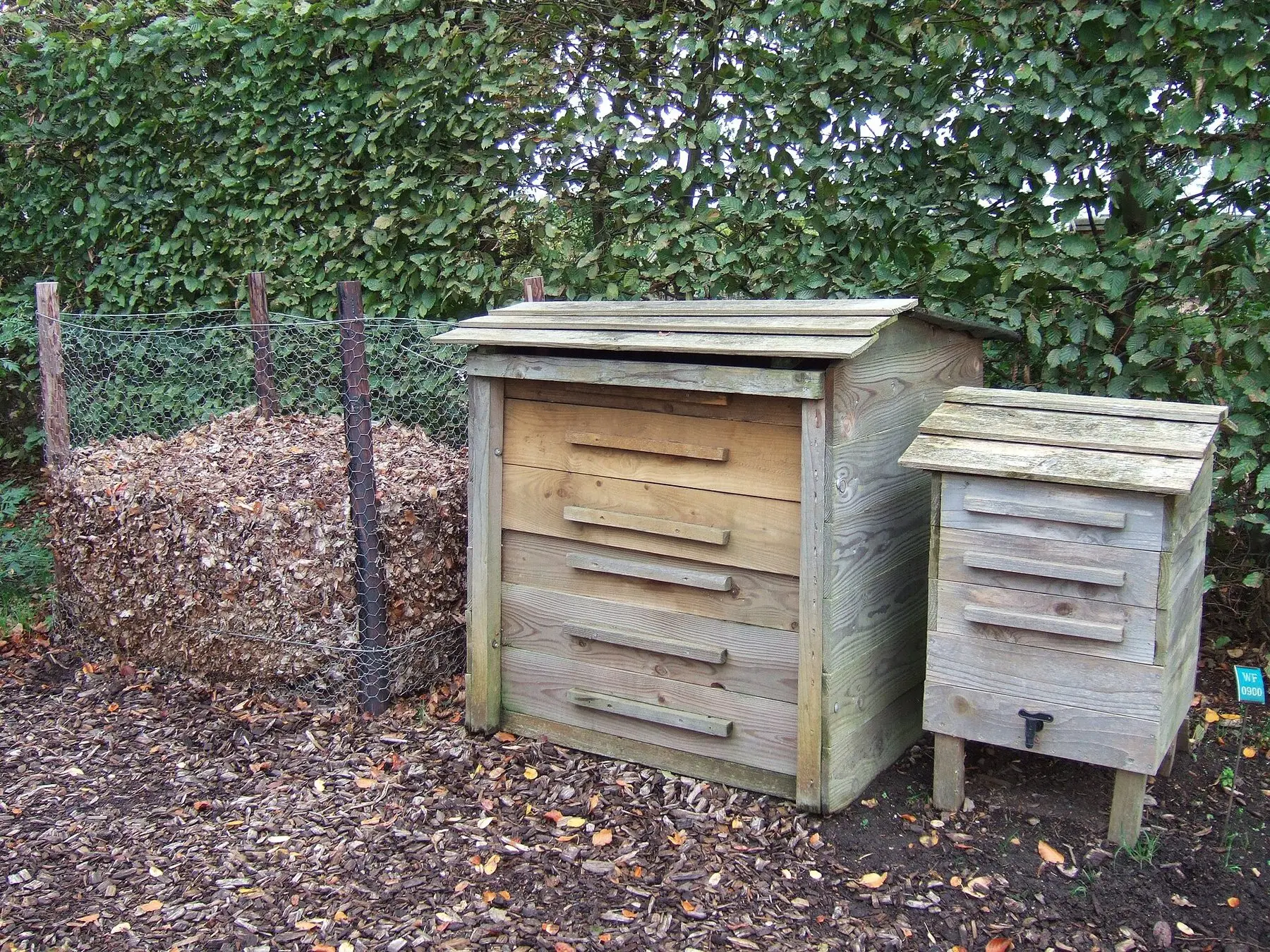
A compost heap, a worm bin, and a habit of returning spent plants and kitchen scraps to it covers a large share of what most gardens need. Coffee grounds and worm castings both belong in that system rather than being bought by the bag.
Common questions
What are examples of organic fertilizers?
What do the NPK numbers mean?
What is the difference between blood meal and bone meal?
Are organic fertilizers better than synthetic?
Can you use too much organic fertilizer?
Backyard Weekly
Know what to plant, week by week
Free planting calendar. Join the weekly email for seasonal jobs, fixes for what is going wrong, and gear worth buying.
Set MONETIZATION.email.endpoint in src/config/site.ts to enable this form.
By subscribing you agree to our privacy policy. Grow In Backyard will never sell your address.
Keep reading
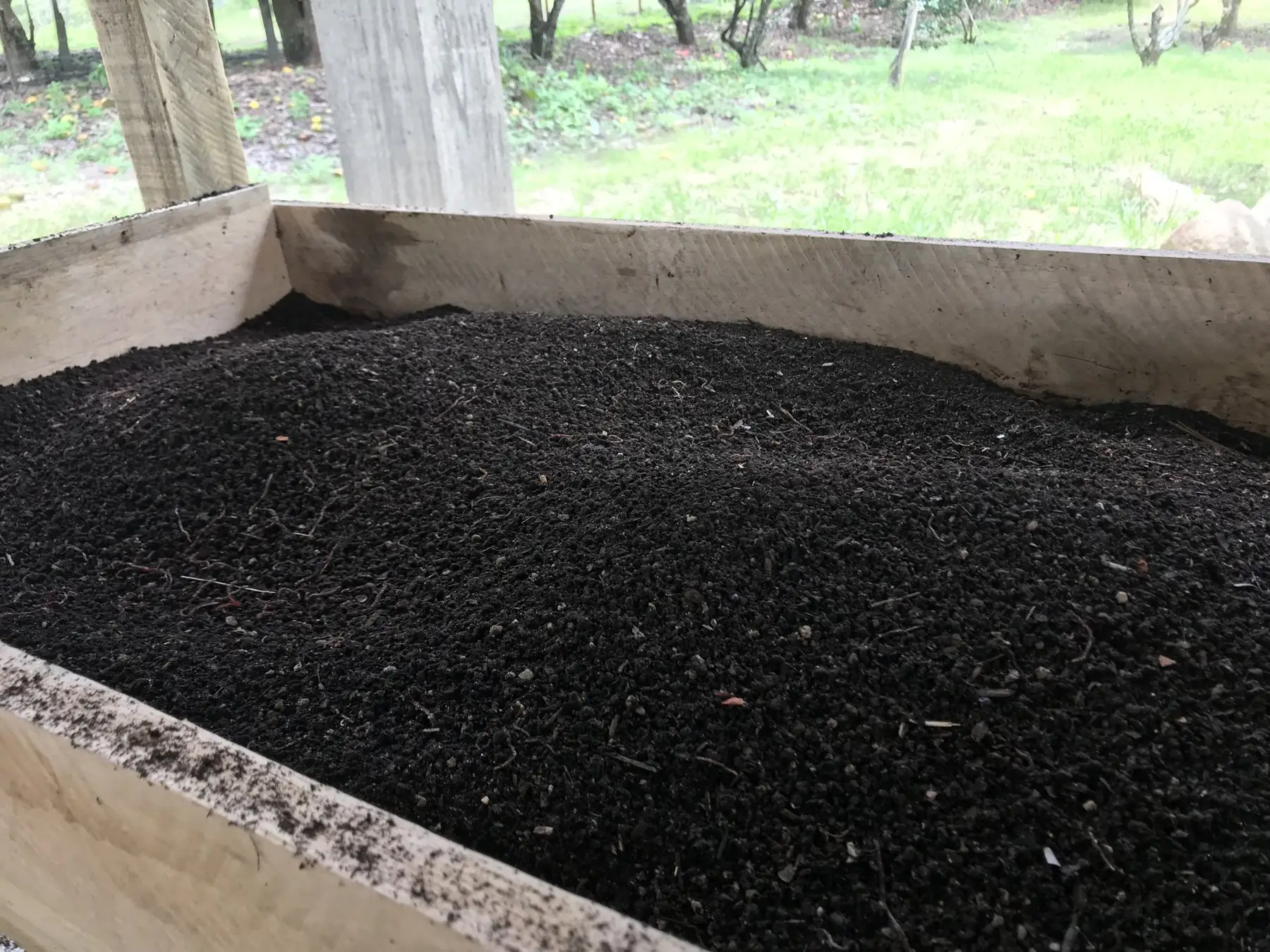
What Are Worm Castings, and Are They Worth Buying?
Worm castings are worm manure — a mild fertiliser whose real value is microbial, not nutritional. What the numbers mean and how much you actually need.
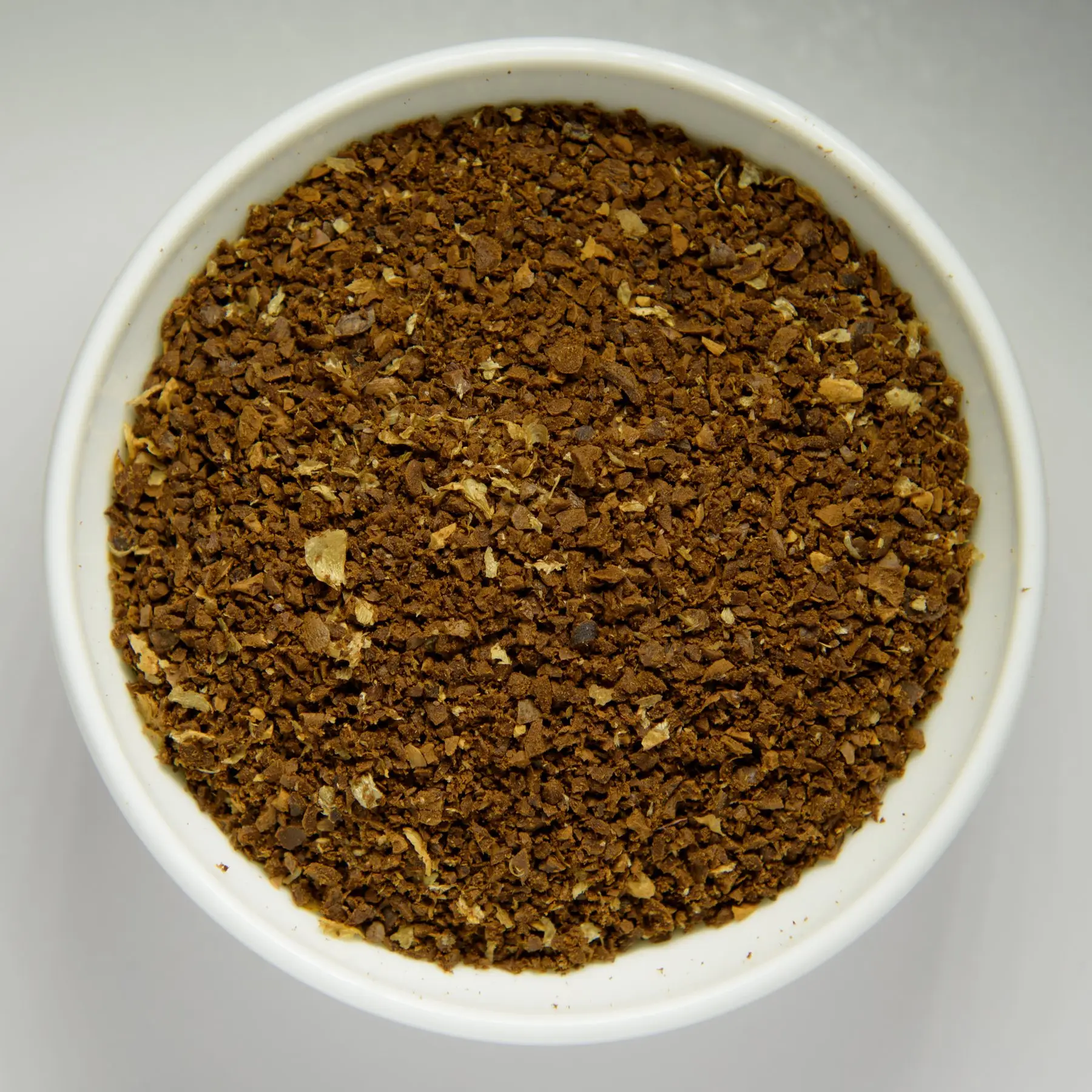
Coffee Grounds in the Garden: What They Actually Do
Used coffee grounds are not acidic, do not repel slugs, and should never be spread thickly. What they are genuinely good for, and how to use them.
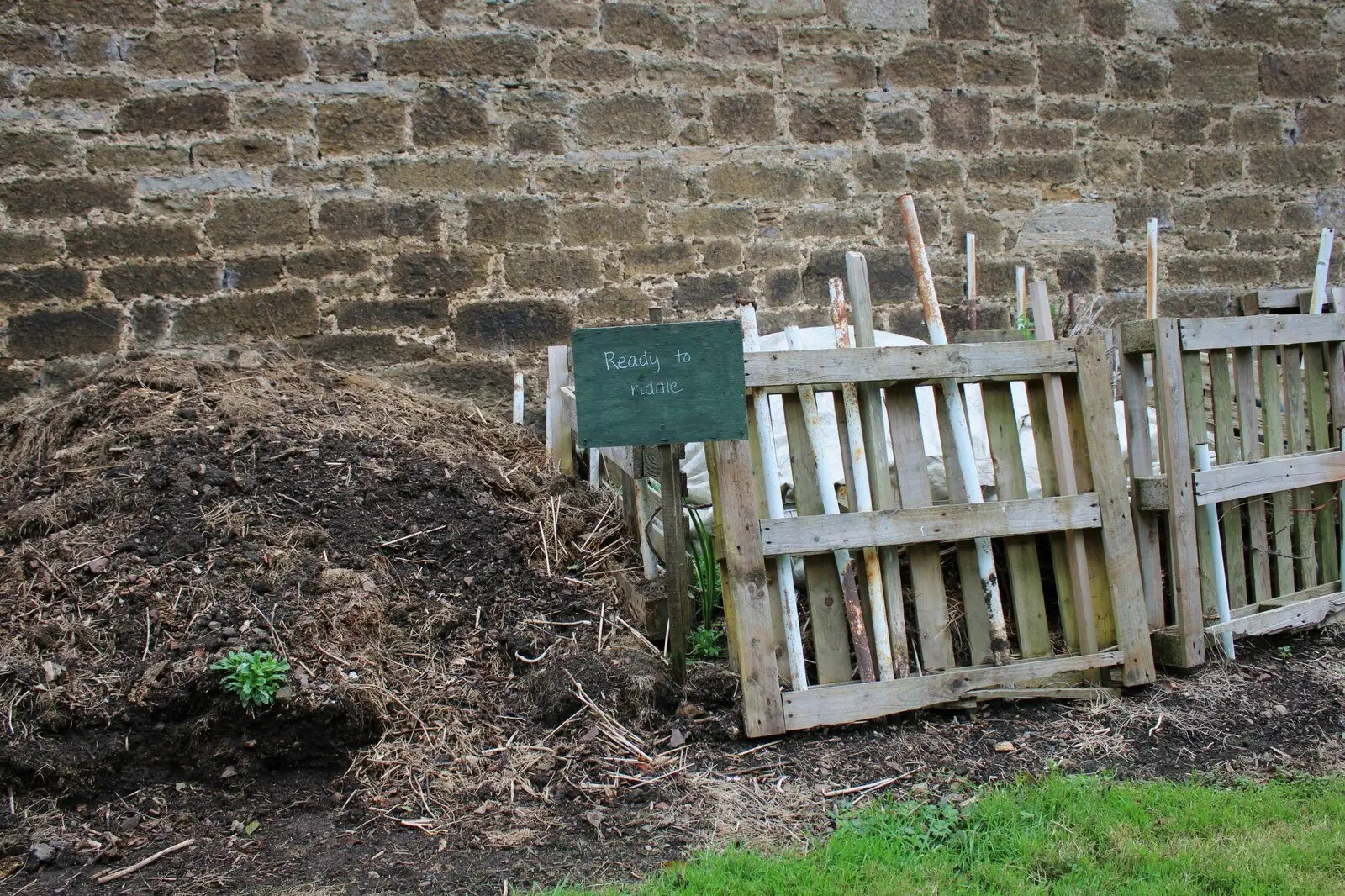
Chicken Manure Fertilizer: Compost It or Burn Your Plants
Fresh chicken manure is too strong to use directly and carries pathogens. How to compost it properly, the NPK you end up with, and the food-safety waiting periods.
Is Epsom Salt Good for Plants? Mostly No, and Here Is Why
Epsom salt is magnesium sulphate. It helps the small number of plants actually short of magnesium, and does nothing at all for the rest — sometimes real harm.