
Lawn & Soil ·
Lawn Edging Ideas That Actually Keep Grass Out of Beds
Grass invades beds by rhizome and by seed, and most edging only stops one. Depths that work, materials compared, and why plastic roll edging fails.
Lawn repair, grass seed, composting, soil testing, and fertilizer — the groundwork everything else depends on.
101 guides
Grass invades beds by rhizome and by seed, and most edging only stops one. Depths that work, materials compared, and why plastic roll edging fails.
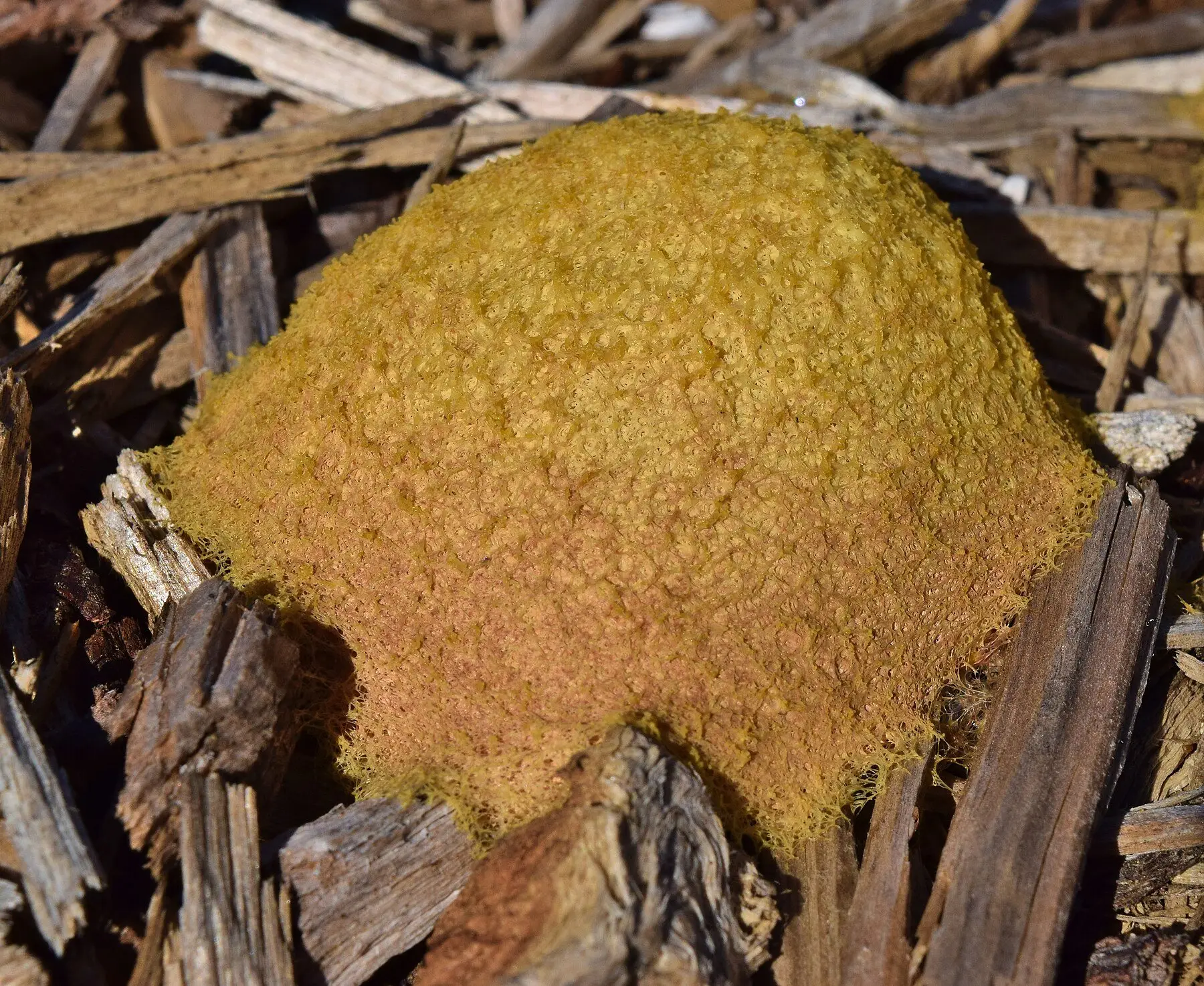
Yellow fungus in grass is almost always dog vomit slime mould, which harms nothing. How to tell it from the 2 lawn diseases that do need action.
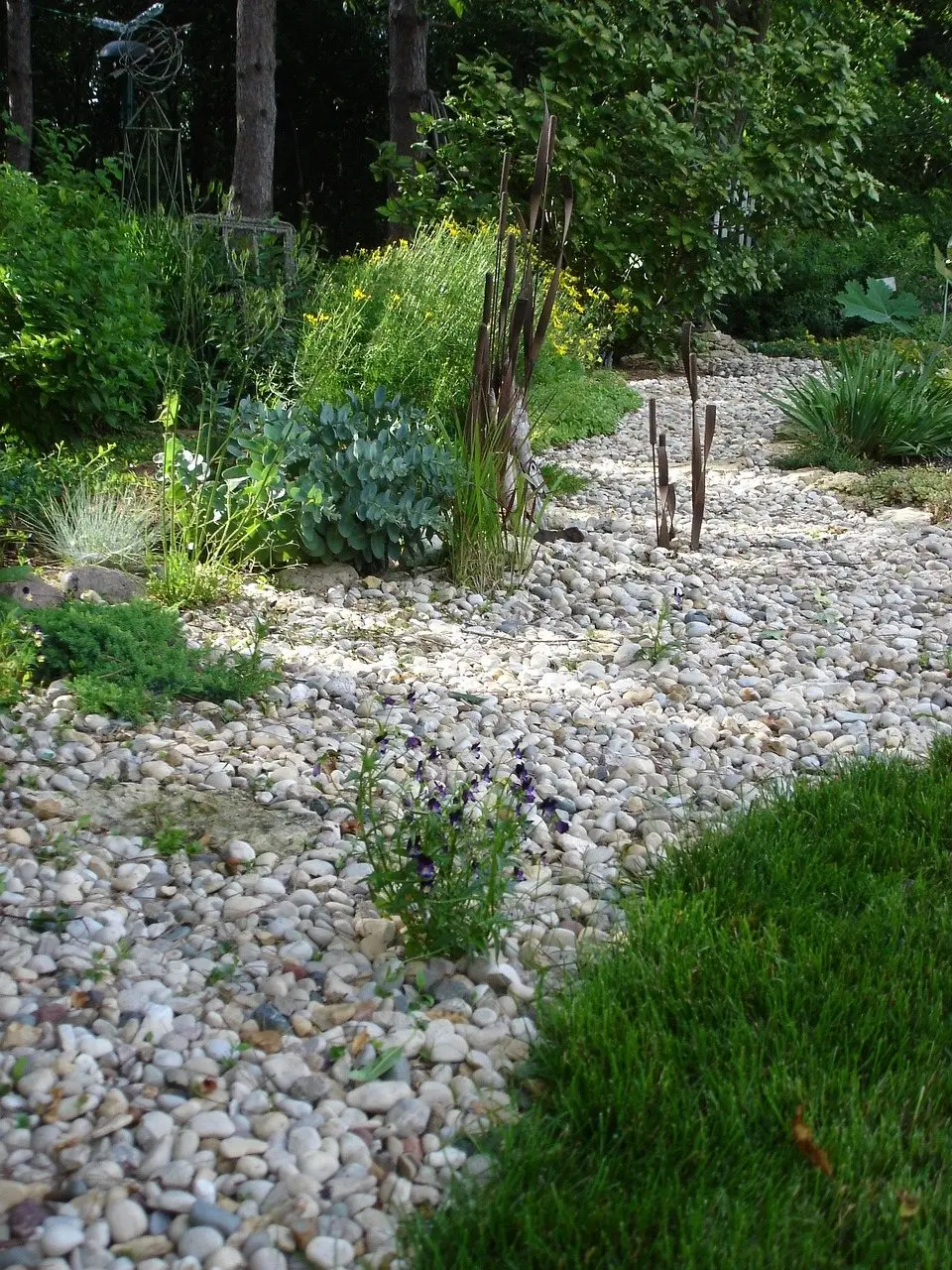
Backyard landscaping ideas no grass, costed per square foot. 11 replacements from clover to gravel, what each needs, and which survive dogs and children.
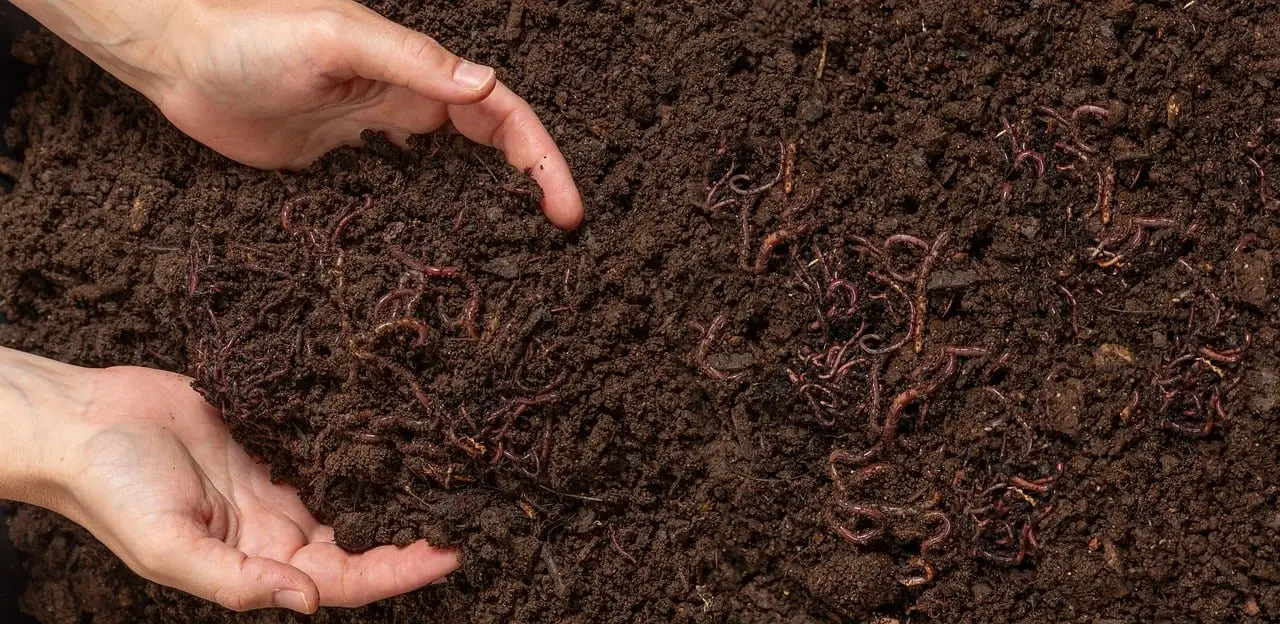
Types of worms in soil fall into 3 earthworm groups plus the larvae people mistake for them. Which are working for you, and which are eating your roots.
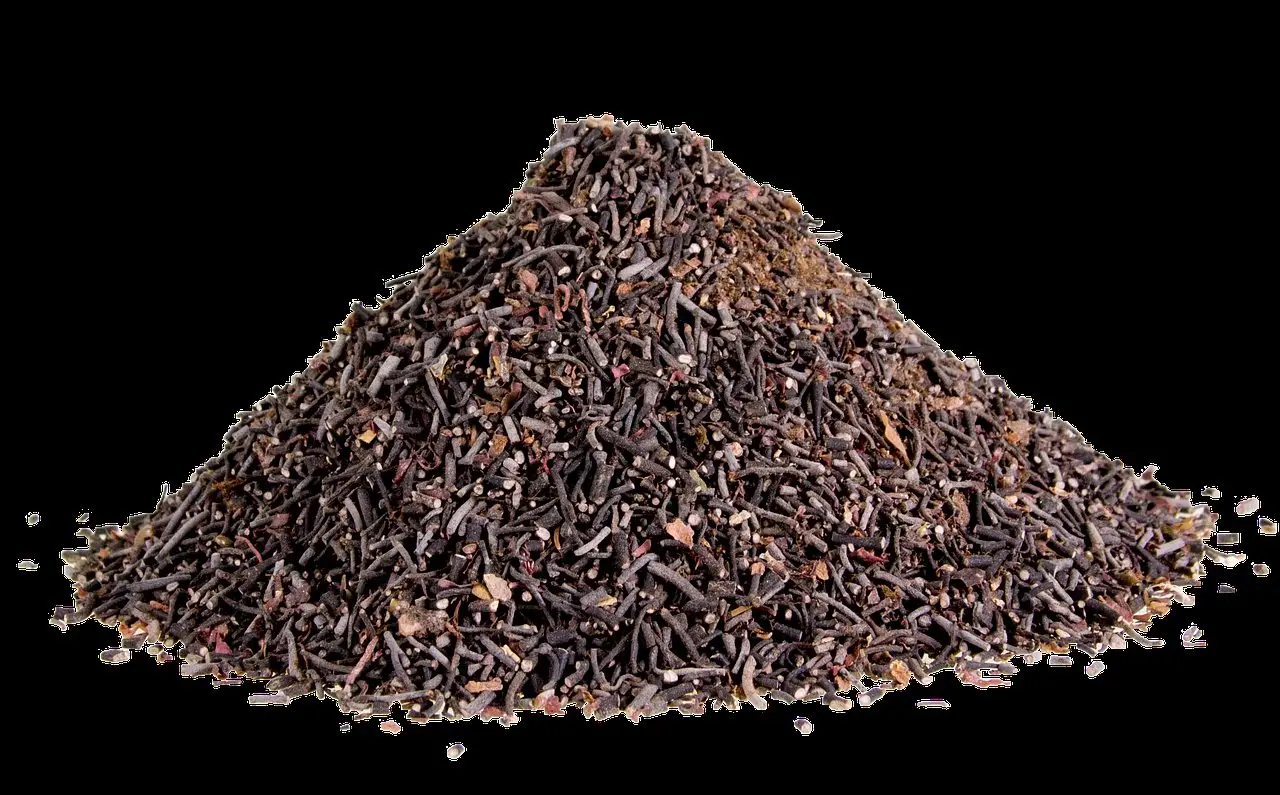
Tilling clay breaks the structure you are trying to build. Compost on the surface, deep roots and time do the work instead — and it holds.
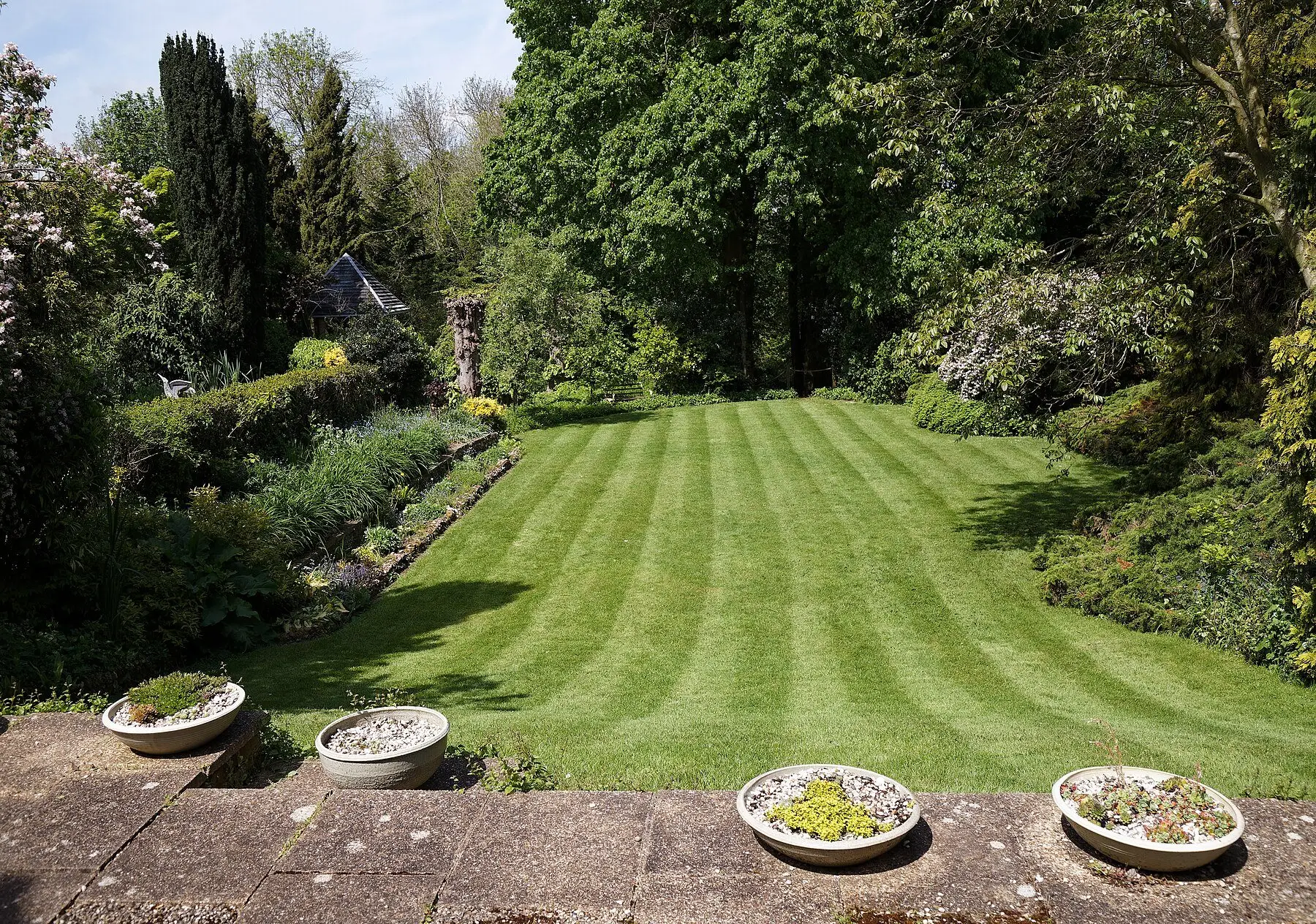
Corn gluten meal stops seeds rooting rather than killing weeds. Timing is everything, and it will stop your grass seed germinating too.
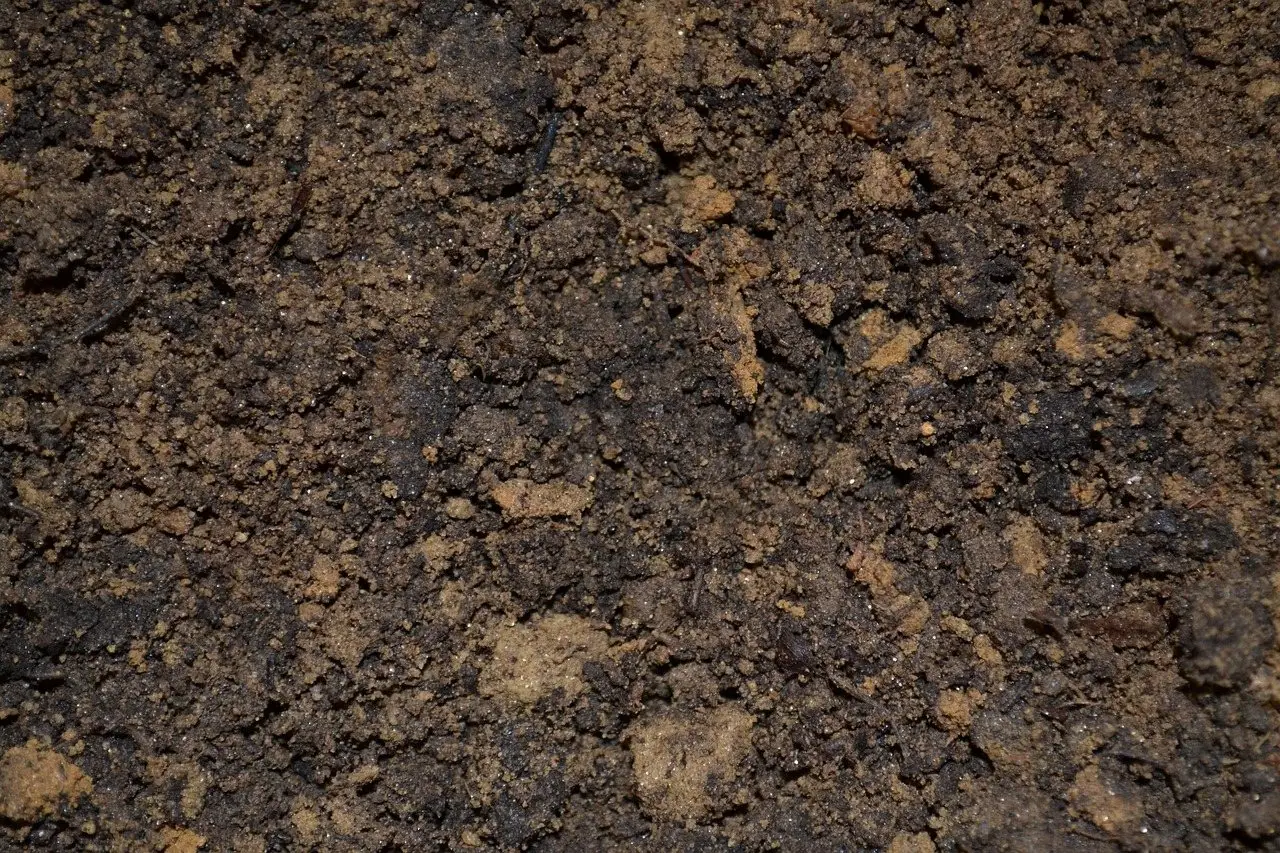
Vermiculite is mica heated until it puffs like popcorn. It holds water and nutrients — the opposite of what perlite does, and why they are not interchangeable.
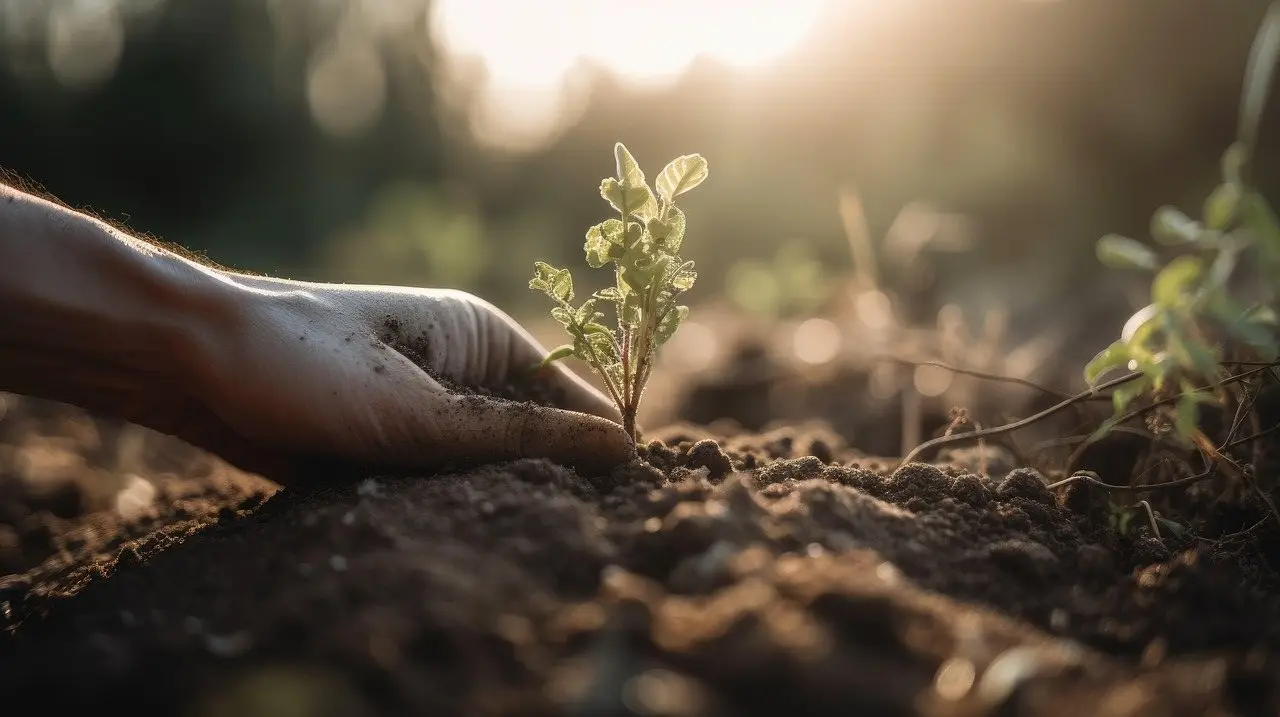
Mid-August to mid-September beats spring by a wide margin. Warm soil, cool air and no crabgrass competition — spring gives you none of those.
Centipede is the low-input option for acid sandy soil; St Augustine handles shade, salt and traffic better. Soil pH and shade decide it.

About an eighth of an acre, or a 70 by 71 foot square. Here is what that means for seed, fertiliser, water and how long it takes to mow.
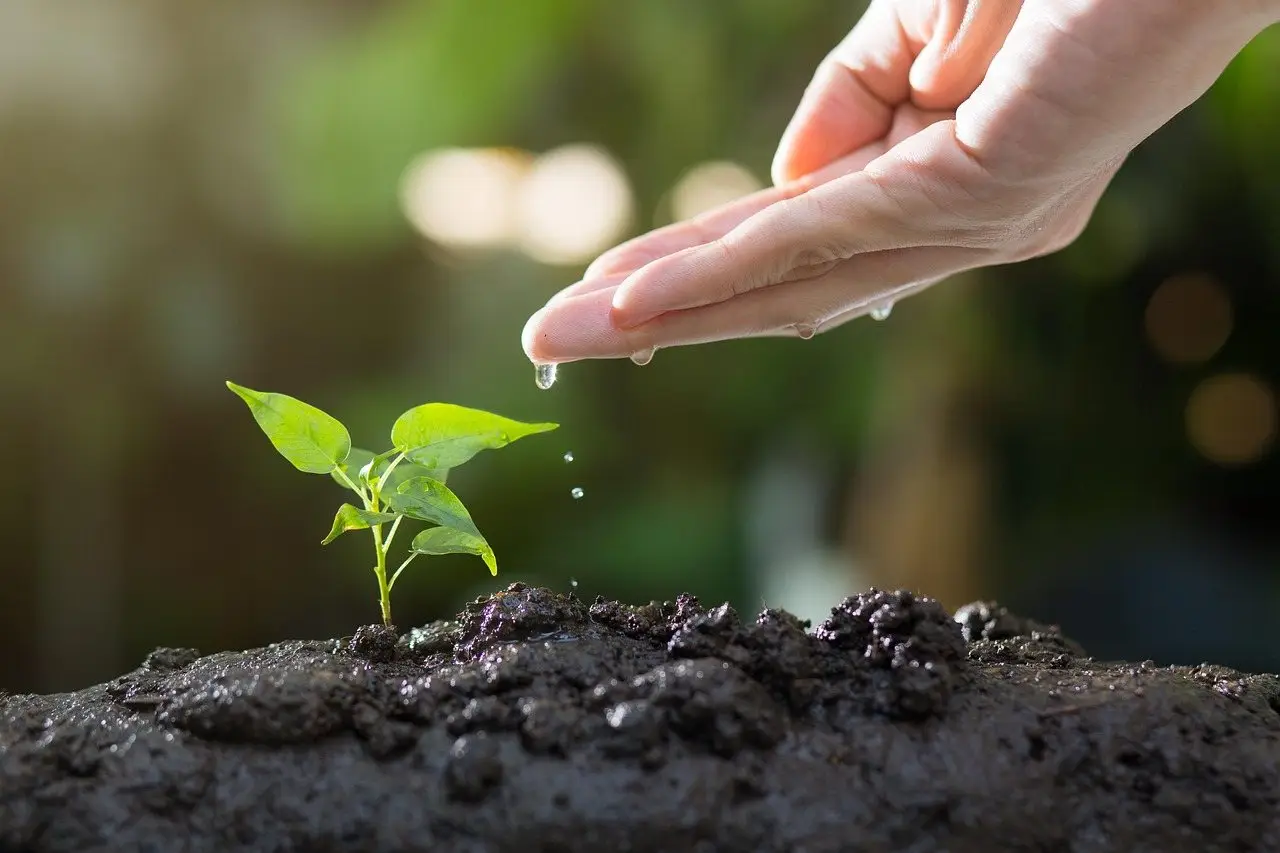
Lime adds calcium and raises pH. Gypsum adds calcium and leaves pH alone. Which you need depends on a soil test, not on blossom end rot.
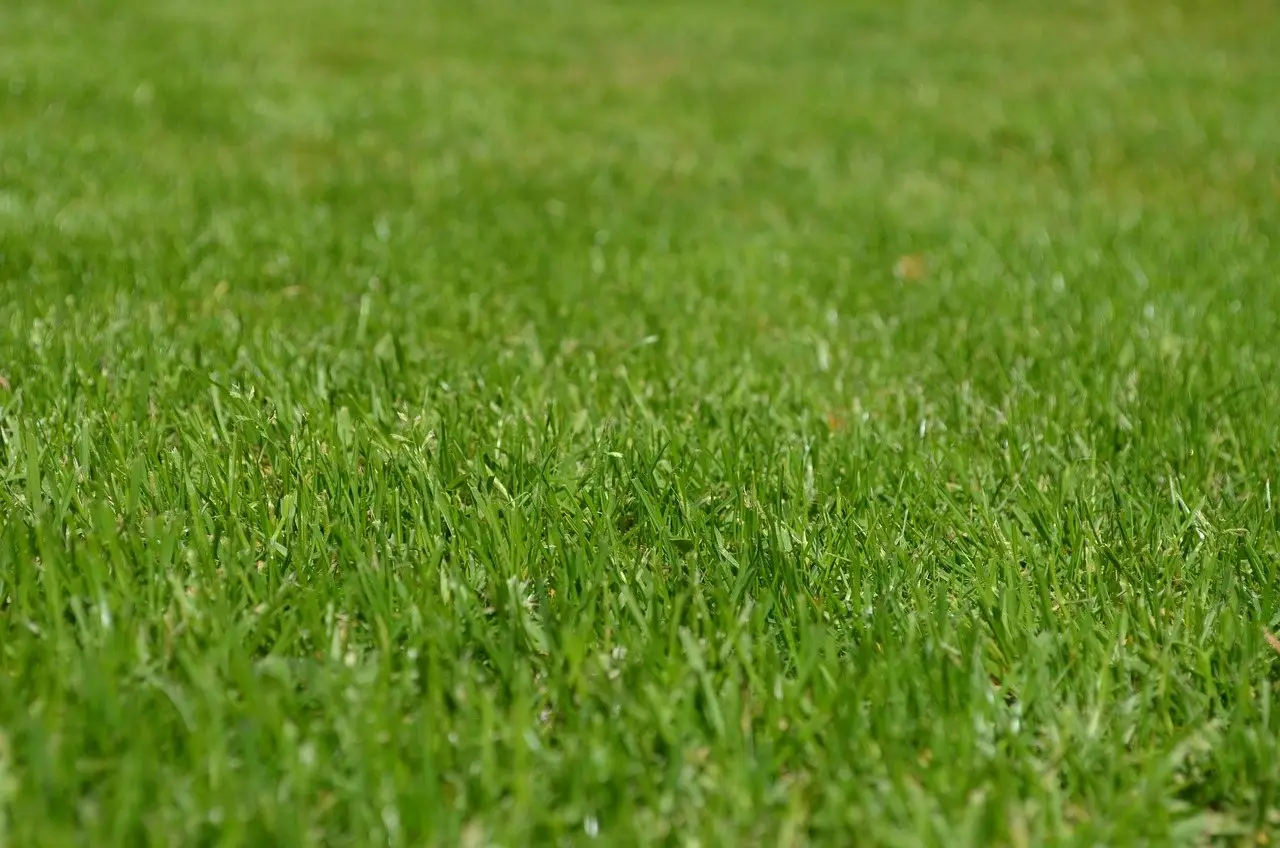
Shallow dips fill with topdressing half an inch at a time. Anything deeper needs the turf lifted. The mistake is burying grass in one go.
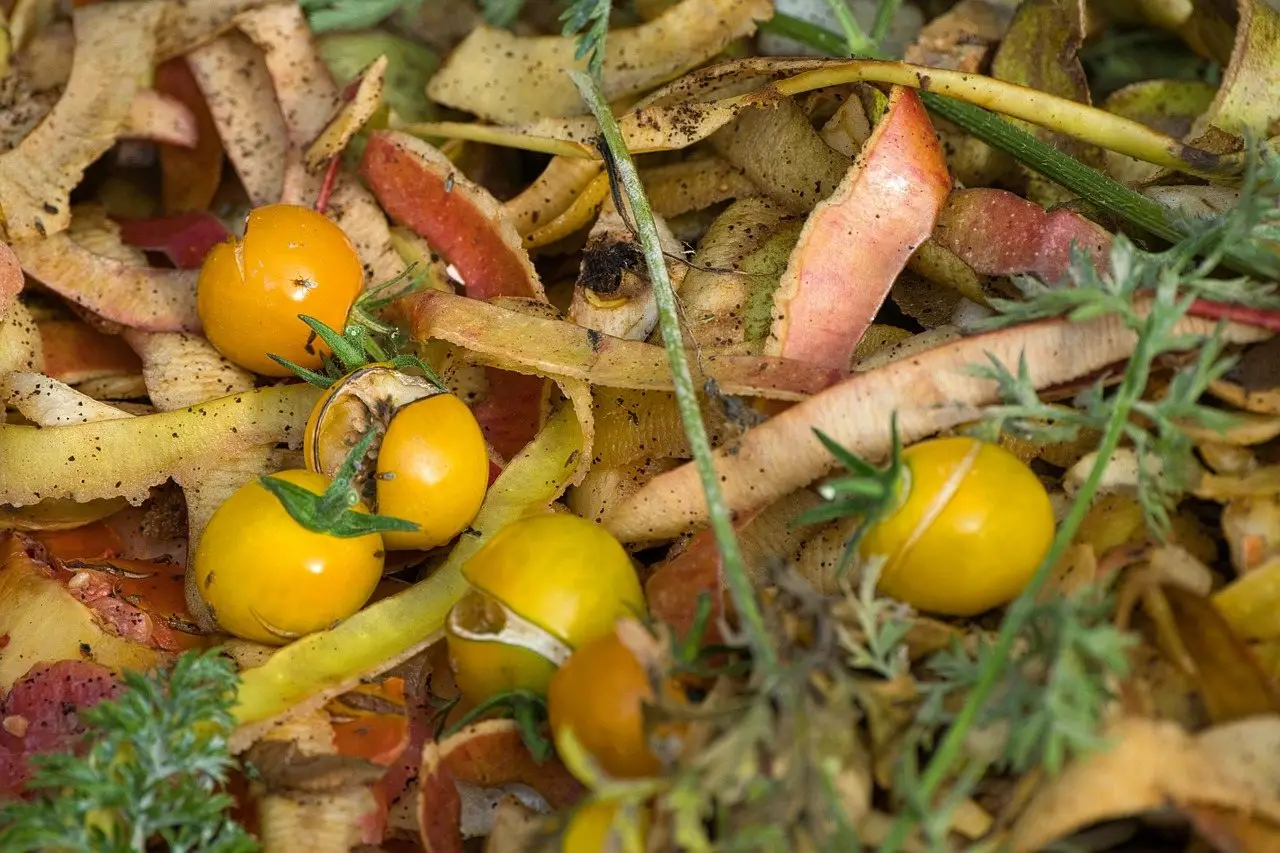
Compost needs roughly two parts browns to one part greens, moisture like a wrung sponge, and turning. Get those three right and the rest follows.
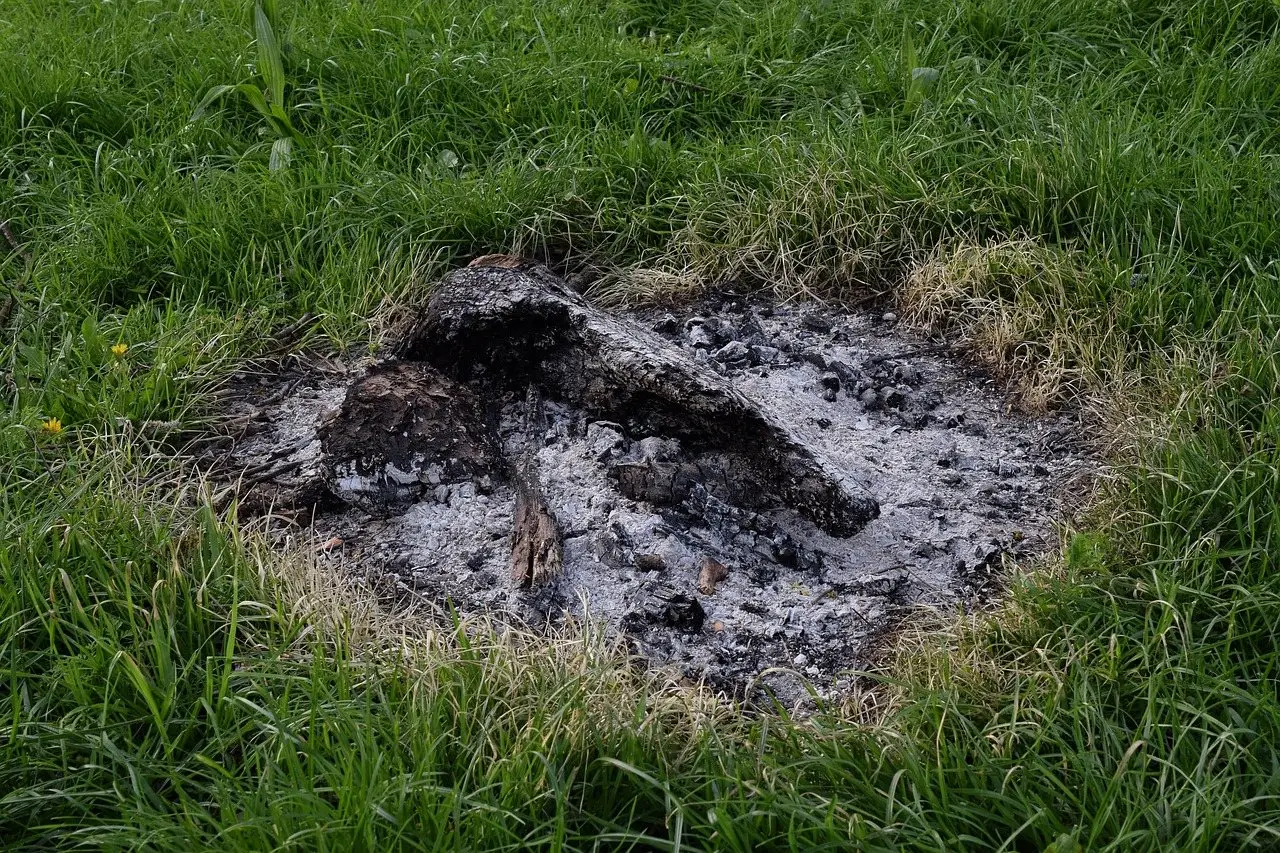
Wood ash raises pH fast and supplies potassium, which makes it useful on acid soil and harmful everywhere else. Test first, then apply at a measured rate.
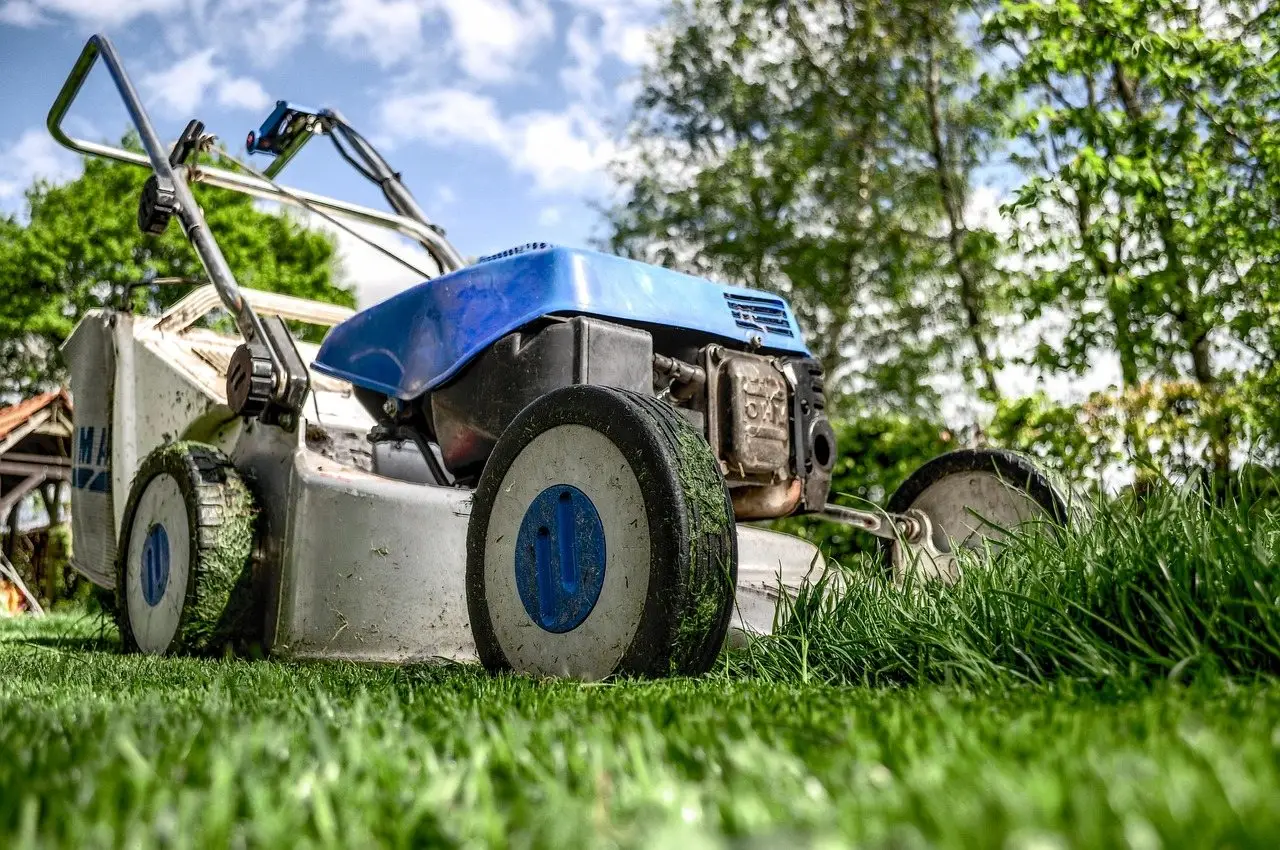
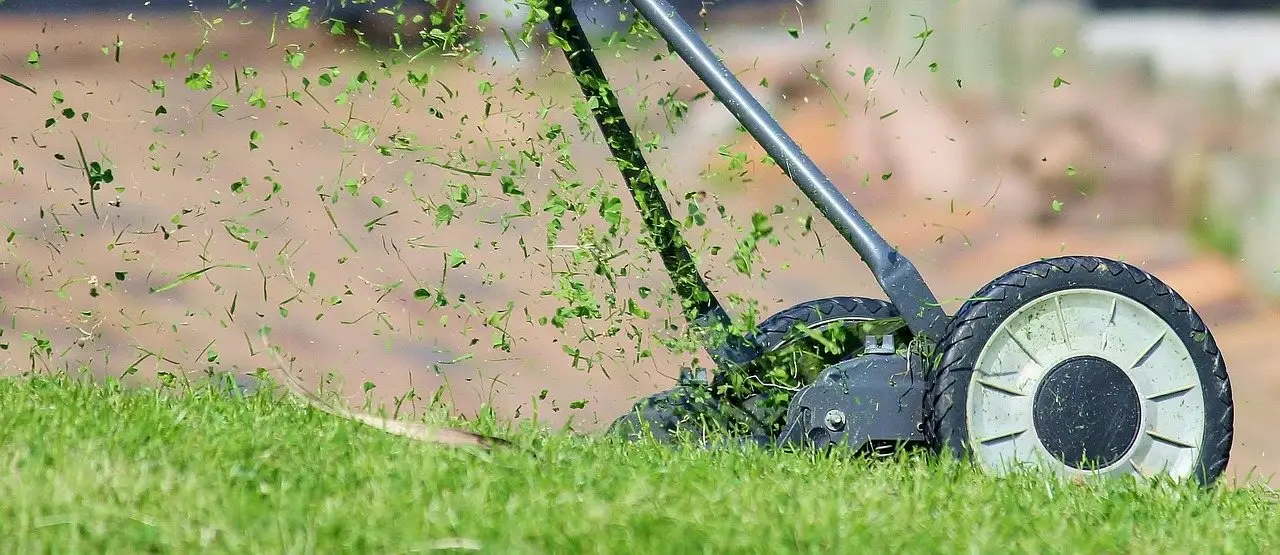
Mulching feeds the lawn and saves bagging; side discharge handles long wet grass without clogging. Most lawns want mulching most of the time.
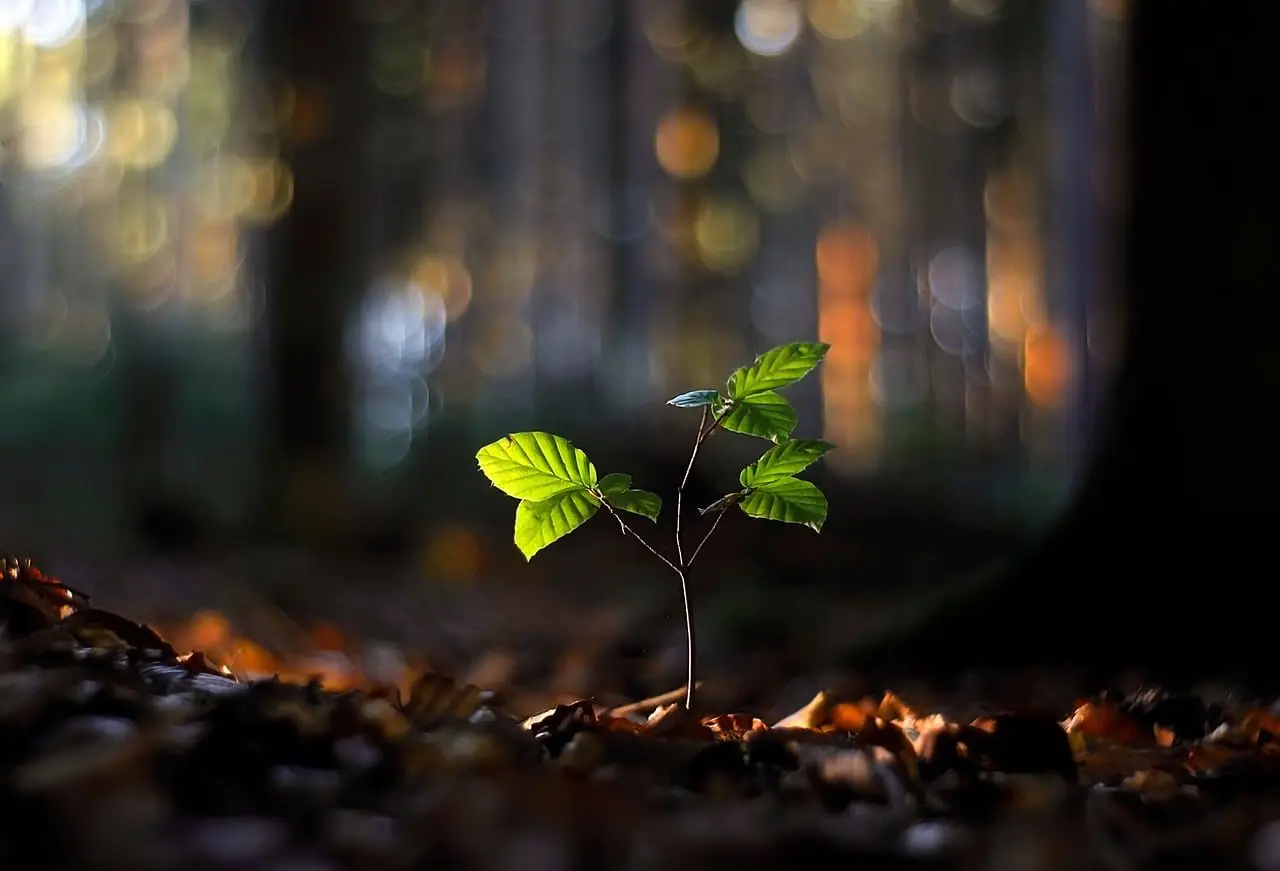
Shoots coming up across a lawn are usually root suckers from one living tree, not seedlings. Which they are decides whether mowing ever ends it.
Over-liming yellows a lawn by locking up iron and manganese, and it cannot be mown out. Elemental sulphur and a season of patience is the only real fix.
New grass left past about 4 inches goes thin, floppy and weak-rooted. The first cut matters more than any other, and the one-third rule still applies.
Perlite is volcanic glass heated to 900°C until its trapped water flashes to steam and expands it. That is why it is white, light and permanent.
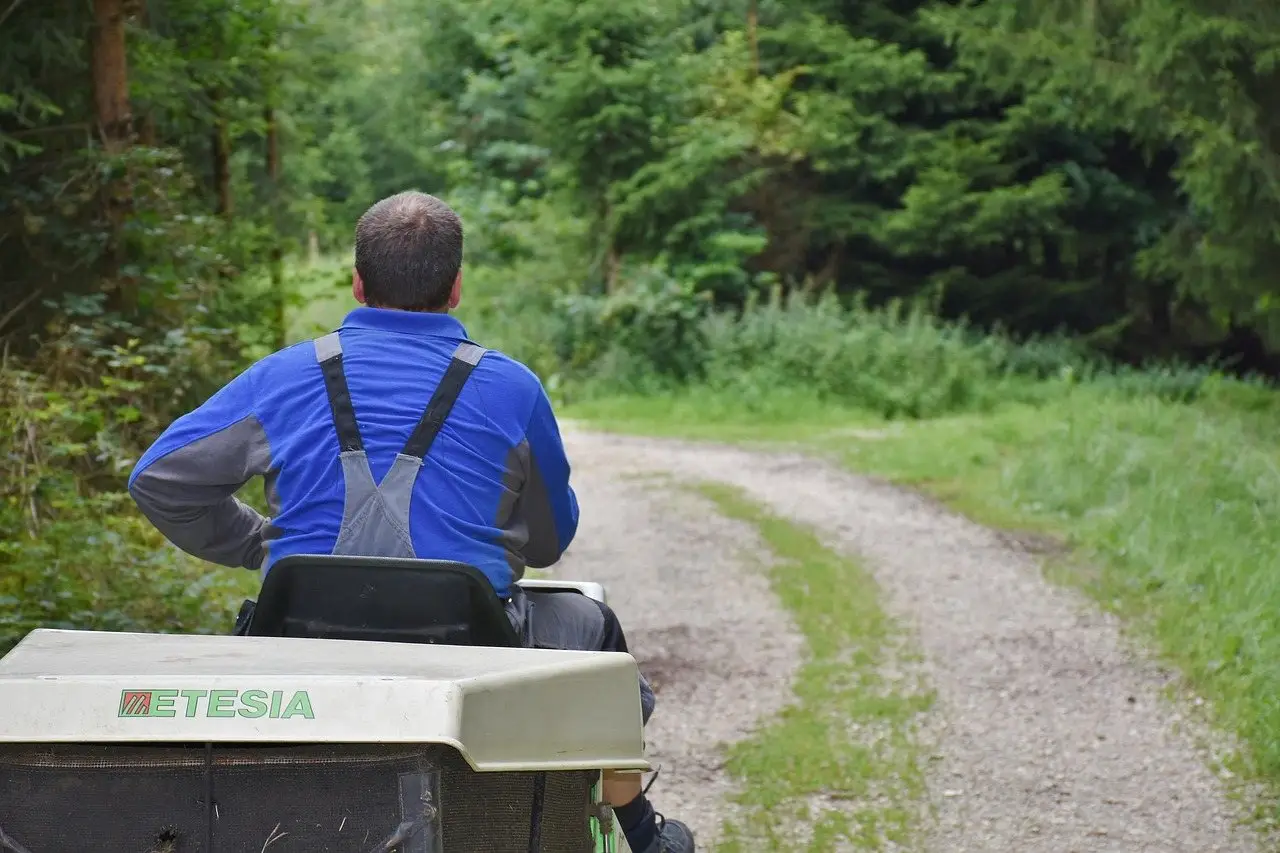
Zero turn vs lawn tractor is decided by acreage and obstacles. 4 machines compared on speed, slopes and tight corners. See which fits your yard.
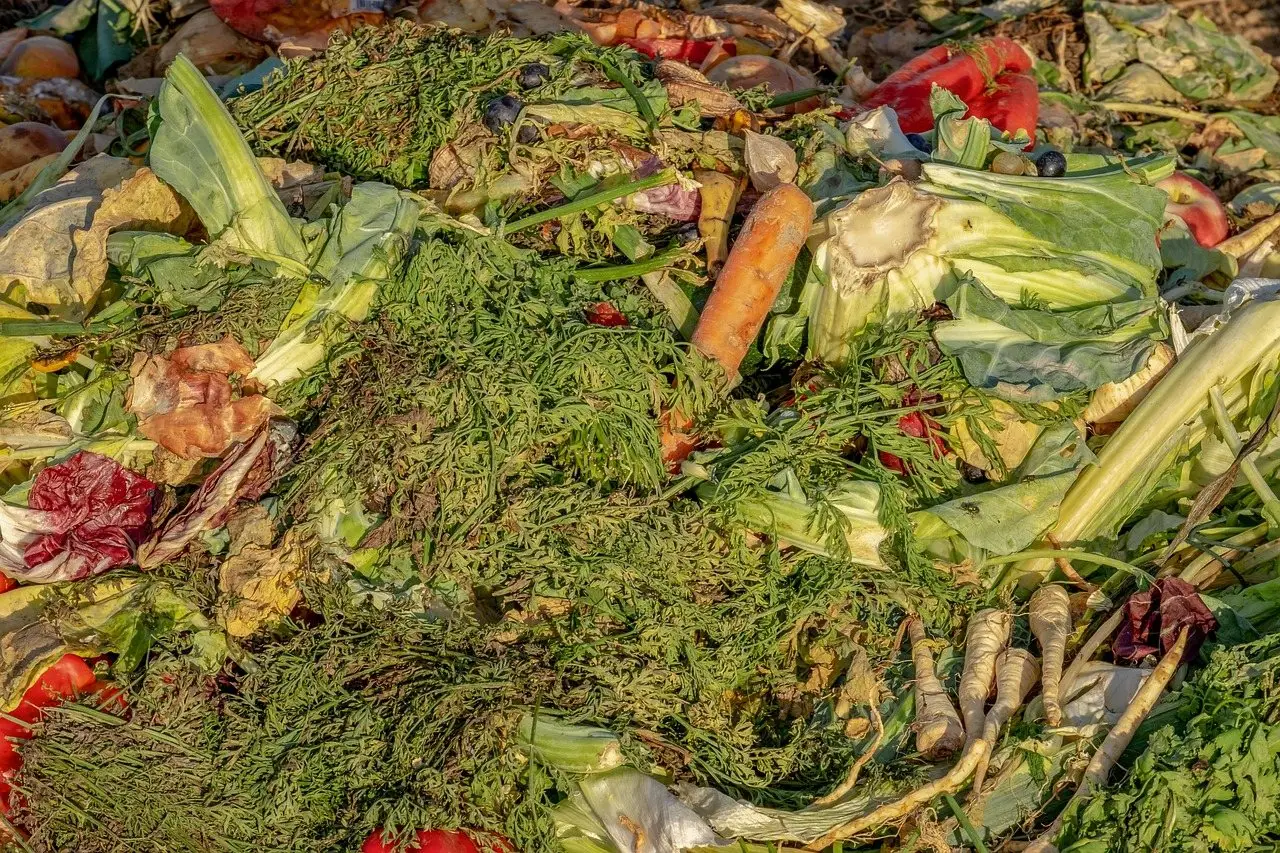
Soldier fly larvae break down food waste faster than anything else in the heap. Maggots signal a wet, nitrogen-heavy pile rather than a problem.
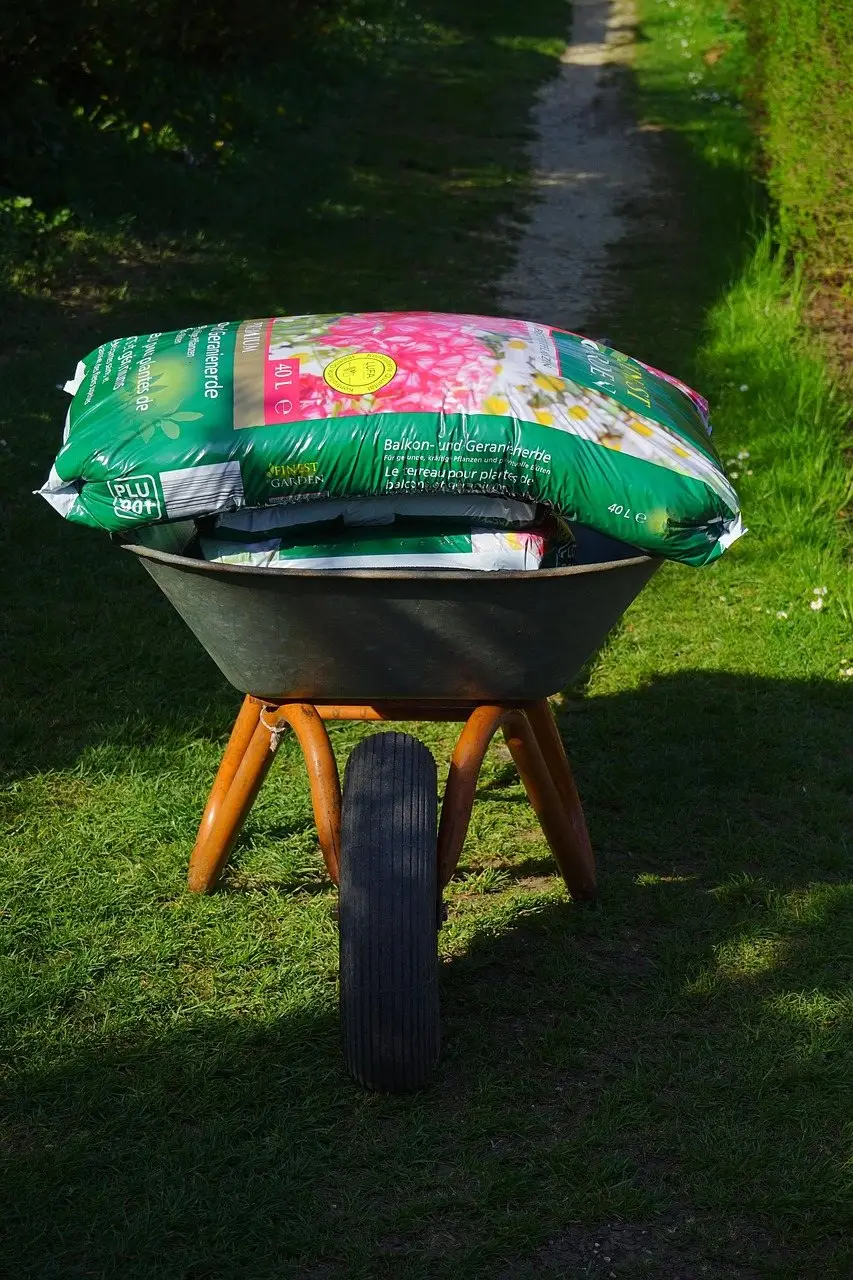
Sealed and dry it keeps for years. A damp bag left closed goes anaerobic and sour, and any bag loses its fertiliser charge within about a year.
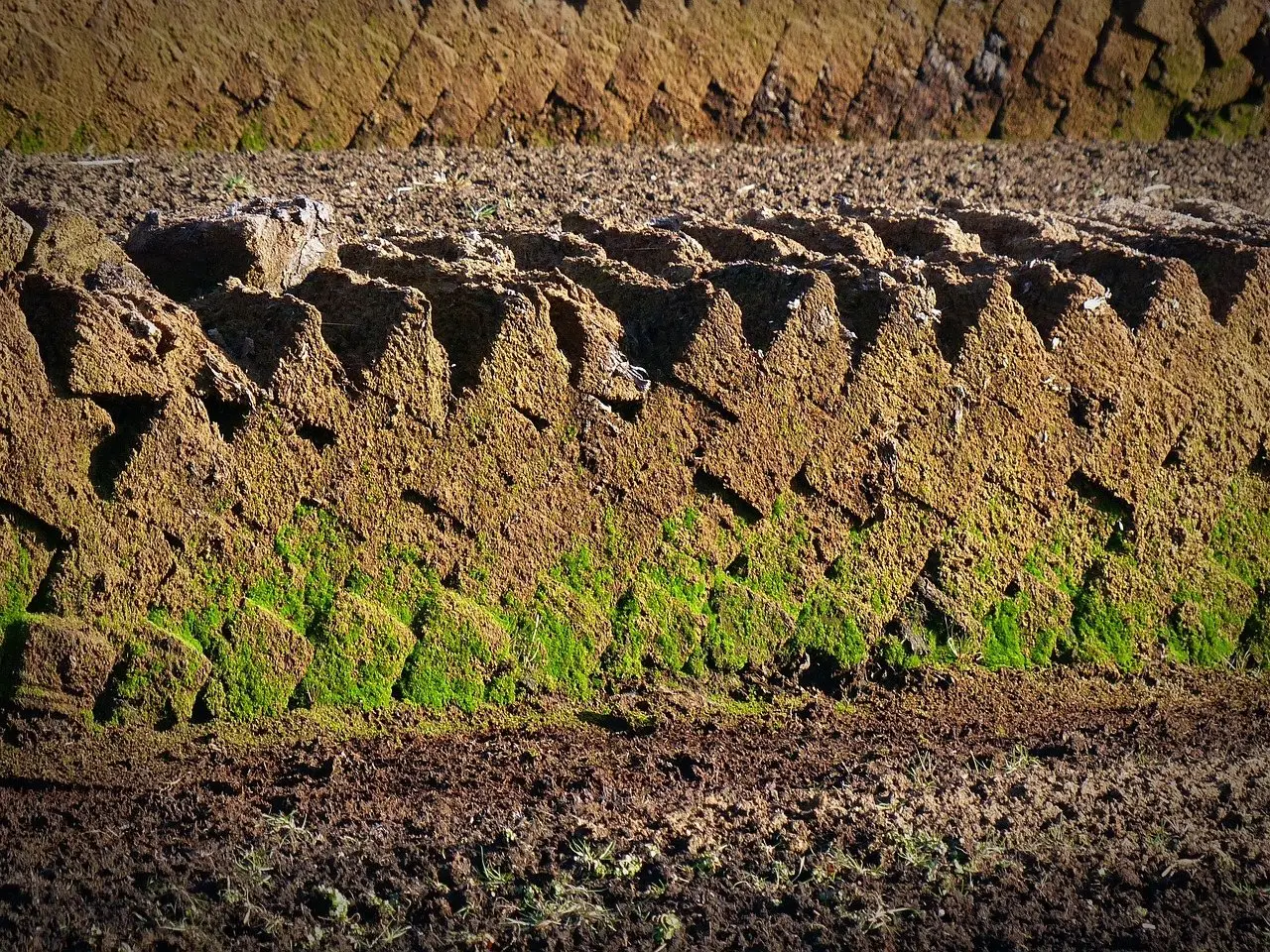
Peat opens clay and holds water in sand, but it acidifies, breaks down within a few years and is mined from habitats that take millennia to form.
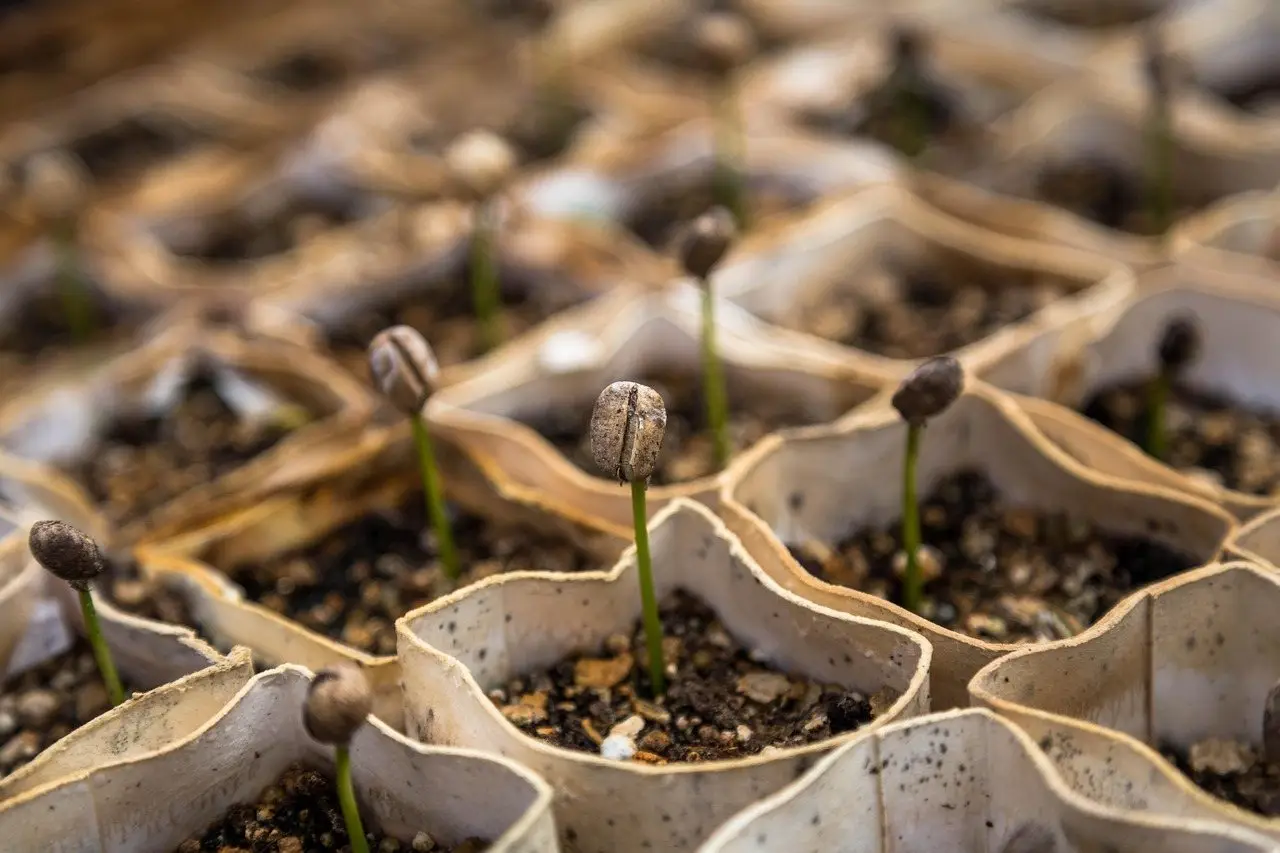
Potting mix works for larger seeds but is too coarse and too rich for fine ones. Sieving it and cutting it with perlite closes most of the gap.

Topsoil compresses and shrinks as its organic matter breaks down, so anything built on it sinks. Use subsoil or hardcore for fill and save topsoil for growing.
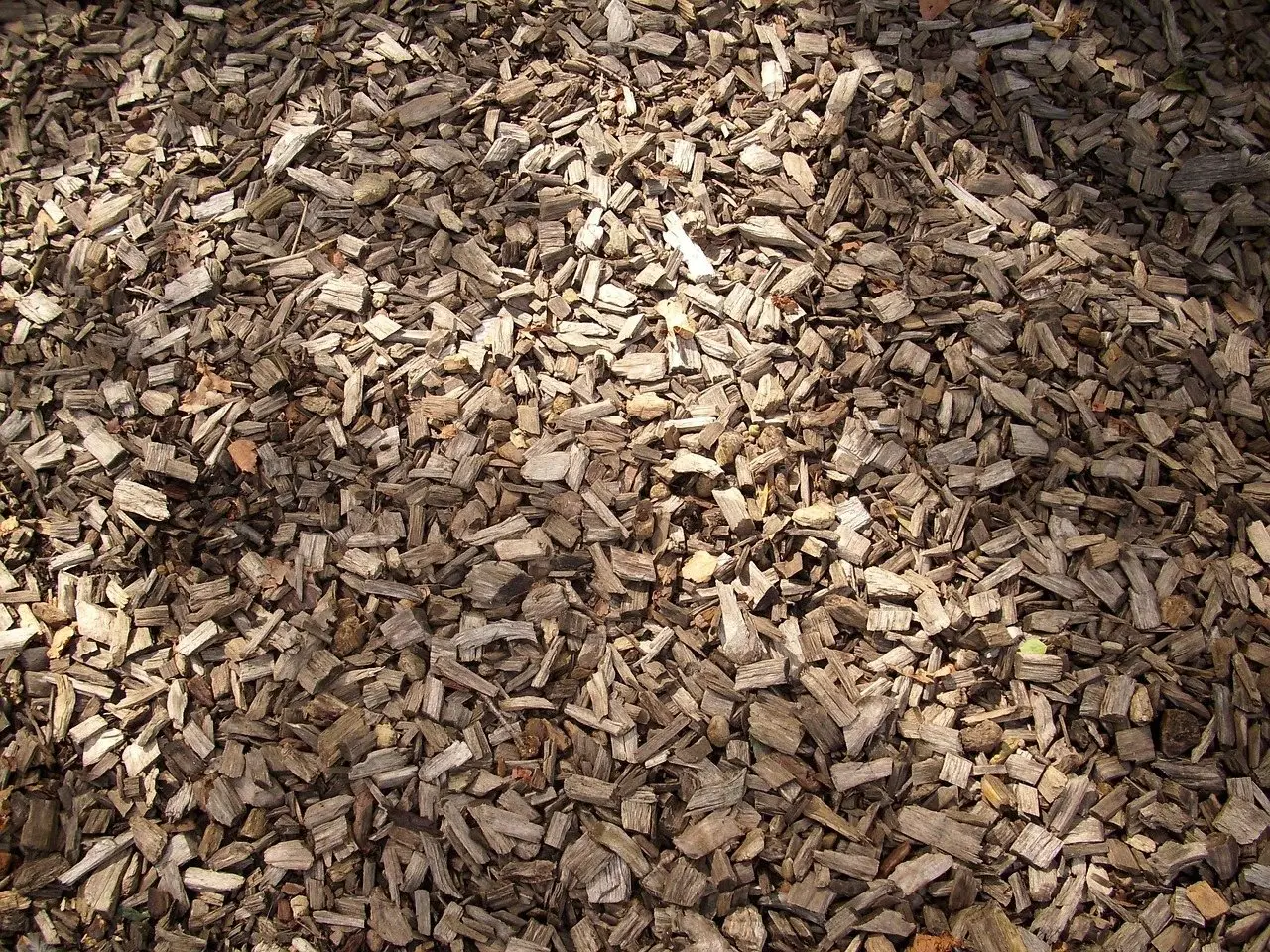
Dry bark and wood mulch ignites readily and smoulders underground for hours before surfacing. Burning it deliberately is also illegal in many areas.
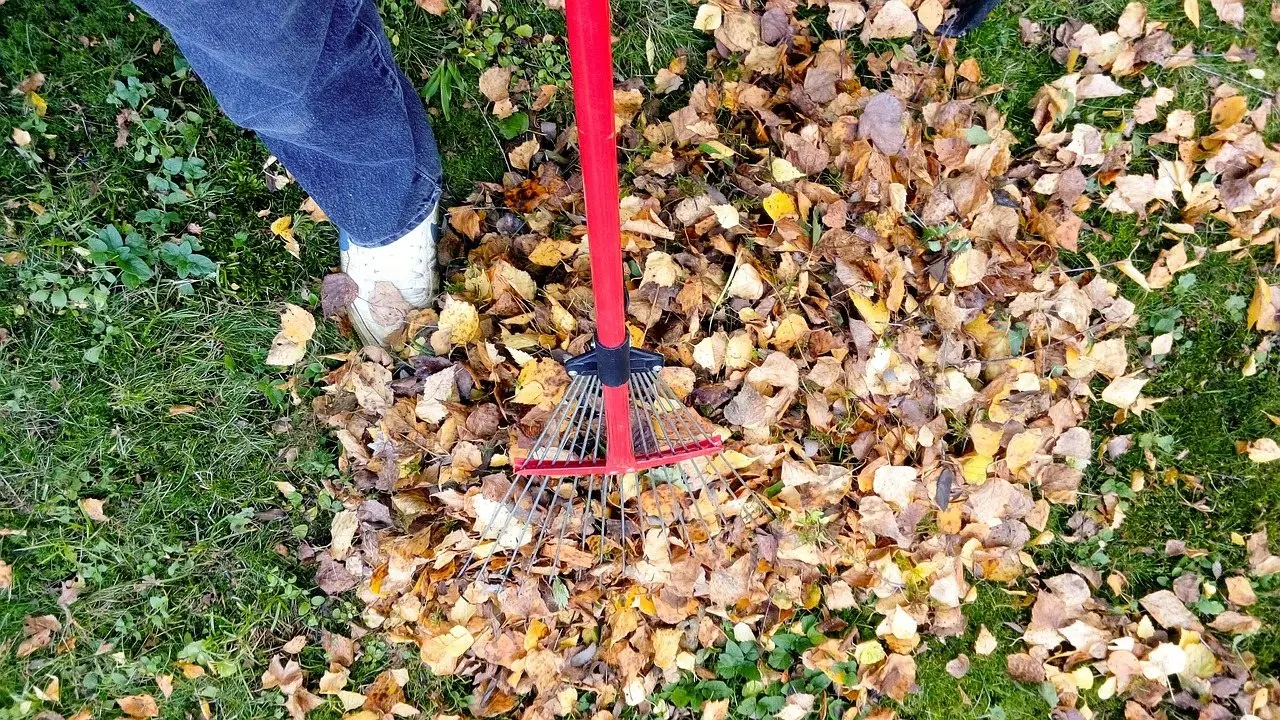
Leaves are the ideal carbon layer in a heap, and composted alone they make leaf mould. Shred them, or they mat into sheets that shed water.

Plants that died of drought, frost or old age compost normally. Disease and persistent seed are the two things a cool domestic heap will not kill.
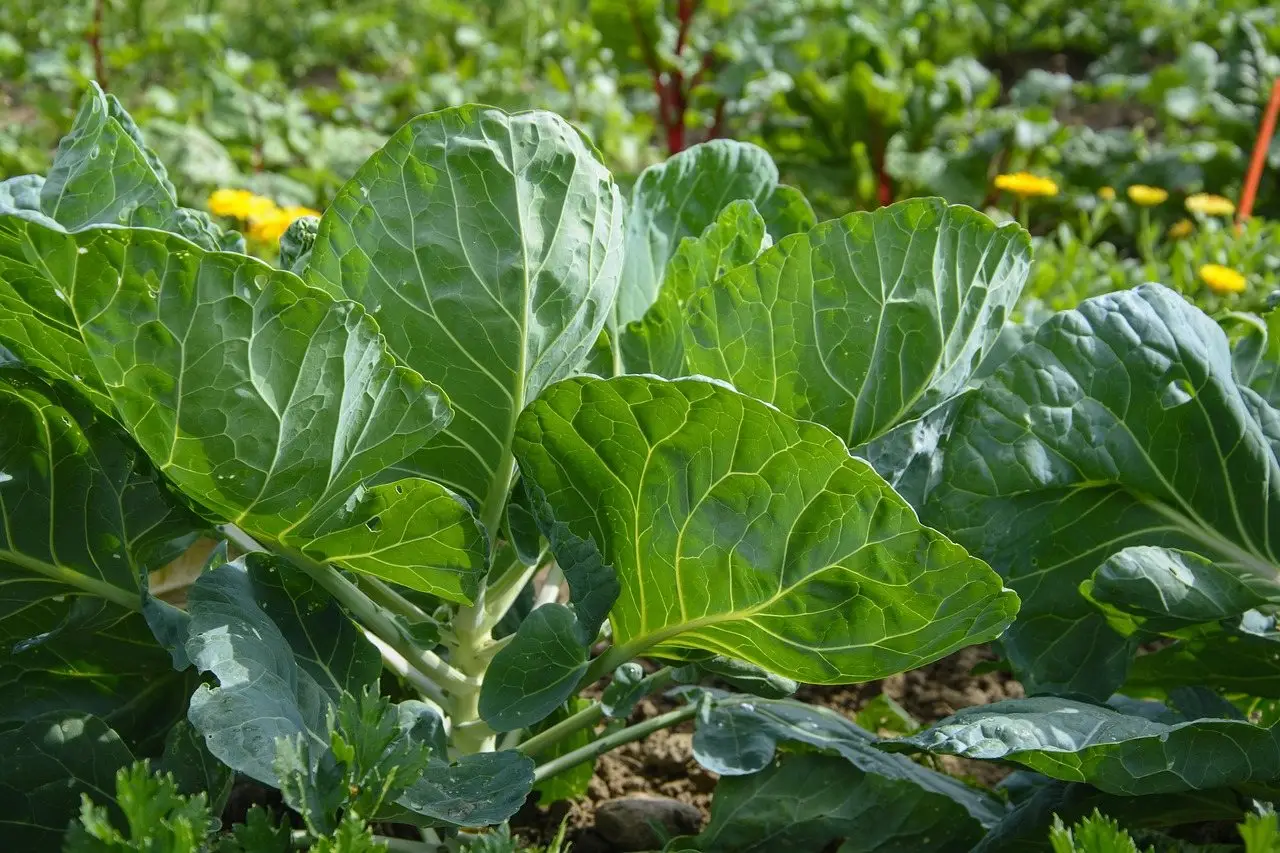
Most general potting compost grows vegetables fine. Check for two things: a fertiliser balance skewed to flowering, and any added moisture-retention gel.
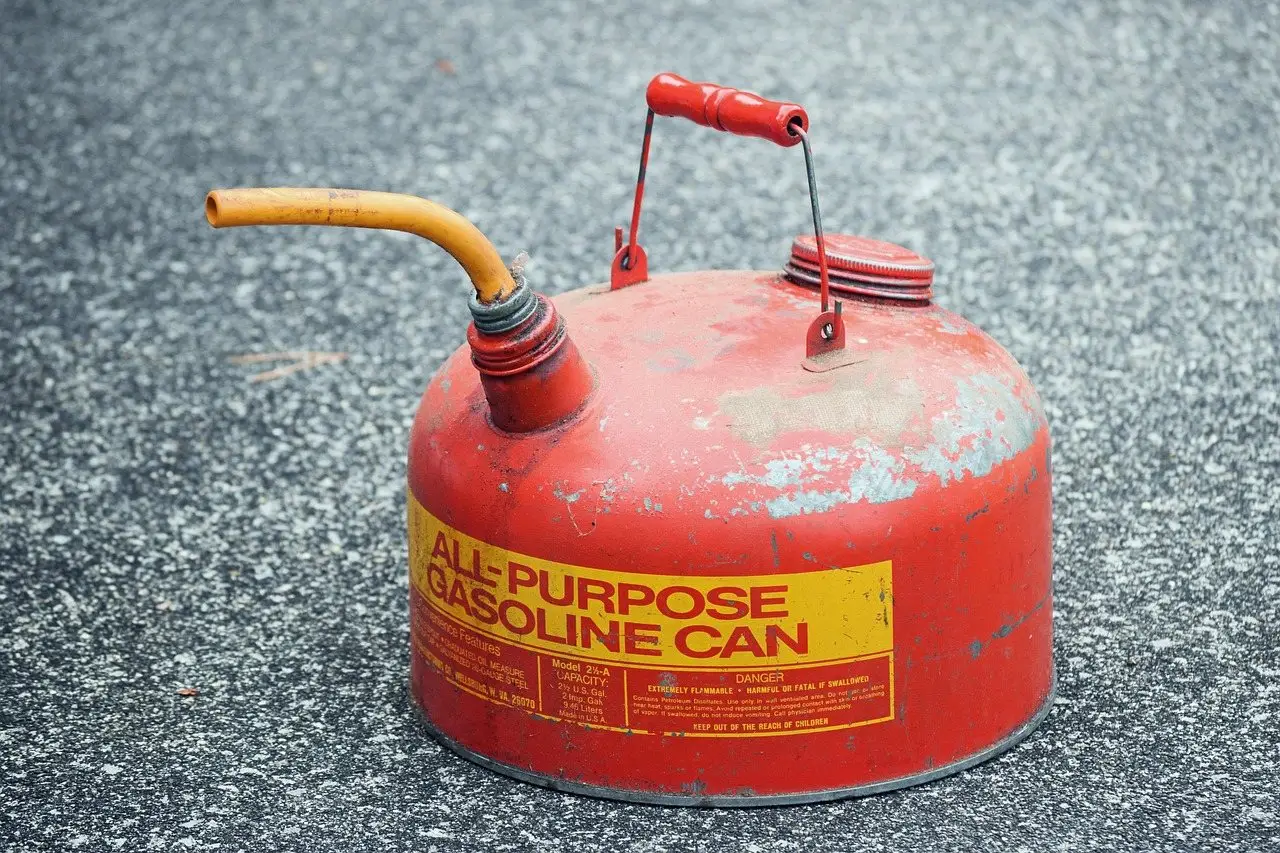
Petrol degrades within a month and ethanol blends absorb water and separate. Past 90 days, dispose of it rather than risk a gummed carburettor.
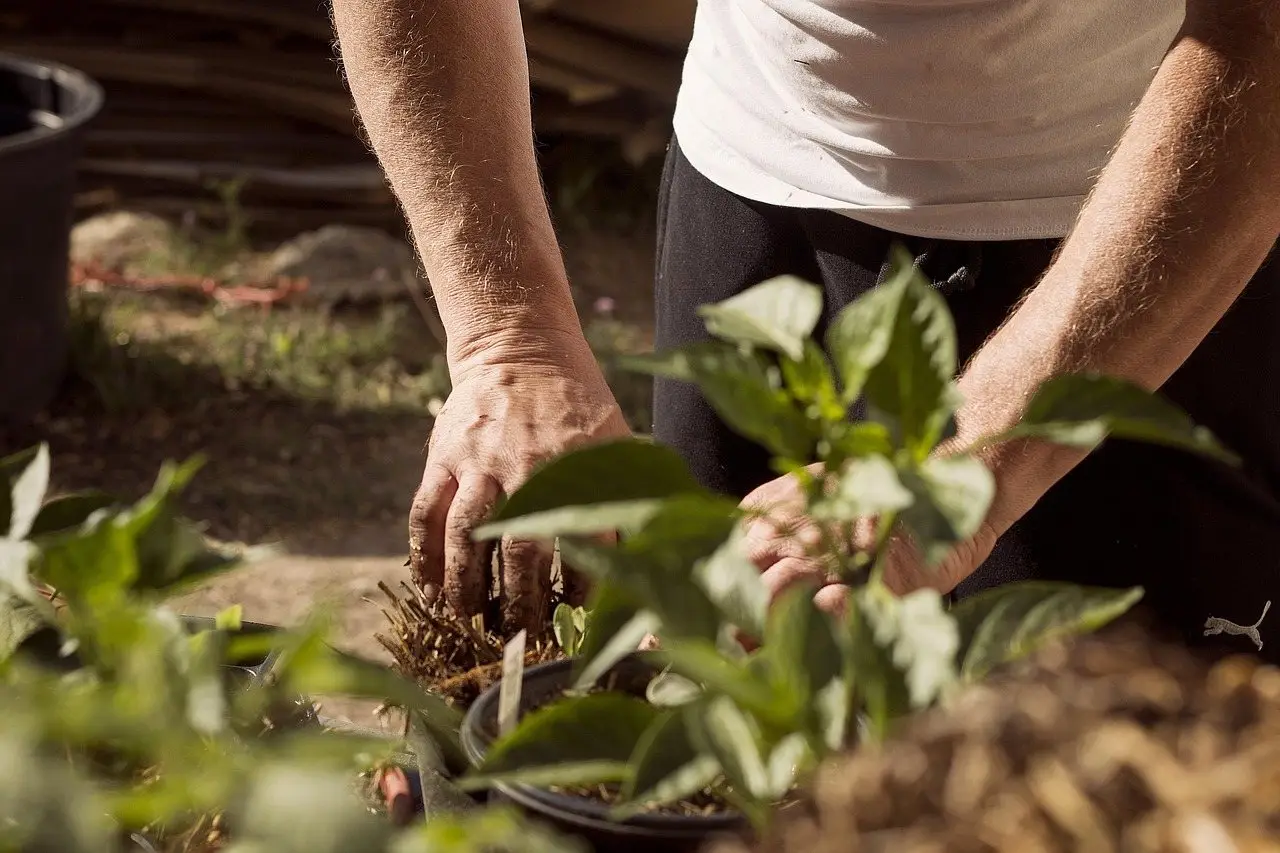
Colour-change pH kits and meters are close enough to act on. The nitrogen, phosphorus and potassium pads in the same box are near-useless.
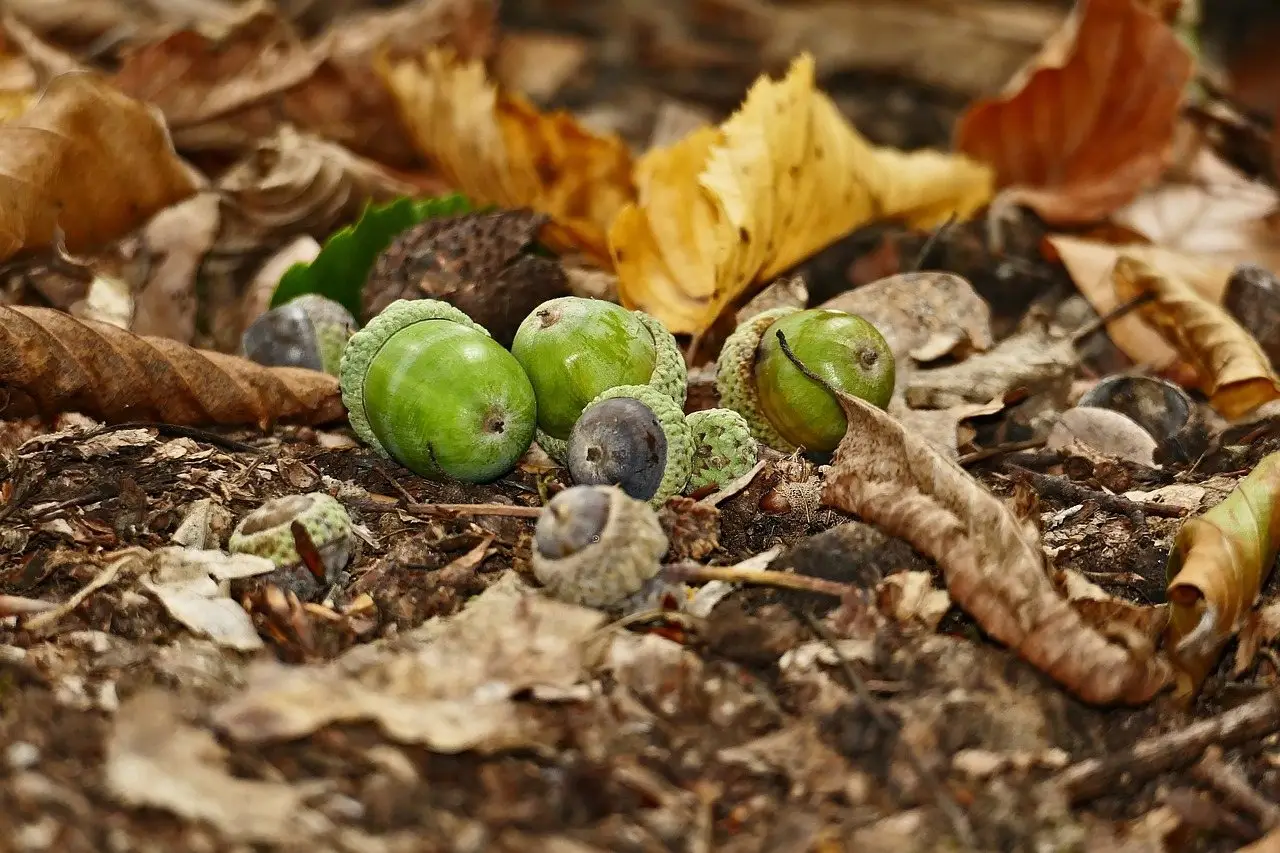
Acorns are mildly acidic but not enough to harm turf. The damage comes from a thick layer blocking light, plus the oak's shade and root competition.
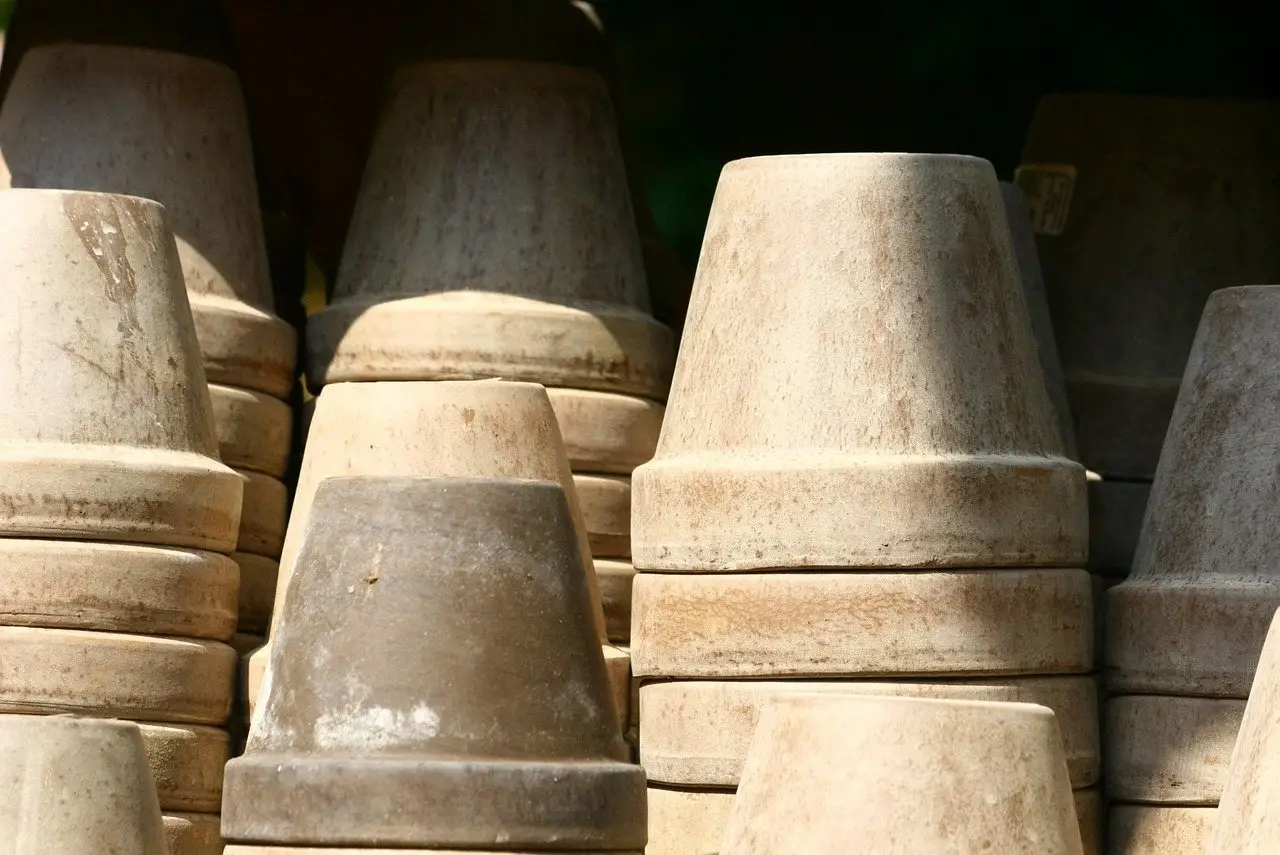
Most used compost is fine for another season once it is loosened, topped up and fed. Replace it outright only after disease or in seed trays.
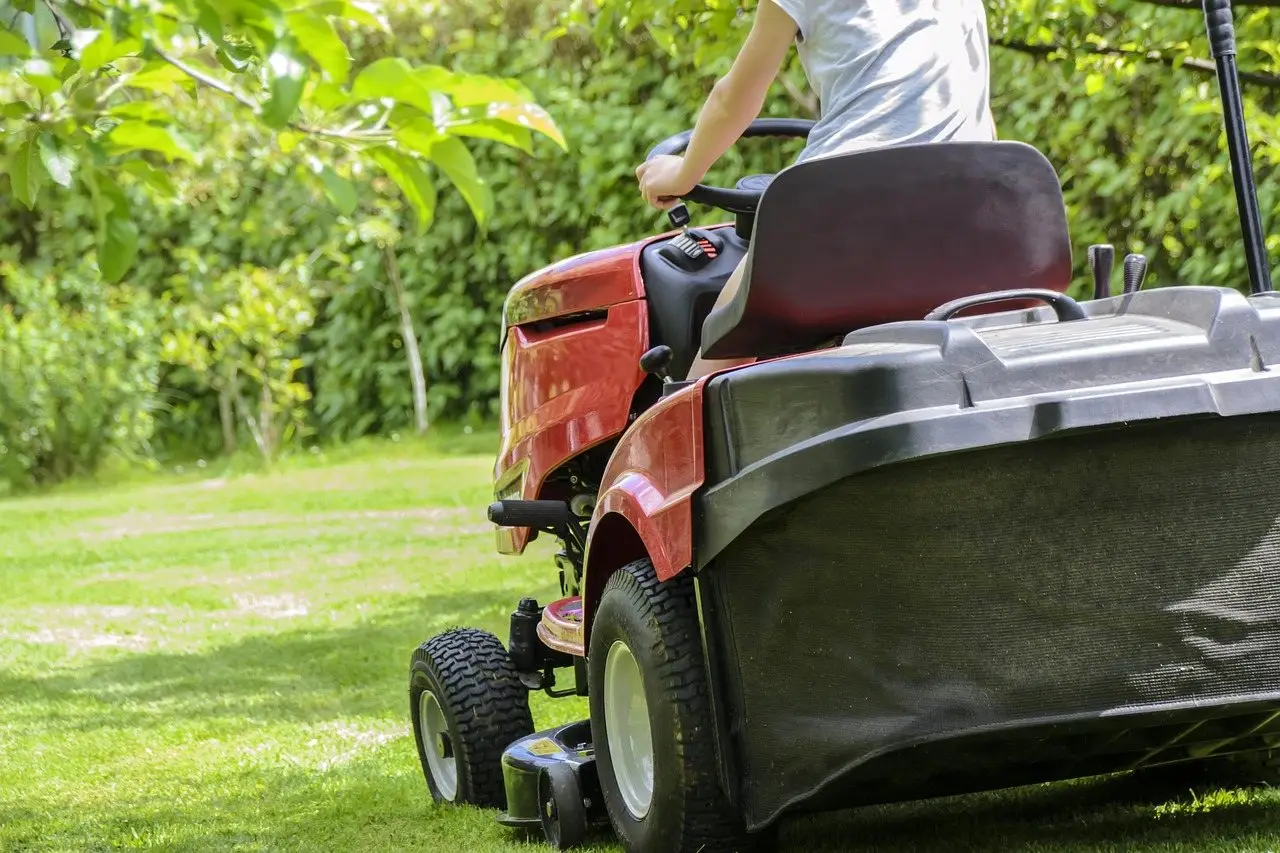
Mowing kills almost no ticks directly. What it does is remove the humid shade they need, which is a slower but far more effective control.
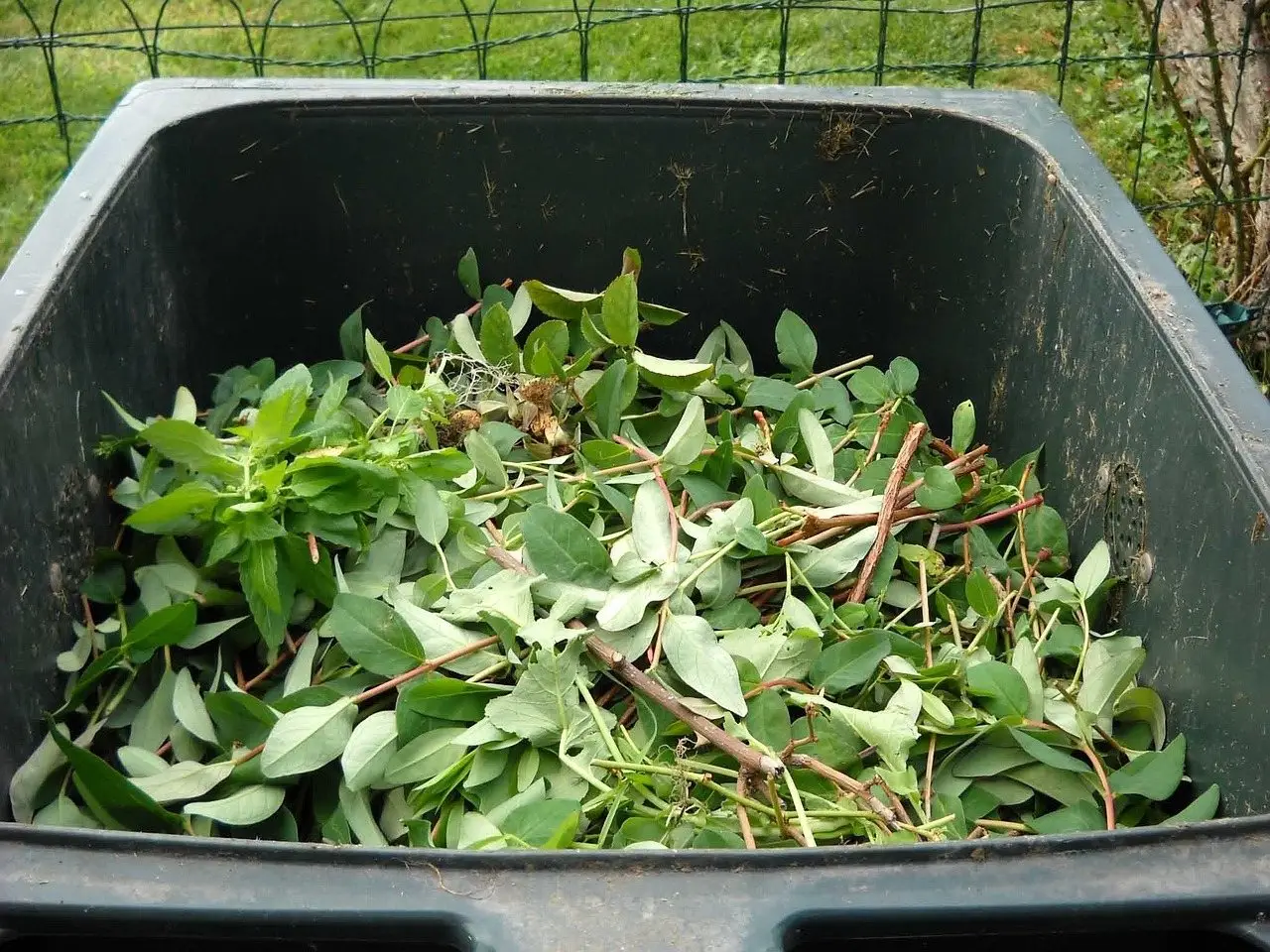
Good compost smells sweet and earthy. Ammonia means too much green, rotten eggs means too wet and airless — both are fixed by adding browns and turning.
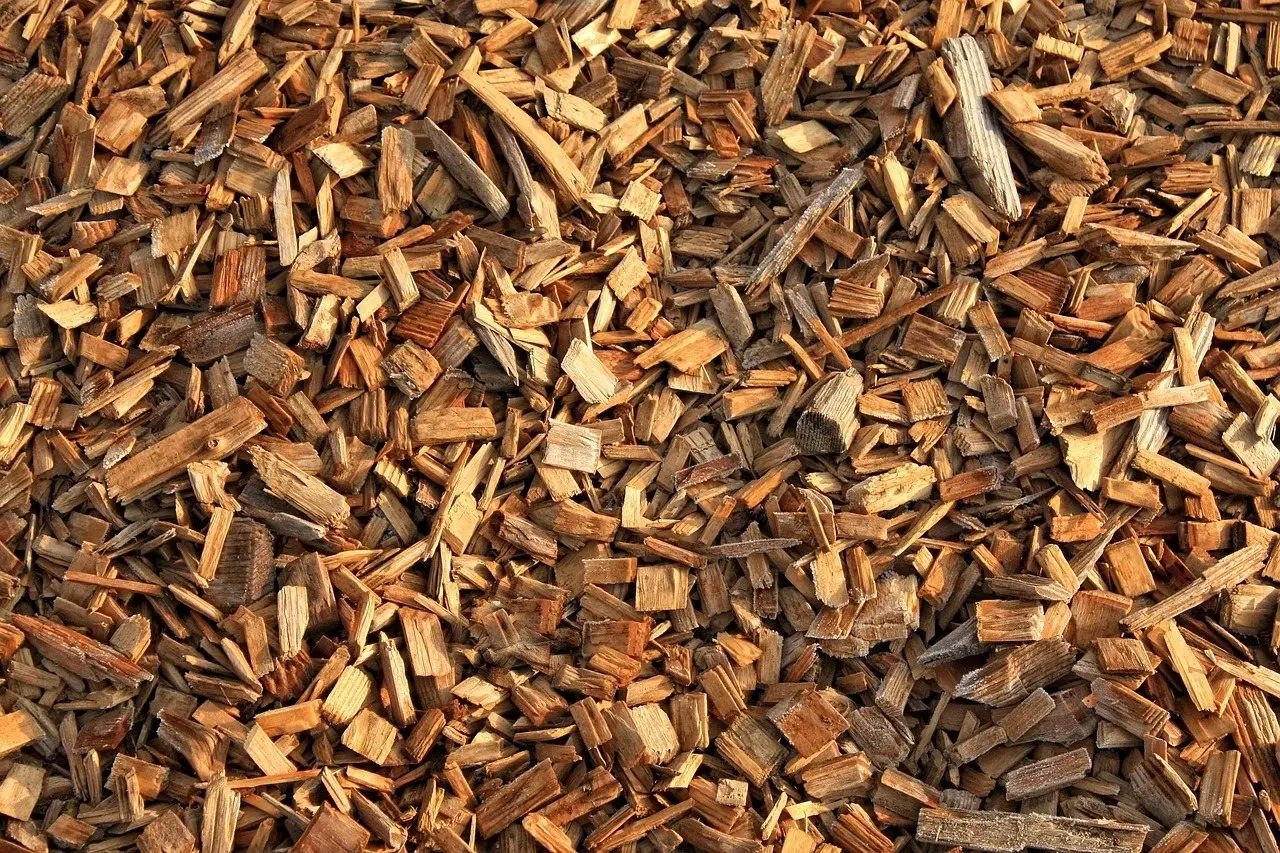
Wood chips and bark decompose into humus over two to five years, feeding the soil as they go. Rubber, stone and plastic never do.
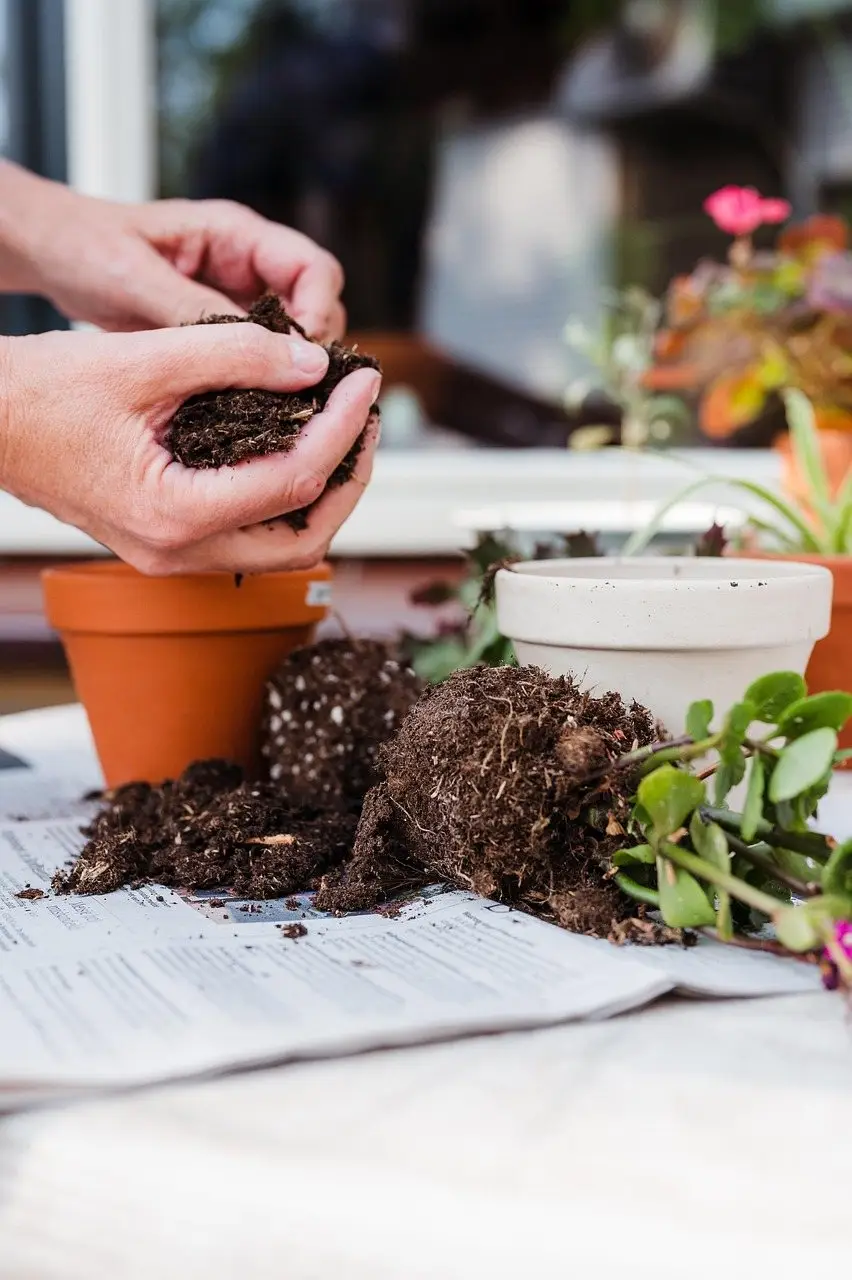
Perlite holds a little water on its rough surface but almost none inside. It is in the mix to create air pockets, which is what roots actually need.
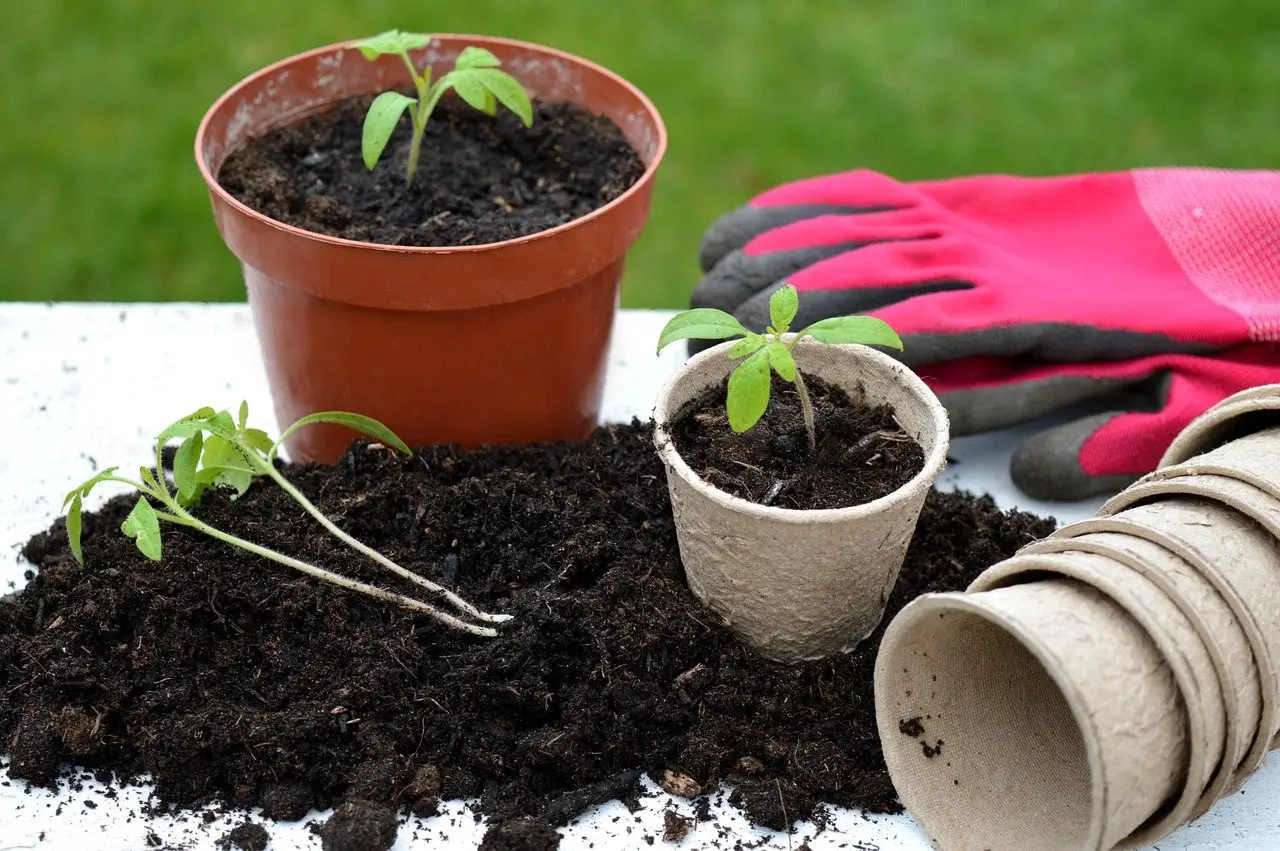
Tomatoes root to 60 cm given the chance but will crop in 30. Container width matters as much as depth, and volume decides how often you water.
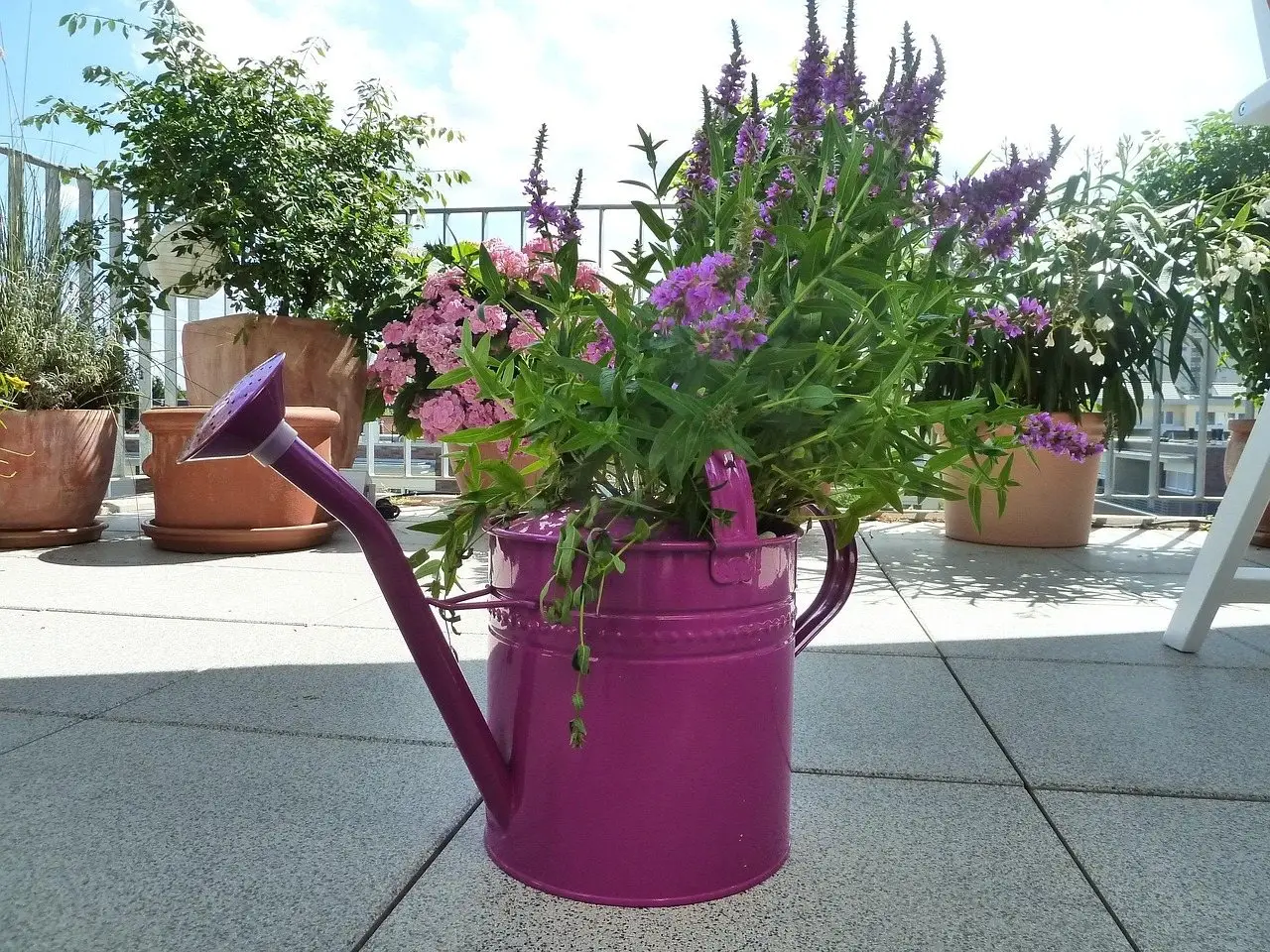
Containers need feeding every one to two weeks once compost runs out. Ground-grown plants often need nothing beyond annual compost.
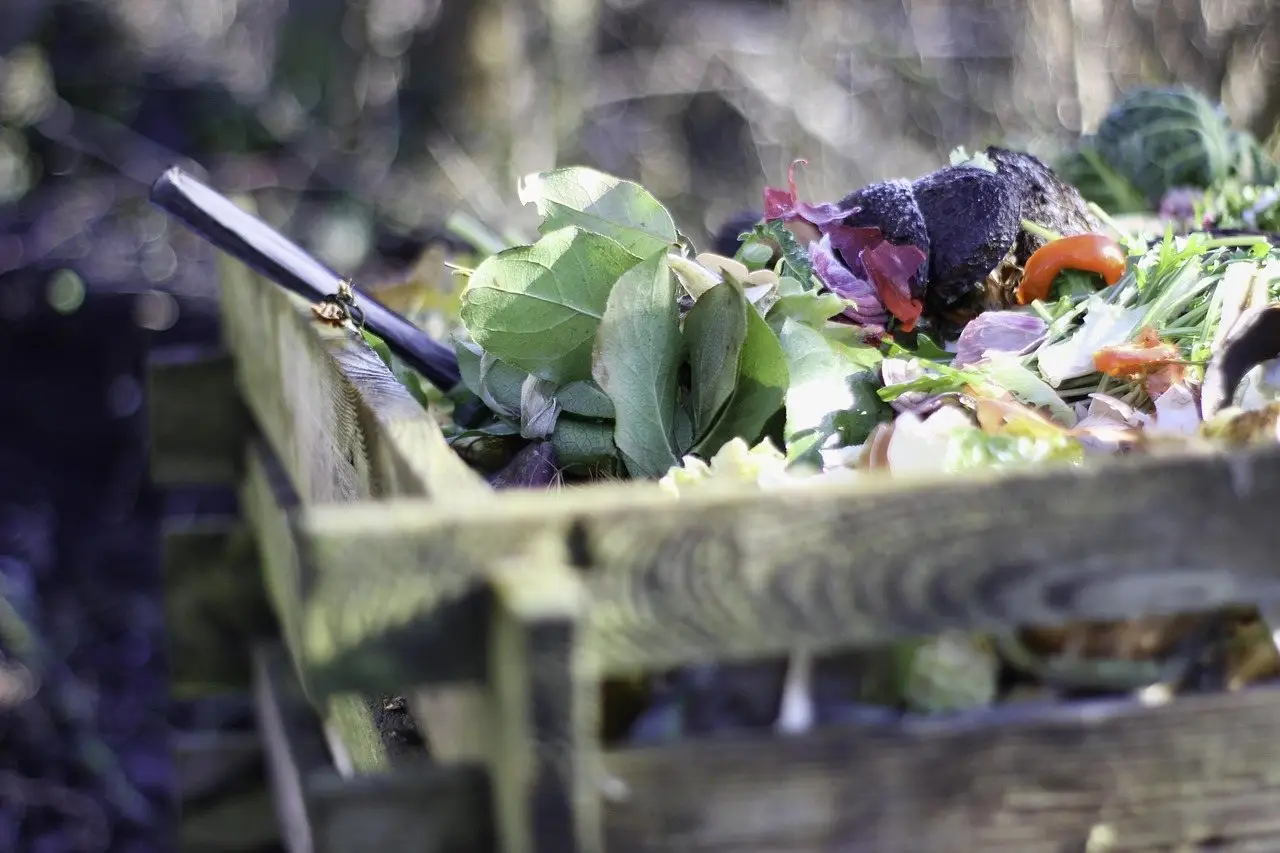
Urine is a genuine nitrogen source and roughly an 11-1-2 feed. Undiluted it scorches plants and salts the soil, so 1:10 is the working ratio.
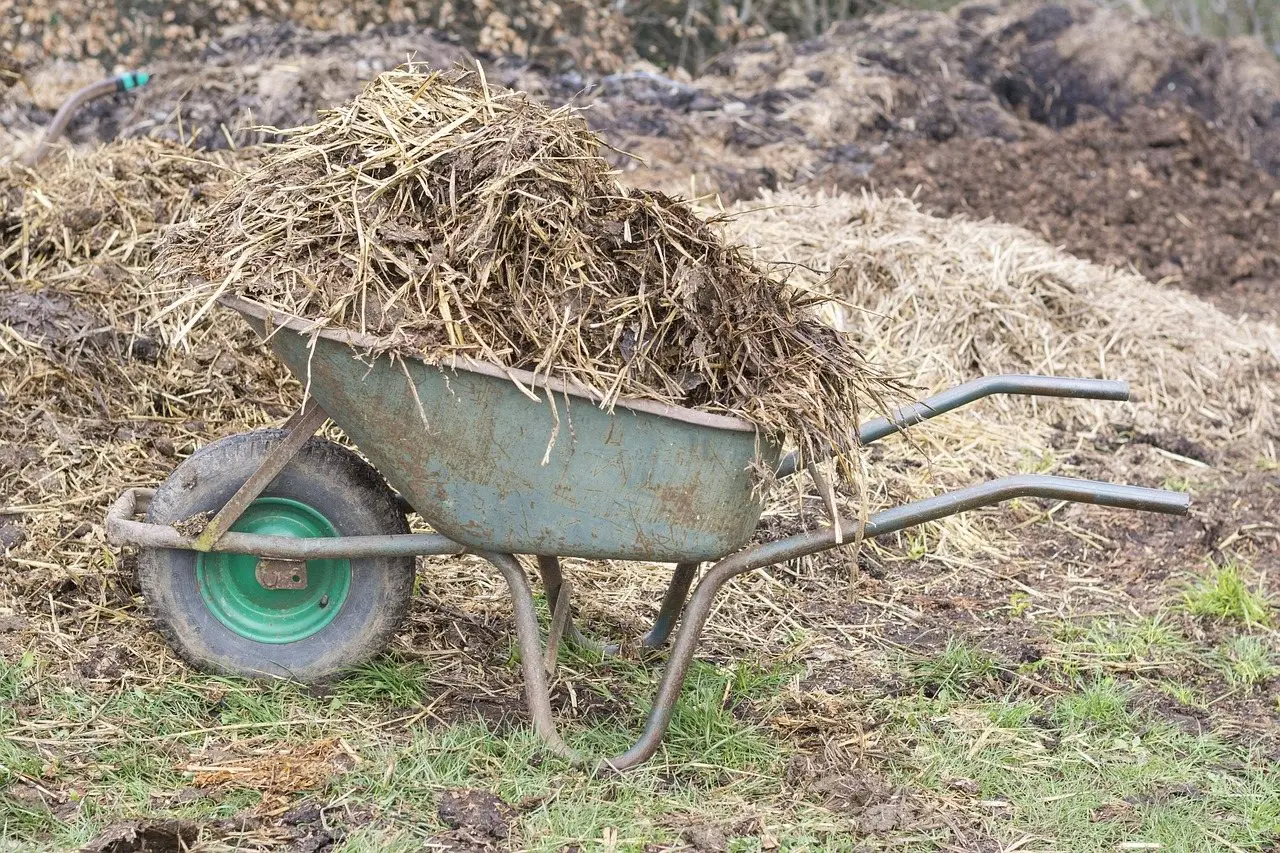
Fresh manure burns roots, carries pathogens and weed seed, and locks up nitrogen as it rots. Composting fixes all four problems and costs six months.
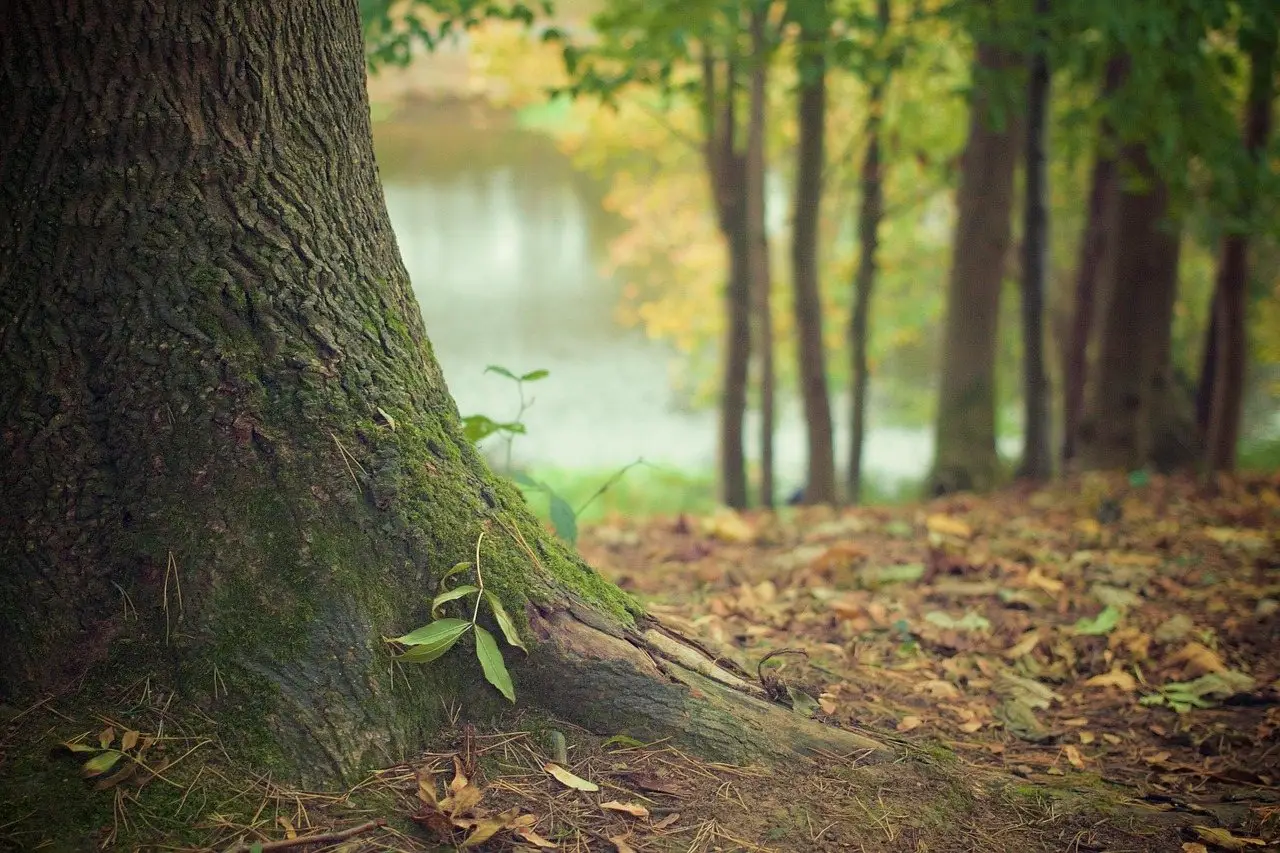
A wide, shallow ring of mulch is one of the best things you can do for a tree. Piling it against the bark is one of the worst, and it is common.
Granules stick to wet blades instead of falling to the soil, and concentrated salt sitting on leaf tissue scorches it. Water it in or wait until dry.
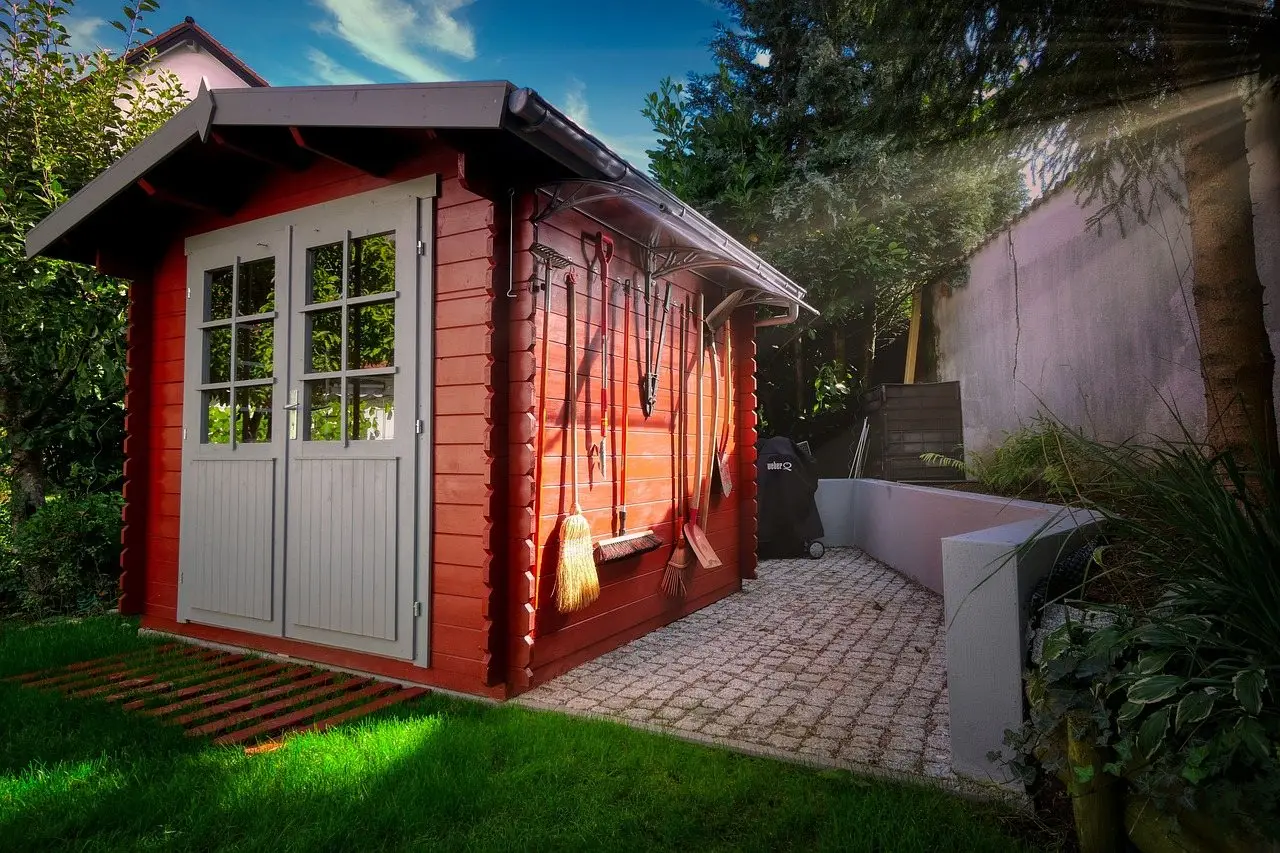
A flush band of paving or brick between lawn and bed that a mower wheel can run on, so the blade cuts the edge and nothing needs trimming by hand.

A fast-acting nitrogen feed made from fish processing by-product. Emulsion is cooked and deodorised; hydrolysate is cold-processed and richer.
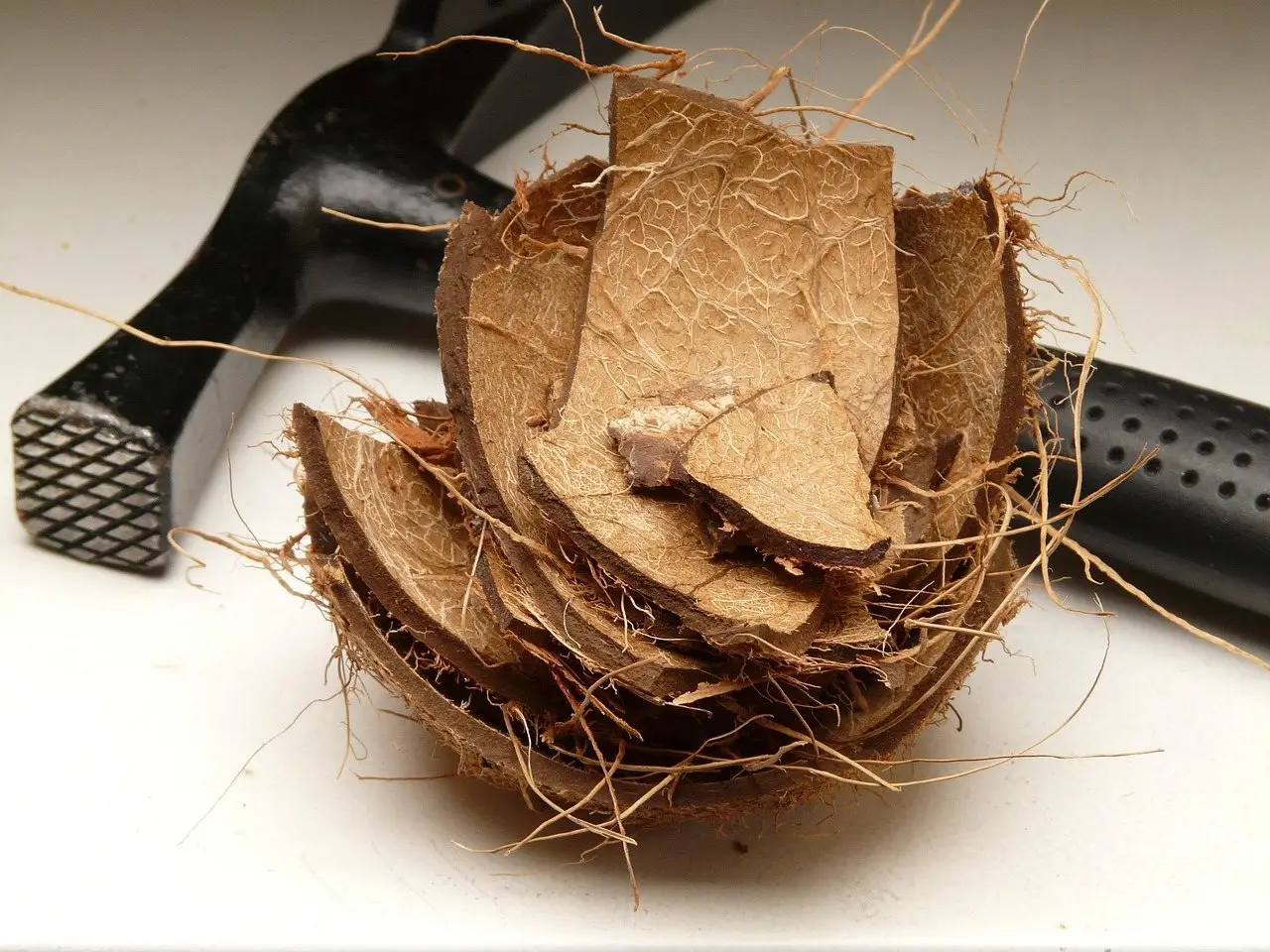
Coir is the fibre left over from coconut processing, used as a peat substitute. It holds water well, has almost no nutrients, and needs buffering.
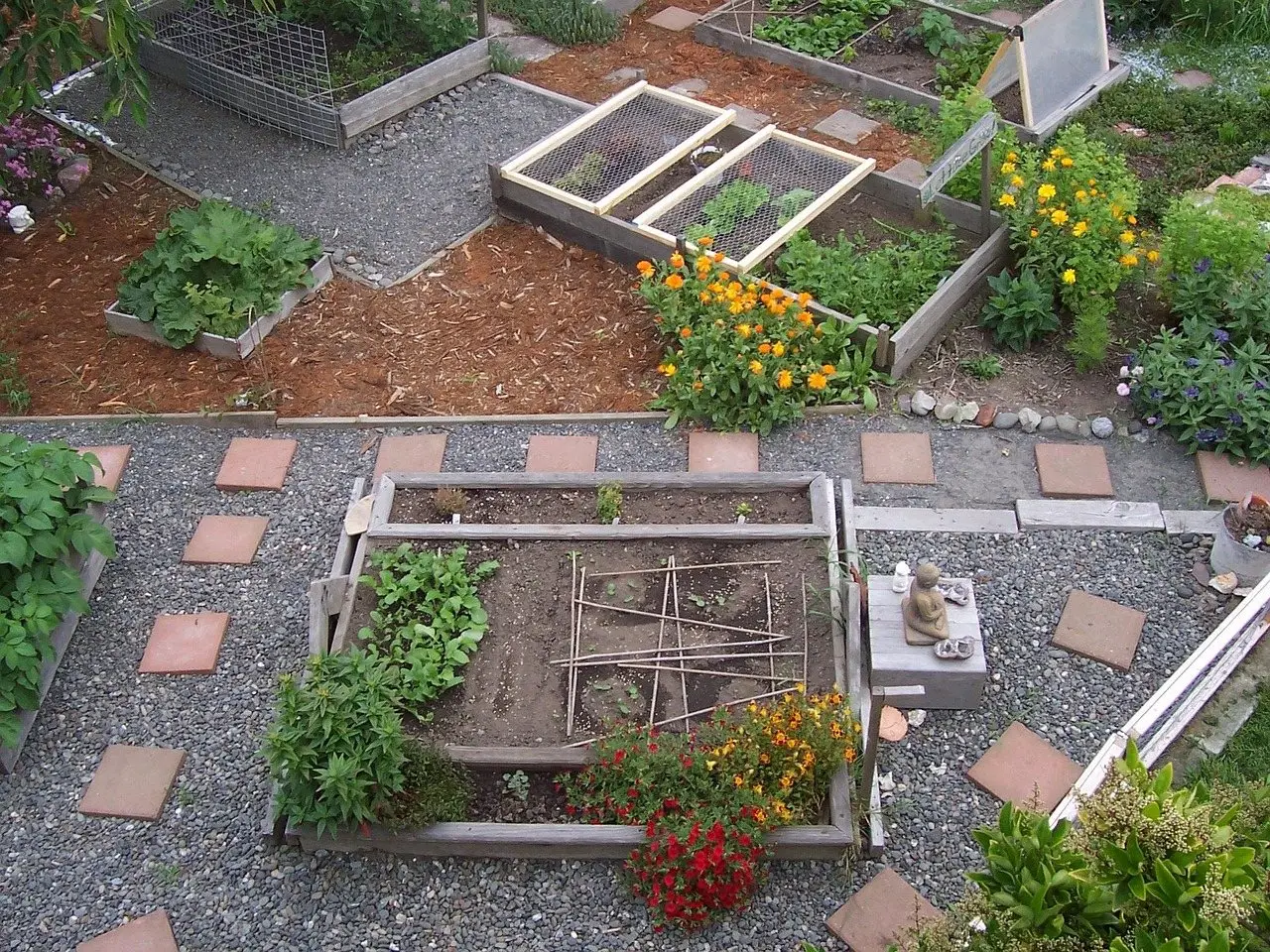
Any mulch at 7–10 cm suppresses weeds well. Coarse bark lasts longest, but nothing stops seeds landing on top and germinating in the mulch itself.
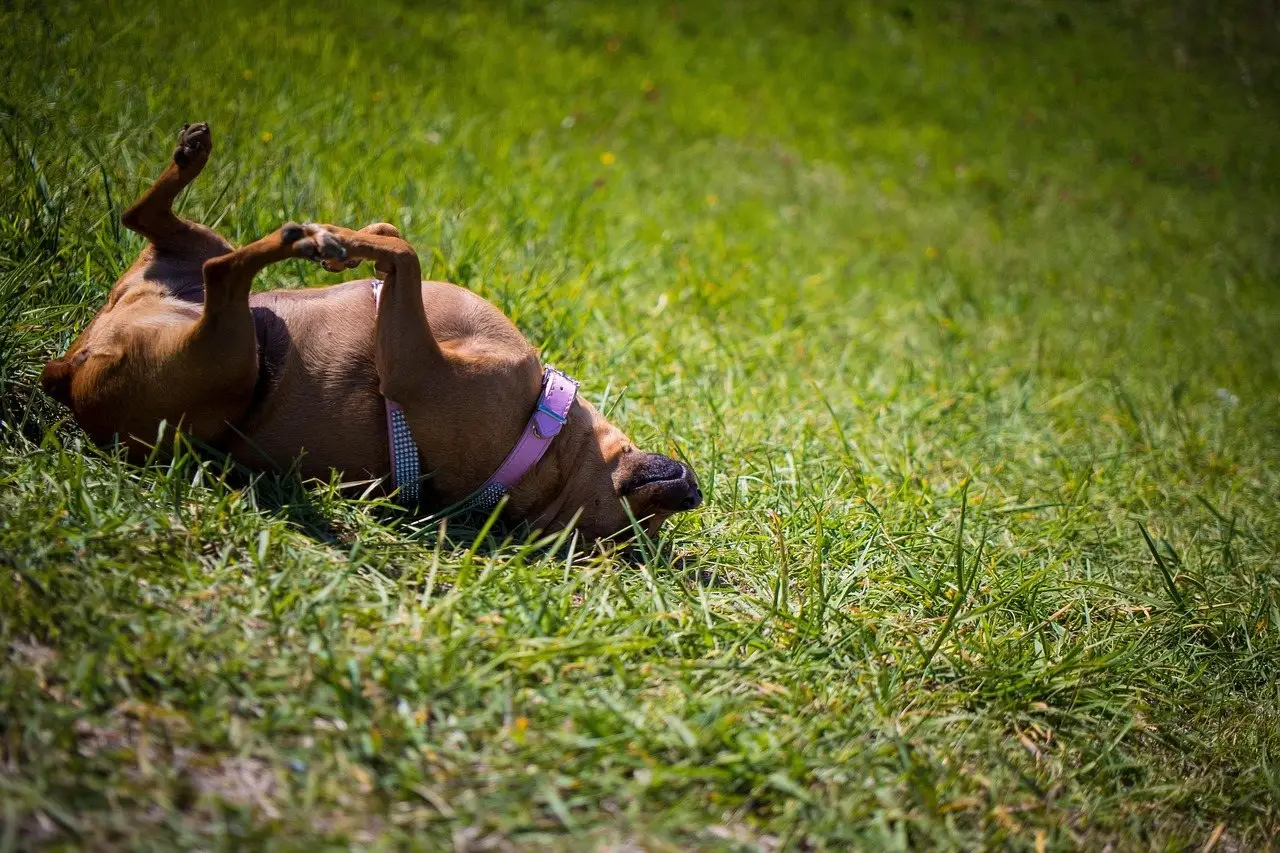
Tall fescue and perennial ryegrass tolerate urine better than Kentucky bluegrass or Bermuda. But watering the spot within hours beats any variety.
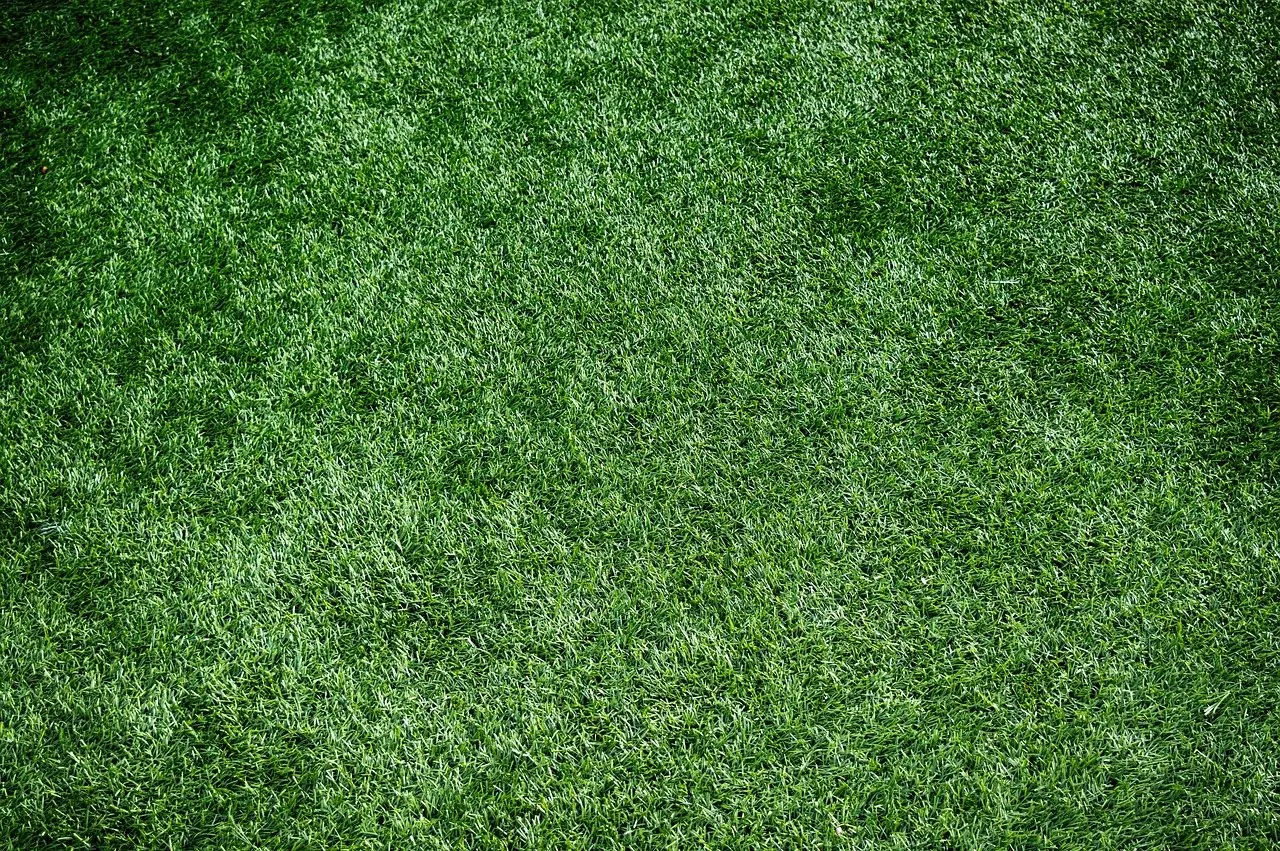
Plastic turf gets dangerously hot, kills the soil life beneath it, sheds microplastics and has no realistic recycling route at end of life.
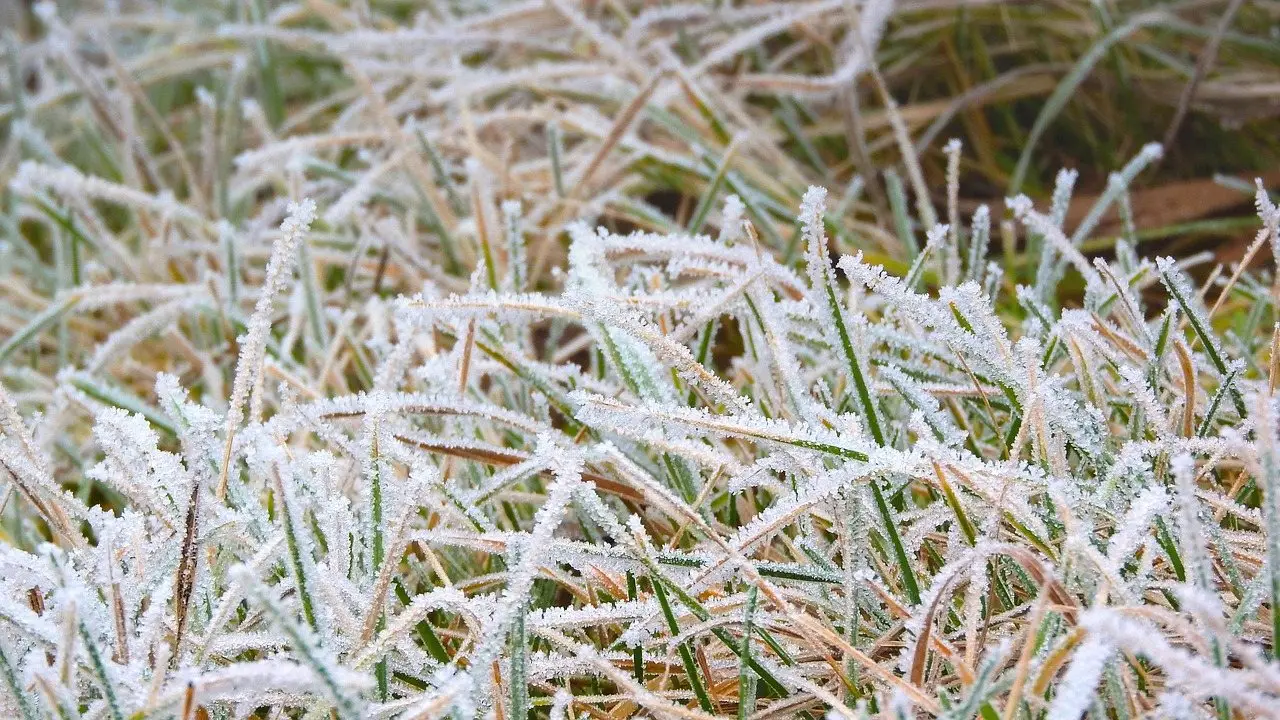
Ungerminated seed sits through frost unharmed and waits for spring. It is the seedling stage, after germination, that frost destroys outright.
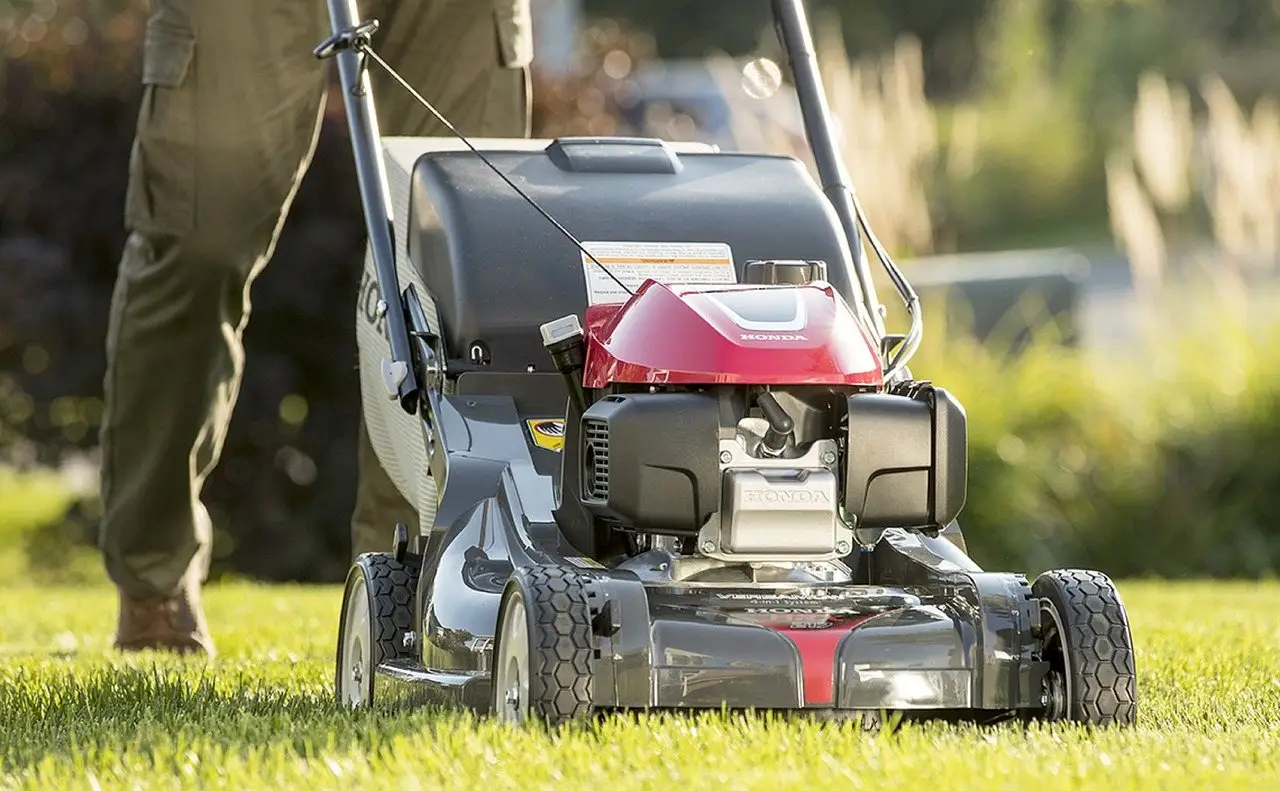
Most walk-behind mower bolts are standard right-hand thread — turn left to loosen. A few are reversed, so here is how to check before you round the bolt.
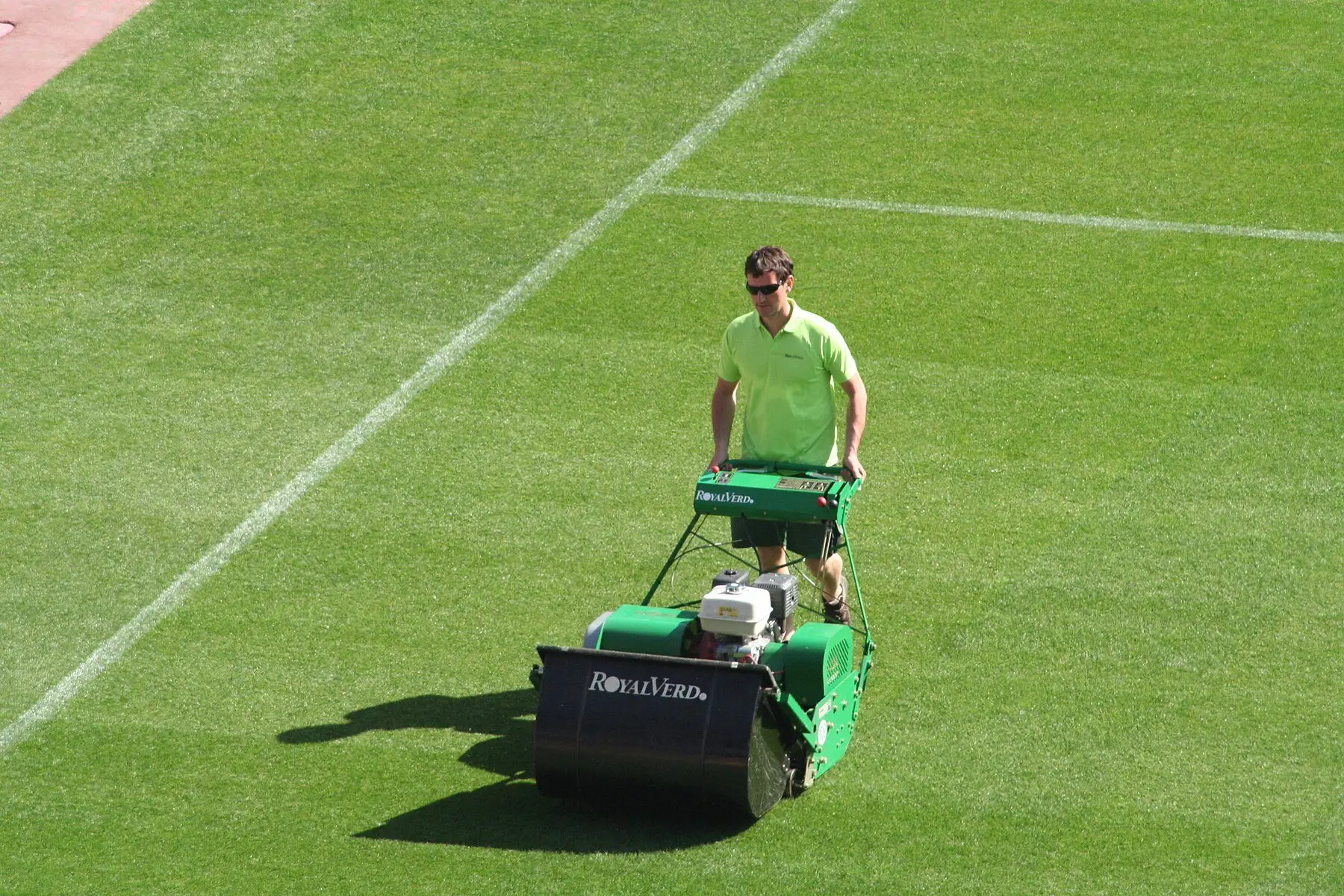
Mowing wet grass tears rather than cuts, clumps, compacts soil and spreads disease. If you have no choice, five adjustments limit the damage.
Pure compost is too rich and too loose to work as topsoil. Blended at roughly one part compost to three parts soil, it does the job properly.
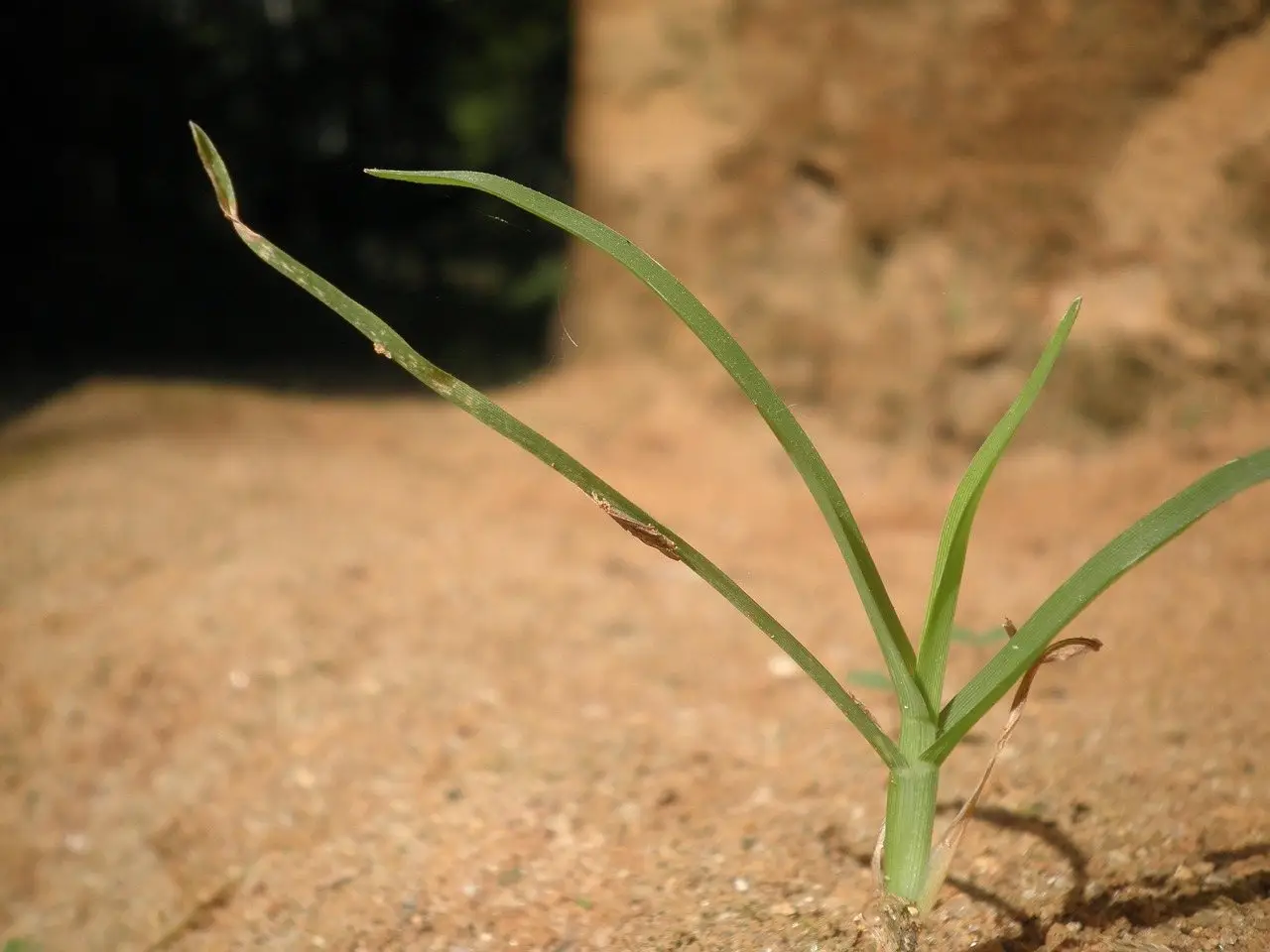
Stay off entirely until the first mow, which is usually 4 to 6 weeks. Light traffic is survivable after that; normal use needs a full growing season.
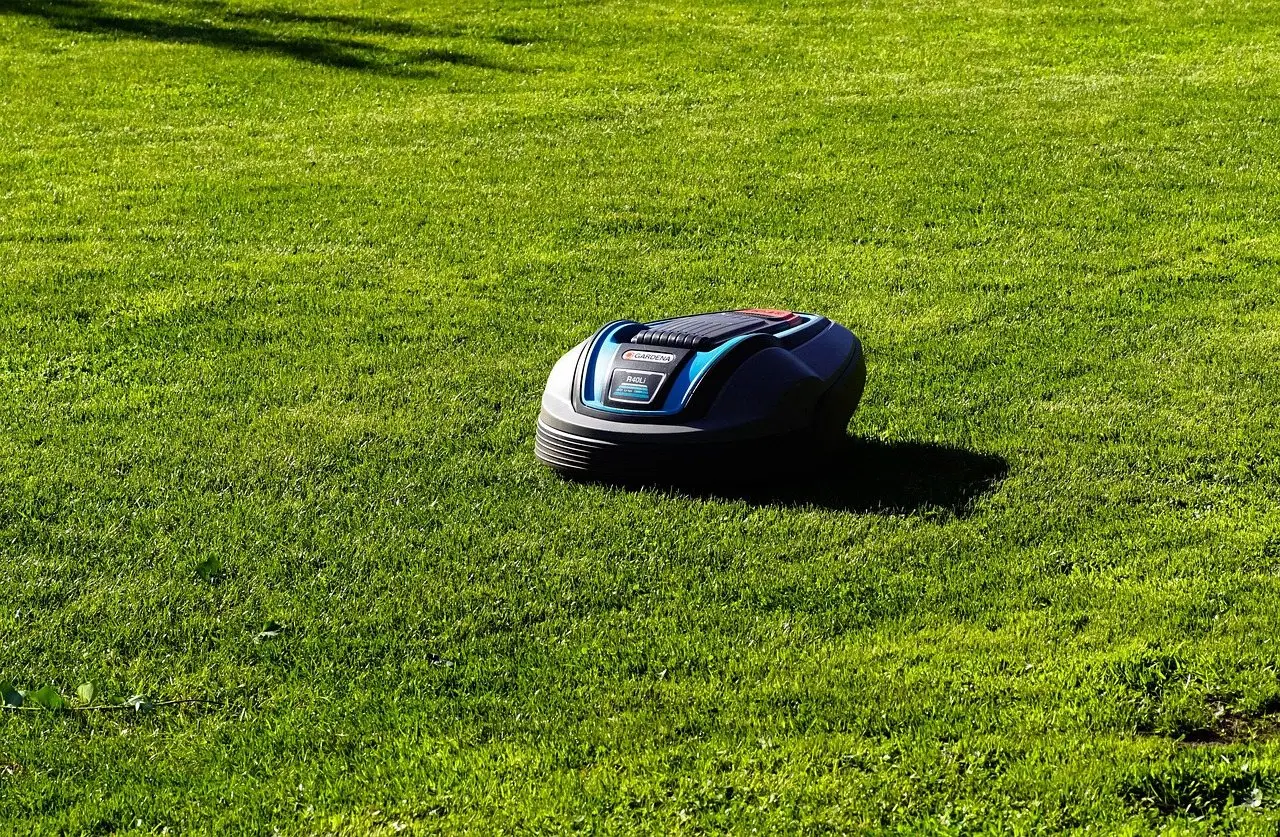
A cordless pack runs 30 to 60 minutes per charge and lasts 3 to 5 years; a riding mower's lead-acid starter battery lasts 3 to 4. Storage decides both.
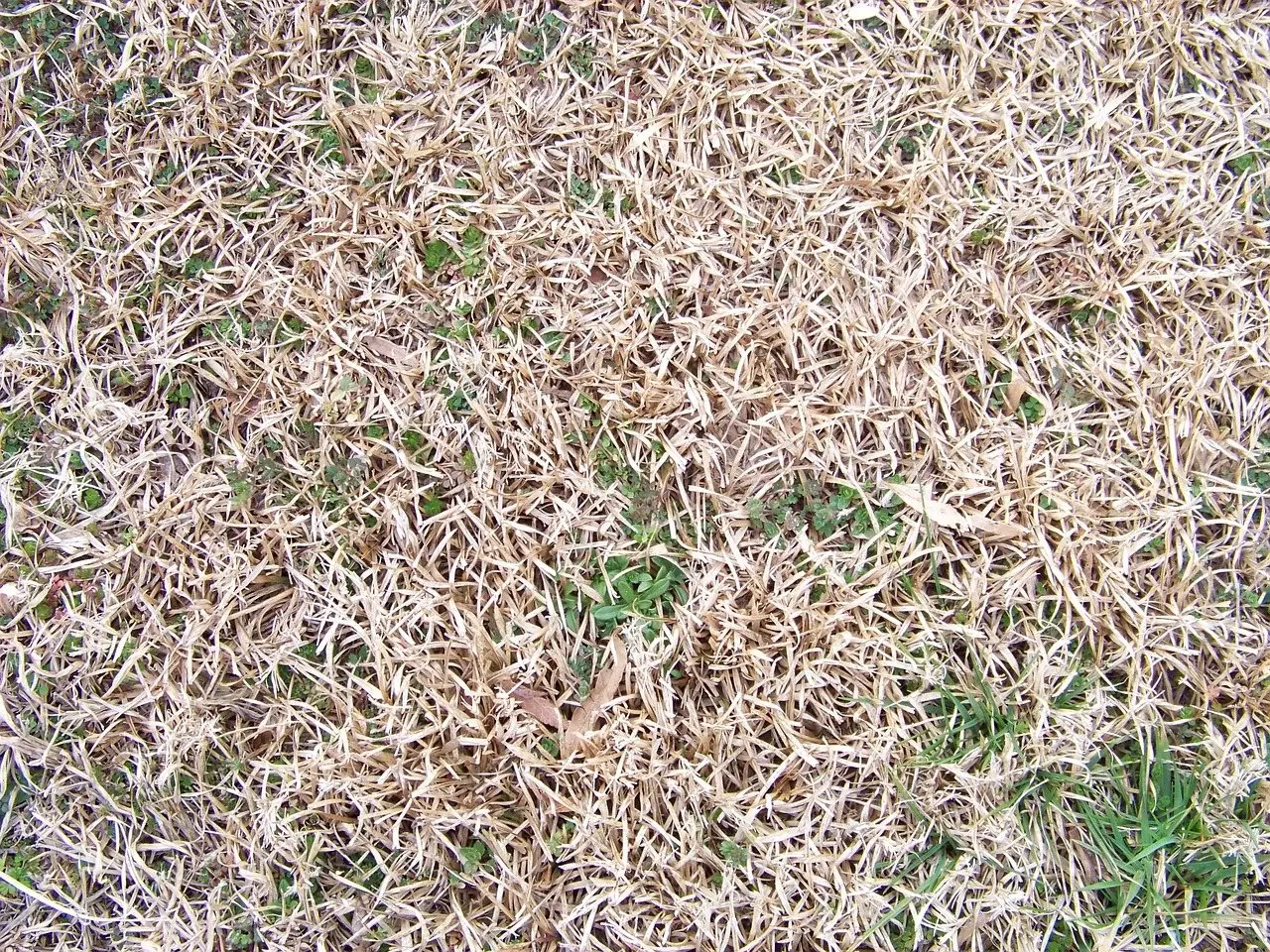
Two to four weeks if the crowns survived, never if they did not. One tug on the dead grass tells you which situation you are in before you spend anything.
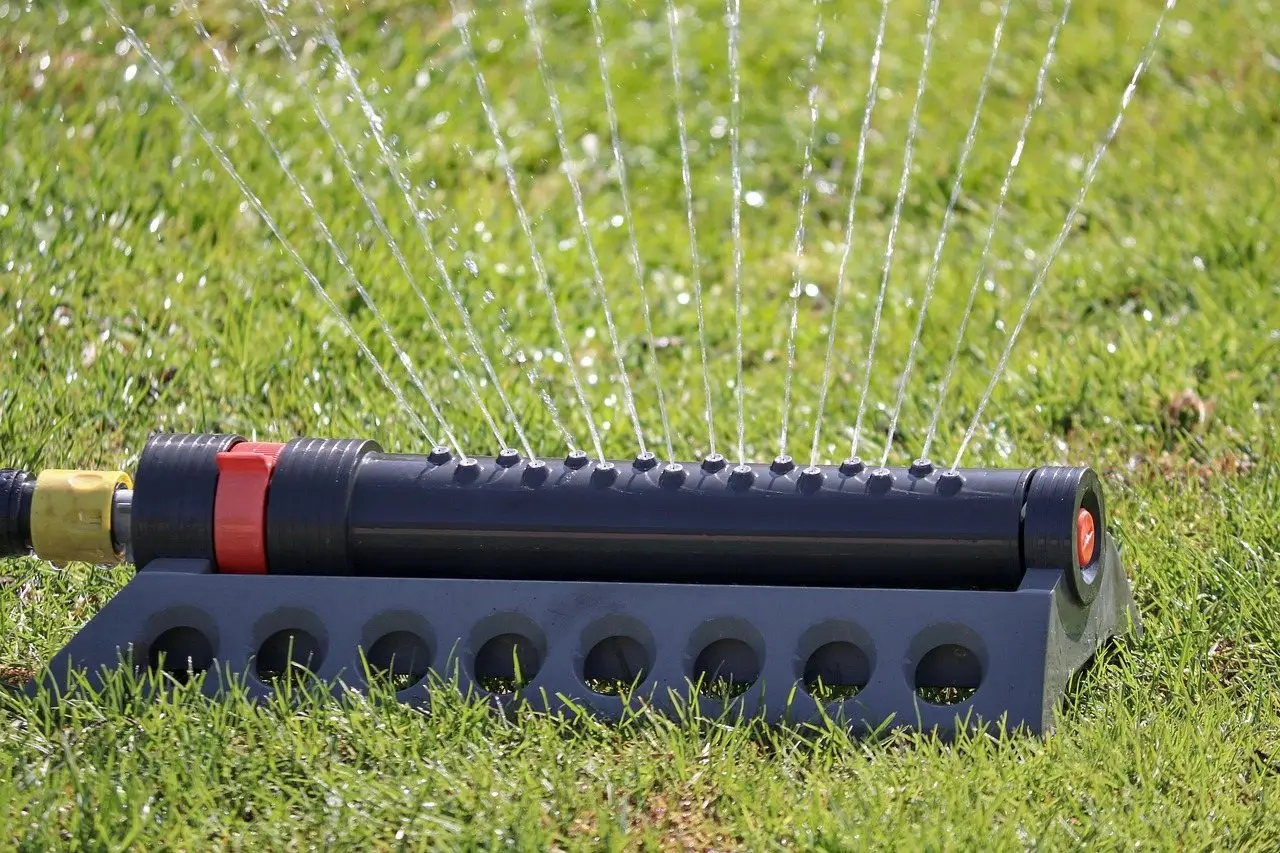
Quick-release granules break down in two to five days with watering; coated slow-release prills feed for six weeks to nine months. Water is what starts both.
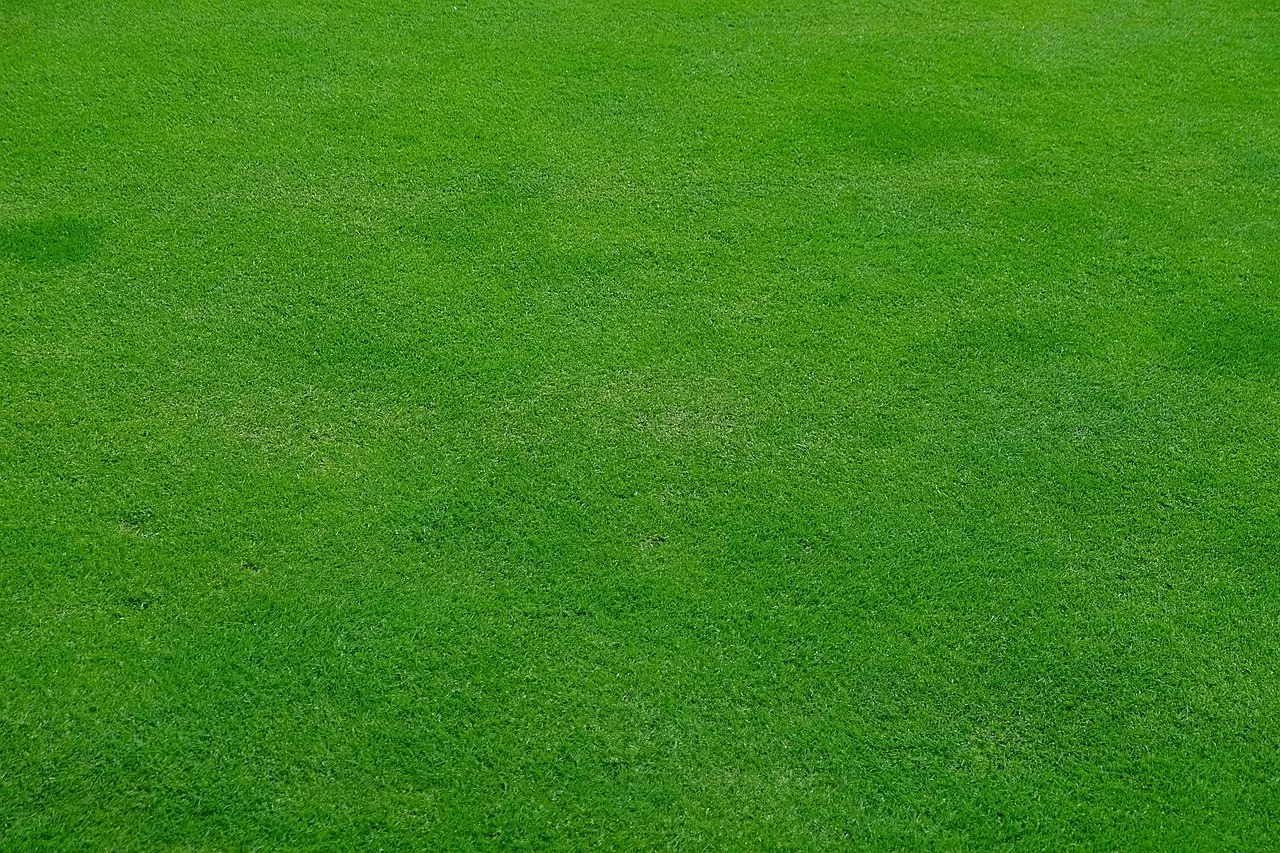
Wait until it is a third taller than your target height — about 3 to 4 inches — not a fixed number of weeks. Sharp blade, dry ground, one third off.
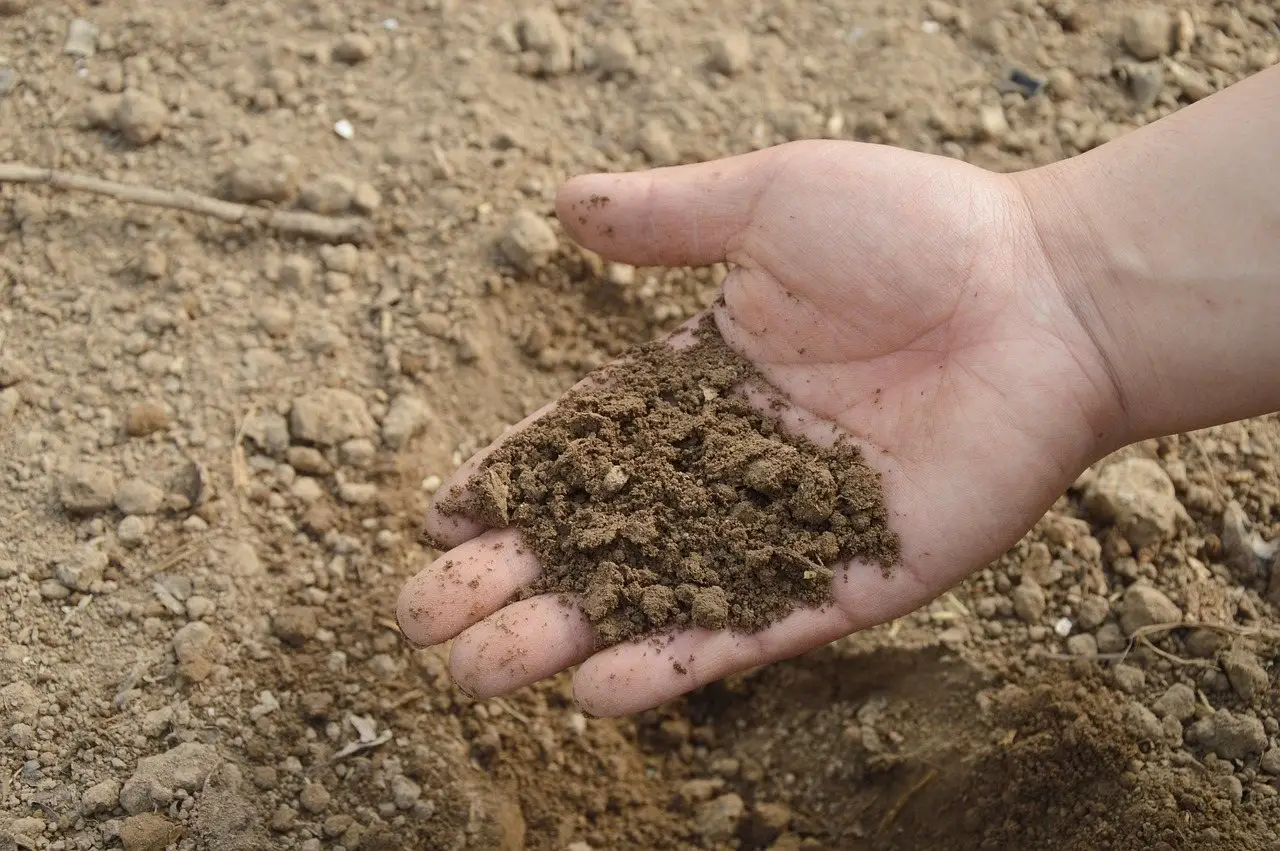
Roughly 1 tablespoon per planting hole and 10 lb per 100 square feet. Bone meal only works in soil below pH 7, which is the part most guides leave out.
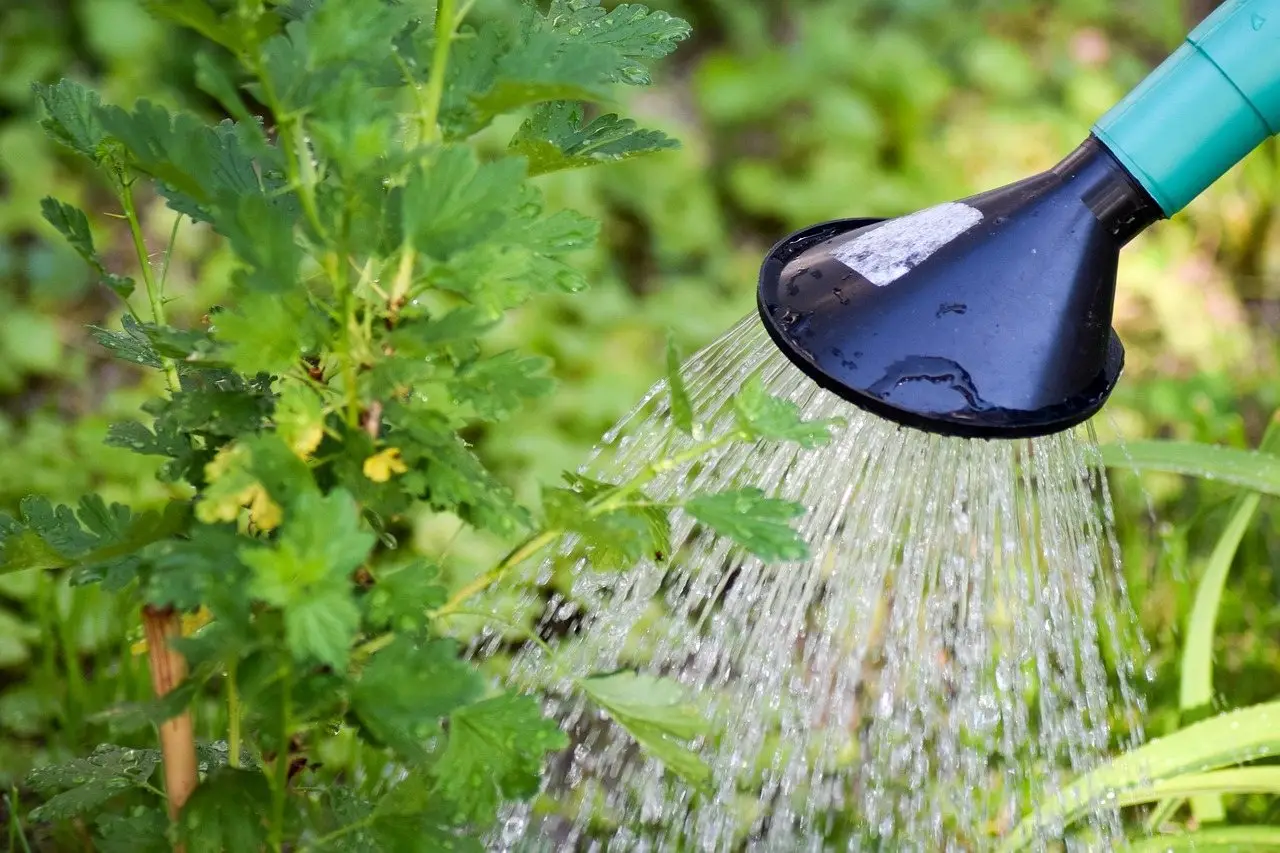
One tablespoon per gallon is the standard rate, monthly at most. It only helps where magnesium is genuinely short, which is rarer than the internet suggests.
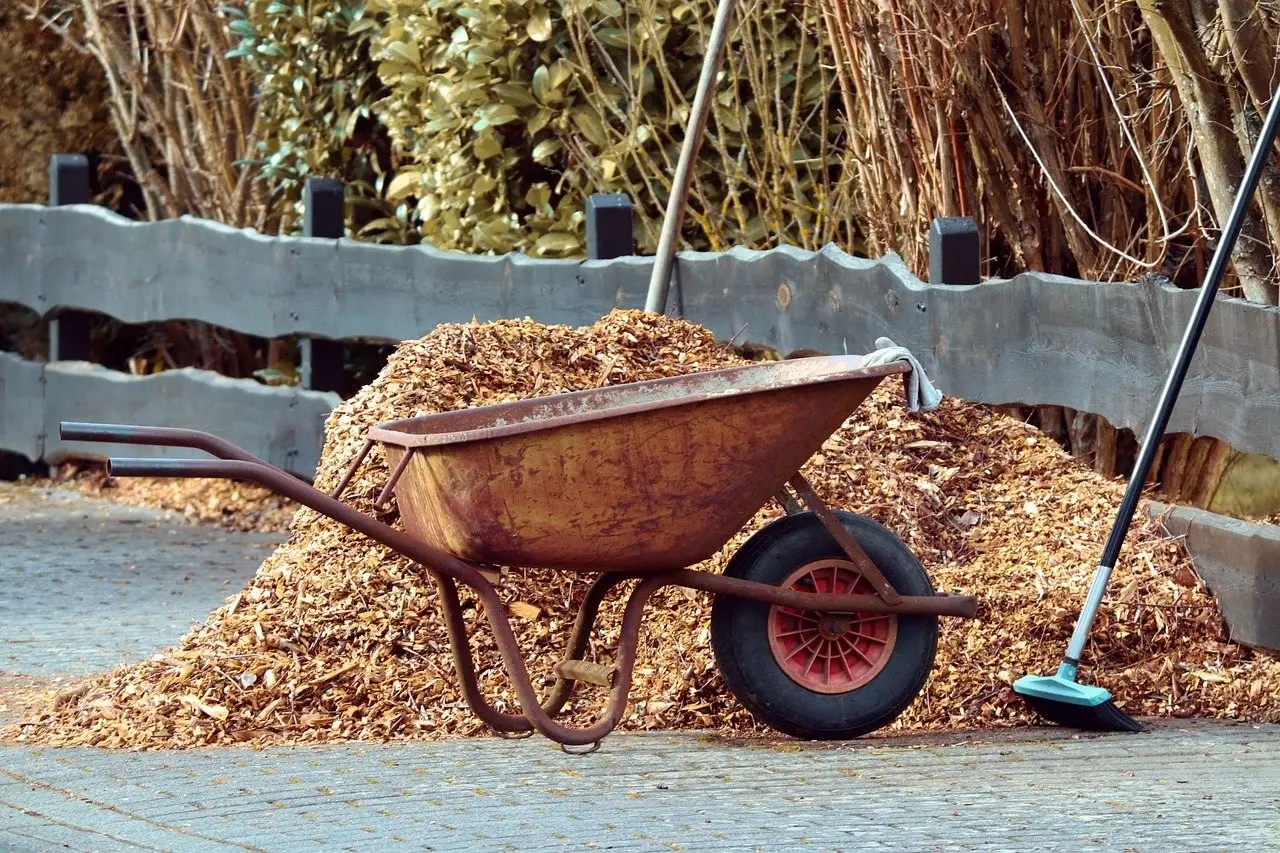
Organic mulch needs topping up annually to keep a 2–3 inch depth, not stripping and replacing. Here is when full removal is genuinely the right call.
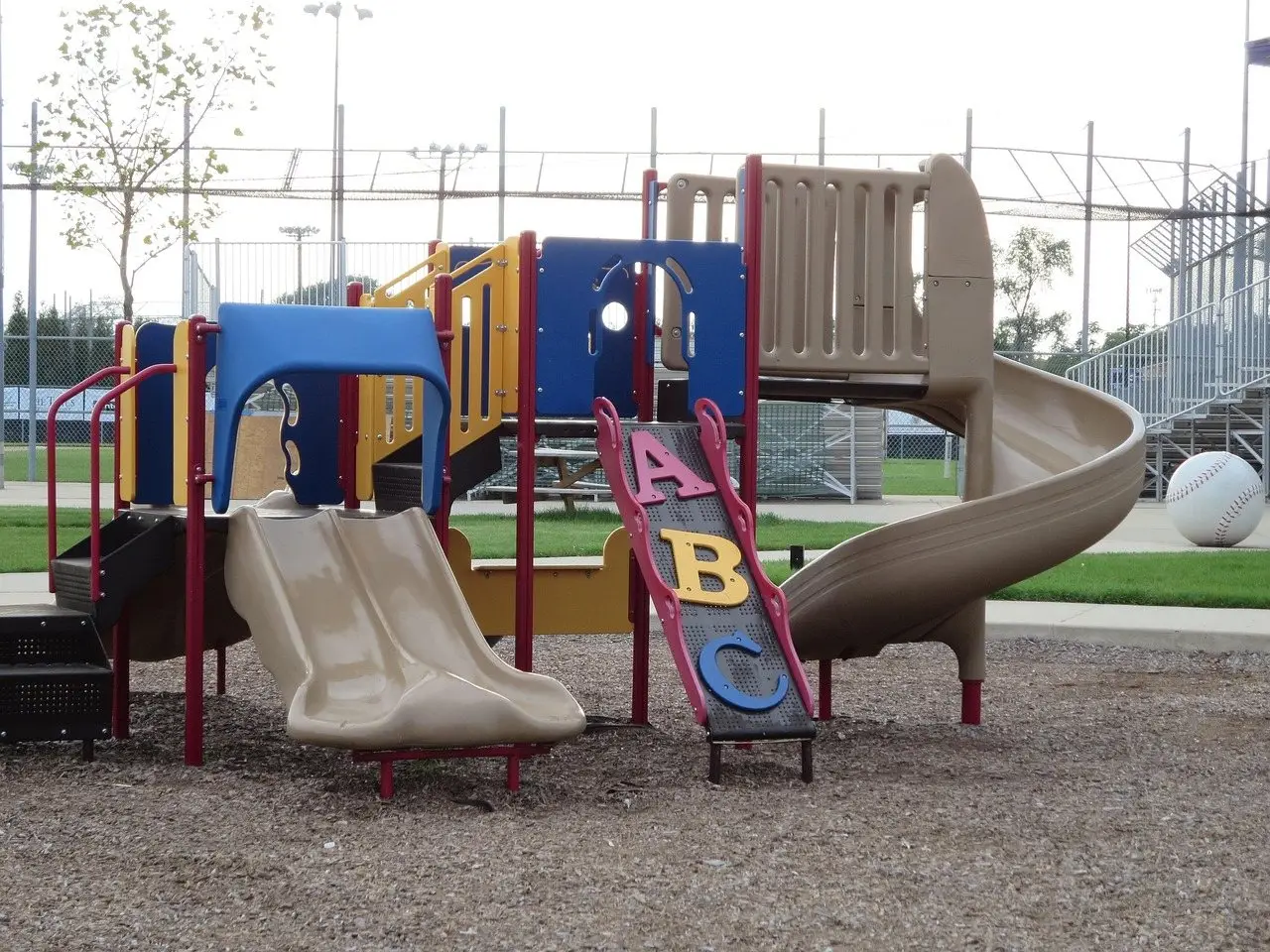
Rubber mulch adds no organic matter, gets very hot, is hard to remove, floats, burns fiercely and leaches zinc. Where it still makes sense, and where it does not.
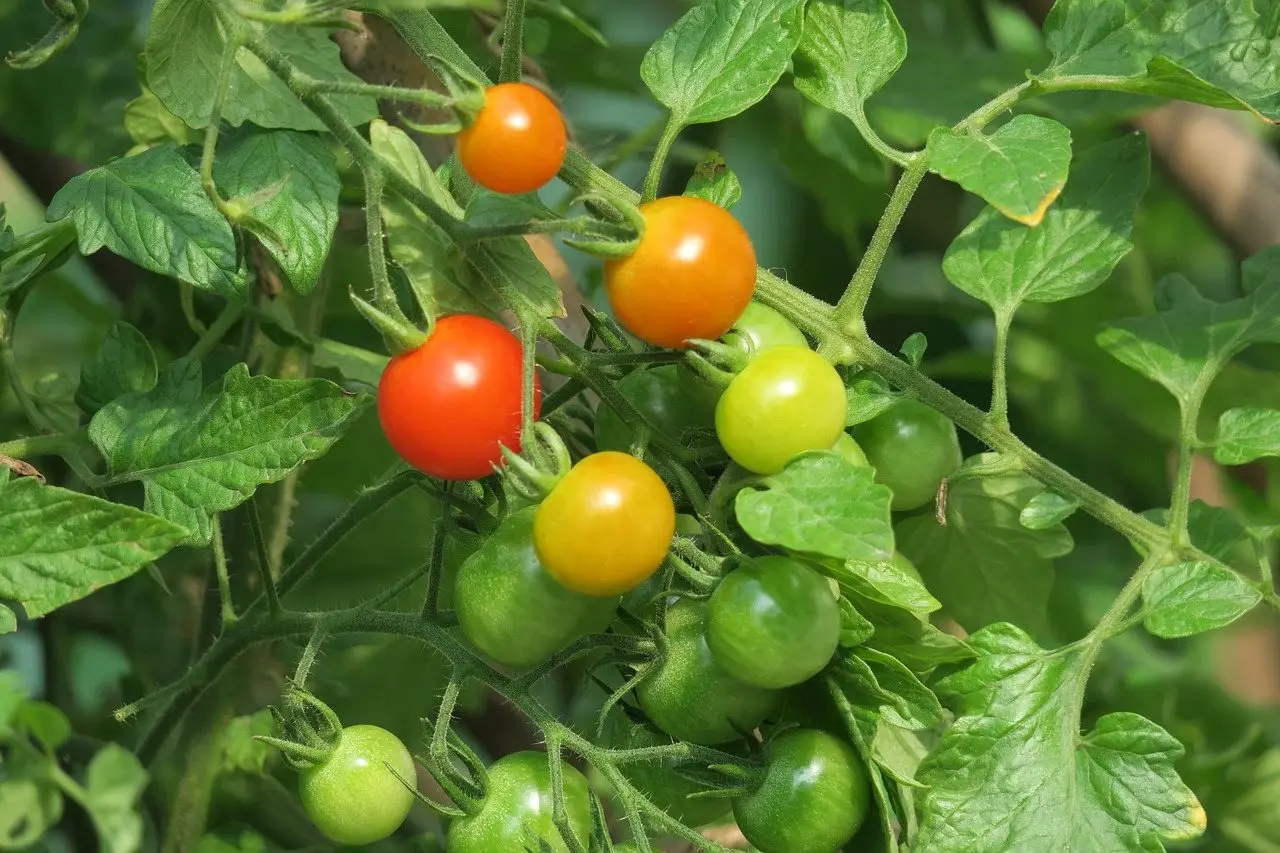
Scorched leaf tips and margins while the veins stay green, worst on the oldest leaves, days after feeding. Here is how to confirm it and what to do next.
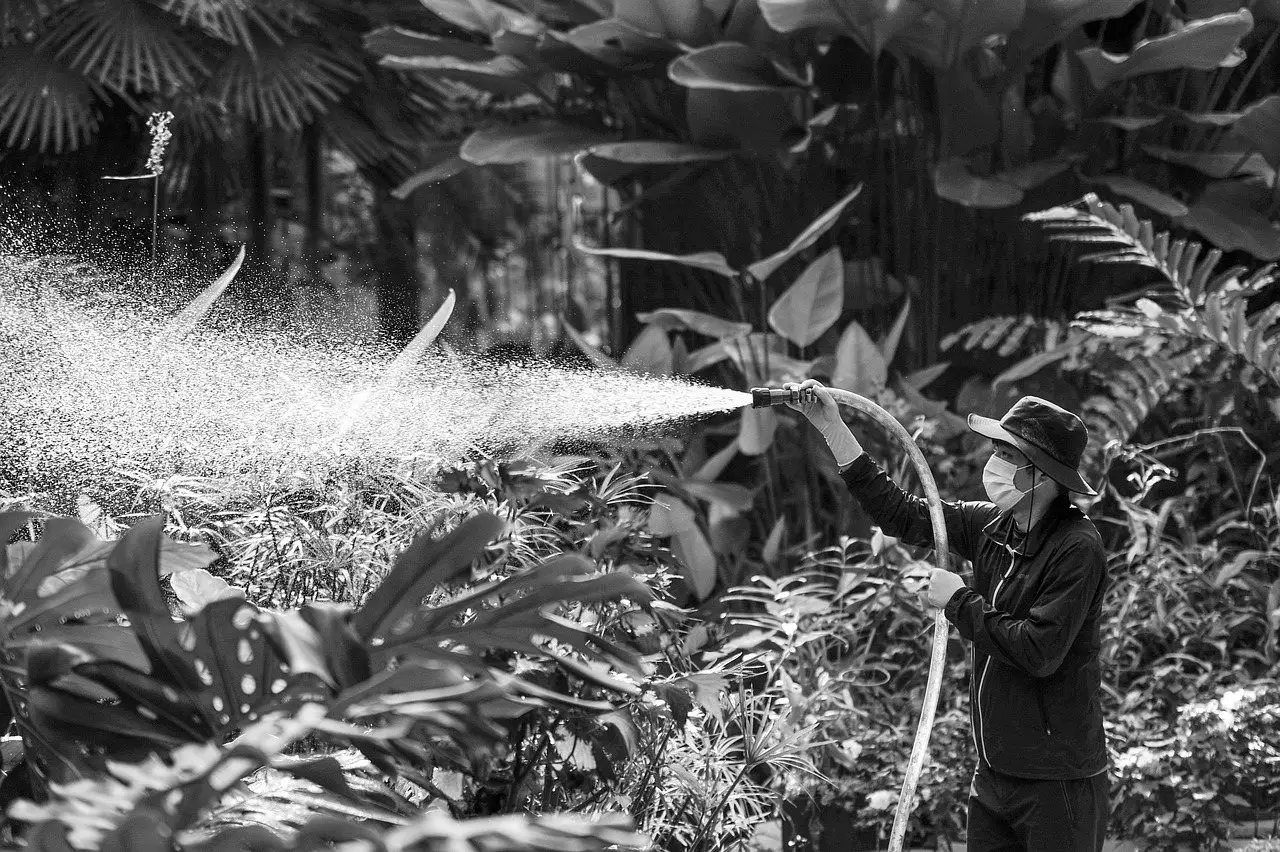
Foliar feeding sprays dilute nutrients onto leaves, which absorb them directly. It acts fast, fixes little, and works best as a top-up rather than a programme.
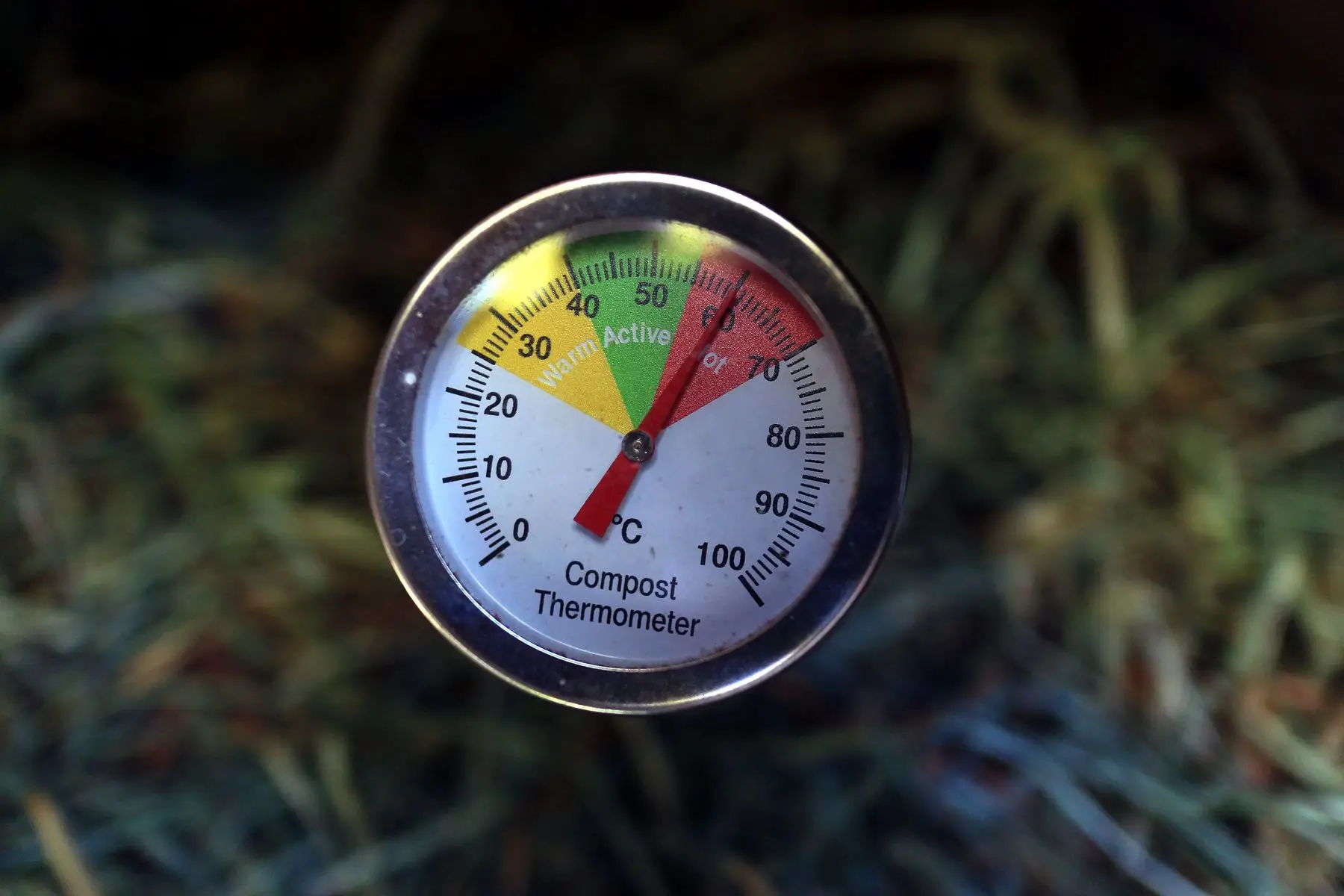
A cold heap does not stop, it idles. Keep adding, insulate the sides, stop turning, and expect finished compost a few weeks later than usual.
Granular feed wants 24 hours and light rain is a benefit. Liquid feed needs 4–6 hours to absorb, and heavy rain within a day washes both away.
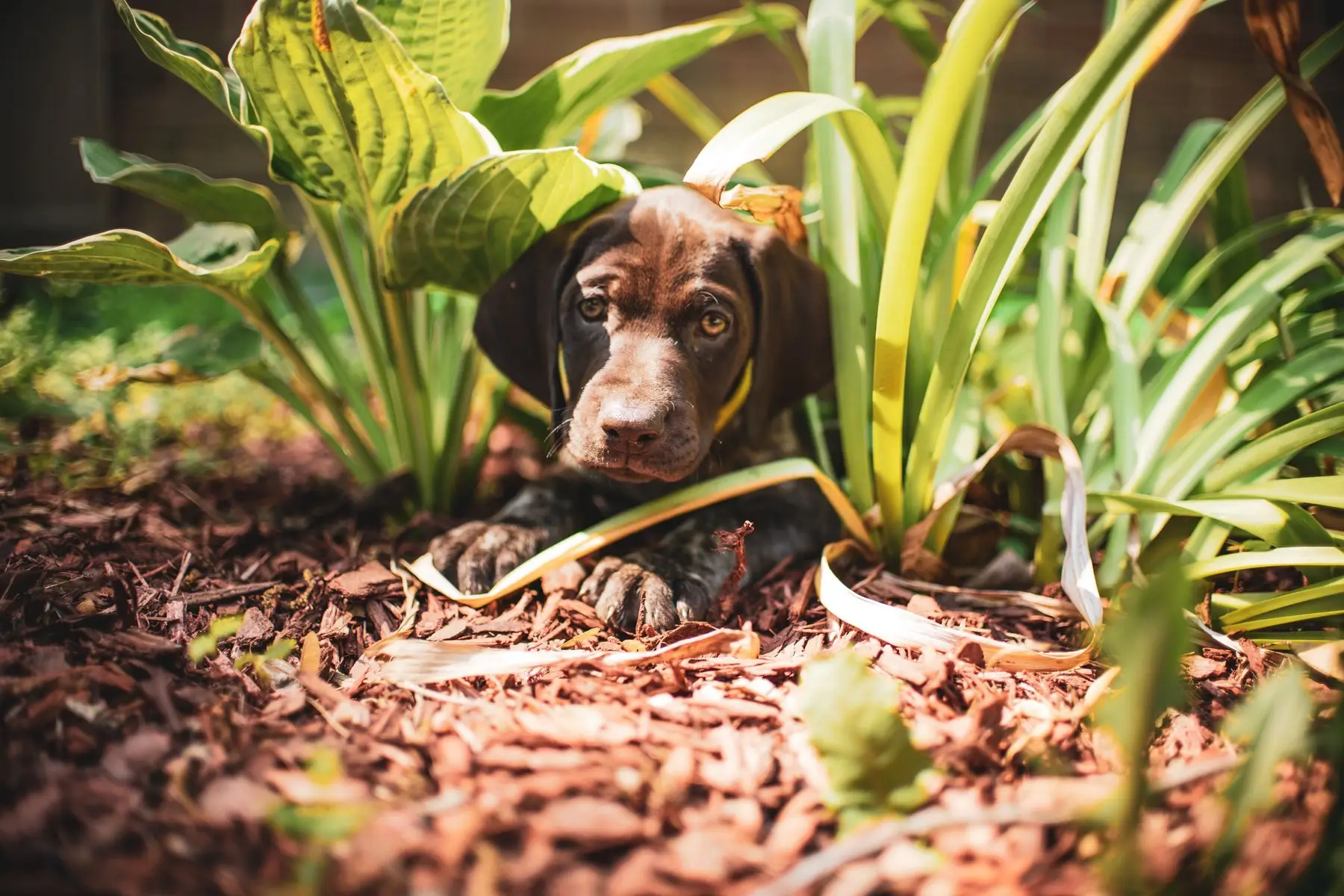
Cedar mulch is one of the safer choices for a dog garden. The real dangers are cocoa mulch, which is toxic, and any mulch a dog actually swallows.
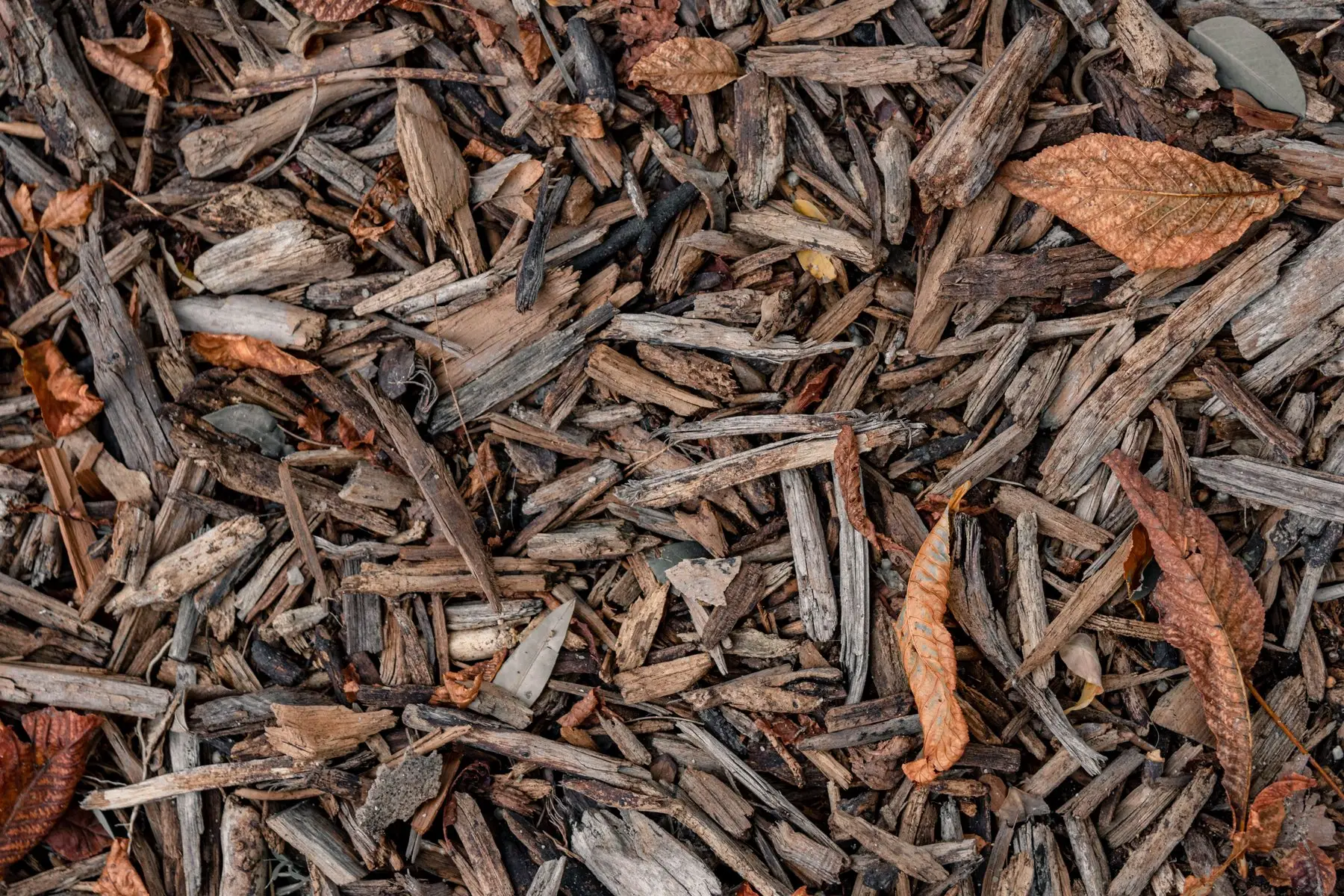
Most old mulch should stay where it is and be topped up. Remove it only if it is matted, mouldy, sour-smelling or harbouring disease.
Green waste collection, a compost heap, mulch or grasscycling. Dumping them in woods or a watercourse is illegal fly-tipping in most places.
Epsom salt is magnesium sulfate, not a herbicide. It won't reliably kill grass, and the vinegar-and-Epsom recipes work through the vinegar.
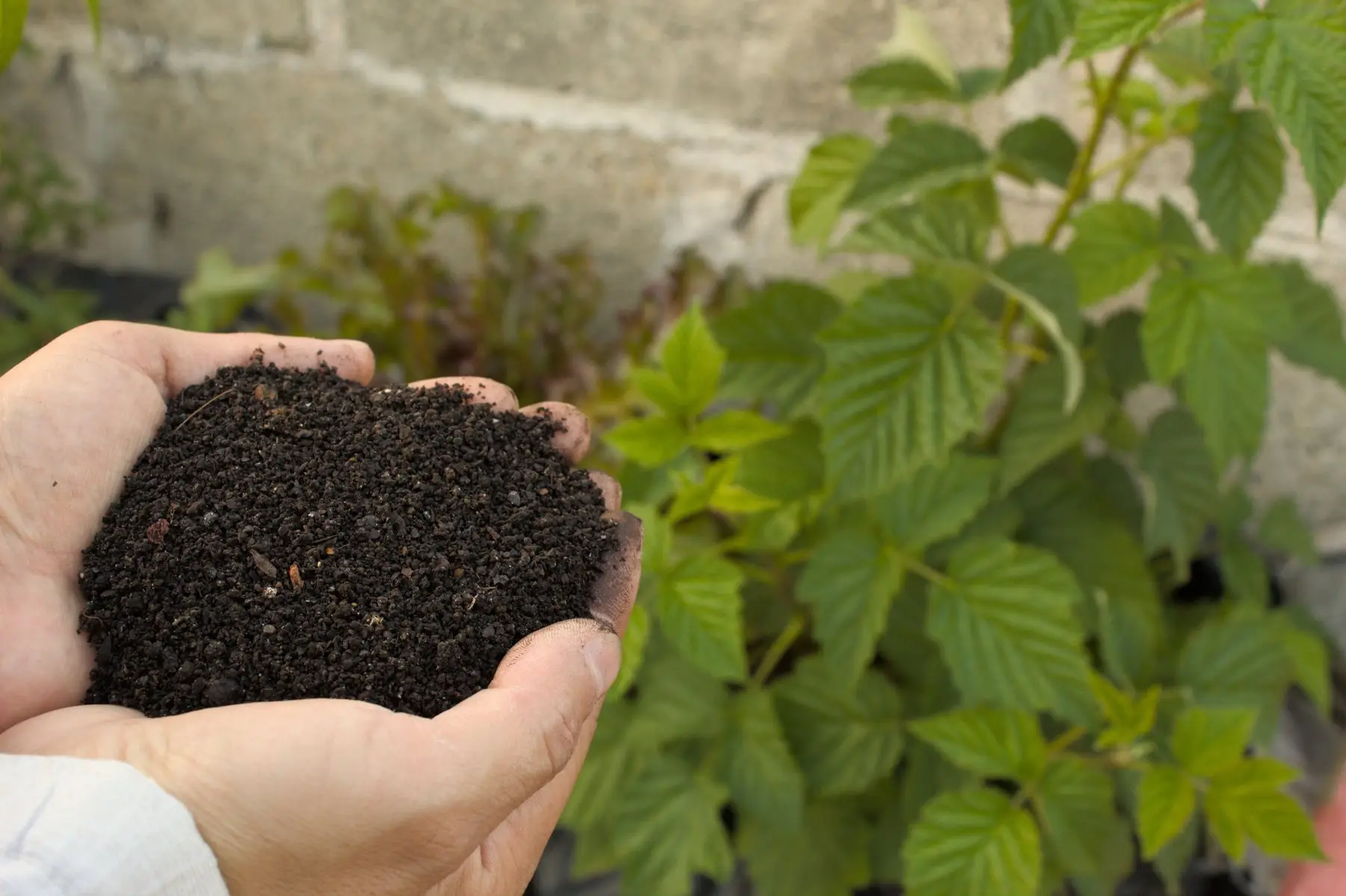
Potting mix works dug into garden soil but fails as a fill on its own — it drains wrong, settles and dries out. Where the line actually falls.
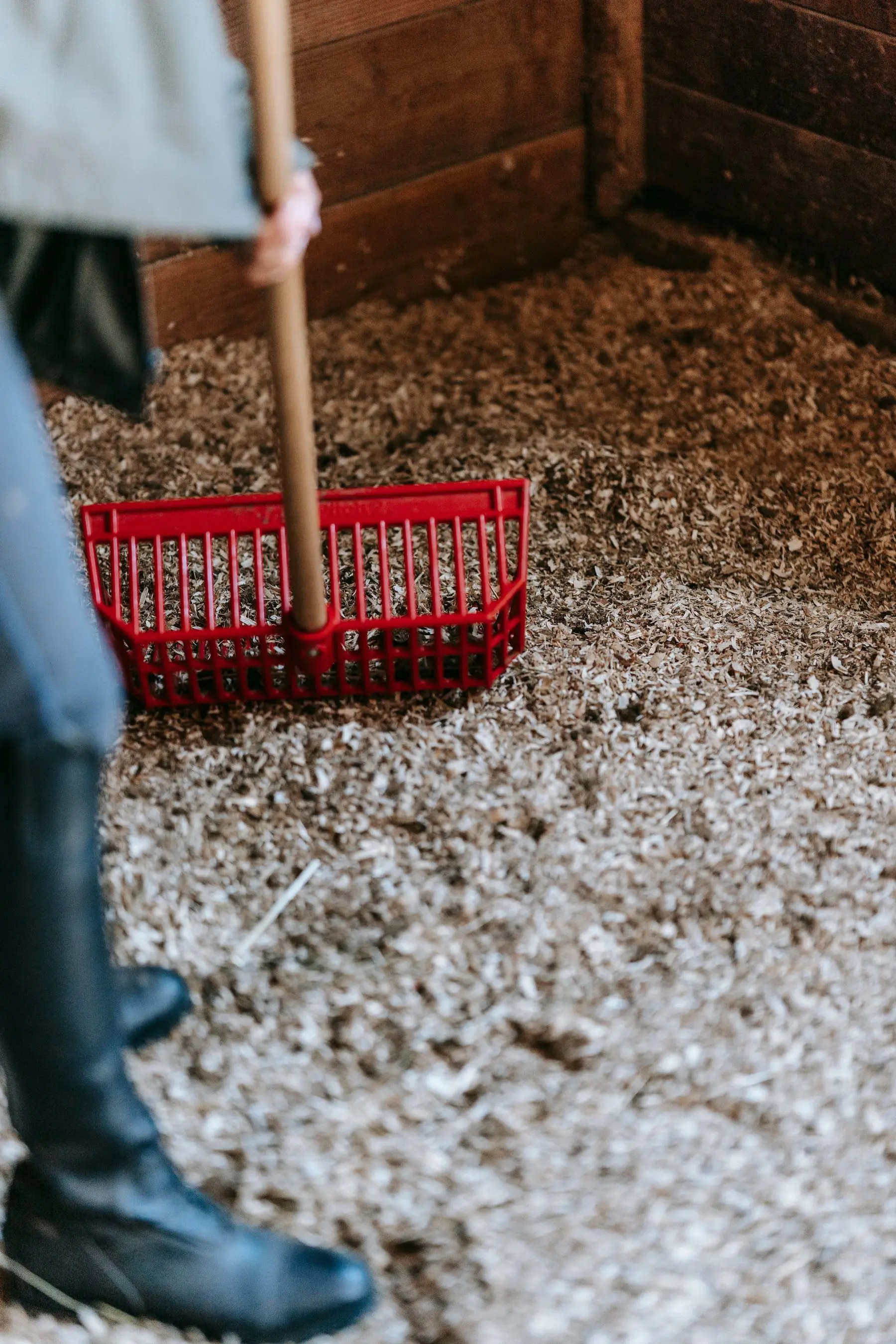
Horse manure is a genuinely good soil improver after six months to a year. Fresh, it burns roots and carries weed seed — plus the herbicide trap.
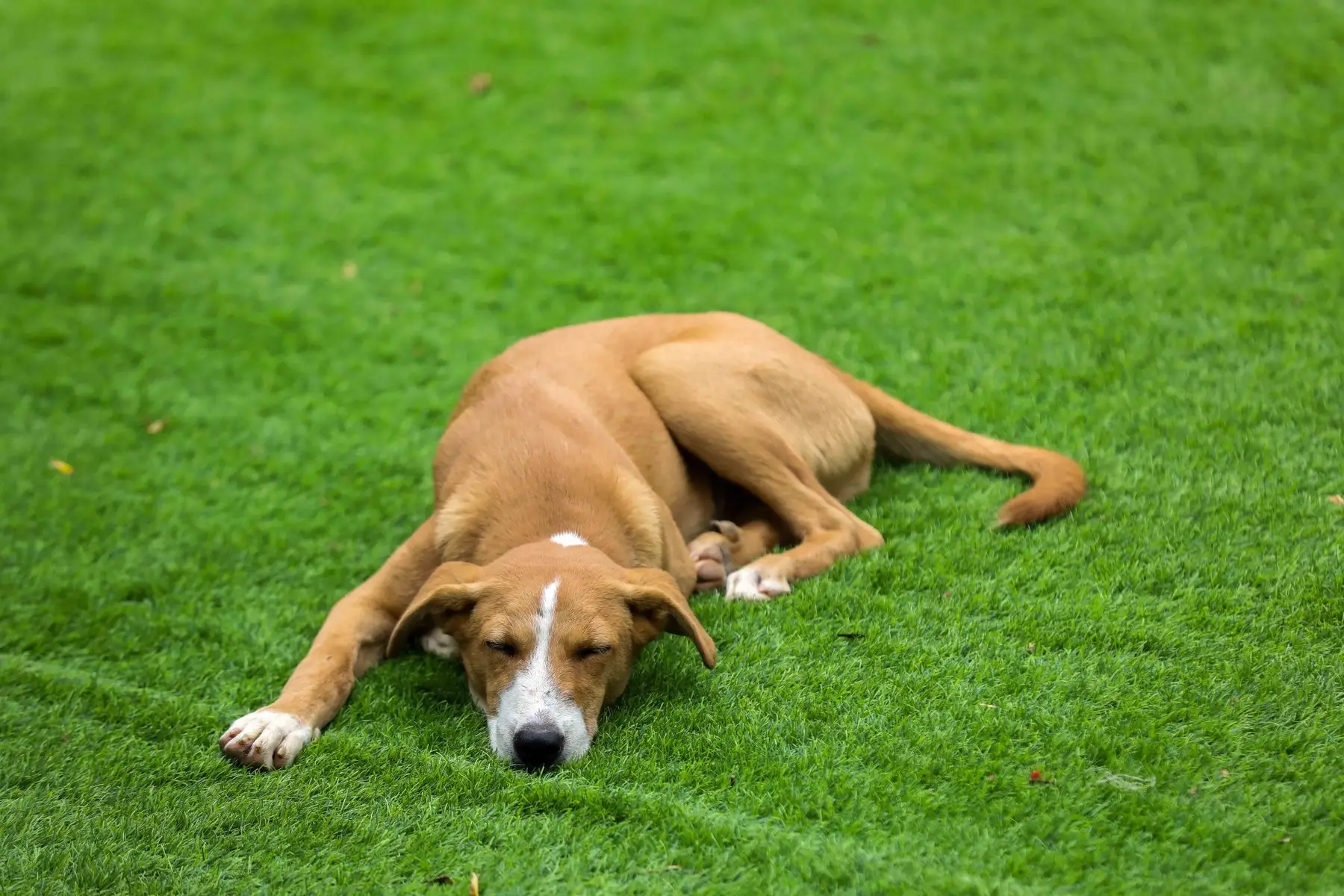
Is lawn fertilizer safe for dogs depends entirely on the ingredients. 3 lower-risk choices compared, plus how long to keep off. See which suits yours.
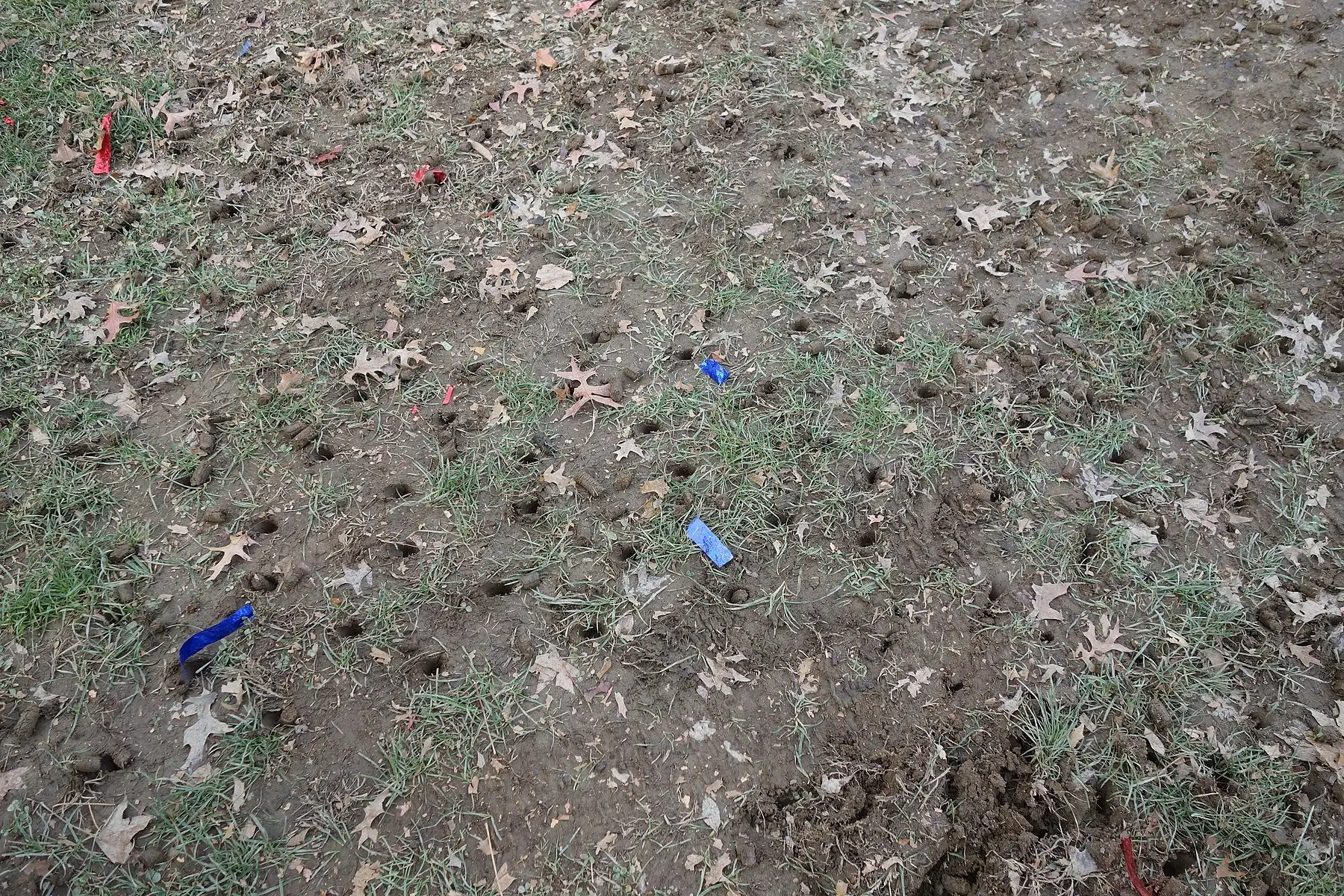
Leave the cores where they fall, overseed within 48 hours, top-dress with compost, and hold off mowing. The order matters more than the tasks.
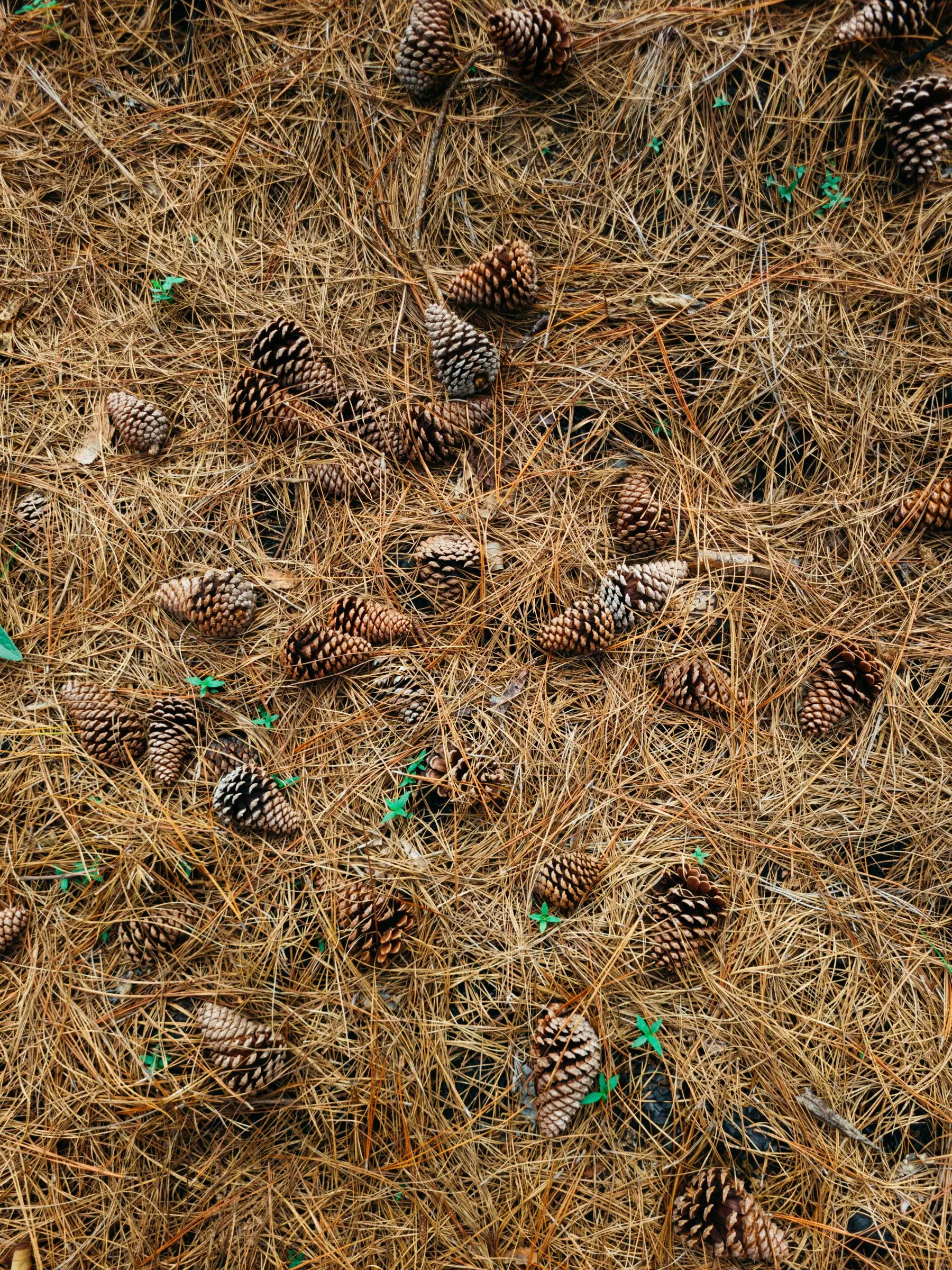
Pine needles compost well but break down slowly, and they do not acidify finished compost. How to speed them up and where they work better as mulch.
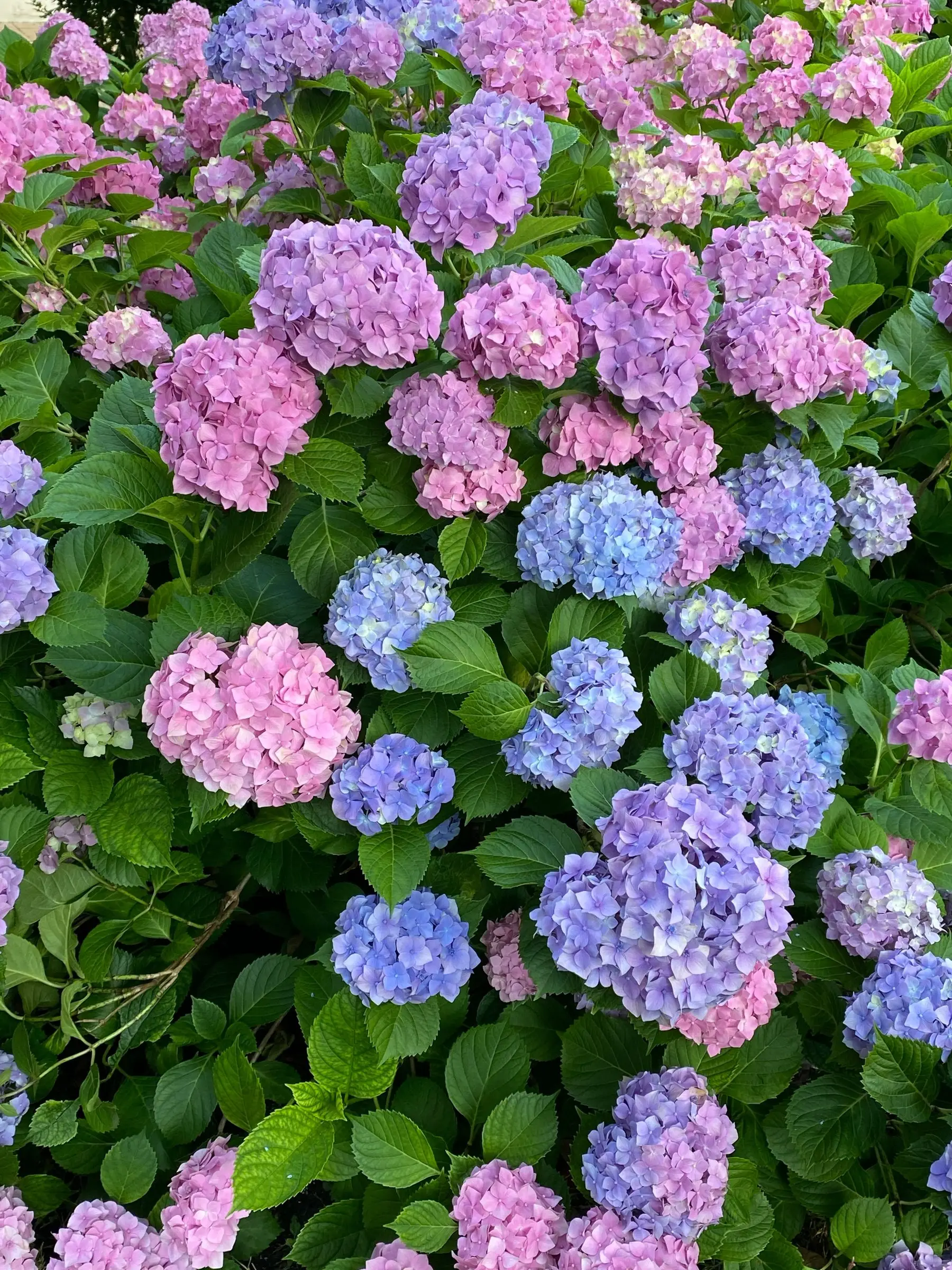
Hydrangeas grow fine in ordinary soil. Ericaceous compost is about flower colour, not health — and only mophead and lacecap types change colour at all.
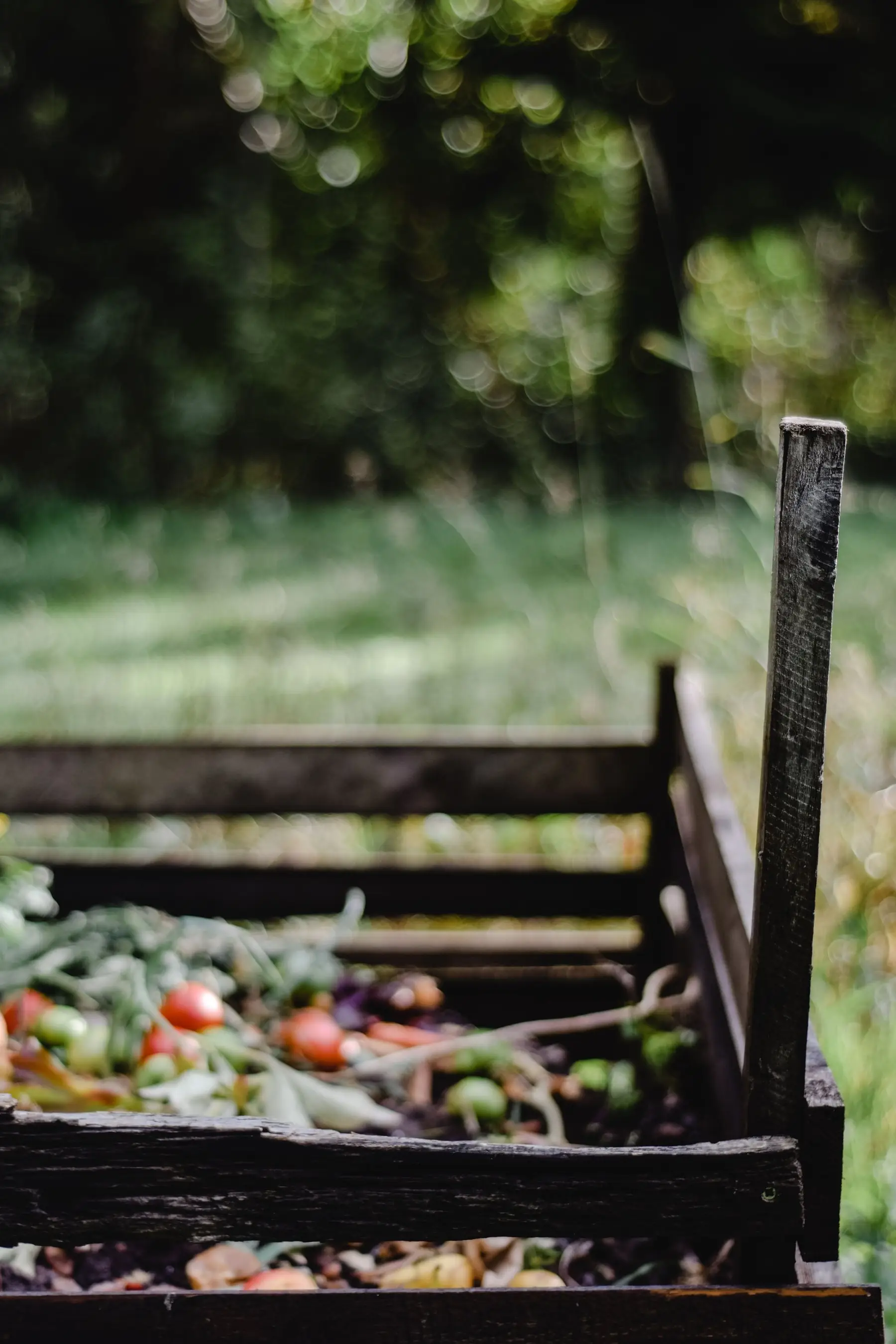
Most weeds compost fine. Seed heads and perennial roots are the two that survive a cool heap — how to handle them without losing the material.
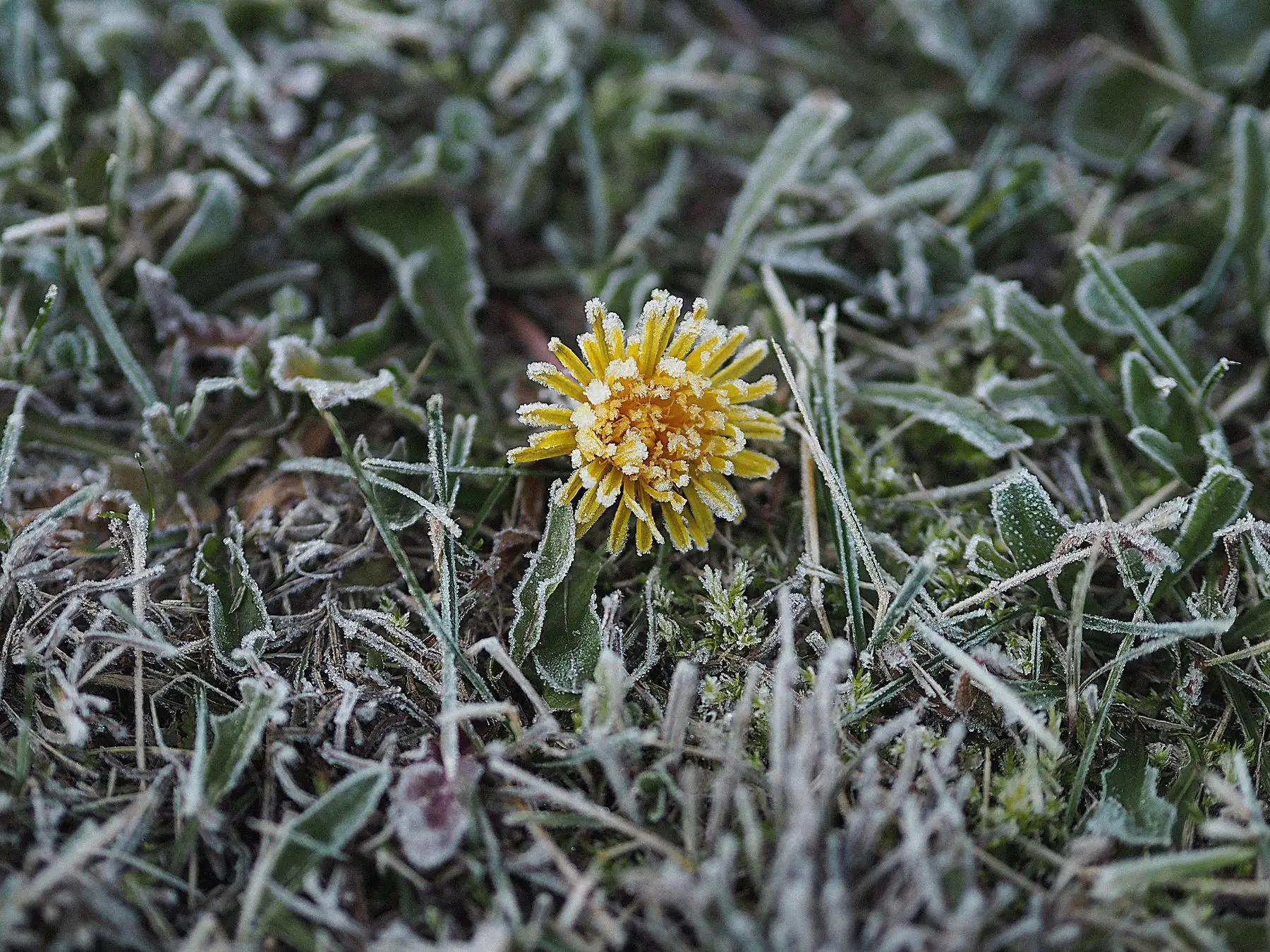
Summer annuals die at the first frost, but winter annuals and perennials carry straight through. Which is which, and why autumn is the best time to act.
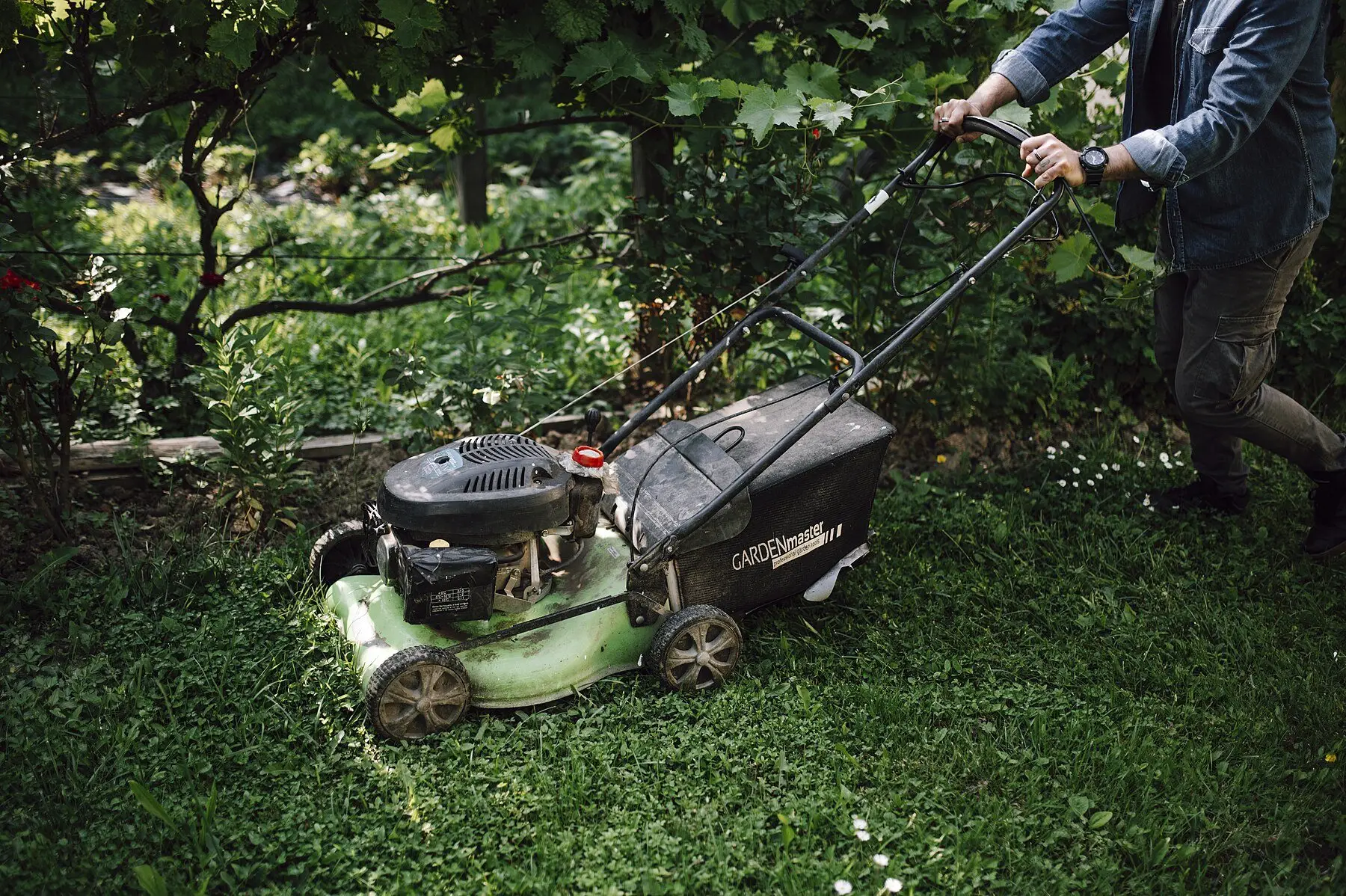
Most bumps are fixed with half an inch of topdressing at a time. The soil mix, why you cannot bury grass, and the drainage question to ask first.
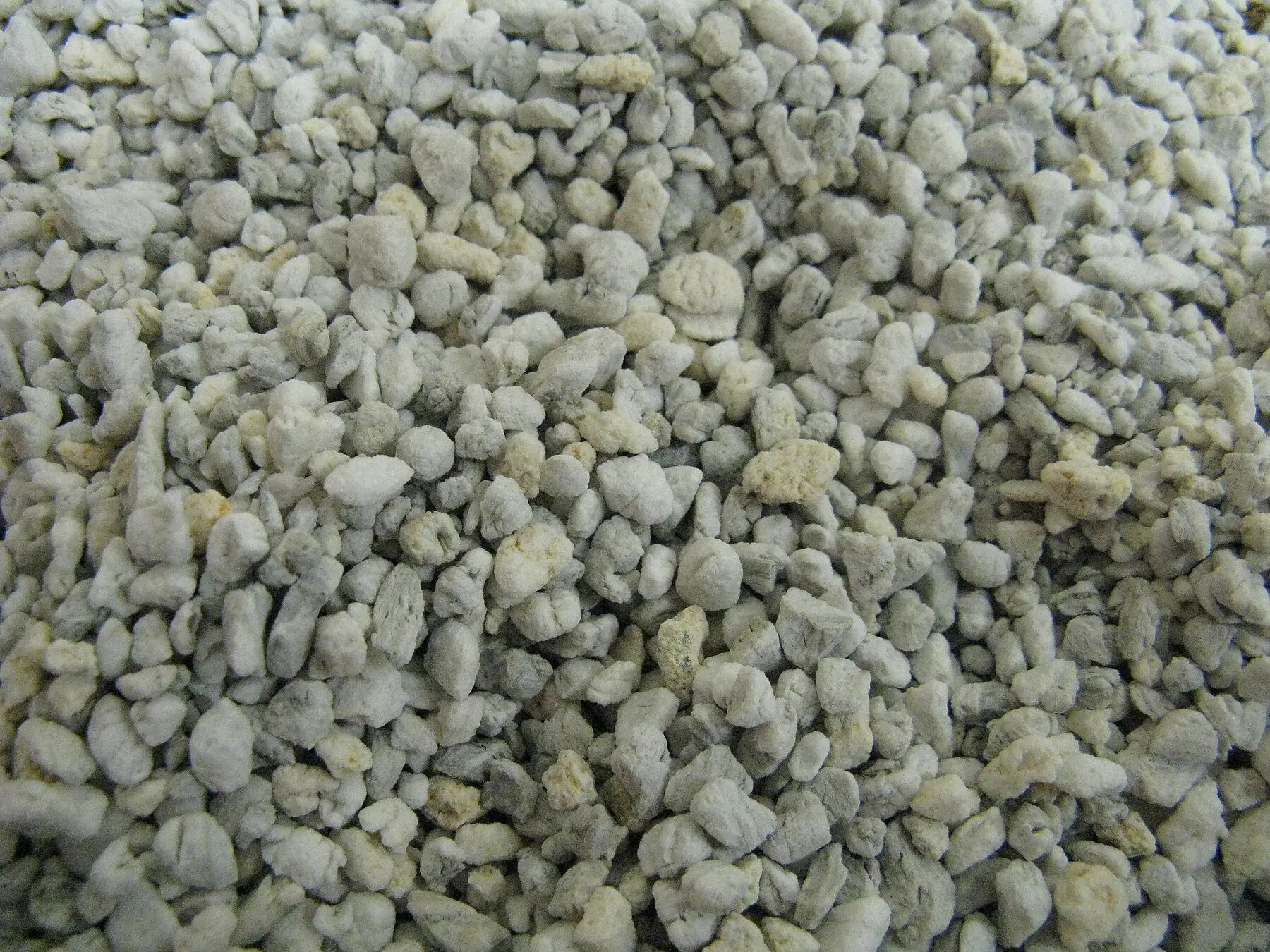
Both lighten soil, but one drains and one holds water. Which to use for seeds, cuttings, succulents and containers, and why mixing them defeats the point.
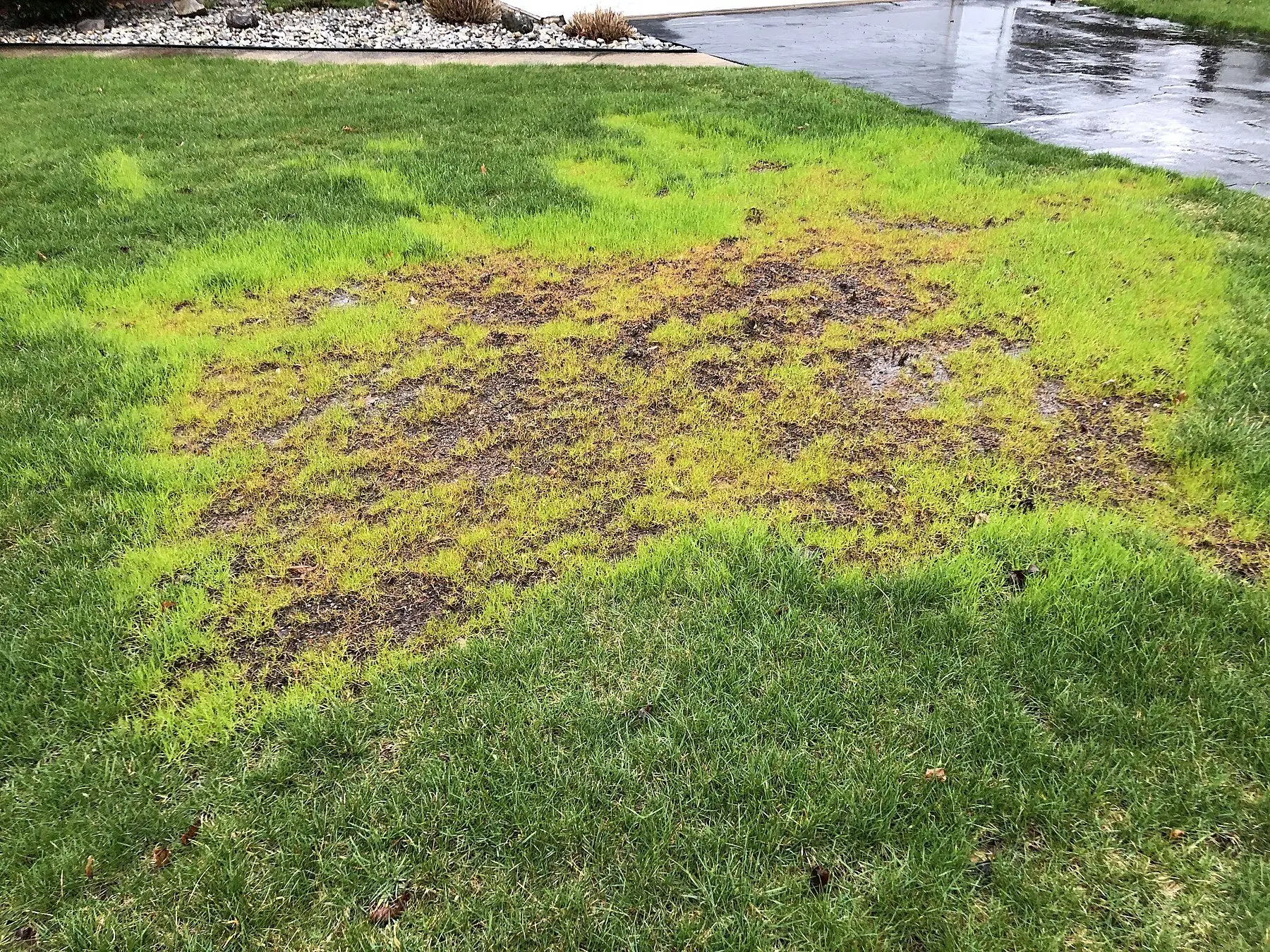
You can, and most of it dies. What seed needs to actually germinate, and the twenty extra minutes that takes overseeding from 10% success to 70%.
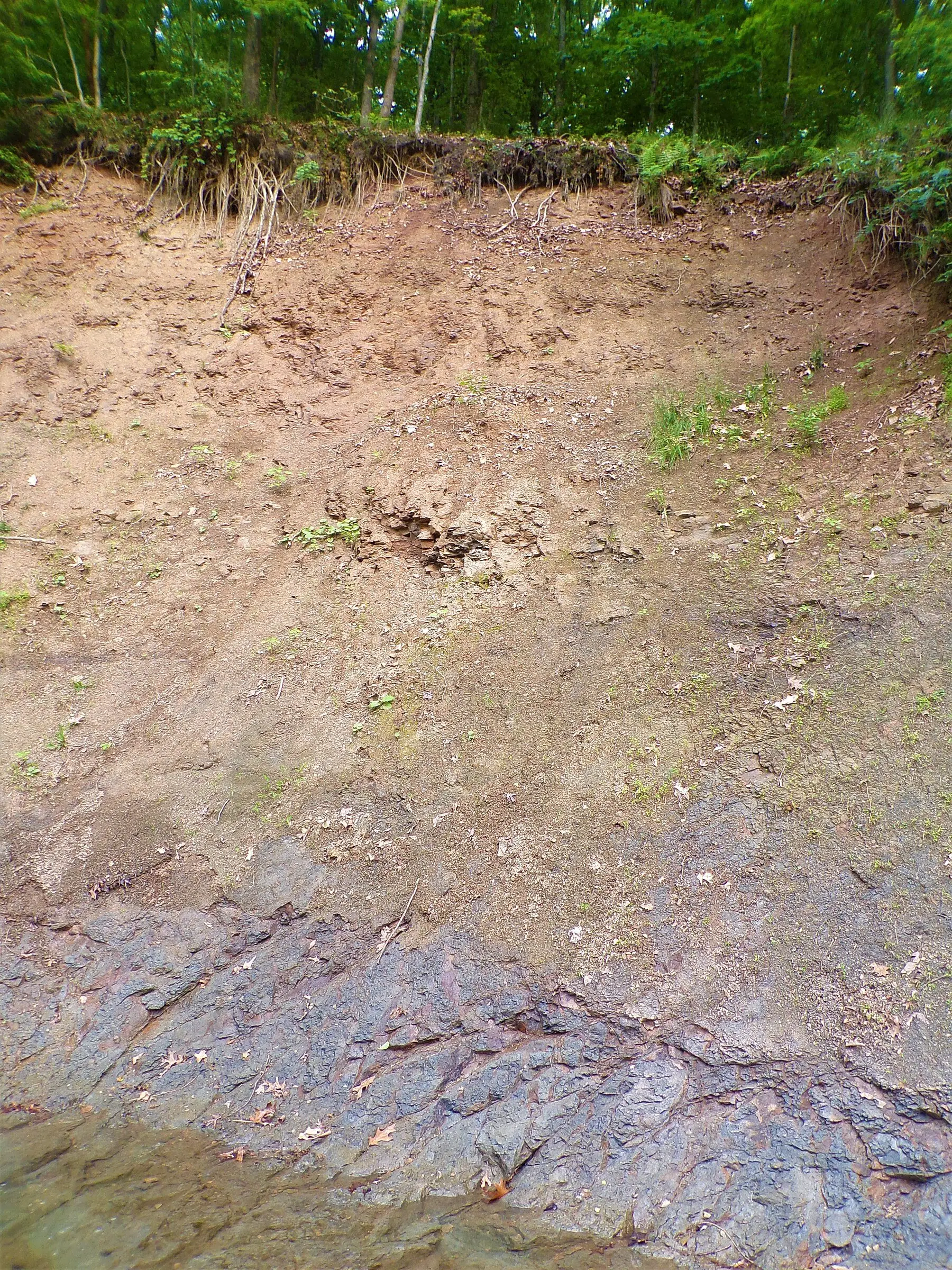
Silt holds water and nutrients like clay but drains better, and turns to concrete underfoot. How to identify it by feel and work it without ruining it.
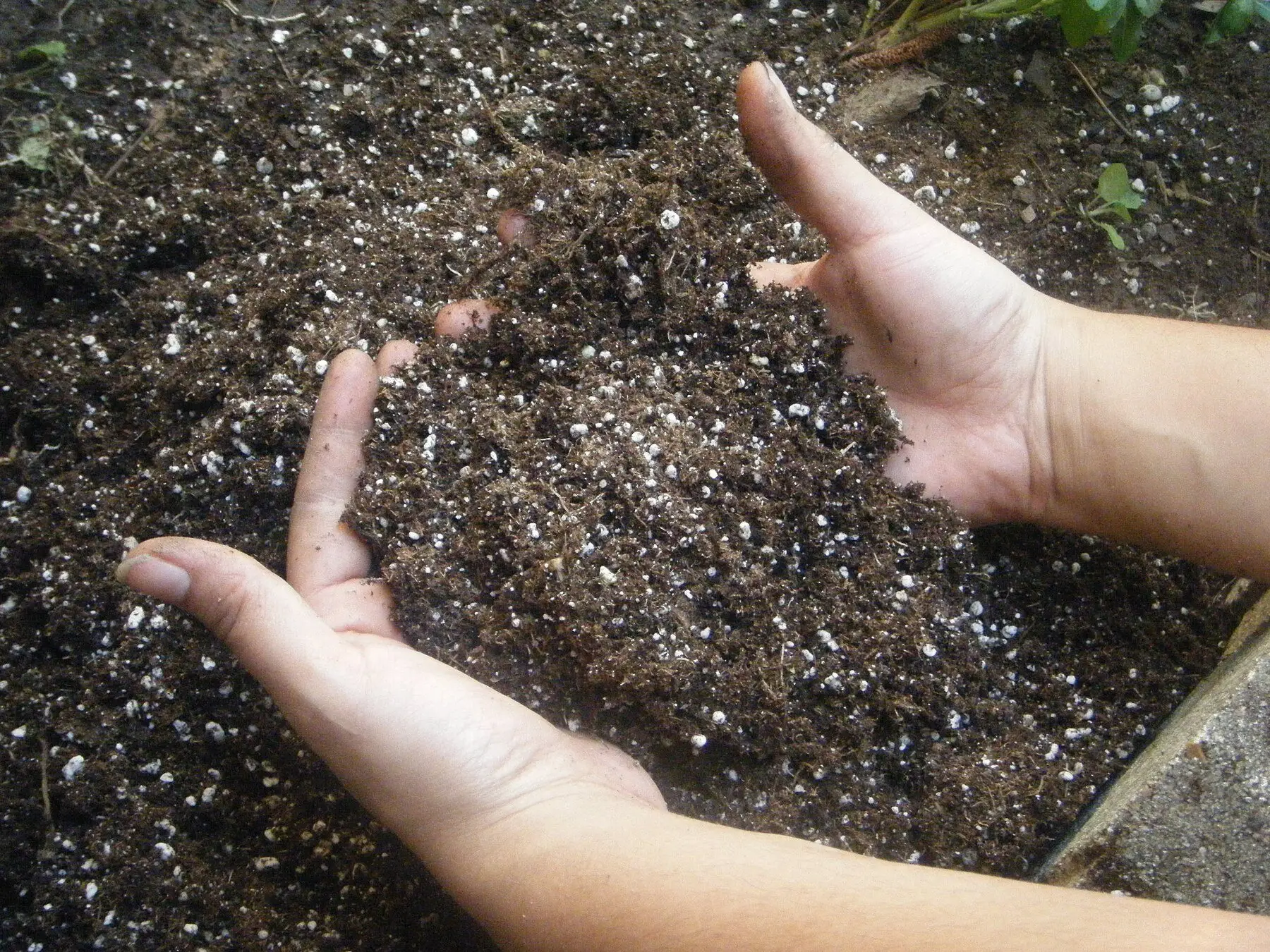
Test first, then apply the right lime at the right rate for your soil texture. Why wood ash is not a substitute, and why nothing changes for months.
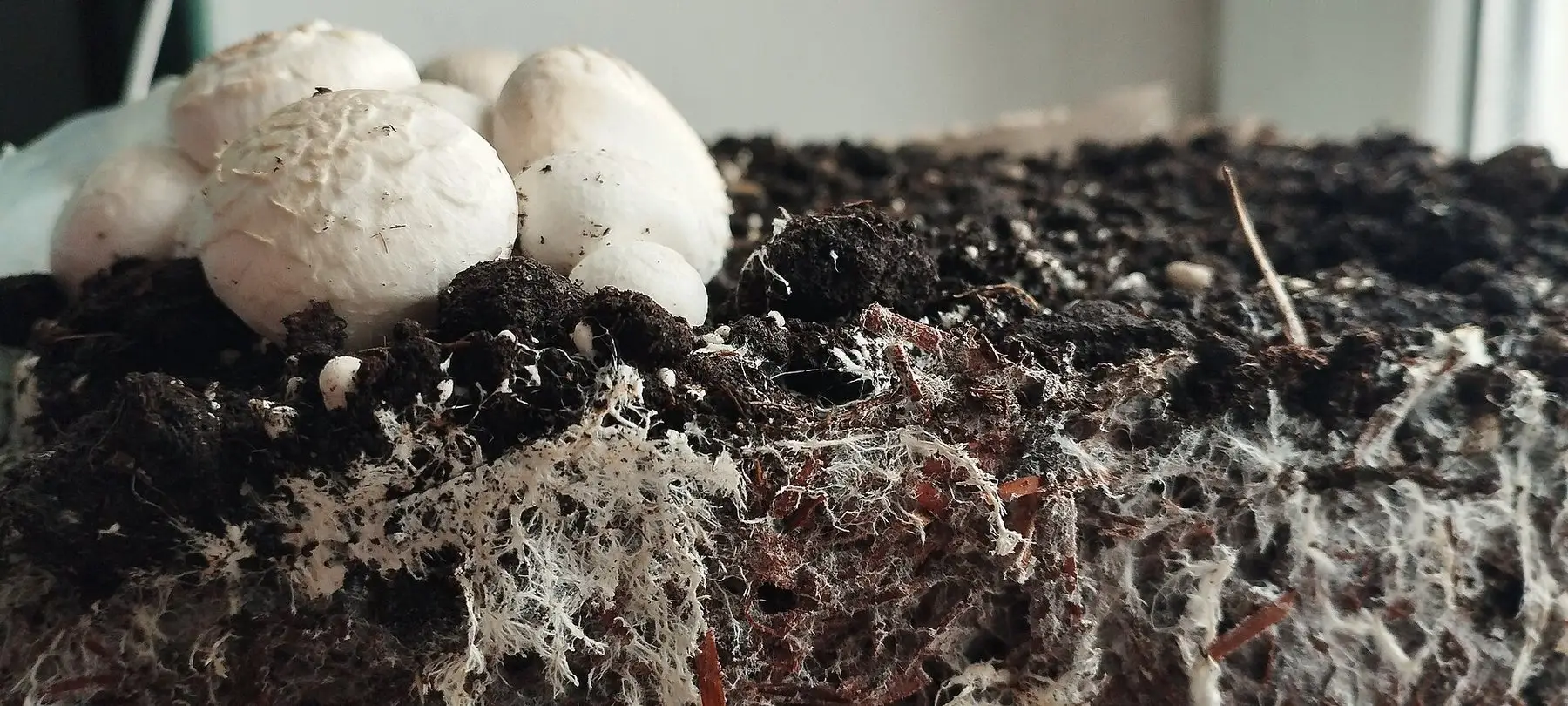
Mushroom compost is alkaline and salty, which rules out some beds. 3 uses compared, plus what to use on acid-lovers. See where it fits your soil.
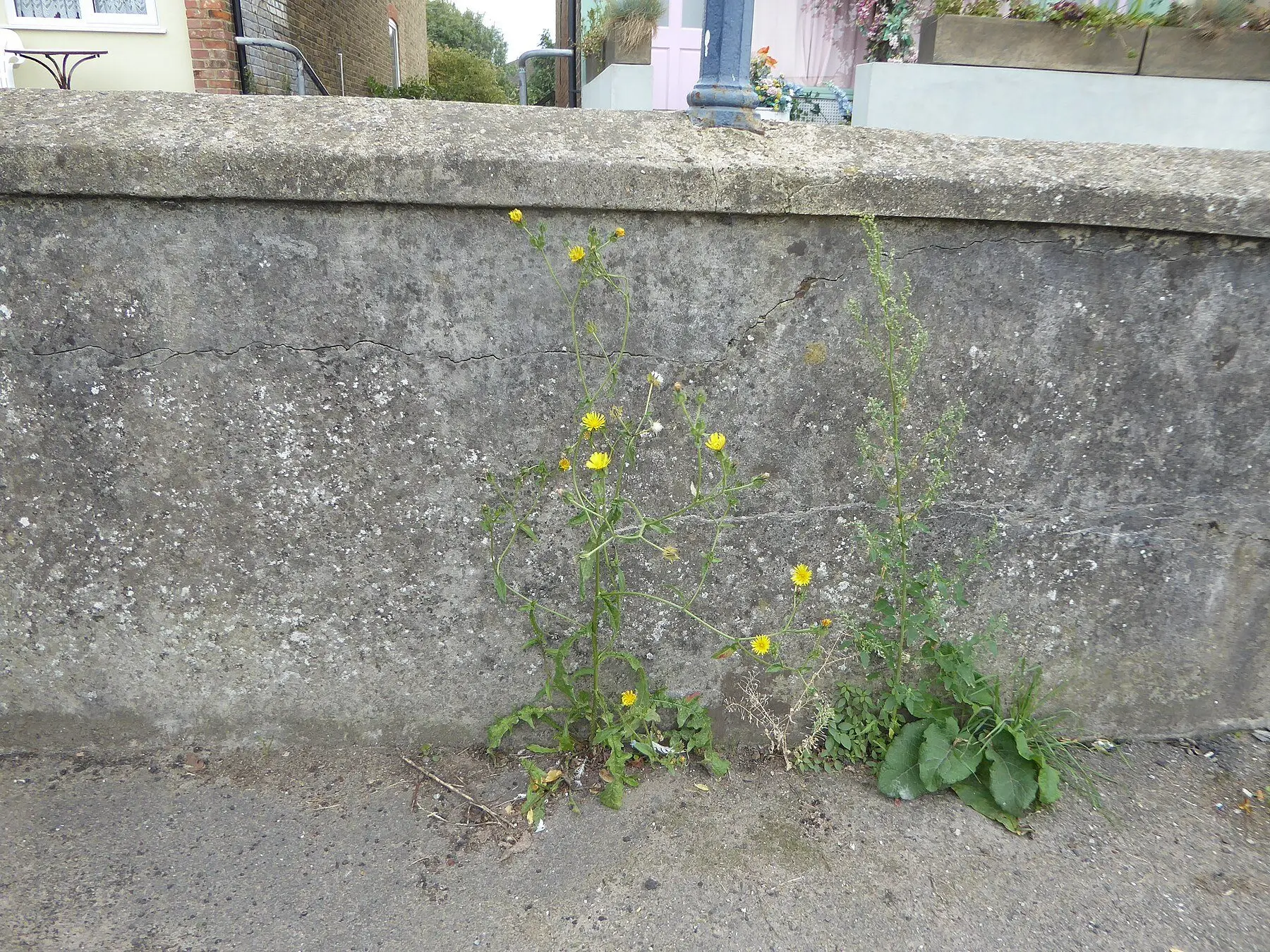
Will vinegar kill grass and stop there? No — 4 cautions cover reach, roots and soil. See where it is safe to use.
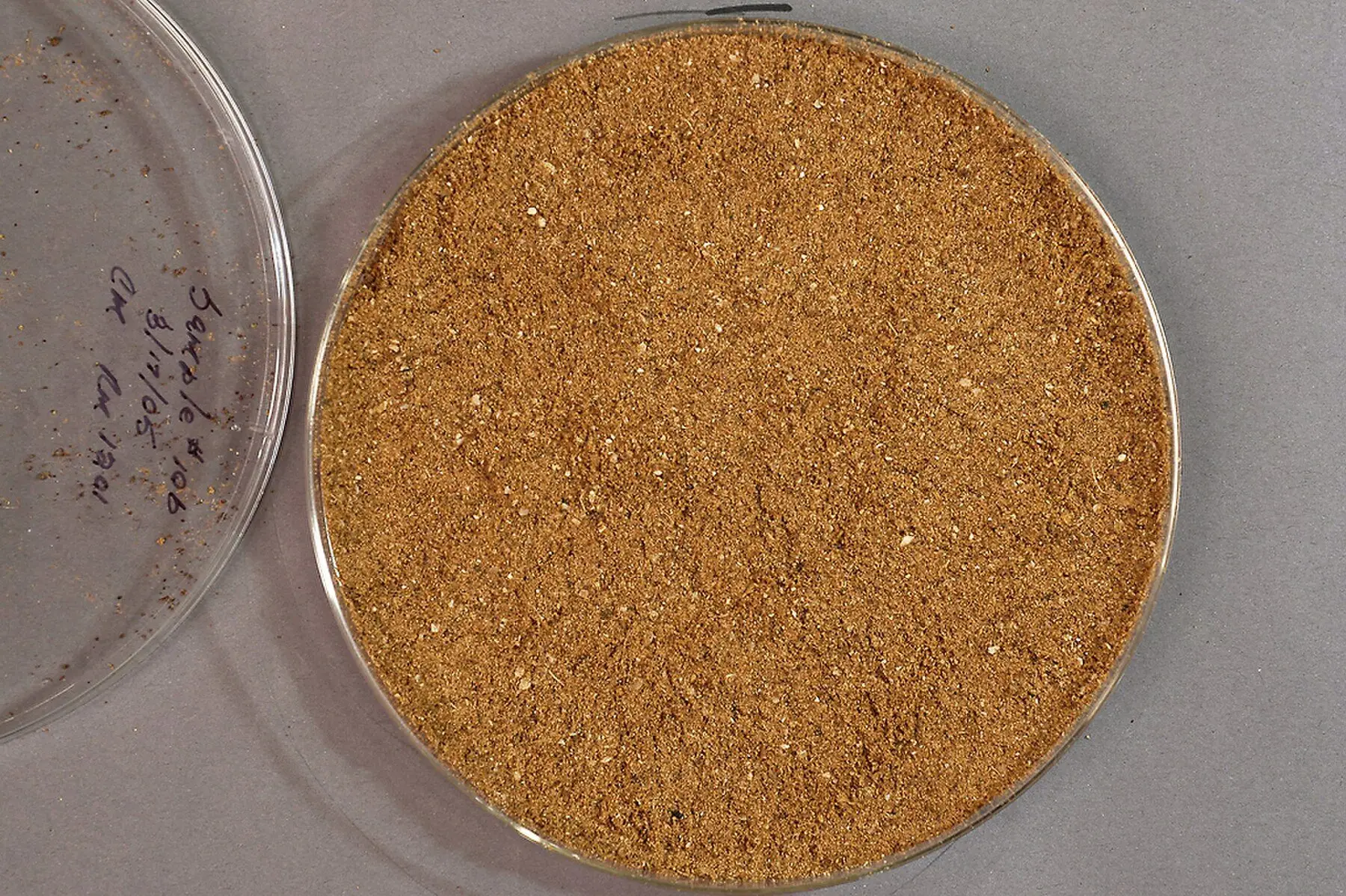
Blood meal is fast nitrogen for leafy growth. Bone meal is slow phosphorus that only works in acidic soil. Two different products, routinely confused.
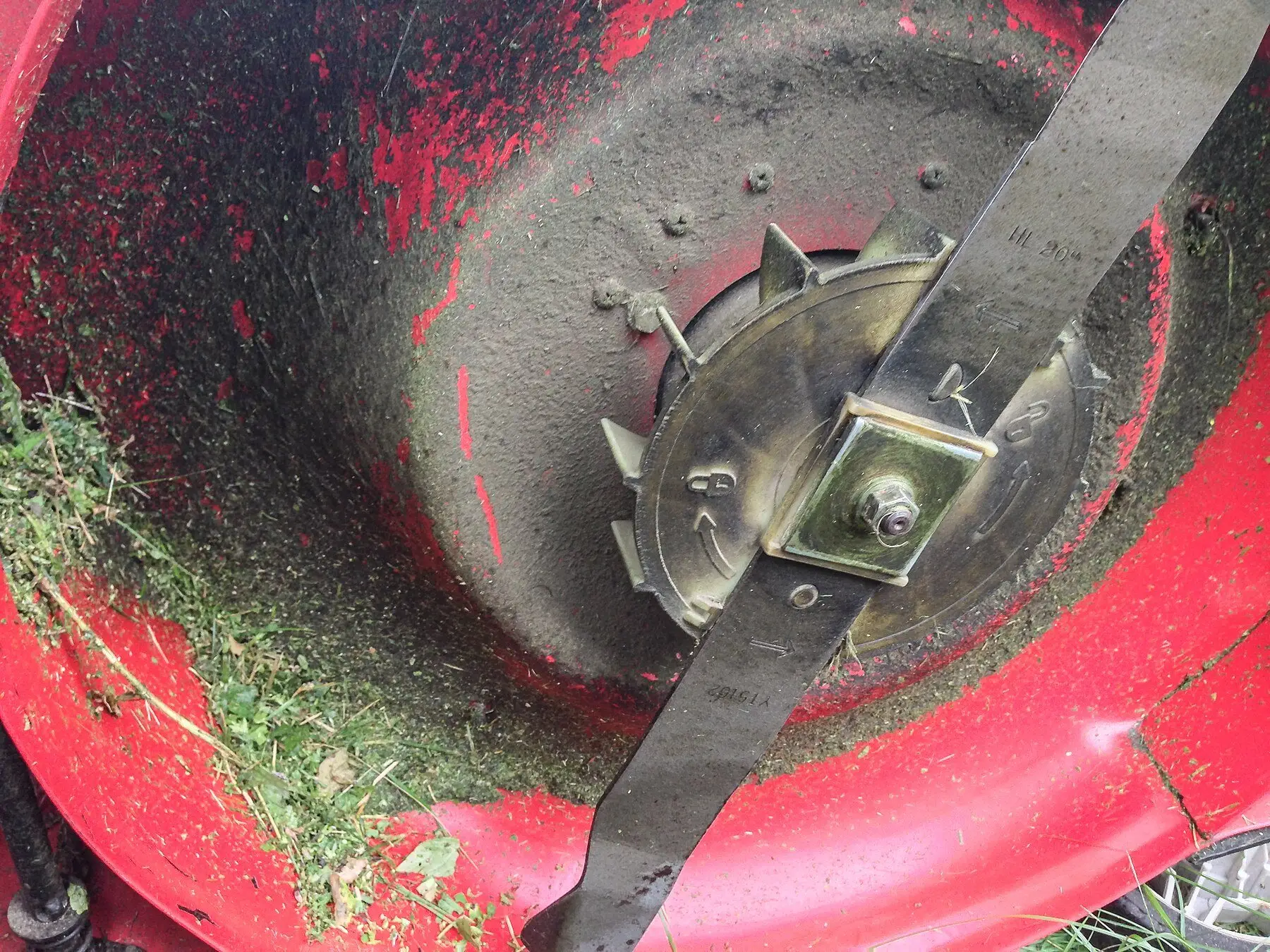
Grass clippings as mulch mat and sour unless dried and spread thin. 3 items make that easy. See how to use what the mower already produces.
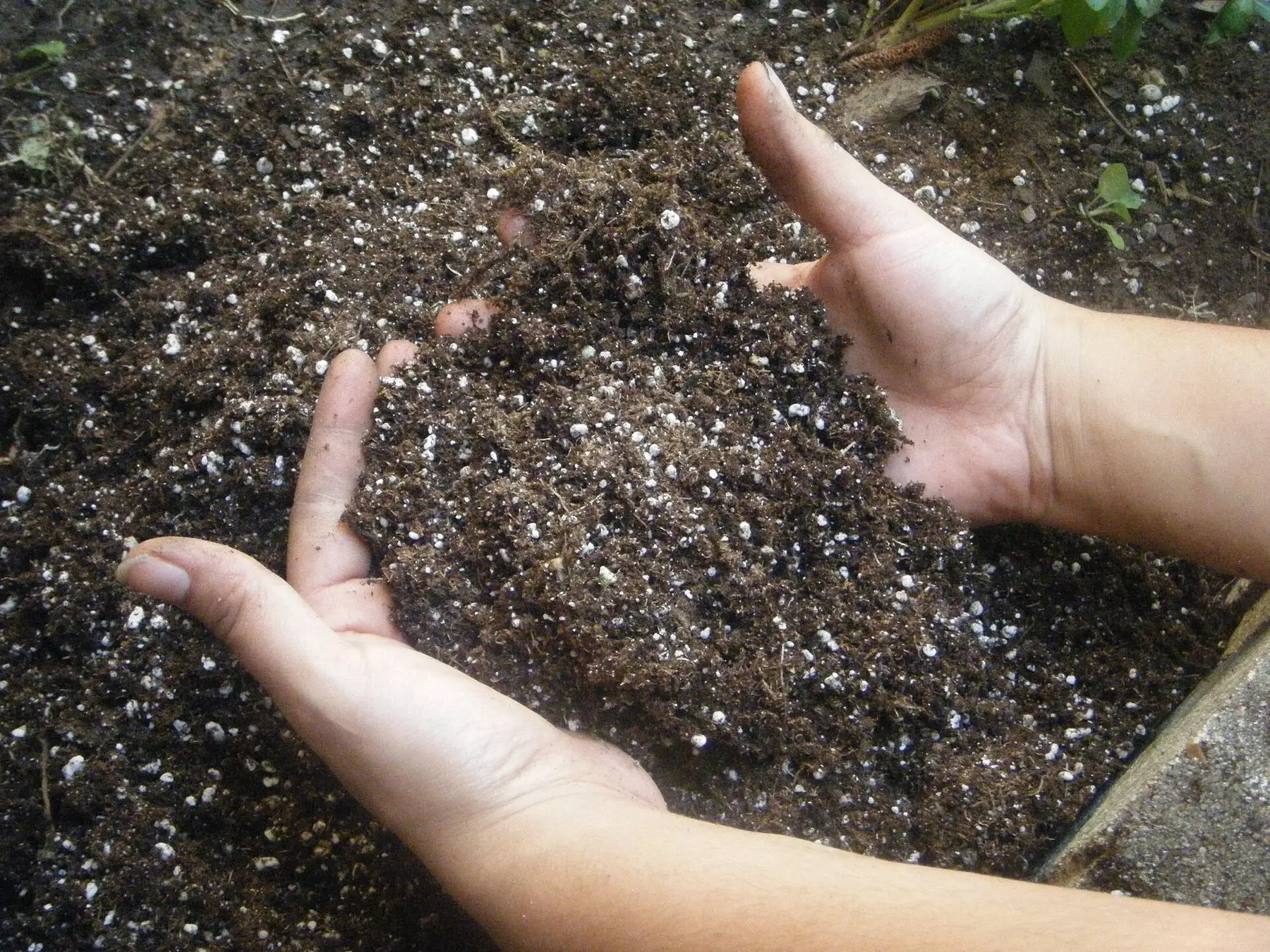
Loam is a particle-size ratio, not a product you buy. How to test what you have with a jar of water, and the only method that genuinely changes it.
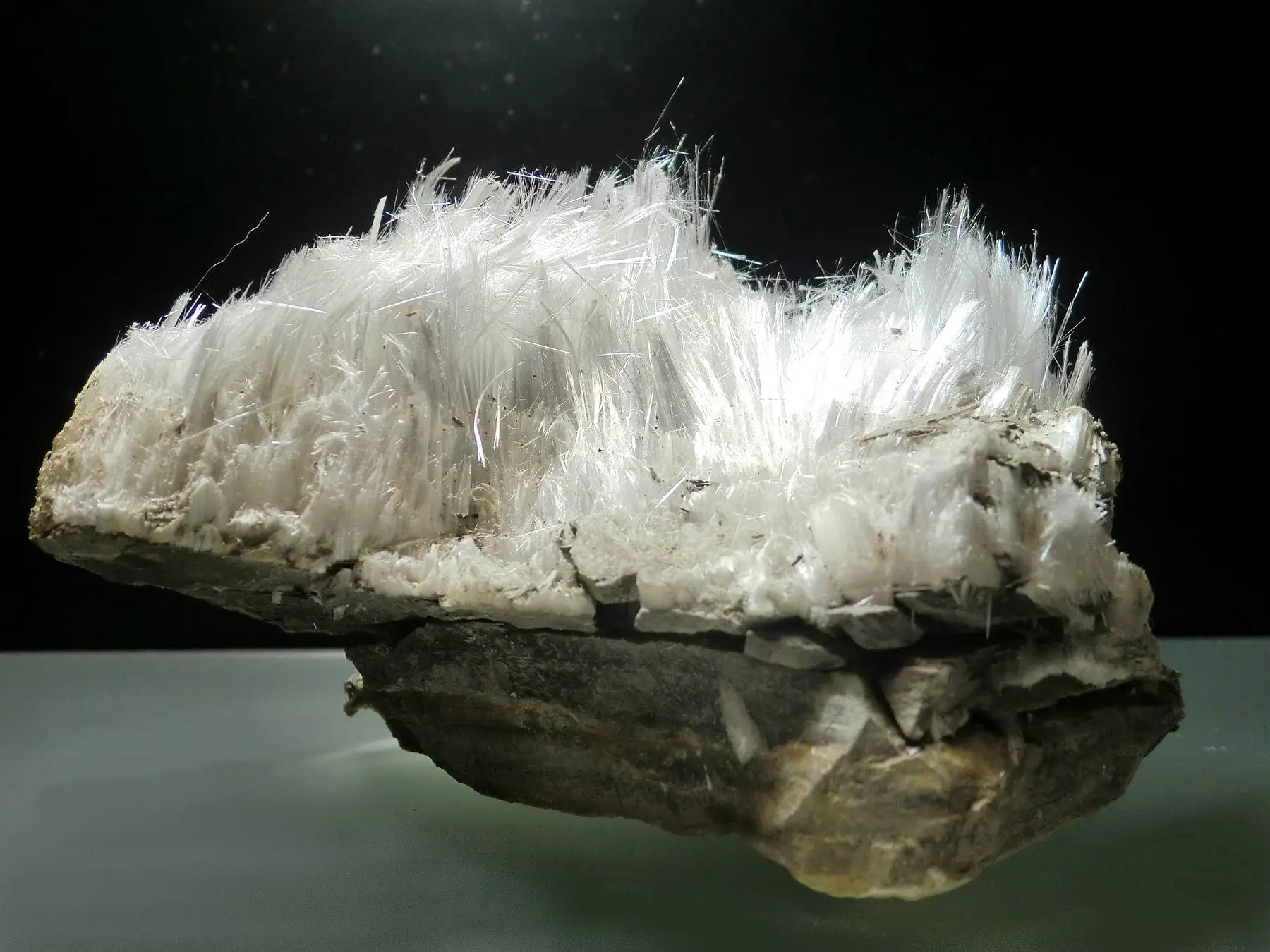
Epsom salt is magnesium sulphate. It helps the small number of plants actually short of magnesium, and does nothing at all for the rest — sometimes real harm.
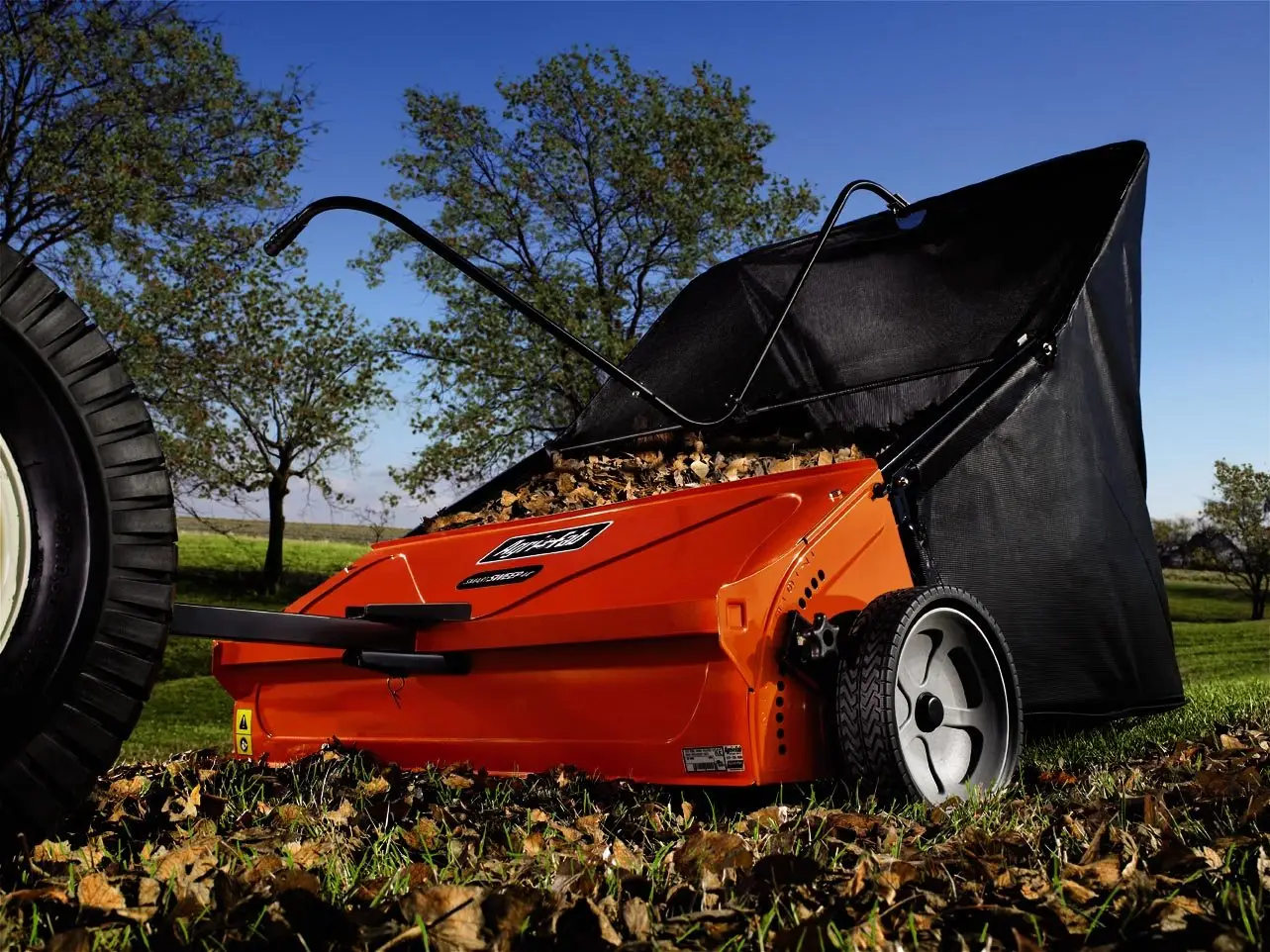
A sweeper brushes debris into a hopper as you tow or push it. Where it beats bagging leaves, where it fails, and the brush height that decides whether it works.
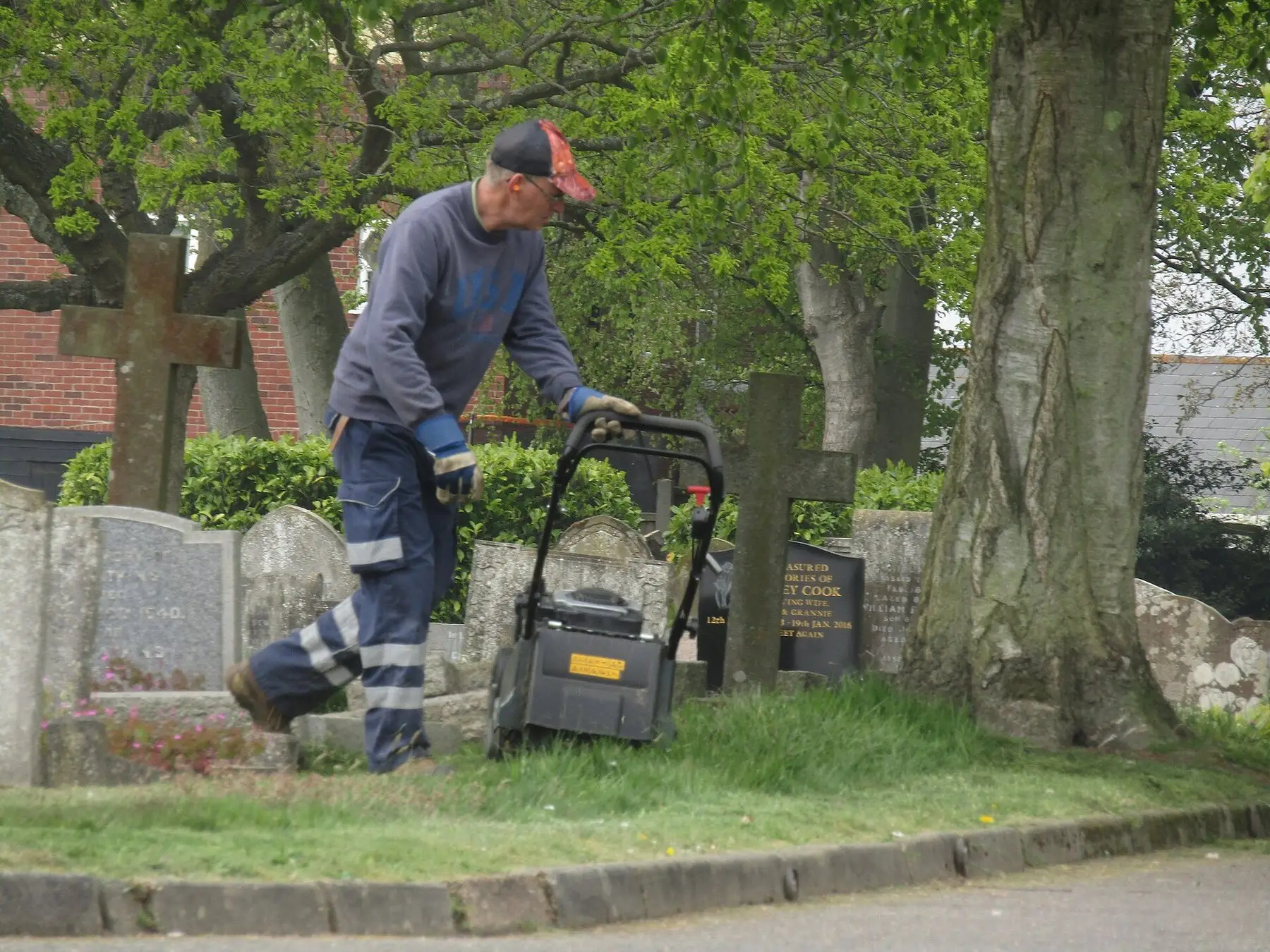
A push mower suits most small lawns, until the ground tilts. 4 types compared on slope, grass length and cut. See which matches your lawn.
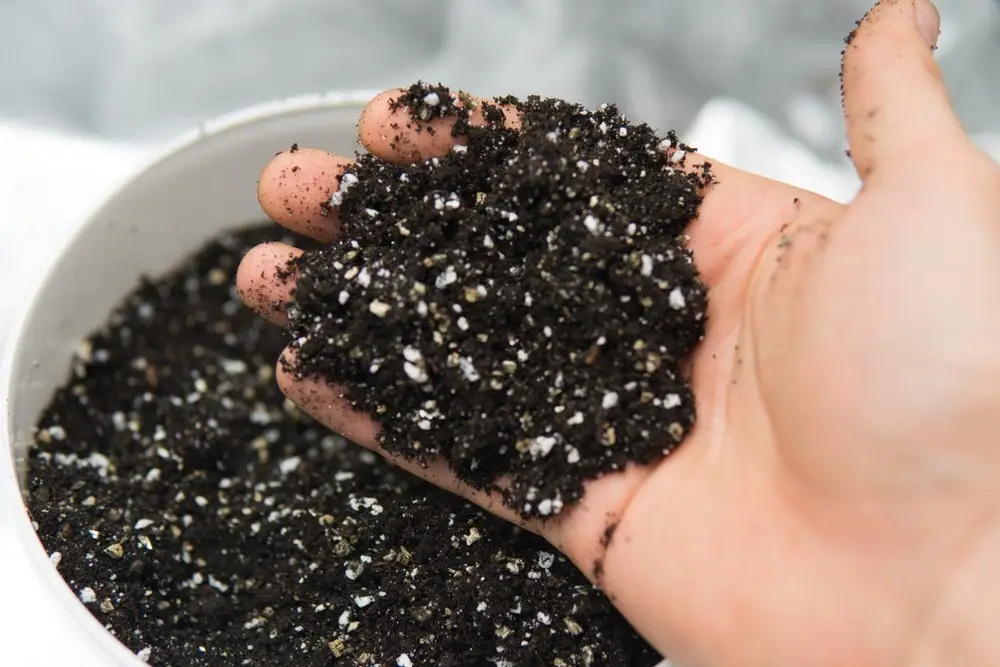
Potting mix contains no soil at all, and that is the point. What each ingredient does, why garden soil fails in a container, and how to read a bag honestly.
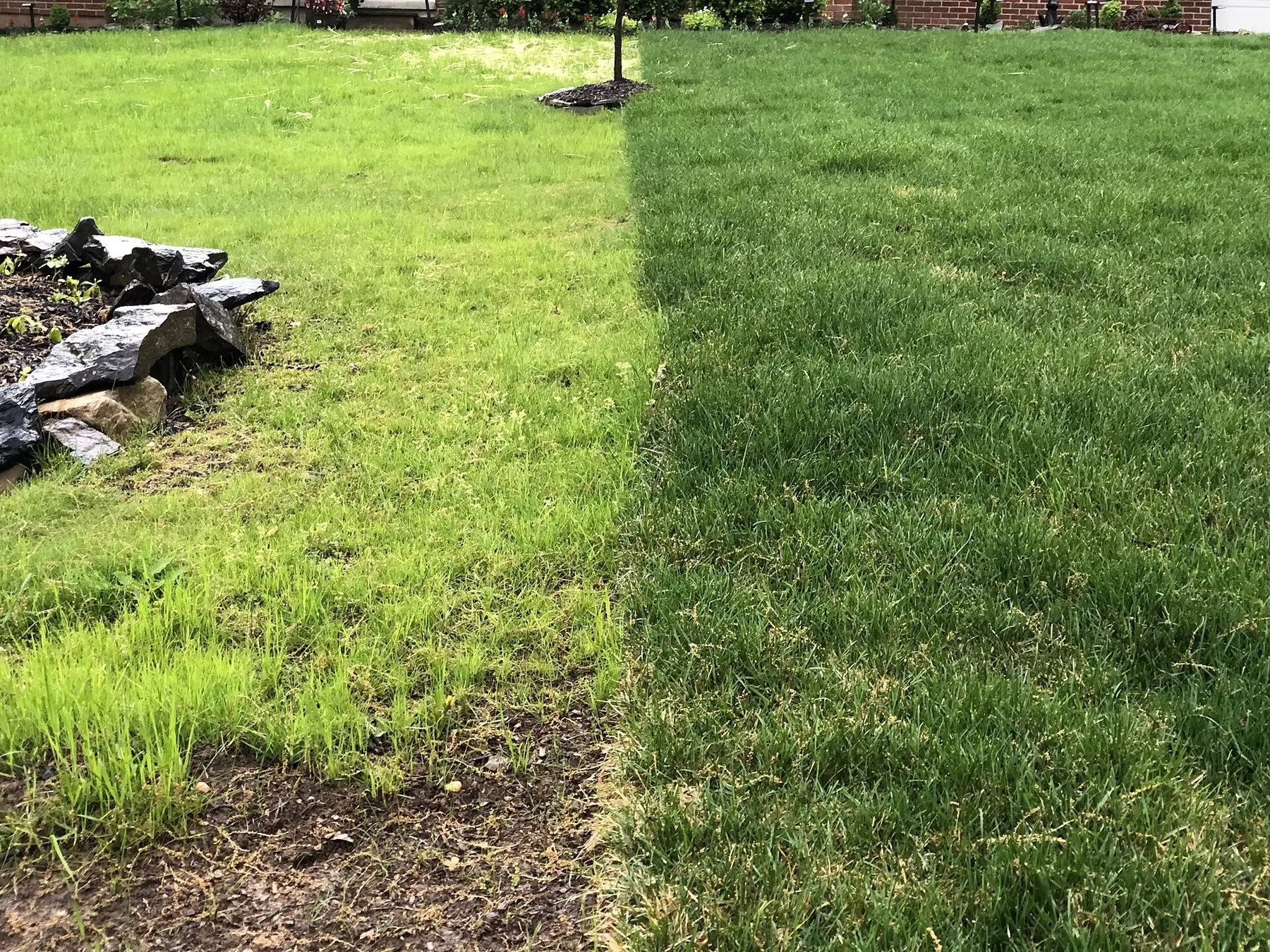
Seed fails from poor contact and a surface that dried out once, not from bad seed. Soil prep, sowing rates, and the watering routine that carries it to germination.
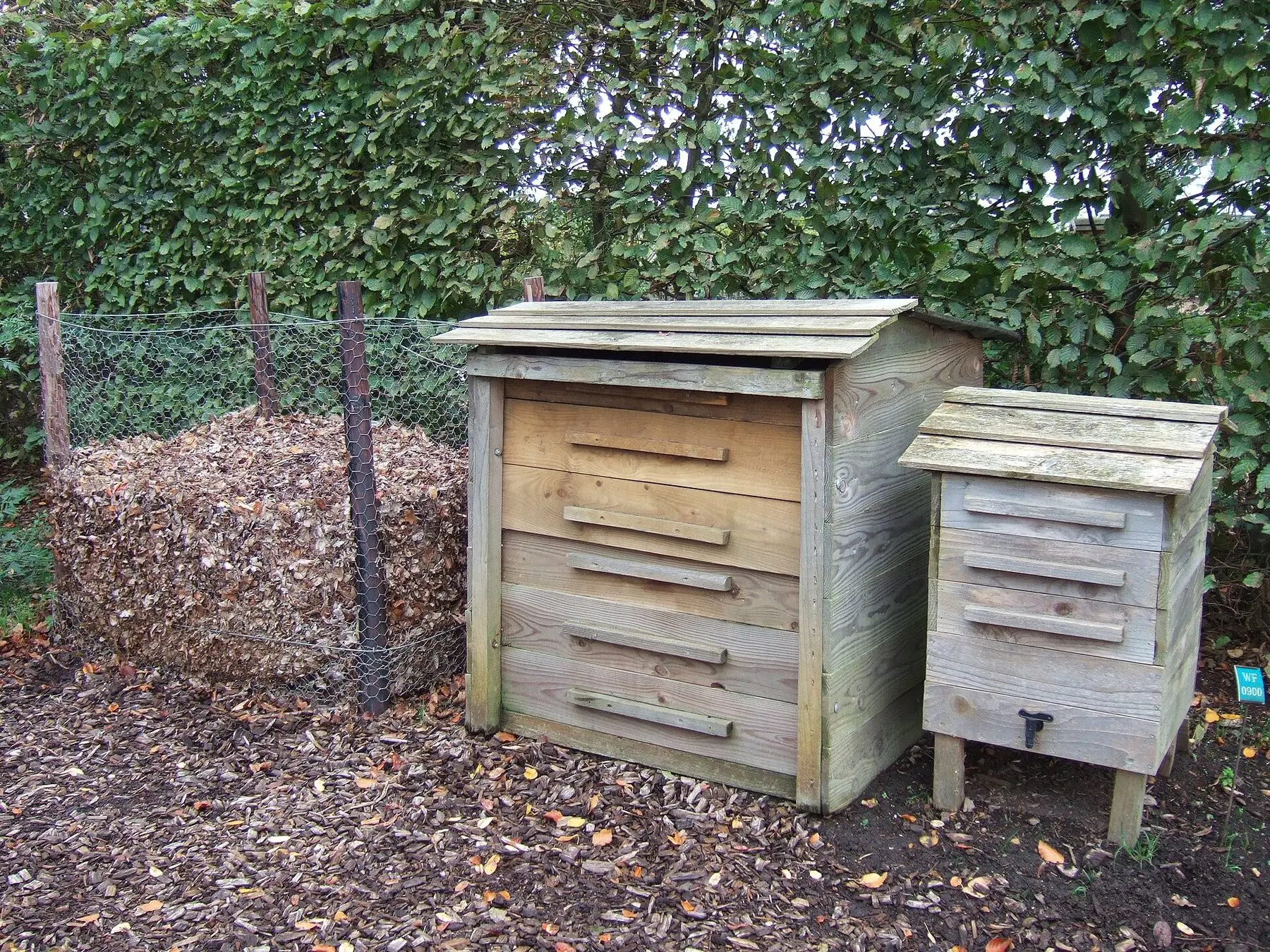
Organic fertilizer examples are not interchangeable; each feeds one thing. 4 compared on nitrogen, phosphorus and potassium. See which your beds want.
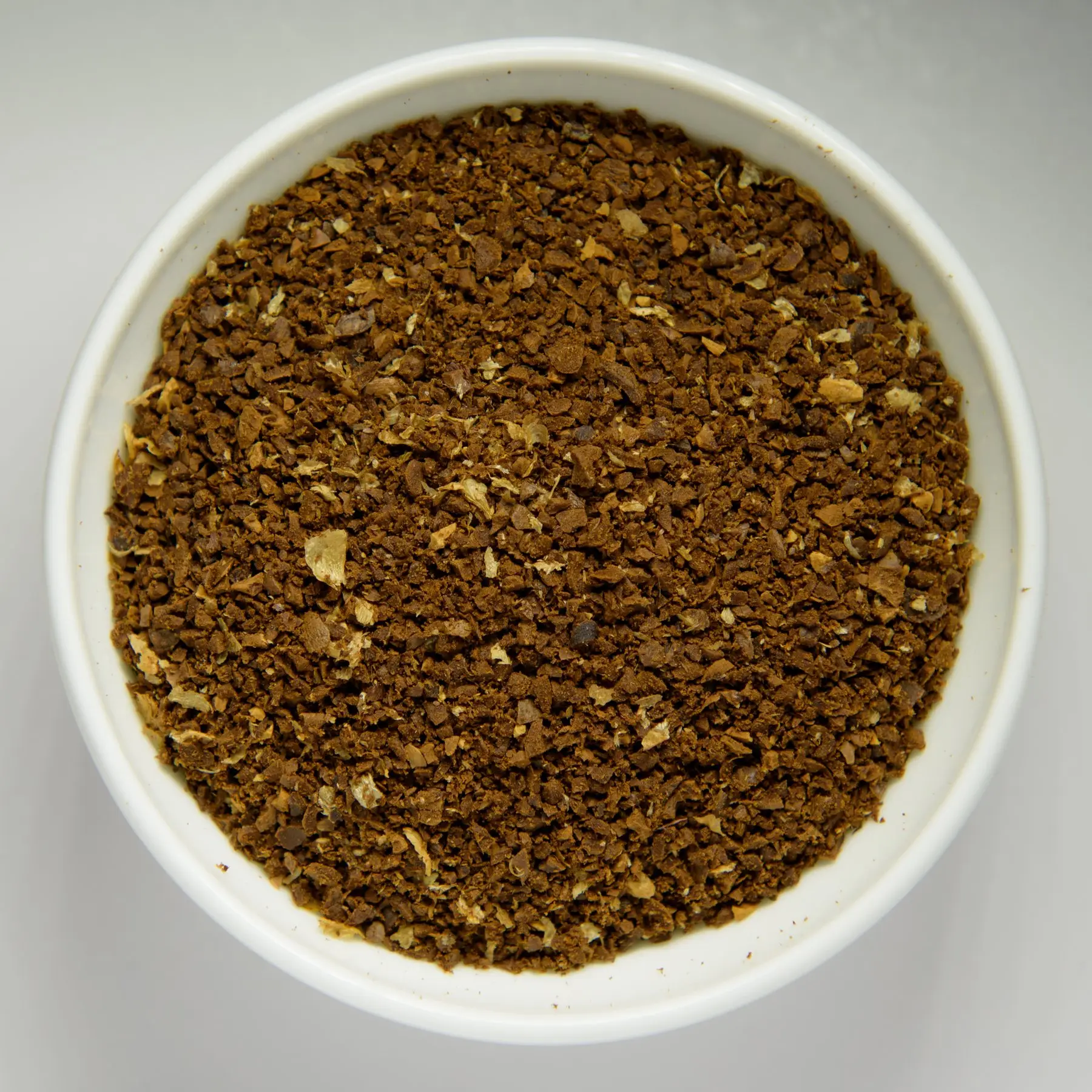
Used coffee grounds are not acidic, do not repel slugs, and should never be spread thickly. What they are genuinely good for, and how to use them.
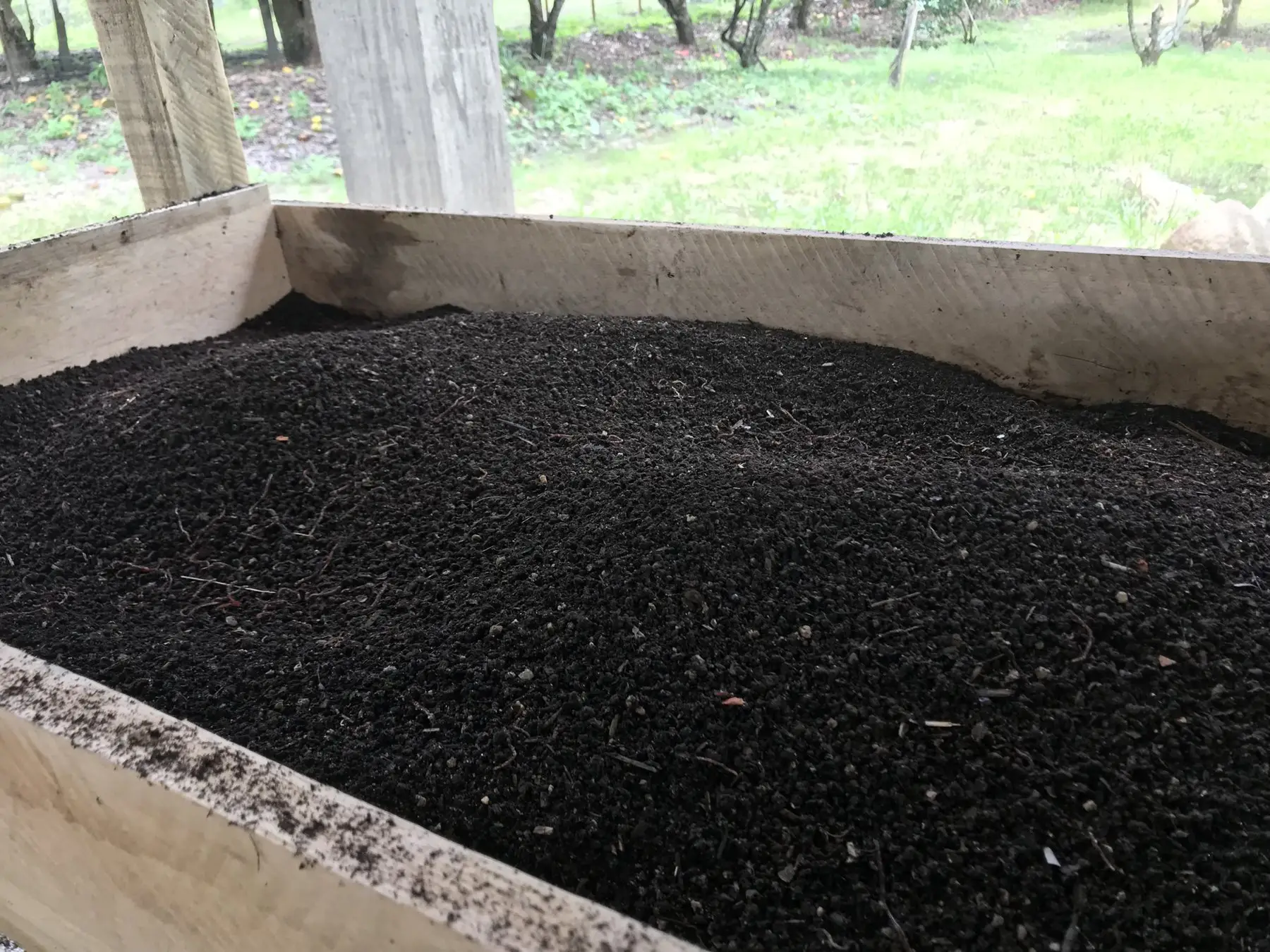
Worm castings are worm manure — a mild fertiliser whose real value is microbial, not nutritional. What the numbers mean and how much you actually need.
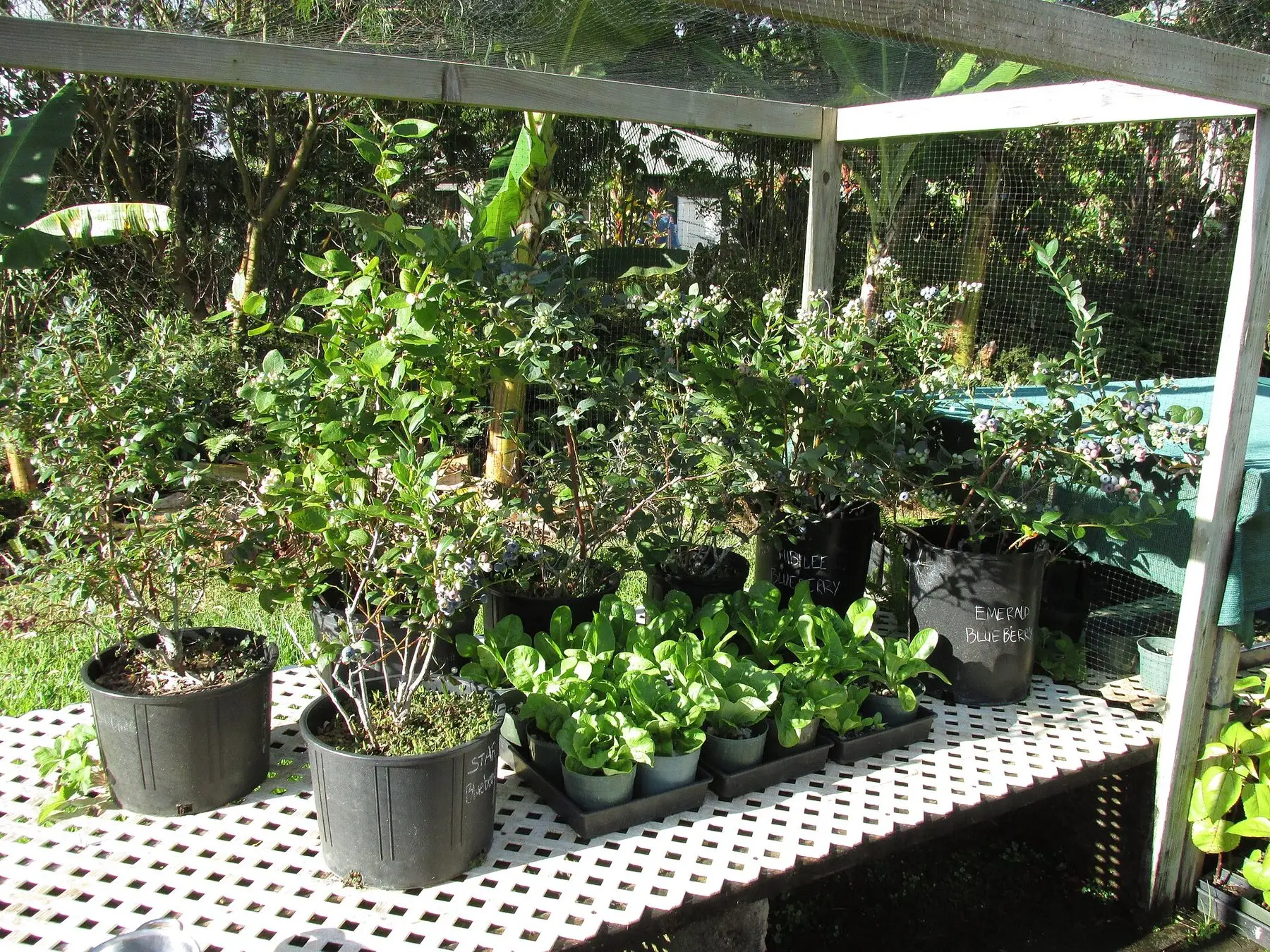
Elemental sulfur is the reliable way to acidify soil, and it takes months. What to use, how much, and why coffee grounds and vinegar do not work.
Germination runs 5–30 days depending on the grass type — ryegrass in under a week, bluegrass up to a month. Here is the timeline and what actually delays it.
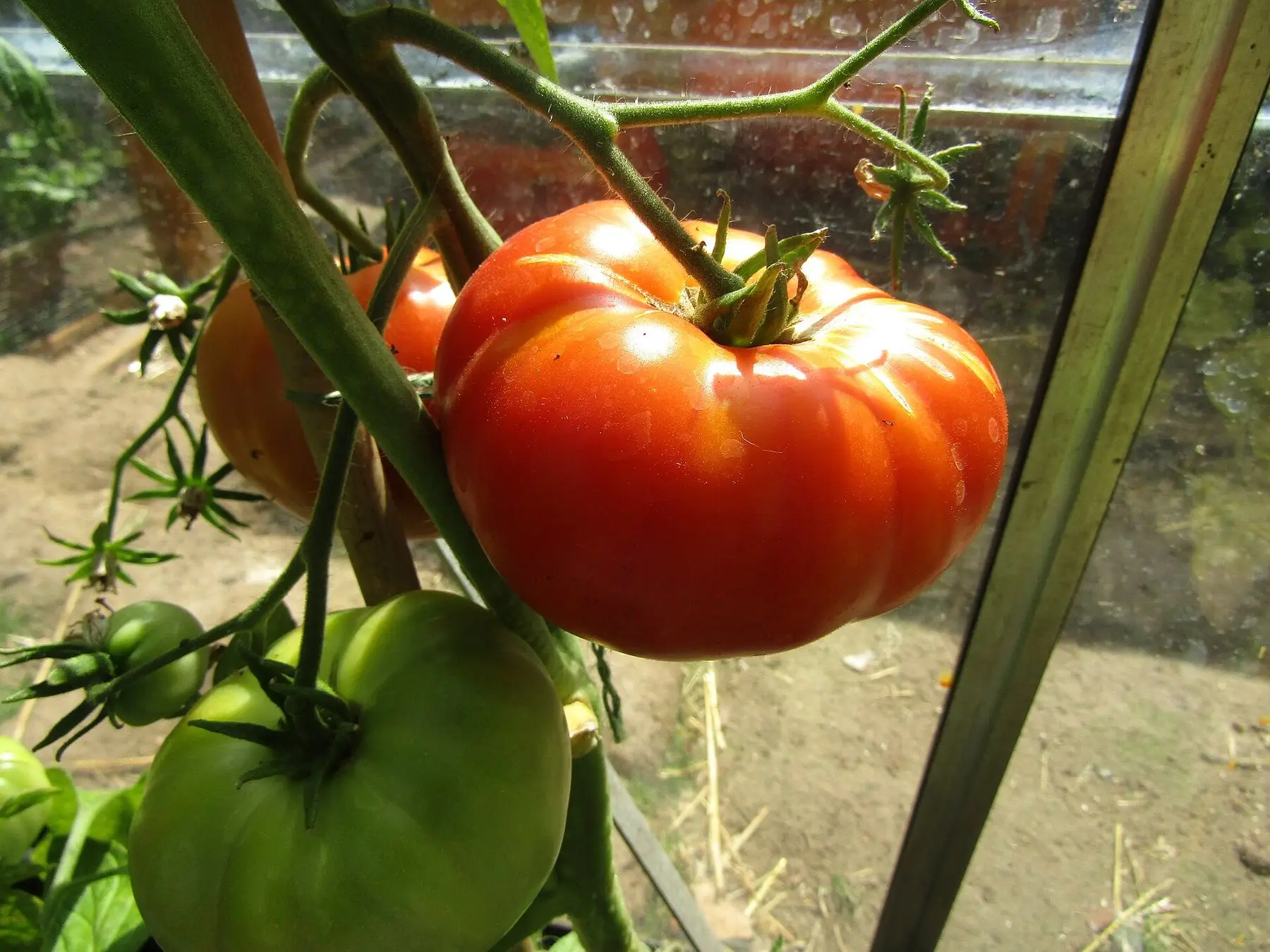
The best fertilizer for tomatoes changes once fruit sets. 4 picks compared across the season, plus the soil test first. See which your plants need.
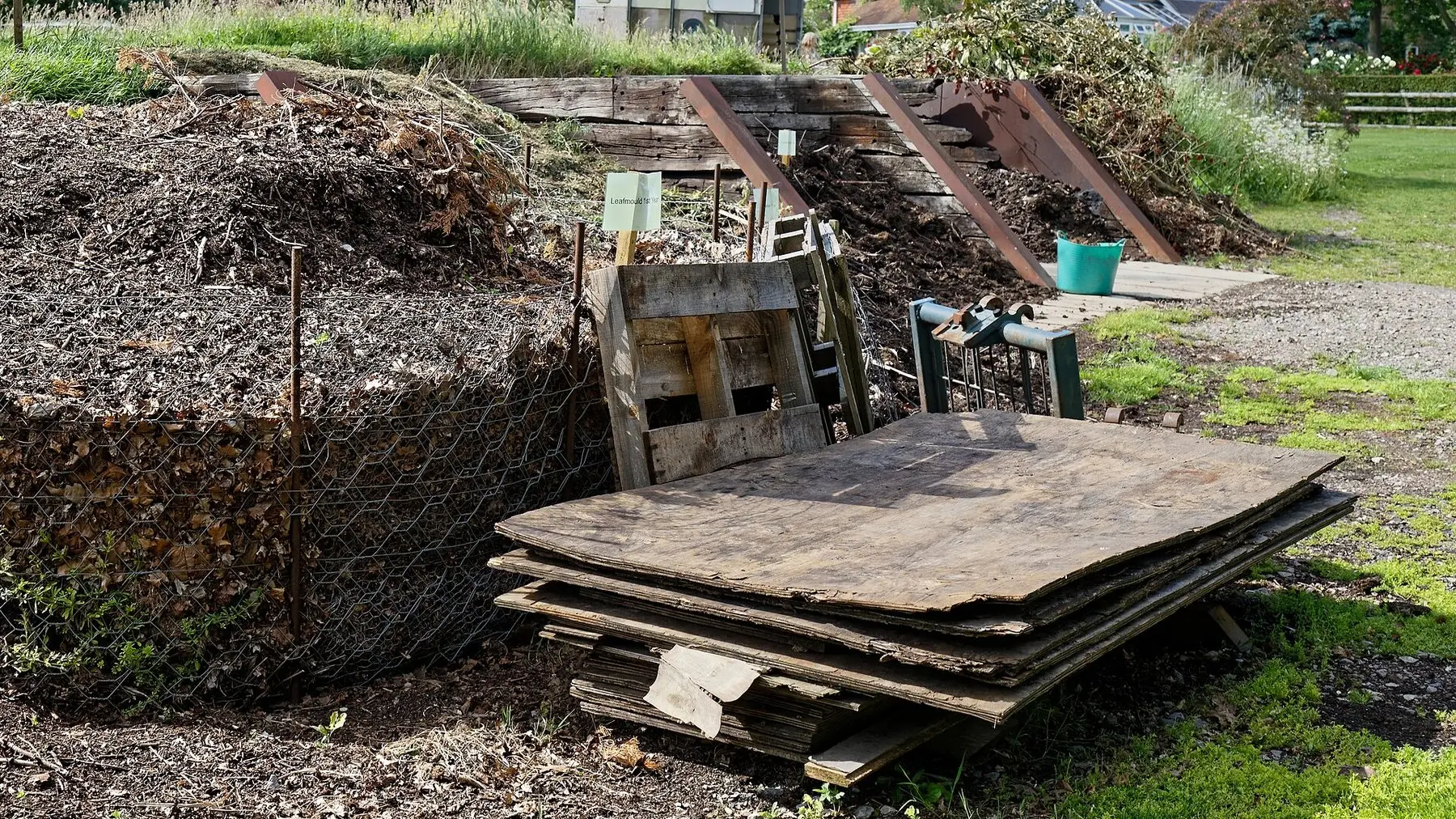
How to make a compost bin: pick the design, then size it for the heat. 4 parts cover all 3 builds. See which suits the space you have.
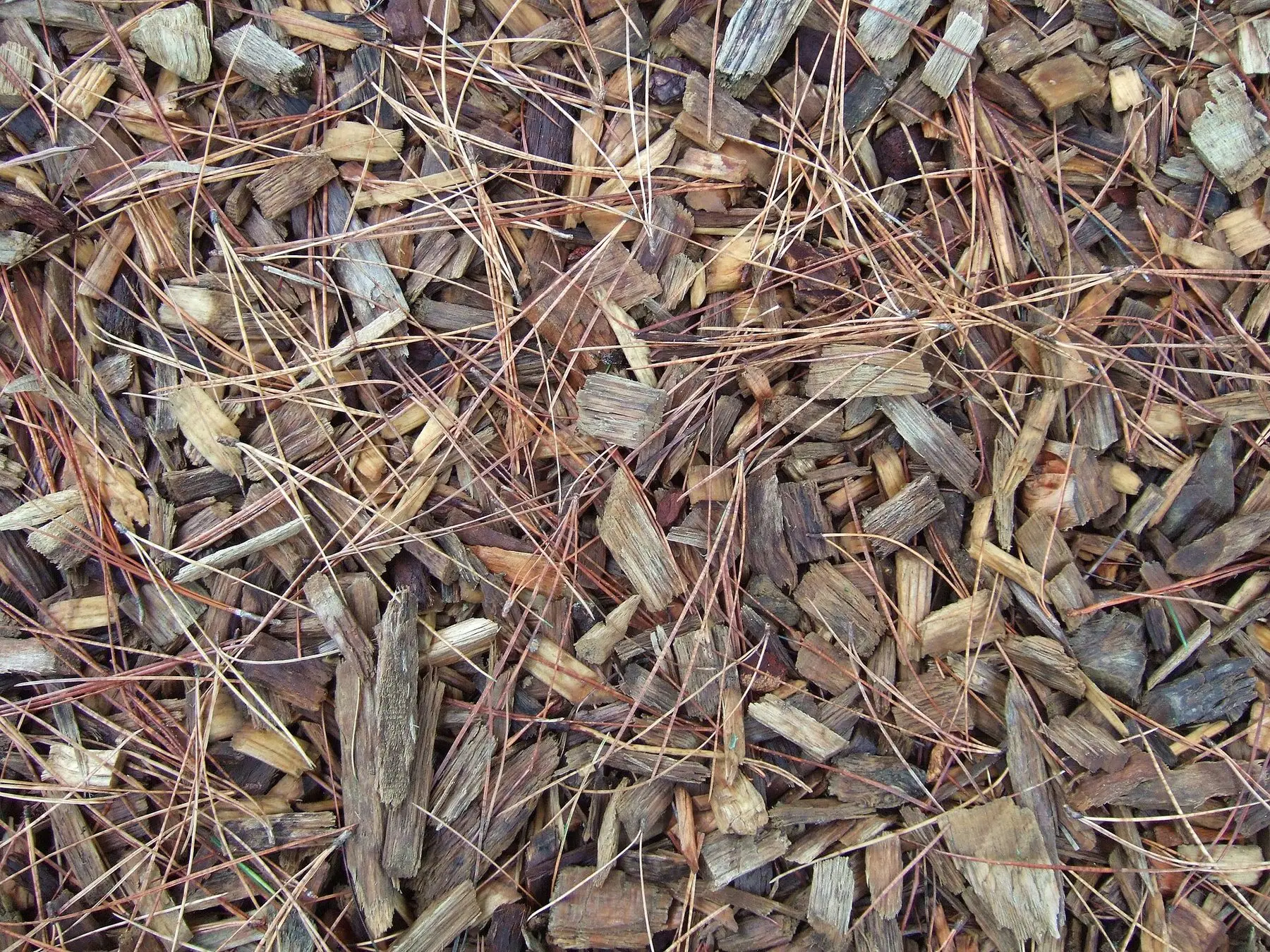
Wood chips only rob nitrogen where they meet soil, so they are excellent as a surface mulch and a bad idea dug in. Where to use them, and which chips to avoid.
Backyard Weekly
One email a week with seasonal jobs, fixes, and gear worth buying.
Not ready to subscribe? The planting calendar is free and needs no email.
By subscribing you agree to our privacy policy. Grow In Backyard will never sell your address.
Cookies
We use analytics cookies to see which guides get read, so we know what to write next. Decline and nothing is set. Privacy policy.