
Can You Mow a Wet Lawn? You Can — It Just Costs You
Mowing wet grass tears rather than cuts, clumps, compacts soil and spreads disease. If you have no choice, five adjustments limit the damage.
 By

On this page
You can. Nothing breaks. But wet mowing tears instead of cutting, clumps, compacts and spreads disease — four costs, each of which you can reduce if you have no choice.
Why the cut itself is worse
A mower blade works partly by airflow: it lifts each grass blade upright so it is struck cleanly.
Wet grass is heavier and sticks together, so it flattens under the deck instead of standing up, gets hit at an angle, and tears. The torn ends dry out and brown over the following days — which is why a lawn mown wet looks ragged and faded for a week even though it is the right length.
| Dry mowing | Wet mowing | |
|---|---|---|
| Cut quality | Clean | Torn, browns off |
| Clippings | Scatter and filter down | Clump and mat |
| Soil | Minimal compaction | Compacts |
| Disease | Low risk | Spreads spores |
| Deck | Stays clear | Packs solid, corrodes |
| Traction | Good | Poor on slopes |
The electrical point, which is not a nuance
Do not use a corded electric mower in the rain
Mains electricity and standing water are a genuine hazard and manufacturers advise against it explicitly. Battery mowers are lower risk with no mains connection, but water ingress can still damage the motor and electronics, and most warranties exclude it.
Petrol mowers carry no electrocution risk, but every other problem on this page still applies, plus poor traction on a wet slope.
If you have to mow wet, do these five things
- Sharpen the blade first. A blunt blade on wet grass tears badly.
- Raise the cutting height by one notch, so you remove less leaf.
- Mow slowly, in narrower passes — about half the usual width.
- Collect the clippings. Do not mulch; wet clippings clump and smother.
- Clean the deck underside afterwards. Packed wet grass corrodes it and carries disease forward.
Clean the deck between a diseased patch and the rest of the lawn
Fungal material sticks readily to a wet deck. If there are visible disease patches, mowing wet is the worst possible timing, and a few minutes with a scraper is worth it.
The judgement call
- Can you wait a day or two? Wait. That is almost always the better trade.
- Will waiting mean the next cut removes more than a third of the height? Mow it wet, with the adjustments above.
Scalping an overgrown lawn does more lasting harm than one untidy wet cut.
Common questions
Can you mow a wet lawn?
Is it dangerous to mow in the rain with an electric mower?
What actually happens when you cut wet grass?
How do you limit the damage if you must mow wet grass?
Does mowing wet grass spread lawn disease?
Is it better to let the grass get long or to mow it wet?
Backyard Weekly
Know what to plant, week by week
Join the weekly email for seasonal jobs, fixes for what is going wrong, and gear worth buying.
Not ready to subscribe? The planting calendar is free and needs no email.
By subscribing you agree to our privacy policy. Grow In Backyard will never sell your address.
Keep reading

Push Mower — 4 Types Matched to Lawn Size and Slope
A push mower suits most small lawns, until the ground tilts. 4 types compared on slope, grass length and cut. See which matches your lawn.
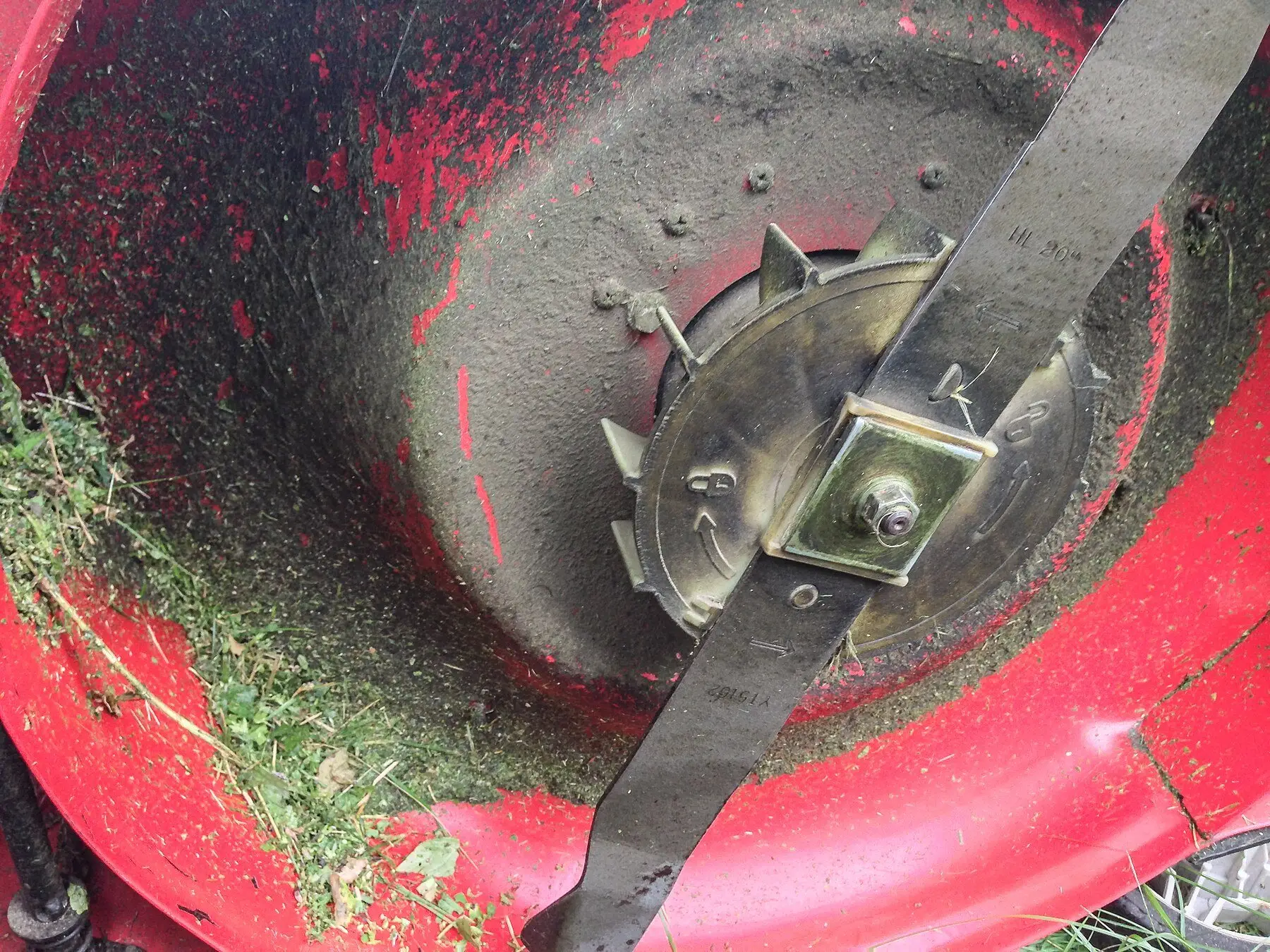
Grass Clippings as Mulch — 3 Rules for a Thin Layer
Grass clippings as mulch mat and sour unless dried and spread thin. 3 items make that easy. See how to use what the mower already produces.
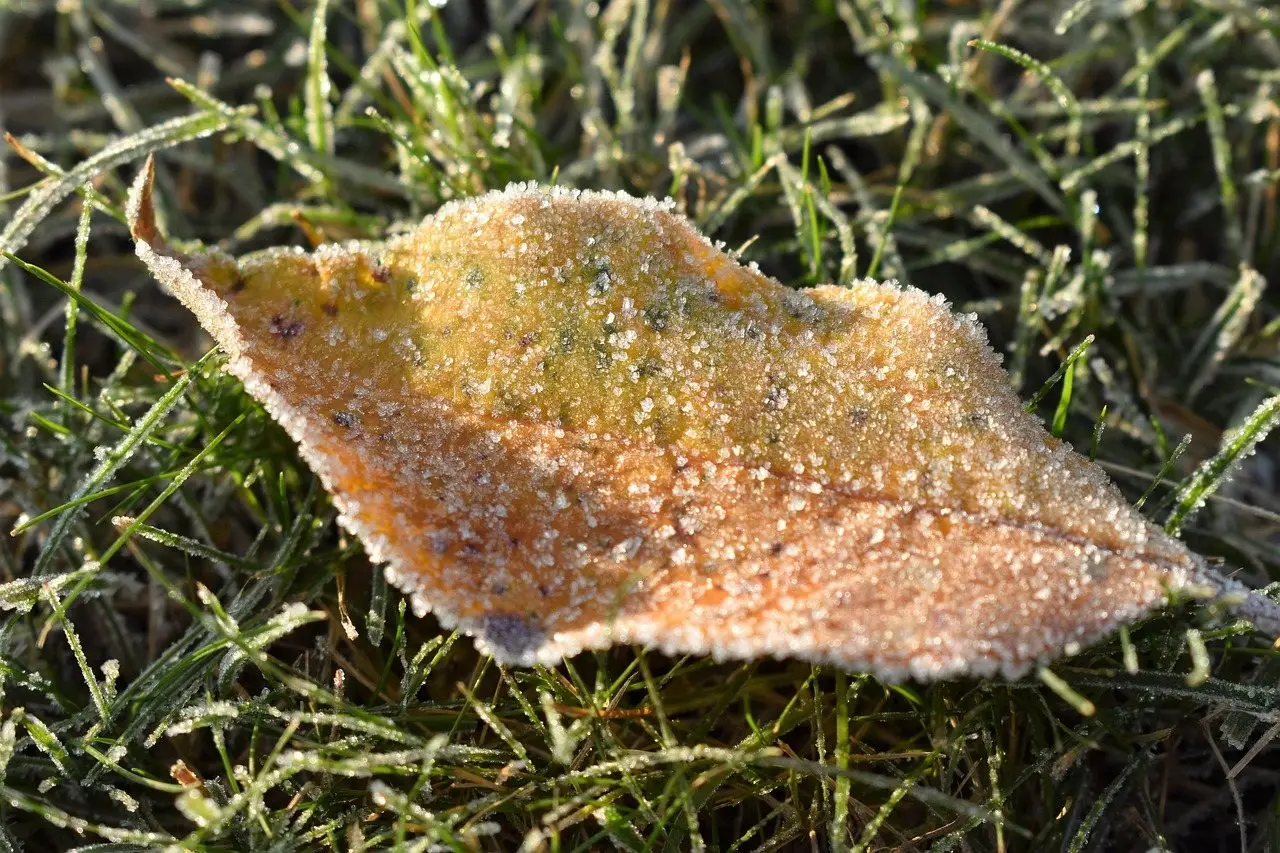
Why Is My Grass Turning White? Four Causes, One Test Each
Powdery mildew, dollar spot, frost scald and mower scalping all bleach turf white. Each has a test that rules it in or out in under a minute.
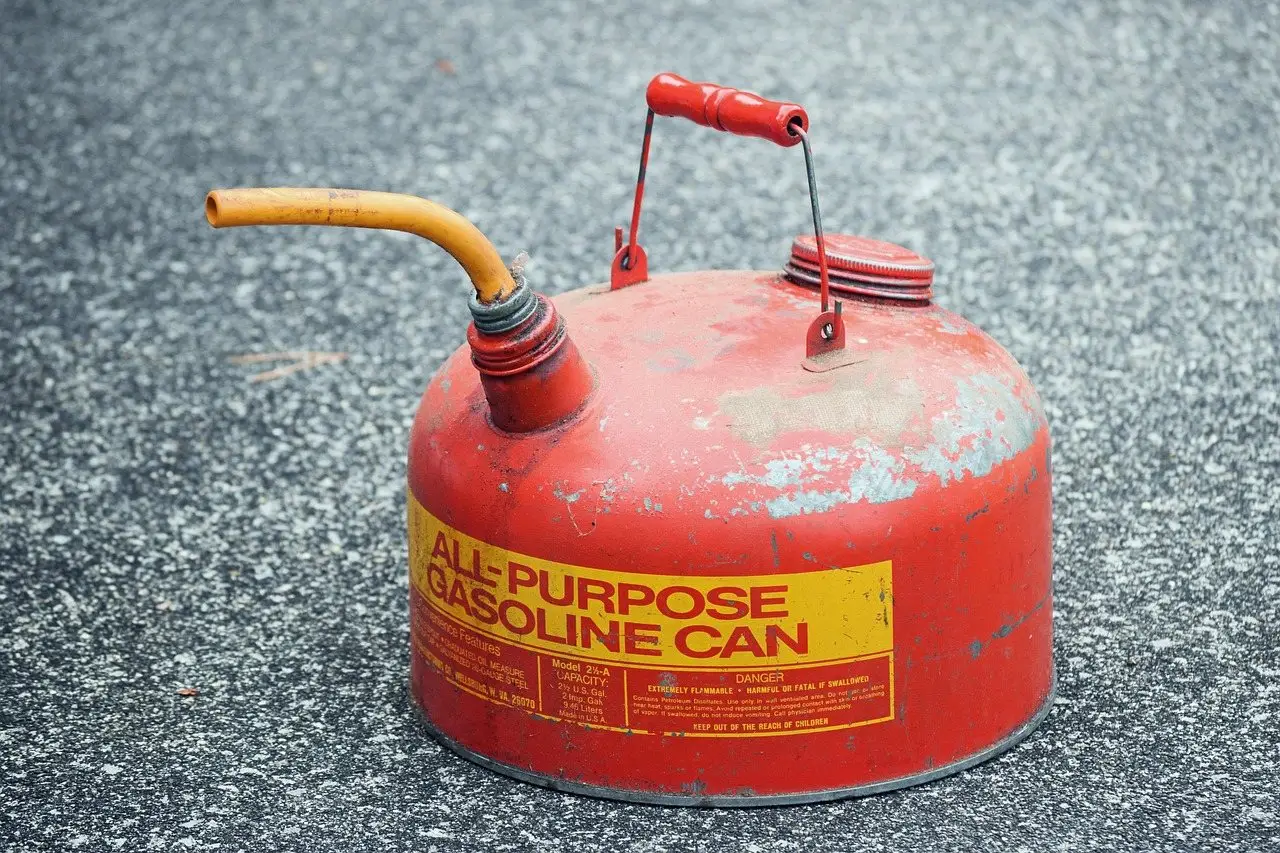
Can You Use Old Gas in a Lawn Mower? Under 30 Days, Yes
Petrol degrades within a month and ethanol blends absorb water and separate. Past 90 days, dispose of it rather than risk a gummed carburettor.