
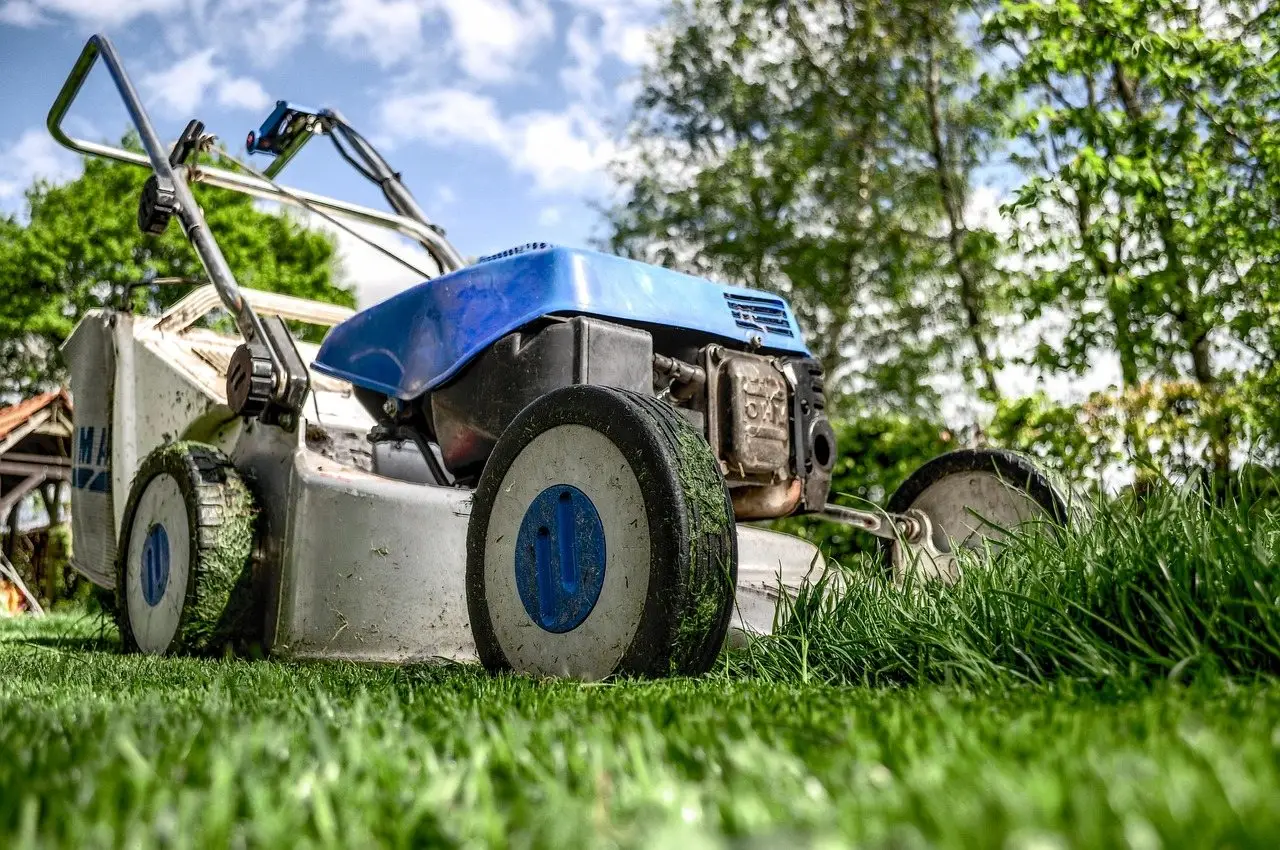
Lawn & Soil ·
Lawn Edging Ideas That Actually Keep Grass Out of Beds
Grass invades beds by rhizome and by seed, and most edging only stops one. Depths that work, materials compared, and why plastic roll edging fails.
37 guides in Lawn & Soil.
Start here
A push mower suits most small lawns, until the ground tilts. 4 types compared on slope, grass length and cut. See which matches your lawn.
Grass invades beds by rhizome and by seed, and most edging only stops one. Depths that work, materials compared, and why plastic roll edging fails.
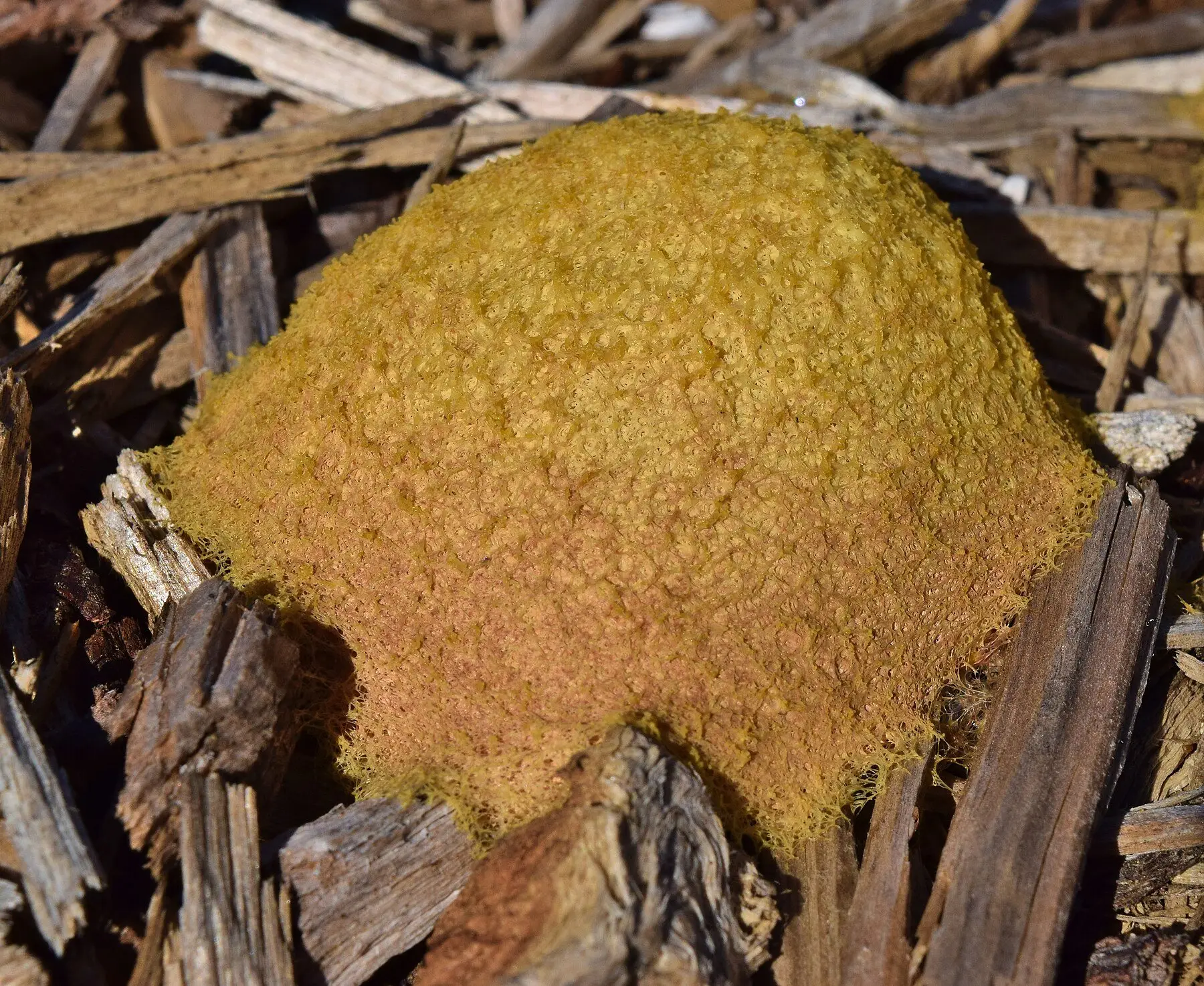
Yellow fungus in grass is almost always dog vomit slime mould, which harms nothing. How to tell it from the 2 lawn diseases that do need action.
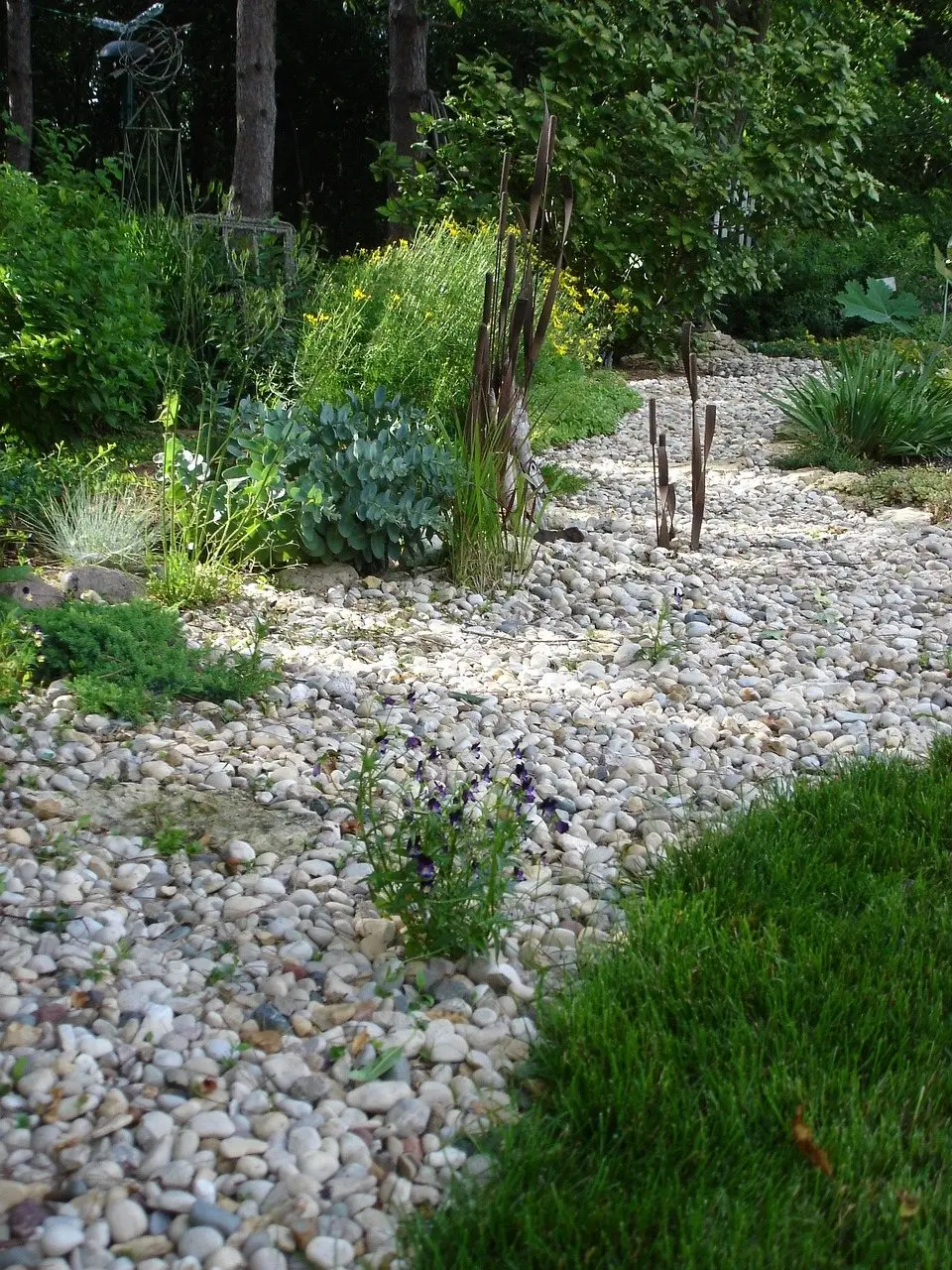
Backyard landscaping ideas no grass, costed per square foot. 11 replacements from clover to gravel, what each needs, and which survive dogs and children.

Mid-August to mid-September beats spring by a wide margin. Warm soil, cool air and no crabgrass competition — spring gives you none of those.
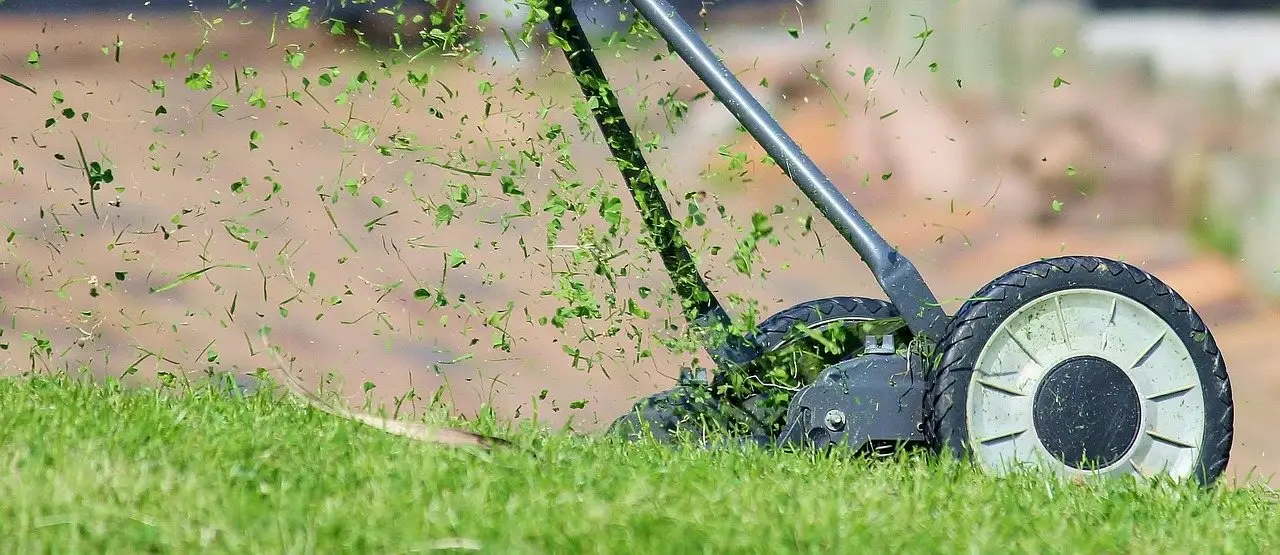
Centipede is the low-input option for acid sandy soil; St Augustine handles shade, salt and traffic better. Soil pH and shade decide it.
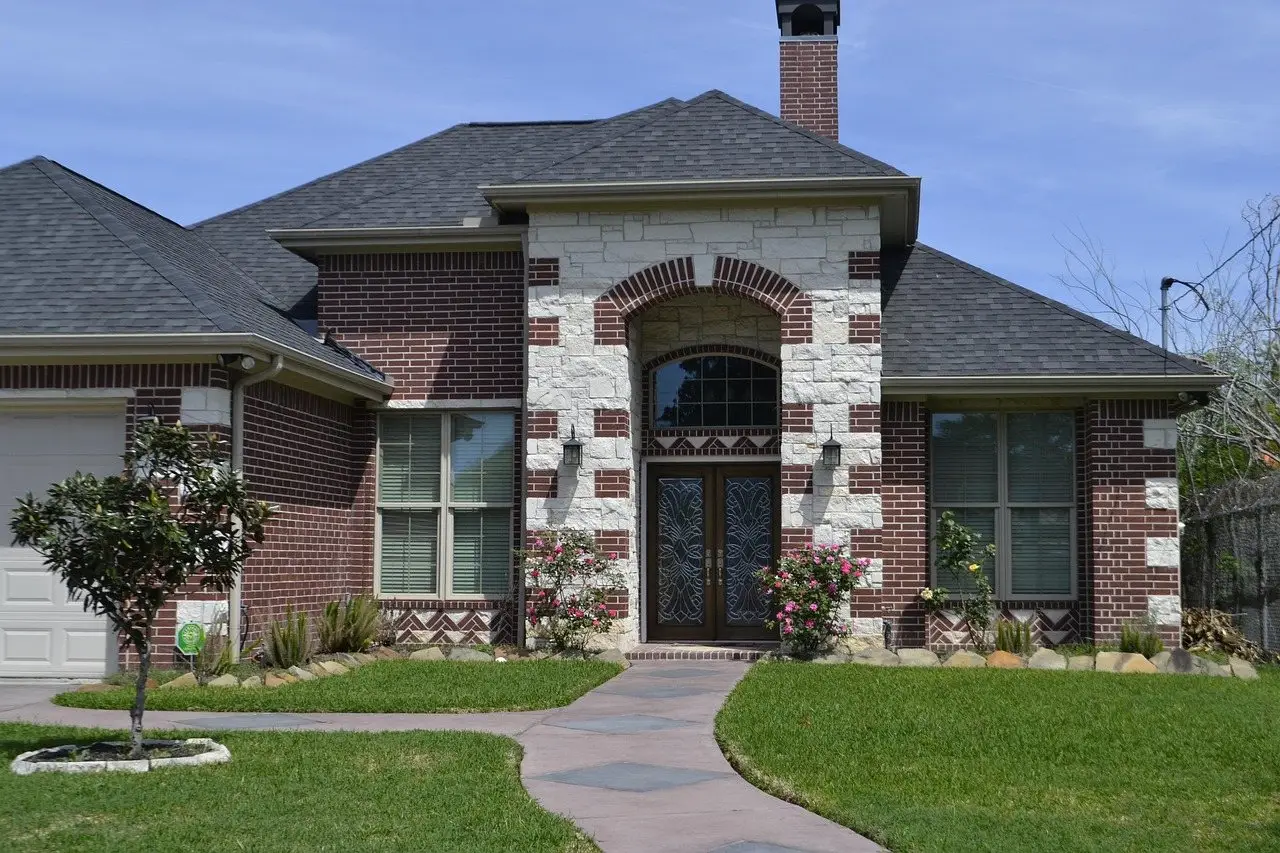
About an eighth of an acre, or a 70 by 71 foot square. Here is what that means for seed, fertiliser, water and how long it takes to mow.
Shallow dips fill with topdressing half an inch at a time. Anything deeper needs the turf lifted. The mistake is burying grass in one go.
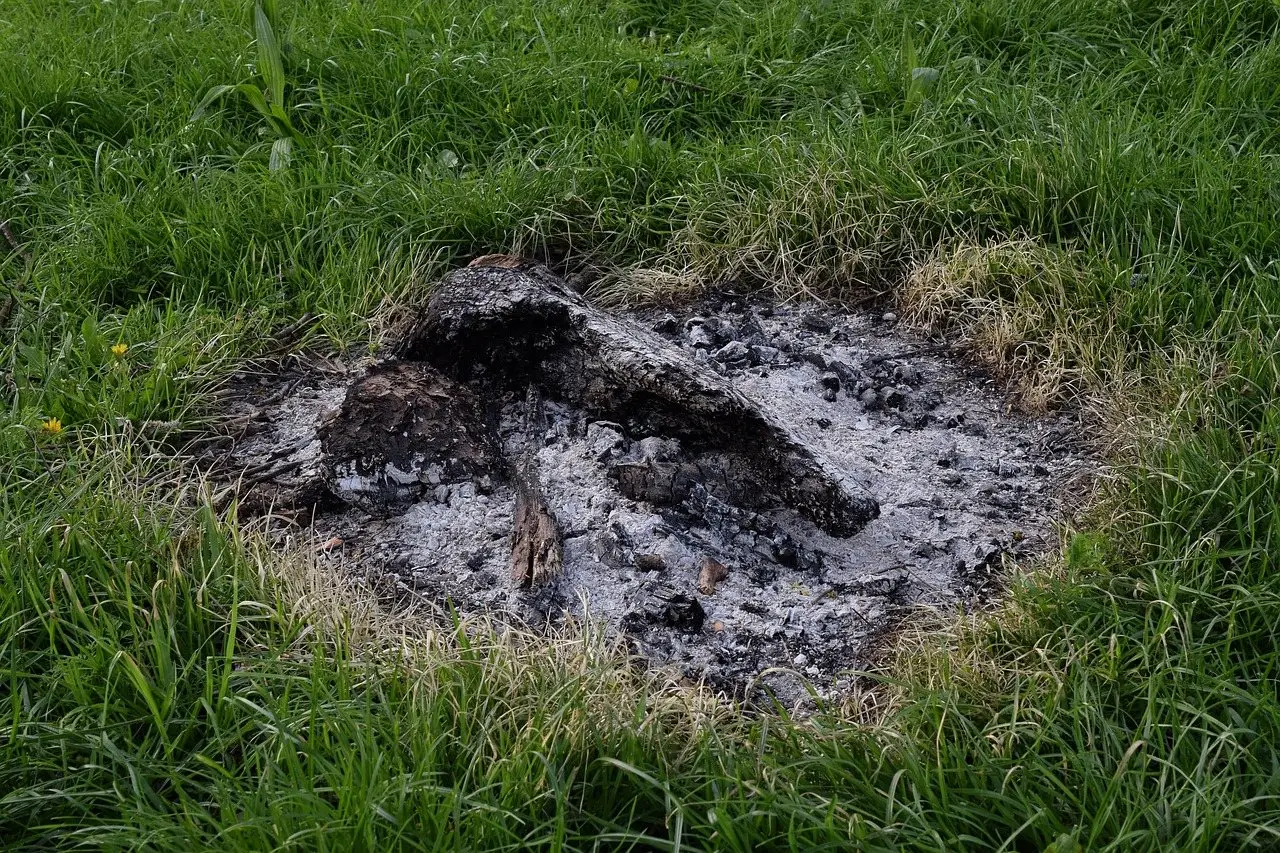
Wood ash raises pH fast and supplies potassium, which makes it useful on acid soil and harmful everywhere else. Test first, then apply at a measured rate.
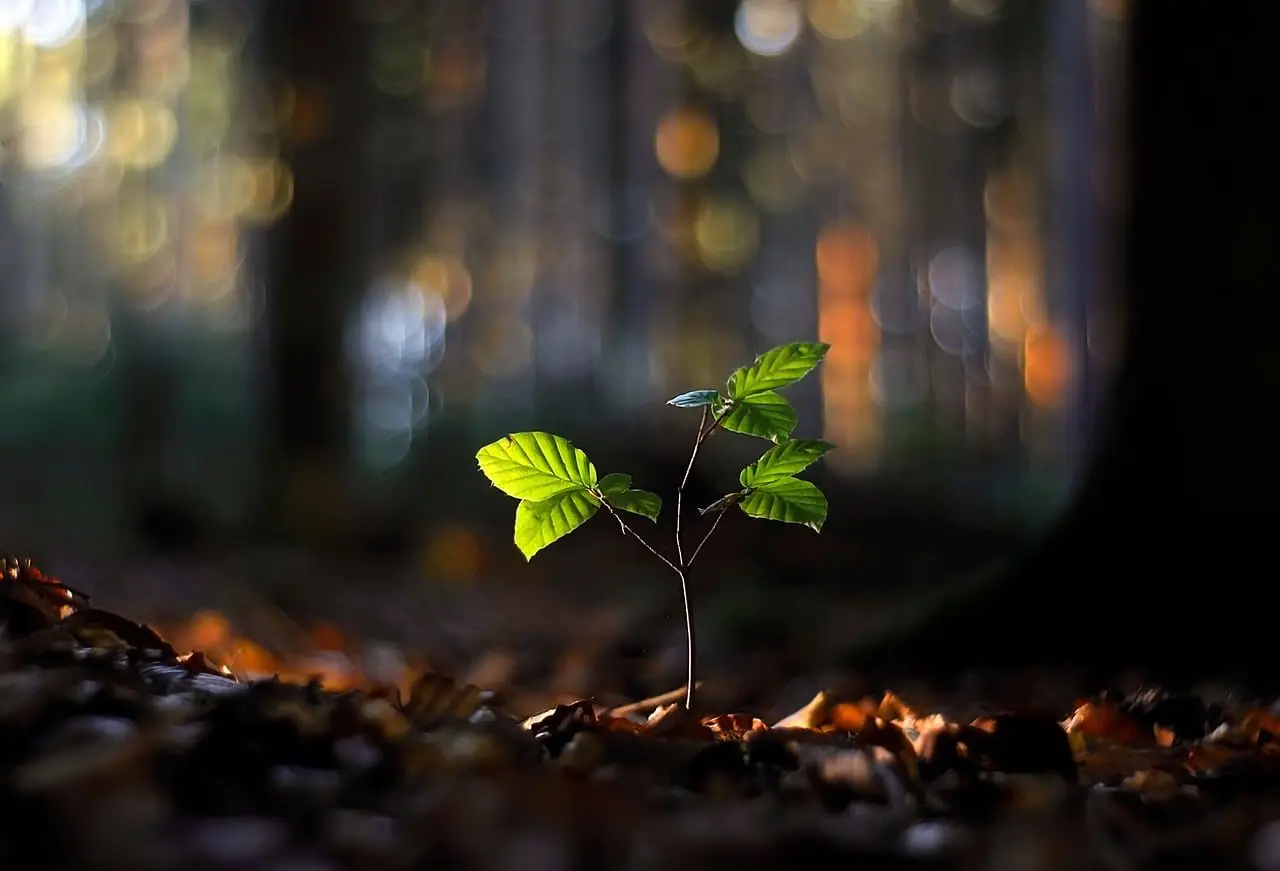
Shoots coming up across a lawn are usually root suckers from one living tree, not seedlings. Which they are decides whether mowing ever ends it.
Over-liming yellows a lawn by locking up iron and manganese, and it cannot be mown out. Elemental sulphur and a season of patience is the only real fix.
New grass left past about 4 inches goes thin, floppy and weak-rooted. The first cut matters more than any other, and the one-third rule still applies.
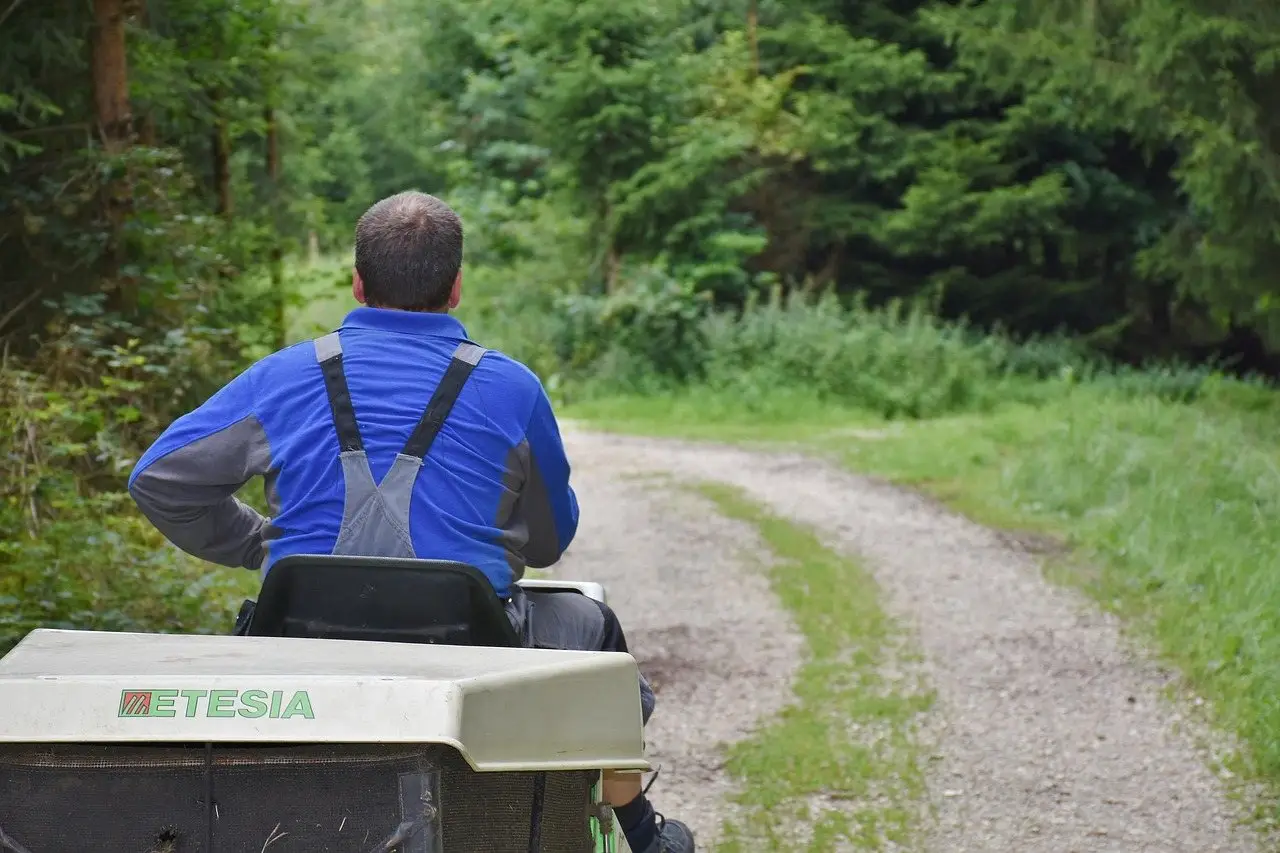
Zero turn vs lawn tractor is decided by acreage and obstacles. 4 machines compared on speed, slopes and tight corners. See which fits your yard.
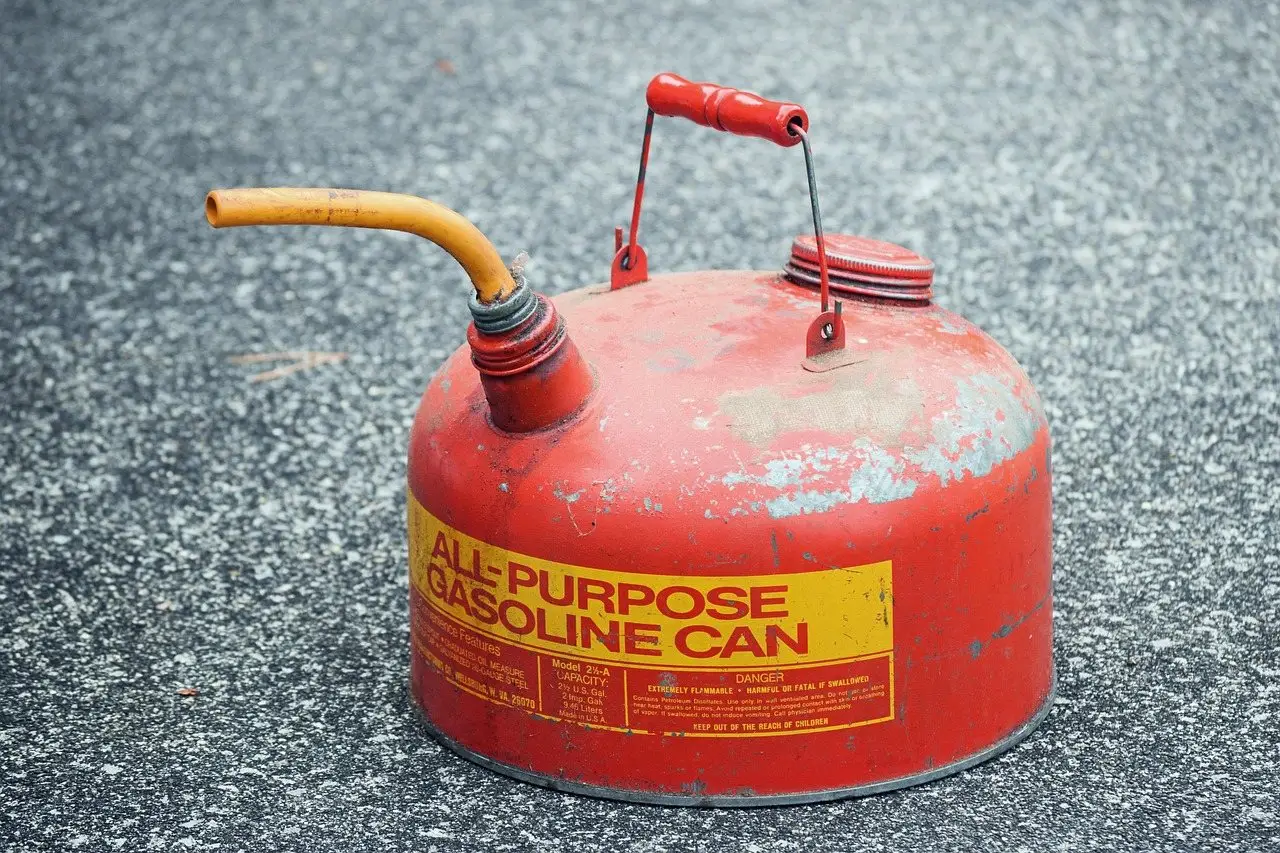
Petrol degrades within a month and ethanol blends absorb water and separate. Past 90 days, dispose of it rather than risk a gummed carburettor.
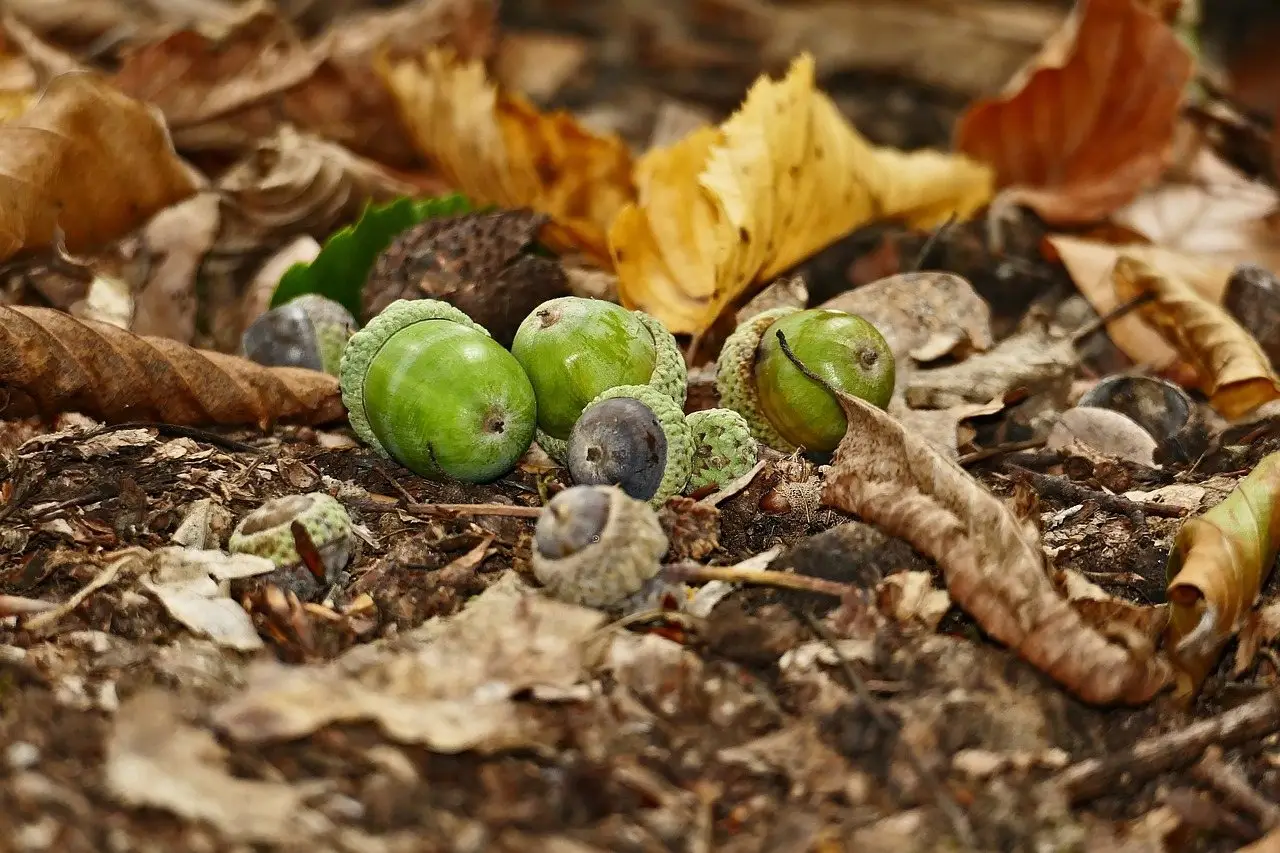
Acorns are mildly acidic but not enough to harm turf. The damage comes from a thick layer blocking light, plus the oak's shade and root competition.
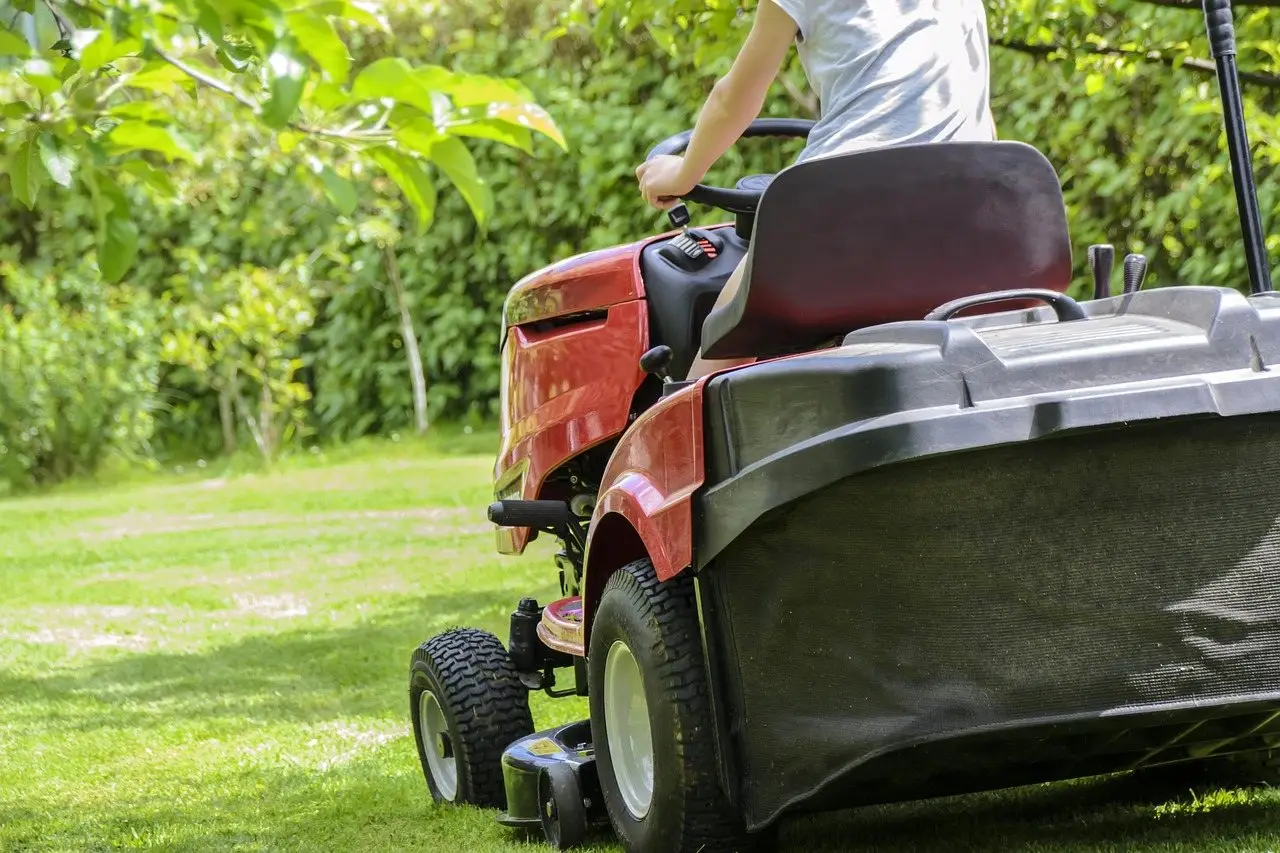
Mowing kills almost no ticks directly. What it does is remove the humid shade they need, which is a slower but far more effective control.
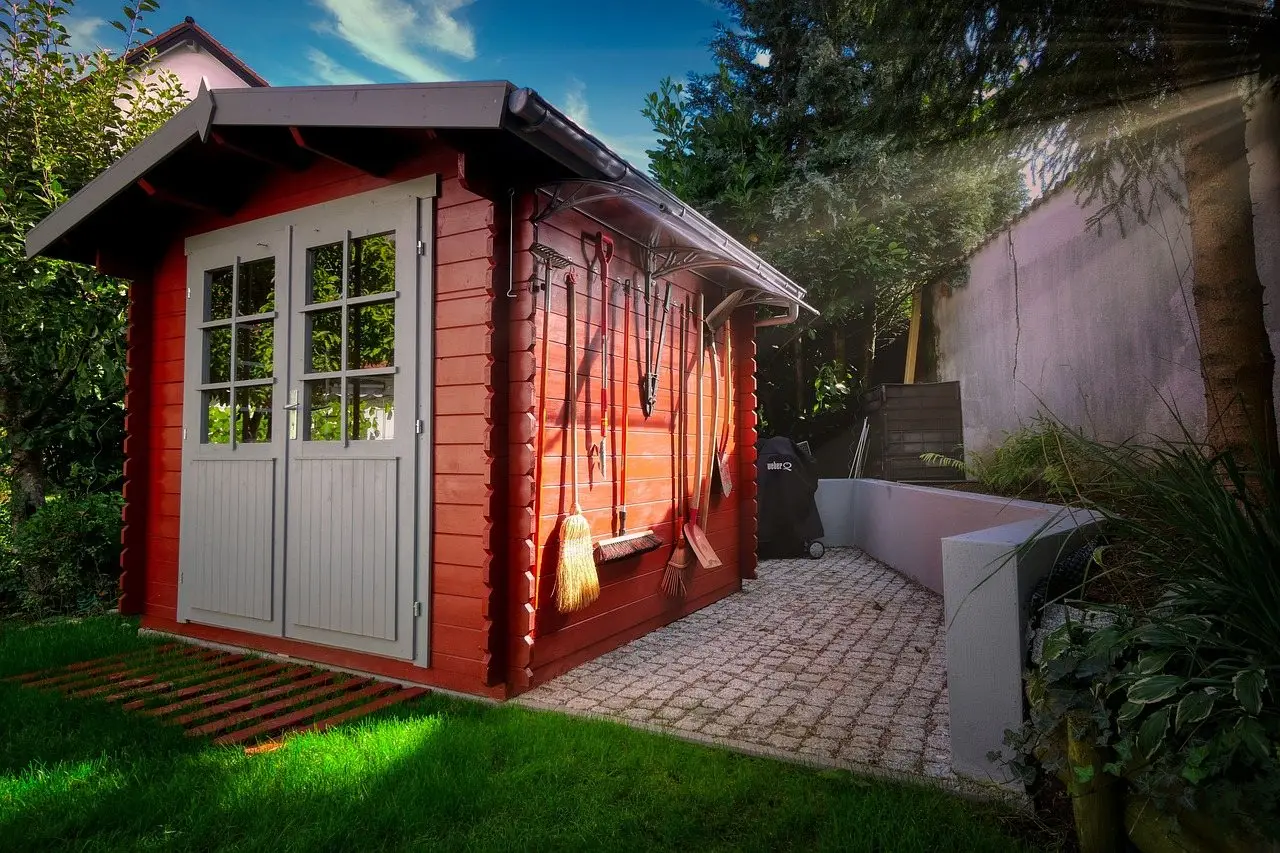
A flush band of paving or brick between lawn and bed that a mower wheel can run on, so the blade cuts the edge and nothing needs trimming by hand.
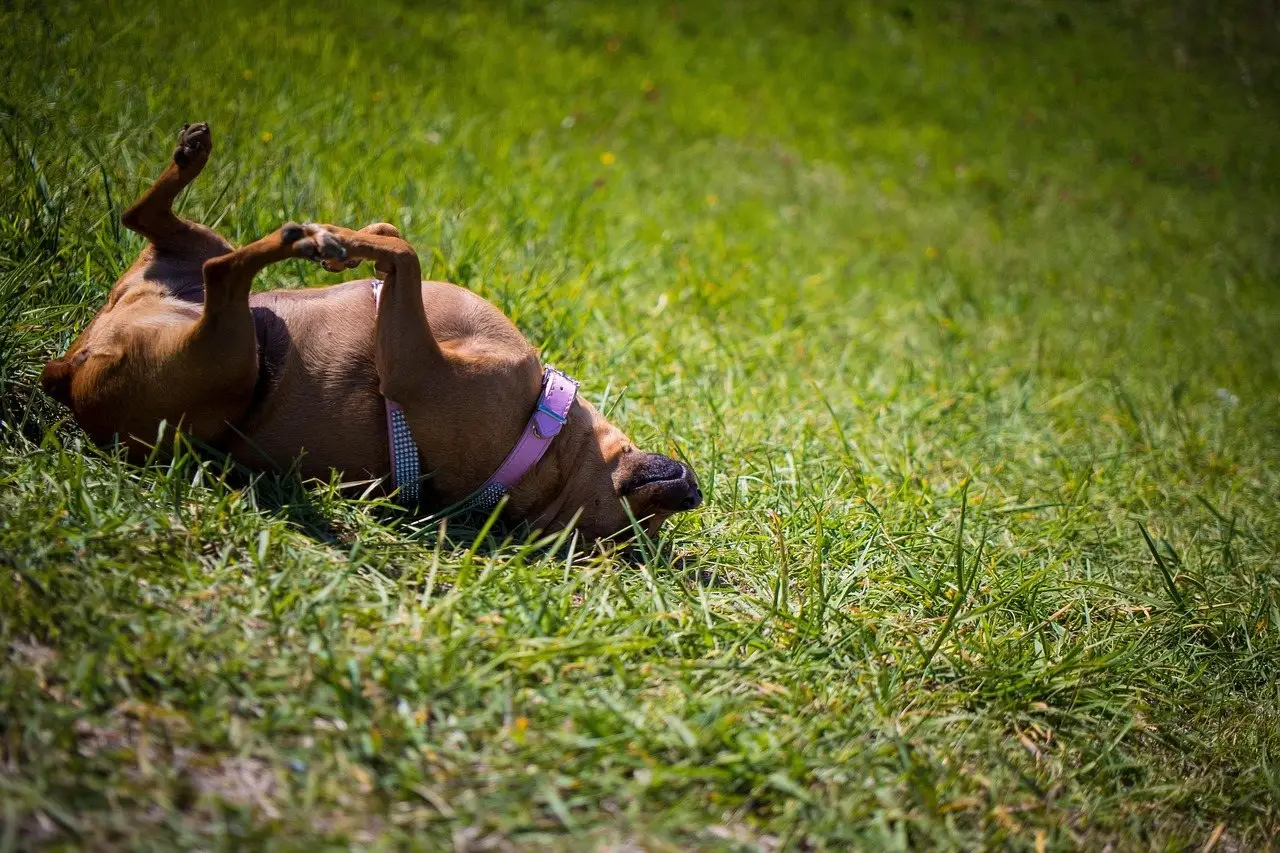
Tall fescue and perennial ryegrass tolerate urine better than Kentucky bluegrass or Bermuda. But watering the spot within hours beats any variety.
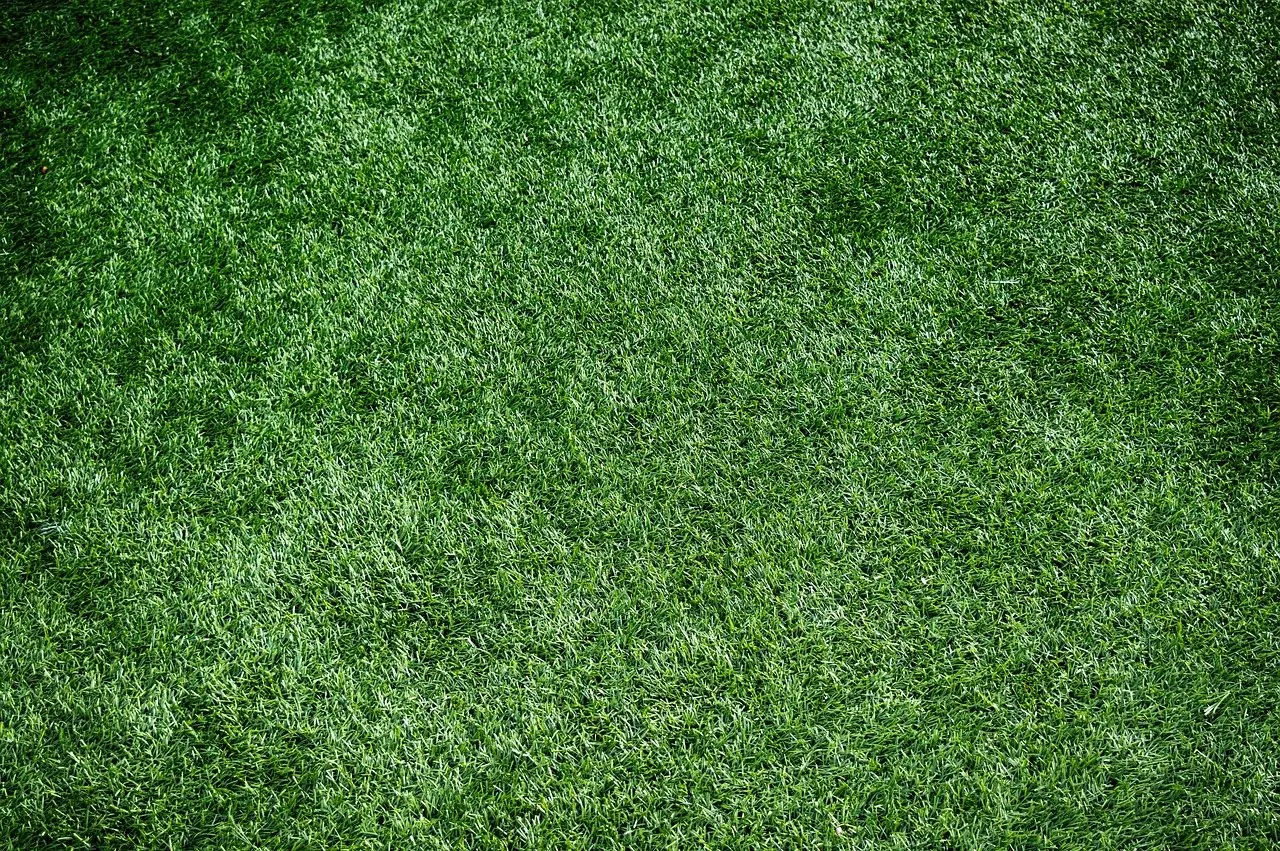
Plastic turf gets dangerously hot, kills the soil life beneath it, sheds microplastics and has no realistic recycling route at end of life.
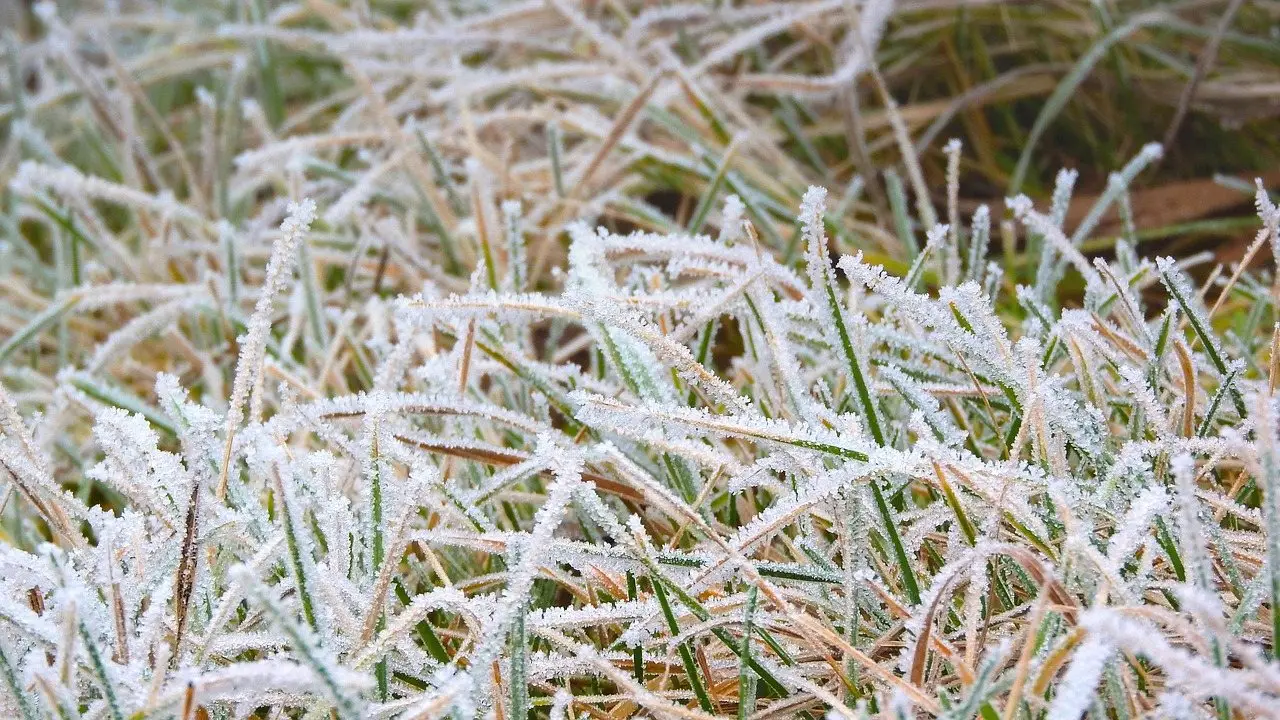
Ungerminated seed sits through frost unharmed and waits for spring. It is the seedling stage, after germination, that frost destroys outright.
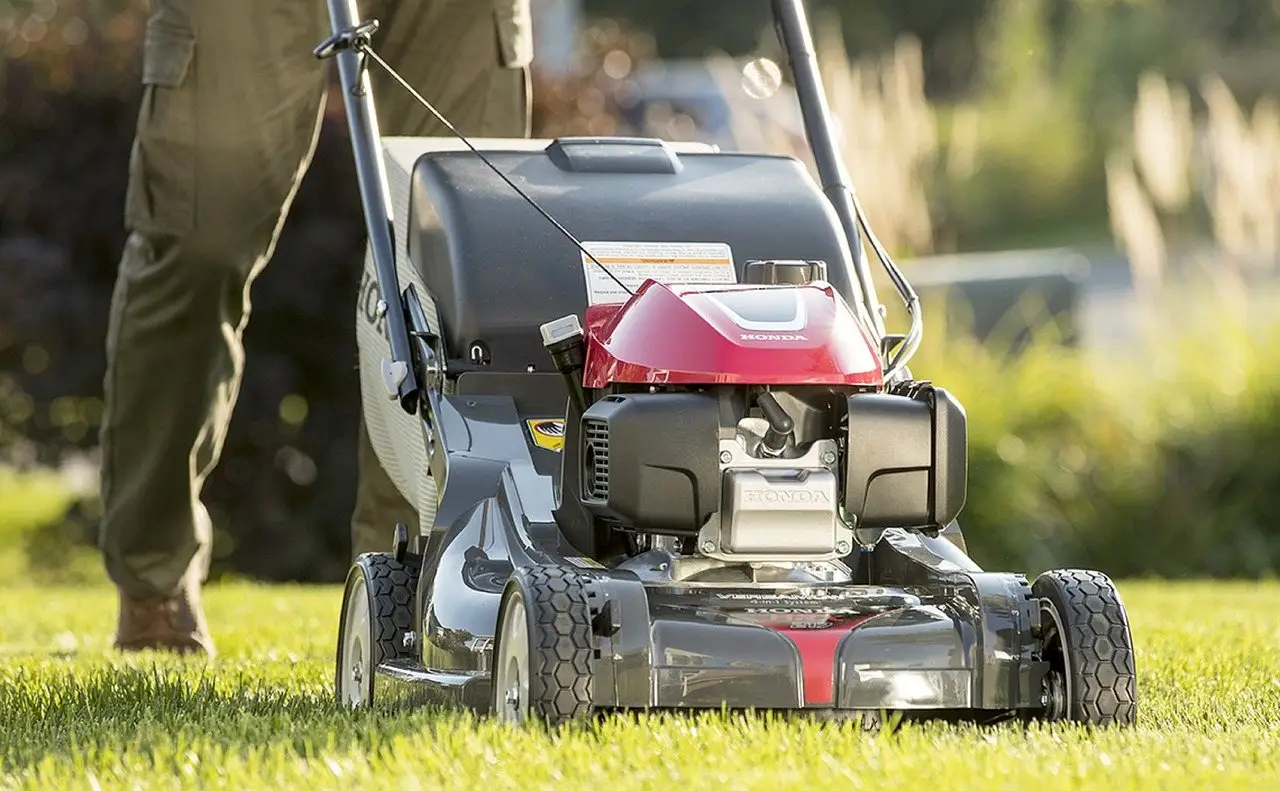
Most walk-behind mower bolts are standard right-hand thread — turn left to loosen. A few are reversed, so here is how to check before you round the bolt.
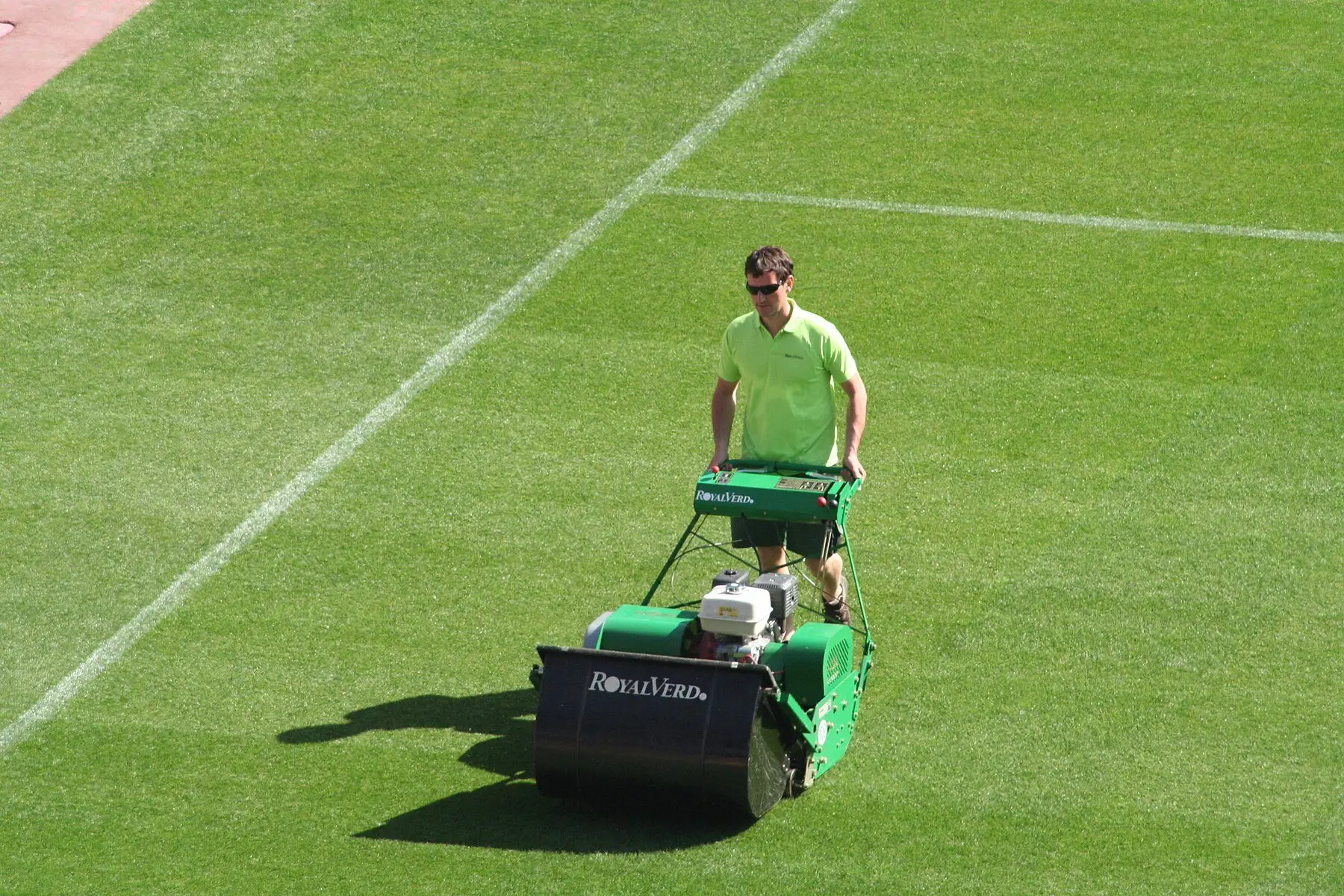
Mowing wet grass tears rather than cuts, clumps, compacts soil and spreads disease. If you have no choice, five adjustments limit the damage.
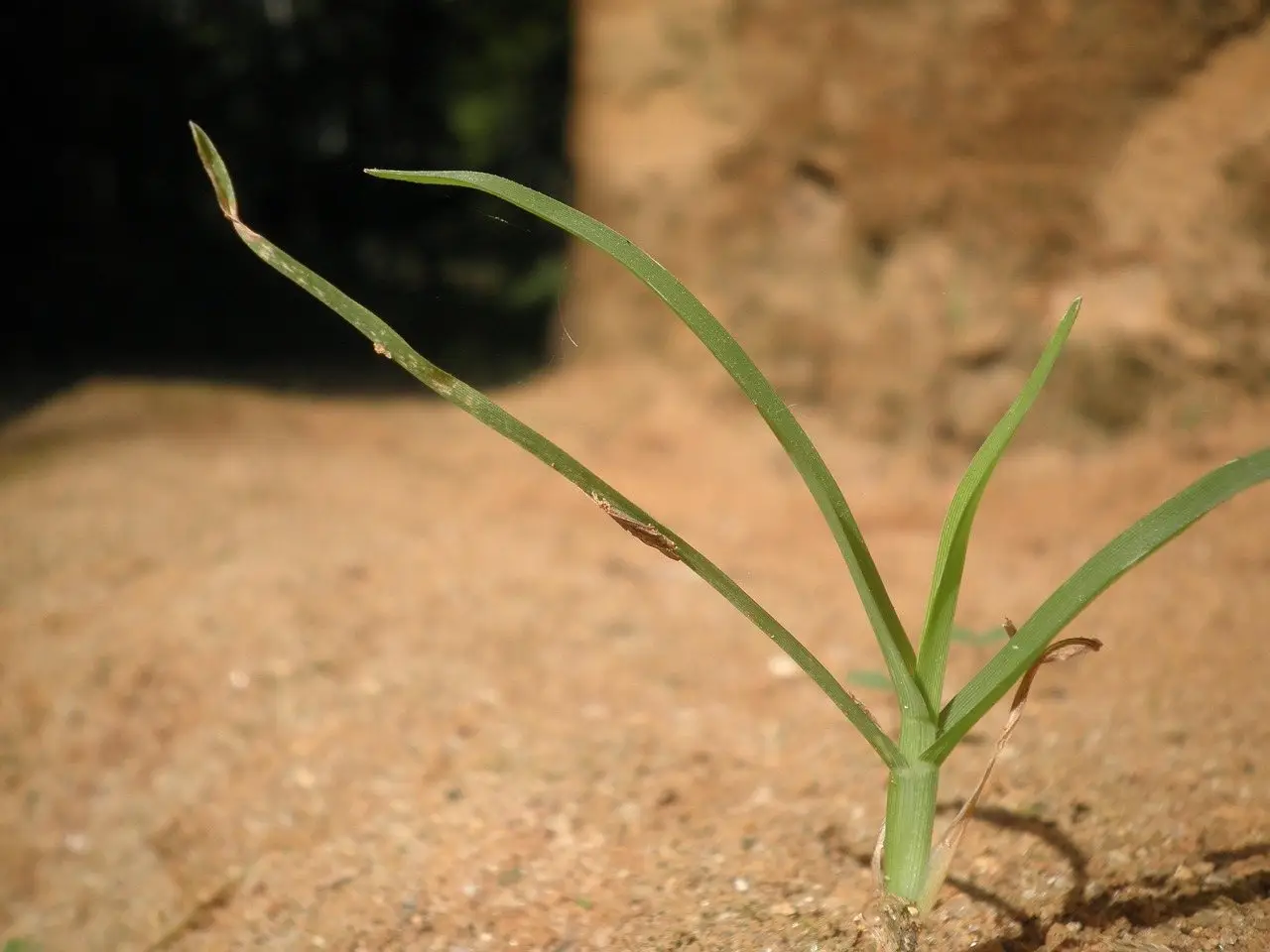
Stay off entirely until the first mow, which is usually 4 to 6 weeks. Light traffic is survivable after that; normal use needs a full growing season.
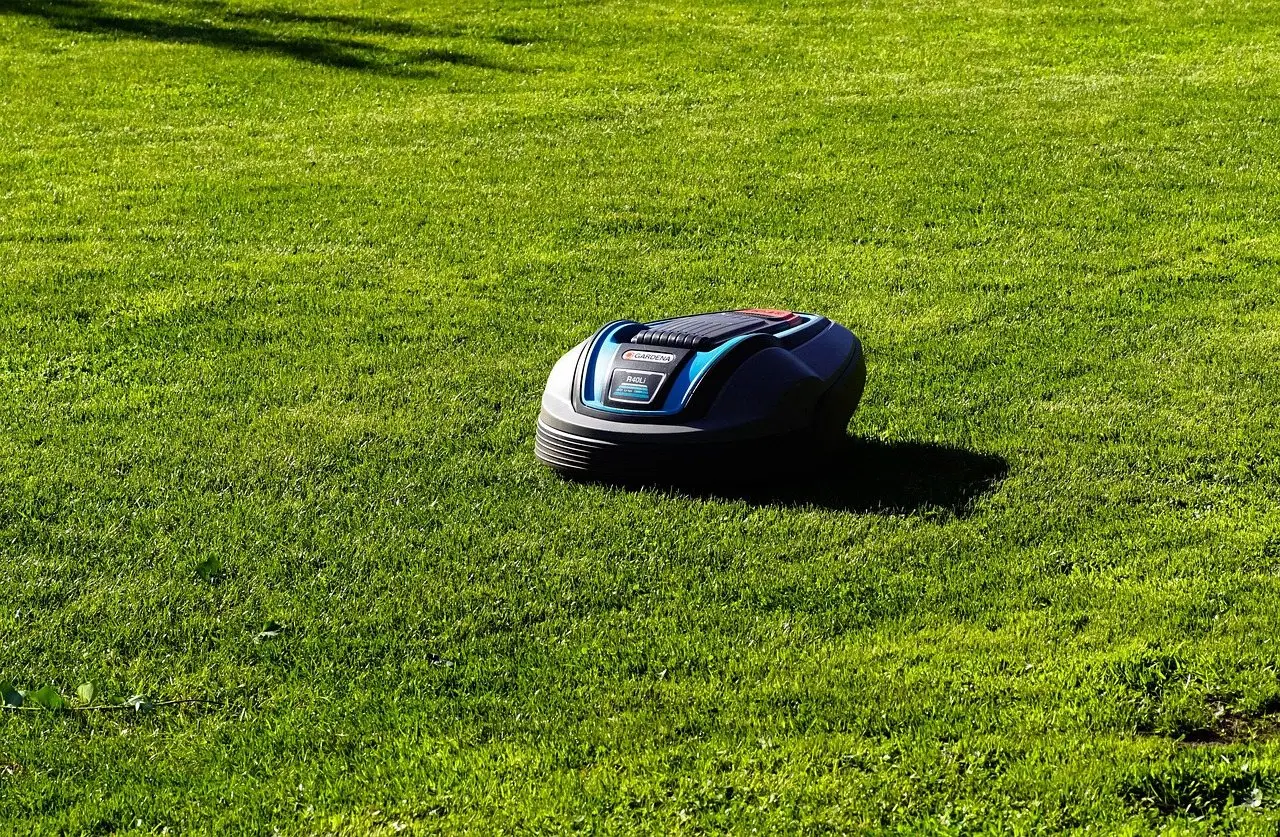
A cordless pack runs 30 to 60 minutes per charge and lasts 3 to 5 years; a riding mower's lead-acid starter battery lasts 3 to 4. Storage decides both.
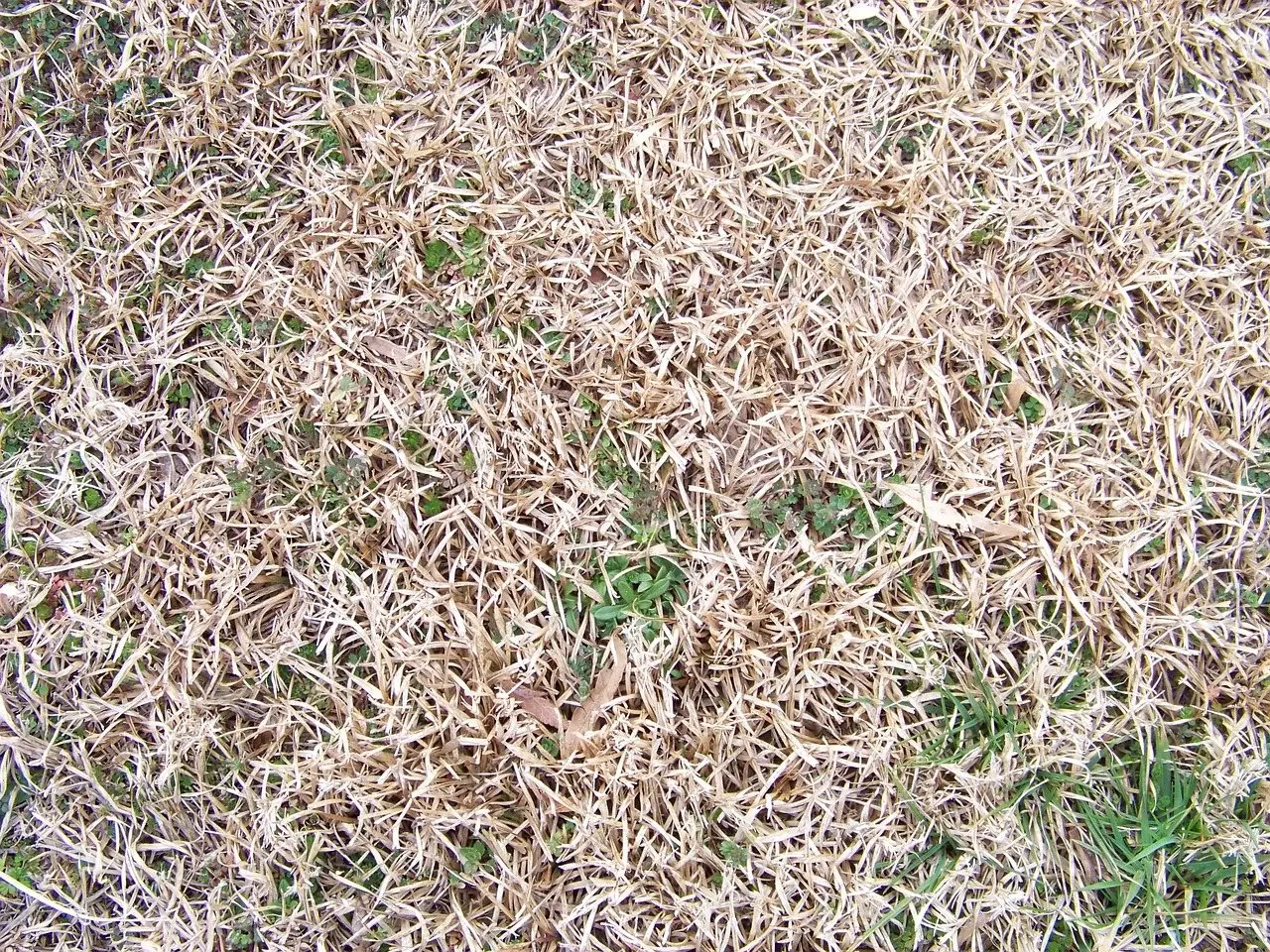
Two to four weeks if the crowns survived, never if they did not. One tug on the dead grass tells you which situation you are in before you spend anything.
Wait until it is a third taller than your target height — about 3 to 4 inches — not a fixed number of weeks. Sharp blade, dry ground, one third off.
Green waste collection, a compost heap, mulch or grasscycling. Dumping them in woods or a watercourse is illegal fly-tipping in most places.
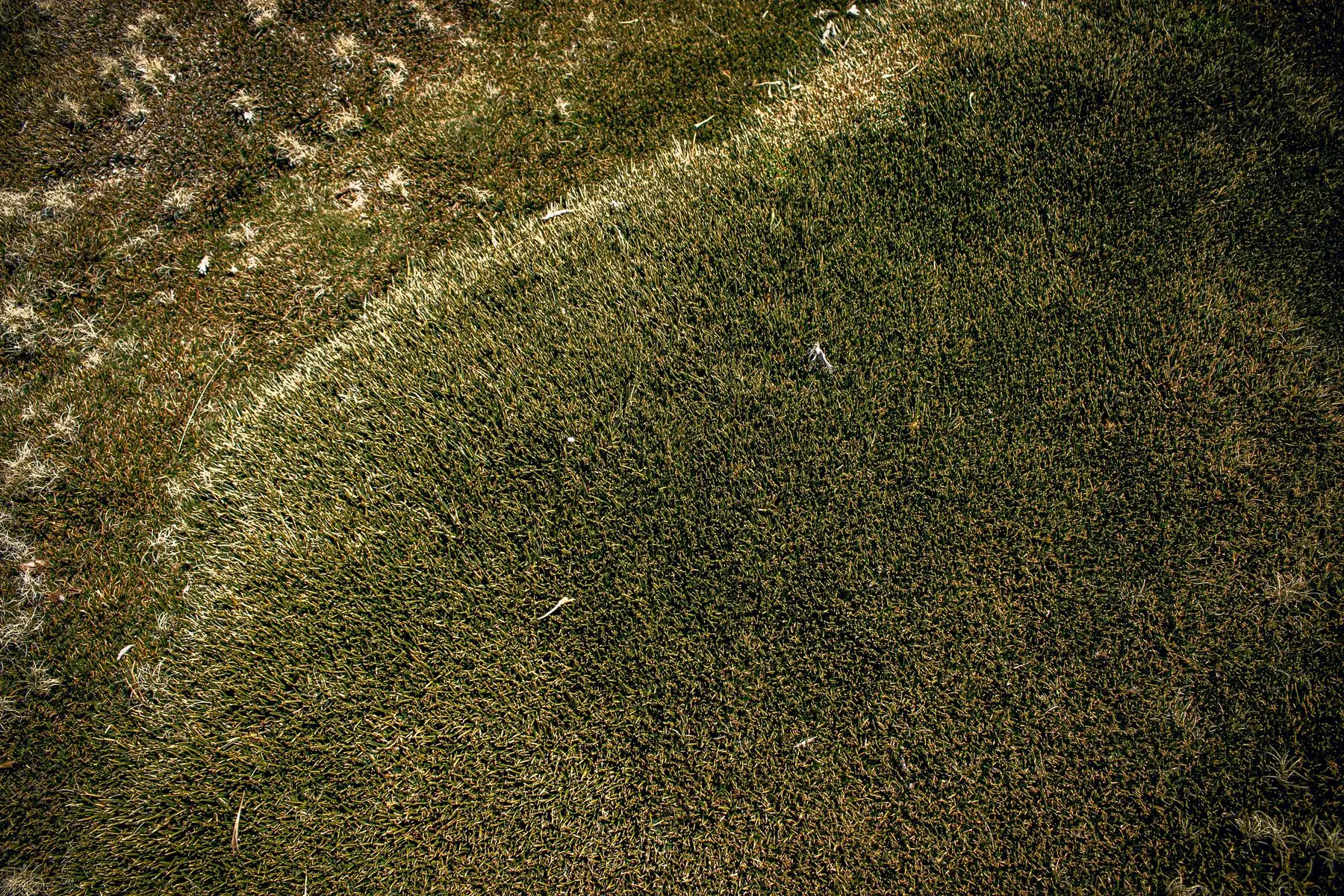
Epsom salt is magnesium sulfate, not a herbicide. It won't reliably kill grass, and the vinegar-and-Epsom recipes work through the vinegar.
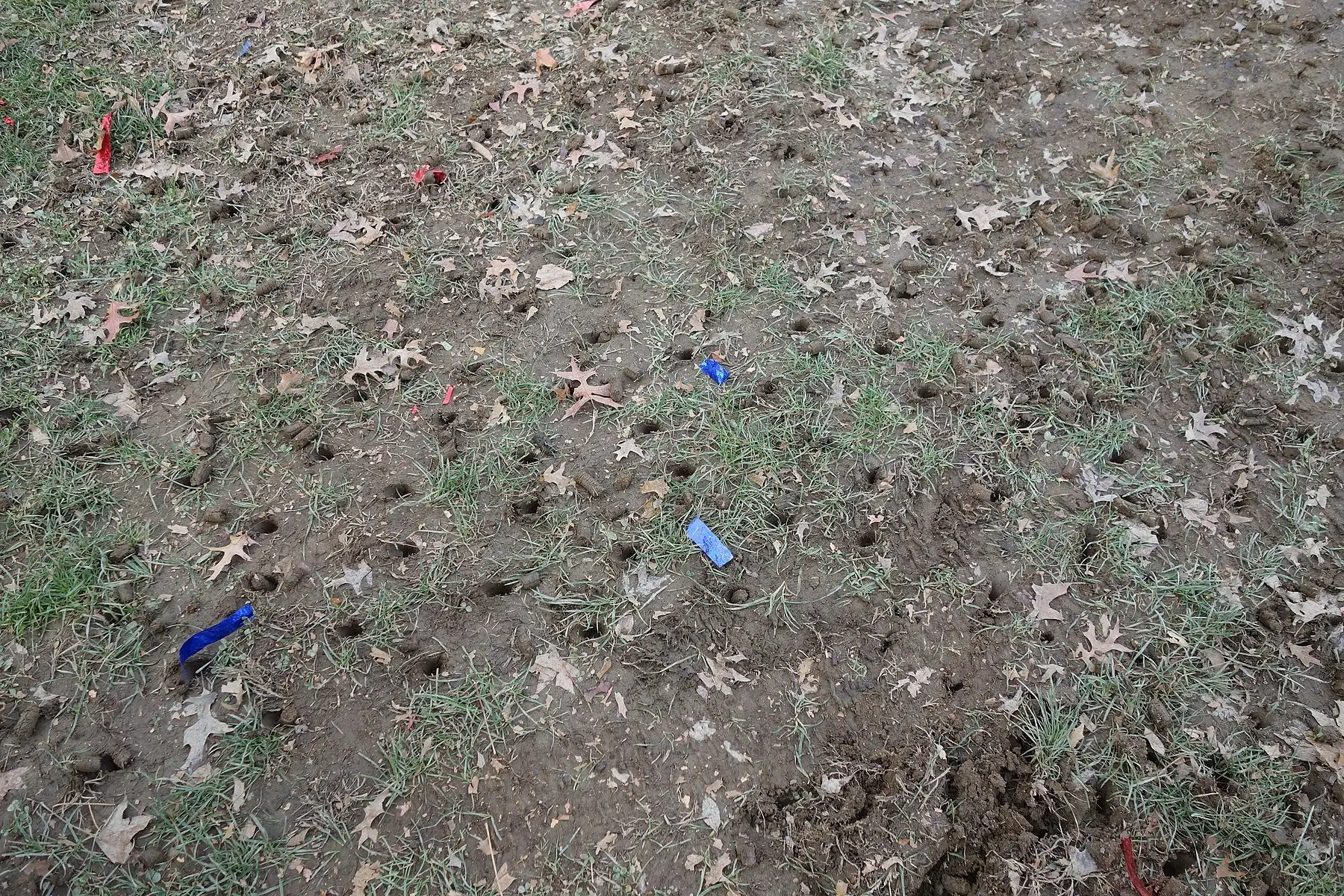
Leave the cores where they fall, overseed within 48 hours, top-dress with compost, and hold off mowing. The order matters more than the tasks.
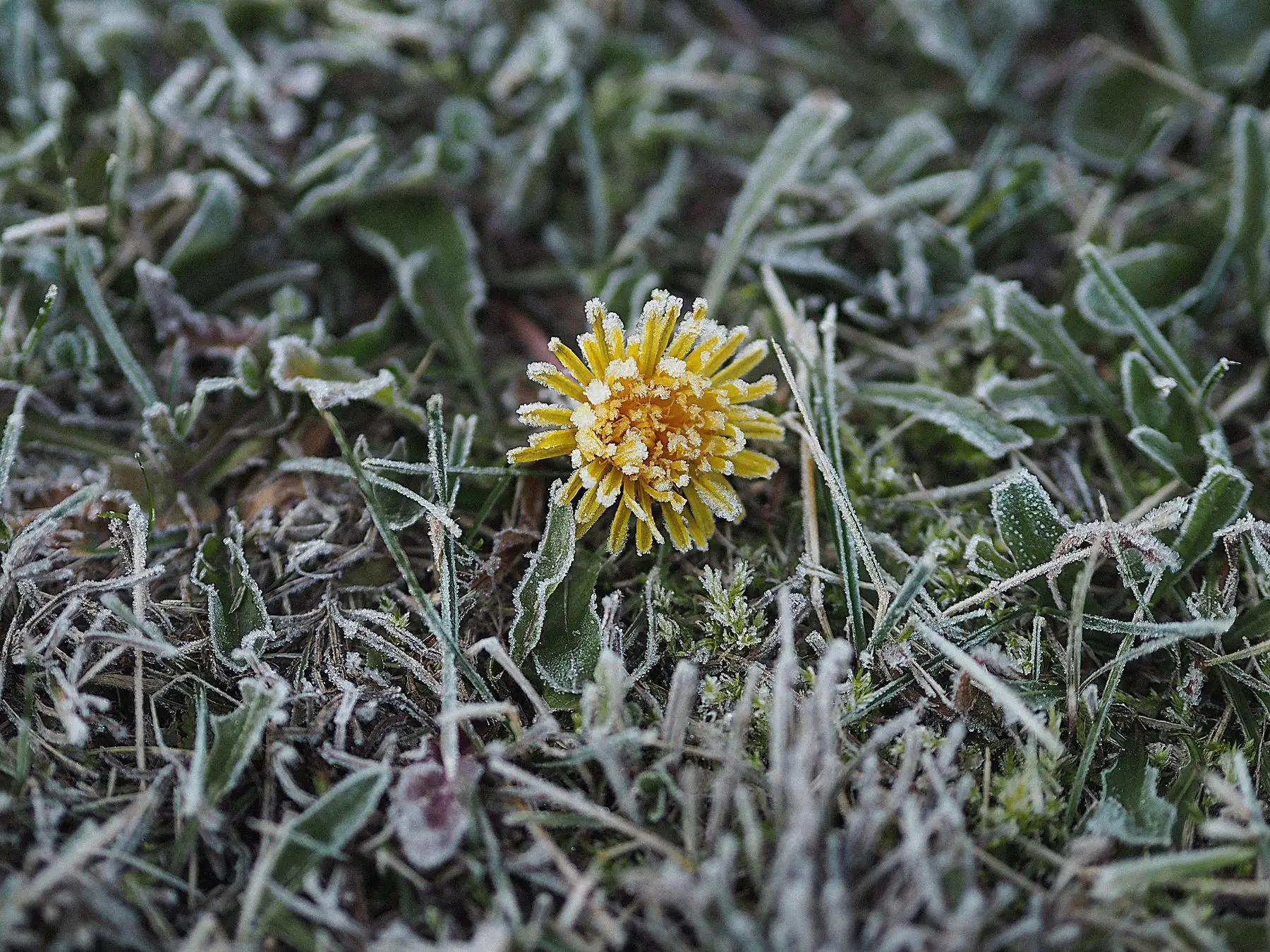
Summer annuals die at the first frost, but winter annuals and perennials carry straight through. Which is which, and why autumn is the best time to act.
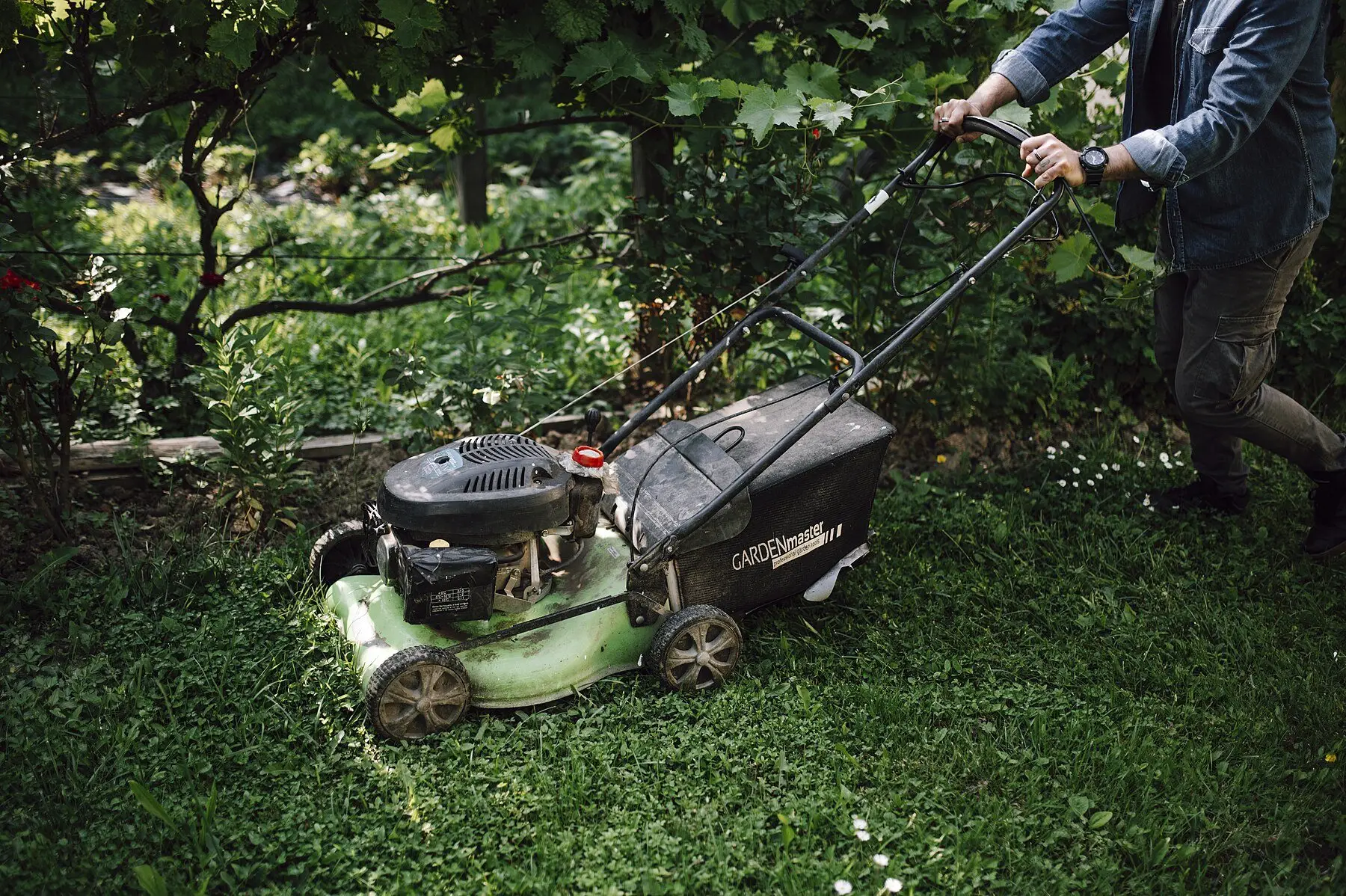
Most bumps are fixed with half an inch of topdressing at a time. The soil mix, why you cannot bury grass, and the drainage question to ask first.
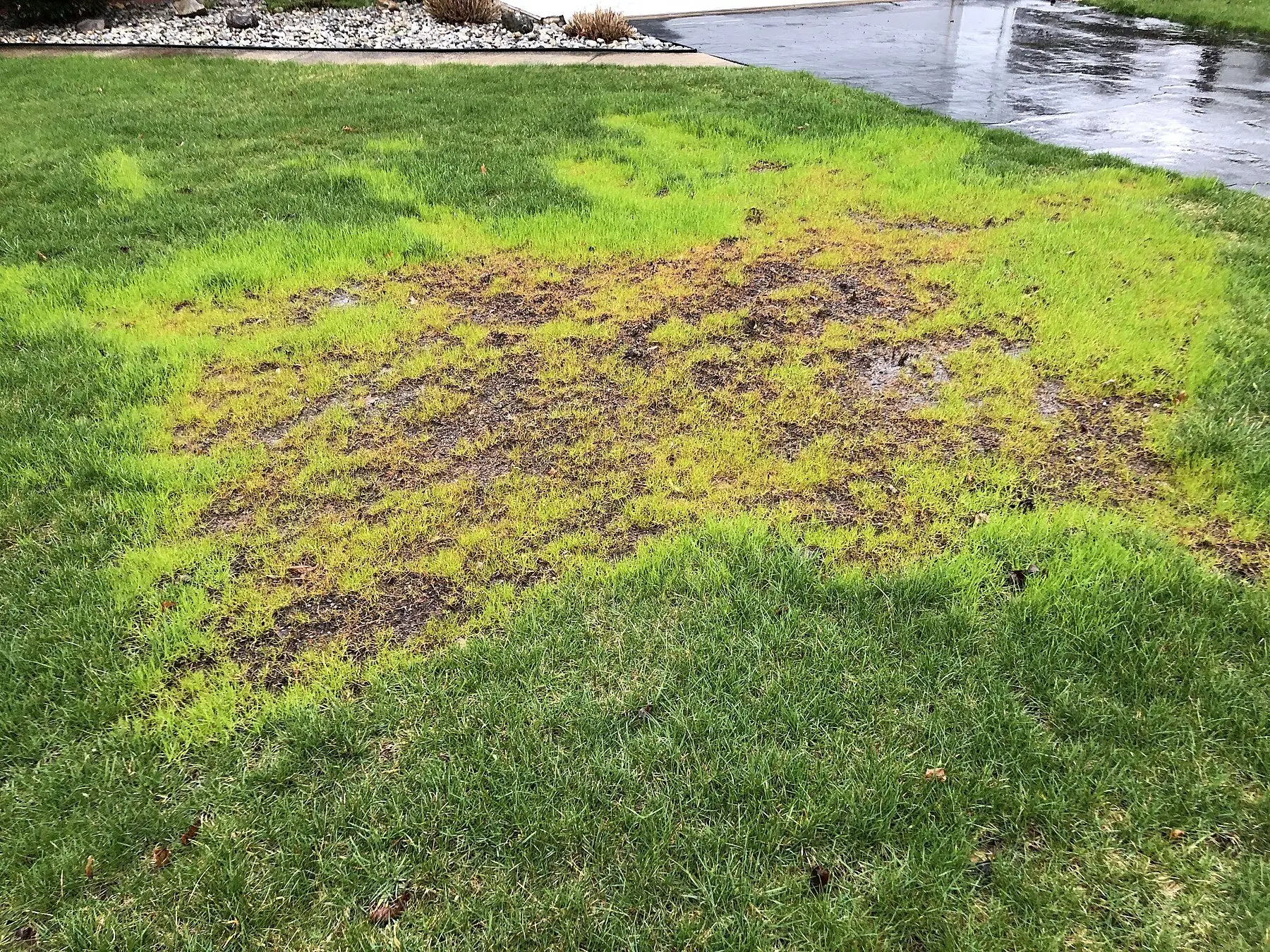
You can, and most of it dies. What seed needs to actually germinate, and the twenty extra minutes that takes overseeding from 10% success to 70%.
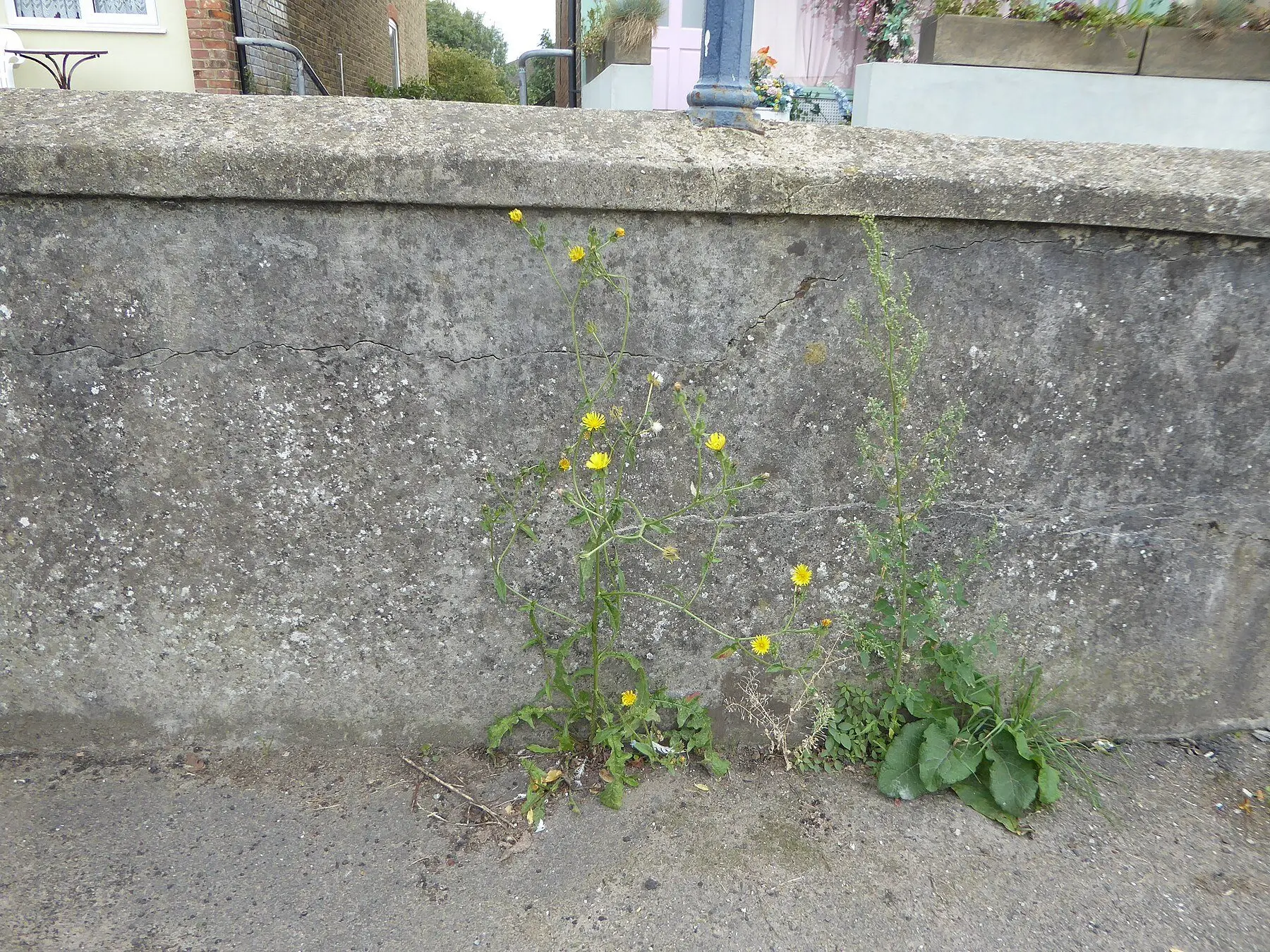
Will vinegar kill grass and stop there? No — 4 cautions cover reach, roots and soil. See where it is safe to use.
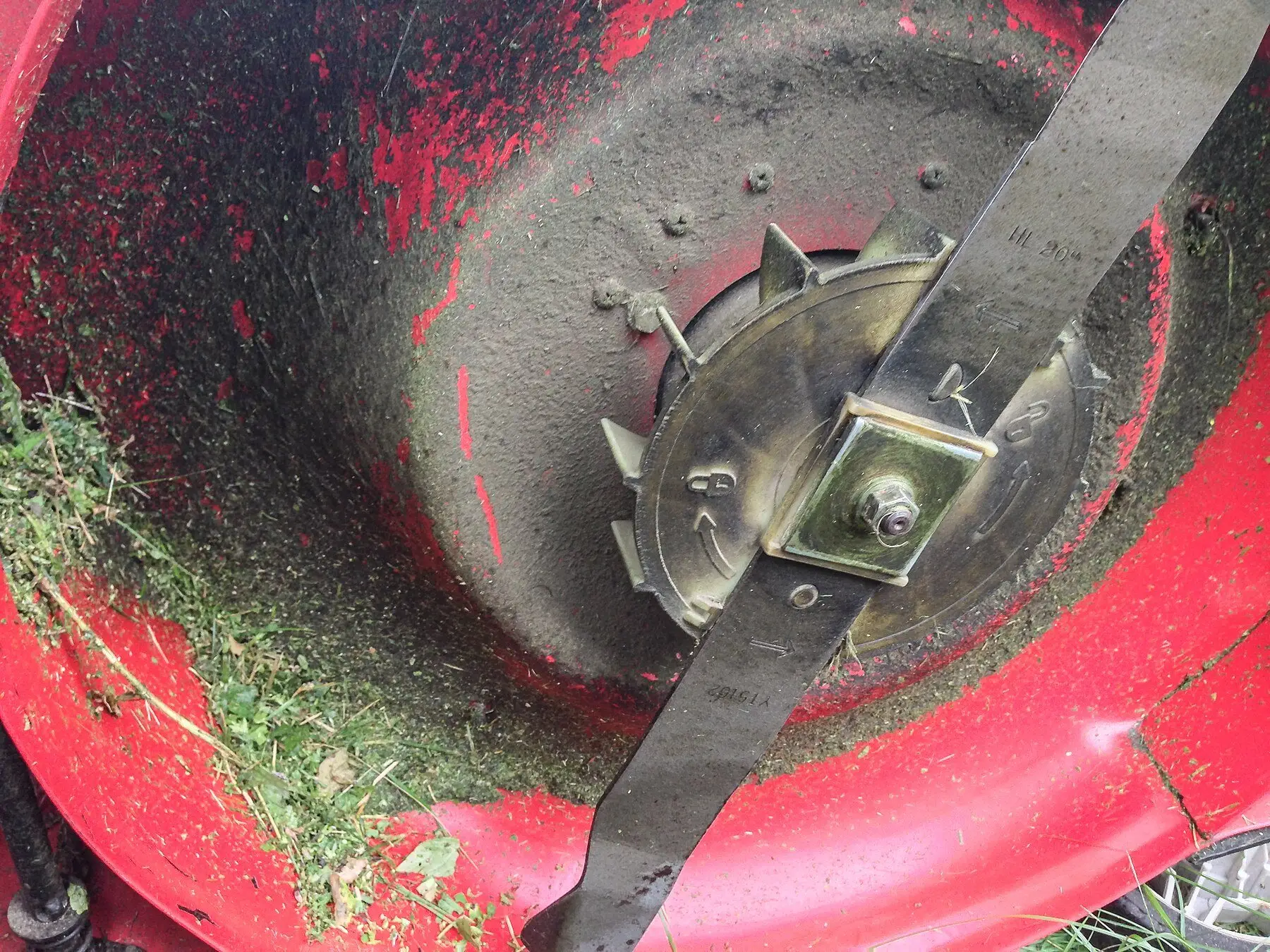
Grass clippings as mulch mat and sour unless dried and spread thin. 3 items make that easy. See how to use what the mower already produces.
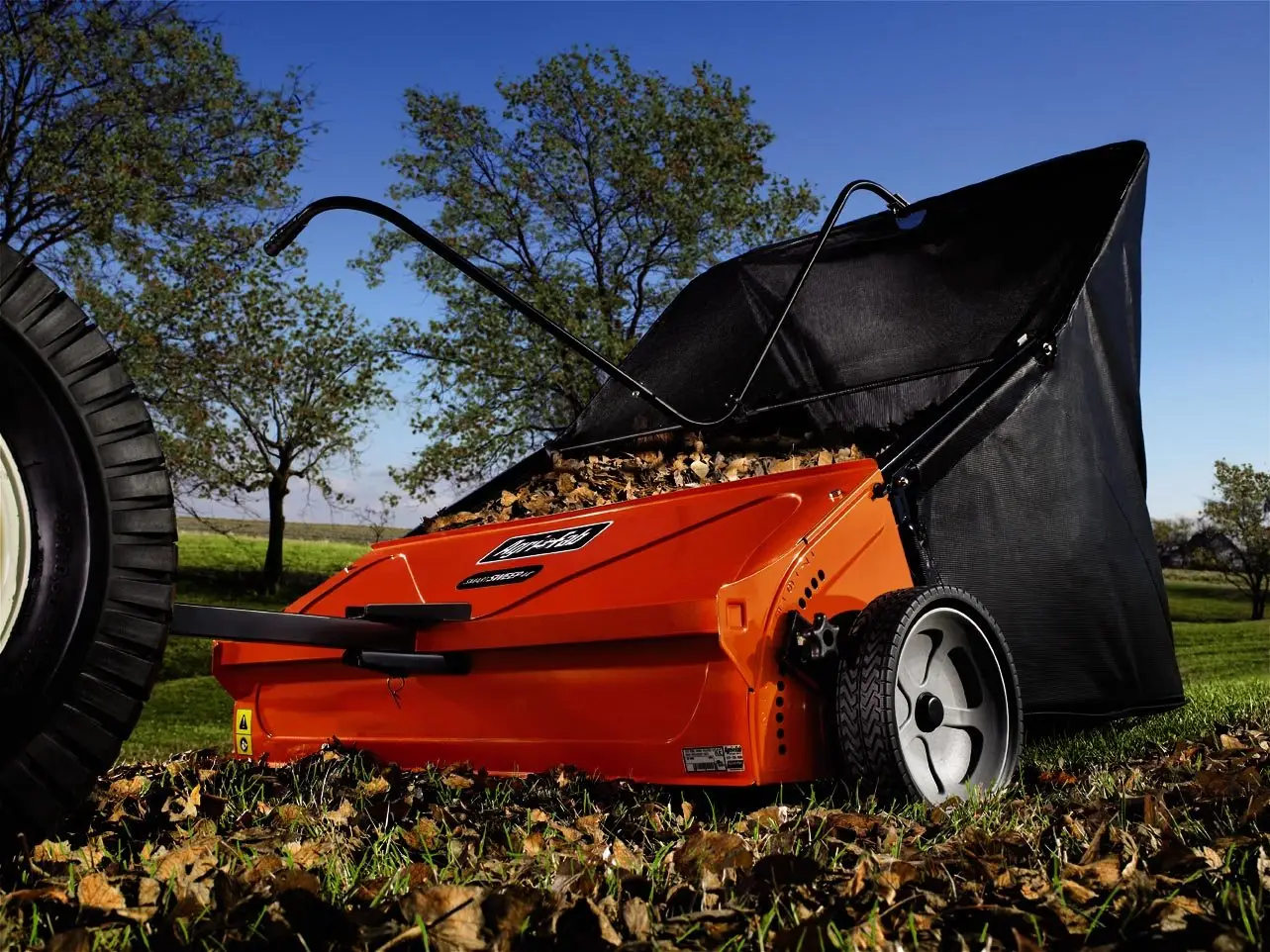
A sweeper brushes debris into a hopper as you tow or push it. Where it beats bagging leaves, where it fails, and the brush height that decides whether it works.
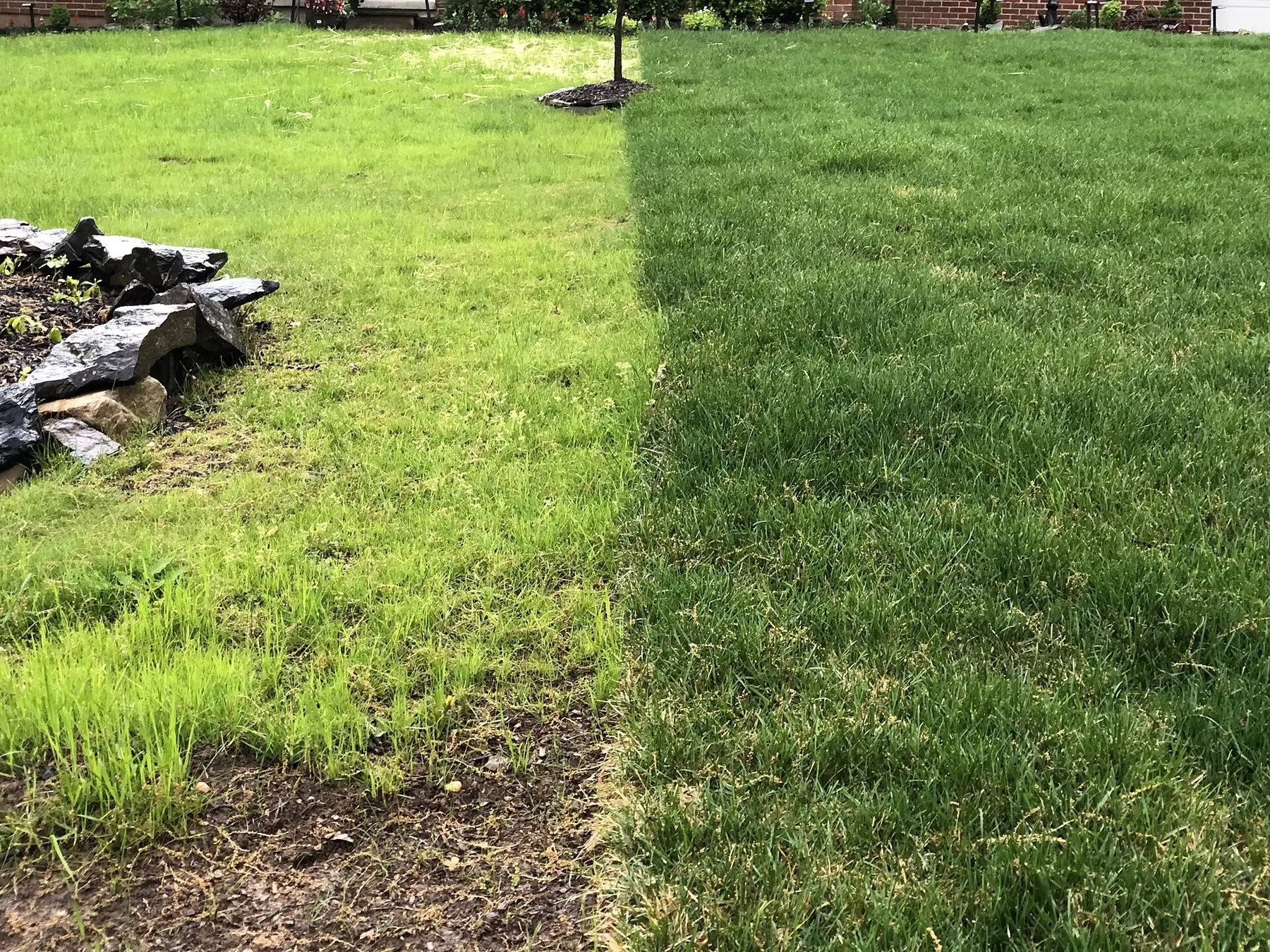
Seed fails from poor contact and a surface that dried out once, not from bad seed. Soil prep, sowing rates, and the watering routine that carries it to germination.
Germination runs 5–30 days depending on the grass type — ryegrass in under a week, bluegrass up to a month. Here is the timeline and what actually delays it.
Backyard Weekly
One email a week: what to plant now, what to fix, and what is worth buying. No spam, unsubscribe anytime.
Not ready to subscribe? The planting calendar is free and needs no email.
By subscribing you agree to our privacy policy. Grow In Backyard will never sell your address.
Cookies
We use analytics cookies to see which guides get read, so we know what to write next. Decline and nothing is set. Privacy policy.