
How Long Does It Take Burnt Grass to Grow Back?
Two to four weeks if the crowns survived, never if they did not. One tug on the dead grass tells you which situation you are in before you spend anything.
 By
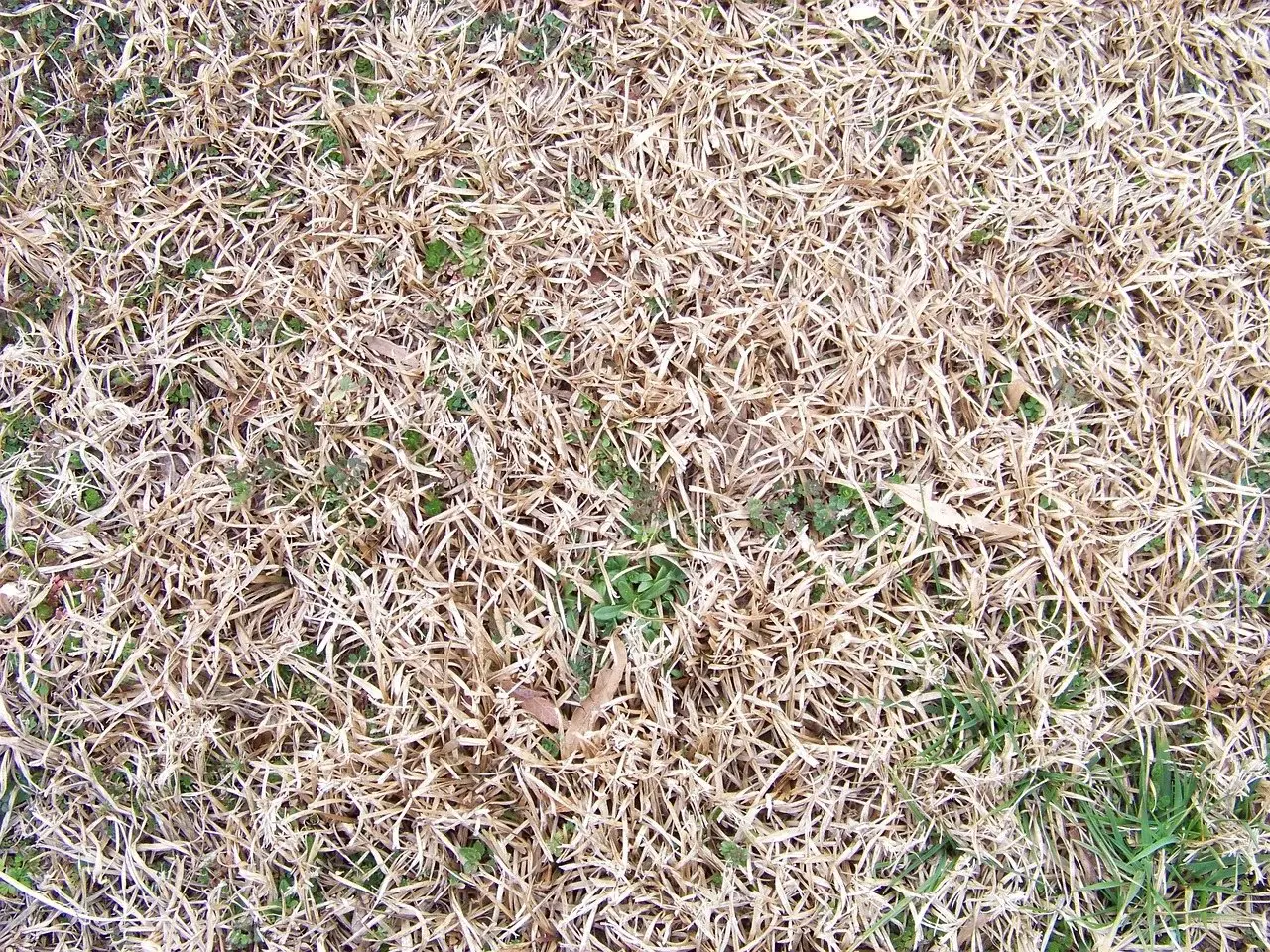
On this page
Two to four weeks if the crowns survived. Never if they did not. And there is a one-second test that tells you which of those you are looking at, before you spend anything on seed.
The test
Grab a handful of the burnt grass and pull.
| Result | Means | Timeline |
|---|---|---|
| Resists, stays anchored | Crowns alive — dormant, not dead | 2–4 weeks of growing weather |
| Lifts out, roots and all | Crowns dead | Will not recover — reseed |
| Mixed across the patch | Normal — dead centre, dormant edges | Reseed the centre only |
Look at the crown, not the leaf
Part the sward and look right at soil level. A pale greenish-white crown means the plant is alive however dead the leaf above it looks. A brown shrivelled one means it is gone. Check several spots — burnt patches are usually dead in the middle and only dormant at the edges.
What to do first, in order
- Remove the cause if it is still there — sweep up spilt granules, move whatever scorched it.
- Flush deeply. About an inch of water, then again over the next few days, to carry excess salts below the root zone.
- Apply nothing else. Especially not more fertiliser, and not a “lawn tonic”.
- Wait two to three weeks. The pattern becomes obvious — what was recoverable starts to green.
- Rake out the dead material from what is still bare, then seed into soil.
Do not reseed immediately
Soil still holding excess fertiliser salts kills new seed exactly as efficiently as it burnt the old grass. And seeding areas that would have recovered on their own is money and effort spent on nothing.
The three kinds of burn behave differently
Fertiliser burn. Follows the spreader pattern — overlaps, turns, the spot where the hopper was filled. Often leaves live crowns in the lighter areas. Flush, wait, reseed what stays bare.
Dog urine. A dead circle inside a ring of darker, faster-growing grass — the diluted edge getting a useful nitrogen dose. Usually recovers, because the crowns often survive. Soaking the spot with water within a few hours prevents most of the damage in the first place.
Heat or a hot object. A fire pit base, a parked mower, a car. Usually kills the crowns outright in the contact area, with a dormant fringe around it. Reseed the centre.
Season decides the speed
Recovery needs active growth. A cool-season lawn burnt in July may sit looking dead for weeks simply because the grass is not growing, then recover quickly when temperatures moderate.
That is a reason to postpone judgement, not a reason to reseed in the wrong season — autumn for cool-season grasses, late spring for warm-season ones.
Common questions
How long does it take burnt grass to grow back?
How can I tell if burnt grass is dead or dormant?
How do you fix fertilizer burn on a lawn?
Will dog urine burn grow back?
Should you reseed burnt grass straight away?
Does burnt grass recover faster in certain seasons?
Backyard Weekly
Know what to plant, week by week
Join the weekly email for seasonal jobs, fixes for what is going wrong, and gear worth buying.
Not ready to subscribe? The planting calendar is free and needs no email.
By subscribing you agree to our privacy policy. Grow In Backyard will never sell your address.
Keep reading
What Does Fertilizer Burn Look Like on Plants? Brown Tips
Scorched leaf tips and margins while the veins stay green, worst on the oldest leaves, days after feeding. Here is how to confirm it and what to do next.
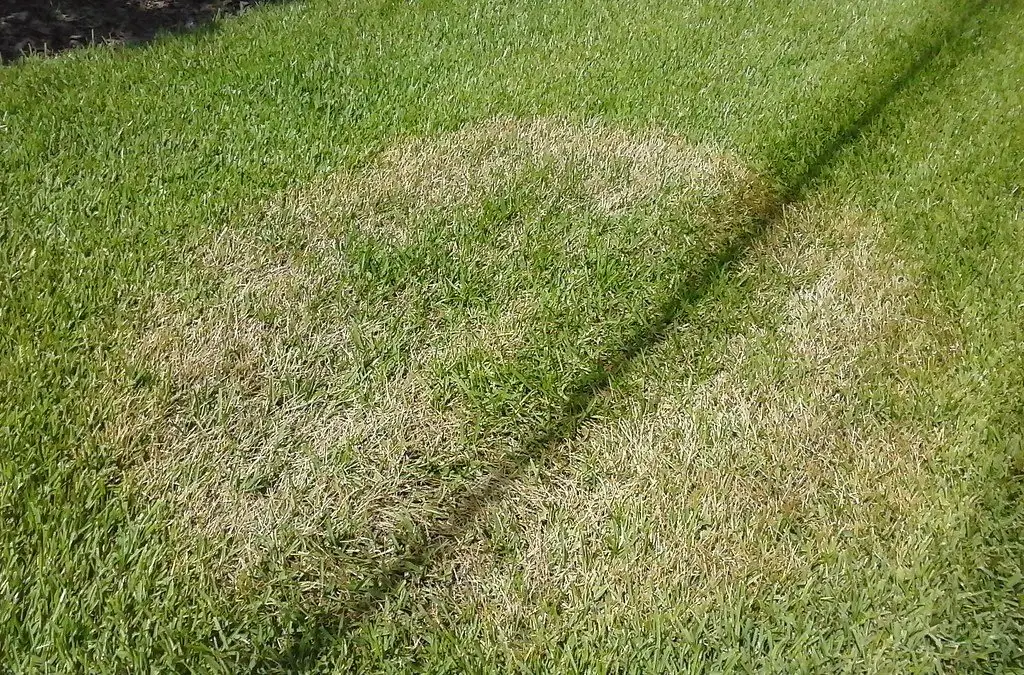
Why Does My Lawn Have Brown Patches? Dig One Up First
Lifting the edge of a brown patch tells you more than any photo guide: roots that hold, roots that lift, and grubs underneath mean three different causes.
How to Plant Grass Seed So It Actually Comes Up
Seed fails from poor contact and a surface that dried out once, not from bad seed. Soil prep, sowing rates, and the watering routine that carries it to germination.
How Long to Let New Grass Grow Before Cutting It
Wait until it is a third taller than your target height — about 3 to 4 inches — not a fixed number of weeks. Sharp blade, dry ground, one third off.