
Gear & Reviews ·
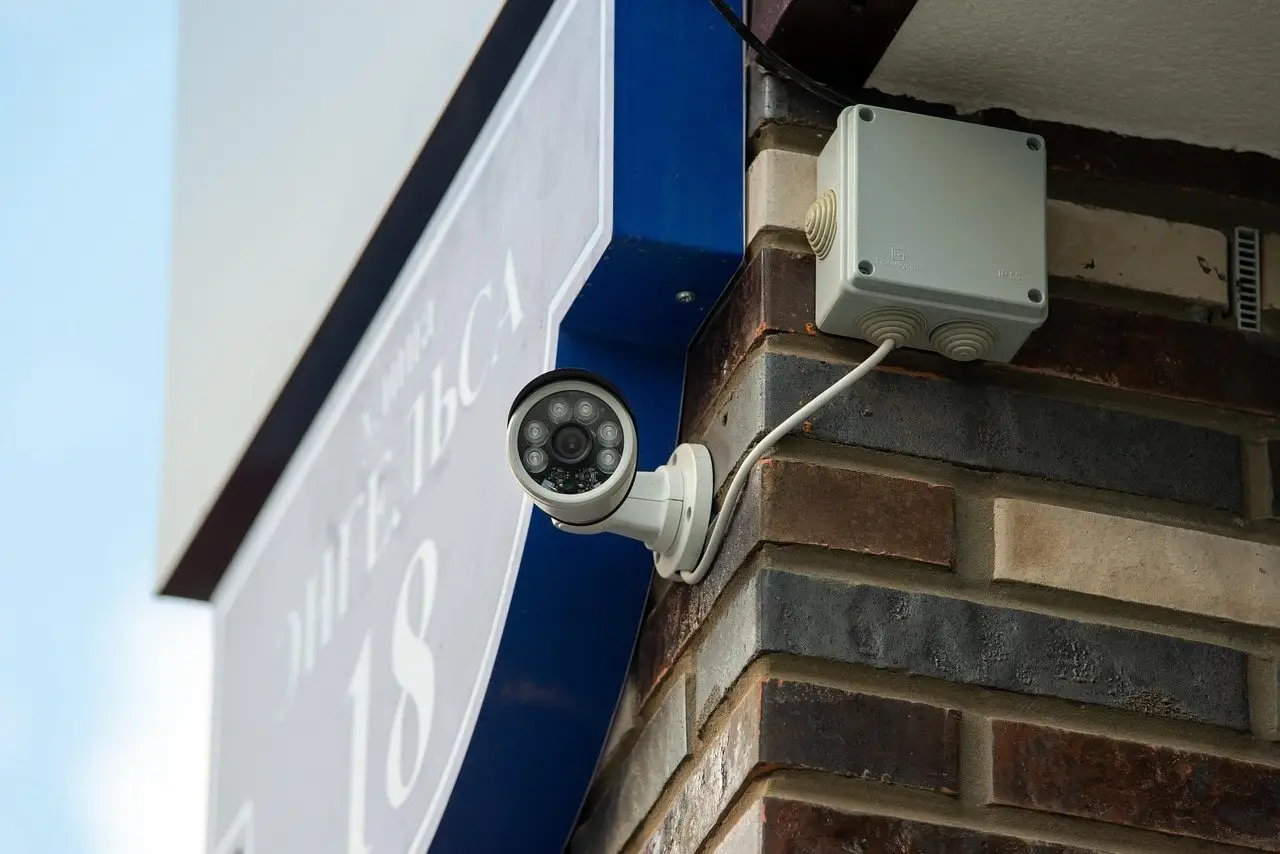
Best Cheap Outdoor Security Camera: What Matters Under $100
Under a hundred, the trade-offs are storage fees, night range and power. Five types compared on what they cost to own, not just to buy.
Hands-on picks for garden tools, raised beds, planters, watering systems, and outdoor furniture worth the money.
71 guides
Under a hundred, the trade-offs are storage fees, night range and power. Five types compared on what they cost to own, not just to buy.
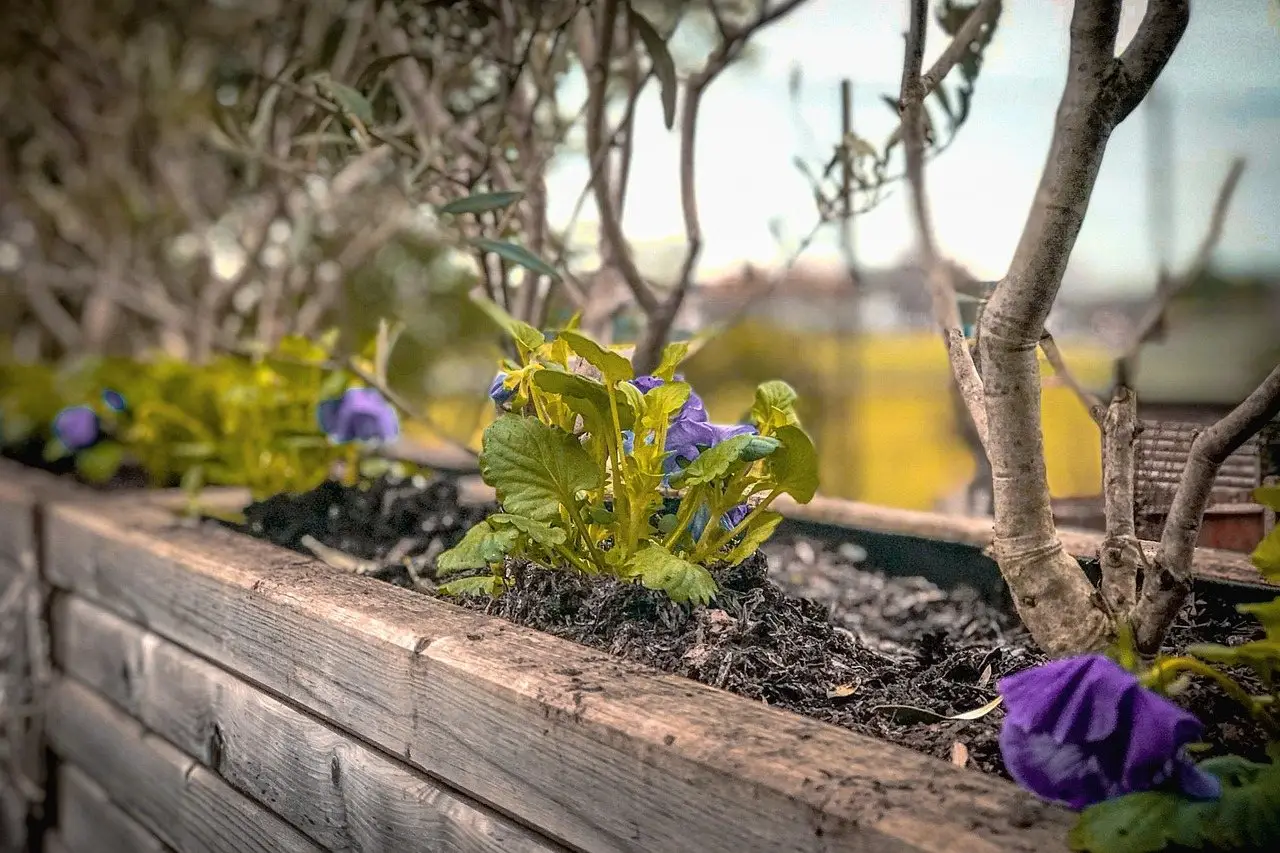
Budget planters split into things that last a decade and things that fail fast. The materials, the drainage rule, and what the soil actually costs.
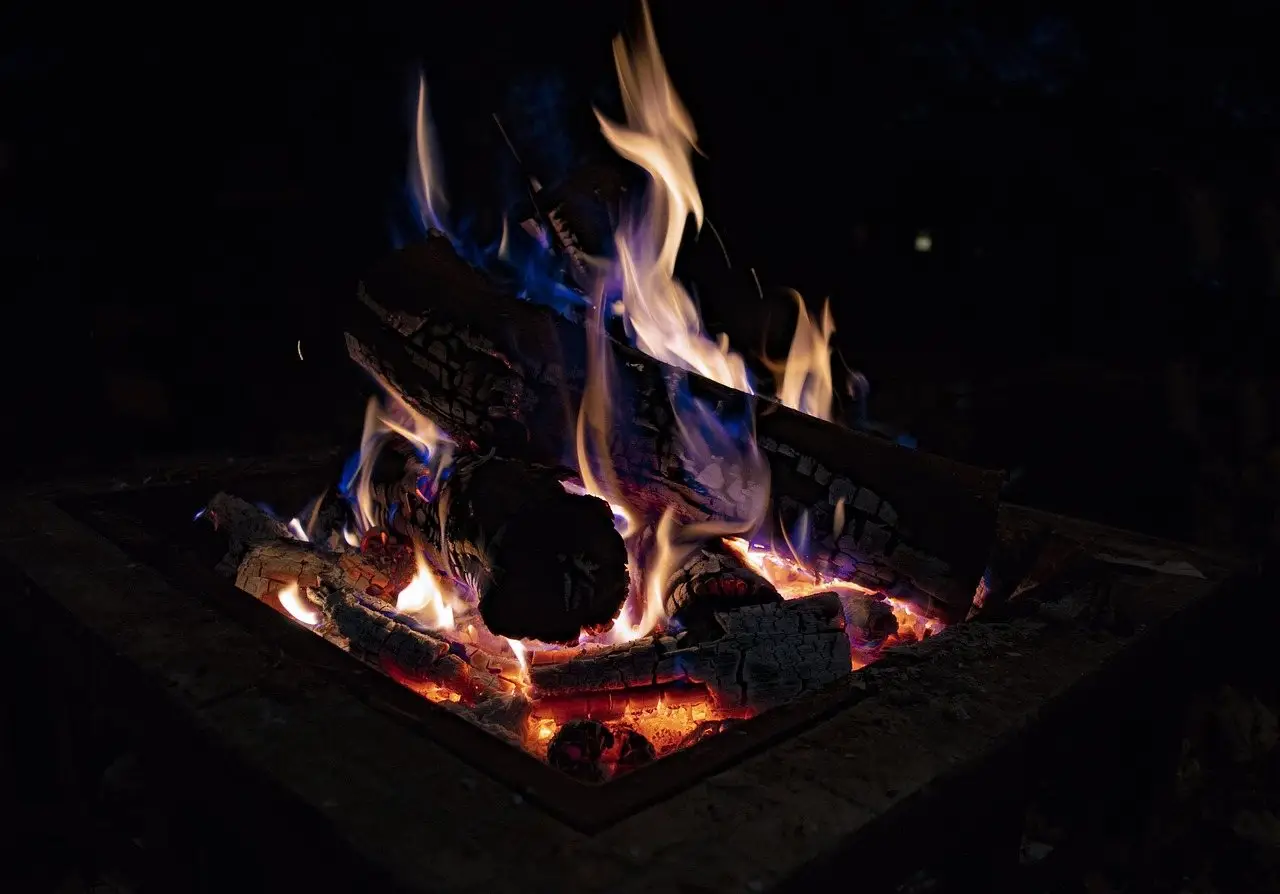
A block fire pit costs under a hundred and lasts years if the base and the liner are right. Four builds compared, plus the clearances that keep it legal.
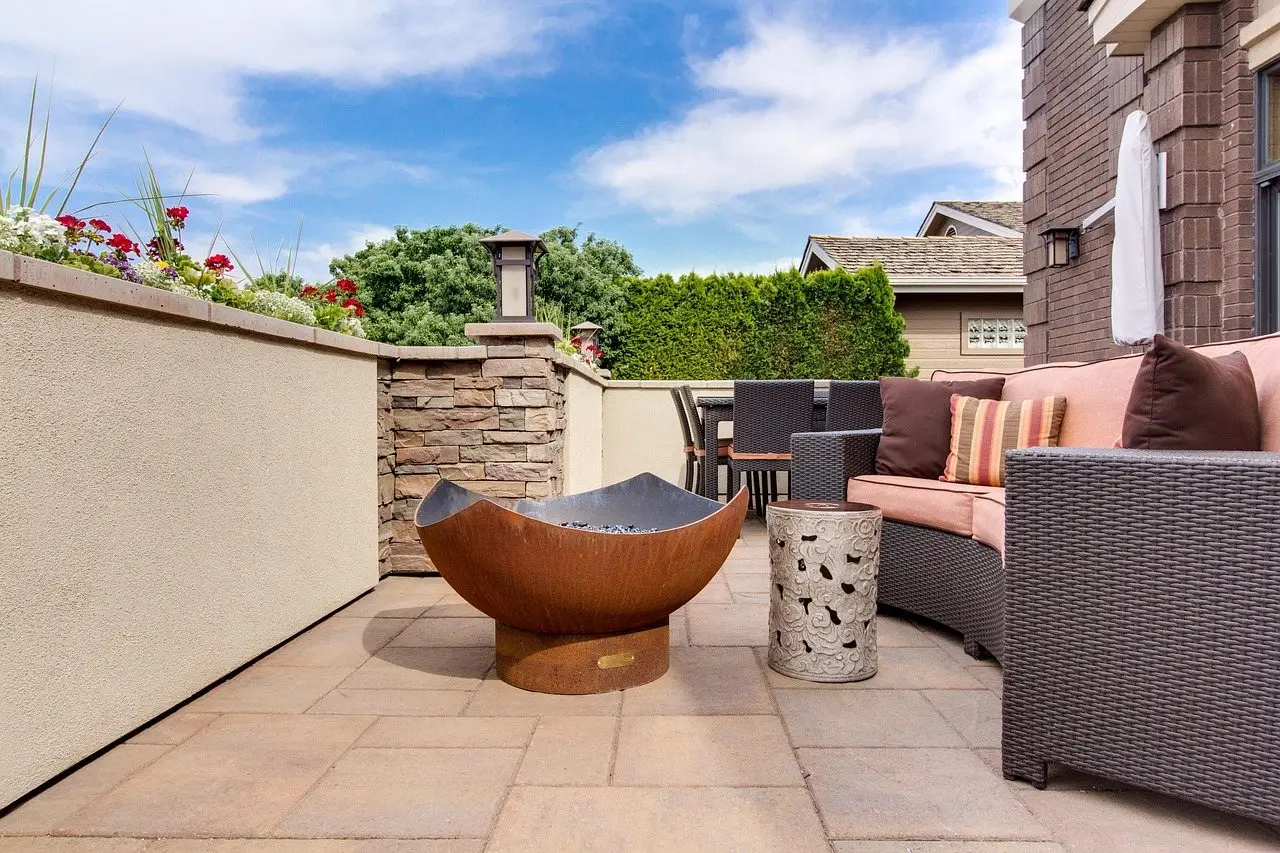
Most patios are arranged against the walls and sit empty. The clearances, focal point and traffic rules that decide whether people sit down.
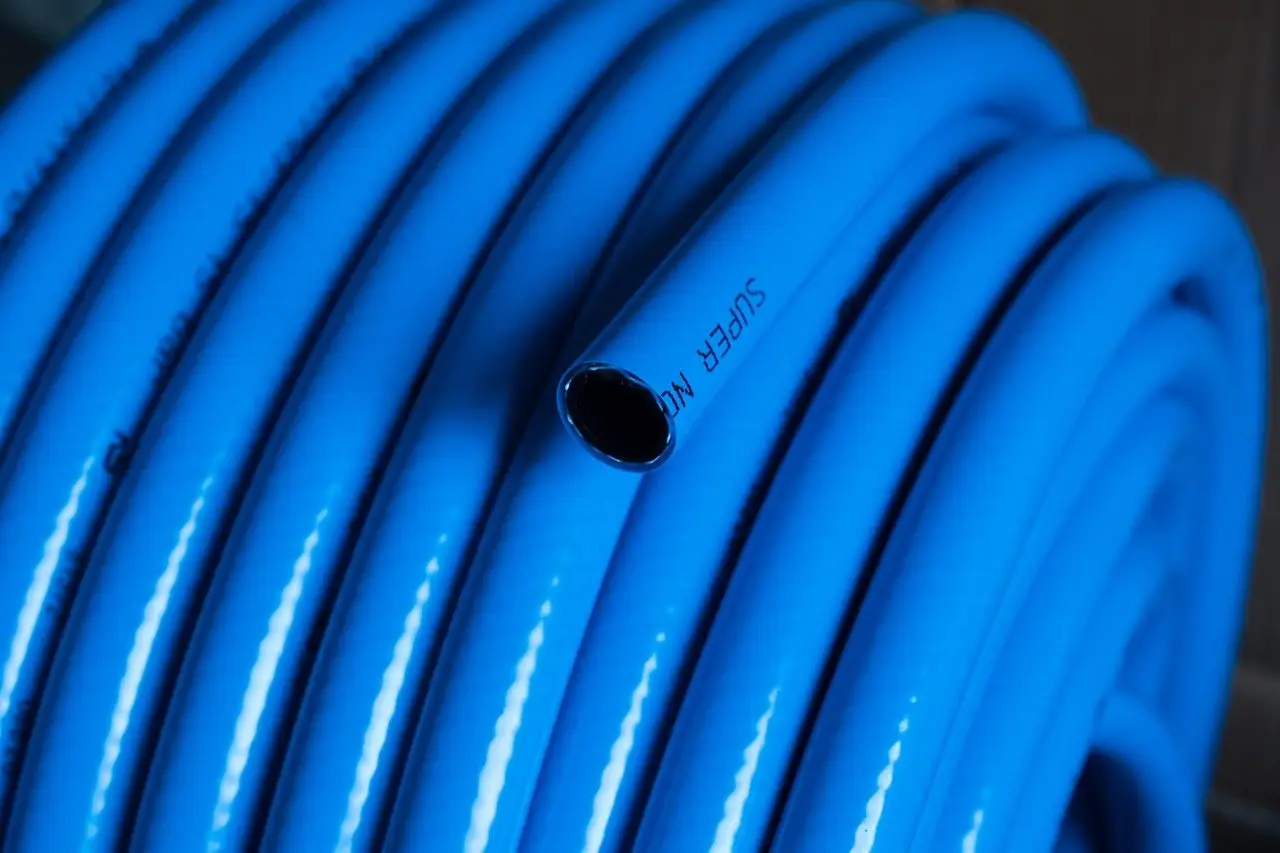
A hose dies from UV, kinks and freezing, not from use. Storage that prevents all three, from a $15 hook to a reel, and what to do before winter.
Firepit bench ideas fail on distance, not design. 8 builds compared on cost and heat, plus the 7 ft setback that decides whether anyone can sit there.
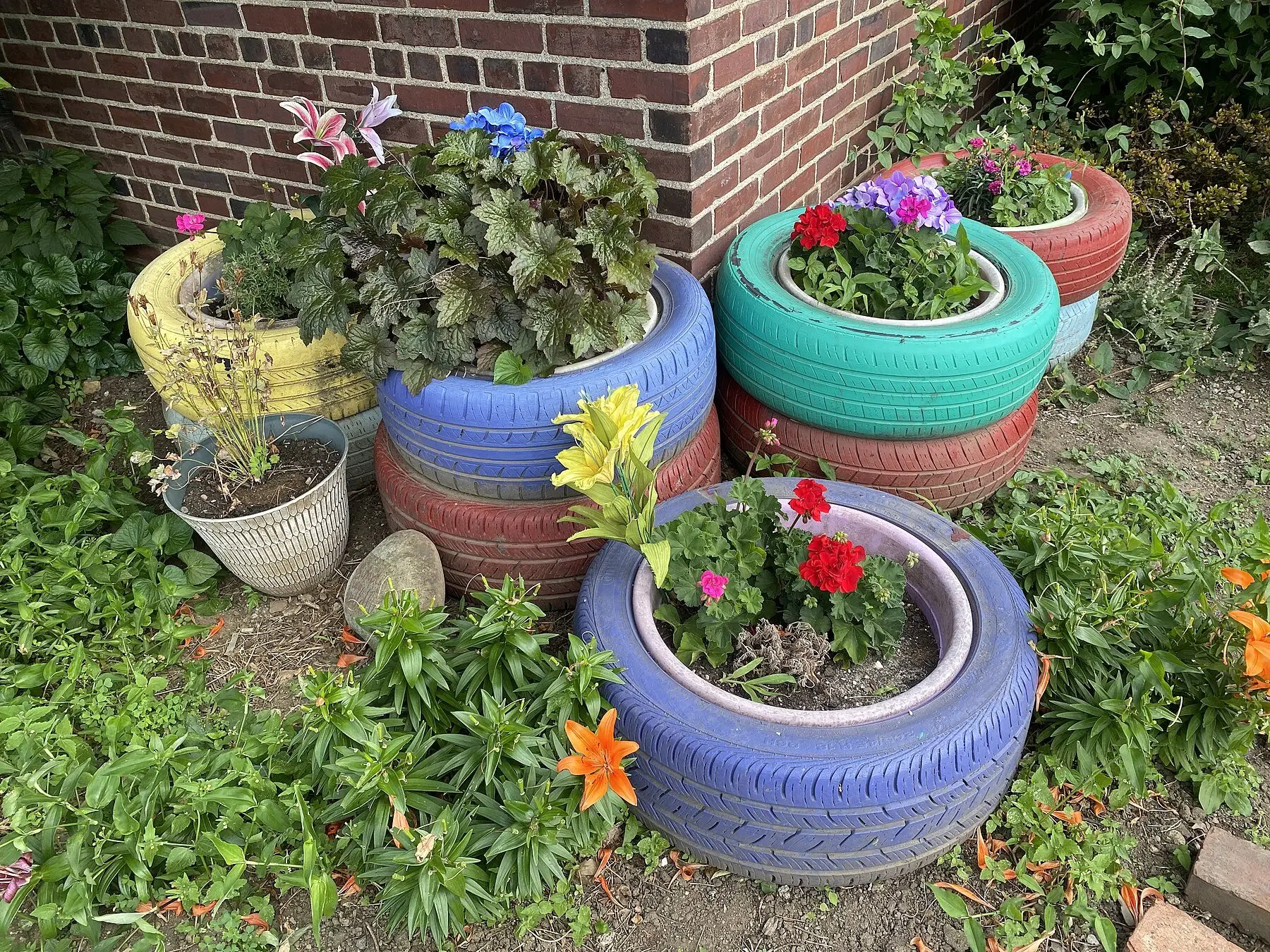
Tire planter ideas are free to build and fine for 6 of 8 uses. What the leaching evidence says, which crops to keep out, and the 5 parts each build needs.
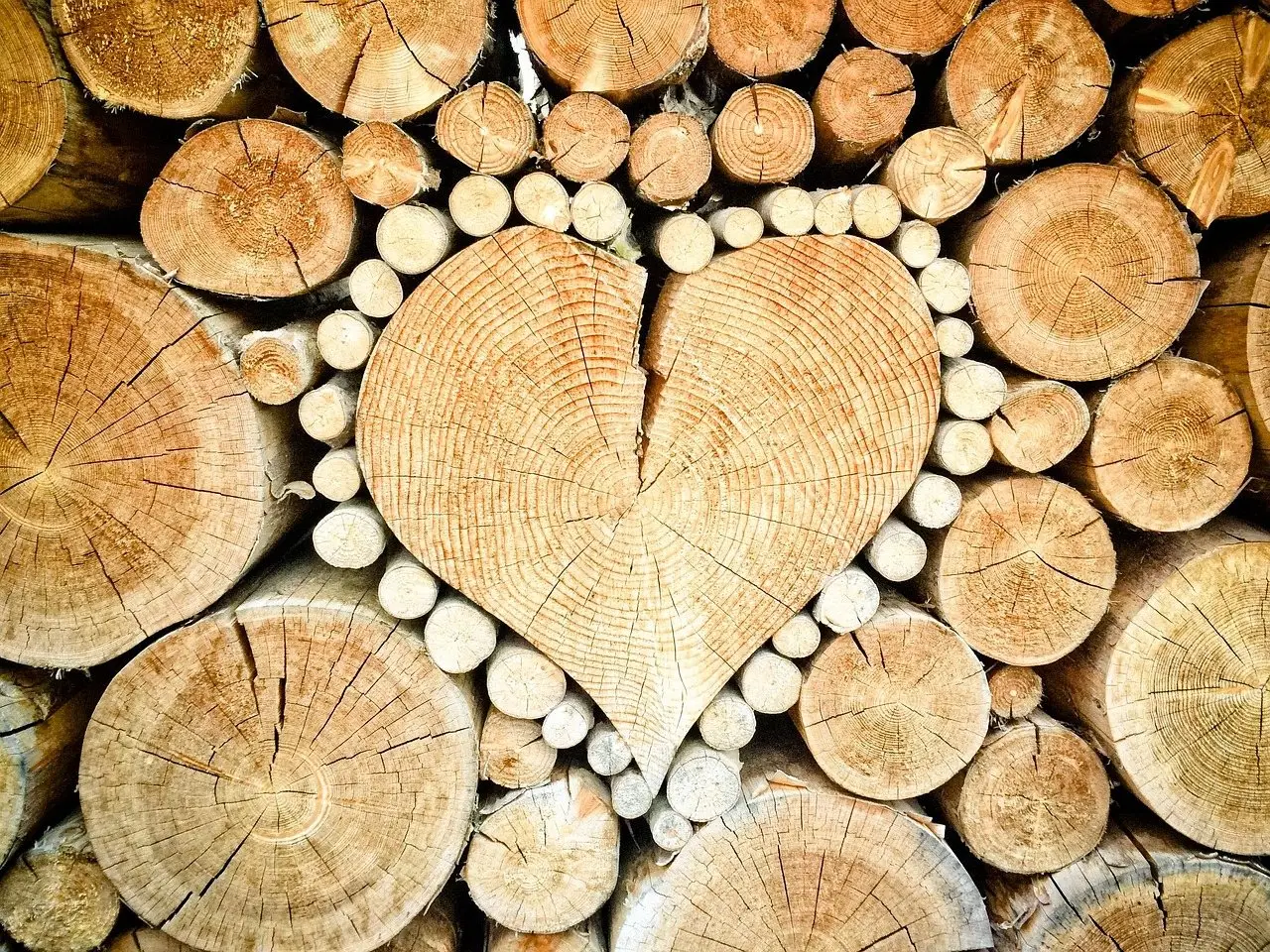
Ash burns hotter than most hardwoods and seasons faster because it starts drier. The rhyme about burning it green overstates a real advantage.
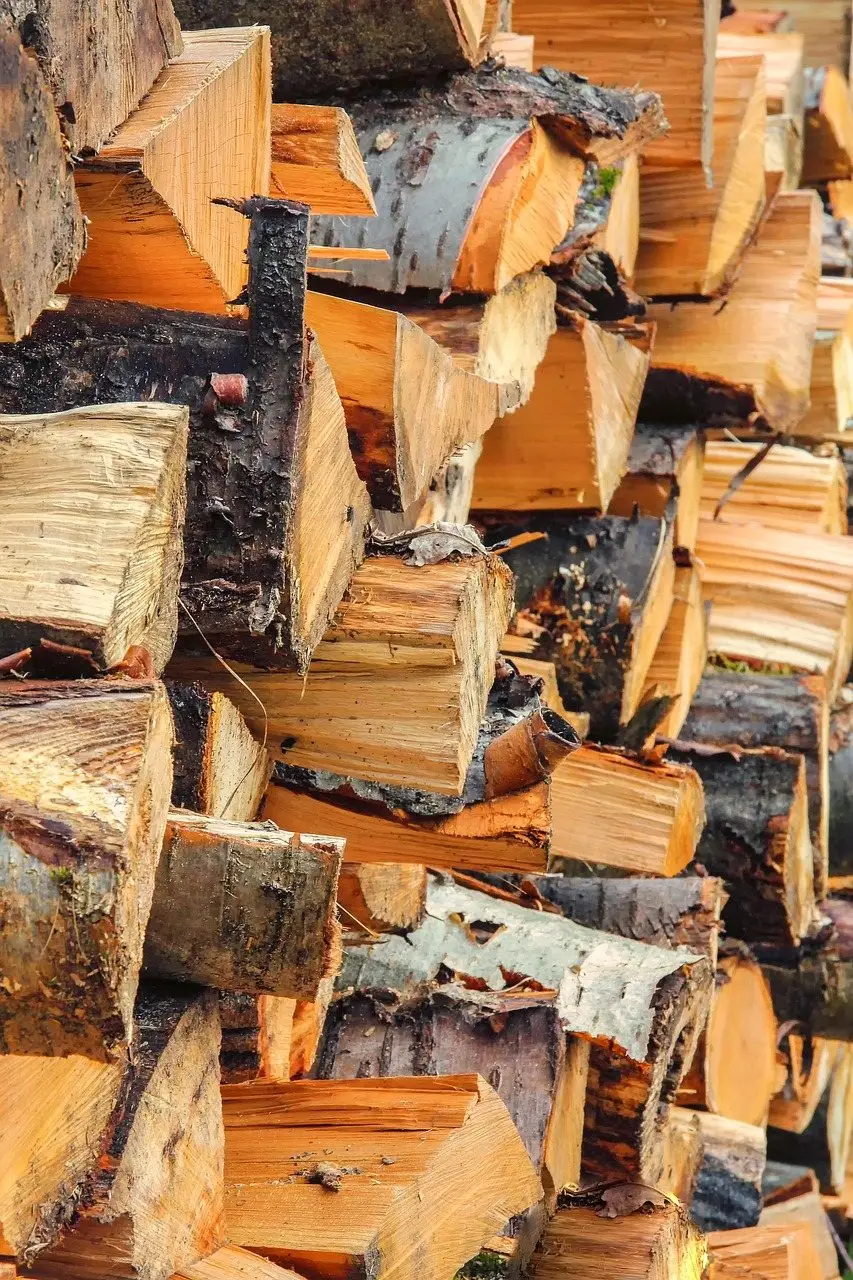
Dry firewood is under 20 per cent moisture. Here is what each species starts at, how long it takes to get there, and how to check without guessing.
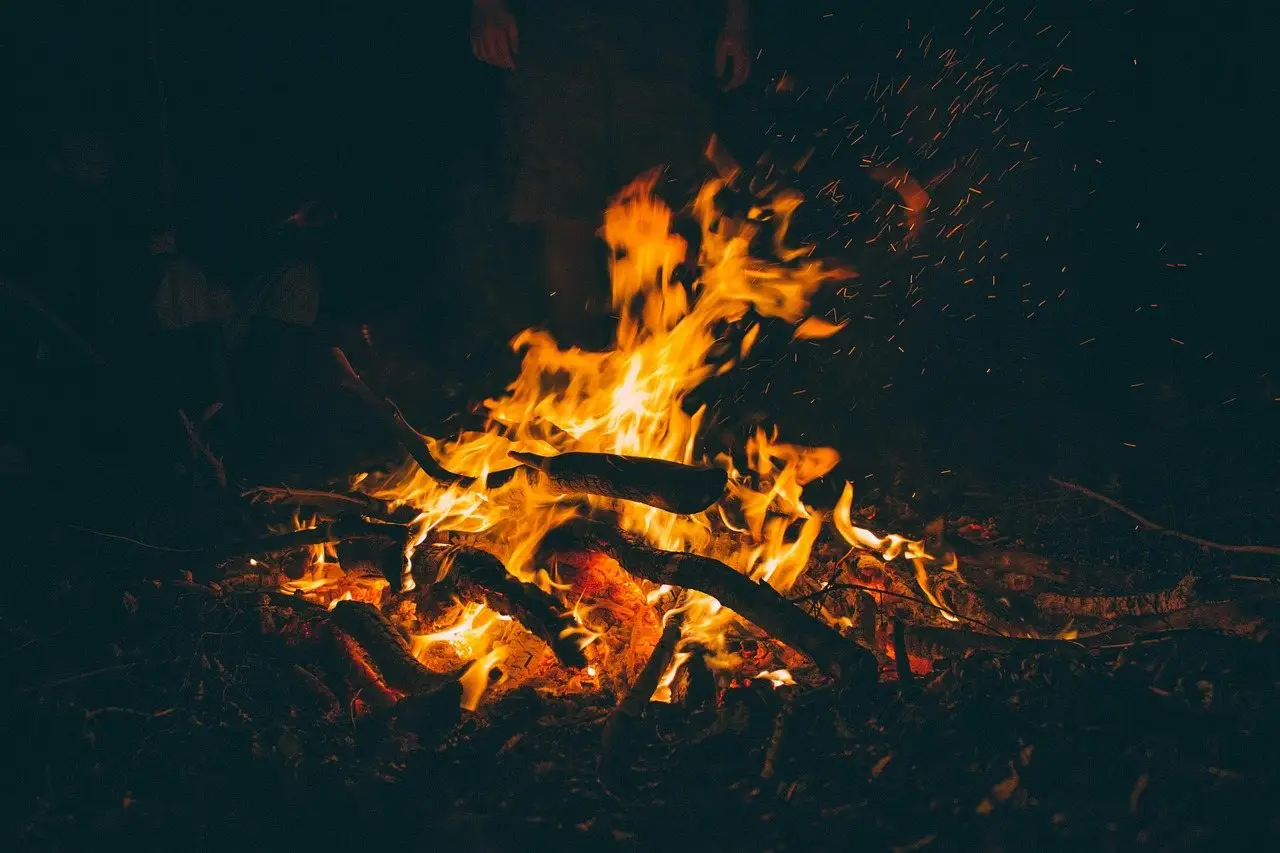
A bonfire lights from the inside out with dry kindling and air. Check local rules first — and never use petrol, which is how people end up in hospital.
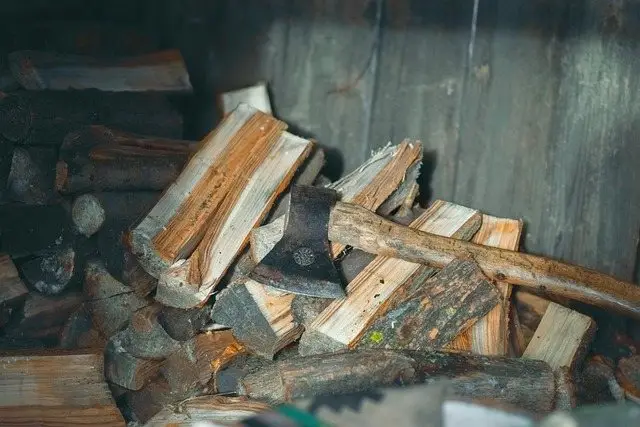
Poplar gives about 13 million BTU a cord against oak's 24, burns fast and leaves little coal. Where it genuinely earns a place in the woodpile.
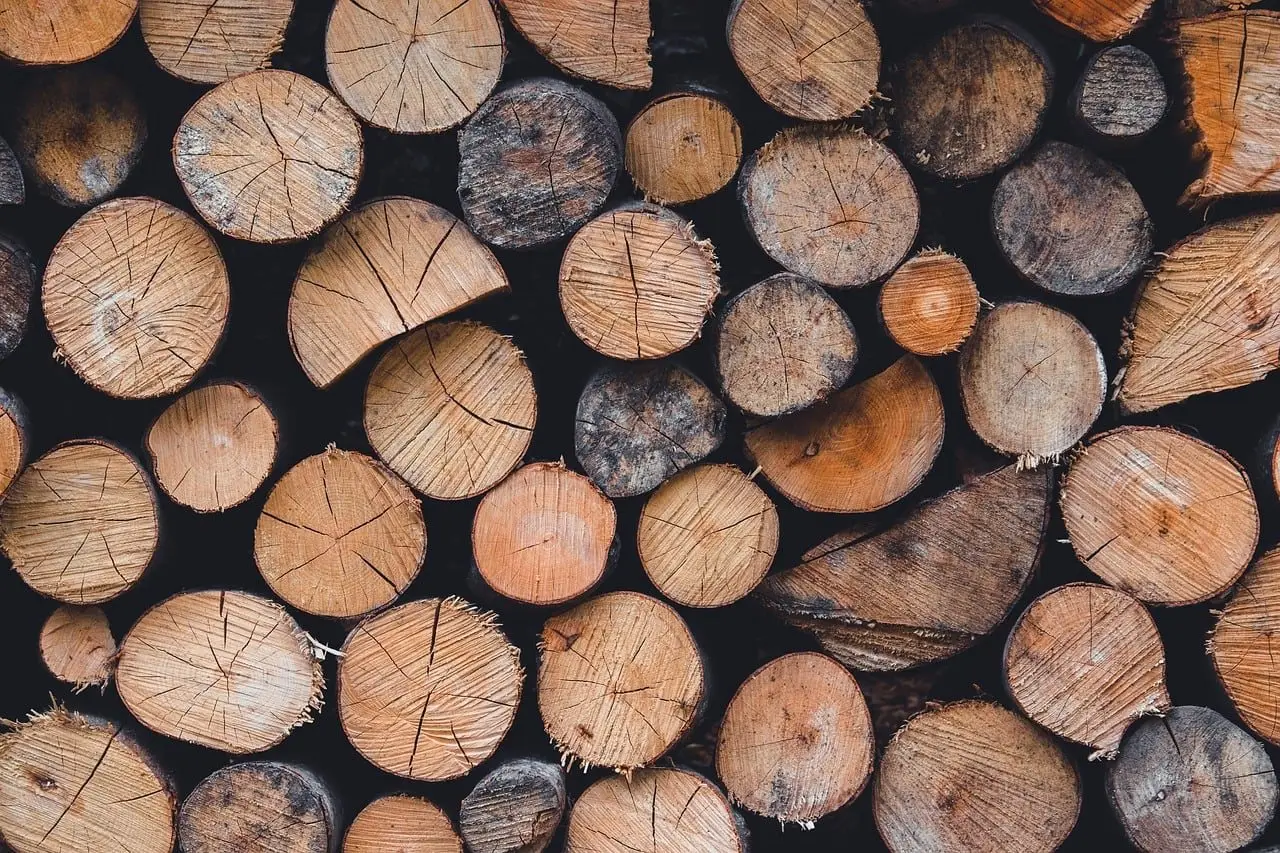
A rick is a face cord — 4 ft by 8 ft by whatever length the seller cut. That third dimension is the whole price, and nobody states it.
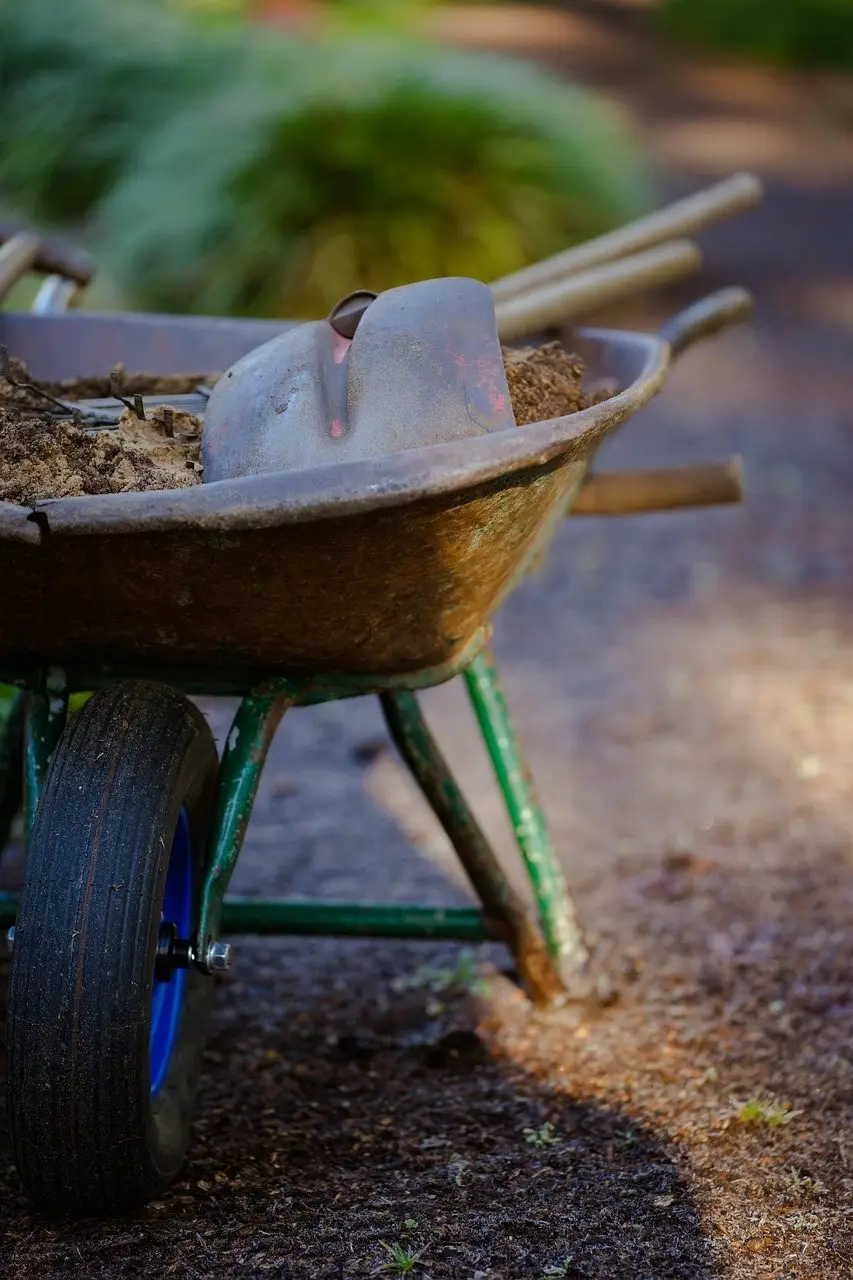
Poly trays are lighter, rustproof and easier on concrete clean-up. Steel takes sharp rubble and heat without cracking. Each fails differently.
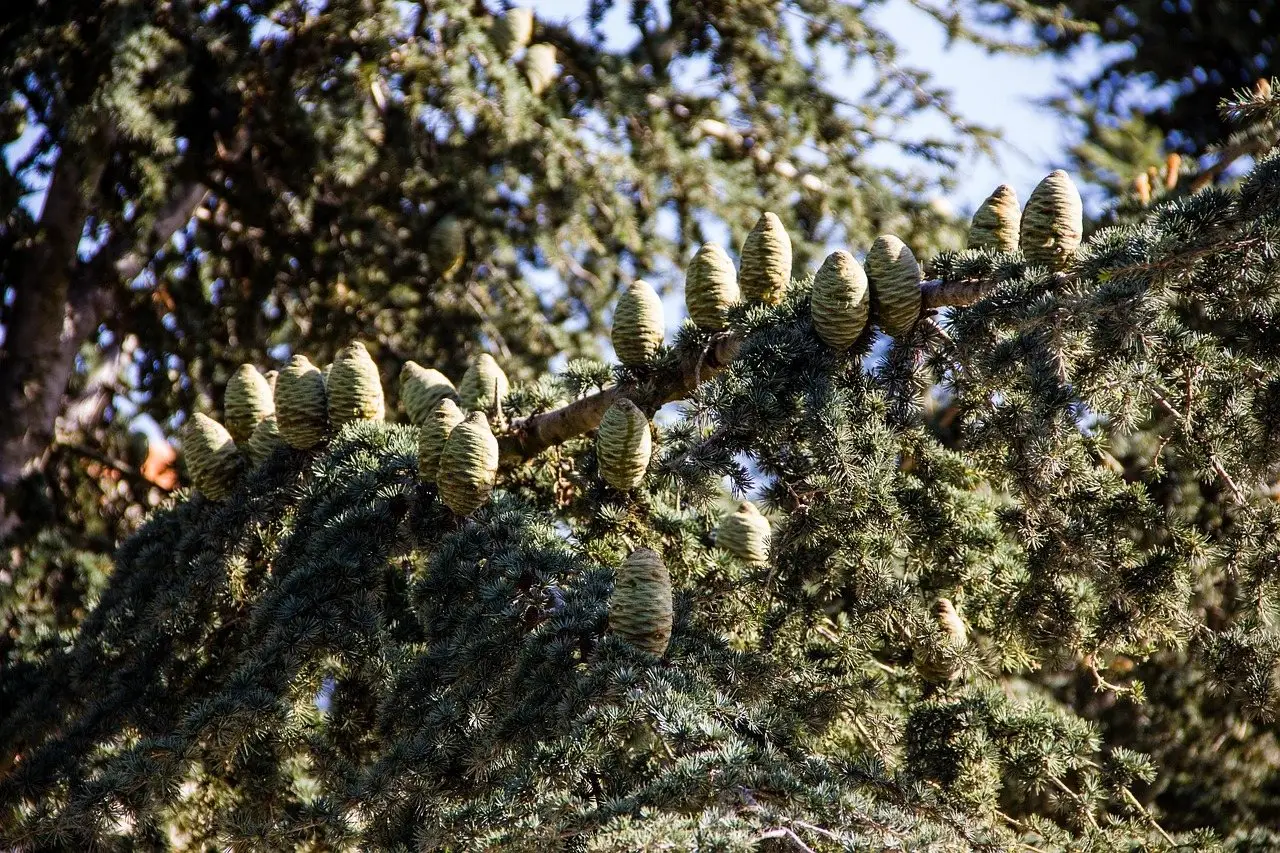
Cedar smells wonderful and lights instantly, but it is the sparkiest common firewood. Outdoors that means a screen; indoors it means caution.
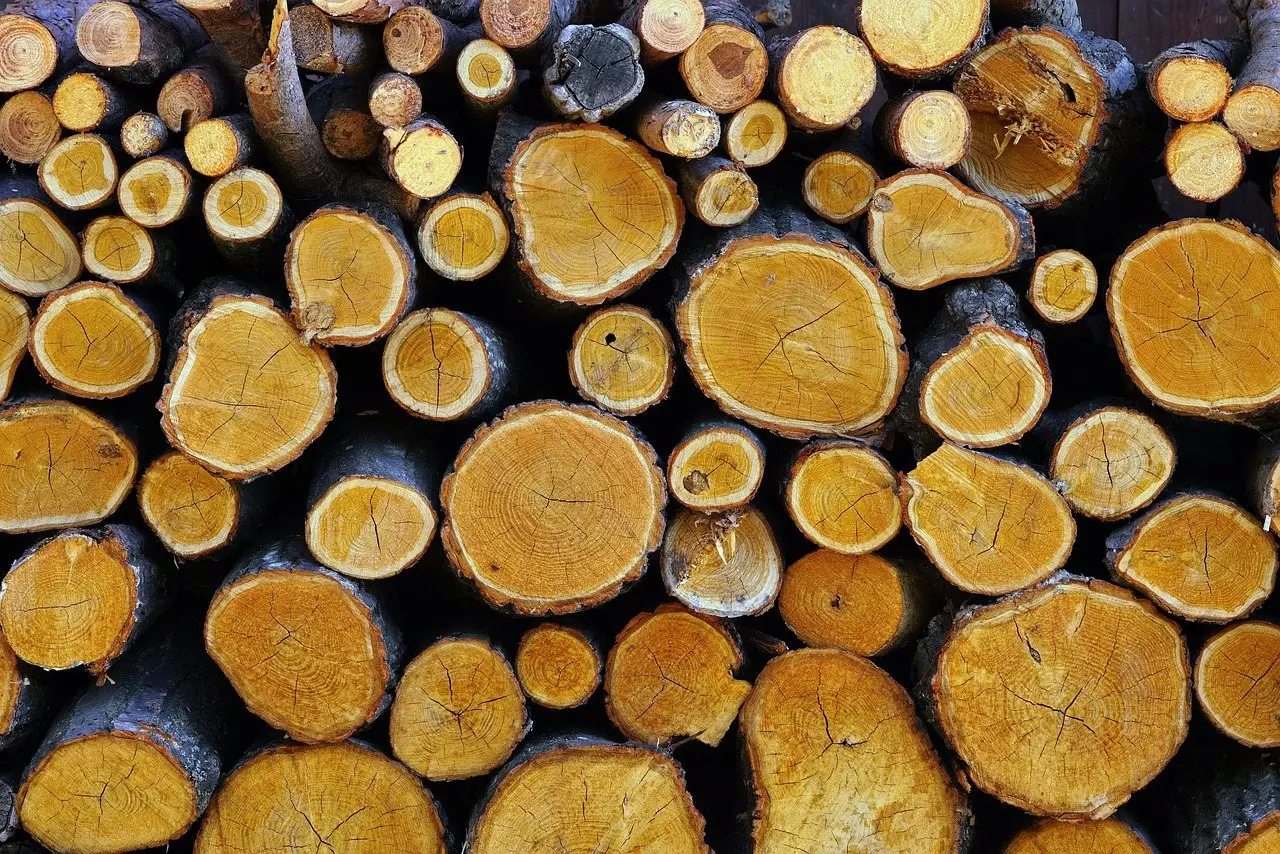
Pine is fine in an open fire pit as long as it is seasoned. The creosote warning that follows it everywhere is a flue problem, not an outdoor one.
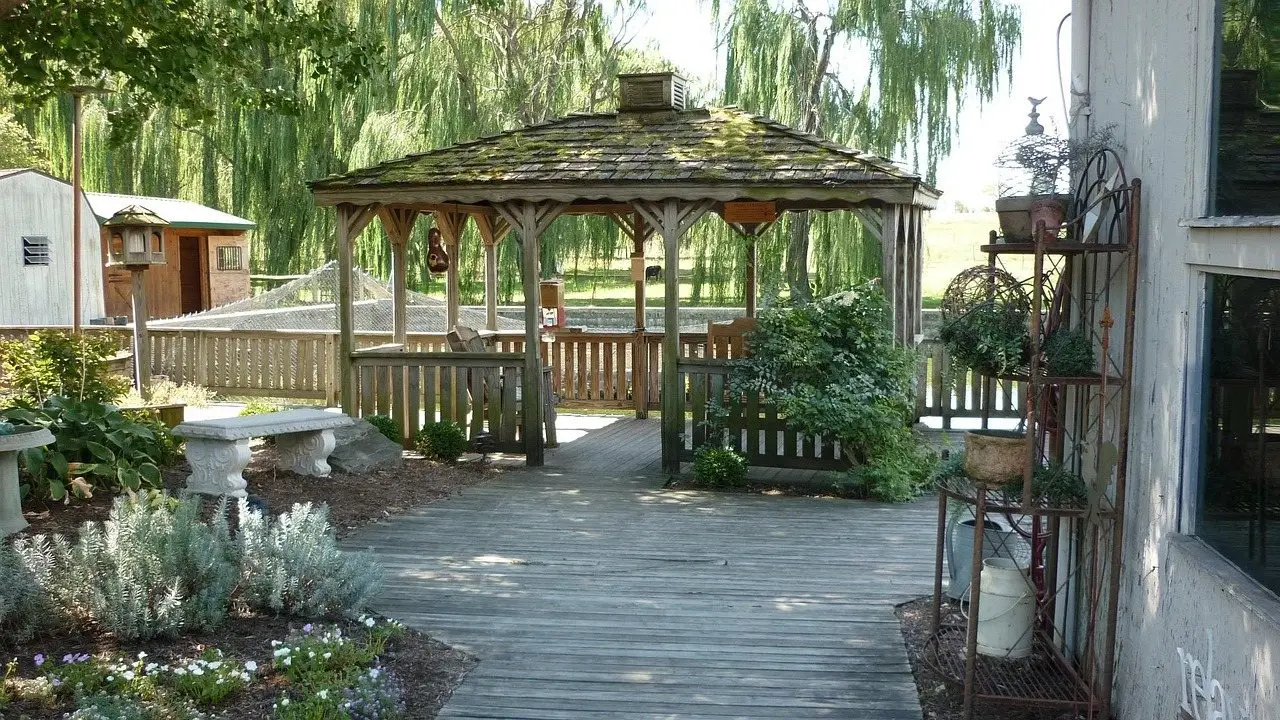
A solid roof turns a pergola into a structure that must carry wind and snow loads. The frame that held slats often cannot, and permits may apply.
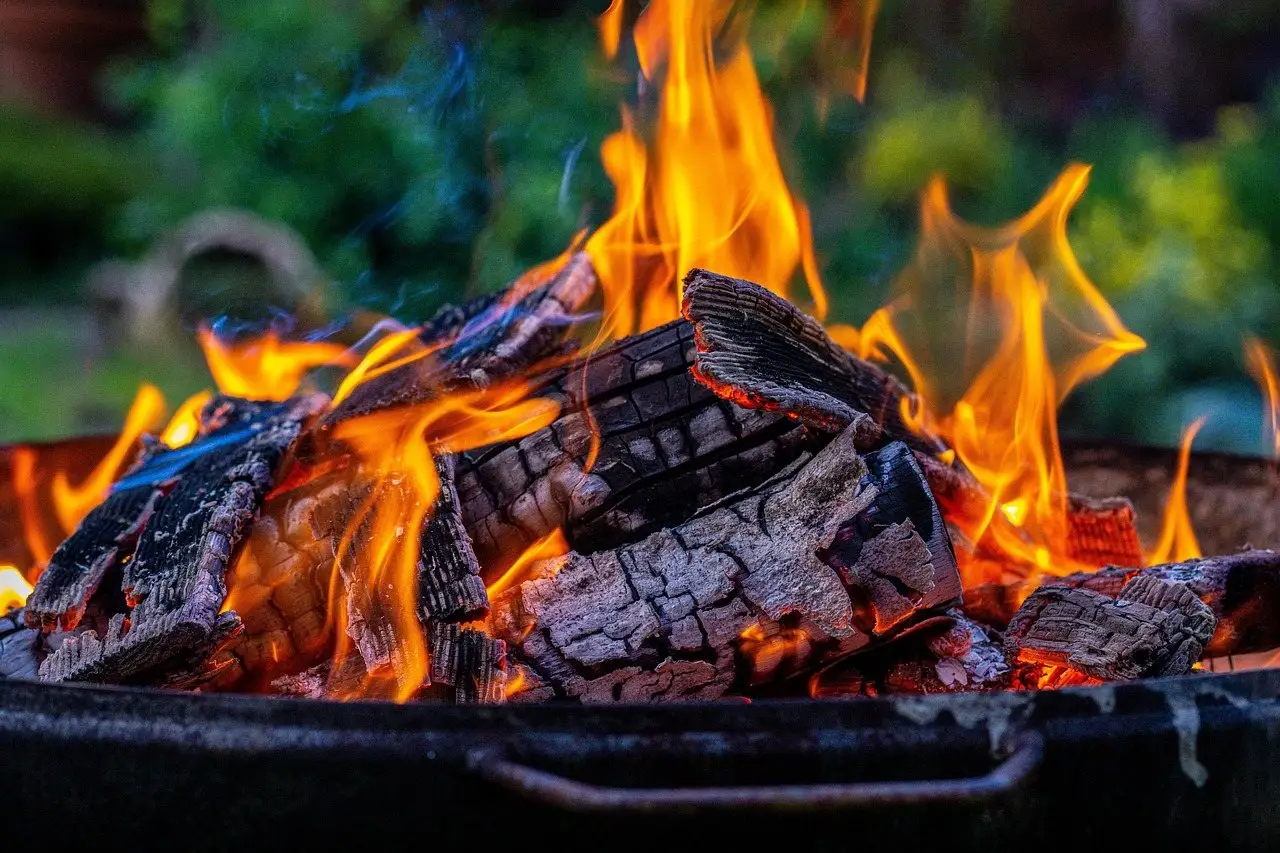
Light surface rust on a fire pit is cosmetic and normal. Flaking scale, a soft base or burn-through means the bowl can fail mid-fire.

A leaf blower clears a few inches of dry powder quickly. On wet, packed or deeper snow it does nothing, and cold is hard on the machine.
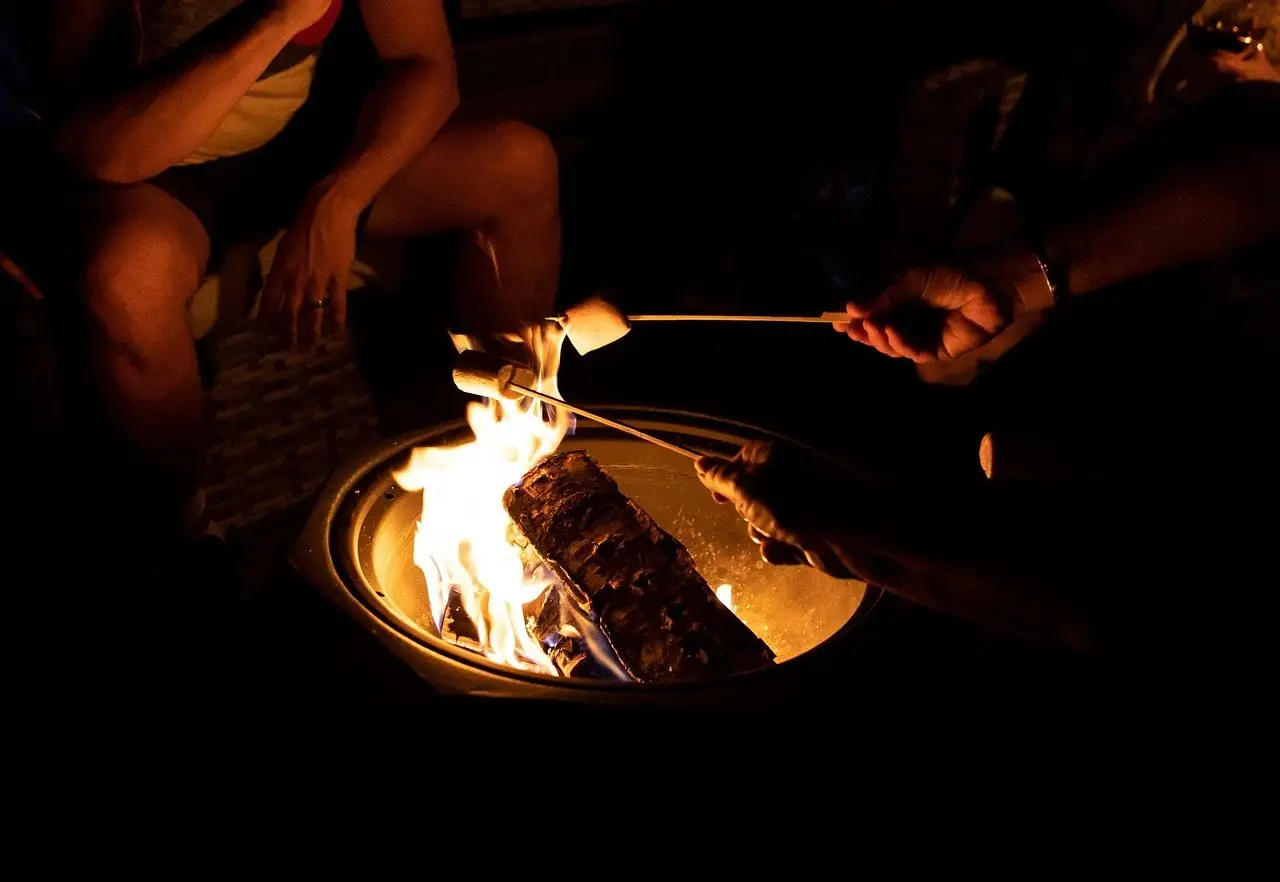
A 36-inch pit needs about a 12-foot circle once you allow seating depth and a walking lane. The pit size is the smallest decision in the layout.
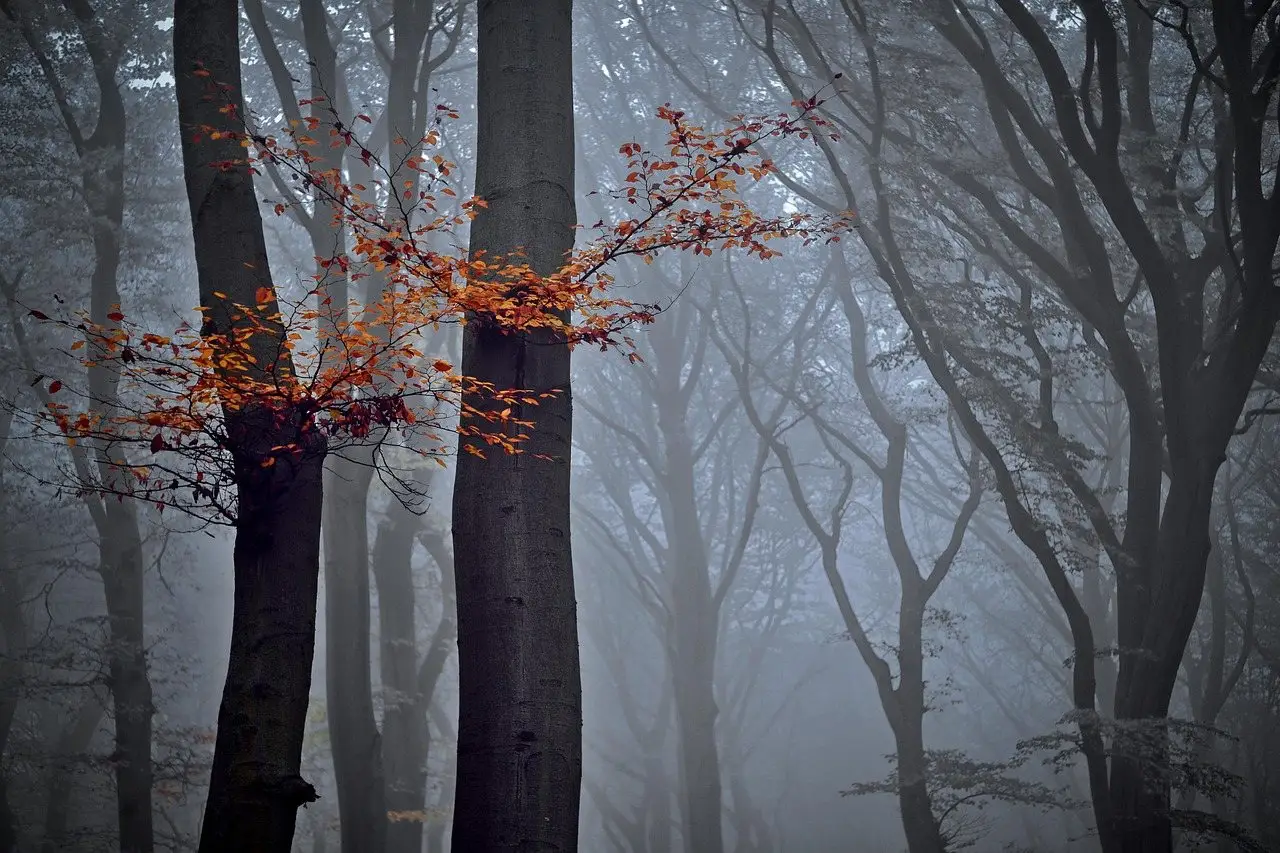
Beech burns hot and clean with excellent coals, around 27 million BTU a cord. The catch is seasoning — it holds water and rots in the round.
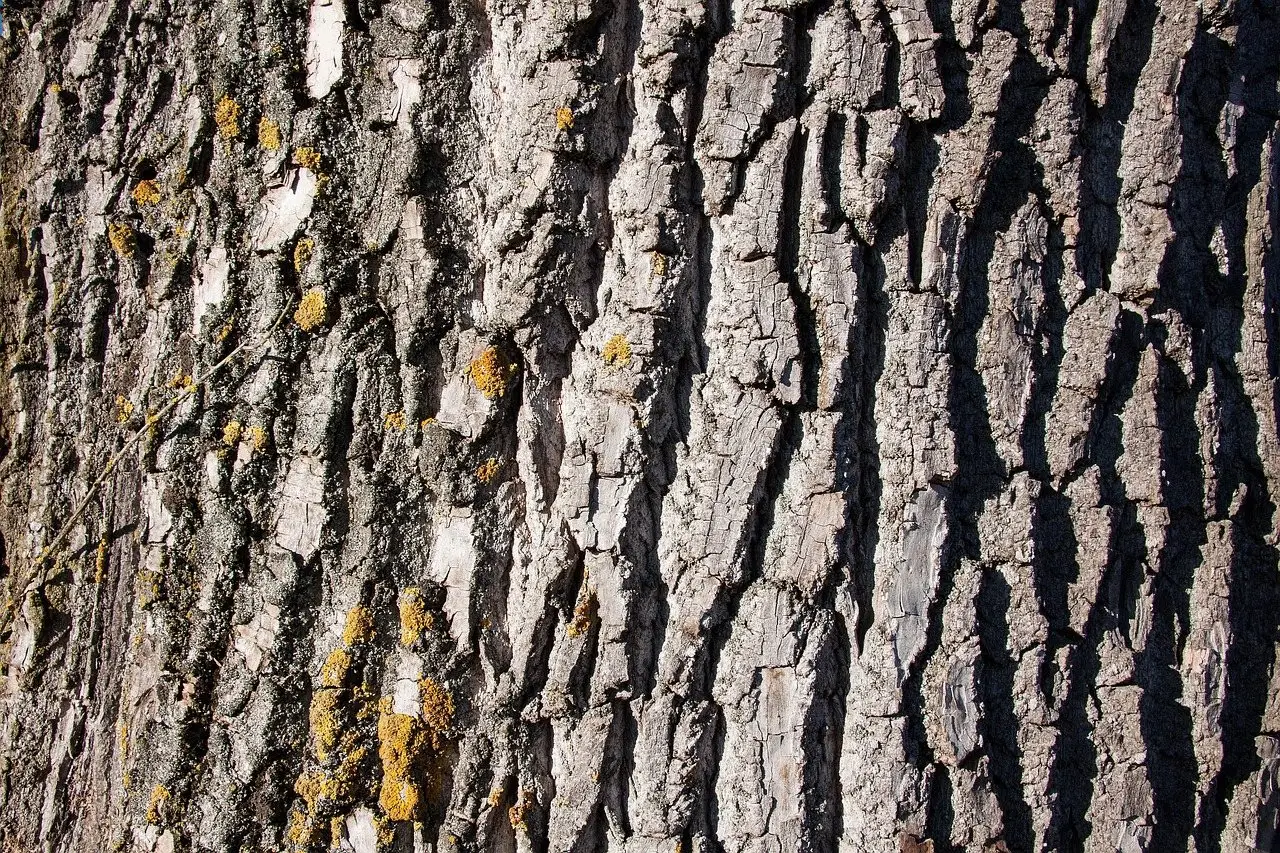
Cottonwood gives about half the heat of oak, soaks up water, rots fast and leaves almost no coals. It burns — it just does not burn well.
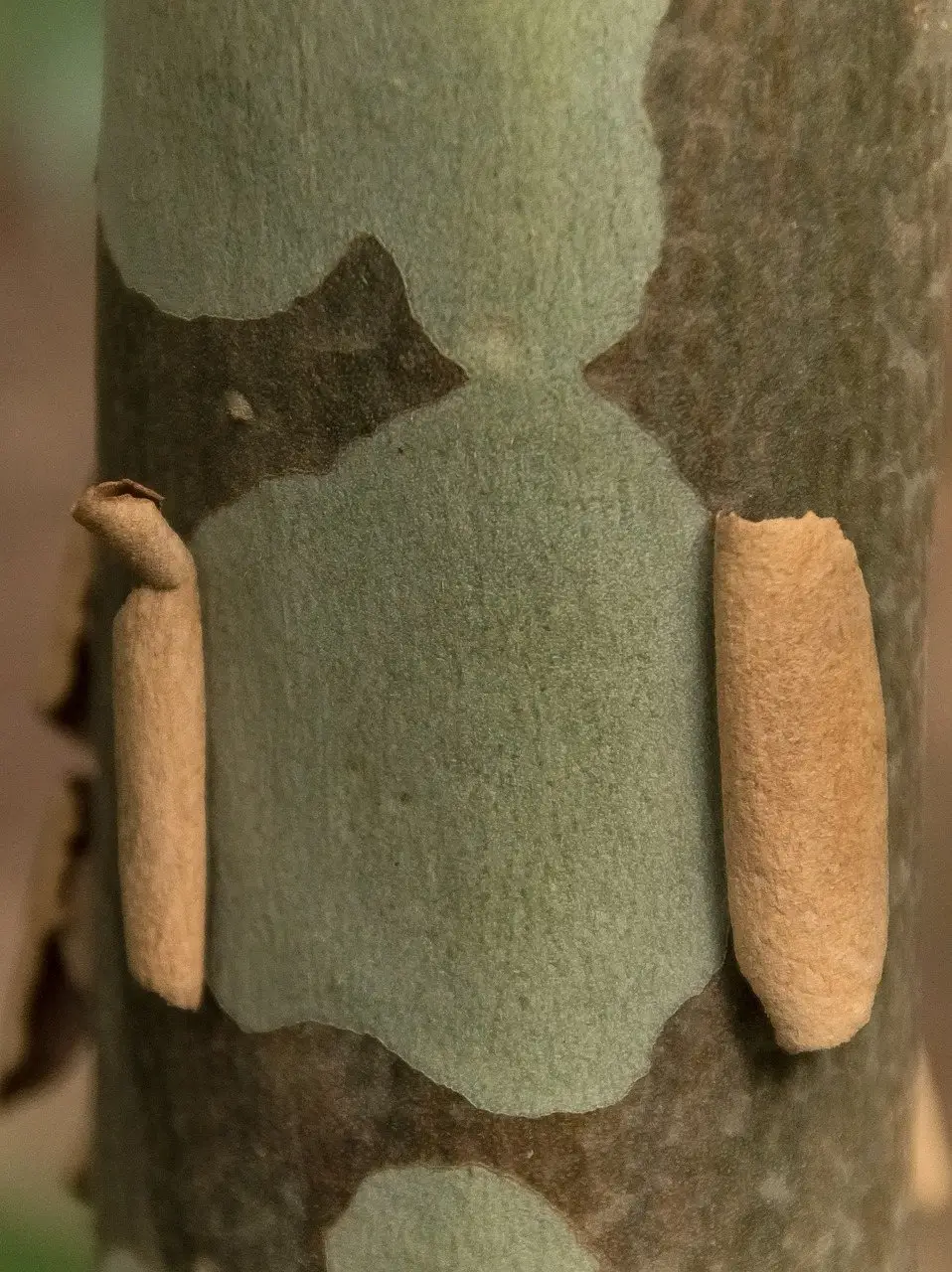
Eucalyptus burns hotter than oak and holds a long coal bed, but it is brutal to split dry, slow to season and prone to popping sparks.
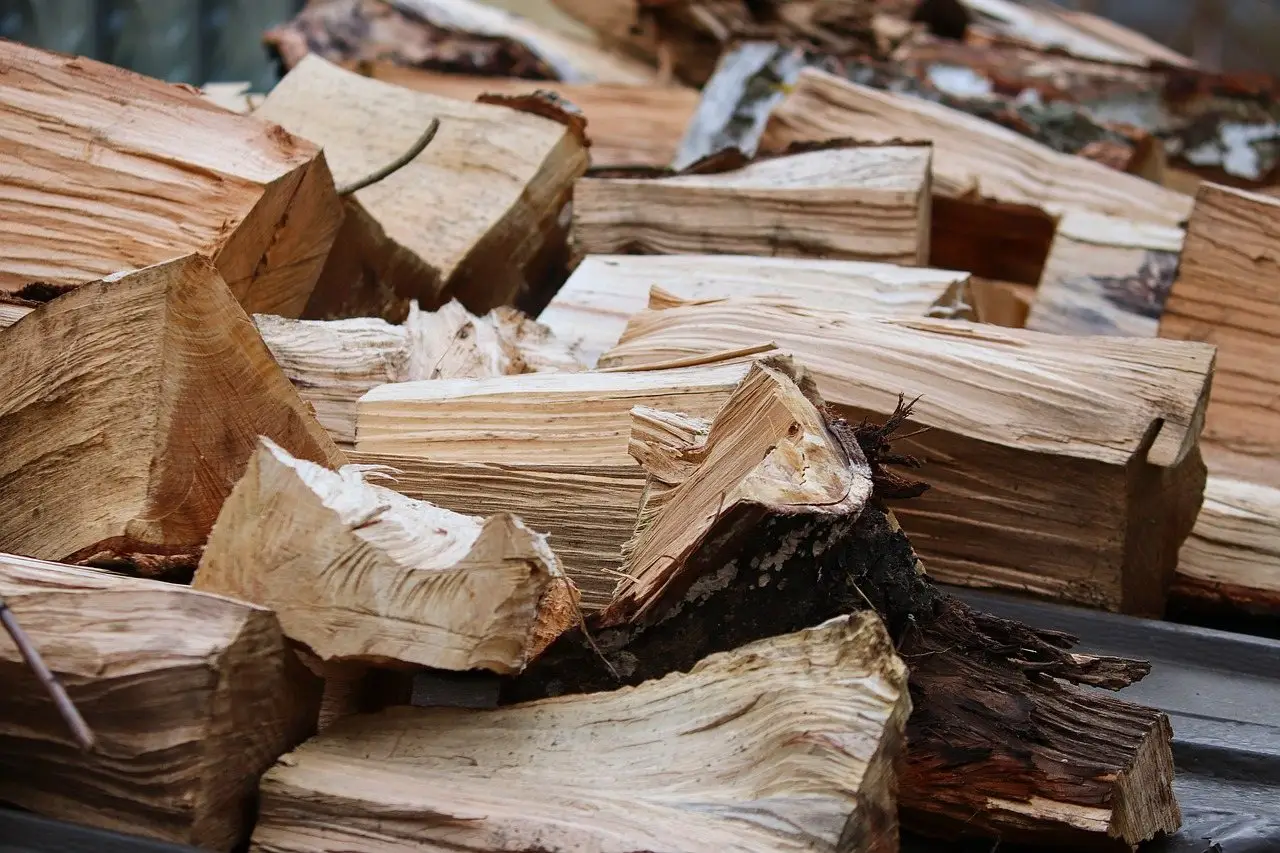
Black locust tops almost every BTU table at around 29 million a cord, burns with little smoke and stores for years without rotting.
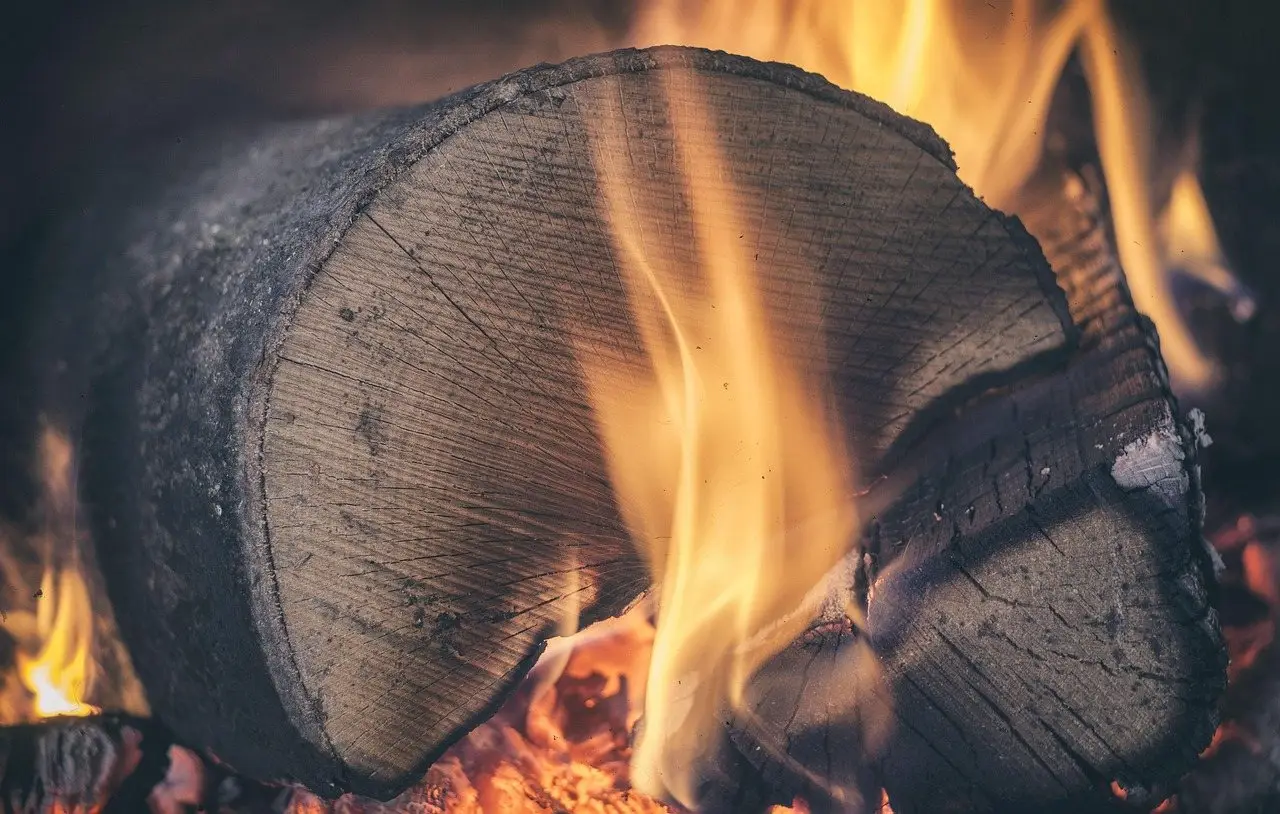
Hickory matches oak on heat at around 27 million BTU a cord, holds coals longer than almost anything, and is the classic barbecue smoking wood.
Mulberry burns hot at around 25 million BTU a cord with good coals and a pleasant smell, but it sparks enough to need a screen on an open fire.
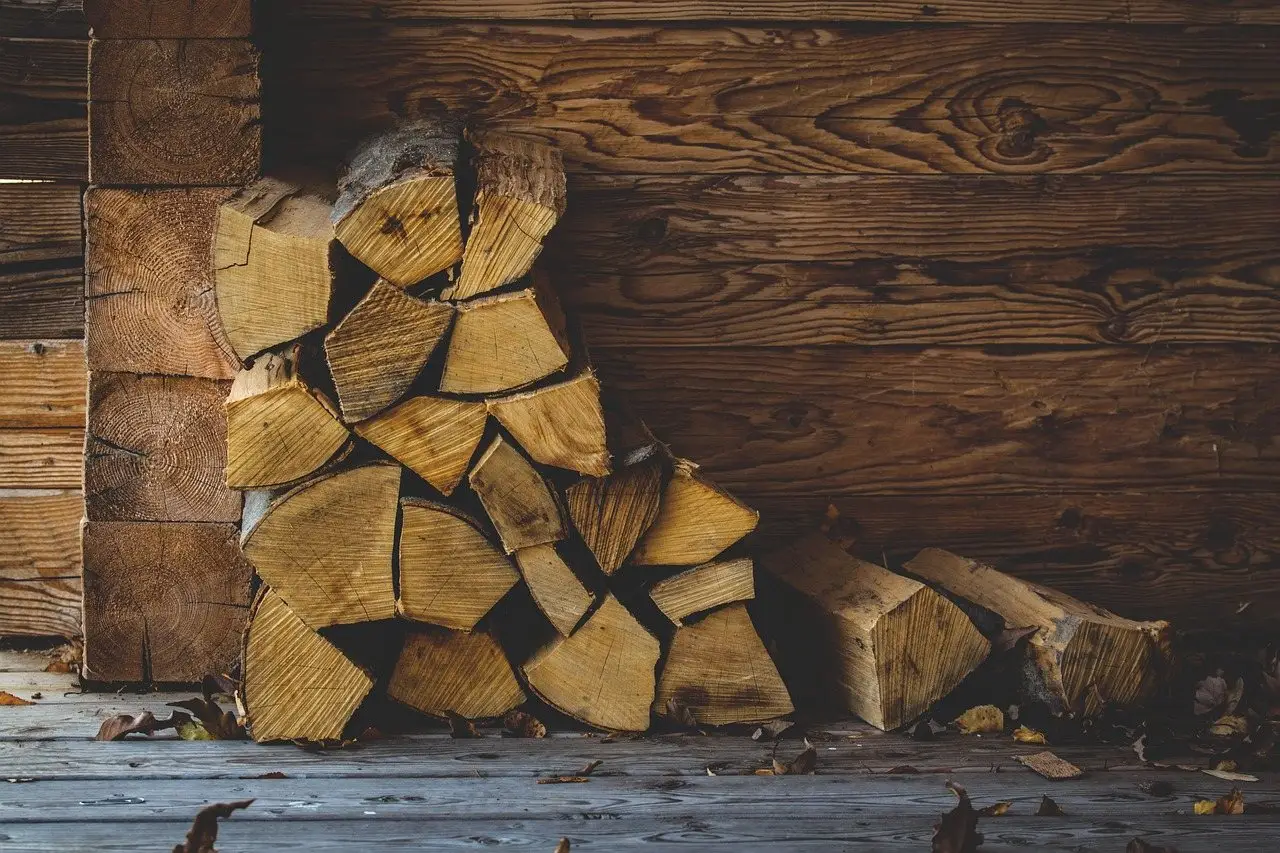
A rick is a stack four feet high and eight feet long. Its depth is whatever the log length is — which is why the word tells you almost nothing.
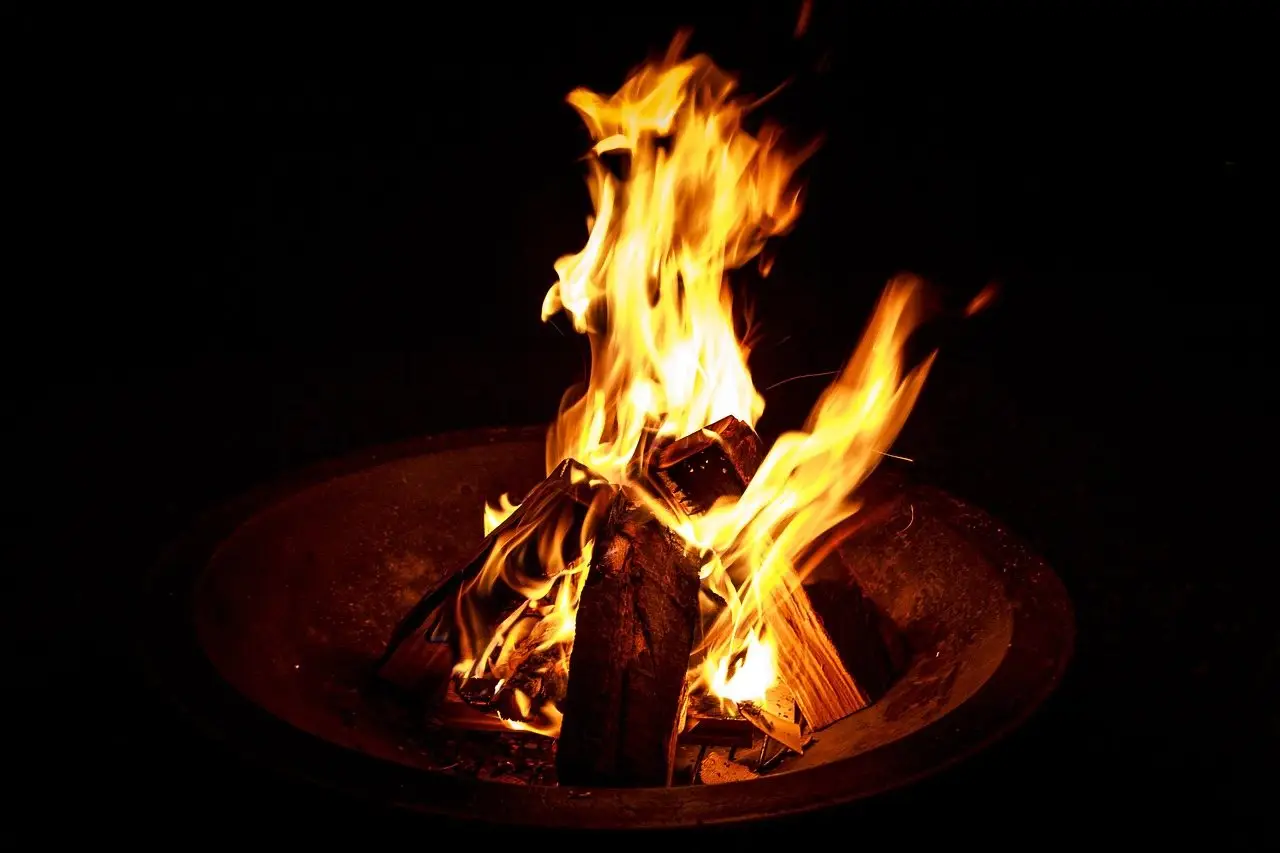
A metal bowl usually needs nothing. A built-in pit wants a drainage layer of gravel or lava rock — and never ordinary river stone, which can explode.
The double-wall burn genuinely cuts smoke and ash. Whether that justifies the price turns on whether smoke, or something else, is what bothers you.
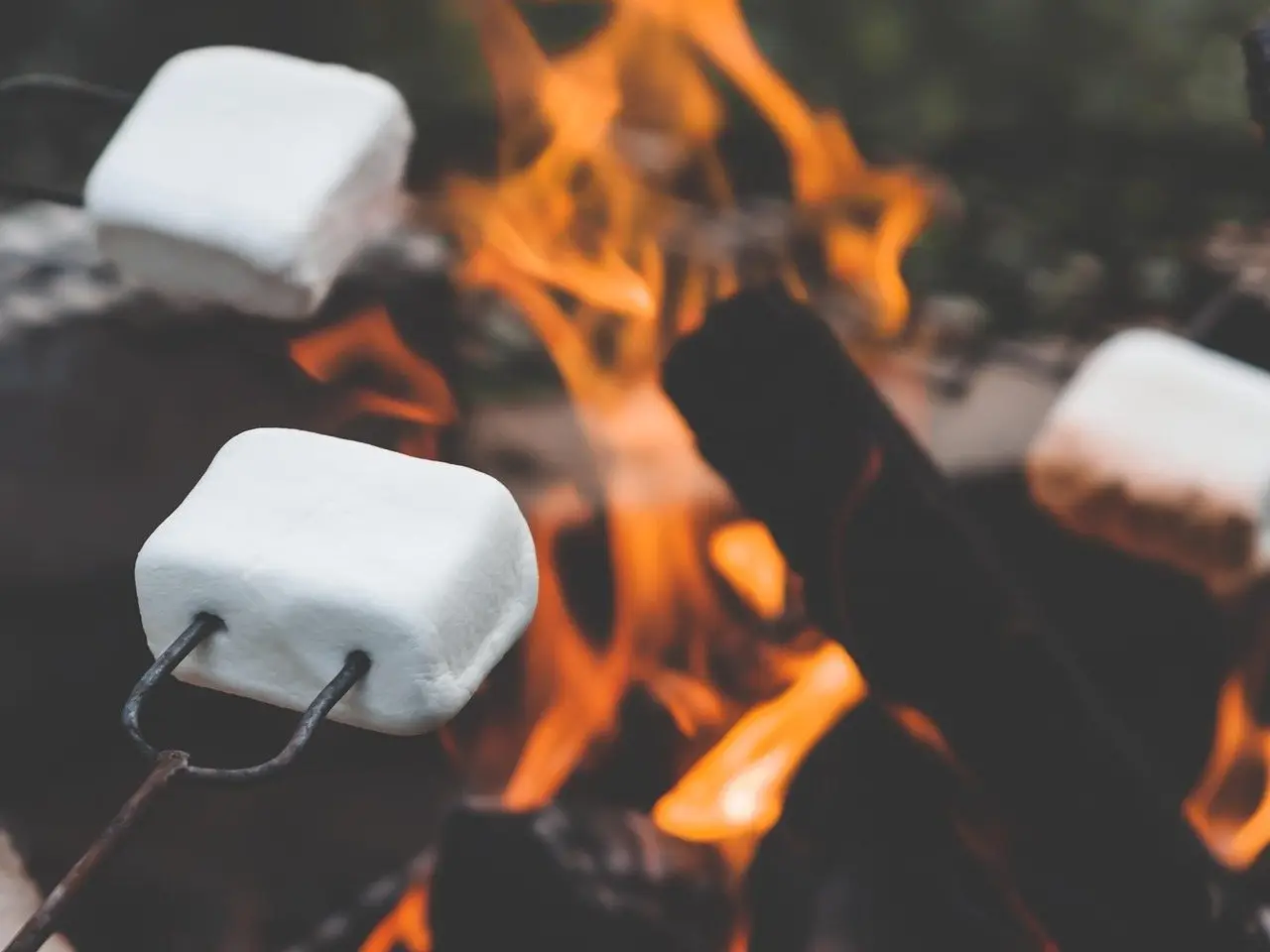
Propane burns clean enough to cook over safely. The real problem is dripping sugar on lava rock and glass beads, which is a cleaning job, not a health one.
The maker says no, and the overhead clearance is why. Smokeless does not mean heatless, and a roof traps both heat and combustion gases.
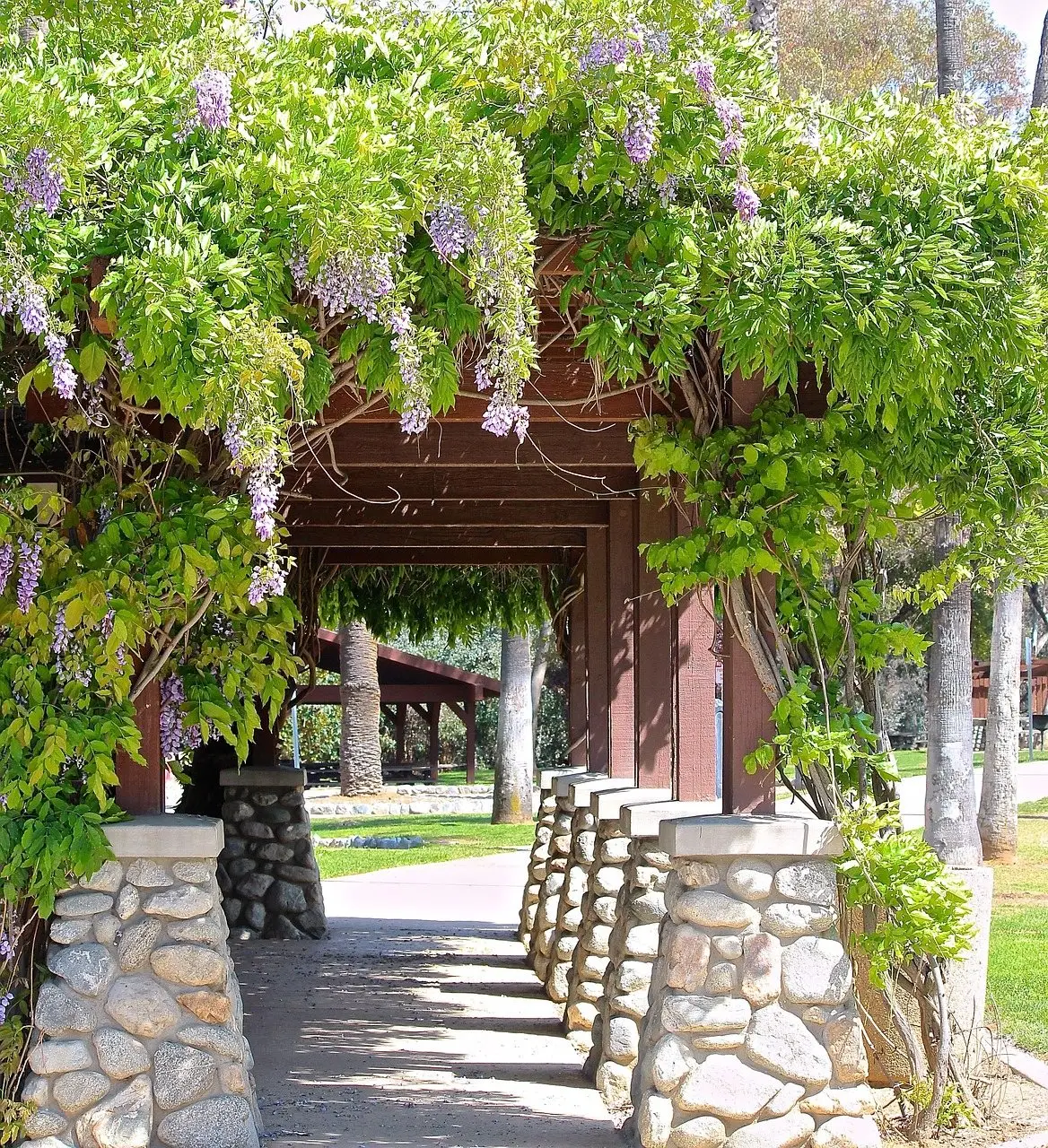
Bare rafters give roughly 30 to 50 percent at midday and almost none when the sun is low. Orientation and rafter spacing matter more than adding timber.
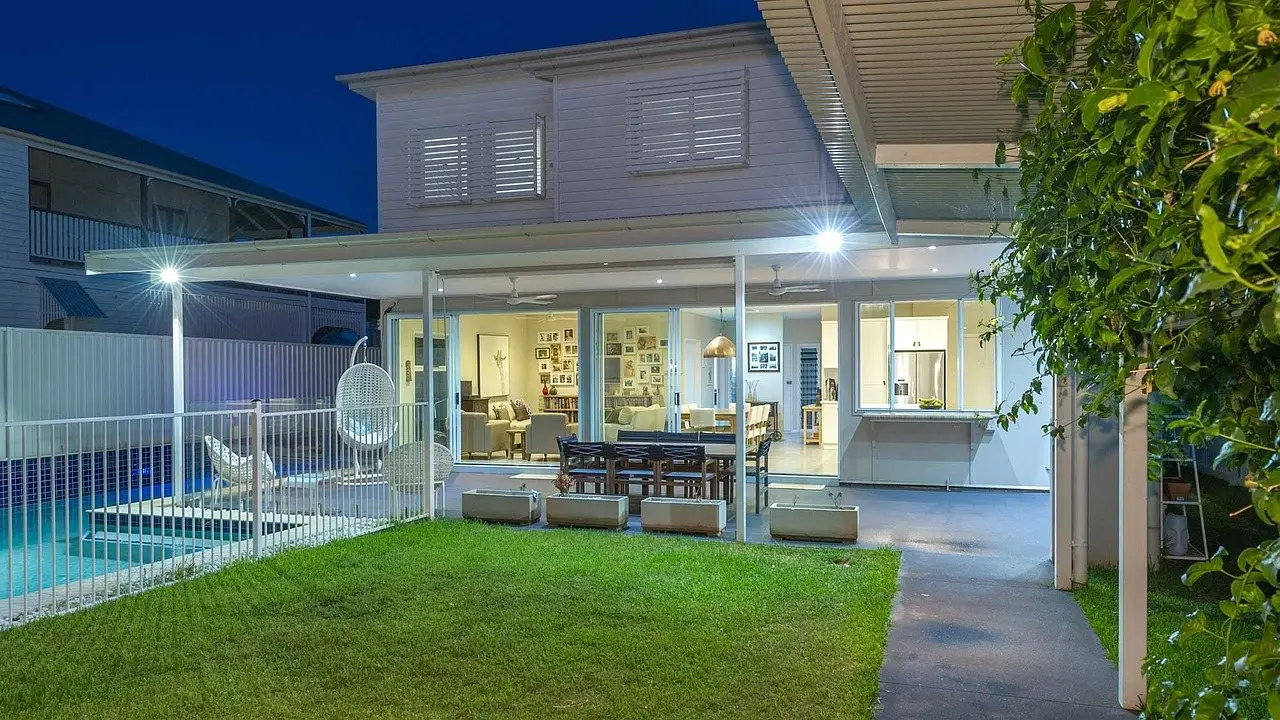
Rarely a dollar-for-dollar return. A pergola sells a house faster more often than it raises the price, and condition matters more than the structure itself.
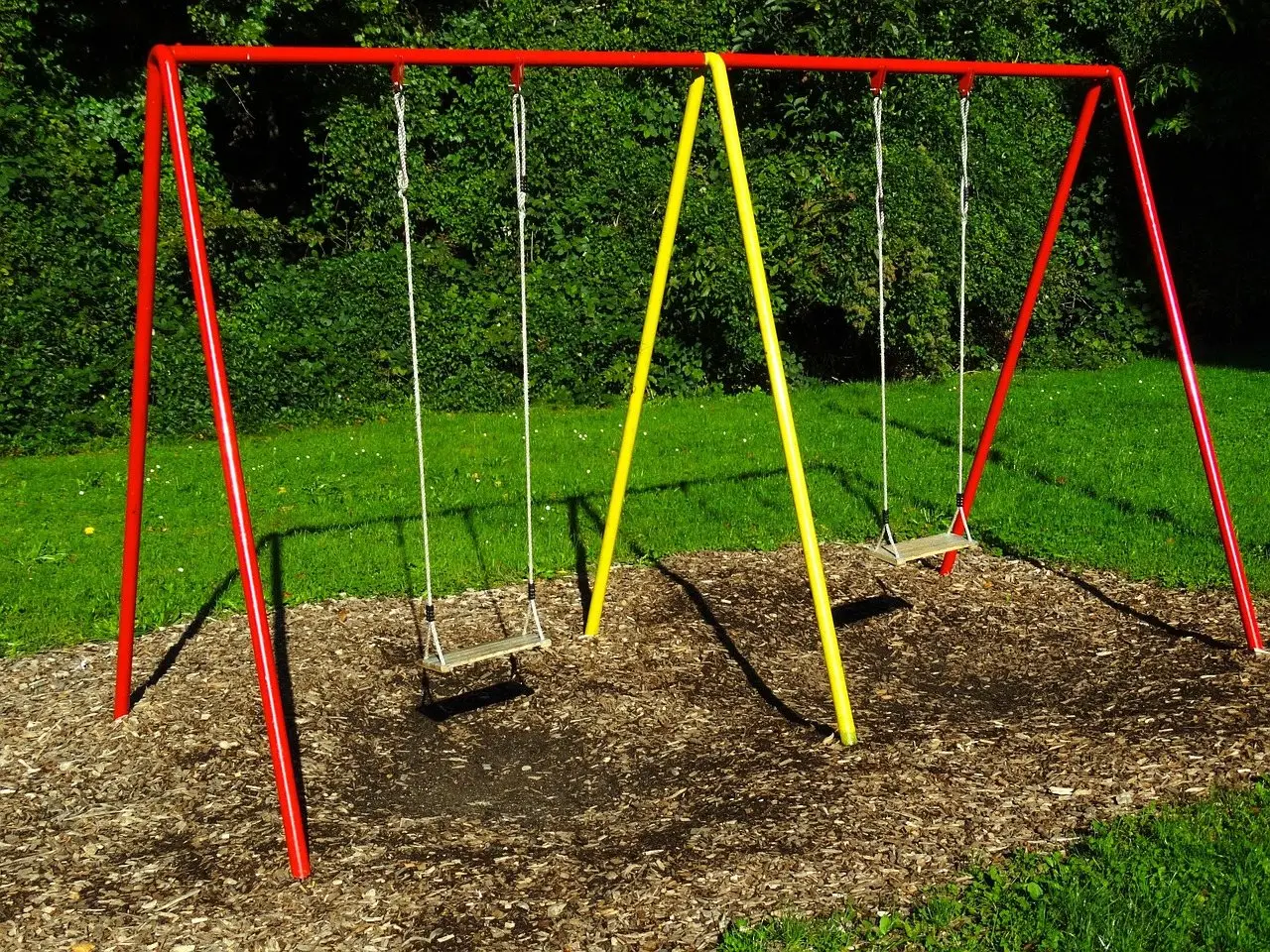
Domestic sets commonly state 100 to 125 lb per swing. The frame rating and the per-seat rating are different numbers, and anchoring decides both.
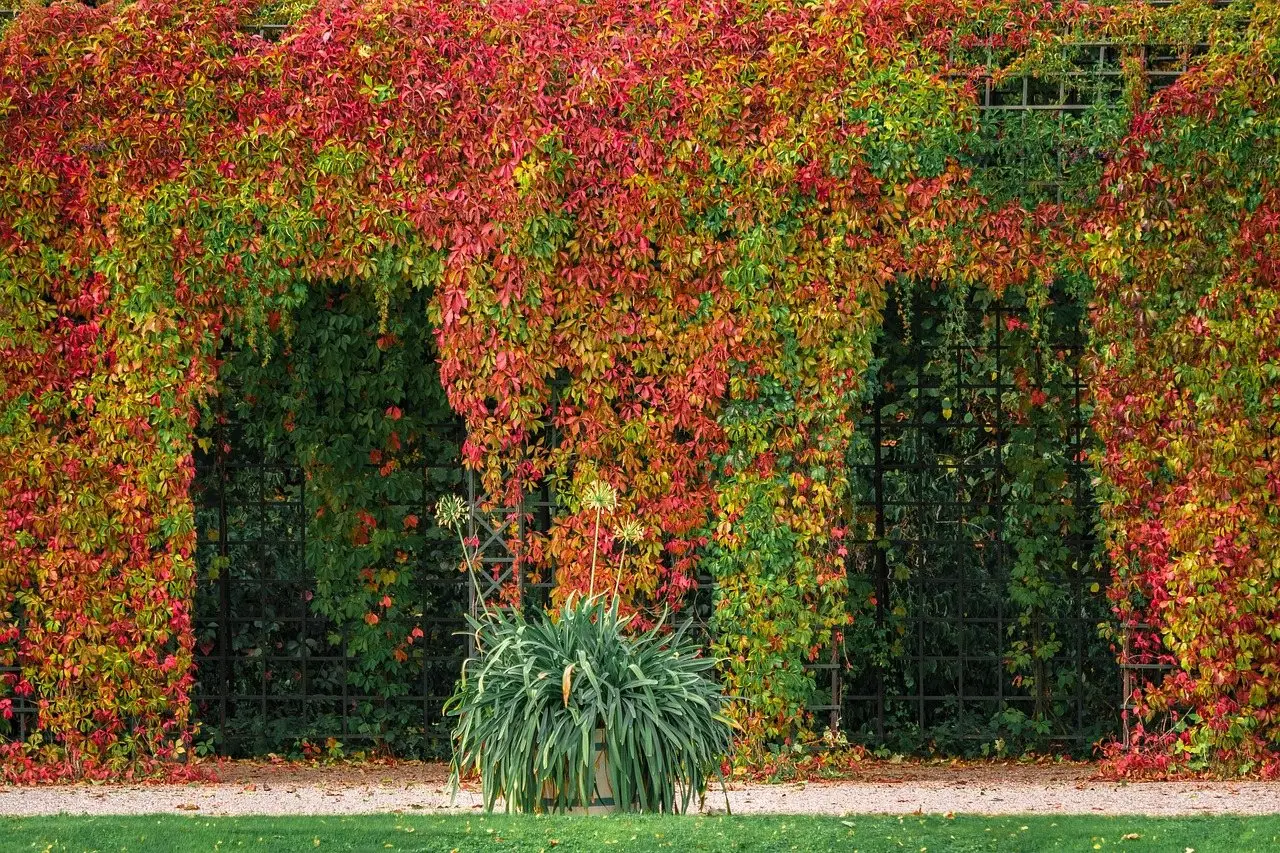
Eight feet is the practical minimum and ten suits most gardens. Height changes shade, proportion and wind load, and each pulls in a different direction.
Most rules exempt a contained recreational fire from open burning, with limits on size, fuel and distance. Four conditions decide which side you are on.
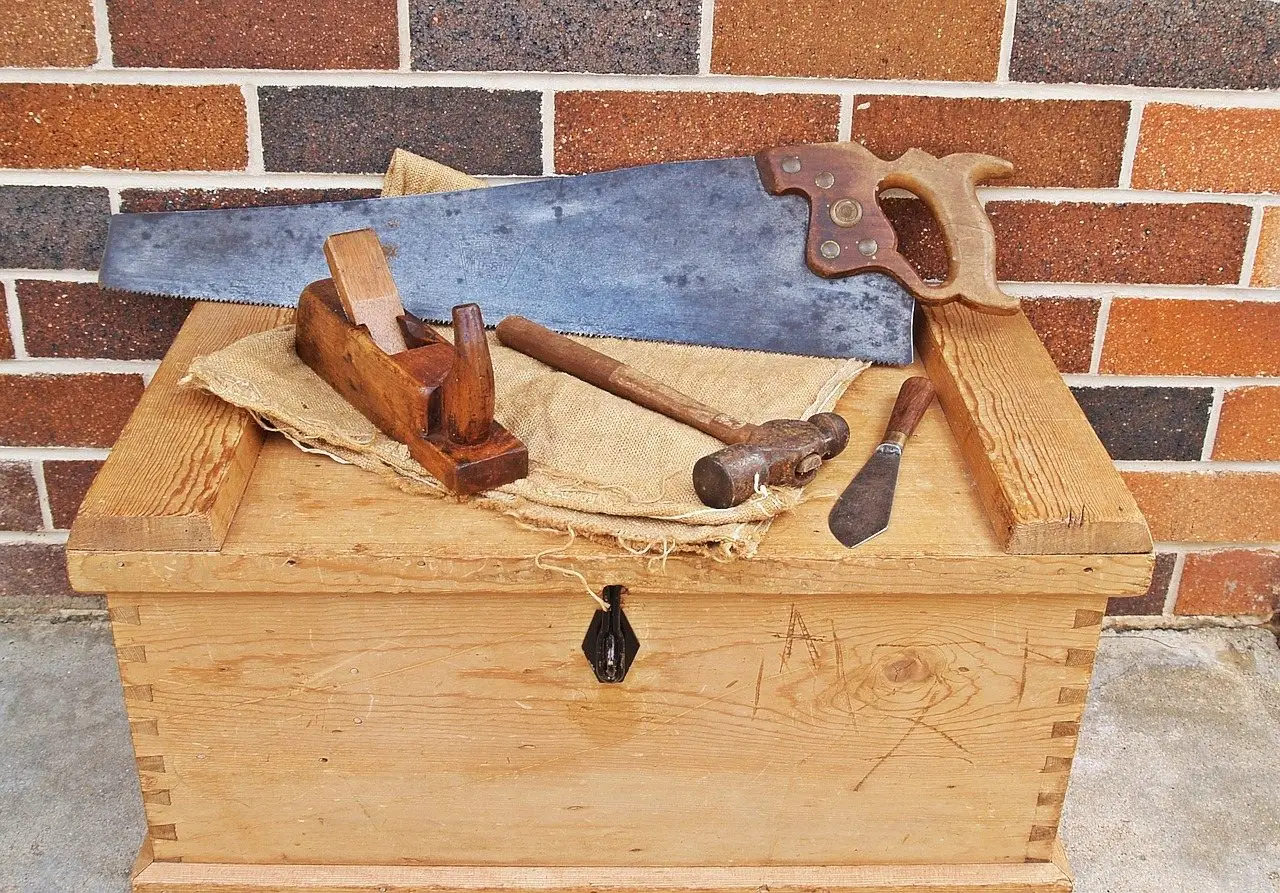
Building saves roughly a third to a half on materials against a comparable kit. The saving is real, and it is entirely a function of your own labour.
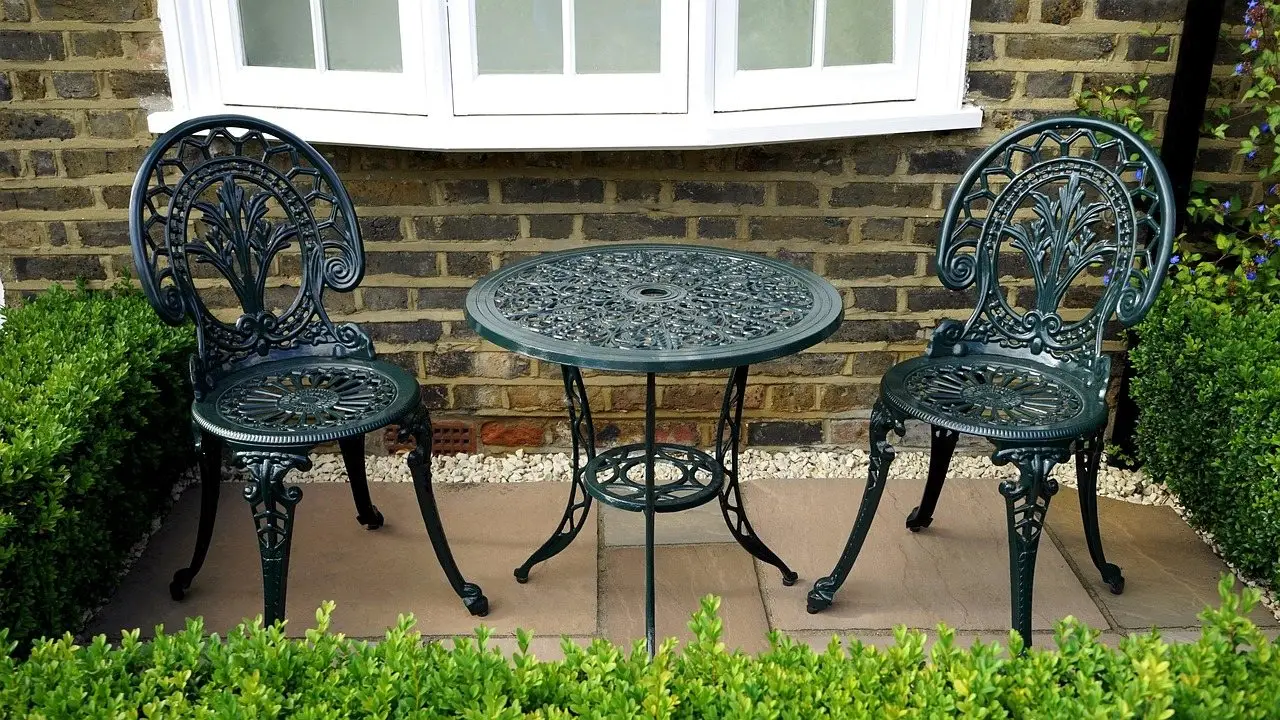
Powder-coated aluminium and teak outlast everything else outdoors. The failure is rarely the frame — it is the cushions, the fixings and the finish.

4x4 works for a small low pergola in a sheltered spot. Everything else wants 6x6 — posts fail by leverage at the base, not by crushing.
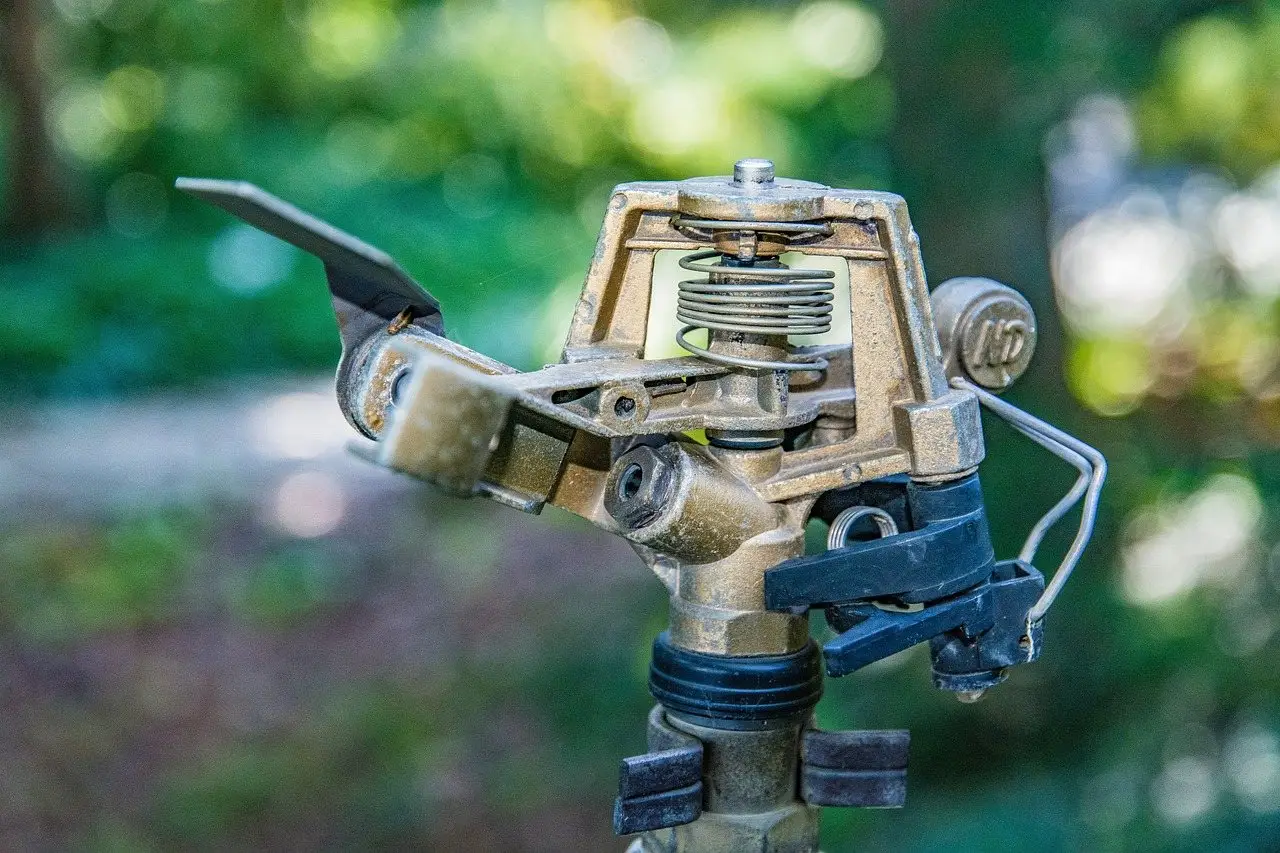
An impact or rotor sprinkler throws furthest on a single head. But coverage is set by water pressure and flow, not by the sprinkler you buy.
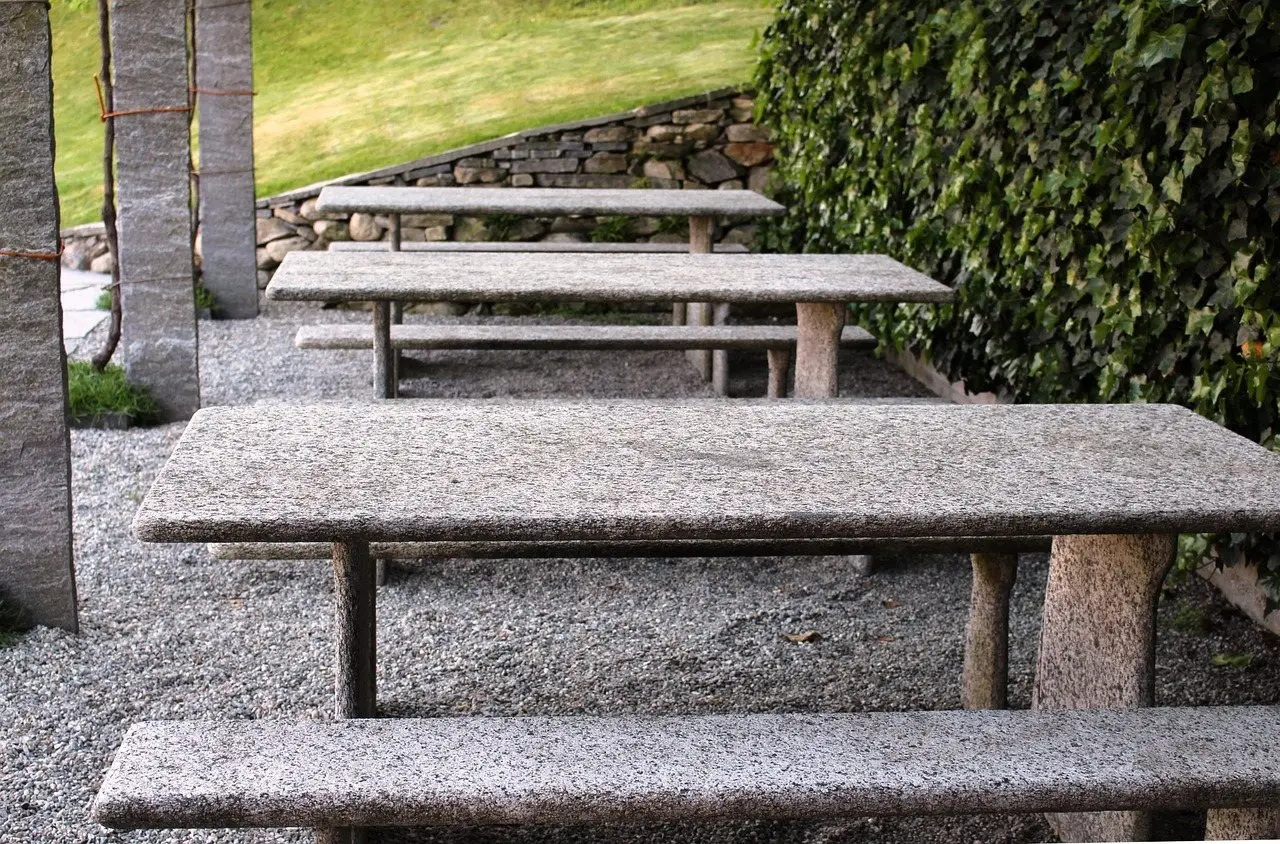
Gravel, pavers and decomposed granite all work; mulch and artificial grass do not. Plan a 7-foot clear radius before choosing the material.
Grass, a wooden deck, pavers and gravel each need a different answer. Radiant heat and ember fall are two separate problems, and only one is obvious.
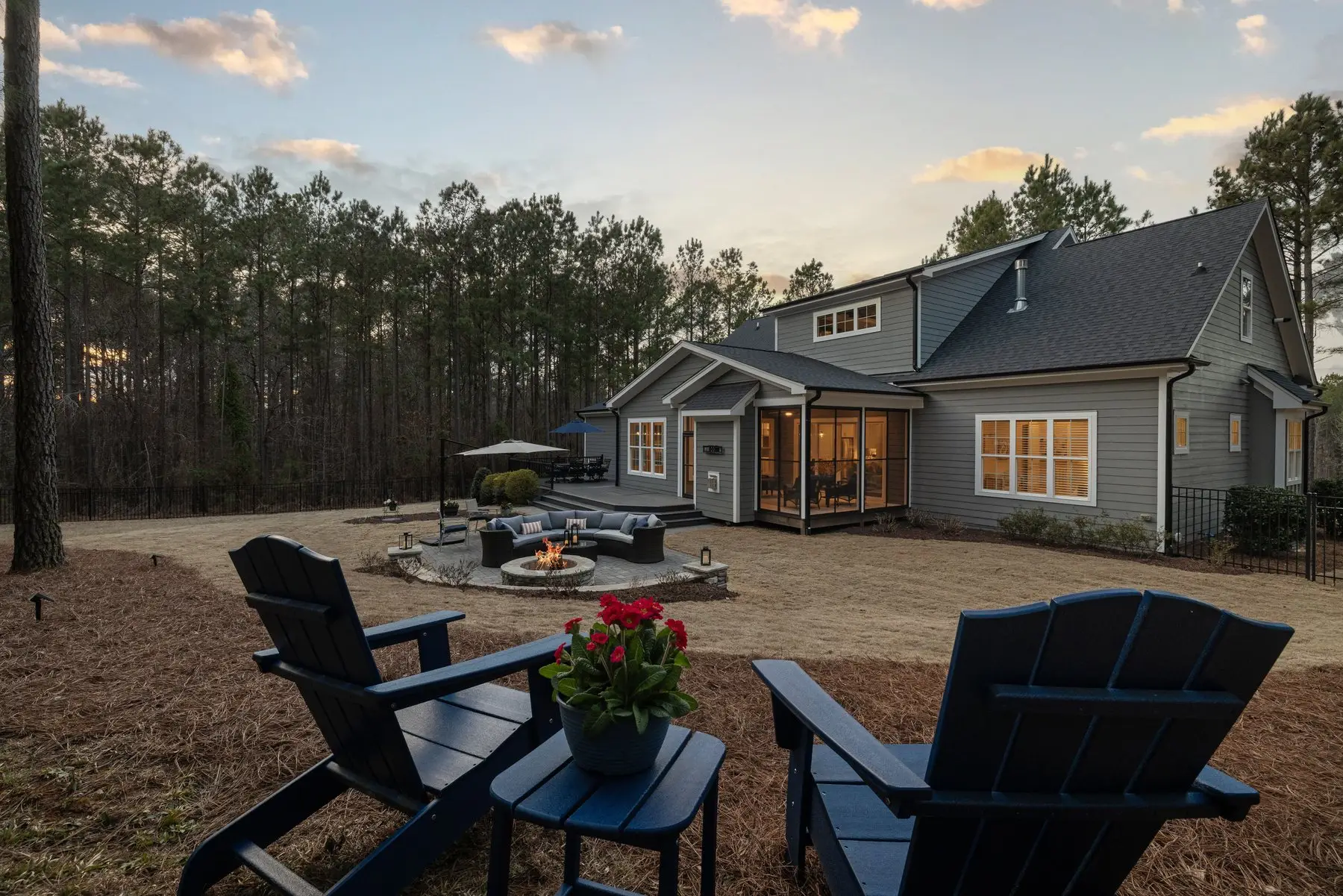
Most codes set 10 to 25 feet from structures, but overhead clearance catches more people out. What to measure from, and why local rules decide it.
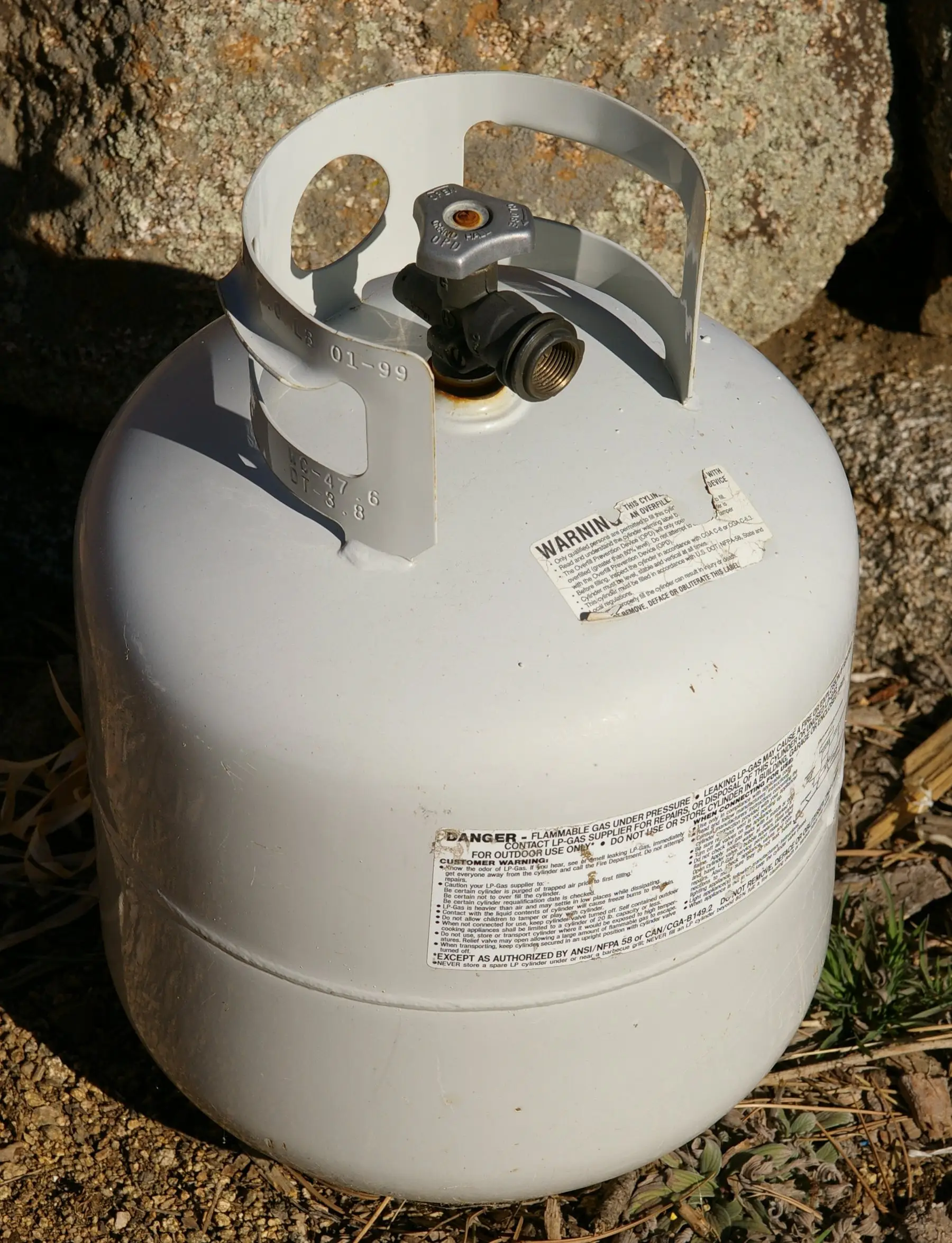
A 20 lb tank holds about 430,000 BTU. Divide by your pit's BTU rating and you have the answer — usually four to ten hours. The arithmetic, worked.
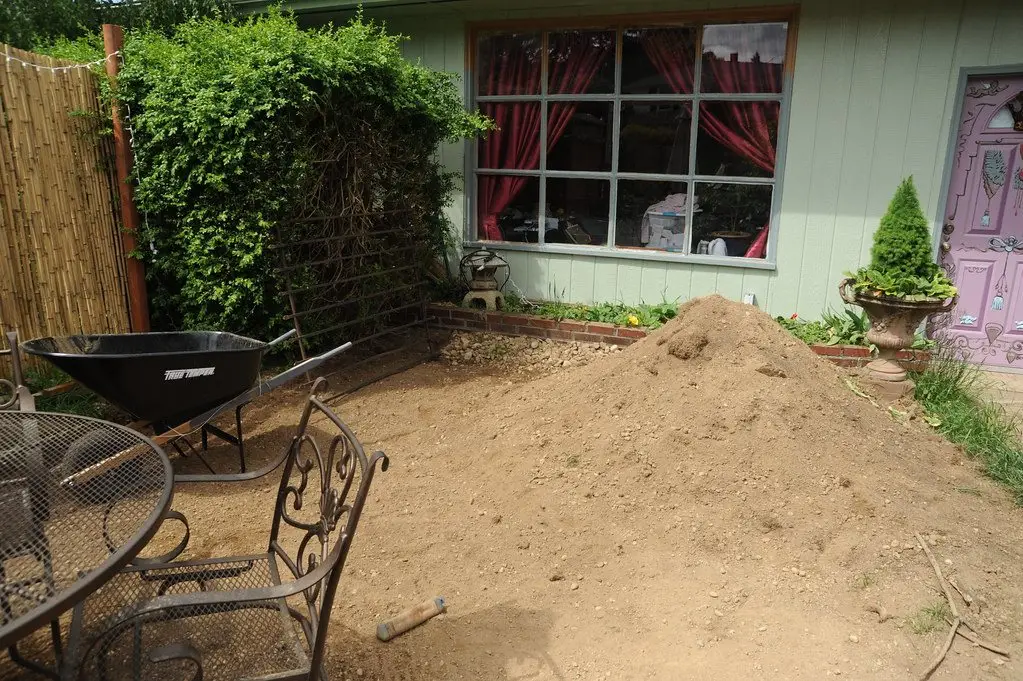
A barrow's rated capacity is not what you can lift. Realistic loads for soil, gravel, sand and mulch — and the sum that works for any material.
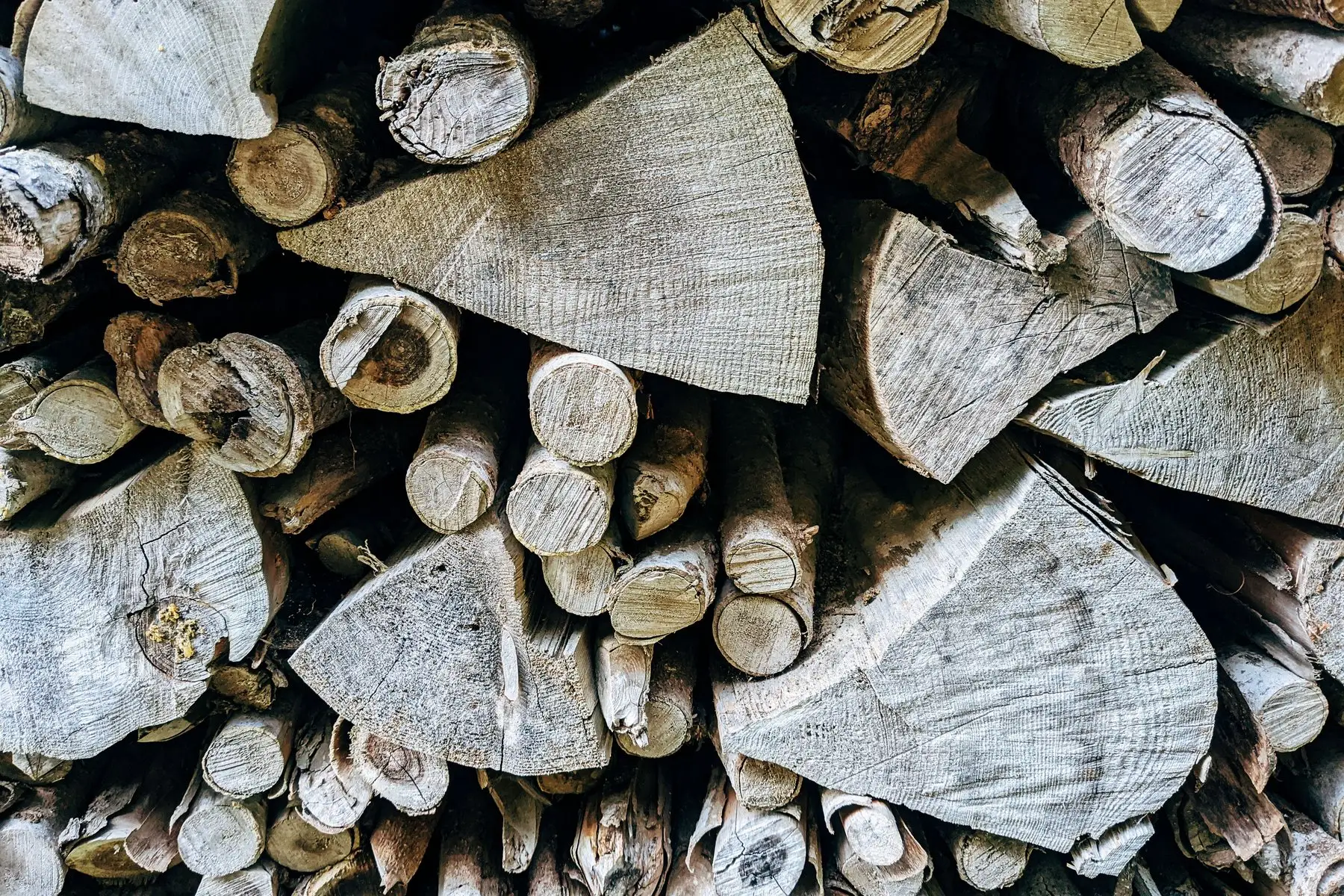
Splitting small does more than anything else, and a tarp over the whole pile undoes it. Realistic timescales, and why there is no shortcut to under 20%.
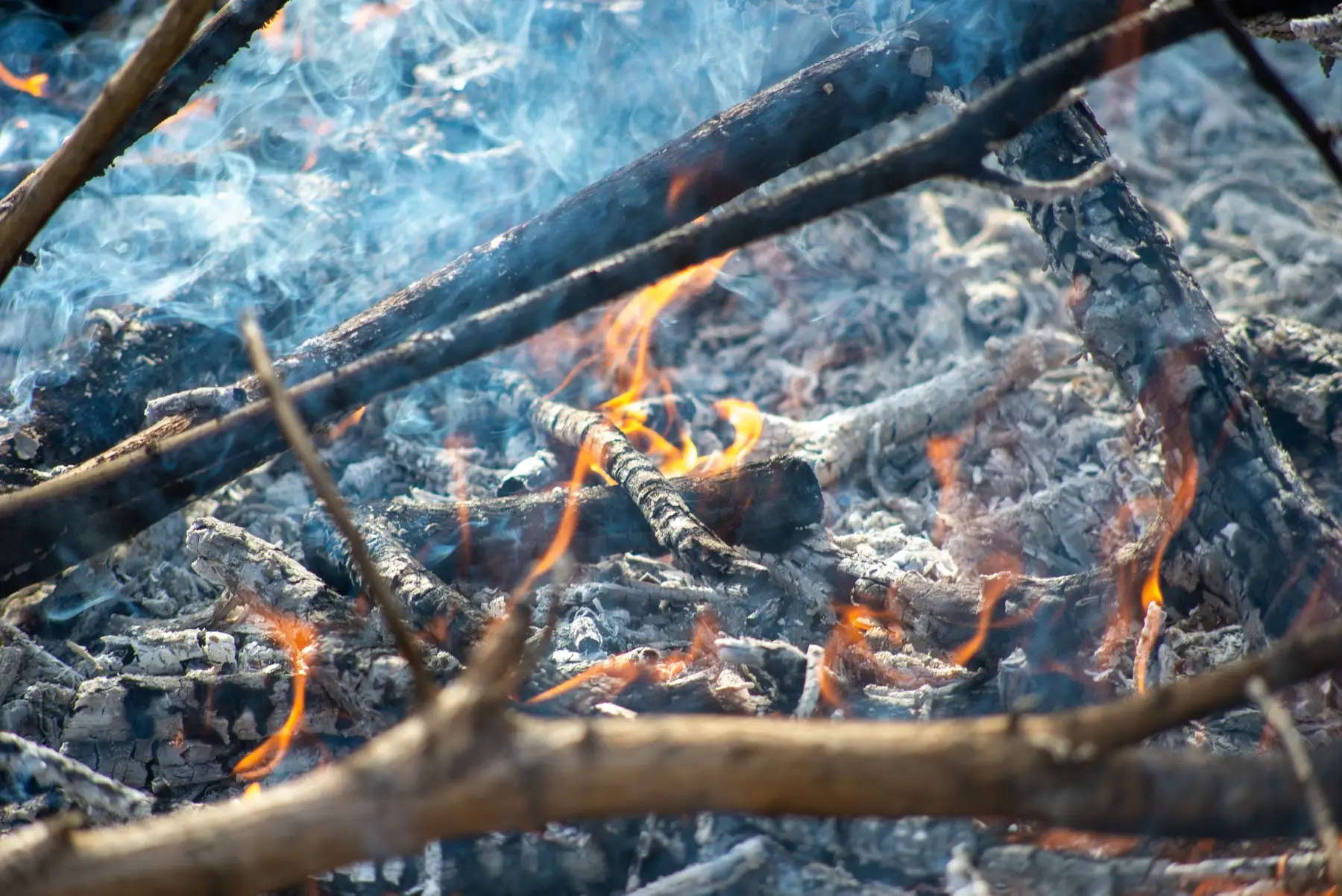
Spread, soak, stir, repeat until there is no hiss and no warmth. Why dirt is the worst option, and how long embers stay hot enough to start a fire.
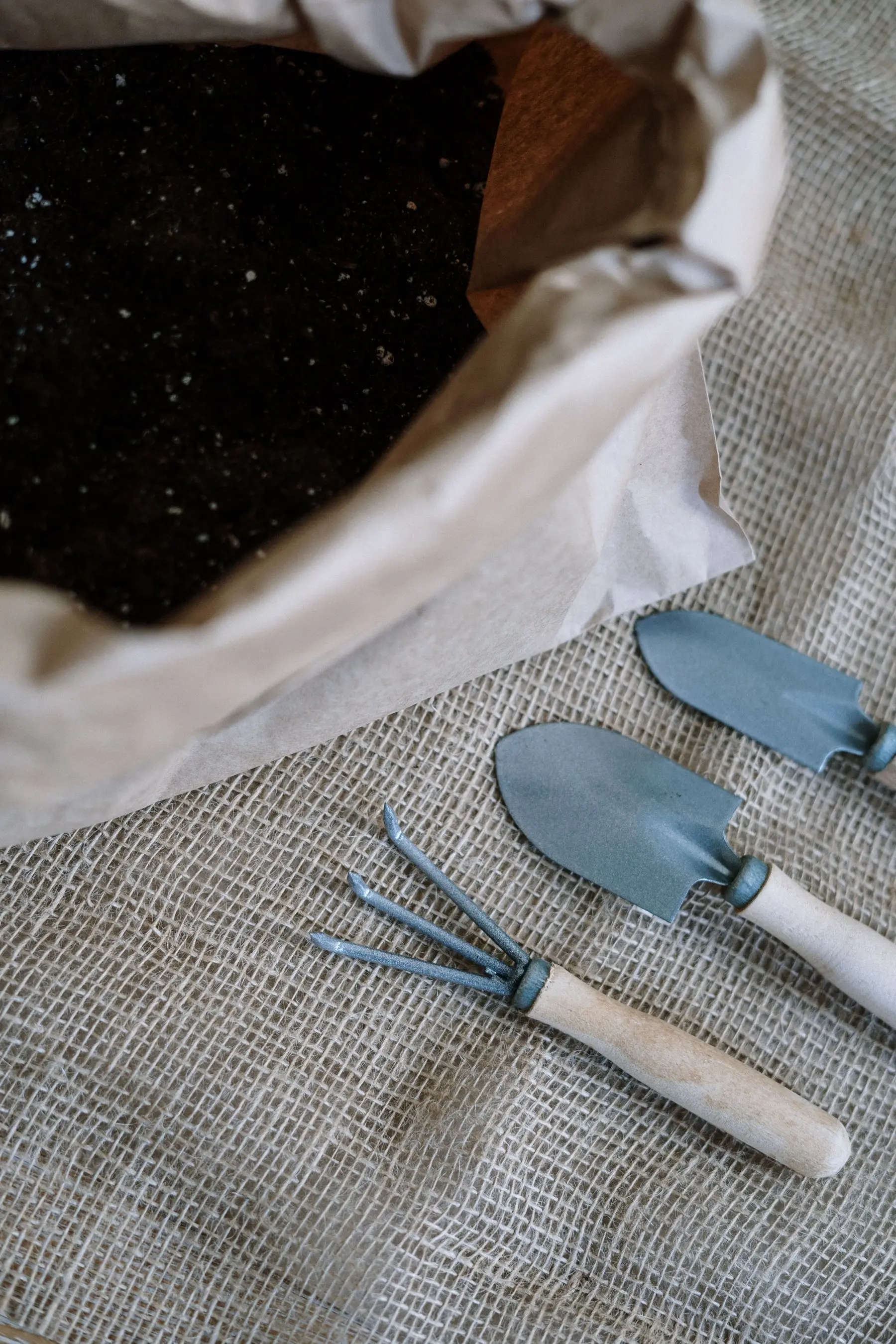
How to clean garden tools at season's end: scrape, sharpen, then oil. 4 items cover the whole routine in about an hour. See what each one does.
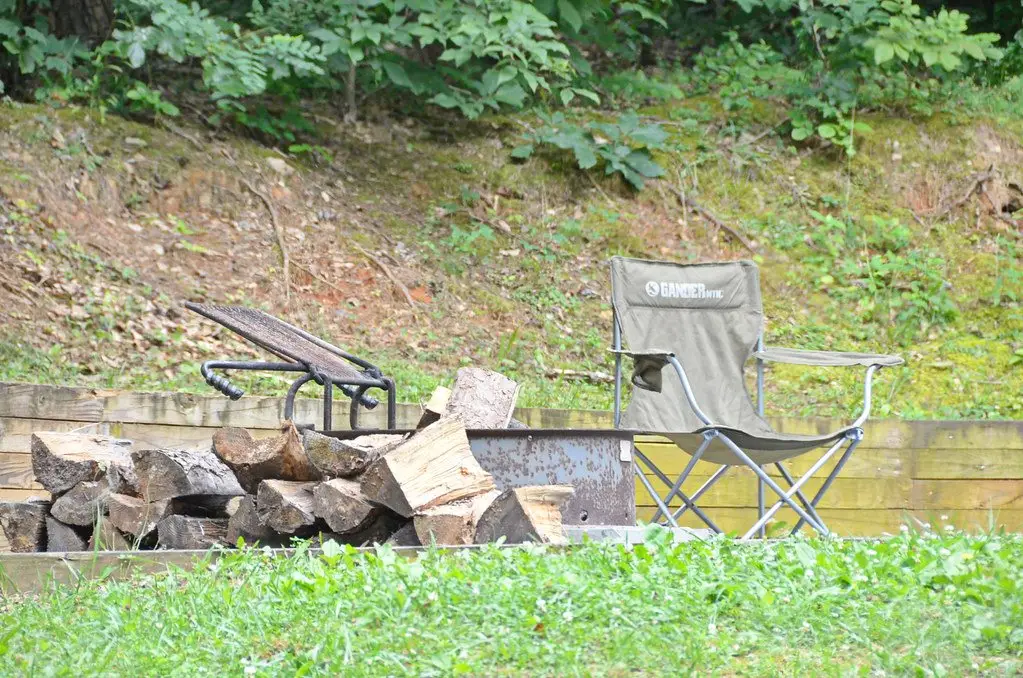
Teepee, log cabin, top-down and lean-to each burn differently. Which one to use for heat, for cooking, for a long evening, and which needs no tending.
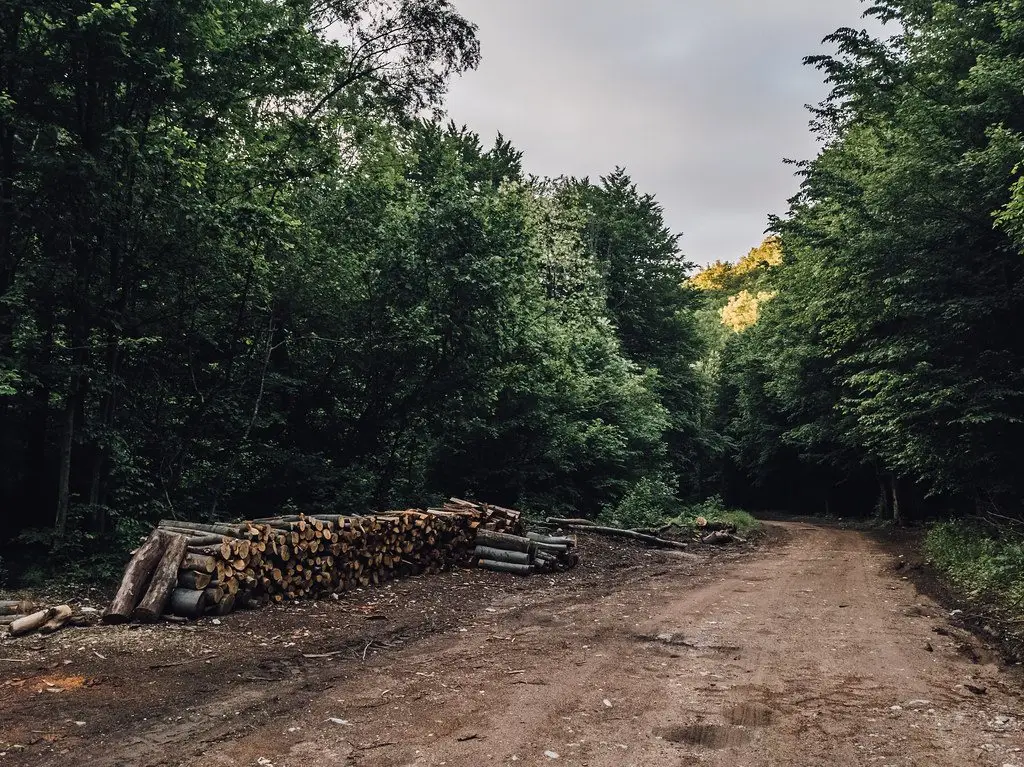
White or green fuzz on logs is a storage problem, not a wood problem. Why bleach is the wrong answer, and when mouldy wood is no longer worth burning.
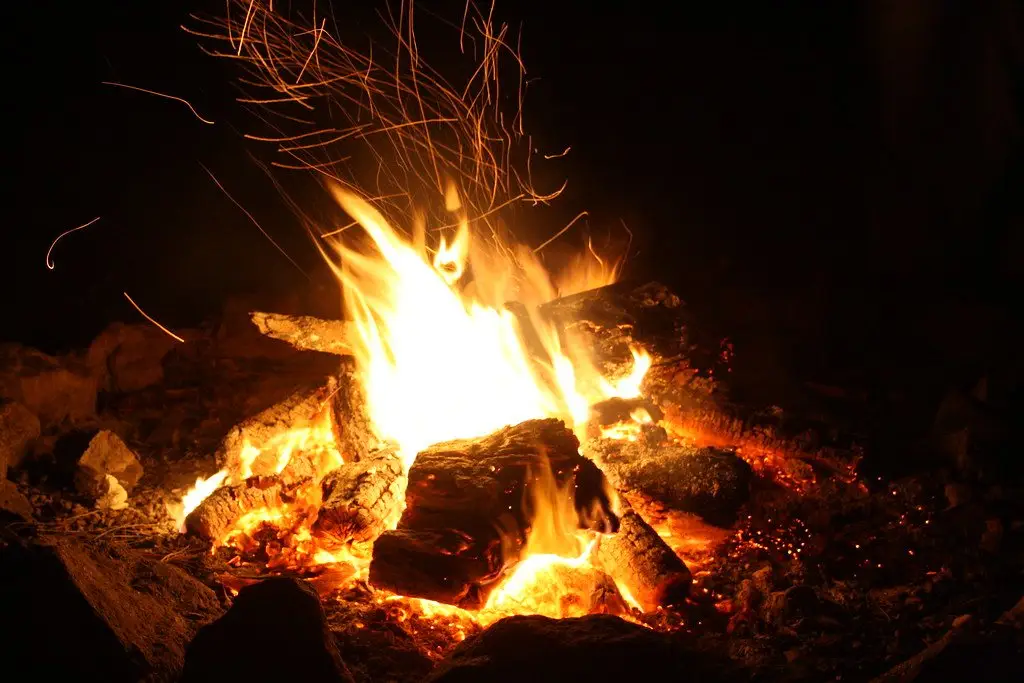
Metal bowls choke fires because air cannot get under the wood. Why a grate changes everything, and the top-down build that lights clean and needs no tending.
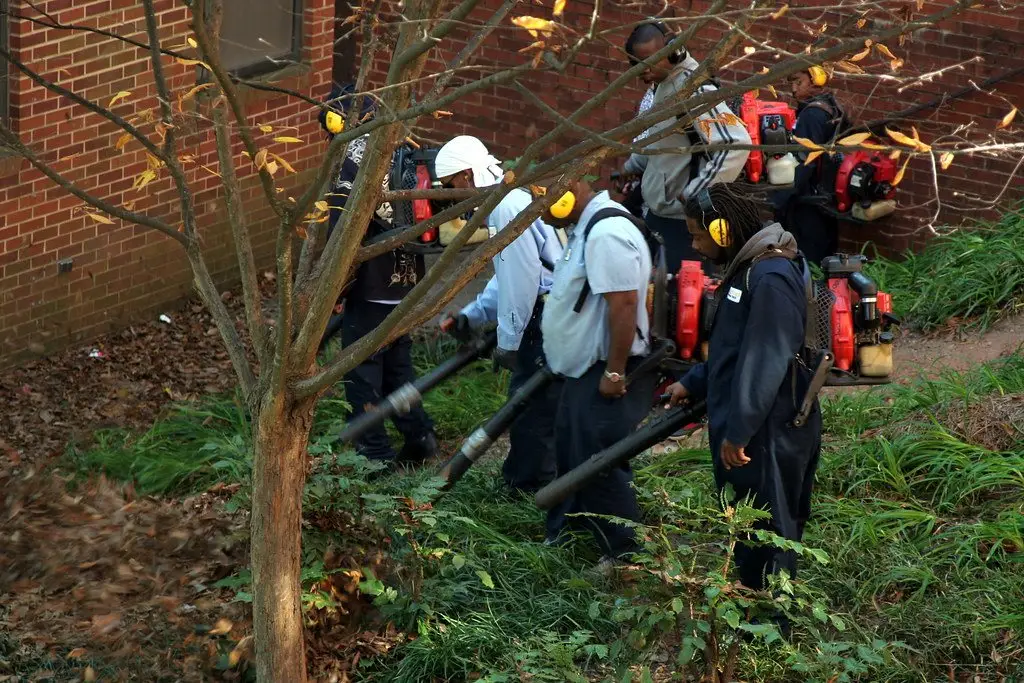
CFM is how much air moves, MPH is how fast. One shifts piles, the other unsticks wet leaves — and the numbers are not comparable between brands.
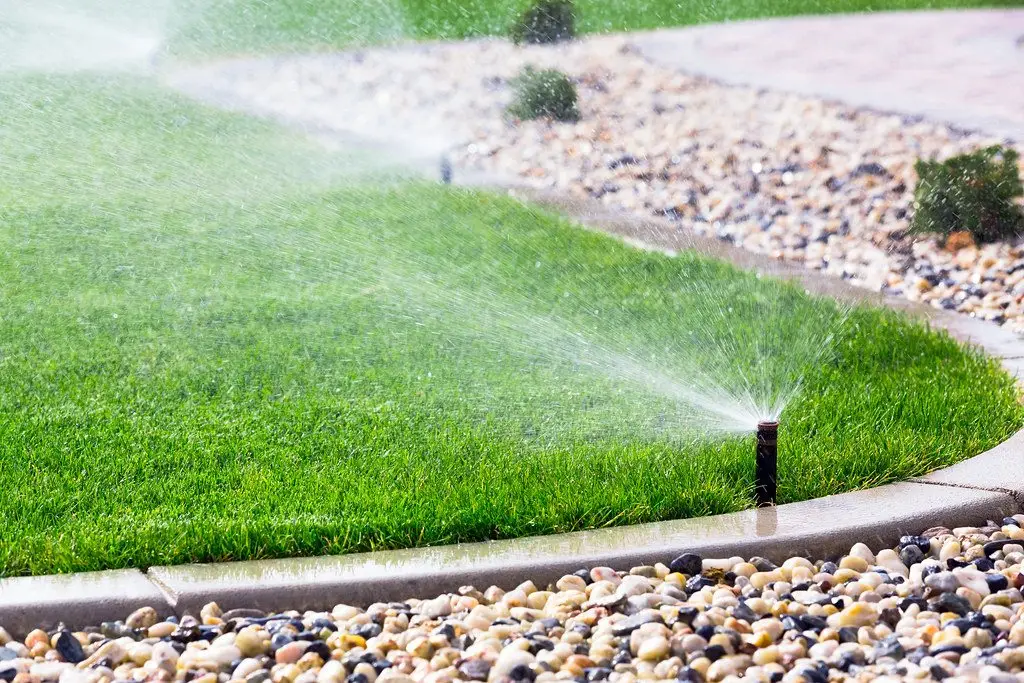
Most residential sprinkler lateral lines sit 8–12 inches down, mains deeper. What sets the depth, and how to find yours before you dig.
A controller opens one valve at a time because your water supply cannot feed every head at once. The parts, why zoning exists, and what backflow prevention is for.
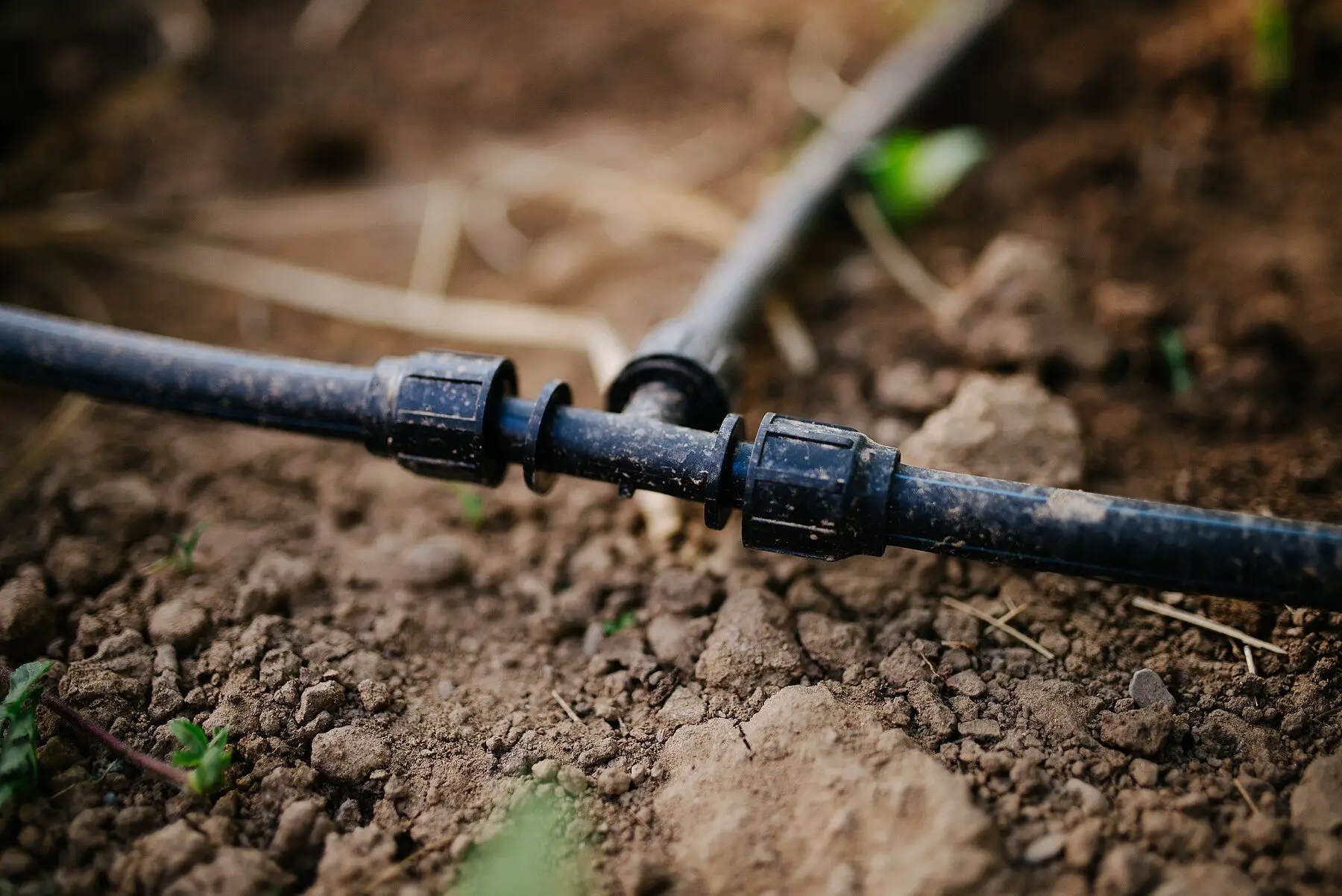
How to use a soaker hose comes down to pressure and layout. 4 parts make the run water evenly from end to end. See which your line is missing.
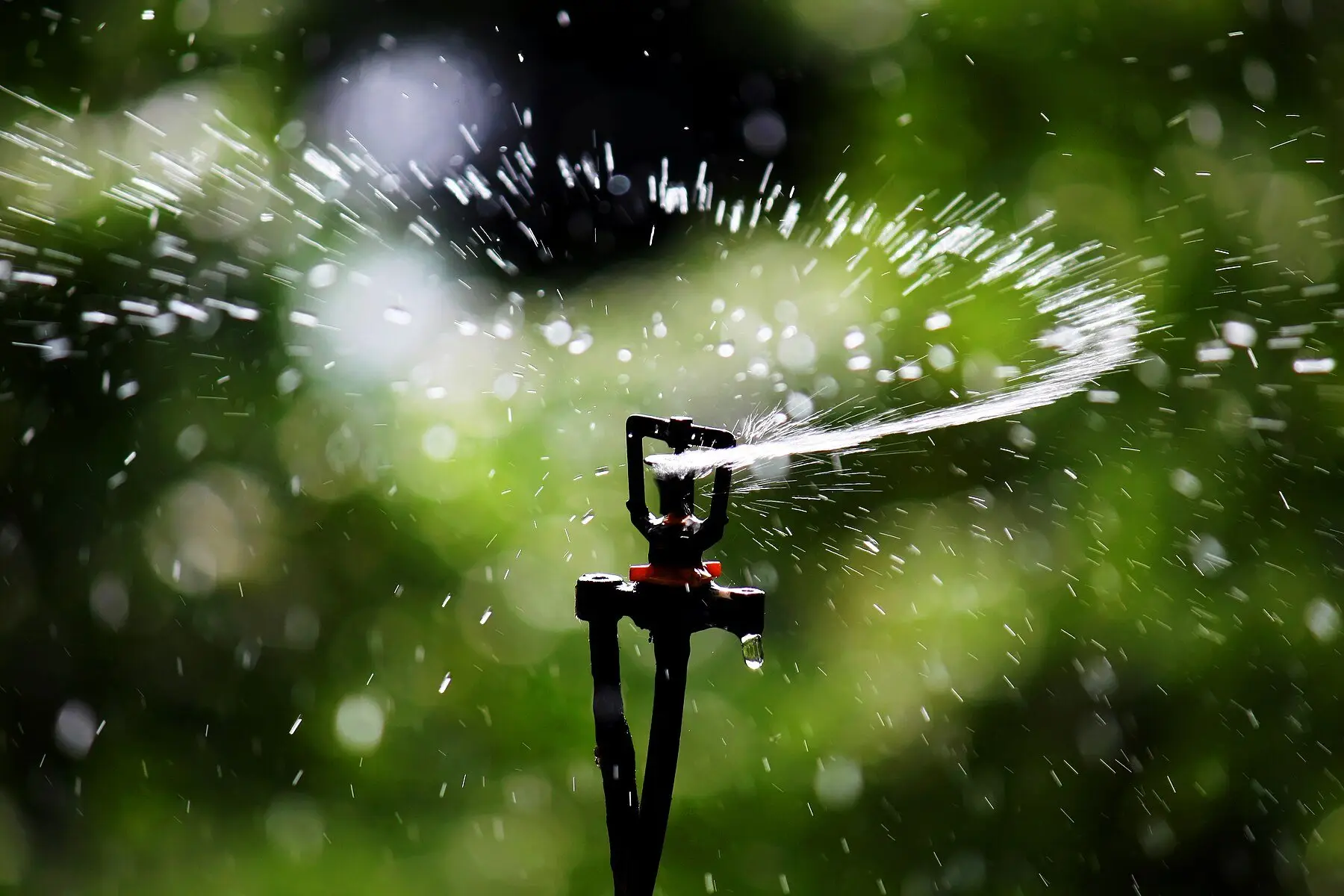
Spray, rotor, rotary nozzle, drip and impact each water a different shape and rate. How to pick, and why mixing two types on one zone wastes water.
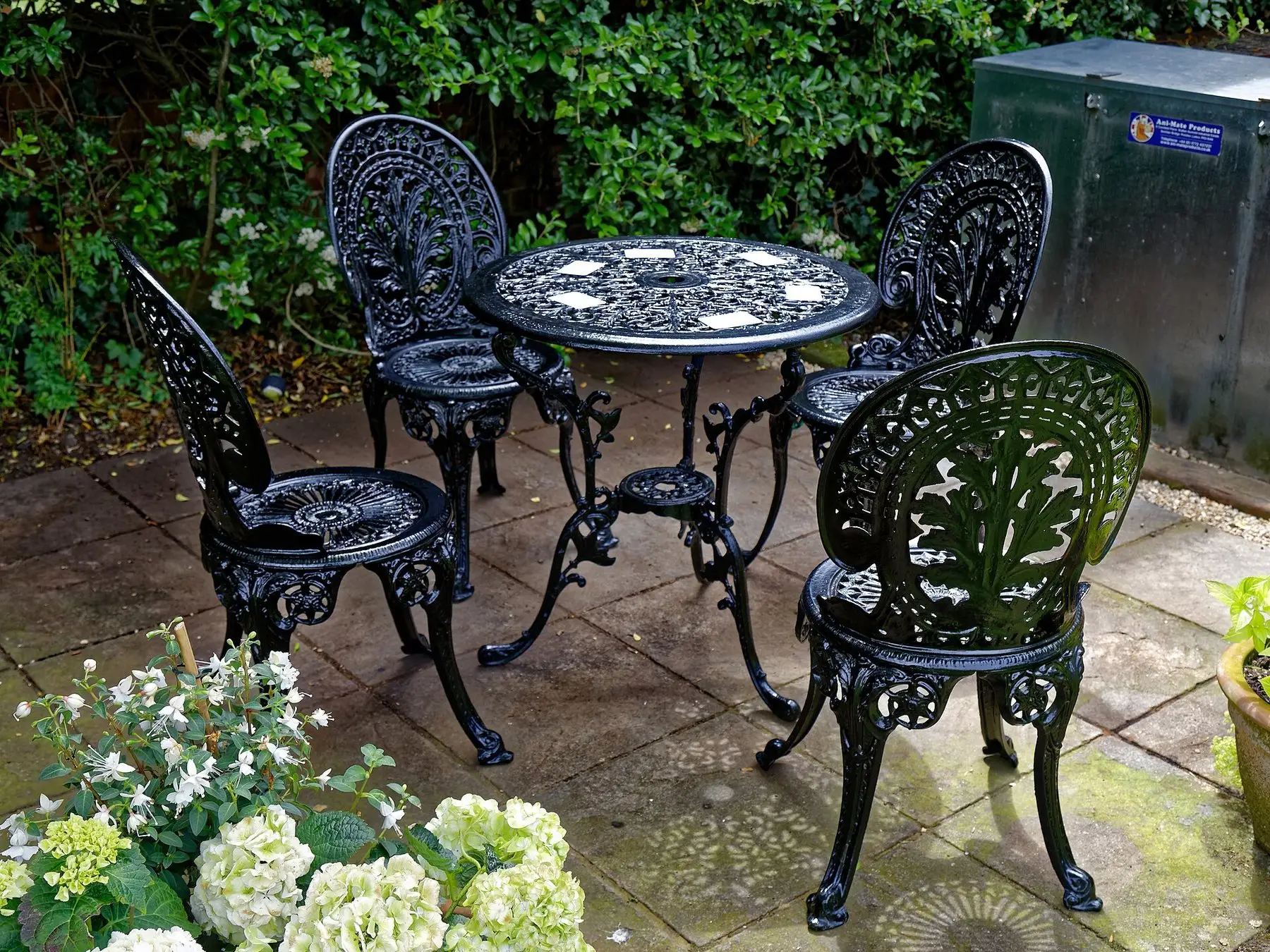
Most outdoor dining sets are bought too small and blow over. The clearances a table actually needs, what each material costs you in upkeep, and how to weight it.
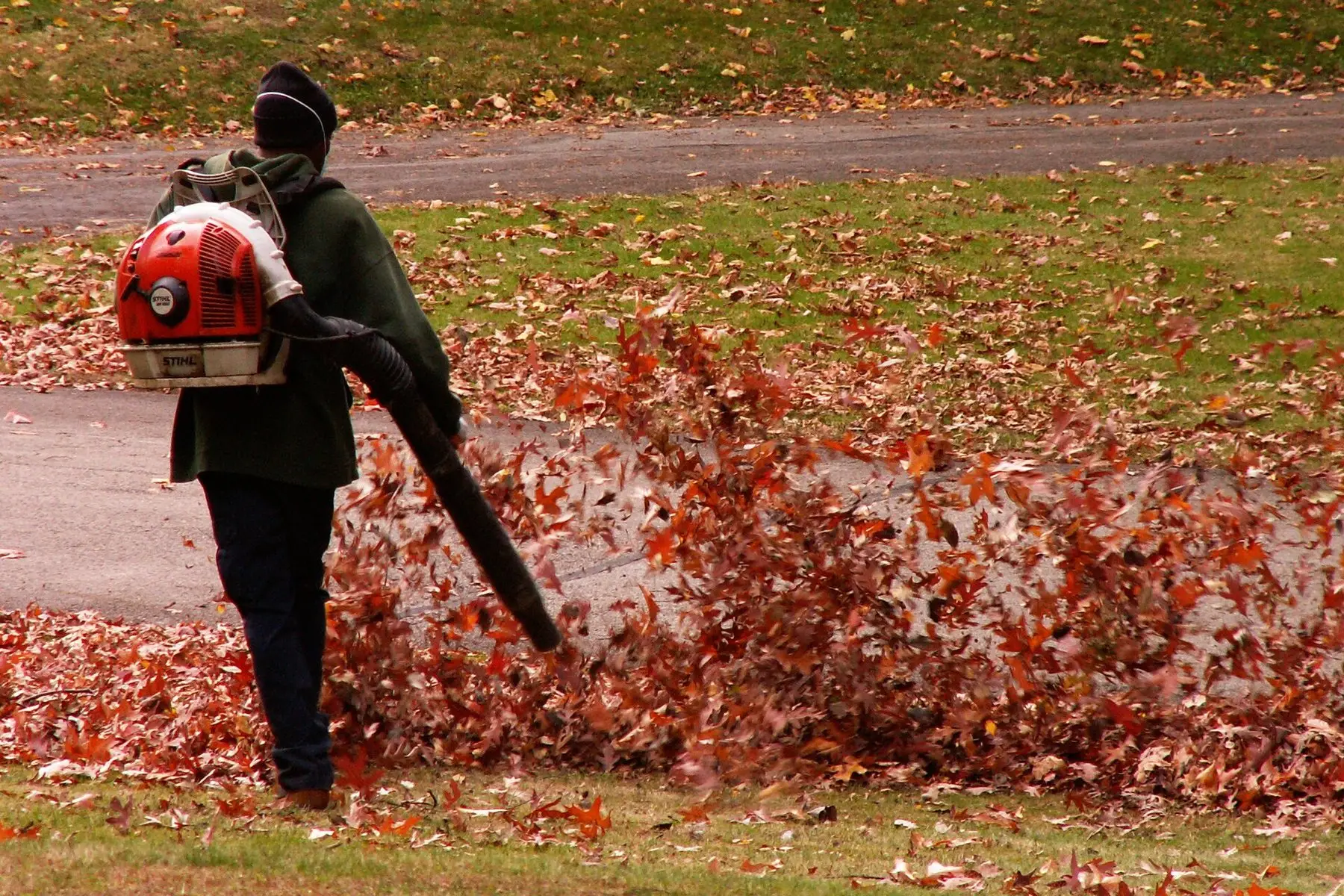
The best leaf blower is chosen on CFM, not MPH. 4 picks compared by plot size, with hearing protection noted. See which fits your garden.
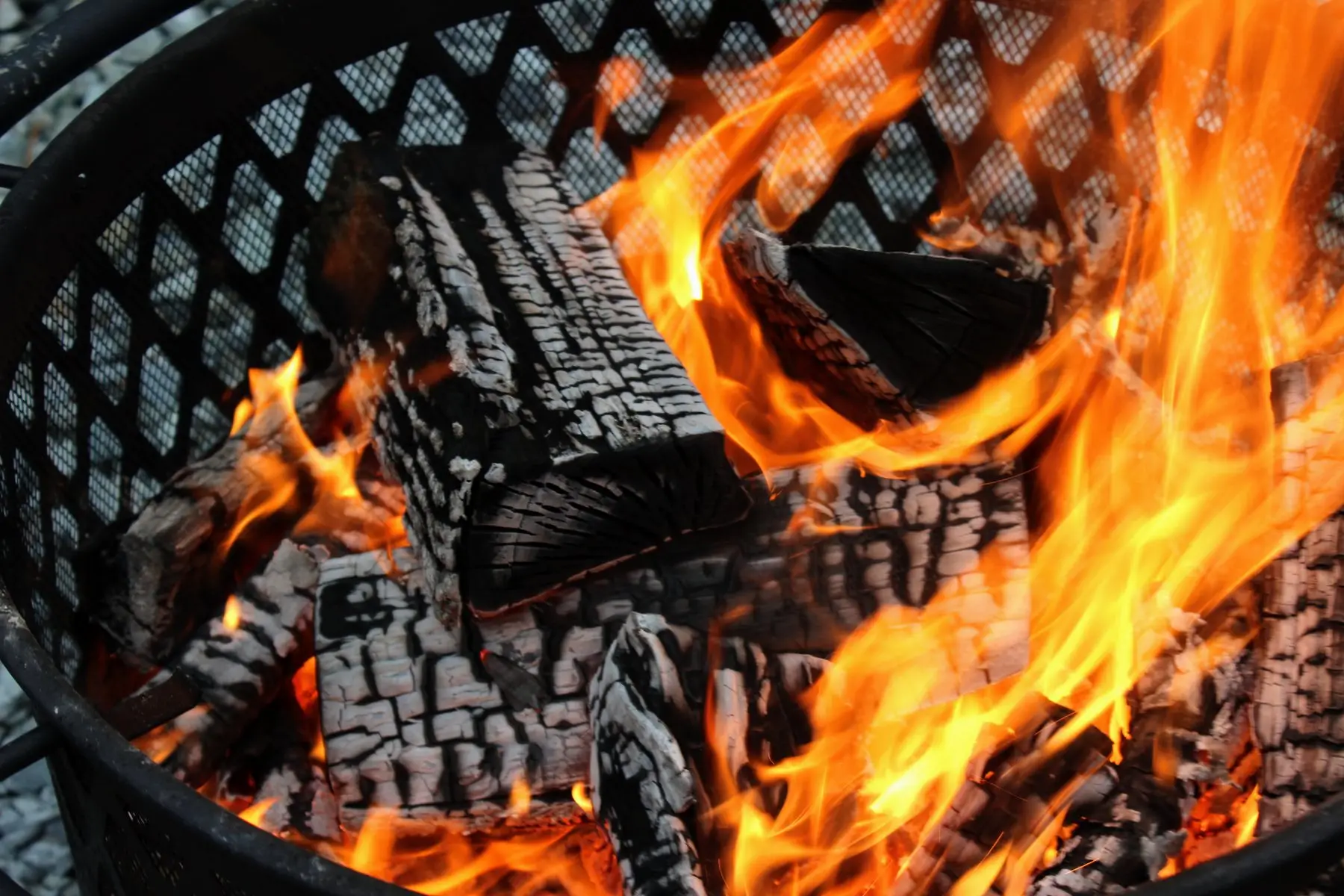
A steel ring is what stops a stone fire pit spalling and collapsing. Sizing, drainage, which blocks are safe to heat, and the clearances that keep it legal.
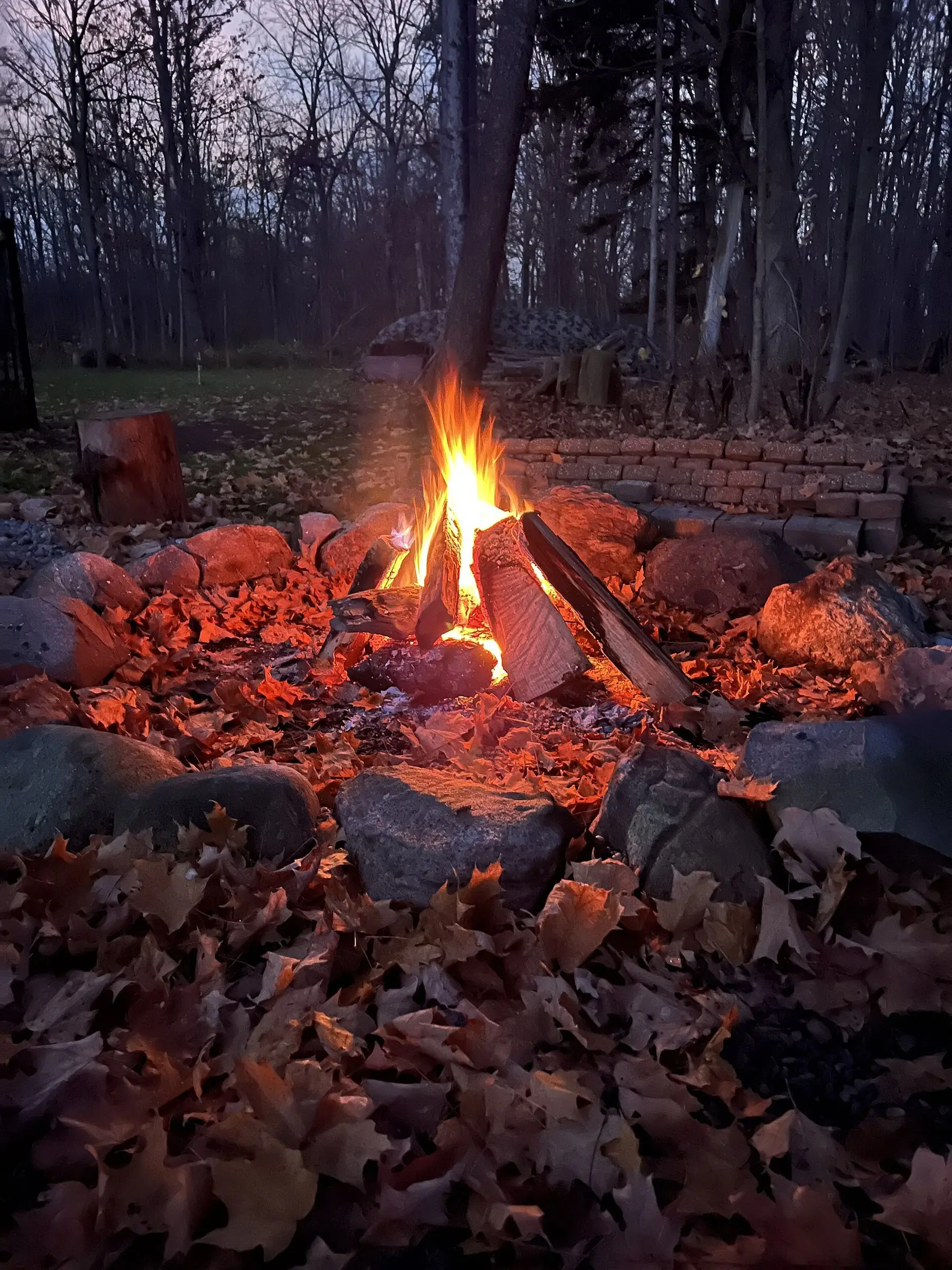
Gas gives you instant, controllable, smokeless fire with no ash. Wood gives you heat, crackle and smell. The decision is really about frequency, rules, and patience.
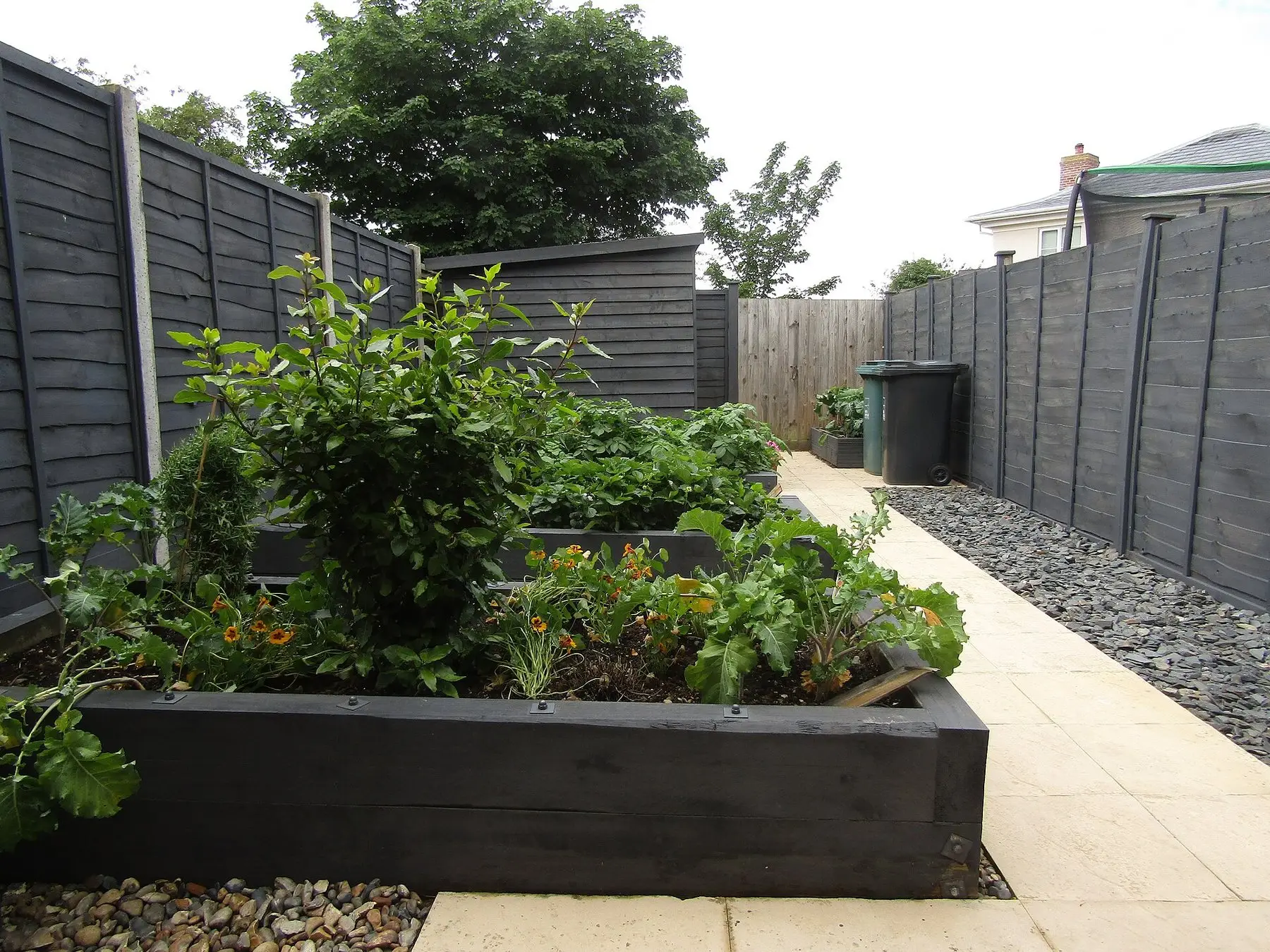
Rot, bowing sides, and gophers are the three ways a raised bed fails. Timber choice, corner joinery, mesh, and why lining the inside is usually a mistake.
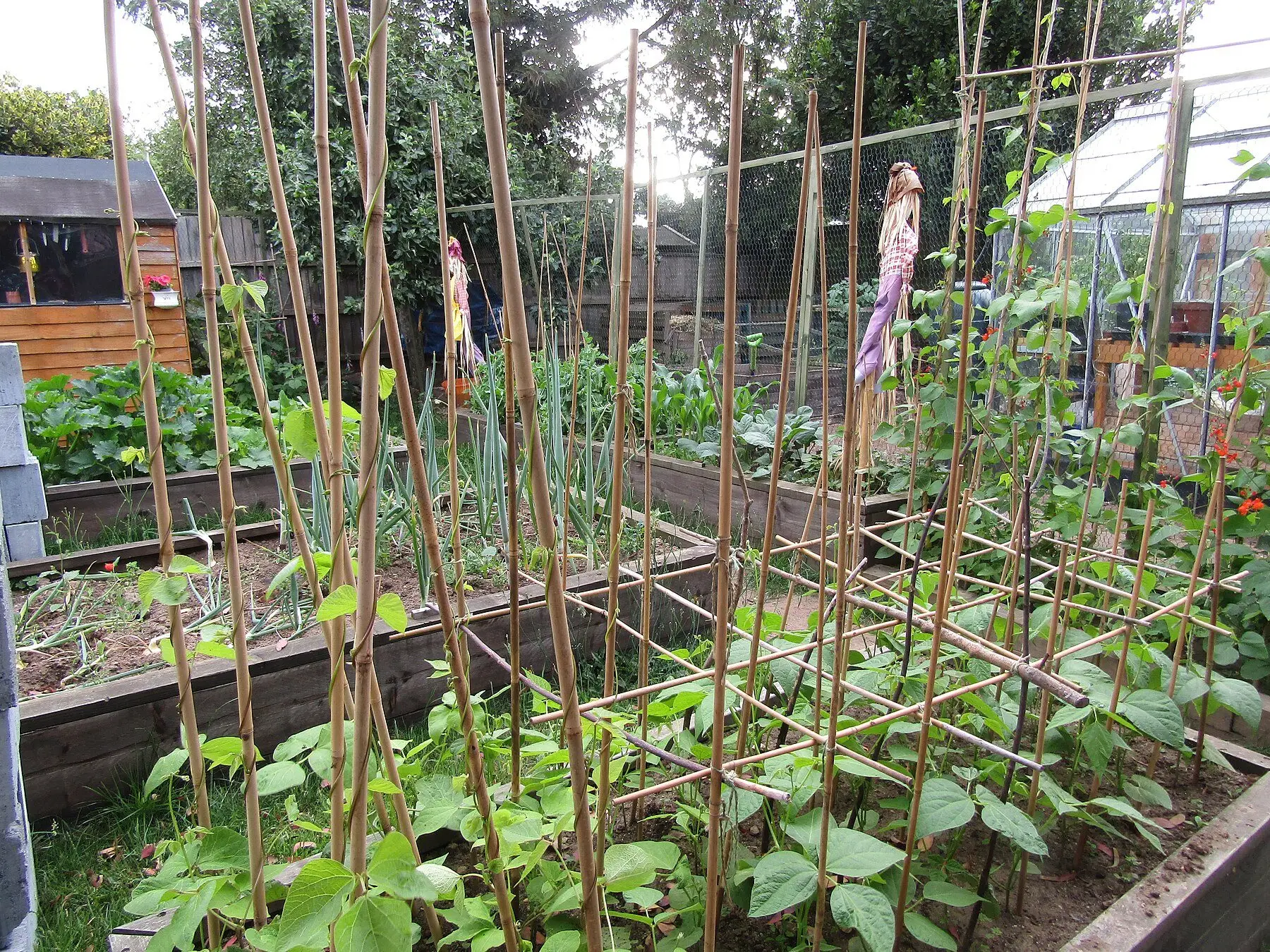
What to put in the bottom, the soil mix that actually works, and why hugelkultur layering is a good idea in a deep bed and a bad one in a shallow bed.

Two numbers decide whether an outdoor umbrella works: the span against your table, and the base weight. Plus which fabrics actually survive a season.
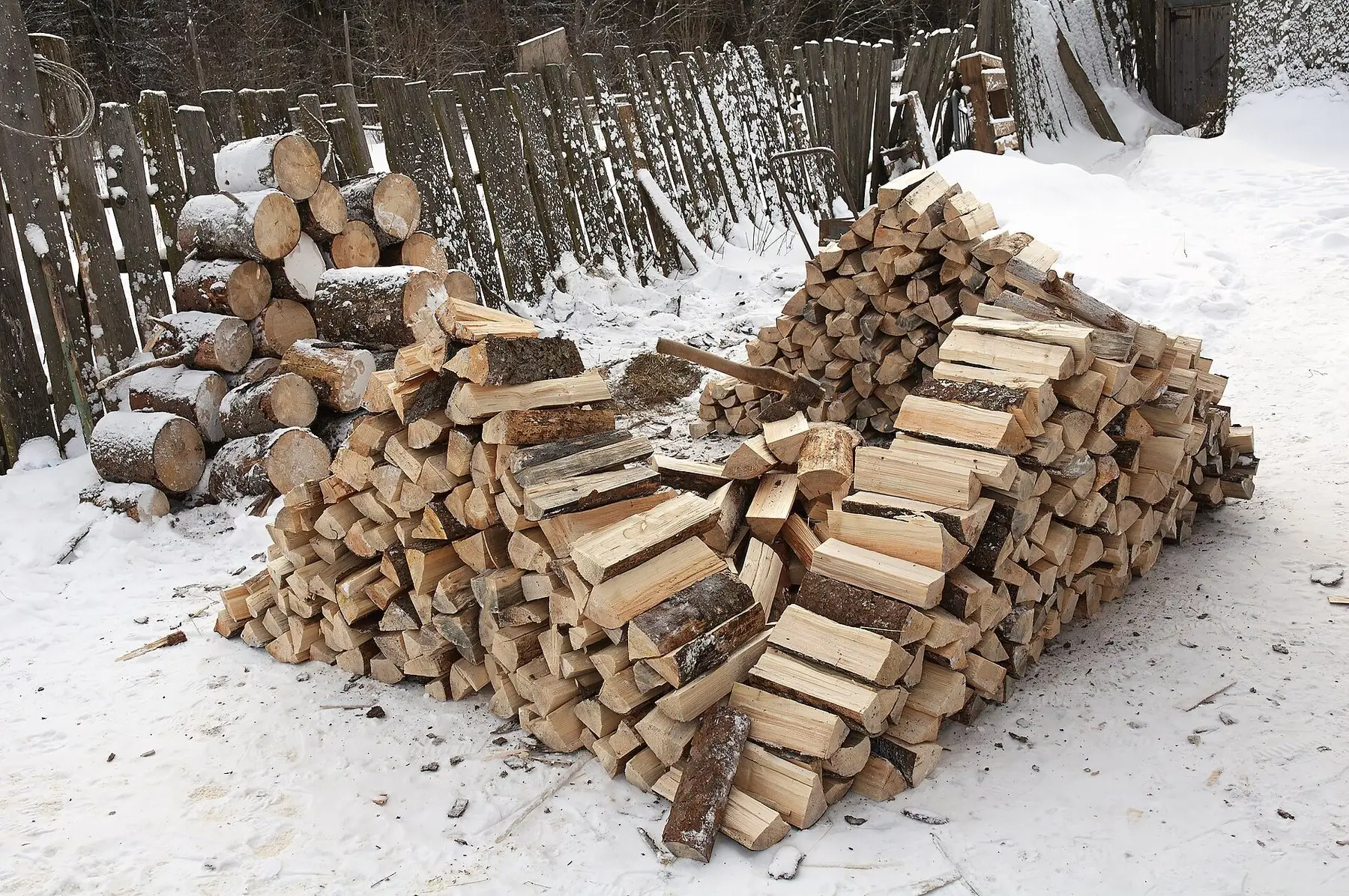
Moisture matters more than species. How long each wood takes to season, how to tell when it is ready, and the things you must never put on a fire.
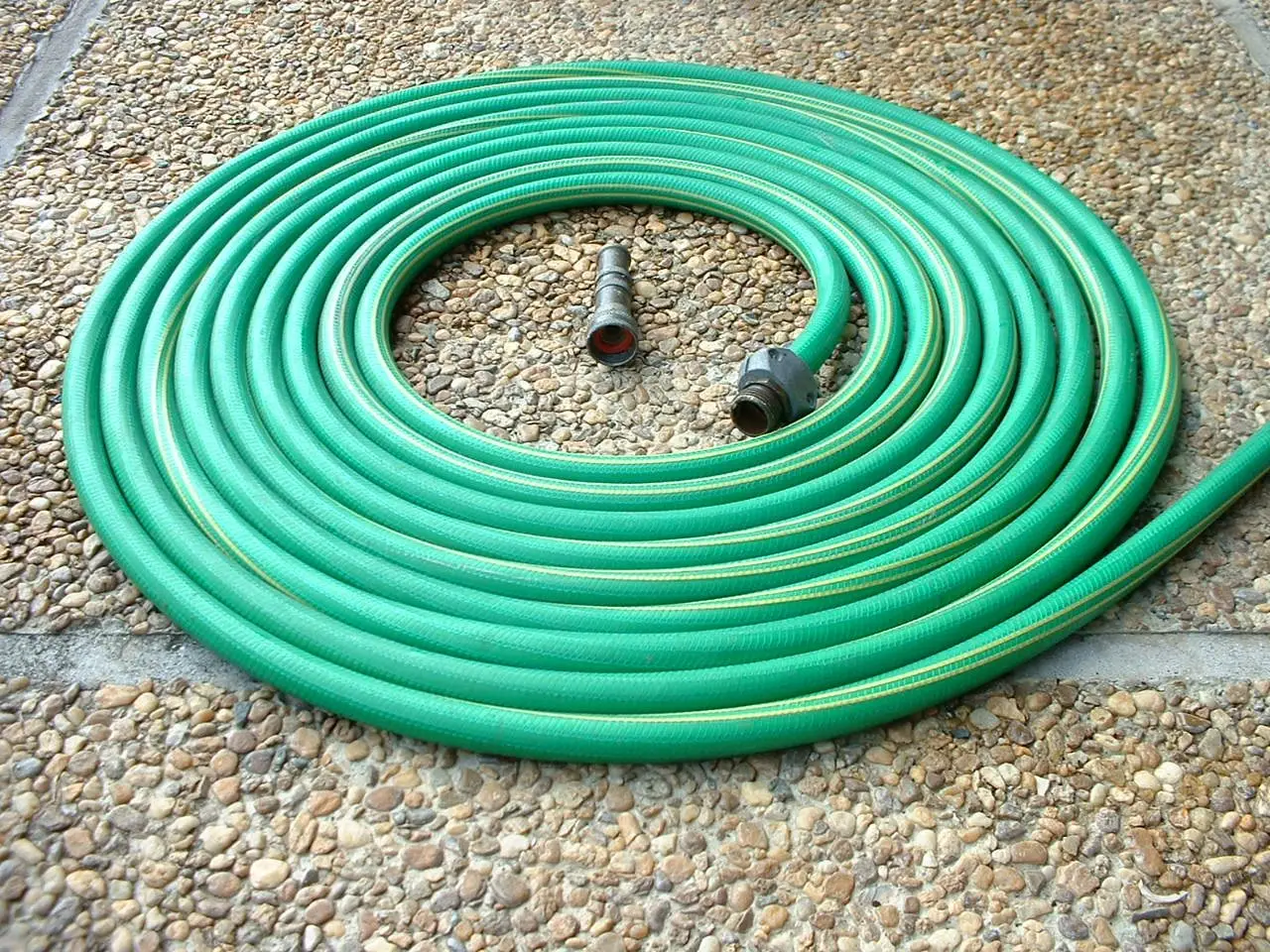
The best garden hose is decided by burst pressure and fittings. 4 picks compared on weight, kinking and repair. See which suits your tap.
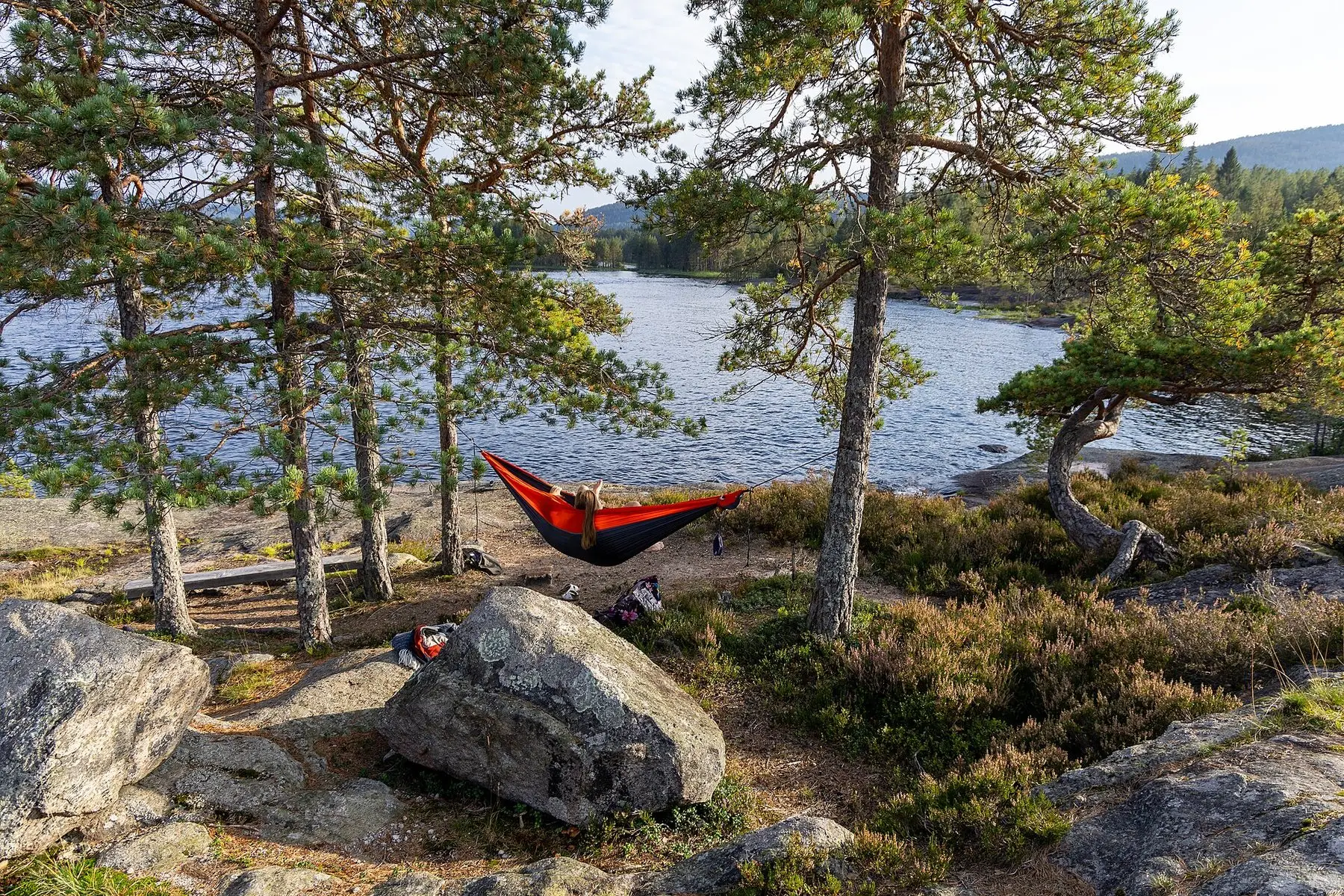
Most hammock stand complaints are sizing mistakes. How to match stand length to your hammock, what each style suits, and the specs that actually matter.
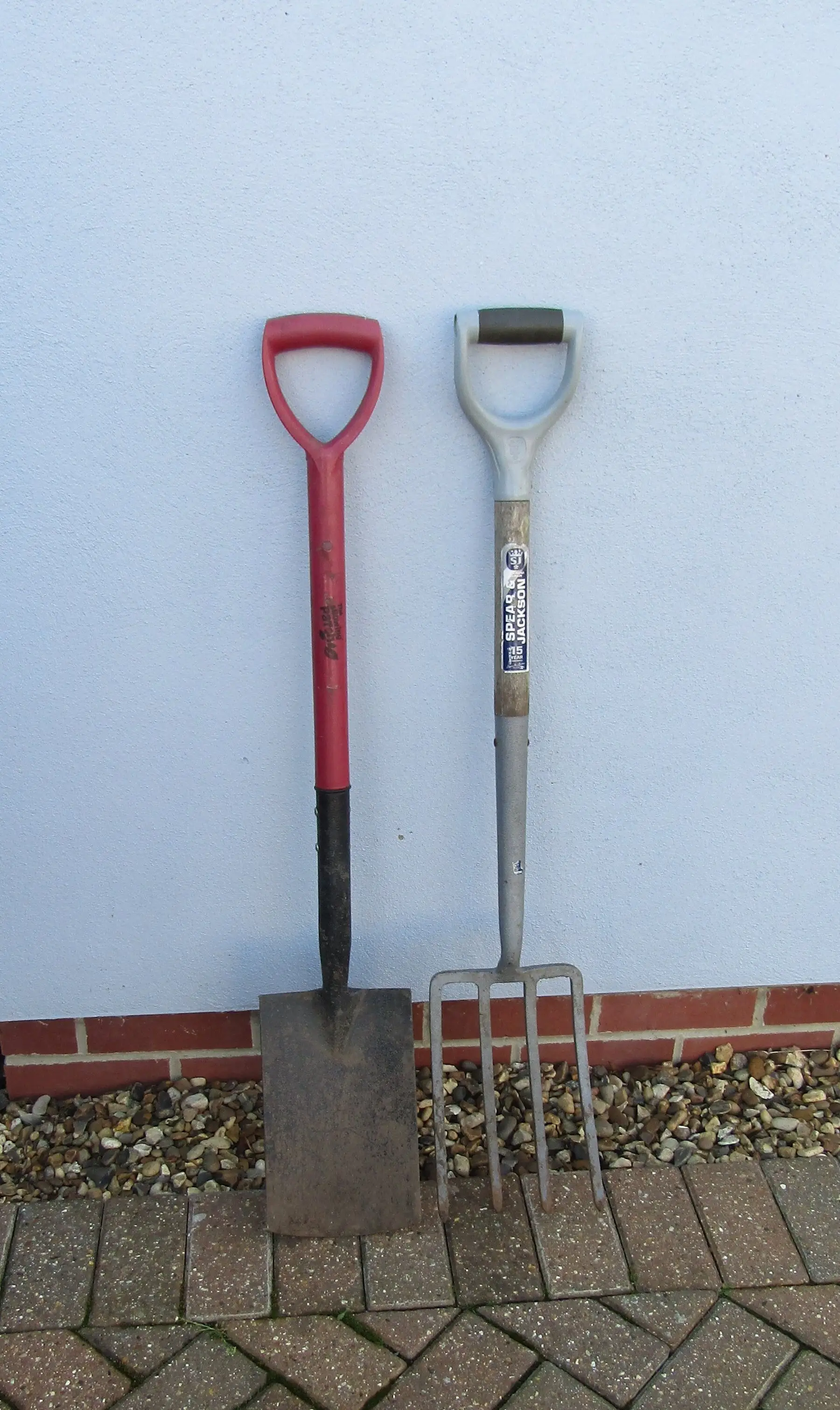
A spade cuts, a shovel scoops — and most people are digging with the wrong one. The difference, the handle types, and what to check before buying.
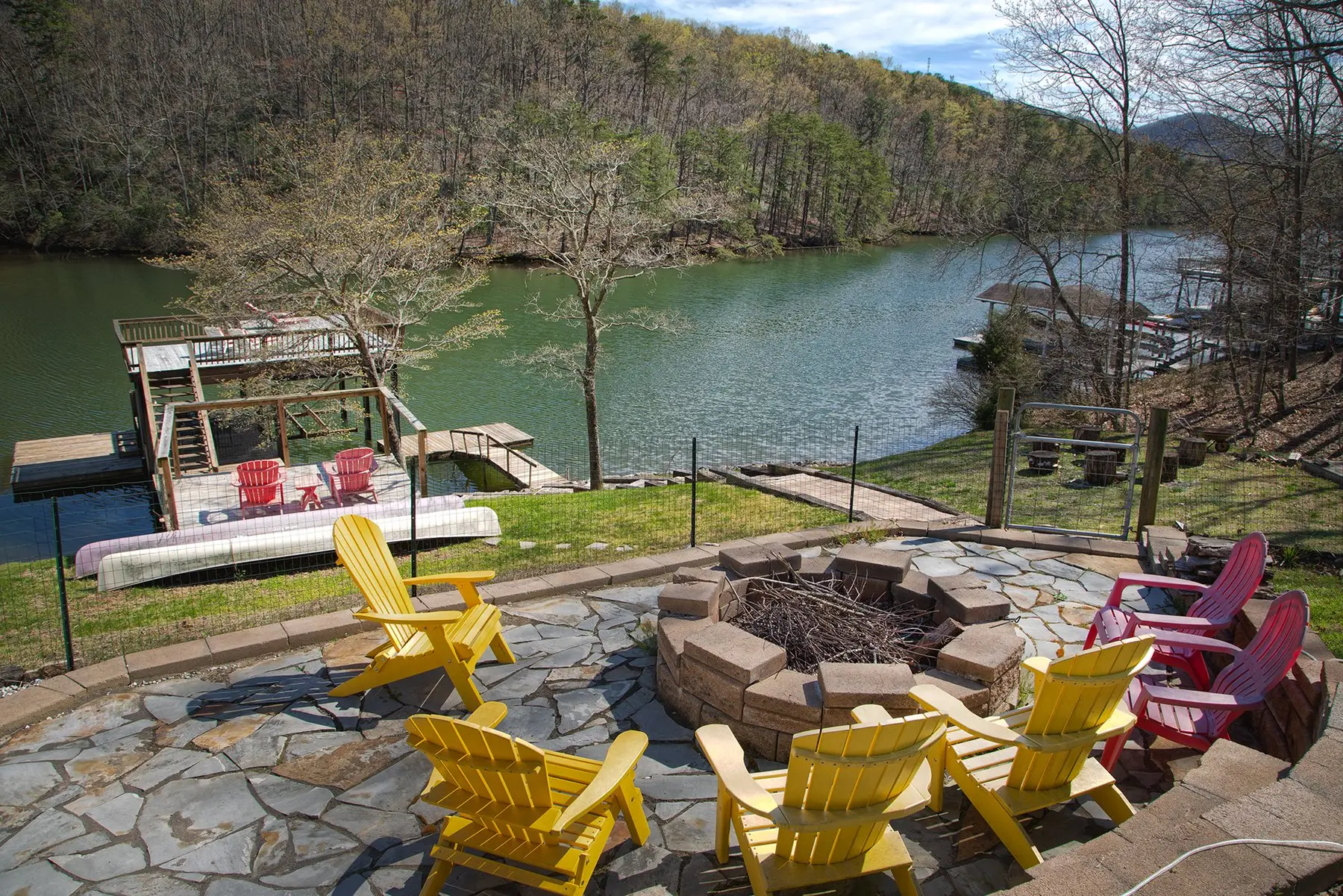
A smokeless fire pit burns the smoke rather than venting it, using a double wall and a second ring of air. Here is the mechanism, and when it stops working.
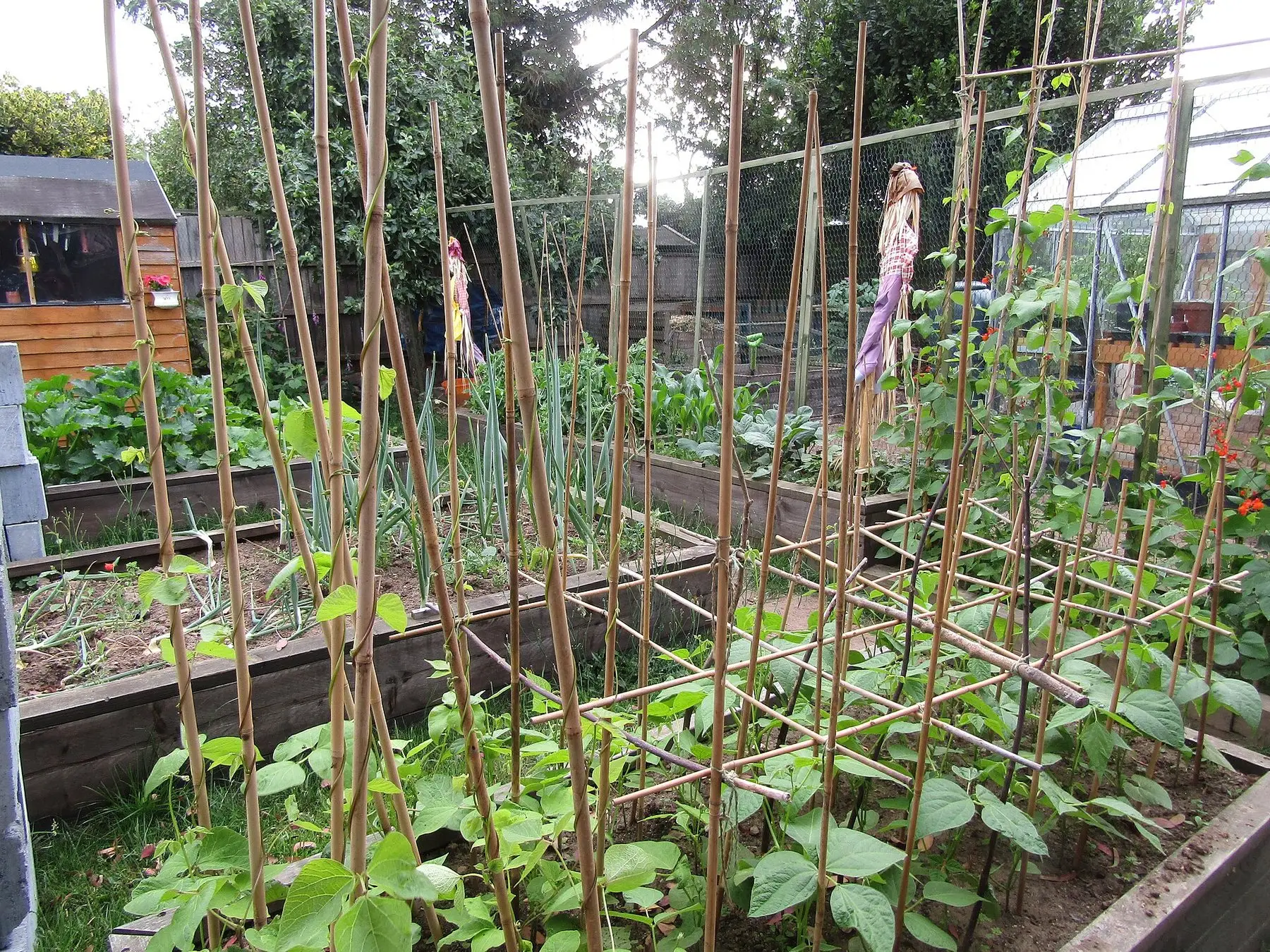
The best raised garden beds are decided by material and depth. 5 kits compared on lifespan, cost and fill volume. See which suits your climate.
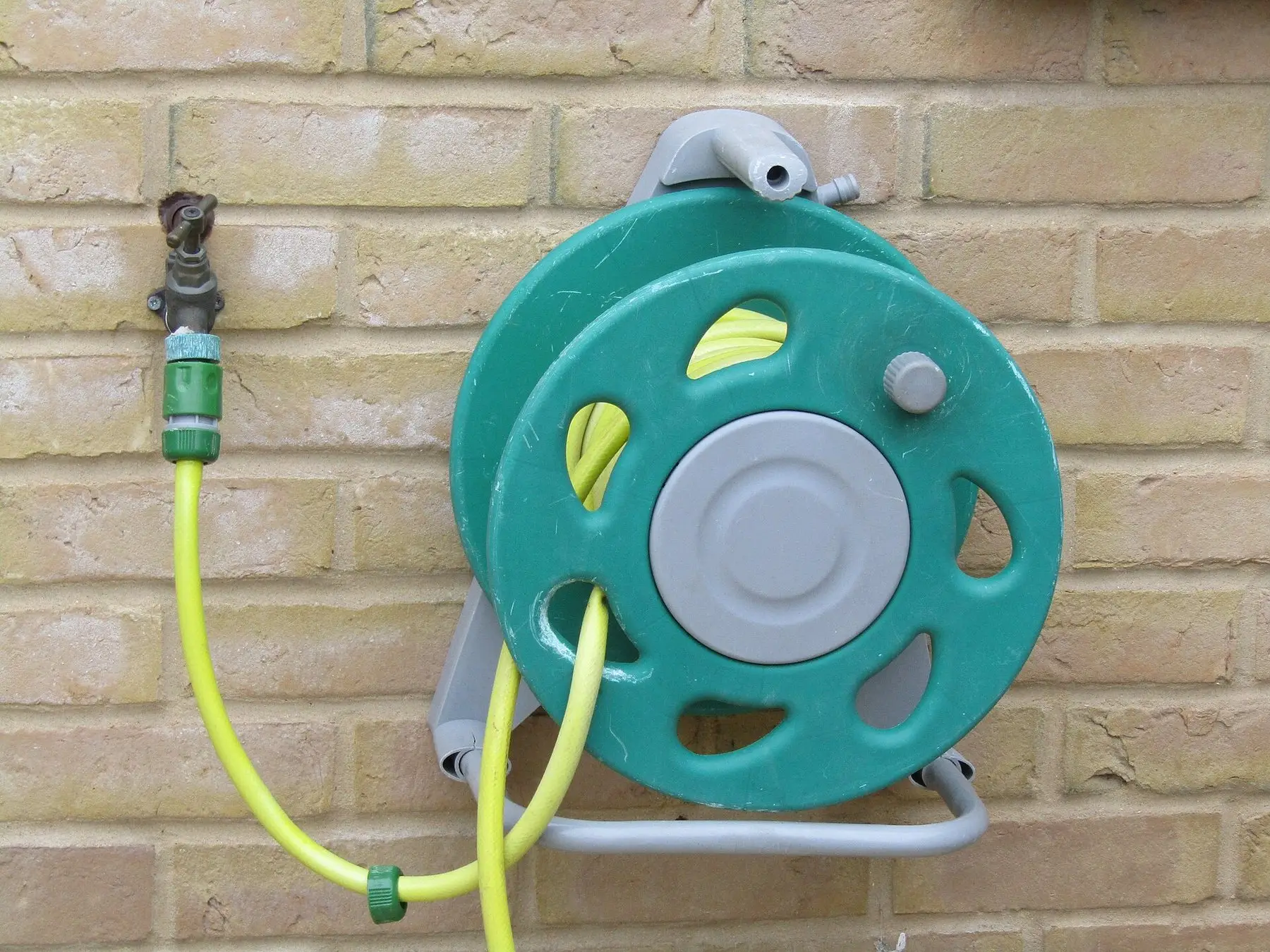
A garden hose reel fails at the wall fixing, not the reel. 4 types compared on capacity, mounting and awkward gardens. See which suits your run.
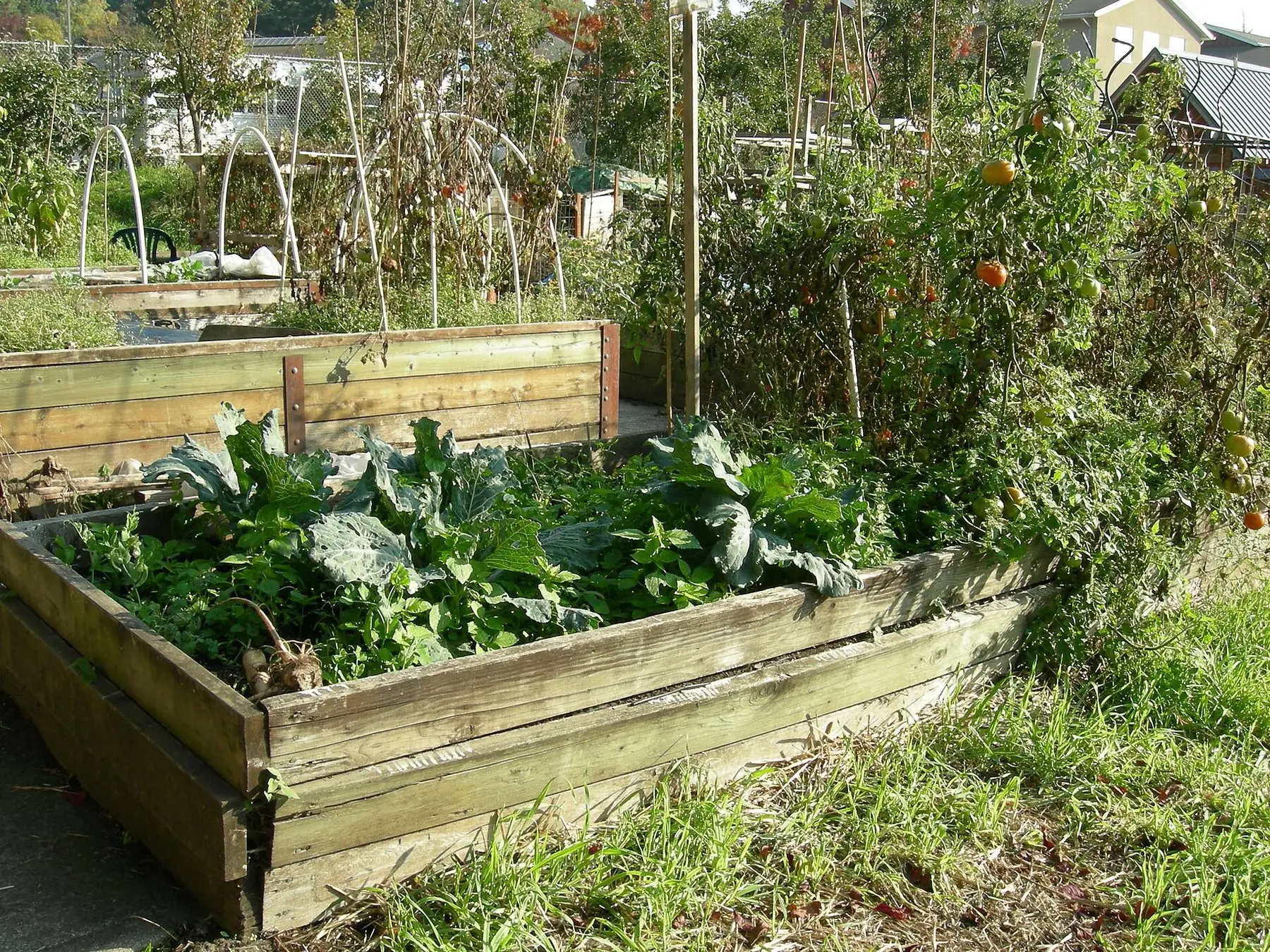
Bed shape decides how you work the garden, not how it looks. Layouts that suit different spaces, what each material costs over ten years, and cheap build options.
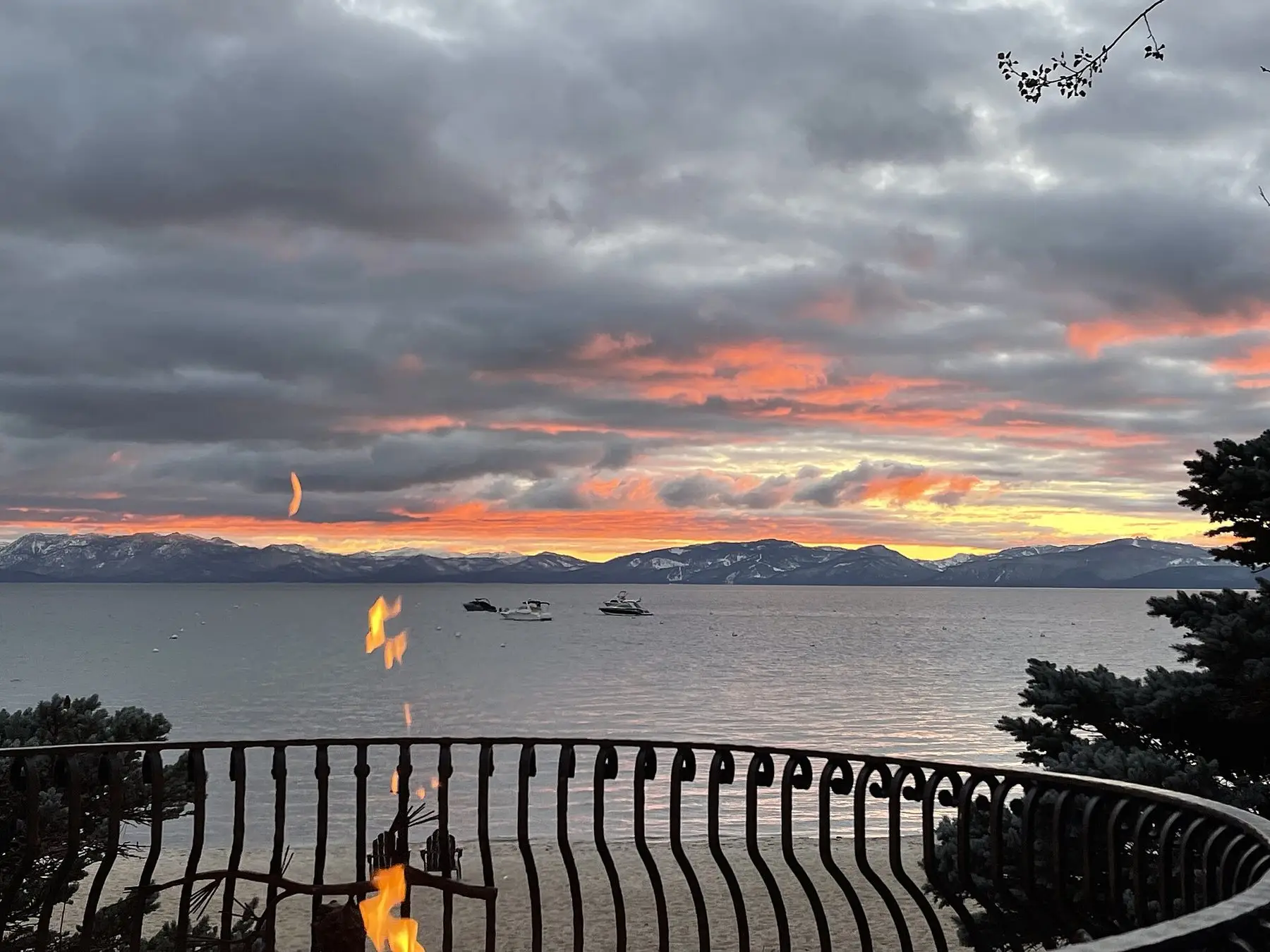
A wood fire pit on a wooden deck is a bad idea whatever you put under it. What actually works on decking, and the clearances that make it survivable.
Backyard Weekly
One email a week with seasonal jobs, fixes, and gear worth buying.
Not ready to subscribe? The planting calendar is free and needs no email.
By subscribing you agree to our privacy policy. Grow In Backyard will never sell your address.
Cookies
We use analytics cookies to see which guides get read, so we know what to write next. Decline and nothing is set. Privacy policy.