
What to Put Under a Fire Pit: Match It to the Surface
Grass, a wooden deck, pavers and gravel each need a different answer. Radiant heat and ember fall are two separate problems, and only one is obvious.
 By
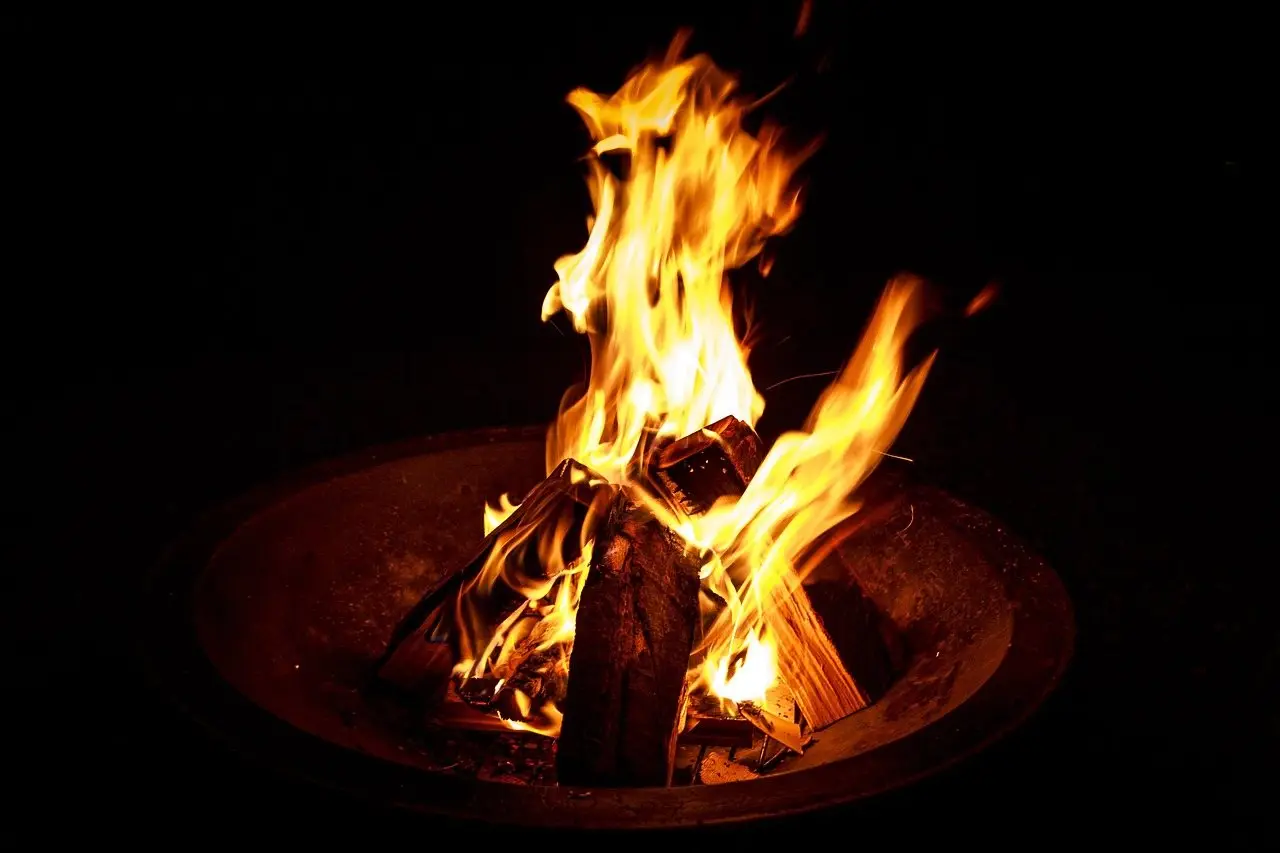
On this page
There are two separate problems here and most advice only solves one. Embers fall down; radiant heat comes off the base. A mat catches the first and does nothing about the second — which is why decks char under mats that look like they are doing their job.
Match it to the surface
| Surface | What to put under it | Why |
|---|---|---|
| Grass | Pavers, or steel plate on brick spacers | Stops the turf being cooked and the soil sterilised |
| Wooden deck | Raised heat shield with an air gap | A flat mat conducts heat into the boards |
| Composite decking | Raised shield and check the maker’s limits | Many composites soften well below char temperature |
| Pavers / concrete | Sand bed or fire-rated pavers | Spreads heat; guards against staining and spalling |
| Gravel | Nothing | Already non-combustible and free-draining |
| Bare soil | Nothing, or a sand bed | Fine as it is |
| Artificial grass | Do not site a pit here | Melts from radiant heat alone |
A mat lying flat on decking is the classic mistake
It stops embers and conducts radiant heat straight into the boards underneath. The products that work lift the pit clear and let air move beneath it. Use the manufacturer’s stated clearance as a minimum, not a target.
Grass: the dead circle is heat, not fire
A wood-burning pit sitting close to the ground cooks the crowns and sterilises the top inch of soil. You get a dead circle that takes weeks to recover and sometimes needs reseeding.
- Pavers, laid level, are the simple fix
- A steel plate on brick spacers works and packs away
- Legs that lift the bowl clear reduce the damage a lot on their own
- Move the pit between burns if you would rather not build anything
Decking: air gap or nothing
This is the one worth being strict about. The risk is sustained radiant heat on timber over a whole evening, not a stray spark.
- A purpose-made raised heat shield, or spacers that lift the pit several inches
- A non-combustible layer — pavers or a steel sheet — on top of that, for ember fall
- Check the maker’s clearance for your specific pit and respect it
- Composite decking needs more care, not less — many grades soften well below the point at which wood chars
Pavers and concrete: staining first, cracking second
The likelier damage is ash and dripping fat staining the surface. The less likely but more serious one is thermal cracking or spalling, where uneven expansion and trapped moisture break the surface up.
- A 2–3 inch sand bed spreads the heat and is cheap to replace
- Fire-rated pavers under the pit do the same job permanently
- Avoid damp or newly laid concrete — trapped water turns to steam
Sand inside the bowl, as well as under it
A couple of inches of dry sand in the base of a metal pit spreads heat and slows the burn-through that eventually destroys thin steel. Keep it dry; saturated sand steams when the fire lights.
What not to use, and why
- Rubber mats — melt, and smell appalling doing it
- River stones and other rounded water-worn rock — can hold moisture internally and crack or burst when heated
- A flat metal sheet on timber — conducts heat rather than blocking it
- Artificial grass, plastic decking tiles, treated timber — all fail from radiant heat alone, before anything touches them
Common questions
What should you put under a fire pit?
Can you put a fire pit directly on grass?
Do fire pit mats actually work on a deck?
Will a fire pit crack concrete or pavers?
Is sand a good base for a fire pit?
What should you not put under a fire pit?
Backyard Weekly
Know what to plant, week by week
Join the weekly email for seasonal jobs, fixes for what is going wrong, and gear worth buying.
Not ready to subscribe? The planting calendar is free and needs no email.
By subscribing you agree to our privacy policy. Grow In Backyard will never sell your address.
Keep reading

Fire Pit on a Deck: What Is Safe and What Is Not
A wood fire pit on a wooden deck is a bad idea whatever you put under it. What actually works on decking, and the clearances that make it survivable.
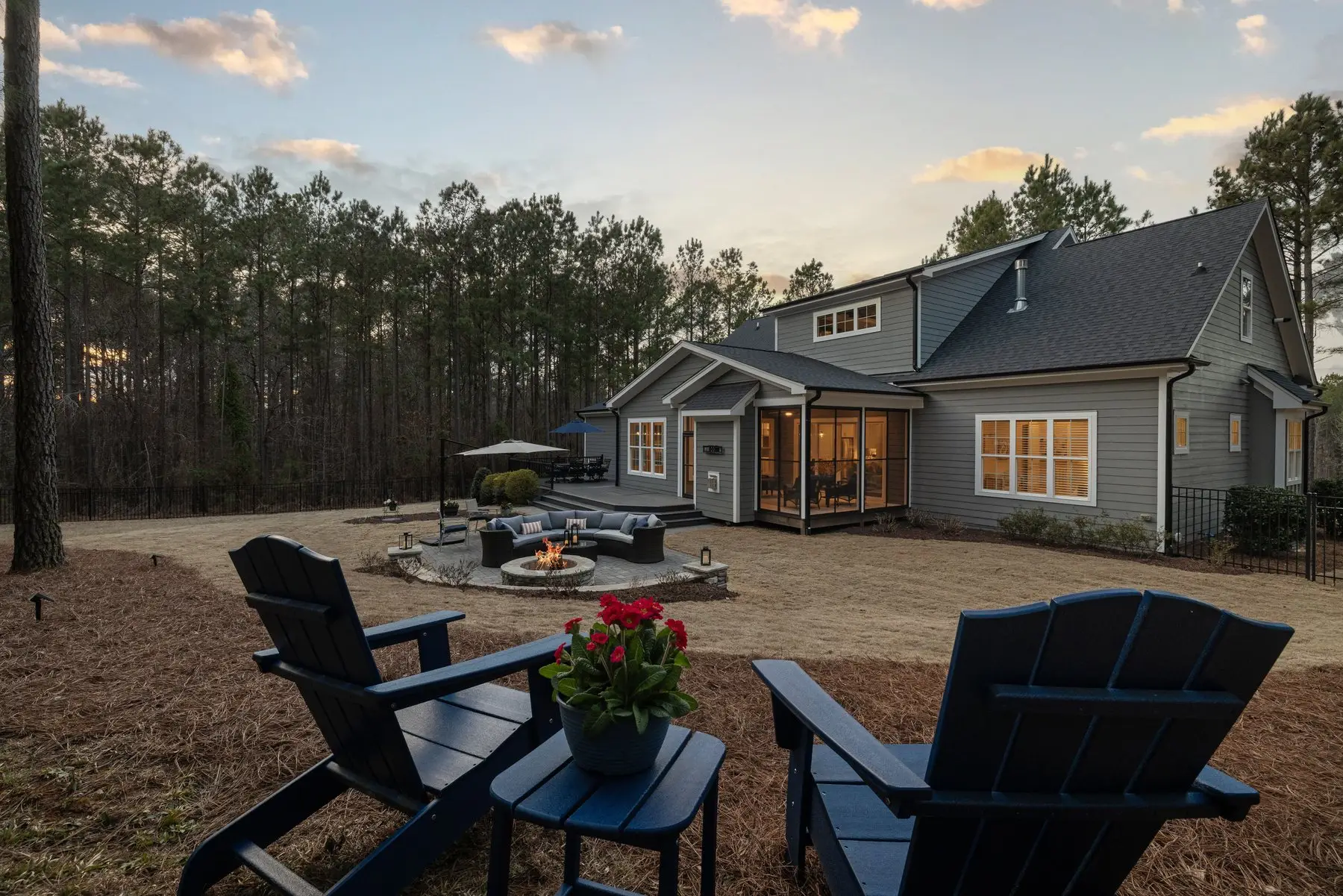
How Far Should a Fire Pit Be From a House? 10 to 25 Feet
Most codes set 10 to 25 feet from structures, but overhead clearance catches more people out. What to measure from, and why local rules decide it.
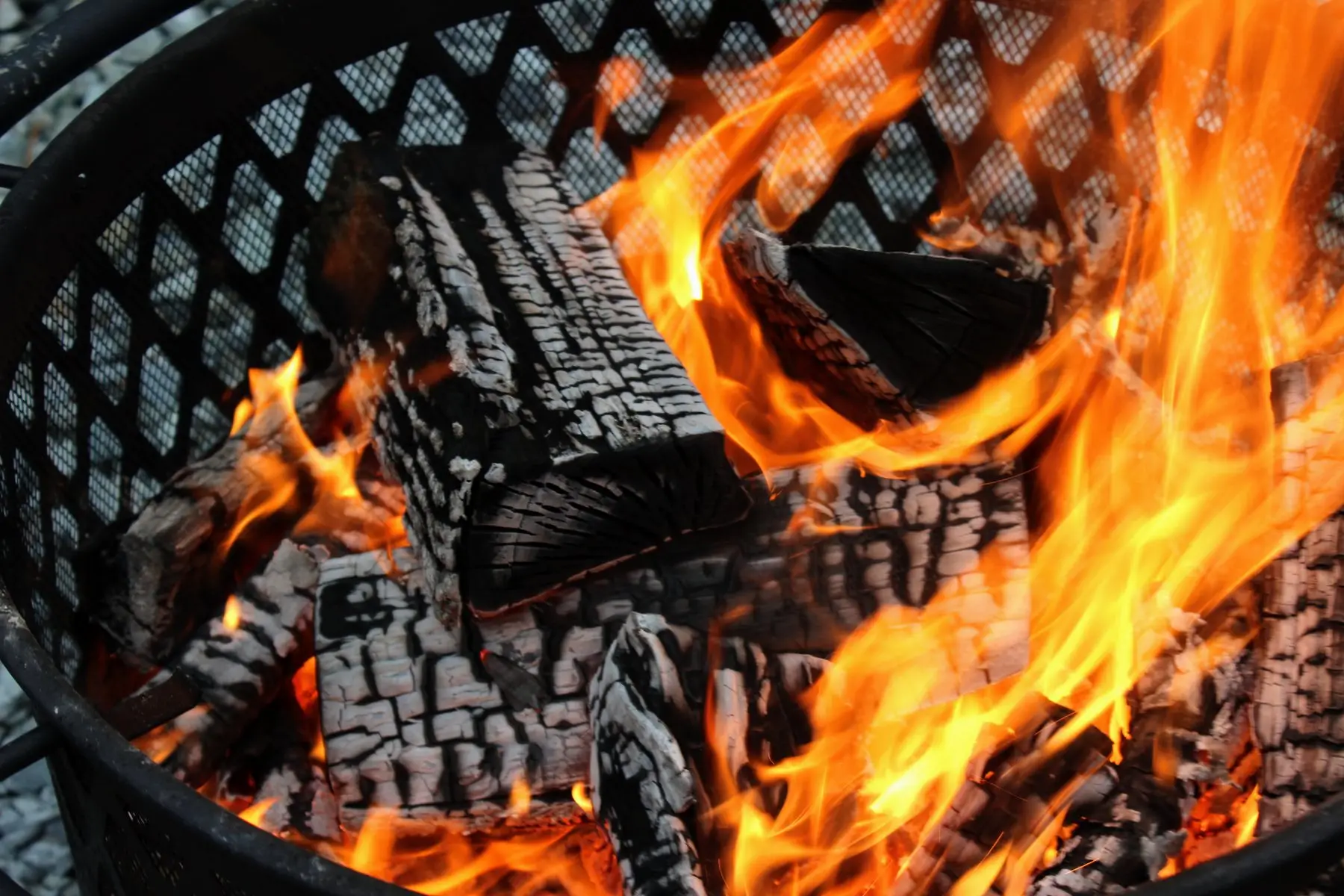
Fire Pit Ring: Building a Permanent Pit That Lasts
A steel ring is what stops a stone fire pit spalling and collapsing. Sizing, drainage, which blocks are safe to heat, and the clearances that keep it legal.
Are Solo Stoves Worth It? Depends on Your Complaint
The double-wall burn genuinely cuts smoke and ash. Whether that justifies the price turns on whether smoke, or something else, is what bothers you.