
Gear & Reviews ·
Cheap DIY Fire Pit: Four Builds and What Each Really Costs
A block fire pit costs under a hundred and lasts years if the base and the liner are right. Four builds compared, plus the clearances that keep it legal.
37 guides in Gear & Reviews.
Start here
Gas gives you instant, controllable, smokeless fire with no ash. Wood gives you heat, crackle and smell. The decision is really about frequency, rules, and patience.
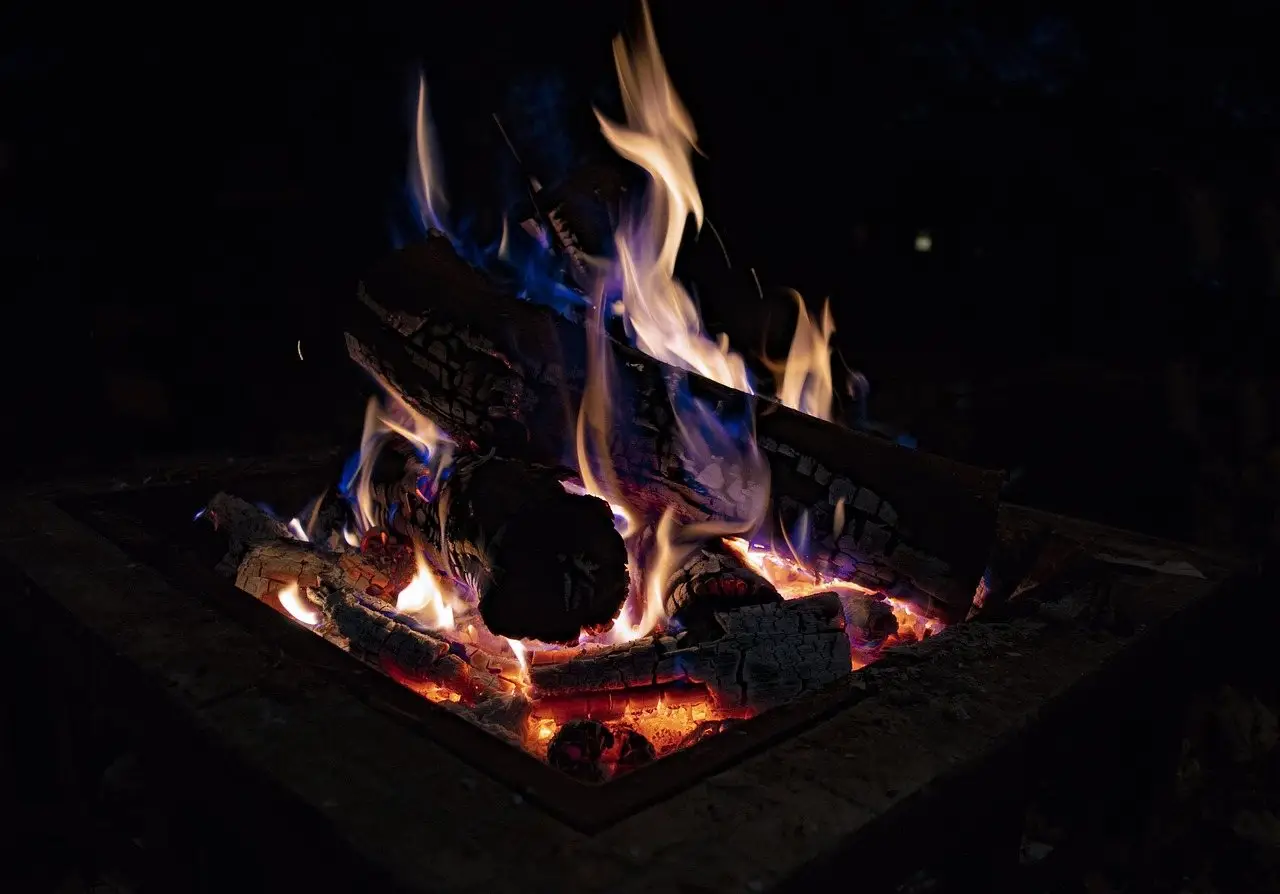
A block fire pit costs under a hundred and lasts years if the base and the liner are right. Four builds compared, plus the clearances that keep it legal.
Firepit bench ideas fail on distance, not design. 8 builds compared on cost and heat, plus the 7 ft setback that decides whether anyone can sit there.
Ash burns hotter than most hardwoods and seasons faster because it starts drier. The rhyme about burning it green overstates a real advantage.
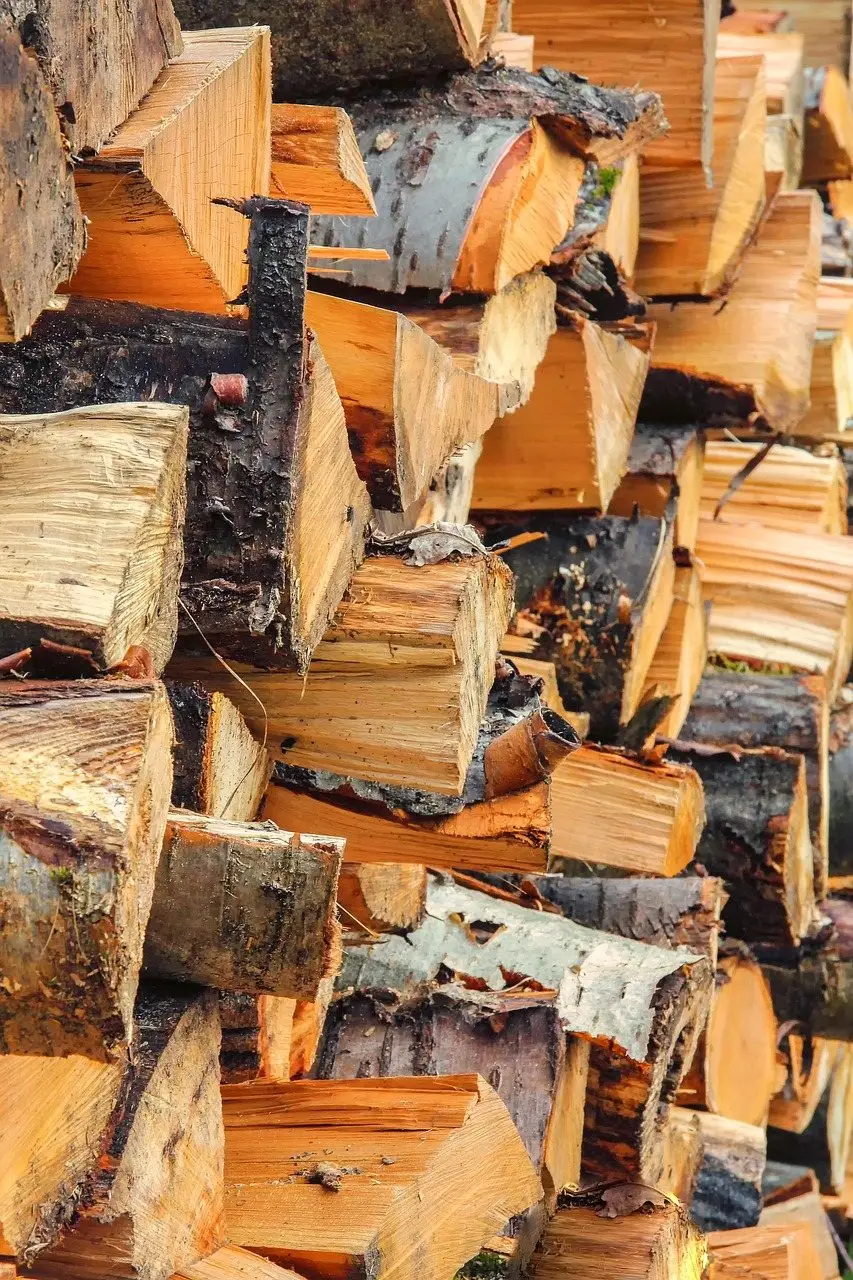
Dry firewood is under 20 per cent moisture. Here is what each species starts at, how long it takes to get there, and how to check without guessing.
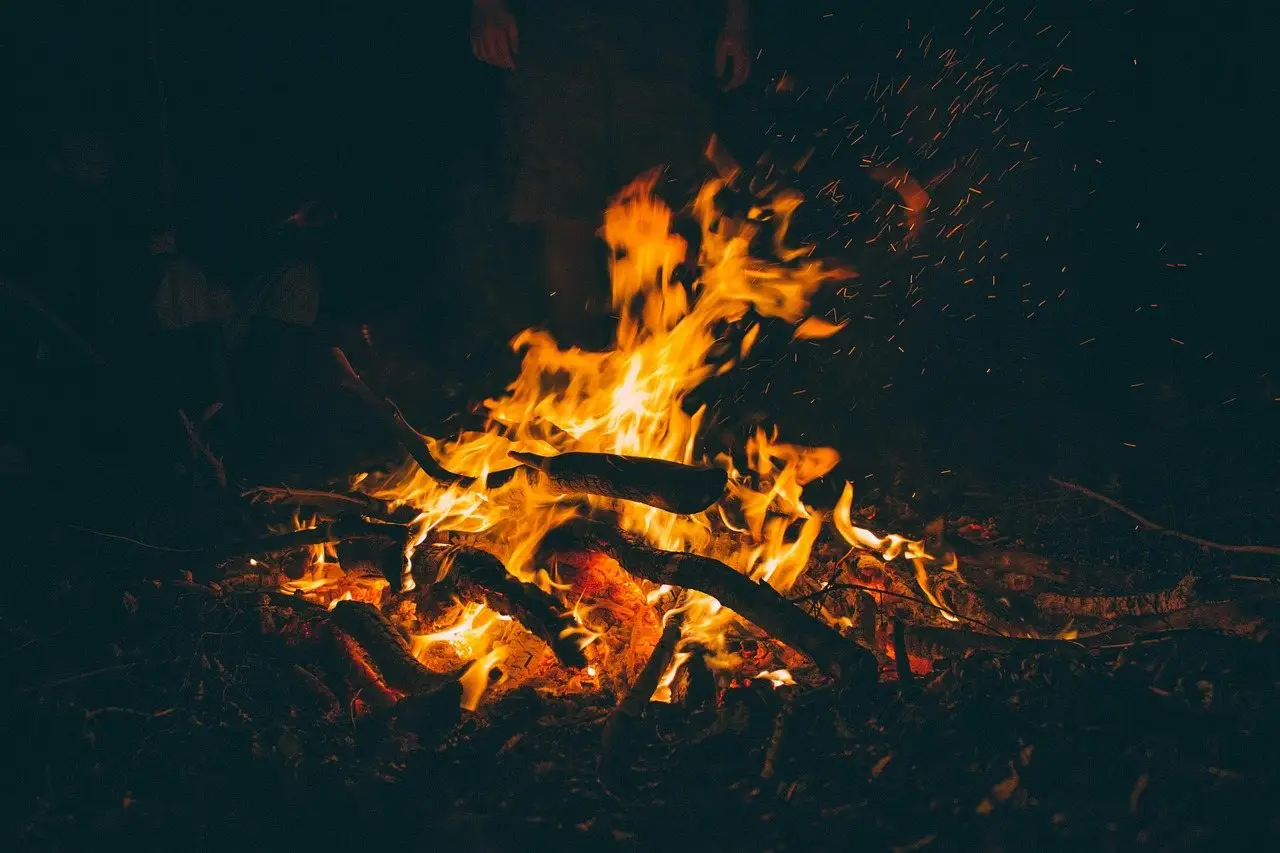
A bonfire lights from the inside out with dry kindling and air. Check local rules first — and never use petrol, which is how people end up in hospital.
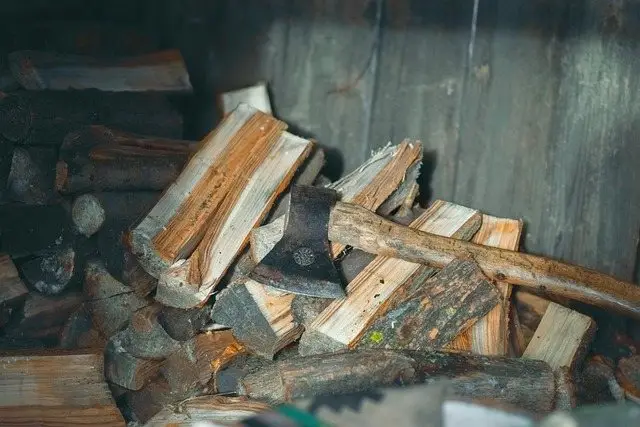
Poplar gives about 13 million BTU a cord against oak's 24, burns fast and leaves little coal. Where it genuinely earns a place in the woodpile.
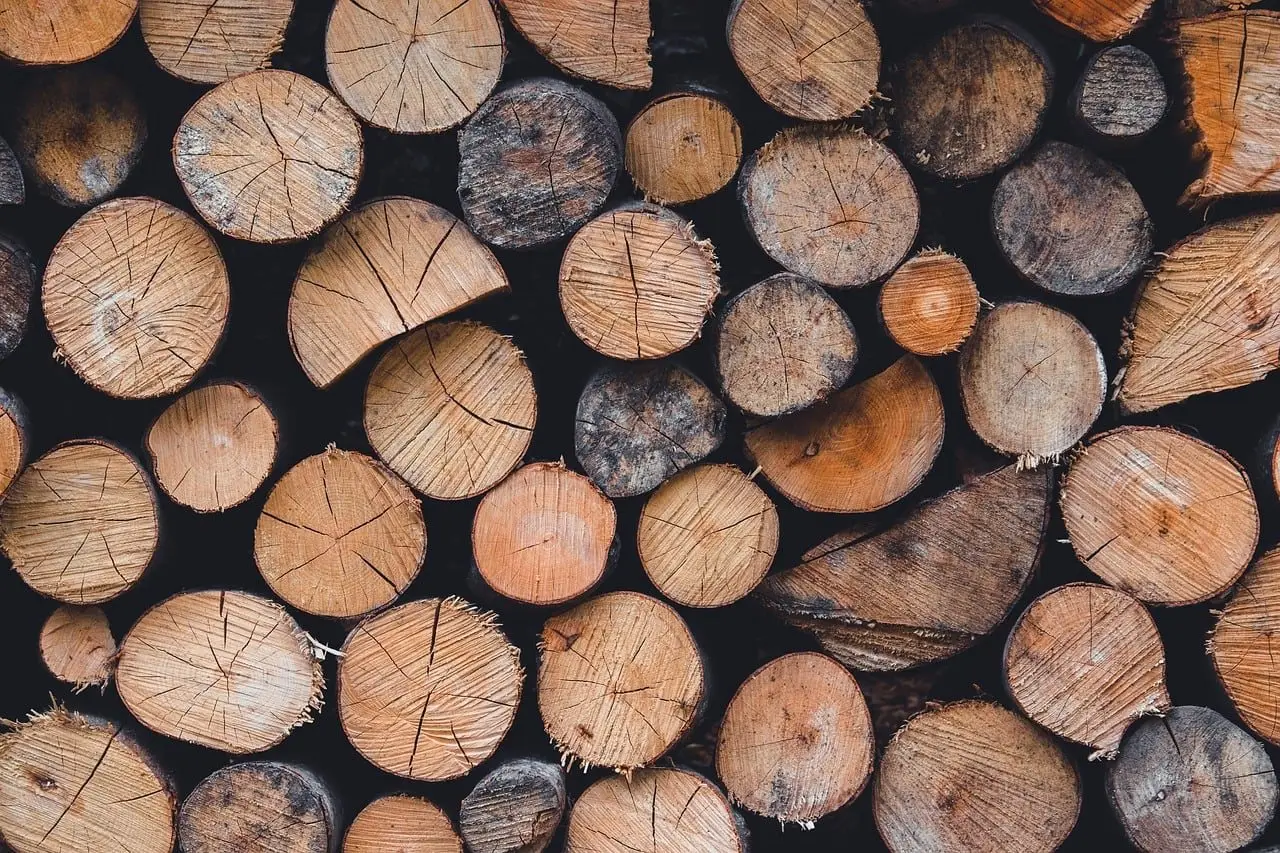
A rick is a face cord — 4 ft by 8 ft by whatever length the seller cut. That third dimension is the whole price, and nobody states it.
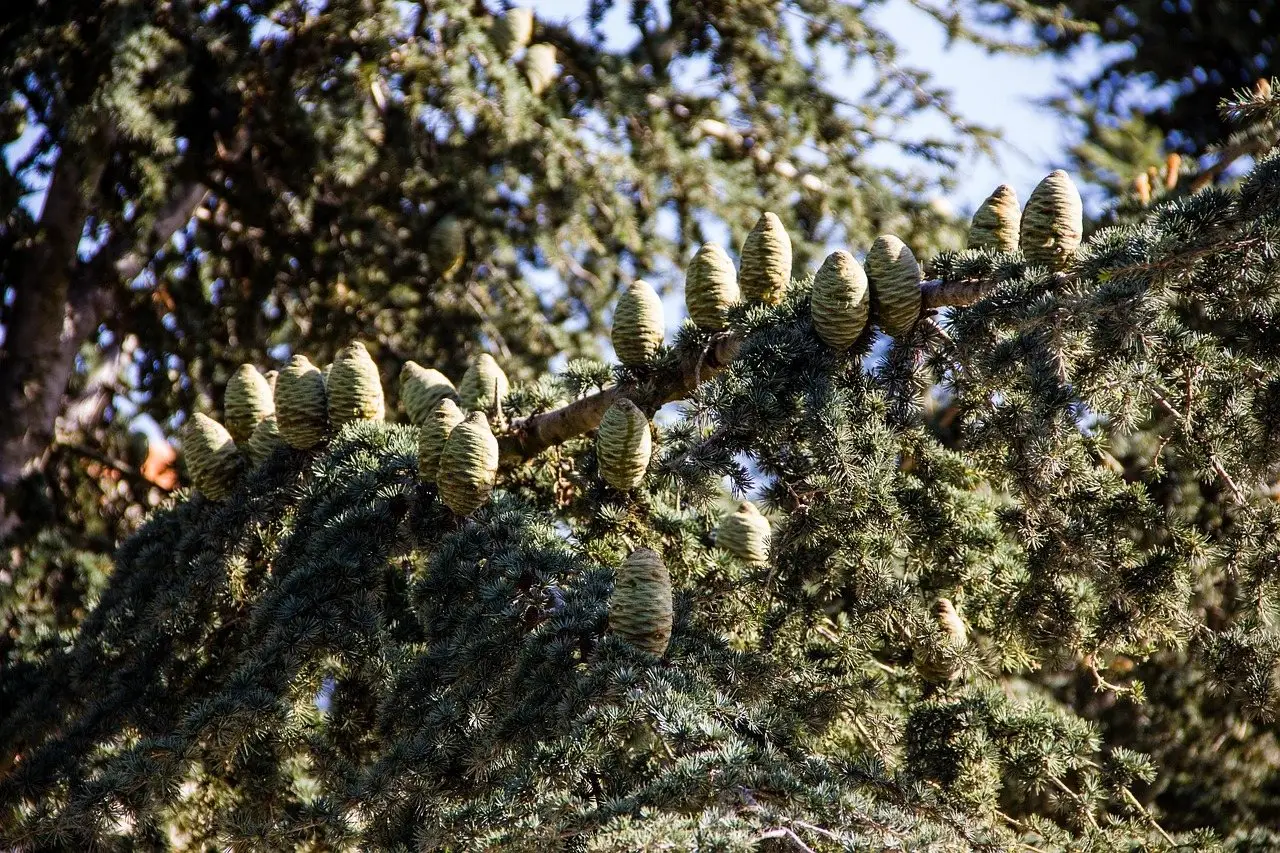
Cedar smells wonderful and lights instantly, but it is the sparkiest common firewood. Outdoors that means a screen; indoors it means caution.
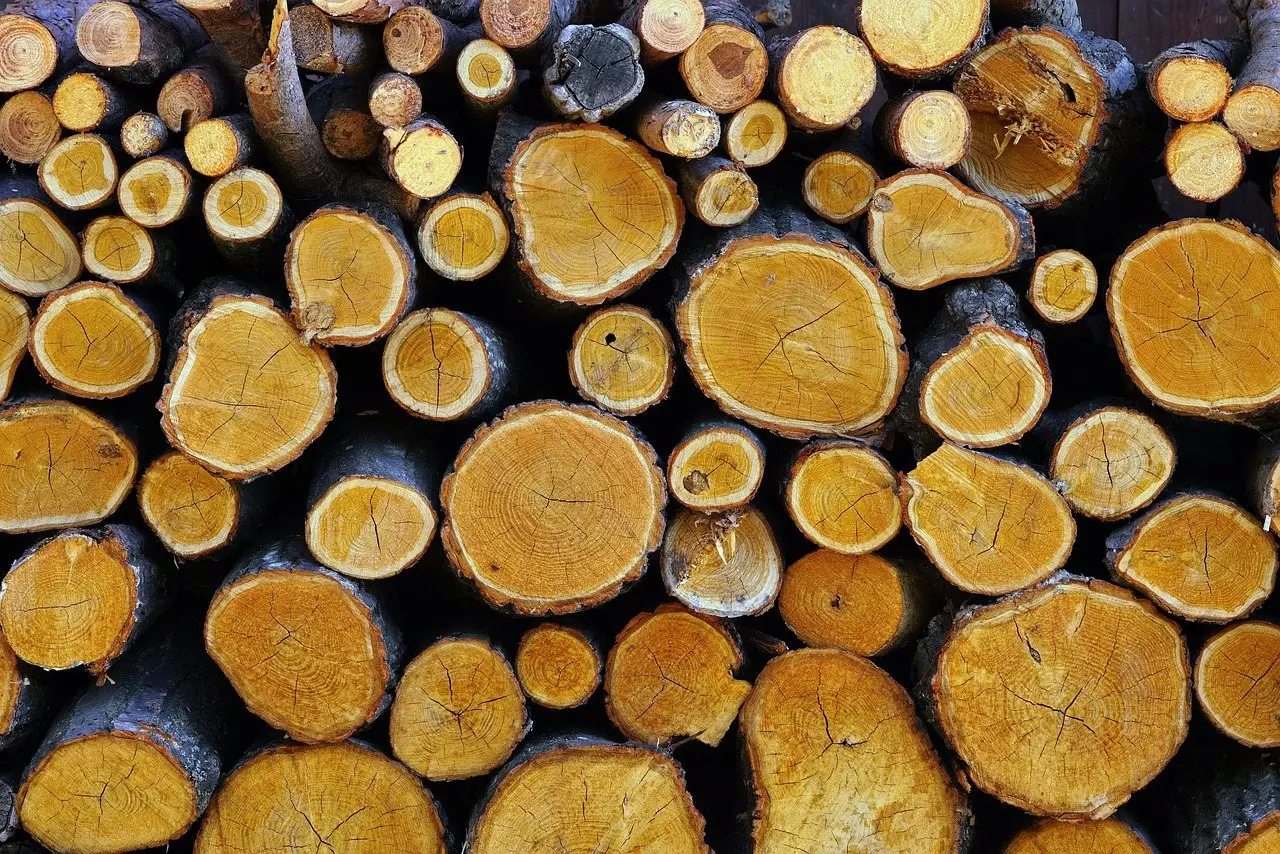
Pine is fine in an open fire pit as long as it is seasoned. The creosote warning that follows it everywhere is a flue problem, not an outdoor one.
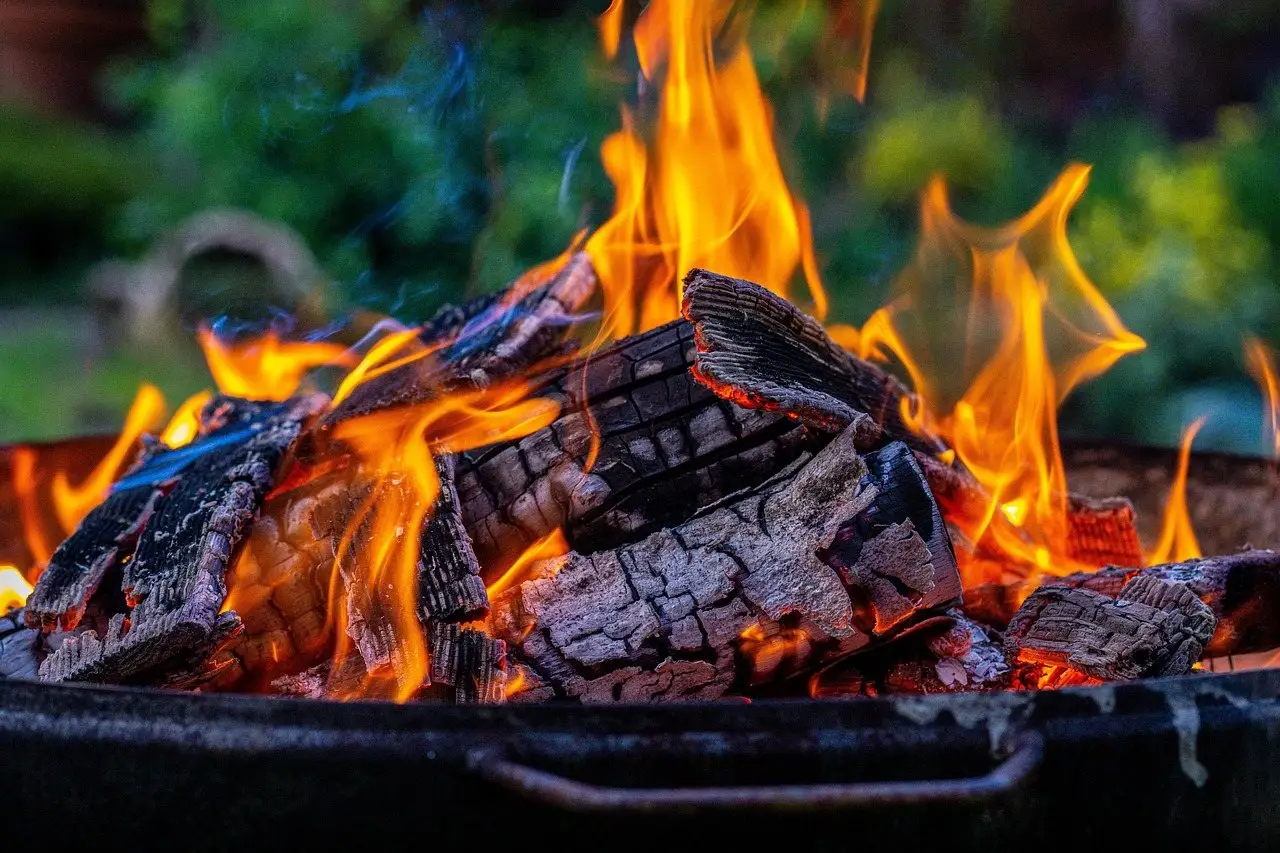
Light surface rust on a fire pit is cosmetic and normal. Flaking scale, a soft base or burn-through means the bowl can fail mid-fire.
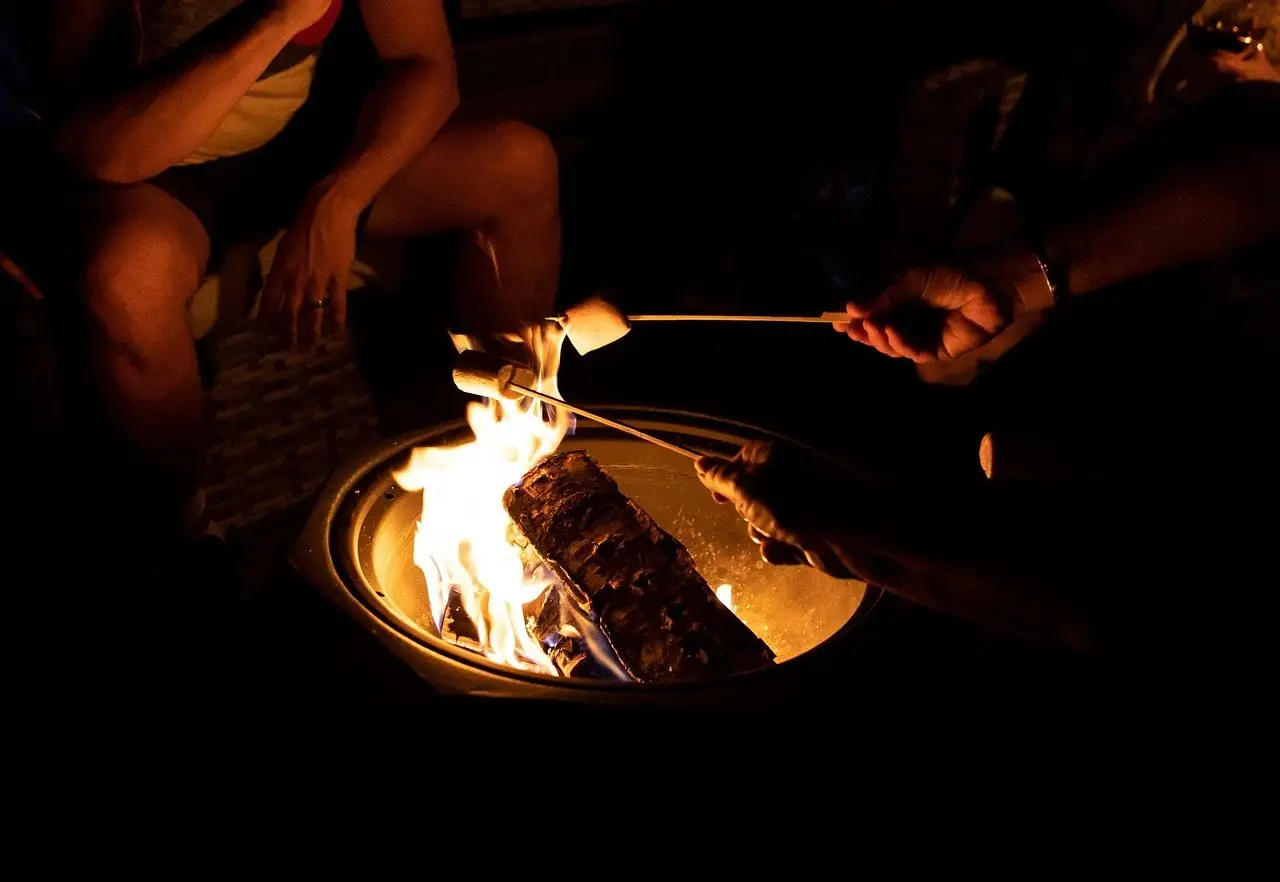
A 36-inch pit needs about a 12-foot circle once you allow seating depth and a walking lane. The pit size is the smallest decision in the layout.
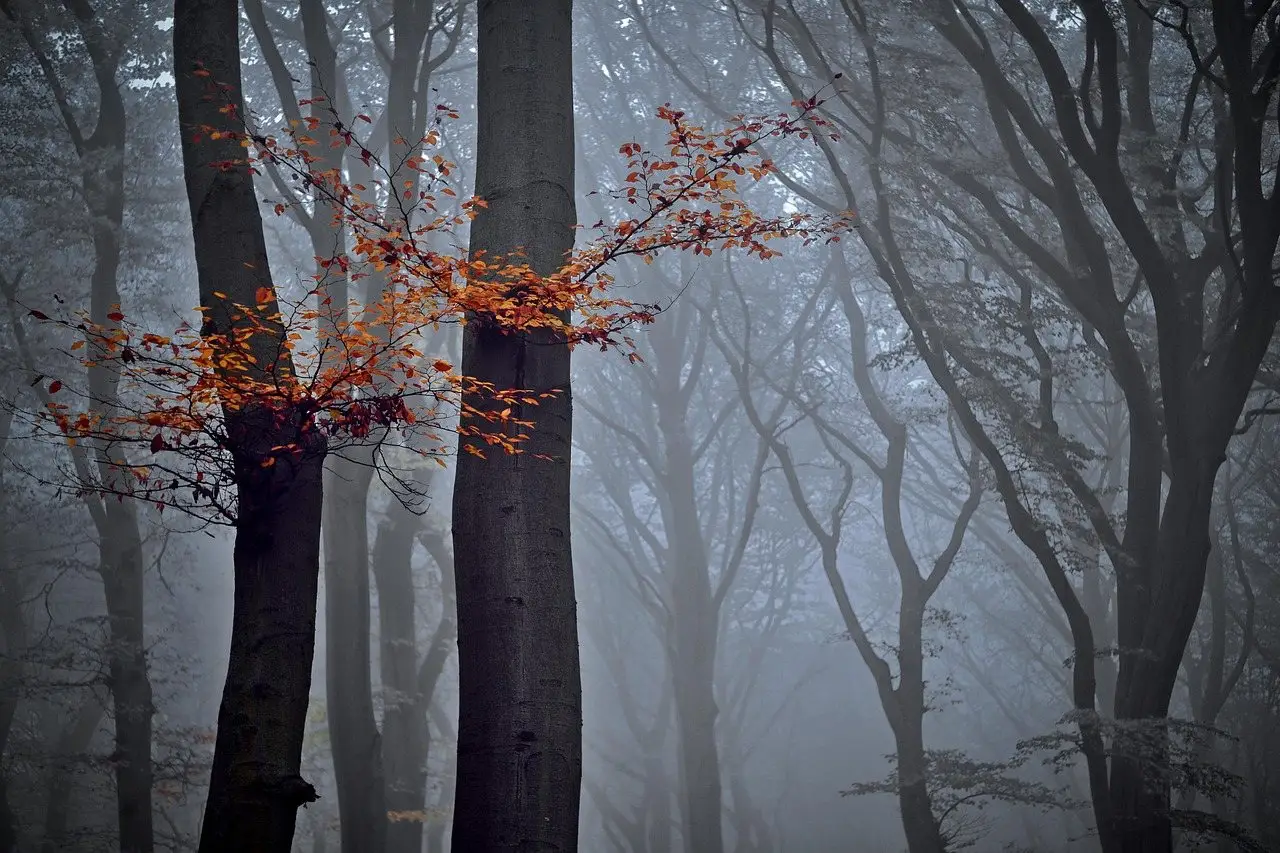
Beech burns hot and clean with excellent coals, around 27 million BTU a cord. The catch is seasoning — it holds water and rots in the round.
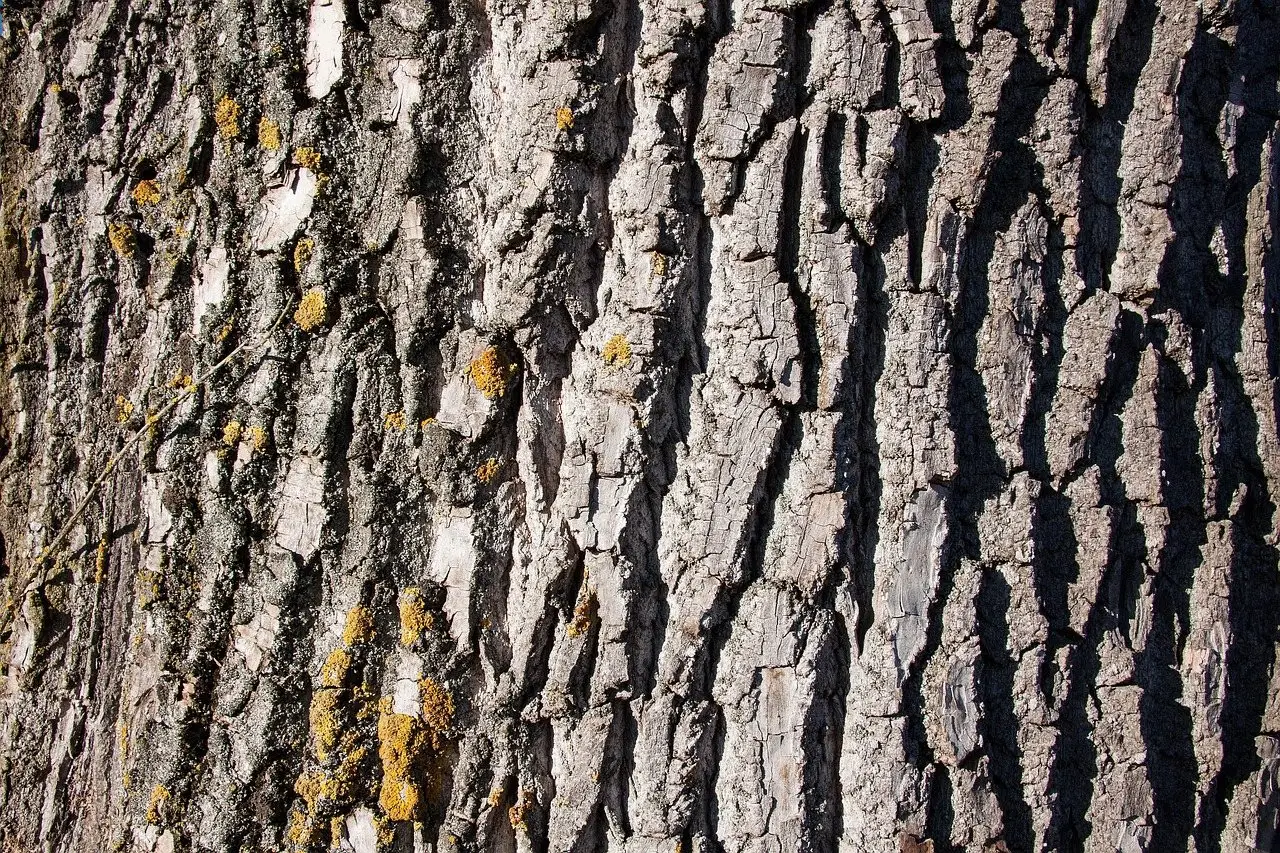
Cottonwood gives about half the heat of oak, soaks up water, rots fast and leaves almost no coals. It burns — it just does not burn well.
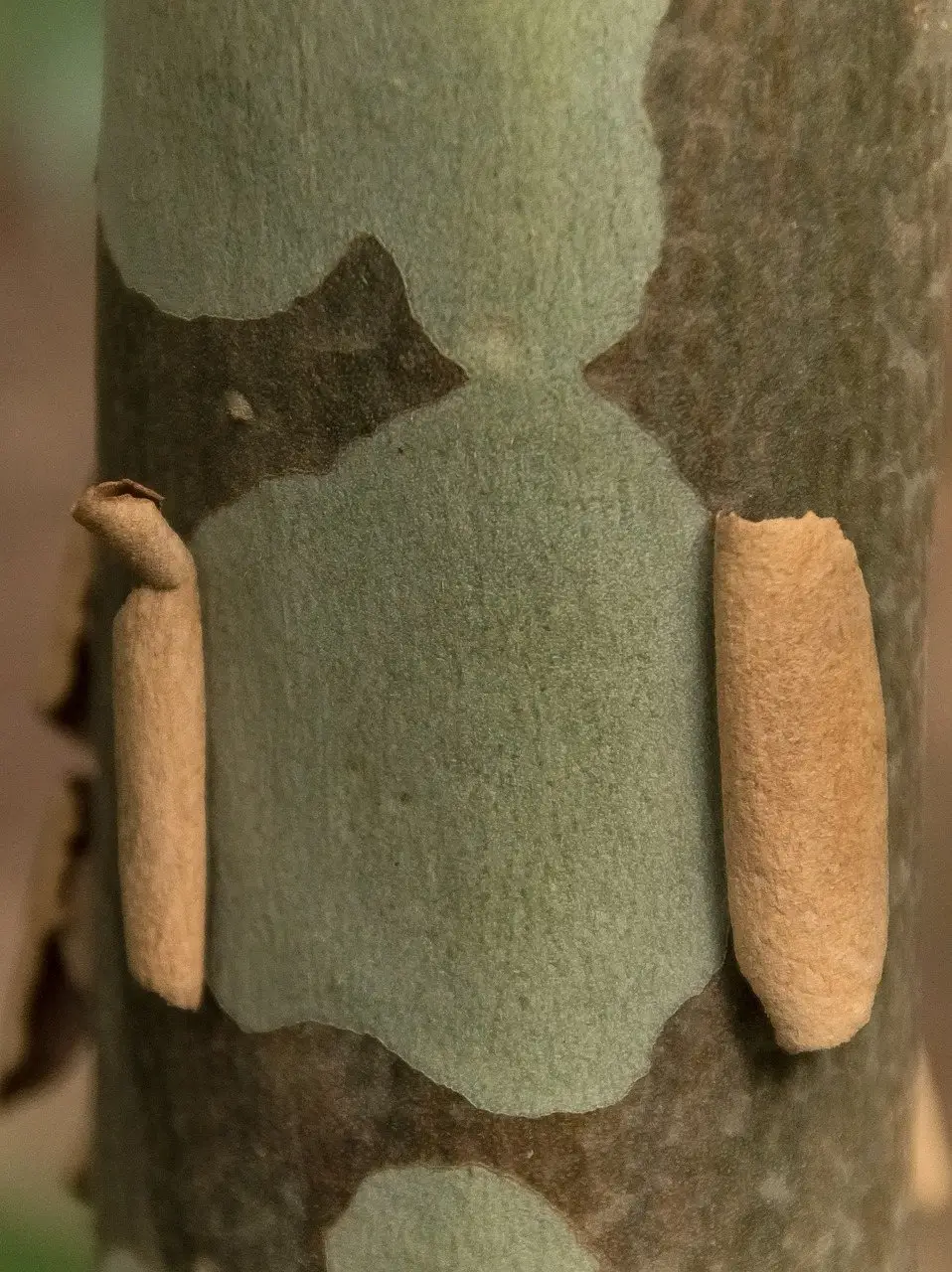
Eucalyptus burns hotter than oak and holds a long coal bed, but it is brutal to split dry, slow to season and prone to popping sparks.
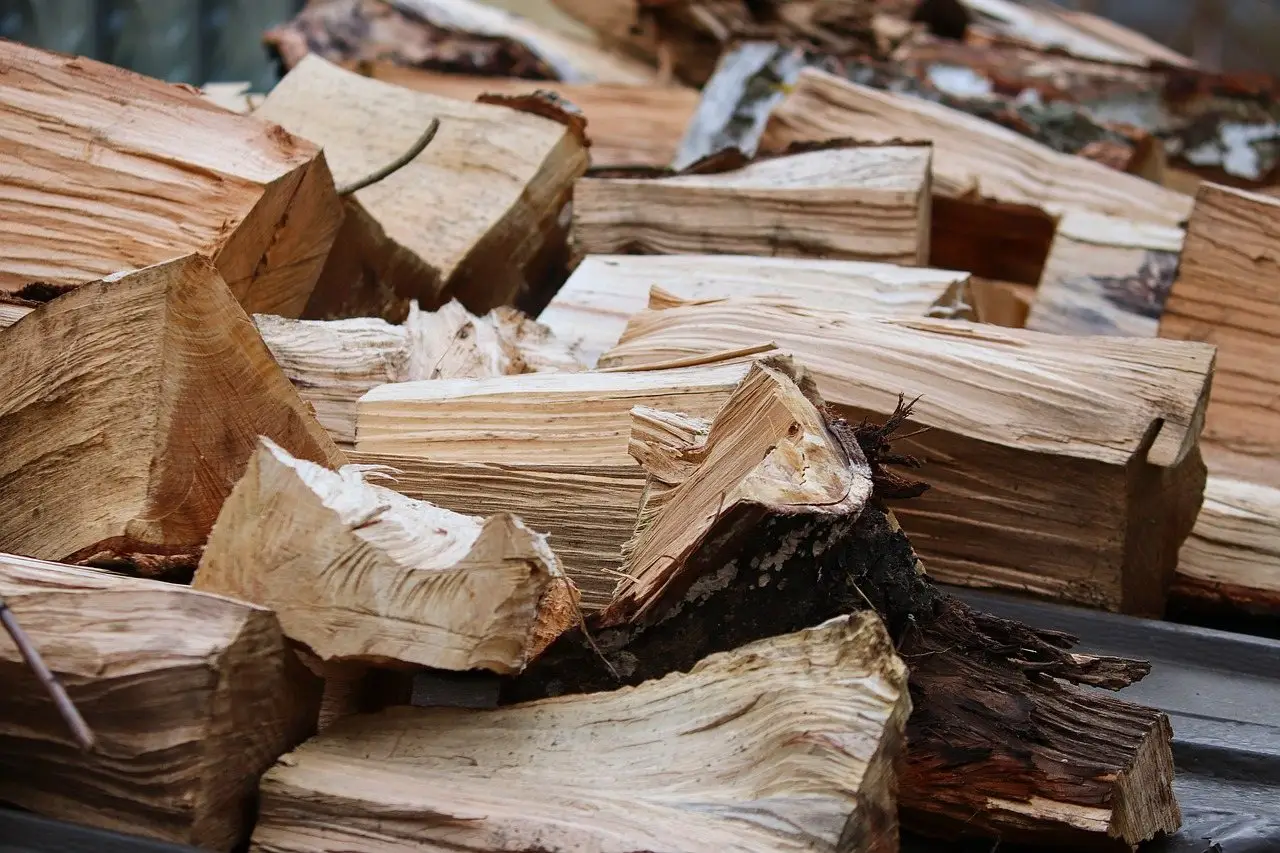
Black locust tops almost every BTU table at around 29 million a cord, burns with little smoke and stores for years without rotting.
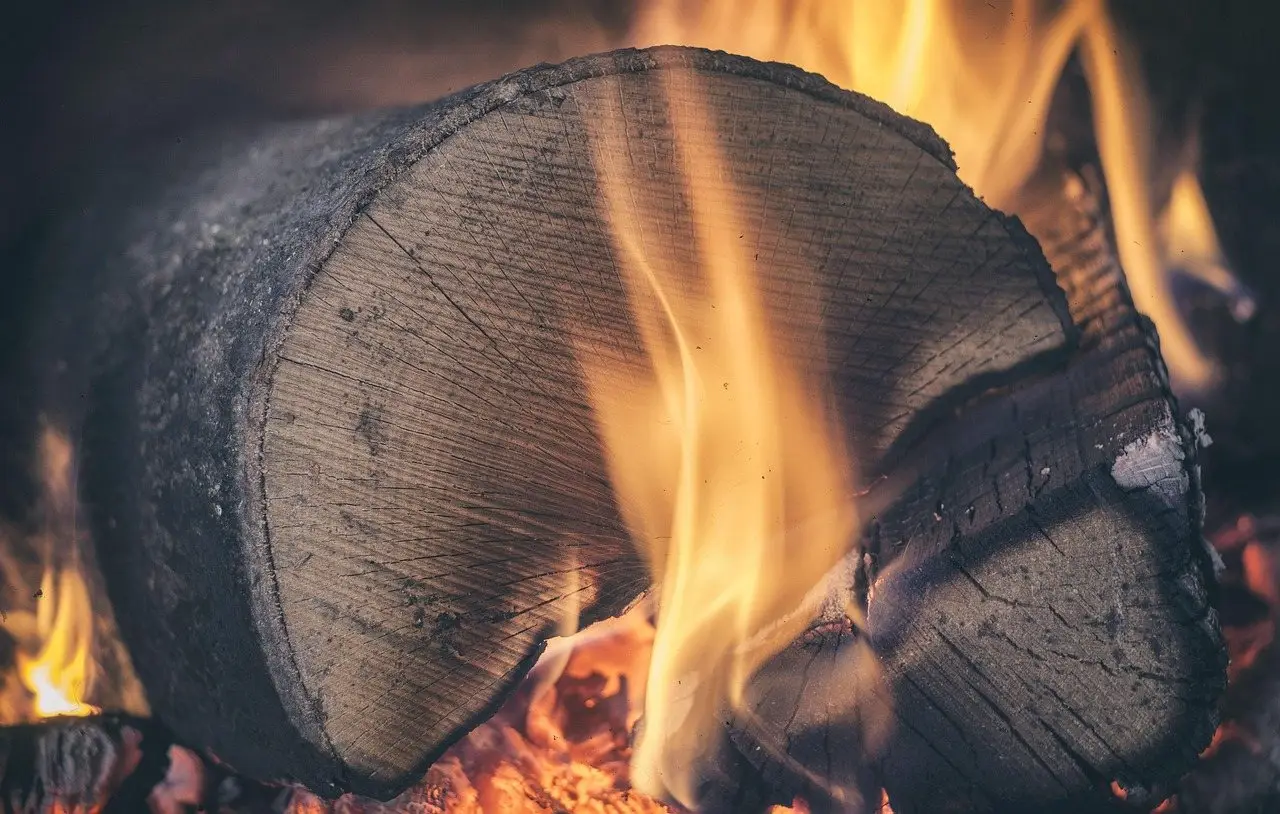
Hickory matches oak on heat at around 27 million BTU a cord, holds coals longer than almost anything, and is the classic barbecue smoking wood.
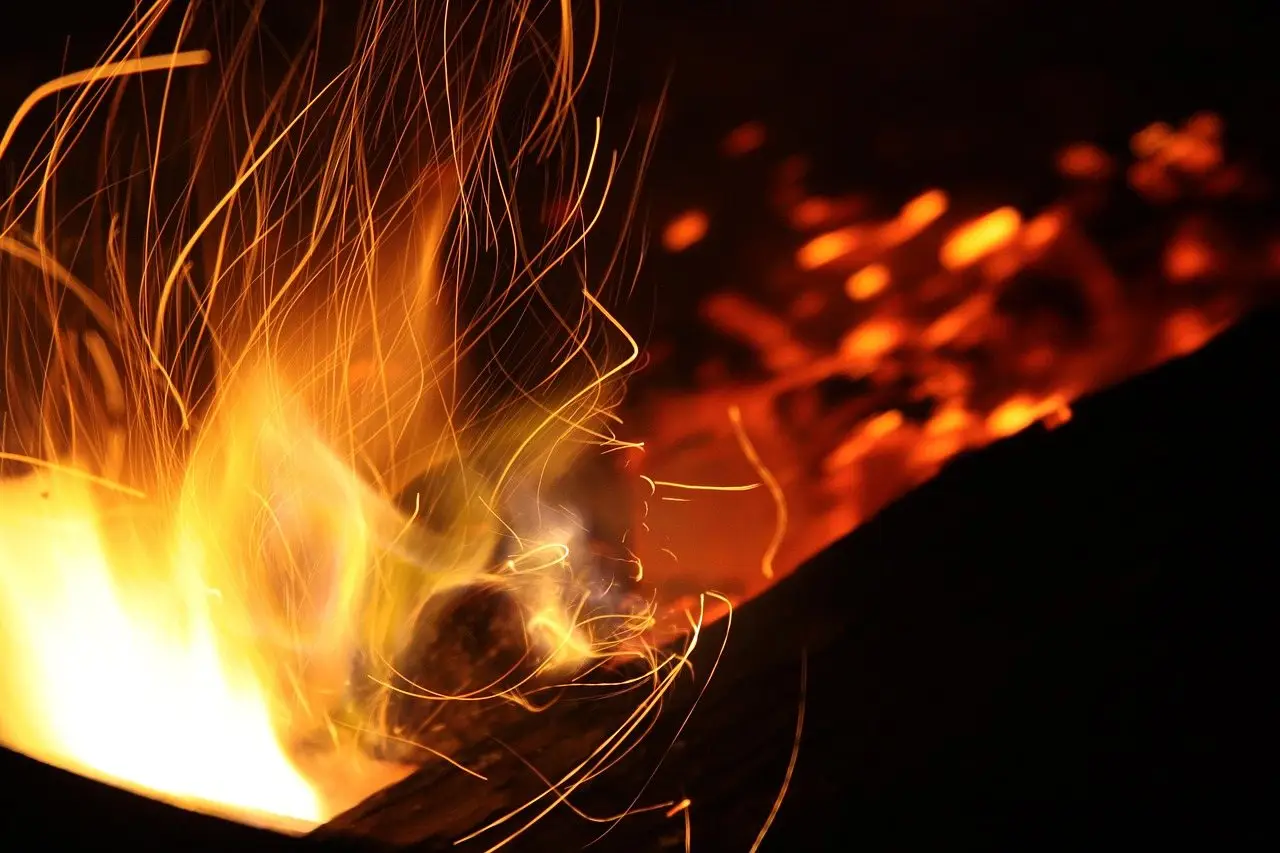
Mulberry burns hot at around 25 million BTU a cord with good coals and a pleasant smell, but it sparks enough to need a screen on an open fire.
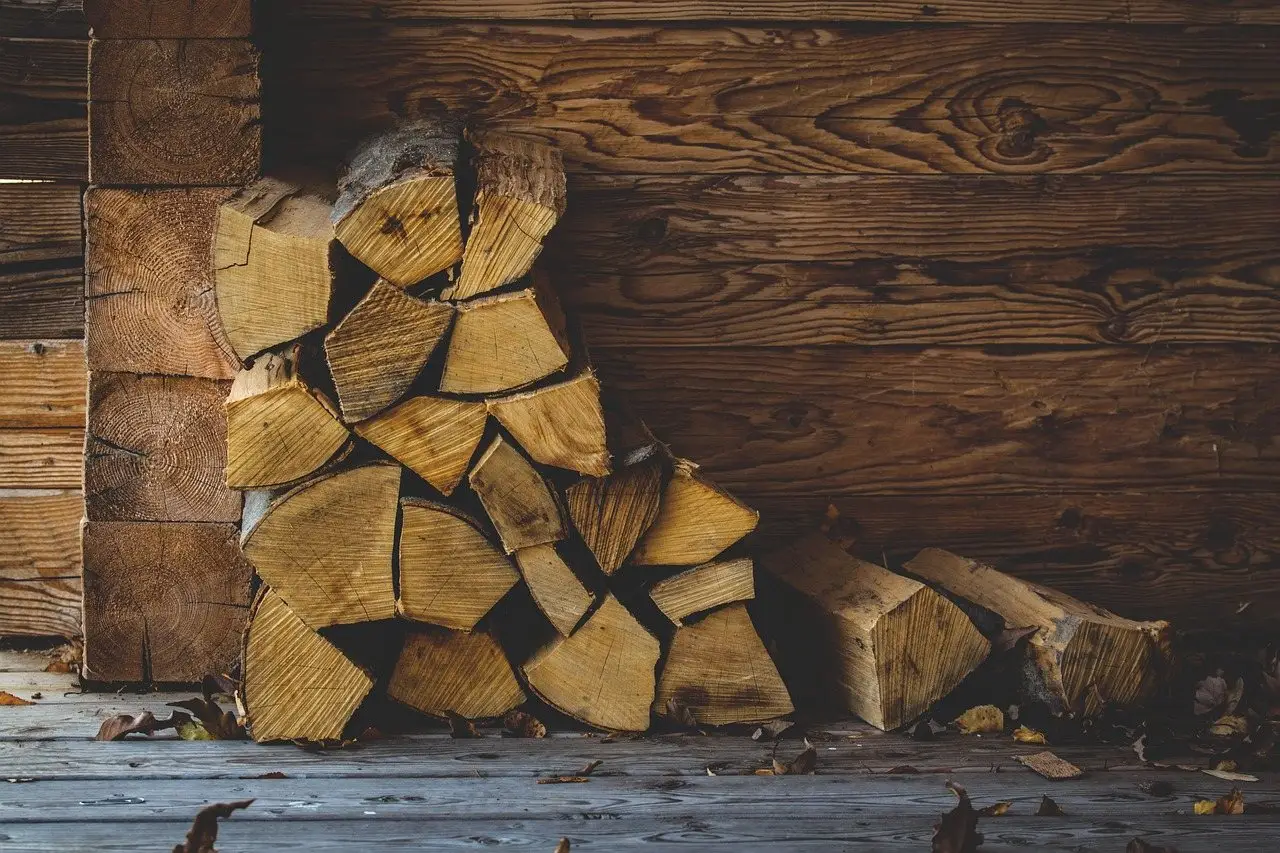
A rick is a stack four feet high and eight feet long. Its depth is whatever the log length is — which is why the word tells you almost nothing.
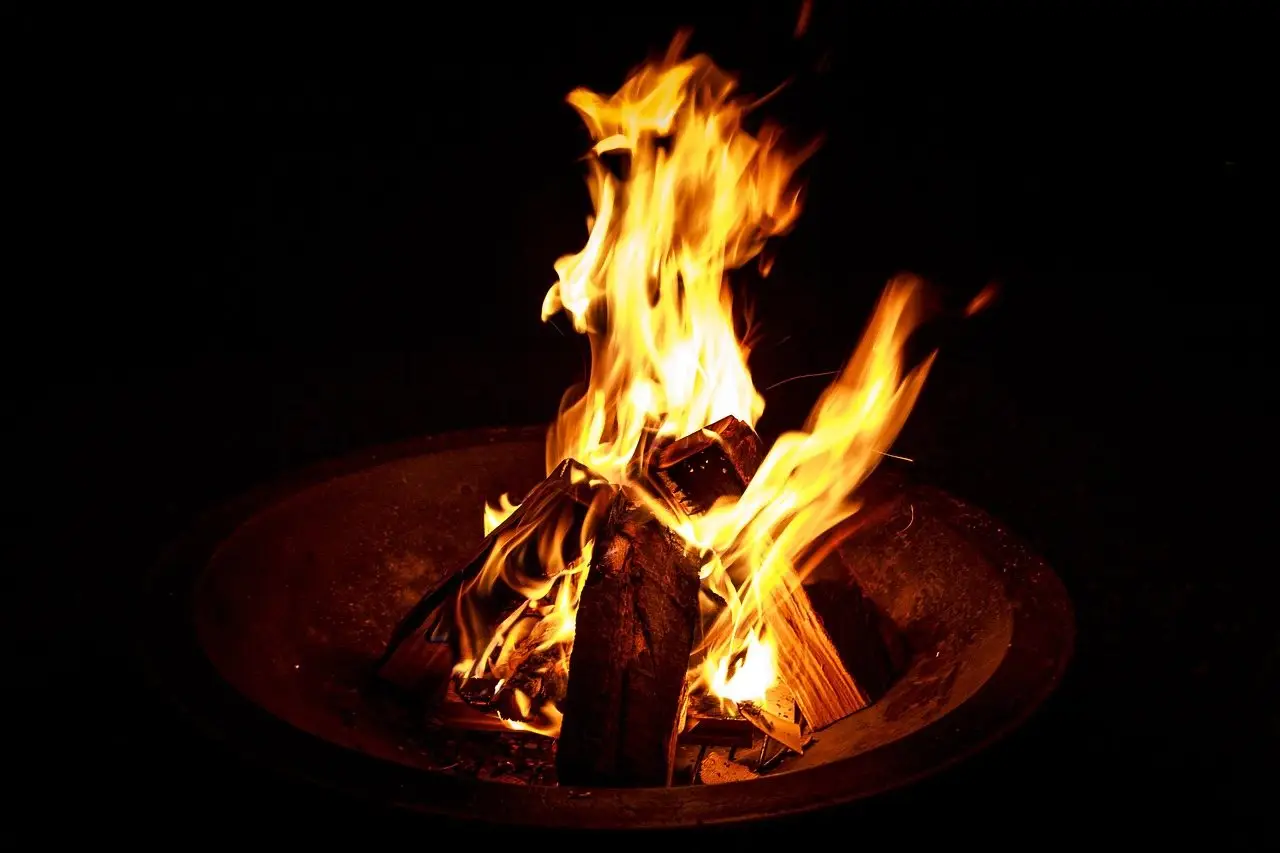
A metal bowl usually needs nothing. A built-in pit wants a drainage layer of gravel or lava rock — and never ordinary river stone, which can explode.
The double-wall burn genuinely cuts smoke and ash. Whether that justifies the price turns on whether smoke, or something else, is what bothers you.
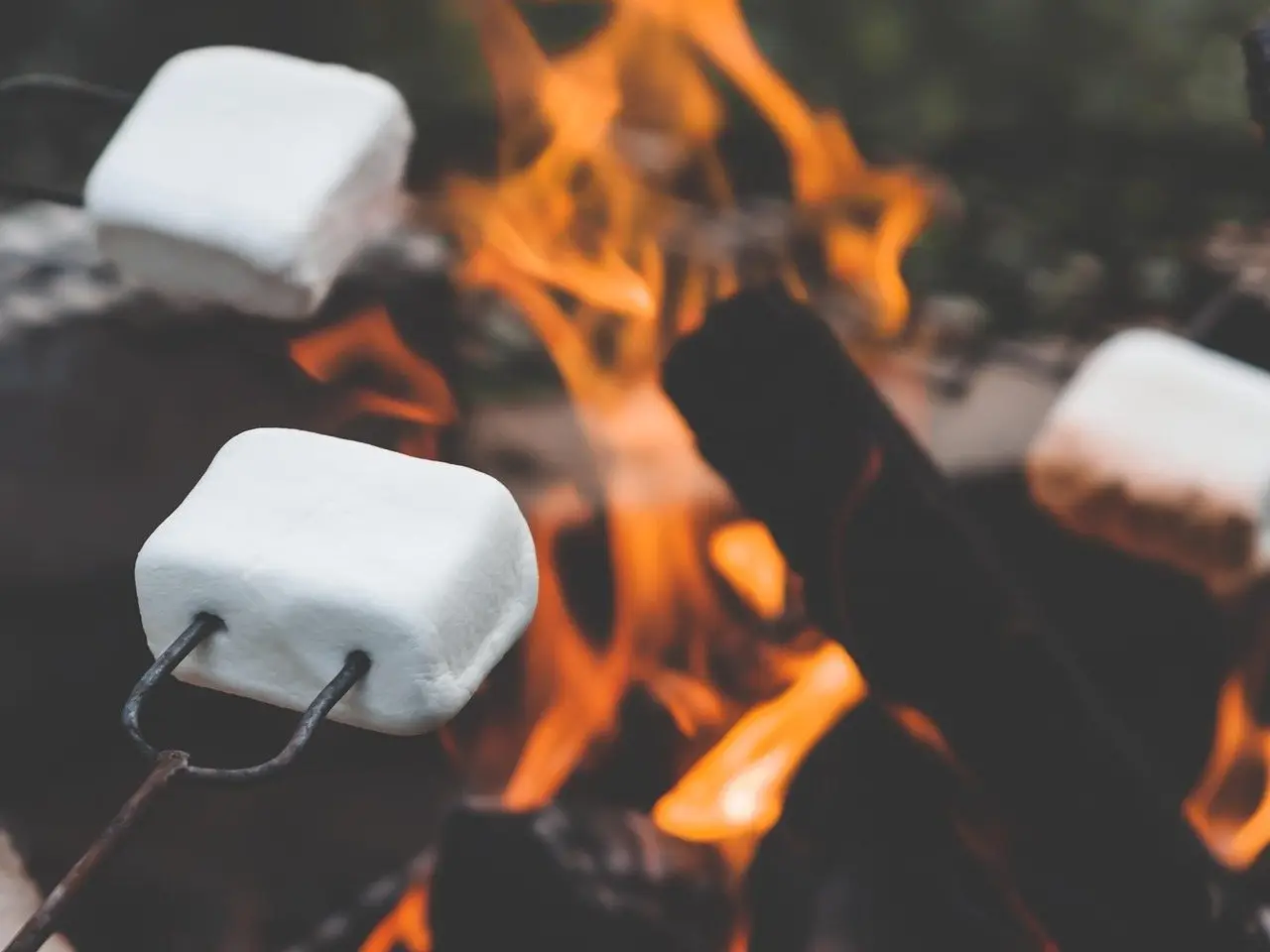
Propane burns clean enough to cook over safely. The real problem is dripping sugar on lava rock and glass beads, which is a cleaning job, not a health one.
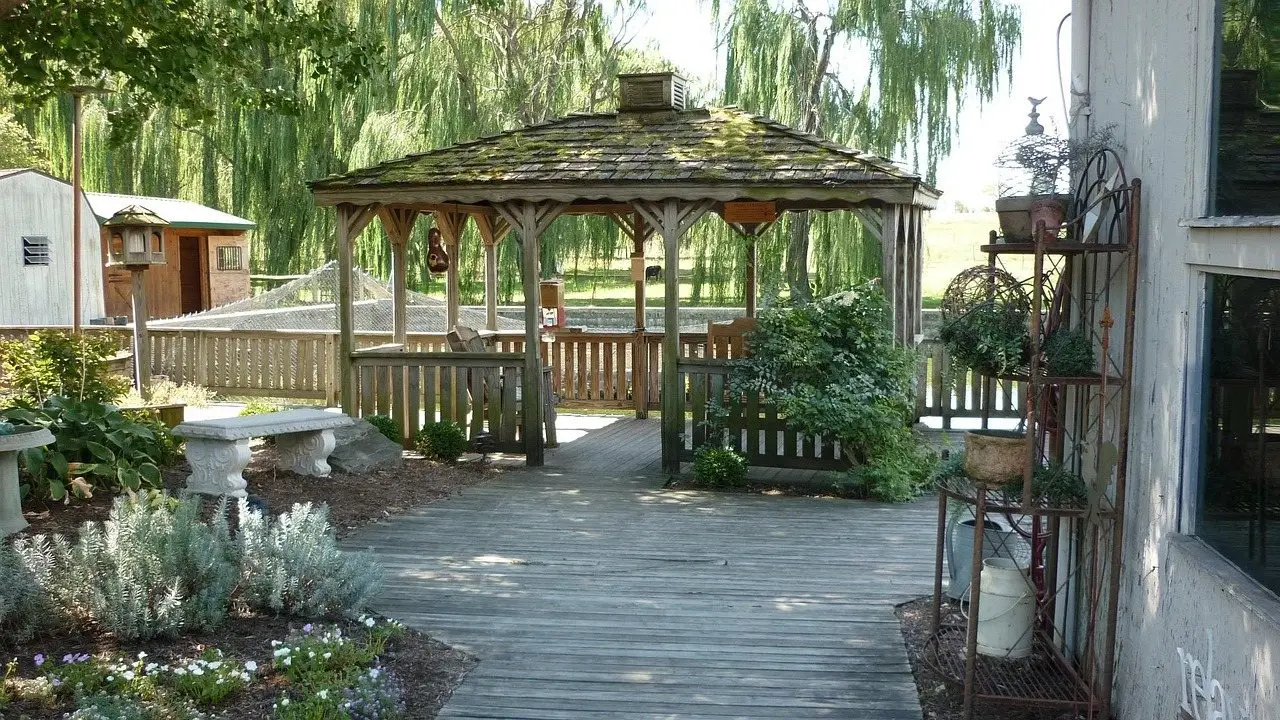
The maker says no, and the overhead clearance is why. Smokeless does not mean heatless, and a roof traps both heat and combustion gases.
Most rules exempt a contained recreational fire from open burning, with limits on size, fuel and distance. Four conditions decide which side you are on.
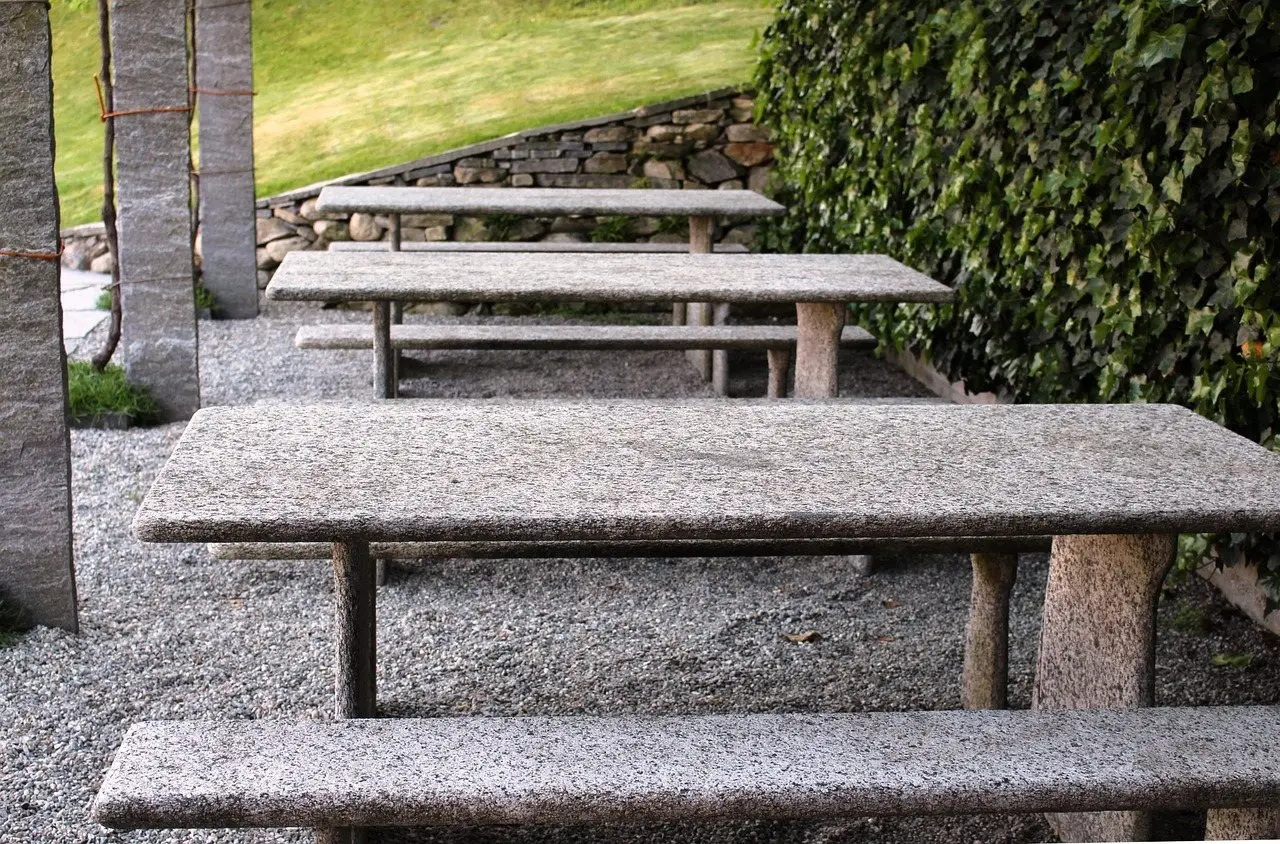
Gravel, pavers and decomposed granite all work; mulch and artificial grass do not. Plan a 7-foot clear radius before choosing the material.
Grass, a wooden deck, pavers and gravel each need a different answer. Radiant heat and ember fall are two separate problems, and only one is obvious.
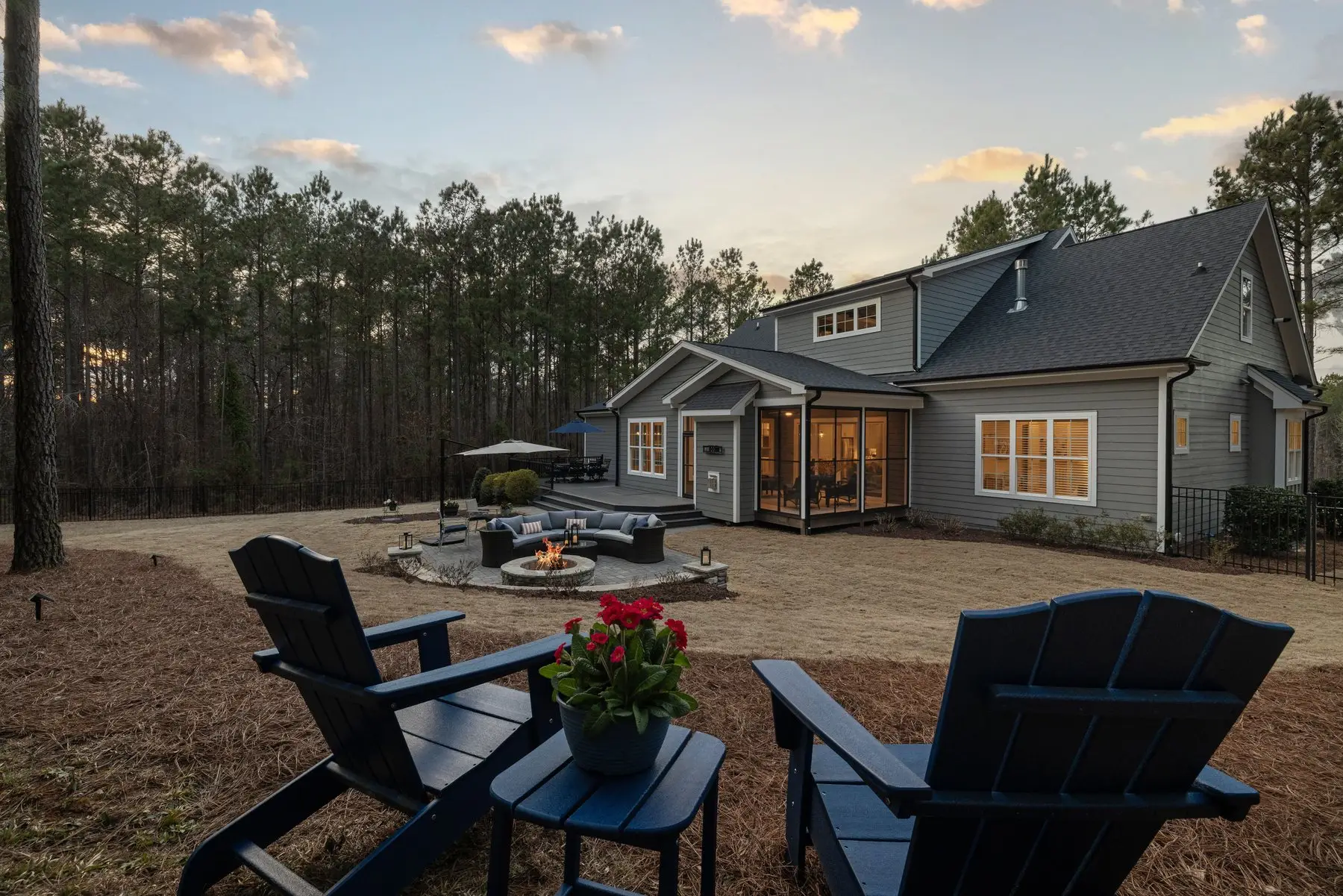
Most codes set 10 to 25 feet from structures, but overhead clearance catches more people out. What to measure from, and why local rules decide it.
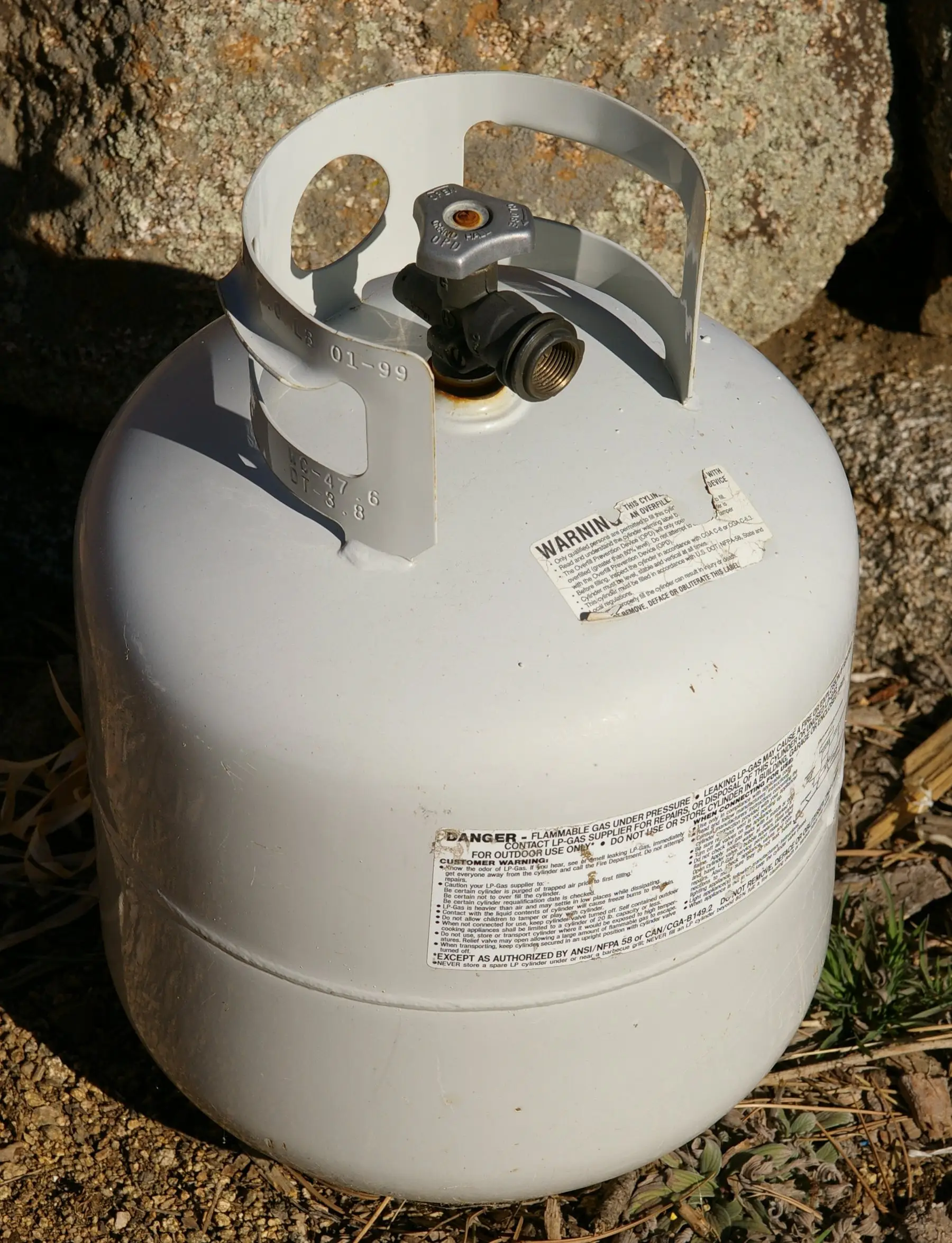
A 20 lb tank holds about 430,000 BTU. Divide by your pit's BTU rating and you have the answer — usually four to ten hours. The arithmetic, worked.
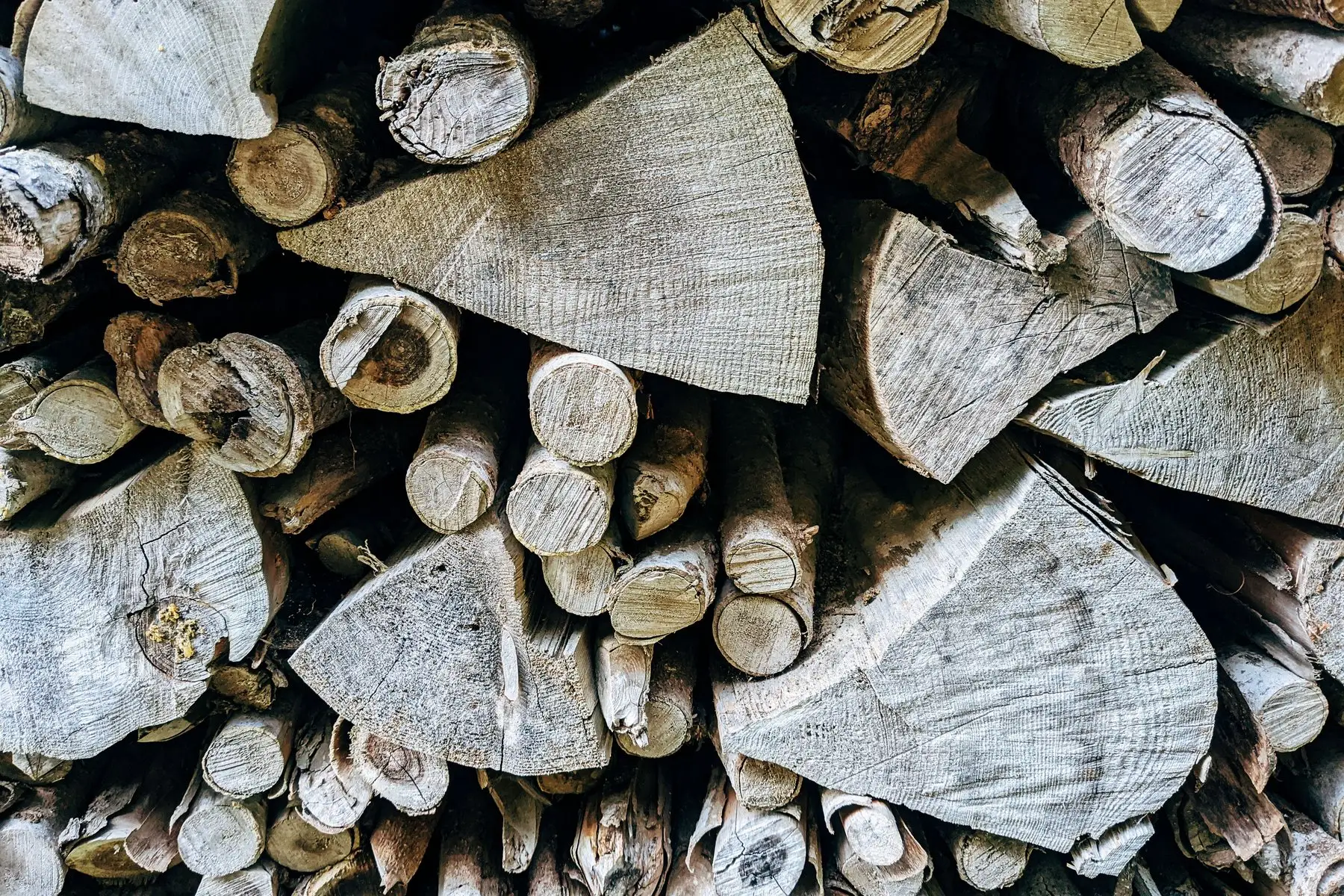
Splitting small does more than anything else, and a tarp over the whole pile undoes it. Realistic timescales, and why there is no shortcut to under 20%.
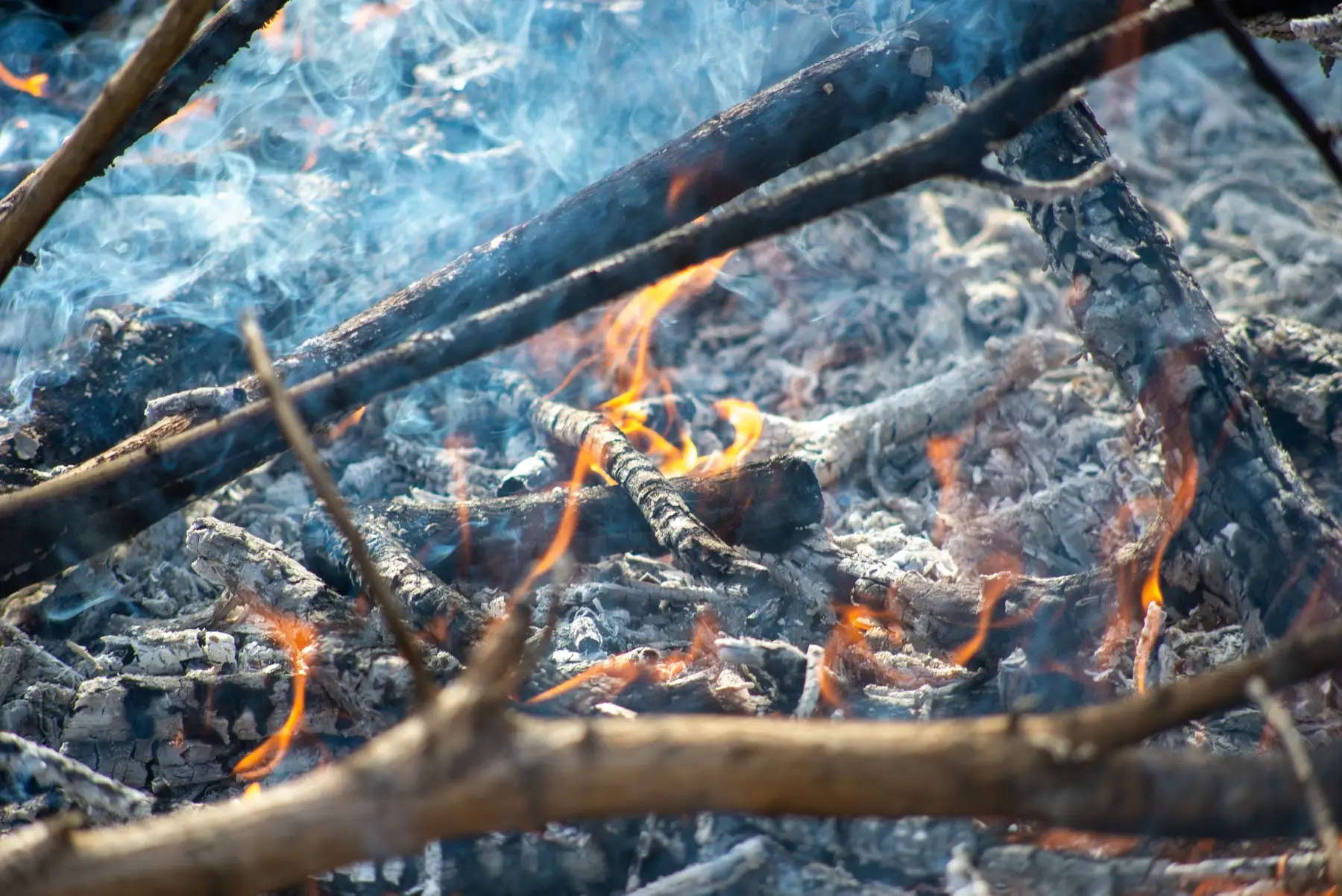
Spread, soak, stir, repeat until there is no hiss and no warmth. Why dirt is the worst option, and how long embers stay hot enough to start a fire.
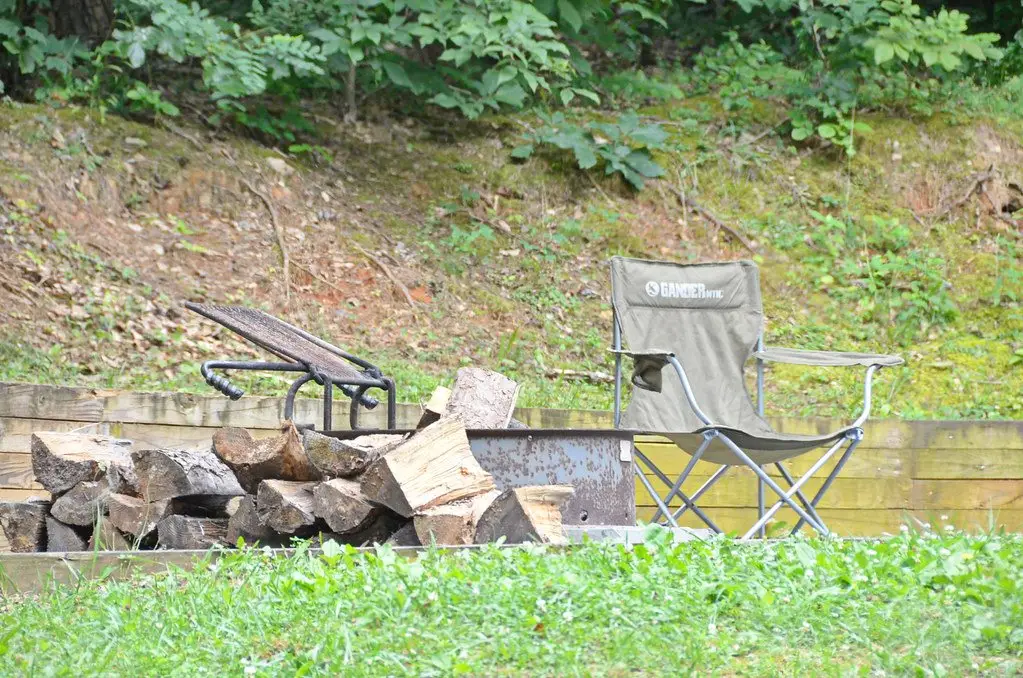
Teepee, log cabin, top-down and lean-to each burn differently. Which one to use for heat, for cooking, for a long evening, and which needs no tending.
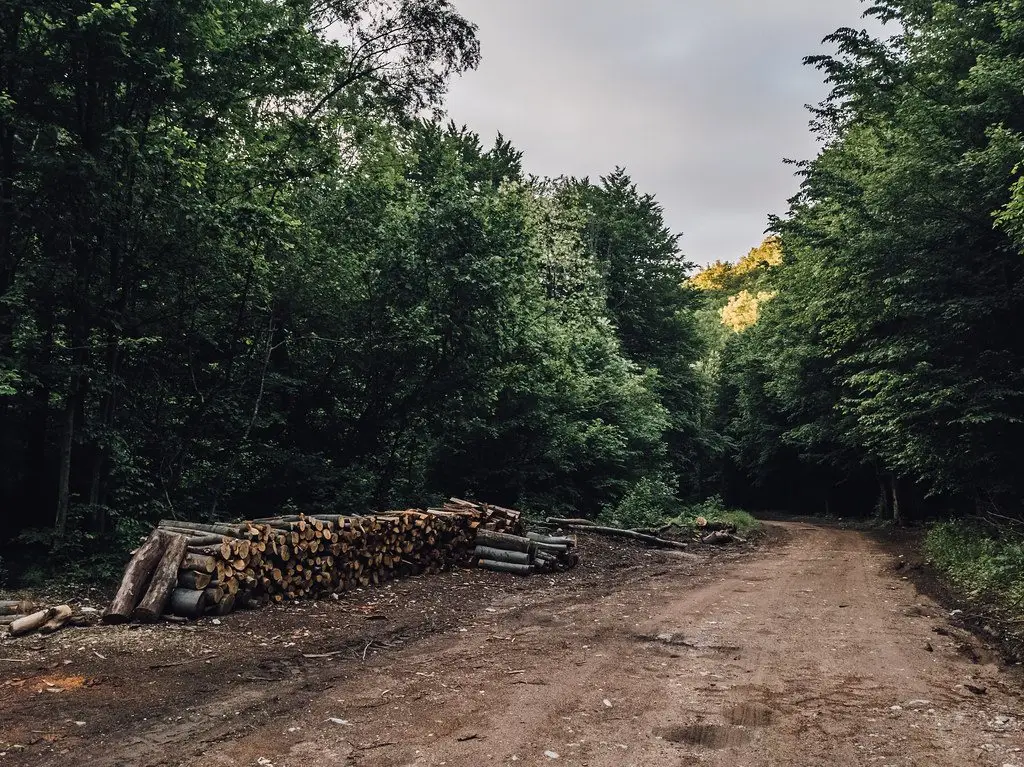
White or green fuzz on logs is a storage problem, not a wood problem. Why bleach is the wrong answer, and when mouldy wood is no longer worth burning.
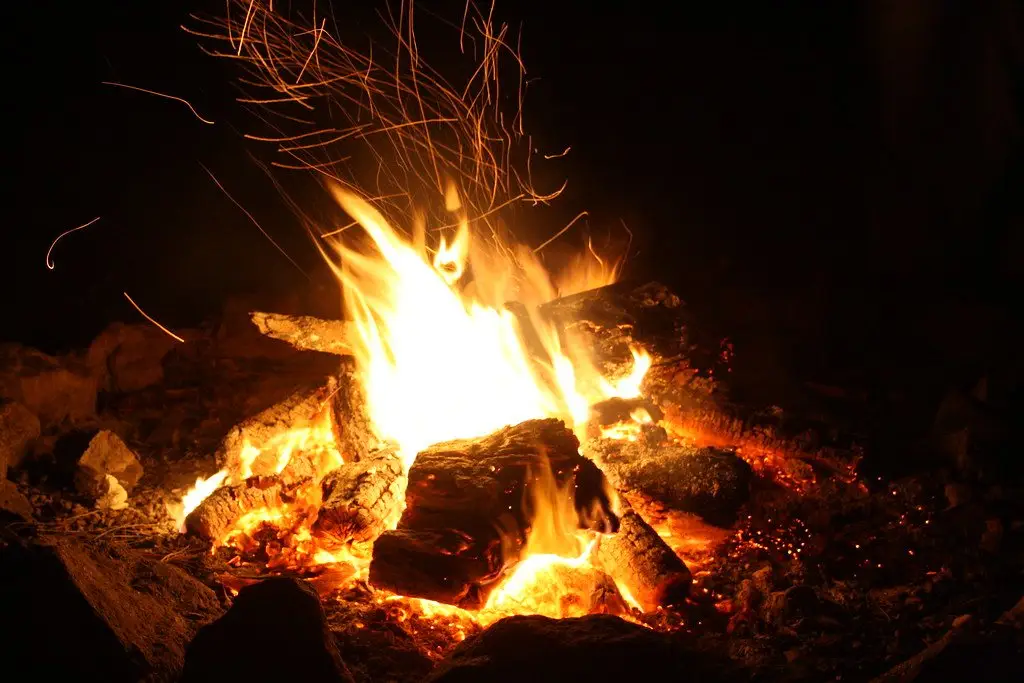
Metal bowls choke fires because air cannot get under the wood. Why a grate changes everything, and the top-down build that lights clean and needs no tending.
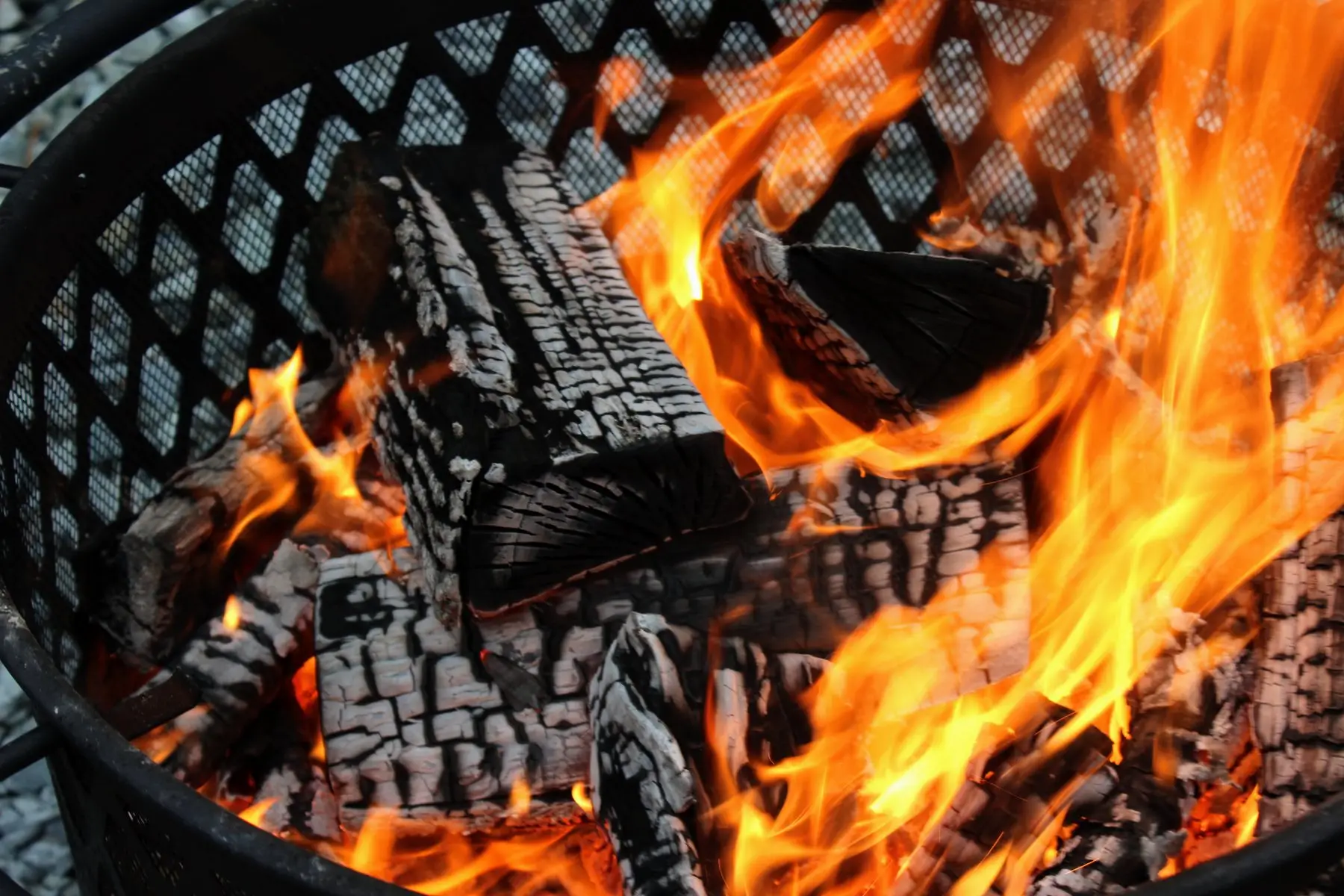
A steel ring is what stops a stone fire pit spalling and collapsing. Sizing, drainage, which blocks are safe to heat, and the clearances that keep it legal.
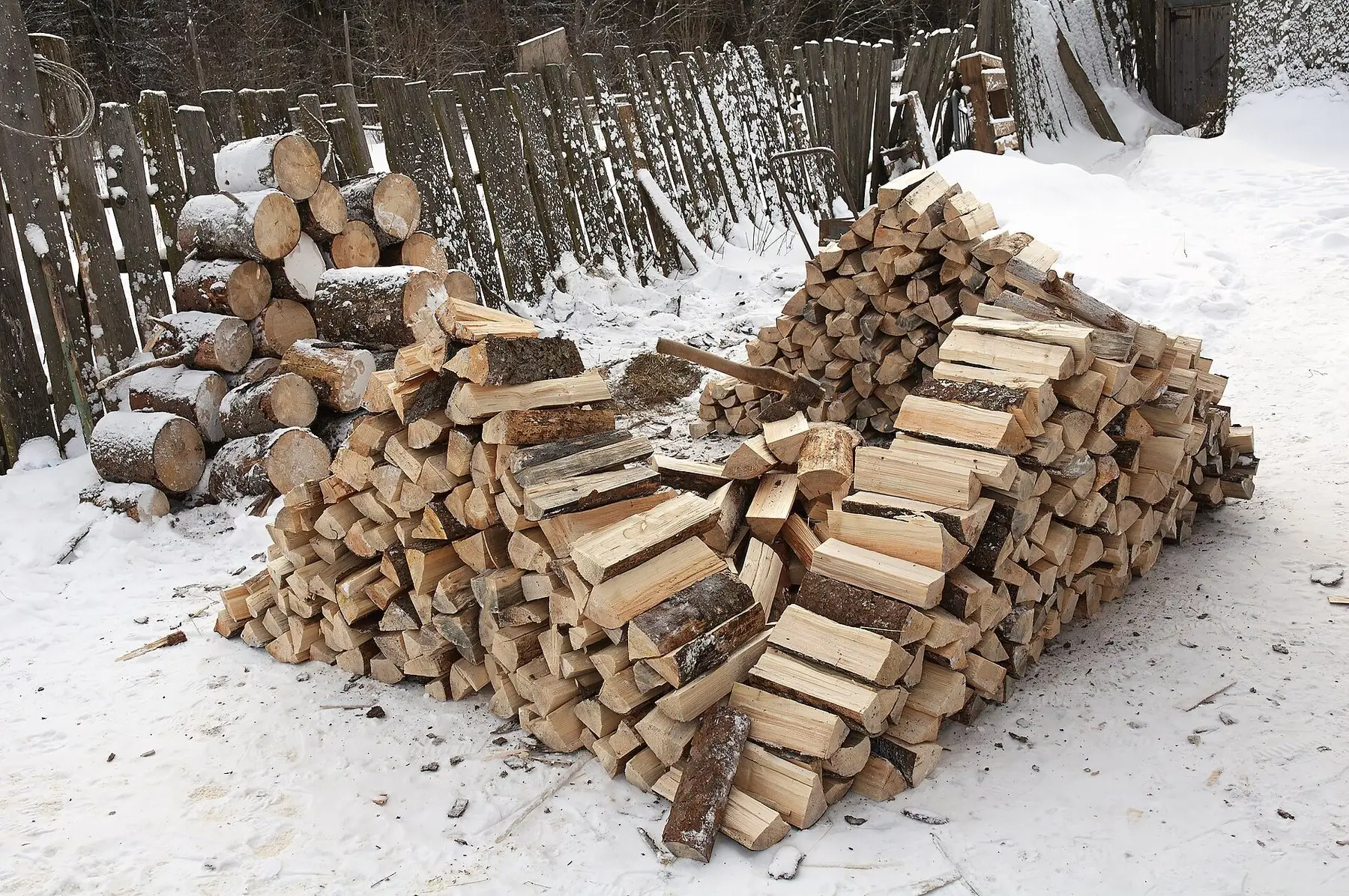
Moisture matters more than species. How long each wood takes to season, how to tell when it is ready, and the things you must never put on a fire.
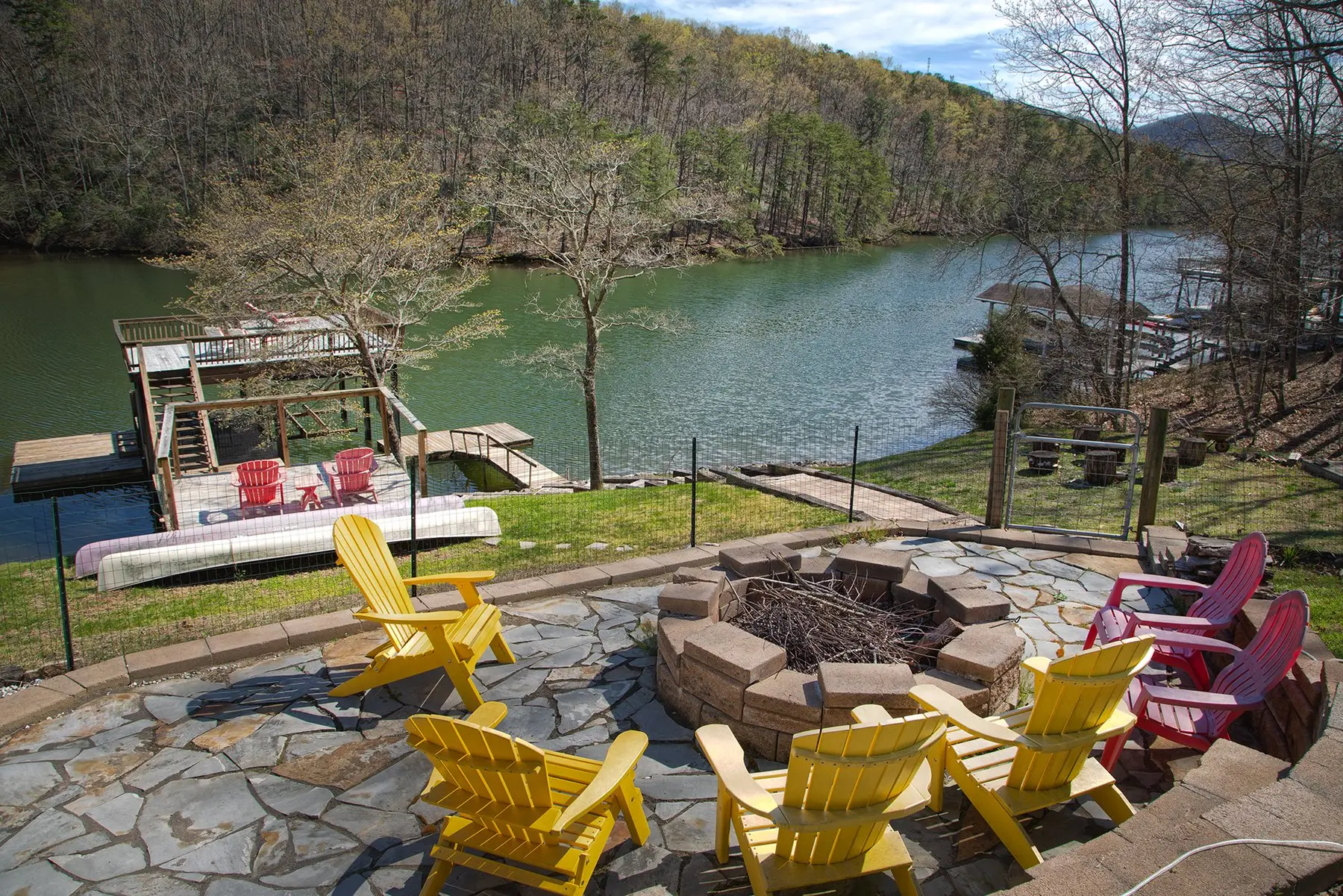
A smokeless fire pit burns the smoke rather than venting it, using a double wall and a second ring of air. Here is the mechanism, and when it stops working.
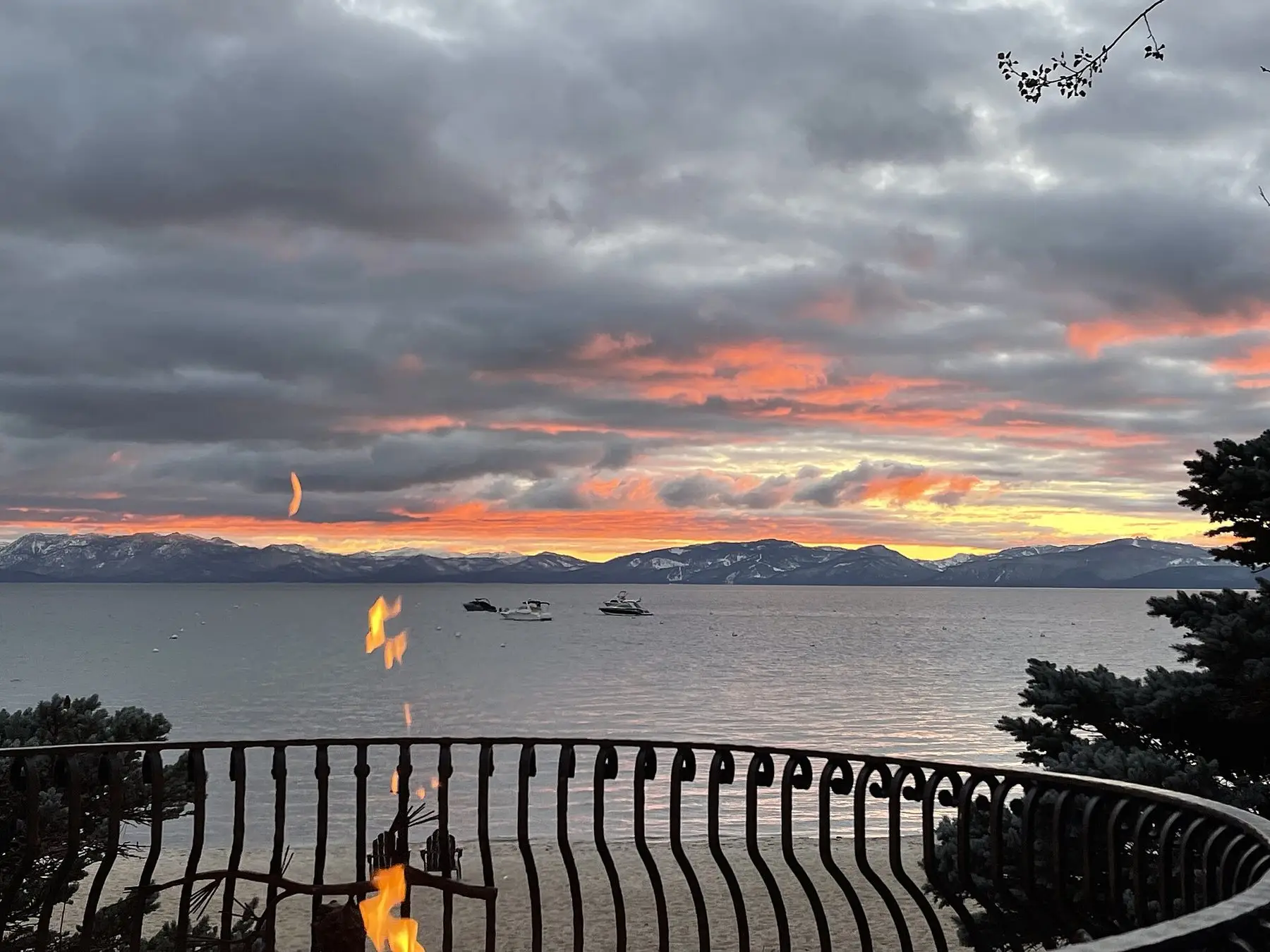
A wood fire pit on a wooden deck is a bad idea whatever you put under it. What actually works on decking, and the clearances that make it survivable.
Backyard Weekly
One email a week: what to plant now, what to fix, and what is worth buying. No spam, unsubscribe anytime.
Not ready to subscribe? The planting calendar is free and needs no email.
By subscribing you agree to our privacy policy. Grow In Backyard will never sell your address.
Cookies
We use analytics cookies to see which guides get read, so we know what to write next. Decline and nothing is set. Privacy policy.