
How to Dry Firewood Fast: What Actually Speeds It Up
Splitting small does more than anything else, and a tarp over the whole pile undoes it. Realistic timescales, and why there is no shortcut to under 20%.
 By
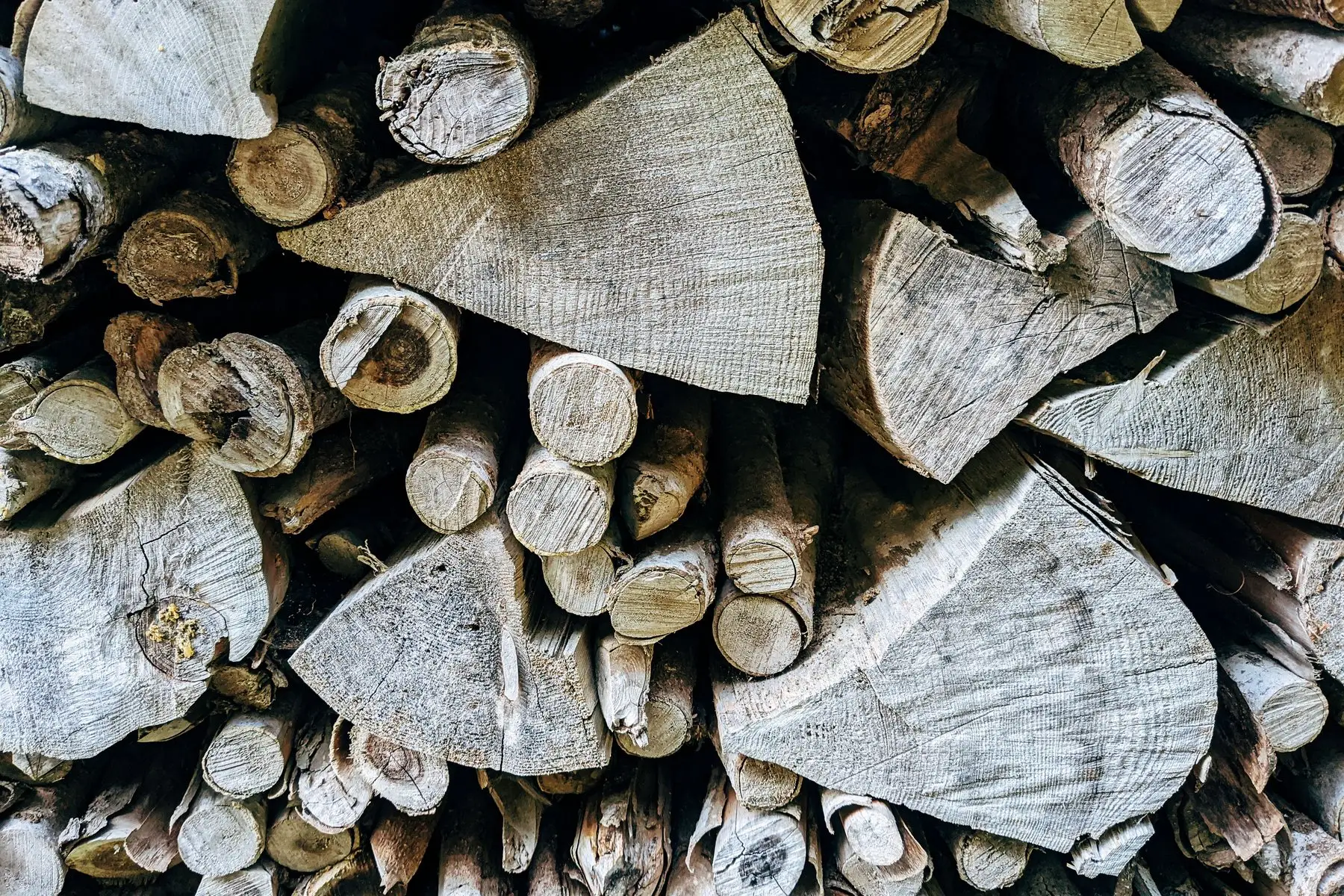
On this page
Split it small. That does more than everything else combined. And a tarp over the whole pile undoes all of it — which is the commonest mistake in firewood storage.
Why splitting matters so much
Wood dries almost entirely through its cut end grain. Bark is the tree’s own waterproofing — which is why an unsplit round can sit for three years and still be wet inside.
Splitting to wrist thickness rather than arm thickness can halve the drying time. Nothing else on this page comes close to that.
The tarp mistake, which is worth stating plainly
A tarp over the whole pile traps evaporating moisture against the wood and keeps it wet. People do this believing they are protecting the stack, and it is actively counterproductive.
Cover the top third. Leave the flanks completely open.
Realistic timescales
| Species | Time to under 20% |
|---|---|
| Pine and softwoods | 6–9 months |
| Ash, birch | ~6 months |
| Most hardwoods | About a year |
| Oak | Two years |
These assume a good stack in a good spot from the start. The same wood in a deep pile under a full tarp can still be wet after three years.
What “fast” can and cannot mean
There is no way to compress a season into a few weeks
Everything above makes drying as fast as it can naturally be. None of it turns green wood into seasoned wood in a month.
Kiln drying is the only genuinely fast method, because it is the only one that does not depend on weather — days instead of months. That is what you are paying the premium for, and for someone who has run out in January it solves a problem nothing else can.
Indoors, honestly
Useful for the last stage only.
A week or two beside a stove finishes wood that is already close. It will not dry green wood in any useful time, and it brings two things indoors with it:
- Insects living in the bark
- Mould spores from damp wood
Bring in what you will burn this week, not a winter’s worth.
Measuring instead of arguing
A moisture meter on a freshly split face — not the weathered outside, which reads dry on wood that is soaking in the middle. Under about 20%.
Without one, three signs that work:
- Greying and cracks radiating from the centre of the end grain
- Surprisingly light for its size
- A sharp crack when two pieces are knocked together, not a dull thud
Step by step
- Time
- P180D
- You need
- Pallets or rails, Tarp for the top only
- Tools
- Splitting axe or maul, Moisture meter
Split it smaller than you think you need to
This does more than every other step combined. Wood dries through its cut end grain, and bark is the tree's own waterproofing, so an unsplit round can sit for three years and still be wet inside. Splitting to wrist thickness rather than arm thickness can halve the drying time.
Stack off the ground in a single row
Pallets, rails or scaffold boards. A single row exposes both faces of the stack to moving air; a deep block dries only at its outer surface and the middle stays wet for years.
Cover the top only, never the sides
A tarp over the whole pile traps evaporating moisture and keeps the wood wet. Cover the top third and leave the flanks completely open. This is the most commonly made mistake and it actively reverses the drying.
Put it where the sun and wind are
An exposed, sunny, breezy spot dries wood dramatically faster than a sheltered corner or inside a closed shed. Wind matters at least as much as sun, because it carries evaporated moisture away rather than letting it sit around the stack.
Split it at the start of the season, not the end
Rounds stacked whole through summer and split in autumn have wasted the entire drying window. The split has to happen first for the summer to do any work.
Measure rather than guess
Split a piece open and put a moisture meter on the freshly exposed face, not the weathered outside. Under about twenty per cent is the target. Meters cost very little and settle an argument that otherwise runs all winter.
Common questions
How do you dry firewood fast?
How long does firewood take to dry?
Can you dry firewood indoors quickly?
Is kiln-dried firewood worth it?
How do I know when firewood is dry enough?
Does stacking bark up or bark down matter?
Backyard Weekly
Know what to plant, week by week
Join the weekly email for seasonal jobs, fixes for what is going wrong, and gear worth buying.
Not ready to subscribe? The planting calendar is free and needs no email.
By subscribing you agree to our privacy policy. Grow In Backyard will never sell your address.
Keep reading
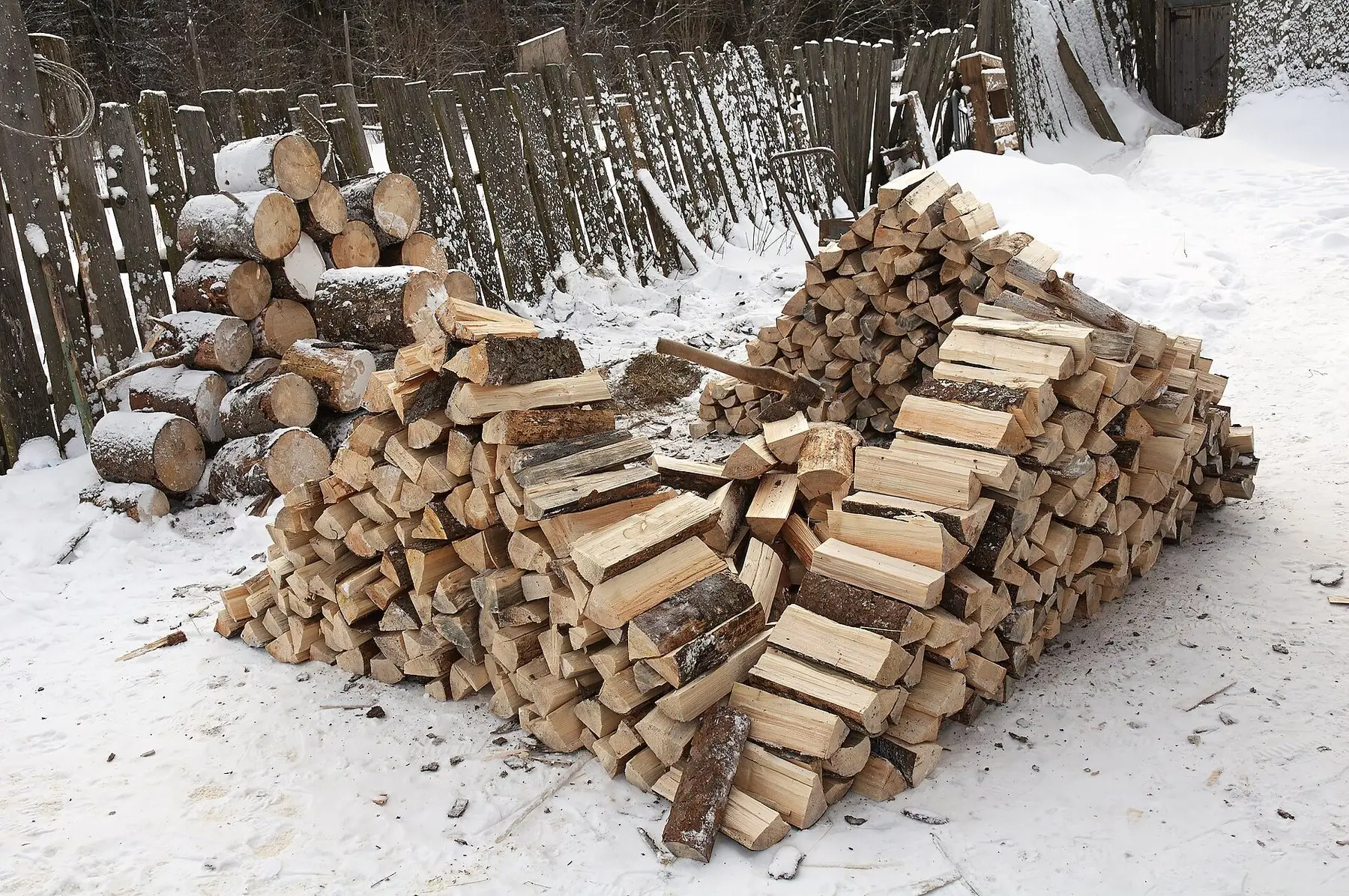
Firewood: What to Burn, and How Dry It Has to Be
Moisture matters more than species. How long each wood takes to season, how to tell when it is ready, and the things you must never put on a fire.
How to Get Rid of Mold on Firewood (And Whether to Bother)
White or green fuzz on logs is a storage problem, not a wood problem. Why bleach is the wrong answer, and when mouldy wood is no longer worth burning.
How to Start a Fire in a Metal Fire Pit (Without Smoke)
Metal bowls choke fires because air cannot get under the wood. Why a grate changes everything, and the top-down build that lights clean and needs no tending.
How to Extinguish a Fire Pit, and Know It Is Actually Out
Spread, soak, stir, repeat until there is no hiss and no warmth. Why dirt is the worst option, and how long embers stay hot enough to start a fire.