
How to Start a Bonfire: Build, Light and Keep It Legal
A bonfire lights from the inside out with dry kindling and air. Check local rules first — and never use petrol, which is how people end up in hospital.
 By
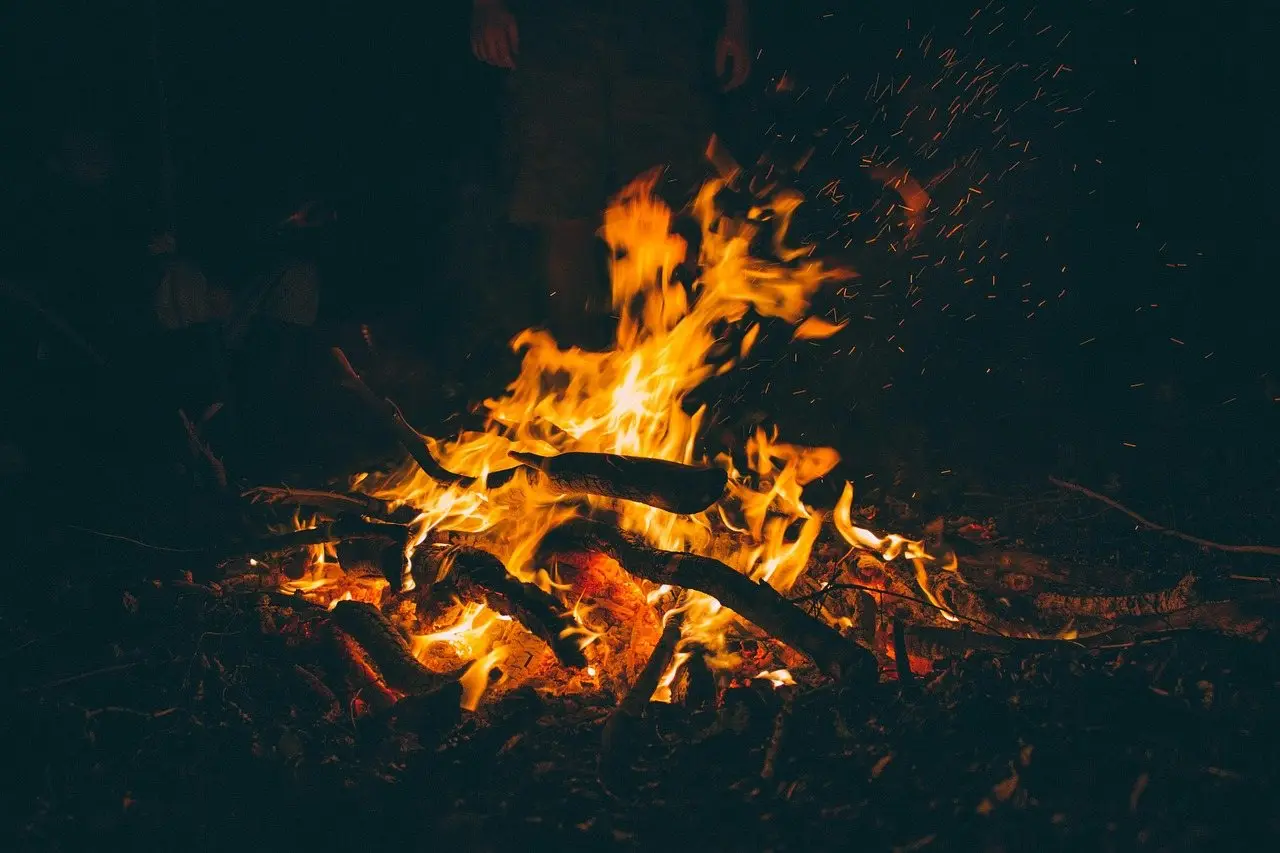
On this page
Three grades of fuel, lit at the base, with air able to move through it. And check your local rules first — in many places this is regulated.
Before you build
Check the rules where you are
Open burning is restricted or banned in many areas, permitted only in certain hours in others, and some places require a permit. Burning household waste, treated timber, plastics, rubber or painted wood is widely prohibited — those produce genuinely dangerous fumes.
In England and Wales garden bonfires are not banned outright, but one causing persistent nuisance to neighbours can be a statutory nuisance. Many US municipalities are stricter. Five minutes checking beats a fine.
The wildlife step people skip
A pile that has stood for days is habitat. Hedgehogs in particular move into brush heaps, and they do not run when a fire starts.
Rebuild the heap on the day you burn it — fork it onto a fresh spot a few metres away. It costs twenty minutes and it is the difference between a bonfire and something much worse.
Building it
| Grade | What | Where |
|---|---|---|
| Tinder | Paper, dry grass, birch bark, cotton wool + petroleum jelly | Centre, at the base |
| Kindling | Pencil to thumb thickness, bone dry | Tented around the tinder |
| Fuel | Split seasoned logs | Leaning on the kindling |
Two rules govern the stack: small underneath, large above, because fire climbs; and leave gaps, because a fire that cannot draw air will smoulder and smoke instead of burning.
Lighting and feeding
- Light at the base, windward side, several small points rather than one
- Leave it alone for the first few minutes. Poking a young fire collapses the structure
- Feed from the outside in — rake unburnt ends toward the centre rather than piling on top
- Add gradually. A load of fresh material smothers a working fire
Putting it out
- Spread the embers with a rake so they stop insulating each other
- Soak thoroughly
- Turn them over and soak again
- Repeat until nothing steams
- Check again later. Buried embers hold heat for many hours
A fire left to die unattended is the usual way a bonfire becomes a grass fire — wind gets into hot ash hours after the flames have gone.
Wet or unseasoned wood is the other common disappointment: see the moisture chart for what “dry enough” actually means.
Step by step
- Time
- PT45M
- Cost
- 0
- You need
- Dry tinder — paper, dry grass, birch bark, cotton wool and petroleum jelly, Dry kindling, pencil to thumb thickness, Seasoned split logs
- Tools
- Matches or a lighter, A rake and a hose or water butt within reach
Check the local rules first
Many areas restrict or ban open burning, some require a permit, and most prohibit burning household waste, treated timber and plastics outright. A bonfire that causes a nuisance to neighbours can be an offence regardless of any permit. Check before building, not after lighting.
Pick the site
Well clear of fences, buildings, overhanging branches and anything stored. Bare soil or a cleared circle, never on decking, peat or dry grass, and at least several metres from anything you would mind losing.
Move the pile before lighting it
A heap that has stood for days is full of hedgehogs, toads and nesting animals. Rebuild it on the day, forkful by forkful, onto the spot where it will burn. This is the step most often skipped and it is the one that matters most for wildlife.
Build in three grades
Tinder in the centre, kindling tented around it, split logs leaning against that. Fire climbs, so the small material goes underneath and the large material above and around it.
Leave air gaps
A packed pile smoulders and smokes. Fire needs air moving up through it, so stack loosely and leave the windward side slightly open.
Light at the base, on the windward side
Light the tinder low down with the wind at your back so the flame is pushed into the pile. Several small ignition points beat one big one.
Feed it from the outside in
Once it is established, push the outer unburnt ends inward with a rake rather than piling new material on top, which smothers it and produces smoke.
Put it out properly
Spread the embers with a rake and soak them, then turn them and soak again until nothing steams. A bonfire left to die on its own can reignite hours later in wind, and buried embers stay hot overnight.
Common questions
What is the easiest way to start a bonfire?
Can I have a bonfire in my garden?
Why won't my bonfire light?
Is it safe to use petrol to start a bonfire?
How do I put a bonfire out?
Backyard Weekly
Know what to plant, week by week
Join the weekly email for seasonal jobs, fixes for what is going wrong, and gear worth buying.
Not ready to subscribe? The planting calendar is free and needs no email.
By subscribing you agree to our privacy policy. Grow In Backyard will never sell your address.
Keep reading
Firewood Moisture Content Chart: Seasoning Times by Species
Dry firewood is under 20 per cent moisture. Here is what each species starts at, how long it takes to get there, and how to check without guessing.
Rick of Wood Dimensions: What You Actually Get for the Money
A rick is a face cord — 4 ft by 8 ft by whatever length the seller cut. That third dimension is the whole price, and nobody states it.
Can You Burn Pine in a Fire Pit? Yes — It's Chimneys That Mind
Pine is fine in an open fire pit as long as it is seasoned. The creosote warning that follows it everywhere is a flue problem, not an outdoor one.
How to Start a Fire in a Metal Fire Pit (Without Smoke)
Metal bowls choke fires because air cannot get under the wood. Why a grate changes everything, and the top-down build that lights clean and needs no tending.