
Rick of Wood Dimensions: What You Actually Get for the Money
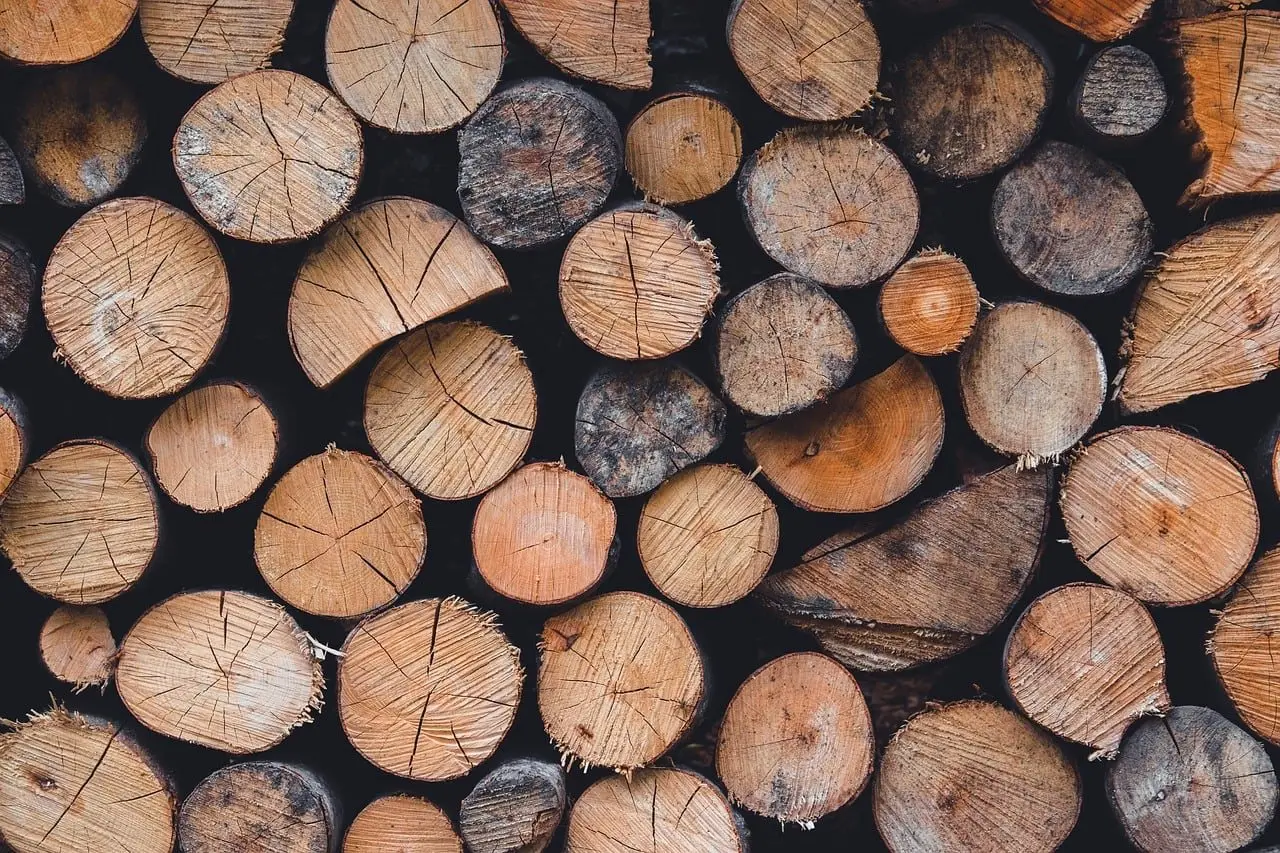
A rick is a face cord — 4 ft by 8 ft by whatever length the seller cut. That third dimension is the whole price, and nobody states it.
 By
On this page
4 ft × 8 ft × whatever length the seller cut it to. That third number is never on the advert, and it is the entire difference between a fair price and a bad one.
What you are actually buying
| Cut length | Volume | Fraction of a cord | Ricks per cord |
|---|---|---|---|
| 12 in | 32 cu ft | ¼ cord | 4 |
| 16 in | 42.7 cu ft | ⅓ cord | 3 |
| 18 in | 48 cu ft | 0.375 cord | 2.7 |
| 24 in | 64 cu ft | ½ cord | 2 |
Two sellers advertising “a rick, delivered” can differ by a third of the wood at the same price. Neither is lying. Only one is telling you the number that matters.
The question to ask before the price
“What length are the pieces cut to?”
If the answer is vague, so is the quantity. Also check it suits your stove — many fireboxes take 16 inches and nothing longer, and a rick of 24-inch wood is useless if it will not fit.
Rick, face cord, cord
- Rick — regional term, mostly US Midwest and South. Same thing as a face cord
- Face cord — 4 × 8 × cut length. The same stack
- Stove cord, run, rack — more local names for the same thing
- Full cord / bush cord — 4 × 4 × 8 ft, 128 cubic feet. The legal unit in most US states, and the only one worth comparing across sellers
Some states require firewood to be sold by the cord or fraction thereof precisely because the other terms are not standardised. Where a seller quotes in ricks, converting to cords before comparing is the only way to see the real price.
Checking a delivery
- Stack it in a straight row, pieces parallel, touching, ends roughly flush
- Measure height, length and piece length in feet
- Multiply for cubic feet
- Divide by 128 for cords
- Compare against what you paid for
A thrown pile occupies far more space than the same wood stacked — commonly a third more. Wood dumped in a heap and left is where almost every short measure survives, because nobody measures a heap.
Price per unit heat, not per rick
Volume is a proxy for what you actually want, which is heat. A rick of poplar holds maybe half the energy of the same rick of oak or hickory, so a cheaper load can easily cost more per hour of fire.
Ask three things and the comparison becomes real: cut length, species, and whether it is seasoned. The last one matters as much as the first — see the moisture chart for what “seasoned” has to mean.
Common questions
What are the dimensions of a rick of wood?
Is a rick the same as a cord?
How many ricks are in a cord?
How do I check I got what I paid for?
Why does the same rick weigh so differently?
Backyard Weekly
Know what to plant, week by week
Join the weekly email for seasonal jobs, fixes for what is going wrong, and gear worth buying.
Not ready to subscribe? The planting calendar is free and needs no email.
By subscribing you agree to our privacy policy. Grow In Backyard will never sell your address.
Keep reading
Firewood Moisture Content Chart: Seasoning Times by Species
Dry firewood is under 20 per cent moisture. Here is what each species starts at, how long it takes to get there, and how to check without guessing.
Can You Burn Pine in a Fire Pit? Yes — It's Chimneys That Mind
Pine is fine in an open fire pit as long as it is seasoned. The creosote warning that follows it everywhere is a flue problem, not an outdoor one.
How to Spread Wood Ash on Lawn: Rates, Timing and Risks
Wood ash raises pH fast and supplies potassium, which makes it useful on acid soil and harmful everywhere else. Test first, then apply at a measured rate.

How a Smokeless Fire Pit Works (and Its Real Limits)
A smokeless fire pit burns the smoke rather than venting it, using a double wall and a second ring of air. Here is the mechanism, and when it stops working.