
Is Cottonwood Good Firewood? Usable, But Near the Bottom
Cottonwood gives about half the heat of oak, soaks up water, rots fast and leaves almost no coals. It burns — it just does not burn well.
 By
On this page
Usable, but near the bottom of the list. About 13–16 million BTU a cord against oak’s 28 — twice the volume for the same heat — and it leaves almost no coals. Burn it if it is free and close by.
Where it sits
| Wood | Million BTU / cord | Coals | Seasoning |
|---|---|---|---|
| Black locust | ~29 | Excellent | 12–18 months |
| Hickory, beech, oak | ~27–28 | Excellent | 12–24 months |
| Ash | ~24 | Good | 6–12 months |
| Birch | ~20 | Fair | 6–12 months |
| Cottonwood | ~13–16 | Poor | 12 months |
| Willow, basswood | ~12–14 | Poor | 12 months |
The moisture trap
Cottonwood is light, so people assume it dries quickly. It does not. Standing cottonwood can carry more water than dry wood weight — moisture contents above 100% are normal. The low density simply means a lot of that water sits in open cells.
- Split it the day it is felled. Rounds left whole rot before they dry.
- Stack off the ground, single rows, ends open to prevailing wind.
- Cover the top only. A tarpaulin over the sides traps moisture in.
- A full summer minimum; a year is safer. Check with a moisture meter — you want under 20%.
Wet cottonwood is the source of every complaint about it
Low density means it cannot drive a hot fire on its own, and a cool fire burning damp wood smoulders and lays down creosote. That is a flue risk in a stove or chimney. Seasoned properly it burns far more cleanly — it is still just not very hot.
What it is genuinely fine for
- Kindling, split small — it lights readily
- Shoulder-season fires in spring and autumn, when a hot, long burn is not wanted
- Open fire pits, where low spark is a real advantage and overnight coals do not matter
- Daytime fires you intend to let go out
The one-sentence rule
Burn cottonwood you already have; do not buy it or haul it. At half the heat of oak you are paying the same handling cost for half the result.
Splitting it
Easy green, stringy and fibrous once dry — the fibres hold together and a maul bounces rather than parts it. Another reason to split at felling rather than later. Cottonwood also throws a lot of bark and debris, so stack it where the mess does not matter.
Common questions
Is cottonwood good firewood?
How many BTU does cottonwood have?
How long does cottonwood take to season?
Does cottonwood smoke a lot?
Is cottonwood safe to burn?
What is cottonwood actually good for?
Backyard Weekly
Know what to plant, week by week
Join the weekly email for seasonal jobs, fixes for what is going wrong, and gear worth buying.
Not ready to subscribe? The planting calendar is free and needs no email.
By subscribing you agree to our privacy policy. Grow In Backyard will never sell your address.
Keep reading
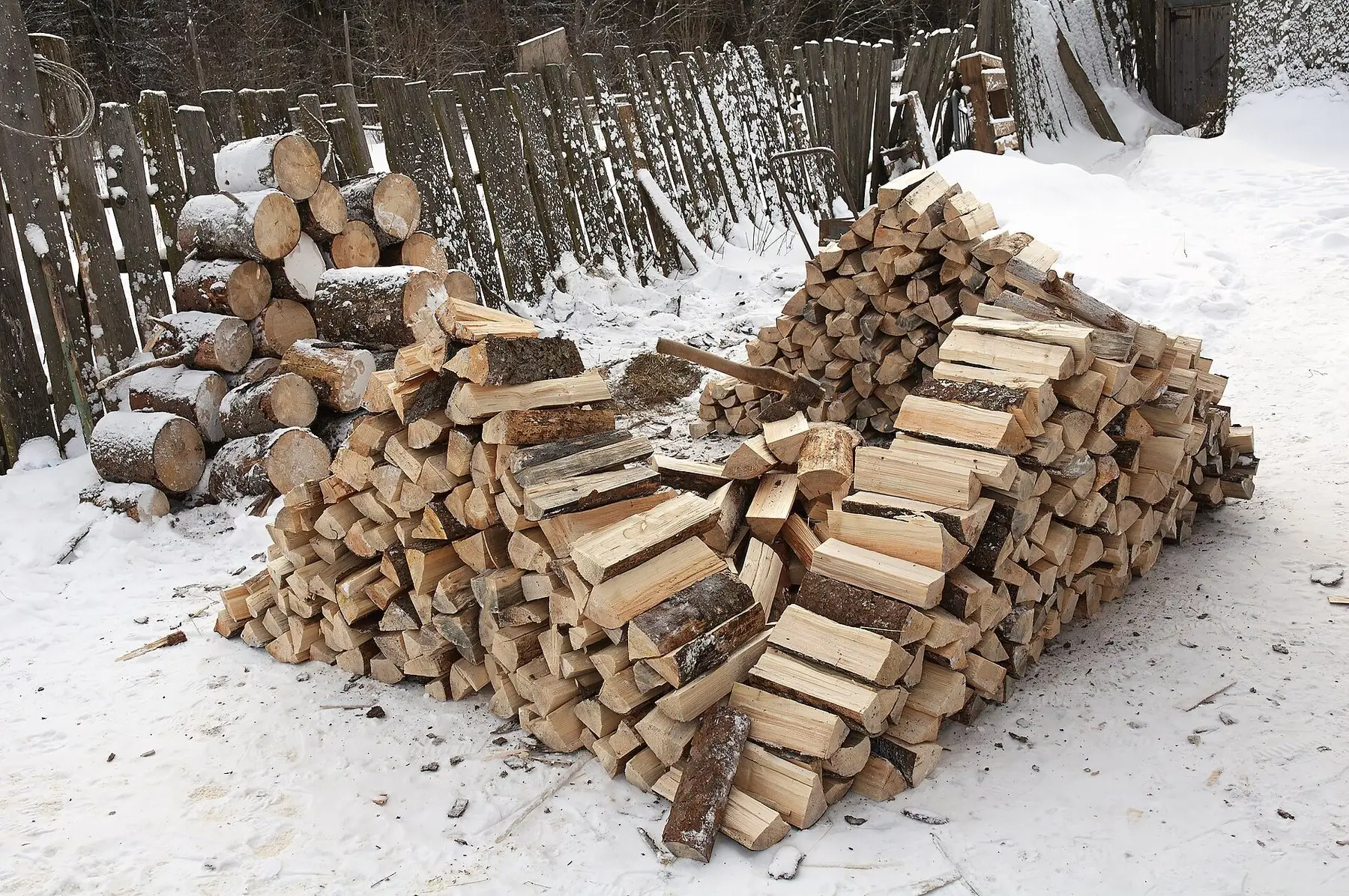
Firewood: What to Burn, and How Dry It Has to Be
Moisture matters more than species. How long each wood takes to season, how to tell when it is ready, and the things you must never put on a fire.
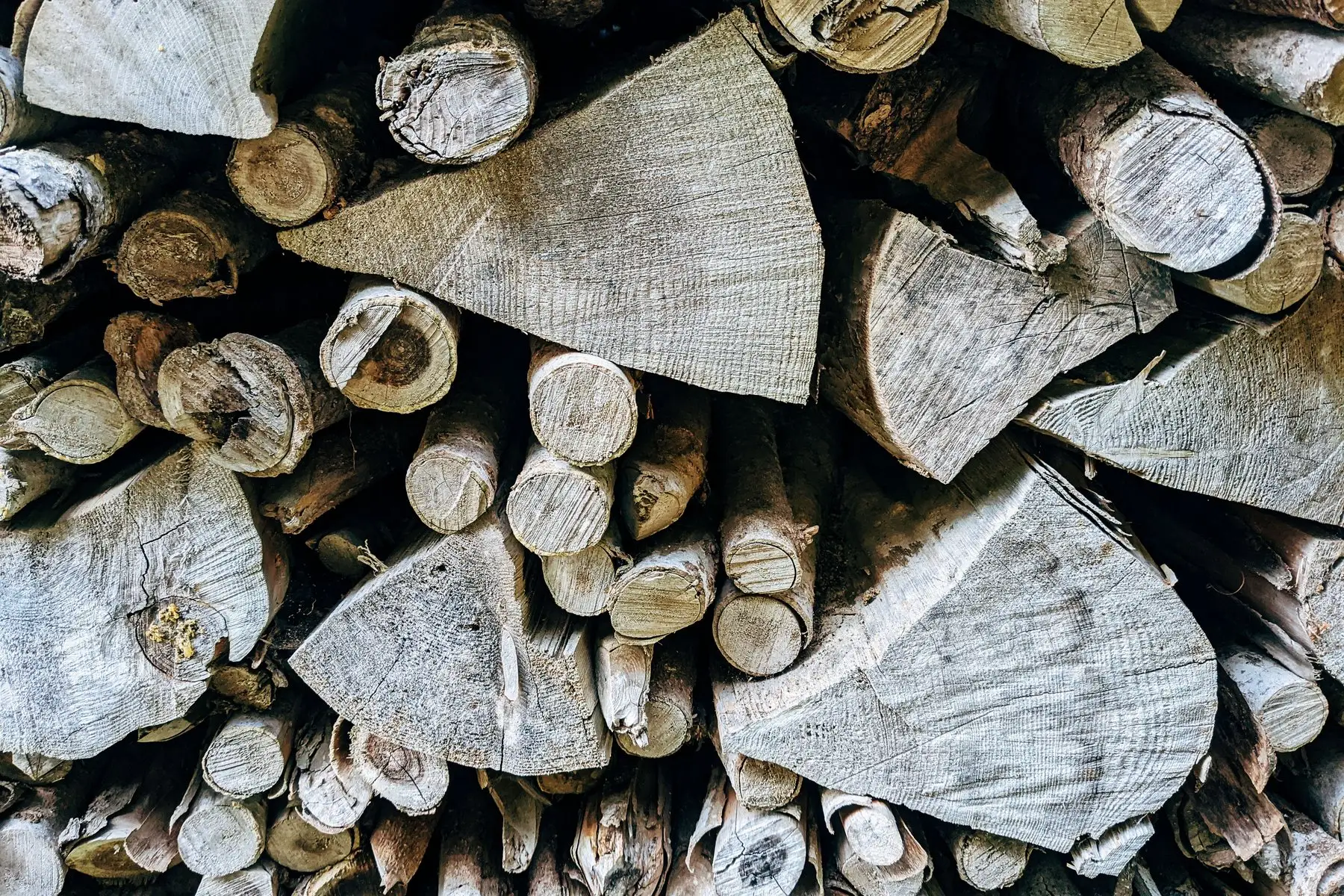
How to Dry Firewood Fast: What Actually Speeds It Up
Splitting small does more than anything else, and a tarp over the whole pile undoes it. Realistic timescales, and why there is no shortcut to under 20%.
How to Get Rid of Mold on Firewood (And Whether to Bother)
White or green fuzz on logs is a storage problem, not a wood problem. Why bleach is the wrong answer, and when mouldy wood is no longer worth burning.
Is Eucalyptus Good Firewood? Very Hot, Very Hard Work
Eucalyptus burns hotter than oak and holds a long coal bed, but it is brutal to split dry, slow to season and prone to popping sparks.