Propane vs Wood Fire Pit: Which One Suits Your Yard
Gas gives you instant, controllable, smokeless fire with no ash. Wood gives you heat, crackle and smell. The decision is really about frequency, rules, and patience.

On this page
The honest version of this comparison: propane wins on convenience by a distance, and loses on everything that makes a fire feel like a fire.
Which matters more depends almost entirely on how often you expect to use it. A fire you light twice a month should be wood. A fire you want on a Tuesday at nine should be gas.
Side by side
| Propane / gas | Wood | |
|---|---|---|
| Lighting | Instant, push-button | 10–20 minutes |
| Control | Adjustable flame, off in a second | Add wood, wait, hope |
| Heat output | 40,000–60,000 BTU | Considerably more |
| Smoke | None | Yes — and it follows you |
| Sparks / embers | None | Yes |
| Ash and cleanup | None | Every time |
| Running cost | ~$3–6 per evening | Free to modest |
| Upfront cost | Higher | Lower |
| Fuel storage | 20 lb tanks | A wood pile, kept dry |
| Where allowed | Usually permitted in bans | Often restricted |
| Under a covered patio | Sometimes, with clearance | No |
| Cooking | Marshmallows at best | Yes, with a grate |
| Atmosphere | Consistent, tidy, a bit tame | The real thing |
What propane genuinely gets you
No smoke. This is the biggest practical difference. Nobody moves seats, nothing smells of woodsmoke afterwards, and neighbours have nothing to object to. Even a smokeless fire pit only reduces wood smoke; a gas burner produces essentially none.
Instant on and off. Fire in ten seconds, out in one. That is what makes a gas pit something you actually use on an ordinary evening rather than an event you plan.
No ash, no sparks, no cleanup. Nothing to shovel, nothing to burn a cushion or a deck board.
Legality. During fire restrictions, and under many HOA and rental rules, a gas appliance with a shut-off valve is treated differently from open wood burning and is often still allowed. Check your own rules, but this is frequently the deciding factor.
Placement. Gas pits can go closer to a structure and, in some cases, under a covered patio with sufficient overhead clearance. A wood fire cannot, ever.
What wood gets you
Heat. Substantially more, and of a different quality — a wood fire radiates onto people and objects, while a gas burner puts much of its output into the air above it. On a cold night, three people around a wood fire are warm and three around a gas pit are looking at a nice flame.
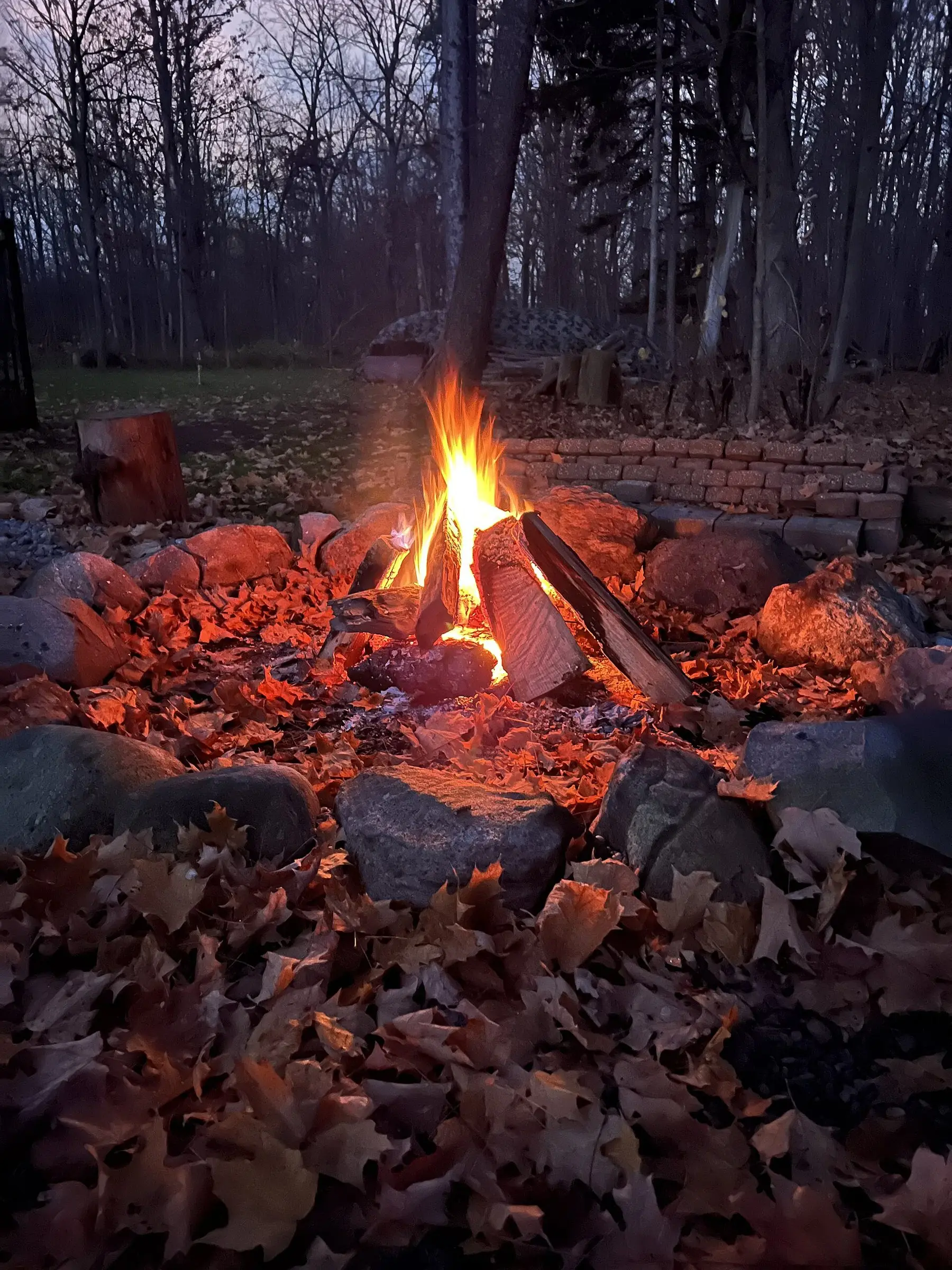
The fire itself. The smell, the crackle, the shifting light, the business of building and tending it. This is not a small thing, and it is the reason people who own both still light the wood one when they have time.
Running cost. Essentially nothing if you have a wood source; modest if you buy it. Propane is $3–6 an evening, which adds up across a season.
Cooking. With a grate, a wood fire cooks properly. See best firewood to burn for which species to use — it matters more for cooking than for warmth.
Never burn treated, painted, or driftwood
Pressure-treated lumber, painted or stained wood, plywood, particleboard and driftwood all release genuinely toxic compounds when burned — arsenic compounds, heavy metals, dioxins. This applies to any fire, including a “just this once” fire on a cold night. Burn seasoned firewood and nothing else.
The practical annoyances of each
Propane:
- Tanks run out, always mid-evening. Keep a spare and swap them.
- Media is required. Lava rock or fire glass diffuses the gas across the burner and protects it. Never substitute ordinary rocks or gravel — trapped moisture turns them into projectiles when heated.
- Burners clog, particularly from spider webs in the venturi tube and from dripped fat. An annual clean is part of ownership.
- It must stay covered. Water in a burner is the main cause of a gas pit that will not light properly next season.
Wood:
- Wood must be seasoned and dry, which means storage and planning at least six months ahead.
- Smoke follows you, regardless of where you sit.
- Ash needs removing, and stays hot for far longer than people expect — up to a day or more.
- Sparks land on things. A spark screen is not optional on a deck or near furniture.
Natural gas: the third option
If you have a gas line, a plumbed natural gas fire pit is the best of the convenience options: no tanks, no running out, and lower running cost than propane.
The trade-offs are that installation needs a licensed plumber and costs real money, the pit is permanently fixed where it is installed, and natural gas carries slightly less energy per unit volume than propane, so burners are sized differently. Choose this only if the position is genuinely permanent.
Choosing, quickly
Buy propane if: you want fire on ordinary evenings, you have neighbours close by, wood burning is restricted where you live, you are on a deck or a small patio, or nobody in the household wants to tend a fire.
Buy wood if: you want maximum heat, you want to cook, you have space for a wood pile, you enjoy the ritual, and you use it for occasions rather than casually.
Buy both, eventually, which is what people who use their yard heavily usually end up doing — a small gas pit for weeknights and a wood pit for weekends.
Common questions
Is a propane fire pit better than a wood one?
How much heat does a propane fire pit give off?
Can you use a propane fire pit where wood fires are banned?
How long does a propane tank last in a fire pit?
Do propane fire pits need lava rock or fire glass?
Can you cook over a propane fire pit?
Backyard Weekly
Know what to plant, week by week
Free planting calendar. Join the weekly email for seasonal jobs, fixes for what is going wrong, and gear worth buying.
Set MONETIZATION.email.endpoint in src/config/site.ts to enable this form.
By subscribing you agree to our privacy policy. Grow In Backyard will never sell your address.
Keep reading
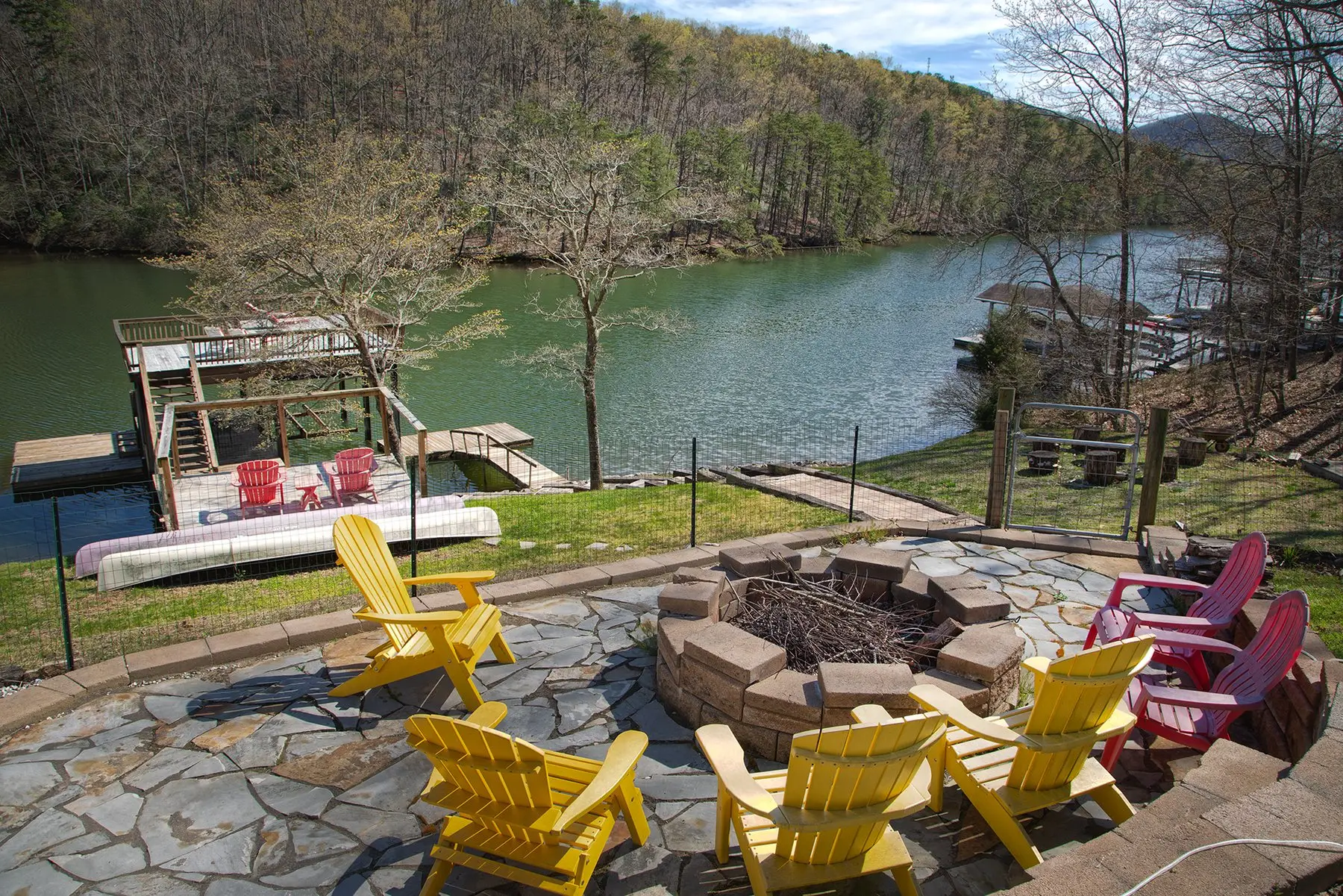
How a Smokeless Fire Pit Works (and Its Real Limits)
A smokeless fire pit burns the smoke rather than venting it, using a double wall and a second ring of air. Here is the mechanism, and when it stops working.
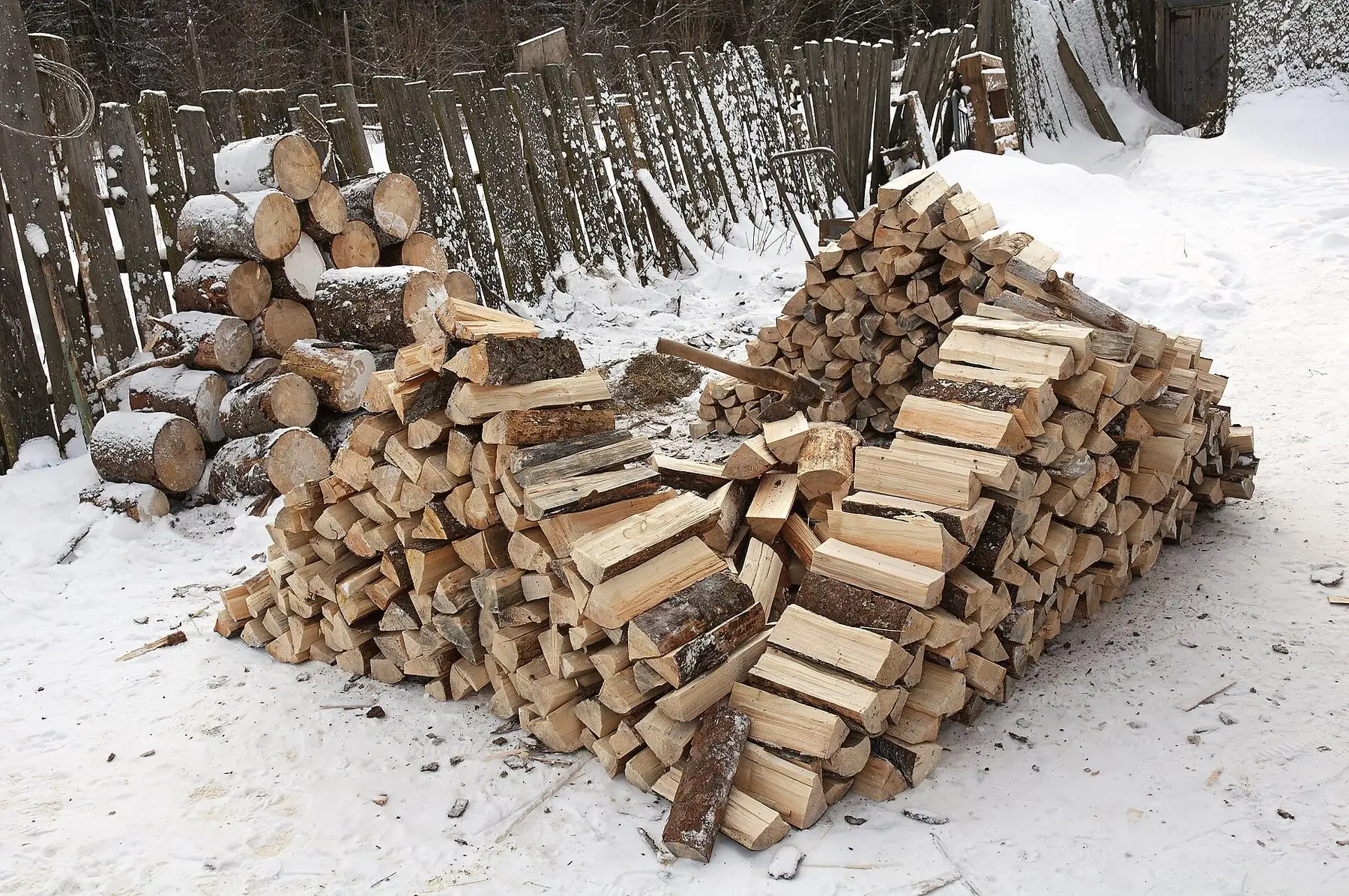
Firewood: What to Burn, and How Dry It Has to Be
Moisture matters more than species. How long each wood takes to season, how to tell when it is ready, and the things you must never put on a fire.
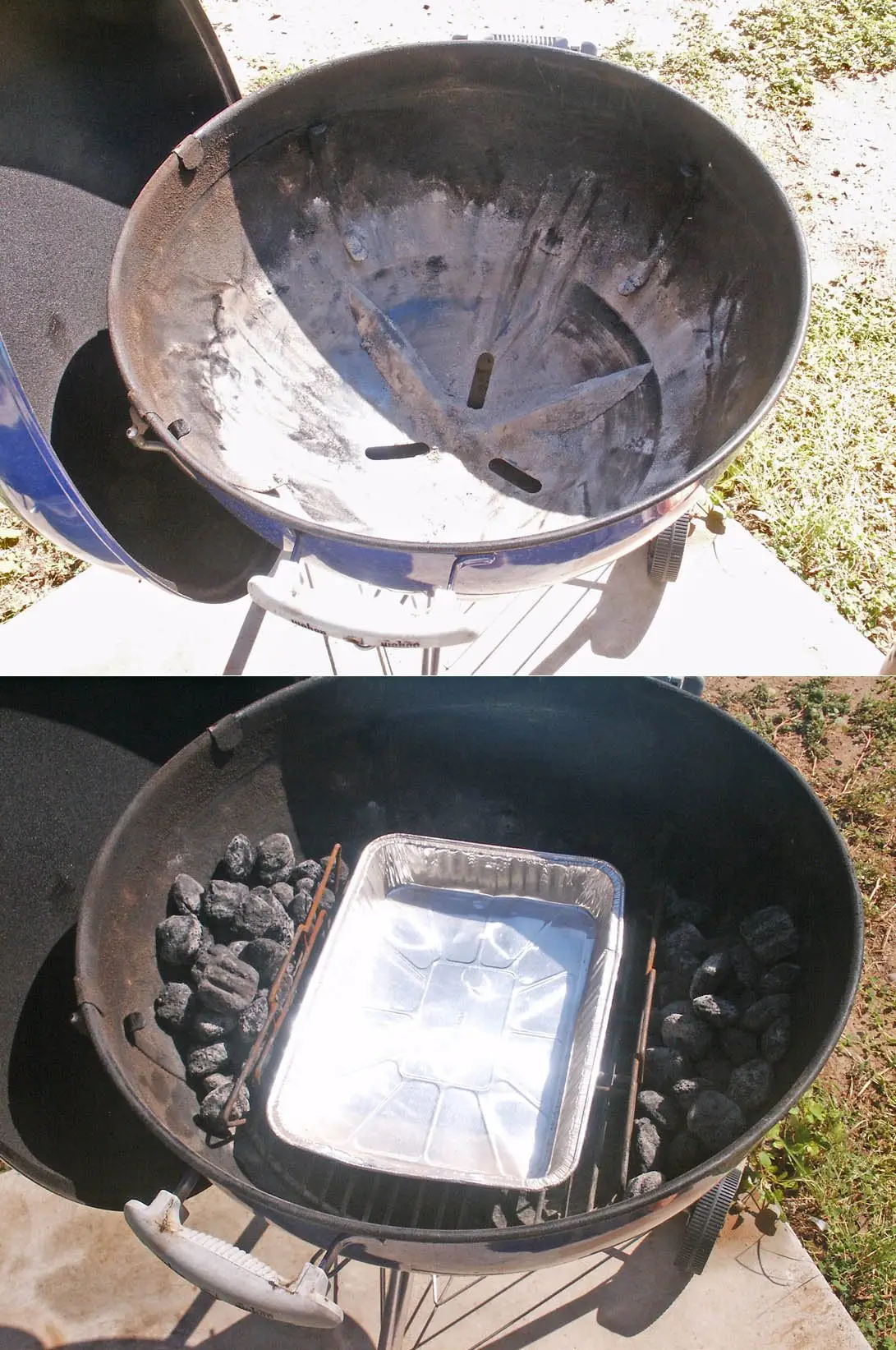
Two-Zone Grilling: The Setup That Fixes Most Problems
Burnt outside, raw inside is a heat-layout problem, not a timing one. How to build a hot zone and a cool zone, and which foods belong on each.
Fire Pit on a Deck: What Is Safe and What Is Not
A wood fire pit on a wooden deck is a bad idea whatever you put under it. What actually works on decking, and the clearances that make it survivable.