
How Long Does a Propane Tank Last for a Fire Pit?
A 20 lb tank holds about 430,000 BTU. Divide by your pit's BTU rating and you have the answer — usually four to ten hours. The arithmetic, worked.
 By
On this page
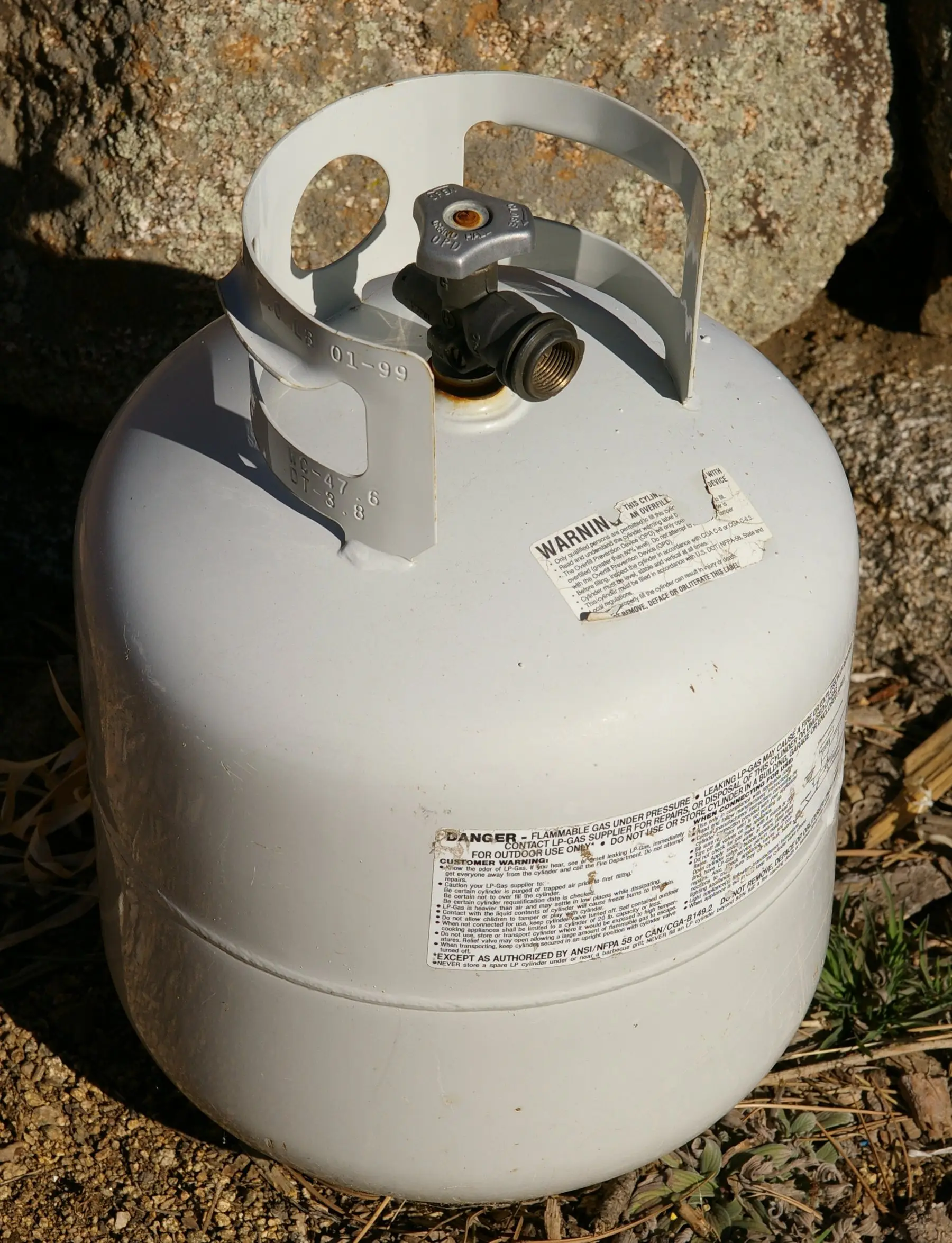
A full 20 lb tank is about 430,000 BTU. Divide by your pit’s BTU-per-hour rating and you have the answer. For most fire pits that lands between four and ten hours at full output — and you will rarely run at full output.
The arithmetic
A 20 lb cylinder is filled to about 4.7 gallons. Propane carries roughly 91,500 BTU per gallon.
4.7 × 91,500 ≈ 430,000 BTU per full tank.
| Pit rating | Hours |
|---|---|
| 30,000 BTU/hr | ~14 |
| 40,000 BTU/hr | ~10.5 |
| 50,000 BTU/hr | ~8.5 |
| 60,000 BTU/hr | ~7 |
| 80,000 BTU/hr | ~5.5 |
| 100,000 BTU/hr | ~4 |
The rating is on the appliance plate or in the manual. That one number is all you need.
Why real runtime is usually longer
Turning it down is worth more than anything else on this page
Consumption tracks flame height closely, so running at about half output roughly doubles the runtime.
A fire pit is mostly ambience rather than heat output, and most evenings can be spent well below maximum once the pit is warm. That single habit is the difference between a tank lasting two evenings and lasting four.
Checking what is left
- Warm water down the side. Liquid propane absorbs heat, so the metal is noticeably cooler below the level. Run a hand down and feel for the line
- Weighing is exact. Every cylinder has its tare weight — the empty weight — stamped on the collar. Current weight minus tare is the propane remaining, in pounds
Tank sizes
| Suits | |
|---|---|
| 20 lb | Portable pits. The usual choice |
| 30–40 lb | A pit that lives in one place |
Larger tanks run proportionally longer and are heavier to carry and refill, which in practice is the deciding factor rather than runtime.
The cold-weather effect
A cold tank behaves like an empty one
Low temperatures reduce vapour pressure in the cylinder, so less gas is available and the flame runs low — which makes people turn it up and burn through what is left faster.
Do not warm the tank. Start cold evenings with a fuller cylinder instead. If the flame is weak and the tank is not obviously empty, a cold cylinder is one of the usual explanations, alongside a tripped regulator.
Common questions
How long does a 20 lb propane tank last on a fire pit?
How do I work it out for my own fire pit?
Does turning it down make much difference?
What size tank should I use?
How can I tell how much propane is left?
Why does my fire pit seem to use propane faster in winter?
Backyard Weekly
Know what to plant, week by week
Join the weekly email for seasonal jobs, fixes for what is going wrong, and gear worth buying.
Not ready to subscribe? The planting calendar is free and needs no email.
By subscribing you agree to our privacy policy. Grow In Backyard will never sell your address.
Keep reading
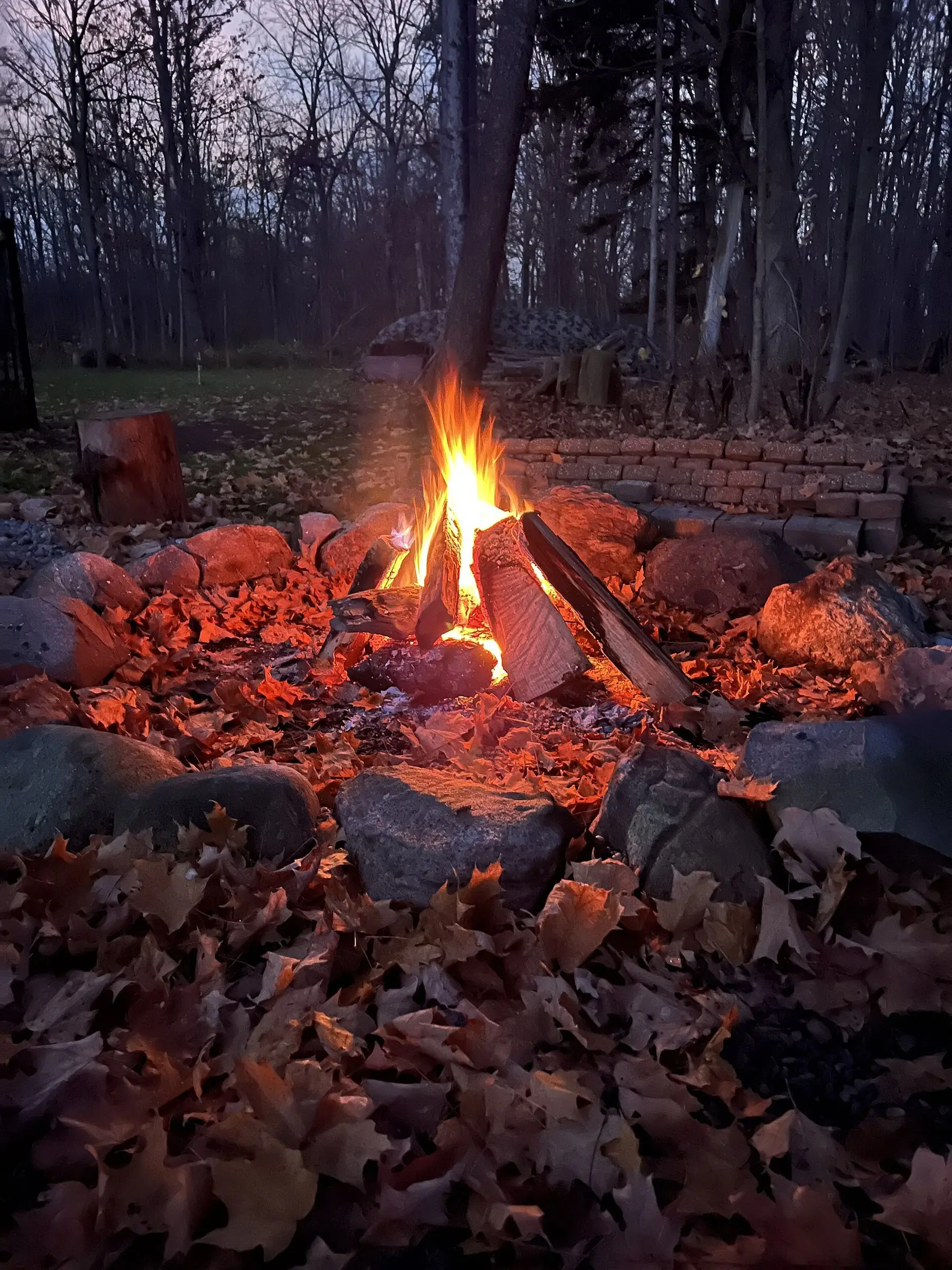
Propane vs Wood Fire Pit: Which One Suits Your Yard
Gas gives you instant, controllable, smokeless fire with no ash. Wood gives you heat, crackle and smell. The decision is really about frequency, rules, and patience.
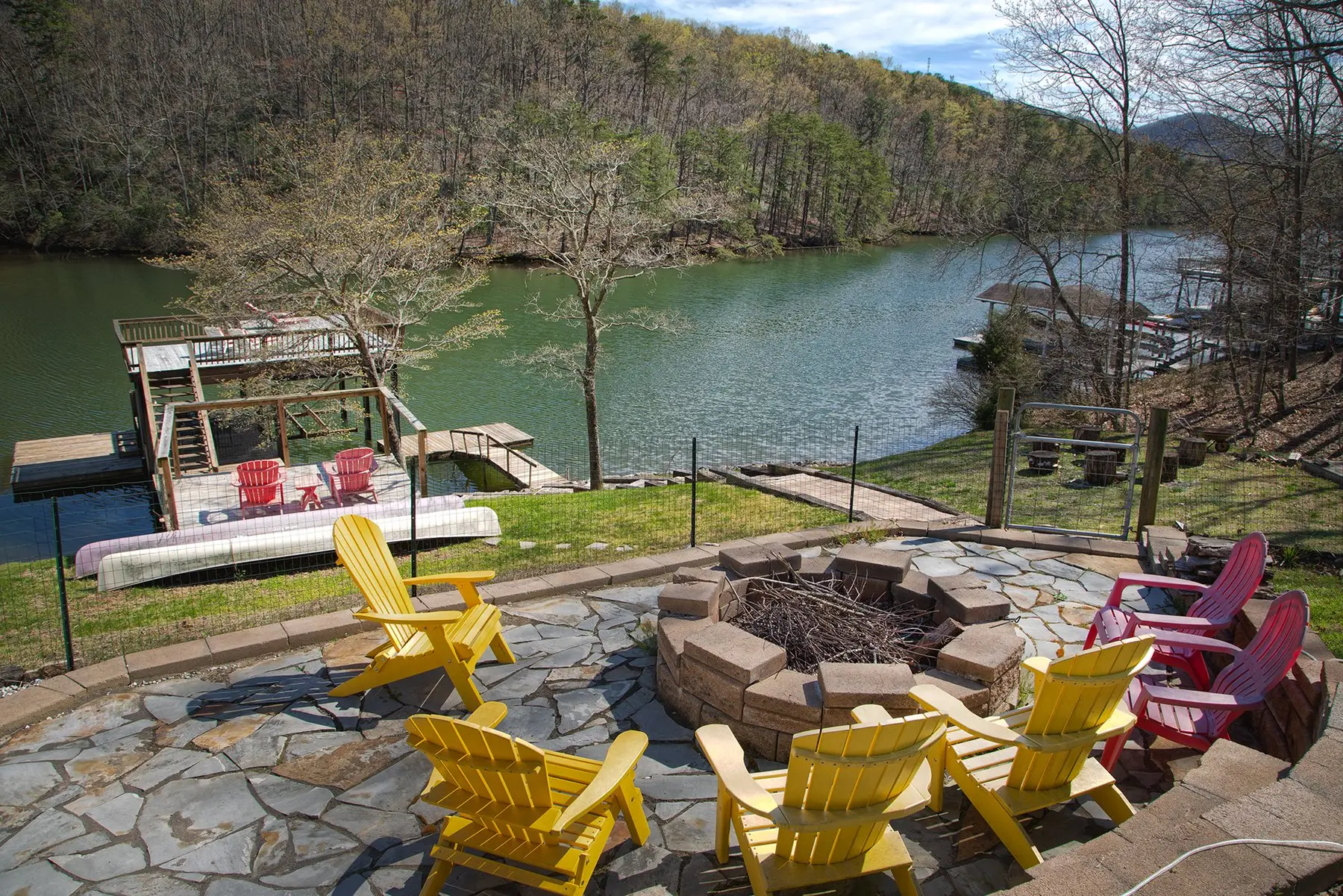
How a Smokeless Fire Pit Works (and Its Real Limits)
A smokeless fire pit burns the smoke rather than venting it, using a double wall and a second ring of air. Here is the mechanism, and when it stops working.
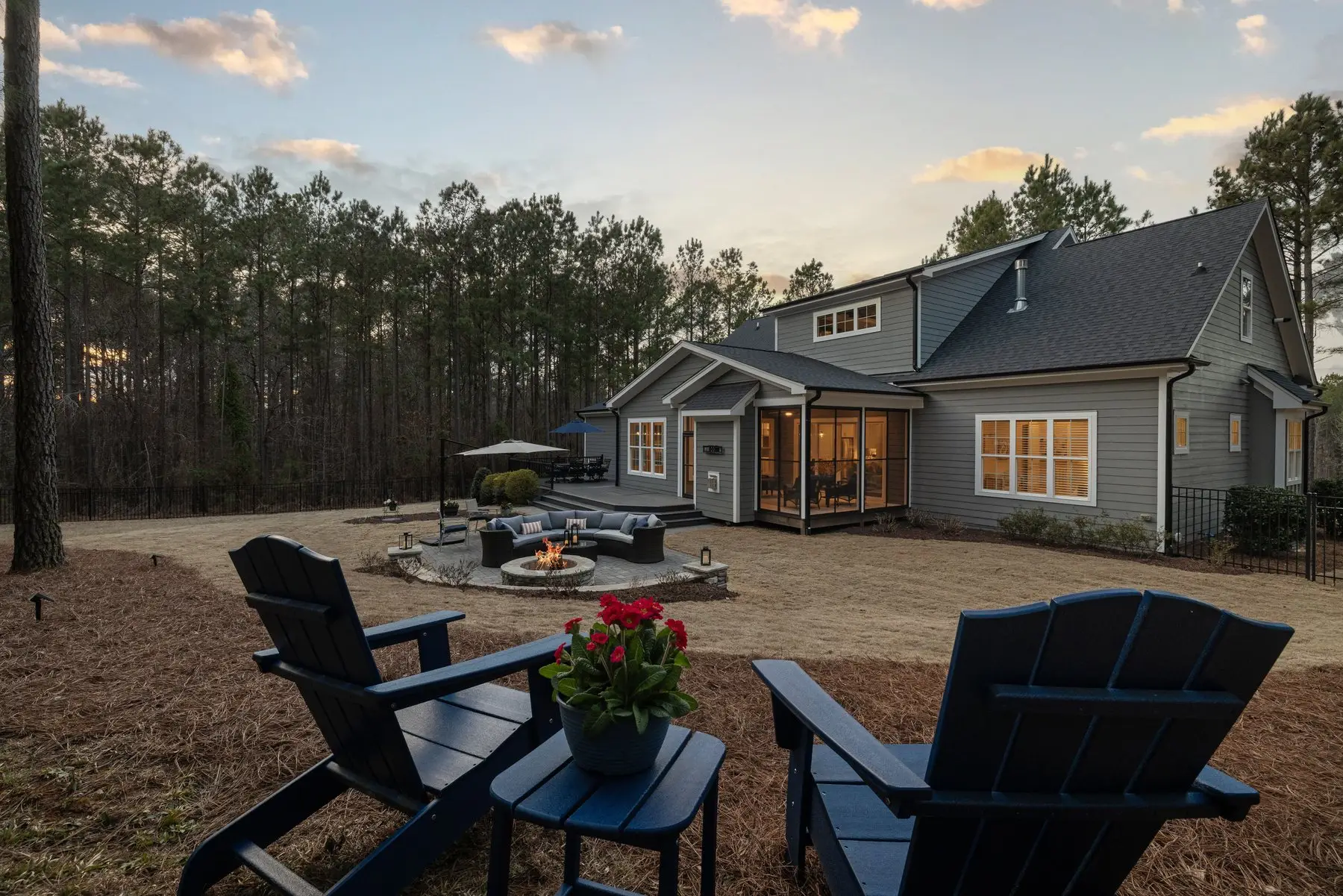
How Far Should a Fire Pit Be From a House? 10 to 25 Feet
Most codes set 10 to 25 feet from structures, but overhead clearance catches more people out. What to measure from, and why local rules decide it.
How to Dry Firewood Fast: What Actually Speeds It Up
Splitting small does more than anything else, and a tarp over the whole pile undoes it. Realistic timescales, and why there is no shortcut to under 20%.