How to Fill a Raised Garden Bed (Without Spending a Fortune)
What to put in the bottom, the soil mix that actually works, and why hugelkultur layering is a good idea in a deep bed and a bad one in a shallow bed.

On this page
Filling a raised bed is the expensive part of building one, and it is where most of the money gets wasted — usually on bagged potting mix, or on gravel in the bottom that makes things worse.
Two decisions do almost all the work: what goes underneath, and what the growing medium is actually made of.
Work out the volume first
Length × width × depth in feet = cubic feet. Divide by 27 for cubic yards.
| Bed | 6” deep | 12” deep | 18” deep |
|---|---|---|---|
| 4 × 4 ft | 8 cu ft | 16 cu ft | 24 cu ft |
| 4 × 8 ft | 16 cu ft | 32 cu ft | 48 cu ft |
| 3 × 6 ft | 9 cu ft | 18 cu ft | 27 cu ft |
| 4 × 12 ft | 24 cu ft | 48 cu ft | 72 cu ft |
A typical bag of soil holds 1.5 cubic feet, so a 4×8 bed at 12 inches is around 21 bags — and bagged mix runs three to four times the price of the same volume delivered loose. Past one small bed, order bulk.
The bottom of the bed
Cardboard. Plain corrugated cardboard, tape and labels removed, overlapped generously and watered down. It smothers grass and weeds, then rots away within a season and lets roots and worms straight through.
Gravel in the bottom does not improve drainage
This is the most persistent myth in raised-bed gardening. Water does not move freely from a fine material into a coarse one — it accumulates at the boundary until the fine layer is saturated. Putting gravel under your soil creates a perched water table and makes the root zone wetter, not drier.
Landscape fabric is nearly as bad: it blocks root growth downward, impedes drainage as it clogs, and eventually shreds into fibres through the soil. Hardware cloth is worth it, stapled under the frame, if you have gophers or voles.
Hugelkultur: when layering wood makes sense
Filling the bottom third with logs, branches, leaves, and grass clippings works genuinely well — the wood rots into a sponge that holds water through dry spells and releases nutrients for years. It also fills volume you would otherwise pay for.
The condition is depth. In a bed of 18 inches or more, there is plenty left above for roots. In a 10-inch bed, you have just halved your growing depth to save $30 of soil.
Two things to expect:
- Settling. A hugelkultur bed drops significantly in the first two seasons as the wood collapses.
- Nitrogen drawdown. Decomposing wood ties up nitrogen at the boundary early on. Feed more generously in year one, and keep the wood well below the root zone of shallow crops.
Avoid black walnut (juglone), and avoid pressure-treated or painted timber entirely.
The growing medium
| Component | Share | What it contributes |
|---|---|---|
| Topsoil or screened loam | ~50% | Mineral structure, weight, cation exchange |
| Compost | ~30% | Nutrients, biology, water retention |
| Aeration — coarse bark, pumice, perlite | ~20% | Air space that survives compaction |
Mix it before it goes in, in a wheelbarrow or on a tarp. Layering the components in the bed gives you distinct horizons that water moves through unevenly.
Do not fill a bed with pure compost. It is too rich for many crops, it slumps by half as it breaks down, and once it dries it forms a crust that sheds water rather than absorbing it.
Ask a bulk supplier for a raised-bed blend or screened topsoil with compost, and look at it before it is tipped: it should crumble in your hand, not smear, and it should not smell sour.
After filling
Fill to about two inches below the rim — the gap holds water and mulch. Then soak it thoroughly and leave it a few days; it will settle, and you would rather it did that before the seedlings are in.
Each spring, add an inch or two of compost to the surface and let the worms take it down. A raised bed sinking a few inches a year is the organic matter doing exactly what you put it there for.
Step by step
- Time
- PT3H
- Cost
- $120
- You need
- Cardboard, plain and untaped, Bulk topsoil or screened loam, Compost, An aeration amendment such as coarse bark, perlite, or pumice, Logs, branches, and leaves, for deep beds only
- Tools
- Wheelbarrow, Garden fork, Shovel and rake, Tape measure
Work out the volume before you buy anything
Length times width times depth, in feet, gives cubic feet; divide by 27 for cubic yards. A 4x8 bed 12 inches deep needs 32 cubic feet — about 1.2 cubic yards, or roughly 40 bags of soil, which is why bulk delivery is cheaper past one bed.
Loosen the ground underneath
Fork over the native soil under the bed without turning it. Roots will go deeper than the frame, and a compacted pan directly under a raised bed limits drainage and rooting depth.
Lay plain cardboard over grass or weeds
Overlap sheets generously, remove all tape and labels, and wet them down. The cardboard smothers what is underneath and rots away within a season, unlike landscape fabric.
Fill the bottom third of a deep bed with wood and leaves
Only in beds over about 18 inches. Logs, branches, leaves, and grass clippings rot down into a sponge that holds water and feeds the bed for years. In a shallow bed, skip this entirely — you would be giving away rooting depth.
Mix the growing medium
Roughly half topsoil, a third compost, and the remainder an aeration amendment such as coarse bark, pumice, or perlite. Mix it in the wheelbarrow or on a tarp rather than layering it in the bed.
Fill to about two inches below the rim
Leave headroom for watering and for mulch. Water the bed thoroughly and let it settle for a few days before planting — it will drop noticeably.
Top up every spring
Add an inch or two of compost each year. Organic matter decomposes, so a raised bed sinks a few inches annually — this is normal, not a fault in the build.
Common questions
What should you put in the bottom of a raised garden bed?
What is the best soil mix for a raised bed?
How much soil do I need for a 4x8 raised bed?
Is hugelkultur worth doing in a raised bed?
Do you need to line a raised bed?
Why does my raised bed keep sinking?
Backyard Weekly
Know what to plant, week by week
Free planting calendar. Join the weekly email for seasonal jobs, fixes for what is going wrong, and gear worth buying.
Set MONETIZATION.email.endpoint in src/config/site.ts to enable this form.
By subscribing you agree to our privacy policy. Grow In Backyard will never sell your address.
Keep reading
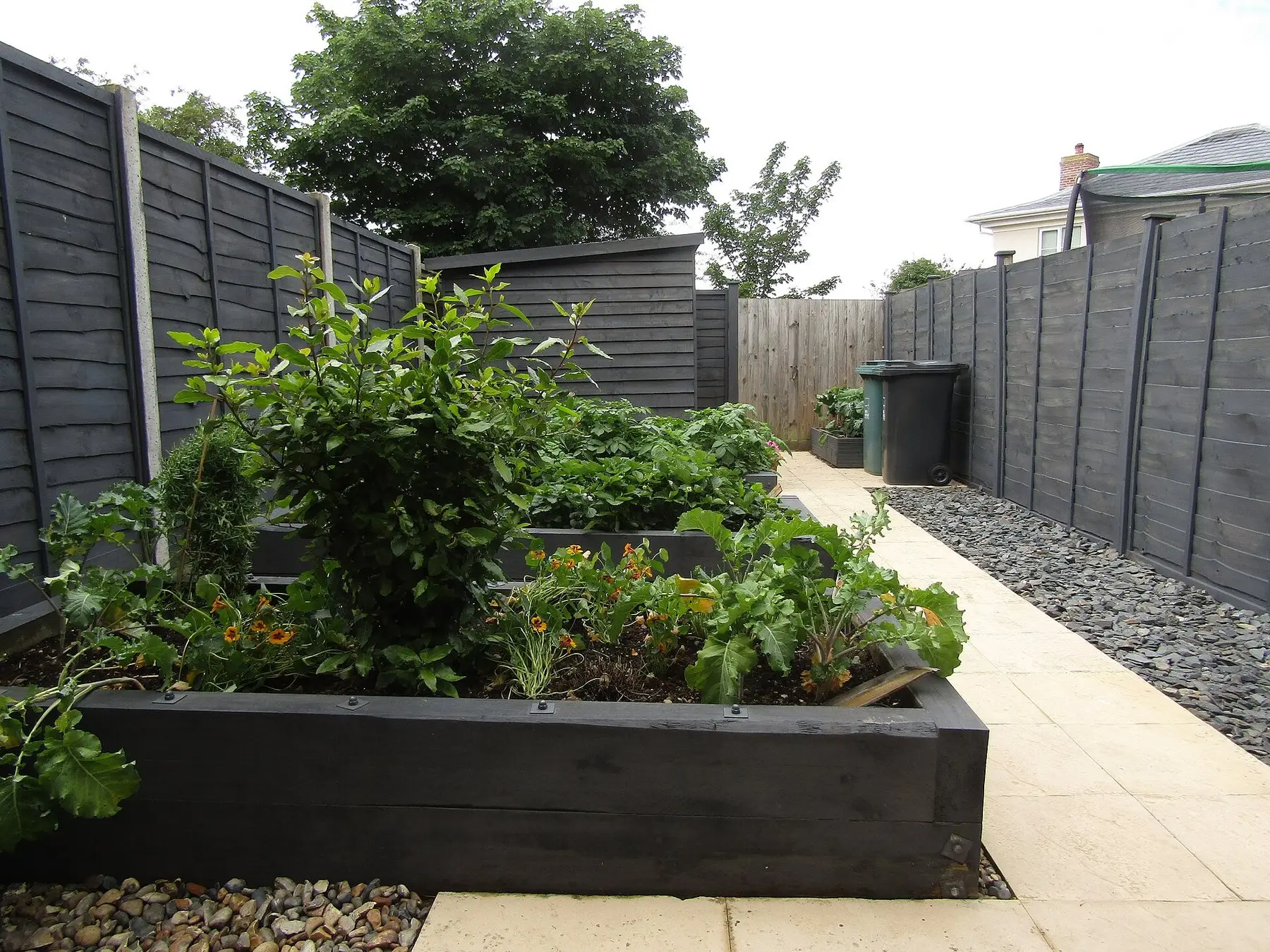
Building a Raised Garden Bed That Lasts More Than Five Years
Rot, bowing sides, and gophers are the three ways a raised bed fails. Timber choice, corner joinery, mesh, and why lining the inside is usually a mistake.
Best Raised Garden Beds: 5 Kits Worth the Money
Metal, cedar, or plastic — the material decides how long a raised bed lasts and what it costs to fill. Five kits compared, plus how to pick the right depth.
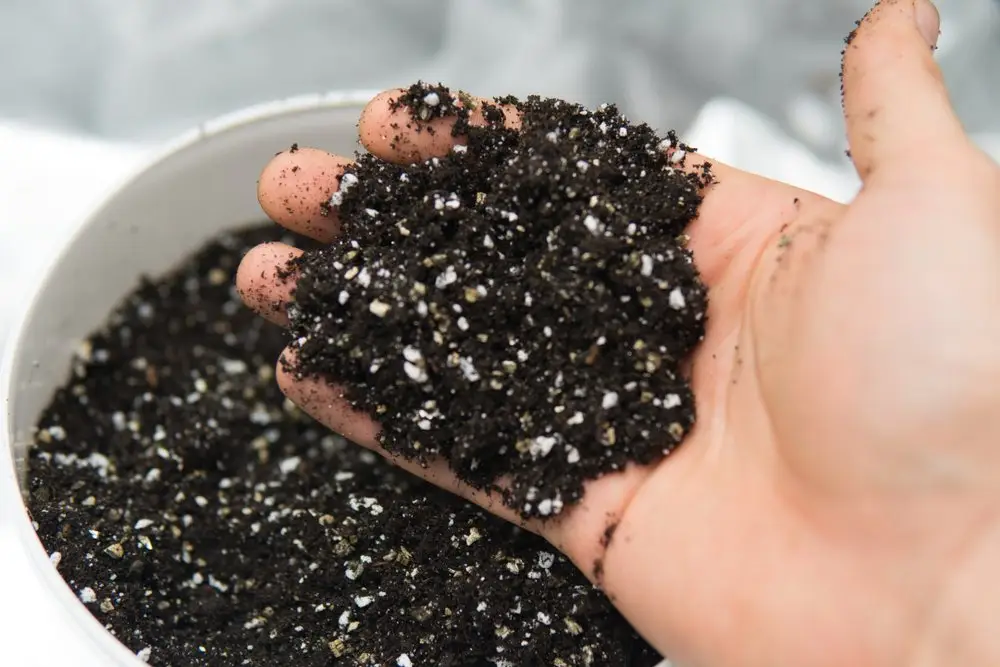
Potting Soil: What Is Actually in the Bag, and Which to Buy
Potting mix contains no soil at all, and that is the point. What each ingredient does, why garden soil fails in a container, and how to read a bag honestly.
Raised Garden Bed Ideas: Layouts, Materials, and Plans
Bed shape decides how you work the garden, not how it looks. Layouts that suit different spaces, what each material costs over ten years, and cheap build options.