Building a Raised Garden Bed That Lasts More Than Five Years
Rot, bowing sides, and gophers are the three ways a raised bed fails. Timber choice, corner joinery, mesh, and why lining the inside is usually a mistake.

On this page
Raised beds fail in three ways, and all three are decided when you build it: the timber rots, the long sides bow outward, or something burrows in from underneath.
None of them are fixed by spending more on soil.
Dimensions follow reach, not aesthetics
Width: 4 feet. That is two feet from each side, which most adults can reach. The entire purpose of a raised bed is soil you never stand on, so a bed you cannot reach across defeats itself.
Against a wall or fence, halve it — 2 to 3 feet, reachable from one side only.
Length: whatever suits the space, but brace anything over six feet.
Path width between beds: 18 inches minimum for feet, 24 to 30 if you want a wheelbarrow through. This is consistently underestimated and then regretted permanently.
Height:
| Height | Suits | Notes |
|---|---|---|
| 6 in | Salad, herbs, shallow roots | Only over decent soil roots can enter |
| 12 in | Most vegetables | The sensible default |
| 18 in | Deep roots, poor ground | Fill cost rises sharply |
| 24–30 in | Over concrete; standing height | No bending; a lot of fill |
Depth is where the money goes. Doubling the height doubles the fill, and fill costs more than timber.
Timber, and the pressure-treated question
| Material | Life | Notes |
|---|---|---|
| Cedar, redwood | 10–20 yrs | The classic; expensive |
| Oak, Douglas fir | 7–15 yrs | Heavy, good value |
| Thermally modified timber | 15–25 yrs | Excellent, no chemicals |
| Modern pressure-treated | 10–20 yrs | Safe for food since 2003 |
| Untreated pine, spruce | 3–5 yrs | Cheap; plan to rebuild |
| Galvanised steel | 20+ yrs | Outlasts all wood |
| Composite boards | 20+ yrs | Expensive; can sag unsupported |
Pressure-treated timber is fine; creosote sleepers are not
The concern people remember comes from CCA, an arsenic-based preservative withdrawn from residential use in 2003. Timber sold today uses copper-based treatments that plants do not take up in meaningful amounts. What to genuinely avoid is old railway sleepers and reclaimed poles treated with creosote, which leaches, smells in hot weather, and is a recognised hazard.
The liner mistake
Plastic sheeting stapled to the inside faces feels like it protects the timber. It does the opposite: it holds water permanently against the wood, with no chance to dry, and rots it faster than plain soil contact would.
What is worth putting in:
- Hardware cloth across the base, stapled before filling, if you have gophers, voles or moles. Half-inch galvanised mesh. This is not optional where those animals are present.
- Cardboard over grass, which smothers the turf, then rots away and lets worms and roots through into the soil below.
And what to leave out: a drainage layer of gravel at the bottom. It does not improve drainage — it raises the saturated zone in the soil above it, for the same reason gravel in a plant pot makes things worse.
Building it
- Level the ground. Dig the high side down rather than packing the low side up. A bed on a slope racks and spills.
- Cut the boards and lay them out to check the footprint and the diagonals.
- Corners: use posts or brackets. A 4×4 post inside each corner, screwed through the boards, is the simplest strong joint. Screwing into end grain alone will pull apart within a couple of years as the timber moves.
- Exterior structural screws, pre-drilled in hardwood. Nails work loose.
- Cross-brace anything over six feet — a timber across the middle, or a threaded rod through both sides with washers. Wet soil pushes outward with real force, and bowed sides are the single most common raised-bed photograph on the internet.
- Staple the mesh or lay the cardboard, then fill.
Filling it
Roughly 60 percent topsoil, 30 percent compost, 10 percent aeration — bark fines, perlite, or coarse sand. That is a soil, not a potting mix, and it is the right thing for a volume this large.
Expect it to settle several inches in the first year as the organic matter breaks down. That is normal and is not a fault. Top up with compost every spring — a raised bed is a system you feed annually, not a container you fill once.
For deep beds, the bottom third can be filled with coarse organic material — logs, branches, turf stacked upside down — which reduces cost and rots into the bed over years. It settles a lot, so expect to top up more.
Where to put it
- Six hours of sun minimum for vegetables; eight is better.
- Level, or made level.
- Near water. You will carry more than you expect, and raised beds dry out faster than open ground.
- Not directly under trees — shade, root competition, and drips.
- Orient long beds north–south if you can, so plants shade each other less through the day.
Step by step
- Time
- P1D
- Cost
- $150
- You need
- Rot-resistant timber, or steel panels, Exterior structural screws, Hardware cloth for the base, if you have burrowing pests, Cardboard for smothering grass
- Tools
- Saw, Drill and driver, Spirit level, Spade and rake
Size it so you can reach the middle
Four feet wide is the standard because most people can reach two feet from either side. Against a wall or fence, make it half that — two to three feet — because you can only reach from one side. Length is unconstrained, but anything over about eight feet needs a cross brace.
Choose the height for what you will grow and how you garden
Six inches is enough for salads over good soil. Twelve inches suits most vegetables. Eighteen to twenty-four inches is needed over concrete or hardpan, and is also the comfortable height if you want to garden without kneeling. Deeper beds need far more fill, which is the real cost.
Pick timber that resists rot, and skip the liner
Cedar, redwood, oak, or thermally modified timber last 10 to 20 years untreated. Modern pressure-treated timber is safe for food growing and lasts well. Untreated pine or spruce lasts three to five years. Do not line the inside with plastic — it traps water against the wood and rots it faster.
Level the ground before you build
A raised bed on a slope holds soil at one end and spills it at the other, and the frame racks. Dig the high side down rather than building the low side up, and check level along and across before fixing anything permanently.
Build the frame with strong corners
Corner posts or brackets, not just screws through end grain — screws into end grain pull out as the timber moves. Use exterior-rated structural screws, and pre-drill hardwood. Butt joints with a 4x4 post in each corner is the simplest strong option.
Add a cross brace on anything over six feet
Wet soil pushes outward hard, and long sides bow within a season. A length of timber across the middle, or a threaded rod between the two sides, stops it. This is the failure people photograph and blame on the timber.
Line the base against burrowing pests, not against soil
If you have gophers, voles or moles, staple galvanised hardware cloth across the bottom before filling. Over grass, lay cardboard instead — it smothers the turf and rots away, letting roots and worms through to the soil beneath.
Fill it, and top it up every year
Roughly 60 percent topsoil, 30 percent compost and 10 percent aeration material such as bark or perlite. Fill settles by several inches in the first year as organic matter breaks down, so plan on topping up with compost annually.
Common questions
How deep should a raised garden bed be?
Is pressure-treated wood safe for a vegetable bed?
Should you line a raised bed with plastic?
What is the best wood for a raised bed?
How wide should a raised bed be?
Do raised beds need drainage holes?
Backyard Weekly
Know what to plant, week by week
Free planting calendar. Join the weekly email for seasonal jobs, fixes for what is going wrong, and gear worth buying.
Set MONETIZATION.email.endpoint in src/config/site.ts to enable this form.
By subscribing you agree to our privacy policy. Grow In Backyard will never sell your address.
Keep reading
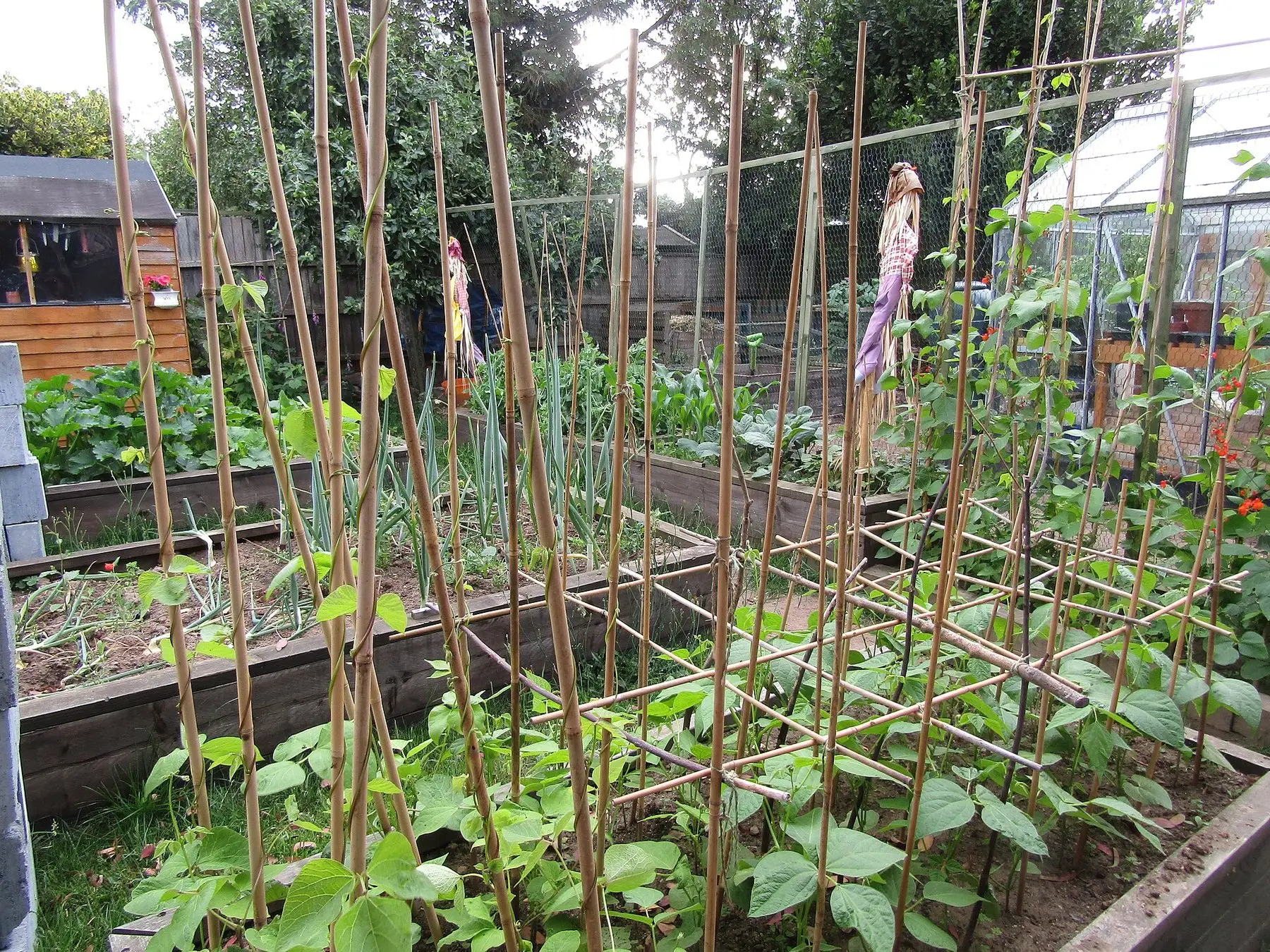
Best Raised Garden Beds: 5 Kits Worth the Money
Metal, cedar, or plastic — the material decides how long a raised bed lasts and what it costs to fill. Five kits compared, plus how to pick the right depth.
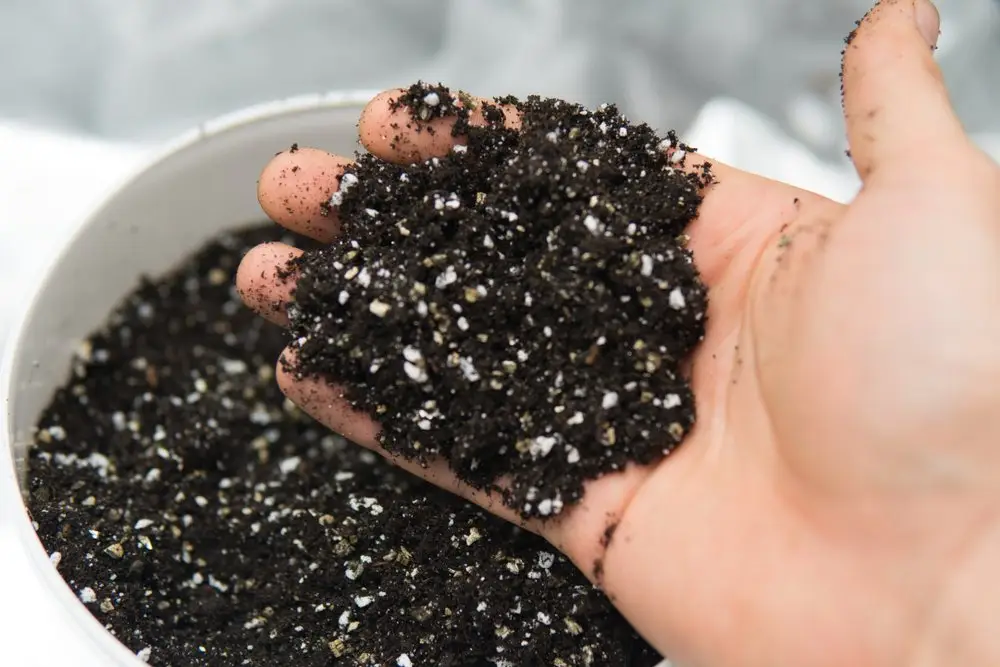
Potting Soil: What Is Actually in the Bag, and Which to Buy
Potting mix contains no soil at all, and that is the point. What each ingredient does, why garden soil fails in a container, and how to read a bag honestly.
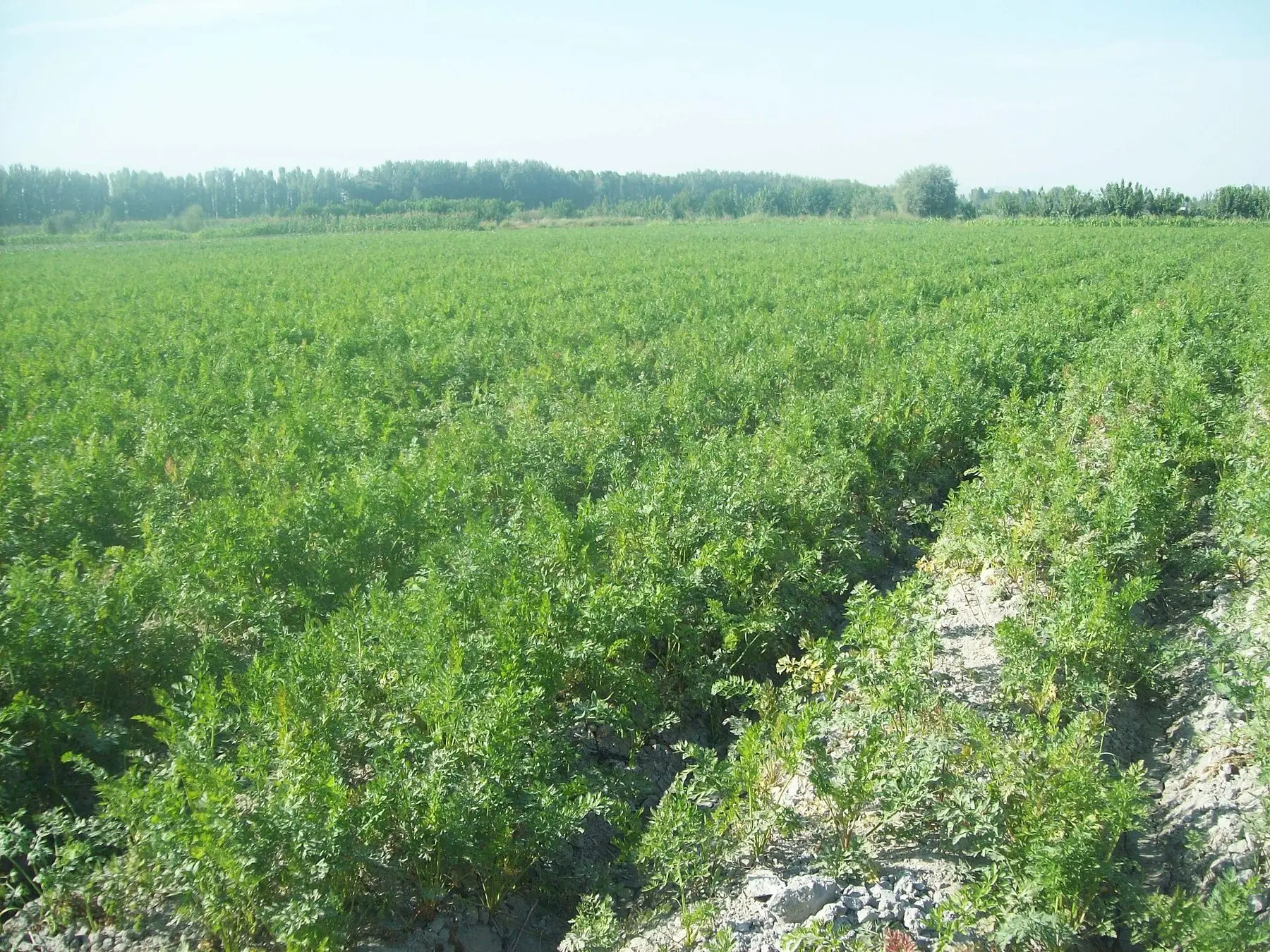
How to Grow Carrots: Stones, Thinning, and Carrot Fly
Forked carrots come from obstacles and fresh manure, not bad seed. Sowing direct into stone-free soil, why you should barely thin, and the fly barrier that works.
How to Fill a Raised Garden Bed (Without Spending a Fortune)
What to put in the bottom, the soil mix that actually works, and why hugelkultur layering is a good idea in a deep bed and a bad one in a shallow bed.