Potting Soil: What Is Actually in the Bag, and Which to Buy
Potting mix contains no soil at all, and that is the point. What each ingredient does, why garden soil fails in a container, and how to read a bag honestly.

On this page
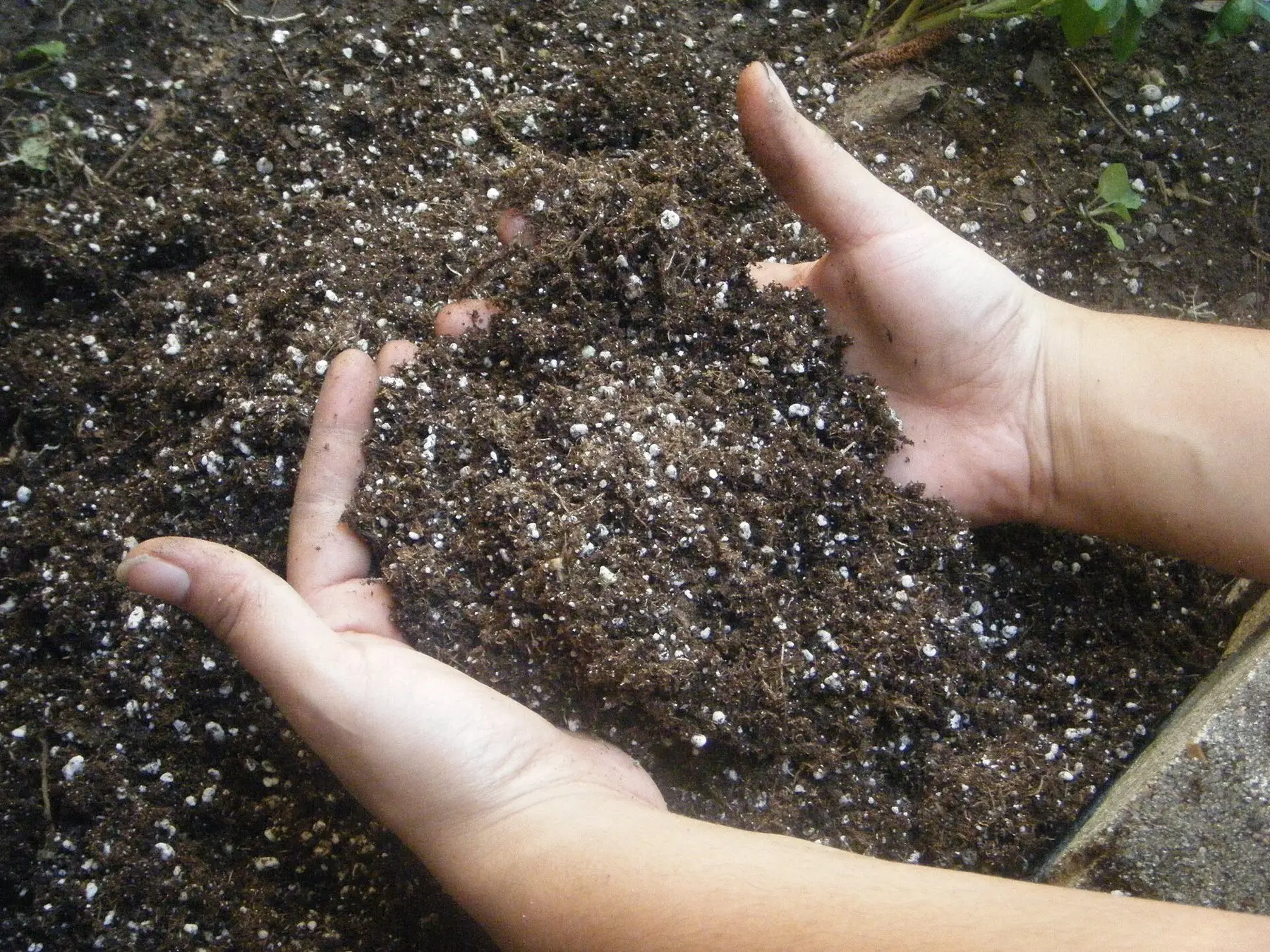
The first surprising thing about potting soil is that it usually contains no soil. It is a blend of organic matter and mineral particles engineered for one situation — a plant in a box with a hole in the bottom.
That situation is harsher than it looks, and it explains every ingredient in the bag.
Why a container is a hostile place
A pot is a small volume of medium with a hard boundary. Three things follow:
- Water cannot drain away downward into deeper soil. It sits in the base until the plant uses it or it evaporates, and roots in that zone run out of oxygen.
- The medium compacts every time you water. In the ground, worms, roots and freeze-thaw constantly reopen structure. In a pot, nothing does.
- Nutrients wash straight out through the drainage holes with every watering.
A good potting mix answers the first two by holding air space even when saturated. It cannot solve the third, which is why feeding is a permanent job in containers — see growing in pots.
What is actually in the bag
| Ingredient | Job | Notes |
|---|---|---|
| Peat | Holds water, light, sterile | Cheap and effective; environmentally contentious |
| Coconut coir | Same job as peat | Renewable; rehydrates far better once dry |
| Composted bark | Structure and air space | Keeps the mix open for longer |
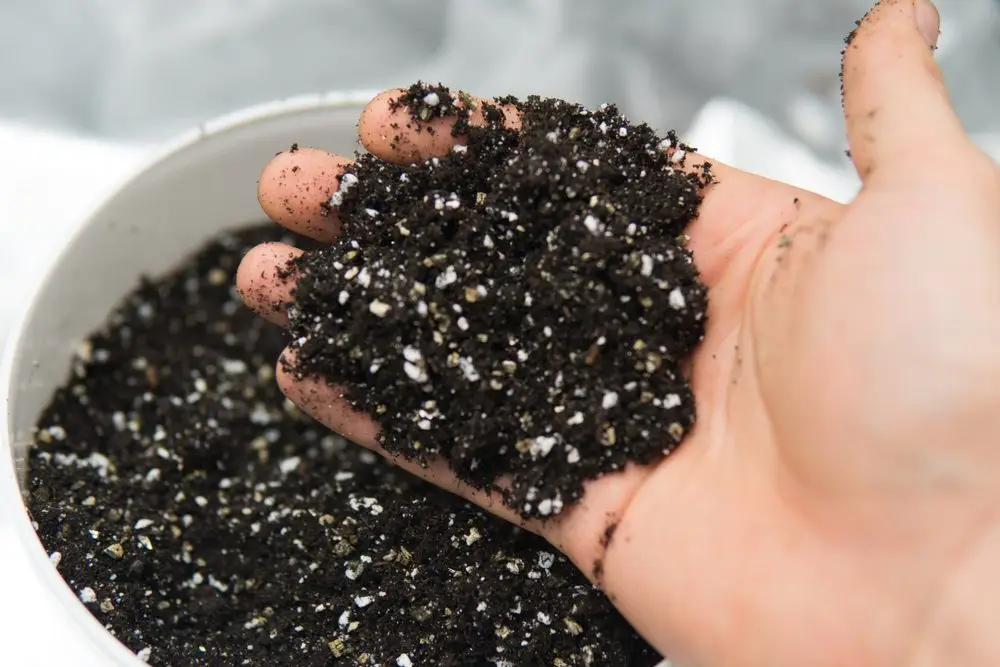
| Perlite | Air space | White volcanic granules; does not hold water |
| Vermiculite | Air space plus water and nutrient holding | Softer, holds more moisture than perlite |
| Compost | Nutrients and biology | Too much alone becomes dense and wet |
| Sand or grit | Drainage and weight | For cactus mixes and top-heavy pots |
| Wetting agent | Lets dry mix reabsorb water | Peat is water-repellent once fully dry |
| Starter fertiliser | Feeds for the first few weeks | Typically exhausted in 4 to 8 weeks |
Perlite and vermiculite are not interchangeable. Perlite is pure air space and drains; vermiculite holds moisture and nutrients as well. Use perlite where rot is the risk, vermiculite where drying out is.
Peat, coir, and the trade-off
Peat is harvested from bogs that took millennia to form and that store enormous amounts of carbon, which is why peat-free mixes are now the default in many places. Coir is a byproduct of coconut processing and rewets much more willingly than peat, but it is shipped a long way and often needs extra nitrogen early on. Bark and composted green waste mixes work well and behave differently — they drain faster and need watching in hot weather.
Potting soil, potting mix, garden soil, compost
The names on bags are inconsistent, and the differences matter more than the labels suggest.
- Potting mix / potting soil. Soilless, for containers. This is what goes in a pot.
- Garden soil. A bulk amendment for digging into beds. Never put it in a container.
- Compost. Decomposed organic matter — a nutrient-rich ingredient, and too dense on its own.
- Topsoil. Screened mineral soil for filling and levelling ground. Not a growing medium in a pot.
- Raised bed mix. A middle ground: soil, compost and bark, for large volumes that sit on the ground and drain into it.
The single most consequential mistake is putting garden soil or straight topsoil into pots. In a bed it is fine; in a container it slumps into a dense, waterlogged block within weeks and takes the plant with it.
Choosing by what you are growing
Seeds. Fine-textured and low in nutrients. Fertiliser salts damage germinating seedlings, which live on the seed’s own reserves until they have true leaves.
Houseplants, general. A standard mix. For aroids — monstera, philodendron — add orchid bark and extra perlite; their roots want far more air than a bag mix provides.
Cactus and succulents. Roughly half standard mix, half grit, sand or pumice. The aim is a medium that dries out quickly.
Vegetables and tomatoes. Richer, with more compost, and a plan for feeding from week six onward. Container vegetables are heavy feeders in a small volume.
Ericaceous plants — blueberries, azaleas, camellias. A dedicated acidic mix. In an ordinary mix they go yellow between the veins and slowly fail, because they cannot take up iron at that pH. Related reading: lowering soil pH.
Orchids. Not a soil at all — bark chunks, and nothing that holds water around the roots.
Reading a bag honestly
Bag marketing is mostly noise, but a few things are real:
- “Feeds for up to 6 months.” Usually a coated slow-release fertiliser, and usually genuine, but the release rate depends on temperature and watering. Treat it as a head start, not a season.
- “Moisture control.” Extra water-holding material, sometimes a polymer. Useful for hanging baskets, actively unhelpful for succulents.
- “Sterile.” Means it should be free of weed seed and pathogens, which matters for seed sowing.
- Weight. A suspiciously heavy bag is usually heavy on soil or sand and light on structure. Good potting mix is light for its volume.
Gravel in the bottom of the pot makes drainage worse
This is the most persistent myth in container growing. A layer of gravel does not help water leave — it raises the saturated zone, because water will not move from fine material into coarse material until the fine layer is fully soaked. You end up with a waterlogged band sitting higher in the pot and less root room. Use the right mix throughout, and make sure the drainage hole is clear.
Reusing last year’s mix
Worth doing, with a refresh. Old mix has lost its structure, its air space and its nutrients, and it is full of the previous plant’s roots.
- Tip it out and pull out old roots and debris.
- Mix in about a third fresh compost or new potting mix to restore air space.
- Add a slow-release feed, or worm castings and an organic fertiliser.
- Break up any compacted lumps thoroughly.
Do not reuse mix from a plant that had root rot, a soil-borne disease, or a serious pest problem — put that on the compost heap or in the bin instead. And start seeds in fresh sterile mix rather than reused material, where damping off is a real risk.
Common questions
What is the difference between potting soil and garden soil?
Can you use garden soil in pots?
What is potting soil made of?
Can you reuse potting soil?
Do you need special potting mix for seeds?
How long does potting soil last in the bag?
Backyard Weekly
Know what to plant, week by week
Free planting calendar. Join the weekly email for seasonal jobs, fixes for what is going wrong, and gear worth buying.
Set MONETIZATION.email.endpoint in src/config/site.ts to enable this form.
By subscribing you agree to our privacy policy. Grow In Backyard will never sell your address.
Keep reading
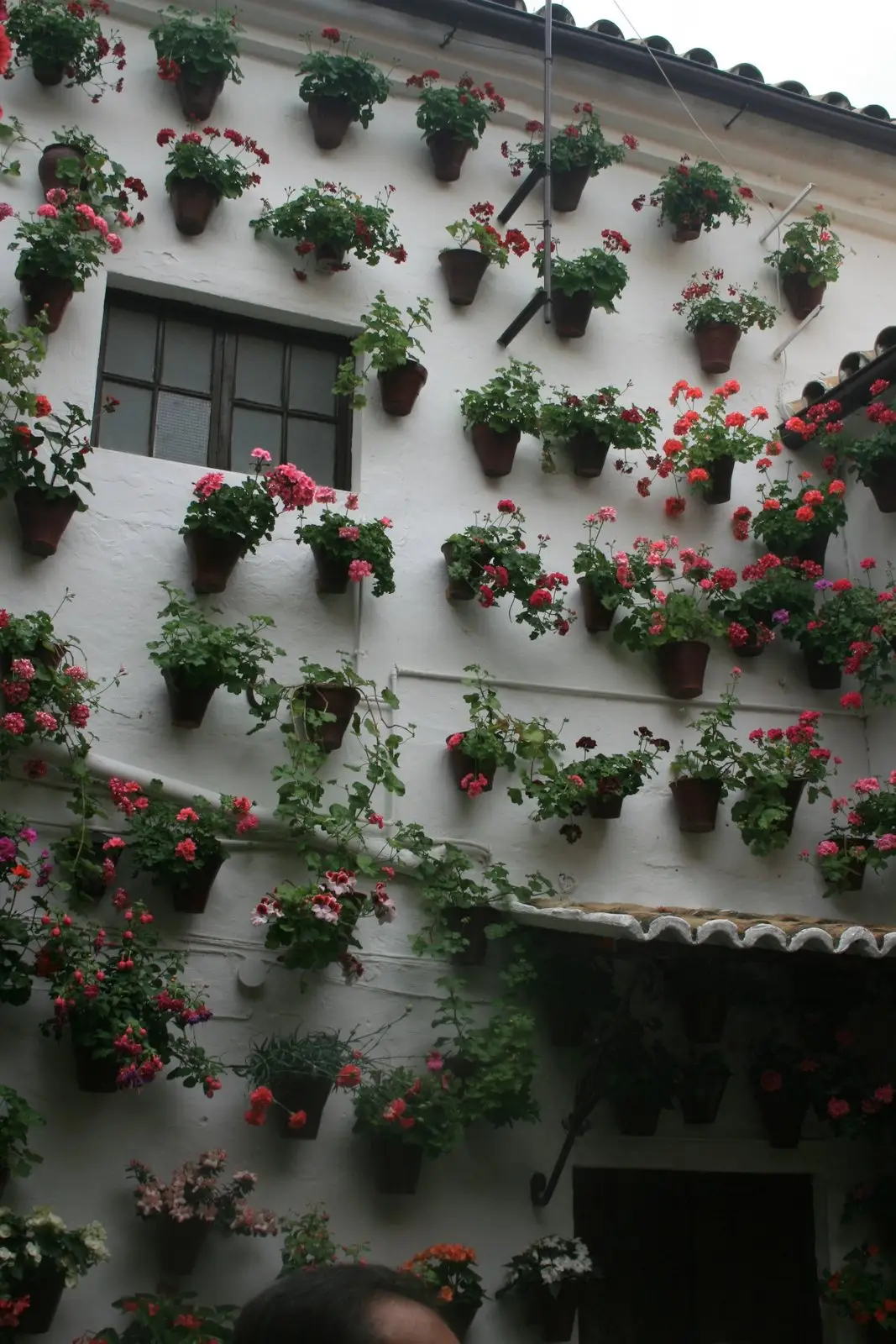
Outdoor Plants in Pots: What Survives, and What Kills Them
A pot outdoors is a harsher place than the ground — hotter, drier, and colder in winter. How to pick plants and pots that cope, and get through the cold.
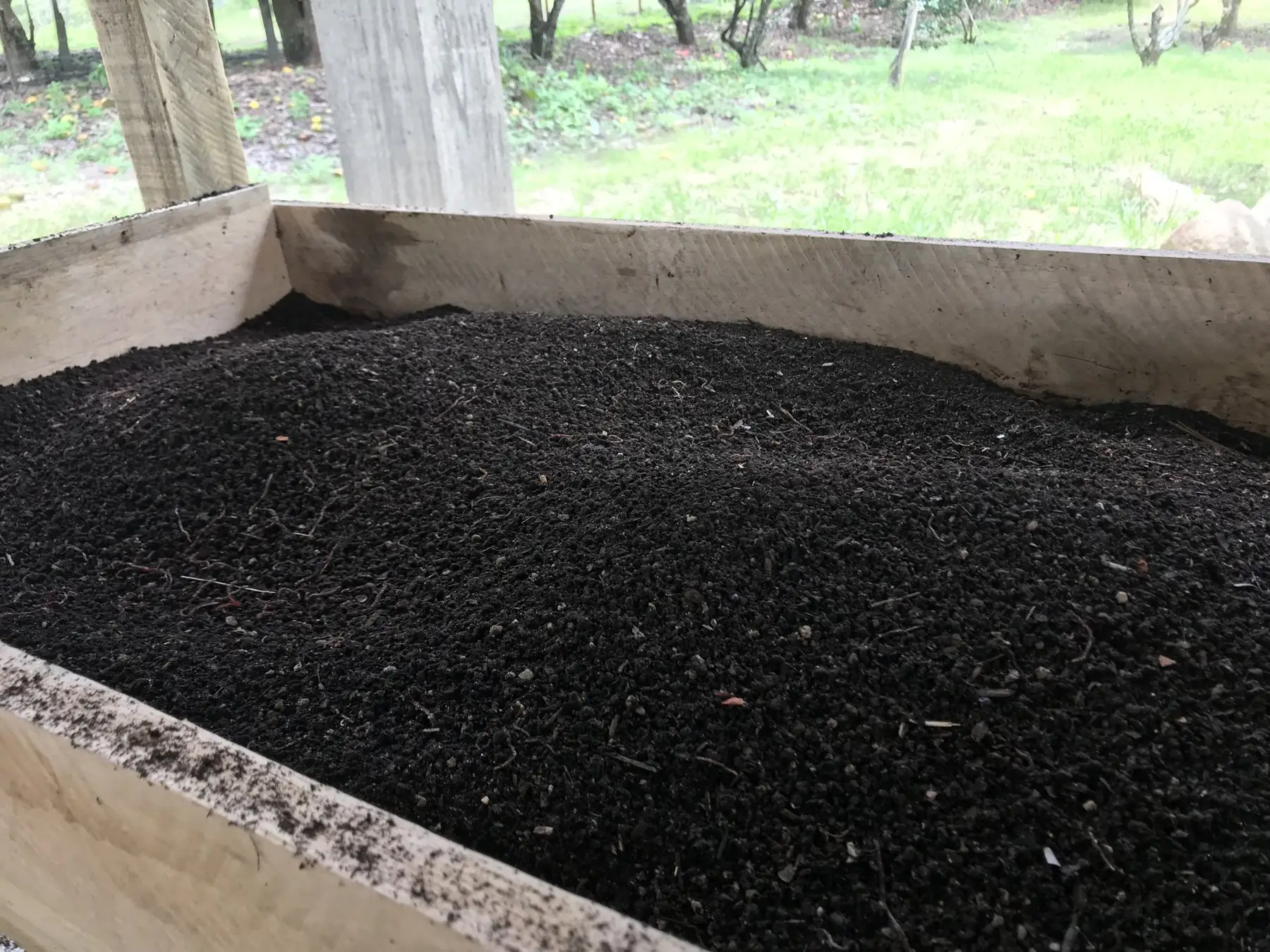
What Are Worm Castings, and Are They Worth Buying?
Worm castings are worm manure — a mild fertiliser whose real value is microbial, not nutritional. What the numbers mean and how much you actually need.
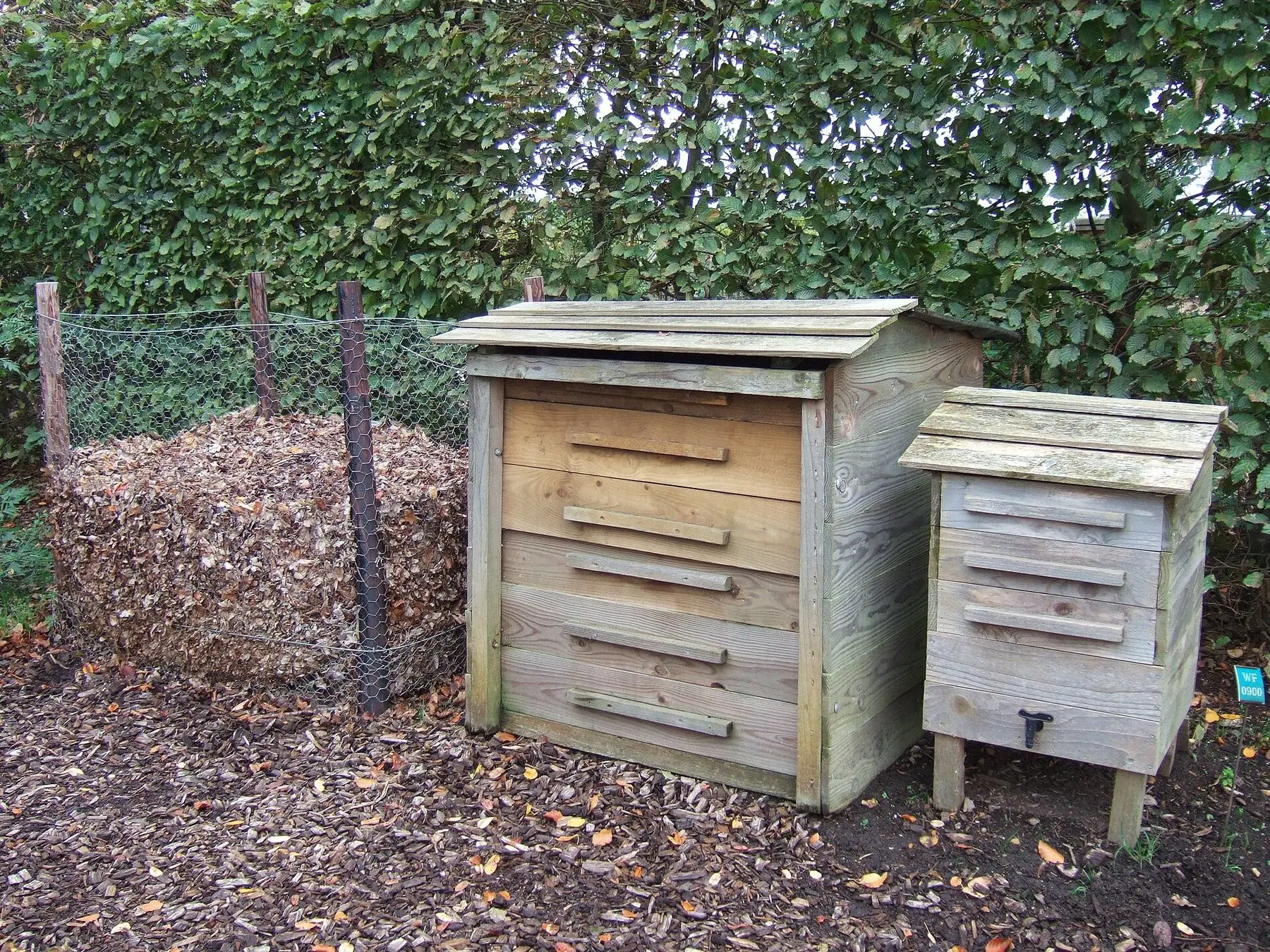
Organic Fertilizers: What Each One Is Actually For
Blood meal, bone meal, kelp, fish emulsion and compost do different jobs at different speeds. The NPK numbers, and which to reach for when.
Loam Soil: What It Is, and How to Get It From Clay or Sand
Loam is a particle-size ratio, not a product you buy. How to test what you have with a jar of water, and the only method that genuinely changes it.