
Lawn & Soil ·
Types of Worms in Soil — 7 You Find and What Each Does
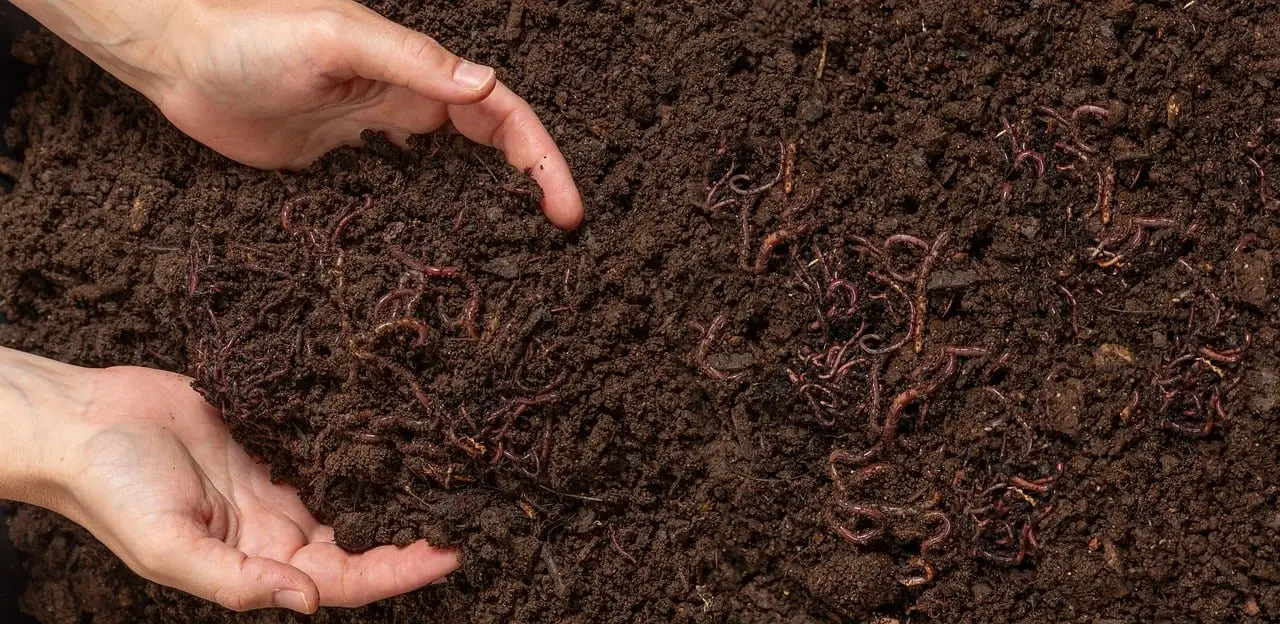
Types of worms in soil fall into 3 earthworm groups plus the larvae people mistake for them. Which are working for you, and which are eating your roots.
23 guides in Lawn & Soil.
Start here
Potting mix contains no soil at all, and that is the point. What each ingredient does, why garden soil fails in a container, and how to read a bag honestly.
Types of worms in soil fall into 3 earthworm groups plus the larvae people mistake for them. Which are working for you, and which are eating your roots.
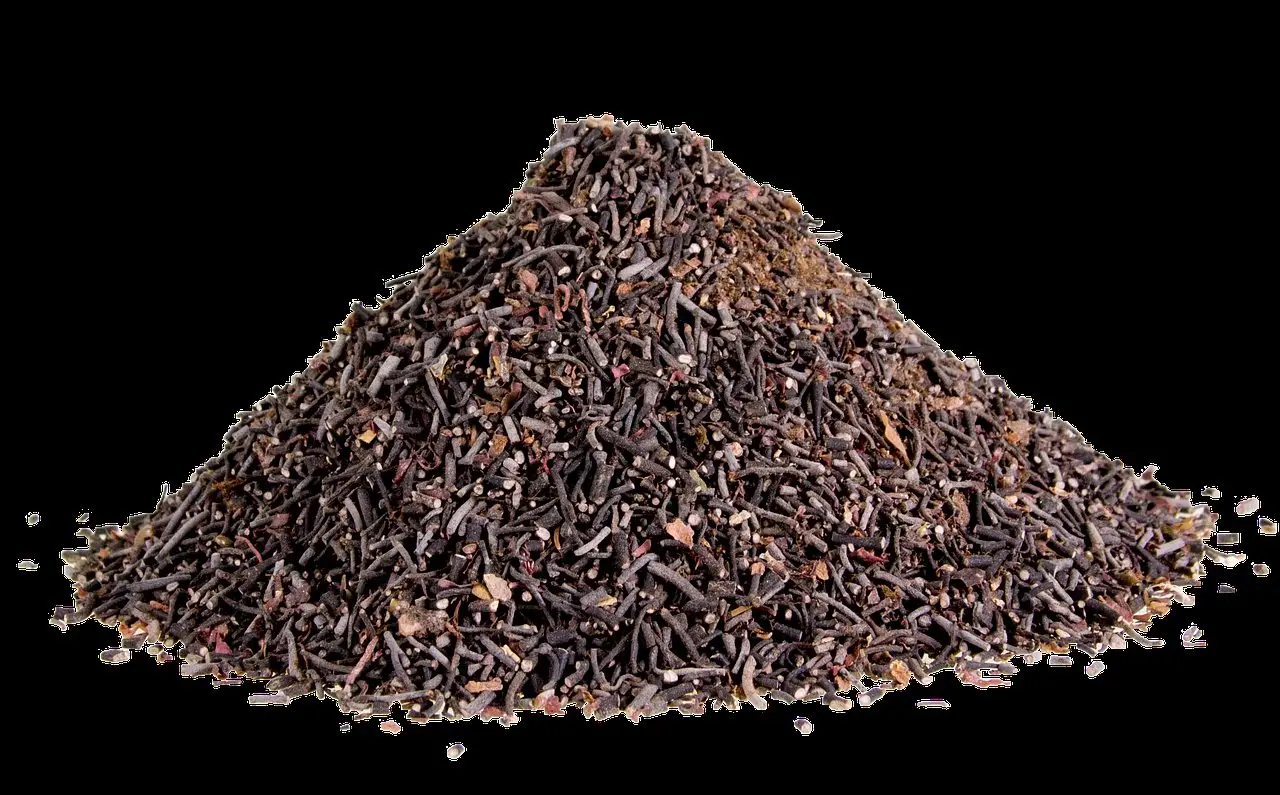
Tilling clay breaks the structure you are trying to build. Compost on the surface, deep roots and time do the work instead — and it holds.
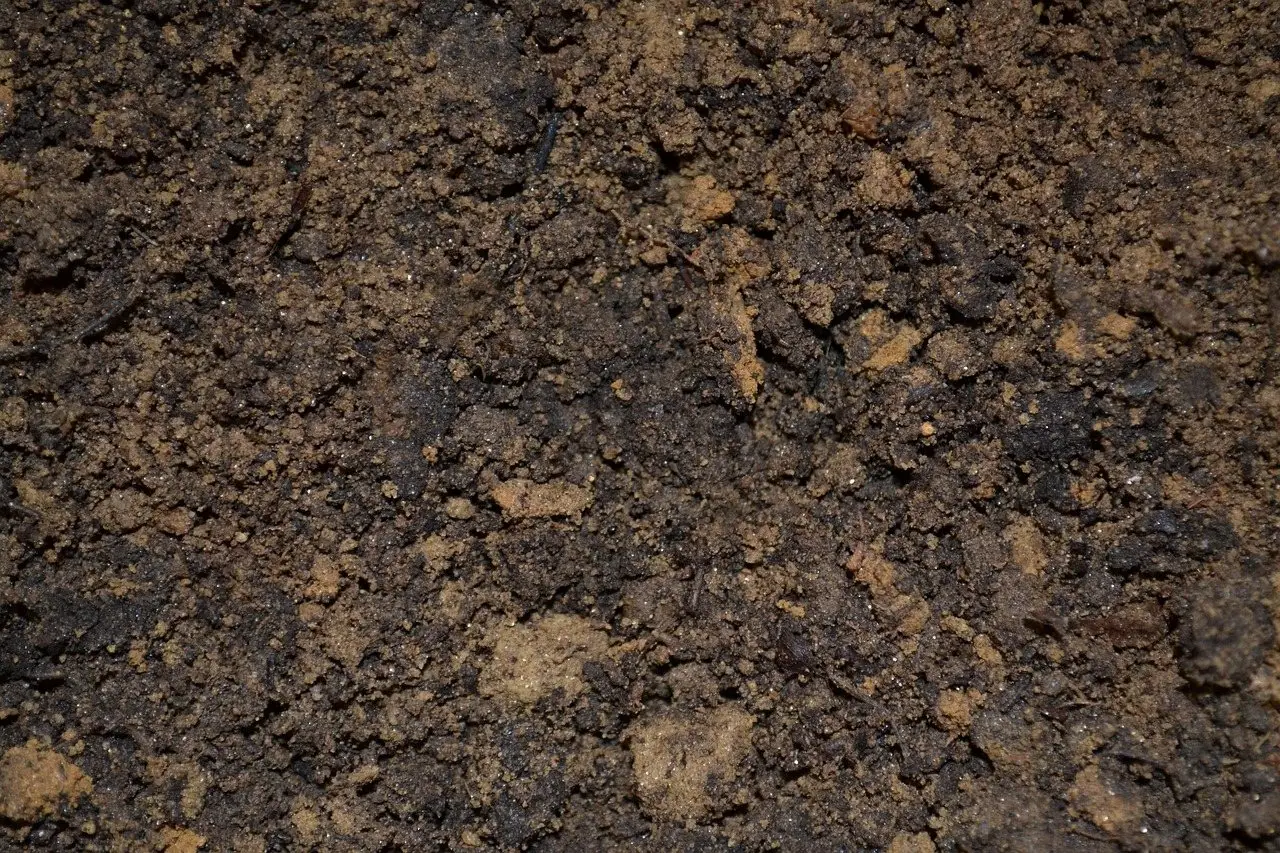
Vermiculite is mica heated until it puffs like popcorn. It holds water and nutrients — the opposite of what perlite does, and why they are not interchangeable.
Lime adds calcium and raises pH. Gypsum adds calcium and leaves pH alone. Which you need depends on a soil test, not on blossom end rot.
Perlite is volcanic glass heated to 900°C until its trapped water flashes to steam and expands it. That is why it is white, light and permanent.
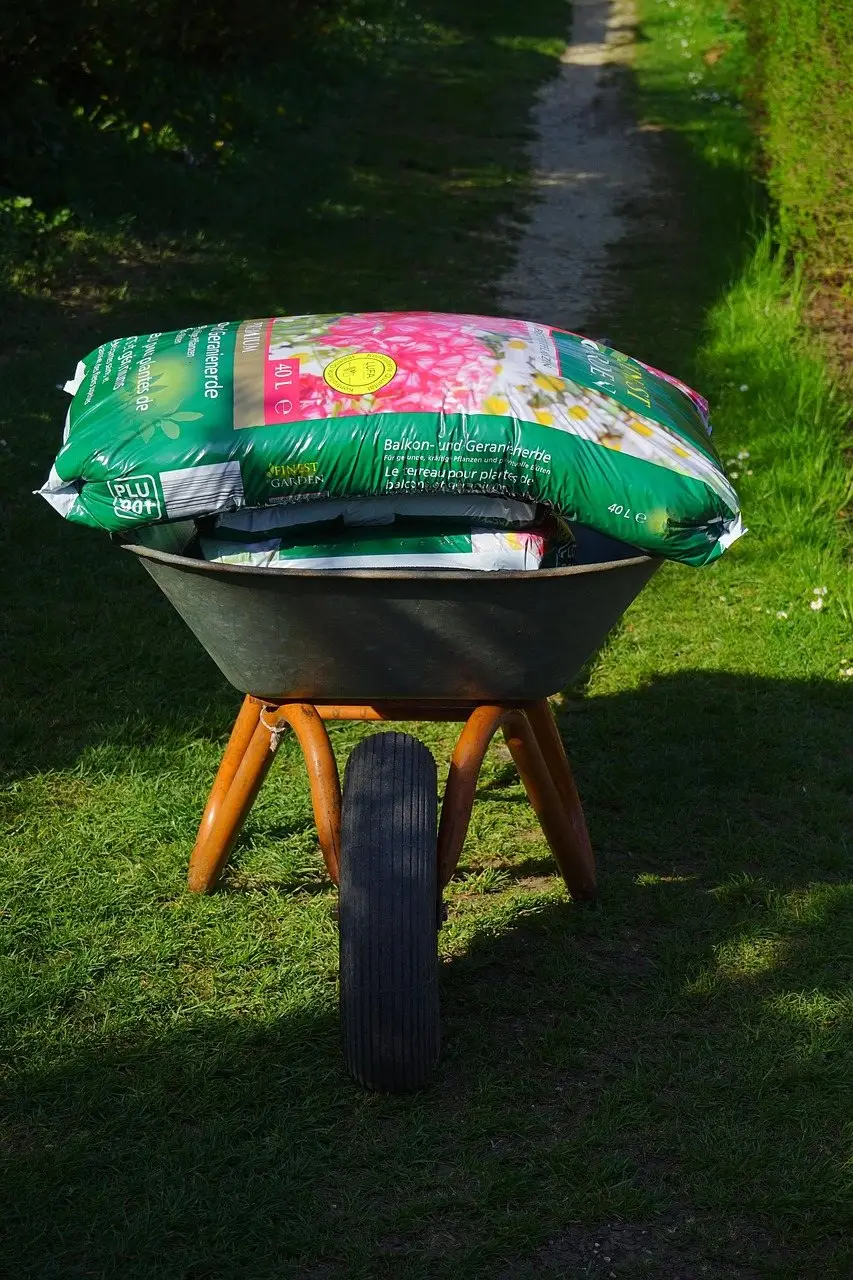
Sealed and dry it keeps for years. A damp bag left closed goes anaerobic and sour, and any bag loses its fertiliser charge within about a year.
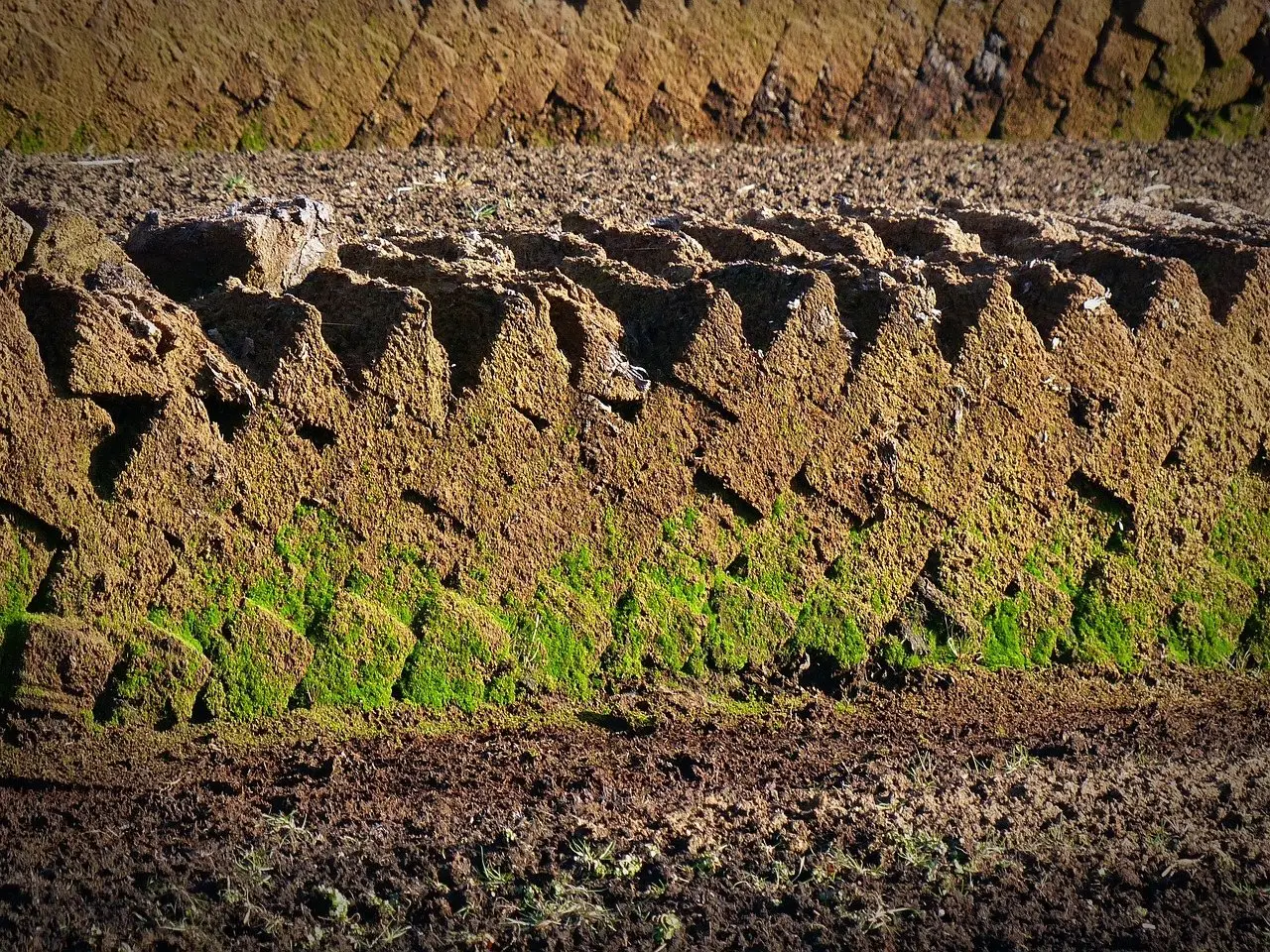
Peat opens clay and holds water in sand, but it acidifies, breaks down within a few years and is mined from habitats that take millennia to form.
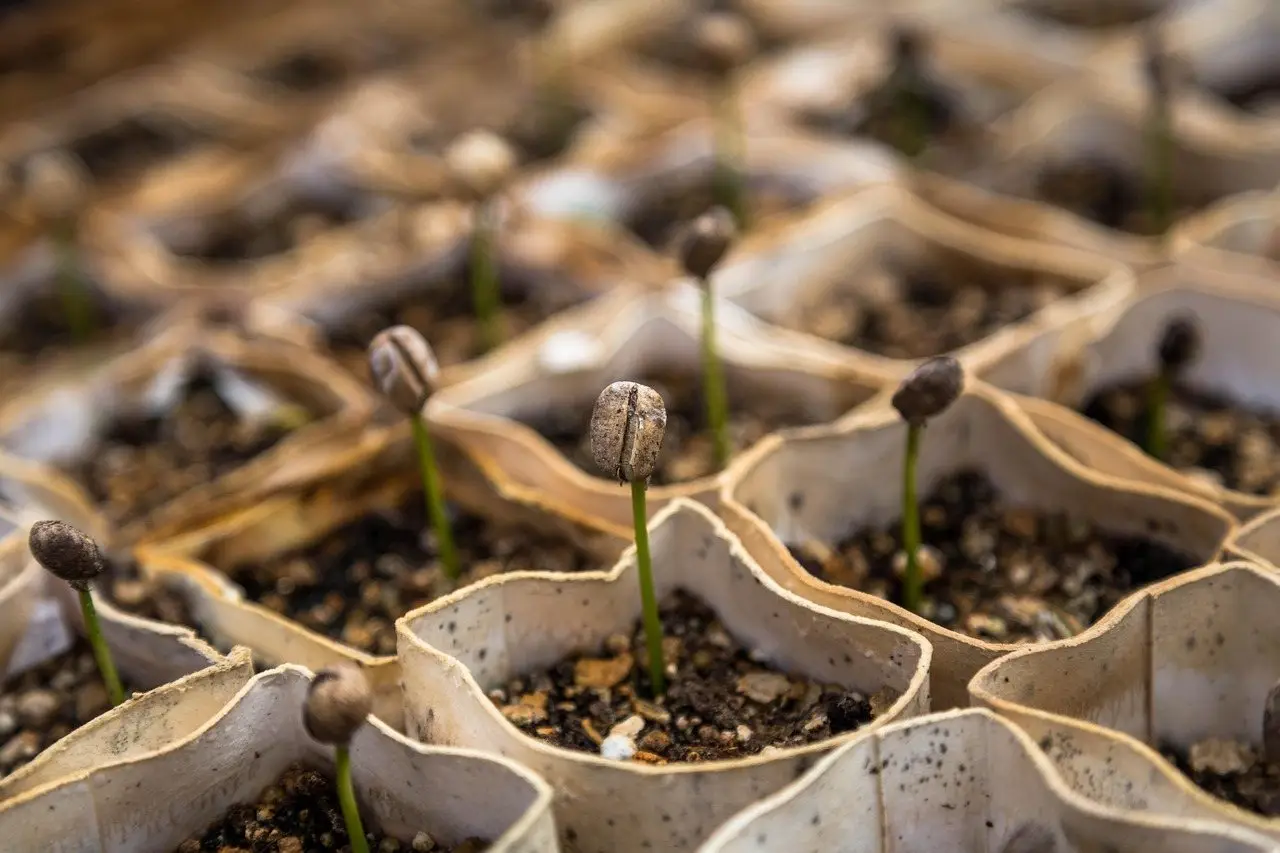
Potting mix works for larger seeds but is too coarse and too rich for fine ones. Sieving it and cutting it with perlite closes most of the gap.

Topsoil compresses and shrinks as its organic matter breaks down, so anything built on it sinks. Use subsoil or hardcore for fill and save topsoil for growing.
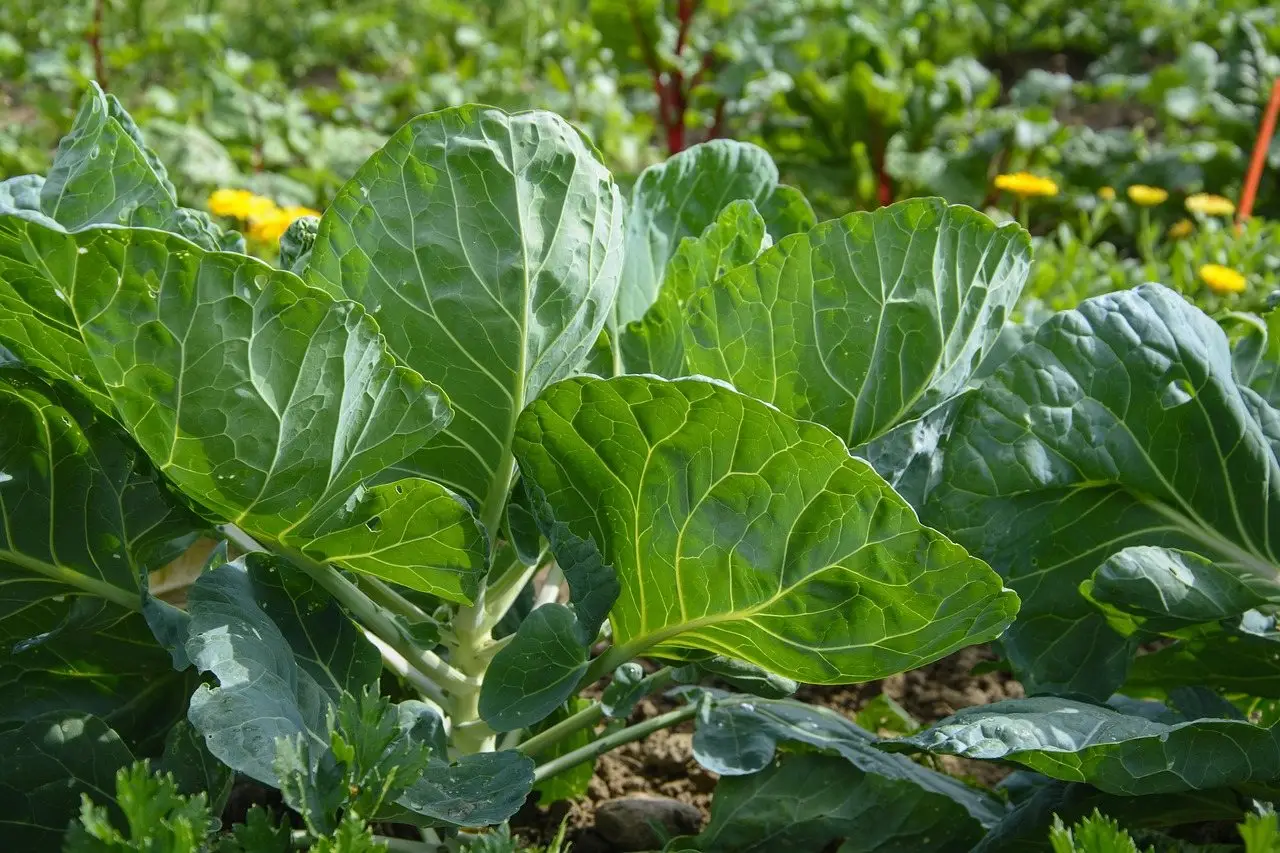
Most general potting compost grows vegetables fine. Check for two things: a fertiliser balance skewed to flowering, and any added moisture-retention gel.
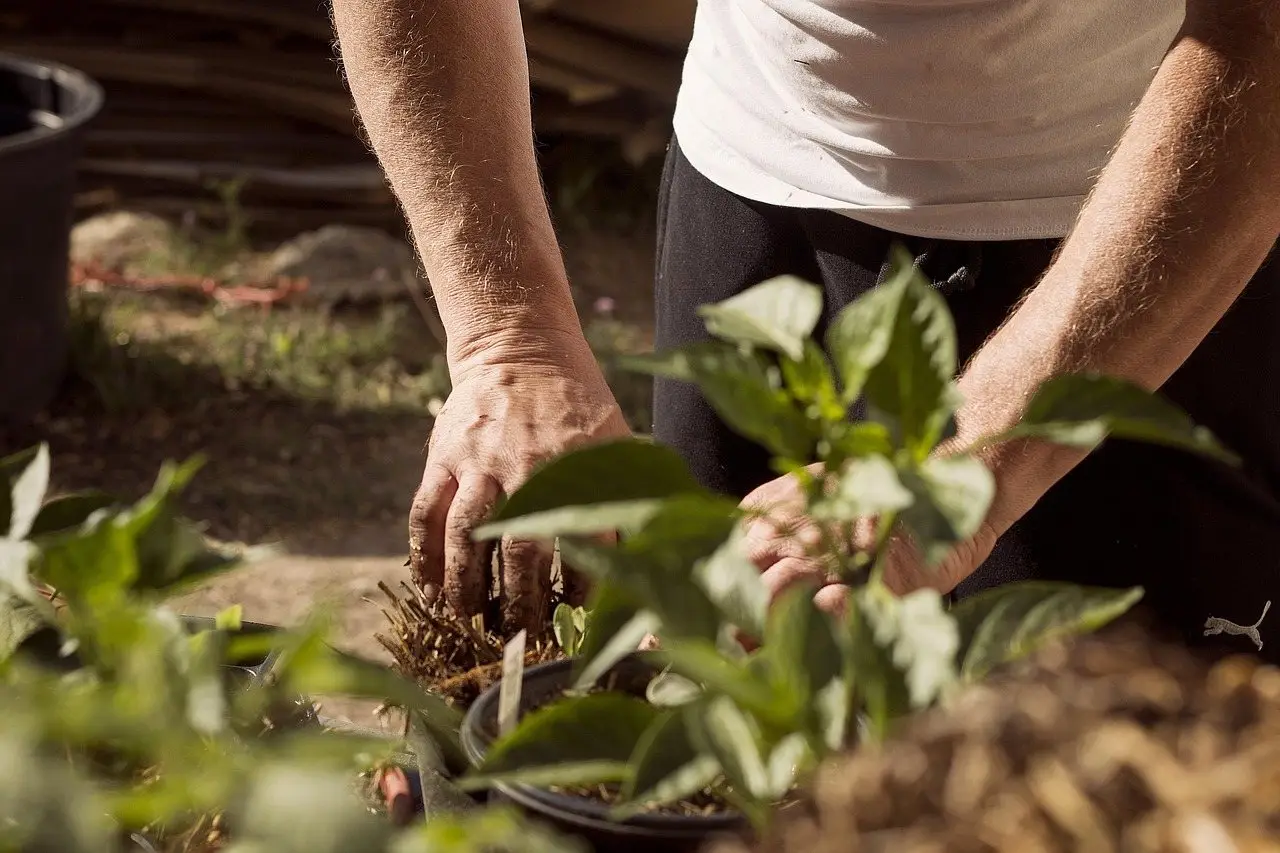
Colour-change pH kits and meters are close enough to act on. The nitrogen, phosphorus and potassium pads in the same box are near-useless.
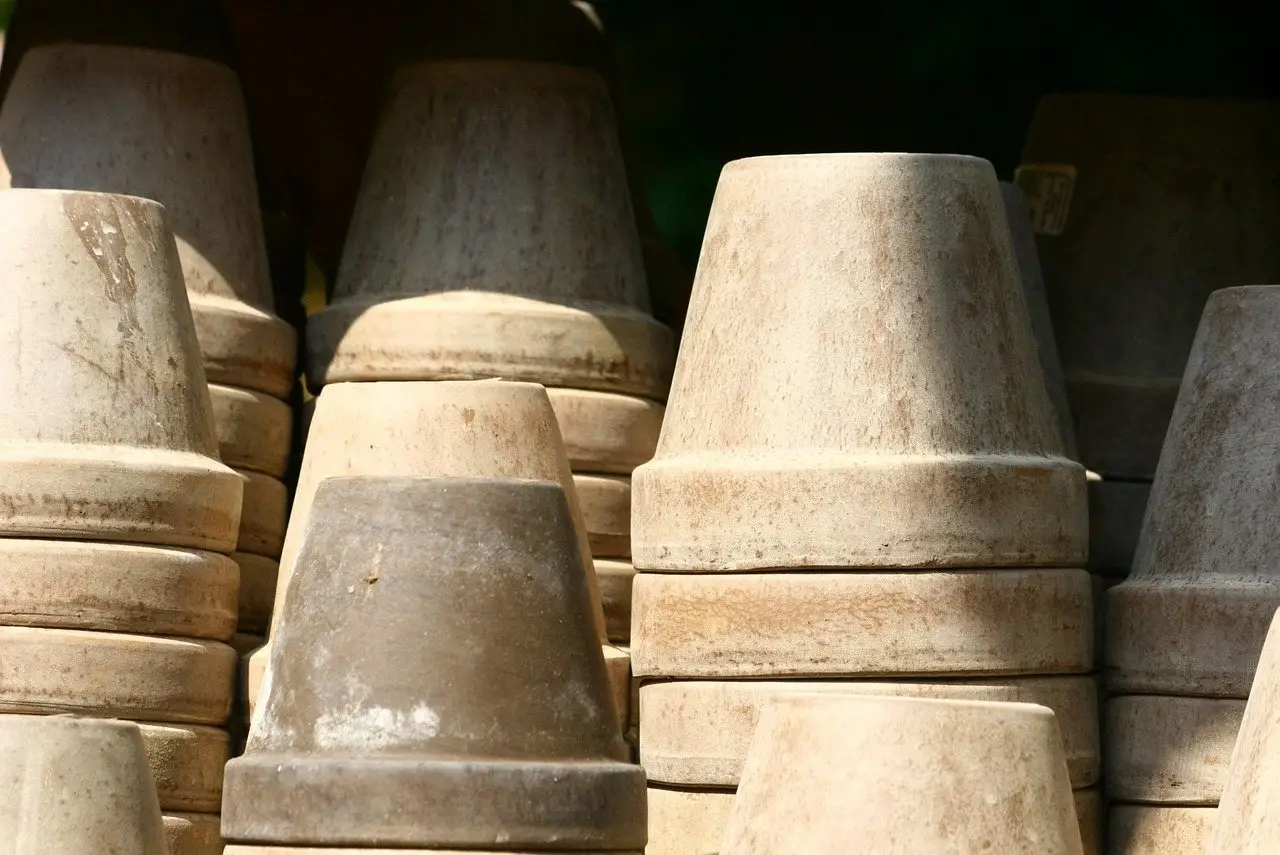
Most used compost is fine for another season once it is loosened, topped up and fed. Replace it outright only after disease or in seed trays.
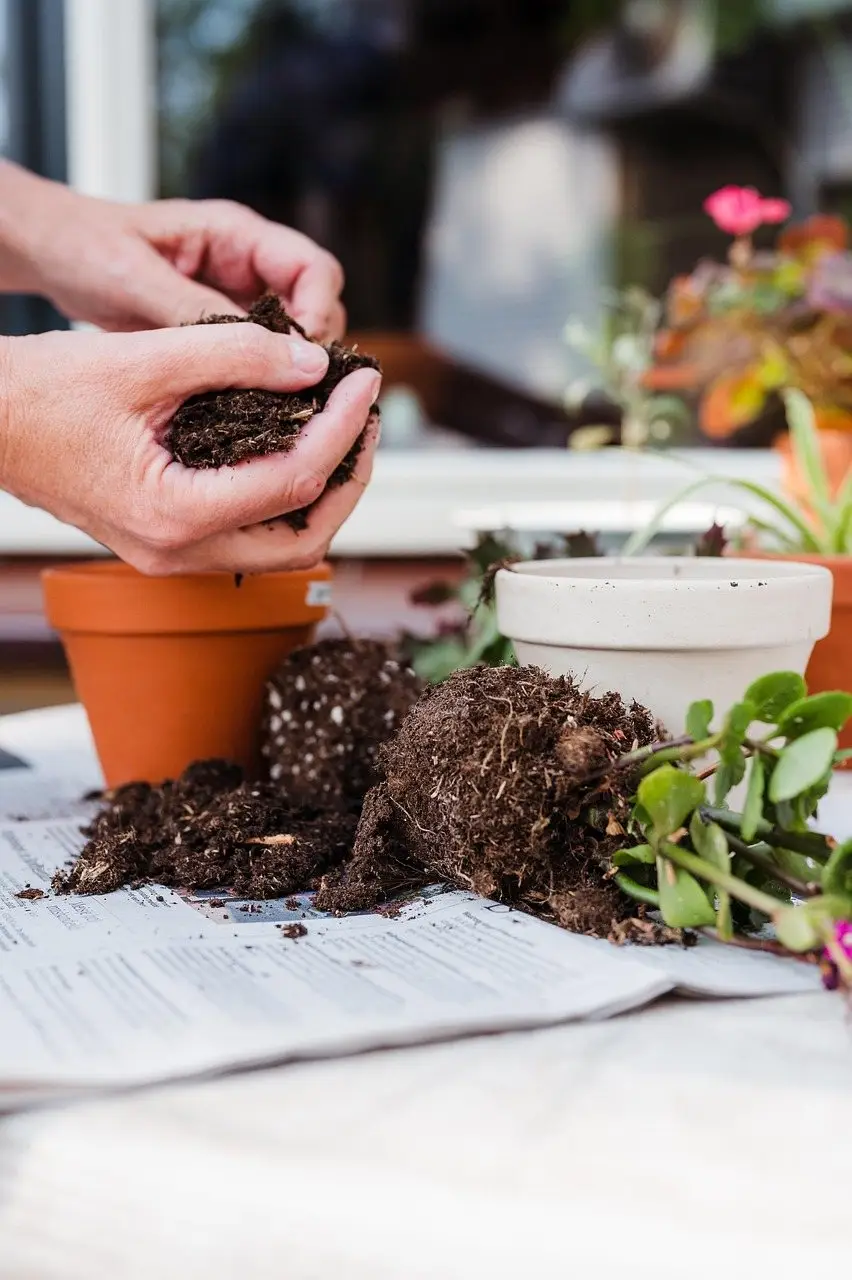
Perlite holds a little water on its rough surface but almost none inside. It is in the mix to create air pockets, which is what roots actually need.
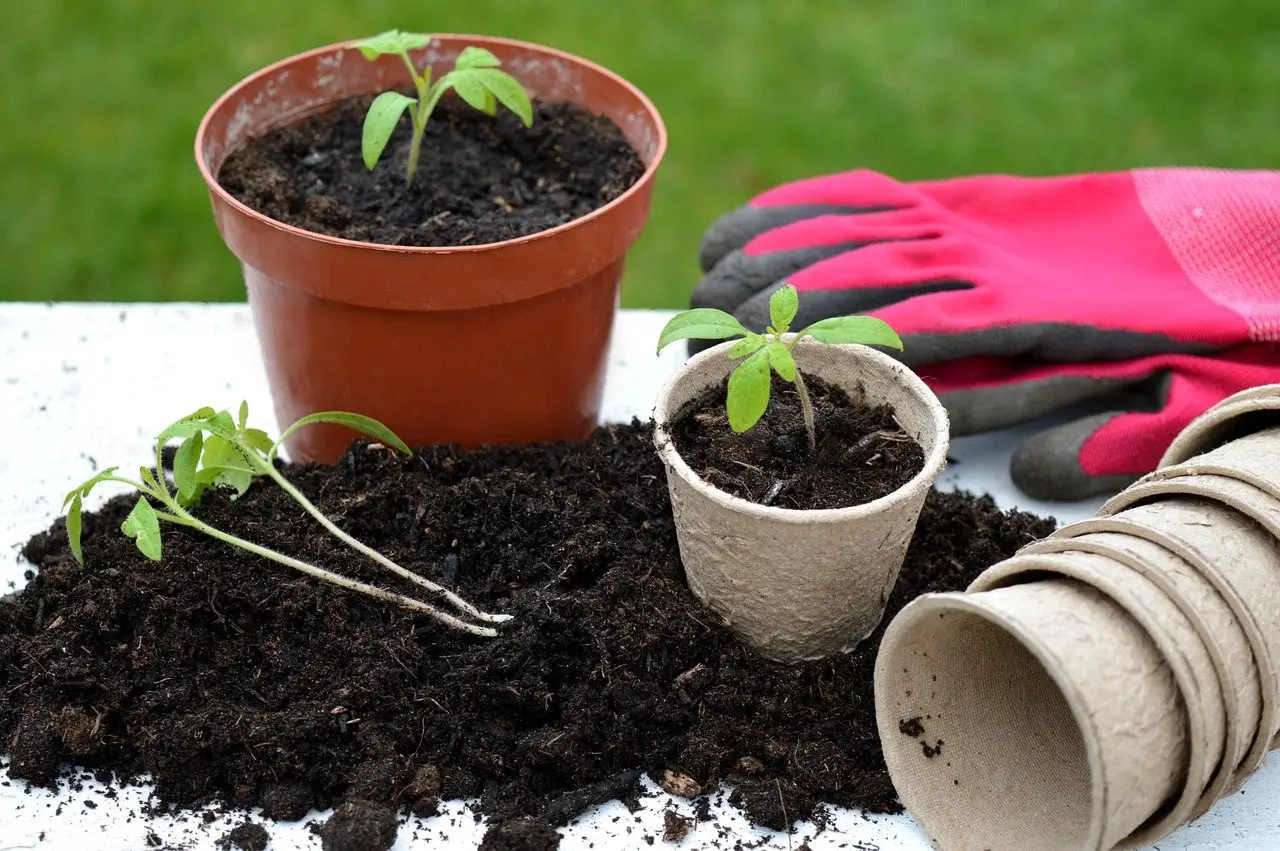
Tomatoes root to 60 cm given the chance but will crop in 30. Container width matters as much as depth, and volume decides how often you water.
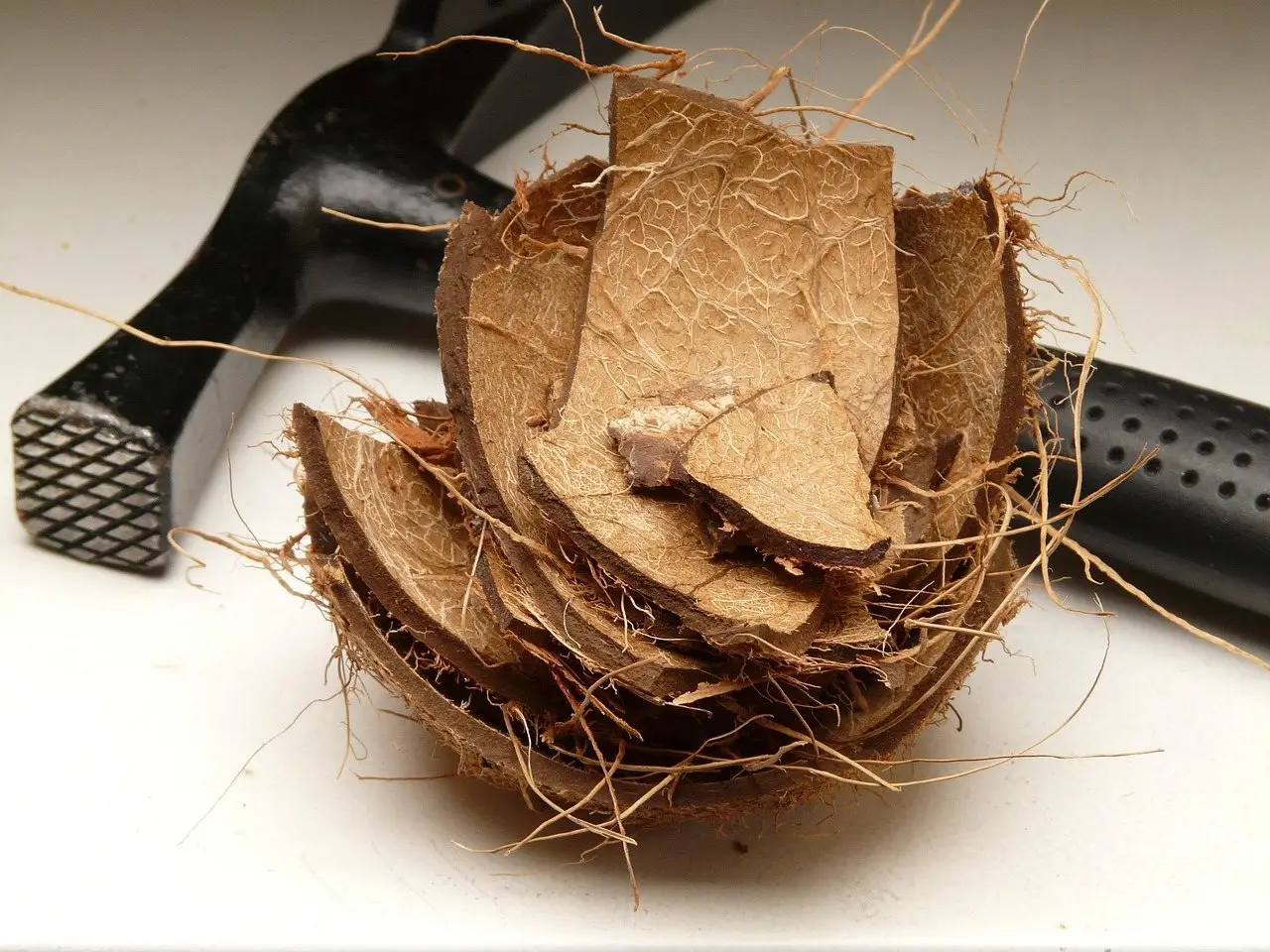
Coir is the fibre left over from coconut processing, used as a peat substitute. It holds water well, has almost no nutrients, and needs buffering.
Potting mix works dug into garden soil but fails as a fill on its own — it drains wrong, settles and dries out. Where the line actually falls.
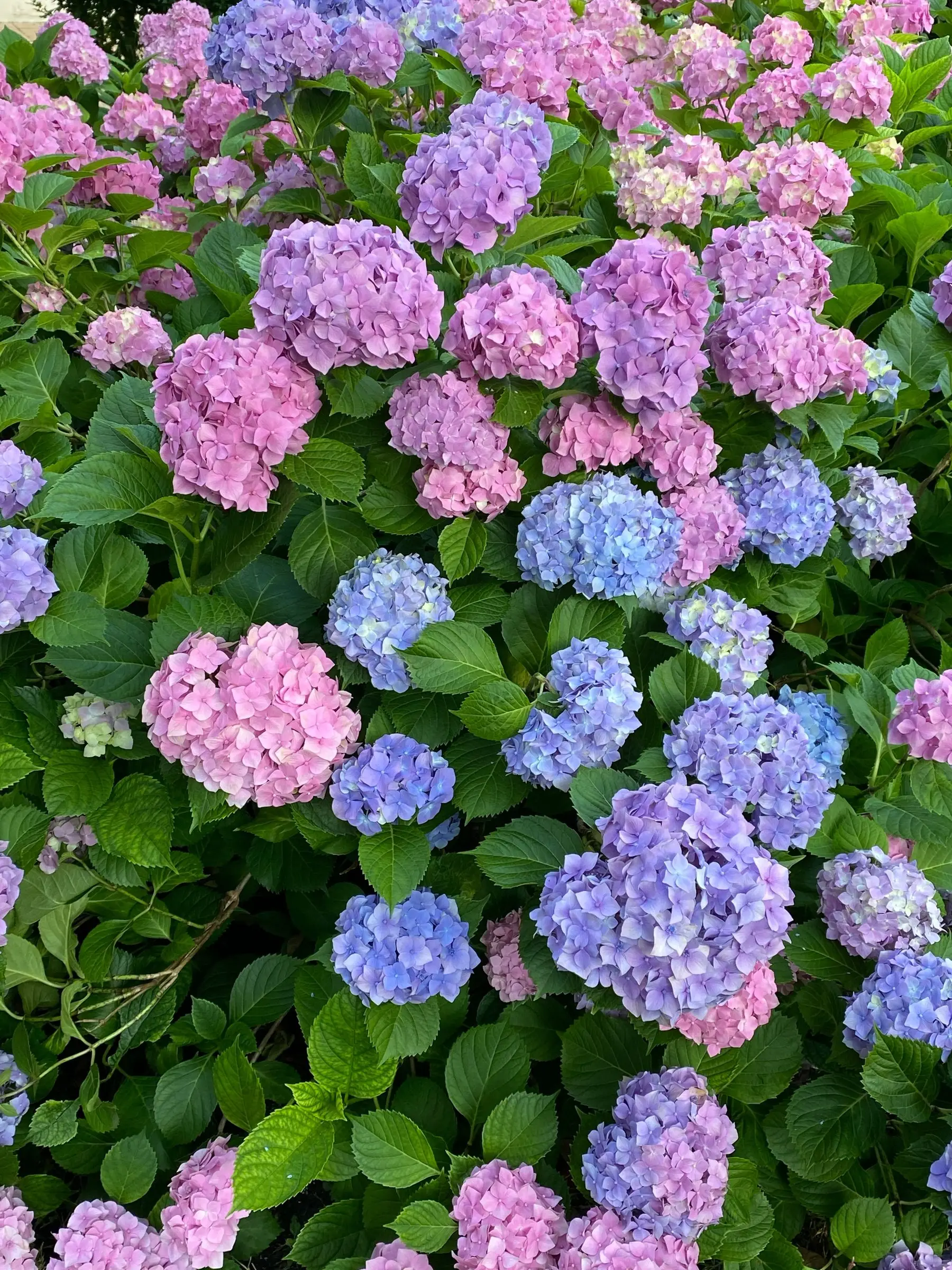
Hydrangeas grow fine in ordinary soil. Ericaceous compost is about flower colour, not health — and only mophead and lacecap types change colour at all.
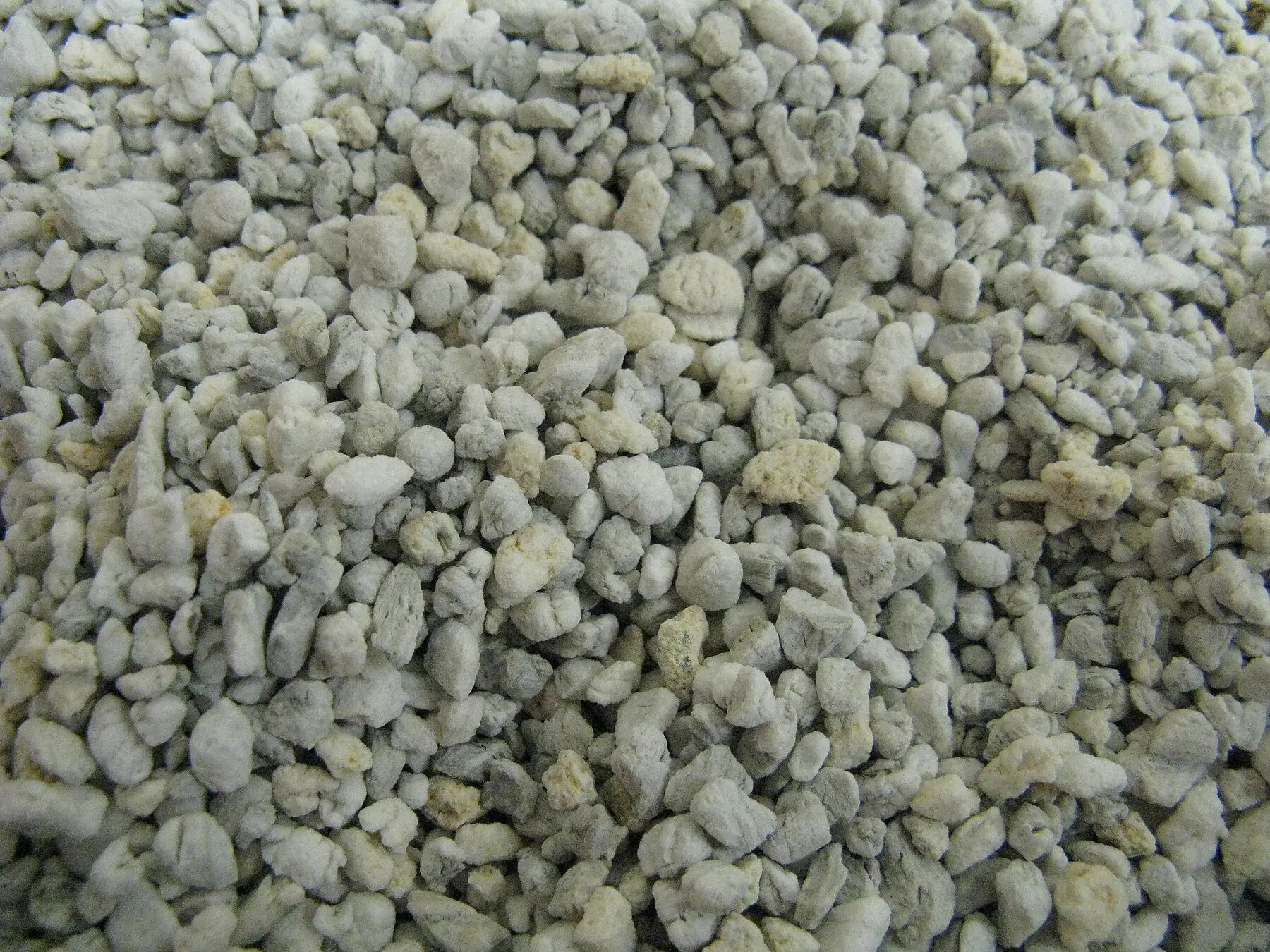
Both lighten soil, but one drains and one holds water. Which to use for seeds, cuttings, succulents and containers, and why mixing them defeats the point.
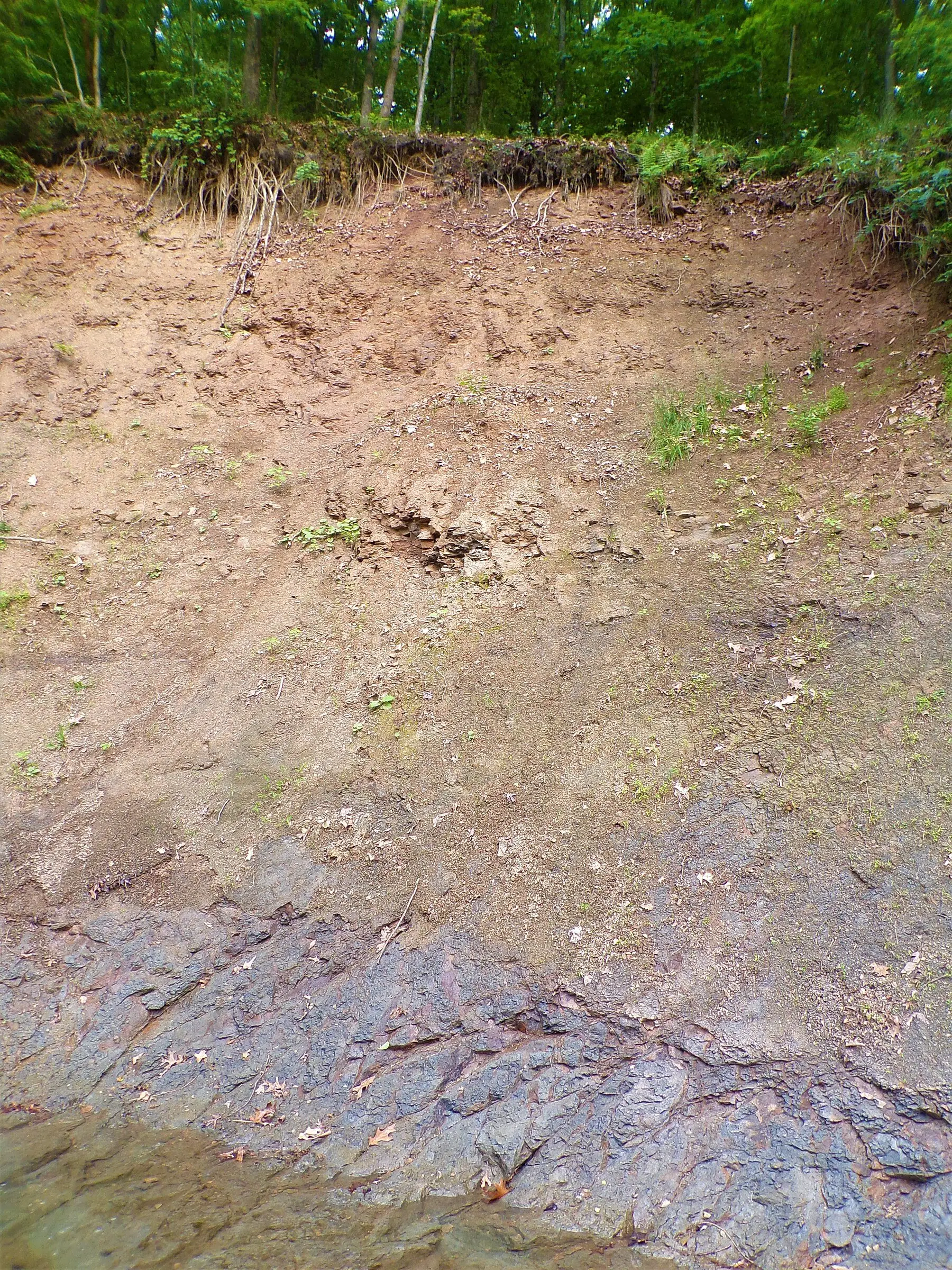
Silt holds water and nutrients like clay but drains better, and turns to concrete underfoot. How to identify it by feel and work it without ruining it.
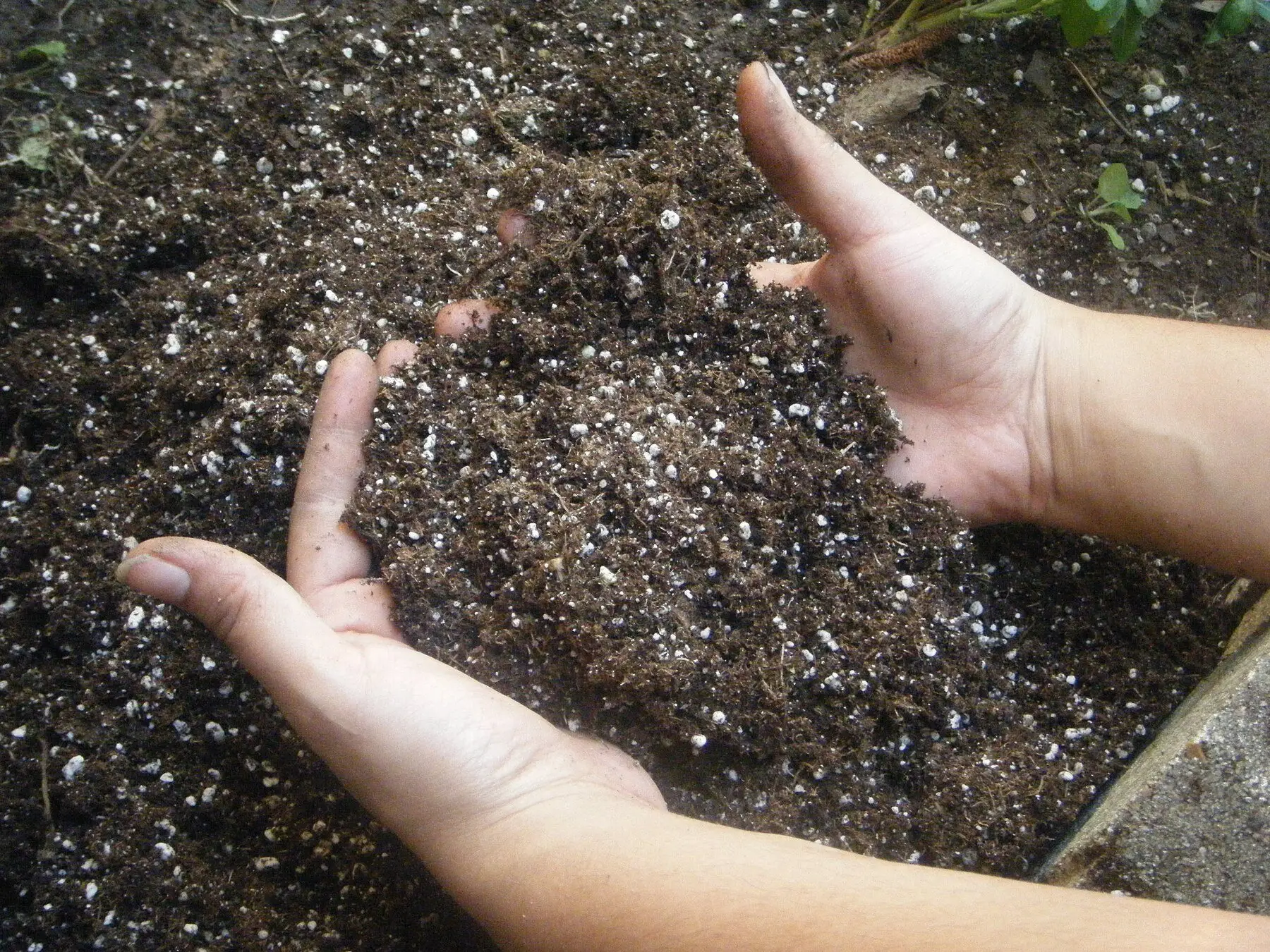
Test first, then apply the right lime at the right rate for your soil texture. Why wood ash is not a substitute, and why nothing changes for months.
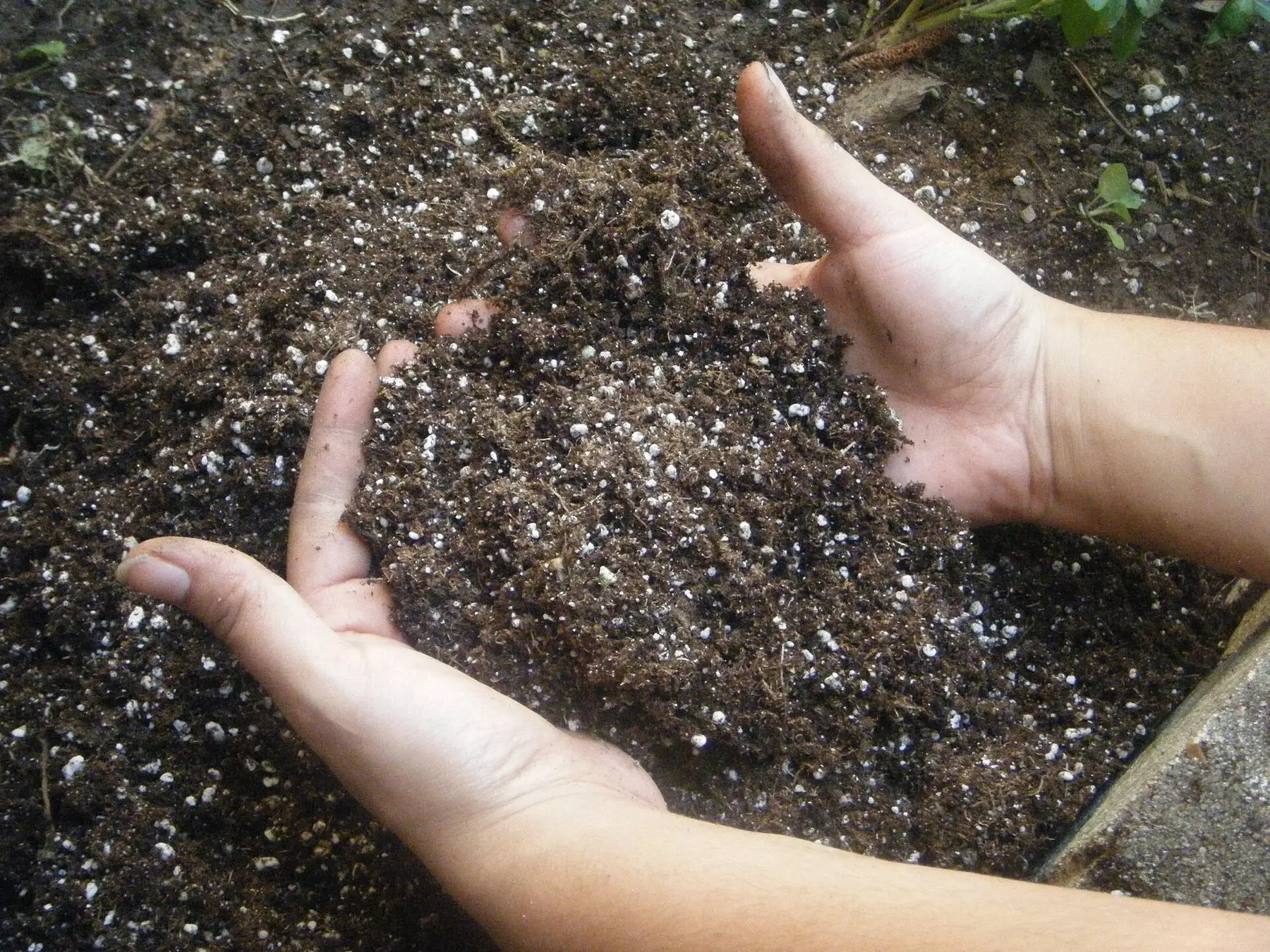
Loam is a particle-size ratio, not a product you buy. How to test what you have with a jar of water, and the only method that genuinely changes it.
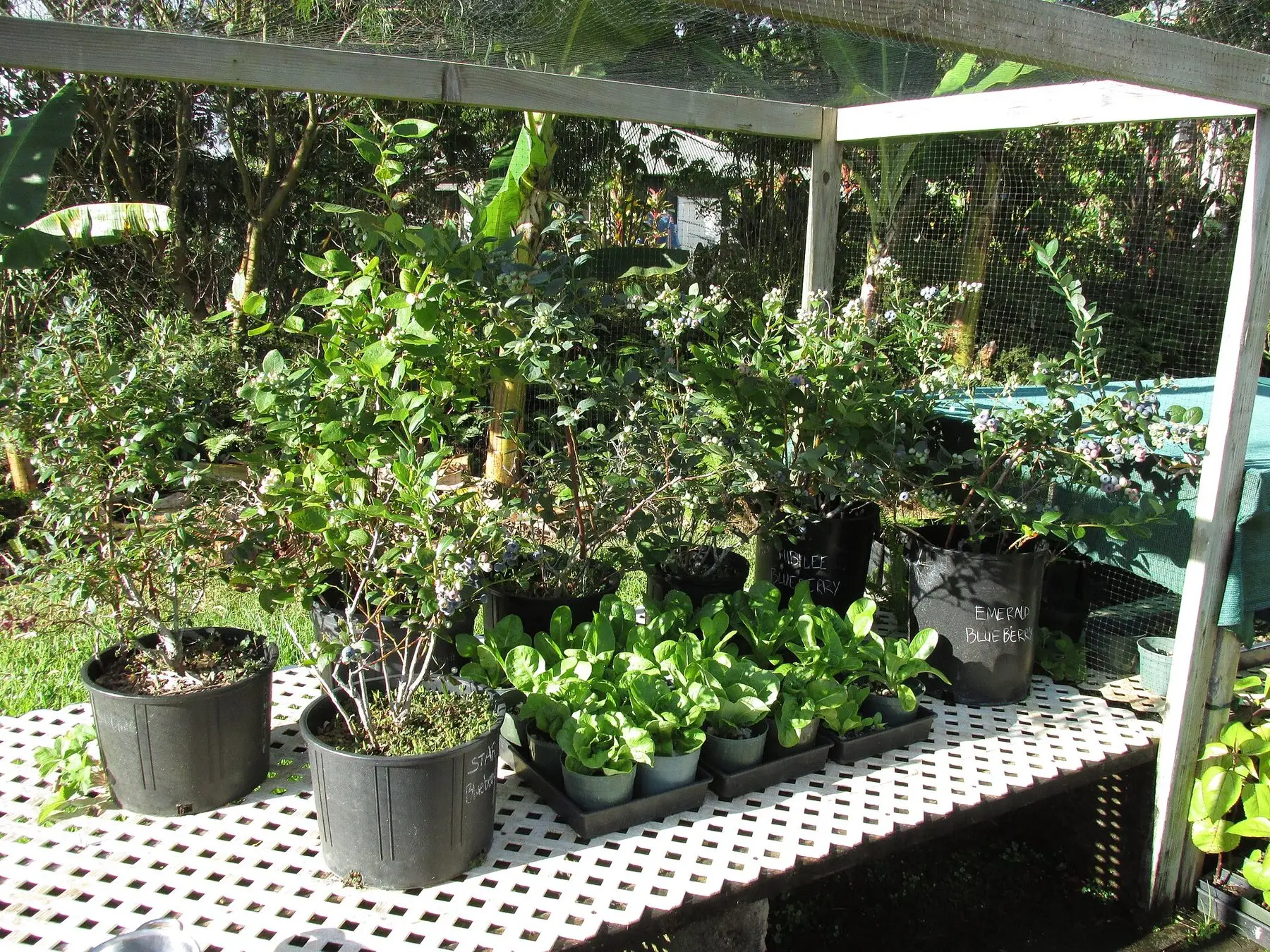
Elemental sulfur is the reliable way to acidify soil, and it takes months. What to use, how much, and why coffee grounds and vinegar do not work.
Backyard Weekly
One email a week: what to plant now, what to fix, and what is worth buying. No spam, unsubscribe anytime.
Not ready to subscribe? The planting calendar is free and needs no email.
By subscribing you agree to our privacy policy. Grow In Backyard will never sell your address.
Cookies
We use analytics cookies to see which guides get read, so we know what to write next. Decline and nothing is set. Privacy policy.