
Can I Use Potting Mix to Start Seeds? Yes, With Caveats
Potting mix works for larger seeds but is too coarse and too rich for fine ones. Sieving it and cutting it with perlite closes most of the gap.
 By
On this page
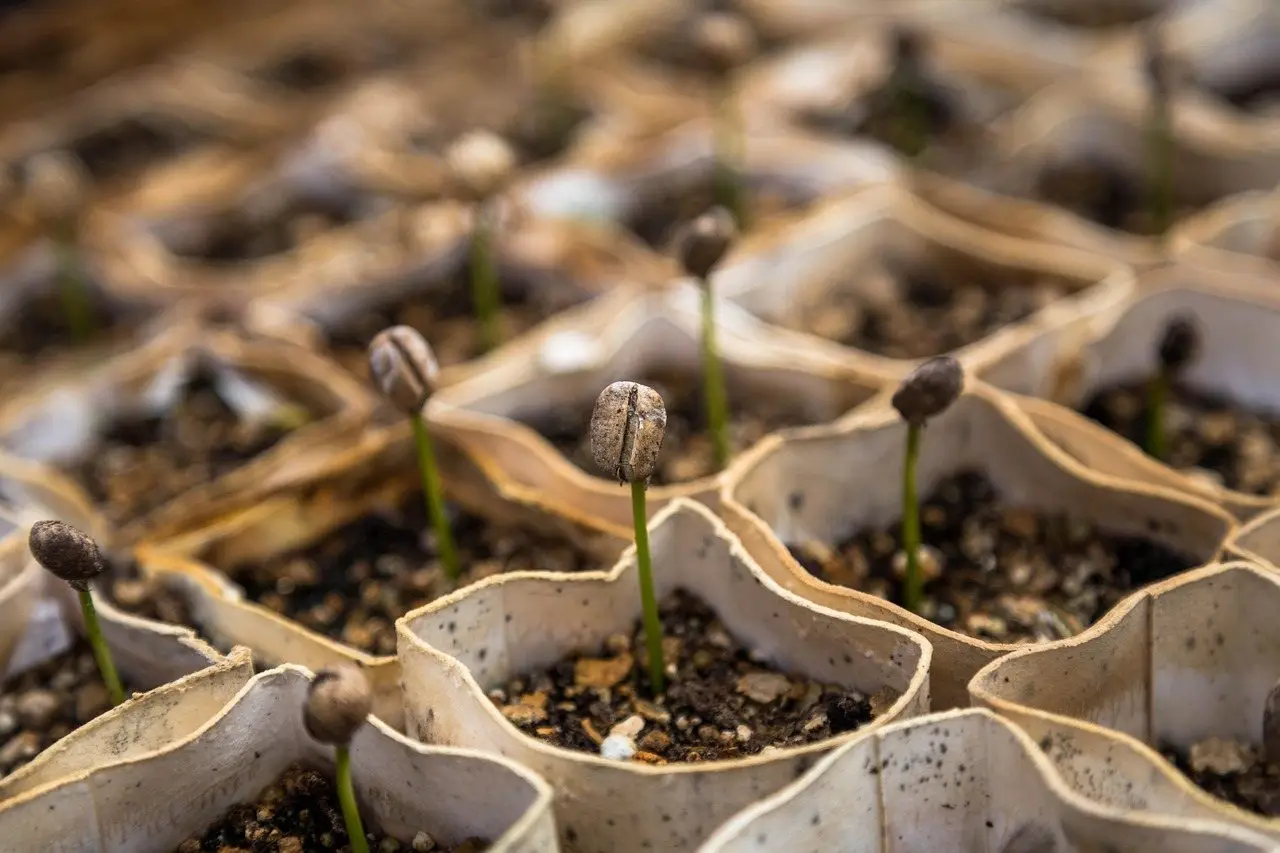
Yes — with caveats. Potting mix is coarser and usually fed, and both matter at germination. Large seeds cope easily; fine seeds do noticeably better in a proper seed mix. Sieving it and cutting it with perlite closes most of the gap.
Why seed mix is different
| Seed starting mix | Potting mix | |
|---|---|---|
| Texture | Fine and even | Coarse, with bark and lumps |
| Nutrients | Almost none — deliberately | Slow-release fertiliser |
| Sterile | Usually | Not necessarily |
| Water behaviour | Even, consistent | Patchy around chunks |
| Suits | Fine seed, any seed | Large seed; potting on |
The low nutrient level is the design, not a shortcoming: a seed carries its own food until the first true leaves, and salts in the medium can scorch the first root instead.
Making potting mix work
- Sieve it. Remove bark chunks and lumps — that is most of the problem solved.
- Cut it: roughly two parts sieved mix to one part perlite and one part fine coir or sieved leaf mould. This lightens the texture and dilutes the fertiliser together.
- Fill and firm gently. Air pockets are what strand a thread-thin root.
- For very fine seed, top the surface with a thin layer of pure sieved material so the seed sits in something even.
Which seeds do not care
Beans, peas, squash, courgette, sunflowers, sweetcorn — big seeds with big reserves and robust first roots. These germinate happily in straight potting mix and are not worth buying seed compost for.
Damping off
A fungal collapse where seedlings topple at soil level. Too rich, too wet, or not sterile all contribute.
Prevention is the whole battle
Once it starts in a tray it usually takes most of it. Sow thinly. Water from below. Keep air moving across the tray. Take the humidity dome off as soon as seedlings emerge. Use clean trays. There is no reliable cure after the fact.
Your own mix
Equal parts fine coir or peat substitute, perlite, and sieved compost or leaf mould — with the compost reduced or left out for very fine seed. It should feel light, hold together when squeezed damp and crumble when poked.
Sterilising is not essential for most sowings but reduces damping off; a short spell in a hot oven or a scald with boiling water does it.
When to start feeding
At the first true leaves — the pair after the seed leaves. Before that, feeding achieves nothing. After that, a half-strength liquid feed every week or two, or pot on into ordinary potting mix, which already carries what they now need.
Common questions
Can I use potting mix to start seeds?
What is the difference between seed starting mix and potting soil?
How do I make potting mix work for seeds?
Can you make your own seed starting mix?
What is damping off and does the mix cause it?
When do seedlings actually need feeding?
Backyard Weekly
Know what to plant, week by week
Join the weekly email for seasonal jobs, fixes for what is going wrong, and gear worth buying.
Not ready to subscribe? The planting calendar is free and needs no email.
By subscribing you agree to our privacy policy. Grow In Backyard will never sell your address.
Keep reading
Potting Soil: What Is Actually in the Bag, and Which to Buy
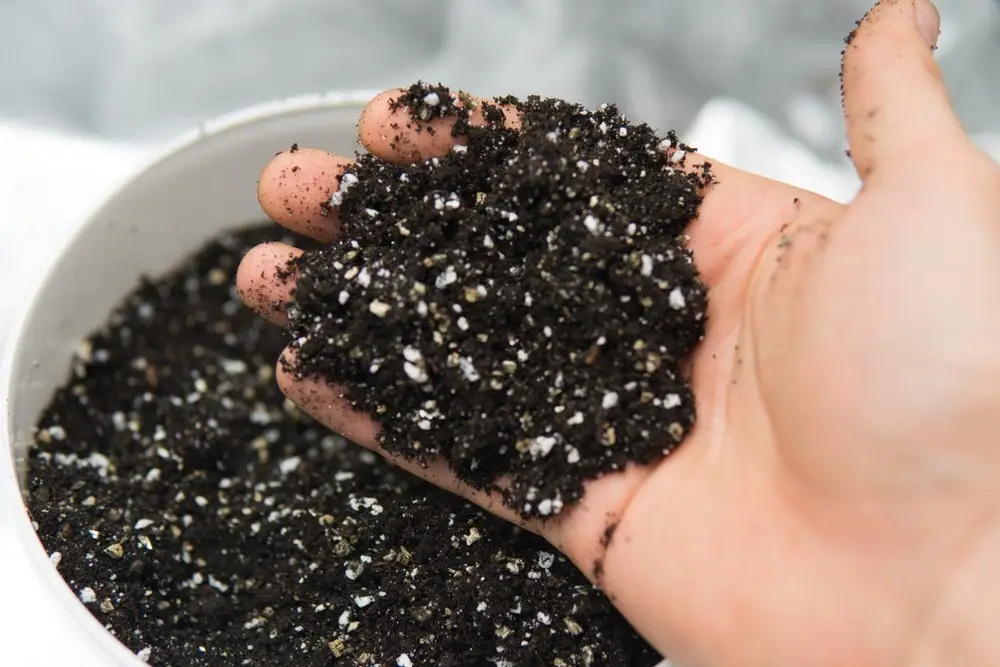
Potting mix contains no soil at all, and that is the point. What each ingredient does, why garden soil fails in a container, and how to read a bag honestly.
Do I Need New Potting Soil Every Year? Refresh, Don't Replace
Most used compost is fine for another season once it is loosened, topped up and fed. Replace it outright only after disease or in seed trays.
Perlite vs Vermiculite: Which One, and When
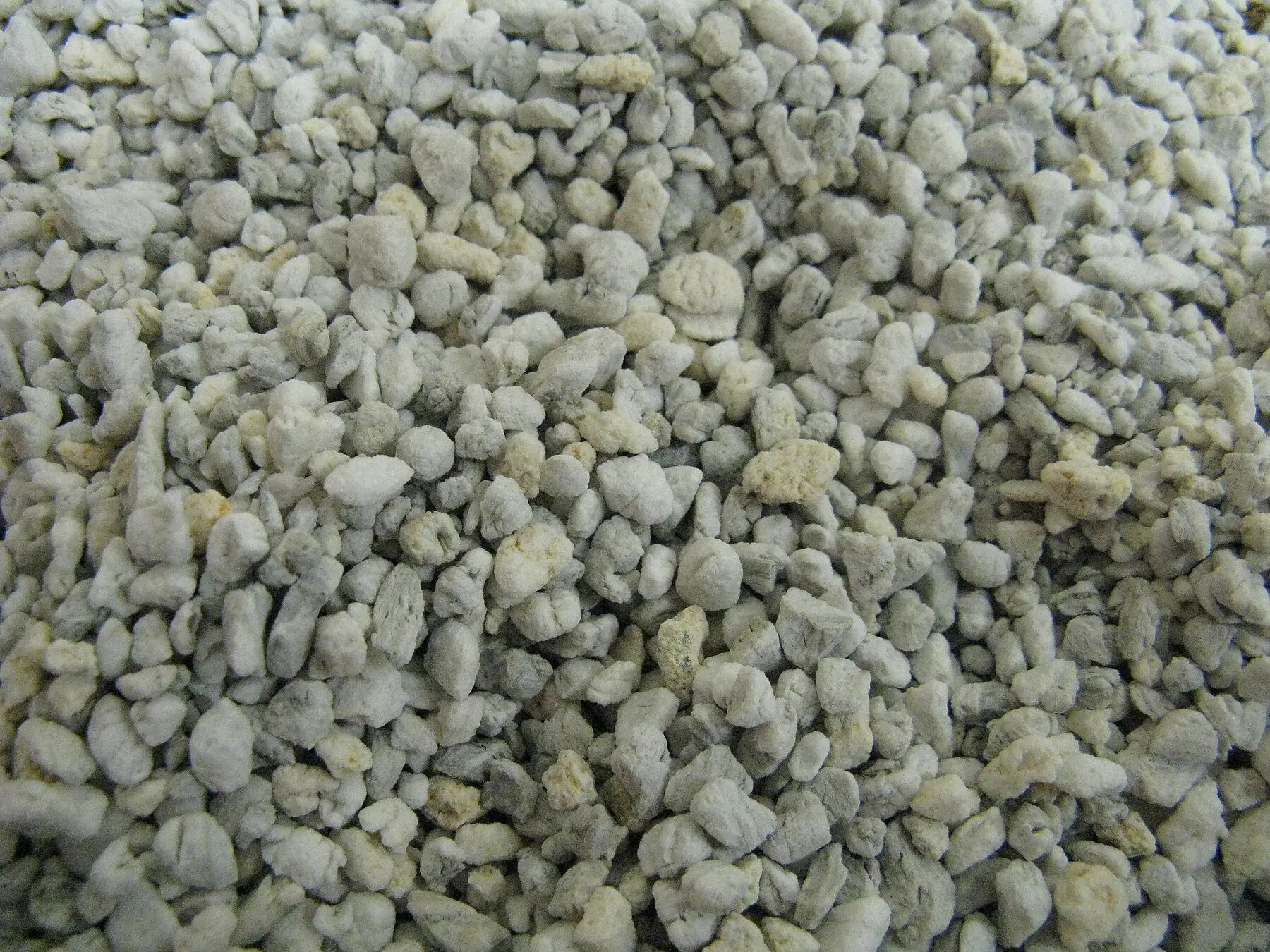
Both lighten soil, but one drains and one holds water. Which to use for seeds, cuttings, succulents and containers, and why mixing them defeats the point.

Can I Use Topsoil as Fill Dirt? You Can, But It Will Settle
Topsoil compresses and shrinks as its organic matter breaks down, so anything built on it sinks. Use subsoil or hardcore for fill and save topsoil for growing.