
Can I Use Topsoil as Fill Dirt? You Can, But It Will Settle
Topsoil compresses and shrinks as its organic matter breaks down, so anything built on it sinks. Use subsoil or hardcore for fill and save topsoil for growing.
 By
On this page
You can — but it will settle. Topsoil holds organic matter that keeps decomposing, so a deep layer shrinks for years and anything on it sinks. Fill dirt is low in organic matter precisely so it compacts once and stops.
Two materials, two jobs
| Fill dirt (subsoil) | Topsoil | |
|---|---|---|
| Organic matter | Very little | Substantial |
| Behaviour over time | Compacts, then stable | Shrinks for years |
| Nutrients, soil life | Almost none | Yes |
| Grows things | Poorly | Yes |
| Use for | Bulk fill, under structures | The top layer |
| Cost | Lower | Higher |
It is a difference of behaviour, not quality.
Filling a hole properly
- Bulk it with subsoil or fill dirt, compacted in layers of about 15 cm. Each layer compacted before the next goes on.
- Finish with 10–15 cm of topsoil so grass or plants have something to root into.
- Mound the surface slightly proud of the surrounding ground — it will settle back.
- Water it in and expect to come back and top it up once.
A shallow dip in an existing lawn is different
Do not drop a thick layer on living grass — it smothers it. Use a sand and topsoil blend spread thinly, repeated over a few mowings, letting the grass grow up through each pass.
Why settlement matters
Never build on topsoil or uncompacted fill
A shed, patio, path or wall on organic-rich or loose fill will crack, tilt or sink as the ground consolidates underneath, and that failure is expensive and awkward to correct. Compact in shallow layers, use material meant for the job, and for anything structural take advice rather than guessing at depth.
Compacting in layers reduces the immediate settling. It cannot stop the shrinkage that comes from organic matter rotting away — only the choice of material does that.
Screened topsoil
Better for growing, no better for filling. Screening removes stones, roots and debris, which makes it easier to spread and nicer to plant into, but does nothing about the organic matter causing settlement — and it costs considerably more.
Going under something? Buy unscreened fill. Going on top to grow in? Screened is worth it.
Common questions
Can I use topsoil as fill dirt?
What is the difference between fill dirt and topsoil?
How much does topsoil settle?
What should I fill a hole in the yard with?
Can you build on filled ground?
Is screened topsoil better for filling?
Backyard Weekly
Know what to plant, week by week
Join the weekly email for seasonal jobs, fixes for what is going wrong, and gear worth buying.
Not ready to subscribe? The planting calendar is free and needs no email.
By subscribing you agree to our privacy policy. Grow In Backyard will never sell your address.
Keep reading
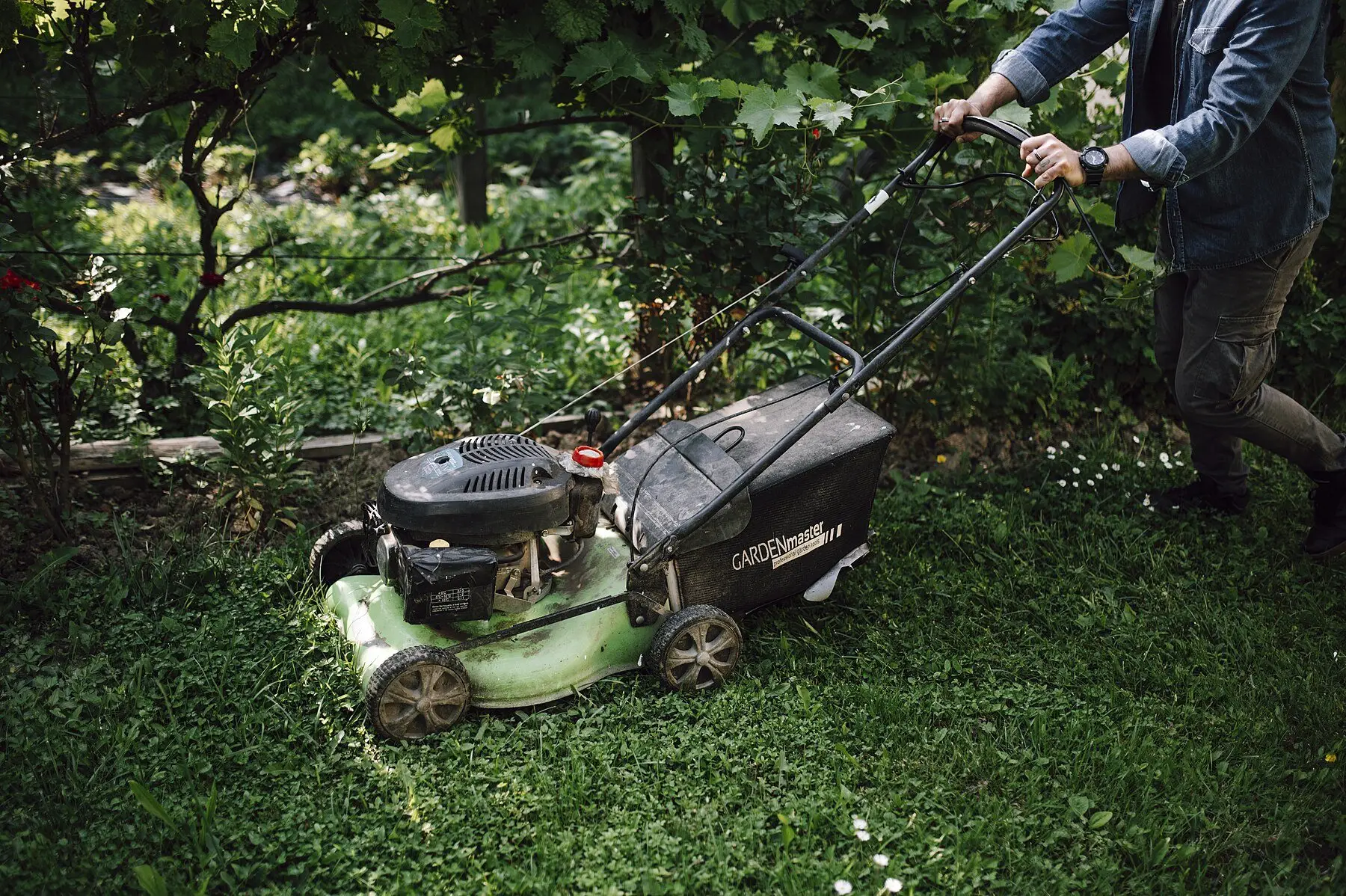
How to Level a Yard: Topdressing, and When to Regrade
Most bumps are fixed with half an inch of topdressing at a time. The soil mix, why you cannot bury grass, and the drainage question to ask first.
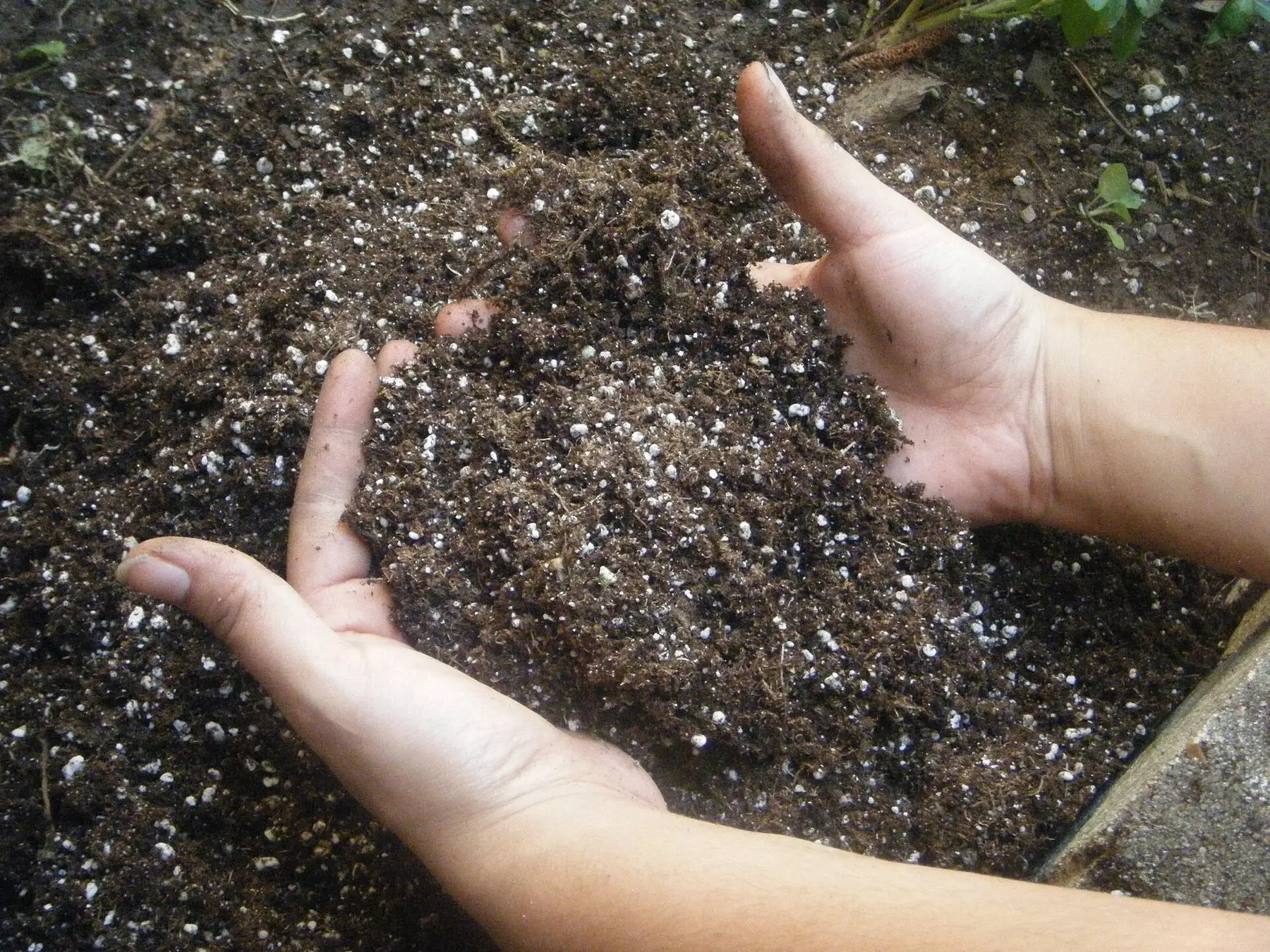
Loam Soil: What It Is, and How to Get It From Clay or Sand
Loam is a particle-size ratio, not a product you buy. How to test what you have with a jar of water, and the only method that genuinely changes it.
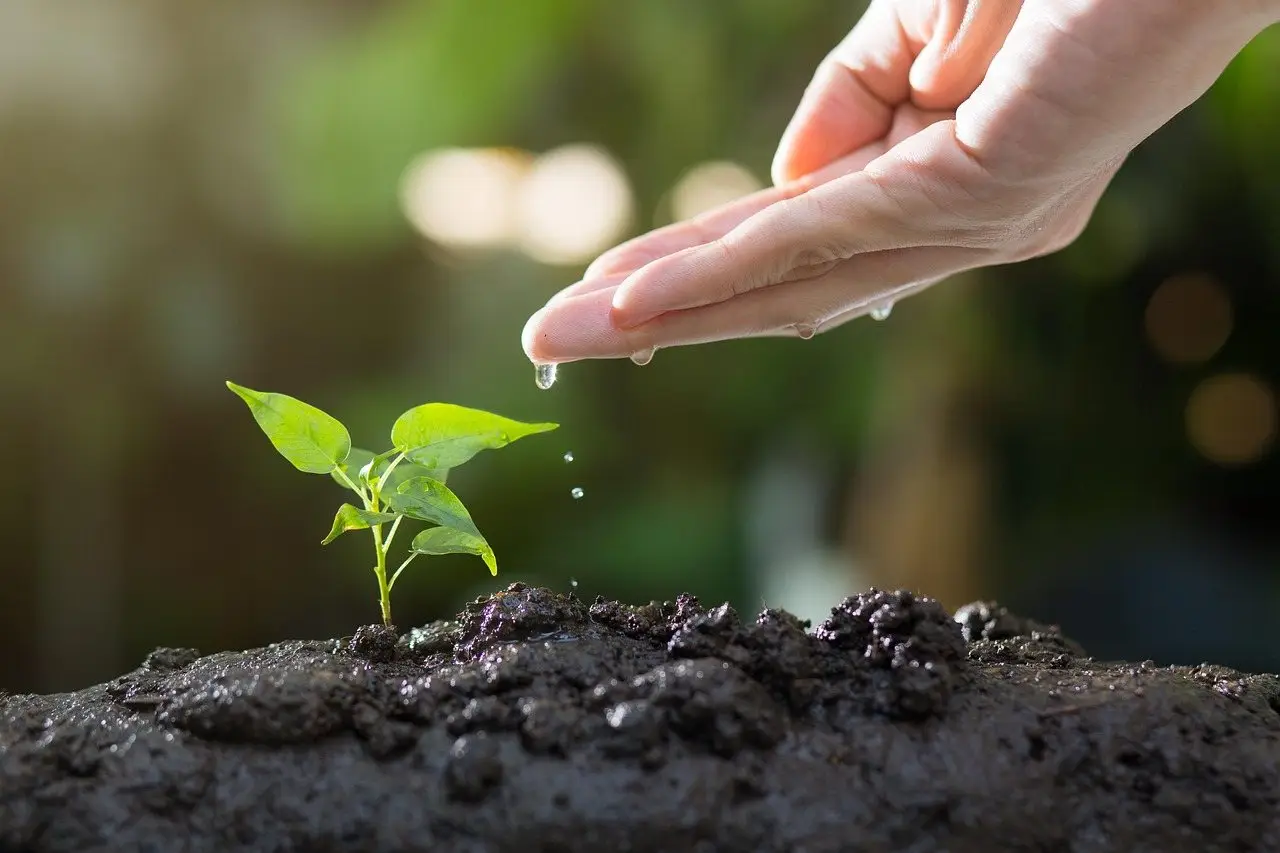
Can You Use Compost as Topsoil? Not on Its Own
Pure compost is too rich and too loose to work as topsoil. Blended at roughly one part compost to three parts soil, it does the job properly.
Can You Use Flower Potting Soil for Vegetables? Usually Yes
Most general potting compost grows vegetables fine. Check for two things: a fertiliser balance skewed to flowering, and any added moisture-retention gel.