
Can You Use Flower Potting Soil for Vegetables? Usually Yes
Most general potting compost grows vegetables fine. Check for two things: a fertiliser balance skewed to flowering, and any added moisture-retention gel.
 By
On this page
Usually yes. General potting compost is a growing medium, not a crop-specific product. Check two things on the bag: a feed skewed toward flowering, and water-retaining gel, which can keep a vegetable container too wet.
What to look at on the bag
| On the label | Means | For vegetables |
|---|---|---|
| General purpose / multipurpose | Balanced, no specialism | Fine |
| High P and K, low N | Tuned for flowering | Fine for fruiting crops; poor for leaves |
| Water-retaining gel or granules | Holds much more water | Avoid for most vegetable pots |
| “Vegetable” or “grow your own” | Usually a nitrogen-forward feed | Good, rarely worth a big premium |
| Ericaceous | Acidic | Wrong unless growing blueberries |
| Seed / cutting compost | Low nutrient, fine texture | Wrong for cropping |
Why the feed difference is smaller than it looks
Compost supplies roughly six weeks of nutrition once a plant is growing hard. After that, you are feeding it liquid regardless of what the bag said.
- Leafy crops — lettuce, spinach, chard — want nitrogen throughout.
- Fruiting crops — tomatoes, peppers, courgettes — want nitrogen early, then a shift to potassium at flowering. That is what tomato feed is.
So the bag is a starting point, not the diet
Many bags marked “vegetable” are the same base material as the general-purpose version with a different fertiliser charge — which is why the price gap is usually small.
The gel question
Water-retaining granules suit baskets, not vegetable pots
They hold considerably more water and release it slowly, which is right for a hanging basket or small bedding pot that dries out by lunchtime. In a deep vegetable container they keep the mix saturated, and roots need oxygen. Tomatoes, peppers and most herbs do worse in it.
Is it safe for food crops?
Yes, for compost sold for garden use — including mixes with synthetic fertiliser, since the plant takes nutrients up in the same chemical form either way.
Be careful with unlabelled or industrial material of unknown origin, and with anything that might carry a persistent herbicide, which arrives via manure and distorts growth badly. Buy from a normal garden supplier and this is a non-issue.
What actually decides the crop
Pot size, drainage, watering
Vegetables in containers fail far more often from a pot that is too small, from drying out between waterings, or from blocked drainage holes than from the wrong compost. A large pot of ordinary multipurpose, watered reliably, out-produces a small pot of premium vegetable compost that dries out every other day.
Common questions
Can you use flower potting soil for vegetables?
Is vegetable compost actually different?
What NPK suits vegetables in pots?
Why does water-retaining gel matter?
Should I worry about what is in compost if I am eating the crop?
What matters more than the label?
Backyard Weekly
Know what to plant, week by week
Join the weekly email for seasonal jobs, fixes for what is going wrong, and gear worth buying.
Not ready to subscribe? The planting calendar is free and needs no email.
By subscribing you agree to our privacy policy. Grow In Backyard will never sell your address.
Keep reading
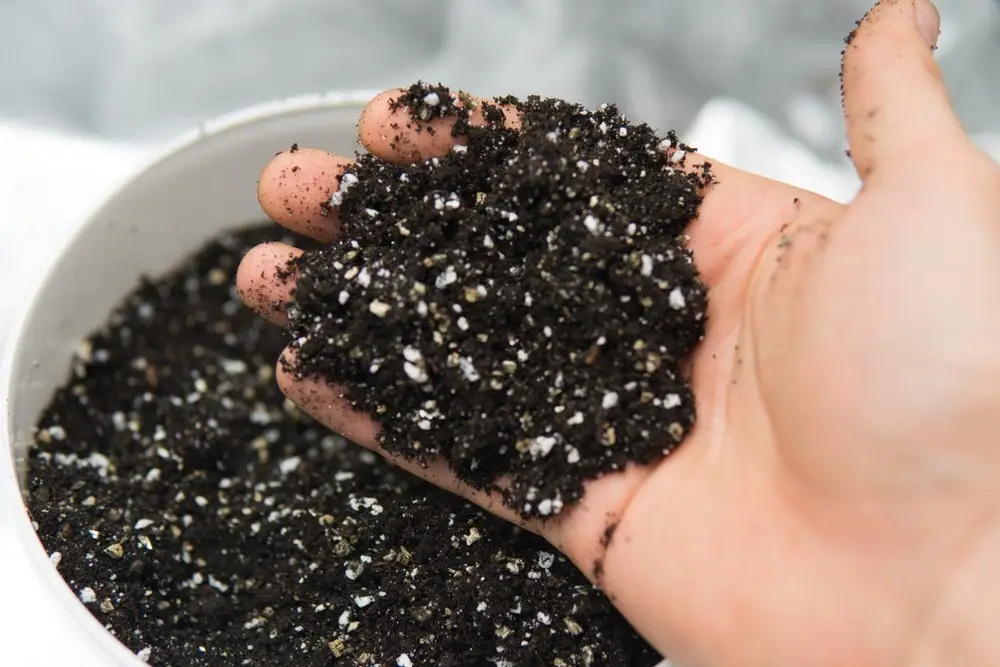
Potting Soil: What Is Actually in the Bag, and Which to Buy
Potting mix contains no soil at all, and that is the point. What each ingredient does, why garden soil fails in a container, and how to read a bag honestly.
Can You Use Potting Soil in the Ground? Yes, as an Amendment
Potting mix works dug into garden soil but fails as a fill on its own — it drains wrong, settles and dries out. Where the line actually falls.
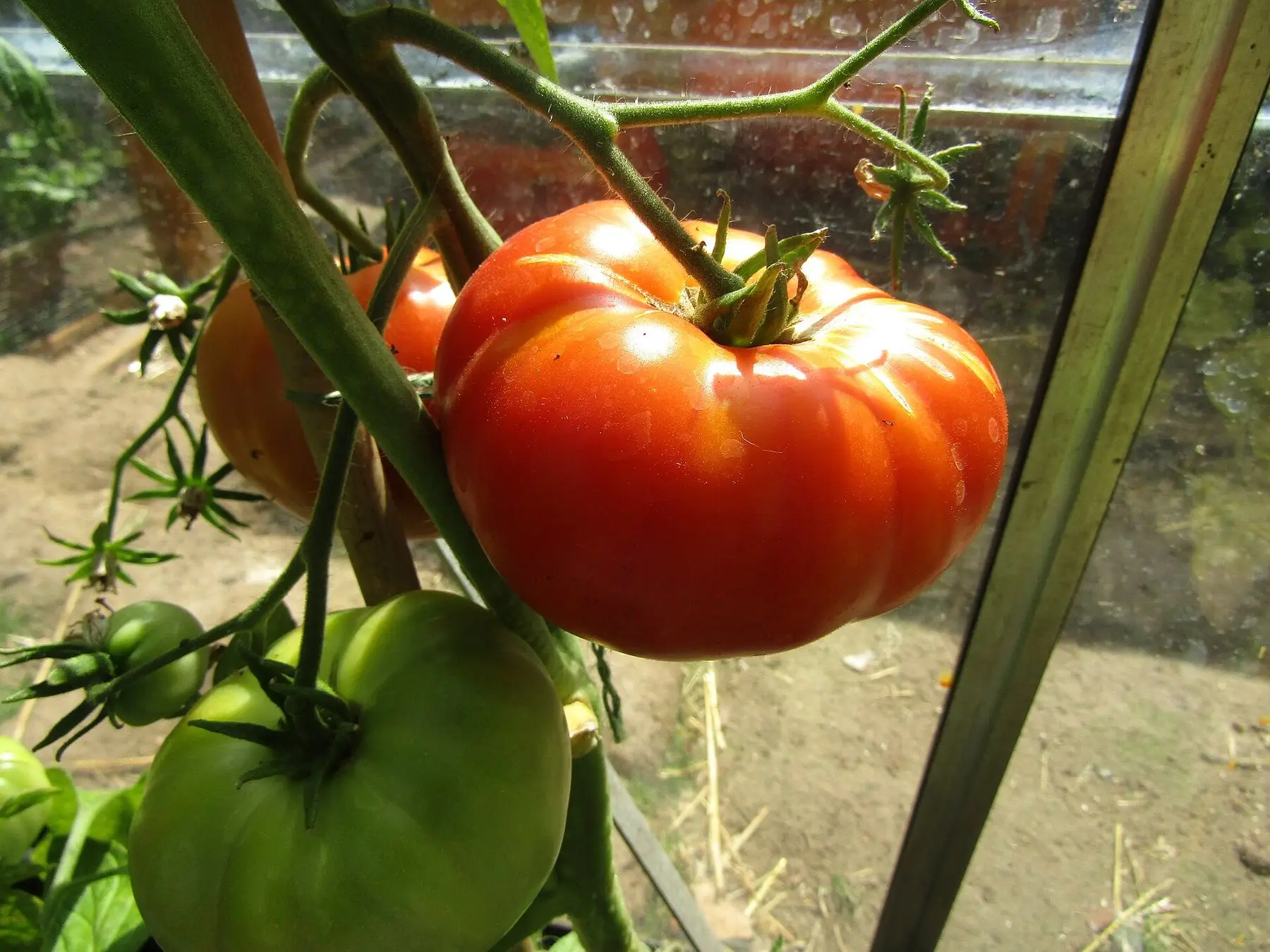
Best Fertilizer for Tomatoes — 4 Picks, Potassium Late
The best fertilizer for tomatoes changes once fruit sets. 4 picks compared across the season, plus the soil test first. See which your plants need.
Do Home Soil Test Kits Work? For pH Yes, for NPK Not Really
Colour-change pH kits and meters are close enough to act on. The nitrogen, phosphorus and potassium pads in the same box are near-useless.