
Can You Use Compost as Topsoil? Not on Its Own
Pure compost is too rich and too loose to work as topsoil. Blended at roughly one part compost to three parts soil, it does the job properly.
 By
On this page
No — not on its own. Compost is a soil amendment, not a soil. Mixed at roughly one part compost to three parts soil it is one of the best things you can do to a bed. Used neat, it causes three predictable problems.
What each one actually is
| Topsoil | Compost | |
|---|---|---|
| Made of | Sand, silt, clay + some organic matter | Almost entirely organic matter |
| Organic fraction | Commonly 2–10% | Close to 100% |
| Structure | Stable | Continues to decompose and shrink |
| Nutrients | Moderate | High — often more than plants need |
| Holds water | Yes, steadily | Holds a lot, then hard to rewet |
| Use it as | The body of the bed | An amendment or dressing |
The three problems with using it neat
It is too rich. Nutrient concentrations in good compost can be high enough to scorch seedling roots, and plants that do grow often come up lush, soft and weak — plenty of leaf, poor structure, attractive to aphids.
It shrinks. The organic matter is still decomposing. A raised bed filled mostly with compost can drop several inches in the first season, which is not a failure, just physics.
It dries badly. Once a high-organic mix dries out it becomes genuinely difficult to rewet — water runs off or channels through rather than soaking in evenly.
The mineral fraction is the part doing the structural work
Sand, silt and clay are what give soil its stable volume, its structure and its ability to hold on to nutrients. Compost brings biology and organic matter. A bed wants both.
The ratios that work
- General bed preparation: about 2–3 inches of compost forked into the top 8–12 inches — call it one part compost to three parts soil
- New raised bed: roughly 60% topsoil, 30% compost, 10% drainage material such as coarse sand or bark fines
- Annual maintenance: a 1-inch surface dressing, left for worms to incorporate
- Lawn top dressing: ¼–½ inch of fine screened compost, brushed into the sward after aerating
On a lawn, you must still see the grass afterwards
A thick compost layer smothers turf. If the grass has disappeared under the dressing, there is too much on. Brush more of it in or take some off.
The one place neat compost is right
As mulch. A layer spread on the surface of a bed, not dug in — weed suppression, moisture retention, and worms carrying it down into the soil for you over the course of a year.
That is compost doing what it is good at: improving soil that already exists, rather than pretending to be soil itself.
Common questions
Can you use compost as topsoil?
What is the difference between compost and topsoil?
Can you plant directly into compost?
How much compost should you mix with soil?
Why does the soil level in my raised bed keep dropping?
Is compost good for lawns?
Backyard Weekly
Know what to plant, week by week
Join the weekly email for seasonal jobs, fixes for what is going wrong, and gear worth buying.
Not ready to subscribe? The planting calendar is free and needs no email.
By subscribing you agree to our privacy policy. Grow In Backyard will never sell your address.
Keep reading
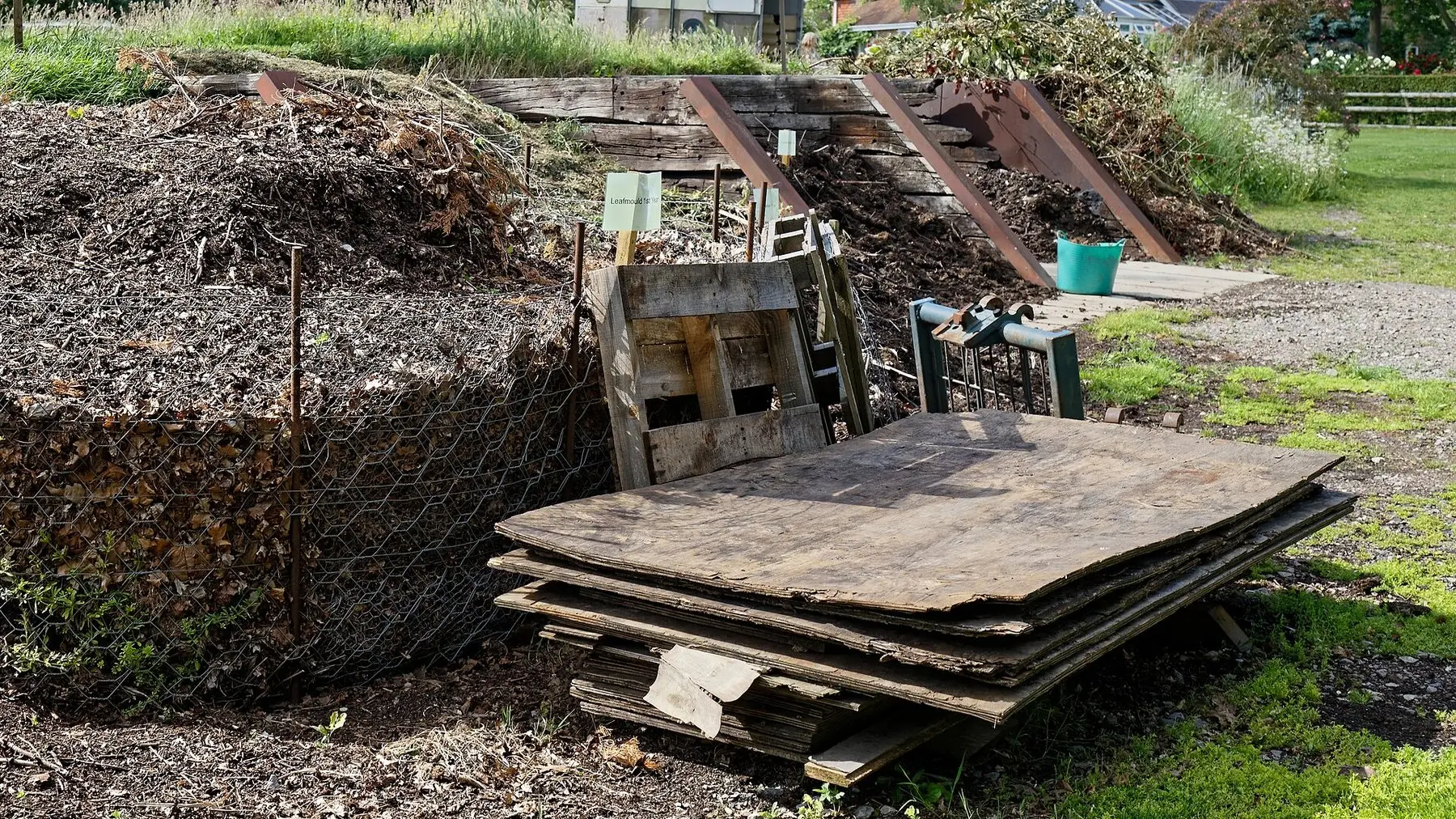
How to Make a Compost Bin — 4 Parts, 3 Designs
How to make a compost bin: pick the design, then size it for the heat. 4 parts cover all 3 builds. See which suits the space you have.
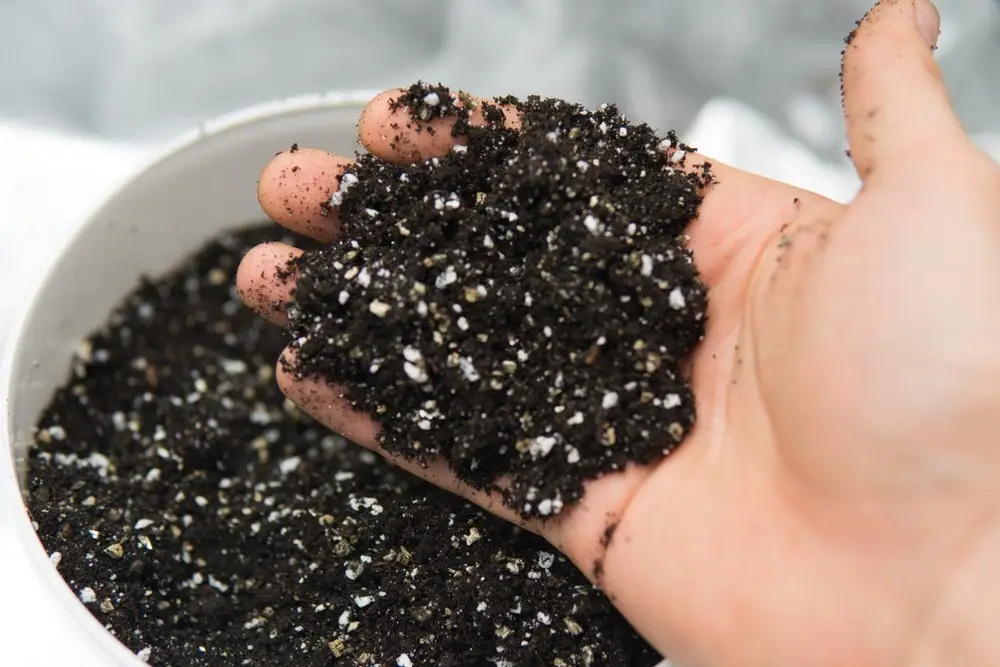
Potting Soil: What Is Actually in the Bag, and Which to Buy
Potting mix contains no soil at all, and that is the point. What each ingredient does, why garden soil fails in a container, and how to read a bag honestly.
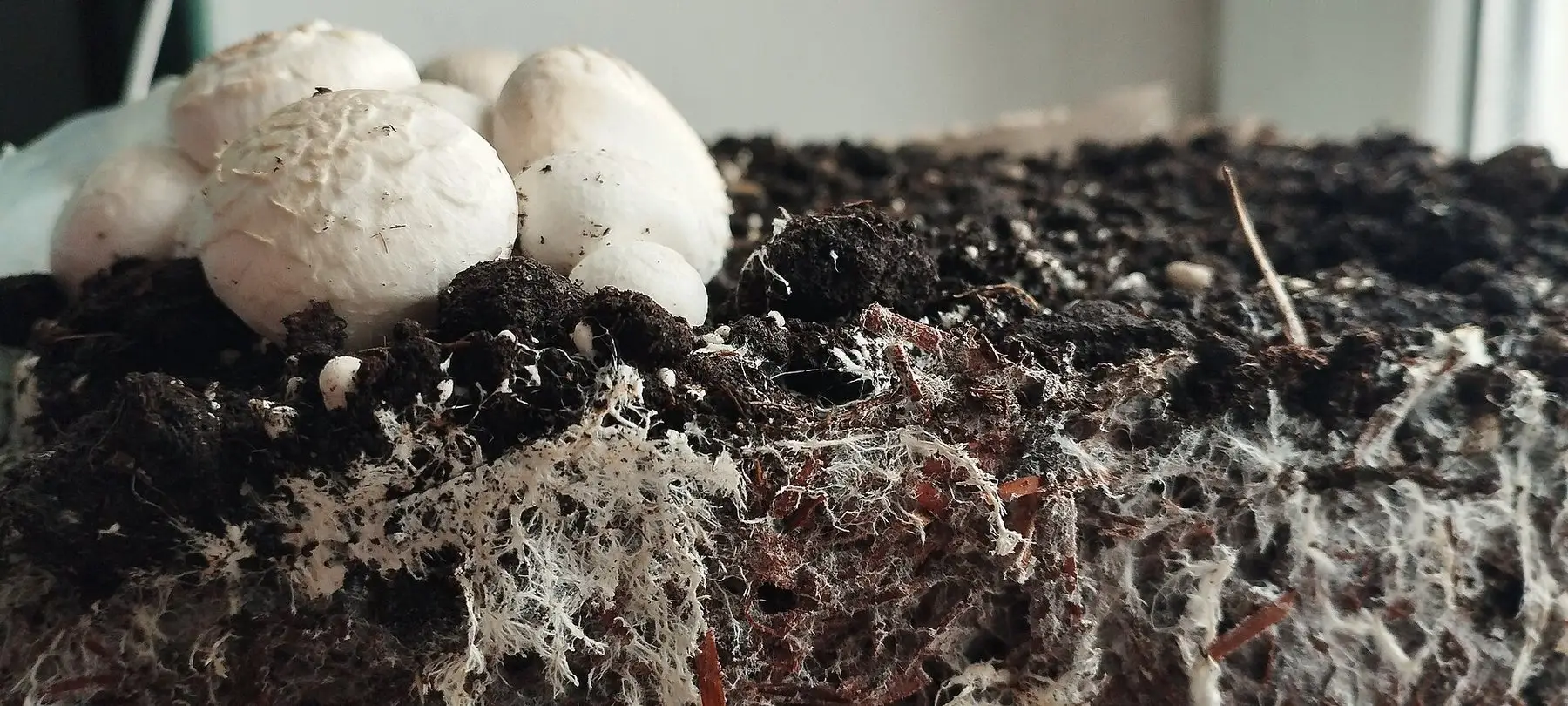
Mushroom Compost — 3 Uses and Where It Does Harm
Mushroom compost is alkaline and salty, which rules out some beds. 3 uses compared, plus what to use on acid-lovers. See where it fits your soil.
Coffee Grounds in the Garden: What They Actually Do
Used coffee grounds are not acidic, do not repel slugs, and should never be spread thickly. What they are genuinely good for, and how to use them.