
Lawn & Soil ·
How to Make Compost Step by Step: Greens, Browns and Air
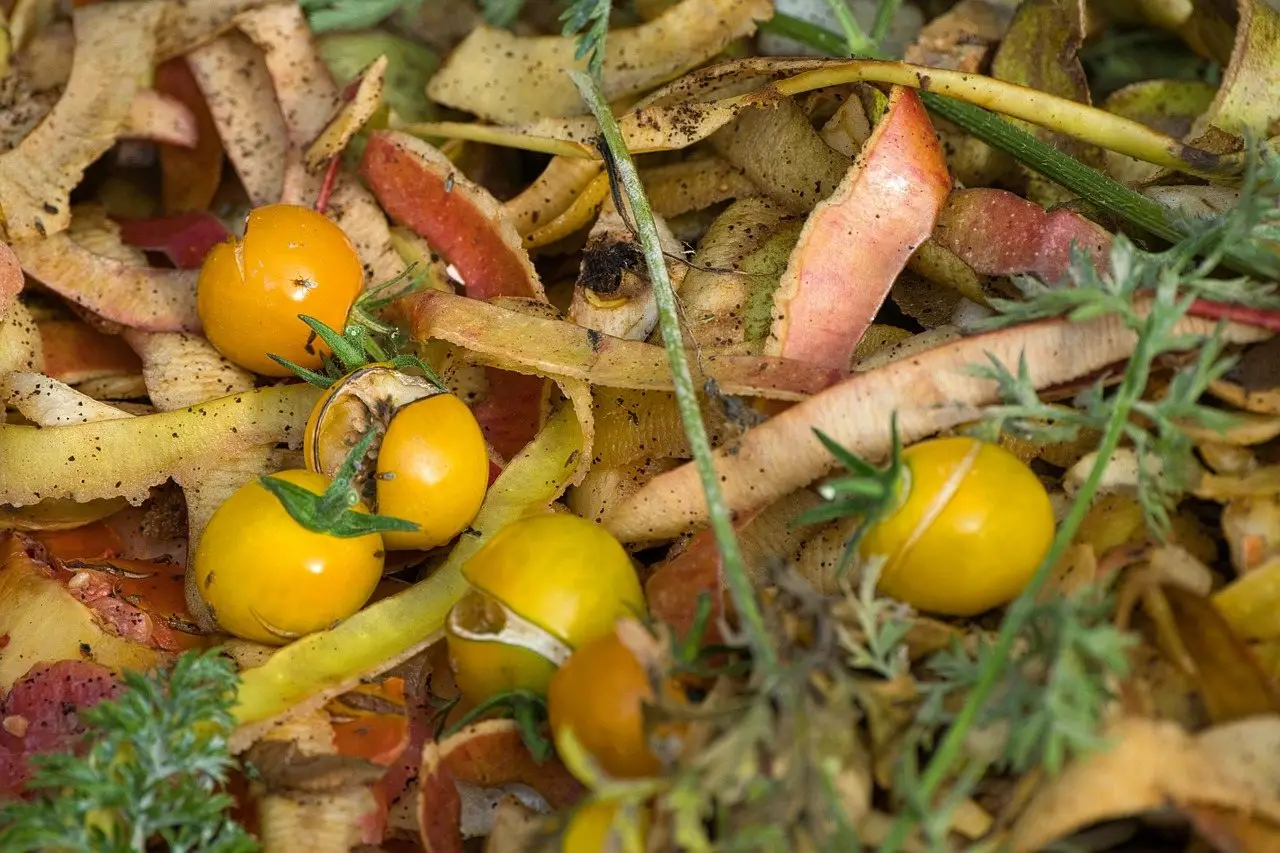
Compost needs roughly two parts browns to one part greens, moisture like a wrung sponge, and turning. Get those three right and the rest follows.
23 guides in Lawn & Soil.
Start here
Mushroom compost is alkaline and salty, which rules out some beds. 3 uses compared, plus what to use on acid-lovers. See where it fits your soil.
Compost needs roughly two parts browns to one part greens, moisture like a wrung sponge, and turning. Get those three right and the rest follows.
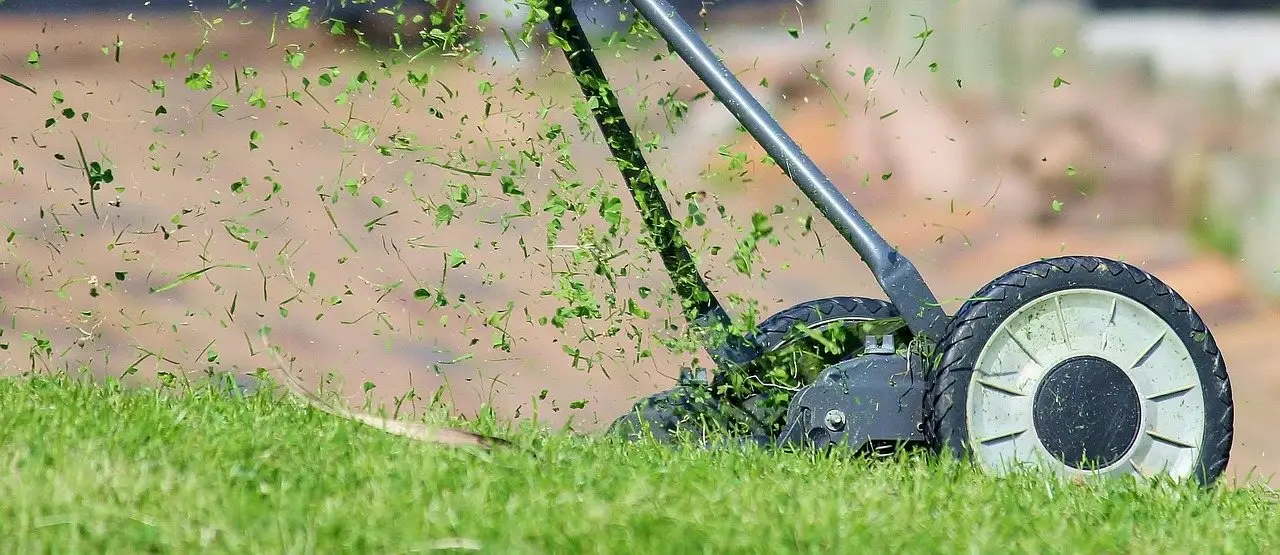
Mulching feeds the lawn and saves bagging; side discharge handles long wet grass without clogging. Most lawns want mulching most of the time.
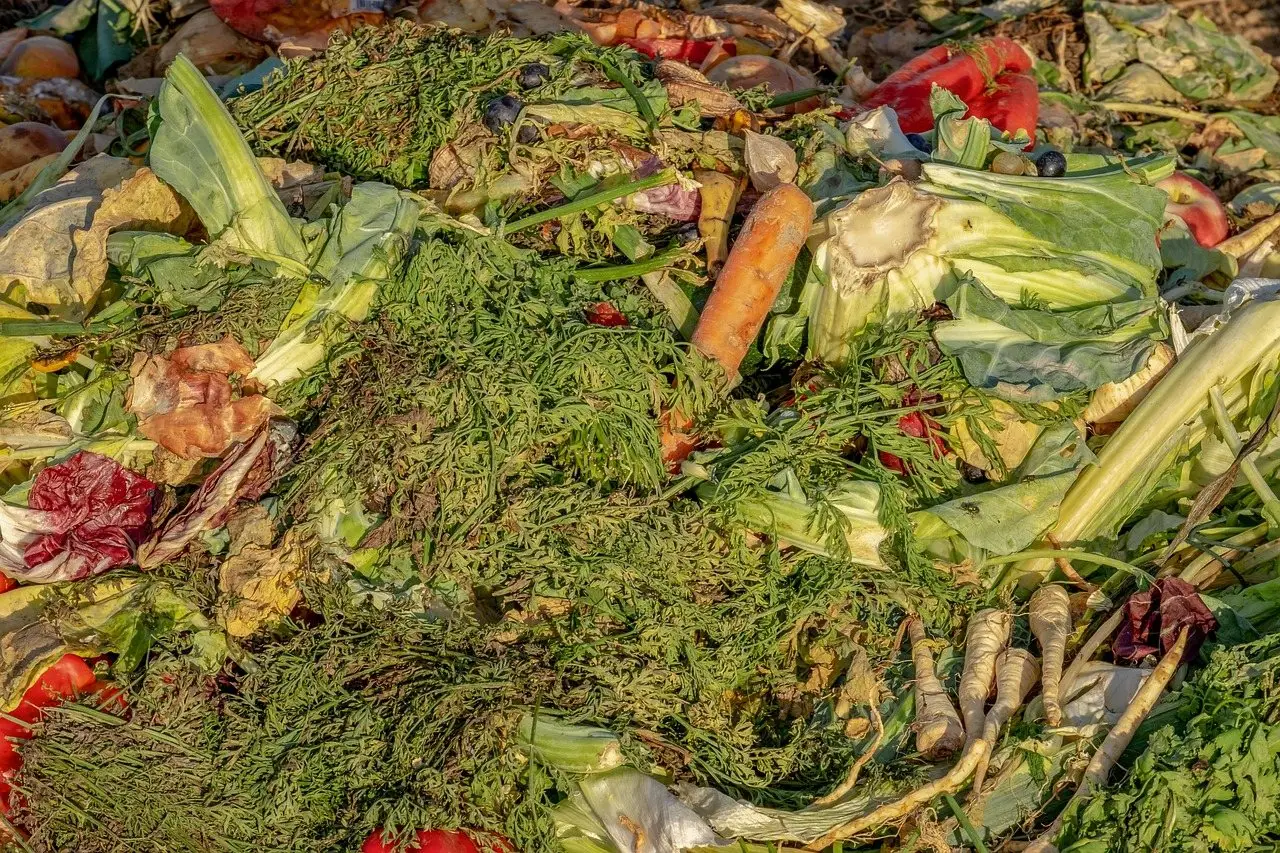
Soldier fly larvae break down food waste faster than anything else in the heap. Maggots signal a wet, nitrogen-heavy pile rather than a problem.
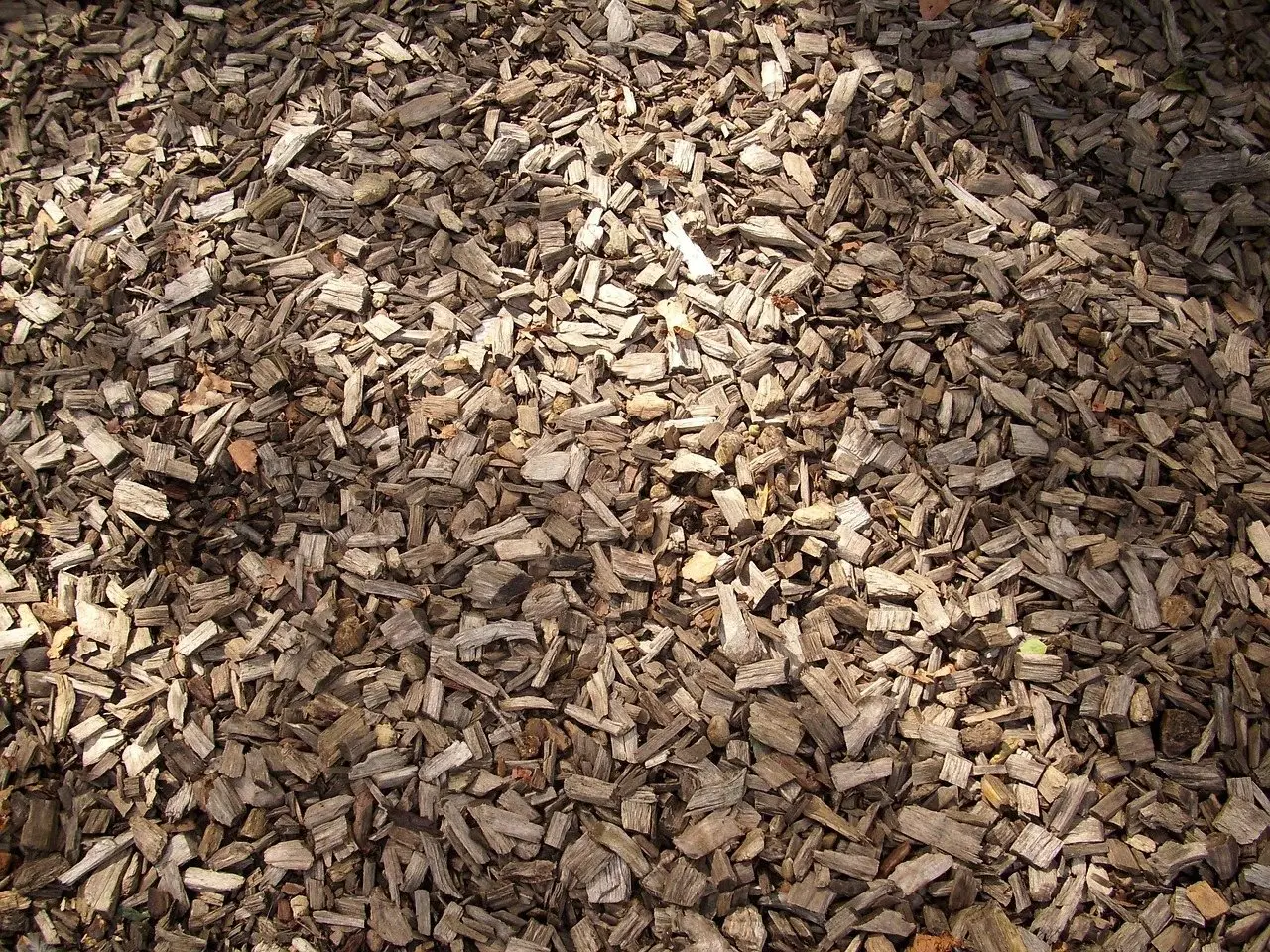
Dry bark and wood mulch ignites readily and smoulders underground for hours before surfacing. Burning it deliberately is also illegal in many areas.
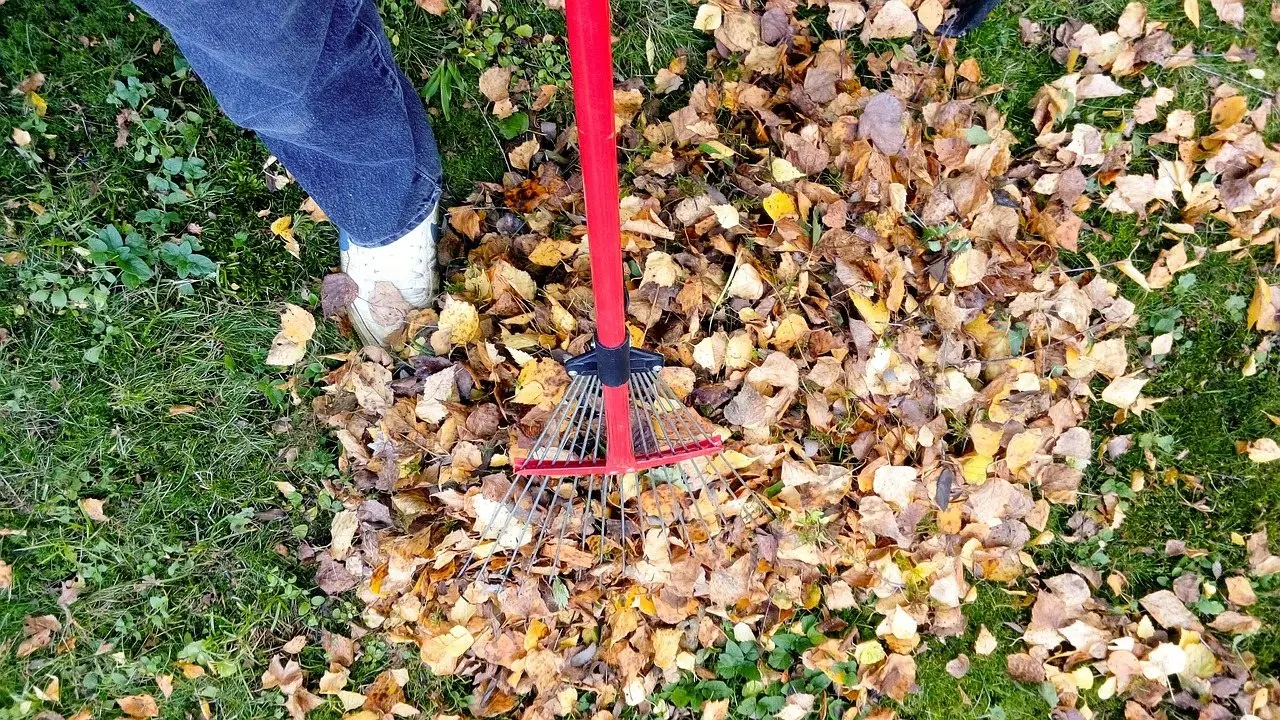
Leaves are the ideal carbon layer in a heap, and composted alone they make leaf mould. Shred them, or they mat into sheets that shed water.
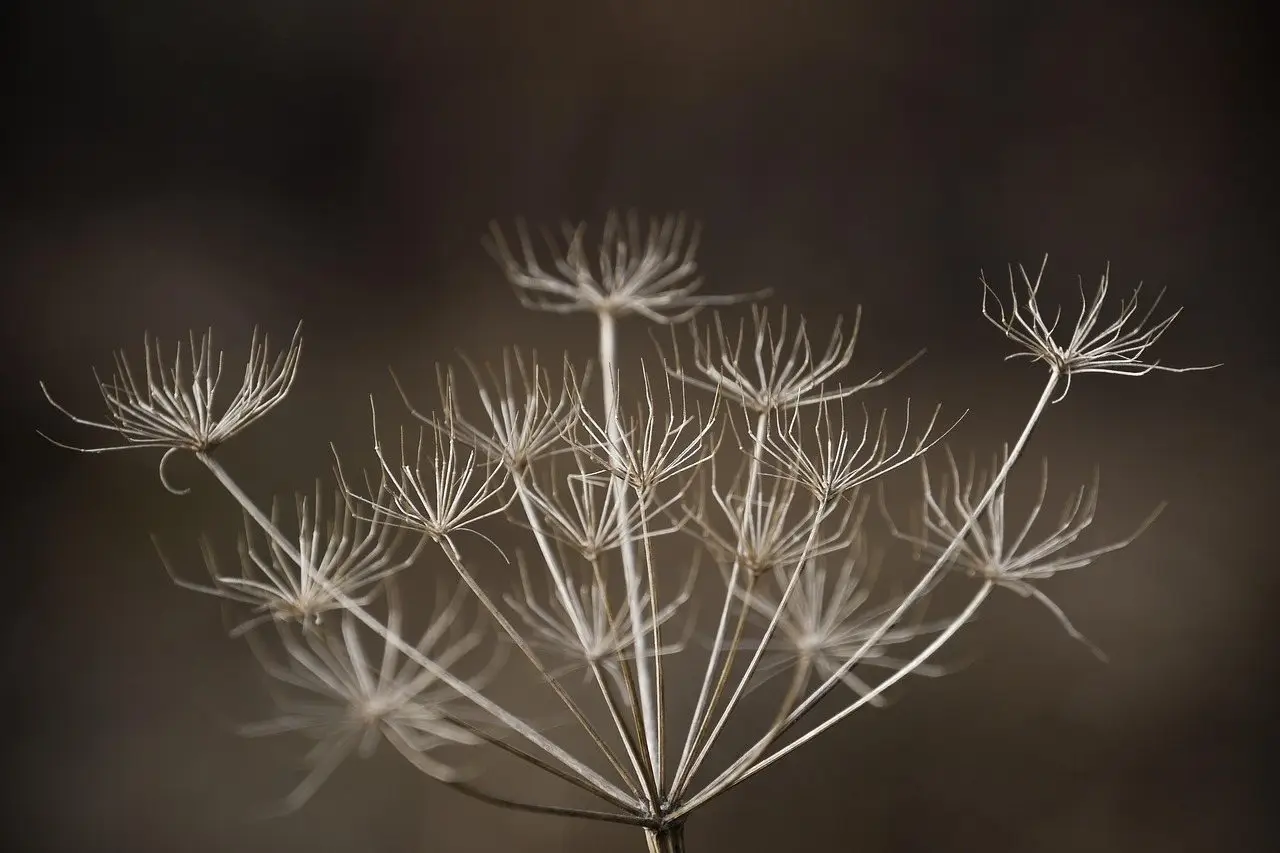
Plants that died of drought, frost or old age compost normally. Disease and persistent seed are the two things a cool domestic heap will not kill.
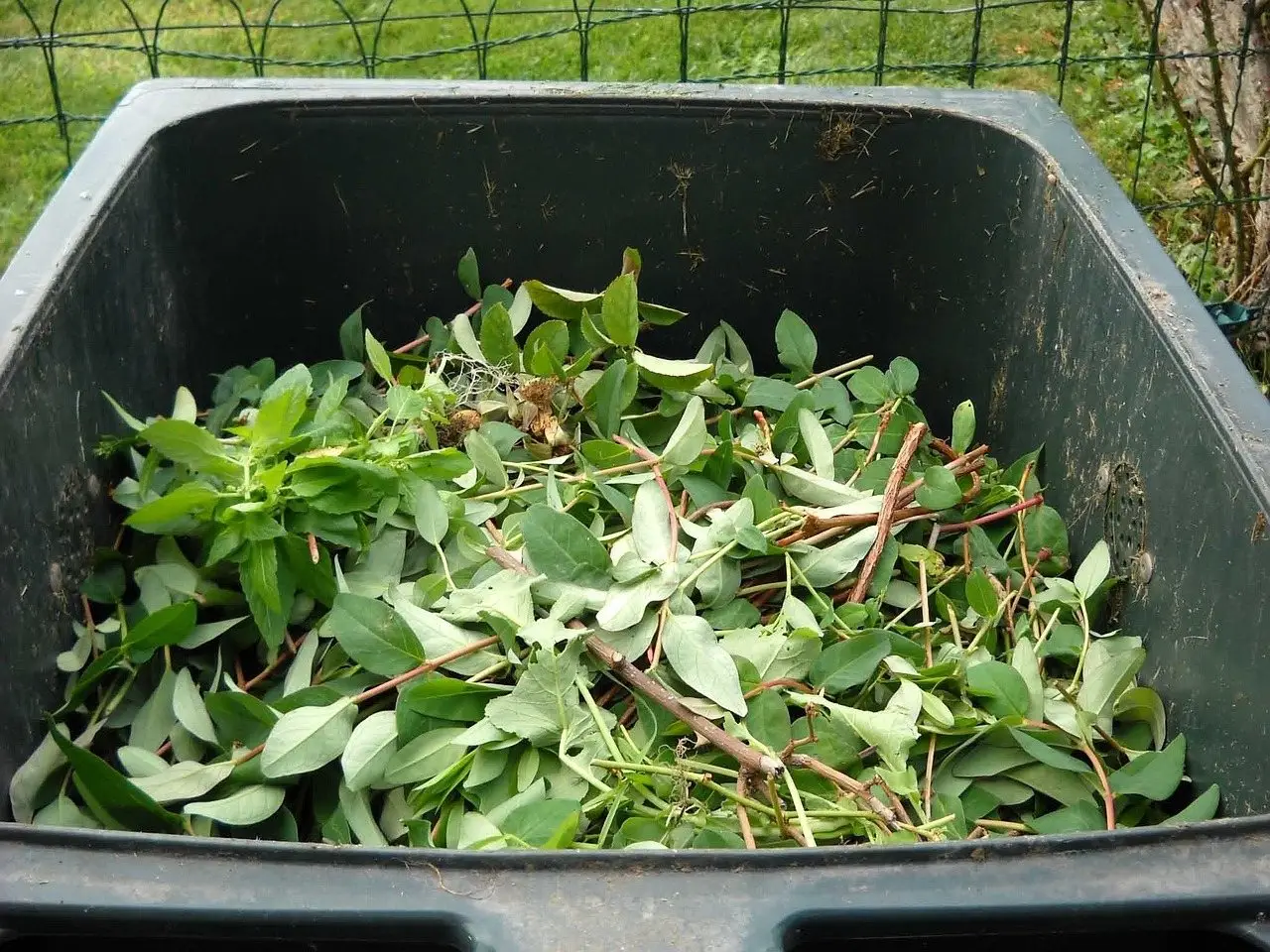
Good compost smells sweet and earthy. Ammonia means too much green, rotten eggs means too wet and airless — both are fixed by adding browns and turning.
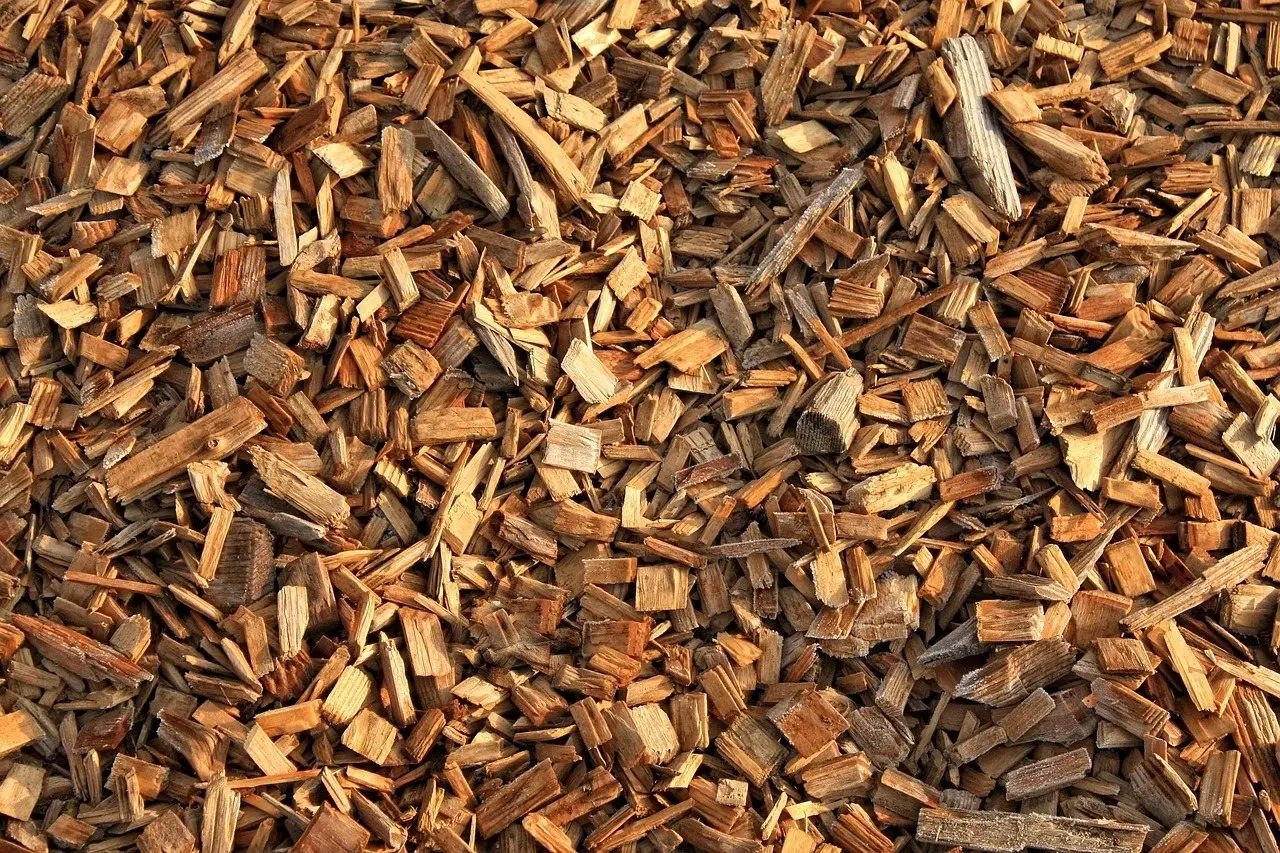
Wood chips and bark decompose into humus over two to five years, feeding the soil as they go. Rubber, stone and plastic never do.
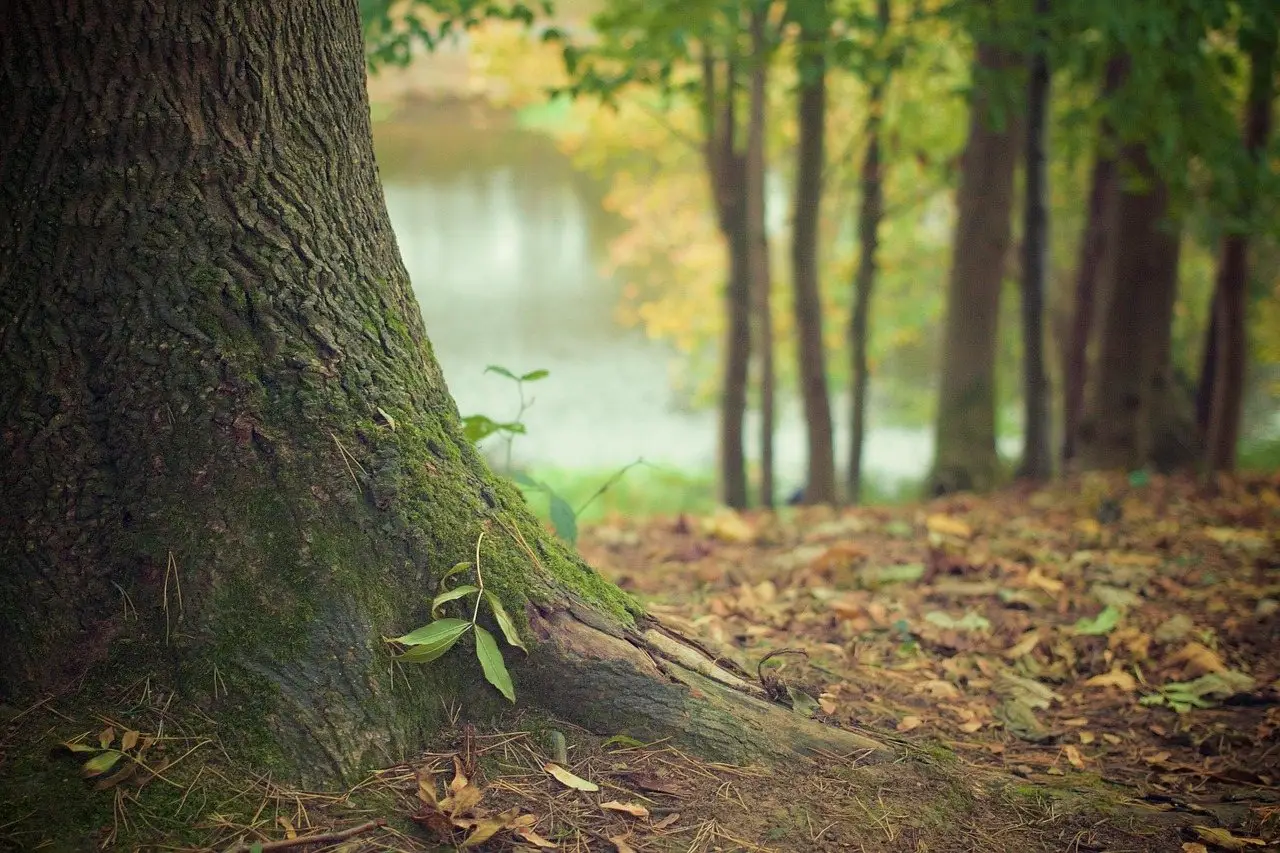
A wide, shallow ring of mulch is one of the best things you can do for a tree. Piling it against the bark is one of the worst, and it is common.
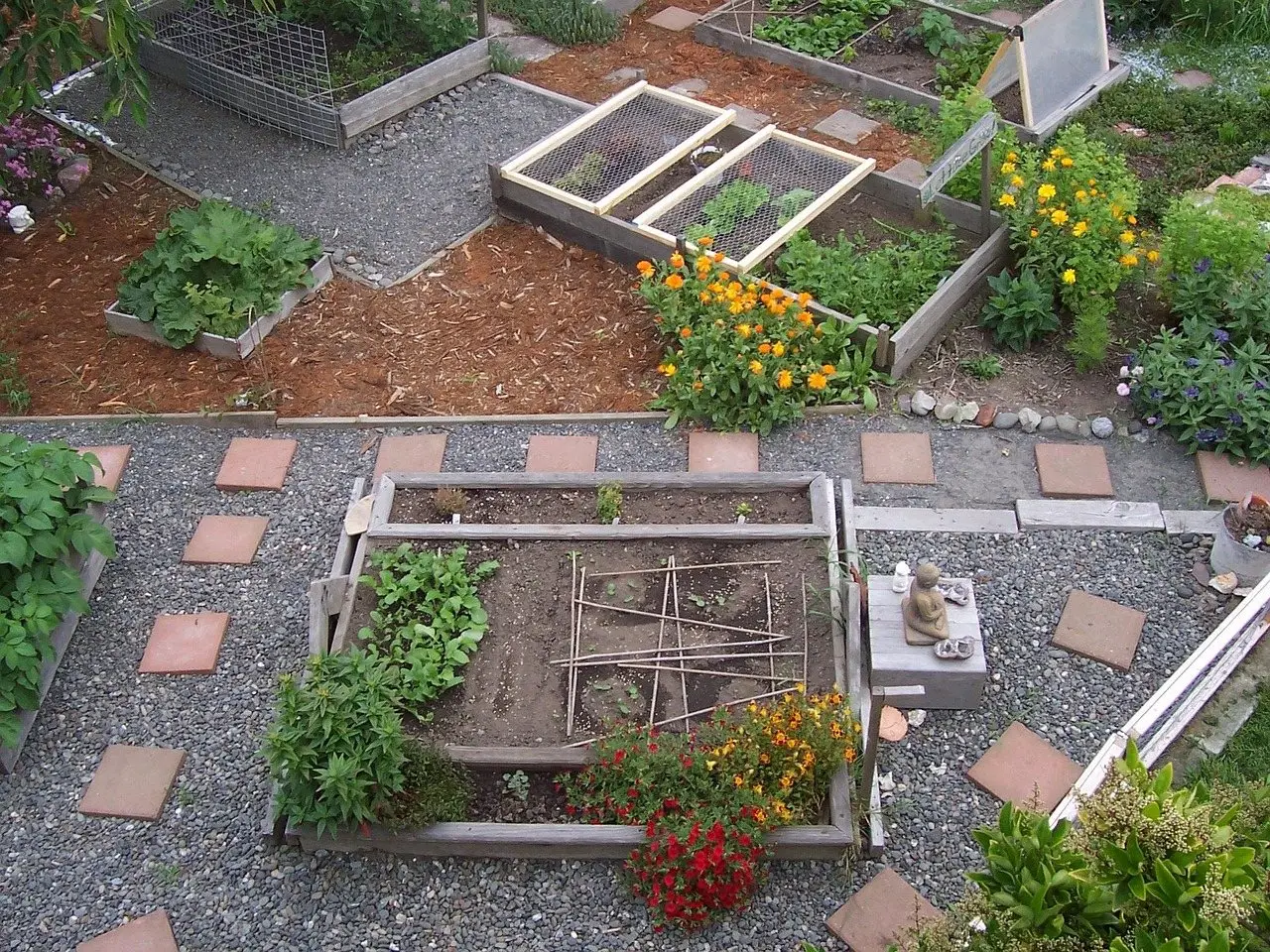
Any mulch at 7–10 cm suppresses weeds well. Coarse bark lasts longest, but nothing stops seeds landing on top and germinating in the mulch itself.
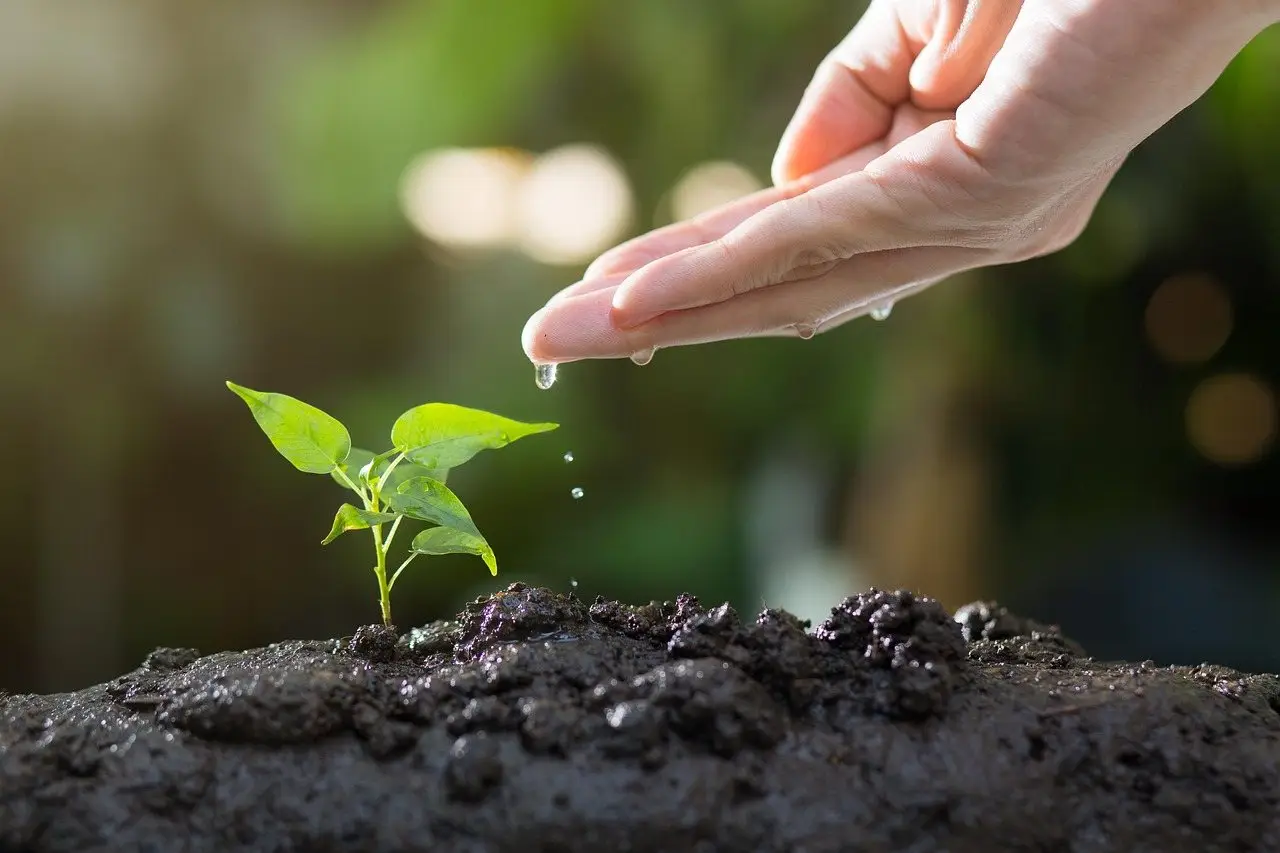
Pure compost is too rich and too loose to work as topsoil. Blended at roughly one part compost to three parts soil, it does the job properly.
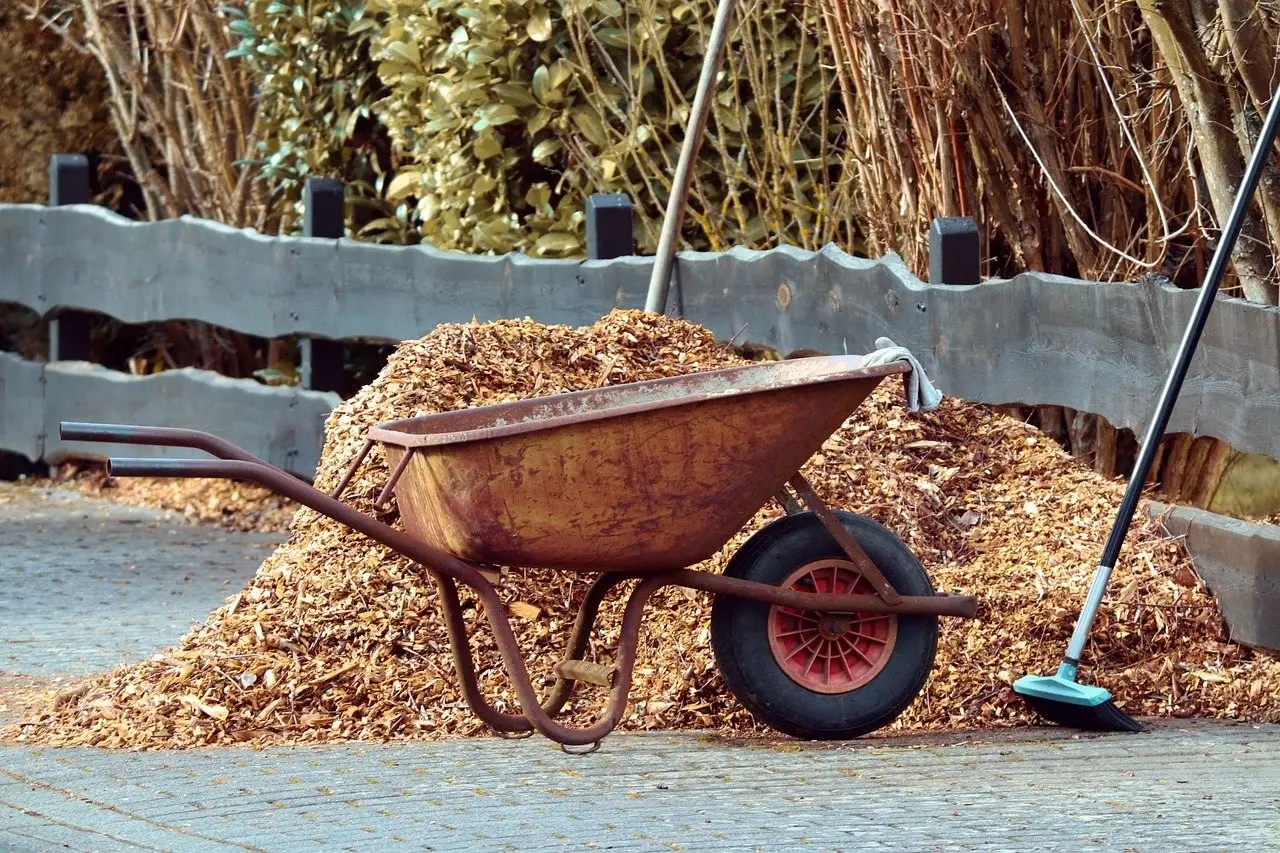
Organic mulch needs topping up annually to keep a 2–3 inch depth, not stripping and replacing. Here is when full removal is genuinely the right call.
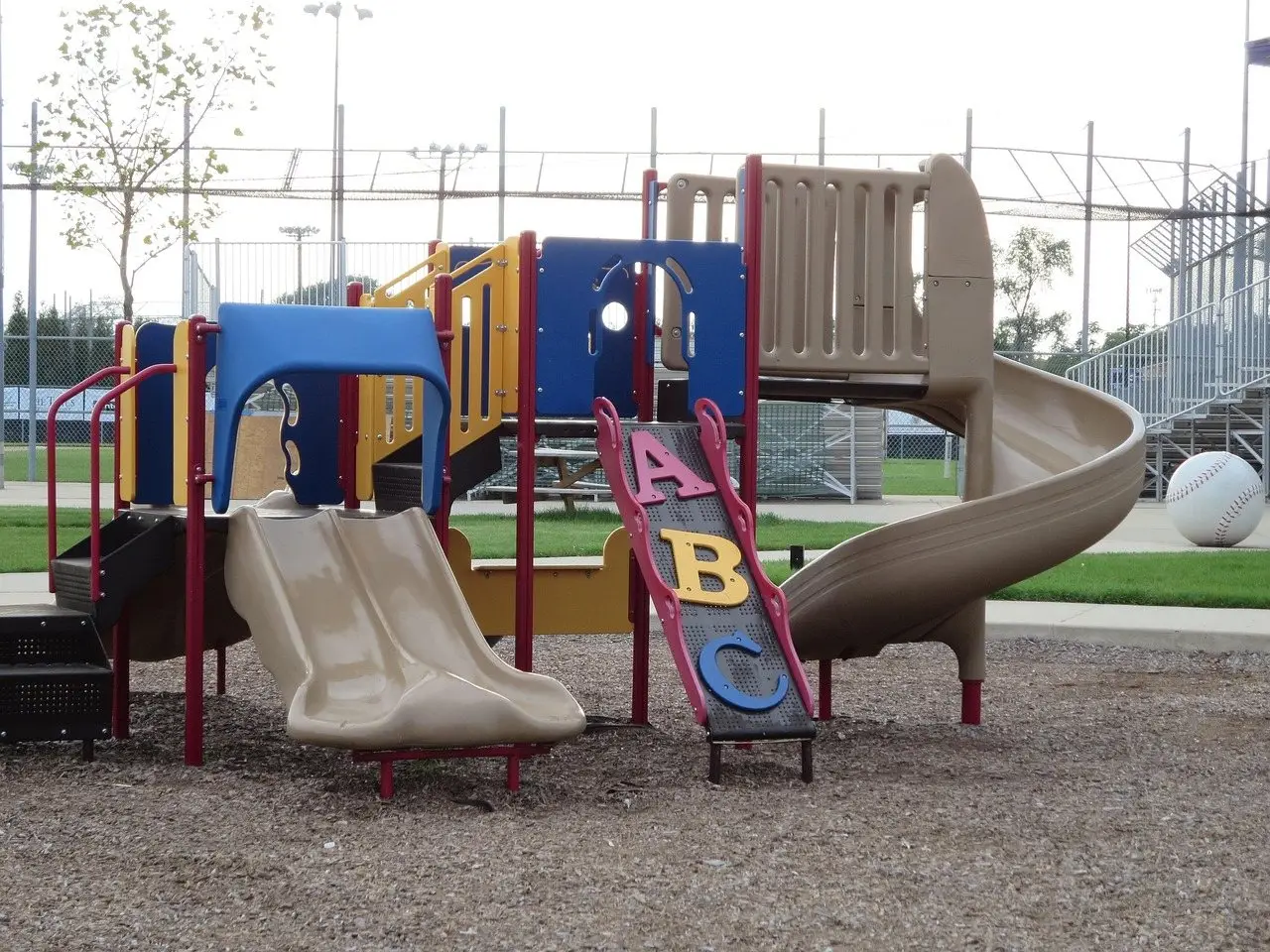
Rubber mulch adds no organic matter, gets very hot, is hard to remove, floats, burns fiercely and leaches zinc. Where it still makes sense, and where it does not.
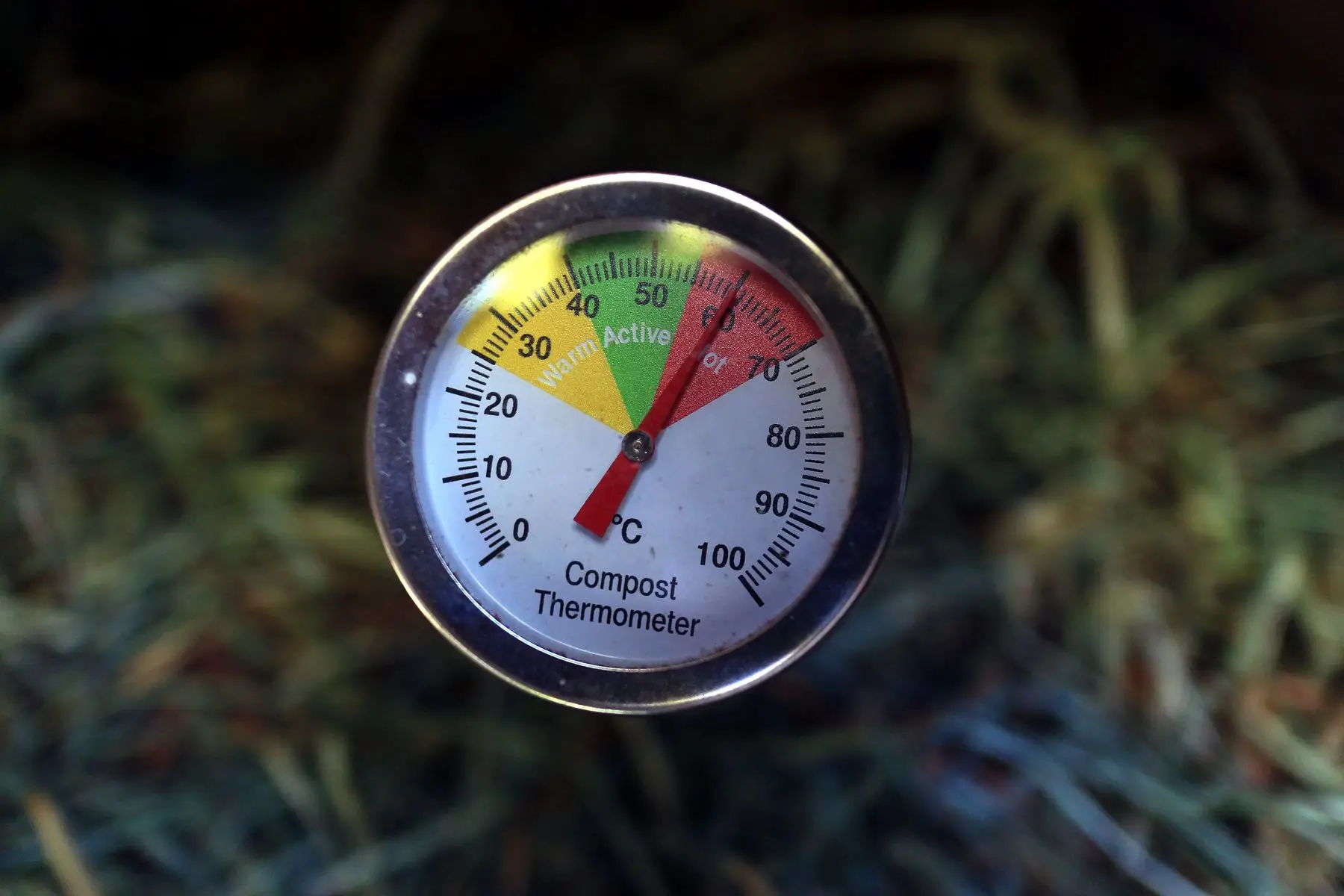
A cold heap does not stop, it idles. Keep adding, insulate the sides, stop turning, and expect finished compost a few weeks later than usual.
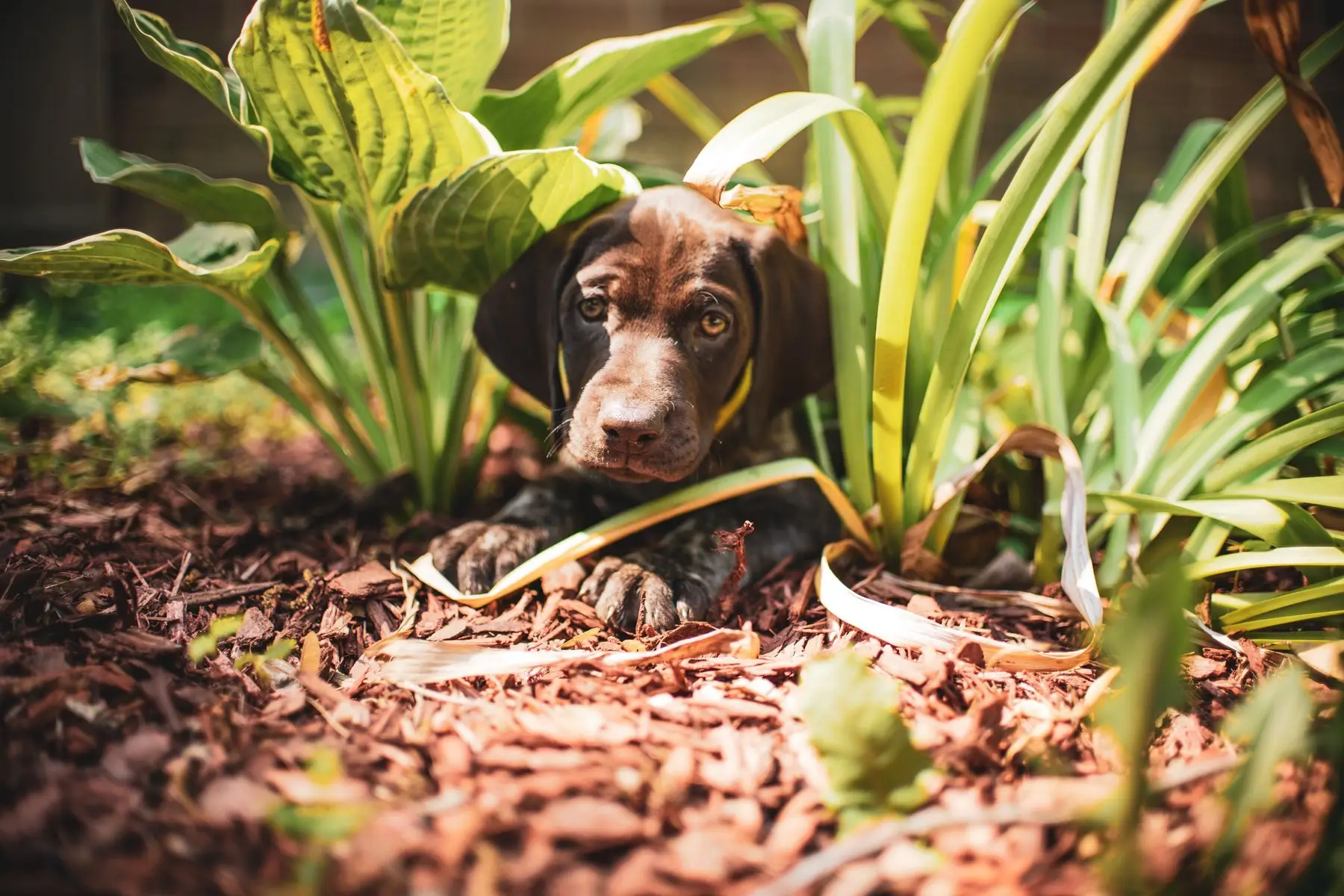
Cedar mulch is one of the safer choices for a dog garden. The real dangers are cocoa mulch, which is toxic, and any mulch a dog actually swallows.
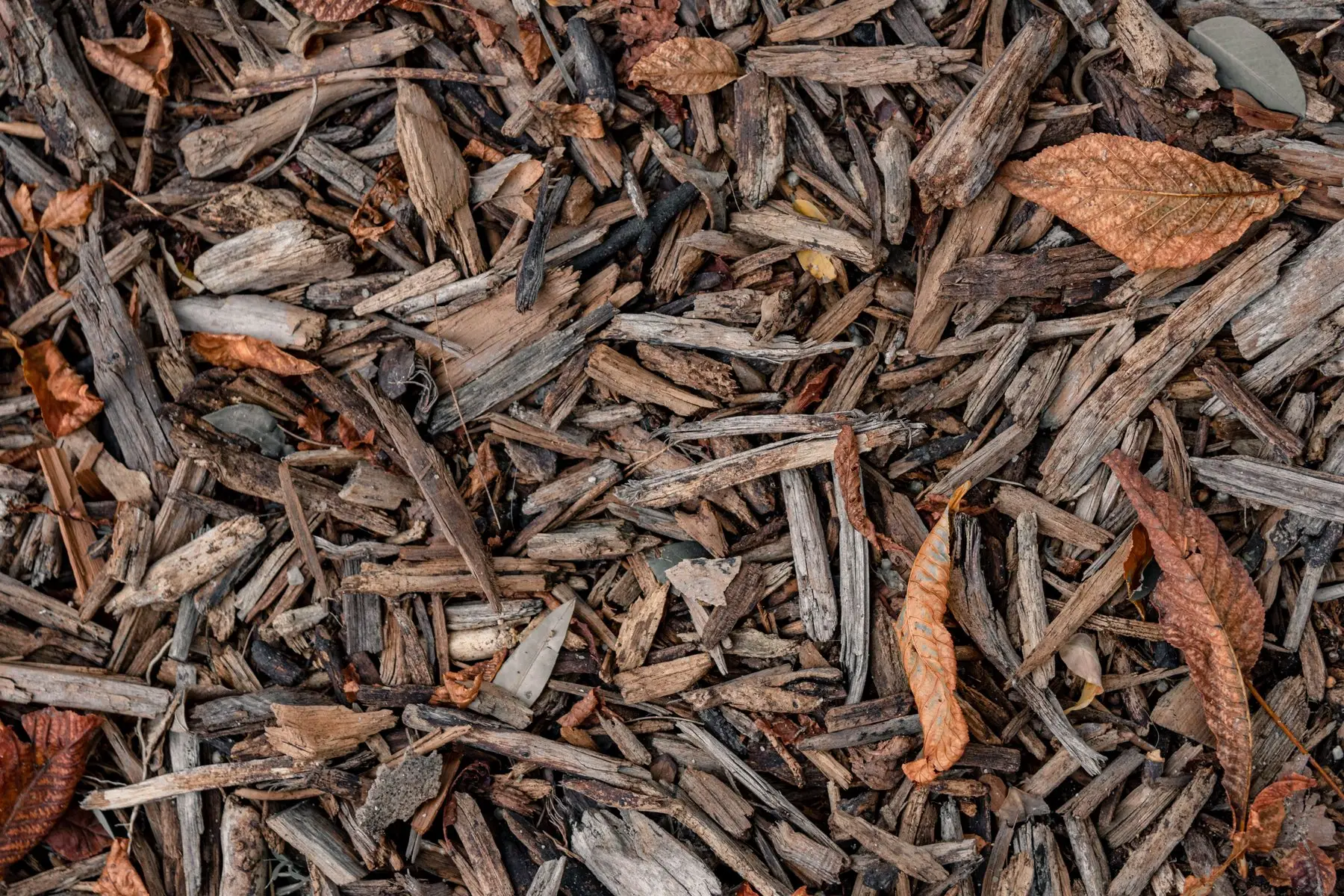
Most old mulch should stay where it is and be topped up. Remove it only if it is matted, mouldy, sour-smelling or harbouring disease.
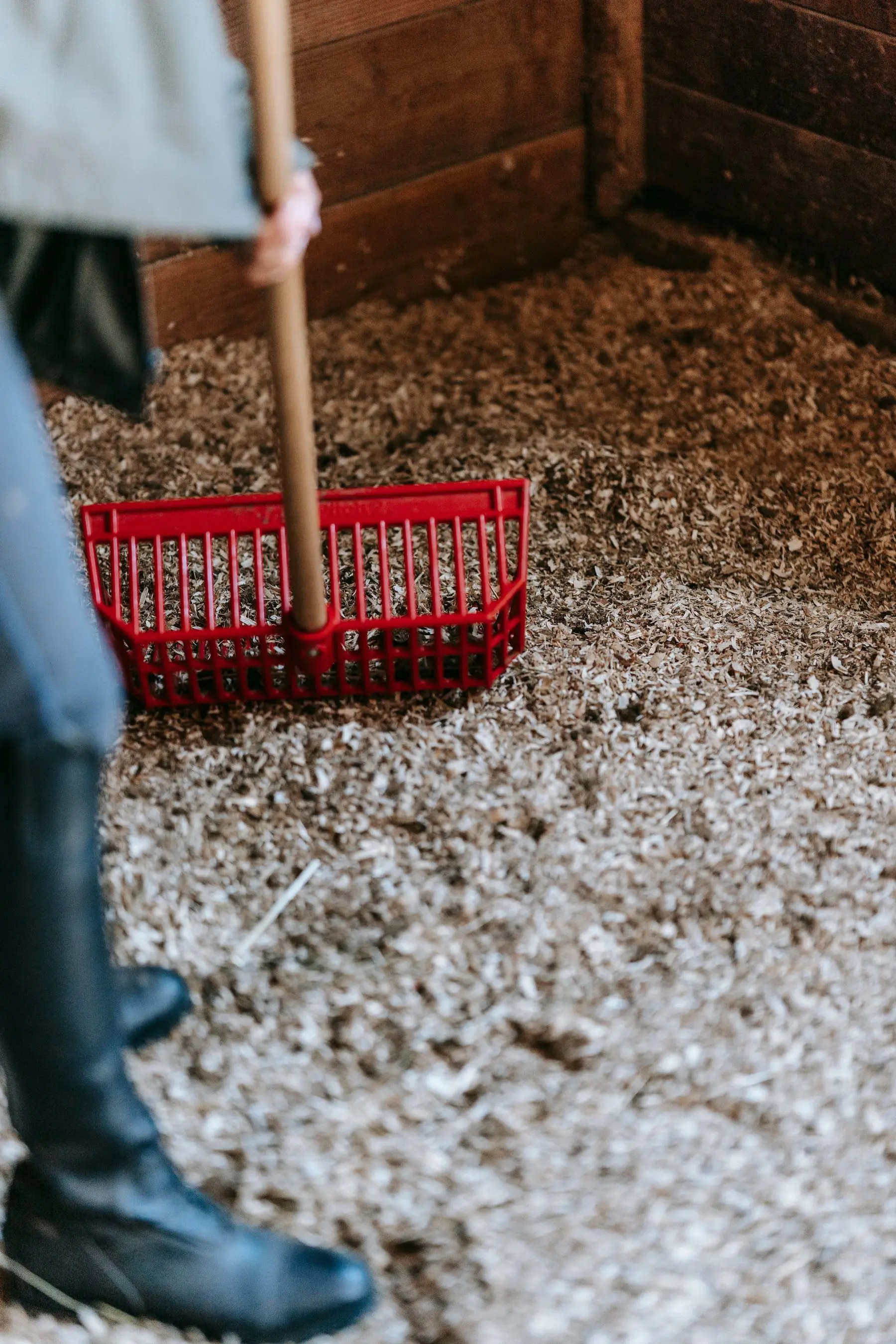
Horse manure is a genuinely good soil improver after six months to a year. Fresh, it burns roots and carries weed seed — plus the herbicide trap.
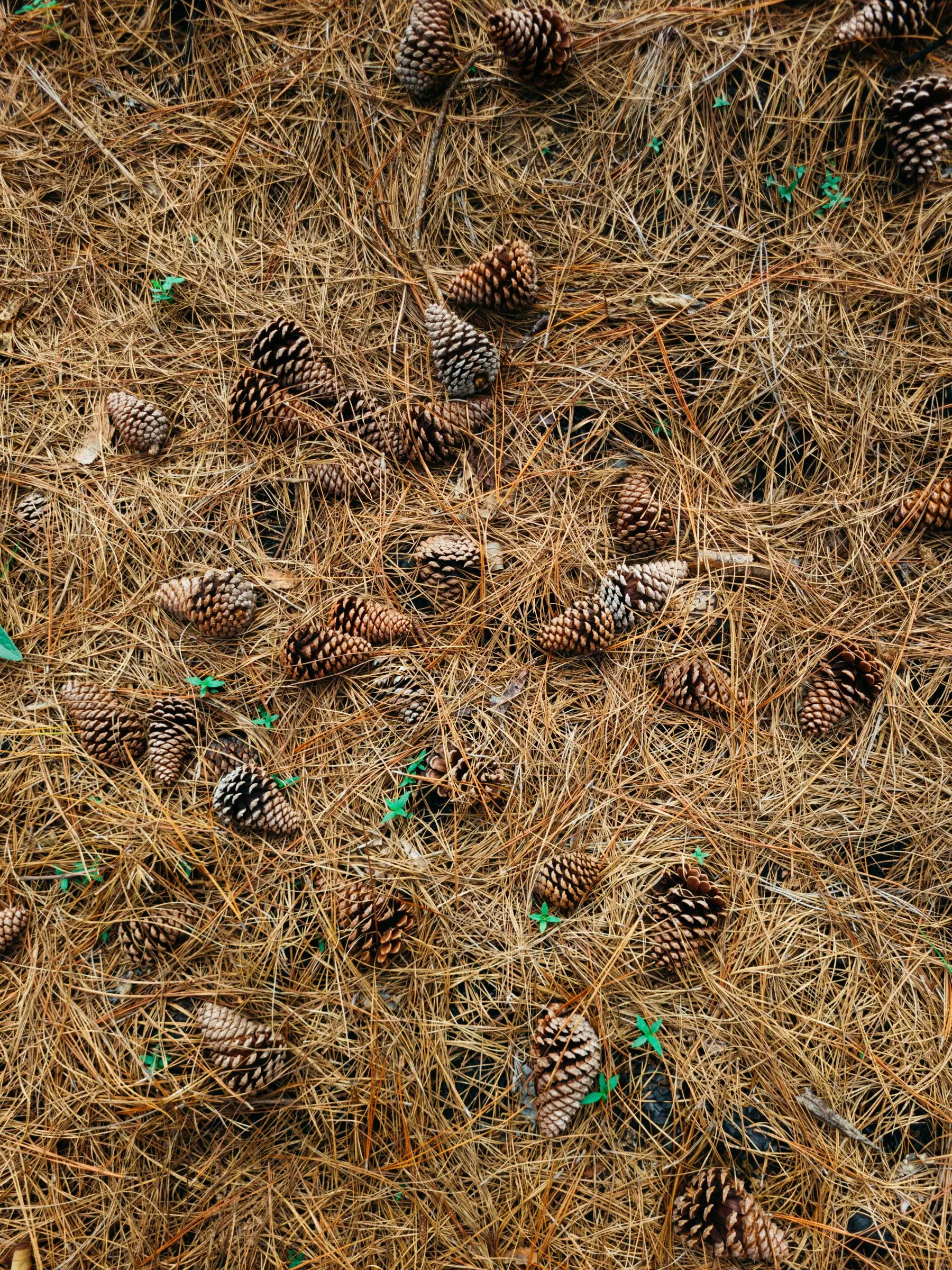
Pine needles compost well but break down slowly, and they do not acidify finished compost. How to speed them up and where they work better as mulch.
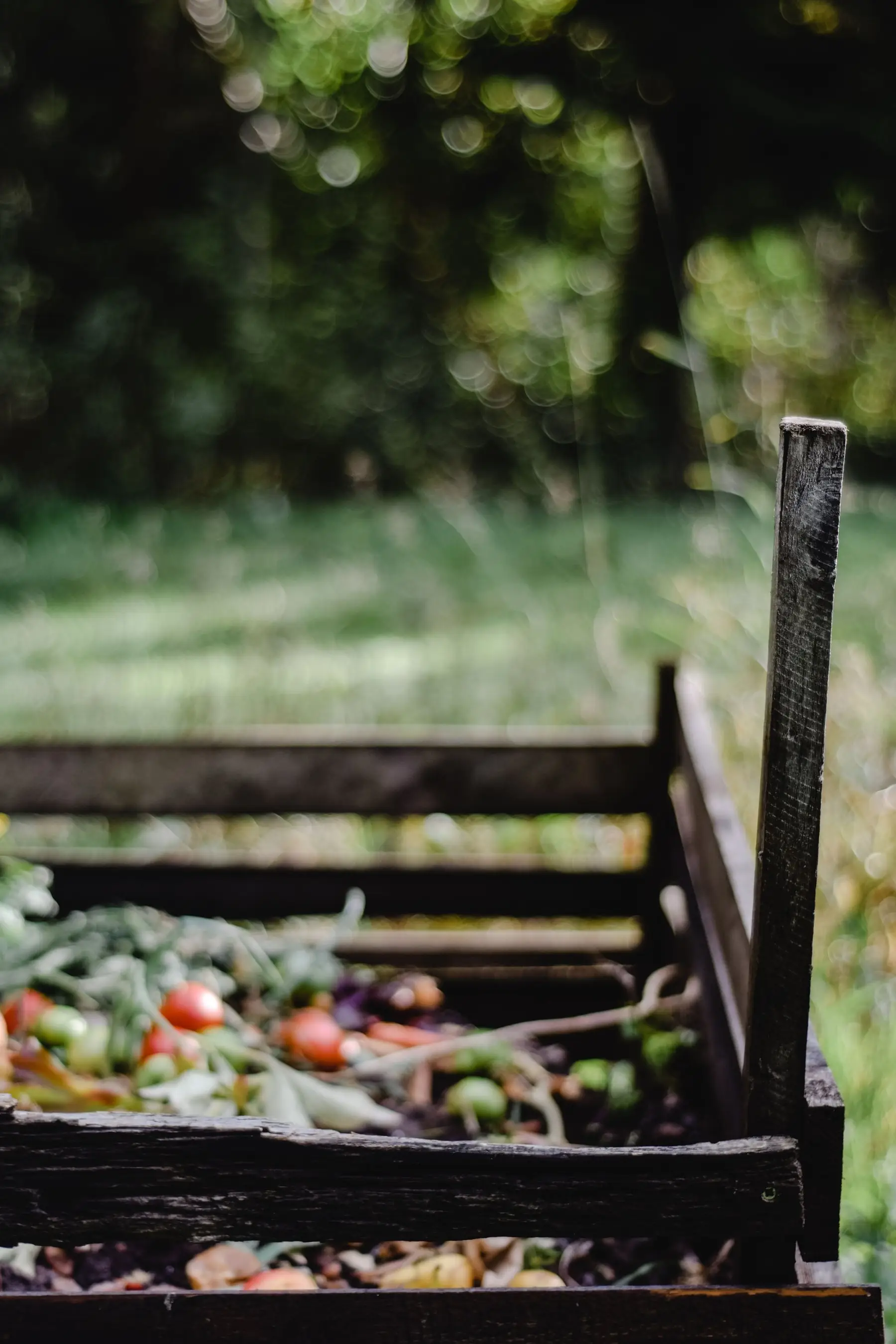
Most weeds compost fine. Seed heads and perennial roots are the two that survive a cool heap — how to handle them without losing the material.
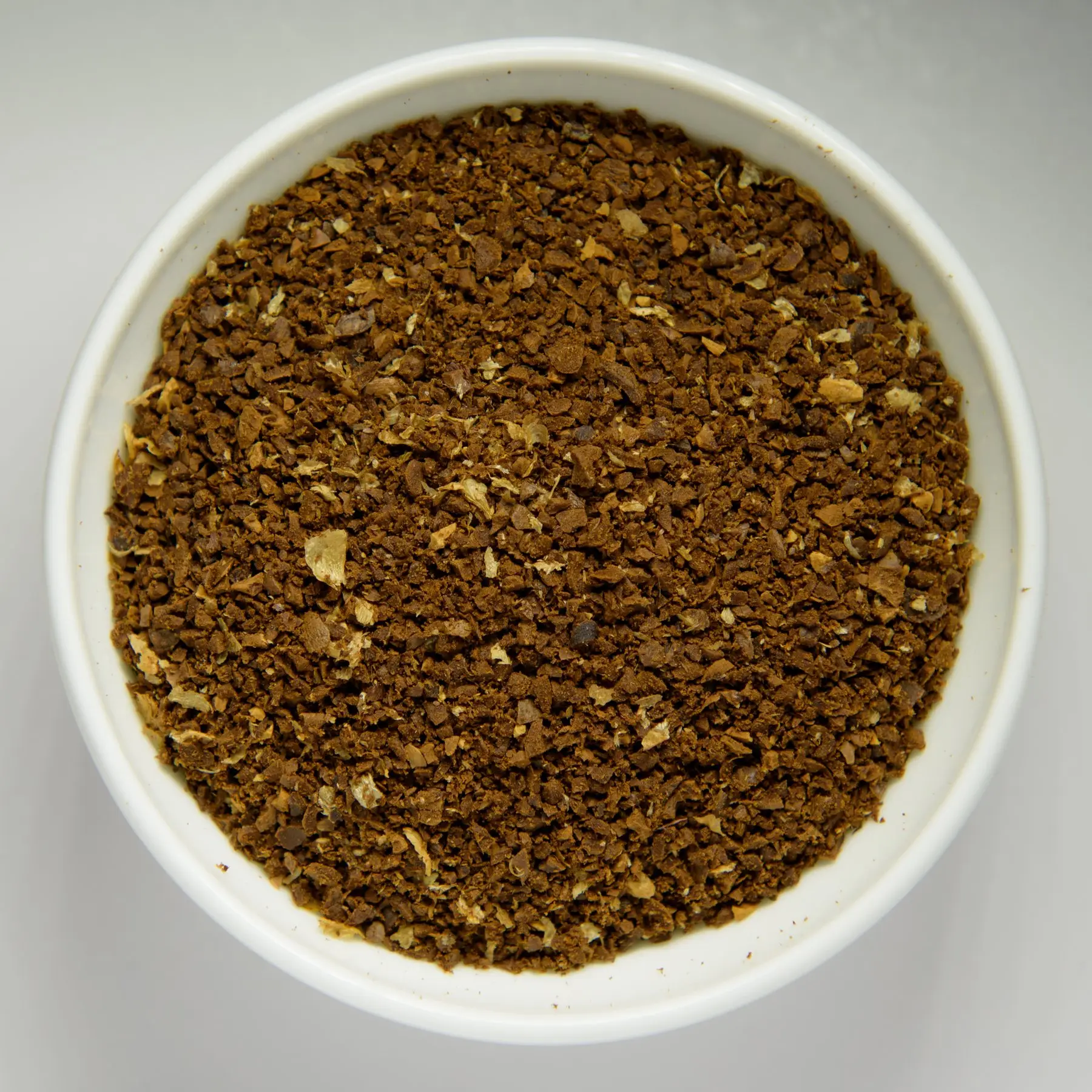
Used coffee grounds are not acidic, do not repel slugs, and should never be spread thickly. What they are genuinely good for, and how to use them.
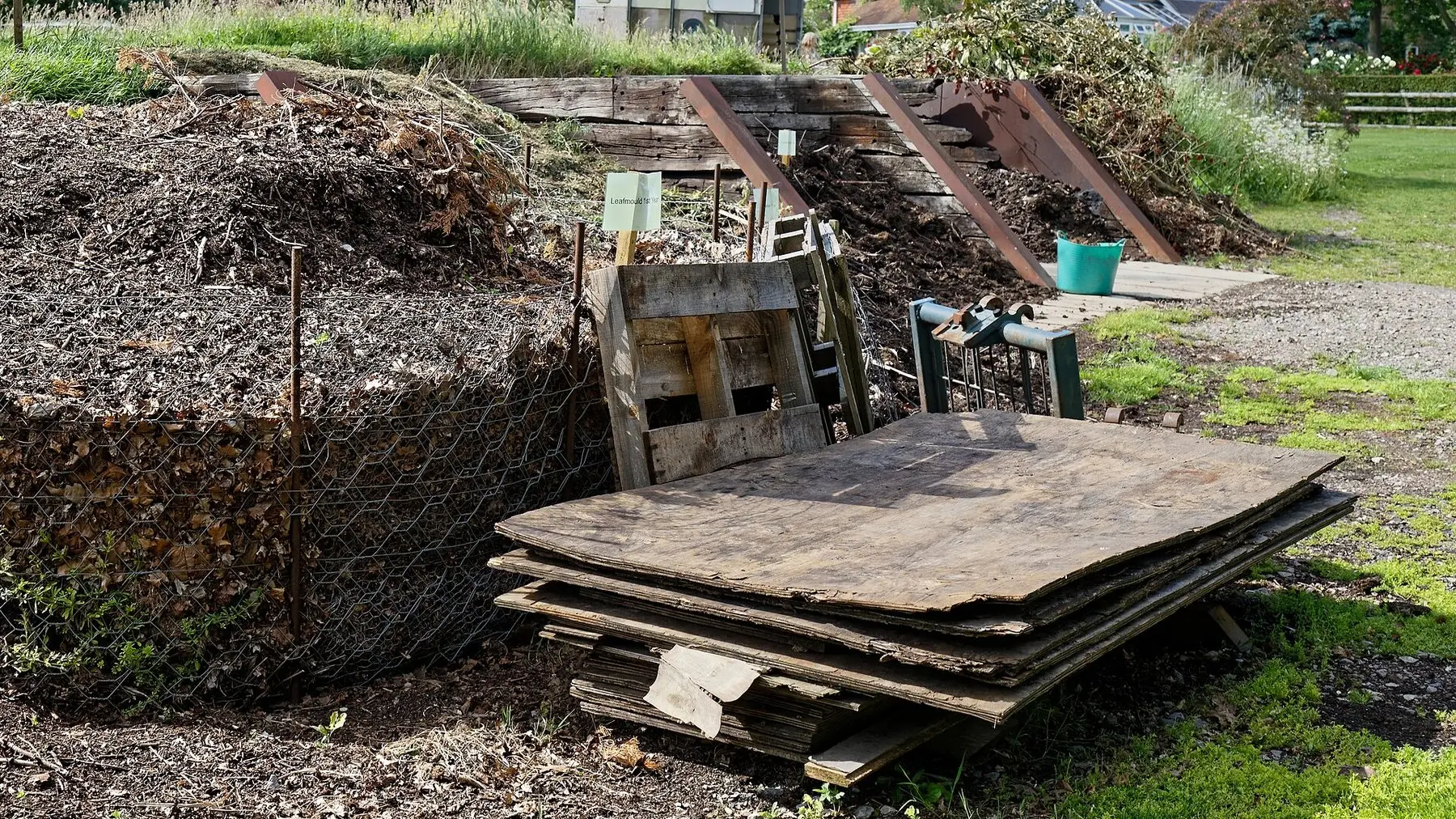
How to make a compost bin: pick the design, then size it for the heat. 4 parts cover all 3 builds. See which suits the space you have.
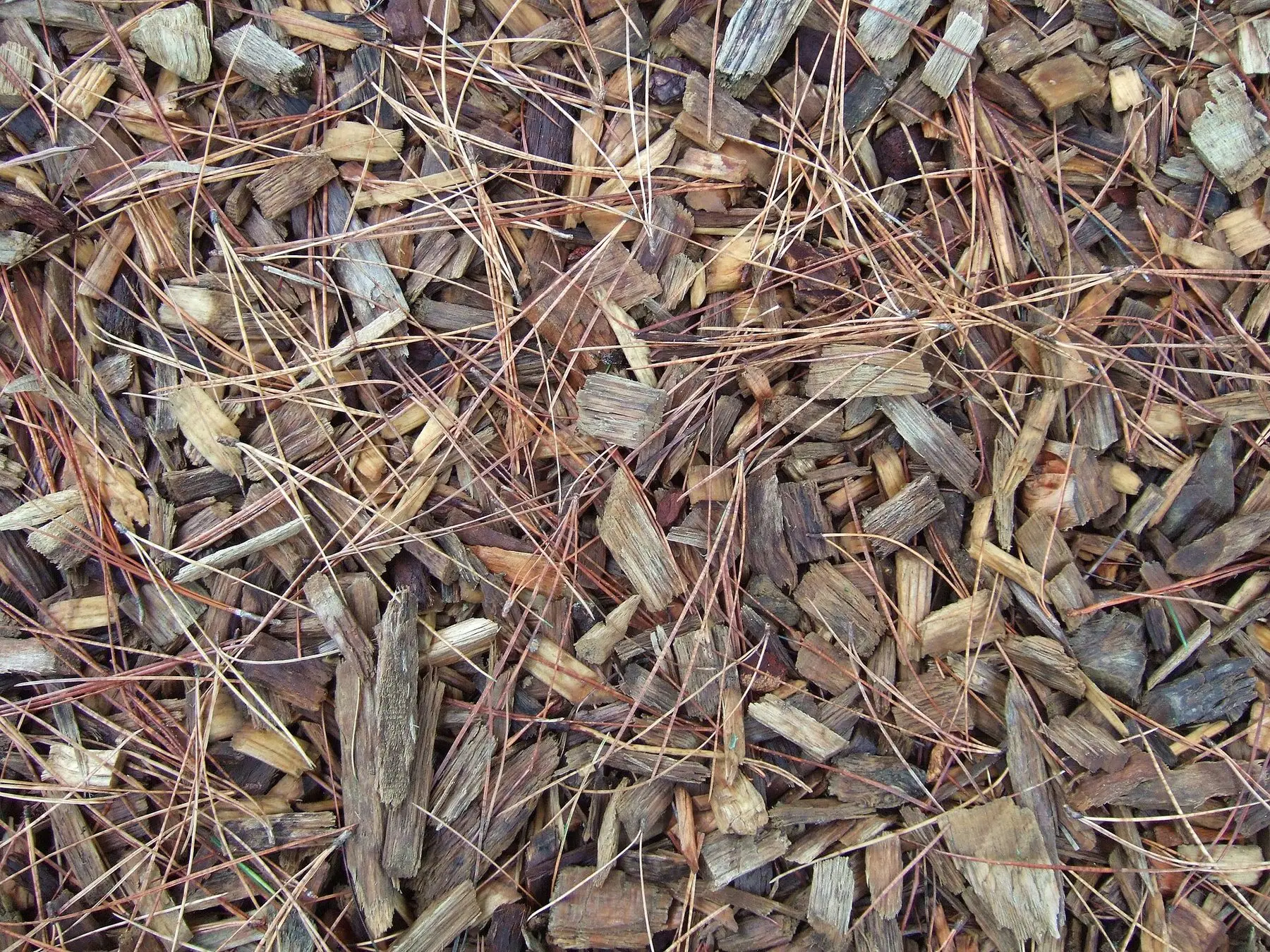
Wood chips only rob nitrogen where they meet soil, so they are excellent as a surface mulch and a bad idea dug in. Where to use them, and which chips to avoid.
Backyard Weekly
One email a week: what to plant now, what to fix, and what is worth buying. No spam, unsubscribe anytime.
Not ready to subscribe? The planting calendar is free and needs no email.
By subscribing you agree to our privacy policy. Grow In Backyard will never sell your address.
Cookies
We use analytics cookies to see which guides get read, so we know what to write next. Decline and nothing is set. Privacy policy.