
Mulch vs Side Discharge: Which Mowing Mode and When
Mulching feeds the lawn and saves bagging; side discharge handles long wet grass without clogging. Most lawns want mulching most of the time.
 By
On this page
Mulch by default. Discharge when conditions force it. And the fear that mulching causes thatch is the most durable myth in lawn care.
What each mode actually does
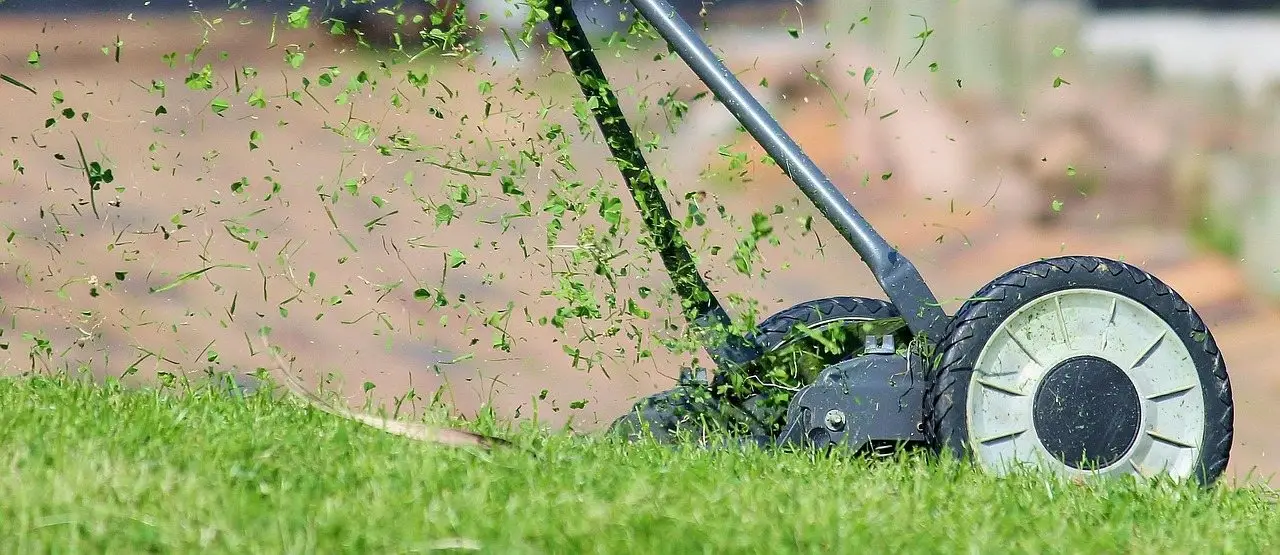
Mulching closes the discharge chute with a plug and uses blade and deck geometry to keep clippings circulating underneath, cutting them several times before they drop into the base of the sward. The pieces end up small enough to fall between the blades and out of sight.
Side discharge throws clippings out of a chute in one pass, more or less at the length they were cut. They land on the surface in a windrow.
Bagging collects them and removes them entirely.
| Situation | Best mode |
|---|---|
| Regular cut, dry, normal growth | Mulch |
| Long grass after a holiday | Side discharge |
| Wet grass | Side discharge |
| First spring cut | Side discharge |
| Fast spring growth flush | Discharge, or mulch twice |
| Leaves in autumn, moderate | Mulch — they feed the soil |
| Leaves in autumn, heavy | Discharge or collect |
| Fungal disease present | Bag, to limit spread |
| Annual weeds in seed | Bag |
| Want clippings for compost | Bag |
The thatch myth, properly buried
This is worth being precise about because it drives a great deal of unnecessary bagging.
Thatch is not made of clippings. It is a layer of undecomposed stems, crowns, roots and rhizomes — the tough lignin-rich parts of the plant that resist decomposition.
Grass leaf clippings are roughly 80 per cent water and decompose within weeks in a functioning soil. They contribute essentially nothing to a thatch layer.
What actually causes thatch:
- Excess nitrogen, driving growth faster than microbes can break down the residue
- Overwatering, and shallow frequent watering in particular
- Compaction, which suppresses the soil life that does the decomposing
- Low soil pH or poor microbial activity
- Certain grasses — creeping bentgrass and some bermudas thatch readily by nature
A lawn that is bagged every single cut can and does develop thatch. The two are not connected.
Grasscycling, and what it is worth
Returning clippings is commonly found to supply around a quarter to a third of a lawn’s annual nitrogen need, along with potassium and phosphorus.
That is a real reduction in fertiliser, achieved by doing less work, on every cut.
Getting mulching to work properly
Most complaints about mulching come from one of four setup problems:
- Mow more often. The one-third rule matters more in mulching mode than any other — removing more than a third of the leaf gives clippings too long to process
- Mow dry. Wet clippings pack under the deck and clump
- Use mulching blades and a mulching plug. A mulching blade with an open chute throws material out; a plug with a standard blade clogs. The two work as a pair
- Keep the blade sharp. A dull blade tears rather than cuts, and torn material mulches badly and browns at the tips
- Clean under the deck. Caked clippings destroy the airflow the system depends on
Autumn leaves
Mulching moderate leaf fall straight into the lawn is a genuinely good practice — the leaves break down over winter, feed soil organisms and improve soil structure, and research on the practice has generally found no harm to turf at reasonable volumes.
The limits:
- Moderate cover only. If leaves still blanket the grass after mowing, there were too many
- Go over it twice if needed rather than once slowly
- Dry leaves mulch far better than wet ones
- Heavy fall under a mature oak or maple needs collecting, not mulching
The simple rule
Mulch unless something stops you. The exceptions — long grass, wet grass, disease, weed seed, heavy leaves, wanting the clippings for compost — are specific and obvious when they apply.
Everything else is a free fertiliser application you get for choosing a deck setting.
Common questions
Is mulching better than side discharge?
Does mulching grass clippings cause thatch?
When should you use side discharge instead of mulching?
Do you need special mulching blades?
Should I ever bag my grass clippings?
Backyard Weekly
Know what to plant, week by week
Join the weekly email for seasonal jobs, fixes for what is going wrong, and gear worth buying.
Not ready to subscribe? The planting calendar is free and needs no email.
By subscribing you agree to our privacy policy. Grow In Backyard will never sell your address.
Keep reading
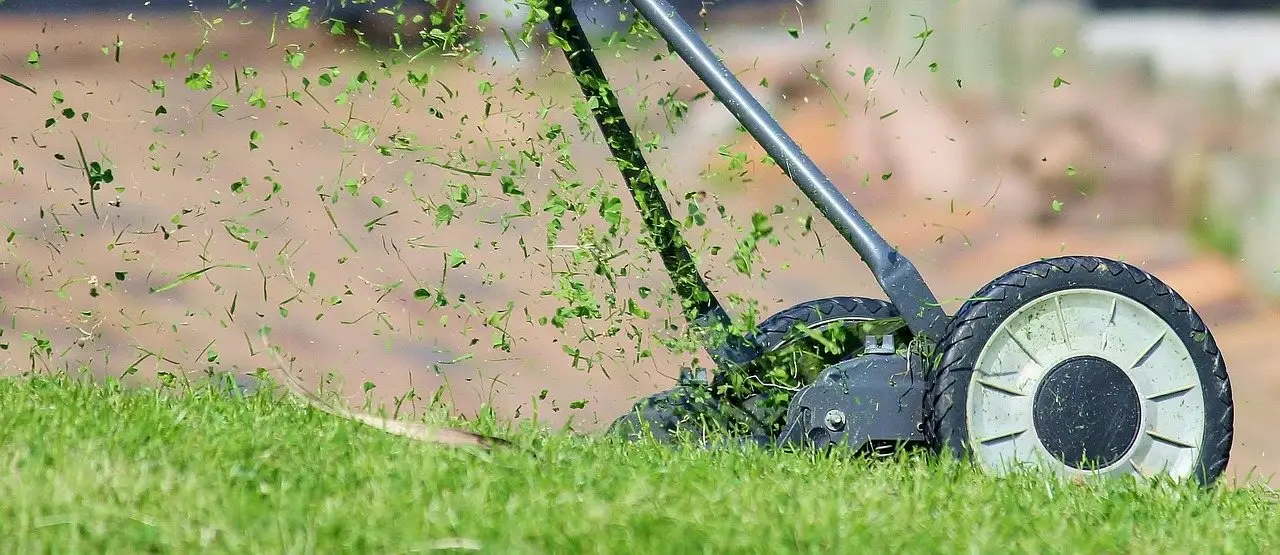
Waiting Too Long to Mow New Grass: What It Costs You
New grass left past about 4 inches goes thin, floppy and weak-rooted. The first cut matters more than any other, and the one-third rule still applies.
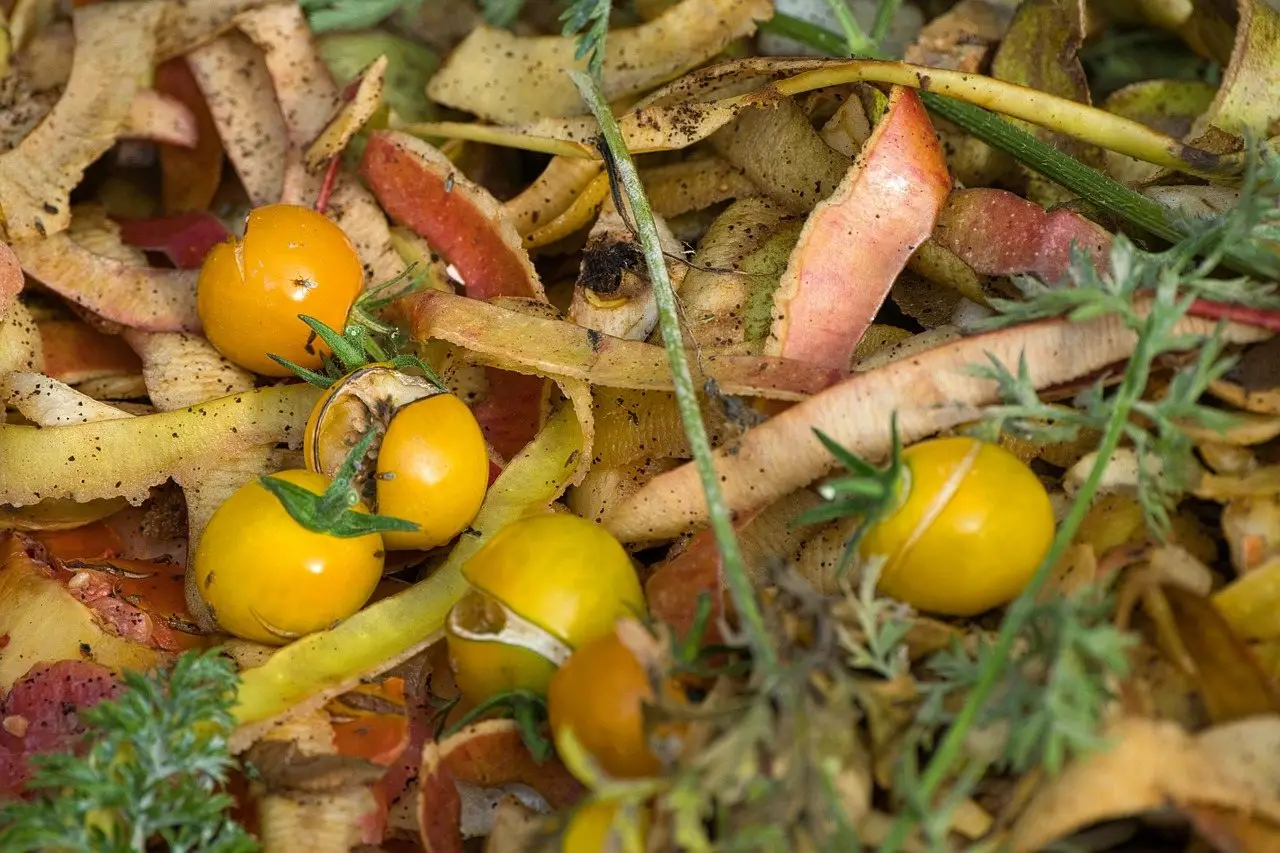
How to Make Compost Step by Step: Greens, Browns and Air
Compost needs roughly two parts browns to one part greens, moisture like a wrung sponge, and turning. Get those three right and the rest follows.
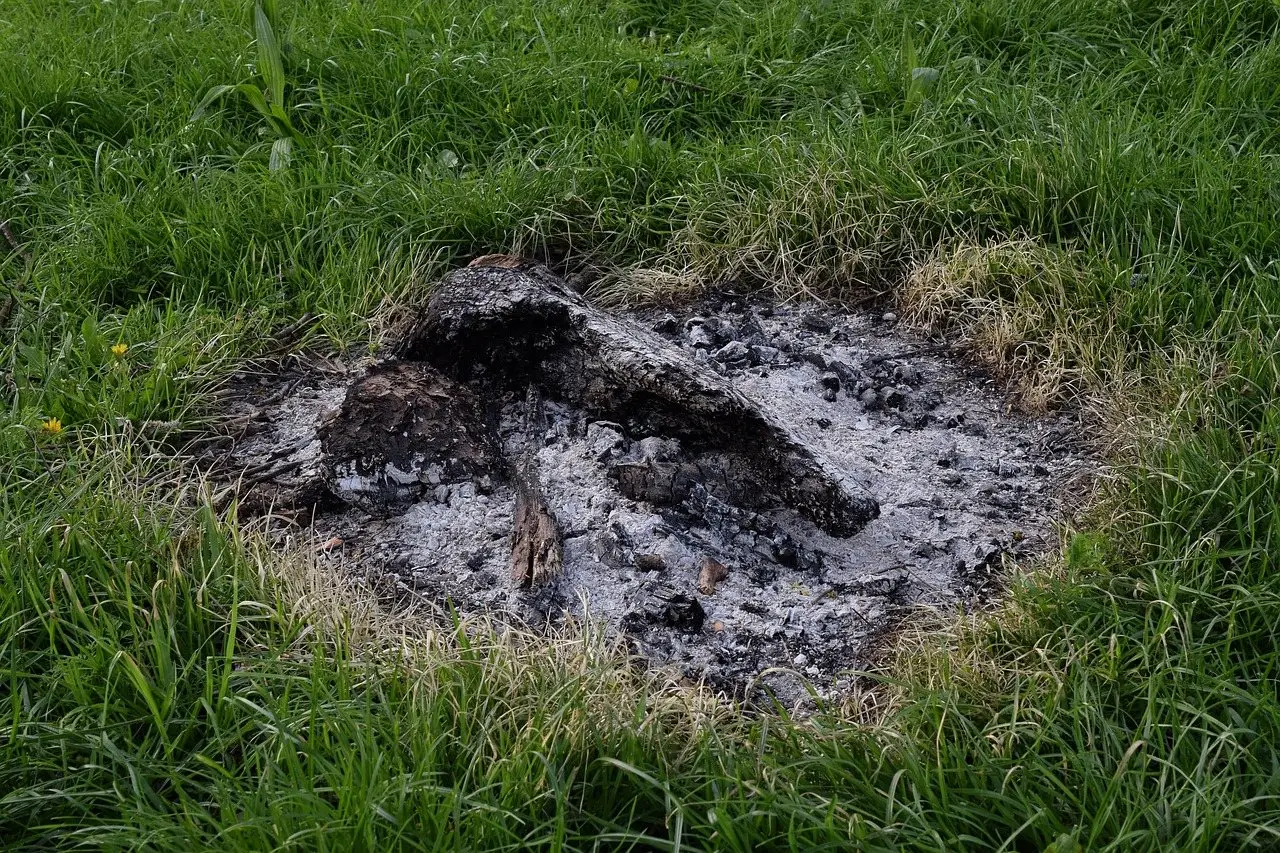
How to Spread Wood Ash on Lawn: Rates, Timing and Risks
Wood ash raises pH fast and supplies potassium, which makes it useful on acid soil and harmful everywhere else. Test first, then apply at a measured rate.
Mushroom Compost — 3 Uses and Where It Does Harm
Mushroom compost is alkaline and salty, which rules out some beds. 3 uses compared, plus what to use on acid-lovers. See where it fits your soil.