
How to Make Compost Step by Step: Greens, Browns and Air
Compost needs roughly two parts browns to one part greens, moisture like a wrung sponge, and turning. Get those three right and the rest follows.
 By
On this page
Three things decide whether a heap works: the mix, the moisture, and the air. Everything else is detail.
Greens and browns
| Browns (carbon) | Greens (nitrogen) |
|---|---|
| Autumn leaves | Grass clippings |
| Cardboard, torn up | Vegetable peelings |
| Straw | Fresh weeds (not seeding) |
| Woody prunings, shredded | Coffee grounds and tea |
| Paper, shredded | Soft green prunings |
| Sawdust (untreated) | Spent bedding plants |
| Egg boxes | Manure from herbivores |
The heap tells you when the ratio is wrong. Slimy and smelly means too many greens and no air. Dry and inert for months means too many browns.
Diagnosing a heap that is not working
| Symptom | Cause | Fix |
|---|---|---|
| Cold, nothing happening | Too small, too dry, or too few greens | Build it bigger, water it, add greens |
| Sour or ammonia smell | Too many greens, compacted | Mix in browns, break it up, turn |
| Rotten-egg smell | Waterlogged, anaerobic | Turn, add browns, cover from rain |
| Flies | Exposed food scraps | Bury them under browns |
| Rats | Meat, dairy or cooked food | Remove those. Never compost them |
| Dry and dusty | Underwatered | Water while turning |
Grass clippings on their own are the classic failure
A bin filled with nothing but clippings compacts into an airless, slimy, sour slab within days.
Mix clippings with an equal or greater volume of dry browns as they go in — cardboard works well because it is usually to hand.
Hot or cold, and why size decides it
That size is also what dictates the container, if you use one — see three compost bin designs for builds that hold it.
A heap of about a cubic metre insulates its own centre well enough to reach 50–65°C. That temperature kills most weed seeds and many pathogens and roughly quarters the time to finished compost.
Below that size a heap still composts, through the slower work of worms and fungi at ambient temperature. It simply takes a year rather than a season, and will not kill weed seeds — so keep seeding weeds and perennial roots out of a cold heap.
Knowing when it is done
- Dark brown, crumbly, and holds together loosely when squeezed
- Smells of earth, not of its ingredients
- Nothing recognisable except the odd twig
- No warmth when turned
- Worms have mostly left the finished parts
If most of it is ready and some is not, sieve it. The coarse leftovers go back into the next heap as a starter — already full of exactly the organisms the new heap needs.
Step by step
- Time
- P120D
- Cost
- 0
- You need
- Browns — dry leaves, cardboard, straw, woody prunings, Greens — grass clippings, kitchen scraps, fresh weeds, coffee grounds
- Tools
- A bin, bay or simply a heap, A garden fork
Pick a spot on soil
A heap sitting on bare soil lets worms and soil organisms move in from below and lets excess water drain away. A shaded or part-shaded corner stops it drying out in summer.
Start with a coarse layer
Twiggy prunings or coarse stems at the bottom, about 15 cm deep. That keeps air moving into the base of the heap, which is where most heaps go wrong.
Layer roughly two browns to one green
By volume rather than weight. Browns are dry and carbon-rich — leaves, cardboard, straw. Greens are wet and nitrogen-rich — grass, kitchen scraps, fresh weeds. Too many greens smells; too many browns does nothing.
Chop or shred what you add
Smaller pieces break down far faster because there is more surface for microbes to work on. Running the mower over leaves, or tearing cardboard rather than laying it flat, makes a visible difference to the timescale.
Get the moisture right
A squeezed handful should feel like a wrung-out sponge — damp, with perhaps a drop of water. Add water and greens if it is dry, and dry browns if it is soggy.
Build it big enough to heat
About a cubic metre is the minimum for a heap to reach the 50 to 65°C that kills weed seeds and speeds things up. A smaller heap still composts, just slowly and cold.
Turn it every couple of weeks
Move the outside to the inside with a fork. Turning reintroduces air, evens out the moisture, and brings unrotted outer material into the hot centre. It is the single biggest lever on speed.
Use it when it is dark and crumbly
Finished compost is dark brown, crumbly, smells of earth, and none of the original material is recognisable apart from the odd twig. Two to three months for an actively turned heap, a year or more for one left alone.
Common questions
What is the right ratio of greens to browns?
How long does compost take?
Why is my compost not heating up?
Why does my compost smell bad?
What should not go in a compost heap?
Backyard Weekly
Know what to plant, week by week
Join the weekly email for seasonal jobs, fixes for what is going wrong, and gear worth buying.
Not ready to subscribe? The planting calendar is free and needs no email.
By subscribing you agree to our privacy policy. Grow In Backyard will never sell your address.
Keep reading
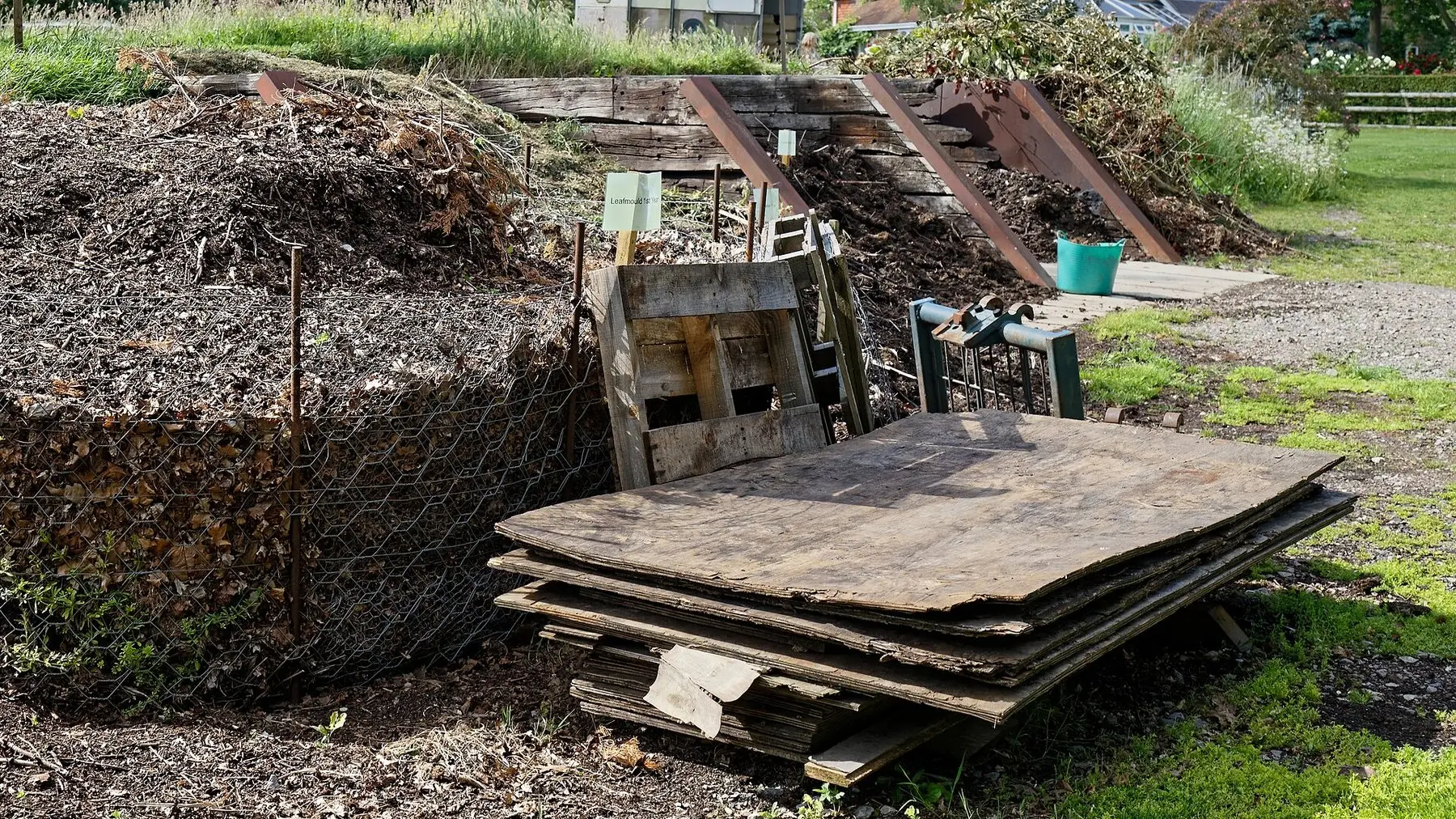
How to Make a Compost Bin — 4 Parts, 3 Designs
How to make a compost bin: pick the design, then size it for the heat. 4 parts cover all 3 builds. See which suits the space you have.
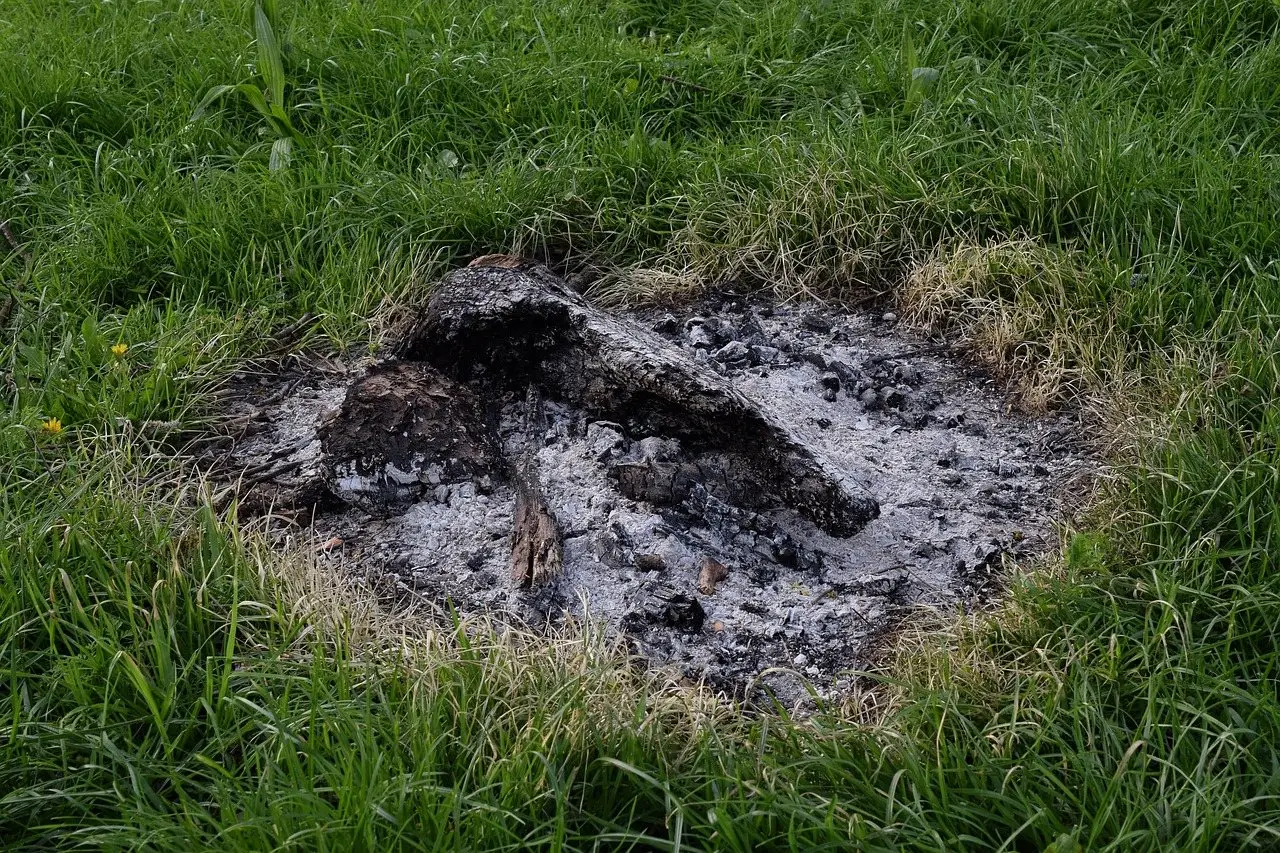
How to Spread Wood Ash on Lawn: Rates, Timing and Risks
Wood ash raises pH fast and supplies potassium, which makes it useful on acid soil and harmful everywhere else. Test first, then apply at a measured rate.
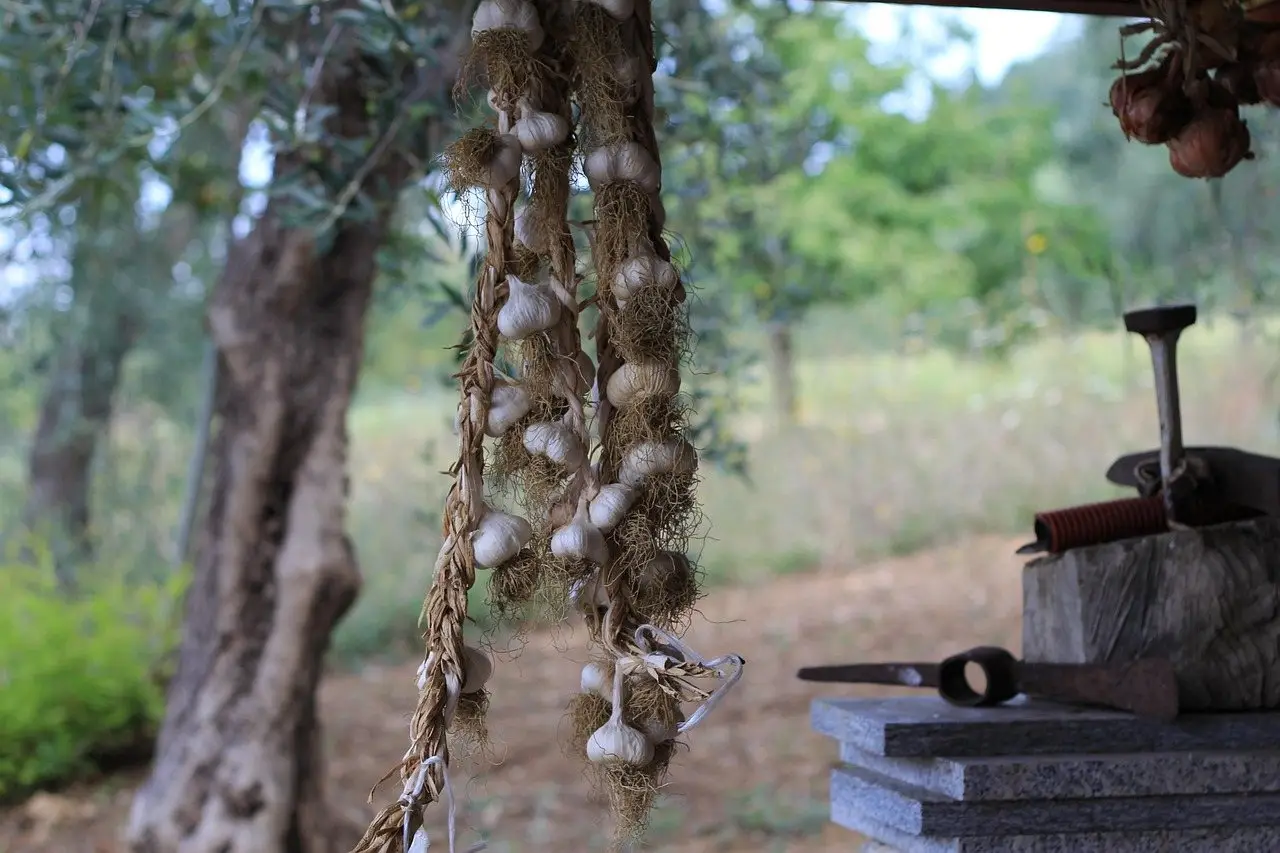
How to Dry Garlic: Curing It So It Keeps Until Spring
Curing takes two to four weeks in shade with moving air. Get it right and hardneck keeps six months, softneck ten. Get it wrong and it rots by October.

Is Cedar Mulch Safe for Dogs? Yes, With Two Exceptions
Cedar mulch is one of the safer choices for a dog garden. The real dangers are cocoa mulch, which is toxic, and any mulch a dog actually swallows.