
Is Cedar Mulch Safe for Dogs? Yes, With Two Exceptions
Cedar mulch is one of the safer choices for a dog garden. The real dangers are cocoa mulch, which is toxic, and any mulch a dog actually swallows.
 By
On this page
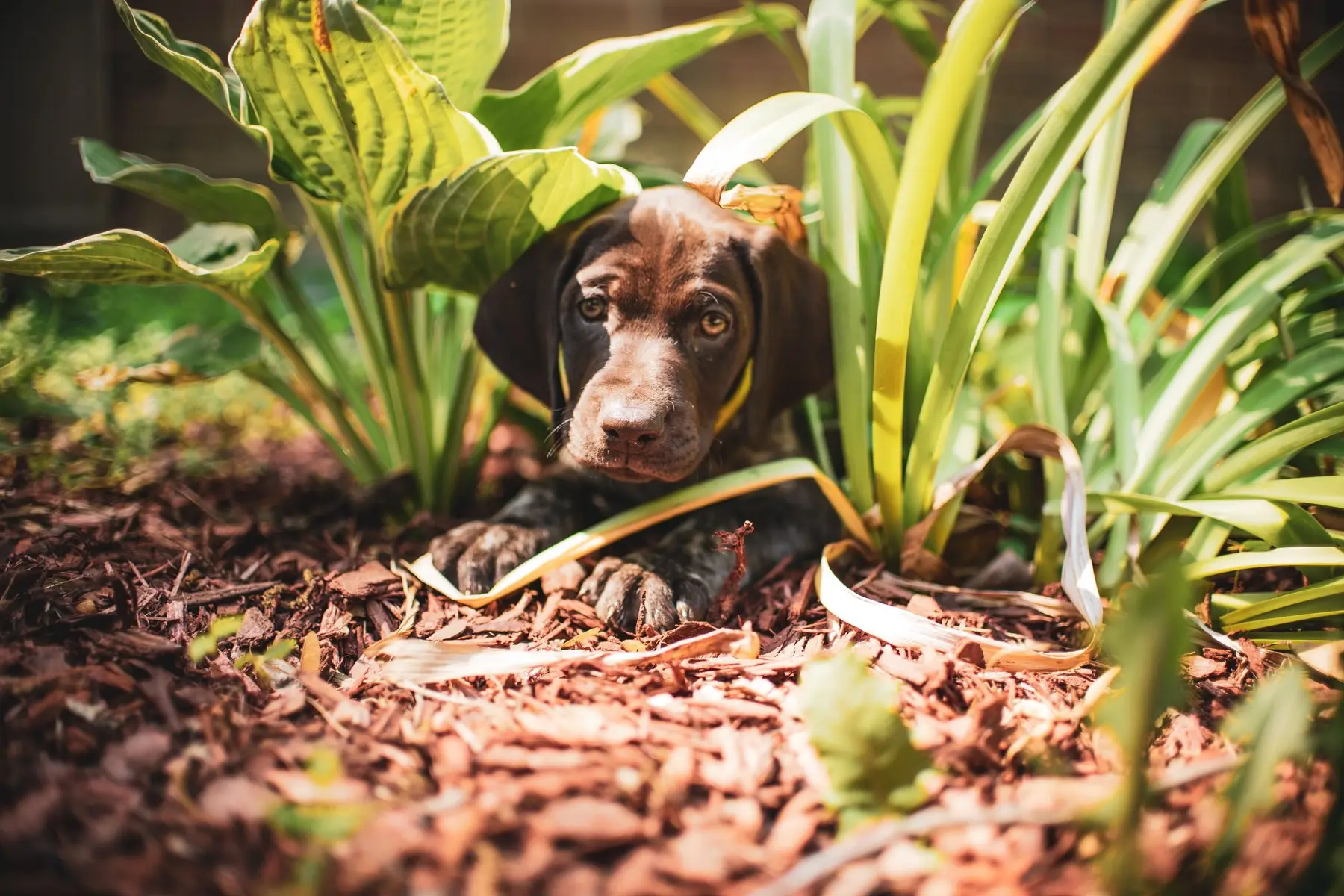
Yes, for most dogs — cedar is one of the better choices for a garden a dog actually uses. But the question people should be asking is a different one: cocoa mulch is the dangerous product on that shelf, and it is genuinely toxic.
The one to actually avoid
Cocoa bean mulch is a chocolate by-product and is toxic to dogs
It contains theobromine and caffeine — the same compounds that make chocolate poisonous — and it smells strongly of chocolate, which makes dogs want to eat it. That combination is what makes it dangerous rather than merely unsuitable.
Symptoms range from vomiting and tremors to seizures. If you have a dog, do not buy it, and treat ingestion as an emergency.
Mulch safety, ranked
| Mulch | Verdict |
|---|---|
| Cedar | Fine. Mild oil sensitivity in a few dogs |
| Pine bark, untreated wood chip | Fine |
| Shredded leaves | Fine |
| Straw | Fine |
| Rubber mulch | Avoid — chewed, indigestible |
| Dyed / recycled treated timber | Avoid — possible chemical residues |
| Cocoa bean | Toxic. Do not use |
Larger nuggets beat fine shredded material for a dog garden, simply because they are harder to swallow.
If a dog eats cedar mulch
The risk is mechanical, not chemical:
- Intestinal blockage from wood chips
- Mouth or throat damage from sharp pieces
Watch over the next day or two for vomiting, straining, loss of appetite, lethargy or a tender abdomen, and contact a vet if any appear.
The larger the pieces and the smaller the dog, the higher the risk.
Why dogs eat mulch at all
- Boredom
- Teething, in puppies
- The smell of something on it — which is exactly the cocoa mulch problem
- Texture, plain and simple
Persistent eating of non-food material can indicate pica, worth raising with a vet if it continues despite supervision and alternatives.
The flea claim
Cedar oils do repel fleas and some insects, and a cedar-mulched bed is less attractive to them than bare soil.
But:
- The effect fades as the mulch weathers and the volatile oils escape — usually within a season
- It never approaches what a veterinary flea treatment does
A small bonus, not a reason to choose cedar.
Common questions
Is cedar mulch safe for dogs?
What mulch is actually toxic to dogs?
Why does my dog eat mulch?
What happens if a dog eats cedar mulch?
Which mulch is safest for a garden a dog uses?
Does cedar mulch repel fleas and ticks?
Backyard Weekly
Know what to plant, week by week
Join the weekly email for seasonal jobs, fixes for what is going wrong, and gear worth buying.
Not ready to subscribe? The planting calendar is free and needs no email.
By subscribing you agree to our privacy policy. Grow In Backyard will never sell your address.
Keep reading
What to Do With Old Mulch: Rake, Top Up, or Dig It In
Most old mulch should stay where it is and be topped up. Remove it only if it is matted, mouldy, sour-smelling or harbouring disease.
Wood Chips in the Garden: The Nitrogen Myth, Explained
Wood chips only rob nitrogen where they meet soil, so they are excellent as a surface mulch and a bad idea dug in. Where to use them, and which chips to avoid.
Is Lawn Fertilizer Safe for Dogs — 3 Lower-Risk Picks
Is lawn fertilizer safe for dogs depends entirely on the ingredients. 3 lower-risk choices compared, plus how long to keep off. See which suits yours.
Is Horse Poop Good Fertilizer? Yes, Once It Has Rotted
Horse manure is a genuinely good soil improver after six months to a year. Fresh, it burns roots and carries weed seed — plus the herbicide trap.