Wood Chips in the Garden: The Nitrogen Myth, Explained
Wood chips only rob nitrogen where they meet soil, so they are excellent as a surface mulch and a bad idea dug in. Where to use them, and which chips to avoid.

On this page
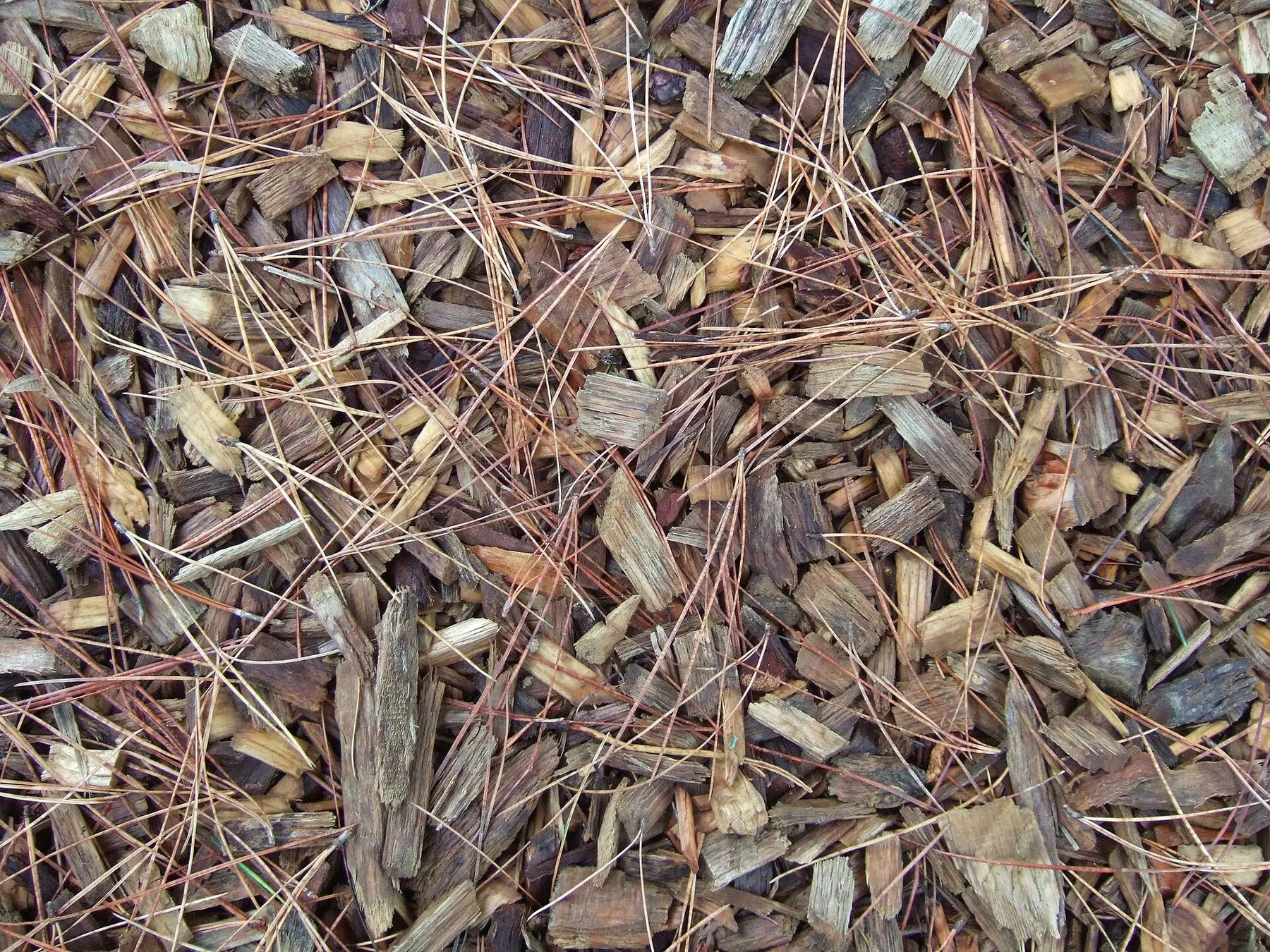
The objection to wood chips is always the same: they steal nitrogen. It is half true, and the half that is wrong is the half that matters.
Wood chips tie up nitrogen only where they are in contact with soil. On the surface, that is a zone perhaps half an inch deep. Dug in, it is the entire root zone — and that is what stunts plants.
The nitrogen question, properly
Decomposing microbes need nitrogen to process carbon. Wood is very high in carbon and very low in nitrogen, so the microbes breaking it down pull nitrogen from their surroundings — a real effect called nitrogen immobilisation.
The question is where.
- Chips on the surface: decomposition happens mainly at the chip-to-soil interface. The depleted zone is roughly the top half inch of soil. Established plant roots are well below it, and the nitrogen is not destroyed — it is returned as the material breaks down.
- Chips mixed into soil: now the entire volume is a decomposition site. Nitrogen is drawn from the whole root zone at once, and plants visibly suffer for a season or more.
So the rule is simple: wood chips go on top of soil, never into it.
Where the myth comes from
The nitrogen effect is real and well documented — the studies just measured incorporated wood, not surface mulch. Advice generalised from those results to mulching, where the geometry is completely different. Arborist chips have been used as surface mulch in orchards and landscapes for decades without nitrogen problems, and the practice is well supported by extension research.
Where to use them
Excellent:
- Paths. Four to six inches, topped up yearly. Cheap, comfortable underfoot, suppresses weeds.
- Around trees and shrubs. Two to four inches out to the drip line, with a clear gap at the trunk. This is the best use of the material — it mimics a woodland floor.
- Perennial borders, once plants are established.
- Fruit bushes and canes.
- Sheet mulching, over cardboard, to kill turf and weeds when making a new bed.
Reasonable:
- Between rows in a vegetable garden, keeping chips off the soil where you sow.
Bad:
- Dug into soil, for the reason above.
- On seedbeds, or around seedlings, whose roots are in the depleted zone.
- Piled against trunks and stems. The “mulch volcano” holds moisture against bark and causes rot and disease. Keep a few inches clear, always.
- In containers, as a growing medium — see potting soil.
Which chips
| Source | Quality | Notes |
|---|---|---|
| Arborist chips (tree surgeon) | Excellent | Mixed species with leaves and bark; often free |
| Bagged bark mulch | Good | Consistent, decorative, more expensive |
| Hardwood chips | Good | Break down slowly |
| Softwood / conifer chips | Good | Slightly acidic; fine for most plants |
| Municipal green waste chips | Variable | Ask what goes into it |
| Rubber “mulch” | Avoid | Not organic, does not feed soil, sheds particles |
| Dyed mulch | Caution | Dye is usually harmless; the wood source may be recycled pallets or demolition timber |
Arborist chips are the best material and usually free. A tree surgeon working nearby will often drop a load rather than pay tipping fees. The mix of wood, bark and green leaves gives a much better carbon-to-nitrogen ratio than pure chipped trunk.
What to avoid:
- Black walnut — releases juglone, which is toxic to tomatoes, potatoes, peppers and many ornamentals.
- Treated, painted or stained timber, and anything from demolition. Old timber may carry preservatives you do not want in a food garden.
- Diseased trees, particularly with anything soil-borne.
- Fresh eucalyptus and cedar in quantity — both contain compounds that can suppress germination. Ageing them a few months resolves most of it.
Applying them
- Weed first. Chips suppress germinating weed seed; they do not kill established perennial roots.
- Water the ground if it is dry. Mulch holds moisture in and also holds it out.
- Spread 2 to 4 inches on beds, up to 6 on paths.
- Pull back a few inches from every trunk and stem.
- Top up every two or three years as they break down.
If you must incorporate them, add nitrogen
There are legitimate reasons to dig chips in — breaking up heavy clay, or building a hugelkultur bed. Where you do, add a nitrogen source alongside: manure, blood meal, or a high-nitrogen fertiliser. That supplies what the microbes would otherwise take from the soil, and it substantially reduces the stunting. Better still, compost the chips first and dig in the result.
What they actually do for soil
Beyond weed suppression and moisture retention, wood chips feed fungal soil biology specifically — the decomposer networks that dominate woodland soils and that most cultivated gardens are short of.
Over several years, a mulched bed develops visibly better structure: darker, more crumbly, more worm-worked. That is the same structural improvement described in loam soil, arriving from the top down rather than by digging.
It is slow. It is also close to free, and it needs no work beyond spreading.
Common questions
Do wood chips steal nitrogen from soil?
Should you put wood chips around vegetables?
Are fresh wood chips safe to use as mulch?
Which wood chips should you not use?
How deep should wood chip mulch be?
How long do wood chips last as mulch?
Backyard Weekly
Know what to plant, week by week
Free planting calendar. Join the weekly email for seasonal jobs, fixes for what is going wrong, and gear worth buying.
Set MONETIZATION.email.endpoint in src/config/site.ts to enable this form.
By subscribing you agree to our privacy policy. Grow In Backyard will never sell your address.
Keep reading
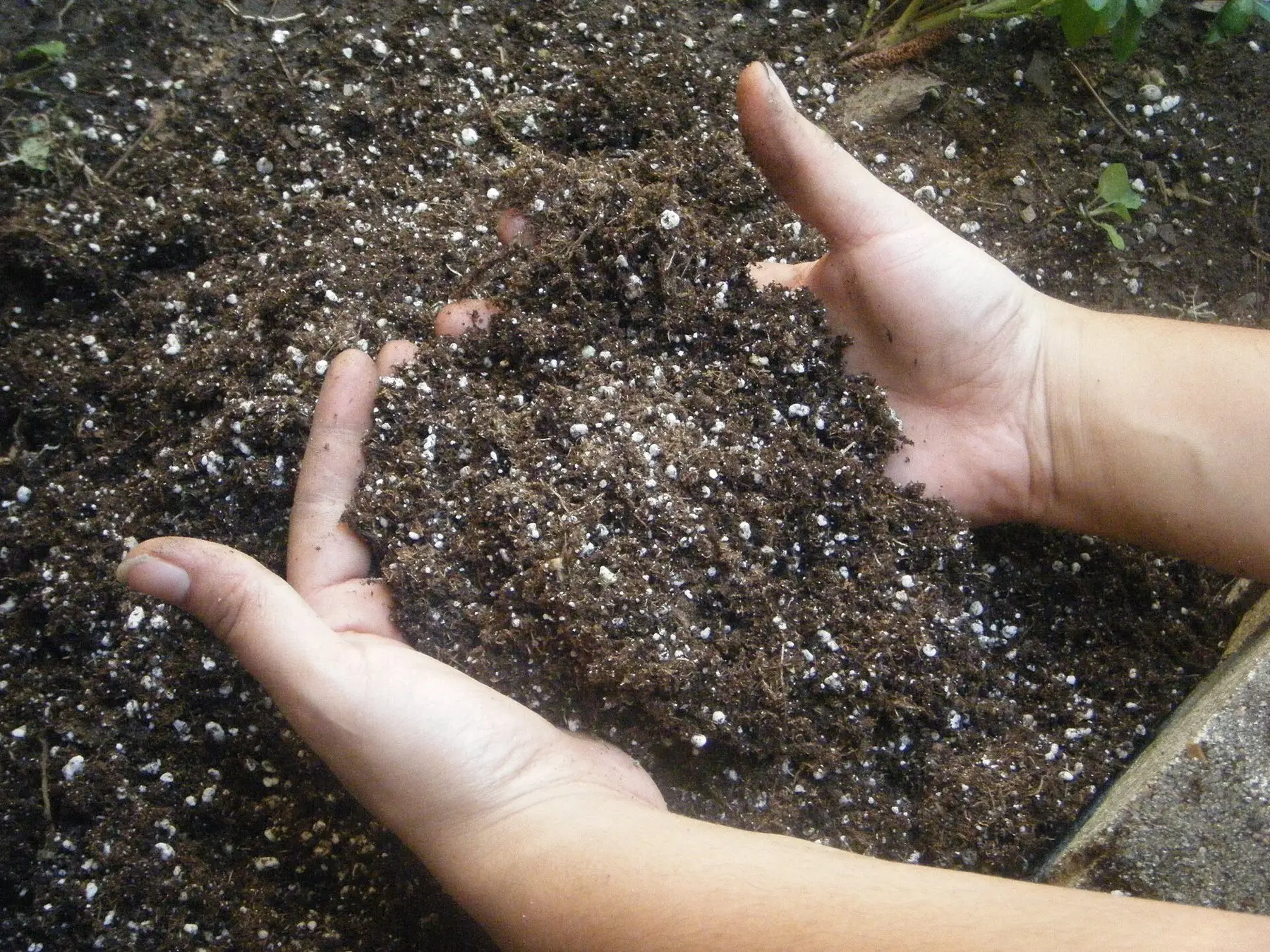
Loam Soil: What It Is, and How to Get It From Clay or Sand
Loam is a particle-size ratio, not a product you buy. How to test what you have with a jar of water, and the only method that genuinely changes it.
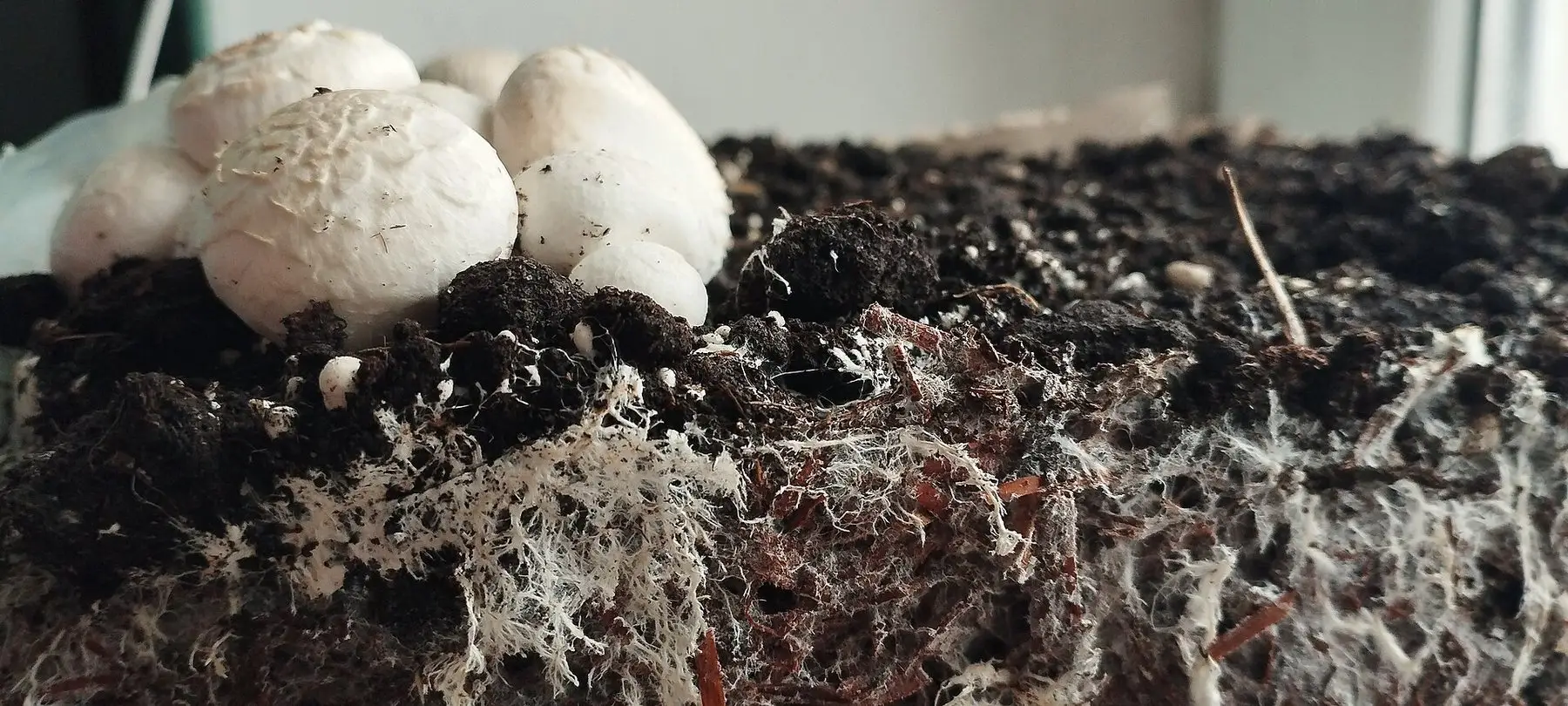
Mushroom Compost: What It Is and Where Not to Use It
Spent mushroom substrate is cheap, alkaline and salty when fresh. Excellent on clay and vegetable beds, actively harmful around acid-loving plants and seedlings.
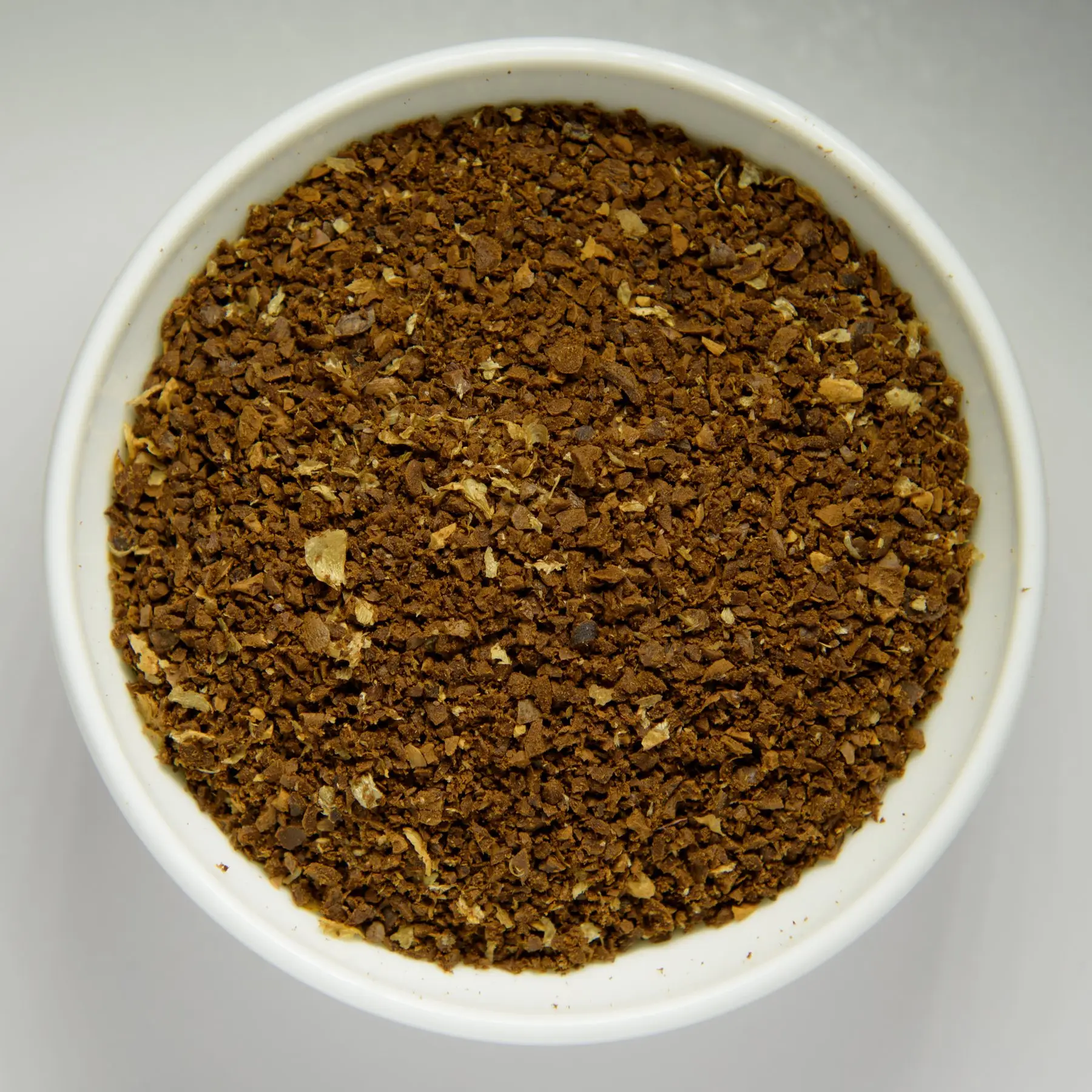
Coffee Grounds in the Garden: What They Actually Do
Used coffee grounds are not acidic, do not repel slugs, and should never be spread thickly. What they are genuinely good for, and how to use them.
How to Make a Compost Bin: Three Designs That Work
A heap needs about a cubic yard to heat up, air to keep going, and a lid in wet climates. Pallet, wire and bin designs, plus what actually goes in.