
Are Maggots Good for Compost? Yes — They Speed It Up
Soldier fly larvae break down food waste faster than anything else in the heap. Maggots signal a wet, nitrogen-heavy pile rather than a problem.
 By
On this page
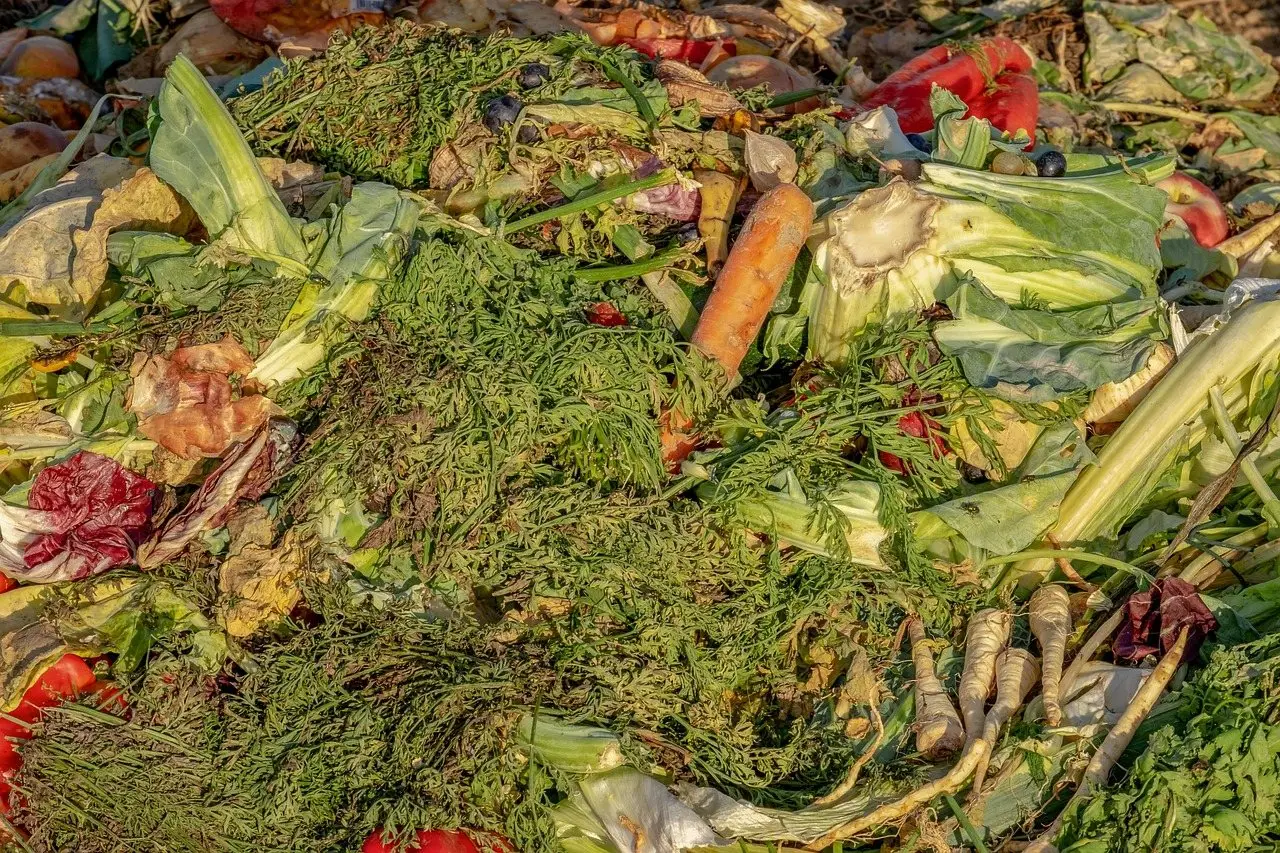
Yes. The big pale ones are usually black soldier fly larvae — among the fastest decomposers there are, faster than worms. Harmless, and a sign the heap is working. What they do tell you is that it is wet and nitrogen-heavy.
Which maggots have you got
| Black soldier fly larvae | House fly maggots | |
|---|---|---|
| Size and look | Large, flattened, grey-brown, tough | Small, pale, soft |
| Movement | Slow | Fast |
| Adult behaviour | Does not bite, feed or enter houses | Lands on food, carries pathogens |
| What it means | A well-fed, working heap | Exposed meat or cooked food |
| Action | Leave them; dry the heap out | Bury or remove the food source |
What their presence is telling you
Too much wet green, not enough dry brown. Food scraps, grass clippings and soft green waste are nitrogen-rich and hold water, so a heap built mostly from them stays damp, goes anaerobic in patches and attracts egg-laying flies.
That is the same diagnosis as a smelly heap, and it has the same fix.
- Add plenty of dry browns — shredded cardboard, dry leaves, straw, wood shavings.
- Turn it thoroughly, bringing the wet centre out to the air.
- Bury fresh food scraps under at least 15 cm of other material.
- Cover new additions immediately; a lid helps.
The population falls away as the pile dries and heats — though you do not need to eliminate them. They are useful while they are there.
Meat, fish and dairy are the real cause of a fly problem
They attract house flies and rodents, smell strongly, and rarely reach a temperature a domestic heap can manage safely. A closed hot composter or bokashi handles them. An open heap does not.
Will they end up in the finished compost?
Briefly, and it does not matter. Once the food source is gone and the material has stabilised there is nothing left to eat — any remaining larvae pupate, get eaten by birds, or die off, and none of them harm plants.
If you would rather not see them
Leave the finished heap to mature for a few weeks with no new additions. It clears itself out.
Common questions
Are maggots good for compost?
What do maggots in a compost bin mean?
How do I get rid of maggots in compost?
Are soldier fly larvae different from house fly maggots?
Should I put meat and dairy in the compost?
Will maggots survive in finished compost?
Backyard Weekly
Know what to plant, week by week
Join the weekly email for seasonal jobs, fixes for what is going wrong, and gear worth buying.
Not ready to subscribe? The planting calendar is free and needs no email.
By subscribing you agree to our privacy policy. Grow In Backyard will never sell your address.
Keep reading
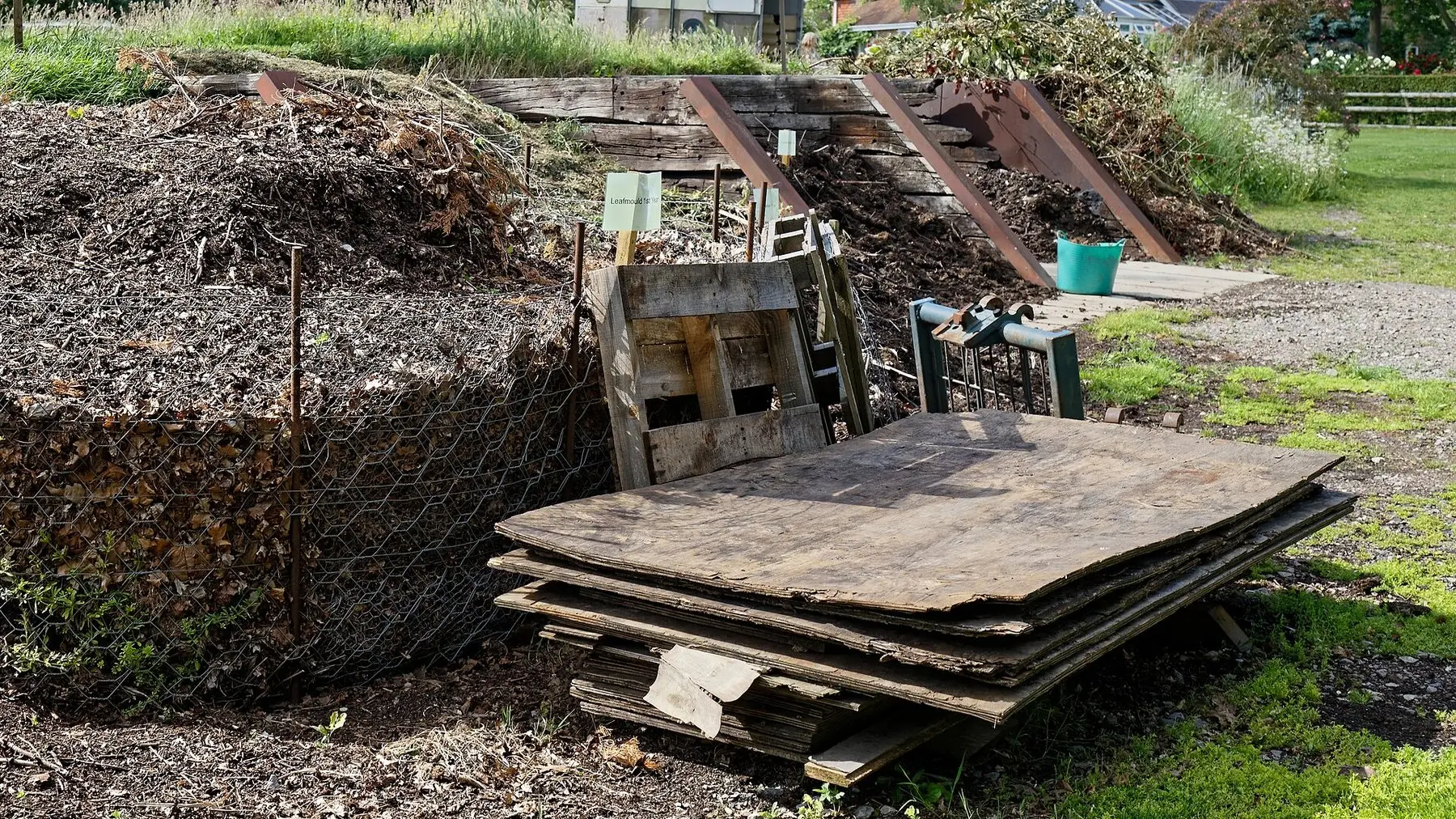
How to Make a Compost Bin — 4 Parts, 3 Designs
How to make a compost bin: pick the design, then size it for the heat. 4 parts cover all 3 builds. See which suits the space you have.
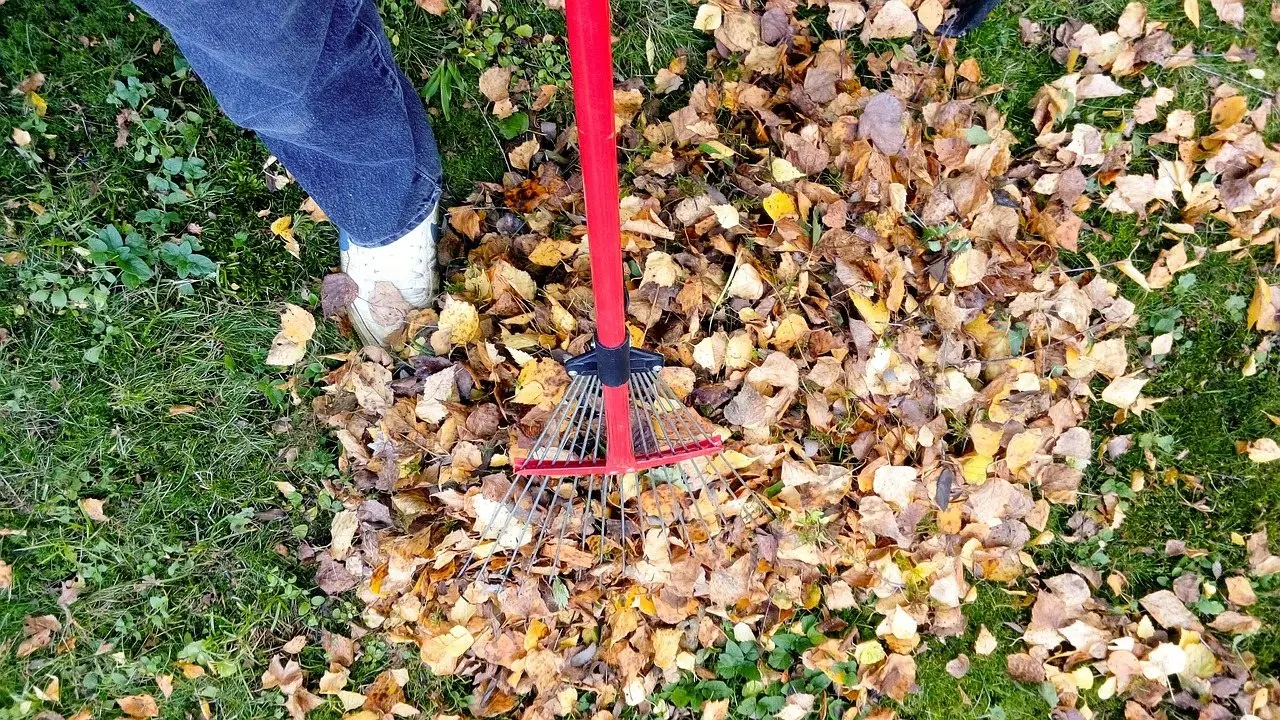
Can You Compost Leaves? Yes — They Are the Best Brown You Have
Leaves are the ideal carbon layer in a heap, and composted alone they make leaf mould. Shred them, or they mat into sheets that shed water.
Can You Compost Weeds? Yes, With Two Real Exceptions
Most weeds compost fine. Seed heads and perennial roots are the two that survive a cool heap — how to handle them without losing the material.
Are Pine Needles Good for Compost? Yes, Slowly
Pine needles compost well but break down slowly, and they do not acidify finished compost. How to speed them up and where they work better as mulch.