
Can You Compost Weeds? Yes, With Two Real Exceptions
Most weeds compost fine. Seed heads and perennial roots are the two that survive a cool heap — how to handle them without losing the material.
 By
On this page
Yes — and the material is genuinely good. The question is really about two categories, and getting those wrong is how people spread a weed problem around the garden in their own compost.
The three categories
| Cool heap | Hot heap | |
|---|---|---|
| Young annual weeds, no seed | Straight in | Straight in |
| Weeds in seed | No — seeds survive | Yes, if the centre holds 140°F |
| Perennial roots | No — they regrow | Risky; kill them first anyway |
| Japanese knotweed | Never | Never |
| Herbicide-treated | Never | Never |
Why a cool heap is not enough
Most weed seeds die at around 140°F (60°C) held for several days. Reaching that needs:
- Volume — roughly a cubic metre minimum. Small bins simply cannot hold the heat
- A good mix — greens to browns around 1:2 by volume
- Moisture like a wrung-out sponge
- Turning, to move cool outer material into the hot centre
Most domestic heaps are filled a bucket at a time over months, which never builds a critical mass. That is fine — it just means sorting the inputs instead.
The edges are never as hot as the middle
Even a genuinely hot heap has cool outer material where seeds survive. Turning is not optional if you are relying on heat to kill seed.
Killing perennial roots first
Bindweed, couch grass, ground elder, horsetail, creeping buttercup, dock and dandelion all regrow from fragments. Chopping them through a heap is propagation, not disposal.
- Drowning — a lidded bucket of water, several weeks. Fastest and most reliable. The liquid is a strong feed once diluted heavily; the black residue is safe to compost
- Sealed black bag — a few months in the sun, until nothing white remains
- Drying to a crisp on a hard surface in full sun, where the weather allows
Whatever the method, the test is the same: no white root left, and nothing recognisable.
Two things that must not go in at all
Japanese knotweed. In the UK and elsewhere its disposal is legally controlled. Not home compost, not council green waste, not the hedge.
Anything treated with herbicide, particularly the aminopyralid group used on pasture and in some lawn products. These survive composting and pass through animal digestion intact, then damage tomatoes, beans and potatoes at very low concentration. The commonest source is not your own weeds but imported manure or straw of unknown origin — worth asking about before a trailer-load goes on the garden.
Common questions
Can you compost weeds?
Can you compost weeds that have gone to seed?
Which perennial weeds should never go in a cool heap?
How do I compost perennial weed roots safely?
How hot does a compost heap need to be?
What about weeds treated with herbicide?
Backyard Weekly
Know what to plant, week by week
Join the weekly email for seasonal jobs, fixes for what is going wrong, and gear worth buying.
Not ready to subscribe? The planting calendar is free and needs no email.
By subscribing you agree to our privacy policy. Grow In Backyard will never sell your address.
Keep reading
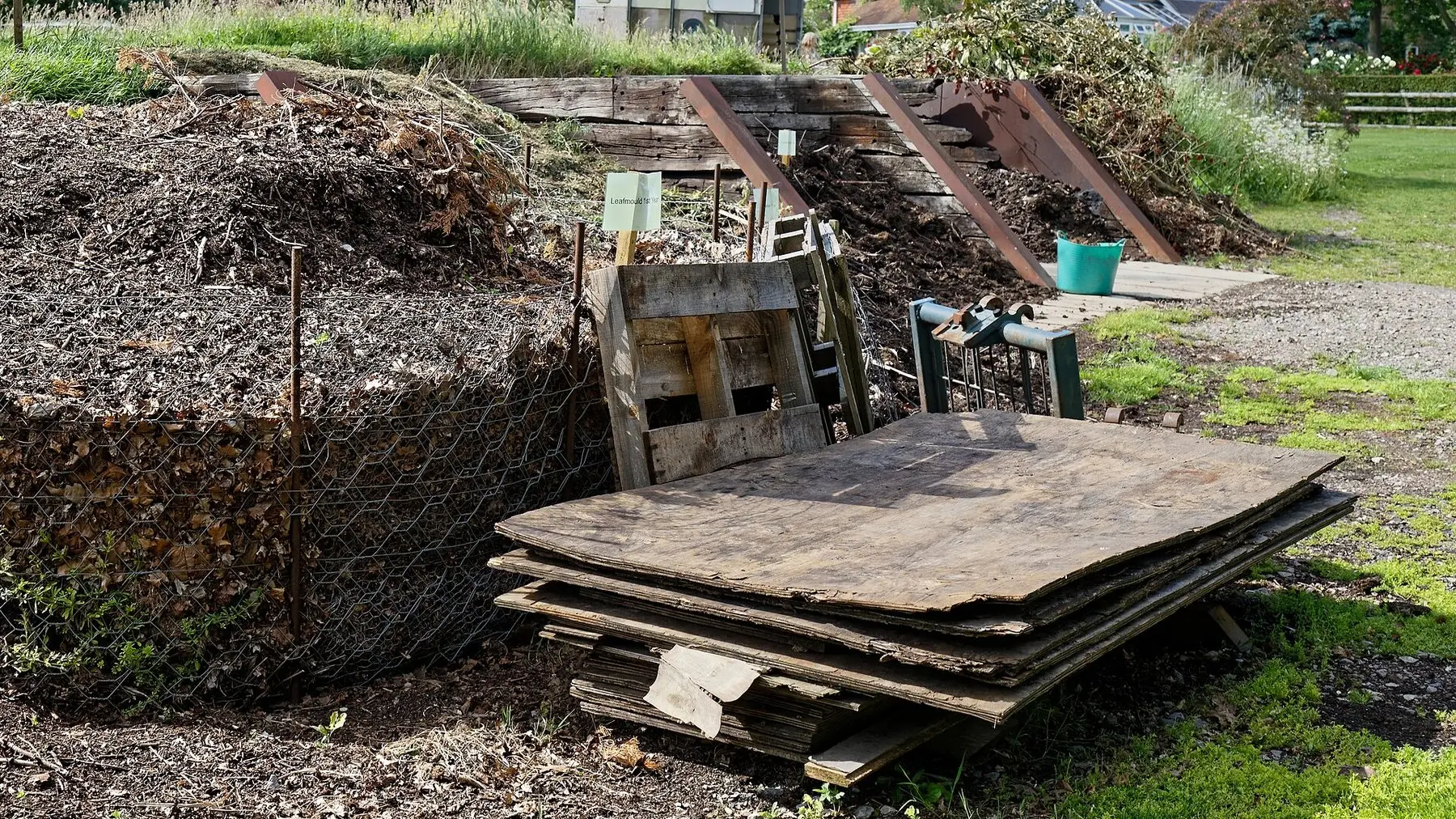
How to Make a Compost Bin — 4 Parts, 3 Designs
How to make a compost bin: pick the design, then size it for the heat. 4 parts cover all 3 builds. See which suits the space you have.
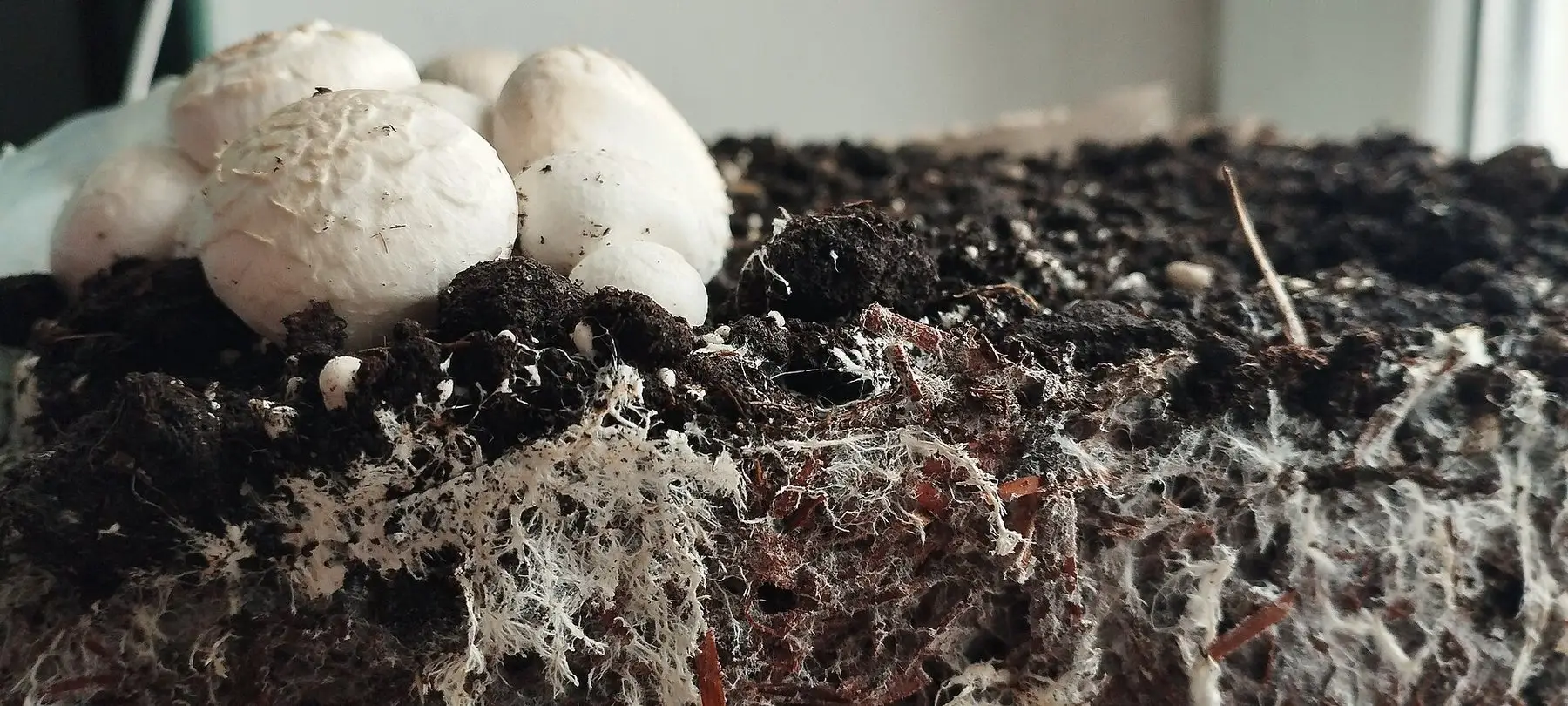
Mushroom Compost — 3 Uses and Where It Does Harm
Mushroom compost is alkaline and salty, which rules out some beds. 3 uses compared, plus what to use on acid-lovers. See where it fits your soil.
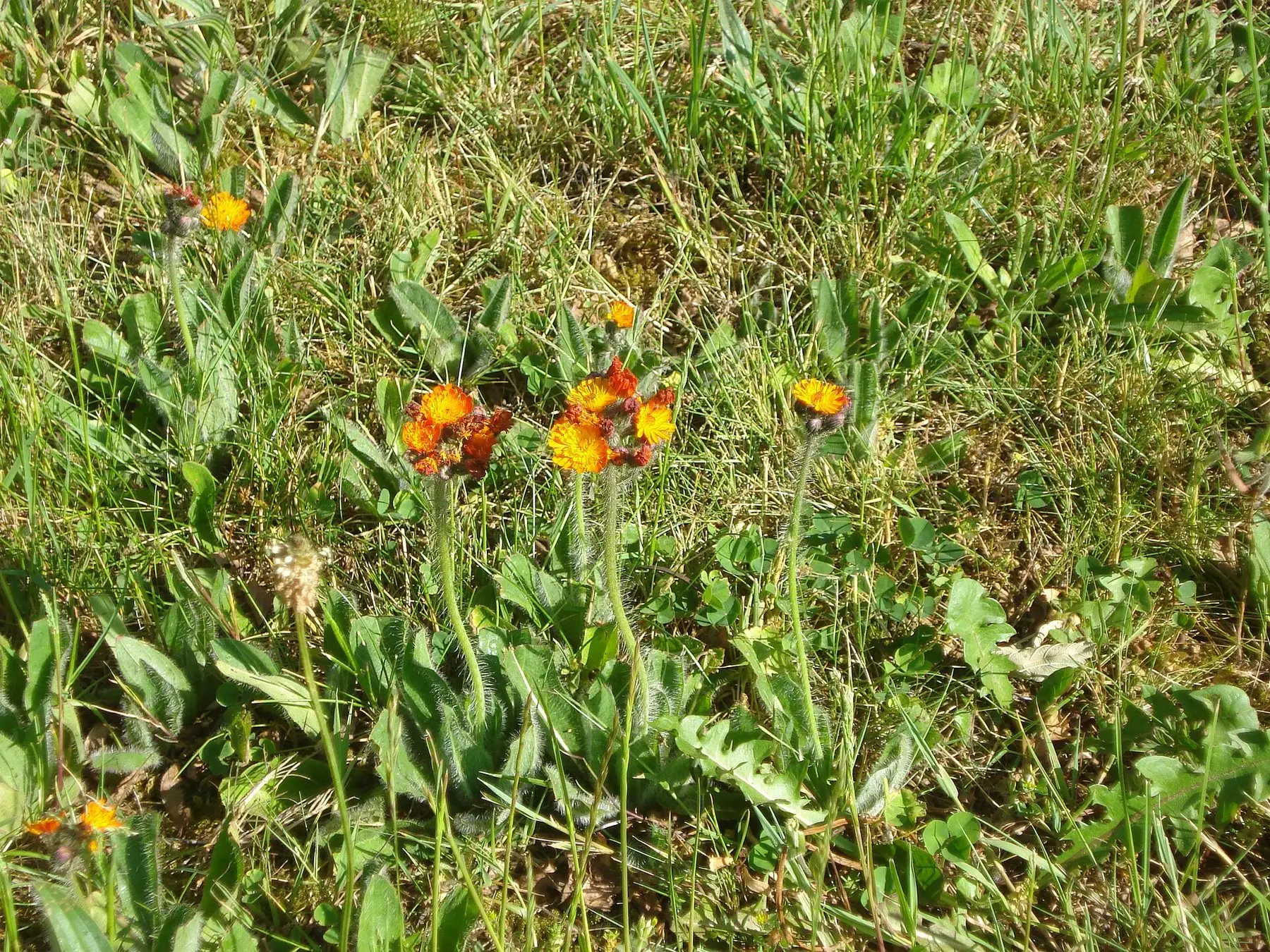
Does Vinegar Kill Weeds — 4 Checks on What It Misses
Does vinegar kill weeds down to the root, or only the leaves? Only the leaves, and 4 checks cover strength, gear and perennials. See where it earns use.
Can You Put Dead Plants in Compost? Yes — Unless Diseased
Plants that died of drought, frost or old age compost normally. Disease and persistent seed are the two things a cool domestic heap will not kill.