
Are Pine Needles Good for Compost? Yes, Slowly
Pine needles compost well but break down slowly, and they do not acidify finished compost. How to speed them up and where they work better as mulch.
 By
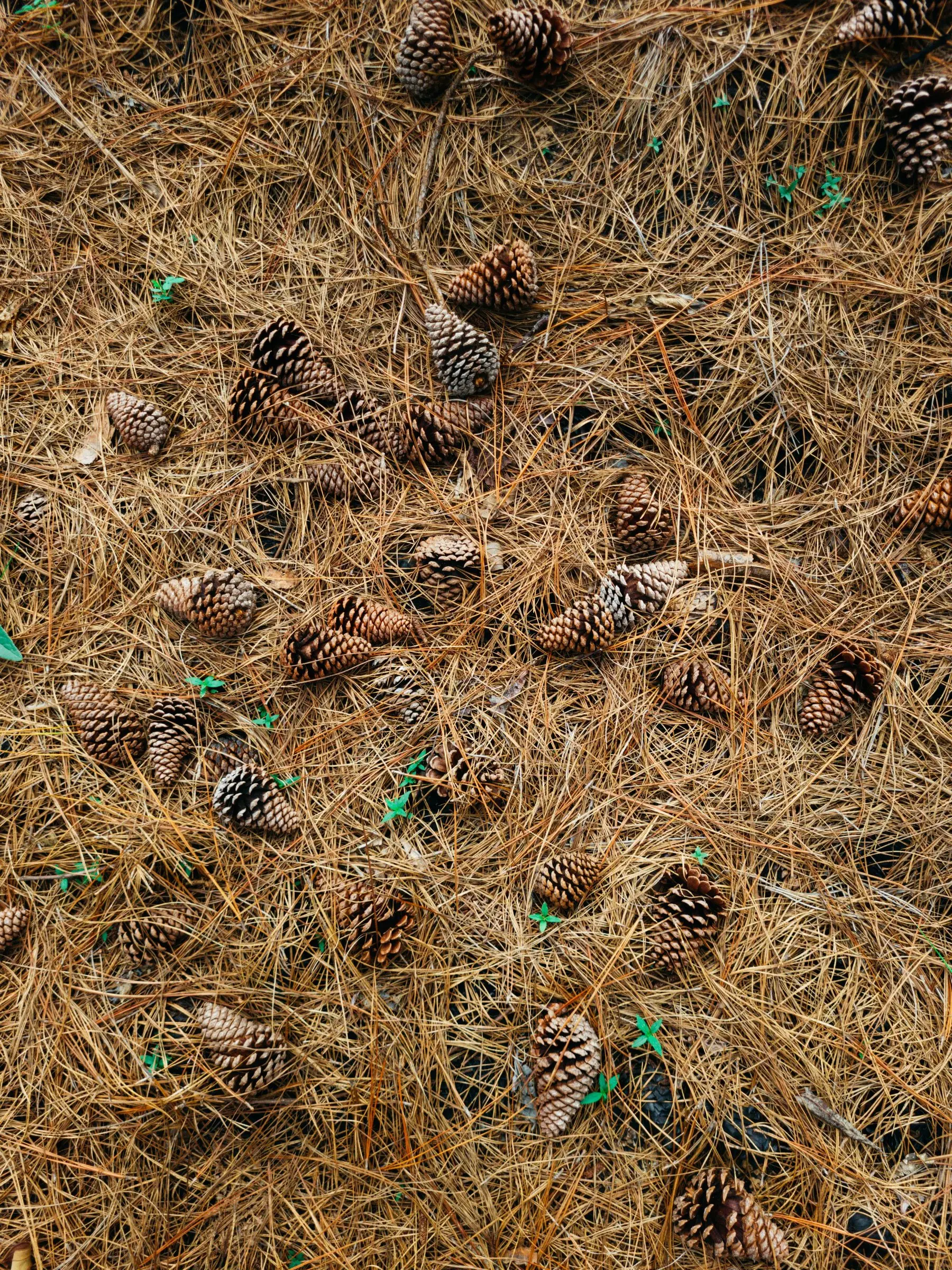
On this page
Yes — and slowly enough that the real question is whether they belong in the heap at all, or on a bed as mulch, where the same slowness is an advantage.
Why they are slow
A pine needle is built to last two or three years on the tree in wind, frost and drought. The things that achieve that are the same things that resist a compost heap:
- A waxy cuticle sealing the surface
- Resins that slow the bacteria doing the work
- A high carbon-to-nitrogen ratio, roughly 60–110:1 against the 25–30:1 a heap wants
| Breaks down | Notes | |
|---|---|---|
| Grass clippings (green) | Days to weeks | Nitrogen-rich, mats if thick |
| Shredded leaves | Months | The ideal brown |
| Pine needles, shredded | 6–12 months | Manageable |
| Pine needles, whole | A year or more | Often still recognisable |
| Wood chips | 1–2 years | Better as mulch |
| Cones, branches | Years | Shred or leave out |
The acidity myth, properly
This is worth being clear about because it is repeated everywhere.
- Fresh green needles really are acidic — around pH 3.5
- Fallen brown needles are close to neutral by the time they drop
- Finished compost containing them tests near neutral, because composting buffers pH
- Trials on pine needle mulch have repeatedly failed to show meaningful acidification of the soil beneath it
Soil under pines is acidic — the pines did not do it
The correlation is real and the causation runs the other way. Pines tolerate and thrive on acidic, poor, sandy soils, so you find them growing there. The needles are not what made it so.
To actually lower pH, use elemental sulphur.
If you do compost them
- Shred first. Mow over them or run them through a shredder — the single biggest improvement
- Keep below about 10% of the heap by volume
- Alternate thin layers with grass clippings, coffee grounds or manure rather than adding one thick mass
- Keep it moist and turn it
- Expect a year, and do not worry if some needles survive into the finished compost
The better use
Pine straw is one of the best mulches there is, and for the exact reason it frustrates a compost heap:
- Light and easy to spread
- Interlocks, so it stays put on slopes and does not blow away
- Lets water through rather than matting like some bark
- Insulates well against heat and cold
- Lasts — a mulch that needs topping up once a year, not four times
It is the default mulch across the southern United States, and it costs nothing if you have a pine.
Common questions
Are pine needles good for compost?
Do pine needles make compost or soil acidic?
How do I make pine needles break down faster?
Are pine needles better used as mulch?
Do pine needles hurt worms or soil life?
What should I not compost from a conifer?
Backyard Weekly
Know what to plant, week by week
Join the weekly email for seasonal jobs, fixes for what is going wrong, and gear worth buying.
Not ready to subscribe? The planting calendar is free and needs no email.
By subscribing you agree to our privacy policy. Grow In Backyard will never sell your address.
Keep reading
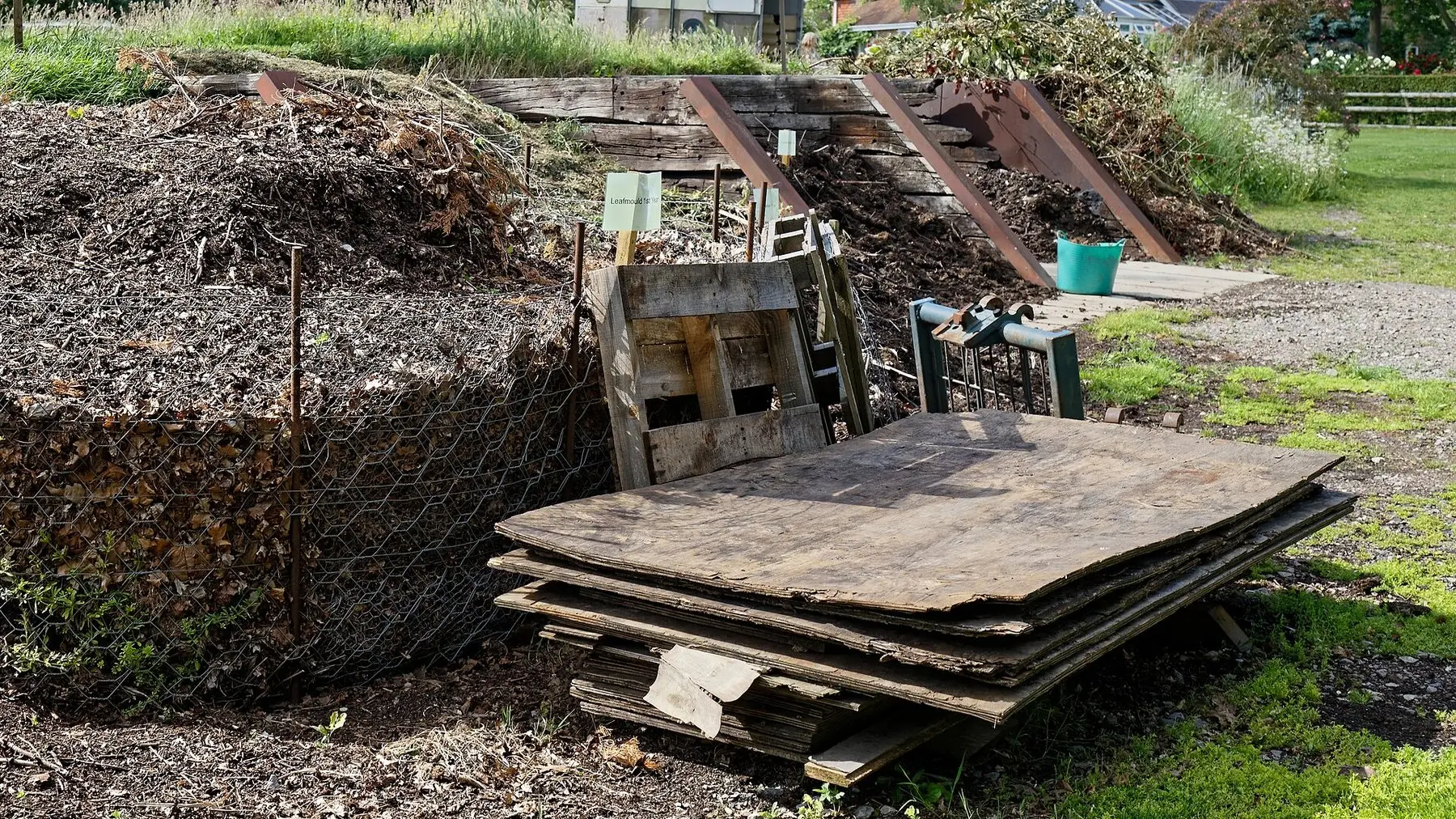
How to Make a Compost Bin — 4 Parts, 3 Designs
How to make a compost bin: pick the design, then size it for the heat. 4 parts cover all 3 builds. See which suits the space you have.
Can You Compost Weeds? Yes, With Two Real Exceptions
Most weeds compost fine. Seed heads and perennial roots are the two that survive a cool heap — how to handle them without losing the material.
How to Lower Soil pH: What Works and How Long It Takes
Elemental sulfur is the reliable way to acidify soil, and it takes months. What to use, how much, and why coffee grounds and vinegar do not work.
Can You Burn Mulch? It Burns Easily — Which Is the Problem
Dry bark and wood mulch ignites readily and smoulders underground for hours before surfacing. Burning it deliberately is also illegal in many areas.