
Is Horse Poop Good Fertilizer? Yes, Once It Has Rotted
Horse manure is a genuinely good soil improver after six months to a year. Fresh, it burns roots and carries weed seed — plus the herbicide trap.
 By
On this page
Yes — once it has rotted. Fresh, it is not fertilizer at all; it is a root-burning weed seed delivery system. And there is one modern problem with imported manure that matters more than either.
Rotted against fresh
| Fresh | Well-rotted | |
|---|---|---|
| Ammonia and salts | High — scorches roots | Gone |
| Weed seed | Dense and viable | Mostly killed in a hot heap |
| Smell | Sharp, ammonia | Sweet, earthy |
| Look | Recognisable droppings and straw | Dark, crumbly, uniform |
| Use | Empty ground in autumn only | Anywhere |
What you are looking for: dark, crumbly, sweet-smelling, with no recognisable straw or droppings and no ammonia at all. If you can still tell what it used to be, it needs longer.
What it actually does
It is a soil conditioner, not a fertilizer, and treating it as one avoids disappointment:
- Structure — opens heavy clay, binds sand
- Water holding
- Biology — feeds worms and soil life, which is most of the benefit
- Nutrition — roughly 0.7-0.3-0.6 NPK. Modest. A bag of feed has more
Horse manure is lighter and drier than cow, higher in carbon because of the bedding through it, and heats up fast in a heap — which makes it very good on clay and for hot beds.
The part people do not know about
Aminopyralid survives the horse, and survives composting
Herbicides of this group are used on pasture and hay. They pass through the animal intact, pass through a compost heap intact, and deform tomatoes, beans and potatoes at concentrations far too low to detect any other way.
The symptom is twisted, cupped, fern-like new growth on plants that were fine last week. By then the bed is unusable for a season or more.
Always ask the stable what the pasture and the hay were treated with. A yard that knows the answer is a yard worth taking manure from.
Testing a doubtful batch
Three weeks, and it costs nothing:
- Fill several pots with a 50:50 mix of the manure and ordinary compost
- Fill two more with plain compost as a control
- Sow broad or dwarf beans in all of them — beans are highly sensitive
- Wait three weeks
Twisted, cupped or fern-like growth in the manure pots while the controls look normal means do not use that batch, anywhere on the garden. Three weeks of waiting against a lost season of tomatoes is not a close call.
If all you have is fresh
- Spread it on empty ground in autumn and plant in spring — winter does the work
- Or stack it and leave it. Cover the heap to stop nutrients washing out
- Never mulch growing plants with it
Common questions
Is horse poop good fertilizer?
How long does horse manure need to rot?
What happens if I use fresh horse manure?
Is horse manure better than cow manure?
What is the herbicide risk with imported manure?
How do I test manure before using it?
Backyard Weekly
Know what to plant, week by week
Join the weekly email for seasonal jobs, fixes for what is going wrong, and gear worth buying.
Not ready to subscribe? The planting calendar is free and needs no email.
By subscribing you agree to our privacy policy. Grow In Backyard will never sell your address.
Keep reading
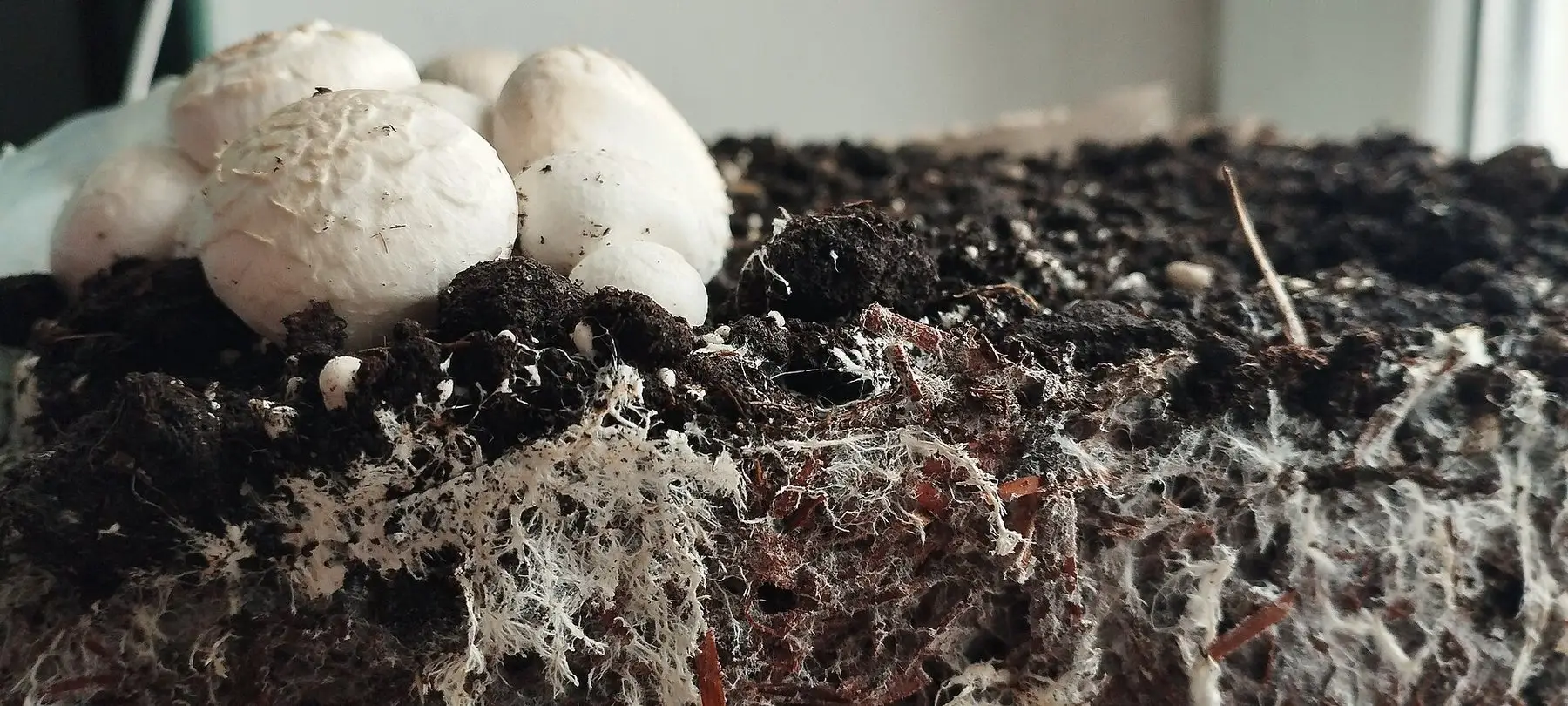
Mushroom Compost — 3 Uses and Where It Does Harm
Mushroom compost is alkaline and salty, which rules out some beds. 3 uses compared, plus what to use on acid-lovers. See where it fits your soil.
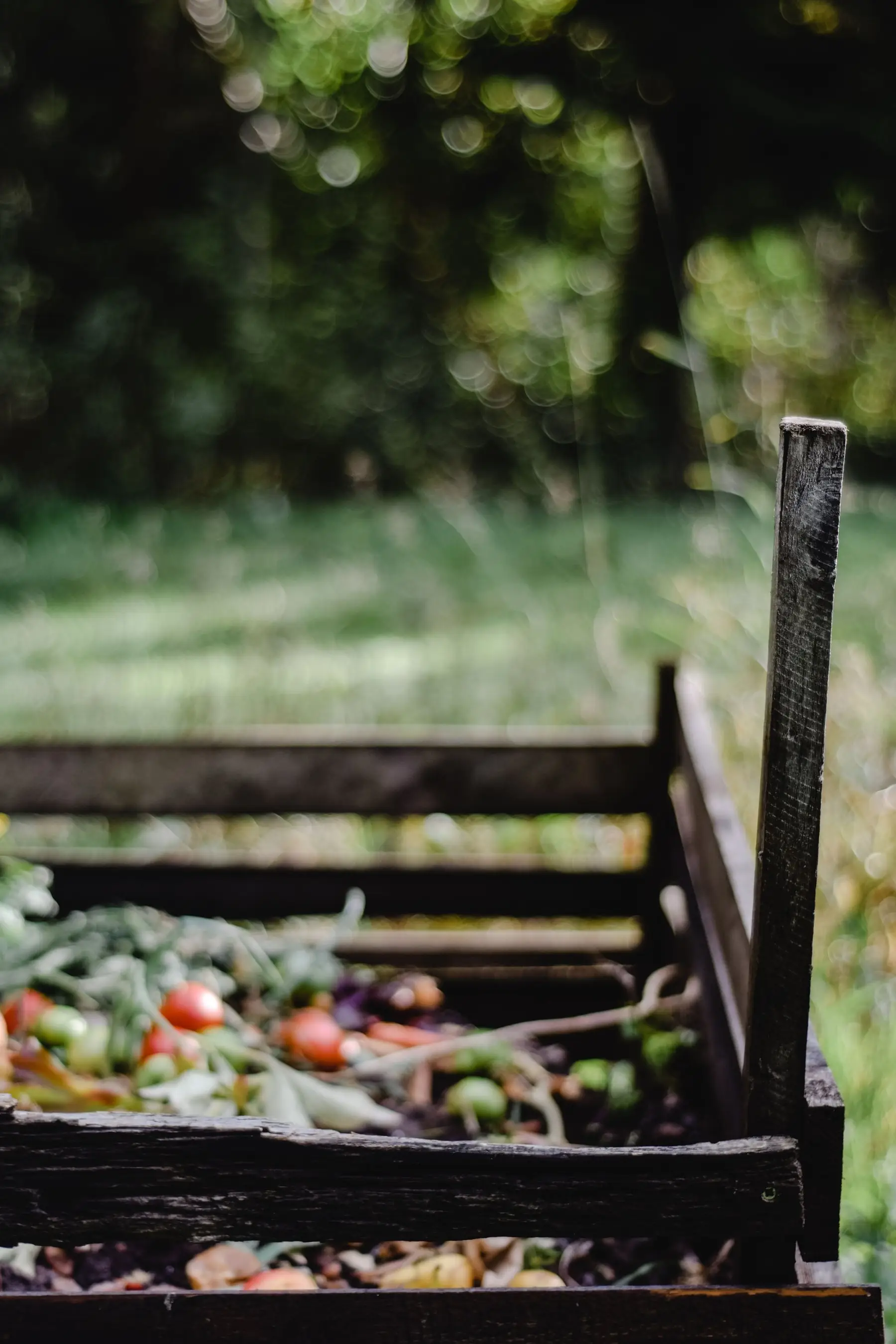
Can You Compost Weeds? Yes, With Two Real Exceptions
Most weeds compost fine. Seed heads and perennial roots are the two that survive a cool heap — how to handle them without losing the material.
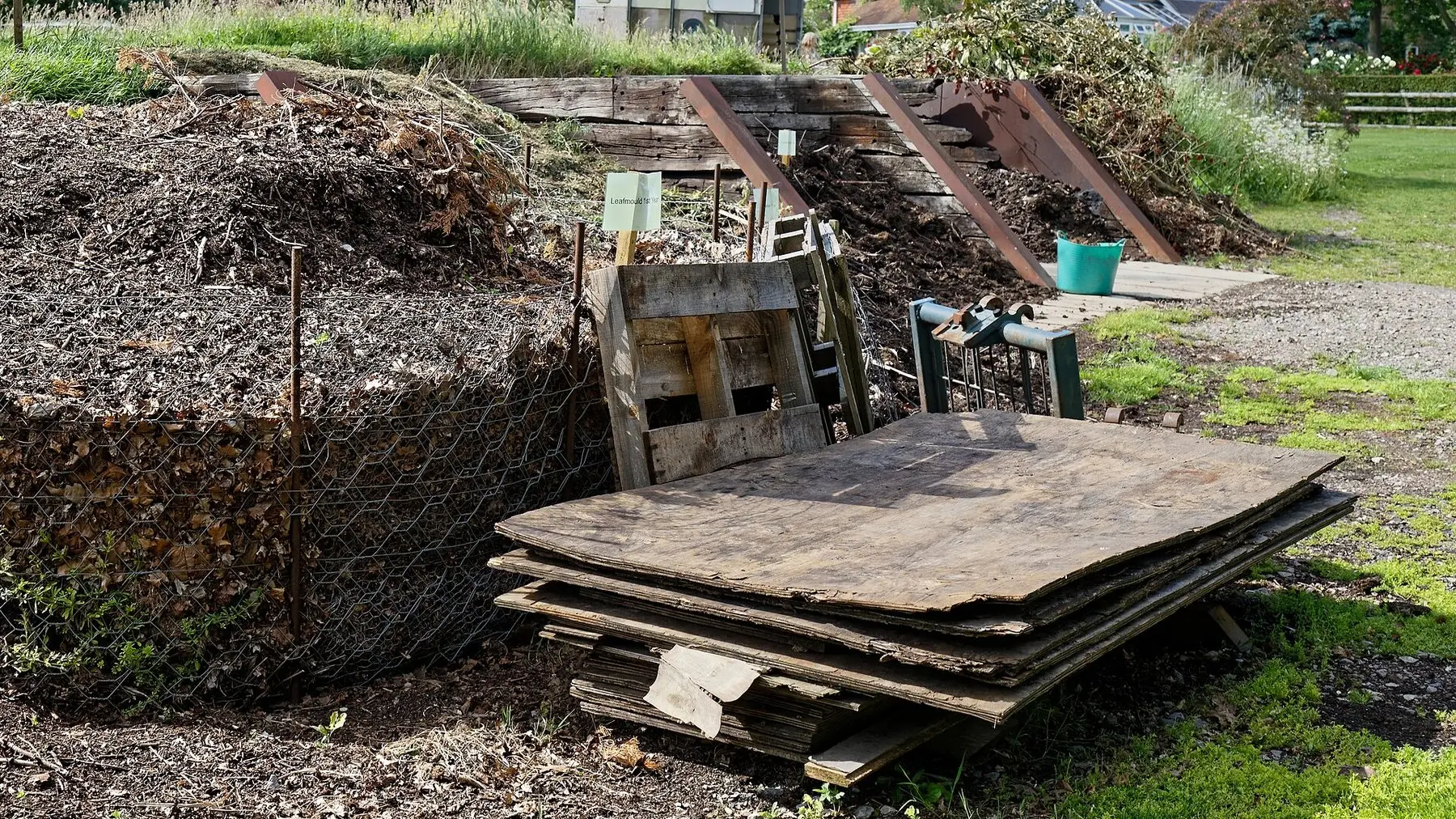
How to Make a Compost Bin — 4 Parts, 3 Designs
How to make a compost bin: pick the design, then size it for the heat. 4 parts cover all 3 builds. See which suits the space you have.
Mulch vs Side Discharge: Which Mowing Mode and When
Mulching feeds the lawn and saves bagging; side discharge handles long wet grass without clogging. Most lawns want mulching most of the time.