
What to Do With Old Mulch: Rake, Top Up, or Dig It In
Most old mulch should stay where it is and be topped up. Remove it only if it is matted, mouldy, sour-smelling or harbouring disease.
 By
On this page
Mostly, leave it there. Rake it to break the crust and top up to depth. Mulch breaking down is not mulch failing — it is mulch doing the job you bought it for.
The default: top up, do not replace
| Step | Detail |
|---|---|
| 1. Rake | Break the surface crust so water penetrates |
| 2. Measure | Total depth, down to soil |
| 3. Top up | Only enough to reach 2–3 inches |
That is usually far less than a bag per square yard — much less than people buy.
Stacking new mulch on old, year after year, is the real problem
Past about four inches total, mulch starts:
- Holding water against stems, which rots them
- Excluding air from the soil
- Encouraging roots to grow up into the mulch layer, where they dry out
Depth is the thing to check, not age.
When removal is genuinely justified
Four cases:
- Matted into a water-repellent crust that rain runs off rather than soaks through
- Smells sour, or of ammonia or vinegar — it has gone anaerobic
- Harbouring a disease whose cycle you are trying to break
- Total depth past about four inches
Visible fungus and mould are not on this list. White threads, mushrooms and slime moulds in mulch are decomposition working exactly as intended.
Where old mulch is useful
Partly rotted mulch is better than fresh for several jobs:
- Dug into a bed as a soil conditioner
- On paths, where appearance matters less
- Piled around established shrubs
- Into the compost heap as a brown, carbon-rich layer
The nitrogen question
Surface mulch does not rob your plants — dug-in fresh mulch does
Wood-based mulch does tie up nitrogen as it decomposes. But as a surface layer the effect stays in the top half-inch and never reaches the root zone of established plants.
The version that causes real deficiency is mixing fresh woody mulch into the soil. Which is precisely why partly rotted old mulch is the better thing to dig in.
How long different mulches last
| Material | Lifespan |
|---|---|
| Straw, leaf mould | One season |
| Fine bark, wood chip | 2–3 years |
| Coarse chip | 3–4 years |
| Gravel, slate | Indefinite |
Common questions
What should you do with old mulch?
Should you remove old mulch before adding new?
When should old mulch actually be removed?
Can you reuse old mulch somewhere else?
Does old mulch rob nitrogen from the soil?
How often should mulch be replaced?
Backyard Weekly
Know what to plant, week by week
Join the weekly email for seasonal jobs, fixes for what is going wrong, and gear worth buying.
Not ready to subscribe? The planting calendar is free and needs no email.
By subscribing you agree to our privacy policy. Grow In Backyard will never sell your address.
Keep reading
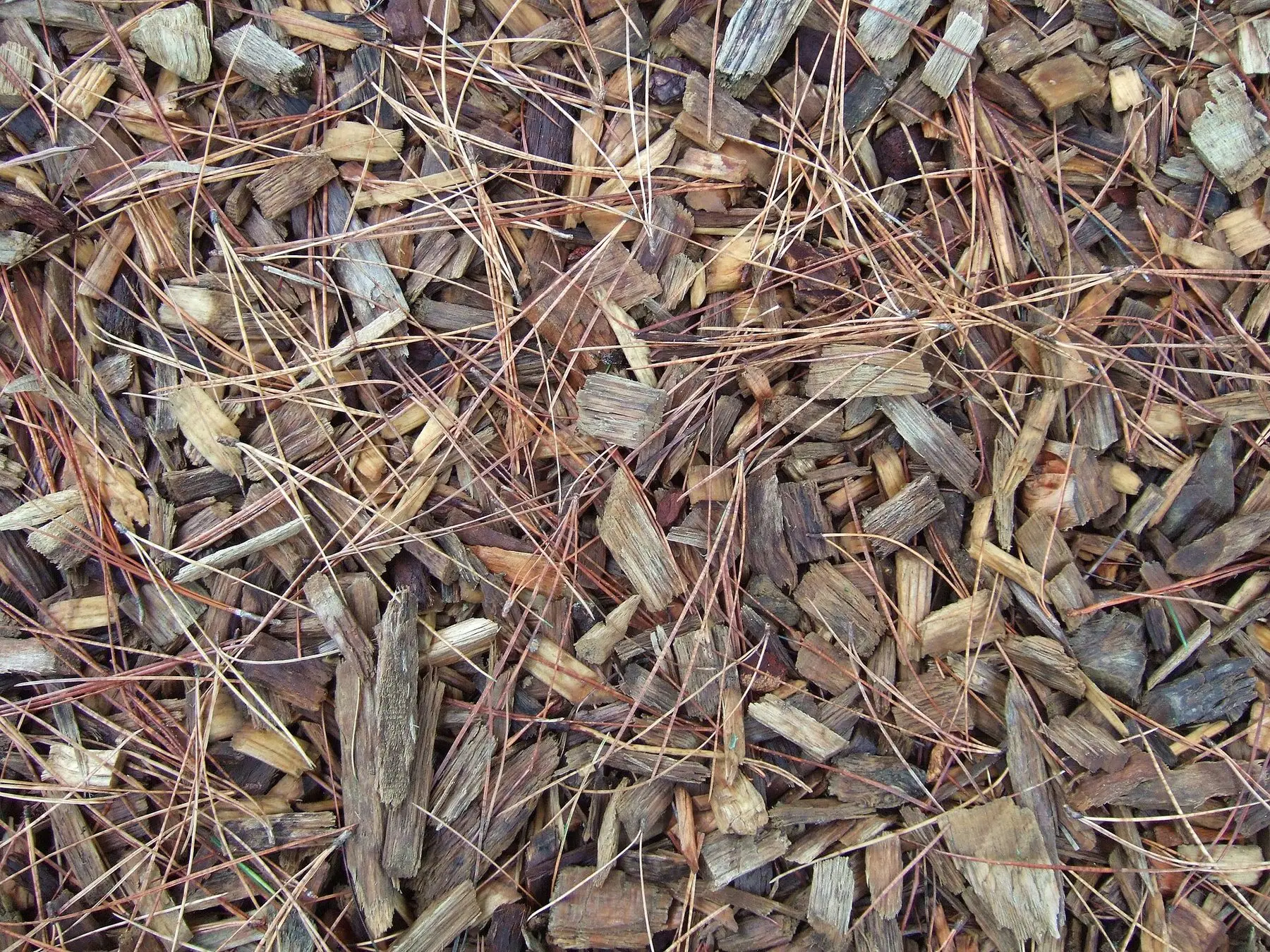
Wood Chips in the Garden: The Nitrogen Myth, Explained
Wood chips only rob nitrogen where they meet soil, so they are excellent as a surface mulch and a bad idea dug in. Where to use them, and which chips to avoid.
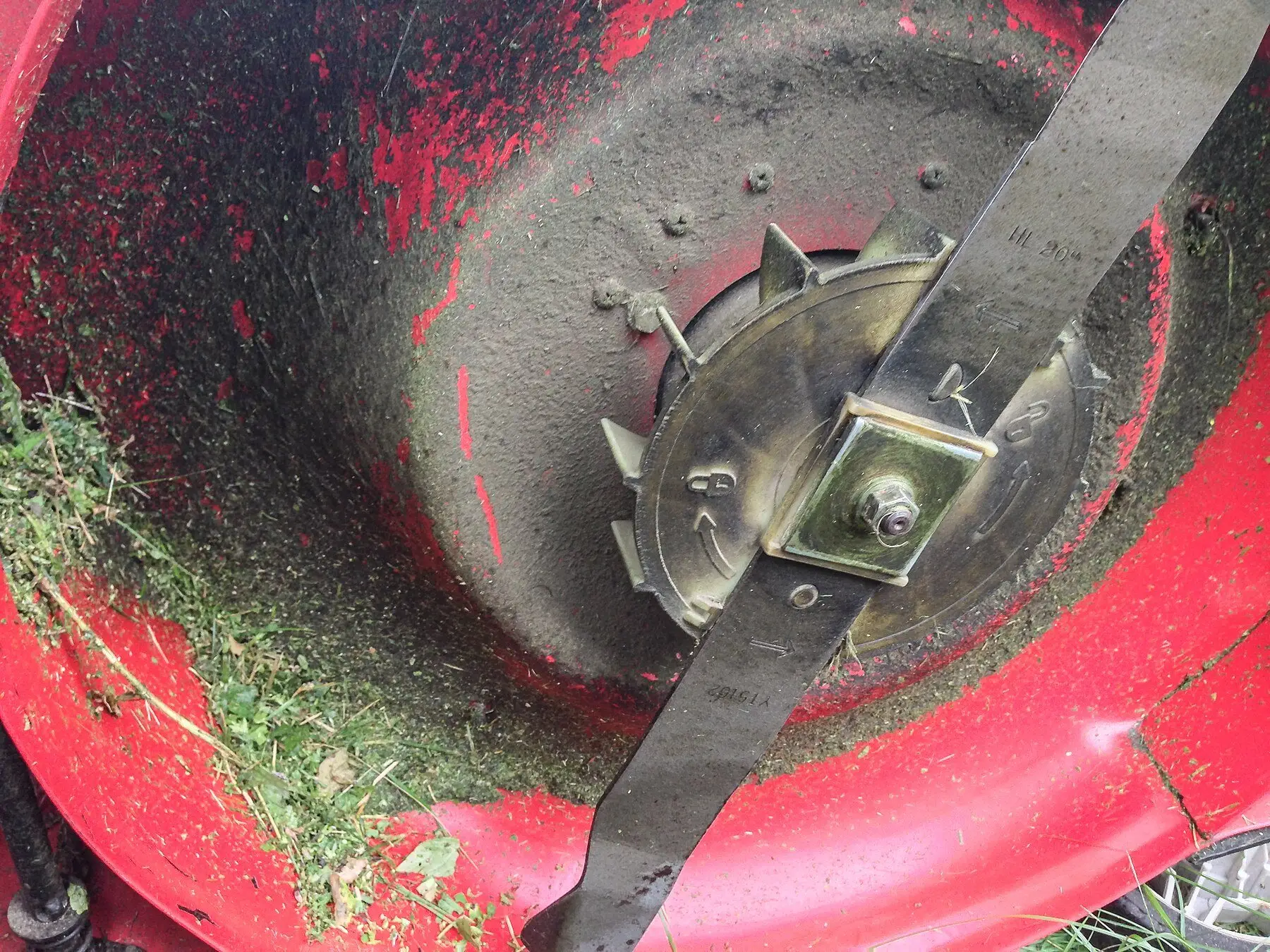
Grass Clippings as Mulch — 3 Rules for a Thin Layer
Grass clippings as mulch mat and sour unless dried and spread thin. 3 items make that easy. See how to use what the mower already produces.
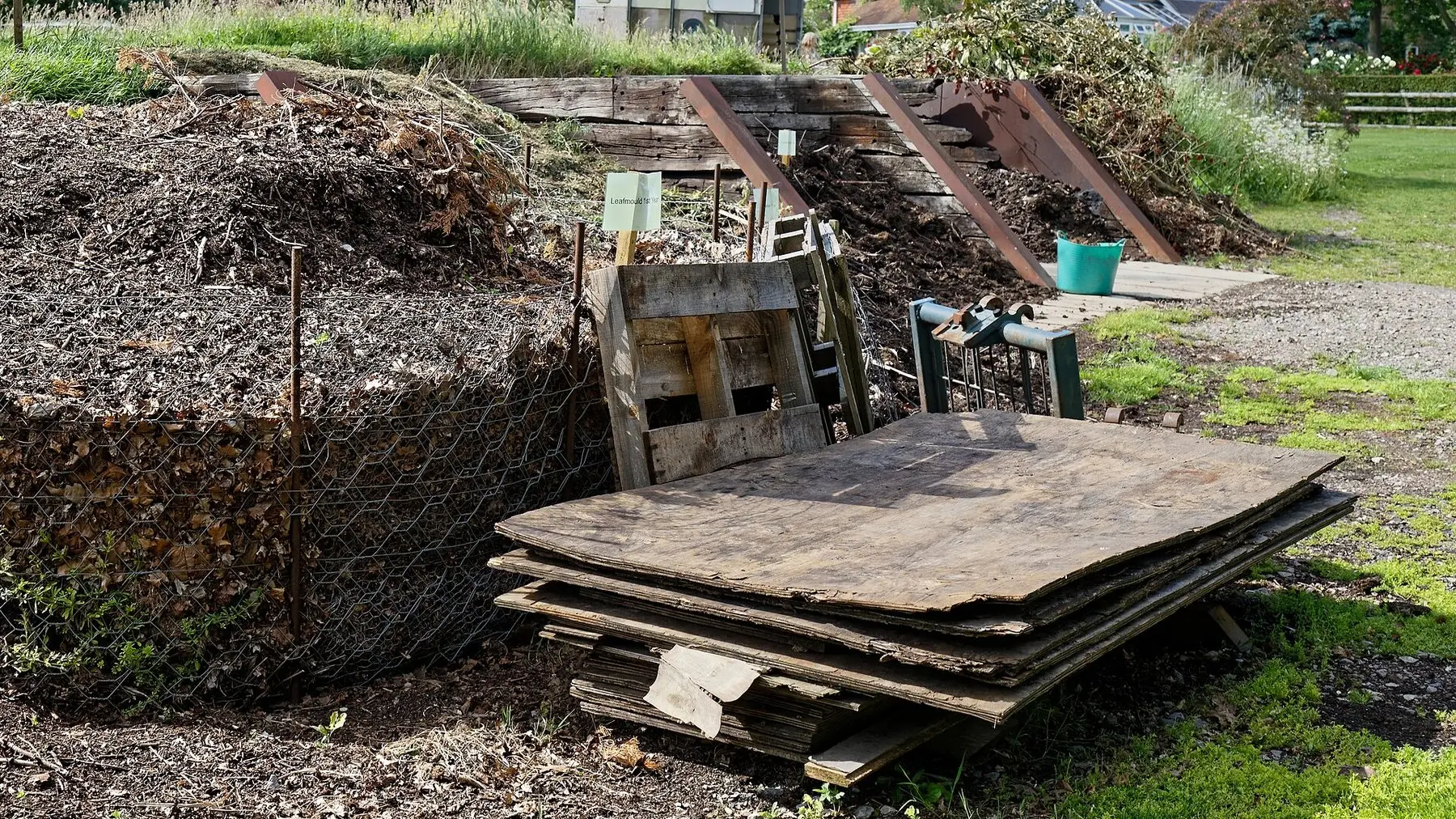
How to Make a Compost Bin — 4 Parts, 3 Designs
How to make a compost bin: pick the design, then size it for the heat. 4 parts cover all 3 builds. See which suits the space you have.
Are Maggots Good for Compost? Yes — They Speed It Up
Soldier fly larvae break down food waste faster than anything else in the heap. Maggots signal a wet, nitrogen-heavy pile rather than a problem.