
What Are the Disadvantages of Rubber Mulch? Six Real Ones
Rubber mulch adds no organic matter, gets very hot, is hard to remove, floats, burns fiercely and leaches zinc. Where it still makes sense, and where it does not.
 By
On this page
Rubber mulch is sold on one genuine advantage — it lasts — and that same property is behind most of what is wrong with it. Six disadvantages matter in practice, and they rule it out for beds while leaving it reasonable for playgrounds.
The six, and how much each one matters
| Disadvantage | Matters most | Severity |
|---|---|---|
| No soil improvement | Any planted bed | High |
| Heat retention | Sunny beds, play areas | High |
| Cannot be removed | Anywhere you may change the planting | High |
| Floats and washes out | Slopes, heavy rainfall | Medium |
| Fire risk | Near buildings, fire pits, dry regions | High where relevant |
| Zinc leaching | Vegetable beds | High for edibles |
1. It never becomes soil
This is the fundamental one. The entire point of organic mulch is that it breaks down — soil organisms work it from the underside and the bed improves year after year.
Rubber does none of that. A bed mulched with rubber for a decade has the same soil it started with, minus whatever the plants took out.
2. It gets hot
Dark rubber absorbs solar radiation efficiently and holds it. On a sunny summer day the surface becomes uncomfortable to touch and radiates heat into the plants around it.
This is the most common complaint about rubber playground surfacing, and in a bed it means extra stress on shallow-rooted plants in exactly the weather they can least afford it.
3. It is permanent in the wrong way
Rubber mulch is very hard to undo
Pieces work down into the soil and nothing breaks them down. Removing it means picking fragments out by hand or sieving the top few inches. Redesigning a bed that has had rubber mulch for years is a genuinely unpleasant job.
4. It floats
Rubber is less dense than water. In heavy rain, mulch lifts and washes out of beds, down slopes, across paths and into drains — where, being non-biodegradable, it stays.
Edging helps. Rain does not care much about edging.
5. Fire
It burns hotter and longer than wood mulch
Rubber ignites at a comparatively low temperature, burns fiercely, produces dense toxic smoke, and tends to keep burning below the surface where water does not reach easily. Keep it away from buildings, fire pits and barbecues, and avoid it entirely in fire-prone regions.
6. Zinc, and food growing
Recycled tyre crumb contains zinc, used in tyre manufacture, plus smaller quantities of other metals and organic compounds. These leach slowly into soil, and zinc at high concentrations is genuinely toxic to plants.
For an ornamental bed this is a reason for caution. For a vegetable bed it is a reason not to, because organic mulch carries no equivalent question.
Where it is actually the right material
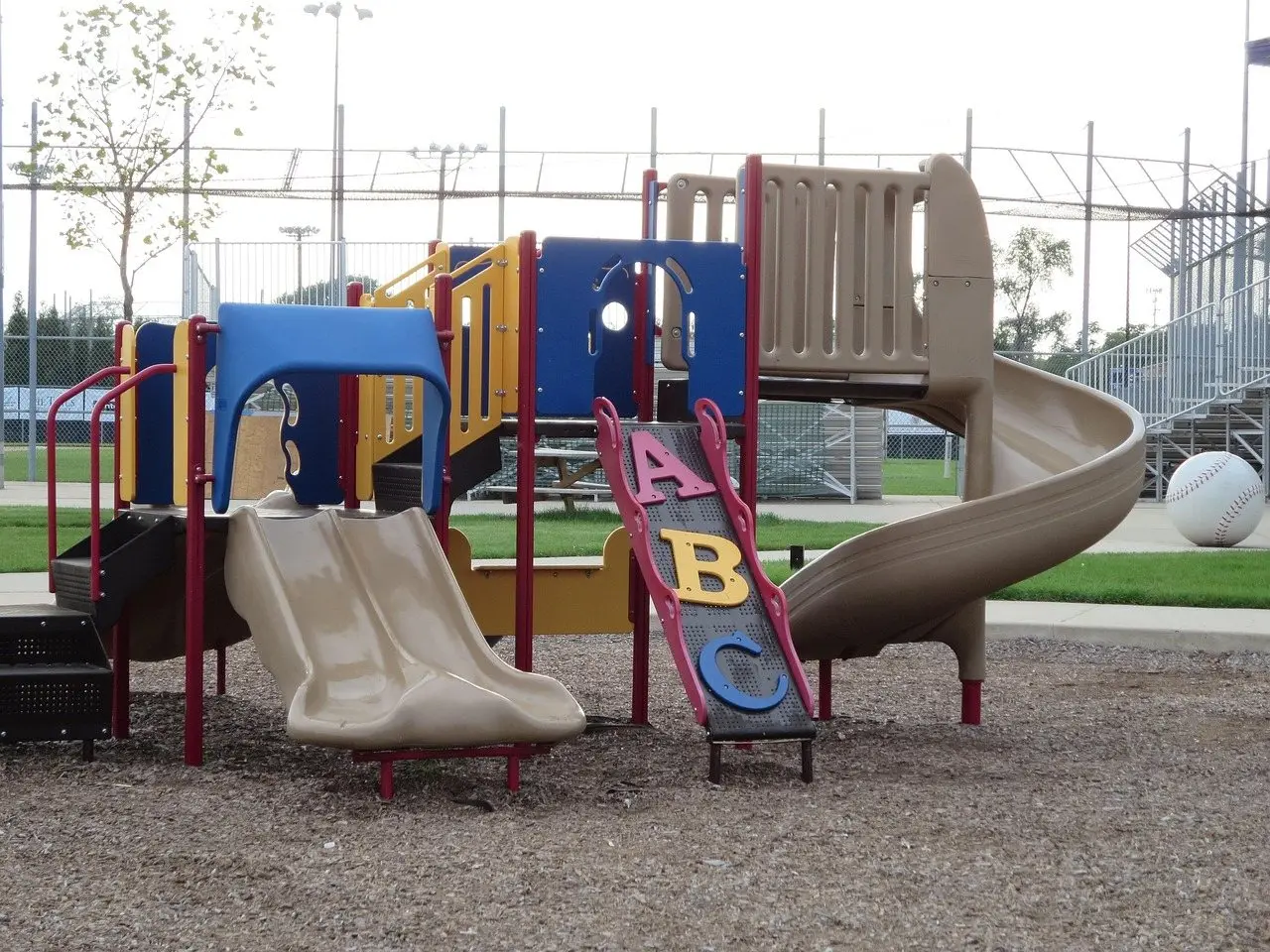
- Playground surfacing, where impact absorption is the real purpose and soil quality is irrelevant
- Permanent paths and the areas around play equipment where nothing is grown
- Situations where topping up annually is genuinely impractical
For beds, borders and anything edible, bark, wood chips, leaf mould or compost do more jobs and do them better.
Common questions
What are the disadvantages of rubber mulch?
Is rubber mulch safe for gardens?
Does rubber mulch get hot?
Does rubber mulch last forever?
Is rubber mulch a fire risk?
When does rubber mulch make sense?
Backyard Weekly
Know what to plant, week by week
Join the weekly email for seasonal jobs, fixes for what is going wrong, and gear worth buying.
Not ready to subscribe? The planting calendar is free and needs no email.
By subscribing you agree to our privacy policy. Grow In Backyard will never sell your address.
Keep reading
Wood Chips in the Garden: The Nitrogen Myth, Explained
Wood chips only rob nitrogen where they meet soil, so they are excellent as a surface mulch and a bad idea dug in. Where to use them, and which chips to avoid.
Is Cedar Mulch Safe for Dogs? Yes, With Two Exceptions
Cedar mulch is one of the safer choices for a dog garden. The real dangers are cocoa mulch, which is toxic, and any mulch a dog actually swallows.
What to Do With Old Mulch: Rake, Top Up, or Dig It In
Most old mulch should stay where it is and be topped up. Remove it only if it is matted, mouldy, sour-smelling or harbouring disease.
What Is the Best Mulch to Stop Weeds? Depth Beats Material
Any mulch at 7–10 cm suppresses weeds well. Coarse bark lasts longest, but nothing stops seeds landing on top and germinating in the mulch itself.