
What Is the Best Mulch to Stop Weeds? Depth Beats Material
Any mulch at 7–10 cm suppresses weeds well. Coarse bark lasts longest, but nothing stops seeds landing on top and germinating in the mulch itself.
 By
On this page
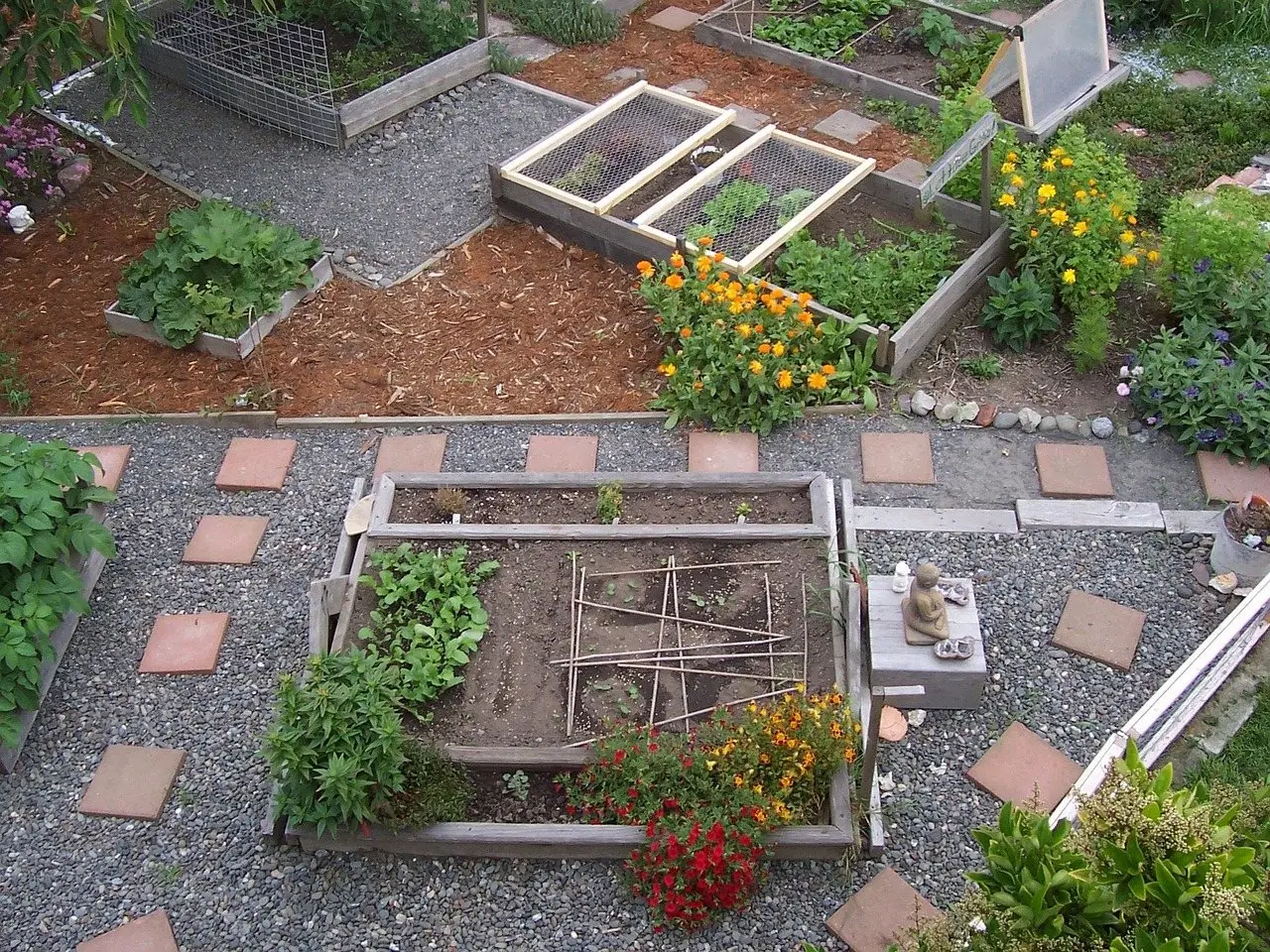
Depth beats material. Any mulch at 7–10 cm blocks enough light to stop most of the soil seed bank. Coarse bark lasts longest; nothing stops seeds blowing in and germinating in the mulch itself — but those pull out easily.
Materials
| Material | Suppression | Lasts | Feeds soil |
|---|---|---|---|
| Coarse bark, wood chip | Very good | 2–4 years | Yes |
| Composted bark | Good | 2–3 years | Yes |
| Straw | Good | One season | Yes |
| Leaf mould | Moderate | 1–2 years | Yes |
| Gravel, slate | Very good | Indefinite | No |
| Fine garden compost | Weak | 1 year | Yes, best |
The two-layer approach
If suppression is the goal, put compost on the soil and a coarse low-nutrient material on top. You get the feeding underneath and the light-blocking above, instead of compromising on one material that does neither job well.
What mulch does not stop
Established perennial weeds. Bindweed, couch grass, ground elder and dock push straight through almost any depth — remove them before mulching, or you are simply hiding them.
Seeds that blow in. They germinate happily in the mulch itself. The consolation is that those seedlings are shallow-rooted and pull out with a finger.
What mulch does stop is the seed bank already in the soil, which is most of the problem.
Cardboard underneath
Genuinely effective for clearing a weedy area, and the standard no-dig method for making a new bed:
- Plain brown cardboard, tape and labels removed.
- Overlap generously — gaps are where weeds come through.
- Wet it thoroughly.
- Cover with mulch.
It blocks light completely for several months, kills most existing growth, and breaks down into the soil. On an established clean bed it is unnecessary, and it makes planting awkward.
Landscape fabric
Not in a planted bed
Weed seeds germinate in the mulch or debris on top of the fabric and root straight through it, so suppression is temporary — while the fabric blocks organic mulch from reaching the soil and becomes a nuisance to remove once roots grow into it.
It has a real place under gravel and stone paths, where nothing is decomposing and the job is stopping stone sink into soil.
The mulch that makes weeds worse
Anything carrying weed seed: poorly made garden compost, fresh grass clippings with seed heads, cheap bulk material of unknown origin. Check what you are buying — a load of contaminated mulch costs a season of weeding.
Common questions
What is the best mulch to stop weeds?
How thick should mulch be to stop weeds?
Does mulch stop all weeds?
Should I put cardboard under mulch?
Is landscape fabric better than mulch?
Which mulch is worst for weeds?
Backyard Weekly
Know what to plant, week by week
Join the weekly email for seasonal jobs, fixes for what is going wrong, and gear worth buying.
Not ready to subscribe? The planting calendar is free and needs no email.
By subscribing you agree to our privacy policy. Grow In Backyard will never sell your address.
Keep reading
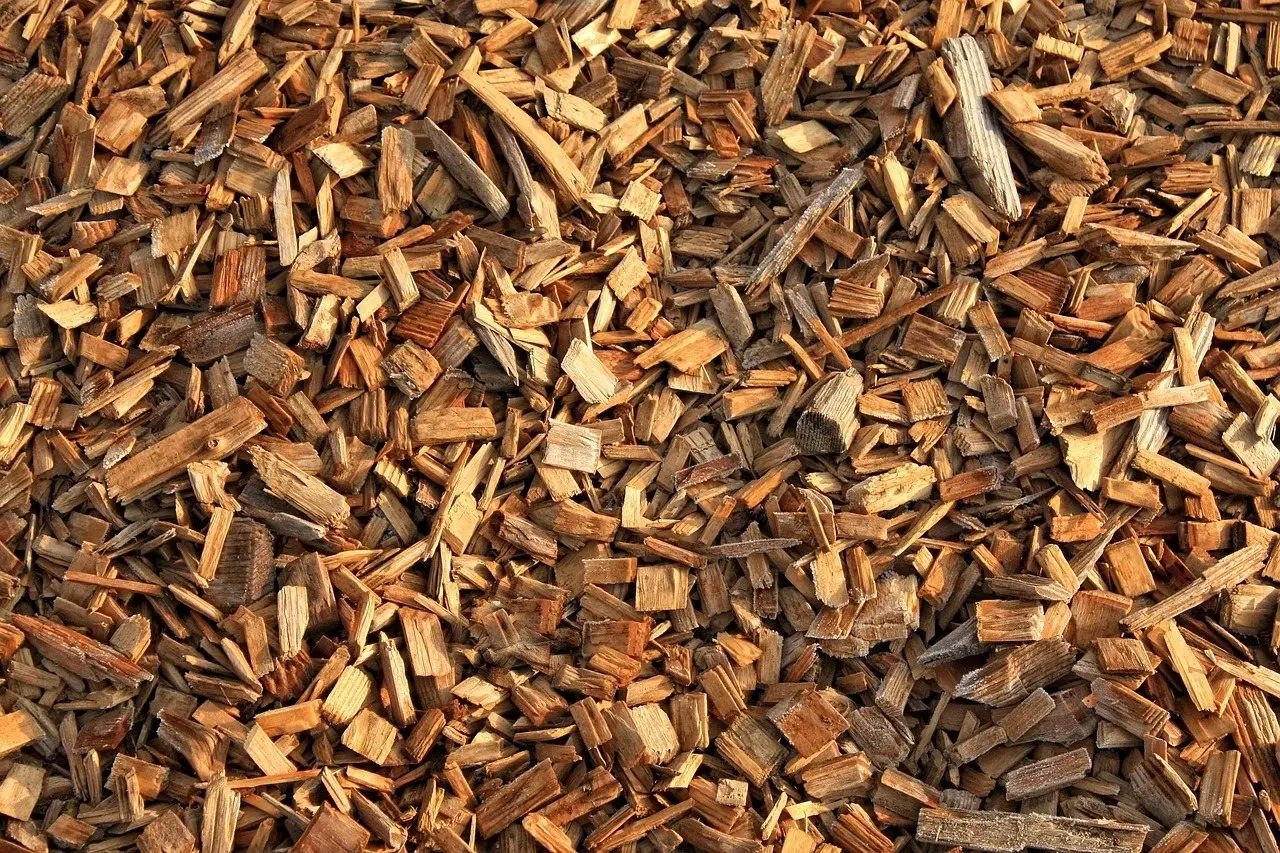
Does Mulch Turn Into Soil? Organic Mulch Does, Eventually
Wood chips and bark decompose into humus over two to five years, feeding the soil as they go. Rubber, stone and plastic never do.
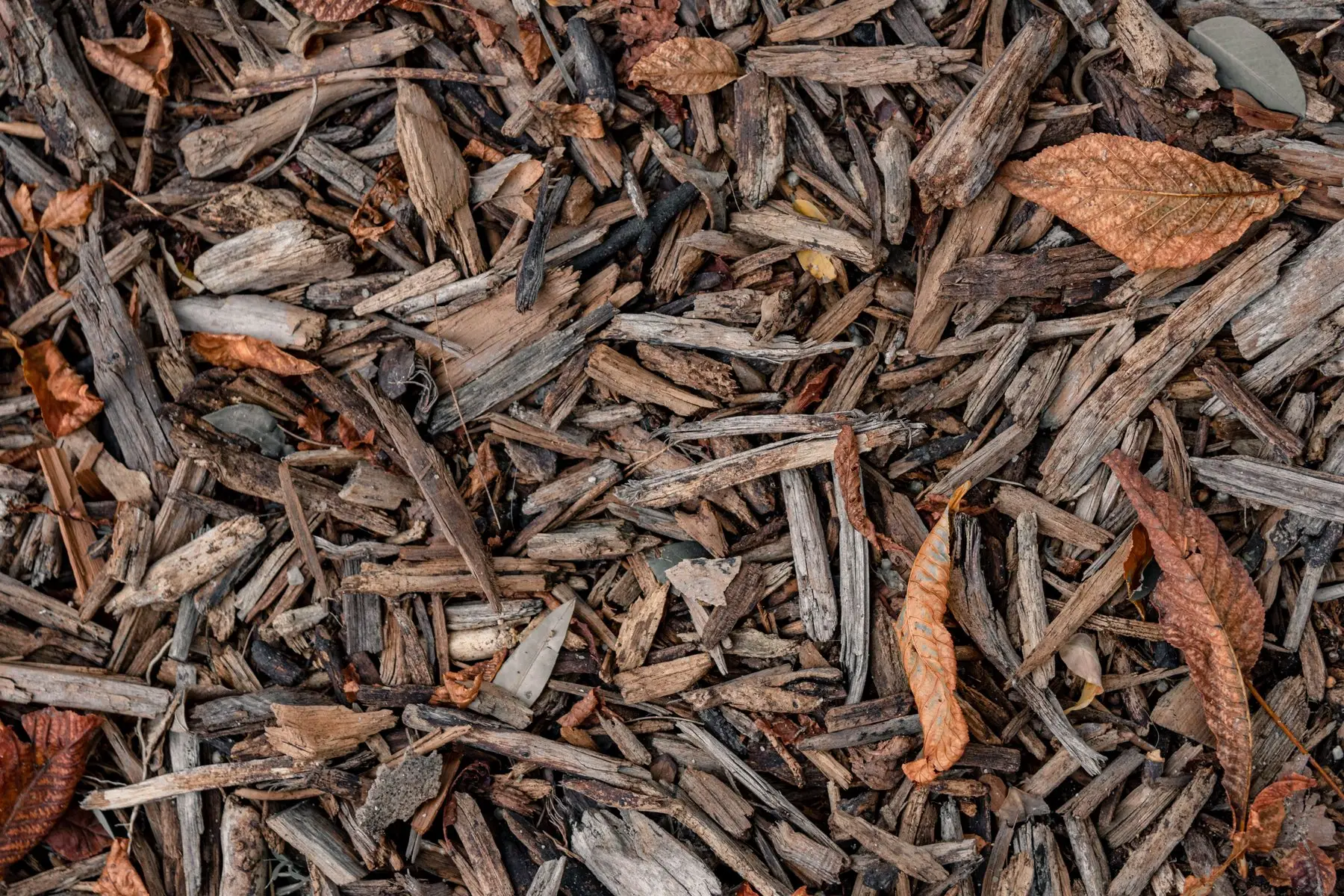
What to Do With Old Mulch: Rake, Top Up, or Dig It In
Most old mulch should stay where it is and be topped up. Remove it only if it is matted, mouldy, sour-smelling or harbouring disease.
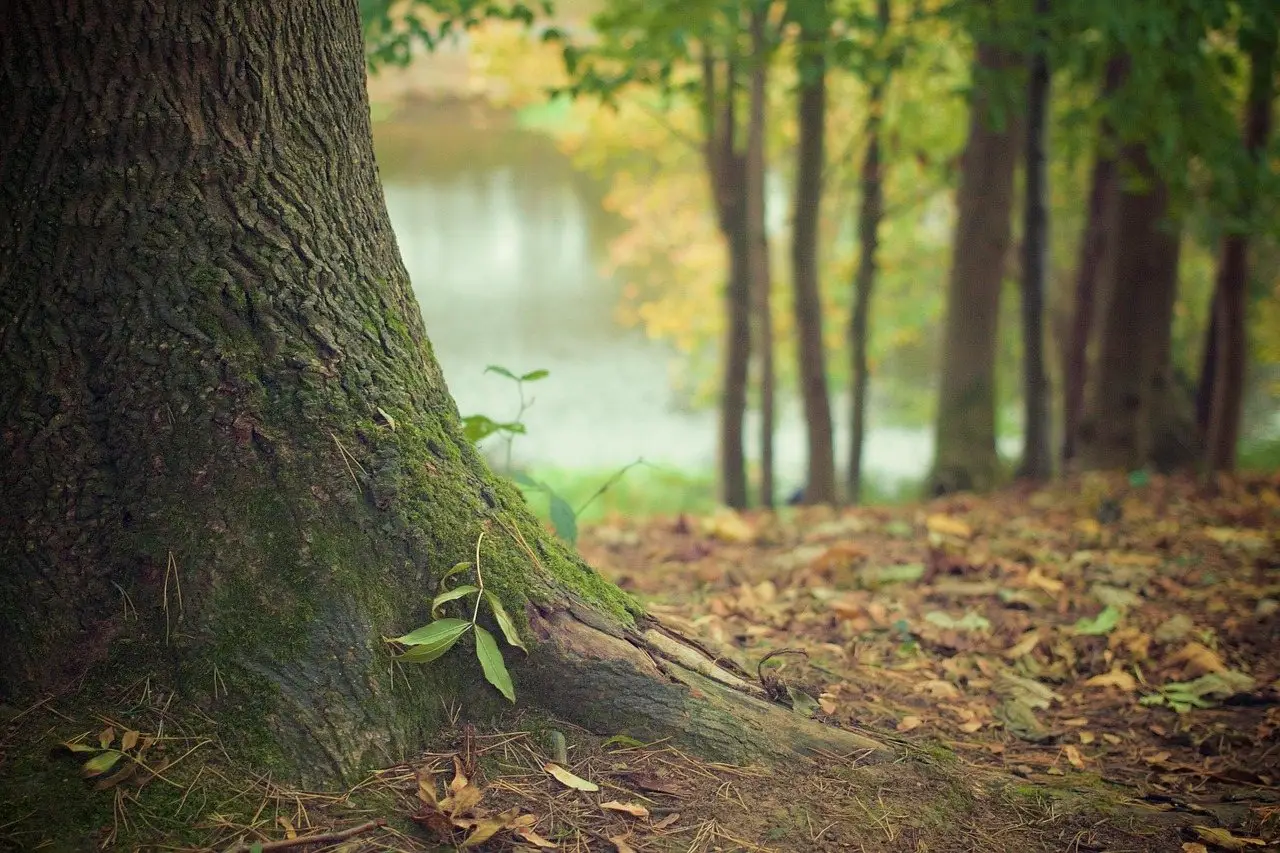
Should You Mulch Around Trees? Yes — But Never Against the Trunk
A wide, shallow ring of mulch is one of the best things you can do for a tree. Piling it against the bark is one of the worst, and it is common.
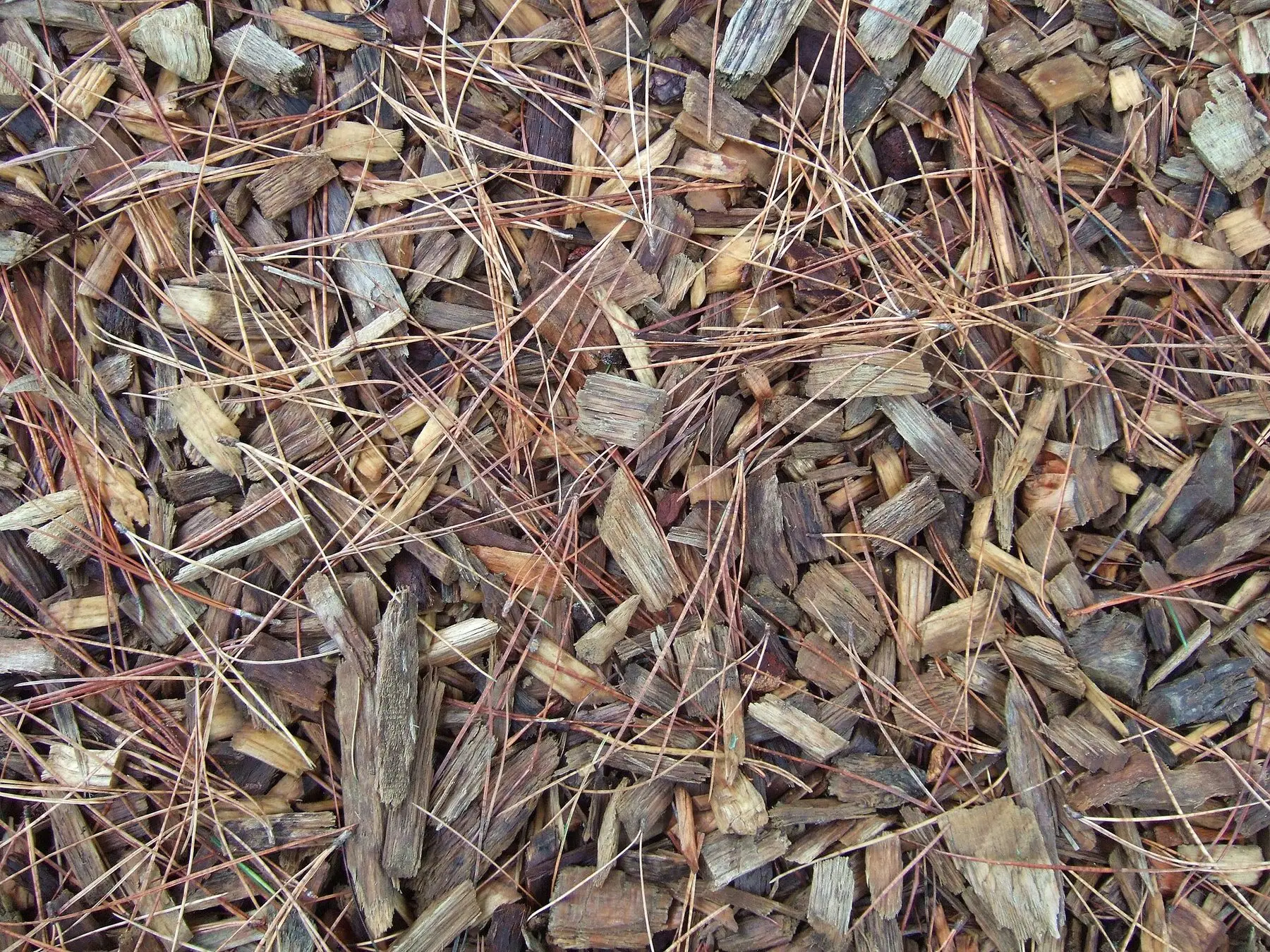
Wood Chips in the Garden: The Nitrogen Myth, Explained
Wood chips only rob nitrogen where they meet soil, so they are excellent as a surface mulch and a bad idea dug in. Where to use them, and which chips to avoid.