
Does Backyard Compost Smell? A Healthy Heap Smells of Earth
Good compost smells sweet and earthy. Ammonia means too much green, rotten eggs means too wet and airless — both are fixed by adding browns and turning.
 By
On this page
A healthy heap smells of earth — faintly sweet, like woodland floor, and you have to lean in to notice. Ammonia means too much green. Rotten eggs means too wet and airless. Both are fixed the same afternoon: add browns and turn it.
Diagnosing by smell
| Smell | Cause | Fix |
|---|---|---|
| Sweet, earthy, woodland floor | Working correctly | Nothing |
| Ammonia | Too much green | Browns + turn |
| Rotten eggs, sour | Too wet, airless | Turn, break up, add bulky browns, cover |
| Sickly, putrid | Meat or cooked food | Remove it; bury the rest |
| No smell at all, nothing happening | Too dry, or too brown | Water it; add greens |
The ammonia smell is money leaving the heap
That smell is the nitrogen — released as gas rather than ending up in your compost. Fixing it quickly is not just about the neighbours.
Browns and greens
Roughly two to three parts brown to one part green, by volume. Most people under-add browns, because greens accumulate faster in a garden.
- Browns (dry, carbon-rich): shredded cardboard, dry leaves, straw, shredded paper, wood shavings
- Greens (wet, nitrogen-rich): grass clippings, food scraps, soft prunings, coffee grounds
When in doubt, add brown
An over-brown heap is slow. An over-green heap smells. One of those is a problem you notice from the kitchen window.
The classic failure
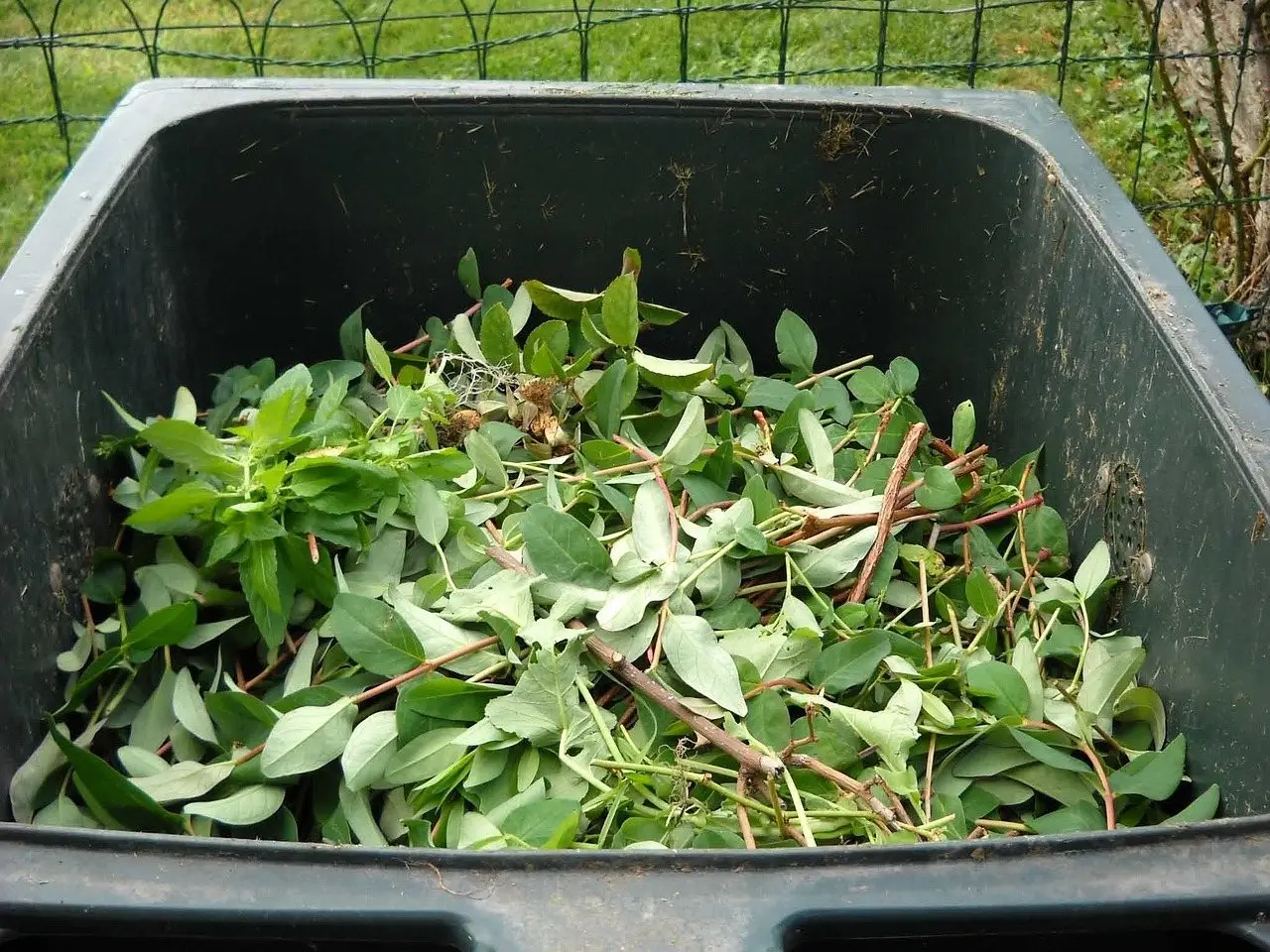
A bin of nothing but grass clippings. They mat into an airless sodden mass and go anaerobic within days — it is the single most reliable way to produce a heap that smells of rotten eggs.
Mix clippings with browns as they go in, or spread them to dry for a day first.
Rats
- No meat, fish, dairy or cooked food in an open heap
- Bury fresh scraps under at least 15 cm of other material
- A closed bin with a lid and a solid base, or wire mesh underneath
- Turn it regularly — rodents want somewhere undisturbed to nest
Covering it
In wet climates, yes. Rain saturating a heap is the commonest cause of it going anaerobic. A lid, tarpaulin or sheet of old carpet over the top sheds rain while letting air in from the sides.
In dry conditions the opposite applies — a heap that dries out stops working entirely. The target is damp like a wrung-out sponge, not either extreme.
Common questions
Does backyard compost smell?
Why does my compost smell like ammonia?
Why does my compost smell like rotten eggs?
What is the right brown to green ratio?
How do I stop compost attracting rats?
Should a compost heap be covered?
Backyard Weekly
Know what to plant, week by week
Join the weekly email for seasonal jobs, fixes for what is going wrong, and gear worth buying.
Not ready to subscribe? The planting calendar is free and needs no email.
By subscribing you agree to our privacy policy. Grow In Backyard will never sell your address.
Keep reading
How to Make a Compost Bin — 4 Parts, 3 Designs
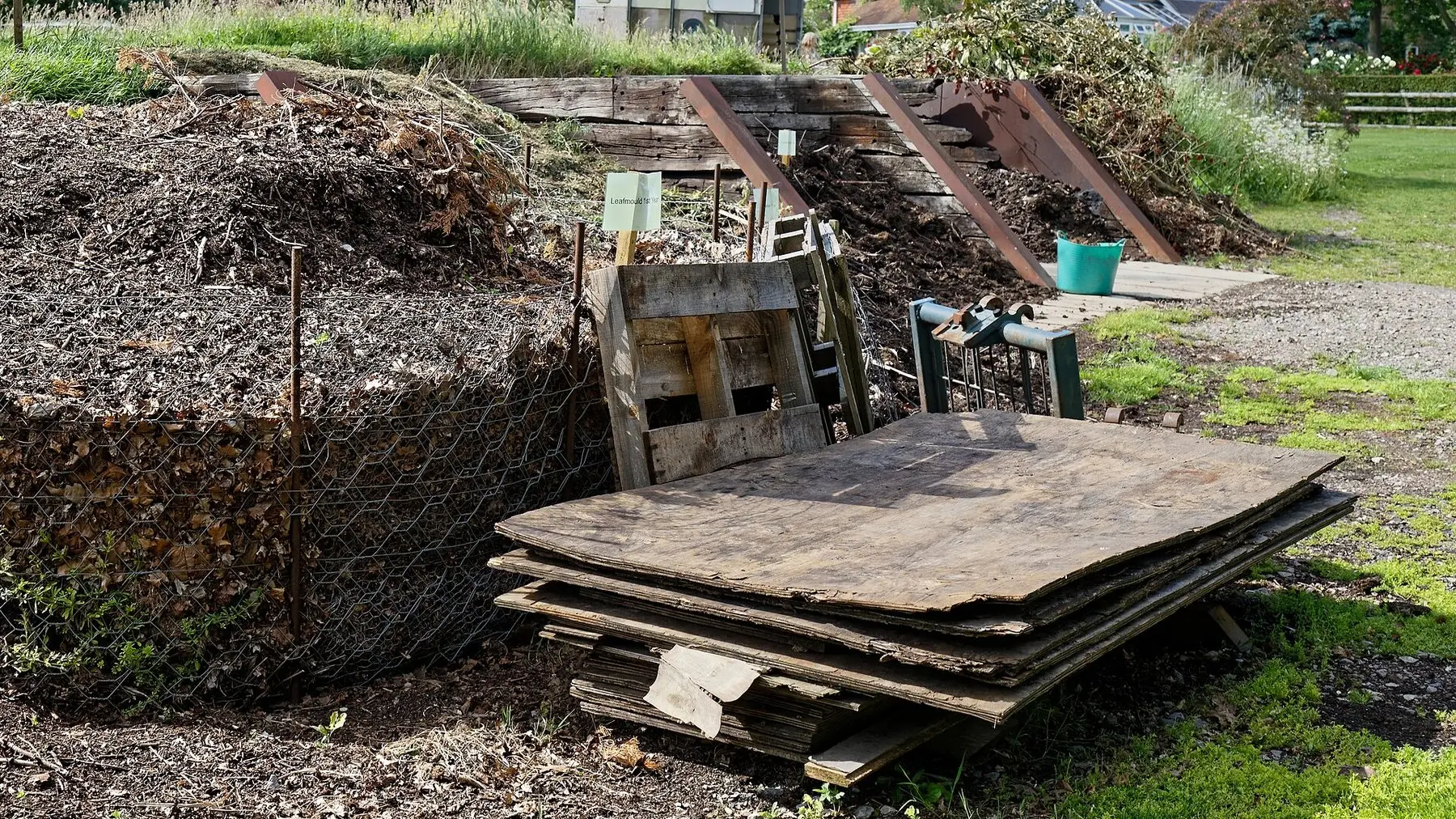
How to make a compost bin: pick the design, then size it for the heat. 4 parts cover all 3 builds. See which suits the space you have.
Are Maggots Good for Compost? Yes — They Speed It Up
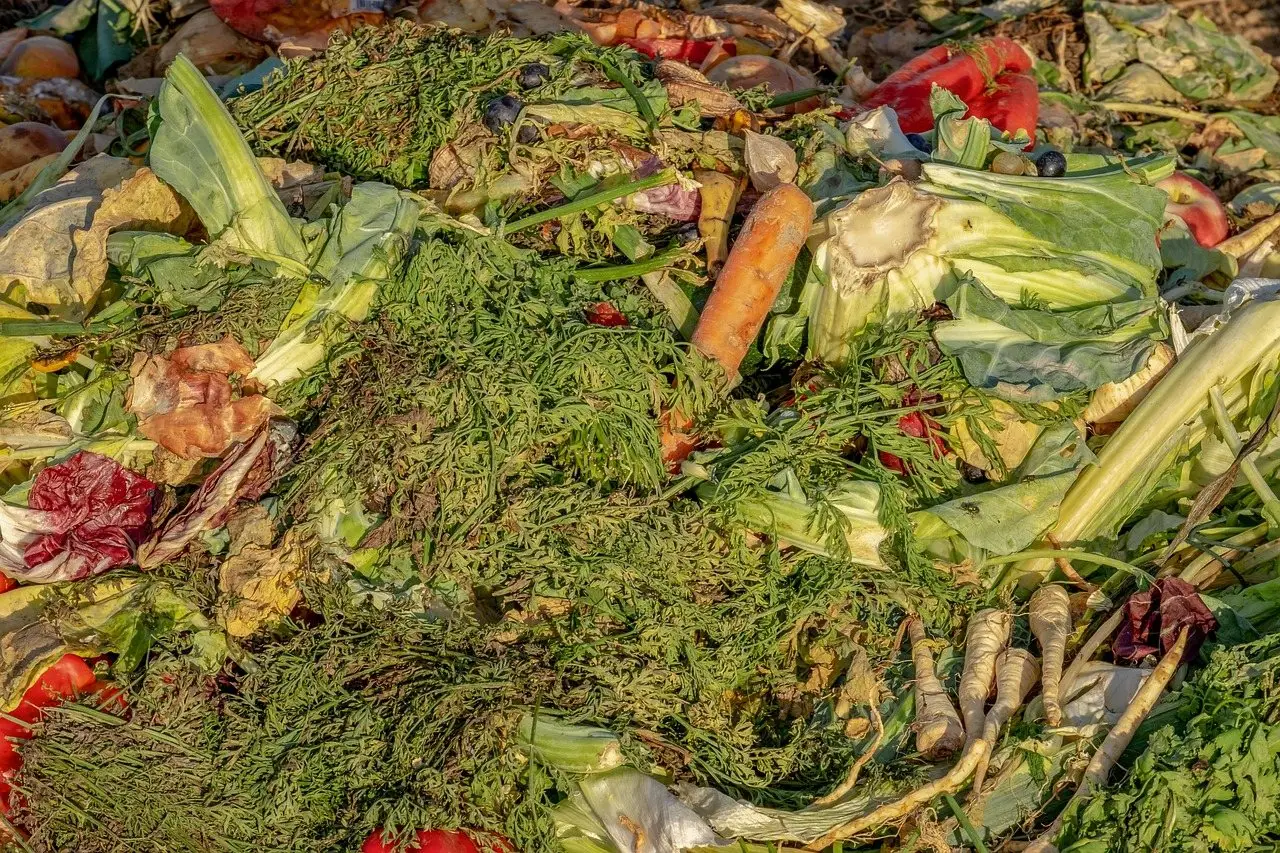
Soldier fly larvae break down food waste faster than anything else in the heap. Maggots signal a wet, nitrogen-heavy pile rather than a problem.
Can You Compost Leaves? Yes — They Are the Best Brown You Have
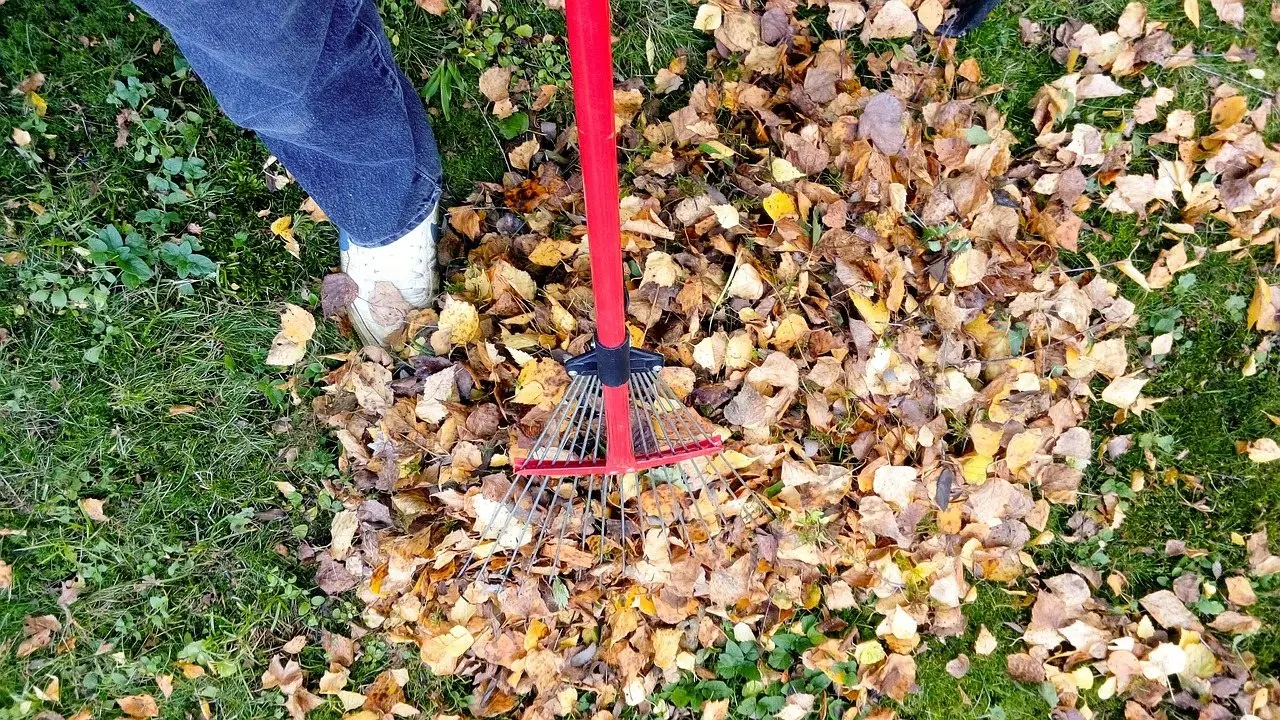
Leaves are the ideal carbon layer in a heap, and composted alone they make leaf mould. Shred them, or they mat into sheets that shed water.
Does Mulch Turn Into Soil? Organic Mulch Does, Eventually
Wood chips and bark decompose into humus over two to five years, feeding the soil as they go. Rubber, stone and plastic never do.