
How Deep Does Soil Need to Be for Tomatoes? 12 Inches Minimum
Tomatoes root to 60 cm given the chance but will crop in 30. Container width matters as much as depth, and volume decides how often you water.
 By
On this page
30 cm (12 in) minimum; 45–60 cm is better. Tomatoes root to about 60 cm given the chance, and depth buys steadier moisture rather than bigger plants. In a container, volume is the number that matters — at least 30 litres, better 40–50.
Depth by situation
| Situation | Depth |
|---|---|
| Open ground | 30 cm minimum; roots continue below |
| Raised bed over open soil | 30 cm workable, 45 comfortable |
| Raised bed on concrete or paving | 45 cm minimum — it is a container |
| Container, one indeterminate plant | 30 L minimum, 40–50 L better |
| Container, determinate or bush | 20–30 L |
| Grow bag | Usually too shallow — two plants, not three |
One free hour doubles your depth
Break up the native soil under a new raised bed before filling it. Roots then continue straight into it, and a 30 cm bed behaves like a 60 cm one.
Why deeper is better
It is not about bigger plants. Deeper roots reach water the surface has already lost, which means steadier growth and far less dependence on getting the watering right every single day.
Shallow soil is why tomatoes get blossom end rot
Shallow roots dry out between waterings and then get flooded. That swing is the direct cause — blossom end rot is a calcium transport failure driven by inconsistent moisture, not a calcium shortage in the soil. Fruit splitting is the same pattern, after a dry spell ends in heavy watering.
So mulching and consistent watering matter far more in shallow soil than in deep.
Containers: volume, then width
Volume determines how much water the pot holds between waterings, and a tomato in high summer can empty a small container in a day.
At equal volume, wide beats narrow and deep:
- More stable under a tall staked plant in full fruit, which catches a lot of wind
- More surface area, so the mix dries evenly rather than staying sodden at the bottom
- Easier to mulch
Below about 25 cm depth, though, no amount of width compensates.
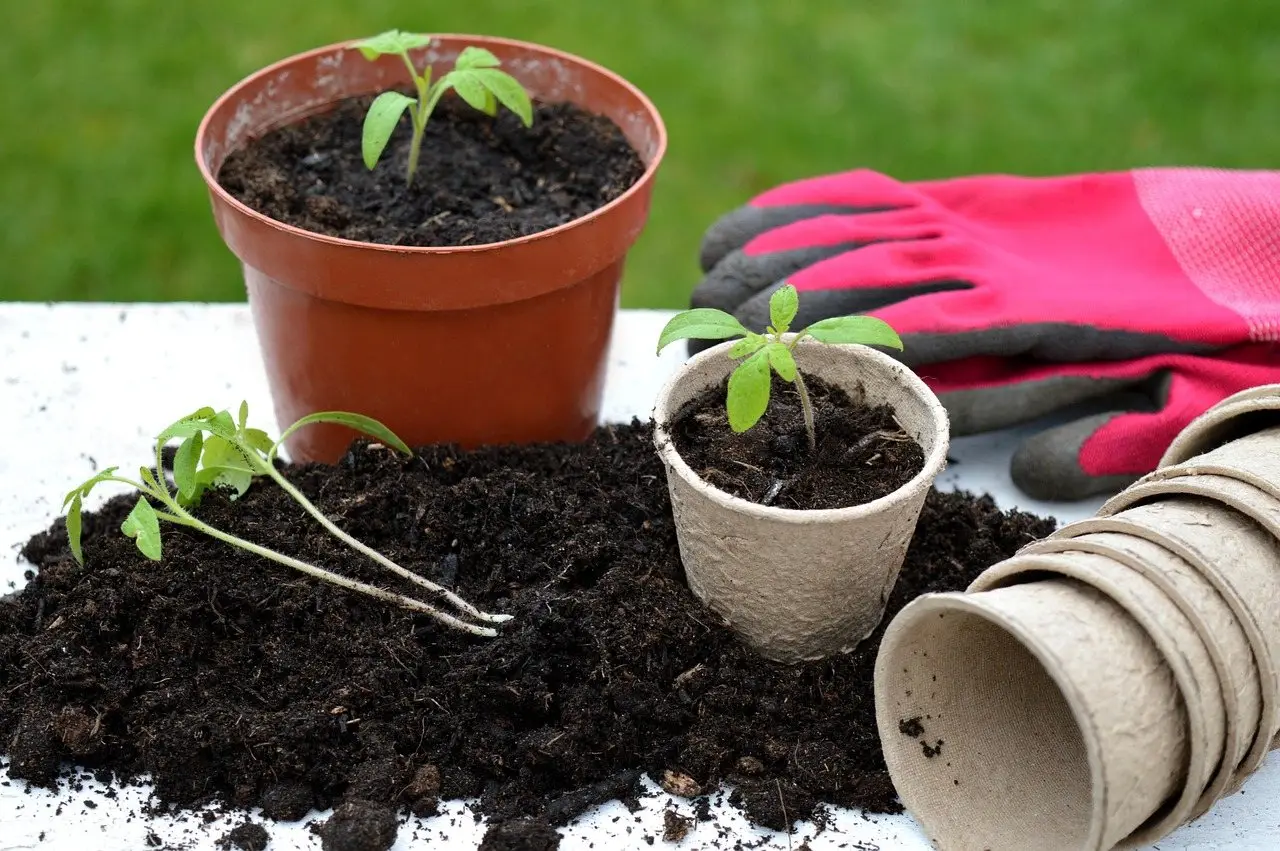
Planting them deep
Tomatoes are unusual in rewarding this. The stem produces adventitious roots wherever it touches moist soil.
- Strip the lower leaves.
- Bury up to two thirds of the transplant.
- The buried stem becomes root system.
This is the standard fix for seedlings that stretched indoors. Where the soil is not deep enough to bury the stem vertically, trench planting sideways achieves exactly the same thing.
Common questions
How deep does soil need to be for tomatoes?
How big should a pot for tomatoes be?
How deep should a raised bed be for tomatoes?
Should you plant tomatoes deep?
Does depth or width matter more in a container?
What goes wrong in shallow soil?
Backyard Weekly
Know what to plant, week by week
Join the weekly email for seasonal jobs, fixes for what is going wrong, and gear worth buying.
Not ready to subscribe? The planting calendar is free and needs no email.
By subscribing you agree to our privacy policy. Grow In Backyard will never sell your address.
Keep reading
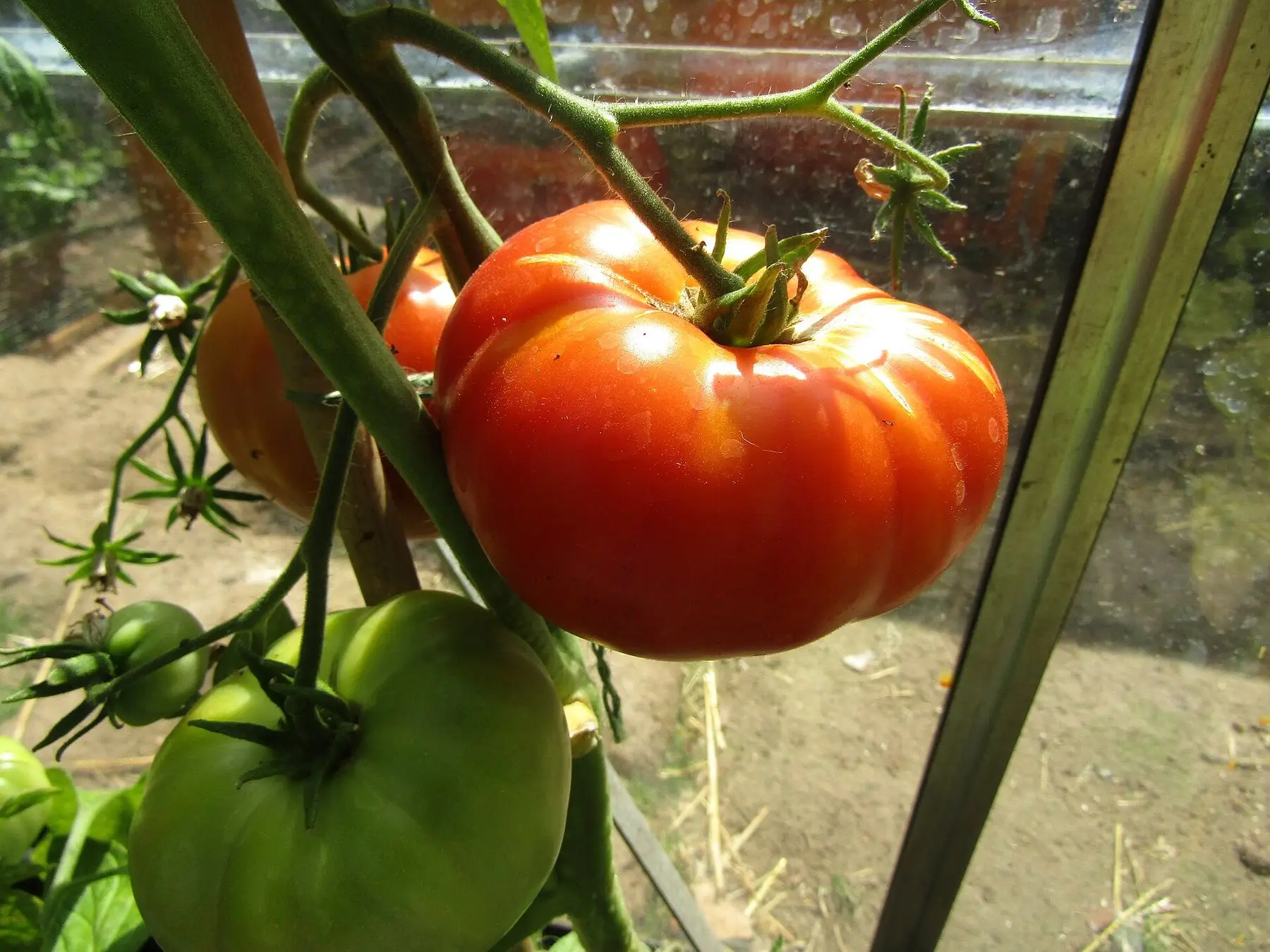
Best Fertilizer for Tomatoes — 4 Picks, Potassium Late
The best fertilizer for tomatoes changes once fruit sets. 4 picks compared across the season, plus the soil test first. See which your plants need.
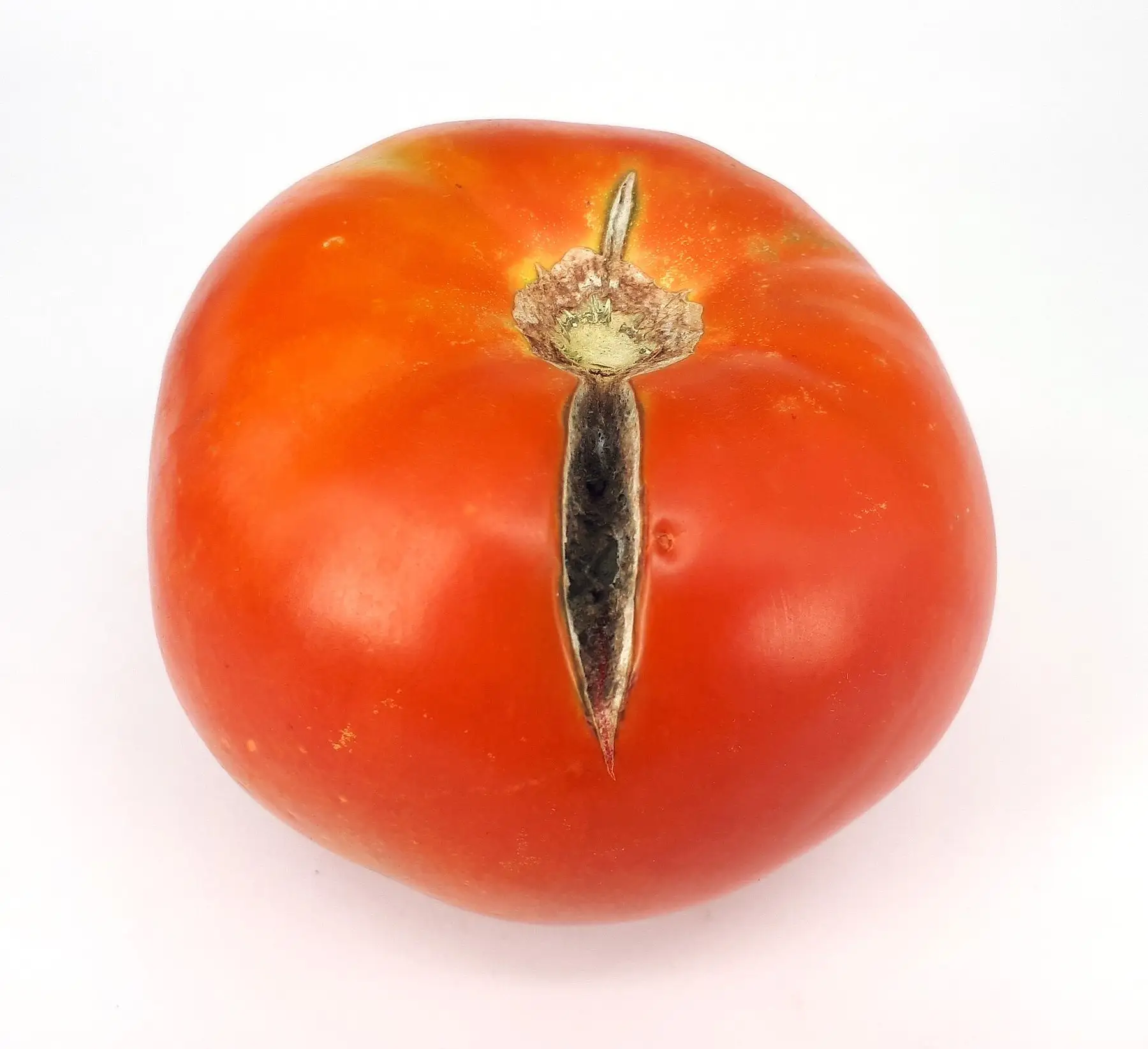
Why Are My Tomatoes Splitting? Water, Almost Always
Tomatoes split when a dry spell is followed by heavy water — the inside grows faster than the skin. How to read the crack, and how to stop it happening.
Can You Use Flower Potting Soil for Vegetables? Usually Yes
Most general potting compost grows vegetables fine. Check for two things: a fertiliser balance skewed to flowering, and any added moisture-retention gel.
How to Add Calcium to Soil Without Changing the pH
Lime adds calcium and raises pH. Gypsum adds calcium and leaves pH alone. Which you need depends on a soil test, not on blossom end rot.