
How to Add Calcium to Soil Without Changing the pH
Lime adds calcium and raises pH. Gypsum adds calcium and leaves pH alone. Which you need depends on a soil test, not on blossom end rot.
 By
On this page
Two products add calcium to soil. Lime adds calcium and raises pH. Gypsum adds calcium and leaves pH where it is. Choosing between them is the whole decision, and it needs a soil test.
Pick the product from the pH
| Product | Raises pH? | Use when |
|---|---|---|
| Calcitic lime | Yes | pH below 6.0 and calcium low |
| Dolomitic lime | Yes | Same, plus magnesium is low |
| Gypsum (calcium sulphate) | No | pH 6.5+ but calcium low |
| Bone meal | Slightly | Small slow top-up; also adds phosphorus |
| Liquid calcium | No | Containers; a short-term fix |
The mistake worth avoiding: reaching for lime because it is the familiar product, on soil whose pH is already 7.2. Above about pH 7, iron, manganese and phosphorus become progressively unavailable, so you end up creating three deficiencies while correcting one.
Over-liming is also much harder to undo than under-liming.
Before you buy: it is probably not a calcium shortage
This is the uncomfortable part. The symptoms that send people looking for calcium — blossom end rot on tomatoes, tip burn on lettuce, bitter pit in apples — overwhelmingly occur on soils with ample calcium.
The reason is how calcium moves. It is immobile in the plant and travels only upward, dissolved in the water drawn through the roots. If the plant is not taking up water steadily, calcium does not reach the fruit — however much is in the soil.
So the usual causes are:
- Irregular watering, especially letting containers or beds dry out between soakings
- Root damage from hoeing, transplanting or a restricted pot
- Rapid growth outrunning uptake, often after a heavy nitrogen feed
- Actual low soil calcium, which is the least common of the four
Test the cheap hypothesis first
Before buying anything: mulch, and water deeply and consistently rather than lightly and often. On tomatoes in particular that resolves most blossom end rot within a truss or two, and the fruit that already has it will not recover regardless.
Then get a soil test that reports pH and exchangeable calcium. A basic N-P-K kit does not answer this question.
Rates, and why patience matters
Take the rate from your soil report. As rough orientation:
- Gypsum: 20–40 lb per 1,000 sq ft
- Lime: 20–50 lb per 1,000 sq ft, more on clay than on sand
Clay has far more cation exchange capacity than sand, so it takes considerably more material to shift the same measured value.
Both products are slow. Gypsum is much more soluble and starts working within weeks; lime can take three to six months to move pH measurably. Autumn application is standard practice for exactly that reason — it is ready by spring.
The commonest error after choosing the wrong product is reapplying because nothing happened in a fortnight. Nothing was going to happen in a fortnight. Wait a season, retest, then adjust.
About eggshells
They are calcium carbonate, so they are chemically lime. The problem is purely physical: a whole or roughly crushed shell takes years to break down in soil.
Ground to a fine flour in a blender or coffee grinder, the surface area changes the picture and they become available over months. That is genuinely worth doing with shells you already have.
It is not a treatment for a measured deficiency, and a handful of crushed shells dropped in a planting hole does essentially nothing for that season’s crop.
Step by step
- Time
- P30D
- Cost
- 20
- You need
- A soil test, laboratory or reliable home kit, Garden lime, or gypsum if pH must stay put
- Tools
- Spreader or bucket, Rake and gloves
Test the soil before buying anything
Get a test that reports pH and exchangeable calcium, not just an N-P-K reading. Adding calcium blind is how gardens end up alkaline, and on alkaline soil extra calcium locks up iron, manganese and phosphorus.
Decide whether the pH should move
If pH is below about 6.0 and calcium is low, lime fixes both at once and is the cheaper choice. If pH is already 6.5 or above but calcium is low, use gypsum, which supplies calcium without raising pH.
Choose the right product
Calcitic lime for calcium alone, dolomitic lime when magnesium is also low, gypsum when pH must stay put, and bone meal or a liquid calcium feed for a small, slow top-up in a container.
Work out the rate from the test
Follow the recommendation on the soil report rather than the bag. As a rough guide, gypsum goes on at roughly 20 to 40 lb per 1,000 sq ft and lime at 20 to 50 lb per 1,000 sq ft, with clay needing more than sand to shift the same amount.
Apply in autumn or early spring
Both lime and gypsum are slow. Lime in particular can take three to six months to change pH measurably, so autumn application is ready for spring planting.
Spread it evenly over the whole area
Patchy application gives patchy pH. Use a spreader for a lawn or a bucket and a steady sweep for a bed, and wear a dust mask since both products are fine powders.
Rake it into the top few inches
On a bare bed, incorporate it into the top two to four inches so it reaches the root zone. On established lawn, leave it on the surface and water it in.
Water it in
Neither product does anything dry. A good soaking starts it dissolving and moving down into the profile.
Wait, and do not reapply this season
Lime needs three to six months before a retest means anything. Applying more because nothing happened in a fortnight is the commonest way gardens get overlimed.
Retest the following season
Check pH and calcium again before any second application, and adjust the rate from the new numbers rather than repeating the first dose.
Common questions
How do you add calcium to soil?
What is the difference between gypsum and lime for calcium?
Do eggshells add calcium to soil?
What are the signs of calcium deficiency in soil?
Will adding calcium fix blossom end rot?
How much gypsum should you add to soil?
Backyard Weekly
Know what to plant, week by week
Join the weekly email for seasonal jobs, fixes for what is going wrong, and gear worth buying.
Not ready to subscribe? The planting calendar is free and needs no email.
By subscribing you agree to our privacy policy. Grow In Backyard will never sell your address.
Keep reading
Is Epsom Salt Good for Plants? Mostly No, and Here Is Why
Epsom salt is magnesium sulphate. It helps the small number of plants actually short of magnesium, and does nothing at all for the rest — sometimes real harm.
Bone Meal vs Blood Meal: Which One Your Plants Need
Blood meal is fast nitrogen for leafy growth. Bone meal is slow phosphorus that only works in acidic soil. Two different products, routinely confused.
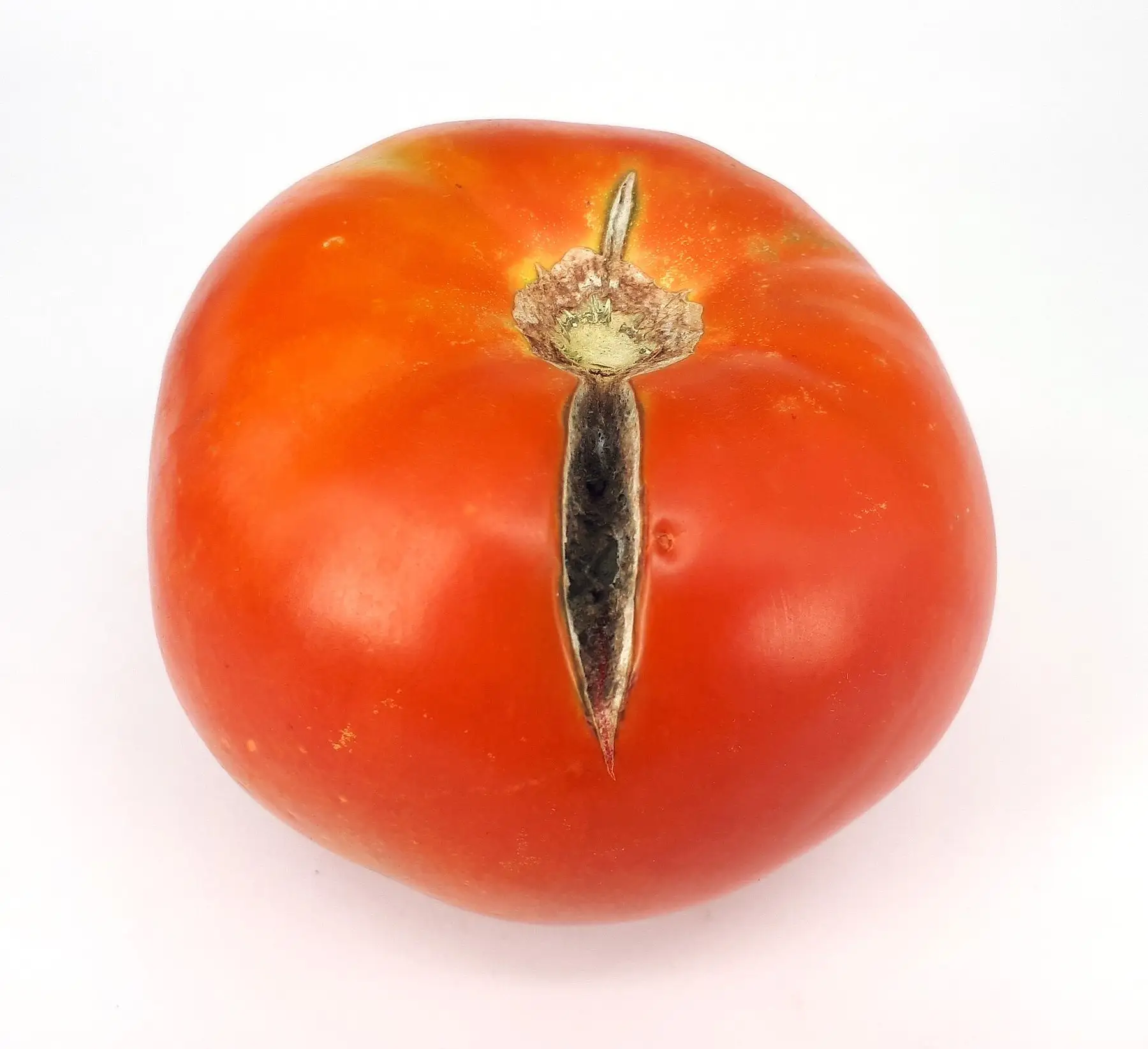
Why Are My Tomatoes Splitting? Water, Almost Always
Tomatoes split when a dry spell is followed by heavy water — the inside grows faster than the skin. How to read the crack, and how to stop it happening.
How to Amend Clay Soil Without Tilling
Tilling clay breaks the structure you are trying to build. Compost on the surface, deep roots and time do the work instead — and it holds.