
Does Perlite Hold Water? Barely — That Is the Whole Point
Perlite holds a little water on its rough surface but almost none inside. It is in the mix to create air pockets, which is what roots actually need.
 By
On this page
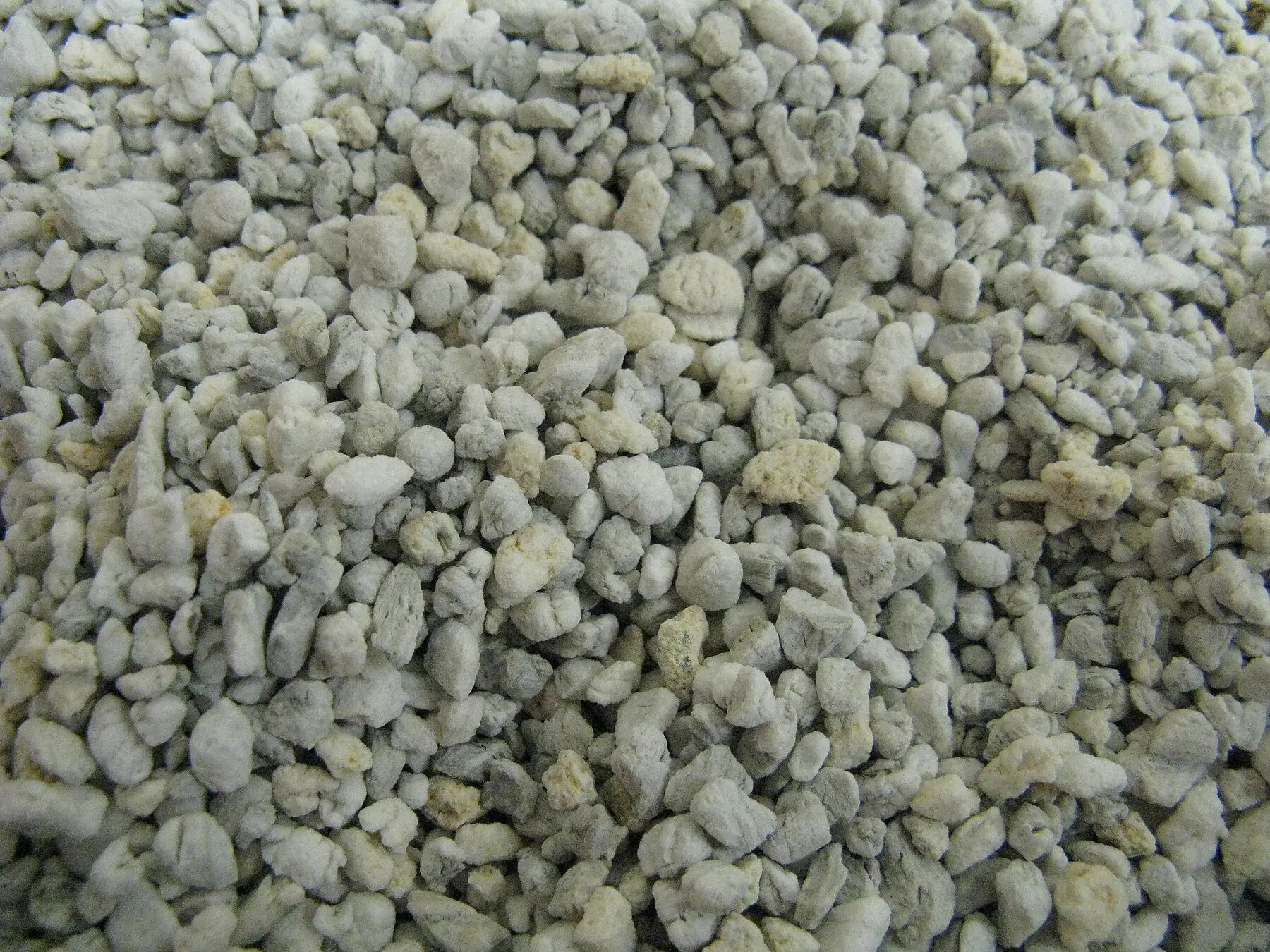
Barely — and that is the point. Perlite is a closed-cell volcanic foam: water clings to the rough surface and sits between granules, but almost none goes inside. It is in the mix to create air space, which roots need as much as water.
Perlite against vermiculite
| Perlite | Vermiculite | |
|---|---|---|
| Water held | Surface only, minimal | Several times its weight |
| What it does | Drainage and aeration | Moisture and nutrient retention |
| Holds nutrients | No | Yes |
| Structure | Closed-cell glass foam | Expanded mica, accordion layers |
| Best for | Cuttings, succulents, wet containers | Seed starting, even moisture |
| Floats to the surface | Yes | Less |
They are not interchangeable, and a mix often wants some of each.
How much to add
| Use | Perlite by volume |
|---|---|
| General potting mix | 10–20% |
| Containers prone to waterlogging | 25–30% |
| Cuttings and propagation | 30–50% |
| Succulent and cactus mix | Higher still |
Mix it through — do not layer it
A layer of perlite in the bottom of a pot does not improve drainage. Water does not cross cleanly from fine material into coarse, so a bottom layer actually raises the saturated zone in the compost above it. Blend it evenly instead.
The white crust on top
Perlite is extremely light and full of trapped air, so watering gradually floats it upward and leaves a pale crust. It looks untidy; the perlite lower down is still working, and stirring the surface redistributes some.
This is why perlite suits pots, not beds
The same buoyancy means it works its way up and out of open ground over a season or two. In a bed, grit or composted bark does the aeration job more durably.
Two practical notes
- It does not decompose. A mix with perlite keeps its structure far longer than one without. It can crush under pressure into fines that aerate poorly, which is why repeatedly reused, compacted mix goes dense even with perlite still in it.
- Dampen the bag before mixing. Dry perlite throws a fine dust that irritates eyes and airways. Non-toxic, but a real nuisance — wetting it down removes the problem.
Common questions
Does perlite hold water?
Is perlite or vermiculite better for holding water?
How much perlite should I add to potting soil?
Why does perlite float to the top?
Does perlite break down?
Is perlite safe to handle?
Backyard Weekly
Know what to plant, week by week
Join the weekly email for seasonal jobs, fixes for what is going wrong, and gear worth buying.
Not ready to subscribe? The planting calendar is free and needs no email.
By subscribing you agree to our privacy policy. Grow In Backyard will never sell your address.
Keep reading
Perlite vs Vermiculite: Which One, and When
Both lighten soil, but one drains and one holds water. Which to use for seeds, cuttings, succulents and containers, and why mixing them defeats the point.
Potting Soil: What Is Actually in the Bag, and Which to Buy
Potting mix contains no soil at all, and that is the point. What each ingredient does, why garden soil fails in a container, and how to read a bag honestly.
Can You Use Potting Soil in the Ground? Yes, as an Amendment
Potting mix works dug into garden soil but fails as a fill on its own — it drains wrong, settles and dries out. Where the line actually falls.
How Deep Does Soil Need to Be for Tomatoes? 12 Inches Minimum
Tomatoes root to 60 cm given the chance but will crop in 30. Container width matters as much as depth, and volume decides how often you water.