
Do Hydrangeas Need Ericaceous Soil? Only for Blue
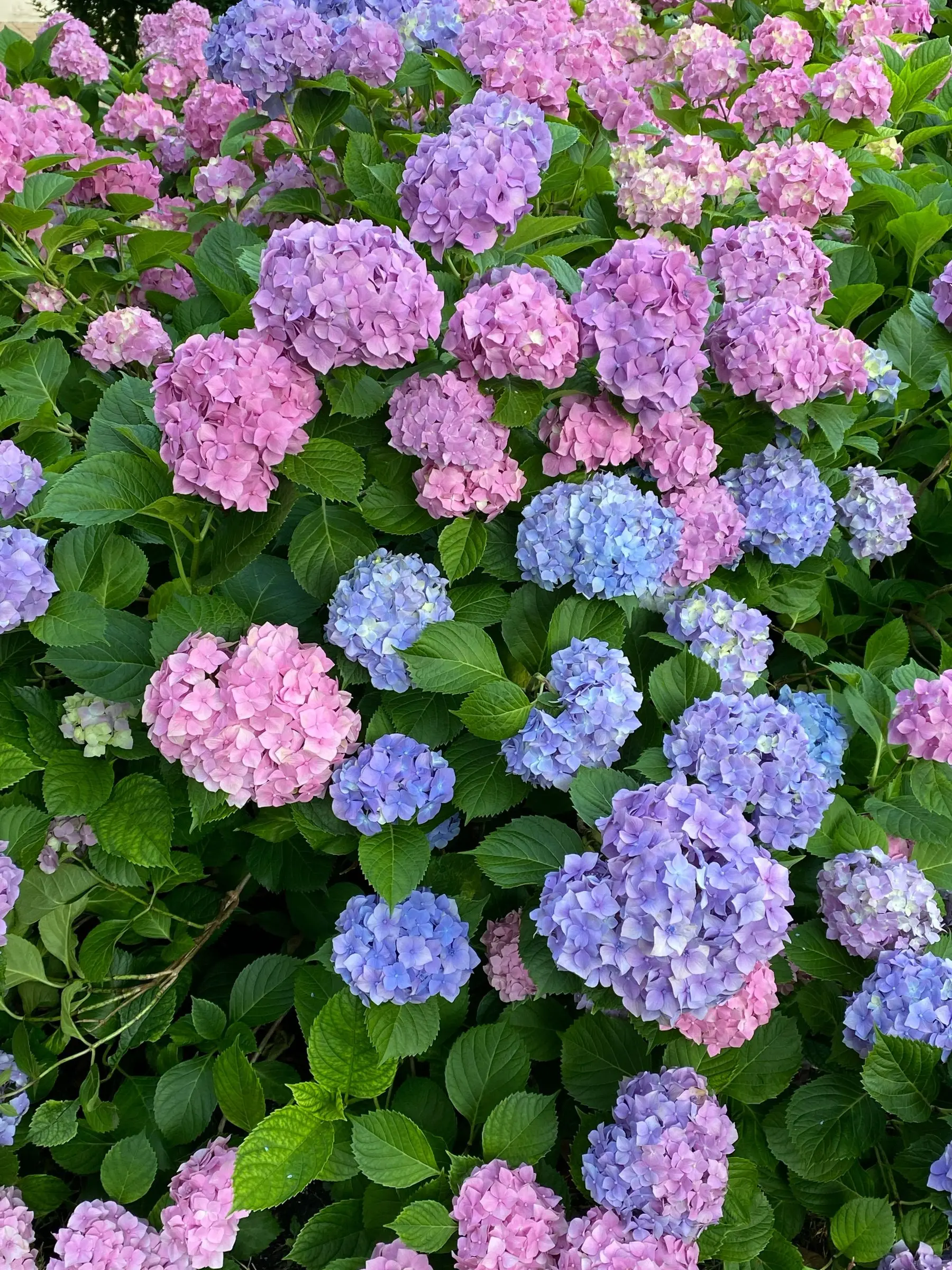
Hydrangeas grow fine in ordinary soil. Ericaceous compost is about flower colour, not health — and only mophead and lacecap types change colour at all.
 By
On this page
No. Hydrangeas are not ericaceous plants — they grow perfectly well in ordinary soil. Ericaceous compost is about one thing only: getting blue flowers.
How the colour actually works
It is not the acid that makes the flower blue. It is aluminium, and pH only decides whether the plant can get at it.
| Soil pH | Aluminium | Flower |
|---|---|---|
| Below 5.5 | Available | Blue |
| 5.5–6.5 | Partly available | Purple, or a muddled mix |
| Above 6.5 | Locked up | Pink |
Which means two things people miss:
- Acidifying a soil with no aluminium in it will not produce blue
- A pot of ericaceous compost still needs aluminium sulphate to go properly blue
Which hydrangeas respond at all
| Type | Changes colour |
|---|---|
| H. macrophylla — mophead, lacecap | Yes |
| H. serrata — some varieties | Yes |
| White varieties of any type | No, ever |
| H. paniculata — Limelight, Vanille Fraise | No |
| H. arborescens — Annabelle | No |
| H. quercifolia — oakleaf | No |
A white hydrangea will never turn blue
No amount of sulphur, aluminium or ericaceous compost changes it. If that is what you want, the fix is a different plant, not a different soil.
If you do want blue
- In a pot: ericaceous compost, plus aluminium sulphate to the label through the growing season. Much the easier option
- In the ground: elemental sulphur worked in, over seasons rather than weeks, plus aluminium sulphate. On chalk, close to a losing battle
- Rainwater, not tap water. Hard tap water is alkaline and will slowly undo the work in a pot
- Keep it up. This is maintenance, not a one-off
Why a nursery plant turns pink: it was grown in treated compost, and your garden soil is not. Nothing has gone wrong.
What they actually need
The genus name comes from the Greek for water vessel, and that is the real requirement:
- Moisture-retentive soil and a proper mulch
- Morning sun, shade in the hottest part of the day
- Shelter from wind
- Water in dry spells — the commonest hydrangea problem by a wide margin is a wilting plant in dry soil, not a plant in the wrong pH
Common questions
Do hydrangeas need ericaceous soil?
Which hydrangeas change colour with soil pH?
How do I make my hydrangea blue?
Why did my blue hydrangea turn pink?
Is ericaceous compost bad for hydrangeas?
What do hydrangeas actually need?
Backyard Weekly
Know what to plant, week by week
Join the weekly email for seasonal jobs, fixes for what is going wrong, and gear worth buying.
Not ready to subscribe? The planting calendar is free and needs no email.
By subscribing you agree to our privacy policy. Grow In Backyard will never sell your address.
Keep reading
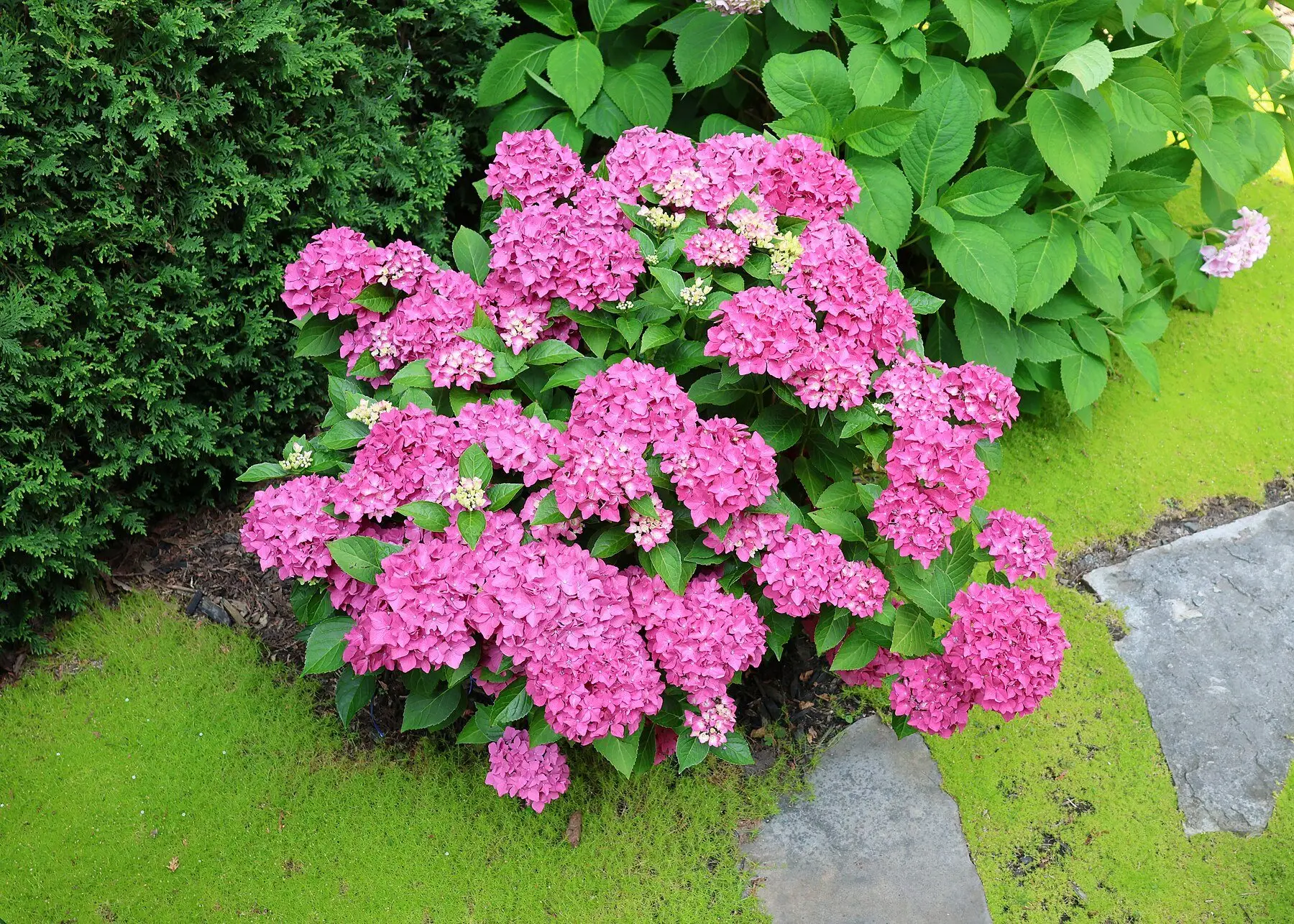
How to Grow Hydrangeas: Where to Plant and When to Prune
Morning sun, afternoon shade, and never let them dry out. Which type you have decides when to prune — and getting that wrong is why hydrangeas stop flowering.
How to Lower Soil pH: What Works and How Long It Takes
Elemental sulfur is the reliable way to acidify soil, and it takes months. What to use, how much, and why coffee grounds and vinegar do not work.
How to Raise Soil pH: Lime, Rates and Timing
Test first, then apply the right lime at the right rate for your soil texture. Why wood ash is not a substitute, and why nothing changes for months.
Do I Need New Potting Soil Every Year? Refresh, Don't Replace
Most used compost is fine for another season once it is loosened, topped up and fed. Replace it outright only after disease or in seed trays.