
Can a Bag of Potting Soil Go Bad? Yes, If It Was Stored Wet
Sealed and dry it keeps for years. A damp bag left closed goes anaerobic and sour, and any bag loses its fertiliser charge within about a year.
 By
On this page
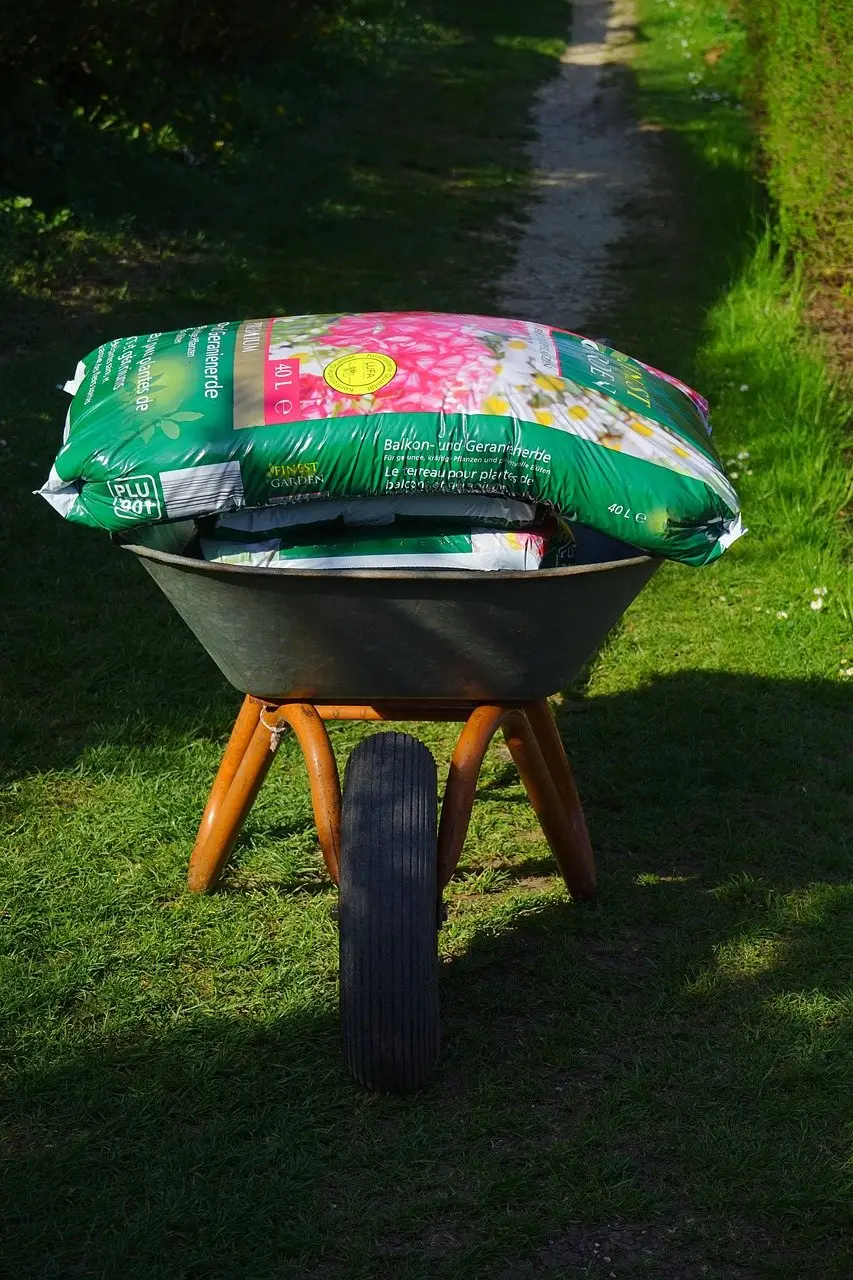
Yes — if it was stored wet. A damp sealed bag goes anaerobic and turns sour, and any bag loses its fertiliser charge within about a year. Stored dry, sealed and cool, it keeps for several years.
Two different failures
| Gone sour | Gone flat | |
|---|---|---|
| Cause | Stored damp and sealed | Age — about a year |
| Sign | Sour, eggy or ammonia smell | Smells fine; plants underperform |
| Fixable | Yes — air it out | Yes — add slow-release feed |
| Harms roots | Yes, until aired | No |
Fixing a sour bag
- Tip it onto a tarpaulin or into a tray.
- Break up the clumps.
- Air and dry for a few days, turning once or twice. Oxygen reverses it.
- Mix in perlite to restore air space.
- Add a slow-release feed if it was a fertilised mix — the stored nutrients will have been disrupted.
- If it still smells after airing, discard it.
What the smells mean
Ammonia → nitrogen being lost as gas. Sulphurous or eggy → conditions went anaerobic enough for sulphate-reducing bacteria. Both are oxygen problems, which is why spreading it out is the whole cure.
White mould is fine
The white threads running through damp bagged compost are saprophytic fungi breaking down organic matter — exactly what should be happening, and harmless to plants. Mix it and use it.
Slimy plus sour is the one to worry about
That texture with that smell is anaerobic, not healthy fungal activity. Air it out before use.
Fungus gnats in a new bag
Common, and not a sign the compost is unusable — the eggs or larvae were in the material when it was bagged, and a warm damp sealed bag suits them perfectly.
- Let the bag dry a little before use
- Let the top of your pots dry between waterings — larvae need consistently moist surface material
- Yellow sticky traps catch the adults while the larvae die off
Storing it properly
Sealed, dry, off the ground, out of direct sun. Roll an opened bag down and clip it, or decant into a lidded bin, and keep it in a shed or garage.
The failure mode to avoid
A half-used bag left open in the rain through winter. It arrives at spring both sodden and leached of whatever fertiliser it had — the two failures at once.
Common questions
Can a bag of potting soil go bad?
What does bad potting soil smell like?
Can you fix a sour bag of compost?
Why are there fungus gnats in a new bag?
How should potting soil be stored?
Is white mould in a bag a problem?
Backyard Weekly
Know what to plant, week by week
Join the weekly email for seasonal jobs, fixes for what is going wrong, and gear worth buying.
Not ready to subscribe? The planting calendar is free and needs no email.
By subscribing you agree to our privacy policy. Grow In Backyard will never sell your address.
Keep reading
Do I Need New Potting Soil Every Year? Refresh, Don't Replace
Most used compost is fine for another season once it is loosened, topped up and fed. Replace it outright only after disease or in seed trays.
Potting Soil: What Is Actually in the Bag, and Which to Buy
Potting mix contains no soil at all, and that is the point. What each ingredient does, why garden soil fails in a container, and how to read a bag honestly.
Fungus Gnats: Kill the Larvae, Not the Flies You See
The adults are harmless; the larvae in the top inch of compost are what damage roots. Why letting the surface dry works, and what actually breaks the cycle.
Can I Mix Peat Moss With Soil? Yes, But Ask Why First
Peat opens clay and holds water in sand, but it acidifies, breaks down within a few years and is mined from habitats that take millennia to form.