Raised Garden Bed Ideas: Layouts, Materials, and Plans
Bed shape decides how you work the garden, not how it looks. Layouts that suit different spaces, what each material costs over ten years, and cheap build options.

On this page
Most raised bed advice is about materials. The decision that actually shapes how the garden works is layout — where the paths go, and whether you can reach the middle of everything from a path.
Get that right and any material works. Get it wrong and you end up stepping into beds, which compacts the soil you built them to protect.
Layouts
| Layout | Best for | Notes |
|---|---|---|
| Parallel rows, 4 ft wide | Most gardens | Simple, efficient, easy to extend |
| U-shape | Small plots, accessibility | Maximum growing area from one standing position |
| Keyhole | Very small spaces | Circular bed with a notch to stand in; compost core |
| Tiered / stepped | Slopes | Terraces the ground and stops erosion |
| L-shape in a corner | Awkward corners | Uses space that otherwise wastes |
| Single long bed against a fence | Narrow gardens | 2–3 ft wide; reachable from one side only |
| Grid of small square beds | Square foot gardening | Intensive planting, easy rotation |
Run beds north to south where you can, so plants shade each other less through the day.
Paths need 18 inches minimum, and 24 to 30 if a wheelbarrow will use them. This is consistently underestimated and then regretted permanently, because the beds are fixed by then.
Keyhole beds deserve more attention than they get: a circular bed with a wedge cut out to stand in, often with a compost basket in the centre that feeds the bed as it breaks down. Almost the entire surface is within arm’s reach from one spot.
Materials over ten years
| Material | Life | Cost | Notes |
|---|---|---|---|
| Galvanised steel (corrugated) | 20+ yrs | Medium–high | Modern look; no rot; heats edges slightly |
| Cedar or redwood | 10–20 yrs | High | The classic; ages to silver |
| Thermally modified timber | 15–25 yrs | Medium–high | Excellent, chemical-free |
| Modern pressure-treated | 10–20 yrs | Medium | Safe for food since 2003 |
| Concrete block | Indefinite | Low–medium | Dry-laid needs no skill; cores can be planted |
| Scaffold boards | 5–8 yrs | Low | Cheap, chunky, readily available |
| Pallet collars | 3–6 yrs | Very low | Stackable, foldable, often free |
| Straw bales | 2 seasons | Very low | Becomes compost; no frame at all |
| Untreated pine | 3–5 yrs | Very low | Plan to rebuild |
For construction detail — corner joinery, bracing, whether to line it — see building a raised bed that lasts. For buying rather than building, see raised bed kits.
Metal beds do not cook the soil
The common objection to galvanised steel is that it heats up. Metal does conduct heat fast, but the soil mass inside buffers it, and measured differences against timber beds are small beyond the first inch at the edge. In hot climates the edges dry faster — manage that with mulch rather than by choosing a different material.
Cheap ideas that work
- Pallet collars. Fold flat, stack for depth, often free. Check the stamp: HT means heat treated and is fine; MB means methyl bromide fumigation and should not be used for food.
- Scaffold boards. Cheap, thick, and long-lasting for the price.
- Dry-laid concrete blocks. No fixings, no skill, lasts forever, and the hollow cores plant up with herbs or strawberries.
- Straw bale beds. Set bales in a rectangle, condition them with water and nitrogen for a fortnight, plant directly into them. They compost down over two seasons into the bed they were containing.
- Reclaimed brick or stone, dry-laid.
- Woven willow or hazel hurdles, for a low informal edge.
Filling deep beds without the cost
Filling is where the money goes, and a 24 inch bed needs twice the soil of a 12 inch one.
For anything above about 18 inches, fill the bottom third with coarse organic material: logs, branches, prunings, turf laid upside down, cardboard, autumn leaves. Then a soil-and-compost mix on top — roughly 60 percent topsoil, 30 percent compost, 10 percent bark or perlite.
This is the hugelkultur principle, and it does three things: cuts the bought volume substantially, holds moisture as the wood breaks down, and slowly releases nutrients.
It also settles considerably in the first two years. Expect to top up with compost every spring — which you should be doing anyway.
Do not put gravel in the bottom for drainage
It does not improve drainage. Water will not move from fine soil into coarse gravel until the soil above is fully saturated, so a gravel layer raises the waterlogged zone and reduces root room. This is the same physics that makes gravel in a plant pot counterproductive. If drainage is the concern, raise the bed higher and improve what is underneath.
Ideas worth building in
Hoops and covers. Fit conduit or PVC hoop sockets to the inside faces when you build. Netting keeps birds and cabbage white off; fleece extends the season at both ends; mesh excludes carrot fly.
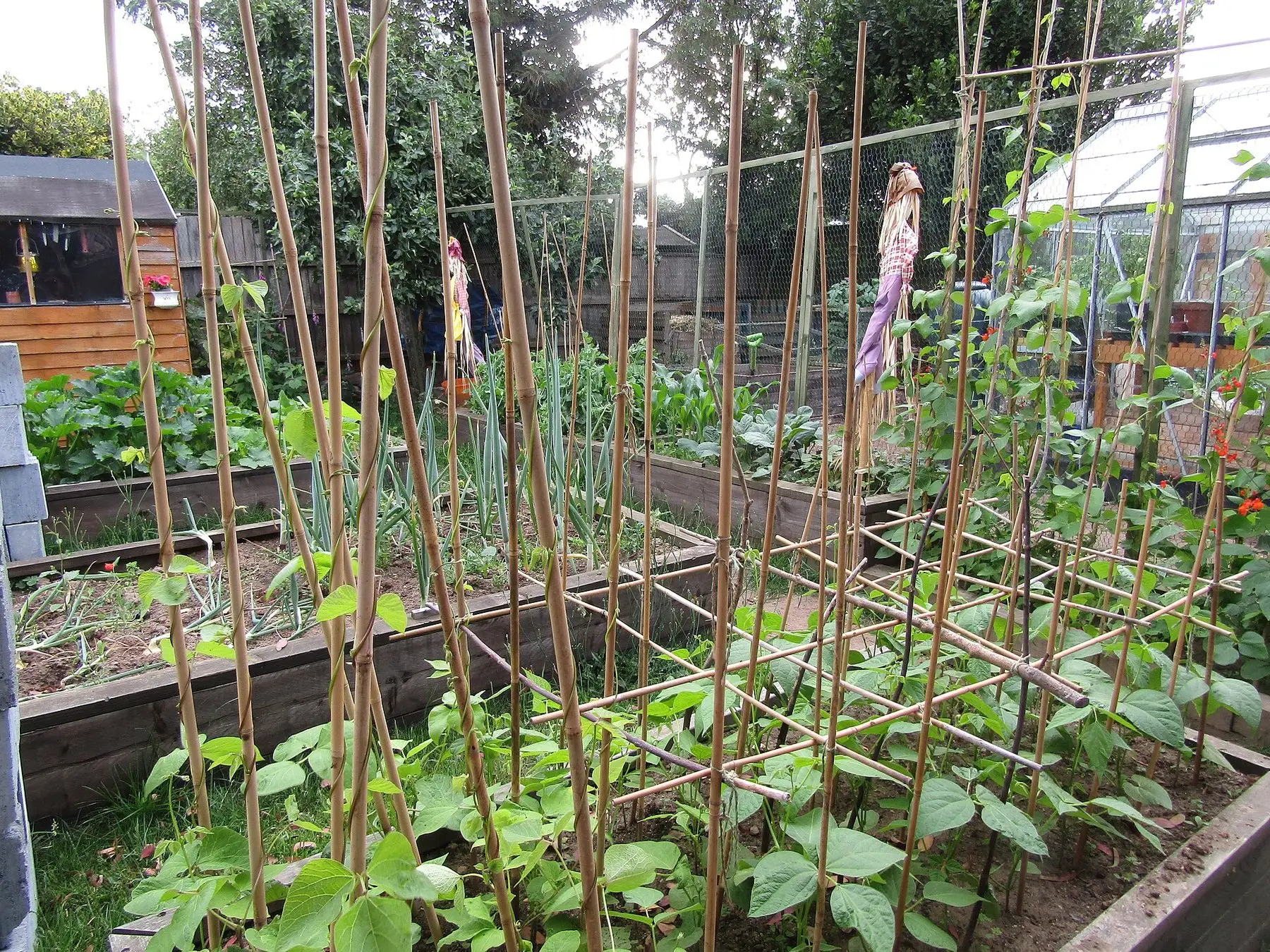
A trellis on the north side. Peas, beans and cucumbers go vertical without shading the rest of the bed — see cucumber trellis.
A wide cap rail. A 6 inch board along the top edge is somewhere to sit, kneel and put tools.
Irrigation from the start. A drip line laid before you fill costs almost nothing and is what keeps beds watered in July.
Standing-height beds at 30 to 36 inches, for anyone with back or mobility problems. Fill the lower two thirds with coarse material and only the top 12 inches with soil.
Flower beds specifically
A raised bed lets you supply the soil a plant actually wants rather than arguing with the ground you have.
- Sharp drainage for lavender, rosemary and alpines — a gritty mix, and see rock gardens.
- Ericaceous fill for blueberries, azaleas and camellias, which is far more reliable than trying to acidify open ground.
- Cut flower beds, where the soil is rich and you harvest hard all season.
A common mistake
Building beds first and working out access afterwards. Lay the whole layout out on the ground with string or a hose — beds and paths — and walk it, pushing a wheelbarrow along the routes, before you cut any timber. Ten minutes there saves a permanent annoyance.
Common questions
What is the best layout for raised beds?
What is the cheapest way to build a raised bed?
How do you fill a raised garden bed cheaply?
How tall should raised beds be?
Do metal raised beds get too hot for plants?
What can you grow in a raised flower bed?
Backyard Weekly
Know what to plant, week by week
Free planting calendar. Join the weekly email for seasonal jobs, fixes for what is going wrong, and gear worth buying.
Set MONETIZATION.email.endpoint in src/config/site.ts to enable this form.
By subscribing you agree to our privacy policy. Grow In Backyard will never sell your address.
Keep reading
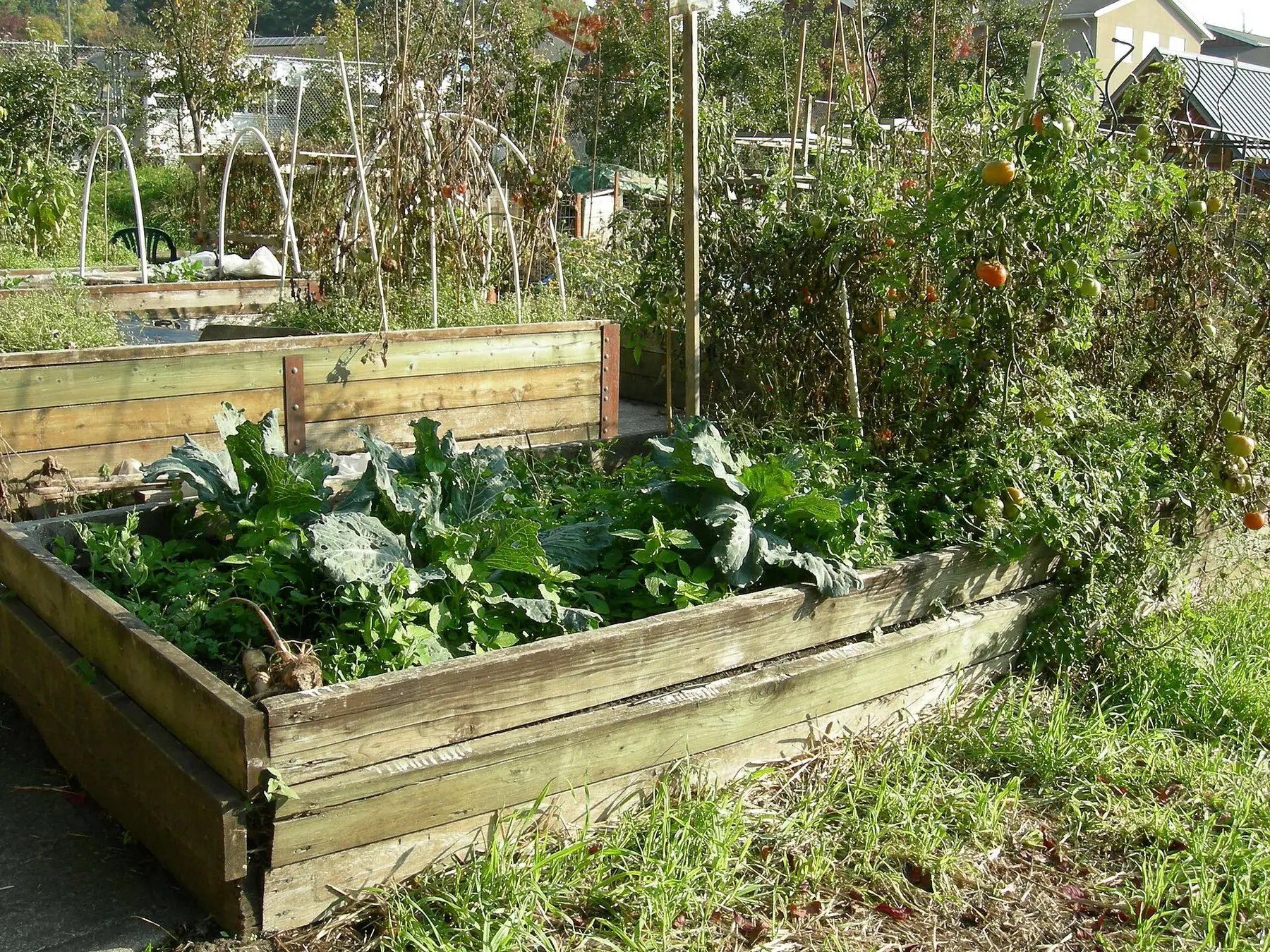
Building a Raised Garden Bed That Lasts More Than Five Years
Rot, bowing sides, and gophers are the three ways a raised bed fails. Timber choice, corner joinery, mesh, and why lining the inside is usually a mistake.
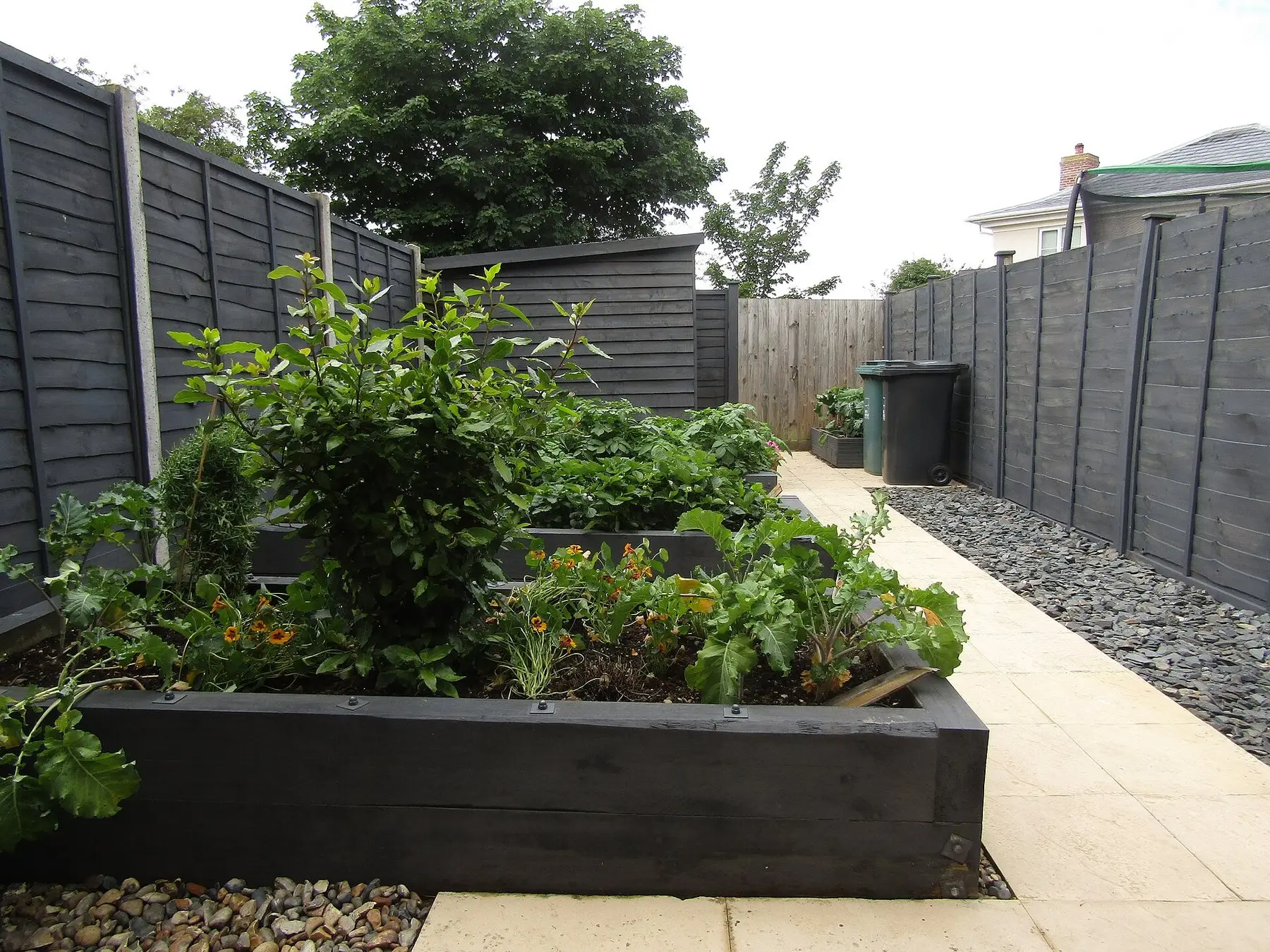
Best Raised Garden Beds: 5 Kits Worth the Money
Metal, cedar, or plastic — the material decides how long a raised bed lasts and what it costs to fill. Five kits compared, plus how to pick the right depth.
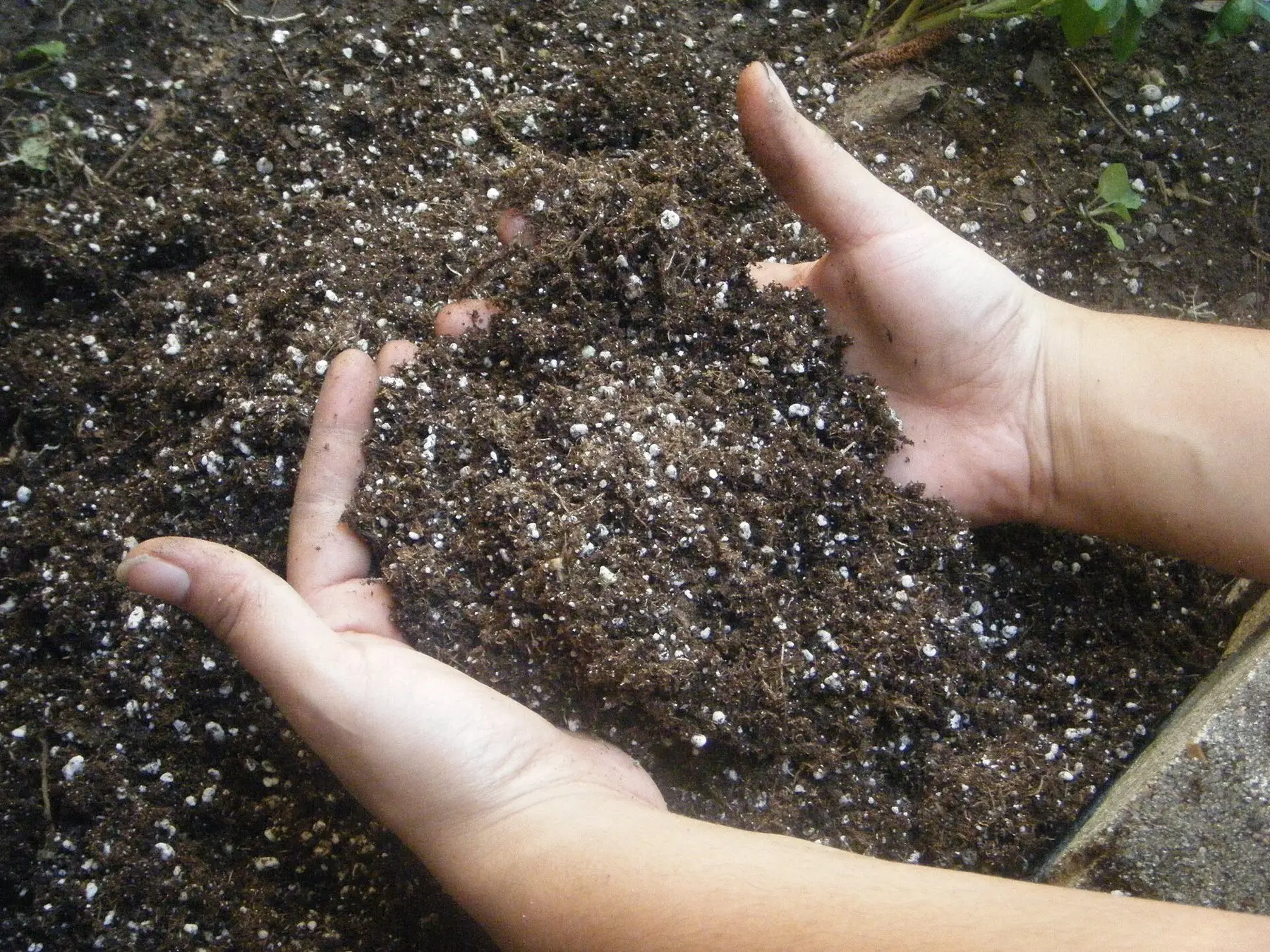
Loam Soil: What It Is, and How to Get It From Clay or Sand
Loam is a particle-size ratio, not a product you buy. How to test what you have with a jar of water, and the only method that genuinely changes it.
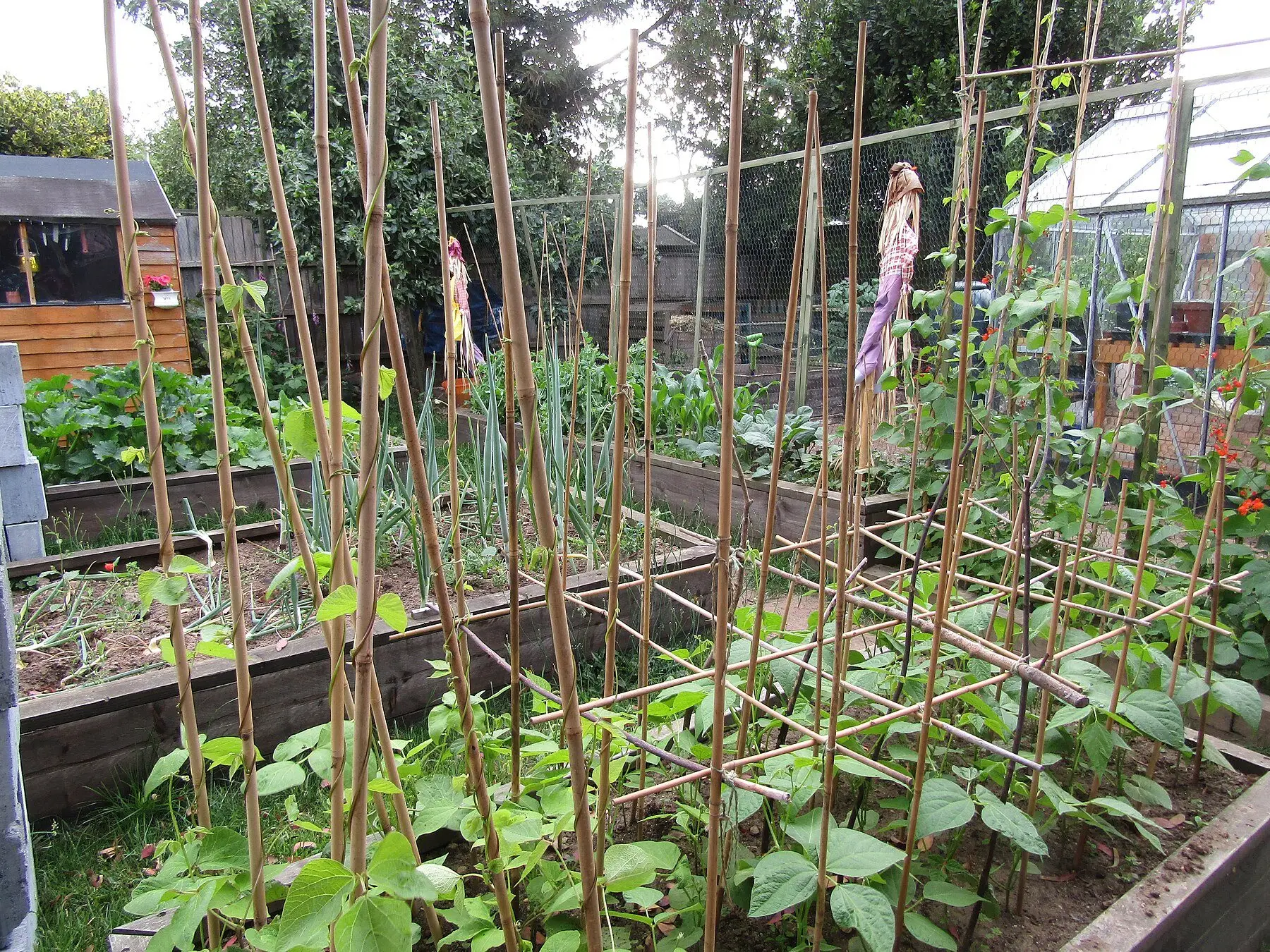
How to Fill a Raised Garden Bed (Without Spending a Fortune)
What to put in the bottom, the soil mix that actually works, and why hugelkultur layering is a good idea in a deep bed and a bad one in a shallow bed.