
Can You Use a Leaf Blower for Snow? Only If It's Light and Dry
A leaf blower clears a few inches of dry powder quickly. On wet, packed or deeper snow it does nothing, and cold is hard on the machine.
 By
On this page
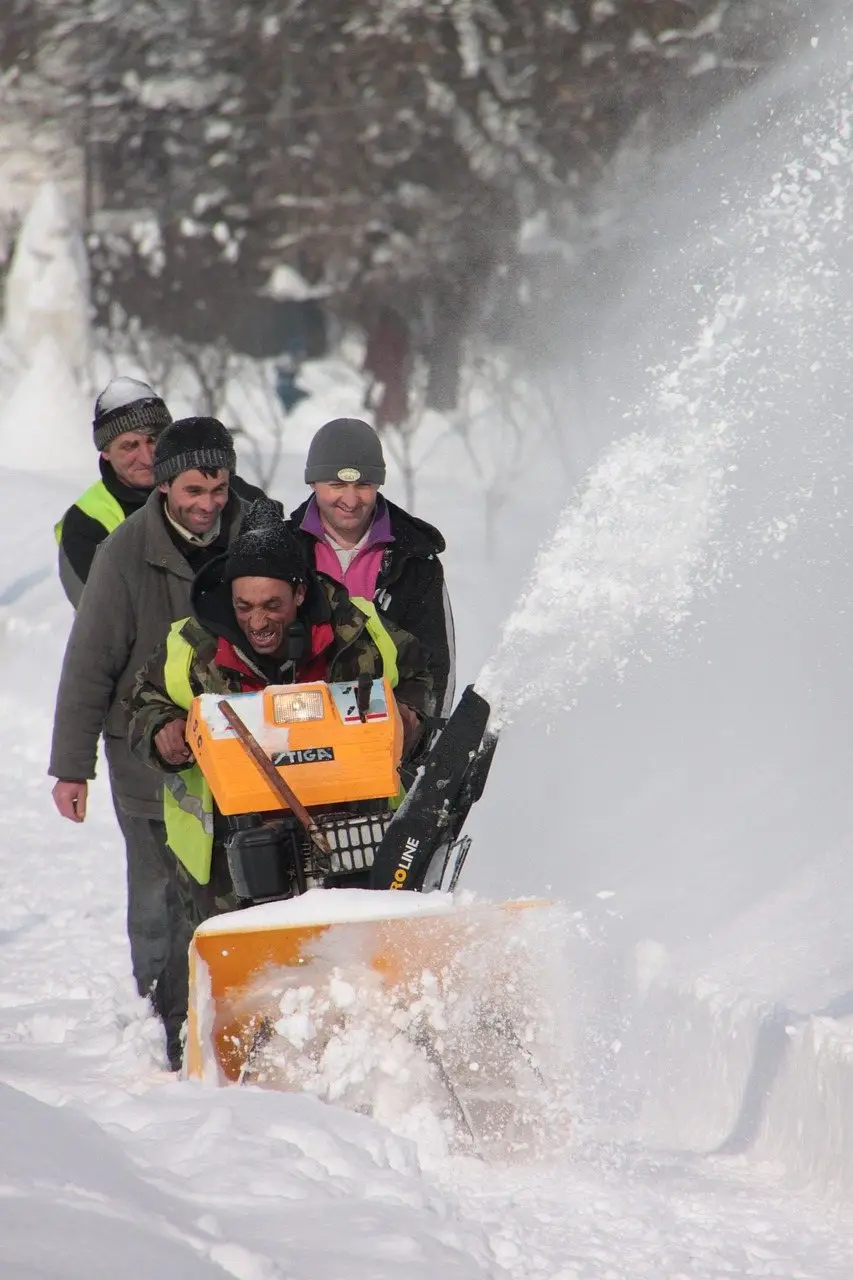
Only light, dry powder — about 2–3 inches. On a path, deck, steps or a car it is genuinely faster than a shovel. On wet, packed or deeper snow it does nothing, because a blower moves air and that snow is too heavy for it.
The kick test
Kick the snow. If it flies, a blower will shift it. If it slumps, it will not. That single test is more reliable than measuring depth.
| Snow | Leaf blower | Better tool |
|---|---|---|
| Dry powder, 1–3 in | Works well | — |
| Dry powder, 4 in+ | Marginal, petrol only | Shovel or snow blower |
| Wet or slushy, any depth | No | Shovel |
| Partly thawed and refrozen | No | Shovel, ice melt |
| Plough ridge at the kerb | No | Shovel or two-stage |
| A dusting on a car | Ideal | — |
Where it genuinely beats a shovel
- Steps and decking — no scraping, no gouged timber
- A car — no scratched paint, and it clears the mirrors and sills properly
- Gravel paths — it lifts snow and leaves the gravel
- Large thin areas — a long path cleared in a fraction of the time
What the cold does to the machine
Melted snow drawn into the housing can reach the motor or electrics on a corded or cordless blower. And lithium batteries lose a large part of their capacity below freezing and should not be charged below 0°C. Dry snow in genuinely cold conditions does not melt on contact and is much easier on the machine; wet snow is the case to avoid for both reasons.
The tool in between
Electric snow shovels sit in the gap. They are effectively a narrow single-stage snow blower with no wheels — they throw snow rather than blowing air at it, so they manage wetter snow than a leaf blower can, up to around six inches on paths, decks and short drives. They are poor on gravel and on anything long or wide.
When to stop reaching for it
The practical kit for most gardens
A good shovel for depth and the kerb ridge, a blower for dustings on paths, decks and the car. A snow blower only earns its storage space where you reliably get more than six inches several times a winter.
For deeper snow: a single-stage blower handles roughly 8–12 inches on paved surfaces; a two-stage with an auger and impeller deals with deeper, wetter and plough-packed snow and works on gravel.
Common questions
Can you use a leaf blower for snow?
How deep a snow can a leaf blower handle?
Will using a leaf blower on snow damage it?
Is a leaf blower better than a snow shovel?
Do electric snow shovels work?
What should I use instead for deeper snow?
Backyard Weekly
Know what to plant, week by week
Join the weekly email for seasonal jobs, fixes for what is going wrong, and gear worth buying.
Not ready to subscribe? The planting calendar is free and needs no email.
By subscribing you agree to our privacy policy. Grow In Backyard will never sell your address.
Keep reading
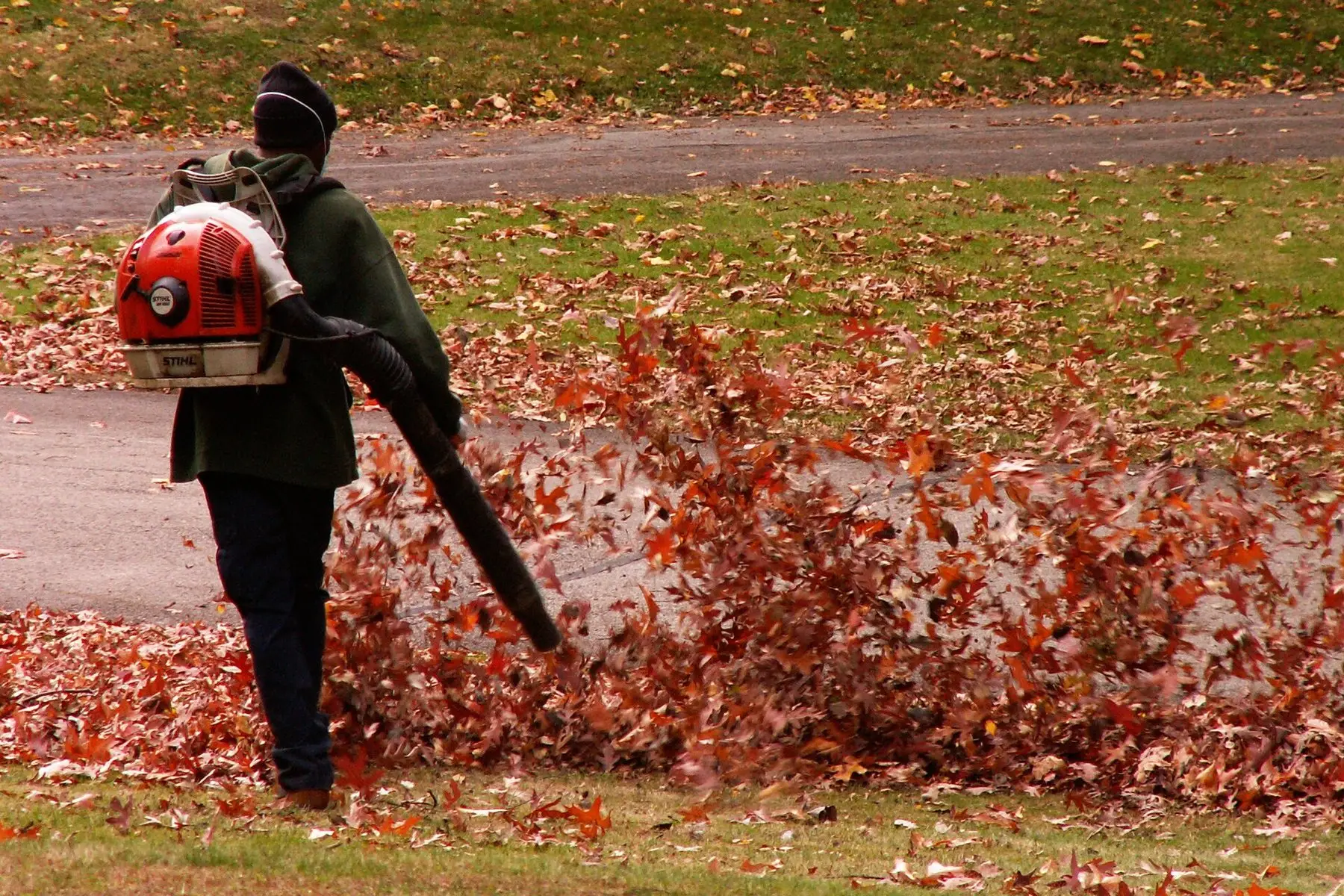
Best Leaf Blower — 4 Picks, and What CFM Really Means
The best leaf blower is chosen on CFM, not MPH. 4 picks compared by plot size, with hearing protection noted. See which fits your garden.
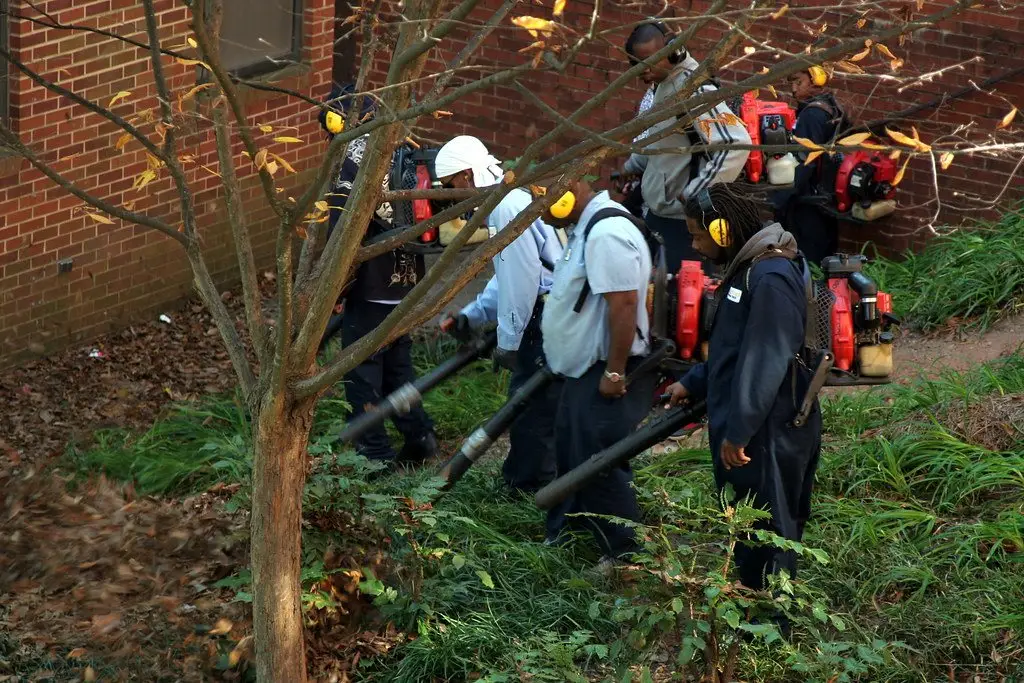
What Does CFM Mean on a Leaf Blower? Volume, Not Speed
CFM is how much air moves, MPH is how fast. One shifts piles, the other unsticks wet leaves — and the numbers are not comparable between brands.

How to Clean Garden Tools — 4 Items, One Autumn Hour
How to clean garden tools at season's end: scrape, sharpen, then oil. 4 items cover the whole routine in about an hour. See what each one does.
How Many Wheelbarrows in a Ton? Weight Decides, Not Volume
A barrow's rated capacity is not what you can lift. Realistic loads for soil, gravel, sand and mulch — and the sum that works for any material.